Science, Skepticism, and Self-Care: Navigating Modern Medicine

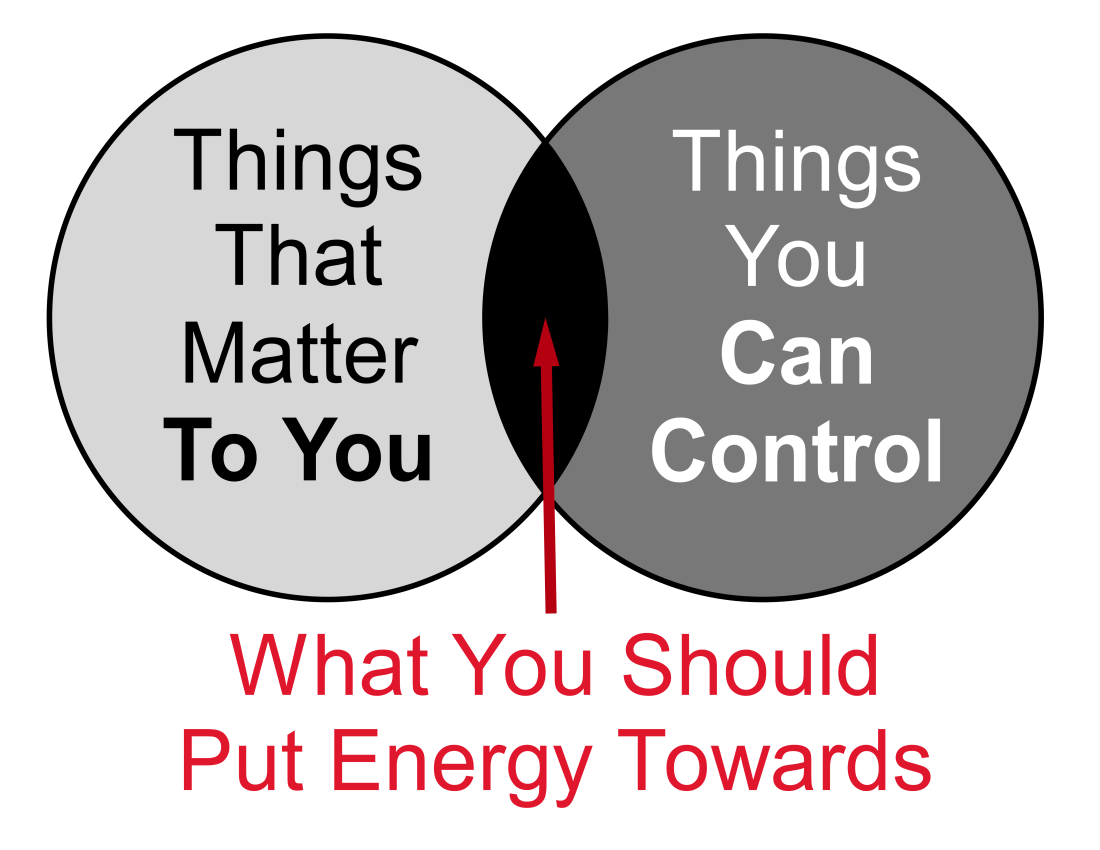
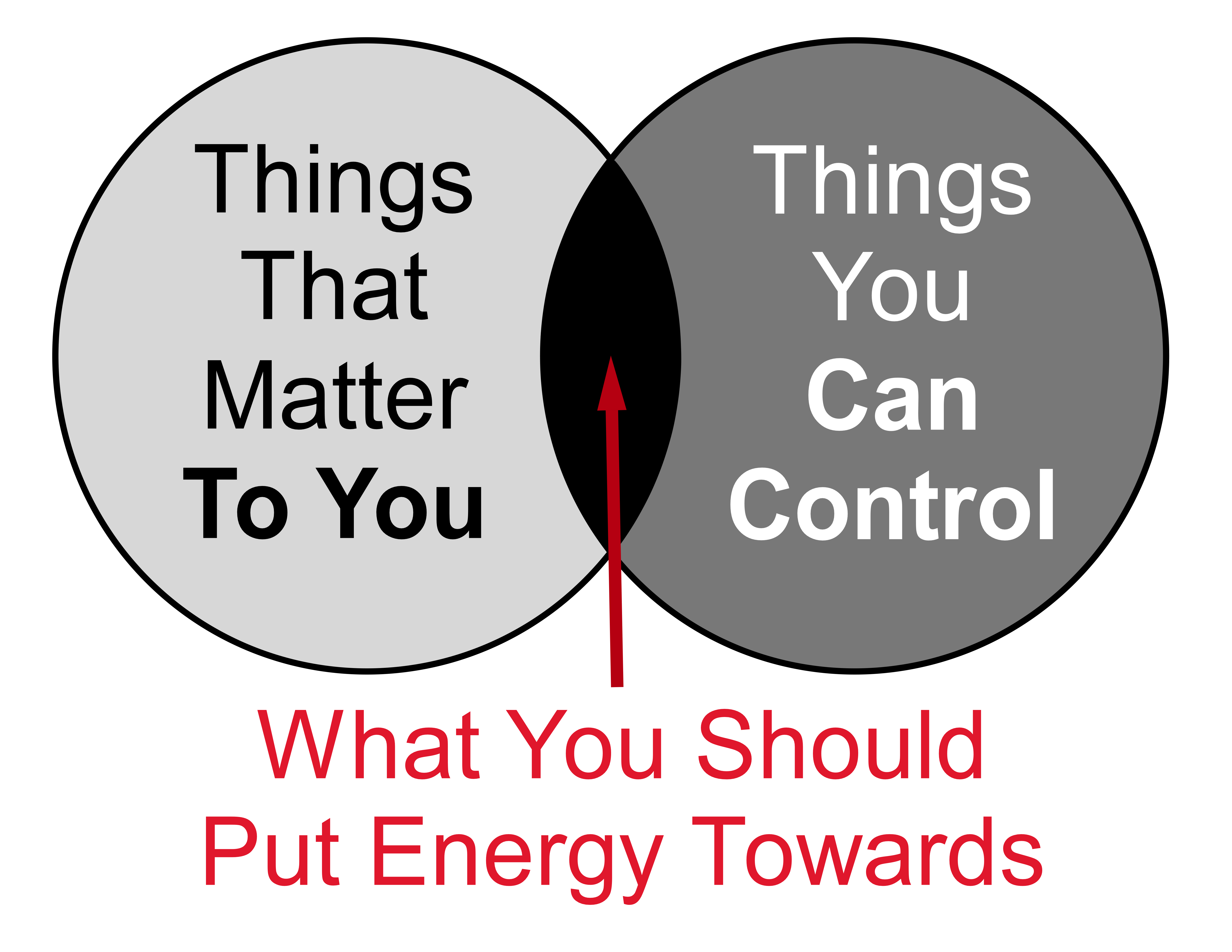
“Change what you can, don’t sweat what you can’t control.”

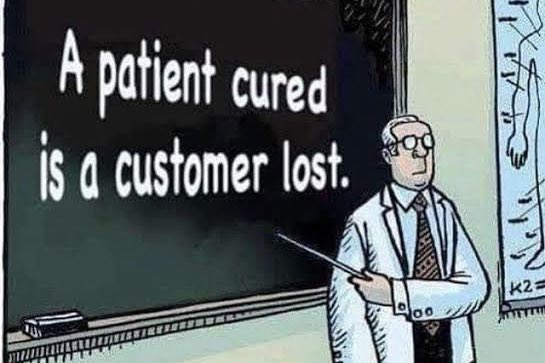
In contemporary society, the credibility of the healthcare system is frequently called into question. Despite significant investment in U.S. healthcare, exceeding $4 trillion annually, the system often prioritizes profit over prevention and wellness. This profit-driven approach, heavily influenced by pharmaceutical companies, insurance corporations, and healthcare systems, has resulted in patients being viewed as long-term customers rather than individuals empowered to manage their own health. Although emergency and acute care services in the U.S. are commendable, there is a concerning trend regarding the prevention of chronic diseases and the maintenance of long-term well-being (Hurley et al., 2024).

The Role of Trust in Healthcare

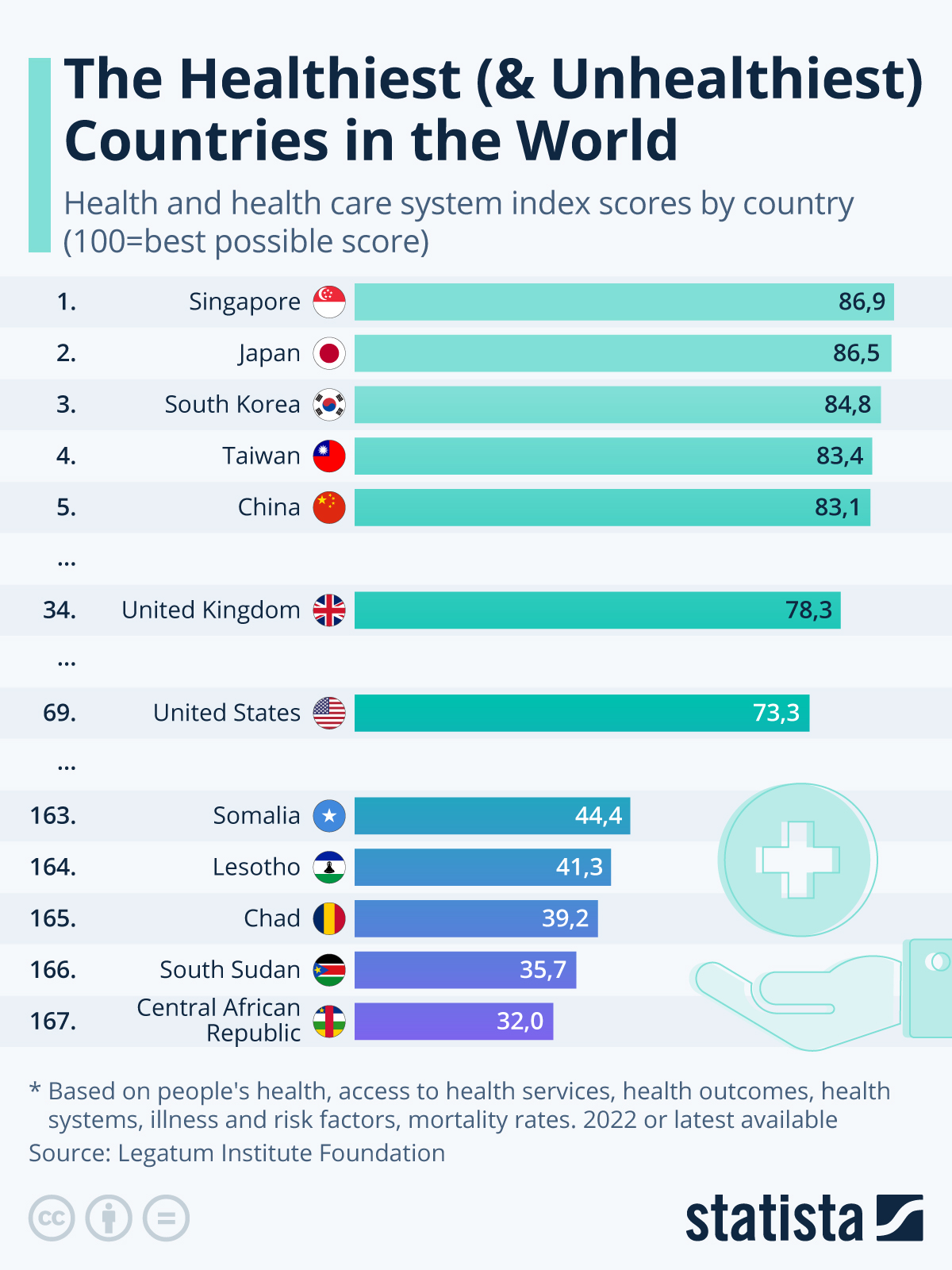
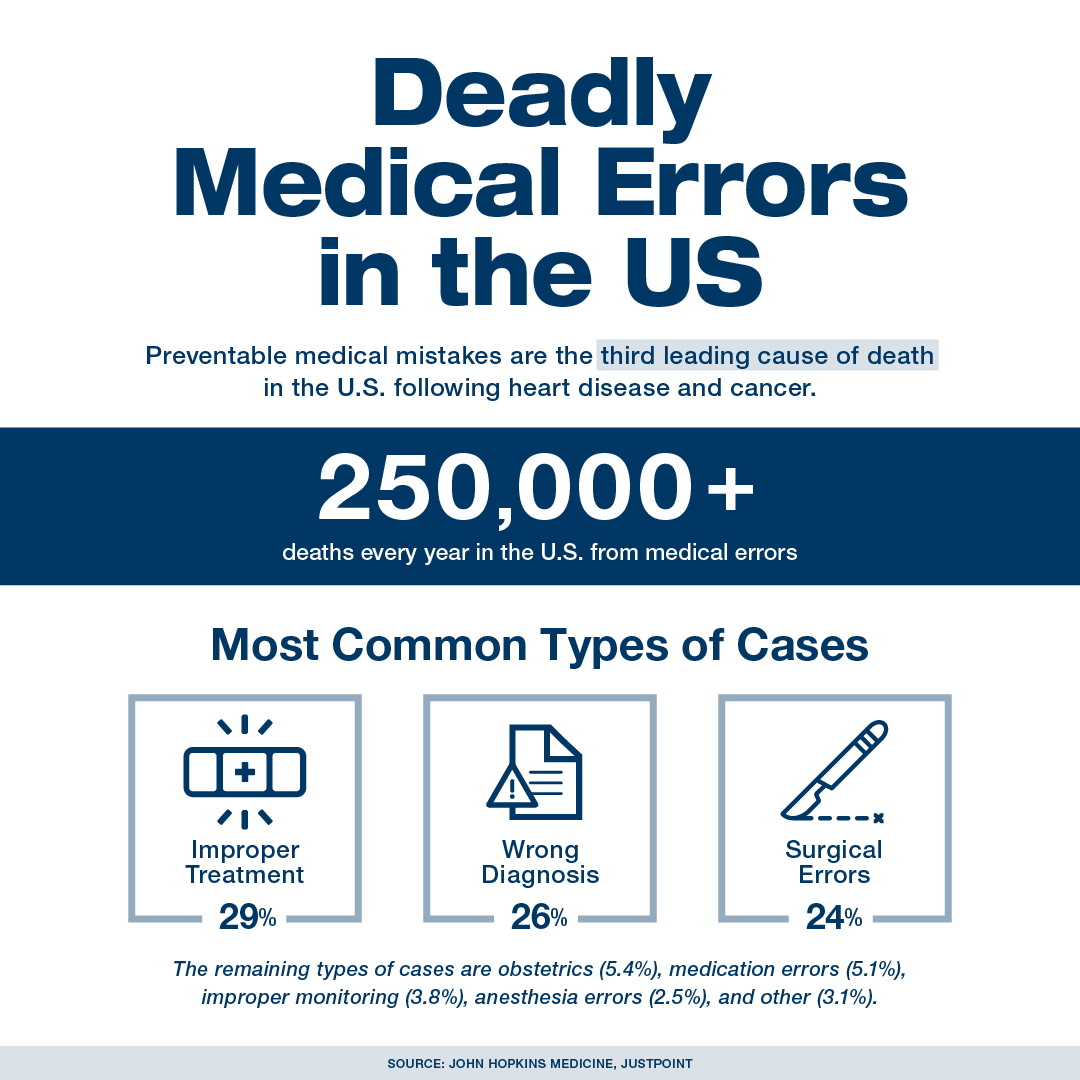
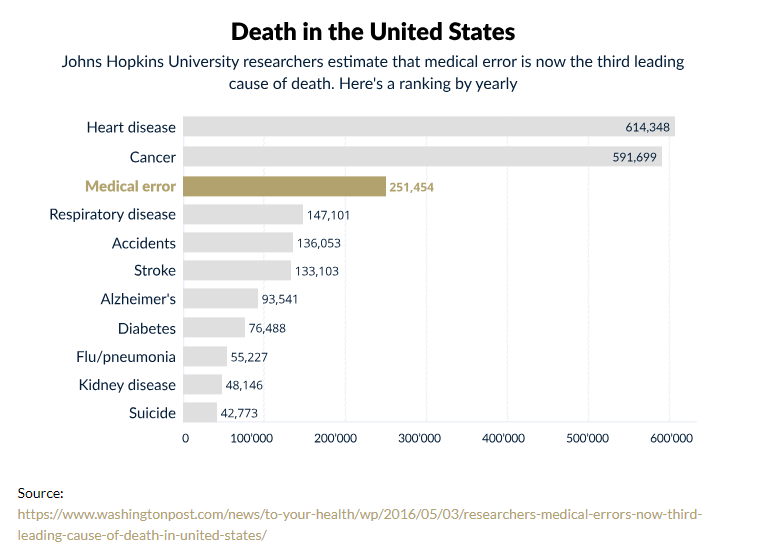
Skepticism regarding healthcare is understandable when one examines the statistics. For instance, the U.S. experiences a concerning 250,000 to 400,000 iatrogenic deaths annually, those resulting from medical intervention (Makary & Daniel, 2016). However, this represents only one perspective. The other perspective highlights that despite significant healthcare expenditure, the system performs poorly in terms of life expectancy and chronic disease management compared to other affluent nations (Health at a Glance 2019, 2019). Numerous factors contribute to this issue, including an over-reliance on medications and surgeries, which frequently result in complications rather than the prevention of diseases (Sackett, 2000).

Medical Dissent and the Cost of Speaking Out

Historically, medical professionals who question prevailing narratives have frequently encountered scrutiny, censorship, and professional consequences. Recently, numerous highly esteemed doctors and scientists have expressed concerns regarding public health policies, vaccine mandates, and the influence of pharmaceutical companies only to face discreditation or suppression.

While healthcare professionals with solid credentials have raised concerns about the current state of medicine, many have encountered backlash. Distinguished doctors such as Dr. Daniel Neides have questioned the safety and efficacy of certain medical interventions (Dyer, 2017), and Dr. Peter McCullough despite being one of the most published cardiologists in the world, had his medical board certifications challenged due to him expressing his concerns regarding the medical industry’s response to the COVID-19 pandemic (Hulscher et al., 2023). Despite their efforts to initiate important discussions, these professionals often experience a loss of credibility among the public and their peers, being labeled as outliers or conspiracy theorists (Hoffman et al., 2021).

Dr. Robert Malone, a scientist important in developing mRNA vaccine technology, has raised concerns about the safety and long-term effects of these vaccines. Despite his contributions, Malone was de-platformed from major social media platforms after questioning the COVID-19 vaccine rollout and advocating for caution (In-Depth: Did Robert Malone Invent mRNA Vaccines in San Diego? 2022). His case highlights the issue of scientists facing professional ostracization when their views diverge from mainstream policies.

Dr. Mary Talley Bowden, a specialist in ear, nose, and throat medicine, became involved in controversy due to her public support for alternative early treatments and her criticism of vaccine mandates. Consequently, she was suspended from Houston Methodist Hospital. Undeterred, she established her own independent practice, where she continues to treat patients based on her medical observations and research (Bowden, 2022). Her experience highlights the increasing divide between institutional medicine and the physicians who advocate for personalized care.

Dr. Alex Cole, a medical researcher and clinician, has expressed concerns about the transparency of vaccine safety data. He has emphasized the importance of open scientific debate and the inclusion of alternative viewpoints. The key issue is whether medical professionals should experience professional consequences for participating in legitimate scientific discussions (Professional, 2024).

Other doctors, including Dr. Pierre Kory, a critical care specialist, and Dr. Paul Marik, an intensive care expert, have discussed the perceived limitations of the mainstream approach to COVID-19 treatments. They have supported the use of repurposed drugs and alternative treatment protocols, which resulted in professional examination and debate. Dr. Kory and Dr. Marik encountered resistance when promoting these alternative COVID-19 treatment strategies (Marik et al., 2020).

These cases highlight a trend in modern medicine where differing opinions, even those from individuals with significant experience and expertise, are often dismissed rather than discussed. Scientific progress relies on thorough discussion and analysis, yet the current environment frequently favors conformity over inquiry. Regardless of individual perspectives on these particular matters, the marginalization of seasoned professionals poses ethical and scientific questions about transparency, accountability, and the impact of influential industries on medical dialogue.

The Case for Personal Responsibility in Health

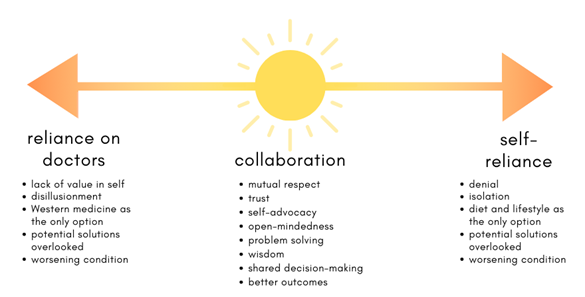
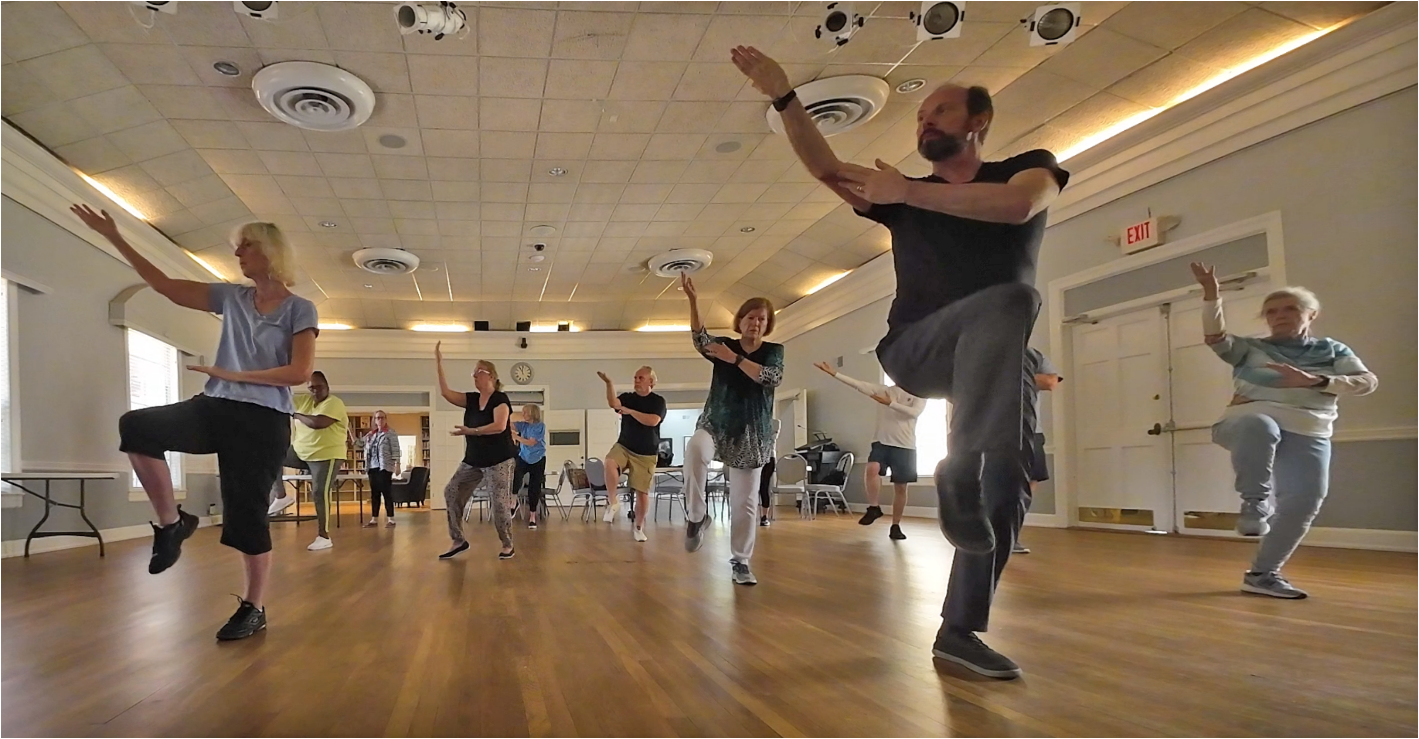
With the system seemingly failing at times, many individuals are choosing to take responsibility for their own health. Rejecting the mainstream “sick care” model, which often prioritizes a “pill for every ill,” people are turning to alternative practices that emphasize prevention, self-care, and holistic wellness. Taking responsibility for one’s own health through practices like tai chi, qigong (VA Office of Patient Centered Care and Transformation, n.d.), martial arts, yoga, meditation, and even weight training have become powerful ways for individuals to manage stress, improve physical fitness, and maintain mental clarity.

For me, personally, the approach is clear: read labels, carefully monitor what goes in, on, and around the body, practice daily exercises to strengthen the body, and employ stress management techniques for the mind and soul. I limit my mental intake by reducing exposure to the news and social media, focusing instead on the bigger picture. While I cannot change the world, I know I can change myself and influence those around me in a positive way.

The Need for Change

Moving toward a preventative and holistic healthcare approach is crucial, despite challenges in a profit-driven system. The influence of pharmaceutical companies, insurance, and large healthcare interests often overlooks patient well-being (Dickinson, 2014). A shift to a system that rewards prevention, empowers individuals, and values overall well-being over chronic condition management is needed.

However, comprehensive change may be challenging to achieve at the national level. At the individual level, however, transformation is feasible. By taking personal responsibility for our health instead of solely relying on a system that may prioritize profit over care, we make an empowering choice. Engaging in alternative and preventive practices, such as tai chi, qigong, yoga, resistance training, or daily meditation, enables us to regain control over our wellness incrementally.

References

Bowden, M. T. (2022, March 6). Fighting Methodist Hospital — BREATHEMD | Optimal Airway Health. BREATHEmd | Optimal Airway Health. https://breathemd.org/blog/2022/2/27/the-story-behind-why-im-suing-the-hospital-who-suspended-me-for-prescribing-ivermectin

Dickinson, J. (2014, April 1). Deadly medicines and organised crime: How big pharma has corrupted healthcare. https://pmc.ncbi.nlm.nih.gov/articles/PMC4046551/

Dyer, O. (2017). Cleveland Clinic to re-evaluate its Wellness Institute after director questions vaccines. BMJ, j253. https://doi.org/10.1136/bmj.j253

Fleck, A. (2023, July 5). The healthiest (& unhealthiest) countries in the world. Statista Daily Data. https://www.statista.com/chart/30313/health-and-healthcare-systems-index-scores/

Health At a Glance 2019. (2019, November 7). OECD. https://www.oecd.org/en/publications/health-at-a-glance-2019_4dd50c09-en.html

Hoffman, D., Stewart, A., Breznay, J., Simpson, K., & Crane, J. (2021). Vaccine hesitancy narratives. Voices in Bioethics, 7. https://doi.org/10.52214/vib.v7i.8789

Hulscher, N., Procter, B. C., Wynn, C., & McCullough, P. A. (2023). Clinical Approach to Post-acute Sequelae After COVID-19 Infection and Vaccination. Cureus, 15(11), e49204. https://doi.org/10.7759/cureus.49204

Hurley, B., Lovett, S., D’Urso, J., & Smith, E. (2024, December 14). Three medical bills that show true cost of America’s ‘broken’ healthcare. The Times. https://www.thetimes.com/world/us-world/article/us-healthcare-insurance-companies-ceo-shooting-z597qlq2n?utm_source=chatgpt.com®ion=global

In-Depth: Did Robert Malone invent mRNA vaccines in San Diego? (2022, January 27). UC Irvine News. https://news.uci.edu/2022/01/27/in-depth-did-robert-malone-invent-mrna-vaccines-in-san-diego/

Makary, M. A., & Daniel, M. (2016). Medical error—the third leading cause of death in the U.S. BMJ, 353, i2139. https://doi.org/10.1136/bmj.i2139

Marik, P. E., Kory, P., Varon, J., Iglesias, J., & Meduri, G. U. (2020). MATH+ protocol for the treatment of SARS-CoV-2 infection: the scientific rationale. Expert Review of Anti-infective Therapy, 19(2), 129–135. https://doi.org/10.1080/14787210.2020.1808462

Professional, C. C. M. (2024, December 4). Informed consent. Cleveland Clinic. https://my.clevelandclinic.org/health/articles/24268-informed-consent

Sacket, D. (2000) Evidence-based medicine : how to practice and teach EBM : Free Download, Borrow, and Streaming : Internet Archive. (2000). Internet Archive. https://archive.org/details/evidencebasedmed00davi/mode/2up?q=reliance

VA Office of Patient Centered Care and Transformation. (n.d.). TAI CHI AND QI GONG. In VA Office of Patient Centered Care and Cultural Transformation (pp. 1–7). https://www.va.gov/WHOLEHEALTHLIBRARY/docs/Tai-Chi-and-Qi-Gong.pdf

I look forward to further sharing more of my message by partnering with hospitals, wellness centers, VA centers, schools on all levels, businesses, and individuals who see the value in building a stronger nation through building a healthier population.

I also have hundreds of FREE education video classes, lectures, and seminars available on my YouTube channel at:

https://www.youtube.com/c/MindandBodyExercises

Many of my publications can be found on Amazon at:

http://www.Amazon.com/author/jimmoltzan

My holistic health blog is available at:

https://mindandbodyexercises.wordpress.com/

http://www.MindAndBodyExercises.com

Mind and Body Exercises on Google: https://posts.gle/aD47Qo

Jim Moltzan

407-234-0119

Media Hysteria vs. Medical Reality: The Overlooked Crisis of Iatrogenic Injuries

Public health discussions often concentrate on contagious diseases such as measles, especially in light of recent outbreaks. In early 2025, the passing of a 6-year-old girl in Seminole, Texas, represented the first measles-related death in the United States in a decade (Bartlett, 2025). This event rekindled debates concerning vaccination and disease prevention strategies. Nonetheless, the significant focus on measles, despite its relatively low mortality rate, starkly contrasts with the limited dialogue surrounding iatrogenic injuries, which result in a substantial number of roughly 250,000 fatalities each year.

The Scope of the Issue: Measles vs. Iatrogenic Injuries

Measles: A Preventable Yet Overemphasized Disease

Measles, a highly contagious viral disease, was declared eliminated in the U.S. in 2000 but has resurfaced in communities with low vaccination rates. The recent Texas case highlighted the risks associated with vaccine hesitancy (Bartlett, 2025). Allopathic medical professionals consider measles preventable through the MMR (Measles, Mumps, and Rubella) vaccine, which is reported as 97% effective with two doses (CDC, 2025). However, concerns over vaccine safety and accountability persist. In 1986, Congress and President Reagan enacted the National Childhood Vaccine Injury Act (NCVIA), which created a system for compensating individuals harmed by vaccines while granting pharmaceutical companies immunity from lawsuits related to vaccine injuries. This legislation has led to debates about vaccine mandates, corporate accountability, and public trust in immunization programs. Many feel that if the vaccines are safe and effective, why should a multi-billion dollar industry not be held accountable for their products?

Iatrogenic Injuries: A Silent Epidemic

  • 12,000 from unnecessary surgery
  • 7,000 from medication errors in hospitals
  • 20,000 from other hospital errors
  • 80,000 from hospital-acquired infections
  • 106,000 from adverse drug effects when taken as prescribed (Starfield, 2000).

Despite these alarming figures, public awareness and policy efforts remain disproportionately low compared to diseases like measles.

Why the Disparity in Media and Political Attention?

1. Media Sensationalism and Public Perception

Media outlets prioritize stories that generate fear and engagement. “If it bleeds, it leads” has been a media mission statement for decades. Measles outbreaks with their visible symptoms and high contagion make for dramatic headlines, while iatrogenic injuries occur behind hospital doors, lacking visual appeal for mass media (Bartlett, 2025).

2. Political and Public Health Priorities

Governments focus on highly contagious diseases like measles because they can cause widespread outbreaks. Vaccination campaigns offer a clear solution (WHO, 2024), whereas fixing medical errors needs systemic healthcare reforms, which are less appealing politically.

3. Institutional Interests and Liability

Acknowledging the extent of iatrogenic injuries necessitates systemic accountability from hospitals, pharmaceutical companies, and regulatory agencies, potentially resulting in legal implications and diminished public trust. Conversely, messaging regarding measles often supports pharmaceutical and public health objectives by promoting vaccination initiatives (WHO, 2024).

4. Public vs. Private Accountability

Measles outbreaks are often presented as a matter of public responsibility, with an emphasis on vaccine compliance. Conversely, iatrogenic injuries tend to be regarded as individual incidents rather than indicative of systemic issues, thus enabling healthcare institutions to evade thorough scrutiny (James, 2013).

5. Psychological Bias and Fear Appeal

Individuals tend to exhibit greater fear towards external, unpredictable threats, such as infectious diseases, compared to systemic risks, including medical errors. When measles is presented as an imminent crisis, it triggers a heightened fear response. In contrast, despite their significant impact, medical errors are frequently understated (Slovic, 2000).

The Need for a Balanced Approach

While any death is unfortunate, addressing measles outbreaks is vital. However, the focus on these outbreaks compared to iatrogenic injuries highlights an imbalance in public health priorities. Increasing transparency, implementing patient safety protocols, and facilitating discussions about medical errors are essential to reduce deaths and restore confidence in the US healthcare system.

The significant number of fatalities resulting from iatrogenic injuries highlights the critical need for enhanced patient safety protocols. A robust healthcare strategy must encompass both external health threats and internal systemic deficiencies to ensure better protection of patients’ lives.

References

Bartlett, T. (2025, March 11). His daughter was America’s first measles death in a decade. The Atlantic. https://www.theatlantic.com/health/archive/2025/03/texas-measles-outbreak-death-family/681985/

Centers for Disease Control and Prevention (CDC). (2025, March 7). Measles cases and outbreaks. https://www.cdc.gov/measles/data-research/index.html

H.R.5546 – 99th Congress (1985-1986): National Childhood Vaccine Injury Act of 1986. (n.d.). Congress.gov | Library of Congress. https://www.congress.gov/bill/99th-congress/house-bill/5546

James, J. T. (2013). A new, evidence-based estimate of patient harms associated with hospital care. Journal of Patient Safety, 9(3), 122-128. https://doi.org/10.1097/PTS.0b013e3182948a69

Makary, M. A., & Daniel, M. (2016). Medical error—the third leading cause of death in the US. BMJ, 353, i2139. https://doi.org/10.1136/bmj.i2139

Starfield, B. (2000). Is US health really the best in the world? JAMA, 284(4), 483-485. https://doi.org/10.1001/jama.284.4.483

Slovic, P. (2000). The perception of risk. Earthscan Publications.

World Health Organization (WHO). (2024, November 14). Measles fact sheet. https://www.who.int/news-room/fact-sheets/detail/measles

I look forward to further sharing more of my message by partnering with hospitals, wellness centers, VA centers, schools on all levels, businesses, and individuals who see the value in building a stronger nation through building a healthier population.

I also have hundreds of FREE education video classes, lectures, and seminars available on my YouTube channel at:

https://www.youtube.com/c/MindandBodyExercises

Many of my publications can be found on Amazon at:

http://www.Amazon.com/author/jimmoltzan

My holistic health blog is available at:

https://mindandbodyexercises.wordpress.com/

http://www.MindAndBodyExercises.com

Mind and Body Exercises on Google: https://posts.gle/aD47Qo

Jim Moltzan

407-234-0119

Building Stronger Bones

This month I wrapped up my series of 6 discussions regarding “self-care.”

Specific topics addressed were that of:

what is holistic health?

– management of hands and wrists using acupressure/reflexology

– management of various types of stress and headaches

– understanding how the vestibular balance systems work

– how to breathe deeper and more efficiently affecting

– why is bone density a serious issue and how to improve it

I have many more topics to discuss regarding better physical health, mental wellness, and having meaning/purpose in our lives. Tai chi and qigong are a big part of my curriculum, but I also earned a BS degree in holistic health in addition to my over 40 years of “hands-on” learning, practicing, and teaching. Contact me if you are interested in me speaking at your place of business, group, or other public setting.

All 6 discussions can be found on my YouTube page, by clicking on the image below.

Here is a summary of the topics I discussed regarding osteopenia and osteoporosis, which are conditions related to bone density and strength, which affect millions of people, particularly as they age. Here’s a detailed breakdown:

  • Osteopenia: This is the early stage of bone loss, where bone mineral density (BMD) is lower than normal but not low enough to be classified as osteoporosis. It is often a precursor to osteoporosis and indicates weakening bones.
  • Osteoporosis: This is a more severe bone condition characterized by significant bone loss, making bones brittle and more susceptible to fractures. In osteoporosis, bones become porous, with decreased density and structural integrity.

Both osteopenia and osteoporosis are caused by an imbalance between bone resorption (the process of bone breakdown) and bone formation. Factors contributing to this include:

  • Aging: Bone mass typically peaks in a person’s 20s or 30s and declines with age, particularly in postmenopausal women due to decreased estrogen levels.
  • Hormonal changes: Lowered levels of hormones such as estrogen in women and testosterone in men can contribute to decreased bone density.
  • Genetics: A family history of osteoporosis can increase the risk.
  • Sedentary lifestyle: Lack of physical activity, particularly weight-bearing and resistance exercises, can contribute to weaker bones.
  • Poor nutrition: Low intake of calcium, vitamin D, and other nutrients crucial for bone health can lead to bone density loss.
  • Smoking and excessive alcohol consumption: Both are associated with decreased bone density.
  • Certain medications: Long-term use of corticosteroids and some other medications may contribute to bone loss.
  • Fractures: The most serious consequence, particularly in the hips, spine, and wrists, can result in decreased mobility and increased mortality in older adults.
  • Height loss: Often due to fractures in the vertebrae leading to compression.
  • Back pain: Resulting from collapsed or fractured vertebrae.
  • Kyphosis (spinal curvature): In severe cases of osteoporosis, the spine may curve forward.
  • Weight-bearing exercises: These include activities like walking, jogging, dancing, and stair climbing. They help stimulate bone formation by putting stress on the bones.
  • Resistance training: Lifting weights or using resistance bands helps build muscle mass and improves bone density. Exercises targeting the hips, spine, and wrists are particularly beneficial for bone health.
  • Balance training: Tai chi, yoga, and Pilates are excellent for improving balance and flexibility, reducing the risk of falls that can lead to fractures.
  • Vitamin D: Essential for calcium absorption, vitamin D can be synthesized through exposure to sunlight. About 15-30 minutes of sun exposure several times a week on the face, arms, or legs (without sunscreen) is often enough, depending on skin type, location, and weather.
  • Supplementation: In cases where adequate sun exposure is not possible, supplements are often recommended. The typical dosage is around 600-800 IU per day for adults, though higher doses may be needed for those with deficiencies.
  • Calcium: Adequate calcium intake is crucial for maintaining bone density. The recommended intake is about 1,000-1,200 mg per day, depending on age and gender. Calcium-rich foods include dairy products (milk, cheese, yogurt), leafy greens (kale, broccoli), almonds, tofu, and fortified foods.
  • Magnesium: Magnesium helps convert vitamin D into its active form, allowing for better calcium absorption. Sources include nuts, seeds, legumes, and whole grains.
  • Protein: Adequate protein intake is essential for bone and muscle health. High-protein diets have been associated with improved bone density.
  • Other Nutrients:
    • Vitamin K: Found in leafy greens, helps regulate calcium and promotes bone health.
    • Omega-3 Fatty Acids: Found in fish like salmon and flaxseeds, these can help reduce bone loss.
  • Bisphosphonates: These drugs slow down bone resorption and help to maintain or increase bone density.
  • Hormone Therapy: Estrogen replacement therapy can be beneficial for postmenopausal women to slow bone loss.
  • Denosumab: A monoclonal antibody that reduces bone resorption.
  • Calcitonin: A hormone that helps regulate calcium levels and bone metabolism.
  • Parathyroid hormone analogs: These can help stimulate bone formation in severe cases of osteoporosis.
  • Quit smoking: Smoking accelerates bone loss, so quitting is important for bone health.
  • Limit alcohol: Excessive alcohol interferes with calcium balance and bone formation.
  • Fall prevention: Maintaining good balance and a safe living environment can help prevent falls that might lead to fractures.
  • Bone density scans: These scans can help monitor your bone health and assess your risk of fractures.
  • Regular medical check-ups: Consult your doctor for personalized advice and to discuss any concerns.

Osteopenia and osteoporosis are conditions that reflect the progressive weakening of bones, leading to increased risk of fractures. Managing these conditions involves a combination of strength training, resistance exercises, adequate sun exposure, proper nutrition (especially with calcium and vitamin D), and sometimes medication. Regular physical activity, especially weight-bearing and resistance exercises, can help strengthen bones, while proper diet and lifestyle choices support bone health and overall well-being.

I teach and offer lectures about holistic health, physical fitness, stress management, human behavior, meditation, phytotherapy (herbs), music for healing, self-massage (acupressure), Daoyin (yoga), qigong, tai chi, and baguazhang.

Please contact me if you, your business, organization, or group, might be interested in hosting me to speak on a wide spectrum of topics relative to better health, fitness, and well-being.

I look forward to further sharing more of my message by partnering with hospitals, wellness centers, VA centers, schools on all levels, businesses, and individuals who see the value in building a stronger nation through building a healthier population.

I also have hundreds of FREE education video classes, lectures, and seminars available on my YouTube channel at:

https://www.youtube.com/c/MindandBodyExercises

Many of my publications can be found on Amazon at:

http://www.Amazon.com/author/jimmoltzan

My holistic health blog is available at:

https://mindandbodyexercises.wordpress.com/

http://www.MindAndBodyExercises.com

Mind and Body Exercises on Google: https://posts.gle/aD47Qo

Jim Moltzan

407-234-0119

Metabolic Dysfunction and Concerns over Processed Food, Endocrine-Disrupting Chemicals (EDCs), and Toxins

People in the US are experiencing many mental and physical diseases, ailments, and chronic conditions that were not nearly as prominent in years past. Some experts believe there is a definite link between chemicals and the state of poor health in the US.

Metabolic Dysfunction Statistics: 93.2% of Americans have at least one marker of metabolic dysfunction according to a study published in the Journal of the American College of Cardiology. The study analyzed health data from over 55,000 Americans and found that only 6.8% were metabolically healthy. This alarming statistic highlights widespread issues like insulin resistance, high cholesterol, and high blood pressure, all linked to poor diet and lifestyle choices​. The study concluded that U.S. cardiometabolic health has been poor and worsening between 1999 and 2000 and 2017 and 2018, with only 6.8% of adults having optimal cardiometabolic health.

Processed Foods: Their concerns about the impact of ultra-processed foods are backed by extensive research in nutritional science. A 2019 study published in The BMJ found that higher consumption of ultra-processed foods was associated with an increased risk of all-cause mortality. Ultra-processed foods are often rich in refined sugars, unhealthy fats, and chemical additives, which have been linked to insulin resistance and chronic inflammation—key drivers of metabolic syndrome. The study concluded that “higher consumption of ultra-processed foods (>4 servings daily) was independently associated with a 62% relatively increased hazard for all-cause mortality. For each additional serving of ultra-processed food, all-cause mortality increased by 18%.”

Endocrine-Disrupting Chemicals (EDCs): The risks associated with chemicals like BPA and phthalates are well-documented. The Endocrine Review has published multiple position papers discussing how EDCs interfere with the body’s hormonal systems, contributing to obesity, diabetes, and reproductive health issues. The thyroid’s hormone signaling plays a critical role in metabolism, growth, and development. EDCs impact endocrine disruptors, from chemicals like bisphenol A (BPA), phthalates, and industrial pollutants like polychlorinated biphenyls (PCBs) and polybrominated diphenyl ethers (PBDEs). These substances, along with herbicides and pesticides like atrazine and DDT, can interfere with thyroid function, leading to various health issues.

Environmental Toxins: Heavy metals, pesticides, and airborne pollutants have been linked to numerous health issues, including mitochondrial dysfunction. A 2014 review in Environmental Research connected chronic exposure to environmental toxins like arsenic, lead, mercury, cadmium, chromium, aluminum, iron, and pesticides to metabolic diseases through their detrimental effects on mitochondrial function and oxidative stress. Failure to better manage the exposure of heavy metals will ultimately result in severe complications in the future, due to the adverse effects imposed by these elements and relative substances.

(Society, 2022)

References:

Metabolic Dysfunction Statistics:

  • O’Hearn, M., Lauren, B. N., Wong, J. B., Kim, D. D., & Mozaffarian, D. (2022). Trends and Disparities in Cardiometabolic Health among U.S. adults, 1999-2018. Journal of the American College of Cardiology, 80(2), 138–151. https://doi.org/10.1016/j.jacc.2022.04.046

Processed Foods:

  • Rico-Campà, A., Martínez-González, M. A., Alvarez-Alvarez, I., De Deus Mendonça, R., De La Fuente-Arrillaga, C., Gómez-Donoso, C., & Bes-Rastrollo, M. (2019). Association between consumption of ultra-processed foods and all cause mortality: SUN prospective cohort study. BMJ, l1949. https://doi.org/10.1136/bmj.l1949

Endocrine-Disrupting Chemicals (EDCs):

Environmental Toxins:

  • Jaishankar, M., Tseten, T., Anbalagan, N., Mathew, B. B., & Beeregowda, K. N. (2014). Toxicity, mechanism and health effects of some heavy metals. Interdisciplinary Toxicology, 7(2), 60–72. https://doi.org/10.2478/intox-2014-0009

I teach and offer lectures about holistic health, physical fitness, stress management, human behavior, meditation, phytotherapy (herbs), music for healing, self-massage (acupressure), Daoyin (yoga), qigong, tai chi, and baguazhang.

Please contact me if you, your business, organization, or group might be interested in hosting me to speak on a wide range of topics related to better health, fitness, and well-being.

I look forward to further sharing my message by partnering with hospitals, wellness centers, VA centers, schools on all levels, businesses, and individuals who see the value in building a stronger nation through a healthier population.

I also have hundreds of FREE education video classes, lectures, and seminars available on my YouTube channel at:

https://www.youtube.com/c/MindandBodyExercises

Many of my publications can be found on Amazon at:

http://www.Amazon.com/author/jimmoltzan

My holistic health blog is available at:

https://mindandbodyexercises.wordpress.com/

http://www.MindAndBodyExercises.com

Mind and Body Exercises on Google: https://posts.gle/aD47Qo

Jim Moltzan

407-234-0119

Is Not Consuming Poisons in Our Food a Luxury?

The Perception of Healthy Eating as a Privilege in the U.S. Healthcare Landscape

Today in the US, access to nutritious food is often perceived as a privilege rather than a basic necessity. There is a combination of systemic issues in the food and healthcare industries, social inequality, and perhaps a narrow public understanding of just what good health consists of. These issues have contributed to driving up the cost of nutritious food, creating significant obstacles to maintaining a healthy balanced diet. Ironically, as US healthcare costs continue to rise dramatically, the consumption of unhealthy foods contributes to chronic health conditions creating a vicious circle of events that push individuals further into the healthcare system and consequently perpetuating the cycle of preventable diseases. These are factors that in the US, have shaped the perception that eating healthfully is a luxury and how this perception stems from economic, cultural, and educational factors that influence food choices, physical health, and overall well-being.

Economic Constraints: Why Healthy Food Costs More

A simple reason for the perception of healthy eating as a luxury is the cost disparity between purchasing of nutritious and non-nutritious foods. Organic, fresh, and minimally processed foods are typically more expensive due to significant factors such as agricultural practices, supply chain logistics, and governmental subsidies (Ver Ploeg et al., 2015). Organic farming methods are more labor-intensive and produce lower crop yields compared to of conventional farming, which relies more heavily on use of chemical pesticides and fertilizers (Hughner et al., 2007). This added labor cost, along with a limited supply, increases the cost of organic food, making it less accessible to individuals with lower incomes (Ver Ploeg et al., 2015). Conversely, crops like soy, corn, and wheat, which are often genetically modified and treated with chemicals, are heavily subsidized by the U.S. government, making processed foods derived from these crops less expensive for consumers. This economic landscape perpetuates a cycle where affordable, nutritionally poor food is more accessible, while healthier options remain financially out of reach.

Processed Foods: The Price of Convenience

Aside from cost, processed foods that are loaded with sweeteners, artificial preservatives, and flavor enhancers are designed for maximum taste appeal, convenience, and shelf stability. These foods are quite often high in sugars, salt, and unhealthy fats, all of which contribute to obesity, diabetes, and cardiovascular disease (Monteiro et al., 2018). Low-income neighborhoods, where grocery stores lack fresh produce, frequently rely on this calorie-dense but nutritionally lacking products. The convenience and affordability of these foods cloud the fact that they are contributors to poor health when consumed long-term. The perception that eating healthy is a privilege, reflects not only the cost of food but also the accessibility and desire for unhealthful options that fit into the American fast-paced, budget-conscious lifestyles (Ver Ploeg et al., 2015).

Education and Health Literacy: The Hidden Barrier

A major factor adding to this issue is a lack of health education and literacy among the general population. Understanding the impact of nutrition on long-term health is not prioritized in many US schools, and misinformation about what constitutes “healthy” is extensive (Nestle, 2013). Marketing campaigns often mislead consumers into thinking that “sugar-free” or “low-fat” foods are healthy. In reality, these foods often contain harmful additives like high-fructose corn syrup or aspartame, which both have been linked to various health risks (Swithers, 2015). Also, public knowledge of the role of whole foods, hydration, and balanced macronutrient intake is often dismal, leading some to make choices that encourage immediate taste satisfaction over long-term health benefits (Nestle, 2013). As a result, the cultural perception of healthful food as a luxury is partly fueled by a lack of nutritional knowledge, leading individuals to turn to less expensive, popular foods over healthier, less well-understood options.

The Institutional Influence: Schools and Healthcare

Schools and the healthcare system also shape public perception and access to healthy food. School meal programs, specifically those in lower-income areas, often offer highly processed foods due to budget constraints and limited resources for fresh ingredients (Gaines et al., 2014). This reinforces the idea that nutrient-dense foods are exceptional rather than essential. Just as the U.S. healthcare system prioritizes treatment over prevention, schools rarely encourage dietary education as part of comprehensive healthcare (Schroeder, 2007). While medical professionals widely recognize the link between diet and chronic disease, the system rarely encourages preventive approaches, including education relative to nutrition and lifestyle changes (Schroeder, 2007). This gap leaves many young Americans, especially those without access to nutritional education, without a clear understanding of how a healthy diet influences long-term health.

Bottled Water vs. Sugary Beverages: A Reflection of Misplaced Priorities

The fact that bottled water costs more than soda and soft drinks reflects the prioritization of profit over public health. Soda and other sugary beverages are relatively cheap due to subsidies for their ingredients and widespread production. Bottled water prices remain high due to packaging and branding processes. This pricing paradox encourages consumers, particularly those with limited resources to choose soda over water. The strategic marketing of sugary drinks as less-expensive alternatives further contributes to poor dietary habits and supports the idea that basic, healthy choices are a privilege for the exclusive or elitist.

Breaking the Cycle: A Call for Systemic Change

Recognizing and addressing the perception of having a healthy diet, being a privilege requires systemic changes across multiple sectors. Lawmakers must evaluate agricultural subsidies to level the playing field between nutrient-dense foods and heavily processed products (Miller et al., 2016). Schools should encourage nutritional education and pursue methods to improve food quality within budgetary limits, especially in low-income areas (Gaines et al., 2014). Additionally, healthcare providers should encourage preventive care practices that focus on dietary education, empowering patients to make more informed food choices. With these changes, healthy eating can become more accessible and implemented.

In conclusion, the view of healthy eating as a luxury reflects societal inequities within the American food and healthcare systems. By reducing economic and informational barriers to nutritious food, American society can cultivate a culture where healthy choices are more available to everyone, making better health and well-being, not a privilege but a shared right.

References

I teach and offer lectures about holistic health, physical fitness, stress management, human behavior, meditation, phytotherapy (herbs), music for healing, self-massage (acupressure), Daoyin (yoga), qigong, tai chi, and baguazhang.

Please contact me if you, your business, organization, or group might be interested in hosting me to speak on a wide range of topics related to better health, fitness, and well-being.

I look forward to further sharing my message by partnering with hospitals, wellness centers, VA centers, schools on all levels, businesses, and individuals who see the value in building a stronger nation through a healthier population.

I also have hundreds of FREE education video classes, lectures, and seminars available on my YouTube channel at:

https://www.youtube.com/c/MindandBodyExercises

Many of my publications can be found on Amazon at:

http://www.Amazon.com/author/jimmoltzan

My holistic health blog is available at:

https://mindandbodyexercises.wordpress.com/

http://www.MindAndBodyExercises.com

Mind and Body Exercises on Google: https://posts.gle/aD47Qo

Jim Moltzan