Why do insurance companies cover pharmaceuticals and surgeries, but seldom cover non-invasive nor cheaper interventions?

Oh please, come on now… we all know there is no profit in treating healthy individuals. No business by definition will operate at a loss, let alone a lesser profit when so much money is left sitting on the table. Companies cannot stay in business for too long if they do not continue to grow from existing and new customers. Often people with chronic ailments are customers of drugs for the duration of their life span. US healthcare (truly sick-care) is a profit-driven system where it benefits from people remaining sick enough to require daily meds, but well enough to function in society. This is blatantly obvious where every fall medical experts warn us of the impeding “flu season” and a need to get vaccinated once again. Why not suggest instead or addition to this, that people take better care of themselves, get more sunlight (vitamin D) and exercise more? This is the time of year when temps drop, people bundle-up and cover their exposed skin or stay indoors more and thereby become even more Vitamin D deficient than they are normally anyway. Poor diet choices help fuel this deficiency also. Any qualified medical expert knows this and also know that Vitamin D levels are directly relevant to the immune system’s ability to function properly.

Similarly, look how difficult it is to find insurance policies that cover hearing aids, eyeglasses or dental treatments, as if these are not major health issues that often dictate our everyday tasks and responsibilities. If you need to be able to see better, hear better or eat properly, the former are all basic health requirements. Insurance companies need not cover these because they know most people will spend their own money regardless of if they can afford such luxuries as glasses, hearing aids or healthy teeth and gums.
So, how does this relate to the insurance companies? Insurance coverage decisions are a reflection of the current healthcare system’s business strategy, that is often in a state of constant change and adjustment. In today’s US health climate, there is a strong emphasis on pharmaceutical interventions and surgery in lieu of lifestyle modifications. Insurance coverage decisions regarding treatments with pharmaceuticals and surgeries are influenced by various factors of claimed cost-effectiveness, clinical evidence, medical guidelines, and the choices of pharmacy benefit managers who quite often base decisions upon profit over treatment effectiveness. It is important to note that insurance coverage decisions may not always coincide with individual preferences or beliefs towards certain treatments.

Surgical procedures may be covered if are seen as necessary, while chiropractic or physical therapy coverage varies based on upon perceived effectiveness of the specific condition being treated. I have had firsthand experience with this exact situation on many occasions. Nasacort for allergies is $26-36 or Flonase $14-21 with insurance, both covered but also offered me side-effects of anxiety and jitteriness. Over time, my body became accustomed to these medications and were no longer effective, but the side-effects remained. Insurance doesn’t cover herbs or supplements which I found to be quite effective for managing seasonal allergies. The cost for a microdiscectomy on a herniated disc can range between $20,000 and $50,000 which would be covered, but rest for a few weeks followed by chiropractic treatments at about $100 per session – 5 total, were not. Yoga sessions at $20 a class for about 20 classes, not covered. Both of these methods worked for those that I knew could fare better from options other than surgery. An osteopathic surgeon looked at me and shook his head in bewilderment when I declined to have a covered knee surgery procedure ($5000-$30000) for something I was able to manage through appropriate exercise, free of cost other than time and effort on my part. Some sufferers have no option but to have surgery or use pharmaceuticals, especially if they have suffered some type of traumatic injury.

Most of us know that chiropractic and appropriate exercises such as stretching, yoga and others are viable and effective methods of managing chronic pains. We also mostly know that insurance companies will not be covering these treatments because they generate little or no profit to their bottom lines. We know this but go along with it (cognitive dissonance) because most of us feel that we are helpless (learned helplessness) against a system that favors profits over patients. However, there is hope as we all have the ability to make our own decisions regarding our own health and well-being. I have personally trained and/or helped many of my students over the years to better manage chronic issues with their knees, lower back, neck, shoulders, headaches, allergies, anxiety, depression, PTSD and other ailments, through appropriate exercise and lifestyle modifications. Anecdotal experiences and academic studies abound if one cares to do a bit of research. I encourage all to perform their due diligence when it comes to pursuing and treatment, whether pharmaceuticals, surgery, chiropractic, herbs, physical exercise or any other methods of healthcare/self-care.

Several factors influence insurance companies’ decisions on coverage, including but not limited to the following:

  1. Regulatory approval of pharmaceuticals and surgical procedures – specific medicines and surgeries should go through a rigorous approval process by regulatory agencies, which can hopefully offer credibility to their usage in medical treatment. However, there has been an erosion in public trust towards regulatory agencies in recent years, as it has been proven that many are actually paid to perform research by the same companies that fall under their regulation.
  2. Clinical evidence – pharmaceuticals and surgical procedures often have established clinical evidence demonstrating their effectiveness in treating certain conditions, however as stated previously some research studies are funded by pharmaceutical companies leading to a conflict of interest. Some companies seek out specific academic institutions or scientist that agree with their particular goals (Jureidini, 2022).
  3. Quick fixes or a pill for all our ills – pharmaceuticals and surgeries can often offer relatively quick relief from symptoms, which may be desirable to both patients and healthcare providers. Time-consuming and effort to modify one’s lifestyle can require more time in order to gain significant results.
  4. Patient compliance – a certain percentage of patients might find it difficult or challenging to commit to making and managing lifestyle changes. Consequently, this makes pharmaceuticals and/or surgeries more practical, reliable and seemingly better options for particular patients.

There does seem to be a small but growing acknowledgement of the importance of lifestyle choices and relative modifications, such as managing a more nutritious diet, regular and consistent exercise, and taking some preventative measures towards various health conditions. Particular insurance providers might cover preventive services or programs focused upon encouraging healthier lifestyles. As this field of preventive medicine continues to evolve, there may be some amount of increased emphasis on adding some lifestyle interventions into healthcare coverage. In the meantime, realize that we truly are the architects of our own health, happiness and well-being.

Reference:

https://www.forbes.com/sites/sallypipes/2023/10/16/this-healthcare-reform-could-finally-bring-democrats-and-republicans-together/?sh=2b4ceb5b43cb

Jureidini, J. (2022, March 16). The illusion of evidence based medicine. The BMJ. https://www.bmj.com/content/376/bmj.o702

________________________

I teach and offer lectures about holistic health, stress management, qigong, tai chi, baguazhang, meditation, phytotherapy (herbs), music for healing, self-massage, and Daoyin (yoga).

I look forward to further sharing more of my message by partnering with hospitals, wellness centers, VA centers, schools on all levels, businesses and individuals that see the value in building a stronger nation through building a healthier population. I also have hundreds of FREE education video classes, lectures and seminars available on my YouTube channel at:

https://www.youtube.com/c/MindandBodyExercises

www.MindAndBodyExercises.com

www.Amazon.com/author/jimmoltzan

Mind and Body Exercises on Google: https://posts.gle/aD47Qo

Jim Moltzan

407-234-0119
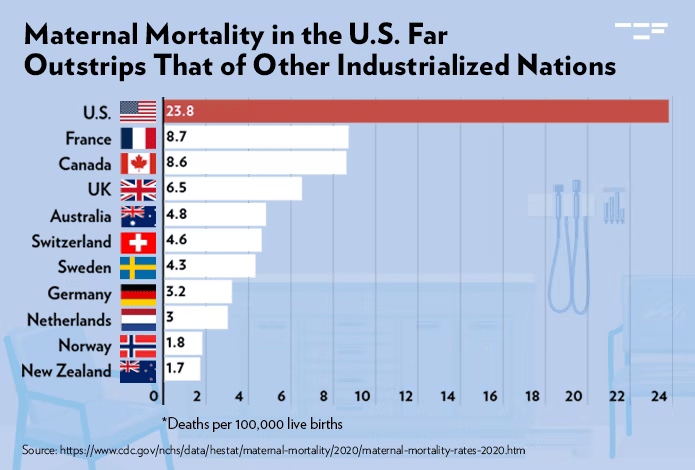
US Infant Mortality Rate Explodes in Recent Years

Anthropologists have studied and concluded that there are many varying perspectives and beliefs in defining what good health looks like within different cultures. While some views on healthcare are shared, some are quite different in their culture’s approach. For example, childbirth in the US is often viewed as an emergency medical event (medicalization of a natural human biological function) involving a hospital, various pregnancy specialists and quite often pharmaceuticals. It is important to realize that some births may be more complicated that others that may require a allopathic medical doctor to perform specific procedures to ensure the safety of the mother and infant child. Other developed countries like Holland and Sweden use the hospital but with less specialist intervention. Cultures within Yucatan Mexico use their homes and family members in the birthing process more similar to how humans have given birth for thousands of years of human history (James, 2020).

Interesting to note and requiring further discussion is that, the US is far behind other countries in the use of midwives for delivery of babies than most other wealthy and developed nations, in spite of the US by far having a higher infant mortality rate in recent years. Correlation does not necessarily imply causation, however…..

I think it is important to understand why the US has moved more towards medical physicians, pharmaceuticals and surgeries not only for childbirth but for many if not most health issues, ailments and diseases. Basically, we have been sold that western medicine is better than alternatives and often methods that have been time-proven for many years past, e.g. diet vs. pills. Severe trauma, yes use a medical doctor; high blood pressure, anxiety, depression – check your food intake, exercise, activity and stress levels.

“Several important milestones happened in the early part of the 1900’s that had a profound impact on midwifery: The 1910 Flexner Report recommended hospital deliveries and the abolition of midwifery. The study has since been recognized for its racist, sexist, and classist approach to medical education”

“A stark divide began to take root in the 1800’s, when white male physicians began to explore childbirth with greater interest. Their approach was based on a colonialization framework, which devalued birth as ceremony and focused instead on the physical aspect of wellbeing.  

Many doctors opposed midwife-assisted births. They launched campaigns against the profession, promoting Western science and the pain relief that hospitals could offer. By the turn of the century, they attended approximately half of births, despite having little training in obstetrics.  

In rural America, however, midwives continued to attend births. In the Southern states, Black midwives, sometimes called “granny” midwives, attended up to 75% of births until the 1940’s. A combination of laws, educational restrictions, and campaigns against the profession led to the dismantling of their practice” (A Brief History of Midwifery in America | OHSU, n.d.).

So here we are once again, especially over the last 3 years, that the US medical community and astonishing US politicians often tout how great the US’s healthcare system is at providing the best, the safest, the most effective, the most innovative and best technological healthcare in the world. Do your own research and you will find out that the US is often none of these aforementioned. The charade, the fallacy, the wizard behind the curtain, is often the way the US healthcare system works. It is indeed not “healthcare” but “sickcare”.

A Closer Look at America's Infant Mortality Rate

References:

James, R. (2020, July 24). Medical Anthropology 101 [Movie]. YouTube. https://www.youtube.com/watch?v=4SvvLnrk77I

https://tcf.org/content/commentary/worsening-u-s-maternal-health-crisis-three-graphs/

https://www.healthify.us/healthify-insights/a-closer-look-at-americas-infant-mortality-rate

https://www.statista.com/chart/23559/midwives-per-capita/

https://www.ohsu.edu/womens-health/brief-history-midwifery-america

I write often about topics that affect our health and well-being. Additionally, I teach and offer lecture about qigong, tai chi, baguazhang, and yoga. I also have hundreds of FREE education video classes, lectures and seminars available on my YouTube channel at:

https://www.youtube.com/c/MindandBodyExercises

Mind and Body Exercises on Google: https://posts.gle/aD47Qo

Jim Moltzan

407-234-0119
www.MindAndBodyExercises.com

www.Amazon.com/author/jimmoltzan

Luxury Taxing of Medical Procedures

Tax US citizens for medical procedures due to relative lifestyle choices? This type of reasoning could also be used then to penalize and tax people who eat fast or junk food by saying that they have an option to eat healthier or otherwise. Or perhaps we begin to tax parents for providing orthodontic services which are often not covered by insurance due to the cosmetic nature of the procedures. Where does this type of rationing end? I do not think it is the responsibility of the government to be the morality or vanity police, but support and create legislation that does not have the potential to divide people, due to their choosing procedures that may be considered to some and not others as essential or not to the individual.

There are many studies and reports of wasted tax income that goes to frivolous expenditures like those reported by Forbes such as taxpayers funded story time at laundromats ($248,200); sex education for prostitutes in Ethiopia ($2.1 million) and Ivy League, Inc. (the eight Ivy universities) received $9.8 billion in federal grants despite having a collective endowment of $140 billion, up $20 billion since 2016.

Forbes goes on to report that of the US governmental agencies receiving the highest amount of funding for 2017-2019 was the Department of Health and Human Services (HHS) having received $1.5 trillion in grants – which was approximately seven of every ten dollars. Twenty-one other governmental agencies were awarded $1 billion or more in grants. Obviously, these are very big dollar numbers and not knowing exactly how the monies were spent can open a debate of if the funds were actually used wisely for the American people. So, where I don’t think, the government should move to impose a “cosmetic tax” I do think the government should be held more accountable for the vast amounts of money that is possibly being spent on frivolous projects that do not help the American people as whole.

There are many good points on many sides of this issue. As long there is open dialogue by whomever ultimately make these decisions to pass legislation, there is some hope for fair and reasonable measures to be installed. I am all in for helping those who need assistance and cannot work or pay for their basic needs; not so much for those who choose to not work for their needs and wants. Our government has the resources to provide for those in need, but I feel the root problem is in the poor administration and/or management of the already existing resources.

With that being said, there are many types of cosmetic or elective procedures/surgeries that are not necessarily covered by insurance companies. Some of these procedures could be deemed as a positive factor whether physically or mentally to the patient. Or perhaps detrimental to the patient in not just physical appearance but in accompanying mental issues, such as depression, low self-esteem, bullying and probably others. Who gets to decide if these are necessary procedures or luxury items to be taxed? I see the following cosmetic examples as being questionable:

  • Craniofacial Surgery – examples would be birth defects, cleft palates, auricular issues, etc.
  • Reconstructive Surgery After Disease or Injury – examples like animal bites, injury from trauma, scarring from disease
  • Correction of a Deviated Septum – example such as sinus issues, breathing problems, injury or trauma, snoring which affects sleep quality
  • Breast Reduction – can cause back, neck and shoulder issues
  • Breast Reconstruction – cancers, but also traumatic injury, abuse
  • Eyelid Procedures – issues can affect sight, ability to drive, work, etc.

There is the discussion if straight teeth are considered cosmetic or otherwise? Also, wisdom teeth removal. Both of these issues can be lived with, but there is much information that the straightness of the teeth can affect eating habits resulting in better or worth chewing of certain foods, which can lead someone to choose some foods that are easier to chew but less nutritional over ones that are healthier but require more mastication. A healthy smile also improves self-esteem which lowers stress and relative stress hormones.

References:

https://www.ncbi.nlm.nih.gov/books/NBK279590/

https://www.northtexasplasticsurgery.com/blog/6-examples-of-when-plastic-surgery-is-medically-necessary

https://www.forbes.com/sites/adamandrzejewski/2020/09/30/wheres-the-pork-us-taxpayers-funded-a-lot-of-wasteful-spending-2017-2019/?sh=79aae41d3dc0

_______________

I write often about topics that affect our health and well-being. Additionally, I teach and offer lecture about qigong, tai chi, baguazhang, and yoga. I also have hundreds of FREE education video classes, lectures and seminars available on my YouTube channel at:

https://www.youtube.com/c/MindandBodyExercises

Mind and Body Exercises on Google: https://posts.gle/aD47Qo

Jim Moltzan

407-234-0119
www.MindAndBodyExercises.com

www.Amazon.com/author/jimmoltzan

Performance Enhancing Drug Usage

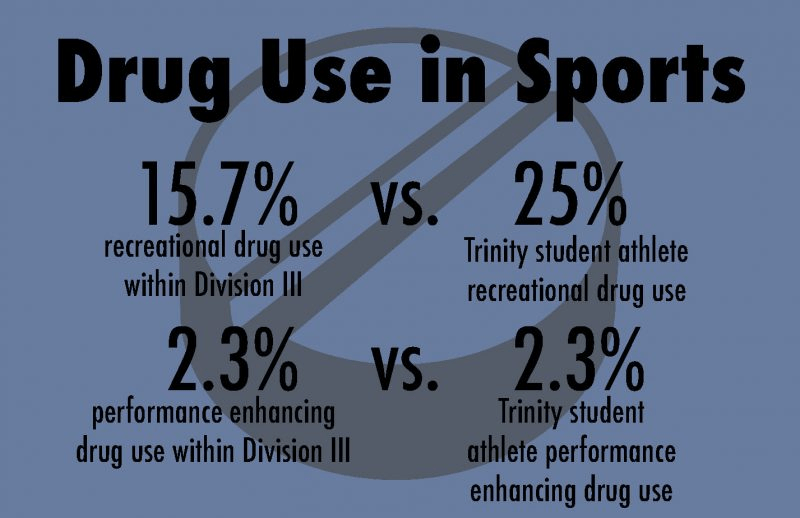
I have found that when athletes use PEDs (performance enhancing drugs) there is the possibility of side-effects from using such drugs. Although some of these drugs or supplements are deemed as safe for human consumption by the FDA, there are still concerns of overuse, abuse, allergic reactions, and other issues that might affect one individual differently than another. The user needs to accept the responsibility to read product labels and conduct their own research to best determine what ingredients are used and if they are safe for the individual user and not the general public as a whole.

When examined as a societal issue, I think that it sends the wrong message that it is fine to bypass the hard work, time and effort that is often sacrificed in order to achieve a particular goal relative to better physical performance for whatever sport one is pursuing. With the competition that is inherent within most organized sports, PEDs are bound to cause issues of jealousy and envy as some athletes will develop animosity towards others that are seen as cheating or acquiring an “edge” over other competitors.

This discussion can again lead back into last week’s talk about people looking for and relying upon pharmaceuticals to cure all our illnesses and diseases. However, in this case it would be drugs to not only fix our health problems, but to maybe fix issues of low self-esteem, ego, and other psychological imbalances due to the highly competitive nature of organized sports.

I don’t really see much of a difference between illegal and legal PEDs, when it appears as if many of the supplements that go unregulated as well as those approved by the FDA for prescription use only, are widely available to anyone looking to purchase and use these products at their own risk. Perhaps the whole industry and the FDA are in need of closer scrutiny as to conflicts of interest when it comes to regulating products that have become such a large health issue in sports on all levels.

References:

https://www.healthline.com/health/legal-steroids#alternatives

Edlin, G., & Golanty, E. (2019). Health & Wellness (13th ed.). Jones & Bartlett Learning

https://taylorhooton.org/how-easy-it-is-to-get-steroids/

I write often about topics that affect our health and well-being. Additionally, I teach and offer lecture about qigong, tai chi, baguazhang, and yoga. I also have hundreds of FREE education video classes, lectures and seminars available on my YouTube channel at:

https://www.youtube.com/c/MindandBodyExercises

Mind and Body Exercises on Google: https://posts.gle/aD47Qo

Jim Moltzan

407-234-0119
www.MindAndBodyExercises.com

www.Amazon.com/author/jimmoltzan

Underage Drinking and Smoking

Underage drinking on US college campuses has skyrocketed over the last few years, as our youth and seemingly everyone, struggles to cope with mental ailments of depression, anxiety, ADHD and others. The apparent ease of obtaining fake ID’s makes it abhorrently obvious that these institutions and their relative law enforcement, care to turn on blind eye and let the alcohol abuse continue, as long as they themselves are not held responsible or liable when the shit goes sideways. How ironic it is that if someone is caught in the possession of a fake ID, they could be facing a third-degree felony charge, and a potential 5 year jail sentence, and a fine up to $5000, depending upon the state that they get caught within – in spite of the fact that fakes are readily available online (https://blogote.com/10-best-fake-id-websites-complete-reviews-2022/)

If you are a parent of a kid away at school and don’t think that yours is drinking, smoking and trying whatever drug they please, you my friend are living in a fantasy land, a state of denial or what is more likely described as cognitive dissonance. “Cognitive dissonance is the unpleasant emotion that results from holding two contradictory beliefs, attitudes, or behaviors at the same time” (Halton, 2022). Examples of how are society embraces cognitive dissonance would be:

  • The whole tobacco/vape industry. The tobacco industry is probably the only industry which the FDA willfully allows (but not approves of) to operate in spite of the scientific studies that prove the harmful effects to humans. So, while the FDA is basically in place to protect the American population against substances that endanger the health and well-being of humans, they continue to pander to this deadly industry. It has even been proven that the tobacco companies conspired to make their products more addictive, but these companies are still allowed to operate and earn profits (Kodjak, 2017).
  • We know that our population is dangerously unhealthy, nutrient deprived, overweight or obese, affecting our health, well-being and even the security of our defense as most young adults cannot pass the physical exams to be in the military. Yet, we and our government do little to make this a priority. In the words of Dr. Jerome Adams, the former surgeon general of the United States, “You know what will make you and your community healthier but still, you choose not to do it.” He goes on to state that 7 out of 10 of 18-24-year olds are ineligible for military service. They cannot pass the physical, can’t meet educational requirements, or have a criminal history (TEDx Talks, 2020).
  • It is common knowledge that our population, and especially our youth have been experiencing more stress, more depression, more anxiety and more suicides than any other time and even prior to our recent health crisis of the COVID-19 pandemic. Again, we and our government leaders seem to accept this, by not making it a high priority.

These issues and many others will not improve due to a lack of money or resources but rather a lack of moral character and fortitude to actually do what it takes to fix our broken culture. Our government can print a few trillion dollars at a moments notice, often billions of dollars for other countries needs and agendas. But won’t do what it takes to fix our own problems. Why? Because fixing some of these problems would put a lot of companies out of business and investors would lose their ill-gotten gains.

This topic of underage usage of legal substances of marijuana, alcohol and tobacco products is quite relative to current cultural and societal issues. As a parent of two college-age kids, I now have a different perspective than when I was their age and even as a young parent. I personally did much of my experimentation in my early teens as I had access to all of the aforementioned. My parents were either unaware or chose not to appear to know of my actions. I think that back in the 70’s and 80’s many kids were experimenting regardless of what their parents knew or didn’t know. So, what I have learned as a parent is that the more you try to shield or restrict kids from whatever behavior, they will pursue it more out of curiosity, defiance, and rebellion. If we teach and explain issues from a point of concern, love, and respect we have a much better chance of youths making better informed decisions on their own.

I have had pretty much this same conversation with both of my now grown kids, letting them know that I do not encourage underage use, nor “of age” abuse of any of these substances. I also let them know that I am not naïve as to what young adults are doing and the peer pressure that they live within on a daily basis. I am their parent, their guide and sometimes their lifesaver, and I remind them of this.

Drug legality is more of a function of social, political, and economic factors not necessarily related to the toxicity or pharmacology of a particular substance. Some drugs are deemed as unsafe by the powers that be (FDA), while others are judged to be safe but can be just as abused and dangerous. Those that offer adverse or deadly side effects are mostly the ones that become illegal. As social acceptance changes, along with peoples’ individual beliefs, legal status of drugs will continue to be in a constant state of change and adjustment. During the early years of the twentieth century, drugs such as opium, morphine, and cocaine were openly sold but later banned is illegal substances. Marijuana was legal throughout the US until 1937, then it was illegal and now it is becoming more legal again throughout much of the United States (Tikkanen, n.d.).

If we look at the seemingly unlimited resources of the US federal government to fund the “war on drugs” we can see that money, arrests and prison sentences has not been working for the last decades. However, with unlimited resources used more wisely for early education, I feel that knowledge is a root component to not just fix problems in our society, but rather to prevent or decrease the negative consequences. When I saw a movie called “Scared Straight” in middle school, a documentary about life in prison, I received the message. When I saw movies about STD’s in middle school with pictures and interviews of diseased people, I got the message. When my school had a completely crushed car from a DUI accident with a fatality, prominently displayed in the courtyard, I again received the message. From here it was up to me to be responsible to make wise decisions that would affect my life and those around me.

References:

Adams, Jerome, “How resilient communities can create a healthier country.” Youtube, uploaded by TEDxMidAtlantic. September 23, 2020.   www.youtube.com/watch?v=RIY13uvlGLY

Halton, C. (2022, September 29). Cognitive Dissonance. Investopedia. https://www.investopedia.com/terms/c/cognitive-dissonance.asp

Kodjak, A. (2017, November 27). In Ads, Tobacco Companies Admit They Made Cigarettes More Addictive. NPR. https://www.npr.org/sections/health-shots/2017/11/27/566014966/in-ads-tobacco-companies-admit-they-made-cigarettes-more-addictive

Edlin, G., & Golanty, E. (2019). Health & Wellness (13th ed.). Jones & Bartlett Learning

Tikkanen, A. (n.d.). Why Is Marijuana Illegal in the U.S.? Encyclopedia Britannica. https://www.britannica.com/story/why-is-marijuana-illegal-in-the-us#:~:text=He%20believed%20that%20smoking%20pot,illegal%20across%20the%20United%20States.

I write often about topics that affect our health and well-being. Additionally, I teach and offer lecture about qigong, tai chi, baguazhang, and yoga. I also have hundreds of FREE education video classes, lectures and seminars available on my YouTube channel at:

https://www.youtube.com/c/MindandBodyExercises

Mind and Body Exercises on Google: https://posts.gle/aD47Qo

Jim Moltzan

407-234-0119

www.MindAndBodyExercises.com

www.Amazon.com/author/jimmoltzan