US Healthcare System and Personal Responsibility

I think the federal government has the financial resources to provide a national healthcare program to all its population but lacks the fortitude or social responsibility to administer and manage such a program without inevitable waste and corruption.

Alcoholism has been debated for decades as to whether to be considered a disease or a choice. Which leads me to present the question if we should penalize individuals for their lifestyle choices? If so, I think we can lead this to a myriad of health issues that can be related to lifestyle issues. The CDC reported in 2014 that nearly half of the top leading causes of death can be prevented:

  • Heart disease: tobacco use, high blood pressure, high cholesterol, type 2 diabetes, poor diet, overweight and lack of physical activity
  • Cancer: tobacco use, poor diet, excessive consumption of alcohol, lack of physical activity, overweight, sun exposure and exposure to certain chemicals and other substances
  • Chronic respiratory disease: tobacco smoke, exposure to second-hand smoke, indoor air pollutants, outdoor air pollutants, and allergens
  • Stroke: high blood pressure, high cholesterol, heart disease, diabetes, overweight, tobacco and alcohol use, and lack of physical activity
  • Unintentional injury: lack of seat-belt use, lack of motorcycle helmet use, misuse of consumer products, alcohol and drug abuse, and unsafe home and community environments

I think that it is unrealistic to think that the US government will pass legislation that will penalize its citizens for poor lifestyle choices for at least 2 reasons. First, we currently still have the freedom to choose what we put into our bodies and for the most part how we live our lives as long as it does not directly impact one another in a negative or dangerous way. Secondly, our US economy is so incessantly interconnected with the healthcare industry and the fast-food industry ($239 billion in 2020) that it is seemingly in the best interest of the US economy for people to actually be healthy enough to work and be productive, but also ill and unhealthy enough to need the resources of the medical industry on a regular basis.
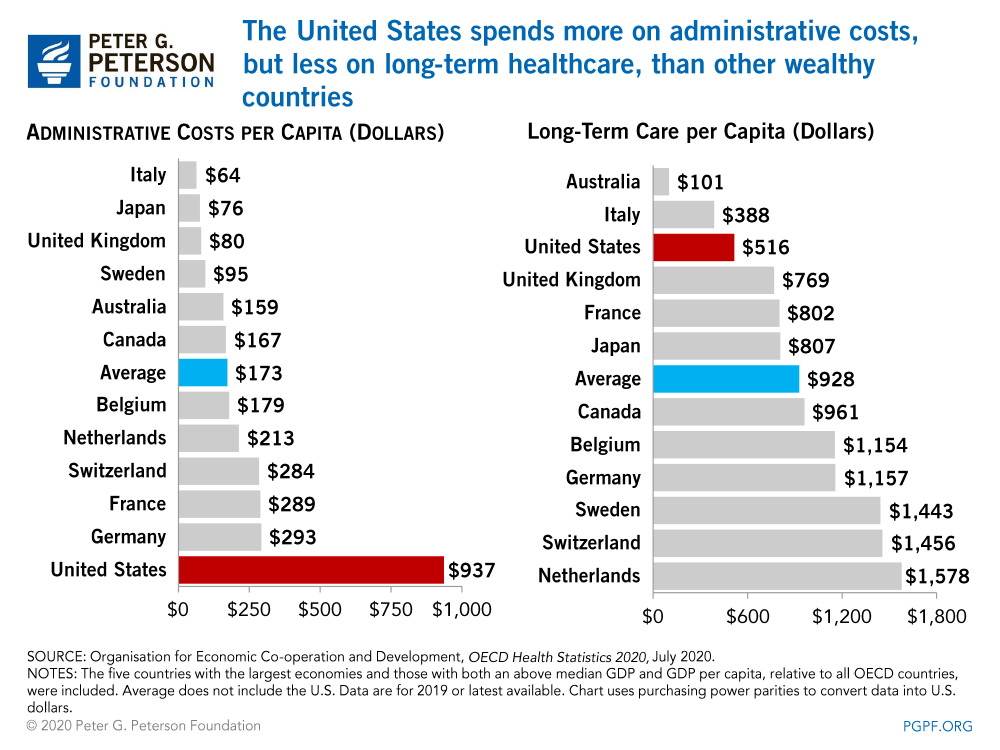
While we may think that healthcare companies’ goal is provide health and care, realistically they are businesses whose primary goal is to generate income for their owners, stockholders and sometimes 3rd party business partnerships. Afterall, healthcare expenditures in the US for 2019 were $3.80 trillion. Moderna, which produces a Covid19 vaccine expects about a $13 billion profit next year. Pfizer, which also produces pharmaceuticals, expects revenue from its COVID-19 vaccine to reach $33.5 billion this year. Drugstores like CVS Health and Walgreens might generate more than $800 million each in revenue from delivery of booster shots.

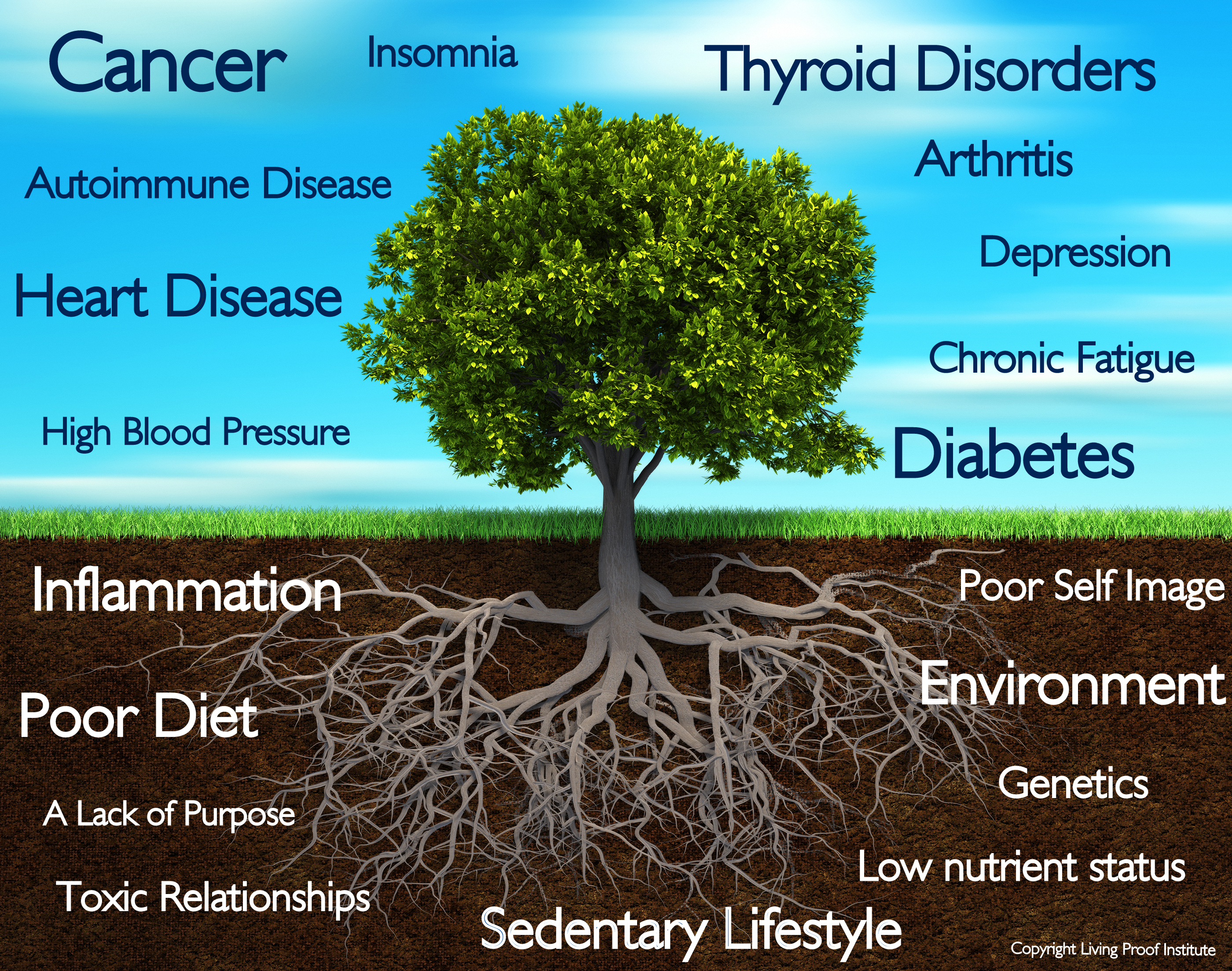
I think that if the American people truly want to change how healthcare is viewed and distributed, we need to look at the root causes and factors of poor health education which often leads to poor diet, a sedentary lifestyle, stress at home and in the workplace and mental health issues arising often from the previous factors.
References:

Heather N. Why alcoholism is not a disease. Med J Aust. 1992 Feb 3;156(3):212-5. doi: 10.5694/j.1326-5377.1992.tb139711.x. PMID: 1545723.

https://pubmed.ncbi.nlm.nih.gov/1545723/

https://apnews.com/article/coronavirus-pandemic-business-science-health-coronavirus-vaccine-5305defac283ac5f352bc47fcb74c82b (Links to an external site.)

https://www.cms.gov/Research-Statistics-Data-and-Systems/Statistics-Trends-and-Reports/NationalHealthExpendData/NHE-Fact-Sheet

https://www.statista.com/statistics/196614/revenue-of-the-us-fast-food-restaurant-industry-since-2002/

https://www.pgpf.org/blog/2020/07/how-does-the-us-healthcare-system-compare-to-other-countries

____________

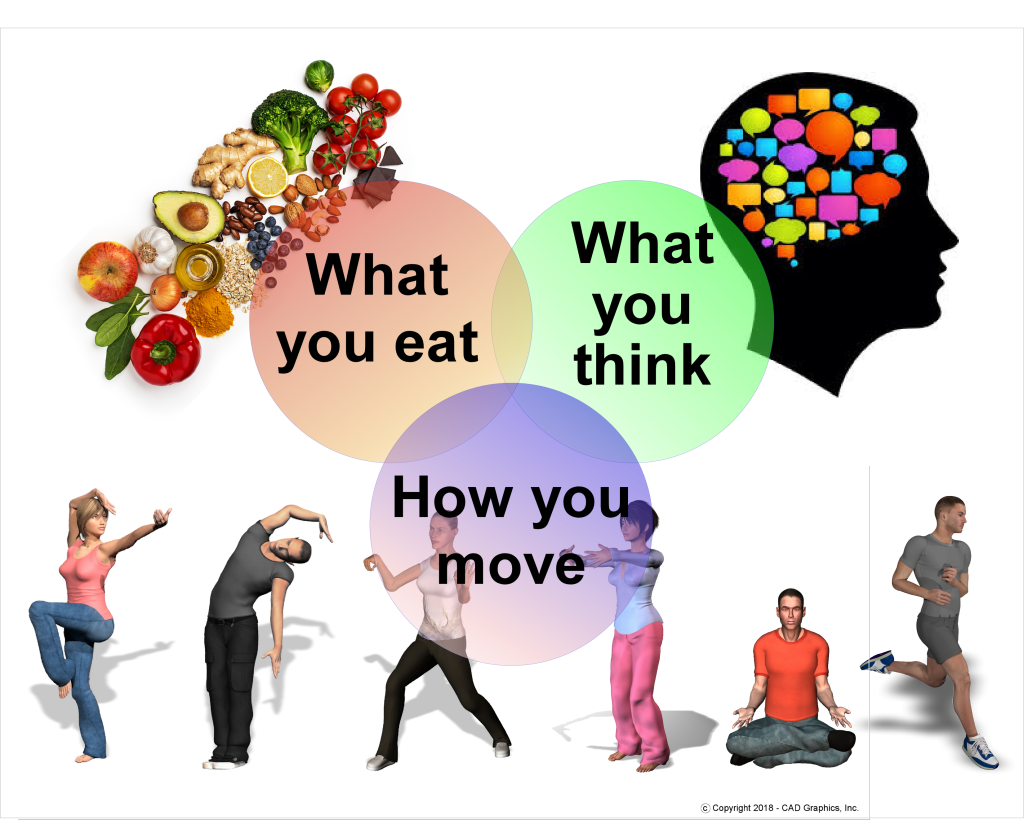
Control the body with the mind. Manage the mind by disciplining the body, through physical activity. Learn to be more active, eat healthier, sleep better, stress less – these are the key components to maintaining a strong mind, body, immune system, and outlook on life.

I am currently offering wellness lectures and classes for group, small group & private instruction in Wekiva, Longwood and Winter Park.

Mind and Body Exercises on Google: https://posts.gle/aD47Qo

Jim Moltzan

407-234-0119

www.MindAndBodyExercises.com

http://www.Amazon.com/author/jimmoltzan

World Hunger Response vs. Covid19 Response

All life is valuable, whether in the US or worldwide, correct?

Saving a human life whether from impending starvation, tobacco related deaths, deaths related to obesity and many other causes, shouldn’t matter more or less from deaths attributed to Covid19. However, statistics show that the US has spent astronomically more, to seemingly “save” less human lives from dying from Covid19 related deaths, when compared to other major causes of death throughout the whole world.

Just how much money has the US spent in this fight to combat Covid19? The US government spent about $4.7 trillion in response to Covid19 over the last 2 years. This includes medical research, supplies and equipment, distribution costs, loss wages and opportunities, and probably a much longer list.

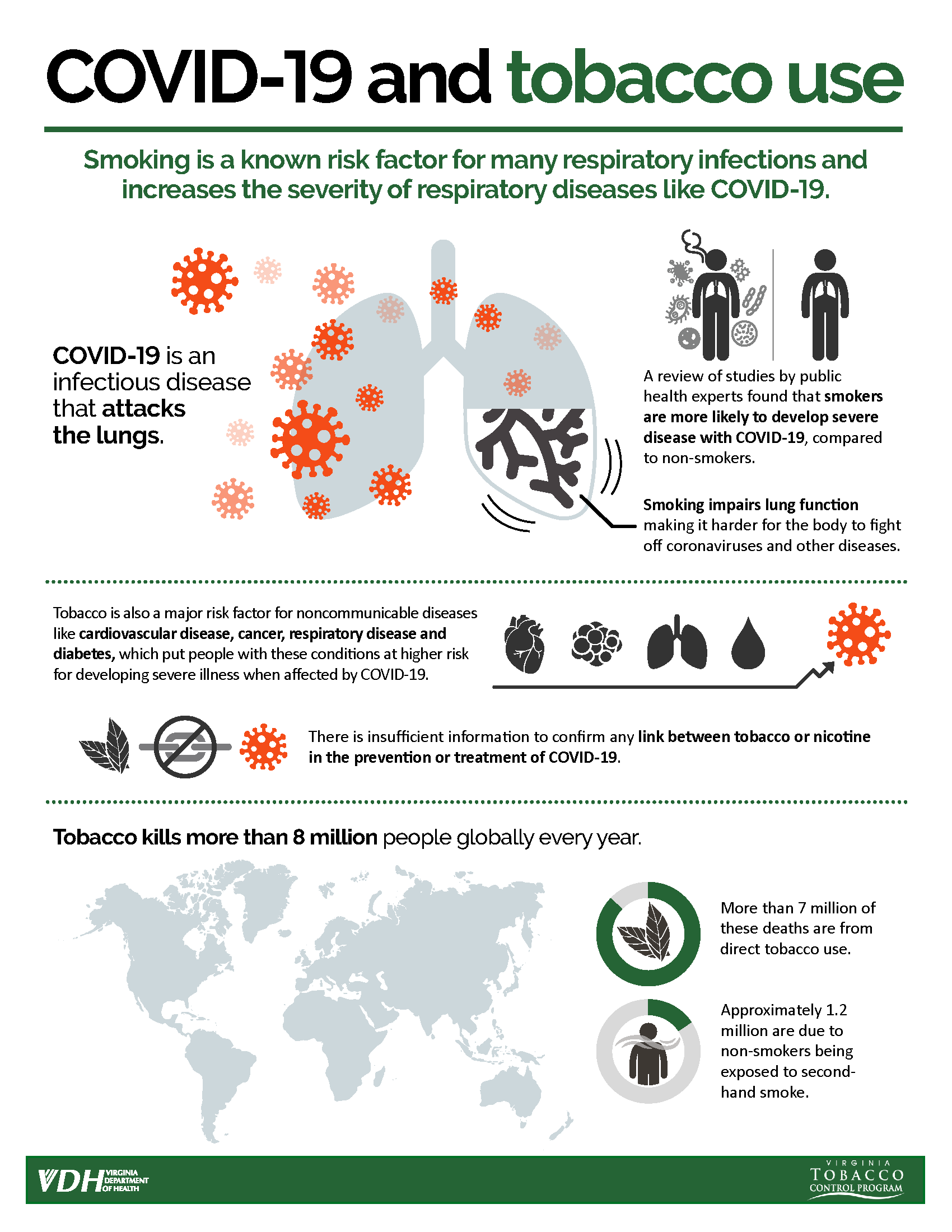
COVID-19 & Tobacco - Tobacco Free Living

Total deaths from Covid19, reported today (01-05-2022) is 828,000 for the US, 5.46 million worldwide.

However, realize that:

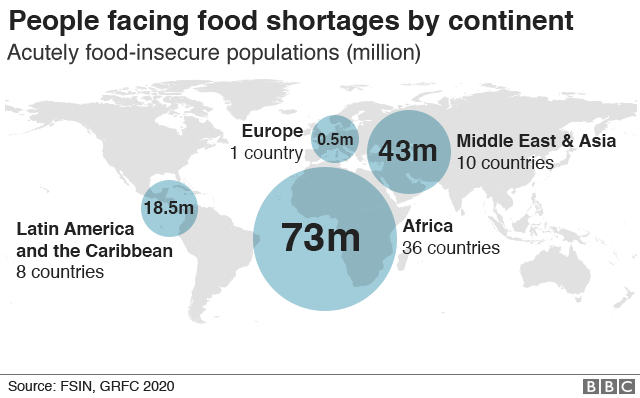
About 9 million people die worldwide every year from hunger and hunger related diseases.

About 8 million people die worldwide every year from tobacco related deaths.

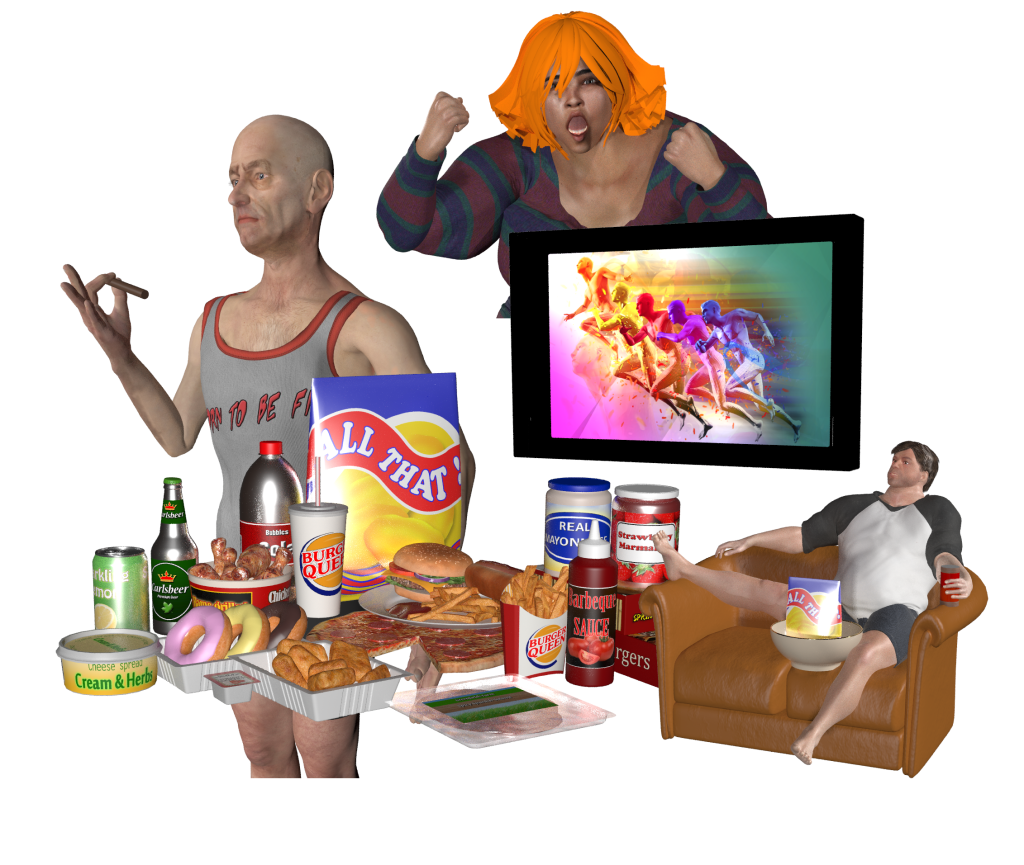
About 2.8 million people die worldwide every year from being overweight or obese.

Coincidentally, all of these conditions are somewhat preventable and help cause health comorbidities that can increase the risk of Covid19 infection.

Coronavirus: Five of the countries most at risk from famine in 2020 - BBC  News

Studies show a wide range of costs, but some state that world hunger could be eradicated costing $11 billion per year. So, my point here is that if there were actual plans to prevent specific causes of death, the world as a whole would maybe be able to reduce these deaths at far less risk and resources than other causes that might not be as deadly. If the US spent $4.5 trillion towards reducing world hunger or reduction in tobacco smoking, instead of Covid19, would we maybe be at much less loss of human lives? $11 billion x 409 years gets us $4.5 trillion. Risks versus rewards. Just my opinion but maybe world health needs to be looked at beyond Covid19.

Why are obese people more likely to die from coronavirus? | World Economic  Forum

If the human race were to actually change its focus towards saving millions more lives, would we be able to realistically feed, house and provide for the millions more people that would be existing upon this planet? Ironically, the more lives that are “saved” from one particular disease, may be lost to other if not managed adequately to provide for the various outcomes.

Be well!

References:

https://www.usatoday.com/in-depth/news/2020/05/08/national-debt-how-much-could-coronavirus-cost-america/3051559001/

https://www.usaspending.gov/disaster/covid-19?publicLaw=allLinks to an external site.

https://www.worldometers.info/coronavirus/country/us/Links to an external site.

https://www.theworldcounts.com/challenges/people-and-poverty/hunger-and-obesity/how-many-people-die-from-hunger-each-year/storyLinks to an external site.

https://www.iisd.org/articles/ending-world-hunger-within-reach-study-finds-it-will-cost-only-usd-11-billion-more-yearLinks to an external site.

https://www.who.int/news-room/fact-sheets/detail/tobaccoLinks to an external site.

https://www.who.int/news-room/facts-in-pictures/detail/6-facts-on-obesityLinks to an external site.

Learn how to maintain health, fitness and wellness with tai chi, gigong and other time-proven methods. Private, small or group instruction.

Take care of yourself because no one else should care more about you than you. Eat better, move more, stress less, be nicer. Be well!

Jim Moltzan 407-234-0119

www.MindAndBodyExercises.com

http://www.Amazon.com/author/jimmoltzan

https://www.facebook.comMindAndBodyExercises

https://www.youtube.com/c/MindandBodyExercises

https://mindandbodyexercises.wordpress.com/

Masters Council

The 3 Healthcare Systems in the US

The 3 Healthcare Systems in the US

  1. “Healthcare” which is truly “Sick-care”
  2. “Self-care”
  3. “I Don’t Care

“Healthcare” is truly “Sick-care”

what most people think they receive when they go to the doctor after they become sick or injured. Little or no preventative measures are encouraged.

“Self-care” –

when the individual takes responsibility for what they think, what they consume, and how they move their physical body (exercise/activity), making up the components of what we typically call lifestyle.

“I don’t-care” –

what some people say, when asked why they don’t take better care of their own health & well-being.

Health is wealth – plain and simple. Ask anyone who has pain or suffering if they would spend their money, once they are already ill to fix all their woes. $30,000-$100,000 for a new knee, $130,000 for a heart bypass, or $1,250,000 for a heart transplant, thousands every year for insurance and prescriptions. You do the math; pay now of pay later.

______________

I write often about topics that affect our health and well-being. Additionally, I teach and offer lecture about qigong, tai chi, baguazhang, and yoga.

For more info, contact Jim Moltzan at info@mindandbodyexercises.com, 407-234-0119 or through my site at http://www.mindandbodyexercises.com

History of Modern Medicine’s Monopoly in US Healthcare

Modern medicine, also referred to as Western, allopathic or biomedicine, has roots in the US starting in the late 1800’s. Many people are not as familiar with naturopathy, osteopathy, homeopathy and chiropractic as these practices were basically discredited by the American Medical Association (AMA) as legitimate healthcare modalities in the earlier years of the 20th century. This was proven in court, that the AMA systematically sought to destroy healthcare competition, rather than be concerned with safety or efficacy of alternative medical options. Many beneficial treatments have come from modern medicine, especially for trauma injuries and illness. However, many other methods, proven safe and effective for over hundreds or thousands of years with empirical evidence, have been suppressed or classified as unscientific or quackery. Do your own research for your own health and well-being. Become informed and more knowledgeable.

The following excerpt is from Marc Micozzi’s Fundamentals of Complementary, Alternative, and Integrative Medicine:

In 1847, partially in response to the acceptance and success of homeopathy, and after prior attempts, a group of regular physicians founded an organization to serve as the unifying body for orthodox medical practitioners. The American Medical Association (AMA), initially under Nathaniel Chapman, was founded in Philadelphia. Physicians who belonged to the AMA considered themselves regular practitioners and adhered to therapeutics termed heroic medicine (Rutkow and Rutkow, 2004). Their invasive treatments distinguished these regular doctors to their patients. They often consisted of bleeding and blistering in addition to administering harsh concoctions to induce vomiting and purging. These treatments at the time were considered state of the art.

The justification behind such harsh treatments was a commitment to a scientific materialist medical theory, actually moving away from empirically based, “rational” medicine. Regular doctors did not share belief in the concept of the healing power of nature (the vis medicatrix naturae), and felt that a physician’s duty was to provide active, “heroic” intervention. Despite this attitude, patients recovered notwithstanding their treatments. This reality had the ironic effect of encouraging both regular doctors’ belief in heroic treatments and natural doctors’ belief in the inborn capacity for self-healing, despite the further injuries caused by many regular treatments. Much like physicians today are pressured to provide an active treatment that may sometimes be unnecessary (such as prescribing an antibiotic for a viral infection), regular doctors of the 1800s also felt pressure to give the heroic treatments for which they were known. James Whorton (2002) wrotes, “it was only natural for MDs to close ranks and cling more tightly to that tradition as a badge of professional identity, making depletive therapy the core of their self-image as medical orthodoxy.”

Although the AMA initially held no legal authority (like the multiplying medical subspecialty practice associations of today), it began a major push during the second half of the nineteenth century to create legislation and standards of medical education and competency. This process culminated in 1910 with the publication of Medical Education in the United States and Canada, compiled by Abraham Flexner also known as the Flexner Report. It has been described as “a bombshell that rattled medical and political forces throughout the country” (Petrina, 2008). It criticized the medical education of its era as a loose and poorly structured apprenticeship system that generally lacked any defined standards or goals beyond commercialism (Ober, 1997). In some of his specific accounts, Flexner described medical institutions as “utterly wretched … without a redeeming feature” and as “a hopeless affair” (Whorton, 2002). Many regular medical institutions were rated poorly, and most of the irregular “alternative” schools fared the worst. After this report, nearly half of the medical schools in the country closed, and by 1930 the remaining schools had 4-year programs of rigorous “scientific medicine.”

Following the Flexner Report, a tremendous restructuring of medical education and practice occurred. The remaining medical schools experienced enormous growth: in 1910 a leading school might have had a budget of $ 100,000; by 1965 it was $ 20 million, and by 1990 it would have been $ 200 million or more (Ludmerer, 1999). Faculty were now called on to engage in original research, and students not only studied a curriculum with a heavy emphasis on science, but also engaged in active learning by participating in real clinical work with responsibility for patients. Hospitals became the locus for clinical instruction. As scientific discovery began to accelerate, these higher educational standards helped to bridge the gap between what was known and what was put into practice. More stringent licensing and independent testing provided a greater degree of confidence in the competence of the nation’s doctors. During this same time period, the suppression and decline of alternative schools of health care occurred, as both public and political pressure increased.

The 1910 Flexner Report, sponsored by the Carnegie Foundation, compared all American medical schools against a standard represented by the new Johns Hopkins University School of Medicine, which had been founded in 1888. Criticism was so devastating that about three-quarters of American medical schools closed, including many osteopathic medical schools.

Bernarr Macfadden, founded the “physical culture” school of health and healing, also known as physcultopathy. This school of healing gave birth across the United States to gymnasiums where exercise programs were designed and taught to allow individual men and women to establish and maintain optimal physical health. Although so strongly based on common sense and observation, many theories exist to explain the rapid dissolution of these diverse healing arts. The practitioners at one time made up more than 25% of all U.S. health care practitioners in the early part of the twentieth century. Low ratings in the infamous Flexner Report (which ranked all these schools of medical thought among the lowest), allopathic medicine’s anointing of itself with the blessing “scientific,” and the growing political sophistication of the AMA clearly played significant roles. Of course, the acceptance of the germ theory of disease and development of effective antibiotics for the first time provided a strong rationale for the new, “scientific,” regular medicine.

References:

Micozzi, Marc S.. Fundamentals of Complementary, Alternative, and Integrative Medicine – E-Book (p. 644). Elsevier Health Sciences. Kindle Edition.

https://fee.org/articles/the-medical-cartel-is-keeping-health-care-costs-high/

Qigong, tai chi, baguazhang, and yoga are not the only methods that can be used within this formula but have proven the test of time as methods to cultivate harmony of the mind, body and spirit. These exercise practices offer a wide spectrum of physical wellness benefits, stress relief as well as means of self-awareness.  Not all teachers nor students practice these for the same goals. For more info, contact Jim Moltzan at info@mindandbodyexercises.com, 407-234-0119 or through my site at http://www.mindandbodyexercises.com

Physical Activity Effects on COVID-19

A root concept of healthcare for literally thousands of years, but apparently dismissed for the last 2 years:

PHYSICAL ACTIVITY HELPS TO PREVENT DISEASE AND ILLNESS

Become a researcher of health and wellness for your own benefit. Click on any of the following medical studies, to understand and then perhaps follow the science as to why physical activity & exercise are even more important today than maybe any other time before.

https://www.ncbi.nlm.nih.gov/pmc/articles/PMC7361852/

https://medicine.umich.edu/dept/psychiatry/michigan-psychiatry-resources-covid-19/your-lifestyle/importance-physical-activity-exercise-during-covid-19-pandemic

https://bjsm.bmj.com/content/55/19/1099

References:

Diamond, R., & Waite, F. (2021). Physical activity in a pandemic: A new treatment target for psychological therapy. Psychology and psychotherapy, 94(2), 357–364. https://doi.org/10.1111/papt.12294

https://medicine.umich.edu/dept/psychiatry/michigan-psychiatry-resources-covid-19/your-lifestyle/importance-physical-activity-exercise-during-covid-19-pandemic

Sallis R, Young DR, Tartof SY, et al Physical inactivity is associated with a higher risk for severe COVID-19 outcomes: a study in 48 440 adult patients British Journal of Sports Medicine 2021;55:1099-1105.

Pitanga, Francisco & Beck, Carmem & Pitanga, Cristiano. (2021). The Big Mistake of not Considering Physical Activity an Essential Element of Care During the Covid-19 Pandemic. International Journal of Cardiovascular Sciences. 34. 10.36660/ijcs.20200274.


_______________

Qigong, tai chi, baguazhang, and yoga are not the only methods that can be used within this formula but have proven the test of time as methods to cultivate harmony of the mind, body and spirit. These exercise practices offer a wide spectrum of physical wellness benefits, stress relief as well as means of self-awareness.  Not all teachers nor students practice these for the same goals. For more info, contact Jim Moltzan at info@mindandbodyexercises.com, 407-234-0119 or through my site at http://www.mindandbodyexercises.com

Jim
vs181006-004
cropped-header-image2.jpg

I started my martial arts training at the age of 16, starting with Korean martial arts and evolving into BaguaZhang, Tai Chi, and Qigong. I have been training, studying and teaching for almost 40 years effectively educating hundreds of students.

As a recognized master instructor, I have trained with a diverse group of masters and high-level martial arts teachers of many different disciplines. My specialty is teaching exercises to improve chronic conditions, working with people of all ages, especially senior adults. Offering guidance and instruction, I have also worked with Parkinson Disease patients through Florida Hospital. I offer regular lectures as requested by AdventHealth (Florida Hospital) regarding the benefits of Eastern practices.

I am the author and graphic artist of numerous journals, graphic charts and study guides relative to the mind and body connection and how it relates to martial arts, fitness and self-improvement.

I continue training and teaching in the Orlando, Florida area conducting classes, seminars and lectures as my schedule allows. I balance my teaching and businesses with my own personal cultivation and time spent with my wife and two college-age kids.