Restoring Hand Vitality – Jing Well Acupressure

My Traditional Approach to Acupressure, Massage, and Herbal Therapy

As both a long-time practitioner and teacher of holistic wellness, martial arts, and Traditional Chinese Medicine (TCM), I have found that the health of our hands is often underestimated. Our hands connect us to the world, allowing us to create, heal, and express, but they are also vulnerable to stiffness, poor circulation, and overuse injuries, especially in our modern, screen-driven culture.

In my lecture and video presentation, I shared a traditional system of hand conditioning that I have personally practiced and taught for many years. This unique approach integrates acupressure, therapeutic trauma, herbal therapy, breathing techniques, and mindful movement. All designed to restore vitality, enhance flexibility, and promote whole-body energy flow.

A Philosophy of Health, Not Hardness

In the martial arts world, hand conditioning is often associated with building hardened fists and thick calluses. I take a different view.

The method I teach is not about brute strength or desensitization. It is about stimulating circulation, promoting healing, and enhancing energy (Qi) flow throughout the entire body.

Using bean-filled bags (I recommend soybeans, mung beans, or chickpeas), we create strategic trauma or gentle, controlled impacts that trigger the body’s natural healing response. This principle, rooted in ancient wisdom, leverages micro-trauma to increase blood flow, strengthen tissues, and support overall wellness (Zhou, 2009).

Hands as Microcosms of the Body

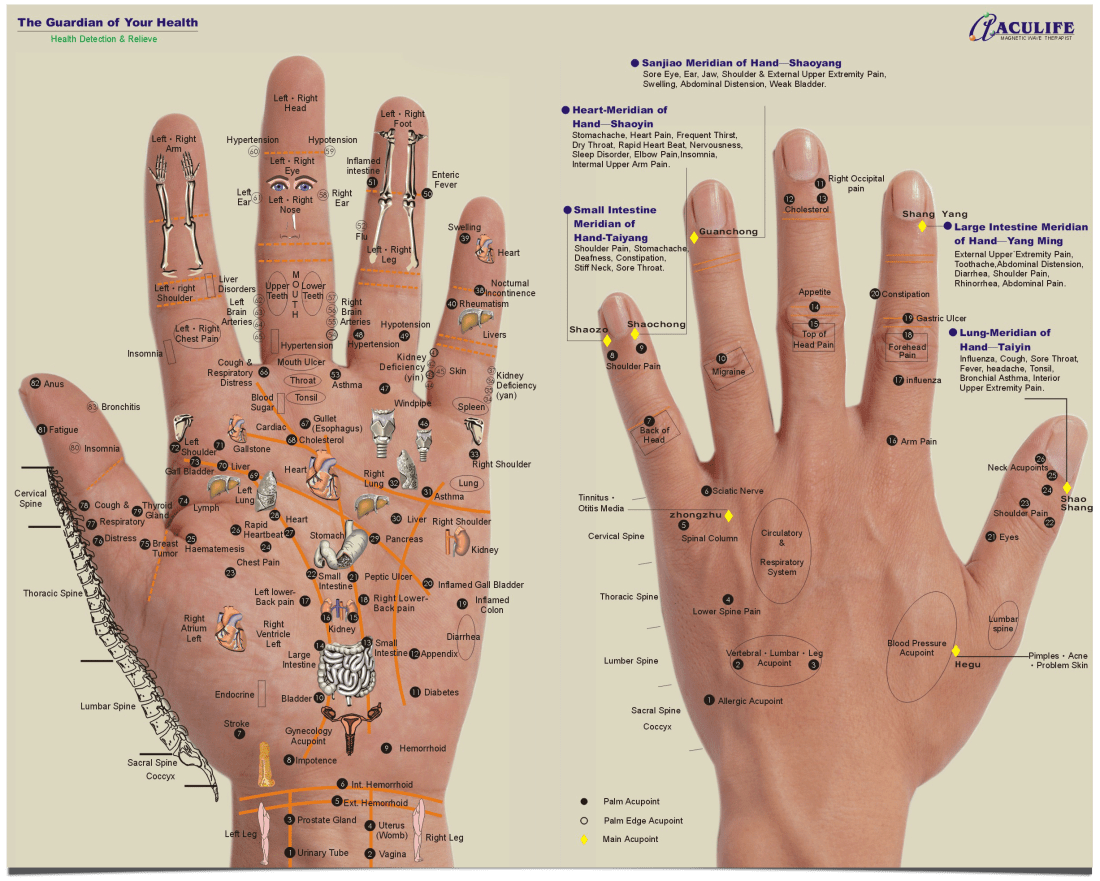
In my lineage or martial arts system, the hands are viewed as a map of the entire body, a concept validated by reflexology and TCM meridian theory.

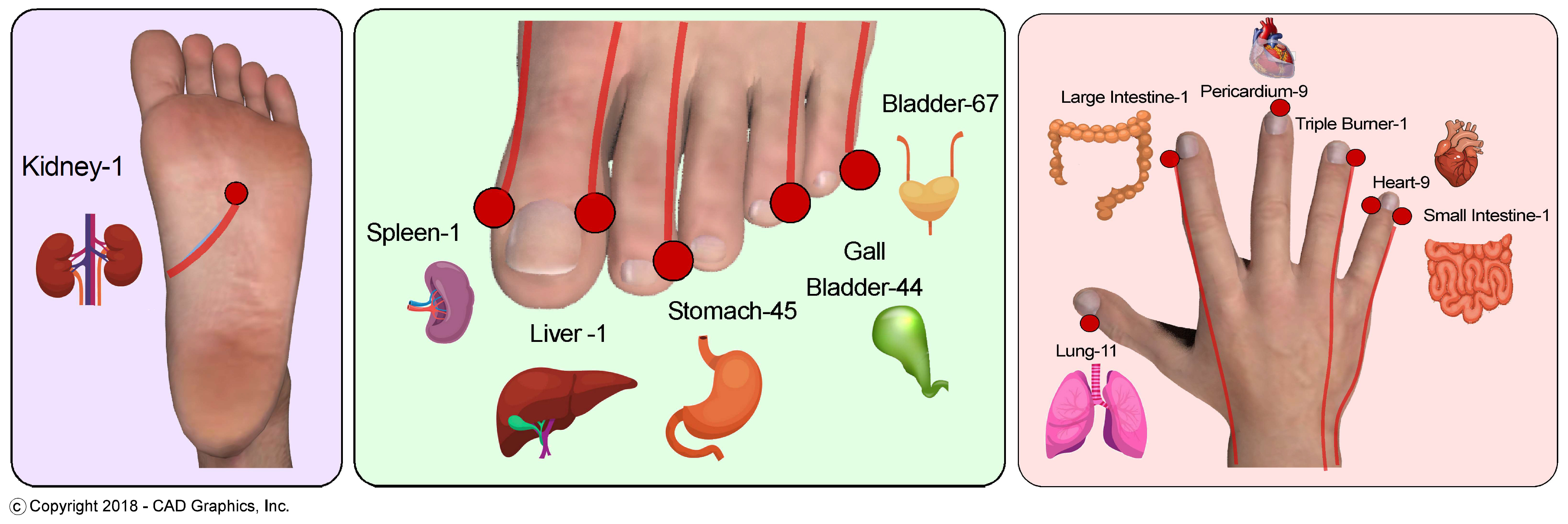
  • We focus on stimulating Jing-well points located on the fingertips—powerful gateways for regulating energy flow (Deadman & Al-Khafaji, 2007).
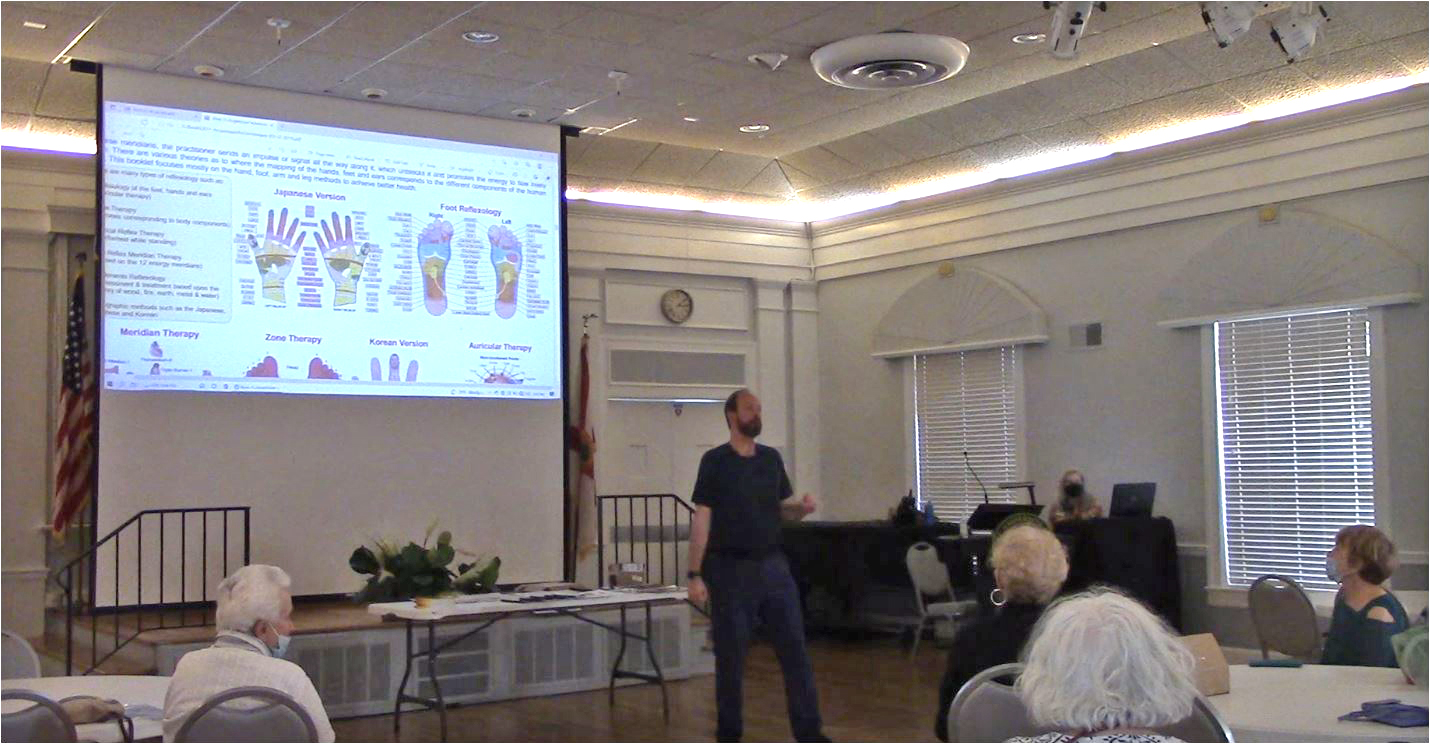
  • I also reference Japanese and Korean reflexology maps, which beautifully illustrate how the fingers and palms correspond to internal organs and bodily systems (Ang et al., 2021).
  • When we work the hands with mindful techniques, we influence not just the hands themselves, but the entire body and mind.
Breathing: The Missing Link

A key element in my lineage is Qigong (breath work), a deep, nasal breathing pattern combined with proper tongue positioning on the upper palate.

This breathing technique activates the parasympathetic nervous system, promoting relaxation, improving circulation, and harmonizing Qi flow (Sancier, 2001).

When combined with hand exercises, this breathwork turns a simple routine into a powerful integrative practice that nourishes body, mind, and spirit.

The Practice in Action

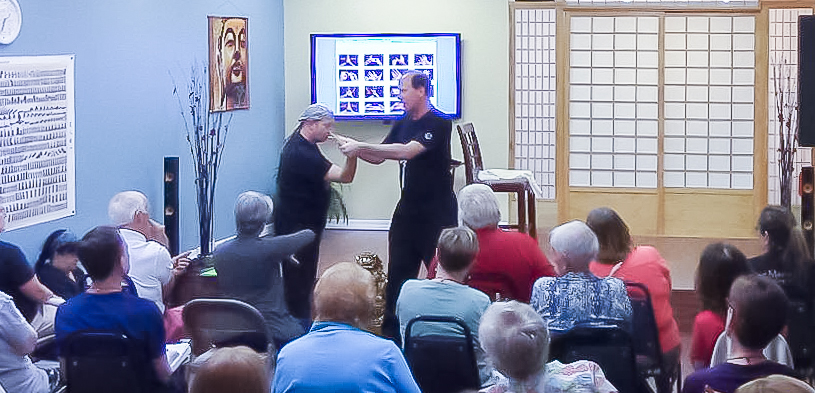
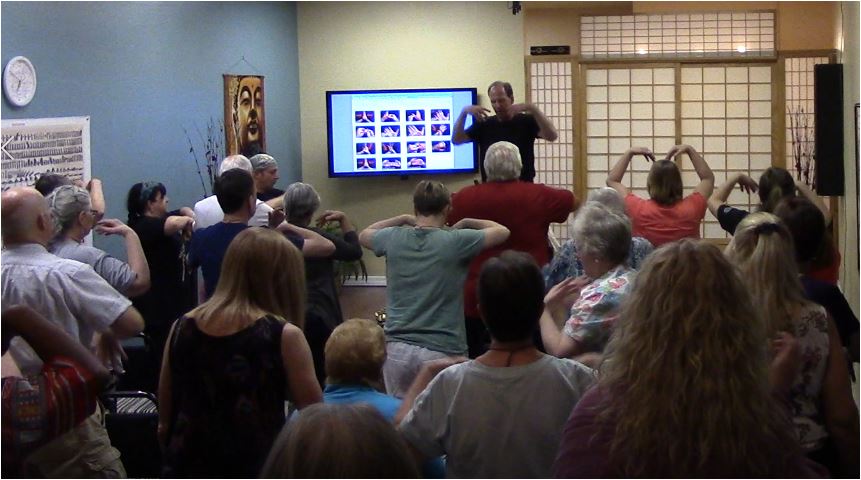
During my presentation, I guided participants through a progressive series of hand conditioning techniques, including:

  • Pinching, clapping, and crab-finger movements to stimulate circulation and flexibility.
  • Percussion on bean bags to activate Jing-well points and trigger micro-trauma healing.
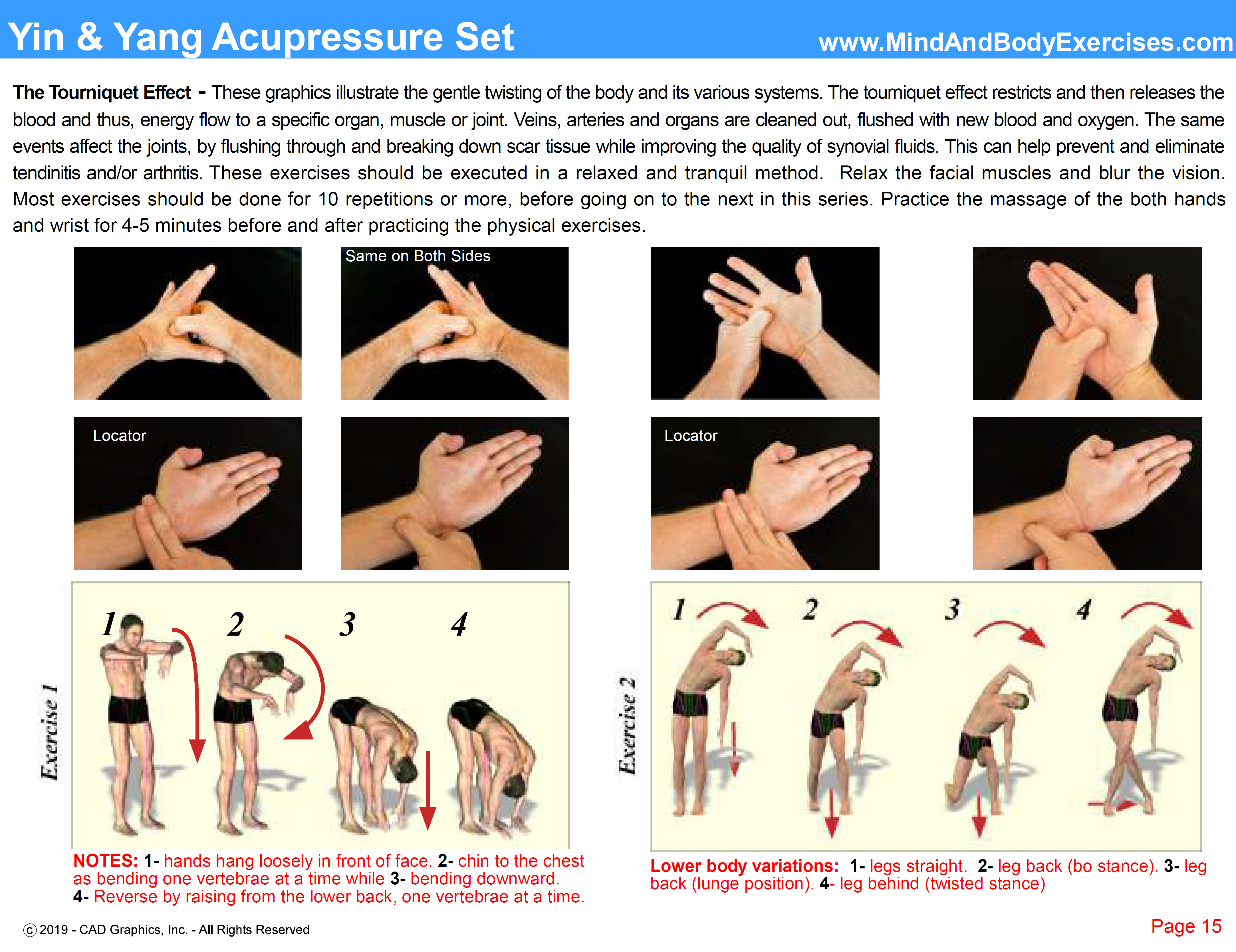
  • Twisting, stretching, and massage for the palms, knuckles, thumbs, and wrists.
  • External application of herbal tinctures, which I personally formulate using apple cider vinegar, frankincense, and traditional Chinese herbs, to reduce inflammation and enhance post-exercise recovery (Xu et al., 2013). (Note: these tinctures are for external use only and should not be ingested.)

Real-World Applications

One of the most exciting aspects of this practice is its practical value:

  • Certain finger acupressure points can be used to help revive a fainted person; a technique I demonstrate and encourage students to learn.
  • Regular practice can reduce symptoms of arthritis, improve joint mobility, and enhance overall hand resilience, making it valuable not just for martial artists, but for anyone seeking greater hand health and functional longevity (Kim et al., 2015).

Balance Is Key

In my teaching, I stress the importance of balance and recovery:

  • Do not overdo the hitting exercises! Allow at least one day of rest between sessions.
  • Always follow with herbal application to soothe the tissues and prevent over-inflammation.
  • Listen to your body. This is a lifelong practice, not a race for quick results.

This approach embodies the philosophy I teach in all of my wellness work: true progress comes from harmonizing stimulation with restoration.

Closing Thoughts

For me, this hand conditioning system is much more than an exercise routine. It is a gateway to whole-body vitality and a deeper connection with the subtle currents of energy that animate us.

By combining traditional acupressure, mindful breathwork, herbal therapy, and thoughtful movement, we can restore the natural vitality of the hands, which in turn enhances our overall health, energy balance, and functional well-being.

I encourage you to explore this practice with patience, mindfulness, and care. Your hands and your entire body will thank you.

References:

Deadman, P., & Al-Khafaji, M. (2007). A Manual of Acupuncture. Eastland Press.

Ang, L., Song, E., Lee, H., & Lee, M. (2021). Acupressure for Managing Osteoarthritis: A Systematic Review and Meta-Analysis. Applied Sciences, 11(10), 4457. https://doi.org/10.3390/app11104457

Sancier, K. M. (2001). Search for Medical Applications of Qigong with the Qigong DatabaseTM. The Journal of Alternative and Complementary Medicine, 7(1), 93–95. https://doi.org/10.1089/107555301300004574

Starr, P. (2020). Authentic Iron Palm: The Complete Training Manual. Blue Snake Books.

Xu, Q., Bauer, R., Hendry, B. M., Fan, T., Zhao, Z., Duez, P., Simmonds, M. S., Witt, C. M., Lu, A., Robinson, N., Guo, D., & Hylands, P. J. (2013). The quest for modernisation of traditional Chinese medicine. BMC Complementary and Alternative Medicine, 13(1). https://doi.org/10.1186/1472-6882-13-132

Sick-Care to Self-Care:Transforming Health Through Holistic Practices

This week I will again speak at the University Club of Winter Park, to share information about health and wellness practices. This month, I will discuss the many factors that play a role in our health and well-being, as well as those “Mind and Body” practices that Western medicine increasingly recognizes as important to our health.

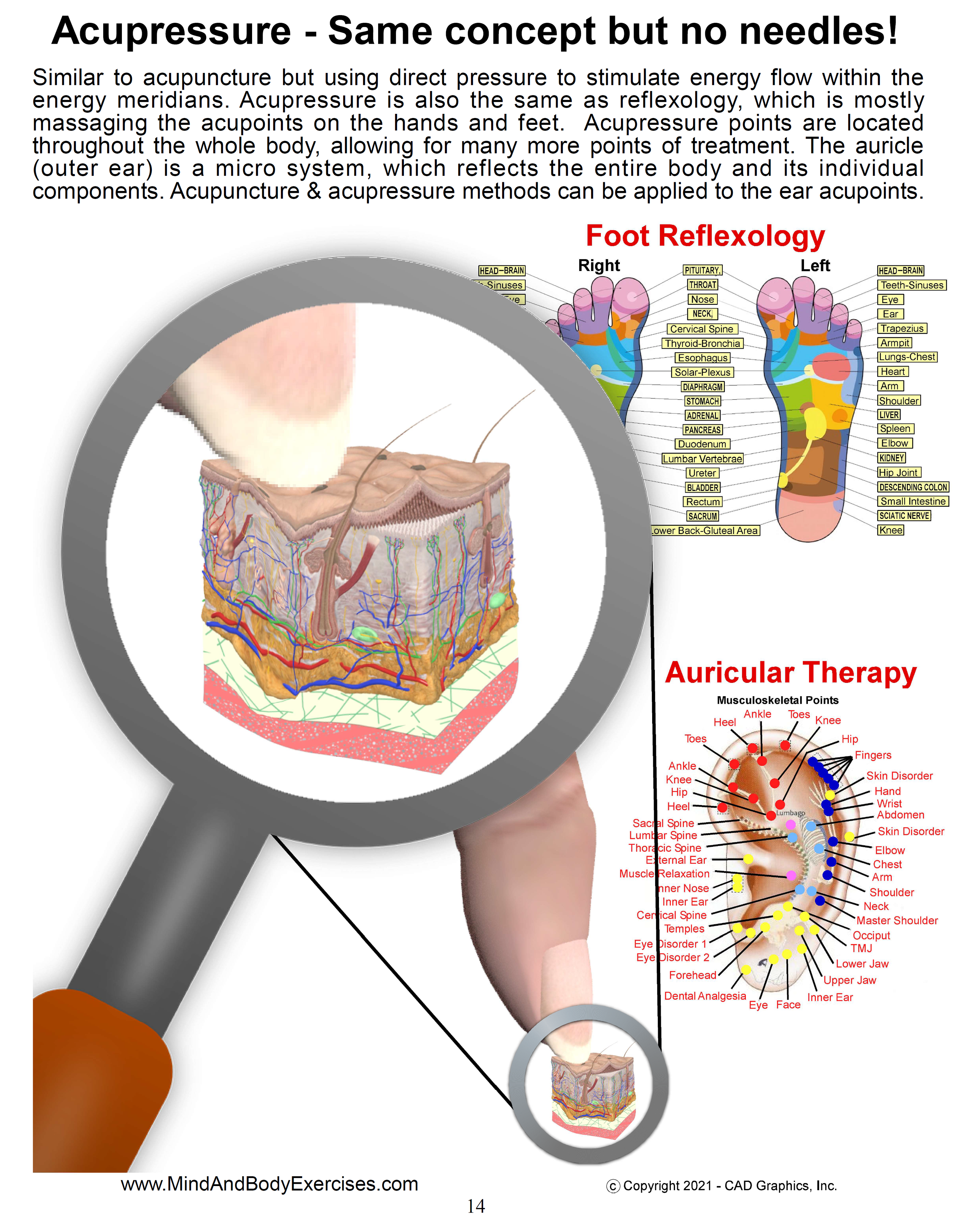
I will be discussing topics such as qi, and how to increase its flow through acupressure (reflexology) on the hands, fingers, and wrists. These exercises can help reduce pain while also increasing grip strength. A strong grip can help reduce falling for those with balance issues.

The concept of “sick-care” is to wait until you get sick to get care. The idea of “self-care” empowers the individual to manage their own well-being by taking active control to prioritize healthy lifestyle choices and consider options beyond traditional Western medicine. It’s never too late to start caring for yourself, so join us to learn how!

UCWP is located at 841 N. Park Avenue, Winter Park, at 2pm Thursday, July 11th. Contact me to confirm attendance at 407-234-0119

Thank You,
 
Jim Moltzan 
http://www.MindAndBodyExercises.com
https://www.facebook.com/MindAndBodyExercises/
https://www.youtube.com/c/MindandBodyExercises
https://mindandbodyexercises.wordpress.com/
https://www.amazon.com/author/jimmoltzan
https://umareg.com/masters-council/

Serious as a Heart Attack

If you follow the news these days, it seems like people are dropping dead left and right. Violence, shootings, suicides, drug overdoses, cardiac arrest and a host of other health-related issues have seemingly increased dramatically over the last few years. I encourage you to do your own diligent research, if these issues are of importance to you.

Do you know how to perform CPR?

Do you know how to perform the Heimlich Maneuver for a person who is choking?

Can you help someone who is bleeding profusely?

What do you do if someone is having a seizure?

Do you consider yourself to have the sufficient mental and physical fortitude to step up when the call comes?

Trauma, when experienced personally or through others in our presence, has the tendency to show us the true reality of our character. Will you be part of the bystander effect, where a group does nothing to help, or the Good Samaritan, where one reacts selflessly in the face of danger? As the saying goes, “when seconds matter, help is minutes away.

In our extremely polarized society of today, people are often shamed, shunned or ostracized for not caring enough about others’ health. But are any of us capable of preserving another’s life in their time of need? First responders? Hopefully. The average person, NO. Most people cannot even save themselves in a life-threatening situation, let alone another in drastic circumstances. If we choose to pontificate on how much we care about others, maybe we should actually learn how to save a life. More accurate would be to hopefully “preserve” or “prolong” a life, as we are mere humans and cannot save anyone or any living thing from their inevitable demise. We can only offer to do our best.

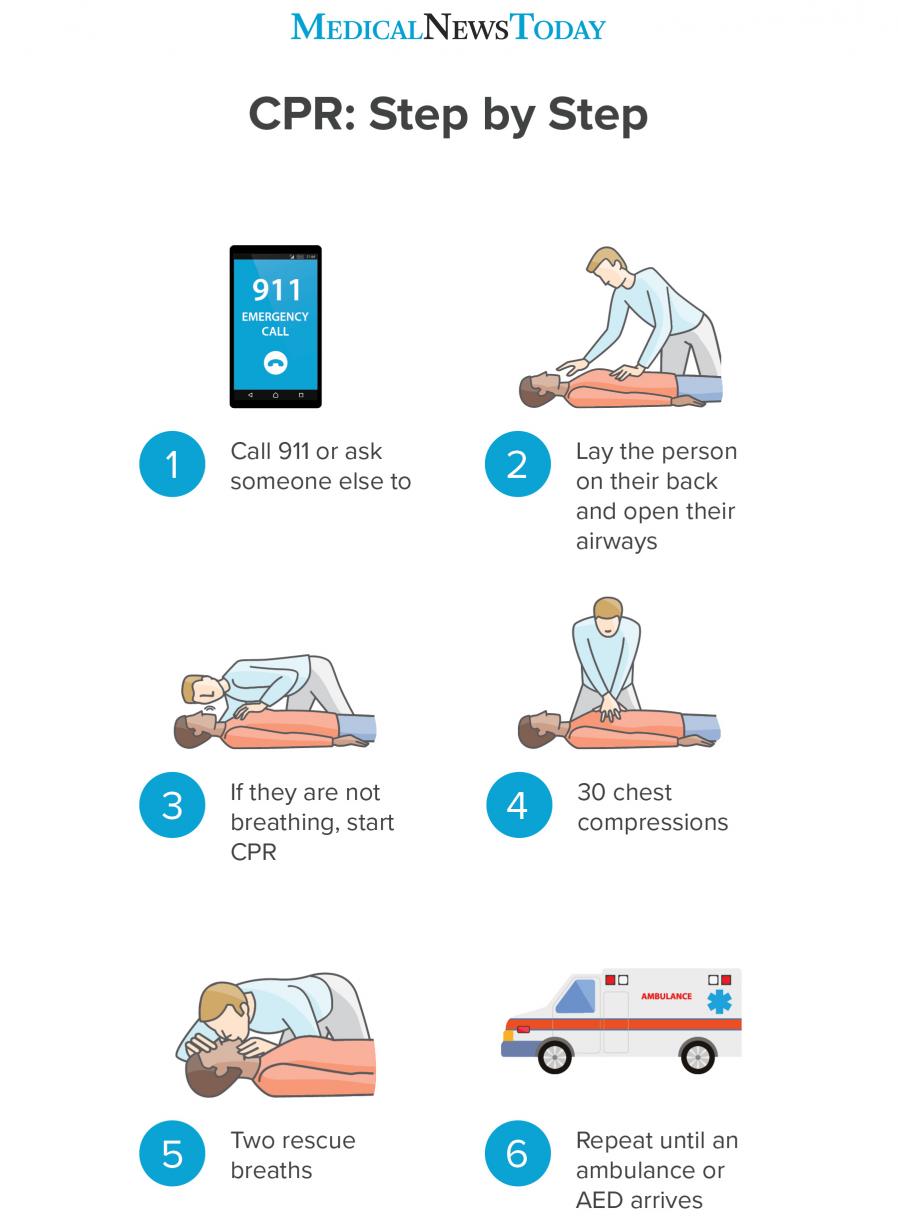
Far below is a graphic for understanding the basic steps of CPR. GO LEARN HOW TO DO IT!

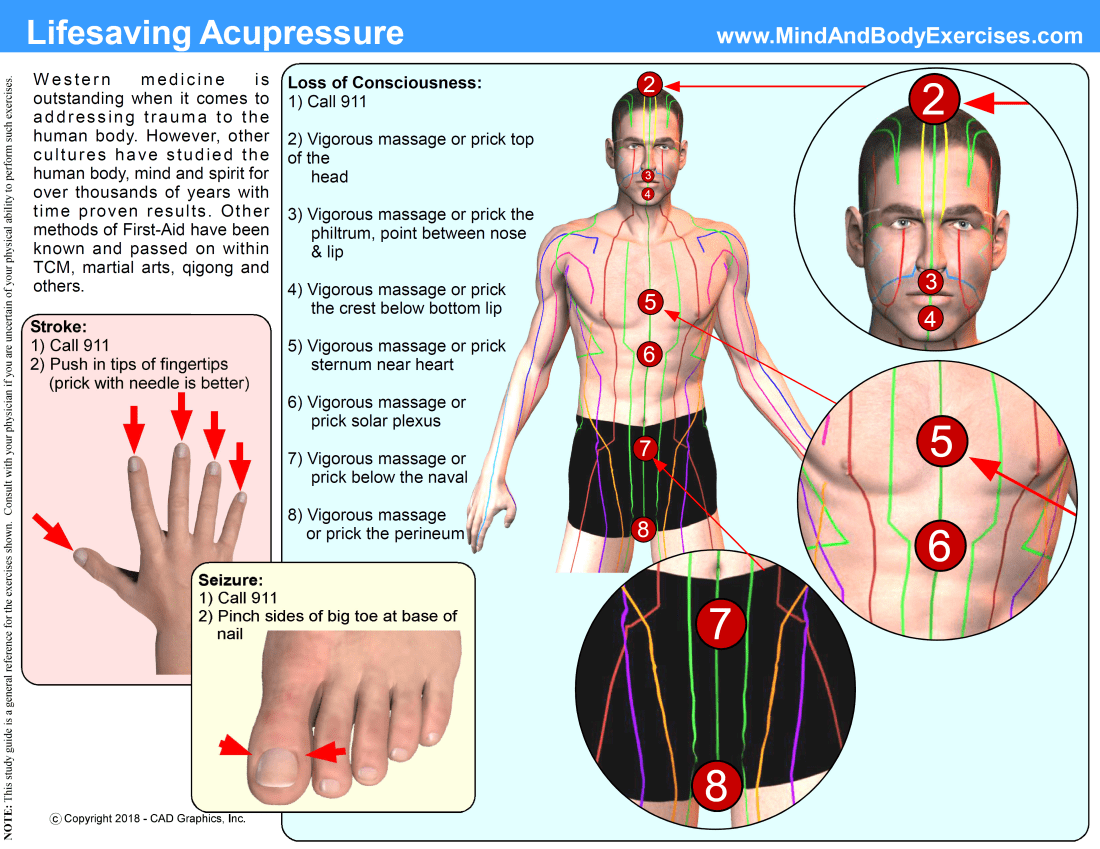
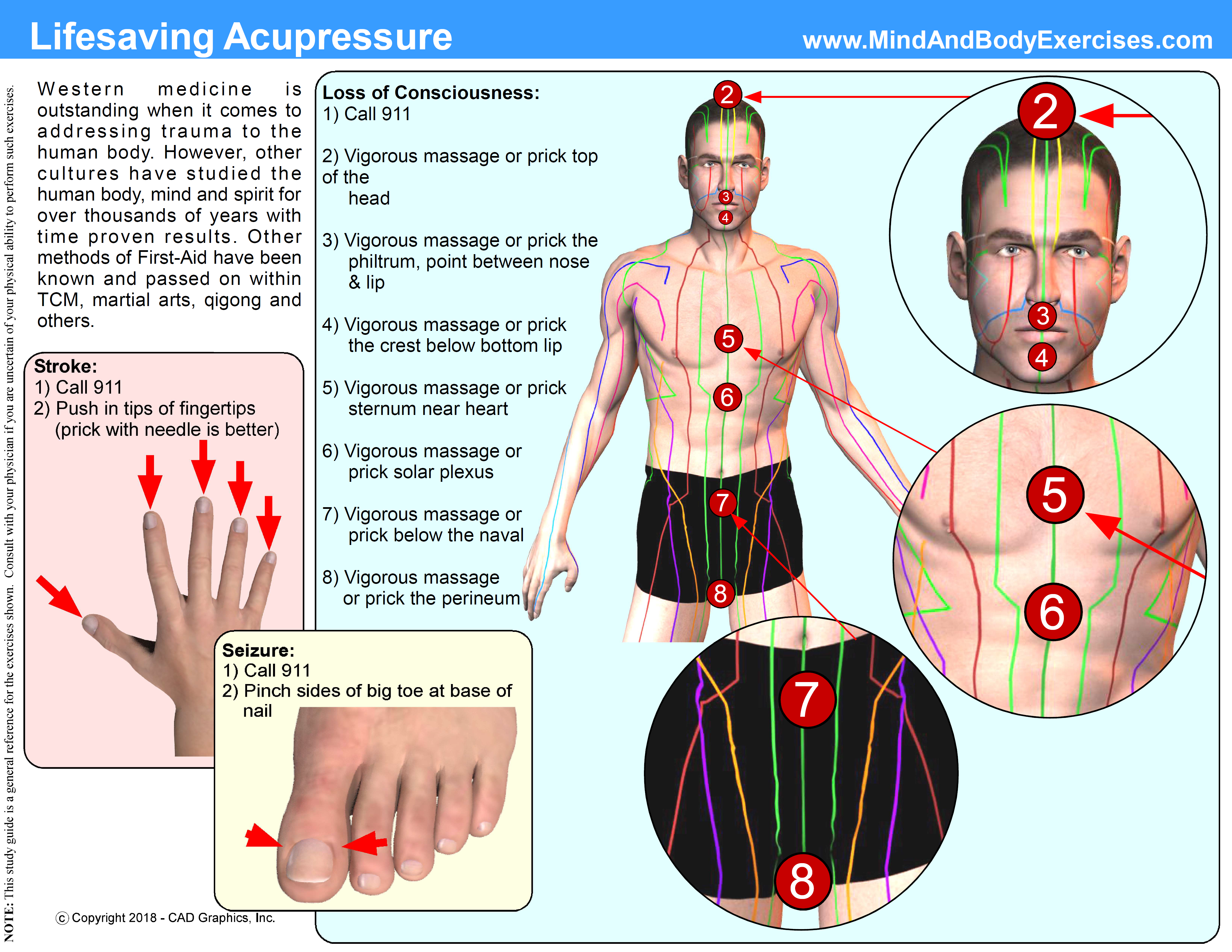
I am additionally offering here some priceless tools to help revive someone if they become unconscious. Acupressure (no needles) and its parent of acupuncture (needles) from Traditional Chinese medicine, has been around for a few thousand years. There are specific techniques that can be used to help resuscitate in addition to CPR training. If you are in need of more information or instruction beyond what is available here on applying these techniques, contact me or other qualified experts in this field.

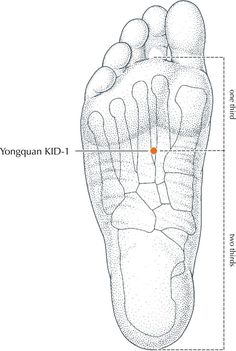
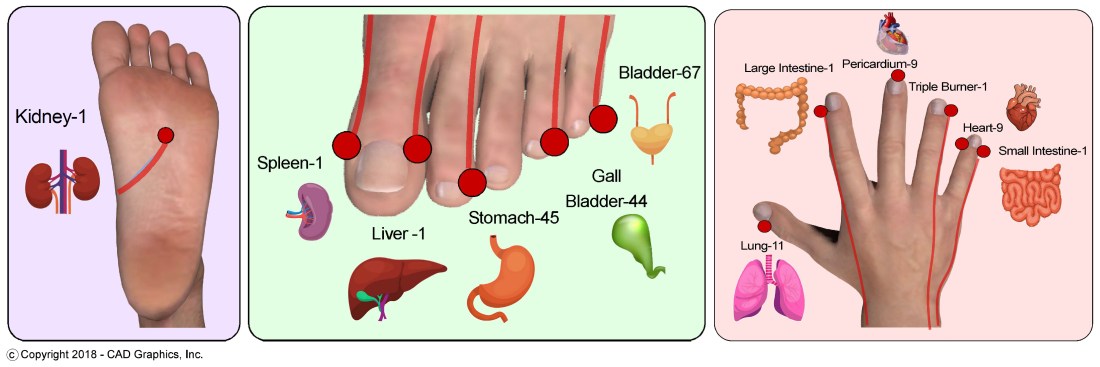
These are techniques that I was taught over 40 years ago from my martial arts masters and Traditional Chines Medicine teachers to help with stress, headaches and especially LOSS of CONSCIOUSNESS. If you are concerned about the legitimacy or efficacy of these types of techniques, I encourage you to do some of your own research as I have for many years. I have actually used these techniques to help revive others either from over-exertion, illness or trauma, more times than I can remember; maybe 50-100 times. Most often acupoints 1-10 work quite well for feinting and dizziness, and where 11-18 are used progressively for loss of consciousness, lack of breath and weak or nonexistent pulse. Striking of the perineum, also know as the huiyin point, conception vessel-1, or CV-1, is quite invasive and used only for the most dire of circumstances. Kidney-1 (KI-1) is just below the ball on the bottom of the foot, as is often used instead of CV-1.

It is no coincidence that most of these acupoints are the same ones used to strike and disable a physical attacker.

Copy, print, or share this image – it might come in handy!

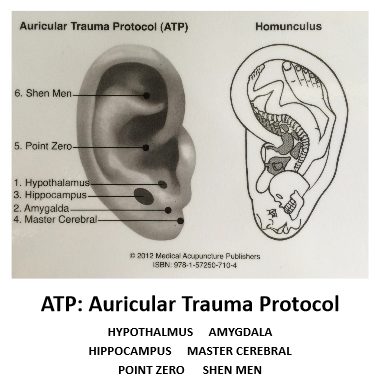
Auriculotherapy is another method of acupuncture and/or acupressure, where the qi or energy meridians are accessed from the inner and outer portions of the ear (auricle). Acupuncture needles are often used for treatments but there are also small seeds or steel pellets can be adhered to the skin to provide longer lasting stimulation usually lasting a few days. For some issues of pain, relief can be experienced within minutes from the start of the procedures. There are usually no complications nor side-effects while patients are subjected to very little or no discomfort.

I have had auricular therapy in the past from my TCM doctor at the time.  I learned some of the techniques from her at the time and have since learned even more from other TCM doctors as well as qigong and martial arts masters, enabling me to provide my own successful treatments for backache, headaches, and seasonal allergies. 

Almost 13 years ago the U.S. Air Force begin training physicians deployed in Iraq and Afghanistan on how to use these methods. These techniques are quite easy and quick for most people to learn. The doctors would apply small and fine needles to wounded service members and local patients for pain relief.

At the time, the term “battlefield acupuncture” was used, even though these techniques have been in use probably for hundreds of years and not necessarily to soldiers nor on the battlefield. This battlefield acupuncture was not purposely designed to replace conventional medical care for war-related injuries, but rather to help in pain relief and possibly eliminate the need for pain medications for acute and chronic pain.

Other TCM doctors are using auricular therapy for various issues or other benefits such as studies on the use of auriculotherapy with distance runners to increase performance.

I have found some information to be somewhat critical of auricular therapy (and TCM in general as well). Usually, it is the same issues with Western medicine having lack of scientific data or a desire not to deviate from the allopathic medical model.  If these methods have existed in other cultures for hundreds, if not thousands of years, maybe there is something there to be studied further.

Traditional Chinese Medicine offers an amazing amount of knowledge, methods and alternative options to manage trauma, chronic pain and many other issues, beyond using surgery, opiates and anti-inflammatories.

References:

https://www.medicalnewstoday.com/articles/324712#cpr-quick-reference

Battlefield Acupuncture for the Clinical Practitioner (acupuncturetoday.com)

https://www.mcgill.ca/oss/article/pseudoscience/bad-science-lends-friendly-ear-ear-seeds

Battlefield Acupuncture in the U.S. Military: A Pain-Reduction Model for NATO | Medical Acupuncture (liebertpub.com)

Battlefield Acupuncture » Battlefield Acupuncture Seminars | Battlefield acupuncture, Advanced battlefield acupuncture, battlefield acupuncture seminars,acupuncture, auricular therapy, auriculothrapy, ear acupuncture

How to perform CPR: Guidelines, procedure, and ratio

_________________

I teach classes, seminars, and private instruction focusing on methods of wellness from Traditional Chinese Medicine, Tai Chi, Qigong, acupressure and exercises from martial arts for fitness and improved health. 407-234-0119.

More education products can be found at:

https://www.mindandbodyexercises.com/f82557669

I write often about topics that affect our health and well-being. Additionally, I teach and offer lecture about qigong, tai chi, baguazhang, and yoga.

For more info, contact Jim Moltzan at info@mindandbodyexercises.com, 407-234-0119 or through my site at http://www.mindandbodyexercises.com

www.Amazon.com/author/jimmoltzan

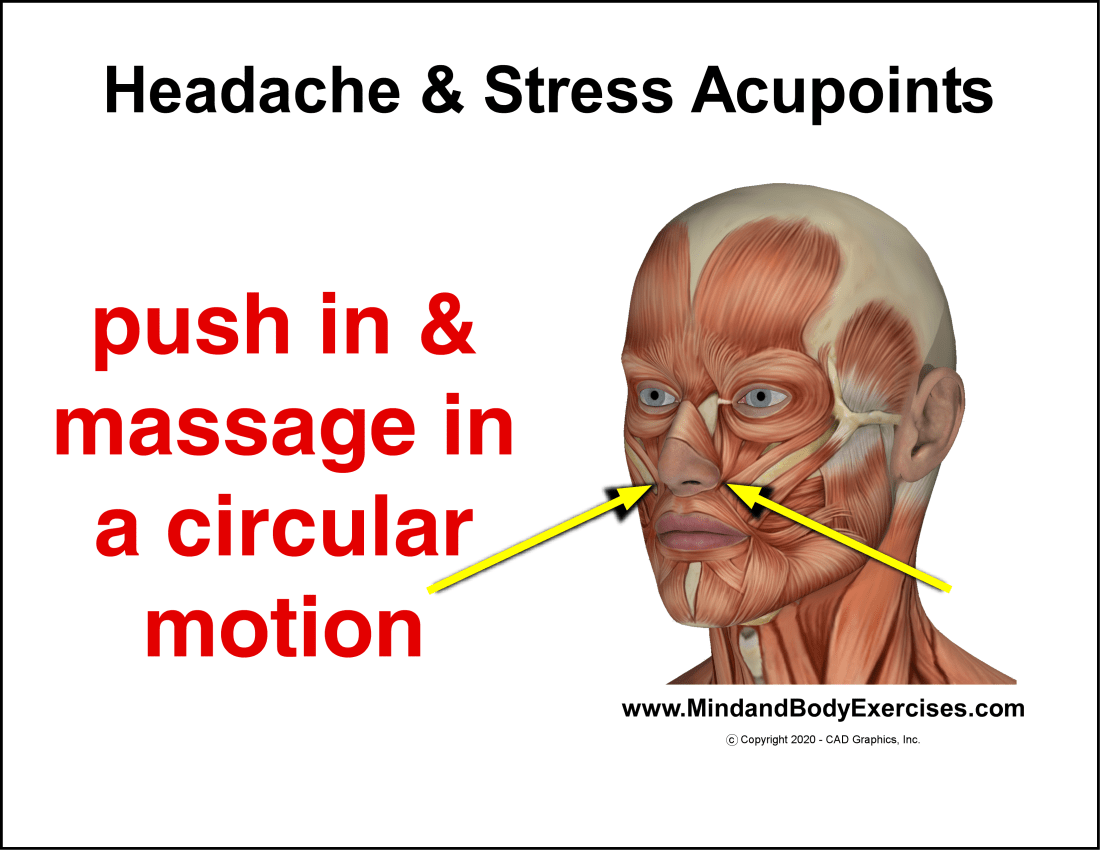
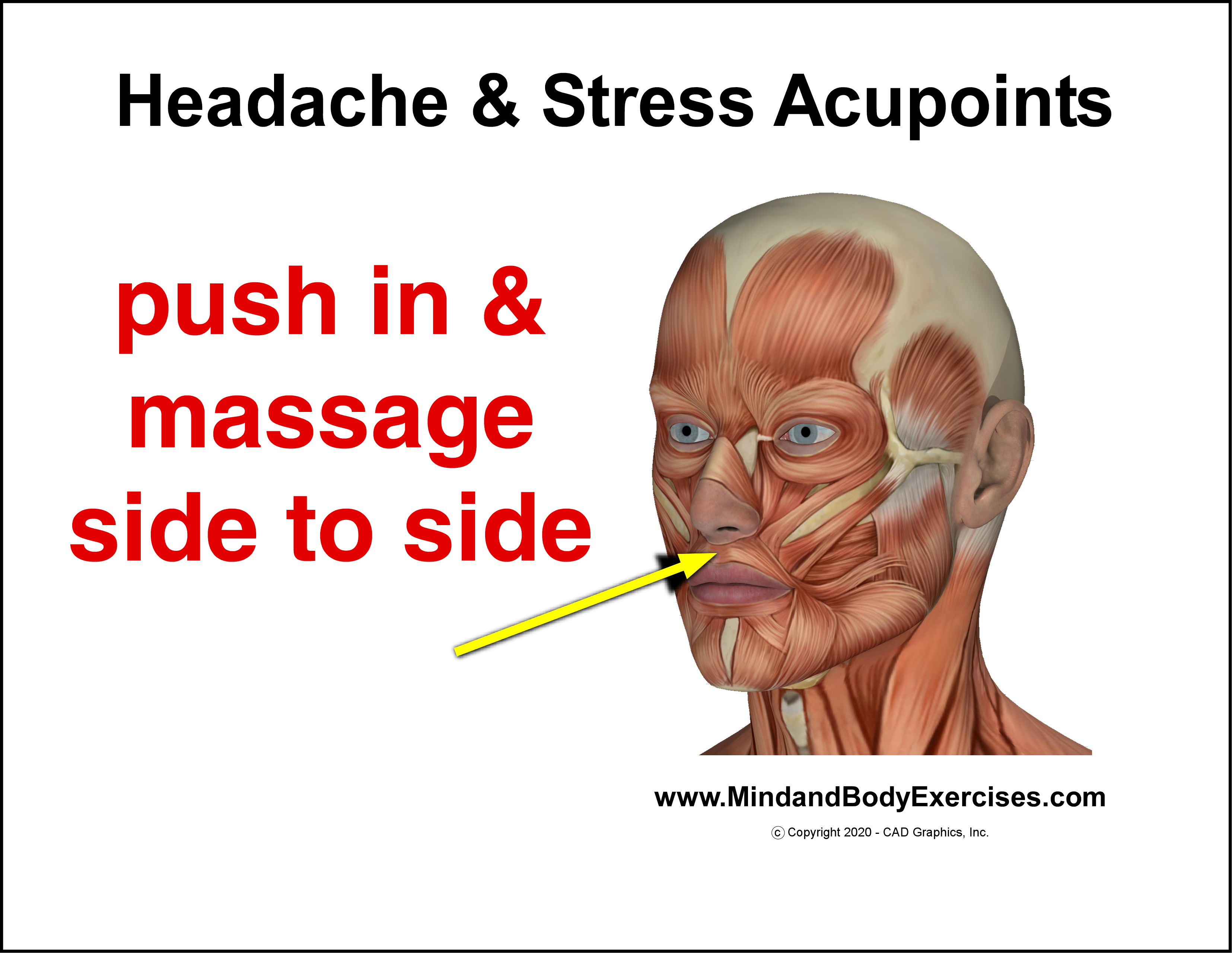
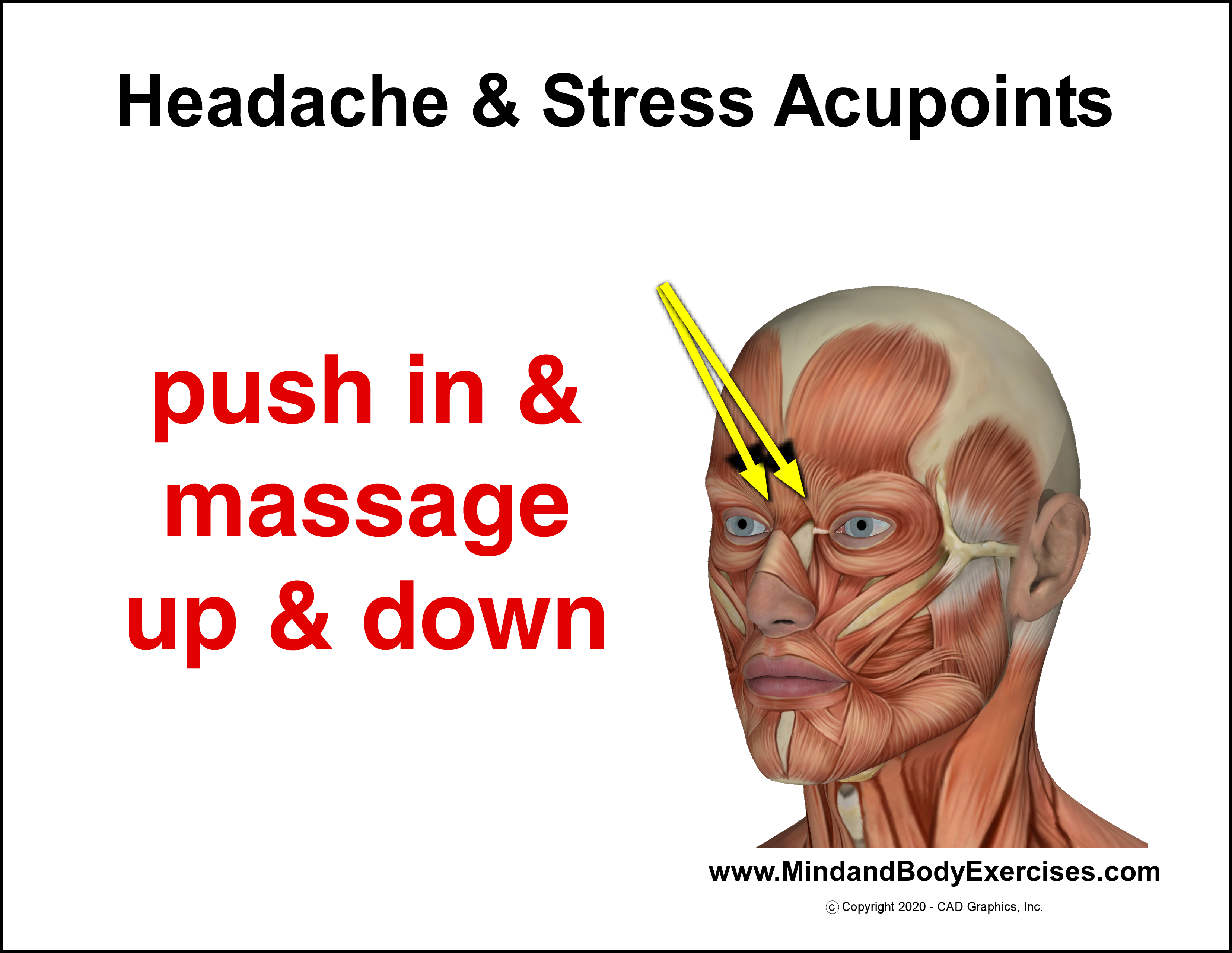
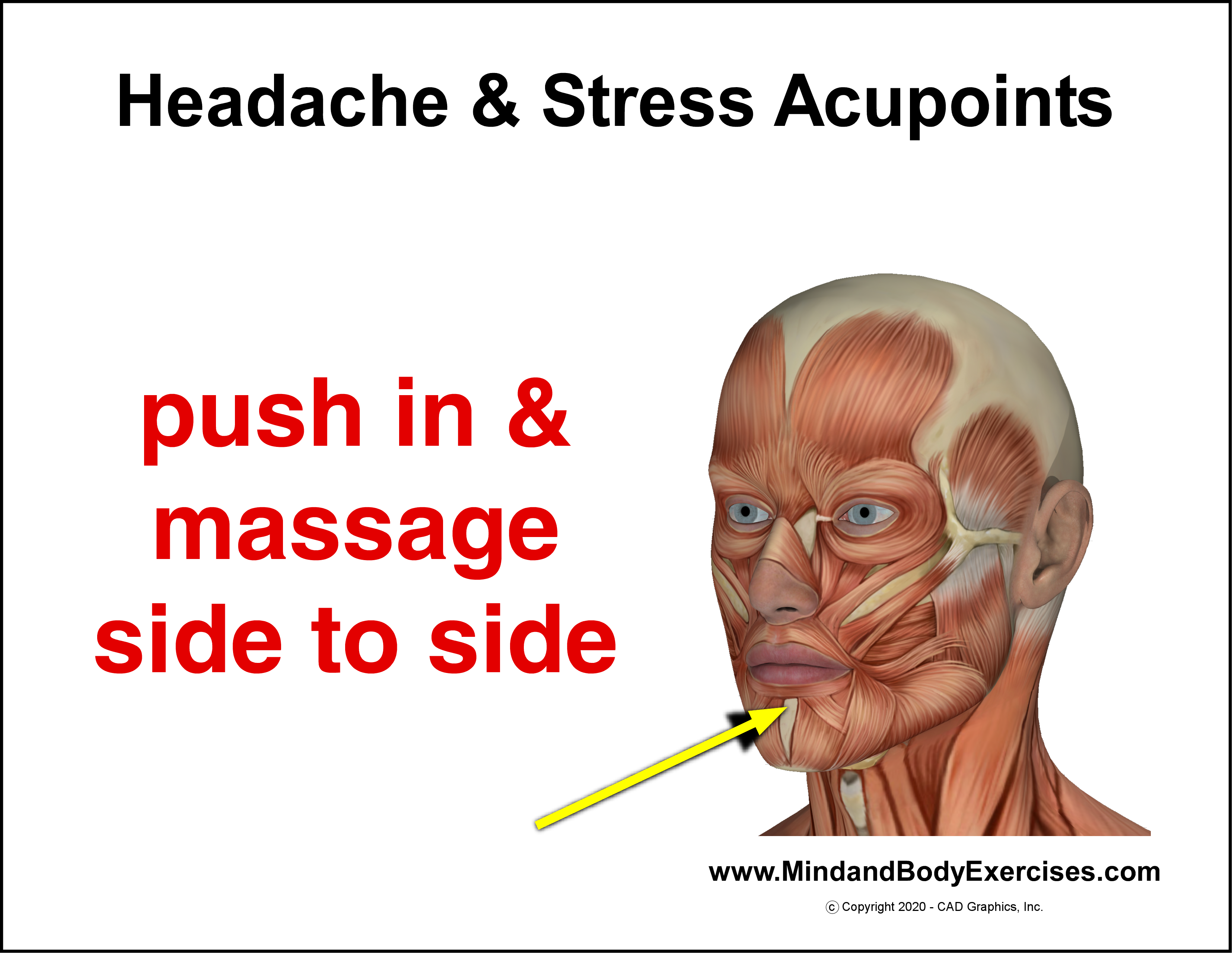
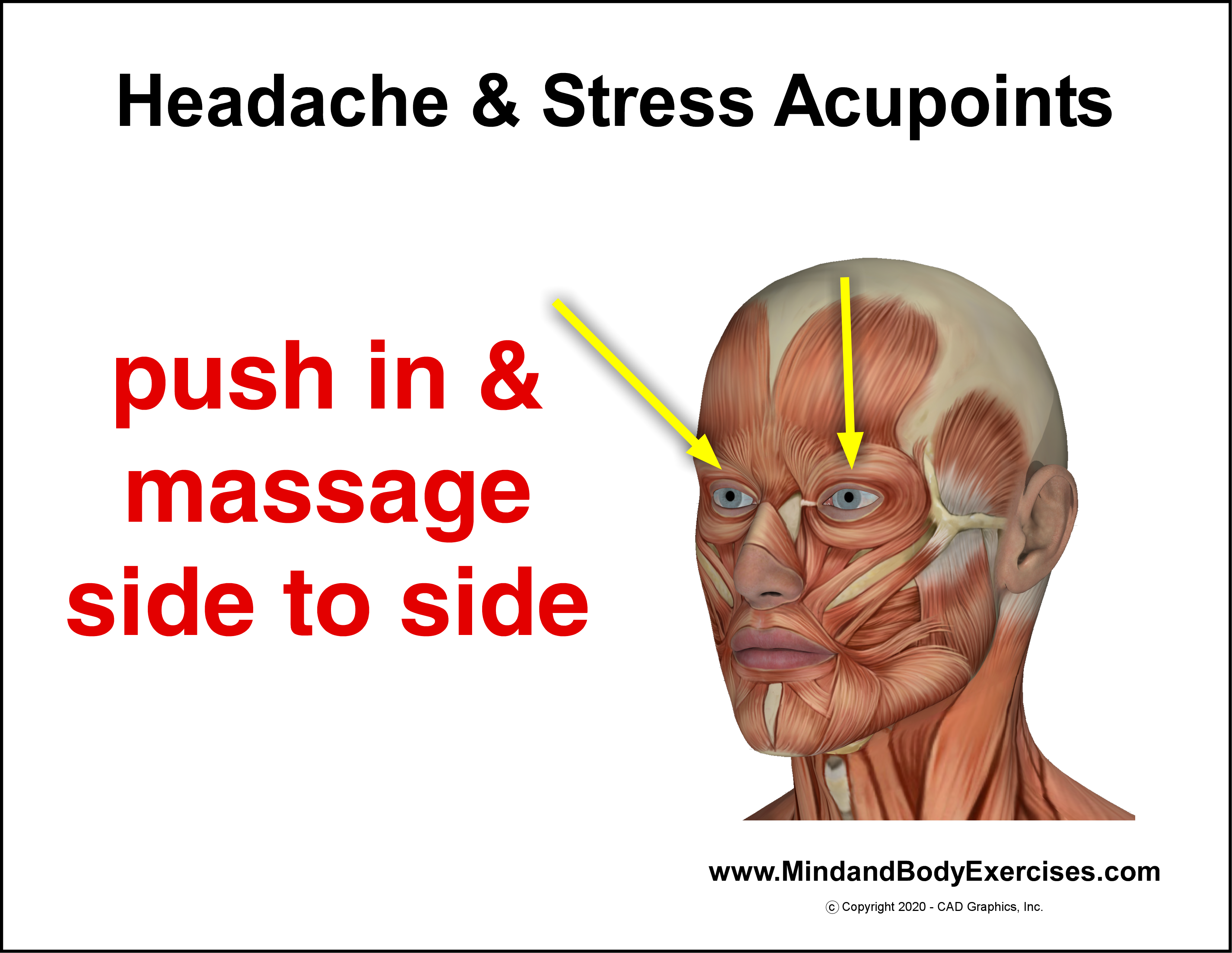
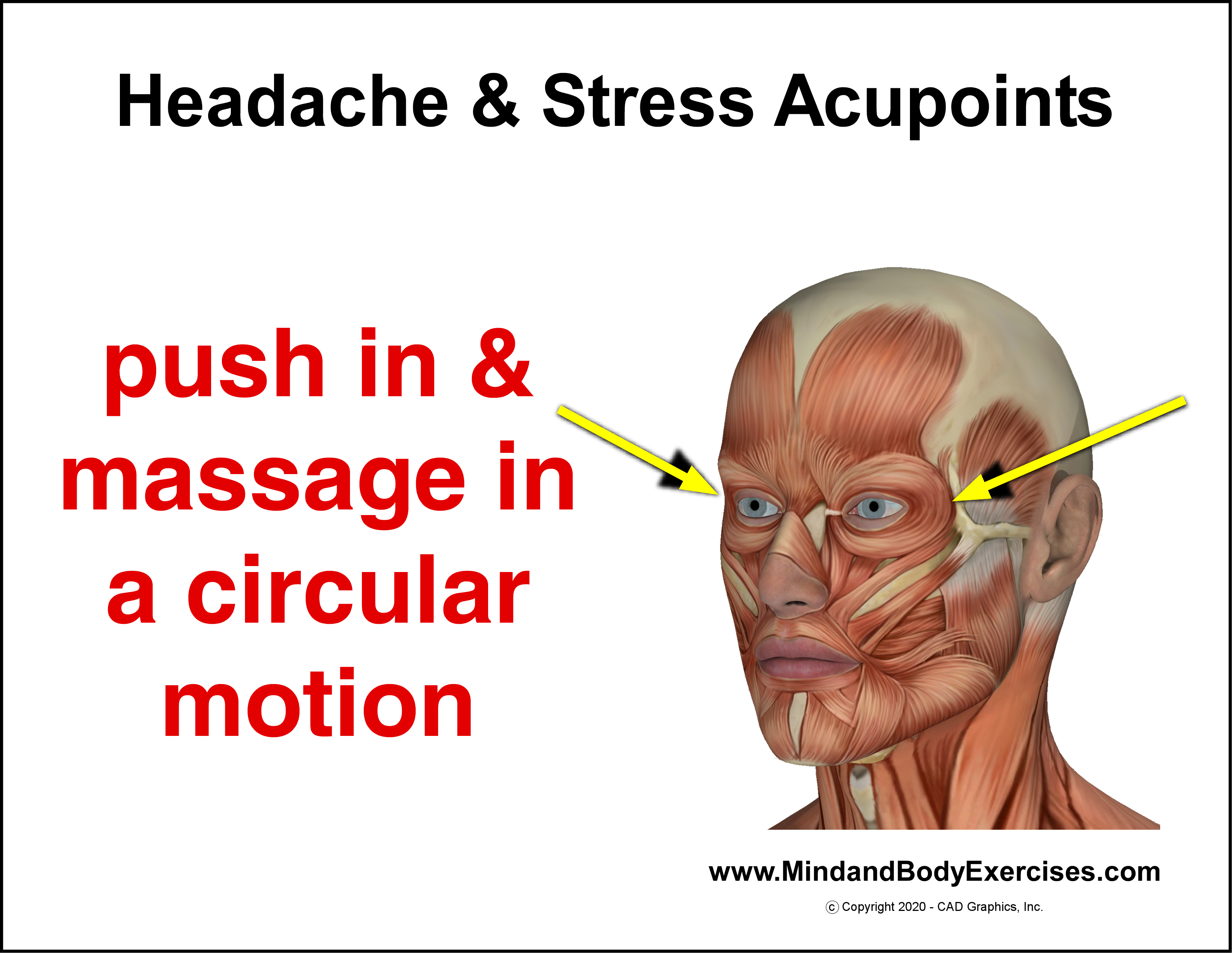
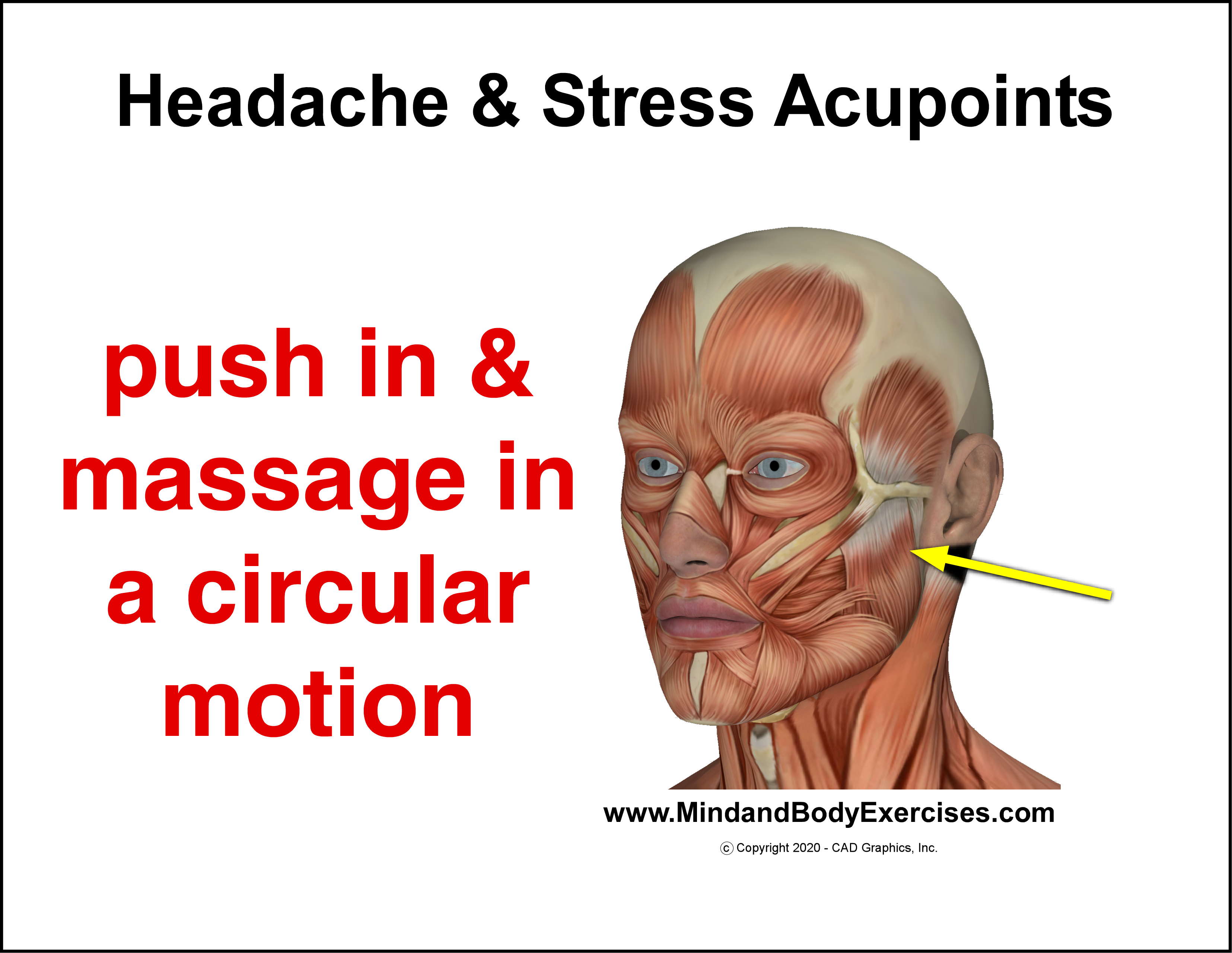
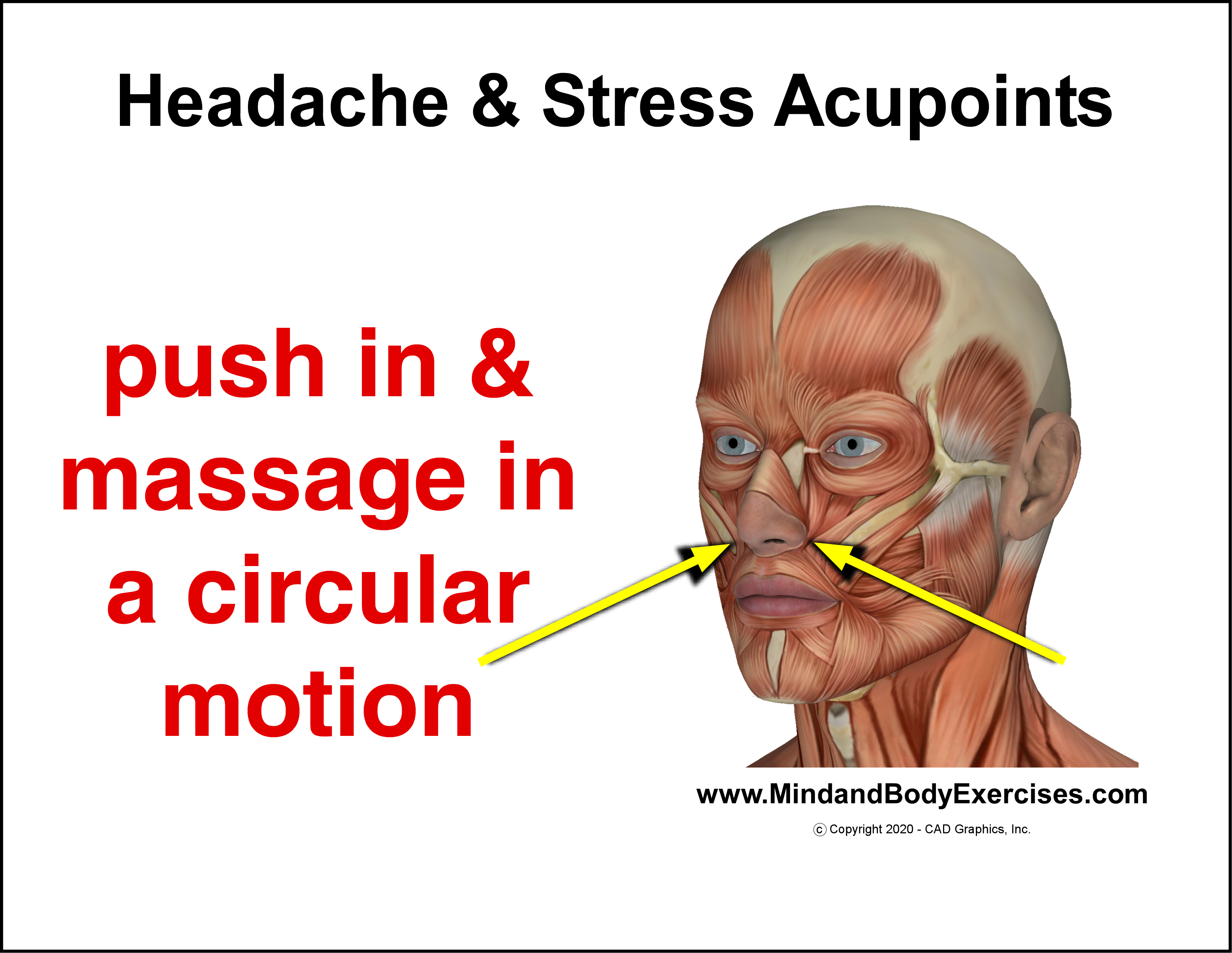
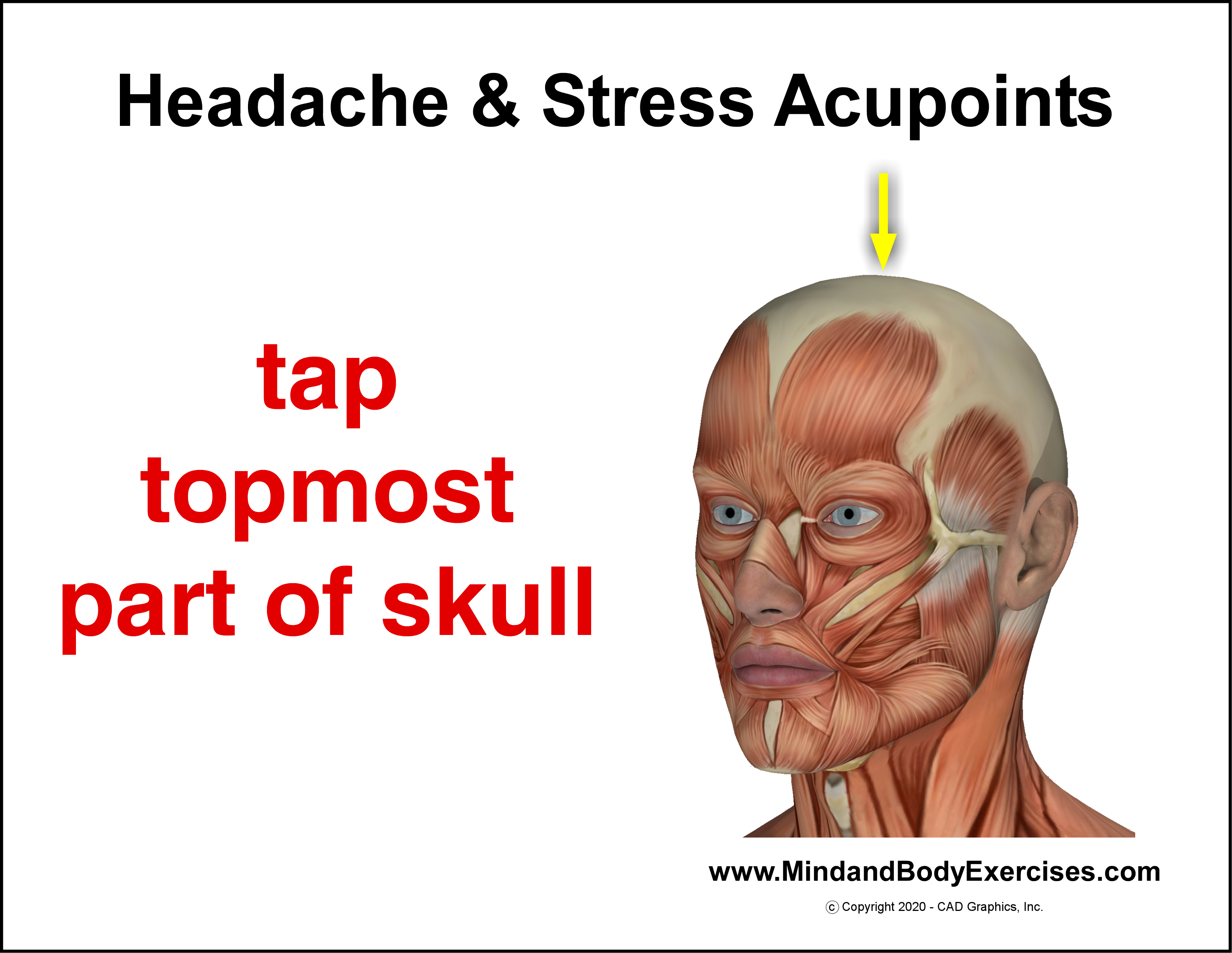
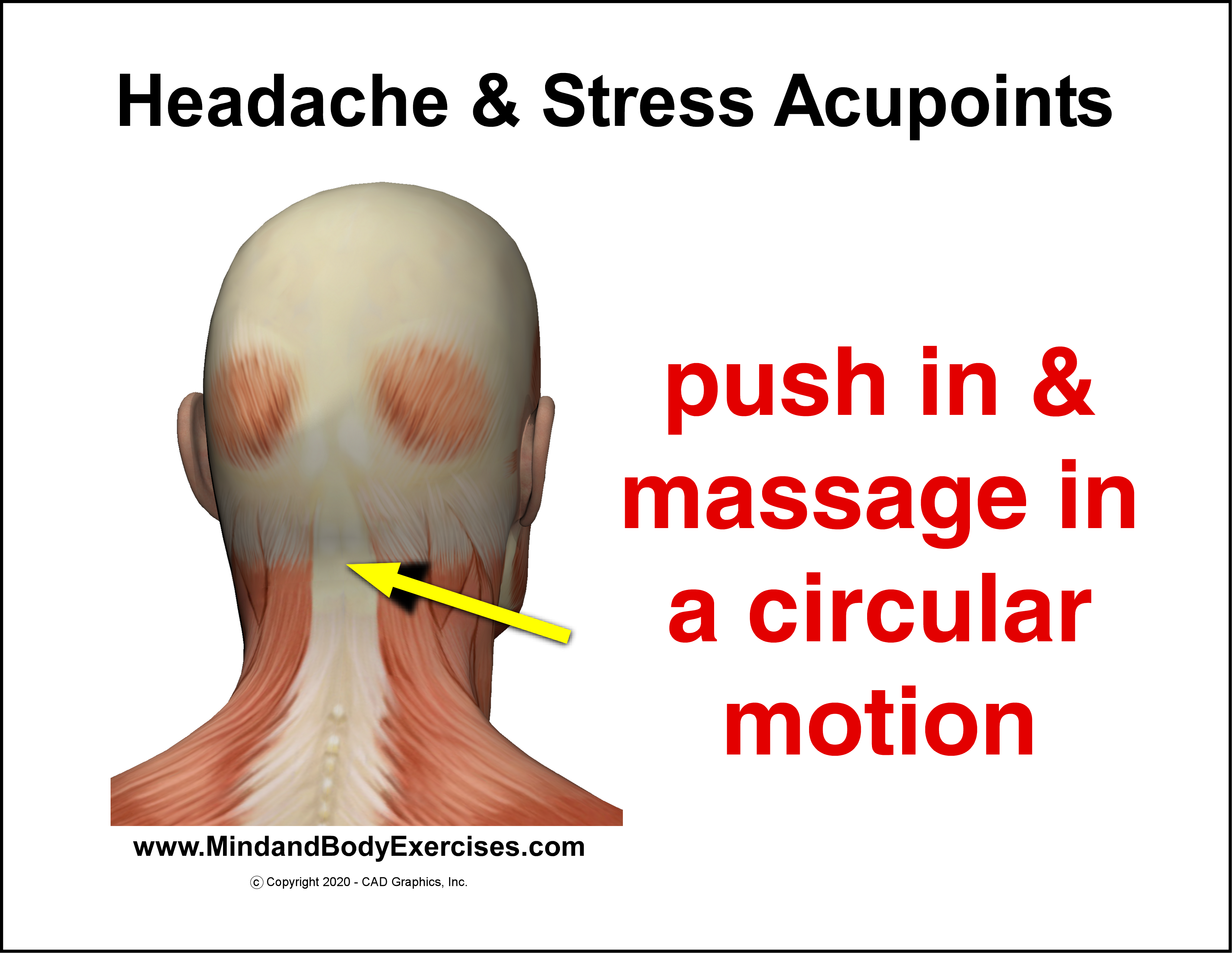
Relieve Stress, Tension and Headaches – Acupressure Methods

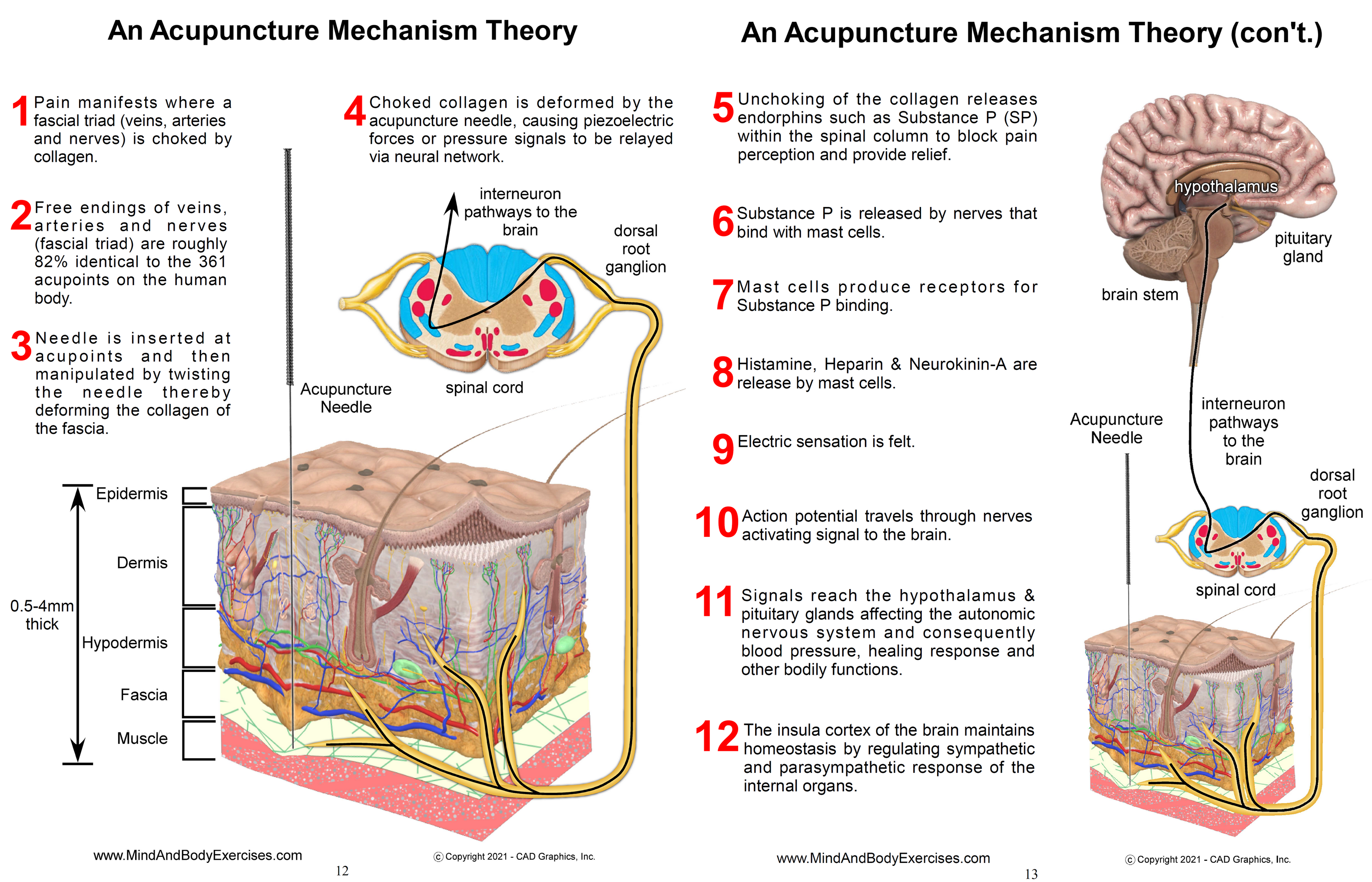
Acupressure (no needles) and its parent of acupuncture (needles) from Traditional Chinese medicine, has been around for a few thousand years.

These is an amazing amount of knowledge, methods and alternative options to manage chronic pain beyond surgery, opiates and anti-inflammatories.

These are techniques that I was taught over 40 years ago from my martial arts masters and teachers.  The key factor is consistency – practicing the techniques on a regular basis can help relieve the chronic pain associated with headaches and the stress that often accompanies these issues.

I teach classes, seminars, and private instruction focusing on methods of wellness from Traditional Chinese Medicine, Tai Chi, Qigong, acupressure and exercises from martial arts for fitness and improved health. 407-234-0119.

More education products can be found at:

https://www.mindandbodyexercises.com/f825576692

________

I write often about topics that affect our health and well-being. Additionally, I teach and offer lecture about qigong, tai chi, baguazhang, and yoga.

For more info, contact Jim Moltzan at info@mindandbodyexercises.com, 407-234-0119 or through my site at http://www.mindandbodyexercises.com

www.Amazon.com/author/jimmoltzan

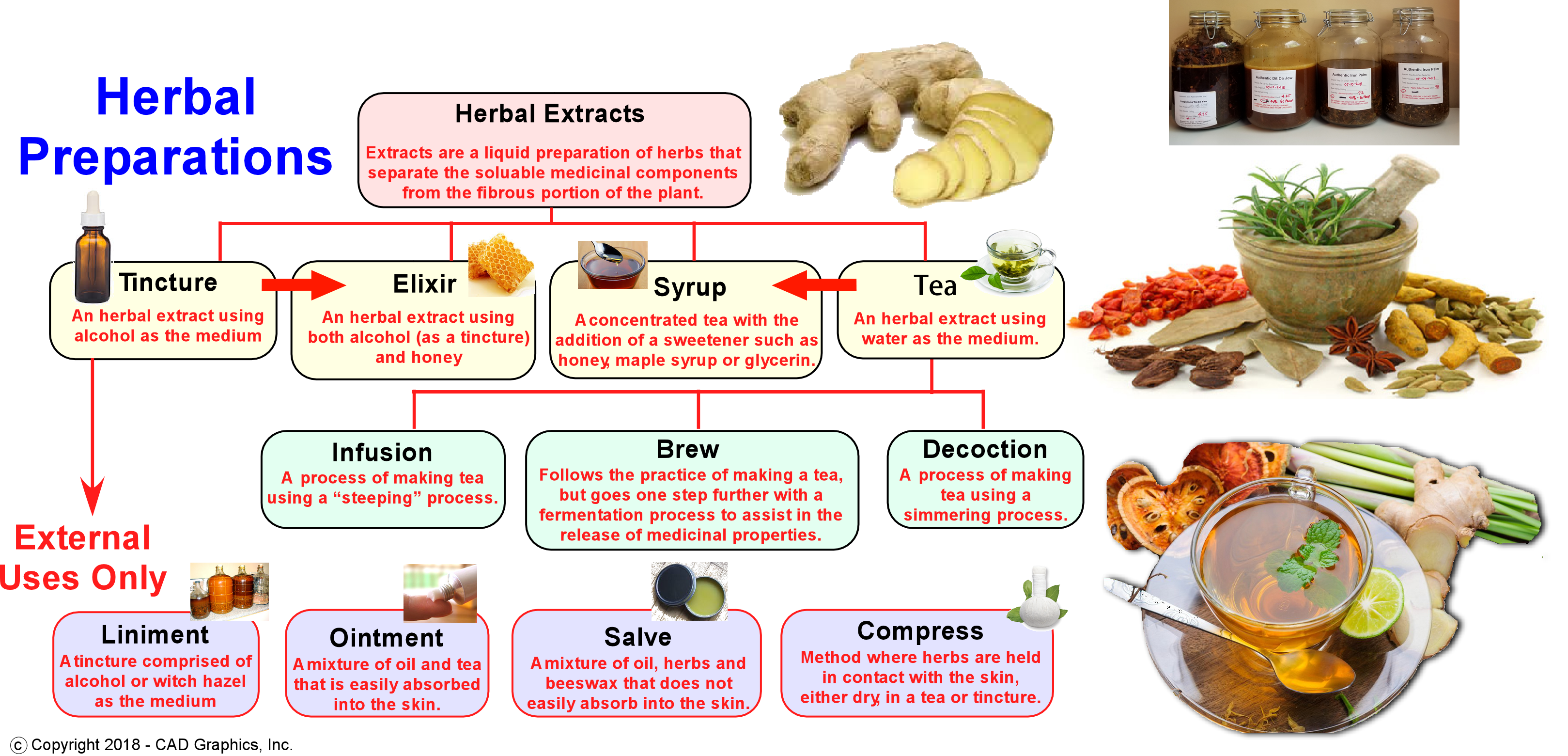
Chart of Various Herbal Preparations

Traditional herbal extracts consisting of various liniments, tinctures, teas, etc. are known for their unique properties, which harmonize both the mind and body, allowing the body to find its natural balance in just a short amount of time. Each traditional herbal extract formula targets a specific area of the body, just as different foods and vitamins supply nutrients to specific areas of the body or different medicines are used to treat specific illnesses.

Some herbs allow the body to naturally expel toxins from joints and tissues, enabling oxygen and vital nutrients to reach affected areas. Others stimulate the body’s natural energy to accelerate healing in the muscles, joints, nerves, and ligaments.

During physical exercise or qigong practice, the application of these herbal extracts helps to relax the muscles and increase circulation, allowing you to challenge yourself further. This then allows you to maximize your full strength and speed while preventing injury caused by shocking different parts of the body, such as: joints, nerves, and muscles.

Blockages of the Qi, or chi (energy) flow usually result in poor blood circulation followed by illness. Acupressure or “pressure point” massage in conjunction with herbal extracts open the blood circulation and energy pathways increasing a flow of vitality that moves throughout the whole body. Response time to this opening of the energy pathways is usually less than 5 minutes.

__________

I write often about topics that affect our health and well-being. Additionally, I teach and offer lectures about qigong, tai chi, baguazhang, and yoga.

For more info, contact Jim Moltzan at info@mindandbodyexercises.com, 407-234-0119 or through my site at http://www.mindandbodyexercises.com