Options for Managing Chronic Pain #1

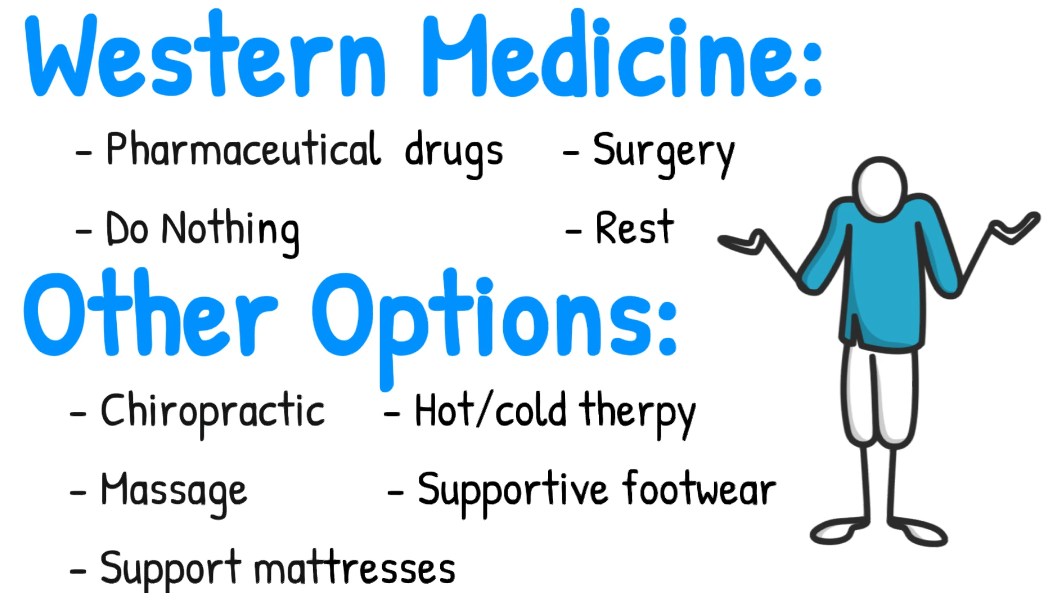
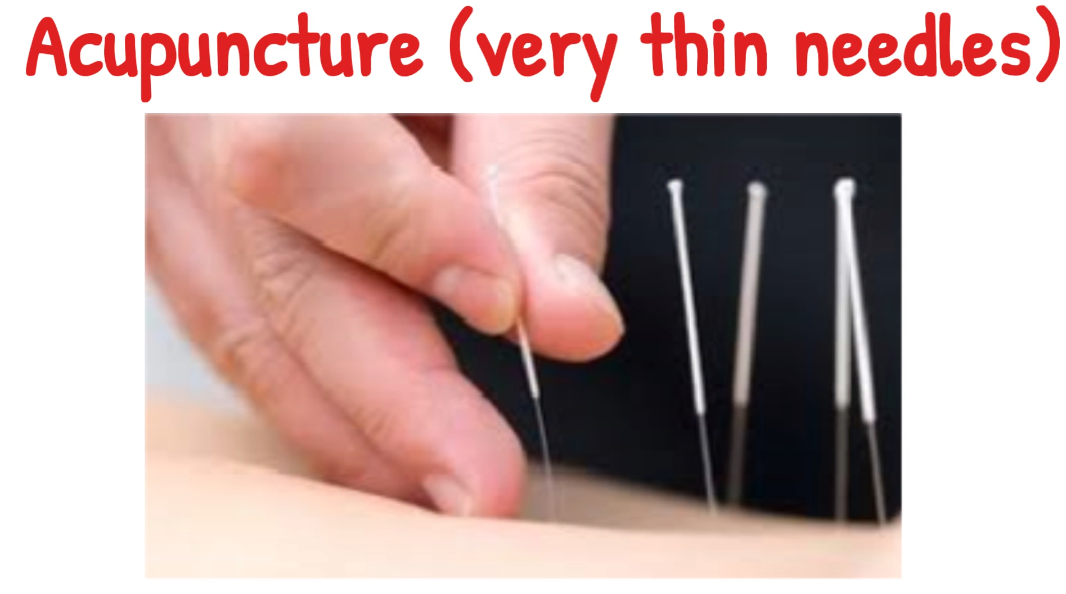
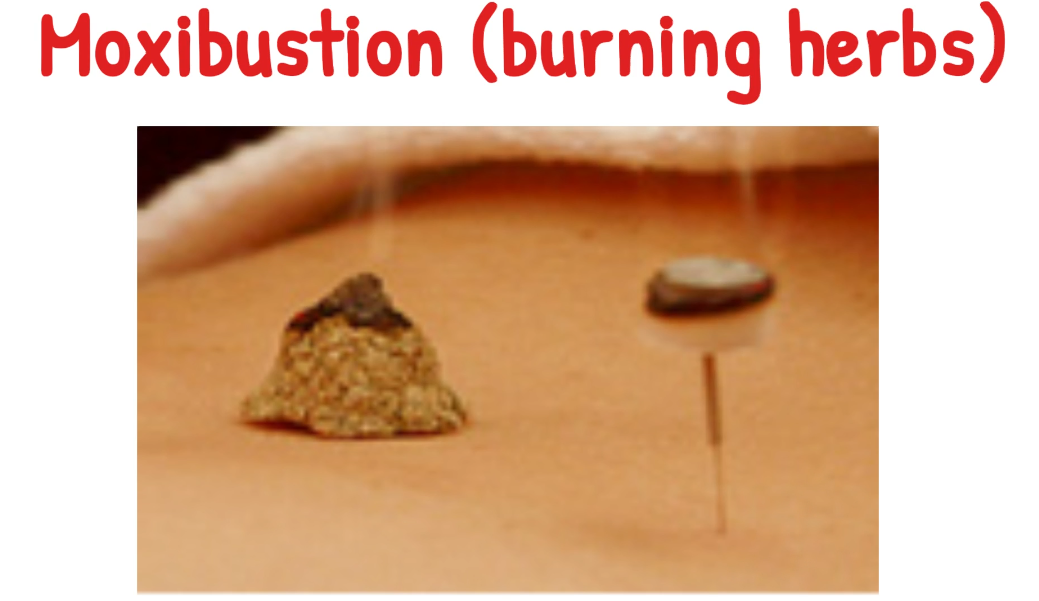
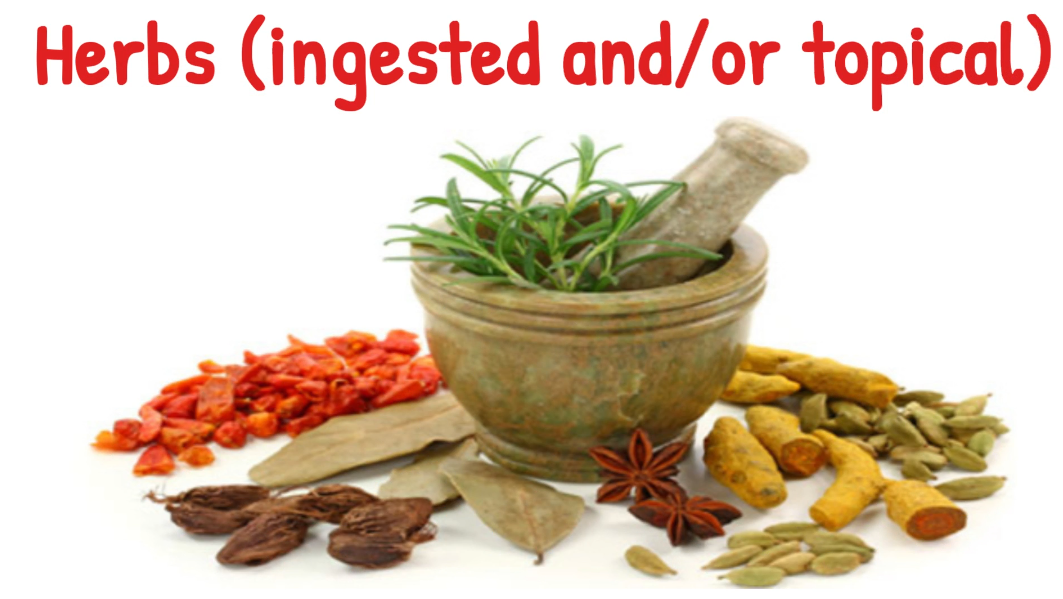
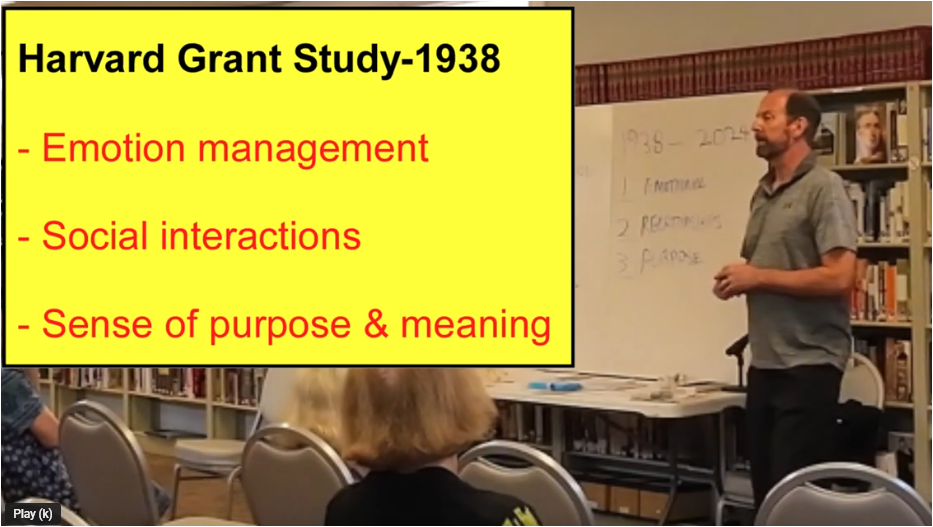
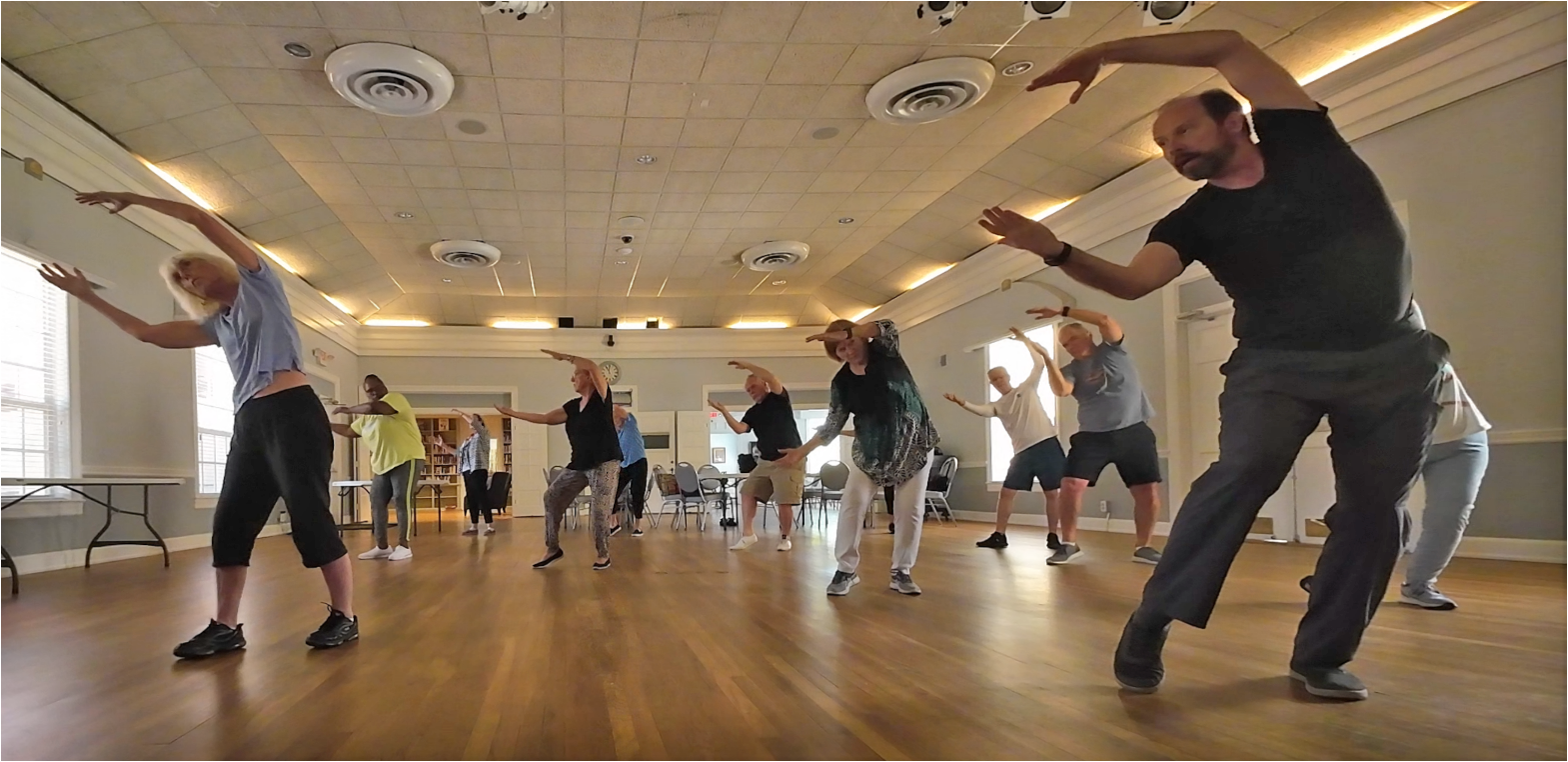
Recently I presented a 3-session discussion of managing chronic pain and various health conditions without relying heavily on pharmaceuticals. Drawing on over four decades of experience in fitness, wellness, and martial arts, I shared practical alternatives for alleviating chronic pain, enhancing overall health, and addressing root causes of illness through natural and holistic methods. The presentation emphasizes lifestyle changes such as regular exercise, proper nutrition, adequate sleep, positive mindset, and maintaining good posture. In addition to physical activity, I introduced various therapies from traditional Chinese medicine like acupuncture, cupping, and herbal treatments, alongside modern tools such as massage guns, acupressure blankets, TENS units, and topical applications like Biofreeze and herbal extracts and oils.

This talk also highlights the important role of breathing techniques and managing thoughts and emotions to influence bodily health, noting the body-mind connection reflected in how emotions such as fear and anger affect organ function. I stressed the importance of building health-supportive habits, acknowledged the challenge of post-traumatic growth, and discussed the nuanced use of heat and cold therapies. Practical advice on selecting and safely using equipment and topical treatments is interwoven with cautions about chemical ingredients and the need for professional guidance when appropriate.

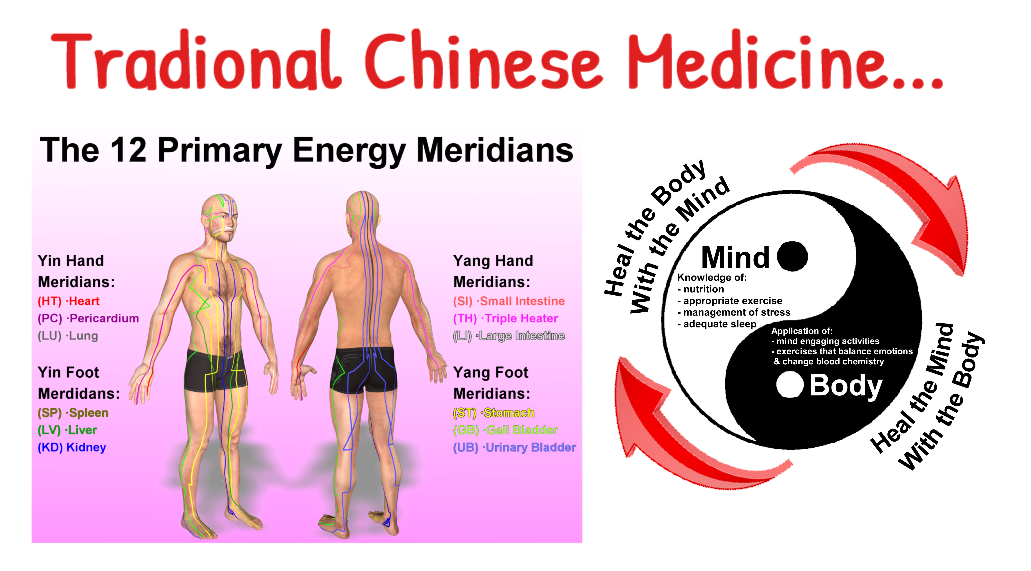
Traditional Chinese medicine explanations include the theory of meridians and fascia as pathways for energy and healing, while acknowledgment of the placebo effect underscores individual variability in treatment success. The presentation culminates with a discussion on herbal remedies and CBD products, encouraging personal experimentation with proper research and awareness of one’s unique constitution. Finally, I outlined future classes focusing on exercises for specific pain areas, breathing techniques, and addressing common ailments such as headaches.

Highlights

  • 🌿 Emphasis on managing chronic pain naturally through lifestyle changes and holistic methods.
  • 🧘‍♂️ Importance of regular exercise, stretching, and posture correction to alleviate joint and muscle pain.
  • 🌞 Balanced exposure to sunlight recommended for overall health despite skin cancer concerns.
  • 🌬️ Deep, nasal breathing techniques help regulate hormones and reduce stress.
  • 💆‍♀️ Overview of traditional Chinese medicine therapies such as acupuncture, cupping, and reflexology.
  • ⚡ Introduction of modern tools like massage guns and TENS units for targeted pain relief.
  • 🌱 Discussion of herbal remedies and CBD products with a focus on personal research and safety.

Key Insights

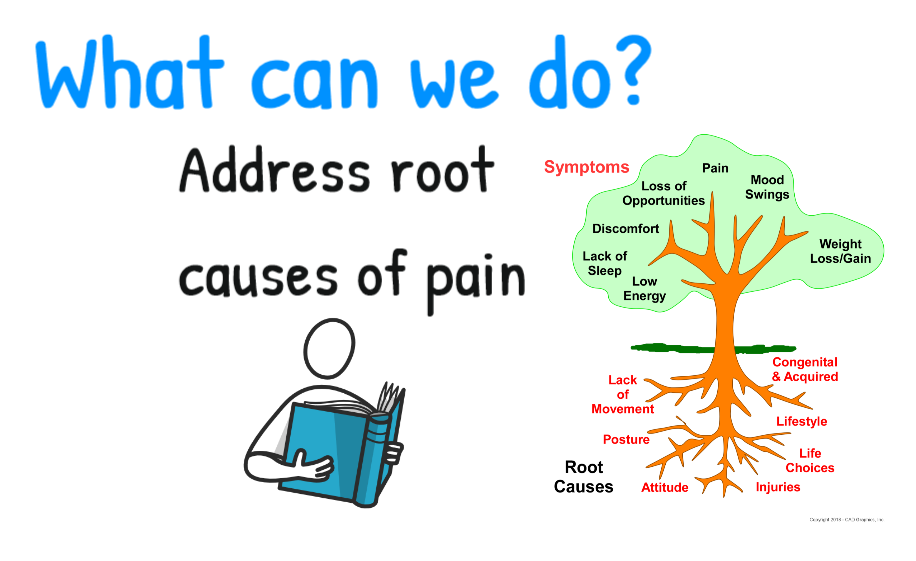
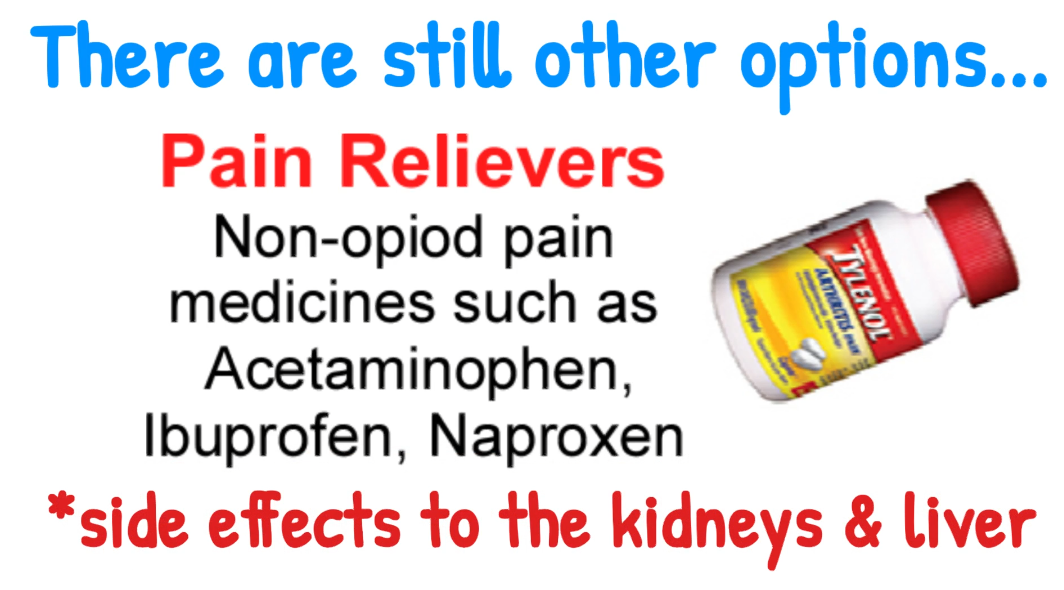
  • 🌟 Holistic Approach to Chronic Pain Management: The presentation advocates a multi-faceted strategy that goes beyond drugs, focusing on physical activity, nutrition, sleep, mental health, and social connection. Chronic pain is not treated solely as a symptom requiring pills but as a condition that benefits from addressing root causes like posture, mobility, and emotional well-being.

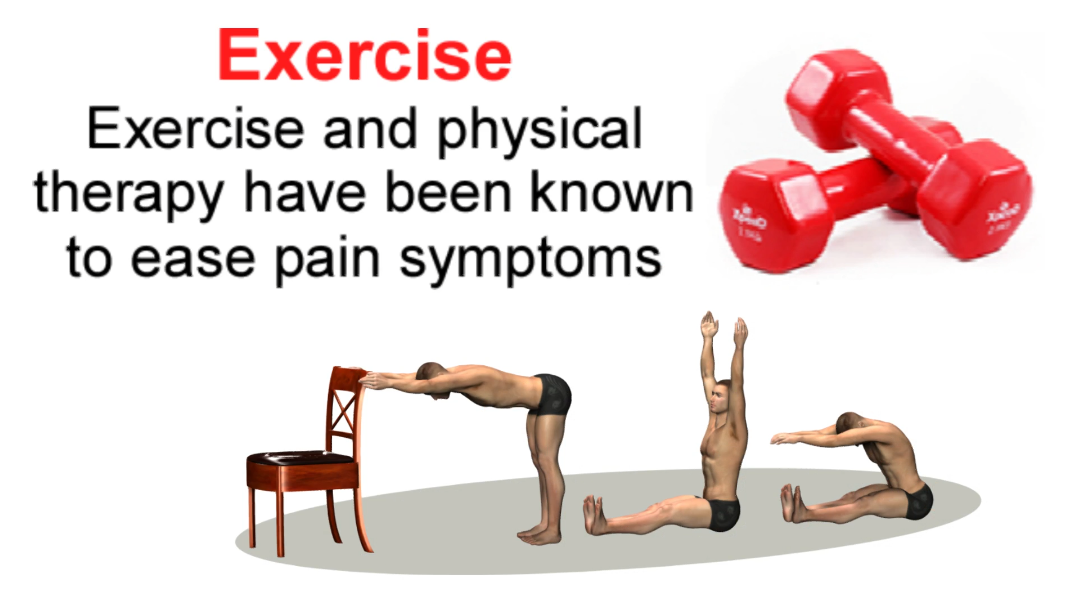
  • 💪 Exercise as a Foundation of Health: Regular, thoughtful exercise not only builds strength and flexibility but also aids in maintaining joint integrity and reducing inflammation. Tailored rehabilitation exercises for injury-prone areas such as knees and back show how specific movements can promote healing and prevent surgery, underscoring the preventive value of physical training.

  • 🌞 Sunlight’s Dual Role: Despite warnings about sun exposure, moderate sunlight early in the day is beneficial for vitamin D synthesis and overall well-being. This nuanced advice counters extreme avoidance and highlights how balanced choices support immune function and energy metabolism.

  • 🧠 Mind-Body Connection Through Thought and Emotion: The concept that emotions influence physical health is grounded in both traditional Asian medicine and modern science. Chronic fear, anger, and depression affect hormone and nervous system balance, which in turn impacts organ health and pain perception. Cultivating positive attitudes is presented as an essential part of holistic health care.

  • 🧘 Breathing as a Regulatory Tool: Emphasizing nasal breathing, I explained its biological effects on the nervous system’s fight-or-flight response and hormone regulation. It’s a simple, often overlooked method to enhance relaxation, improve circulation, and support natural healing processes by shifting the body into a rest-and-digest state.

  • 🌿 Traditional Chinese Medicine and Modern Integration: The explanation of meridian theory in relation to fascia and connective tissue bridges ancient concepts with current anatomical understanding. Techniques like acupuncture, cupping, and acupressure stimulate circulation and nervous system responses, and while their scientific basis is still debated, many find them effective. The placebo effect is recognized as a legitimate contributor to therapeutic outcomes.

  • ⚙️ Safe and Informed Use of Therapeutic Tools and Topicals: Modern devices like massage guns and TENS units can provide effective relief when used properly, but self-education and professional guidance are critical to avoid injury. Similarly, topical treatments like Biofreeze and traditional herbal liniments are recommended with caveats regarding chemical content and appropriate application to prevent adverse reactions.

  • 🌱 Individual Variability and Habit Formation: Chronic pain management is highly personalized. What works for one person might not work for another, which places importance on trying different methods and establishing consistent habits to evaluate effectiveness. The 21-day habit-building model is cited to encourage persistence and gradual lifestyle change.

  • 🌿 Herbal Medicine and CBD’s Mixed Efficacy: Herbal remedies such as ashwagandha and valerian root, alongside emerging treatments like CBD oil, show promise but require careful individual assessment and research. The overlap with placebo effects means patients must remain open-minded yet discerning, guided by their body’s responses and external advice.

  • 🩺 Discerning Between Muscle and Nerve Pain: Understanding the distinction between muscular discomfort and nerve-related pain is key to selecting appropriate therapies. For example, nerve pain may radiate and be treated with different techniques compared to localized muscle soreness, necessitating professional diagnosis to optimize treatment choices.

  • 🔥 Heat vs. Cold Therapy Nuances: The presentation challenges simplistic views on hot and cold treatment by discussing recent medical perspectives on risks and timing. Cold is beneficial immediately post-injury to reduce inflammation but can cause cell damage if prolonged, while heat aids recovery after inflammation subsides, supporting personalized and time-sensitive application.

  • 🌱 Post-Traumatic Growth Emphasized Over Syndrome: Rather than dwelling on trauma as a limiting factor, I frame it as an opportunity for growth. Adopting this mindset fosters resilience, encouraging individuals to engage in rehabilitation, self-care, and lifestyle changes despite past injuries or stressors contributing to chronic pain.

  • 🤝 Value of Social Connection and Mental Health Support: Being part of a supportive community, such as a health class or social network, can distract from pain and enhance feelings of well-being. This social support acts synergistically with physical treatment and mental health practices to bolster overall recovery and health maintenance.

In conclusion, my video offers a rich and practical resource for anyone seeking alternatives or complements to pharmaceutical pain management. It integrates ancient wisdom with contemporary tools and scientific insights, advocating for an active, informed, and individualized approach to chronic pain and health challenges. The emphasis on self-care, preventive habits, and understanding the body-mind interplay positions viewers to take more control of their well-being without over-dependence on medication.

Managing Back Pain – You Have Options

My goal is to present an education for holistic health to increase longevity and quality of life (heathspan), that brings awareness to these time-proven methods. With an intent to de-mystify and simplify explanations, hopefully, more people can come to realize that we are all accountable for our own well-being.

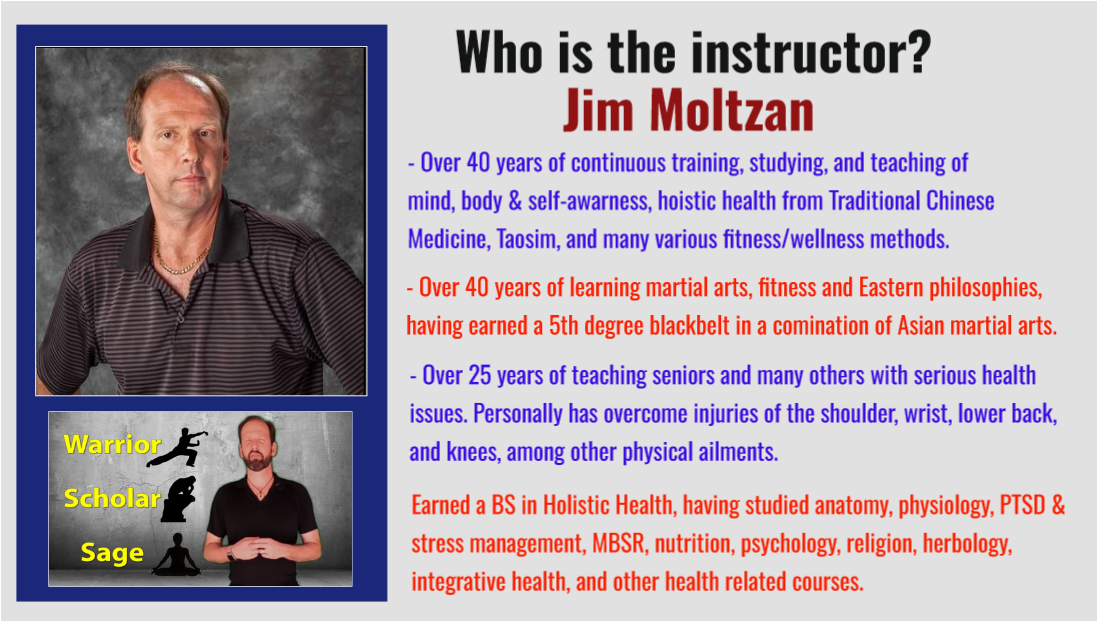
I teach and offer lectures about holistic health, physical fitness, stress management, human behavior, meditation, phytotherapy (herbs), music for healing, self-massage (acupressure), Daoyin (yoga), qigong, tai chi, and baguazhang.

Please contact me if you, your business, organization, or group, might be interested in hosting me to speak on a wide spectrum of topics relative to better health, fitness, and well-being.

I look forward to further sharing more of my message by partnering with hospitals, wellness centers, VA centers, schools on all levels, businesses, and individuals who see the value in building a stronger nation through building a healthier population.

I also have hundreds of FREE education video classes, lectures, and seminars available on my YouTube channel at:

https://www.youtube.com/c/MindandBodyExercises

Many of my publications can be found on Amazon at:

www.Amazon.com/author/jimmoltzan

My holistic health blog is available at:

https://mindandbodyexercises.wordpress.com/

www.MindAndBodyExercises.com

Mind and Body Exercises on Google: https://posts.gle/aD47Qo

Back Pain Management – Book 22

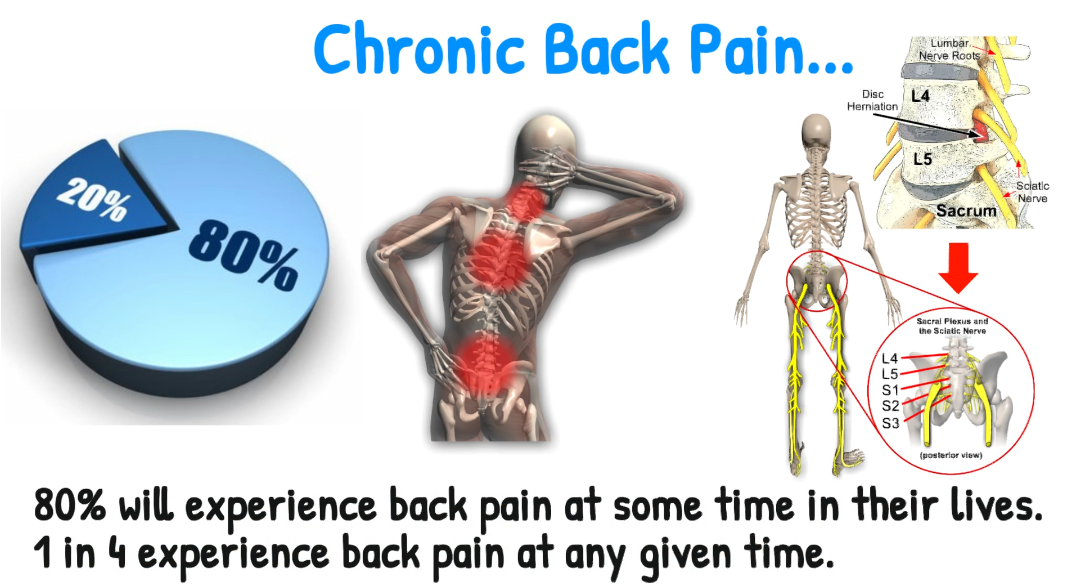
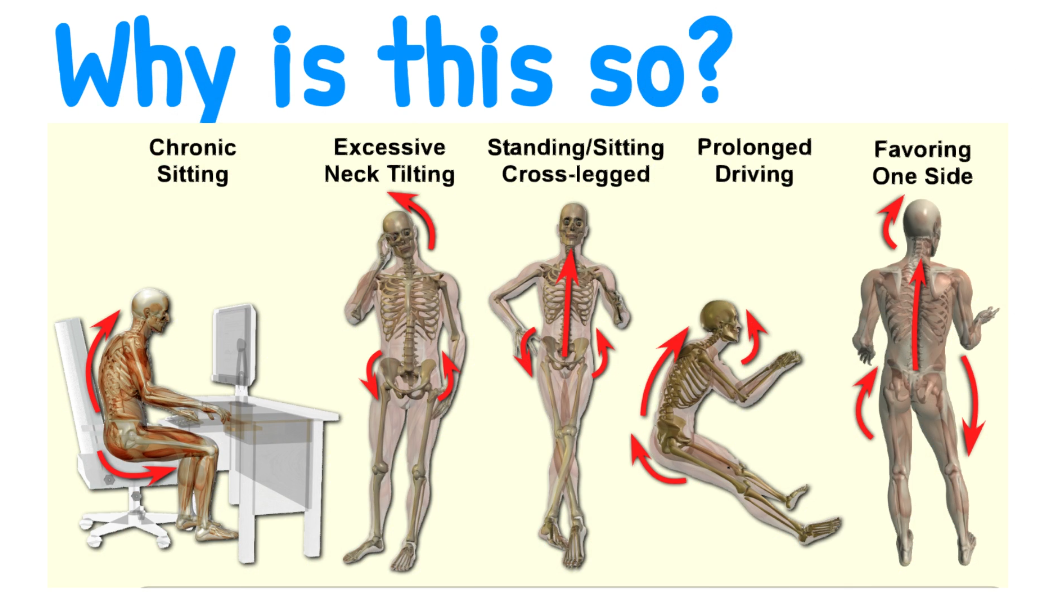
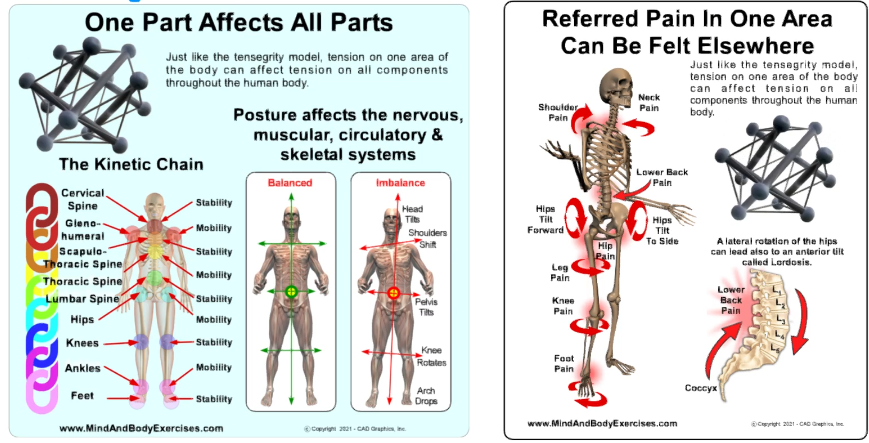
Most people in the United States will experience back pain at some time in their lives.  Causes of back pain are many, ranging from poor posture, heavy lifting, and lack of exercise among other issues.  Some may find relief through chiropractic or acupuncture therapy.  Depending upon the root cause, most pain goes away within a few days or weeks, only to return at a later date.  Unless the root cause is fixed, most treatments only offer temporary relief.  In many cases, the root cause of back pain is tight hamstring muscles and/or poor posture.  Excessive sitting can tighten these muscles as well as a lack of proper stretching on a regular basis contribute to many back pain issues. How we sit, how we stand and how we move, or more often don’t move – all affect our posture and relative issues with the spine and the nervous system.

Not having back pain, does not necessarily mean your spine is in great shape! If not disease nor illness is a goal, we need to focus on being fit, well & healthy. Good health usually comes at a cost of time, effort, sacrifice and resources, or a combination of the prior. Most people don’t care to make the investment into taking care of themselves until after they are injured. even then, most people with back issues often choose pain medicines or sometimes surgery over exercise or lifestyle changes that can improve their situation. Traumatic injuries are often best treated with emergency surgery and that is really not the topic of this post.

In 2019, 20.4% of adults had chronic pain and 7.4% of adults had chronic pain that frequently limited life or work activities (referred to as high impact chronic pain) in the past 3 months.

Chronic pain and high-impact chronic pain both increased with age and were highest among adults aged 65 and over.

Non-Hispanic white adults (23.6%) were more likely to have chronic pain compared with non-Hispanic black (19.3%), Hispanic (13.0%), and non-Hispanic Asian (6.8%) adults.

Source: https://www.cdc.gov/nchs/products/databriefs/db390.htm

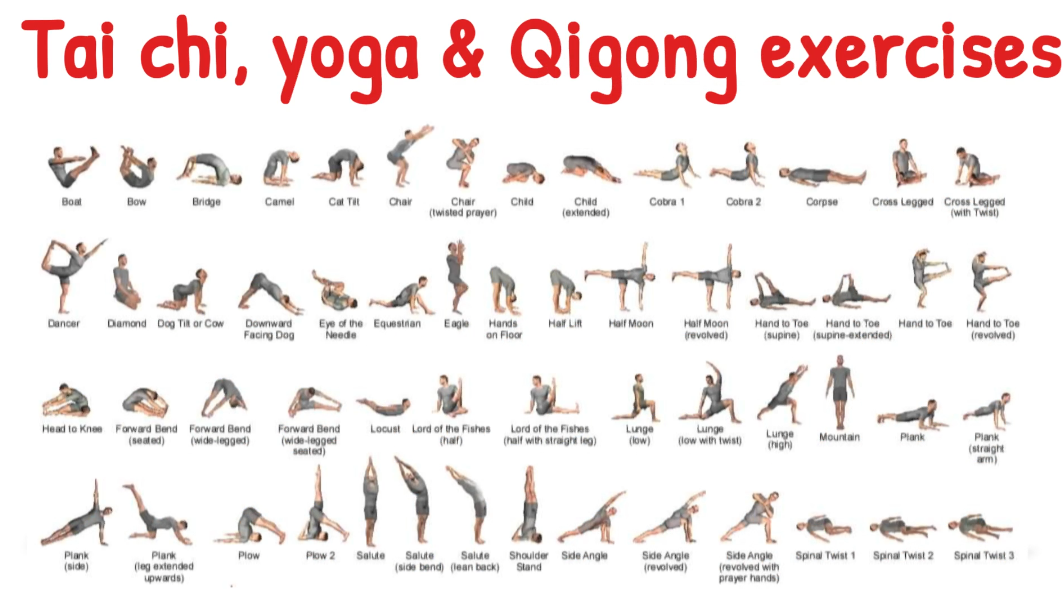
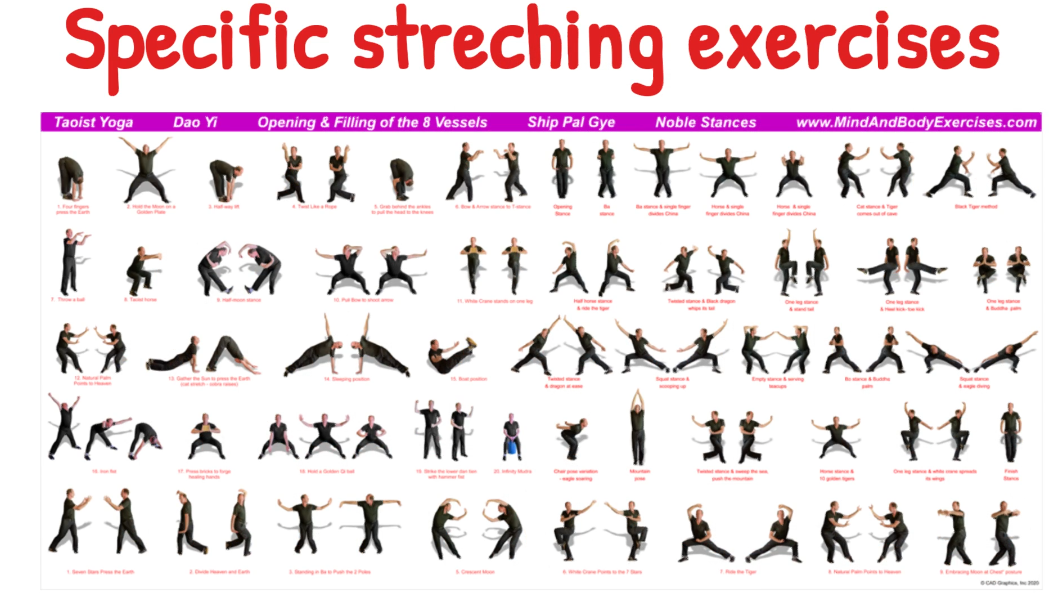
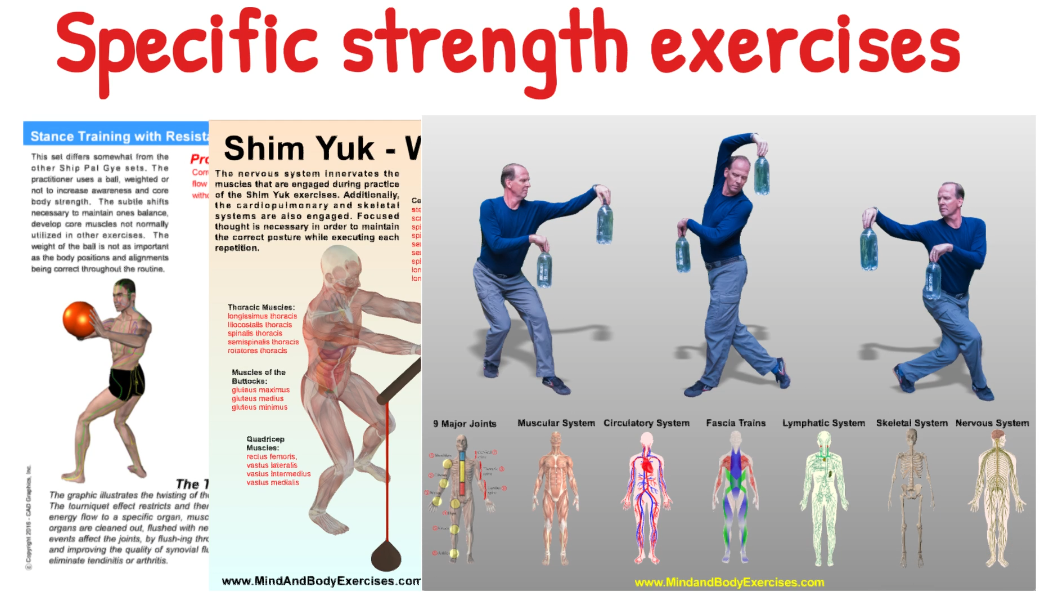
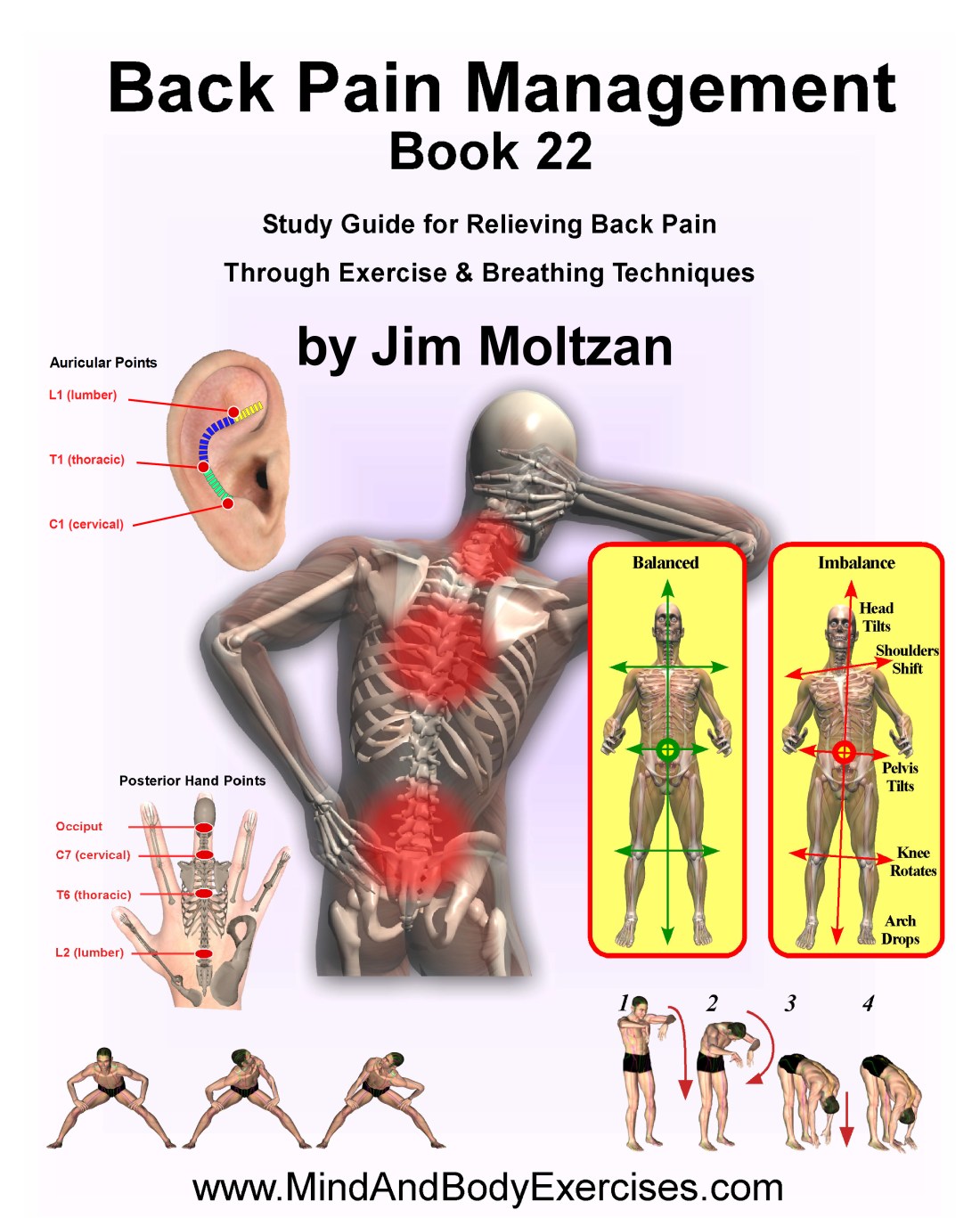
My booklet sample below, goes into detail, along with graphics to offer information on how these root problems affect our health and well-being. Additionally, I offer information on how to manage back pain without pharmaceuticals nor surgery when at all possible. Yoga, qigong, tai chi, martial arts, Traditional Chinese Medicine, reflexology/acupressure, deep breathing, meditation and other methods are explained in great detail in order to offer many options depending upon individual circumstances.

Included are many exercises and other methods to develop strength and flexibility which improve posture and relative spine health.  Good health of the entire spinal structure starts with good posture.  Strength in the back, hips and abdomen provide a strong cage that houses the internal organs.  Flexibility in these areas helps to maintain good blood circulation to the organs and lower body.  Lengthening of the spine while exercising reduces stress and tension on the nervous system.  Additionally, there are deep and relaxed breathing exercises included, which can help manage stress and pain. These can be practice while performing the back exercises or as stand-alone methods. I have practiced and taught others all of these methods for over 40 years, and often with much success.

My booklet can be purchased in hard-copy or Kindle versions at:

Link to Amazon

_____________

Be more active, eat healthier, sleep better, stress less these are the key components to maintaining a strong immune system.

I am currently offering lectures and classes for group, small group & private instruction in Wekiva, Longwood and Winter Park.Mind and Body Exercises on Google: https://posts.gle/aD47Qo

I also have hundreds of FREE education video classes, lectures and seminars available on my YouTube channel at: https://www.youtube.com/c/MindandBodyExercises

Mind and Body Exercises on Google: https://posts.gle/aD47Qo

Jim Moltzan

407-234-0119

www.MindAndBodyExercises.com

www.Amazon.com/author/jimmoltzan

Stress Response Leads to Obesity, Depression and Even More Stress

We all know what stress is, but how does it manifest and what can we do to manage it?

If we are to grow a garden, do we try to nourish the seeds in a healthy, safe and nutritional environment? Or do we just plant the seeds in sand in a mostly dark place where no one checks to see how they are sprouting? Well, metaphorically, this is how our nation cultivates our youth with little or no education in health, nutrition, fitness, stress management and accountability. No wonder why teenage depression and suicide has skyrocketed in the last few years. And no wonder our nation is a nation of overweight children soon to be obese and sickly adults. We need to move past the politics and cultural correctness of not addressing the American diet and lifestyle choices of being the root causes of obesity that lead to disease and health issues in our country.

For children and adolescents aged 2-19 years in 2017-2018:

  • The prevalence of obesity was 19.3% and affected about 14.4 million children and adolescents.
  • Obesity prevalence was 13.4% among 2- to 5-year-olds, 20.3% among 6- to 11-year-olds, and 21.2% among 12- to 19-year-olds. Childhood obesity is also more common among certain populations.
  • Obesity prevalence was 25.6% among Hispanic children, 24.2% among non-Hispanic Black children, 16.1% among non-Hispanic White children, and 8.7% among non-Hispanic Asian children.
Credit: Derek Thompson, The Atlantic; data from the CDC.
  • Anxiety and depression affects many children
    • 7.1% of children aged 3-17 years (approximately 4.4 million) have diagnosed anxiety.
    • 3.2% of children aged 3-17 years (approximately 1.9 million) have diagnosed depression.
  • Anxiety and depression have increased over time
    • “Ever having been diagnosed with either anxiety or depression” among children aged 6-17 years increased from 5.4% in 2003 to 8% in 2007 and to 8.4% in 2011–2012.
    • “Ever having been diagnosed with anxiety” among children aged 6-17 years increased from 5.5% in 2007 to 6.4% in 2011–2012.
    • “Ever having been diagnosed with depression” among children aged 6-17 years did not change between 2007 (4.7%) and 2011–2012 (4.9%).

In years past, recess and physical education (PE) were part of the school day from kindergarten through elementary school. High school students had PE every school day until graduation. Regular exercise has been known and proven to help manage stress and maintain better health and mental well being. Currently, many schools require only 1 credit of PE over 4 years of high school and often offer it as an online course. Today if students are not involved in school or extracurricular sports, few make the time or commitment to stay physically active. Unhealthy kids quickly turn into unhealthy adults. The health of our people is directly affecting the safety of our nation. For the sake of our youth and ultimately our country, put PE and maybe health education back into the school system, as a priority and not just a minimal requirement.

References:

https://www.cdc.gov/obesity/data/childhood.html

https://www.cdc.gov/nchs/data/hestat/obesity-child-17-18/obesity-child.htm

https://www.cdc.gov/childrensmentalhealth/features/anxiety-depression-children.html

I can help. I have almost 40 years worth of experience in practicing and teaching others to take control of their health and well-being. For more information, contact Jim Moltzan at 407-234-0119 or www.MindAndBodyExercises.com

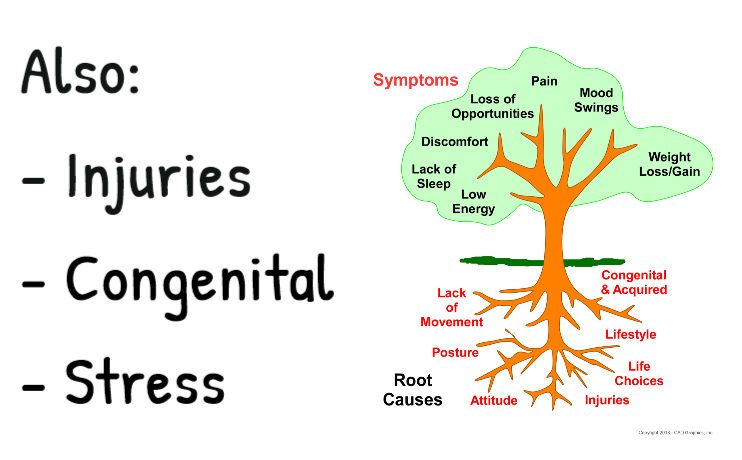
Root Causes of Illness

Pain is inevitable. Suffering is an option.


It is often very difficult to live a comfortable life, when someone has so much pain and suffering within it. The keys to happiness are truly in our own hands. Self-discipline is the master key to do what we know needs to be done:

– maintain a nutritional diet

– consistently exercise and/or be active

– prioritize sleep quality- nurture healthy social interactions

– get fresh air and some sunlight everyday

– be more positive than negative in your outlook and input


I teach and encourage people how to live a healthy lifestyle. Learn how this works and relates to your health and well being.

Be well, be healthy, be wise!

Jim Moltzan

407-234-0119

http://www.MindAndBodyExercises.com

https://www.youtube.com/c/MindandBodyExercises

https://mindandbodyexercises.wordpress.com/