Most people breathe too shallow and too quickly!

Much recent research has linked stress to poor breathing habits and consequently many ailments. Many modern chronic conditions can be traced back to insufficient cell oxygenation otherwise known as cell hypoxia. Poor oxygenation is linked to many modern chronic conditions such as asthma, COPD, obesity, diabetes, insomnia and cancer.

Breathing is one of the few bodily rhythms that we can consciously adjust, along with sleep and elimination. All of these rhythms directly affect our body’s delicate blood chemistry. However, our breath is the root power in bringing oxygen (Qi) into our body to nourish it down to the cellular level.

Faster breathing is necessary when experiencing truly stressful situations, like being chased by an animal, running from a fire or similar life-threatening situations. However, continued breathing at this pace for an extended period of time puts accumulative stress on all of the body’s systems. Hormones such as Cortisol flood the blood stream as the endocrine system adjusts to the extra strain.

Excessive Cortisol levels cause the immune system to weaken, shrink vital organs and decrease muscle mass. In the “anti-aging field”, Cortisol is known as the “death hormone” because it’s associated with poor health and disease.
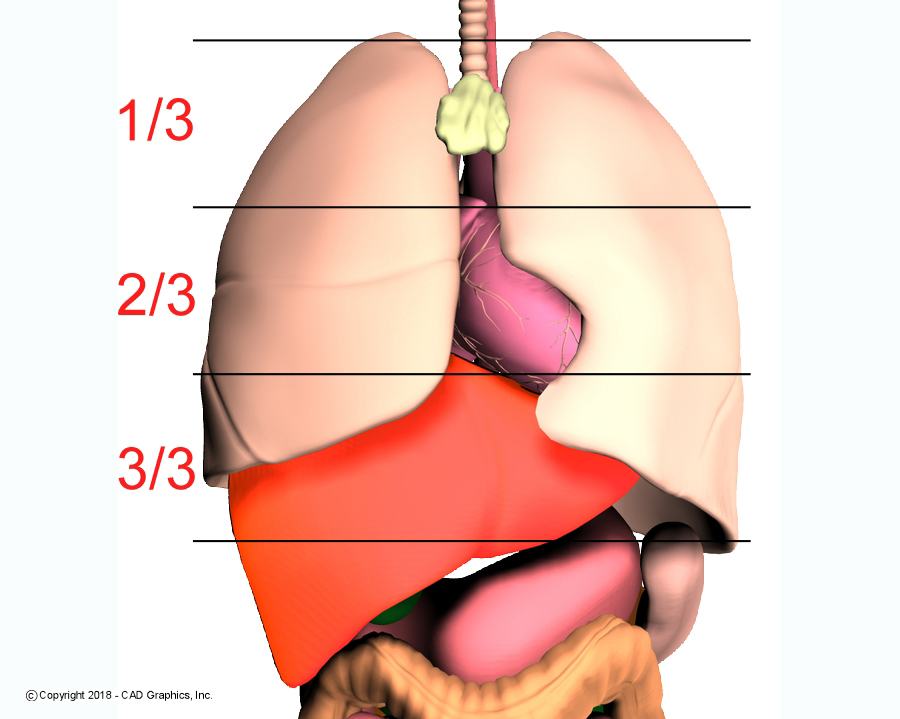
 

Lungs graphic

Most humans are breathing on the average, with normal activity about 12-18 breaths per minute (BPM). This amounts to very shallow breaths, using primary the top 1/3 of the lung’s capacity. Shallow chest breathing fills only the upper portion of the lungs. This reduces the ability to effectively oxygenate the circulation system. This “over-breathing” and “under-inhaling” causes an imbalance in oxygen/carbon dioxide gas exchange. This further leads to a ripple effect of other chemical (and hormonal) imbalances.

When the parasympathetic nervous system is activated (10 BPM or less), “happy” hormones such as Dopamine and Oxytocin are released, decreasing heart rate and blood pressure. This relaxes the nervous system, slows and calms all the body systems. This process then promotes regeneration through decreasing metabolic rate at all levels.

Parasympathetic Nervous System-graphic.jpg

Deep breathing encourages pumping of cerebrospinal fluid (fluid around the spinal cord). This increases brain metabolism while promoting feelings of physical and mental well-being, as well as enhanced mental alertness.

Fitness experts suggest that 6 BPM is optimal for the lungs to properly oxygenate the whole body while also removing toxins. The lungs are responsible for removing 70% of the body’s waste by-products through exhalation. This is best accomplished by mindful breathing patterns through exercises such as mediation, Qigong, Tai Chi and yoga.

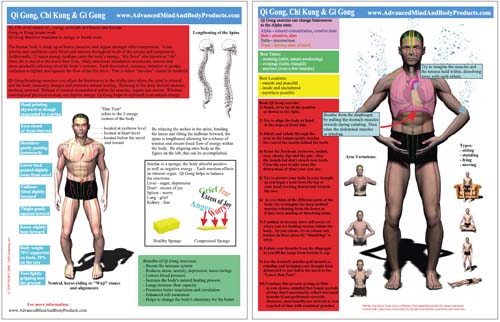
Qigong exercises balance breathing and promotes conditions in your body for it to be able to regenerate and heal itself. Qigong does not treat symptoms, but rather solves the problem at its root. Qigong, Tai Chi and yoga are all considered low-impact exercise allowing people at all levels of fitness to gain benefits from these practices.
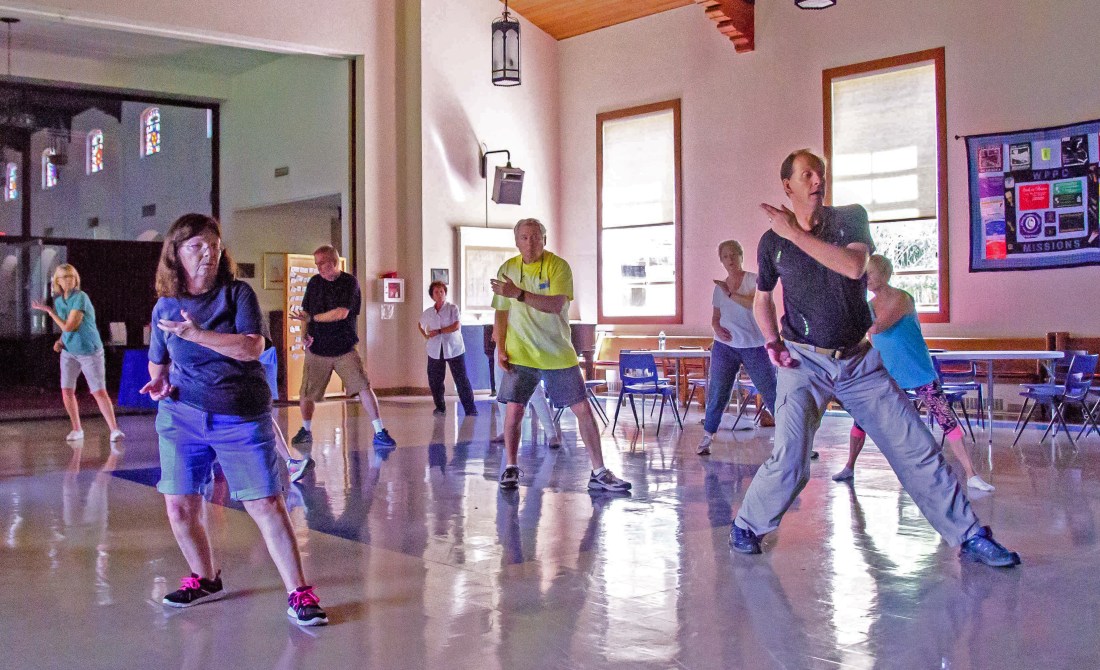
810_3464.jpg

Jim Moltzan has been teaching Qigong, Tai Chi, Taoist Yoga, martial arts and various other alternative methods of fitness for over 35 years. Contact at http://www.MindAndBodyExercises.com
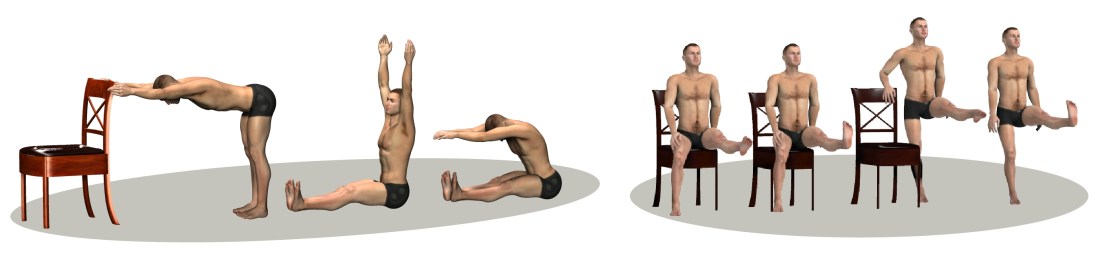


Physician, heal thyself

Exercise and thought management can work to fix our health – physically as well as mentally. But you have to do the work. Nobody else is going to do it for you. 50, 100, 1000 repetitions of a specific exercise, executed 2 to 3 times a day, 5-7 days a week, for weeks or months….until YOU fix your issues. Yes, it can require much time, but so can trips to the doctor, therapist or hospital and often the problem still doesn’t improve much. Your time is so valuable but the also the money and effort spent on managing your health issues.

Back & Knee exercises

I know Qigong, Tai Chi & Baguazhang exercise methods work because I have used them to fix my own physical issues many times over 37 years.  Additionally, I have worked with and helped many people with a wide range of ailments such as:  knee, back, shoulder, neck pain – stress, headaches, stroke patients, hernia, arthritis, and various other issues.

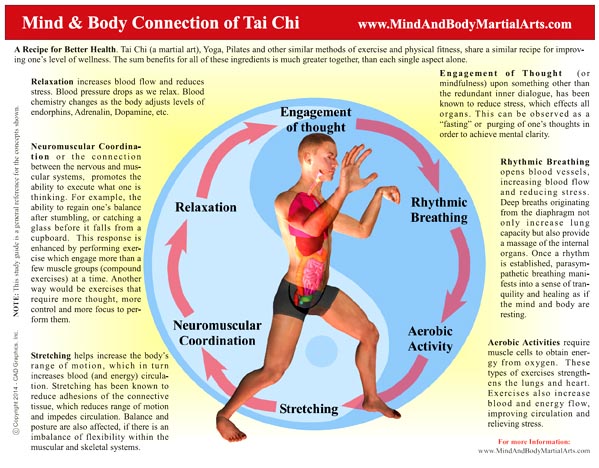
Mind & Body Connection of Tai Chi (page1)

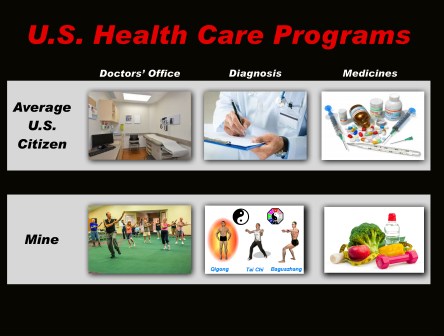
Not all injuries or illnesses can be fixed with ancient time-proven (alternative methods to some) such as Tai Chi or Qigong, but isn’t it worth looking into before one commits to surgery, other invasive methods or medications with long term side-effects? No one will take as much of an interest in your well being than you can. You can be more of YOUR health care program.

Health Care program

I am eagerly pursuing new avenues and network connections to grow a community of like-minded individuals who have an open perspective to improve their mind, body and spirit to their fullest potential. Classes, lectures, seminars and demonstrations are all opportunities that I offer to showcase this valuable library of health related methods.

More information can be found at my website at http://www.MindAndBodyMartialArts.com or contacting me directly at info@MindAndBodyMartialArts.com

Fitness Study Guides

When I first started taking fitness classes (martial arts) I realized that what I was learning was quite unique and valuable. So I started taking real good notes to help me remember and practice on my own, which led to little sketches and diagrams. Once I started teaching professionally, I became creative in producing study guides relative to the curriculum and concepts that I was offering. I handed these out for free to my students and then later decided to market and sell them along with booklets, posters and laminted charts. I feel this information is part of the next wave of fitness, that is at the cusp of becoming more mainstream within the United States. More people are pursing alternate methods of fitness as they become more educated that ultimately the individual is responsible for their own health care.

Chi Kung

I am eagerly pursuing new avenues and network connections to grow a community of like-minded individuals who have an open perspective to improve their mind, body and spirit to their fullest potential. Classes, lectures, seminars and demonstrations are all opportunities that I offer to showcase this valuable library of health related methods.

More information can be found at my website at http://www.MindAndBodyExercises.com or contacting me directly at info@MindAndBodyExercises.com
Product Line

Health Care & Personal Responsibility – Cost vs. Value

Health Care & Personal Responsibility – Cost vs. Value

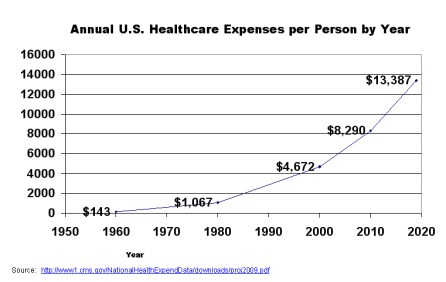
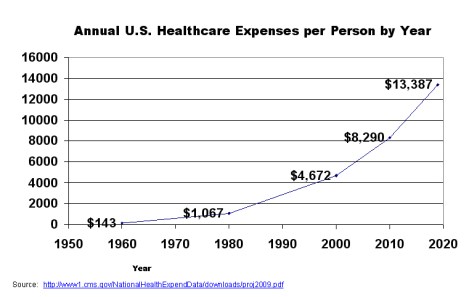
A very conflicted current subject is about how much Americans spend on health care for what doesn’t always amount to better health. As a nation, we are spending more every year on health-related expenses ($13,000+), while our average adult weight has increased 30 pounds since 1950. Often, I enter into discussions regarding how much is appropriate to charge for fitness options such as wellness classes, health club memberships and various other related services.Annual-Healthcare-Expenses-per-Person-by-Year_dib

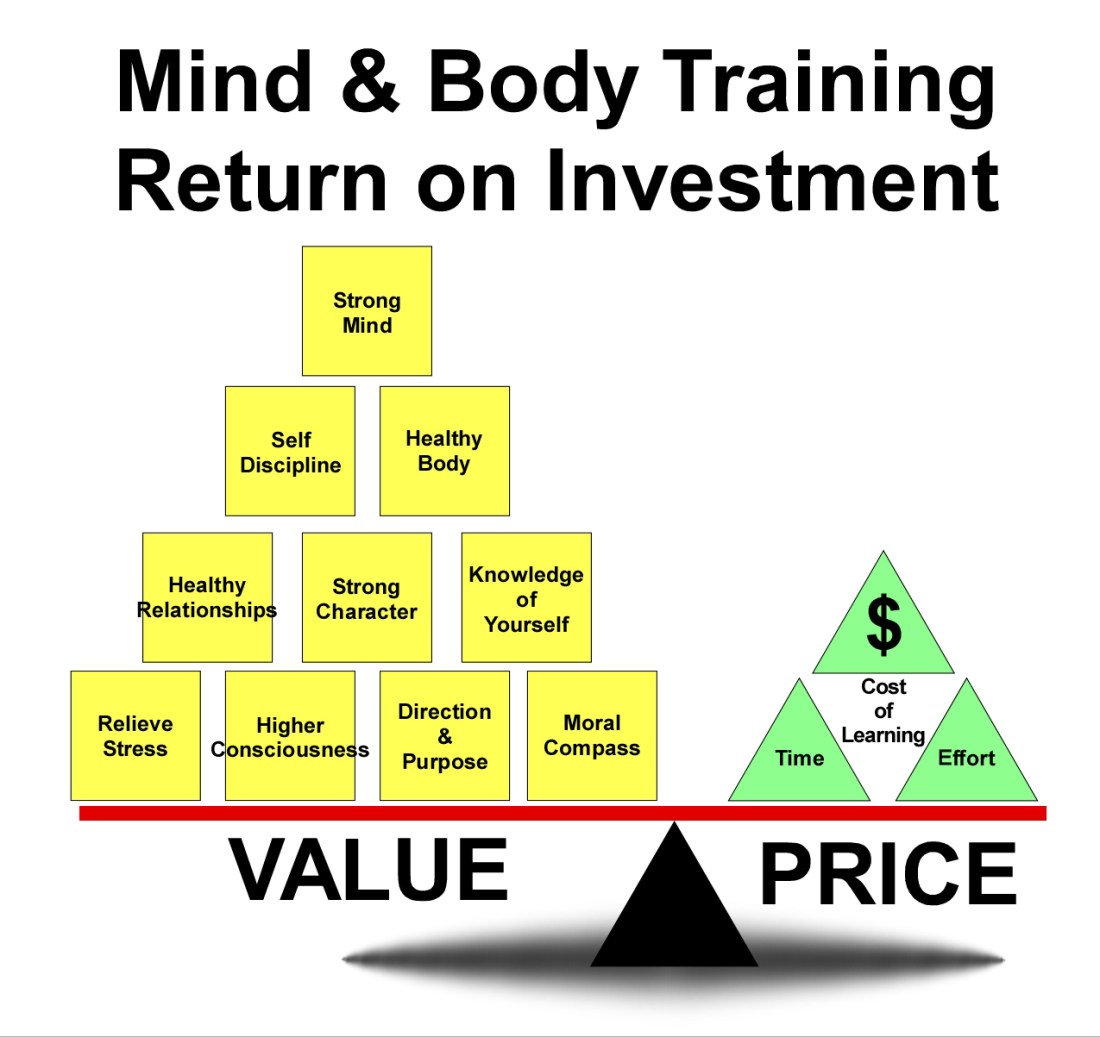
We usually look for the best value for the money we spend for whatever commodity we seek. When purchasing a service do you look for the best price or the best quality? Or perhaps a balance of the two? When seeking a dentist or doctor do you choose the cheapest? The cheapest vehicle? The cheapest education? Or the best value for your money?

What makes the difference between a house made of wood versus a brick house? Or the benefit of a healthy home cooked meal over fast food? An exercise video over an actual teacher? Group classes over individual instruction? Time and experience give us the wisdom that cheaper is not always better. The easy path is usually not the better choice in the long run.

When offering group fitness classes (tai chi or qigong) for free (or cost under $10), I have generally found that working adults do not associate much value for the education that I share at this price point. I understand their viewpoint that because it is free or cheap, why commit to attending? There is no consequence whether they show up or not. However, when people prepay or commit to a specific period of time, they feel more commitment to get their money’s worth. When I charge $50 or more for a 1-hour private class, the student receives greater benefits because they have ownership in participating and getting the results that they our paying for. When a student commits to a month or years’ worth of goal-oriented training, we are both now committed to seeing it through to achieve that goal. It is so cliché, but I have found more often than not, you do get what you pay for.

value vs price scale

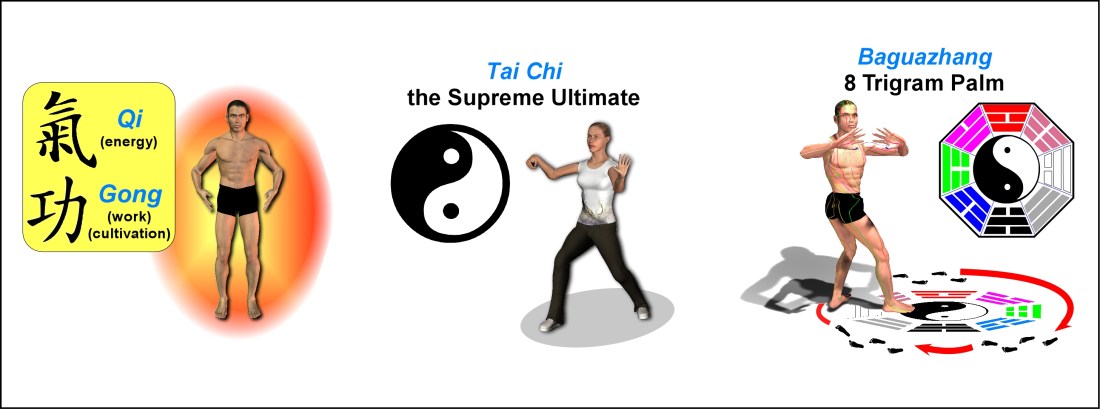
Why do I lean towards martial arts, tai chi, qigong and yoga? Personally, I have not found anything else that offers such a wide palette of benefits than the mind, body and spirit type of exercises. Every exercise method has its pros and cons, but the afore mentioned encourage the individual of ALL AGES to become more self-aware and make adjustments as necessary to avoid injuries or other issues. Strength, flexibility, balance, coordination – all can be challenged more or less depending upon the individuals’ age, goals and abilities. Other benefits such as stress relief, mental clarity, self-defense skills, confidence and chronic pain management are difficult to put a price tag upon. Also, no need for expensive equipment nor a special location to train, make for an attractive option in lieu of a pricey membership at the local upscale health club.

Qigong-Tai Chi-Bagua graphic.jpg

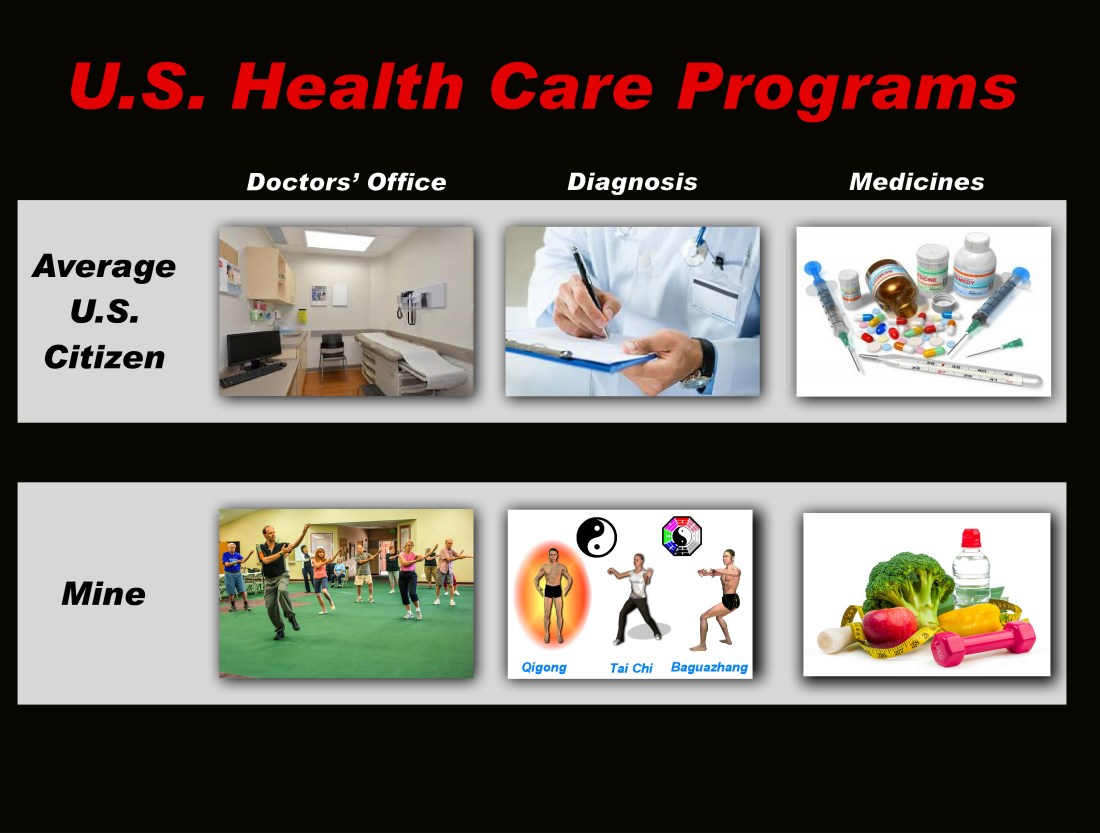
While some will need to continue to invest monetarily to their portfolio to insure they have enough resources to pay for future health insurance, co-pays, prescriptions and over the counter meds, others will choose to invest in their own “health care program”. Pursuing an education in how to take care of oneself is indeed a wise investment.

Health Care program.jpg

 More statistics backing up a need to be proactive in your health care:

An ABC News report from 2012 states that:

“A new report estimates that the average American worker spends nearly $14.40 a week on coffee, which does not include the cost of drinking coffee at home. Data is shown to indicate that the average worker spends around $1,100 annually on coffee.”

This is more than most Americans spend on their own fitness goals throughout the year.

https://abcnews.go.com/GMA/american-coffee-habits-spend-coffee/story?id=16923079


USA Today reported in 2016:

“The average gym membership costs just under $60 per month, and 67% of memberships go unused. Meanwhile, memberships to specialized workouts like Crossfit have the fit-minded shelling out hundreds per month.”

https://www.usatoday.com/story/money/personalfinance/2016/04/27/your-gym-membership-good-investment/82758866/


A CBS News report from 2014 states:

“A new government study estimates that nearly 80 percent of adult Americans do not get the recommended amounts of exercise each week, potentially setting themselves up for years of health problems.”

https://www.cbsnews.com/news/cdc-80-percent-of-american-adults-dont-get-recommended-exercise/

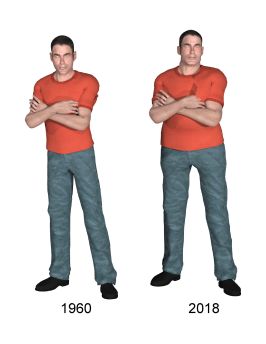
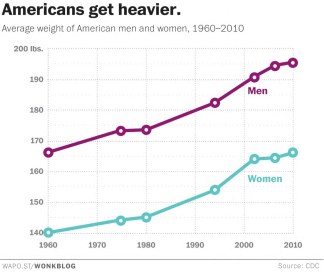
Americans Weigh 30 lbs. More Now Than in 1960

1960-2018 man.pngAverage Weight

According to a 2015 article I found at the Washington Post here stating that the average adult American weighs in at almost 30 pounds more than in 1960. The article attributes this to 3 causes:

1)  Americans are eating less healthy food

2)  We are consuming more of it

3) We are moving less than in years past

I would also add from my research that more Americans are relying upon the government to provide a health care program to keep them well, along with more prescription medicines for ailments that might be otherwise managed personally by a healthier diet, physical activity or lifestyle choices.

Americans are also spending more than ever on healthcare, expected to rise to about $13,387 annually by 2020.

Annual-Healthcare-Expenses-per-Person-by-Year_dib.jpgSo we are spending more money on healthcare but becoming less healthy as a nation; crazy no?

Some healthy options that cost far less, could be considered an investment in ones own wellness. However, these all require effort and a willingness to be proactive in maintaining the individual’s own fitness level. I am partial to the Eastern methods as they have pasted the test of time and I have personally benefited from over 35 years of study and practice in these methods.

I based these costs all for a year worth of local (Orlando area) classes as I feel 1 year is a realistic amount of time to invest in becoming proficient in any area of self-improvement:

LA Fitness (unlimited) for 1 year                                             $300

_____

Personal Trainer ($25 per class, 2x per week for 1 year)      $2400

_____

Yoga classes (unlimited) for 1 year                                          $750

(or $12 per class, 2x per week for 52 weeks $1248)

_____

My Instruction:

Tai Chi classes (basic recreational classes, $8 per class, 2x per week for 1 year – $768

Qigong, Tai Chi & other Eastern methods, $25 per class, 2x per week for 1 year – $2600

Group classes are ongoing on Mondays & Fridays at 11:30am-12:30pm at the Winter Park Presbyterian Church at 400 S. Lakemont Avenue in Winter Park, FL. Private or semi-private classes are held in Longwood (Wekiva), FL.

Other locations and classes are occasionally added as interest and opportunities are presented to me. I am looking to continue to grow my community of like-minded individuals who understand the importance of investing in their own “health care program” being that of developing their mind, body and spirit to their fullest potential. I offer classes ranging from the casual, follow-along classes to the more goal-oriented programs for rejuvenation, longevity and cultivation of a higher consciousness.

For more information see www.MindAndBodyMartialArts.com

Header image2