Conspiracy Mentality – huh, what is this?

Conspiracy mentality is a generalized belief that secret and powerful forces aspire to control or rule the world. A lack of control has been identified as one of the driving forces of conspiracy beliefs. When people fear a lack of control in their lives, they compensate for this deficiency by seeking patterns, even if these patterns are based on illusion. Events of a large magnitude warrant an explanation of comparable proportions. Studies conducted in both the USA and the UK showed the belief that Covid19 is a hoax or a stronger belief that the virus originated in a medical laboratory (Imhoff & Lamberty 2020).

Conspiracy theories are not supported by sound evidence but rather are based on various thinking patterns that are known to be unreliable tools for tracking reality. True conspiracies are revealed through available evidence of actual and verifiable events, along with a healthy dose of skepticism. People might look to a particular conspiracy of scientists to explain a general scientific conclusion when it aligns with their political ideology, but not when the scientific consensus has no relevance to their own politics (Lewandowsky & Cook 2020).

Not all conspiracies are false theories, as many were actually true such as the US government poisoning alcohol during Prohibition, to discourage people from drinking booze, the CIA testing behavior modification using LSD and other hallucinogenic drugs on Americans in a top-secret experiment, and the Gulf of Tonkin incident of 1964, which was faked to encourage American support for the Vietnam War (Cahn 2021). Another proven conspiracy is The Tuskegee Syphilis Experiment, which speaks volumes of how America’s medical culture has used race as a way to wield power for its own personal gain (Lombardo, 2006). The list continues with “Operation Berkshire”: the international tobacco companies’ conspiracy, where the industry’s commercial interests were protected by both promoting controversy over smoking and disease and through strategies directed at reassuring smokers (Francey & Chapman 2000).

Or when the AMA got caught conspiring to “contain and eliminate the chiropractic profession. As reported in Marc Micozzi’s Fundamentals of Complementary, Alternative, and Integrative Medicine: A staunchly antichiropractic policy was pursued by the American Medical Association (AMA). In 1990 the U.S. Supreme Court affirmed a lower court ruling in which the AMA was found liable for federal antitrust violations for having engaged in a conspiracy to “contain and eliminate” (the AMA’s own words) the chiropractic profession (Wilk v. AMA, 1990). The process that culminated in this landmark decision began in 1974 when a large packet of confidential AMA documents was provided anonymously to leaders of the American Chiropractic Association and the International Chiropractors Association. As a result of the ensuing Wilk v. AMA litigation, the AMA reversed its long-standing ban on interprofessional cooperation between medical doctors and chiropractors, agreed to publish the full findings of the court in the Journal of the American Medical Association, and paid an undisclosed sum, most of which was earmarked for chiropractic research. This ruling has not completely reversed the effects of organized medicine’s boycott, especially when it comes to application of the most effective and cost-effective treatments for common pain conditions.

Conspiracy mentality is interconnected to a feeling of lack of control to a perceived threat. When people feel more in control of their environment and decisions within it, they are more able to tolerate the seemingly constant ebb and flow of conspiracy theories. If people are educated to be aware of unsound reasoning found in most conspiracy theories, they have a better chance of not being influenced by such theories. When people are educated or prebunked, prior to their knowledge of a particular conspiracy, they can develop a resilience or awareness of the conspiratorial messages. Prebunking, also known as inoculation, consists of an explicit warning of an impending threat of being misled, and an objection to the misinformation’s arguments (Lewandowsky & Cook 2020). 

Logic-based facts can help to explain misleading methods in unsound reasoning used in conspiracy theories. Educating skeptics about the logical misconceptions found in anti-vaccination conspiracies has been found to be effective by drawing attention to vaccination research that has been conducted by independent, publicly funded scientists who can discredit conspiracy theories about the pharmaceutical industry. Fact-based information can support that the conspiracy theory is false by communicating accurate data. Fact-based and logic-based inoculations have both been successful in prebunking other conspiracies such as some of those surrounding the terrorist attacks of 9/11 (Lewandowsky & Cook 2020). 

References:

Imhoff, R. & Lamberty, P. (2020). A bioweapon or a hoax? The link between distinct conspiracy beliefs about the coronavirus disease (COVID-19) outbreak and pandemic behavior. Social Psychological and Personality Science.

Lewandowsky, S., & Cook, J. (2020). The Conspiracy Theory Handbook. http://sks.to/conspiracy (Links to an external site.) 

Cahn, L. (2021, July 26). 12 Conspiracy Theories That Actually Turned Out to Be True. Reader’s Digest. https://www.rd.com/list/conspiracy-theories-that-turned-out-to-be-true/

Micozzi, Marc S.. Fundamentals of Complementary, Alternative, and Integrative Medicine – E-Book (p. 537). Elsevier Health Sciences. Kindle Edition

Lombardo, P. A., & Dorr, G. M. (2006). Eugenics, Medical Education, and the Public Health Service: Another Perspective on the Tuskegee Syphilis Experiment. Bulletin of the History of Medicine, 291-316.

Francey, N., & Chapman, S. (2000). “Operation Berkshire”: the international tobacco companies’ conspiracy. BMJ (Clinical research ed.), 321(7257), 371–374. https://doi.org/10.1136/bmj.321.7257.371

_________________

I write often about topics that affect our health and well-being. Additionally, I teach and offer lecture about qigong, tai chi, baguazhang, and yoga. For more info, contact Jim Moltzan at info@mindandbodyexercises.com, 407-234-0119 or through my site at http://www.mindandbodyexercises.com
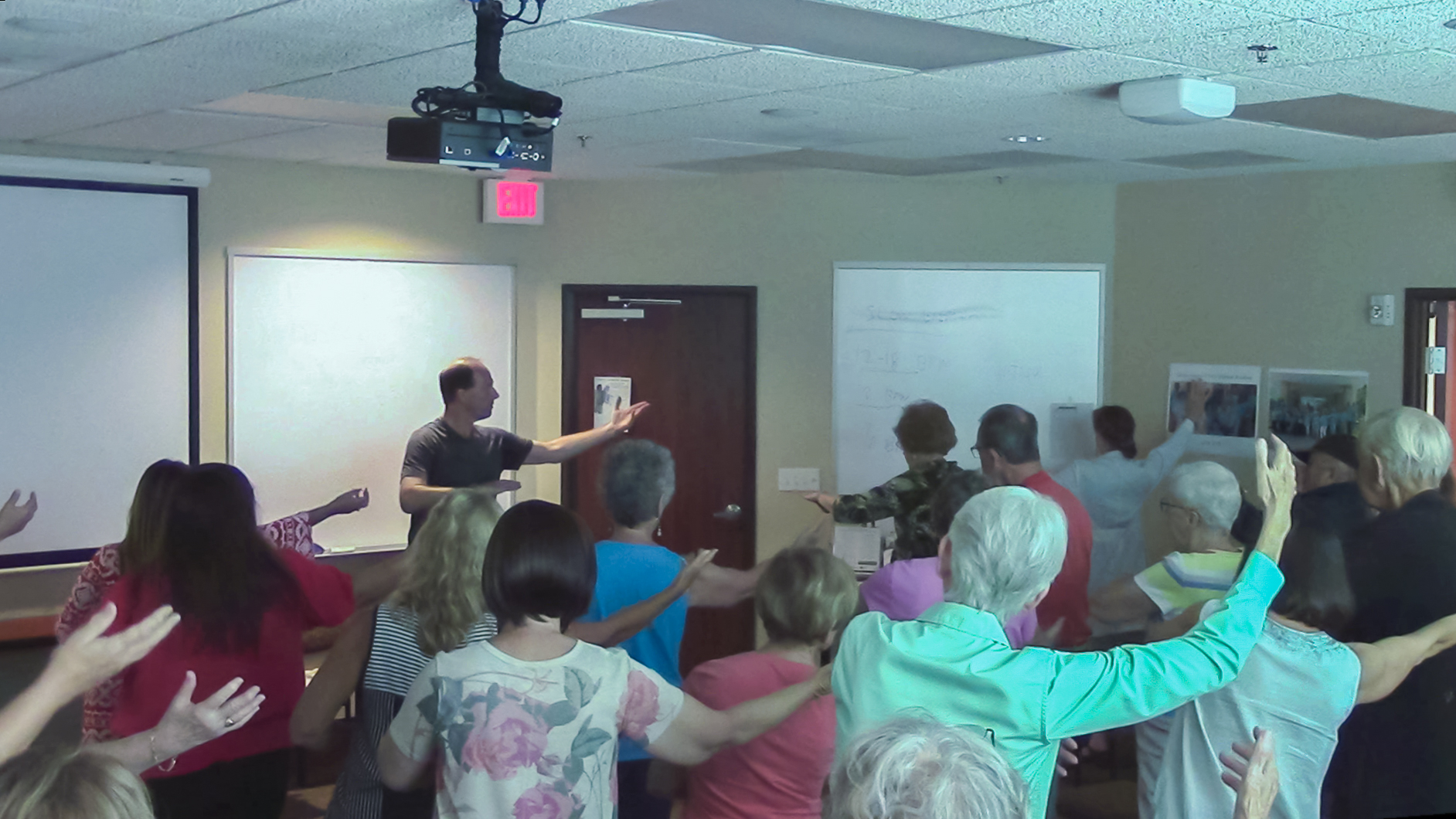
Good Health and Well-being Doesn’t Just Happen

Good health and well-being doesn’t just happen. Rather being mindful of your lifestyle choices of diet, exercise/activity and attitudes towards your life in general. These are the key factors in our culture today that have led the US to an epidemic of overweight and obese people. This has led to even bigger crises that can be easily seen over the last 2 years.

The age-adjusted prevalence of obesity among U.S. adults was 42.4% in 2017–2018. The prevalence was 40.0% among younger adults aged 20–39, 44.8% among middle-aged adults aged 40–59, and 42.8% among older adults aged 60 and over. There were no significant differences in prevalence by age group. https://www.cdc.gov/nchs/data/databriefs/db360-h.pdf

From the Mayo Clinic:

Obesity represents a risk factor for higher severity and worse prognosis in patients with COVID-19 infection. Likewise, obesity-induced adipose tissue inflammation and its effects on the immune system play a crucial role in the pathogenesis of COVID-19 infection. Moreover, it also results in metabolic dysfunction, which may lead to dyslipidemia, insulin resistance, CVD, MetS/T2DM, and HTN. Older age also represents a risk factor for poor prognosis in patients with COVID-19 infection. Clearly, prevention of obesity in the first place and especially its progression to more severe forms is desperately needed throughout the health care system and society. These efforts are also needed to help improve prognosis in the next pandemic, as well as for primary and secondary prevention of CVD and diabetes mellitus. In the ongoing COVID-19 pandemic, clinicians should recognize that the obese, and more so the more severely obese, are at higher risk for clinical deterioration with COVID-19. As such, these patients need to be carefully monitored and treated more aggressively to reduce morbidity and mortality.

https://www.mayoclinicproceedings.org/…/S0025…/fulltext

Be well, Become healthy, be wise.

Be more active, eat healthier, sleep better, stress less – these are the key components to maintaining a strong immune system.

I am currently offering lectures and classes for group, small group & private instruction in Wekiva, Longwood and Winter Park.

Mind and Body Exercises on Google: https://posts.gle/aD47Qo

Jim Moltzan

407-234-0119

www.MindAndBodyExercises.com

Practice a Body Scan Meditation

Top 10 Benefits of Meditation:

  • Reduced Stress.
  • Emotional Balance.
  • Increased Focus.
  • Reduced Pain.
  • Reduced Anxiety.
  • Increased Creativity.
  • Reduced Depression.
  • Increased Memory

Carve out time in your schedule to practice a 15-minute body scan meditation practice. You will thank yourself afterwards. Set an alarm for 15 minutes or longer if you care to. As the wise old saying states “if you don’t have time to meditate for an hour everyday, you should meditate for two hours”. We can make time to do the things we prioritize if we care to do so.

Lay flat on a couch or flat comfortable surface allowing yourself to go through a progression from physical awareness to mental realization, and then to an emotional release to become present in the moment. Become aware of your body becoming a bit heavier as you put your focus into your body instead of everything outside of your physical being. From here focus on your breathing becoming deeper and longer with pauses between each inhale and exhale.

Start at your head and work your way towards your feet. This allows you to release muscular tension as you move downwards ending in your toes and then out and away from your body. Become aware of the tension in your eyelids, eyebrows, jaw, and lips allowing you to relax these same areas by first tensing and then releasing the muscles.

Feel the tension in your upper back, and move your neck and shoulders a little side to side, and up and down to feel the contrast between tension and relaxation of these areas. Stressful emotions of anxiety or frustration develop in your neck and shoulders. Once you direct your focus on these muscle areas, you may be able to engage them with your thoughts to relax them and the surrounding muscle areas.

Work your way down through your torso, letting your skin and muscles hang and sink into the couch beneath you. Your hip bones (pelvis) sink into your glutes. Once you are comfortable with the physical awareness of your body, move on to becoming aware of your senses and what is occurring in your immediate environment. Your fingertips and toe tips may tingle when you focus more so on your breathing, all while relaxing of muscular tension throughout your whole body.

When your alarm goes off, open your eyes slowly and re-enter into seeing what is around you. The rest of your body may be more relaxed and comfortable, while feeling calm and refreshed thereafter. The room may appear slightly brighter and sharper. You usually will feel better during and after these practices. Sensations of feeling more refreshed, more calm, more aware, and even more energetic after each session. This session allowed you to “reset” your tension in your body, while releasing mental stress. When your body is relaxed, your emotions become neutral or calm once again.

These practice sessions may become priceless for some people. With these methods, you can have control over your well-being on the levels of physical (body), mental (mind) and emotional (self-awareness). Often, I see people who are constantly seeking the goals of achieving pleasure, peacefulness, joy, love, compassion, ecstasy, and bliss but not being aware that we ourselves are in control of gaining and maintaining these aspects of our lives.

________

Qigong, tai chi, baguazhang, and yoga are not the only methods that can be used within this formula but have proven the test of time as methods to cultivate harmony of the mind, body and spirit. These exercise practices offer a wide spectrum of physical wellness benefits, stress relief as well as means of self-awareness.  Not all teachers nor students practice these for the same goals.

For more info, contact Jim Moltzan at info@mindandbodyexercises.com, 407-234-0119 or through my site at http://www.mindandbodyexercises.com

Herbs as Botanical Medicine

Herbs have been used for thousands of years worldwide, as the main source of primary medicine. While it is easy to debate the usage and effectiveness of herbal medicine today, it is worth noting that 75-80% of the world population still relies upon herbs to stay healthy. Herbal remedies are still thought to have little or no side effects, while being relatively inexpensive and available throughout many developing nations.

25% of modern medicines are derived from medicinal plants. However, prescription drugs have caused many deaths in the US averaging about 1900 per week. Foods, herbs, and spices are often considered to be safe until proven otherwise, coming from many years of human consumption, and not necessarily having been scientifically proven to be safe.

An area of concern that can be reflected in today’s world culture is that science can be used to distort facts and sometime sway a viewpoint on a particular issue. Pharmaceutical companies as well as herbal medicine companies have pursued research that favors their product, while not necessarily getting a neutral or even factual report of the product in question. For me, this makes doing my own in-depth research on any food, pharmaceutical or herb even more important. I don’t feel that today, we can take benefits or side-effects of any consumable at mere face value and assume that it must be good for us because somebody says so.

Supplements should not and cannot take the place of eating a balanced high-quality diet. Supplements, whether vitamins, herbs or otherwise should not be used as a replacement for eating foods that have the nutritional requirement to maintain good health.

Be well, become healthy, be wise.

References:

Horne, S.2015, https://www.youtube.com/watch?v=Bv9oXPZHBl4

http://stevenhorne.com/credential-program

http://schoolofmodernherbalmedicine.com/users/steven-horne-1.html?page=1

Qigong, tai chi, baguazhang, and yoga are not the only methods that can be used within this formula but have proven the test of time as methods to cultivate harmony of the mind, body and spirit. These exercise practices offer a wide spectrum of physical wellness benefits, stress relief as well as means of self-awareness.  Not all teachers nor students practice these for the same goals. For more info, contact Jim Moltzan at info@mindandbodyexercises.com, 407-234-0119 or through my site at http://www.mindandbodyexercises.com

History of Modern Medicine’s Monopoly in US Healthcare

Modern medicine, also referred to as Western, allopathic or biomedicine, has roots in the US starting in the late 1800’s. Many people are not as familiar with naturopathy, osteopathy, homeopathy and chiropractic as these practices were basically discredited by the American Medical Association (AMA) as legitimate healthcare modalities in the earlier years of the 20th century. This was proven in court, that the AMA systematically sought to destroy healthcare competition, rather than be concerned with safety or efficacy of alternative medical options. Many beneficial treatments have come from modern medicine, especially for trauma injuries and illness. However, many other methods, proven safe and effective for over hundreds or thousands of years with empirical evidence, have been suppressed or classified as unscientific or quackery. Do your own research for your own health and well-being. Become informed and more knowledgeable.

The following excerpt is from Marc Micozzi’s Fundamentals of Complementary, Alternative, and Integrative Medicine:

In 1847, partially in response to the acceptance and success of homeopathy, and after prior attempts, a group of regular physicians founded an organization to serve as the unifying body for orthodox medical practitioners. The American Medical Association (AMA), initially under Nathaniel Chapman, was founded in Philadelphia. Physicians who belonged to the AMA considered themselves regular practitioners and adhered to therapeutics termed heroic medicine (Rutkow and Rutkow, 2004). Their invasive treatments distinguished these regular doctors to their patients. They often consisted of bleeding and blistering in addition to administering harsh concoctions to induce vomiting and purging. These treatments at the time were considered state of the art.

The justification behind such harsh treatments was a commitment to a scientific materialist medical theory, actually moving away from empirically based, “rational” medicine. Regular doctors did not share belief in the concept of the healing power of nature (the vis medicatrix naturae), and felt that a physician’s duty was to provide active, “heroic” intervention. Despite this attitude, patients recovered notwithstanding their treatments. This reality had the ironic effect of encouraging both regular doctors’ belief in heroic treatments and natural doctors’ belief in the inborn capacity for self-healing, despite the further injuries caused by many regular treatments. Much like physicians today are pressured to provide an active treatment that may sometimes be unnecessary (such as prescribing an antibiotic for a viral infection), regular doctors of the 1800s also felt pressure to give the heroic treatments for which they were known. James Whorton (2002) wrotes, “it was only natural for MDs to close ranks and cling more tightly to that tradition as a badge of professional identity, making depletive therapy the core of their self-image as medical orthodoxy.”

Although the AMA initially held no legal authority (like the multiplying medical subspecialty practice associations of today), it began a major push during the second half of the nineteenth century to create legislation and standards of medical education and competency. This process culminated in 1910 with the publication of Medical Education in the United States and Canada, compiled by Abraham Flexner also known as the Flexner Report. It has been described as “a bombshell that rattled medical and political forces throughout the country” (Petrina, 2008). It criticized the medical education of its era as a loose and poorly structured apprenticeship system that generally lacked any defined standards or goals beyond commercialism (Ober, 1997). In some of his specific accounts, Flexner described medical institutions as “utterly wretched … without a redeeming feature” and as “a hopeless affair” (Whorton, 2002). Many regular medical institutions were rated poorly, and most of the irregular “alternative” schools fared the worst. After this report, nearly half of the medical schools in the country closed, and by 1930 the remaining schools had 4-year programs of rigorous “scientific medicine.”

Following the Flexner Report, a tremendous restructuring of medical education and practice occurred. The remaining medical schools experienced enormous growth: in 1910 a leading school might have had a budget of $ 100,000; by 1965 it was $ 20 million, and by 1990 it would have been $ 200 million or more (Ludmerer, 1999). Faculty were now called on to engage in original research, and students not only studied a curriculum with a heavy emphasis on science, but also engaged in active learning by participating in real clinical work with responsibility for patients. Hospitals became the locus for clinical instruction. As scientific discovery began to accelerate, these higher educational standards helped to bridge the gap between what was known and what was put into practice. More stringent licensing and independent testing provided a greater degree of confidence in the competence of the nation’s doctors. During this same time period, the suppression and decline of alternative schools of health care occurred, as both public and political pressure increased.

The 1910 Flexner Report, sponsored by the Carnegie Foundation, compared all American medical schools against a standard represented by the new Johns Hopkins University School of Medicine, which had been founded in 1888. Criticism was so devastating that about three-quarters of American medical schools closed, including many osteopathic medical schools.

Bernarr Macfadden, founded the “physical culture” school of health and healing, also known as physcultopathy. This school of healing gave birth across the United States to gymnasiums where exercise programs were designed and taught to allow individual men and women to establish and maintain optimal physical health. Although so strongly based on common sense and observation, many theories exist to explain the rapid dissolution of these diverse healing arts. The practitioners at one time made up more than 25% of all U.S. health care practitioners in the early part of the twentieth century. Low ratings in the infamous Flexner Report (which ranked all these schools of medical thought among the lowest), allopathic medicine’s anointing of itself with the blessing “scientific,” and the growing political sophistication of the AMA clearly played significant roles. Of course, the acceptance of the germ theory of disease and development of effective antibiotics for the first time provided a strong rationale for the new, “scientific,” regular medicine.

References:

Micozzi, Marc S.. Fundamentals of Complementary, Alternative, and Integrative Medicine – E-Book (p. 644). Elsevier Health Sciences. Kindle Edition.

https://fee.org/articles/the-medical-cartel-is-keeping-health-care-costs-high/

Qigong, tai chi, baguazhang, and yoga are not the only methods that can be used within this formula but have proven the test of time as methods to cultivate harmony of the mind, body and spirit. These exercise practices offer a wide spectrum of physical wellness benefits, stress relief as well as means of self-awareness.  Not all teachers nor students practice these for the same goals. For more info, contact Jim Moltzan at info@mindandbodyexercises.com, 407-234-0119 or through my site at http://www.mindandbodyexercises.com