
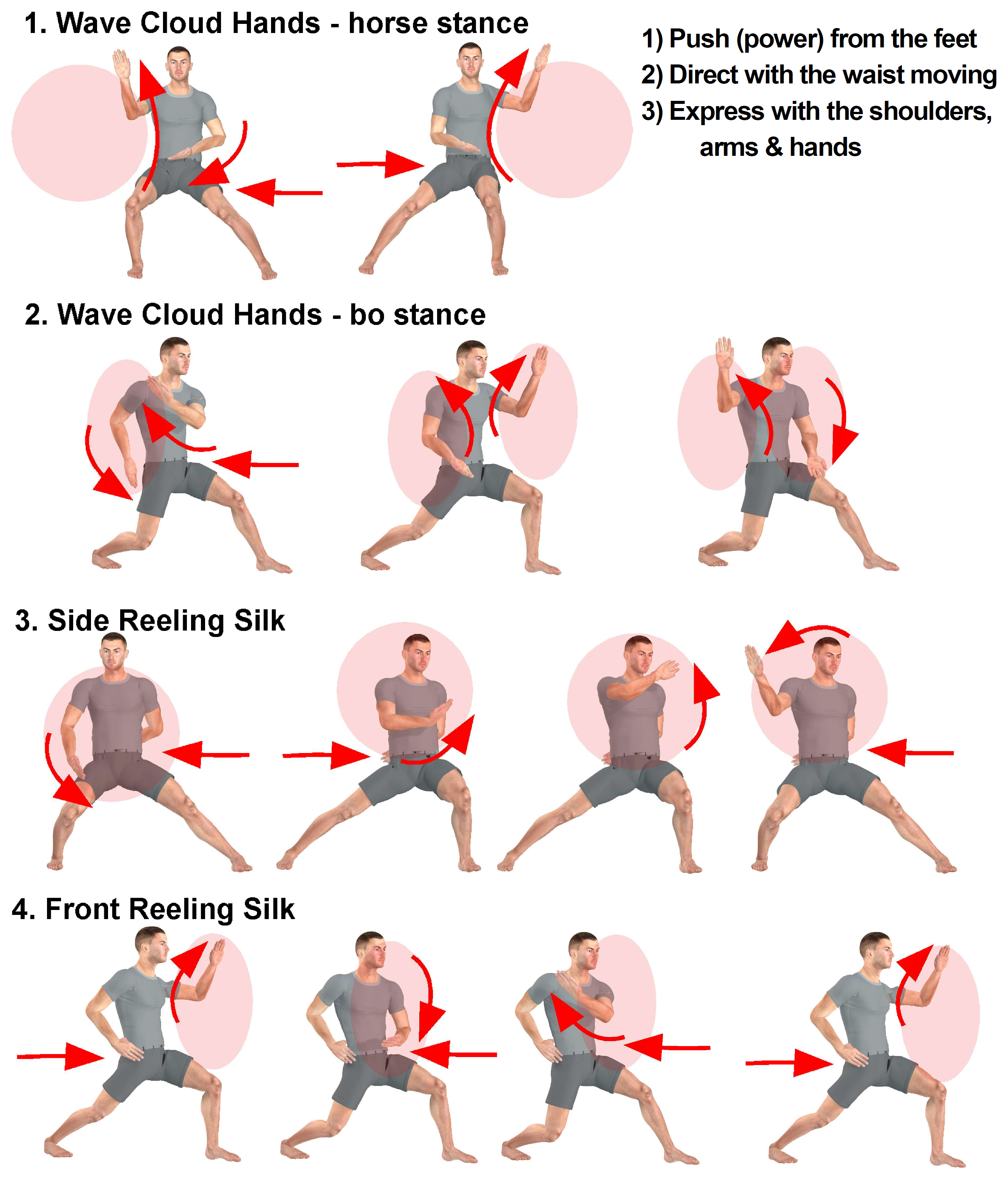
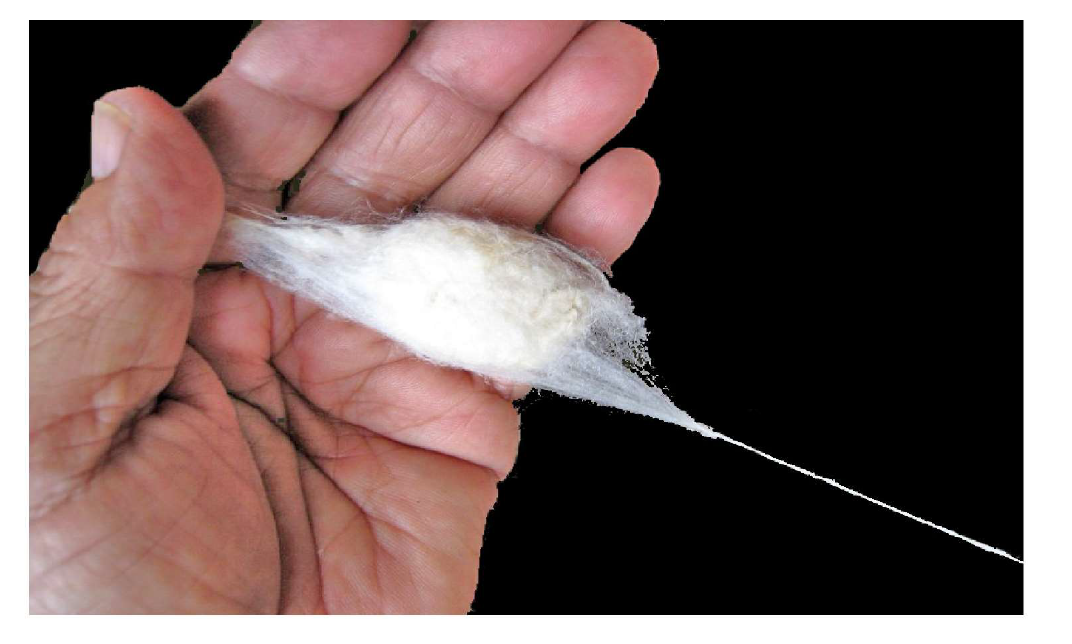
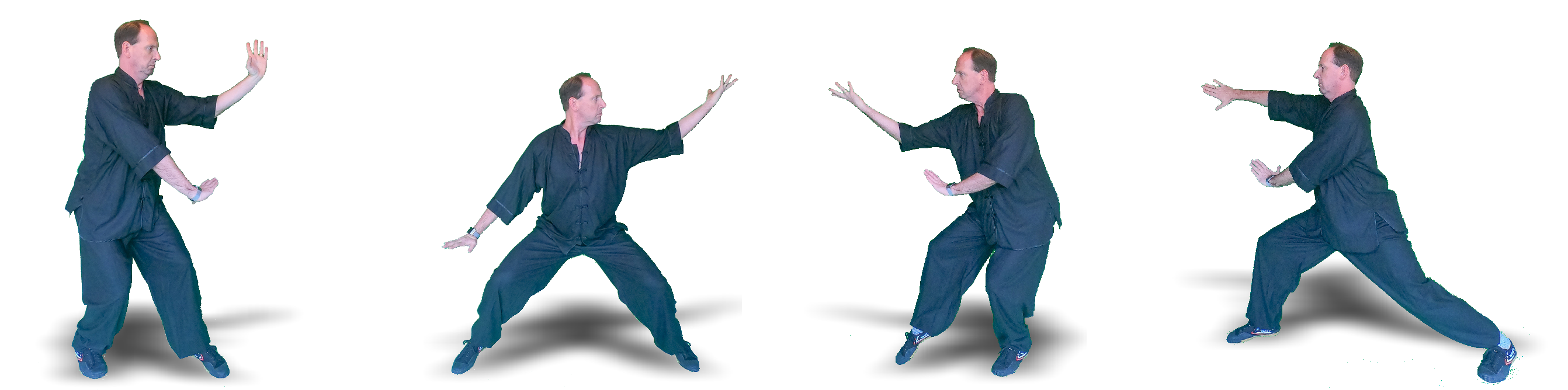
Silk Reeling refers to internal (neigong) movement principles practiced in traditional styles of Tai Chi, especially emphasized within the Chen and Wu styles. The metaphoric term derives from the spiraling and twisting movements of the silkworm larva as it wraps itself within its cocoon. In order to draw out the silk successfully, the action must be smooth, consistent and flowing with no jerking or sharp change in direction. Too fast of a movement and the silk breaks. Too slow and it sticks to itself and becomes tangled. Silk Reeling movements are continuous, rhythmic and spiraling patterns practiced at consistent speed with a “light touch” of drawing silk. Silk reeling is practiced in solo forms and stances as well as in “push hands” with a partner.
Key Points of Awareness:
• The head stays upright as if trying to make the scalp push the ceiling up; chin slightly tucked back.
• Keep the head level and don’t drop your head when your arms move downwards or to look at your feet. Use your peripheral vision to focus on the arms when they are lowered.
• The tongue should be gently placed on the top palate (roof) of your mouth.
• Keep your body upright, with the spine naturally straight while keeping the chest relaxed. Do not hold too much tension in your chest.
• When the arms are in the lower phase of the movement don’t lean or bend forward keeping the body upright at all times.
• When moving the arms, try to keep the shoulders relaxed and loose, trying not to lift them.
• During movements when the arms arc away from the body, try not to lift the elbows too high. Make sure you keep your elbow lower then the hand.
• When shifting the weight side-to-side, always keep the knees slightly bent. Don’t straighten the empty leg.
• The breath should be natural, deep, slow and quiet while coordinated with the body movement. Typically when the hand goes across the body, breathe in through the nose. When the hand goes away from the body, breathe out through the nose.
Embrace the concept of feet, waist, arms:
1) Push (power) from the feet
2) Direct with the waist moving
3) Express with the shoulders, arms & hands
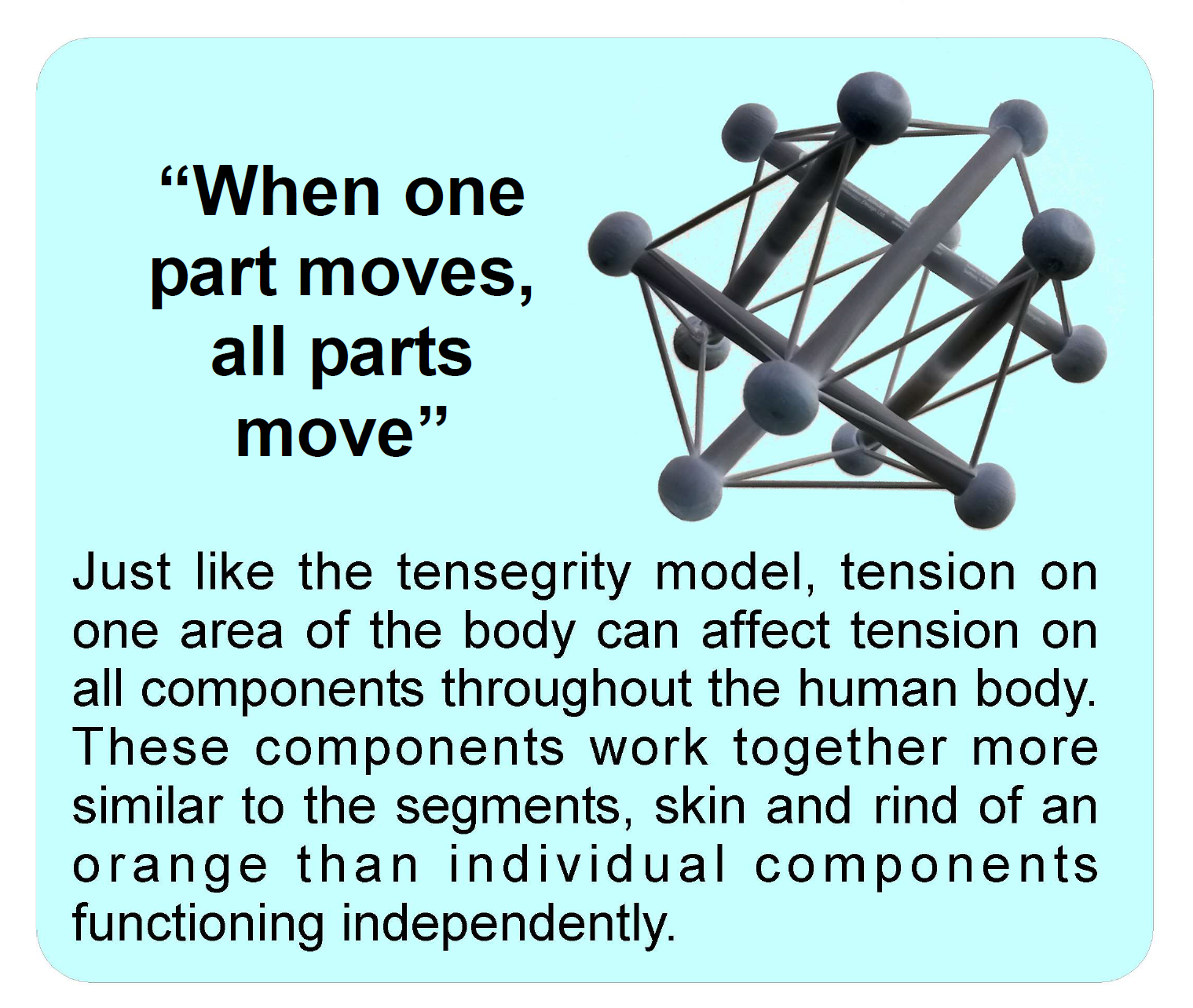

Watch the video to see one method of stretching the spine, relieving stress, increasing oxygen intake and becoming more self-aware.
__________
I write often about topics that affect our health and well-being. Additionally, I teach and offer lectures about qigong, tai chi, baguazhang, and yoga.
For more info, contact Jim Moltzan at info@mindandbodyexercises.com, 407-234-0119 or through my site at http://www.mindandbodyexercises.com






 United Martial Arts Association