Exercise Affects: Anti-inflammatory Response, Growth Hormone Production & Cerebral Circulation

  • Physical exercise can help to produce anti-inflammatory responses from the central nervous system.
  • Physical exercise can help to stimulate human growth hormone production.
  • Physical exercise can help to increase blood flow and oxygenation to the prefrontal cortex and hippocampus areas of the brain.

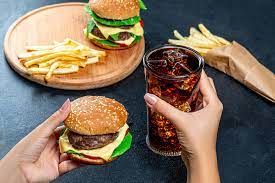
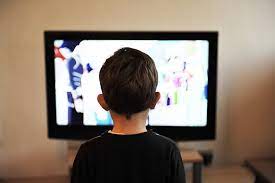
Only 25% of the US population exercises regularly. We could see a much greater reduction in serious illnesses and related comorbidities if more people exercised on a regular basis. Children especially need to get off the couch, get off the phone, PC or video game, get outside, move their bodies. We all know this, but don’t want to do what it takes to change our own habits, let alone that of our kids. About 20% of US kids are obese. 80% of these will go on to be obese adults. Obesity is not the main issue but rather the illnesses that come along with it. Plant good seeds if you want good crops, right?

Interleukin-6 (IL-6) and interleukin-10 (IL-10) are both cytokines involved in the immune response and inflammation regulation

IL-6 & IL-10 are stimulated during exercise. They play important roles in modulating the body’s response to exercise. Here’s an overview of the physiology of this mechanism during exercise:

  1. Interleukin-6 (IL-6): During exercise, IL-6 is released from various sources, including skeletal muscle, immune cells, and adipose tissue. Several factors contribute to the stimulation of IL-6 production:

a. Muscle contraction: The mechanical stress placed on muscles during exercise triggers the release of IL-6 from the working muscles themselves. This release is mediated by intramuscular signaling pathways, such as calcium influx and the activation of adenosine monophosphate-activated protein kinase (AMPK) and mitogen-activated protein kinase (MAPK) pathways.

b. Sympathetic nervous system activation: Exercise leads to the activation of the sympathetic nervous system, which releases catecholamines (epinephrine and norepinephrine). These catecholamines promote IL-6 production in skeletal muscle and immune cells.

c. Tissue damage and inflammation: Intense or prolonged exercise can cause tissue damage and inflammation. This triggers the activation of immune cells, such as macrophages, which release IL-6 as part of the inflammatory response.

  1. Interleukin-10 (IL-10): IL-10 is an anti-inflammatory cytokine that helps regulate the immune response and control excessive inflammation. Its production during exercise is influenced by various factors:

a. IL-6-induced IL-10 production: IL-6, as mentioned earlier, is stimulated during exercise. Interestingly, IL-6 can also induce the production of IL-10. IL-6 acts as a signaling molecule, promoting the release of IL-10 from immune cells. This IL-6-induced IL-10 production helps regulate the immune response and minimize excessive inflammation.

b. Anti-inflammatory feedback: IL-10 acts as a negative feedback mechanism to downregulate pro-inflammatory cytokines, including IL-6 itself. By promoting the release of IL-10, exercise helps to maintain a balance between pro-inflammatory and anti-inflammatory factors, preventing an excessive immune response.

Both IL-6 and IL-10 have diverse effects on the body during exercise. IL-6, despite being pro-inflammatory, also has beneficial effects, such as promoting glucose uptake in muscles and stimulating lipolysis (breakdown of fats). IL-10, on the other hand, helps limit inflammation and contributes to tissue repair and recovery.

It’s important to note that the regulation of IL-6 and IL-10 during exercise is complex, and their levels can vary based on various factors, such as exercise intensity, duration, and individual fitness levels. Additionally, the exact mechanisms underlying their release and interaction during exercise are still an active area of research.

Strategic Trauma

The mechanism I am referring to, where interleukin-6 (IL-6) and interleukin-10 (IL-10) are stimulated during exercise, is often described as exercise-induced cytokine production, exercise-induced cytokine response or what I have come to know as strategic trauma. It highlights the fact that exercise can trigger the release and modulation of various cytokines, including IL-6 and IL-10.

The term “exercise-induced cytokine response” encompasses the broader concept of how exercise influences the production and release of cytokines, which are signaling molecules involved in immune regulation and inflammation. During exercise, various factors such as muscle contraction, sympathetic nervous system activation, and tissue damage contribute to the stimulation of cytokine production, including IL-6 and IL-10.

This term acknowledges that cytokine responses can vary depending on the type, intensity, and duration of exercise, as well as individual factors. It also reflects the dynamic nature of cytokine production during exercise, as the levels of different cytokines can change in response to the specific physiological demands of the exercise bout.

Strategic Trauma Effects Production of Human Growth Hormone

Exercise-induced cytokine production, particularly the release of interleukin-6 (IL-6), is related to the secretion of growth hormone (GH). GH is an important hormone involved in growth, metabolism, and tissue repair. The relationship between cytokines, especially IL-6, and GH is complex and interconnected. Here’s an overview of their connection:

  1. IL-6 and GH Release: During exercise, IL-6 can stimulate the release of GH. IL-6 acts on the hypothalamus and pituitary gland to enhance the secretion of GH from the anterior pituitary. This IL-6-induced GH release is mediated through a complex signaling cascade involving the hypothalamic-pituitary axis.
  2. Synergy with Other Factors: The exercise-induced release of GH is influenced by multiple factors, and IL-6 is one of the contributing elements. Other factors, such as increased neural stimulation, lactate production, and metabolic stress, also play a role in stimulating GH release during exercise. The combined effect of IL-6, along with these other factors, leads to an overall increase in GH secretion.
  3. Anabolic Effects and Tissue Repair: GH exerts anabolic effects on various tissues, promoting protein synthesis, muscle growth, and tissue repair. It enhances the uptake of amino acids and stimulates protein synthesis in muscles, contributing to muscle growth and repair after exercise-induced damage. The increased GH secretion during exercise, partly mediated by IL-6, helps facilitate these anabolic processes.
  4. Metabolism and Fat Utilization: GH also affects metabolism and the utilization of fats during exercise. It promotes lipolysis, the breakdown of fats, which serves as an energy source during prolonged exercise. This can help spare glycogen stores and improve endurance. IL-6, as mentioned earlier, can stimulate lipolysis as well, and the interplay between IL-6 and GH contributes to the regulation of energy metabolism during exercise.

It’s important to note that the relationship between cytokines, GH, and exercise is multifaceted and influenced by various factors. The exact mechanisms and interactions involved are still an active area of research, and further studies are needed to fully understand the intricate connections between cytokines and GH in the context of exercise.

Effects of Exercise on the Prefrontal Cortex and Hippocampus

Exercise has significant effects on both the prefrontal cortex and the hippocampus, two key regions of the brain involved in cognition, learning, memory, and mood regulation. Regular exercise has been found to positively impact the structure and function of these brain areas. Here are some of the effects:

  1. Prefrontal Cortex: The prefrontal cortex (PFC) is responsible for higher cognitive functions, such as decision-making, attention, working memory, and executive control. Exercise has been shown to have several positive effects on the PFC:

a. Increased Blood Flow and Oxygenation: Exercise enhances blood flow and oxygen delivery to the brain, including the PFC. This improved cerebral blood flow helps nourish brain cells and supports optimal PFC function.

b. Neuroplasticity and Synaptic Growth: Exercise promotes neuroplasticity, the brain’s ability to change and adapt. It stimulates the growth and branching of dendrites, the communication pathways between neurons. This synaptic growth in the PFC improves neural connectivity and strengthens cognitive abilities.

c. Enhanced Executive Functions: Regular exercise has been associated with improvements in executive functions, including attention, working memory, cognitive flexibility, and inhibitory control. These enhancements are thought to be related to the positive effects of exercise on the PFC.

  1. Hippocampus: The hippocampus is a region crucial for learning, memory formation, and spatial navigation. Exercise has profound effects on the hippocampus, including:

a. Neurogenesis: Exercise promotes the generation of new neurons in the hippocampus, a process known as neurogenesis. These newly formed neurons are believed to contribute to improved learning and memory.

b. Enhanced Memory and Learning: Exercise has been linked to enhanced spatial memory, declarative memory (facts and events), and associative learning, all of which rely on the hippocampus. Regular physical activity can improve the encoding, consolidation, and retrieval of memories.

c. Mood Regulation: The hippocampus is involved in mood regulation, and exercise has been shown to have antidepressant effects. Regular exercise increases neurotrophic factors and neurotransmitters, such as brain-derived neurotrophic factor (BDNF) and serotonin, which positively influence mood and emotional well-being.

It’s worth noting that the effects of exercise on the prefrontal cortex and hippocampus can vary depending on various factors, such as the type, intensity, and duration of exercise, as well as an individual’s fitness level and genetic factors. Nonetheless, consistent evidence suggests that exercise plays a significant role in promoting brain health and optimizing cognitive functions in these critical brain regions.

References:

Chronic Disease Infographics | CDC. (n.d.). https://www.cdc.gov/chronicdisease/tools/infographics.htm

Islam, H., Neudorf, H., Mui, A.L. and Little, J.P. (2021), Interpreting ‘anti-inflammatory’ cytokine responses to exercise: focus on interleukin-10. J Physiol, 599: 5163-5177. https://doi.org/10.1113/JP281356

Petzinger, G. M., Fisher, B. E., McEwen, S., Beeler, J. A., Walsh, J. P., & Jakowec, M. W. (2013). Exercise-enhanced neuroplasticity targeting motor and cognitive circuitry in Parkinson’s disease. Lancet Neurology12(7), 716–726. https://doi-org.northernvermont.idm.oclc.org/10.1016/S1474-4422(13)70123-6

 Erickson, K. I., & Kramer, A. F. (2009). Aerobic exercise effects on cognitive and neural plasticity in older adults. British Journal of Sports Medicine, 43(1), 22-24.

 Hillman, C. H., Erickson, K. I., & Kramer, A. F. (2008). Be smart, exercise your heart: exercise effects on brain and cognition. Nature Reviews Neuroscience, 9(1), 58-65.

 Cotman, C. W., & Berchtold, N. C. (2002). Exercise: a behavioral intervention to enhance brain health and plasticity. Trends in Neurosciences, 25(6), 295-301.

 Kramer, A. F., Erickson, K. I., & Colcombe, S. J. (2006). Exercise, cognition, and the aging brain. Journal of Applied Physiology, 101(4), 1237-1242.

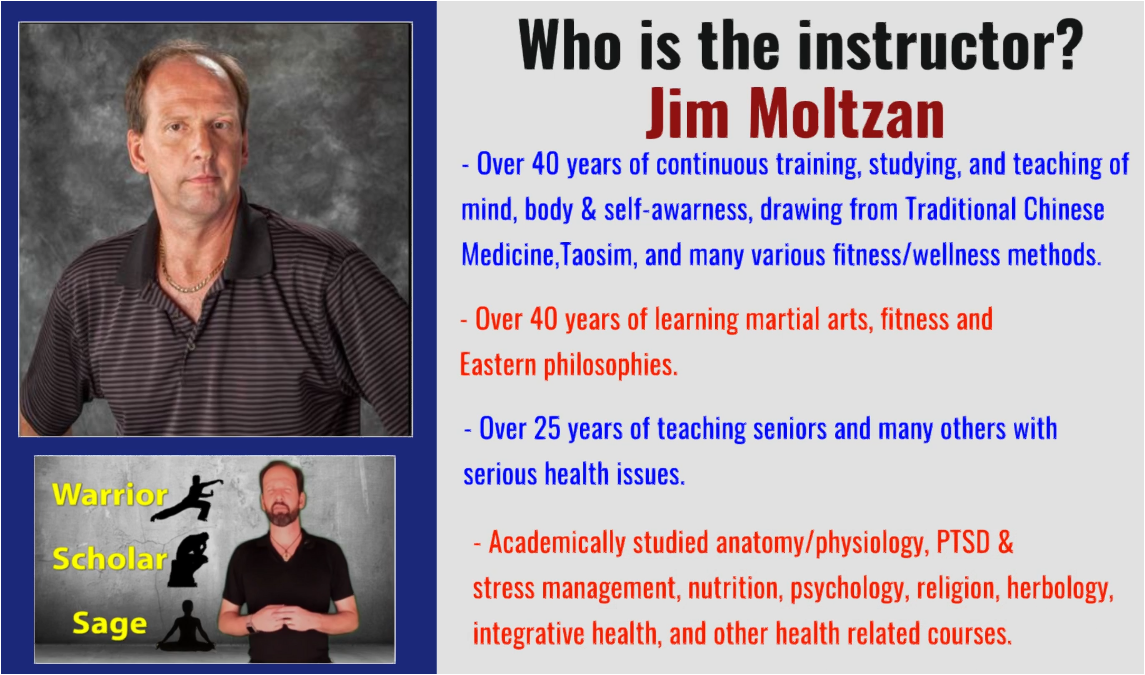
I write often about topics that affect our health and well-being. Additionally, I teach and offer lecture about qigong, tai chi, baguazhang, and yoga. I also have hundreds of FREE education video classes, lectures and seminars available on my YouTube channel at:

https://www.youtube.com/c/MindandBodyExercises

Mind and Body Exercises on Google: https://posts.gle/aD47Qo

Jim Moltzan

407-234-0119
www.MindAndBodyExercises.com

www.Amazon.com/author/jimmoltzan

Book 24 – Health & Wellness Graphic Reference Book

My new reference book is now available on Amazon!

Book 24 – Health & Wellness Graphic Reference Book (Health and Wellness Study Guides Using Eastern Practices From Martial Arts, Yoga and Qigong) . This book is an encyclopedia of knowledge and is priced accordingly.

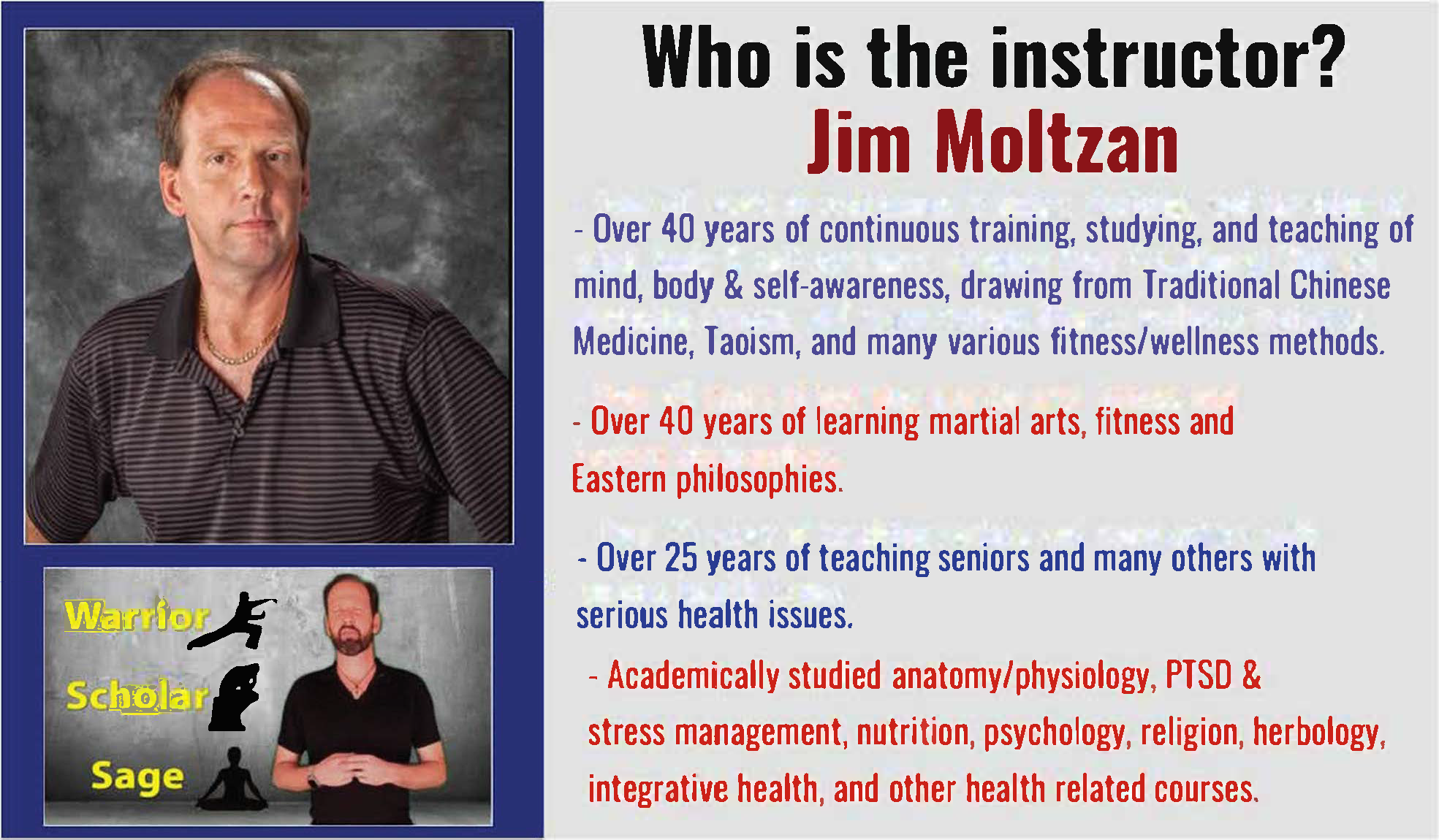
Remember the Indiana Jones movies, where he found his father’s diary which had clues to his search for the Holy Grail? Well, I have been searching for over 40 years for the Holy Grail of health, wellness, fitness and self-awareness. I have been producing graphics to depict what I believe to be the key components of health and happiness.

Over 400 pages in this study guide, consisting of mostly color graphics of concepts for better health and wellness, from allopathic and Traditional Chinese Medicine, anatomy & physiology, qigong, martial arts and yoga exercises and philosophy on these topics. Additionally, there are graphics depicting theories on the human life cycle, psychology relative to components of fitness and many other subjects pertaining to mental and physical well being. This reference book contains many exercise sets for rehabilitating injuries and illness as well as others to promote longevity and a better quality of life. Additionally, this book contains an appendix of over 30 pages of my personal typed notes on teaching, coaching and eastern philosophy. Review the watermarked edition just below here.

Click image to be directed to Amazon.com


My books, journals and graphics are the summation of over 40 years of my training, education, teaching and public speaking of martial arts, qigong, fitness, wellness, TCM and other facets of self-improvement. Similar to popular study guides such as Quick Study or PermaCharts, these graphic and text guides cut to the chase in order to minimize precious time spent muddling through extensive textbooks seeking understanding of specific concepts. Each guide is packed with the root knowledge regarding specific topics. This format is highly beneficial for the novice as well as experts in the fields of health, wellness and self-improvement.

The majority of my knowledge base is in theories, methods and techniques from almost 40 years of learning, training and teaching. The Qigong (breathing work) is from Chinese Kung Fu and the Korean Dong Han medical Qigong lineage. The core fitness movements are from Kung Fu and its forms in Baguazhang and Ship Pal Gi (Korean Kung Fu and weapons training). Each martial art and its fitness exercises can complement and enhance one another. The more ways that you can move your body, the better it is for your overall health.

I have also gained much knowledge of Traditional Chinese Medicine (TCM) from many TCM practitioners, martial arts masters, teachers and peers. This includes many techniques and practices of acupressure (reflexology, auricular, Jing Well, etc.), acupuncture, moxibustion as well as preparation of some herbal remedies and extracts for conditioning and injuries. I have been studying for over 20 years with Zen Wellness, learning medical Qigong as well as other Eastern methods of fitness and self awareness. I have been recognized as a “Gold Coin” master instructor having trained and taught others for at least 10000 hours or roughly over 35 years. I have pursued my BS degree in wellness and alternative medicine, which has helped me to expand my understanding of health/wellness into other areas of study in anatomy/physiology, integrative methods, meditation, stress and trauma management, psychology, religion, nutrition and other relative topics.

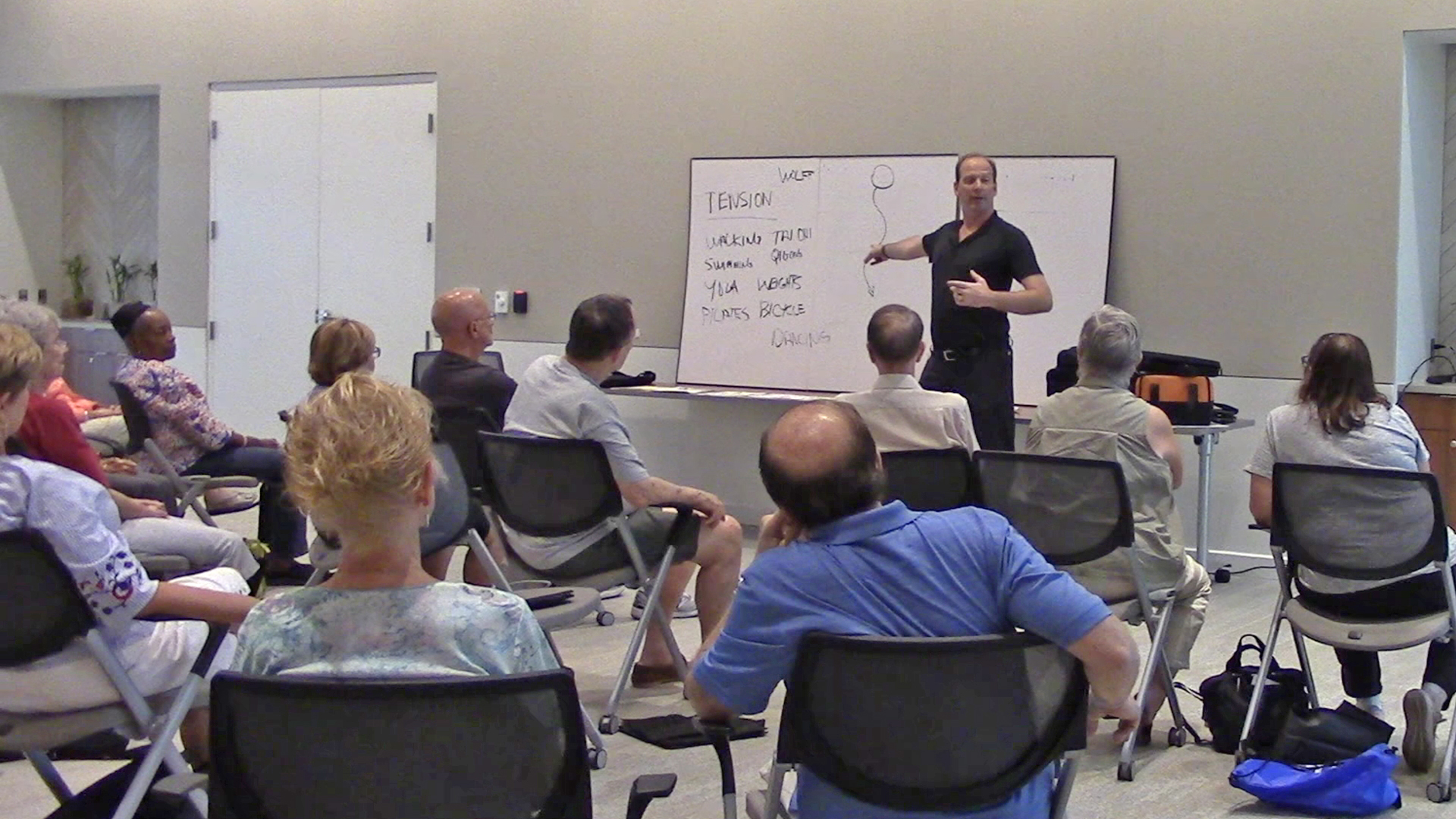
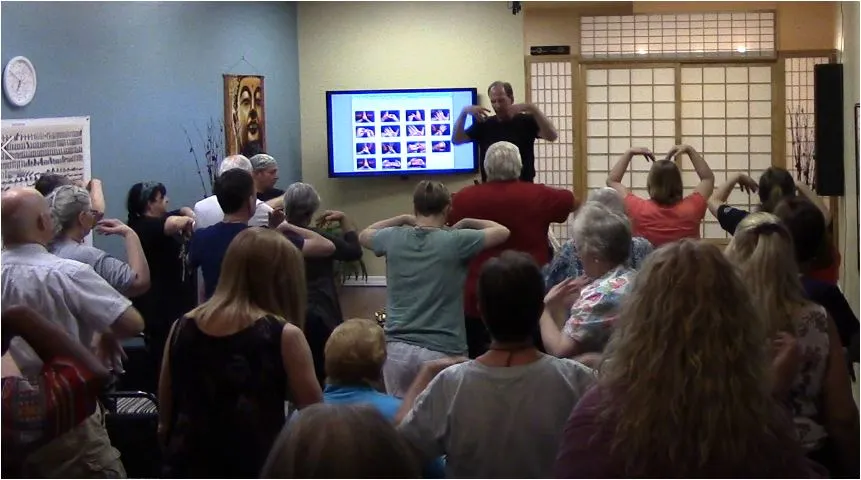
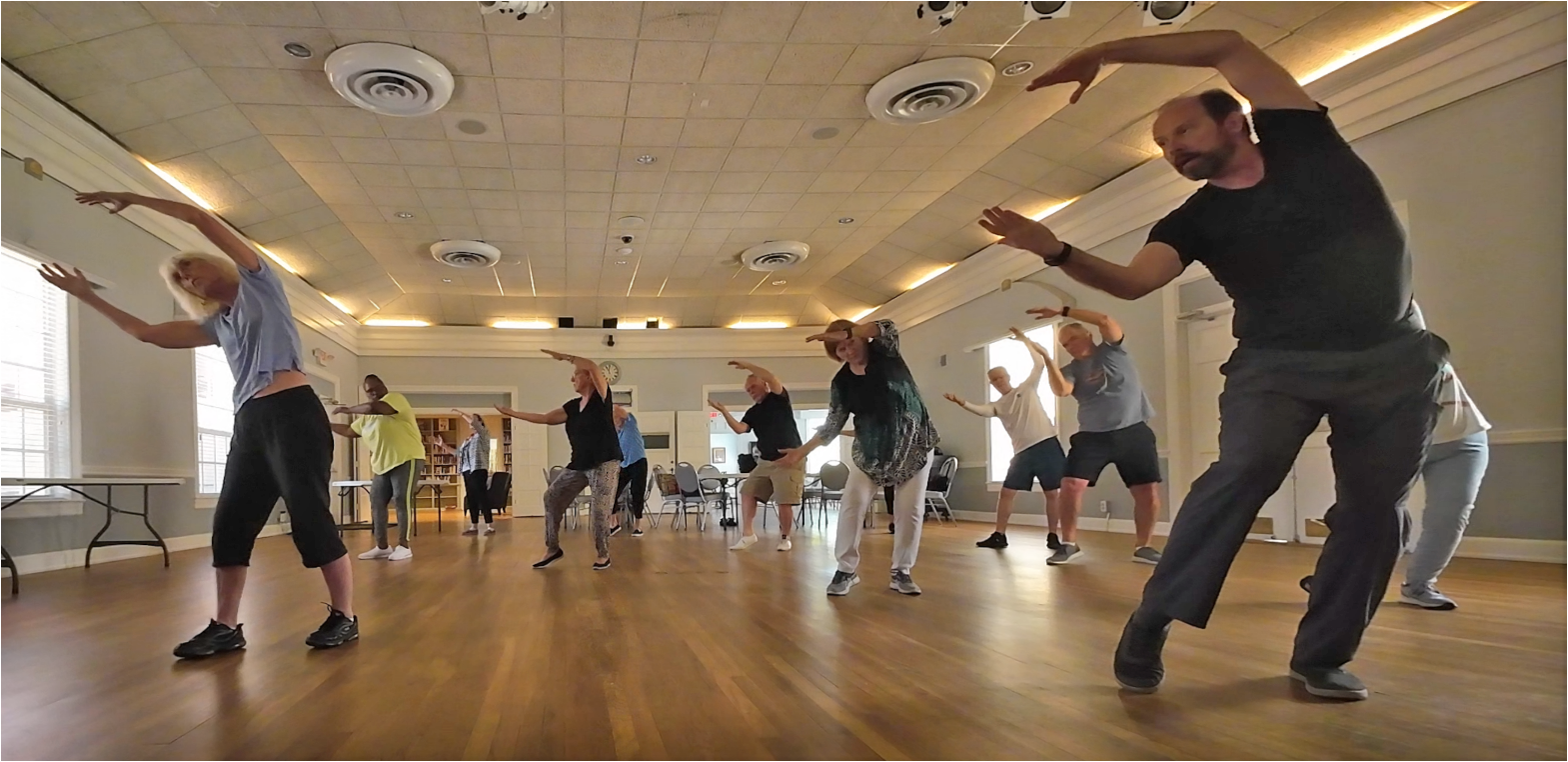
I write often about topics that affect our health and well-being. Additionally, I teach and offer lecture about qigong, tai chi, baguazhang, and yoga. I also have hundreds of FREE education video classes, lectures and seminars available on my YouTube channel at:

https://www.youtube.com/c/MindandBodyExercises

Mind and Body Exercises on Google: https://posts.gle/aD47Qo

Jim Moltzan

407-234-0119
www.MindAndBodyExercises.com

www.Amazon.com/author/jimmoltzan

Profit vs. Ethics in the Big Pharma View of Business

From a strictly financial perspective, it may be considered a good business strategy for a pharmaceutical company to generate billions of dollars in profits for a particular product, even if they end up paying millions of dollars in fines or lawsuits. However, this viewpoint does not take into account the ethical considerations and potential harm that may result from the company’s actions. We have seen this play out many times in recent years as some very large pharma corps have been fined substantial amounts, but are still allowed to operate and profit. I am not sure how this works exactly, so I did some research.

I would think that it is important for companies to operate with integrity and ethical principles, and to prioritize the safety and well-being of their customers. When companies engage in practices that result in harm or violate regulations, they may face legal consequences and negative publicity that can damage their reputation and erode public trust.

Furthermore, paying fines or settling lawsuits does not necessarily address the underlying issues that led to the misconduct in the first place. Companies should focus on improving their practices and ensuring that their products are safe and effective, rather than solely on maximizing profits. However, we all pretty much know that in the US world of healthcare, most of the money is gained in treating the sick rather than preventing illness. Money talks and bullshit walks.

In summary, while generating significant profits may be a goal for many companies, it is important to consider the ethical implications of their actions and prioritize the safety and well-being of their customers. Engaging in misconduct that results in fines or lawsuits may not be a sustainable or ethical business strategy in the long run. In spite of this concept, big pharma has done pretty well for itself, especially during the recent COVID-19 pandemic where record profits were reported, while being exempt from any liability from its mass distribution of products to counter its infection.

Pharmaceutical industry gets high on fat profits - BBC News

References:

https://www.bbc.com/news/business-28212223

https://www.bizjournals.com/triangle/news/2016/03/31/gsk-pfe-bms-nvs-pay-most-in-fines.html

https://www.pharmaceutical-technology.com/features/these-were-the-biggest-pharmaceutical-deals-in-early-2022/

I write often about topics that affect our health and well-being. Additionally, I teach and offer lecture about qigong, tai chi, baguazhang, and yoga. I also have hundreds of FREE education video classes, lectures and seminars available on my YouTube channel at:

https://www.youtube.com/c/MindandBodyExercises

Mind and Body Exercises on Google: https://posts.gle/aD47Qo

Jim Moltzan

407-234-0119

www.MindAndBodyExercises.com

www.Amazon.com/author/jimmoltzan

How to Increase Hand Grip Strength – No Gym Required

Most people do not exercise, only about 25% of the US population. Of those that do, very few exercise for specific outcomes beyond building muscle strength, cardiovascular health and maybe some light stretching for flexibility and range of motion. What about exercising for breath control, vestibular balance (inner ear), symmetry of left/right. top/bottom, inside/outside, coordination, mobility of the fingers and toes? Most people just don’t put attention to these areas until they start to have issues and then they might look into addressing these imbalances. Very important but often neglected is hand grip strength. When the hand grip is weak, people are less likely to hold onto weights during weight training, so they begin to avoid this type of exercise. A weak grip affects the ability to grab onto something stable when losing one’s balance or falling. A weak grip makes it harder for someone to be independent as they become more and more insecure in themselves and depend more upon others to lift groceries, grandchildren and typical everyday tasks. The below exercise are free, simple albeit effective for those committed to the time and effort required to gain the benefits. Start with a few repetitions, eventually building up to sets of 100 or more. These exercises are safe when practiced correctly with the toes, knees and hips always lined up one atop another with no sideways stress on the knee joints.

Unique to these exercises, is the body posture combined with the correct hand and arm positions, and the extra awareness required to keep the lower body stable while also maintaining the correct body alignments. By squeezing the hands into fist and then opening them moving only the hands and wrists, the fascia trains, the nervous, muscular and skeletal systems are all engaged throughout the entire body. Try to hold the static position while performing the wrist exercise, from steps 1, 2, 3, 4 and back to 1 for consecutive repetitions. Holding the stance generally develops overall strength where as repetitive wrist positions develops stamina, endurance and determination. Relax the body into the positions in spite of any tension in the muscles. Deep and relaxed breathing is essential while performing this exercise. Try 10x each, building to 20x, 30x, 100x 300x. Yes, this is achievable gradually over time and with much effort.

Variation #1; Arms to the sides, engage the muscles of the pectoral, shoulders, and upper back at different angles increasing strength in many directions.

Variation #2; Using either/both of the above arm directions, sink the hips into a horse stance. High , medium and low positions of the hips will greatly increase the difficulty and strength building benefits of this exercise set. Additionally, attempting to stay in this lower body position in spite of the cramping, pain and discomfort, this is a method to develop strength of the nervous system due to so many innervated muscles being engaged at the same time. In energetic practices from martial arts, daoyin and yoga, this practice is called “burning of the chong mai” in reference to the thrusting energy vessel (meridian) that extends from the base of the tailbone upwards towards the top of the head.

I write often about topics that affect our health and well-being. Additionally, I teach and offer lecture about qigong, tai chi, baguazhang, and yoga. I also have hundreds of FREE education video classes, lectures and seminars available on my YouTube channel at:https://www.youtube.com/c/MindandBodyExercisesMind and Body Exercises on Google: https://posts.gle/aD47QoJim Moltzan407-234-0119www.MindAndBodyExercises.comwww.Amazon.com/author/jimmoltzan

Assuming Responsibility for your Healthcare (sickcare) Decisions

The predominant medical system in the US is the allopathic model. I have found from personal experience that this system works usually quite well for diagnostics, trauma, conditions requiring surgical intervention, as well as treatments for prolonging life.

Where I feel our allopathic model falls short is encouraging prevention of illnesses and avoidable conditions, treating certain types of chronic conditions, and providing quality of life in spite of prolonging it. A wise doctor I visited once told me that a way to make a decision to have or not have a procedure, was to determine if you have more good days or more bad days, within a particular time frame. His next question was, are you willing to live with the outcome if the results are not 100% successful and possibly giving side-effects that are worse than the original issues?

I think many people put all of their trust and faith into their doctor’s opinions or suggestions without doing much research of their own. Therefore, they lack the information to better determine what is best for their individual conditions.  When confronted with a serious condition, they feel they lack medical knowledge and therefore options beyond what their doctor might suggest. When things don’t go well with the treatments, procedures, surgeries, etc., they can’t always understand that doctors are human and don’t always make the best decisions in spite of trying their best to do so. 

I think if people would take more responsibility towards their knowledge of healthcare and their own health status prior to finding themselves in critical situations, we would have a much different healthcare system. The CDC reported the top causes of death in the US as of 2019 were heart disease, cancer, and unintended injuries1. Overall, the risks of the top 10 causes of death all can be lowered with lifestyle choices of diet, exercise, and management of stress. A John Hopkins report of 2018 reported that medical errors was the 3rd highest cause of death in the US2. My point in noting these statistics is that if the total number of these illnesses and errors was much less, then there would be less people having to deal with these critical types of decisions with or without their doctor’s input. I am aware that this is really an unrealistic expectation as the numbers go up every year. However, if doctors are to be held to such a high standard of perfection, why shouldn’t the individual have similar accountability for their own level of self-care?

Obviously, some situations warrant a decision at the moment, regardless of how the person got to the point of immediate concern.  In this type of event, I would hope that the healthcare professionals involved would have much relative knowledge and medical experience at this point to exercise wisdom in making the correct decisions. From there the patient needs to decide whether to trust in what they know to be true and accurate and/or to have faith in what is unknown and unseen.

References:

1 https://www.cdc.gov/nchs/products/databriefs/db395.htm

2https://www.hopkinsmedicine.org/news/media/releases/study_suggests_medical_errors_now_third_leading_cause_of_death_in_the_us

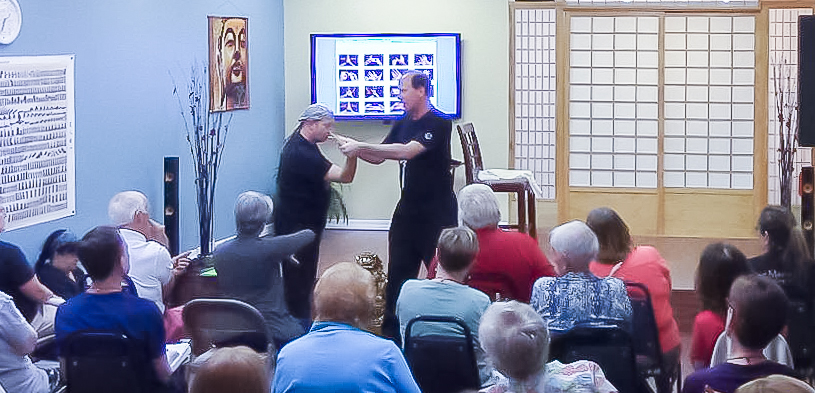
I write often about topics that affect our health and well-being. Additionally, I teach and offer lecture about qigong, tai chi, baguazhang, and yoga. I also have hundreds of FREE education video classes, lectures and seminars available on my YouTube channel at:https://www.youtube.com/c/MindandBodyExercisesMind and Body Exercises on Google: https://posts.gle/aD47Qo

Jim Moltzan

407-234-0119
www.MindAndBodyExercises.comwww.Amazon.com/author/jimmoltzan