The 3 Wise Men or Maji were said to have brought Jesus three gifts with spiritual meaning, being gold, frankincense and myrrh. Gold was a symbol of kingship on earth. Myrrh (an embalming oil) was a symbol of death. Frankincense (an incense) was a symbol of deity. This post is my detailed review of frankincense.
Herbal Monograph – Boswellia (Frankincense)
Overview:
Boswellia serrata also known as Boswellia sacra, Indian frankincense, Indian olibanum, or the botanical synonym of Boswellia glabra Roxb. Boswellia is a small tree or shrub belonging to the Burseraceae category of gum trees that also include myrrh. Boswellia is native to the dry tropics of Africa, particularly in the northeast countries of Ethiopia, Somalia, Yemen, and Oman. Another version originates from a gum tree that grows in India and South Asia. Boswellia is commonly used as an ingredient in many herbal preparations, having immune effects similar to corticosteroid anti-inflammatory drugs, however having none of the side effects. It is often used for osteoarthritis to relieve pain (Micozzi, 2018).
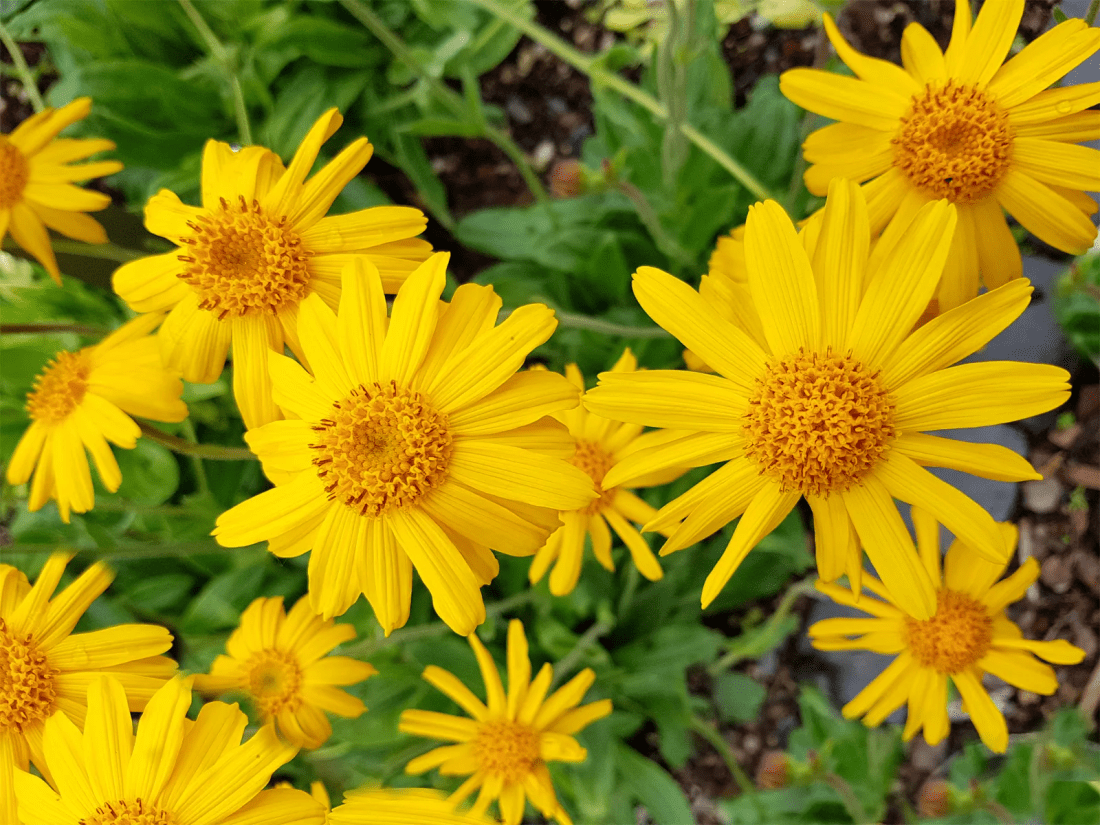
Fig.1
Boswellia serrata Roxb. ex Colebr.
(Raffaelli, 2005)
Boswellia has been used for quite some time within Ayurveda (known as Salai guggal) as a pain reliever due to its anti-inflammatory properties. The fragrant resins from many varieties of Boswellia have also been used as incense as well as embalming liquids. Boswellia serrata has been more recently tested in clinical studies for a varied spectrum of inflammatory ailments (Bone & Mills, 2013).
The Boswellia serrata resin seems to be closely related to the biblical frankincense (B. carterii) which was known, along with gold and myrrh, gifts from the 3 Maji to Christ upon birth (What Is the Significance of the Three Wise Men and Their Gifts? 2020). Based upon this, it would appear that its benefits and usage has been known for at least a few thousand years. If Boswellia was indeed one of the traditional gifts introduced from the wise Magi traveling for thousands of miles, it might be surmised that they knew something about joint pain. As Boswellia and its acids are known to have remarkable anti-inflammatory, complement-inhibitory and analgesic properties. Many years later, the famous Germanic (Frankish) crusader Frederick Barbarossa, also known as “Red Beard, is thought to have brought Boswellia into Europe, thereby coining the common name “frank incense,” or frankincense (Micozzi, 2018).
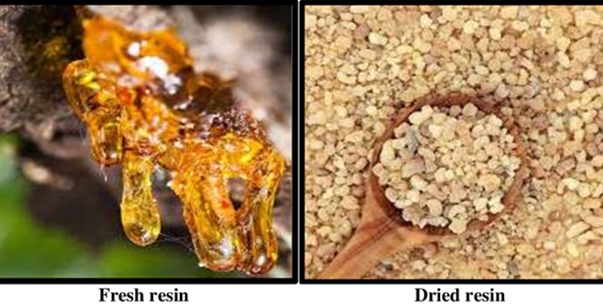
Fig. 2
Boswellia serrata Roxb. resin
(Anjum, A., Tabssum, K., & Siddiqui, A. (2019). Kundur (Boswellia serrata Roxb) Resin)
Medicinal Uses:
In the traditional medicine modality of Ayurveda, the Boswellia resin, is most often administered externally as an anti-inflammatory agent and astringent applied topically or as an expectorant and stimulant when taken internally (Bone & Mills, 2013). Ayurveda also uses Boswellia as therapy for gastrointestinal diseases, gynecological issues, and diseases of the nervous system (Dohling, 2008).
Western medicine and pharmacology recognize its use as an analgesic (pain-reliever), anti-inflammatory, anti-arthritic, anti-atherosclerotic (anti-coronary plaque), hepatoprotective (protects the liver), and anti-hyperlipidemic (controls blood lipids) (Siddiqui, 2011). Medicinal applications would include diarrhea, gonorrhea, syphilis, dysmenorrhea, chronic pulmonary diseases, rheumatic disorders, dysentery, hemorrhoids, liver disorders, general weakness, and loss of appetite. Clinical trials support Boswellia usage as an anti-inflammatory agent for inflammatory bowel diseases such as Crohn’s and ulcerative colitis, rheumatoid arthritis, and asthma. Other ailments treated would be those with associated with elevated levels of leukotrienes would include allergic rhinitis, multiple sclerosis, lupus, urticaria, cystic fibrosis, psoriasis, chronic smoking, gout, liver cirrhosis and significant anti-tumor activity. Boswellia may be a major factor in the prevention of Alzheimer’s disease, due to its anti-inflammatory properties and ability to cross the blood-brain barrier (Bone & Mills, 2013).
External uses of Boswellia include inflammatory diseases of the skin, such as psoriasis or atopic dermatitis (Dohling, 2008). Research exists into usage of sports creams with ingredients such as Boswellia and ginger to reduce pain in the neck and shoulders of athletes. Significant improvement in pain and stiffness, was obtained with a reduction in need for rescue medication when Boswellia products were used (Obesity, Fitness & Wellness Week, 2020).
Pharmacodynamics:
Boswellia’s seems to have an effect across a varied range of inflammatory diseases, although its clinical anti-inflammatory mechanisms are not well understood. Research indicates that Boswellic acid may prevent the formation of leukotrienes in the body. Leukotrienes are molecules that are understood to cause inflammation. Previous research, reports that Boswellic acids notably reduced the stimulated release of leukotrienes from undamaged human neutrophils, with Acetyl-11-keto-β-Boswellic acid (AKBA) being the most potent. Boswellia also reduced the formation of leukotrienes by obstructing the enzyme 5-lipoxygenase in vitro. Boswellic acids appear to produce a particular in vitro inhibitory effect on 5-lipoxygenase, with minimal effect on 12-lipoxygenase or cyclo-oxygenase (which produces prostaglandins). This mechanism of action is consequently unique when compared to conventional NSAIDs, which obstruct prostaglandin production. Compounds that inhibit 5-lipoxygenase typically do this because they are antioxidants. The activity of the Boswellic acids does not depend upon on antioxidant properties. The research concluded that Boswellia used in treatment of leukotriene-mediated inflammation and hypersensitivity-based disorders, could be beneficial (Bone & Mills, 2013).
Pharmacokinetics:
Boswellic acids have demonstrated the ability to cross the blood-brain barrier in rats. Studies on the permeation of Boswellia extract within the in vitro Caco-2 model of intestinal absorption, found moderate absorption of 11-keto-β-Boswellic acid (KBA and low permeability for Acetyl-11-keto-β-Boswellic acid (AKBA), with most of these compounds being retained in the Caco-2 monolayer. In the liver microsomes and hepatocytes of rats, and also in human liver microsomes, KBA but not AKBA, encountered substantial phase I metabolism. This was confirmed in vivo, where KBA encounters substantial first-pass metabolism however, AKBA does not. Therefore, metabolism is not mainly responsible for the notably poor bioavailability of AKBA. Boswellic acids bioavailability in humans, has been established in many pharmacokinetic studies, indicating that beta-Boswellic acid demonstrates increased bioavailability, then that of KBA and AKBA. These studies and their results indicated that Boswellia is recommended to be taken orally every 6 hours and consequently achieving steady-state plasma levels following roughly 30 hours (Bone & Mills, 2013).
Dosage and Administration:
The Boswellia tree produces the Oleo gum-resin which is tapped from an incision made on the trunk of the tree. The resin is then stored in a special bamboo basket for extraction of the oil content and solidification of the resin. Once processed, the gum-resin is then graded according to its size, shape, color, and flavor (Siddiqui, 2011). Boswellia as a resin, demands a 90% content of alcohol for extraction. Consequently, Boswellia is more easily offered as a capsule or tablet as opposed to a tincture, due to the relatively high doses required (Bone & Mills, 2013). Boswellia is also taken using the bark in a decoction to be consumed orally. The recommended dosage is based on relative clinical trials and historical practice. Currently it is not certain what the optimal dose is in order to balance efficacy as well as safety. Standardization of the manufacturing of Boswellia products is challenging as one product and its ingredients can be quite different from another (Siddiqui, 2011).
The recommended dosage for Boswellia is 200-400mg of extract, taken three times a day, and ingested with meals. Boswellia extract is usually standardized to contain a Boswellic acid content of 60-70% where the dose is relative to an equivalent resin intake of 2.4-4.8g (Bone & Mills, 2013).
Contraindications:
No known contraindications. However, from an Ayurveda viewpoint, Boswellia is not recommended for during pregnancy or while nursing. Additionally, for those with a weakened digestive system, it may be potentially unbalancing (Pole, 2006). Patients with known allergic tendencies should use caution when using Boswellia, as it is known to produce varied allergic reactions (Bone & Mills, 2013).
Toxicity:
Toxicity studies have normally indicated that Boswellic acids contain exceptionally low acute toxicity and cause no negative effects after administration. The oral and intraperitoneal LD50 (median lethal dose) was greater than 2 g/kg in rats and mice. No notable changes presented in general behavior, nor in pathological, clinical, biochemical, or hematological data after chronic oral administration for 10 days. A Boswellia extract containing added 30% AKBA exhibited an oral LD50 > 5 g/kg in rats and was categorized as being a non-irritant to the skin. A study for subacute toxicity, with the same extract spanning 90 days at up to 2.5% of feed presented no negative effects. A study with mice that were given experimentally induced colitis, discovered hepatotoxic effects for a methanolic extract at 1% of feed spanning 21 days, which was additionally supported by in vitro data (Bone & Mills, 2013).
Side effects:
Side effects might include skin rash, nausea, stomach pain or discomfort, diarrhea, skin burning, acid reflux, and feelings of fullness in the stomach (Side Effects and Interactions of Boswellia, 2020). Boswellia has known to produce side effects of contact dermatitis. Boswellia used for the treatment of rheumatoid arthritis and Crohn’s disease was well tolerated in clinical trials, however mild side effects of hives (urticaria) and diarrhea were reported (Bone & Mills, 2013).
Drug Interactions:
No known drug interactions have been reported with the use of Boswellia. However, there is the possibility that Boswellia use might enhance or reduce the effects or toxicity of particular medications, such as some anticancer drugs, Singulair (a medication used for treating asthma), cholesterol-lowering drugs and antifungal drugs. Boswellia may also decrease the efficacy of some anti-inflammatory pain relievers like aspirin. ibuprofen, and naproxen. Boswellia may interact with some herbs and dietary supplements that might have anti-cancer properties like mistletoe (Viscum album), anti-fungal agents like tea tree oil (Melaleuca alternifolia), supplements used to manage joint diseases like glucosamine (chondroitin) and cholesterol-lowering supplements like Allium sativum (Side Effects and Interactions of Boswellia, 2020)
Clinical Reviews/Evidence:
A clinical trial composed by Raychaudhuri and her co-workers from 2008, in India reported that Boswellia serrata extract, reduces pain and significantly improves knee-joint functions, offering relief within seven days. Raychaudhuri and her co-workers believe that their study was the first to analyze the efficacy of an extract containing a form of Boswellic acid for treating osteoarthritis (Siddiqui, 2011).
A study published in 2019 with the intent of investigating the effects of 4 weeks of Boswellia consumption on explicit motor memory and serum brain-derived neurotrophic factor (BDNF) in the elderly. Twenty elderly men with a mean age of 60.2 ± 1.7 years, were randomly divided into two groups of an experimental group (n = 12) and a placebo group (n = 8). Both groups engaged in a 4-week exercise program, using a protocol in order to exercise motor memory. During the 4-week period the experimental group consumed 500mg of Boswellia pills, two times a day. At the end of the 4 weeks, the results showed that Boswellia had a substantial effect on the acquisition and retention of explicit motor memory with older men with moderate mental status. However, there was no difference observed in the serum BDNF between the experimental and placebo groups (Asadi, et al., 2019).
Osteoarthritis (OA) is the most common type of inflammatory joint disease. Boswellia serrata is known as a potent anti-arthritic, analgesic, and anti-inflammatory agent that may be used to treat OA. A research article published with BMC Complementary Medicine and Therapies in 2020. Reported in the article was a systematic review and meta-analysis which included seven random controlled trials (RCTs) to analyze the safety and efficacy of Boswellia extract for OA. A total of 545 participants engaged in the trials. Boswellia extract demonstrated that it may offer relief from pain and stiffness while also improving joint function. Determined from the reported evidence was that pain, stiffness, and joint function began to show improvement following 4 weeks of sustained consumption of 100-250mg of Boswellia extract. This should be interpreted with discretion due to the uncertain considerable risk of bias for reporting bias (selective reporting), bias for selection bias (allocation concealment and random sequence generation), attrition bias (incomplete outcome data), and the relatively small amount of participants that were all noted in the article (Yu, et al., 2020).
A 2021 study reported on the use of Boswellia for Gulf War Illness (GWI). GWI is a chronic, multi-symptom condition with unknown etiology. Symptoms are wide and varied for those with GWI, such as respiratory difficulties, pain, gastrointestinal issues, fatigue, cognitive dysfunction, and dermatological ailments leading researchers to believe that GWI is a neuroimmune condition engaging systemic inflammation. The study was a pseudo-randomized, placebo-controlled, crossover clinical trial to evaluate the effects of nine separate anti-inflammatory botanical compounds for symptoms of GWI. 39 Participants were eligible for the study based upon screening criteria at the time. Boswellia was not any more effective than a placebo at decreasing GWI symptoms at either the lower (p = 0.726) or higher (p = 0.869) dosages (Donovan, et al., 2021). The evidence from this study warrants the need for more research into this ailment and treatments of it.
The Indian Journal of Forensic Medicine & Toxicology posted an article in 2021, regarding research into the antibacterial activity of Boswellia serrata Extract for inhibition of oral pathogenic bacteria. Samples were collected at the Faculty of Dentistry, University of Kufa, from twenty periodontitis patients. For this research, Boswellia serrata extract was assessed for antimicrobial activity with the results showing excellent anti-growth intervention against the tested isolates. The results offered promise into the use of natural remedies as a source to address the issue of antibiotic resistance. Boswellia extract demonstrated notable action against Streptococcus orails at 250 and 500mg/ml concentrations and Gemella morbillorum that being affected by the extract at 500mg/ml. Boswellia and its bioactive components, has the potential to offer treatment options for oral bacterial infections (Salman, et al., 2021).
A study from January of 2022 evaluated the efficacy of herbal extracts from curcumin and Boswellia (as Curcumin Boswellia Phytosome, CBP) and Low FODMAP’s diet (LFD) for relief of abdominal bloating in association with irritable bowel syndrome (IBS). Sixty-seven participants with IBS with small bowel dysbiosis were recruited. The intervention group of 33 subjects showed a notable decrease (p < 0.0001) in abdominal pain, bloating and indican values by the end of the study, compared with the control group of 34 subjects. The subjects within the intervention group experienced a notably better (p < 0.0001) global assessment of efficacy (GAE) when compared to the control group. Participants with IBS and small bowel dysbiosis, and abdominal bloating can successfully reduce symptoms with supplementation of CBP and LFD (Giacosa, et al., 2022).
From these various case studies there is seemingly much evidence of the medicinal health benefits that can be gained from use of Boswellia. However, in spite of its long history of usage dating back over thousands of years, more current research is necessary for Boswellia to be used within current Western allopathic medicine.
References:
Anjum, A., Tabssum, K., & Siddiqui, A. (2019). Kundur (Boswellia serrata Roxb) Resin [Photograph]. Semantic Scholar. https://www.semanticscholar.org/paper/Kundur-(Boswellia-serrata-Roxb)-A-boon-of-nature-in-Anjum-Tabassum/6839fa4fe83f654c8471c06b1e5a120f5b11bd12
Asadi, E., Shahabı Kaseb, M. R., Zeıdabadı, R., & Hamedınıa, M. R. (2019). Effect of 4 weeks of frankincense consumption on explicit motor memory and serum BDNF in elderly men. Turkish Journal of Medical Sciences, 49(4), 1033–1040. https://doi-org.northernvermont.idm.oclc.org/10.3906/sag-1810-204
Bone, Kerry; Mills, Simon, (2013), Principles and Practice of Phytotherapy. Elsevier Health Sciences. Kindle Edition.
Dohling, Carsten. “Boswellia serrata (Frankincense) – from traditional Indian medicine (Ayurveda) to evidence-based medicine.” Phytomedicine: International Journal of Phytotherapy & Phytopharmacology, vol. 15, no. 6-7, June 2008, p. 540. Gale Academic OneFile, link.gale.com/apps/doc/A184613211/AONE?u=vol_l99n&sid=ebsco&xid=2ce2ada6. Accessed 25 Apr. 2022.
Donovan, E. K., Kekes-Szabo, S., Lin, J. C., Massey, R. L., Cobb, J. D., Hodgin, K. S., Ness, T. J., Hangee-Bauer, C., & Younger, J. W. (2021). A Placebo-Controlled, Pseudo-Randomized, Crossover Trial of Botanical Agents for Gulf War Illness: Curcumin (Curcuma longa), Boswellia (Boswellia serrata), and French Maritime Pine Bark (Pinus pinaster). International journal of environmental research and public health, 18(5), 2468. https://doi-org.northernvermont.idm.oclc.org/10.3390/ijerph18052468
Giacosa, A., Riva, A., Petrangolini, G., Allegrini, P., Fazia, T., Bernardinelli, L., Peroni, G., & Rondanelli, M. (2022). Beneficial Effects on Abdominal Bloating with an Innovative Food-Grade Formulation of Curcuma longa and Boswellia serrata Extracts in Subjects with Irritable Bowel Syndrome and Small Bowel Dysbiosis. Nutrients, 14(3), 416. https://doi-org.northernvermont.idm.oclc.org/10.3390/nu14030416
Micozzi, Marc S. Fundamentals of Complementary, Alternative, and Integrative Medicine – E-Book (2018). Elsevier Health Sciences. Kindle Edition.
Pole, Sebastian. Ayurvedic Herbs: The Principles of Traditional Practice. Churchill Livingstone, 2006. (pg. 179)
Raffaelli, M. (2005). Boswellia-Dowkah-2.jpg [Photograph]. Wikimedia Commons. https://commons.wikimedia.org/wiki/File:Boswellia-Dowkah-2.JPG
Recent Findings from Chieti-Pescara University Provide New Insights into Shoulder Pain [A sport cream (Harpago-Boswellia-ginger-escin) for localized neck/shoulder pain]. (2020). Obesity, Fitness & Wellness Week, 4029. https://link.gale.com/apps/doc/A635320954/AONE?u=vol_l99n&sid=ebsco&xid=e8a293e7
Salman, K. A., Jawad, S. M., & Abbas, S. H. (2021). Evaluation of Antibacterial Activity of Boswellia serrata Extract Against some of the Oral Pathogenic Bacteria. Indian Journal of Forensic Medicine & Toxicology, 15(3), 3371–3376. https://doi-org.northernvermont.idm.oclc.org/10.37506/ijfmt.v15i3.15822
Siddiqui M. Z. (2011). Boswellia serrata, a potential antiinflammatory agent: an overview. Indian journal of pharmaceutical sciences, 73(3), 255–261. https://doi.org/10.4103/0250-474X.93507
Side Effects and Interactions of Boswellia. (2020, September 22). Chinese Herbs. https://www.chinese-herbs.org/boswellia/boswellia-side-effects-and-interactions.html
What Is the Significance of the Three Wise Men and Their Gifts? (2020, December 1). Christianity.Com. Retrieved February 13, 2022, from https://www.christianity.com/wiki/holidays/significance-of-the-three-wise-men-and-their-gifts.html (Links to an external site.)
Yu, G., Xiang, W., Zhang, T., Zeng, L., Yang, K., & Li, J. (2020). Effectiveness of Boswellia and Boswellia extract for osteoarthritis patients: a systematic review and meta-analysis. BMC Complementary Medicine and Therapies, 20(1), NA. https://link.gale.com/apps/doc/A631896548/AONE?u=vol_l99n&sid=bookmark-AONE&xid=6e6a7f49
_______________
I teach classes, seminars, and private instruction focusing on methods of wellness from Traditional Chinese Medicine, Tai Chi, Qigong, acupressure and exercises from martial arts for fitness and improved health. 407-234-0119.
More education products can be found at:
https://www.mindandbodyexercises.com/f825576692
________
I write often about topics that affect our health and well-being. Additionally, I teach and offer lecture about qigong, tai chi, baguazhang, and yoga.
For more info, contact Jim Moltzan at info@mindandbodyexercises.com, 407-234-0119 or through my site at http://www.mindandbodyexercises.com
www.Amazon.com/author/jimmoltzan














 United Martial Arts Association
