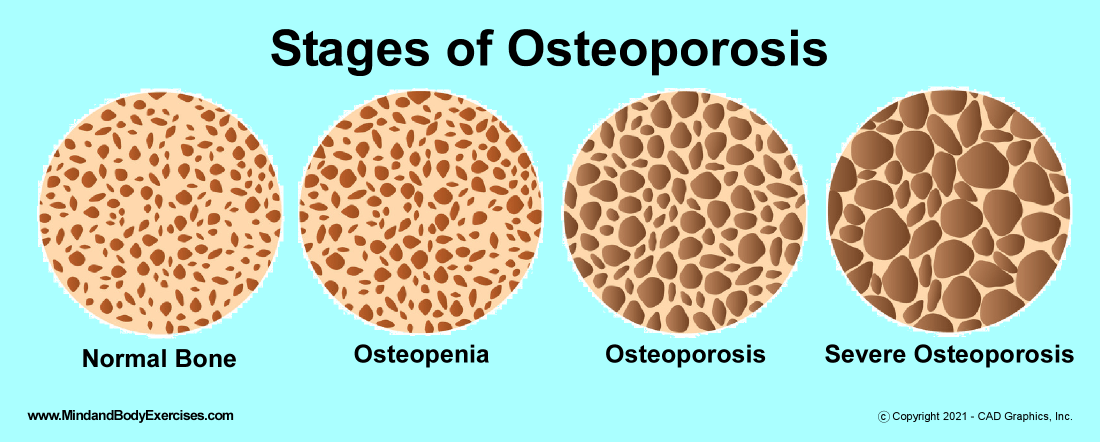
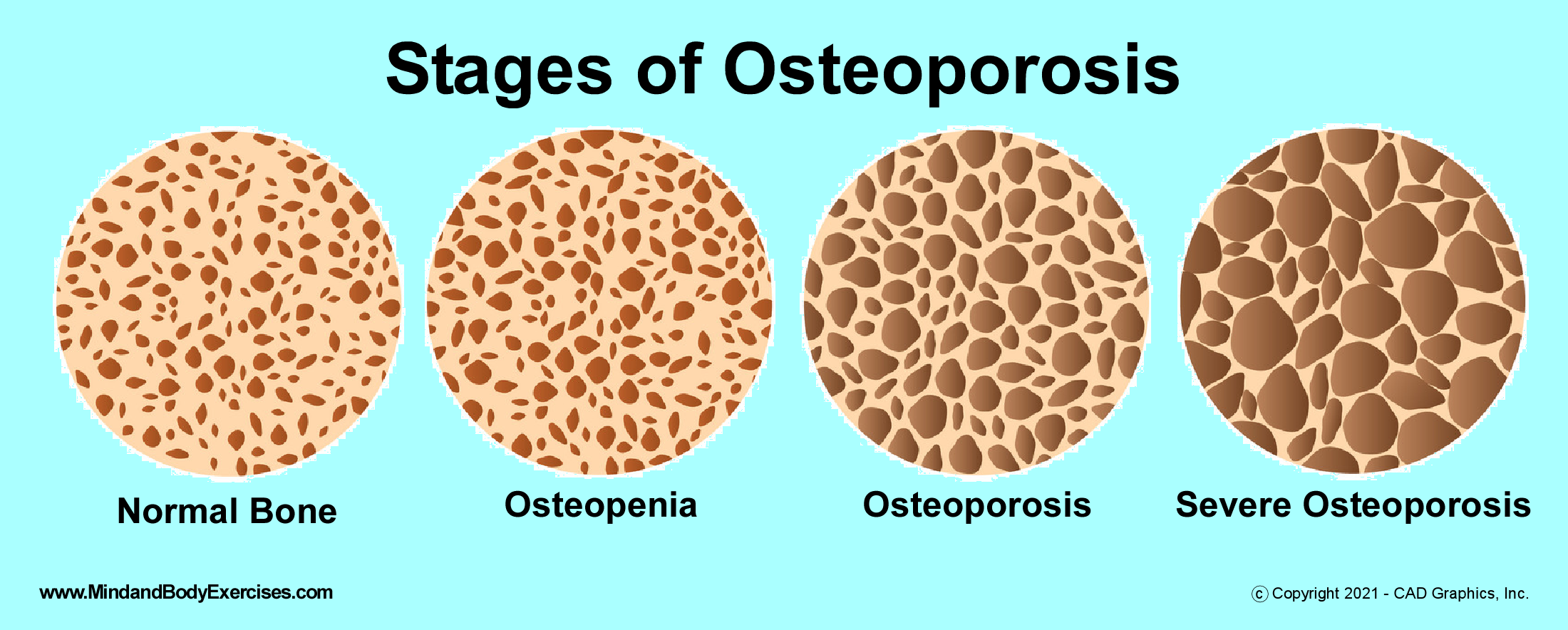
Often people seek Western medicine (also known as allopathic or biomedicine) and its strong usage of pharmaceuticals to manage bone density and relative ailments of osteopenia and osteoporosis. I have discussed in other posts about the link to how the autonomic nervous system manages stress, blood chemistry and relative physiological organ functions. However, this post will address more on how a root cause of all types of disease and illness, being the lack of physical weight-bearing activities.
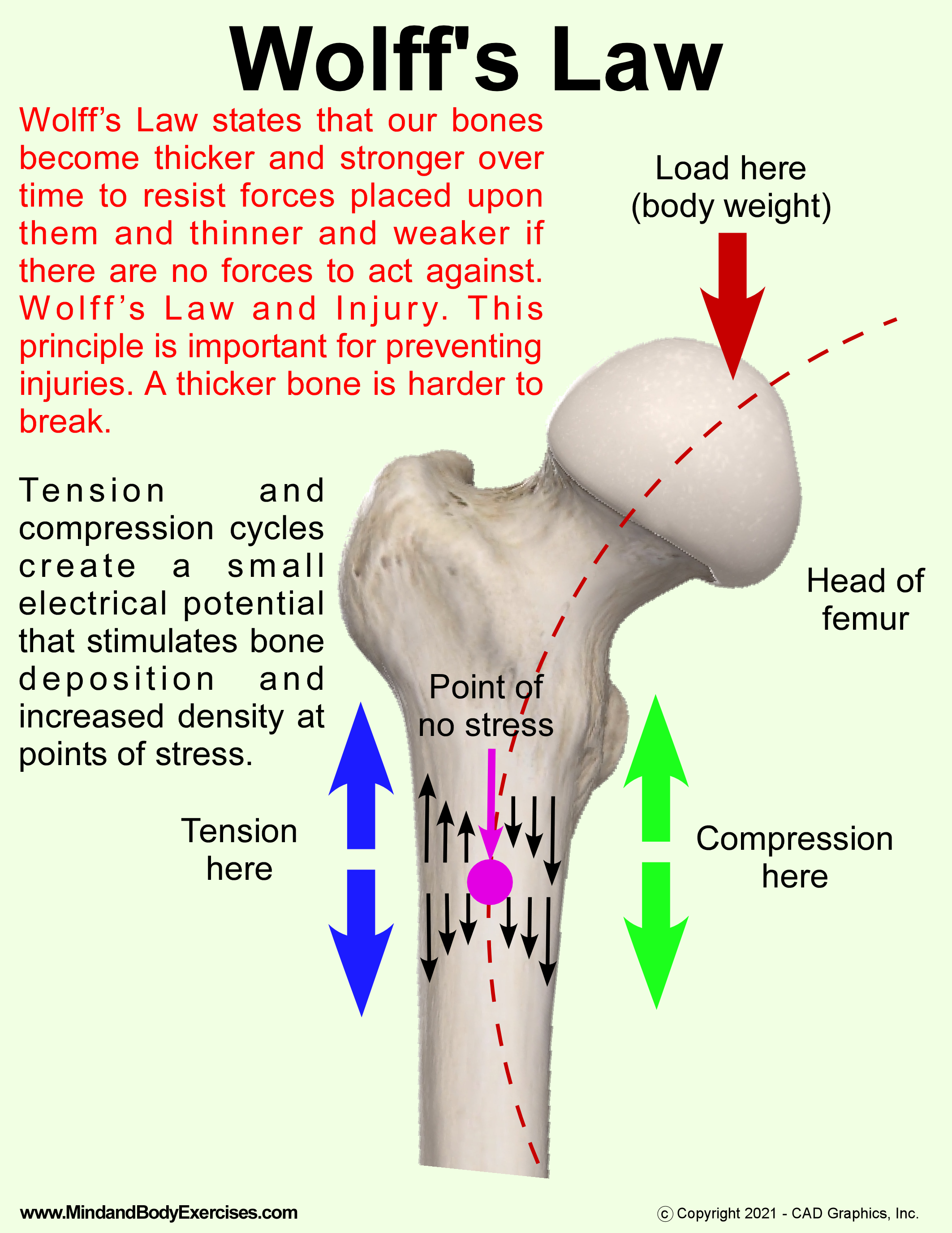
The joints of our body are composed of two or more bones joining together, along with the muscles, tendons, cartilage, synovium and ligaments that hold the whole structure together. The shape of our bones reflect the forces applied to them. For example, small bumps, ridges and other features on the surface of our bones are the attachment sites for tendons. When muscles are put under more load through activities, stress or exercises, the corresponding attachment sites enlarge to withstand the increased forces. Bones that are under more stress become thicker and stronger, while in contrast bones that are not subjected to ordinary stresses tend to become weaker, thin and more brittle. Wolff’s law, developed by anatomist & surgeon Julius Wolff in the 19th century, states that “bone in a healthy person or animal will adapt to the loads under which it is placed.”
By engaging our bones with strategic trauma exercise methods (or specific stress without injury) that can be regulated by the individual to make bones stronger and prevent osteopenia and/or osteoporosis. These types of exercises fall into 3 different categories of tension, impact and vibration exercises. Ironically, while some of these methods improve bone and muscular strength, they sometimes can cause pain and injury to the same joints that the individual might be trying to strengthen. Fox example, jumping rope, hiking and tennis might cause more injury to a 60+ than the benefits that might be gained from these practices.
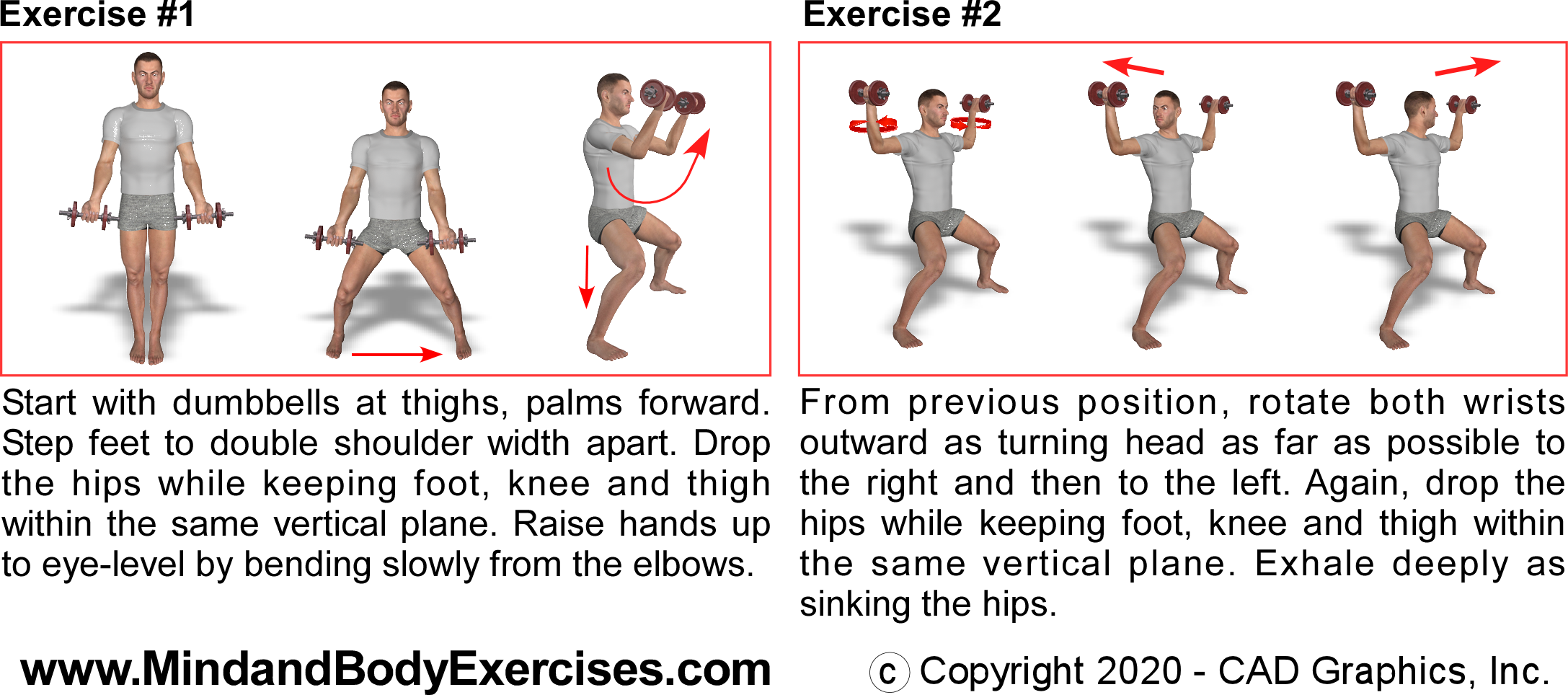
Regular weight-bearing exercise is an important component for maintaining healthy bone structure. Avid weight lifters often have thick bones with very prominent ridges. Non-athletes or those who have little to moderate amounts of physical activity will find weight-bearing activities are imperative for stimulating normal bone metabolism of maintenance as well as maintaining bone strength. Below are some examples of weight-bearing exercises that require very little equipment beyond ones own body weight. Proper instruction is recommended over learning from a graphic, book or video. Contact me for further information.
_______________
Be more active, eat healthier, sleep better, stress less these are the key components to maintaining a strong immune system.
I am currently offering lectures and classes for group, small group & private instruction in Wekiva, Longwood and Winter Park.Mind and Body Exercises on Google: https://posts.gle/aD47Qo
“Health is more than the absence of disease symptoms. The true goal is sustainable balance, as recognized by chiropractors and other holistically oriented health practitioners.”
Micozzi, Marc S.. Fundamentals of Complementary, Alternative, and Integrative Medicine – E-Book (p. 544). Elsevier Health Sciences. Kindle Edition.
“The low-grade viral or fungal infections, the persistent catarrhal state, recurrent headaches or migraines, allergies, skin and arthritic disease and other chronic inflammatory diseases, stress problems and anxiety neuroses and cancer are all marked by a failure to cope or adequately to defend. One perspective on this development is that modern medicine has so effectively neutered the acute disease, especially in the too frequent use of antibiotics and anti-inflammatories, that most people in developed countries have never had to muster their defenses. Life is also much easier in these societies and there is generally less rigorous testing of physiological functions.”
Bone, Kerry; Mills, Simon. Principles and Practice of Phytotherapy (p. 85). Elsevier Health Sciences. Kindle Edition.
_______________
I write often about topics that affect our health and well-being. Additionally, I teach and offer lecture about qigong, tai chi, baguazhang, and yoga.
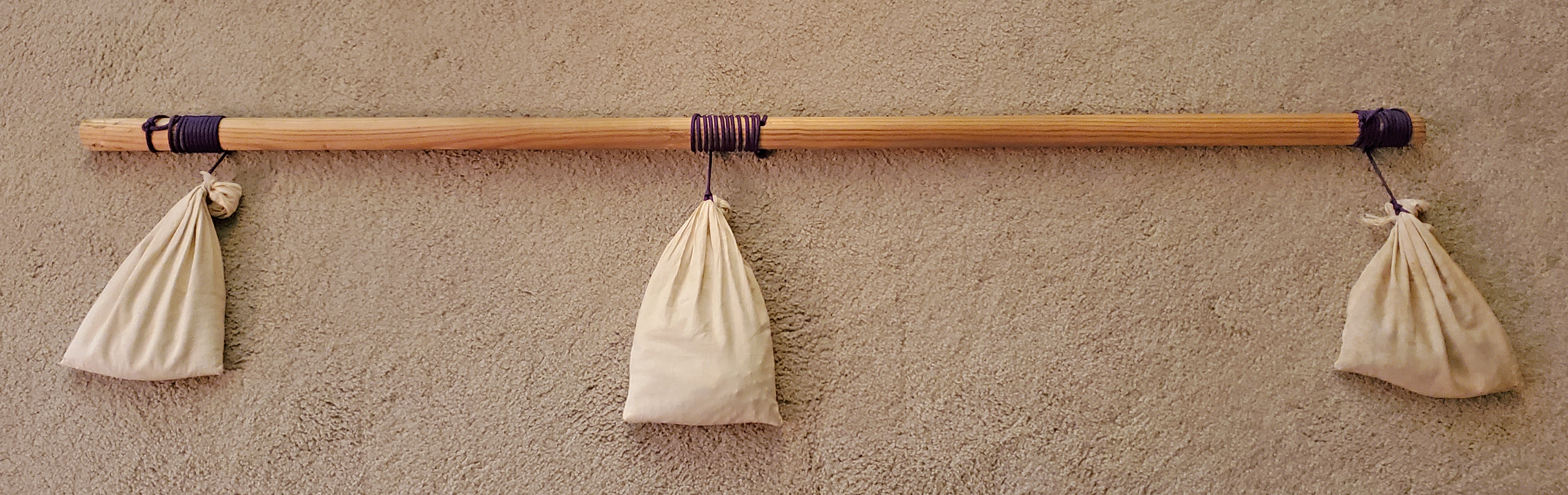
Health and fitness enthusiasts often are on the search for the next best fitness gadget to take them to the next challenge or maybe just increase variety in their routine. For hundreds of years and probably more, martial arts has offered a wide spectrum of what is today marketed as flow-yoga, Cross Fit, function training, high intensity training (HIT) and others. Usage of simple apparatus that can be obtained from Home Depot or other retailers can offer unlimited options to achieve whatever fitness levels are desired, without ridiculous membership fees or equipment costs. An example of how our culture still thinks that we can buy our way to wellness, is paying $1500-$3000 for a stationary exercise bike when $50 worth of odds and ends can do the job (and often better). Either way, YOU have to do the work to achieve YOUR fitness, wellness and relative happiness.
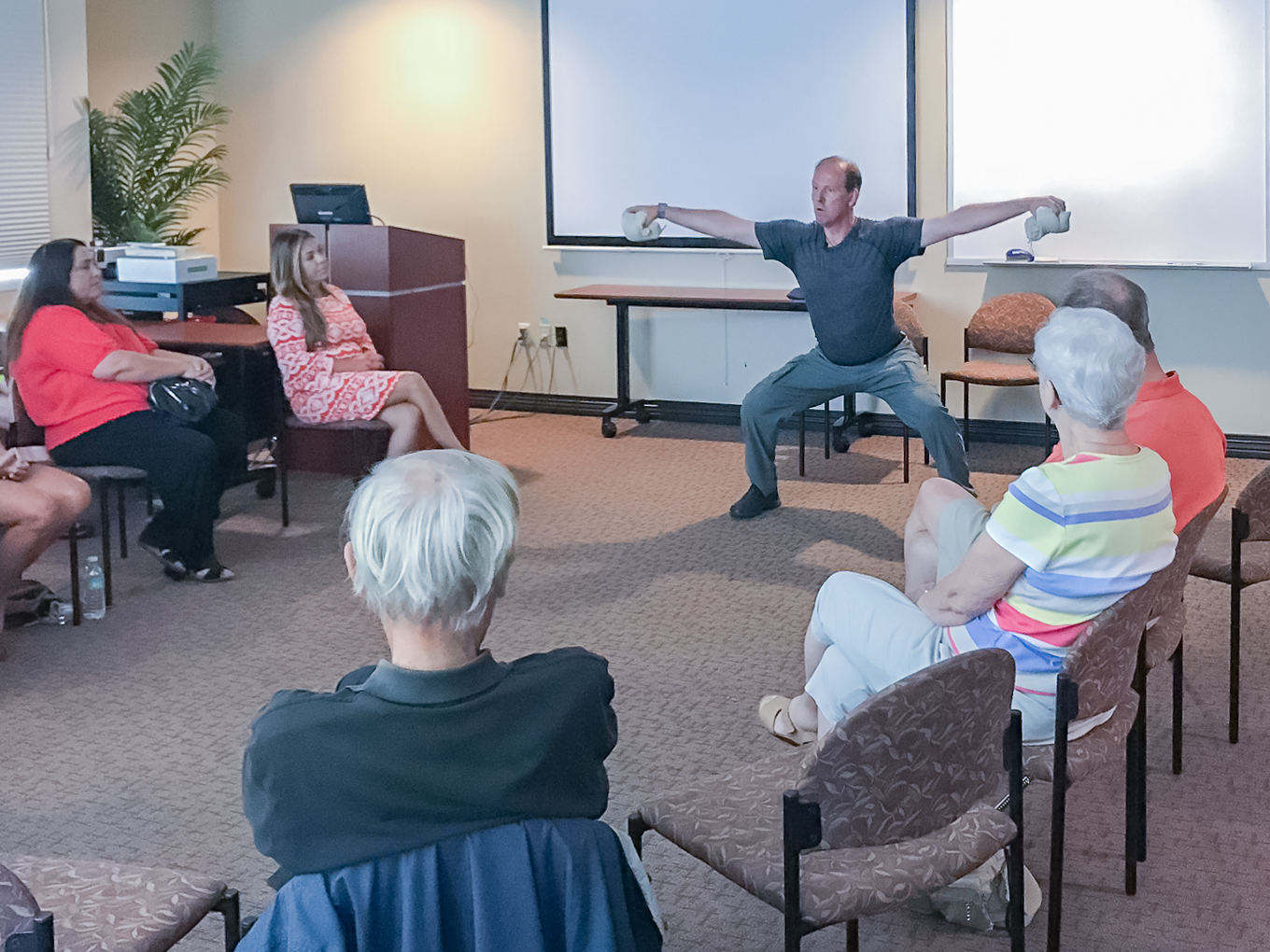
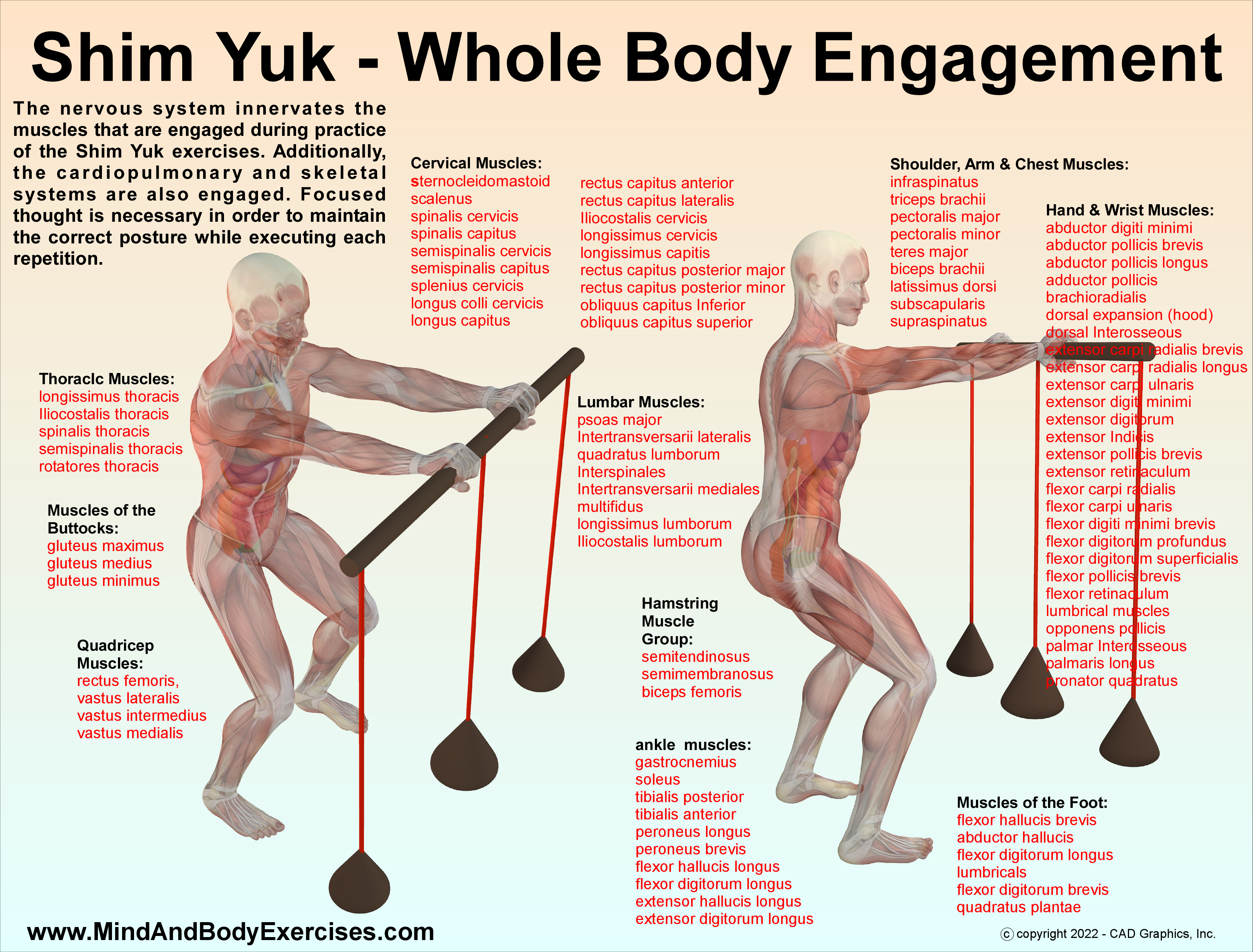
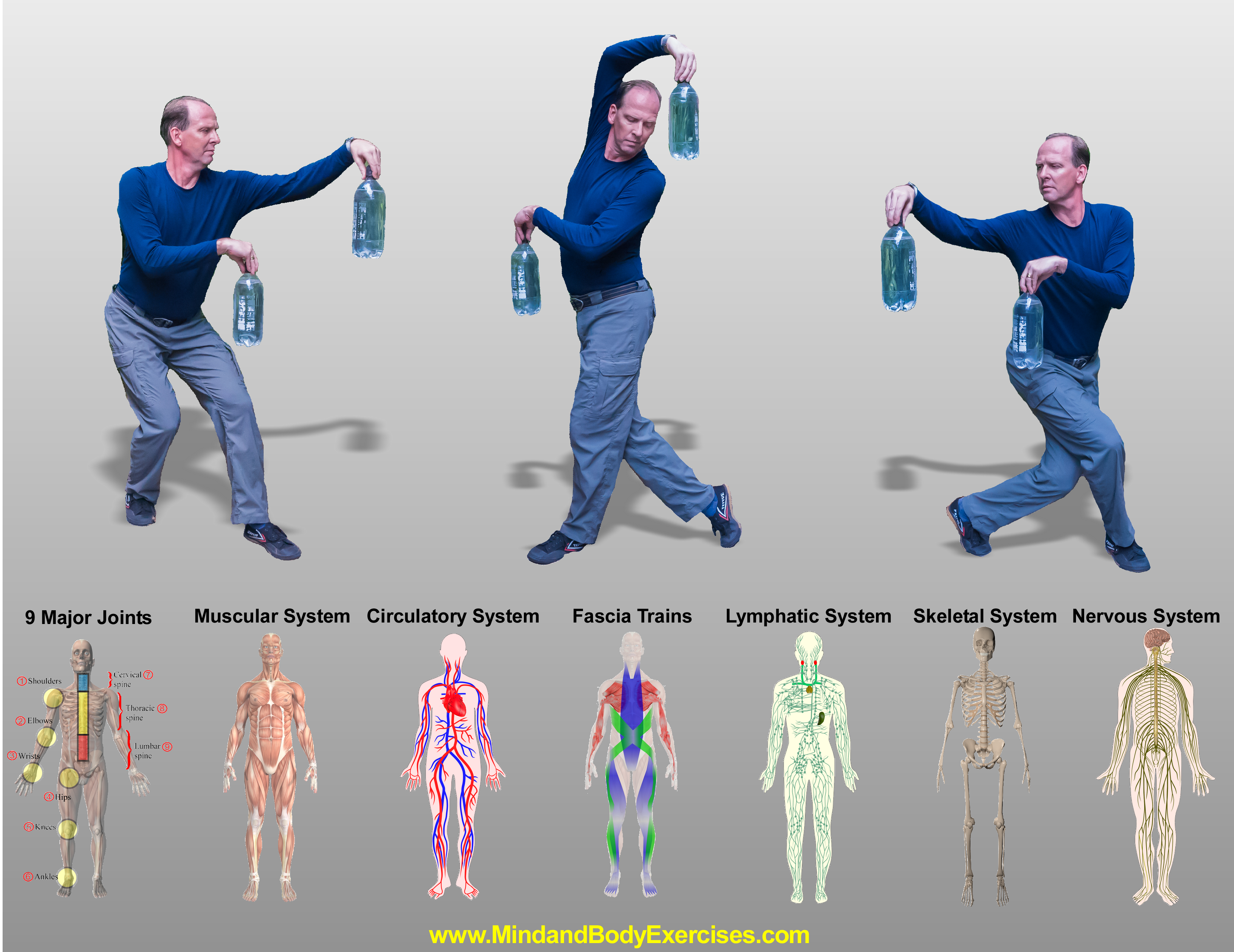
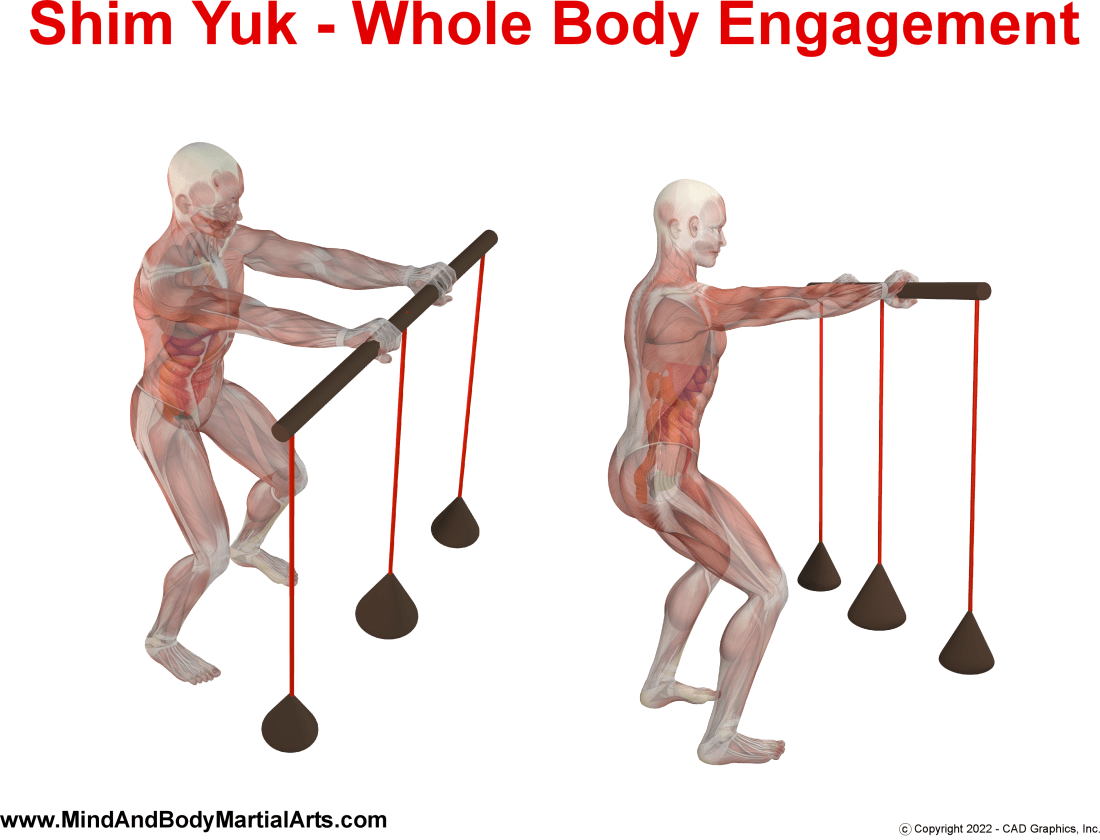
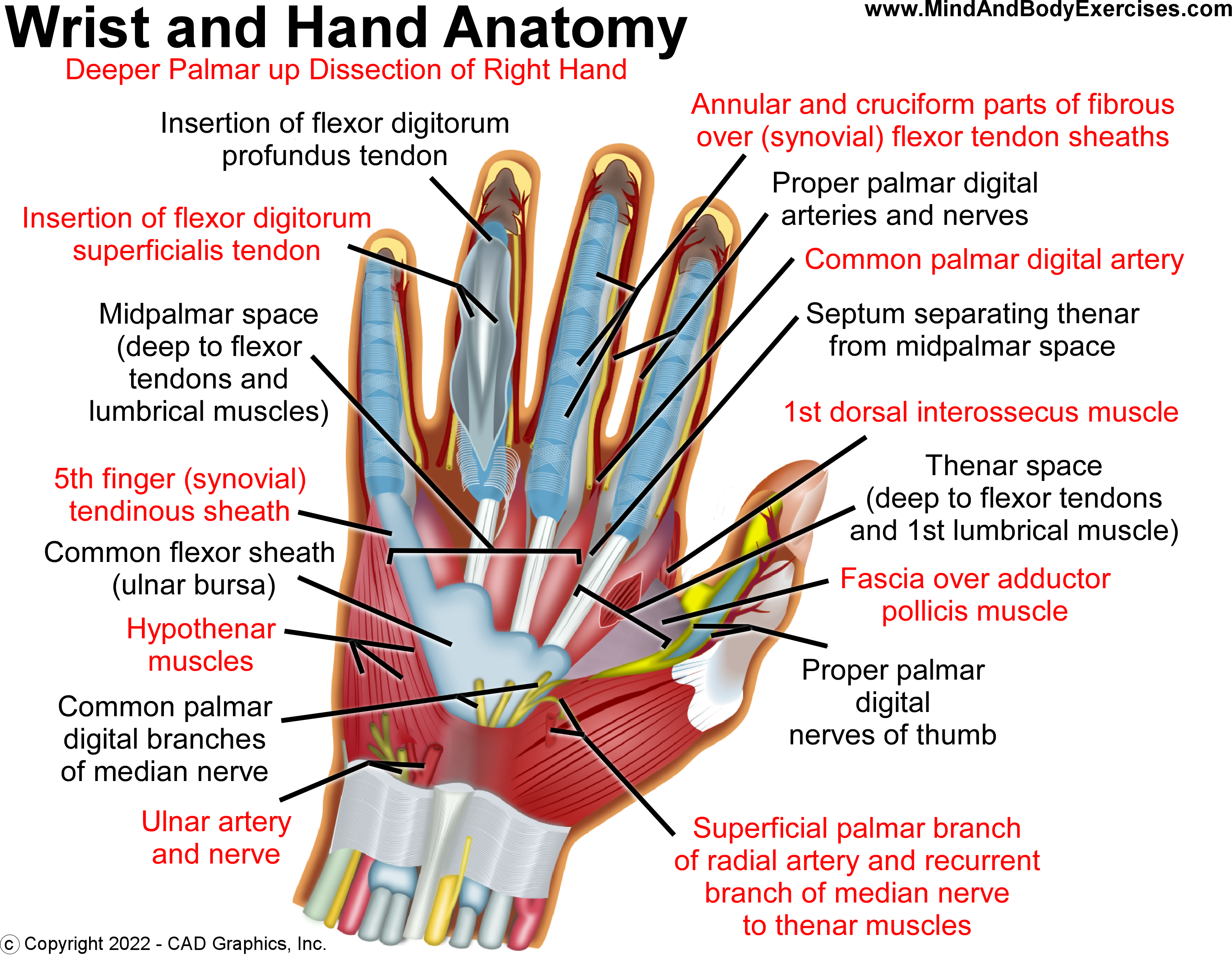
Unique to this exercise called “Shim Yuk”, is the body posture combined with holding a weighted object and the extra awareness required to hold it stable while also maintaining the correct body alignments. By holding the pole level, moving only the hands and wrists, the fascia trains, the nervous, muscular and skeletal systems are all engaged throughout the entire body. Theories abound regarding the activation of our inherit ability to heal our own illnesses, also known as “vis medicatrix”. Exercises like this, engage our mind, body and spirit thereby, helping to engage “the healing power of nature”.
Developing a strong grip is directly relative to preventing falls.
The strength of ones grip when they begin to lose their balance, can be the difference between free-falling to the ground and potential bone fracture, or catching ones balance by grabbing a rail or other stationary structure. Shim Yuk practice definitely goes way beyond being just a hand/wrist strengthening exercise. However, this exercise will produce phenomenal hand and wrist strength if practiced diligently.
Try to hold the static position while performing the wrist exercise, from 1, 2, 3, etc. consecutive repetitions. Holding the stance generally develops overall strength where as repetitive rolling develops stamina, endurance and determination. Relax the body into the positions in spite of any tension in the muscles. Deep and relaxed breathing is essential while performing this exercise.
From my experience of over 40 years of martial arts, fitness and wellness training and teaching, I have seen some amazing benefits coming from shim yuk practice. For those in fairly good shape, one can develop an amazing amount of strength in the wrists, forearms, shoulders, lower back and the legs. I have also trained individuals that have had more serious issues such as cerebral palsy, knee injuries, severe trauma to the spine and hip and other ailments that have shown great improvement.
Strong bones prevent fractures from falls, osteopenia and osteoporosis
Shim Yuk practice strengthens muscles which consequently strengthens bones, which helps to prevent osteopenia (bone loss) and osteoporosis (severe bone density loss). Wolff’s Law states that bones become stronger and thicker over time to resist forces placed upon them and weaker and thinner if there are no forces to act against. This principle is important for preventing injuries. Thicker bones are harder to break.
Learning from information on the internet, from video or books can be good. However, to truly get proper instruction, in-person training is usually the best method. Contact me if you have a desire to learn this methods correctly.
______________
I write often about topics that affect our health and well-being. Additionally, I teach and offer lecture about qigong, tai chi, baguazhang, and yoga. I also have hundreds of FREE education video classes, lectures and seminars available on my YouTube channel at:
Be more active, eat healthier, sleep better, stress less these are the key components to maintaining a strong immune system.
I am currently offering lectures and classes for group, small group & private instruction in Wekiva, Longwood and Winter Park.Mind and Body Exercises on Google: https://posts.gle/aD47Qo
Excerpt from: Principles and Practice of Phytotherapy, by Kerry Bone
Convalescence
It is ironic that at the very time that healthcare has to deal with so much chronic and debilitating disease it has abandoned the best strategic approach inherited from tradition. In the past it was taken for granted that any illness would require a decent period of recovery after it had passed, a period of recuperation, of convalescence, without which recurrence was possible or likely. For the really debilitating diseases convalescent care was the primary treatment, reaching its apogee in the many European sanatoria for tuberculosis patients.
Convalescence fell out of favour as powerful modern drugs emerged. It appeared that penicillin and the steroid anti-inflammatories produced so dramatic a resolution of the old killer diseases, including tuberculosis, that all the time spent convalescing was no longer necessary. Then, as healthcare provision became generally more effective and public expectations increased, pressure on hospital facilities led to shorter stays, whilst the increasing angst of the modern working rhythm has conspired to ensure that most people now could not consider time off to convalesce after a bout of flu. That this means they are more likely to get another bout the next year is a cruel irony.
A good convalescence is a marvellous thing. It rounds off an illness and gives it meaning; it makes the sufferer stronger for having had the illness. In a way no vaccination could do, it arms and strengthens the immune defences and provides real protection against recurrence, possibly forever. It is probably the only strategy that will allow real recovery from debilitating disease, fatigue syndromes, recurrent infections and states of compromised immunity. It is the therapeutic recognition that healing, like the growth of children, is almost inevitable but that it needs to be allowed to proceed. Convalescence needs time, one of the hardest commodities now to find.
There are four essential features of convalescence, in general agreed through history, though with many cultural embellishments.
Rest
This is by far the most important element. It should include maximum sleep, as physiologically this is the body’s time for repair. In the early stages of vigorous convalescence almost constant sleep should be encouraged (as in the former ‘sleep clinics’). Thereafter it should be promoted as much as possible. Rest also means less activity: if work has to be done it should be in brief bouts, switching frequently between different activities (‘change is as good as a rest’). Patients should be encouraged to pace themselves, to go to bed early, sleep late and not to volunteer for any work that is not absolutely necessary. As much as anything rest becomes a mental priority: all other considerations are secondary. That hour of more sleep is more important than a film on TV, a late-night conversation or night out.
Exercise
This is the flipside and necessary adjunct to rest, the equivalent to ‘turning the engine over’, to prevent congestion and stagnation. Essentially the body needs to be taken to aerobic exercise (defined for these purposes as any activity producing a pulse rate of between approximately 60–80% of 220 minus one’s age, e.g. 108–144 for a 40-year-old) at least briefly each day. Using the pulse rate to set exercise levels has the advantage of being self-adjusting: the very debilitated will reach high pulse rates with minimal activity. Nevertheless, caution is required. The debilitated will have very little stamina and even a minute may be too long. If exercise is followed by more fatigue, it is too much. Rather, one should build up to being able to undertake aerobic activity for up to 15 minutes each day. The main benefit of the aerobic mode is that it quickly dissipates sympathetic-adrenergic effects on the body (‘adrenaline’), constantly generated during the day in response to perceived stressors, and the enemy of convalescence. Timing one’s exercise for the evening will encourage better sleep that night.
Diet
The principle of the convalescent diet is that it should simply nourish. It should not stimulate or impose demands. Subject to individual dispositions, a convalescent diet is based on vegetables, especially root vegetables, cereals and pulses (if tolerated), fish and eggs, as the most easily assimilated protein sources, and chicken and other fowl if acceptable (chicken stock and soup remain one of the most universal and puzzling convalescent recommendations of history!). There should be no stimulants, caffeine, nicotine, alcohol or sugar, little dairy food and a minimum of convenience foods and food additives. Patients should thus be encouraged to take a simple peasant diet, sharing also with the peasant a simple respect for the food, taking time over it, building their daily rhythm around it.
Medication
It is obviously important to maintain treatment during convalescence: herbal or conventional. However, there is also a key contribution to the measures above in herbal traditions. It was accepted that rest, exercise and diet alone might not be sufficient to bring about recovery. A range of herbal remedies have been directed to facilitating the process, to drive recovery. Many of these are the tonics listed earlier. If recovery is from febrile disease, sustaining warming remedies like Achillea (yarrow), Angelica archangelica (common angelica), Cinnamonum zeylanicum (Ceylon cinnamon), Cardamomum (cardamom) or Foeniculum (sweet fennel) might be indicated. Recovery from low-grade assault on the immune system, chronic viral or fungal infections, conditions marked by swollen lymph glands, persistent sore throats or catarrhal states would need Echinacea, Picrorrhiza or Baptisia tinctoria (wild indigo). Digestion is often in need of support, whether from cooling bitters or warming aromatic digestives. Cleansing should be managed, above all, by gentle eliminatives.
For the phytotherapist convalescence is often the main strategy in making headway in chronic debilitated conditions such as a fatigue syndrome or persistent low-grade infections. Often these problems start with an infection early in life – a glandular fever or infectious mononucleosis, perhaps. The phytotherapist might suggest to the patient that the task is to go back and complete the convalescence from the original illness. The remedies available are probably
Bone, Kerry; Mills, Simon. Principles and Practice of Phytotherapy (pp. 86-87). Elsevier Health Sciences. Kindle Edition.
___________
I write often about topics that affect our health and well-being. Additionally, I teach and offer lecture about qigong, tai chi, baguazhang, and yoga.












 United Martial Arts Association