Thoughts Can Affect the Immune System

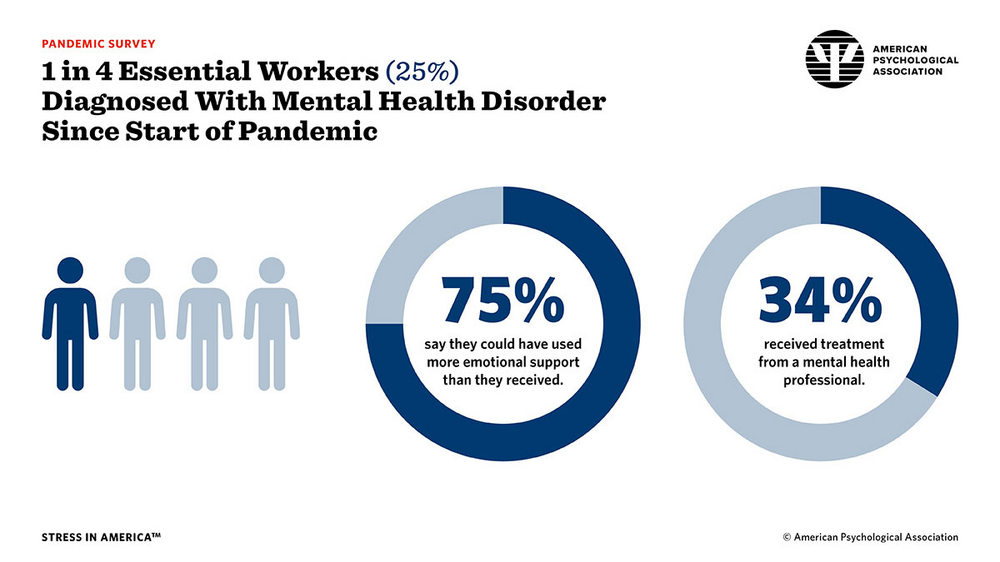
Depression, anxiety, PTSD, OCD, ADHD, suicide, and many other mental ailments are all serious health concerns. And also buzzwords for politicians and media attention that many feel are talked about, but never addressed. If you follow the news and mainstream media you might be led to believe that pharmaceuticals are the only treatment for mental health issues. There seems to be very little discussion regarding use of exercise (recess and PE for kids) and management of stress through breathing techniques. Both of these methods are readily available for free and span socioeconomic factors as well. Most people don’t need much space to walk, run, swim or practice calisthenics exercises. Breathing techniques are easily taught and practiced once someone is educated. A national healthcare system based on lifestyle habits of proper diet and regular exercise would be less expensive that the $4.3 trillion dollars that was spent on “sickcare” in 2021. “Selfcare” teaches people to be responsible for their own health and doesn’t help to bring profits to pharma corps, hospital chains and other facets of the healthcare industrial complex. So what should we do? Become educated to what your health is truly about…and it should not be to make other people wealthy from you not being healthy, well and fit.

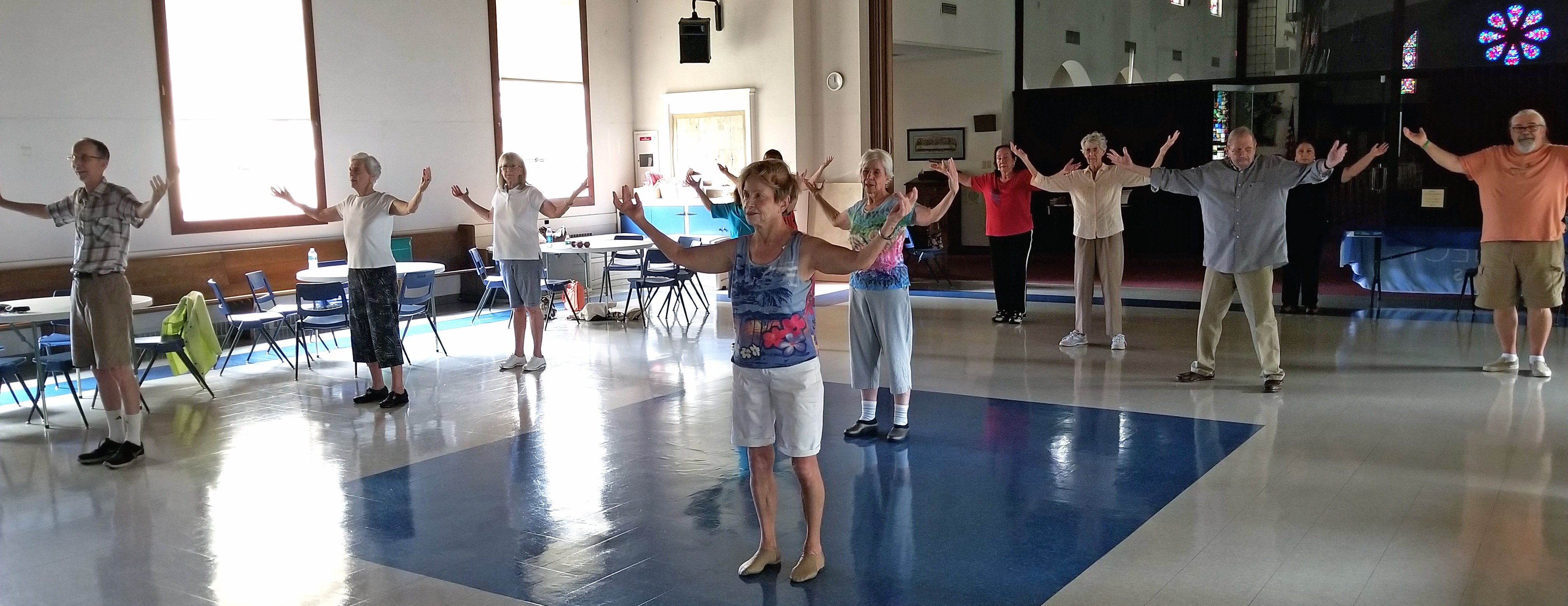
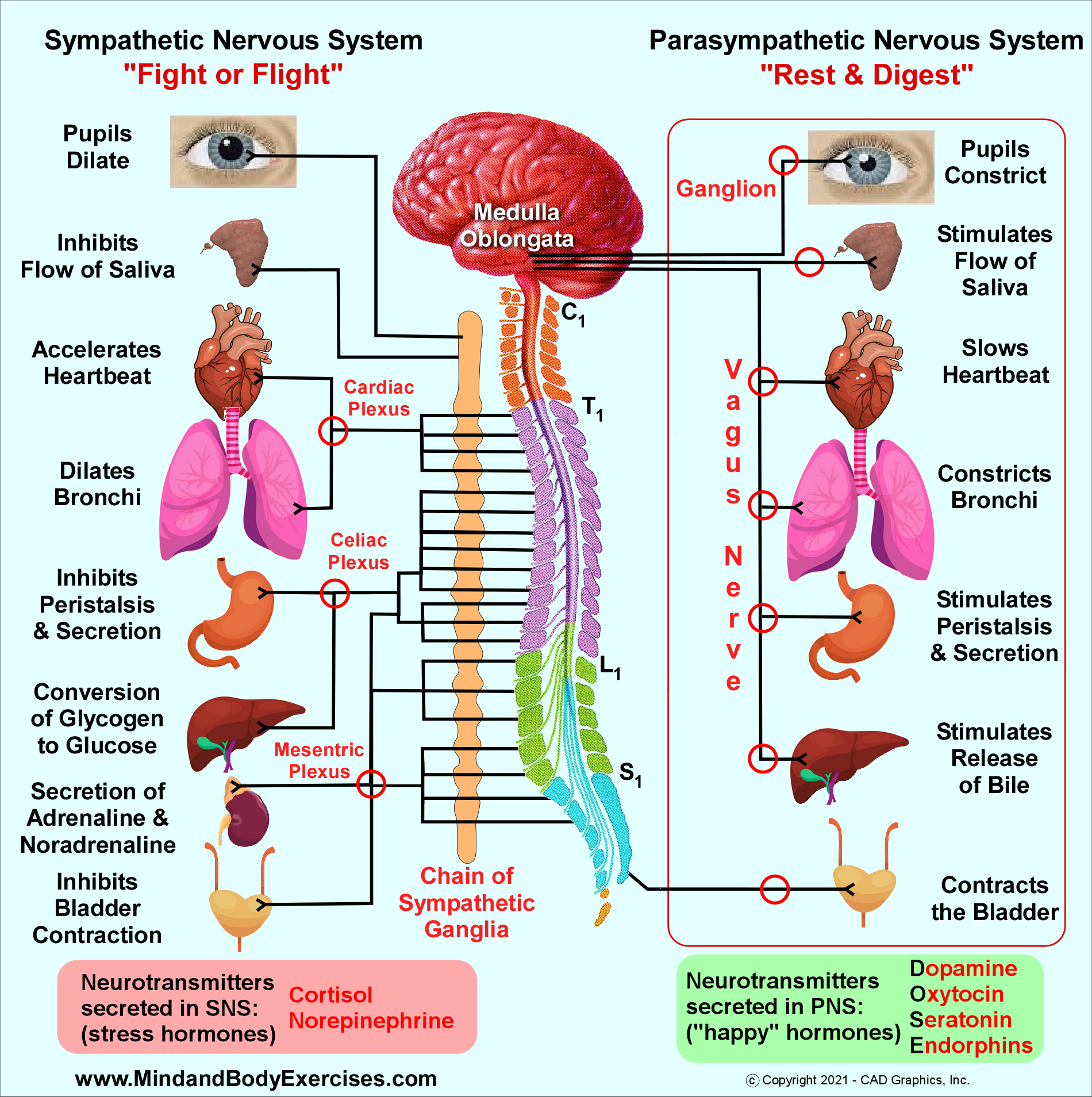
The autonomic nervous systems, specifically the sympathetic (SNS, fight or flight) and parasympathetic (PNS, rest and digest) nervous systems play an integral role with the human immune system. The interaction between these two mechanisms is how the human mind and body reacts to everyday stress and sometimes traumatic stressful events.
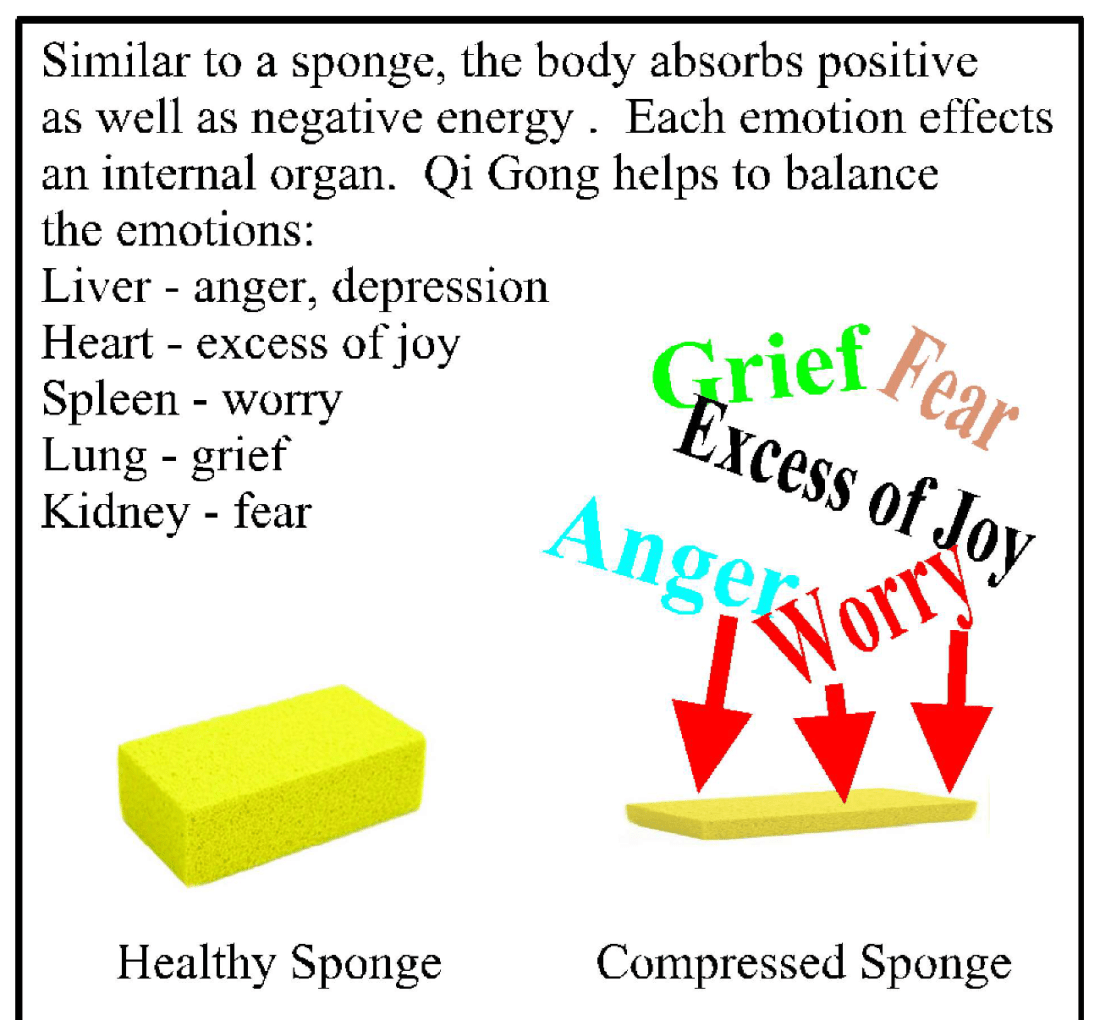
Emotional states directly influence respiration rate which affect organ function and consequently the immune system’s ability to fight off disease and illness. When our breathing patterns change so does our blood chemistry. Our emotions reveal themselves in various breathing patterns. Emotions of anger, fear, and anxiety result in quick, shallow breaths. Grief causes us to breathe spasmodically. Boredom leads to shallow breathing, while sadness and depression produces shallow and inconsistent breathing.

Stress can be defined as an individual’s consciousness and body’s response to tension or pressure in regard to specific events or changes in one’s environment. Increased breathing rate is necessary when experiencing truly stressful situations, like being chased by an animal, running from a fire or similar life-threatening situations. However, continued breathing at this pace for an extended period of time puts accumulative stress on all of the body’s systems. It is also worth stating that not all stress is considered bad in that good things can arise from experiencing stress and coping with it (Tripathy 2018).This is actually how one can strengthen their own immune system by learning how to manage their own stresses.
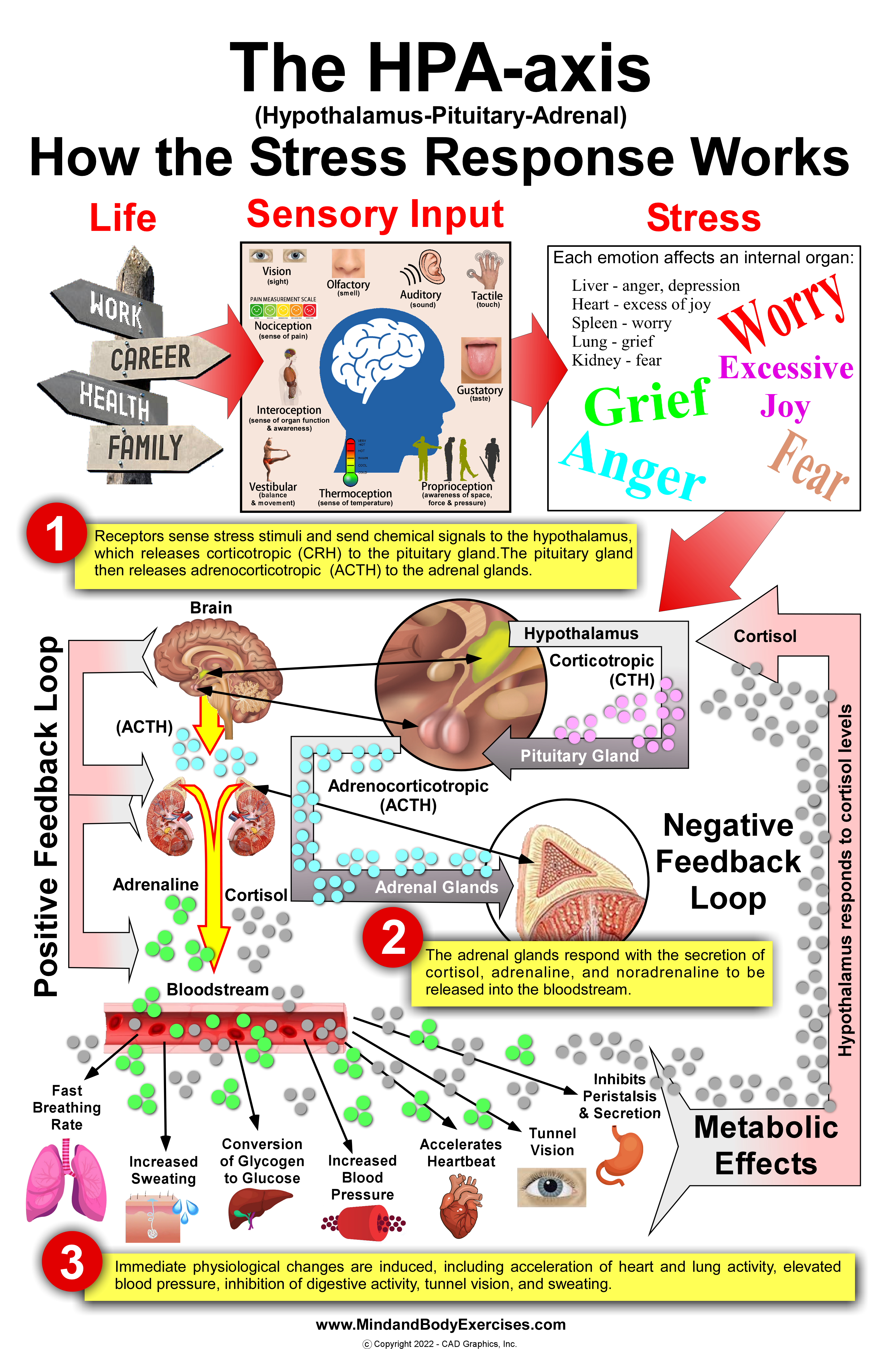
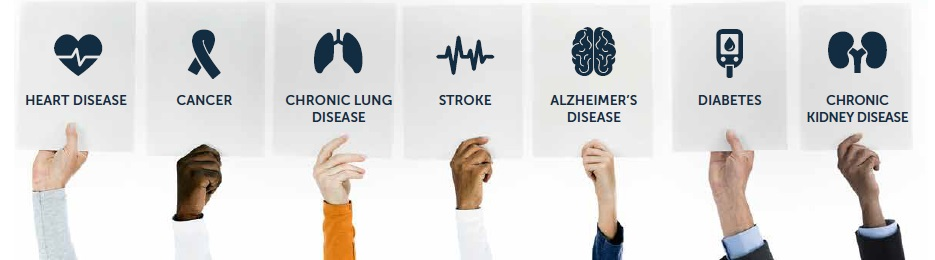
Stress has become known as one of the main factors contributing to the top causes of human death. Heart disease, cancer, unintentional accidents, respiratory ailments, cirrhosis of the liver and suicide are the most common causes that all share a strong connection to stress. Deliberate management of the SNS by regulating respiration rate and volume has been proven through medical research to lower stress (Hartz-Seeley 2014).

The average person breathes 12-18 breaths per minute (BPM) during regular activity of standing, sitting & walking, consequently engaging the sympathetic nervous system. Constant duration in the SNS dumps neurotransmitters of cortisol and norepinephrine into the blood stream putting the vital organs in a state of constant high alert and stress which weakens the immune system. Health and fitness experts suggest that 6 BPM is optimal for the lungs to properly oxygenate the whole body, balance the blood chemistry and also remove toxins. The lungs are responsible for removing 70% of the body’s waste by-products through exhalation. Deeper breathing is a key component to having a long and healthy life. Through focused and deliberate breathing methods, many positive mental and physical benefits can be achieved. This is more easily accomplished through mindful breathing patterns from exercises such as meditation, qigong, tai chi and yoga (Russo et al, 2017).
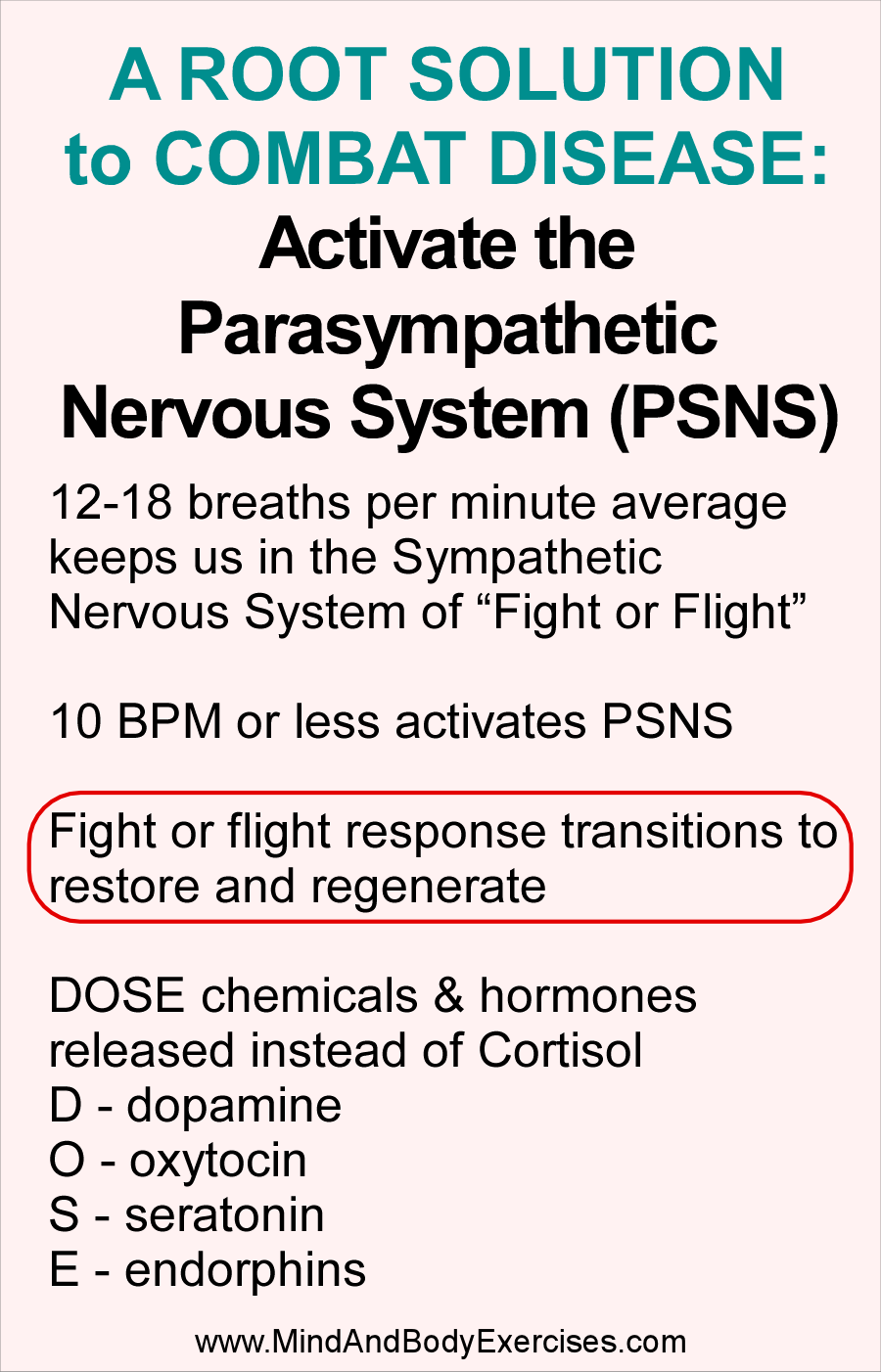
I have been successful in the past decades, in managing my own stress along with accompanying headaches, anxiety, digestive issues, blood pressure levels and other ailments. When and if I begin to feel ill, fatigued or even flu-like symptoms, my course of action is to practice some tai chi and yoga, followed by a healthy meal and a good night’s rest. Based upon all of this information and my own experiences, I definitely think that our immune system is greatly affected by our nutrition, exercise/activities, thought patterns and lifestyle choices.

References:

HARTZ-SEELEY, D. (2014, March 21). Chronic stress is linked to the six leading causes of death. Miami Herald. https://www.miamiherald.com/living/article1961770.html

Tripathy, M. (2018). Recognizing & Handling the Underlying Causes of Stress at Workplace: An Approach through Soft Skills. International Journal of Management, Accounting & Economics, 5(7), 619–632. https://search-ebscohost-com.northernvermont.idm.oclc.org/login.aspx?direct=true&AuthType=sso&db=buh&AN=131442513&site=eds-live

Russo, M. A., Santarelli, D. M., & O’Rourke, D. (2017). The physiological effects of slow breathing in the healthy human. Breathe (Sheffield, England), 13(4), 298–309. https://doi.org/10.1183/20734735.009817

________________

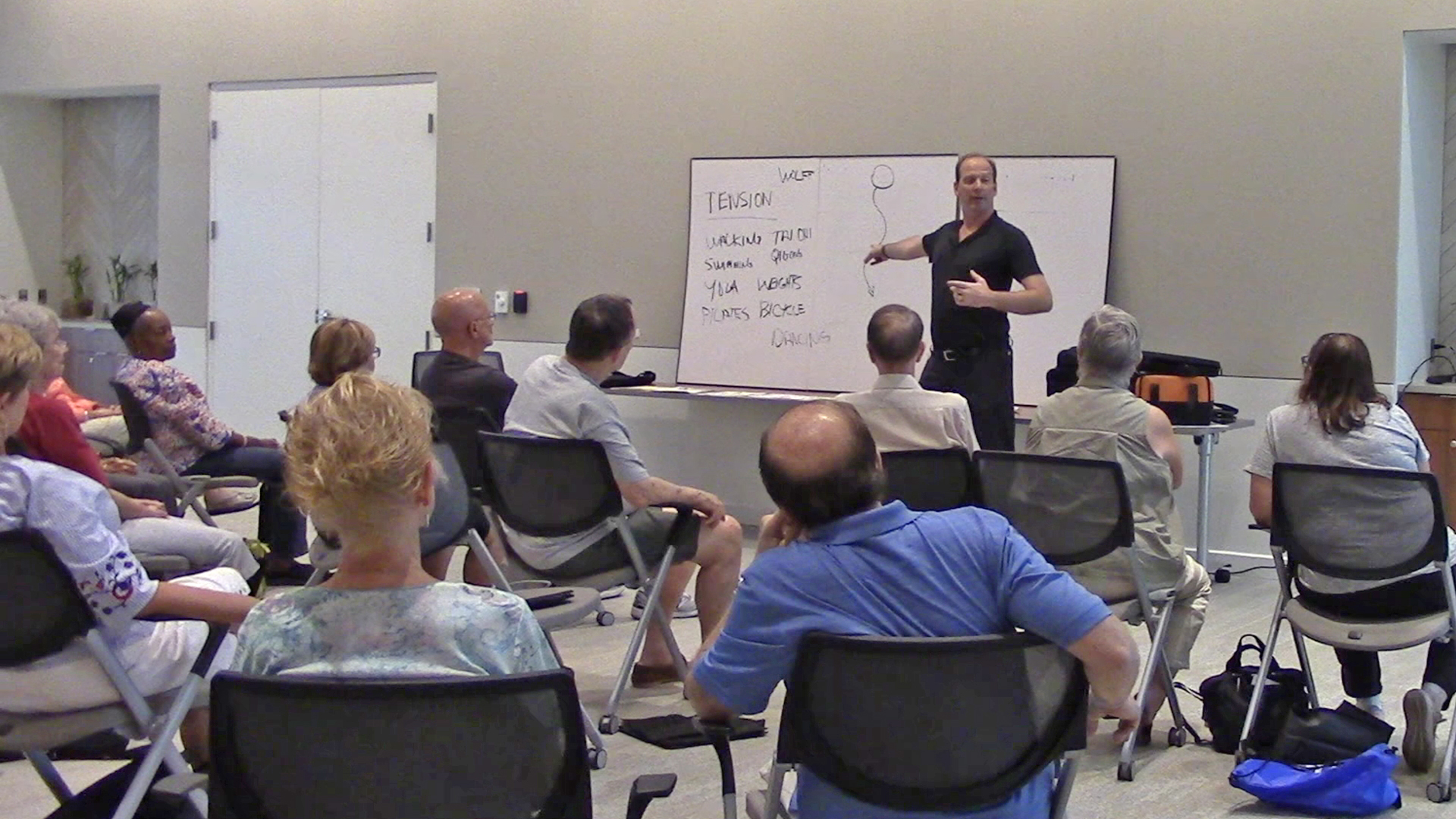
I write often about topics that affect our health and well-being. Additionally, I teach and offer lecture about qigong, tai chi, baguazhang, and yoga. I also have hundreds of FREE education video classes, lectures and seminars available on my YouTube channel at:

https://www.youtube.com/c/MindandBodyExercises

Mind and Body Exercises on Google: https://posts.gle/aD47Qo

Jim Moltzan

407-234-0119

www.MindAndBodyExercises.com

www.Amazon.com/author/jimmoltzan
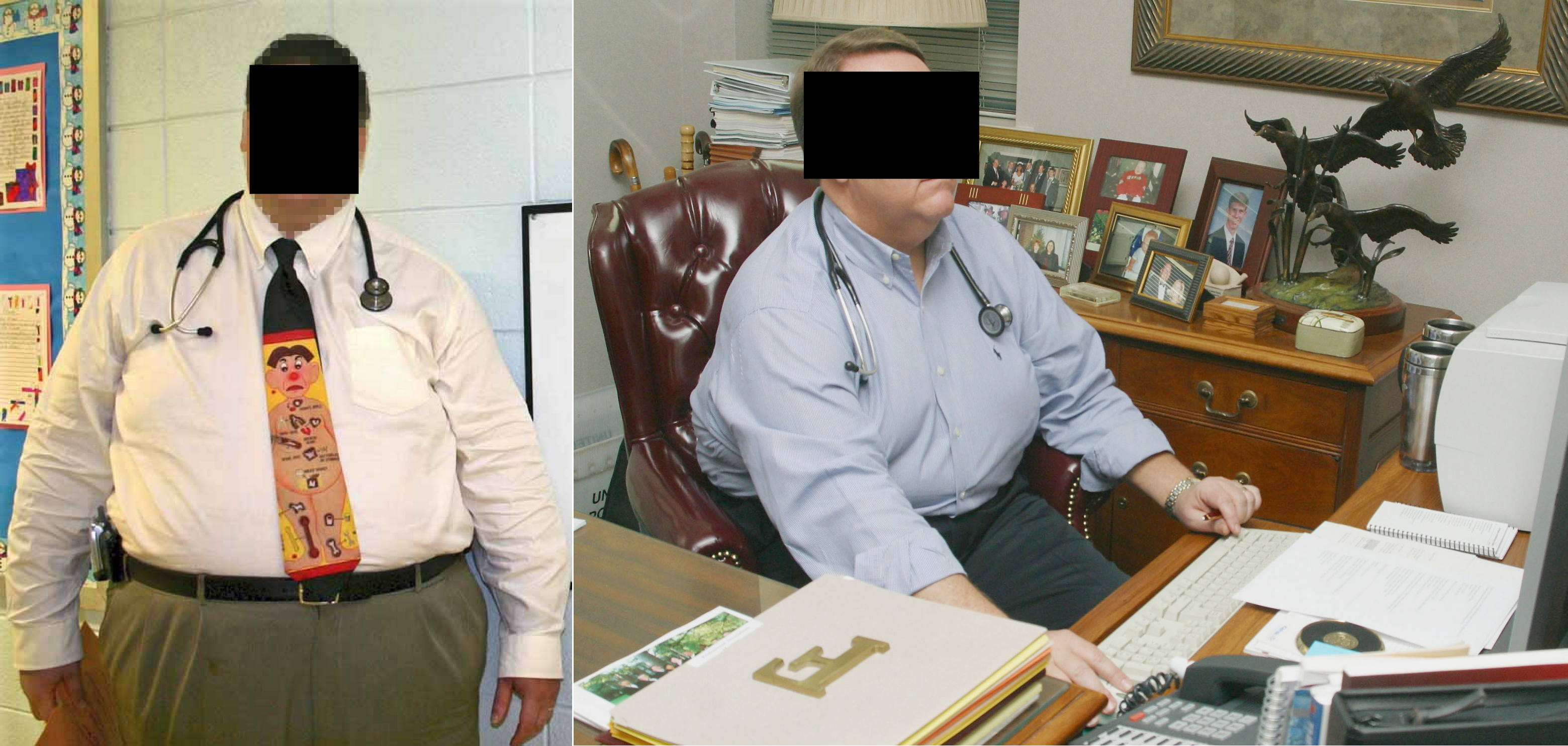
Unhealthy Healthcare Providers – An Irony That Needs to Change

It is way past the time to take off the blinders and see US healthcare for what it is – SICKCARE

There has been a slow, albeit deliberate evolution of America becoming a cult(ure) of pharmacology as our main healthcare system. Long ago are the days where Americans strived to be well, fit and overall healthy regardless of occasionally becoming sick or ill. Today it is widely acceptable for the majority of people to not really worry about being sick until it happens. And then a trip to the doctor for a prescription is usually the answer instead of making dietary or lifestyle adjustments. With these observations in mind, let’s contemplate the following:

Would you take your car to a mechanic who cannot fix your vehicle?

Trust a dentist who has rotten teeth?

Hire a lawyer with legal problems themselves?

Exercise with a trainer who is not in great shape?

Listen to a healthcare provider who is obviously unhealthy?

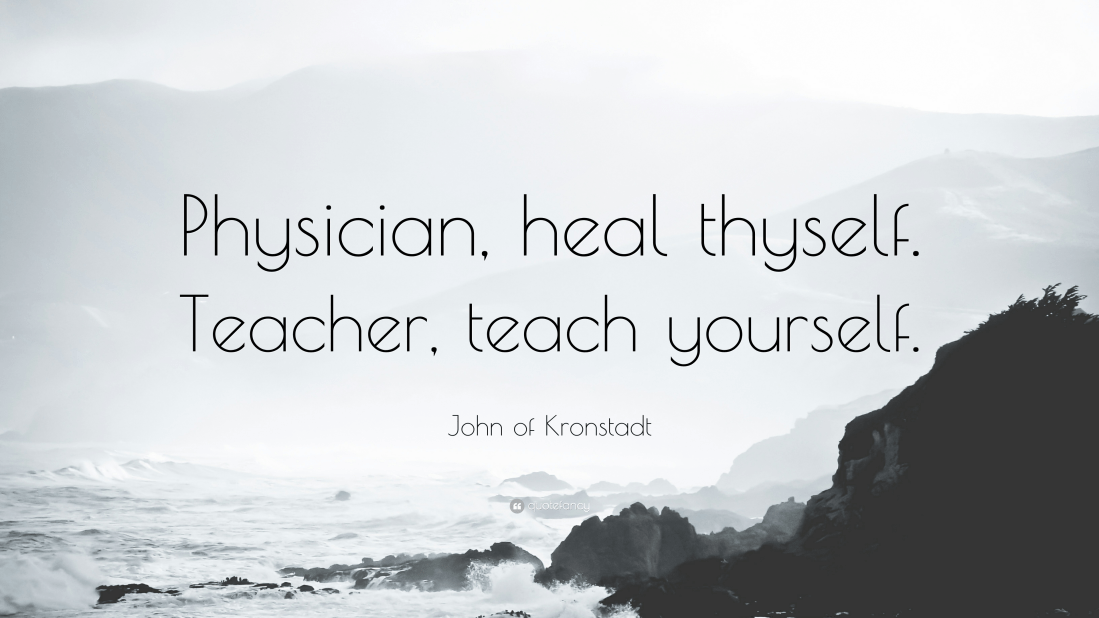
Don’t confuse the message. This is not about one particular health issue such as obesity, stress, depression, etc. It is about the mindset that in the US we seem to think that it is fine to not be responsible for being out of shape, sickly, or stressed because we can always rely upon a doctor for pharmaceuticals, surgery and other invasive procedures to fix our lifestyle choices. For immediate physical trauma, I would seek and except help from anyone willing to offer. Other chronic issues, not so much. Many healthcare workers enter the workforce with the intent to help others. Ironically, due to the stress and lifestyle spawned from their professions, many find themselves in the same vicious circle of poor health choices they advise others to avoid. Health care professionals can serve a higher calling or sense of purpose if they were actually striving to be a good example of health and wellness instead of just collecting a paycheck. An inspiration or warning to others, we can all choice what we have to offer regardless of our career path. Physician heal thyself.

The correlation we are observing between healthcare providers in the US and their seemingly poor physical and mental health can be attributed to several factors. It is important to note that while this correlation exists, it does not necessarily apply to every healthcare provider, as individual experiences can vary.

  • Demanding Work Environment: Healthcare providers often work in high-stress and demanding environments, which can take a toll on their physical and mental well-being. Long working hours, irregular shifts, and the pressure to provide quality care to patients can lead to chronic stress and burnout.
  • Emotional Toll: Healthcare providers frequently deal with emotionally challenging situations, such as witnessing patient suffering, providing end-of-life care, or facing difficult ethical decisions. These experiences can contribute to emotional exhaustion, compassion fatigue, and mental health issues like depression and anxiety.
  • High Workload: The US healthcare system often faces under-staffing and resource constraints, which can result in healthcare providers taking on heavy workloads. This can lead to increased stress levels, fatigue, and limited time for self-care activities.
  • Lack of Support and Recognition: Healthcare providers may not always receive adequate support from their organizations or superiors. Lack of recognition, insufficient resources, and limited opportunities for professional growth can contribute to feelings of frustration and job dissatisfaction.
  • Stigma around Seeking Help: There can be a stigma associated with seeking help for mental health issues among healthcare providers. This stigma, coupled with the pressure to maintain a professional image, may discourage individuals from seeking the support they need.
  • Work-Life Imbalance: The demanding nature of healthcare work can make it challenging for providers to maintain a healthy work-life balance. Long hours, shift work, and irregular schedules can affect their ability to engage in self-care activities, spend time with loved ones, or pursue hobbies, leading to physical and mental health challenges.

Addressing these issues requires systemic changes within the healthcare industry, such as improving working conditions, promoting a culture of self-care and mental health support, and providing resources for healthcare providers to manage stress and prevent burnout. Organizations can play a crucial role in implementing policies that prioritize the well-being of their employees, including access to mental health services and support programs.

Additionally, healthcare providers themselves should be encouraged to prioritize self-care, seek support when needed, and engage in activities that promote their physical and mental well-being. Taking breaks, seeking therapy or counseling, engaging in regular exercise, maintaining social connections, and practicing stress management techniques can all contribute to better overall health.

Read and research some of my referenced links below if you care to delve further into this topic.

References:

One Year On: Unhealthy Weight Gains, Increased Drinking Reported By Americans Coping With Pandemic Stress. (n.d.). NEWS-Line  for Mental Health Professionals. https://www.news-line.com/SY_news30737_One-Year-On:-Unhealthy-Weight-Gains,-Increased-Drinking-Reported-By-Americans-Coping-With-Pandemic-Stress

Can Overweight Docs Really Give Credible Weight Loss Advice? (2021, July 7). WebMD. https://www.webmd.com/diet/news/20210707/overweight-doctors-credible-weight-loss-advice (ARTICLE NO LONGER AVAILABLE)

Reilly, J. M. (2007, March 1). Are Obese Physicians Effective at Providing Healthy Lifestyle Counseling? AAFP. https://www.aafp.org/pubs/afp/issues/2007/0301/p738.html

American Medical Association. (2021, November 5). What doctors wish patients knew about physician burnout. https://www.ama-assn.org/practice-management/physician-health/what-doctors-wish-patients-knew-about-physician-burnout

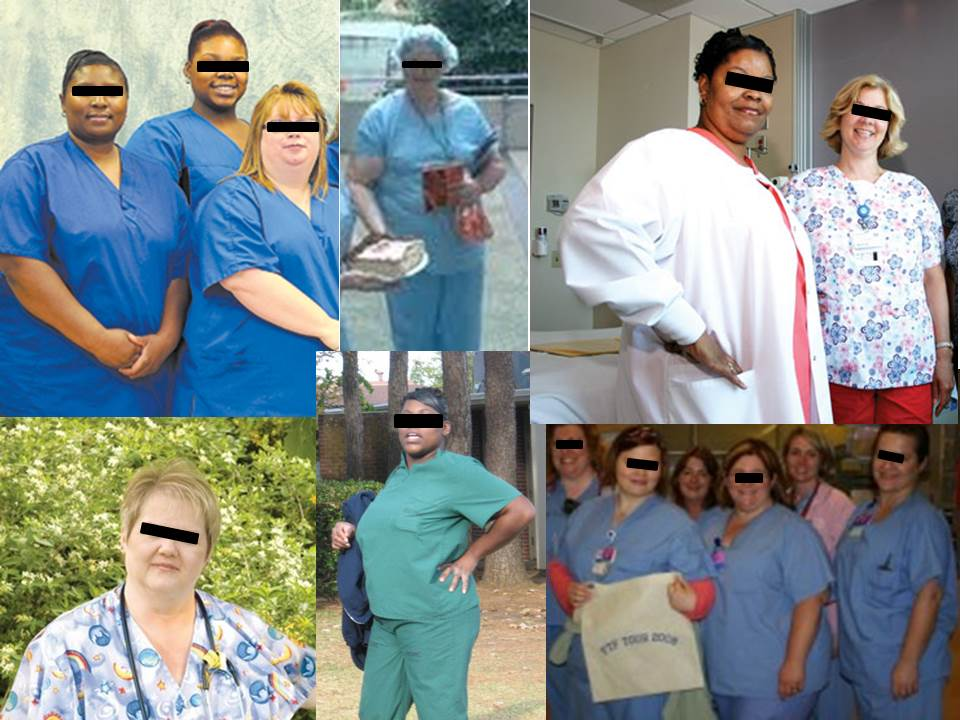
Battling the bulge — why nurses are prone to obesity. (2017, September 13). Financial Times. https://www.ft.com/content/ab4559ee-371f-11e7-99bd-13beb0903fa3

Shute, N. (2013, June 5). NPR Cookie Consent and Choices. NPR. https://choice.npr.org/index.html?origin=https://www.npr.org/sections/health-shots/2013/06/05/188920874/fat-doctors-make-fat-patients-feel-better-and-worse

Cody, S. (2014, February 25). Where have all the healthy health care workers gone? Rep Man. https://www.repmanblog.com/repman/2014/02/where-have-all-the-healthy-health-care-workers-gone.html

______________

I write often about topics that affect our health and well-being. Additionally, I teach and offer lecture about qigong, tai chi, baguazhang, and yoga.

For more info, contact Jim Moltzan at info@mindandbodyexercises.com, 407-234-0119 or through my site at http://www.mindandbodyexercises.com

Various Theories of Reflexology

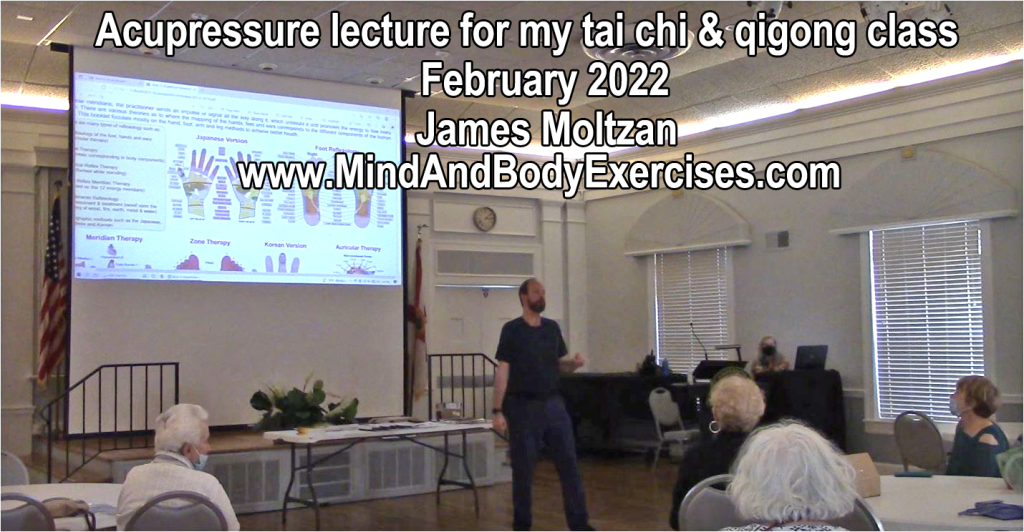
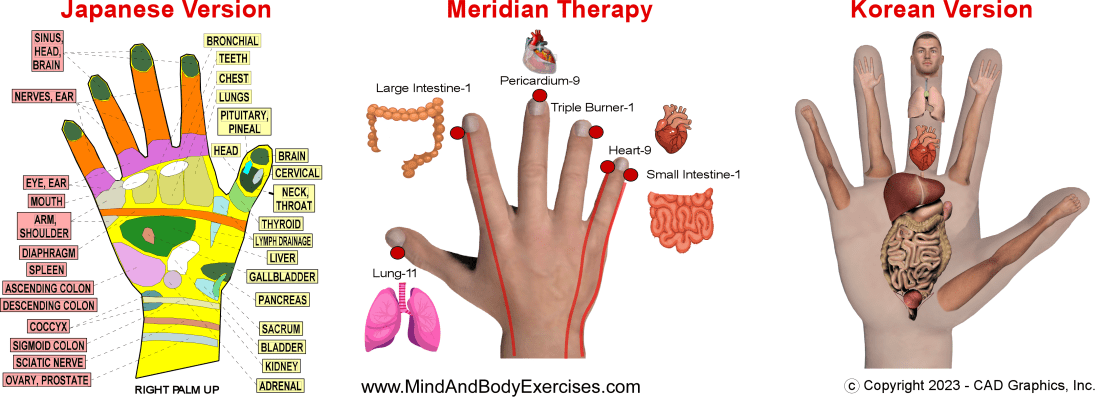
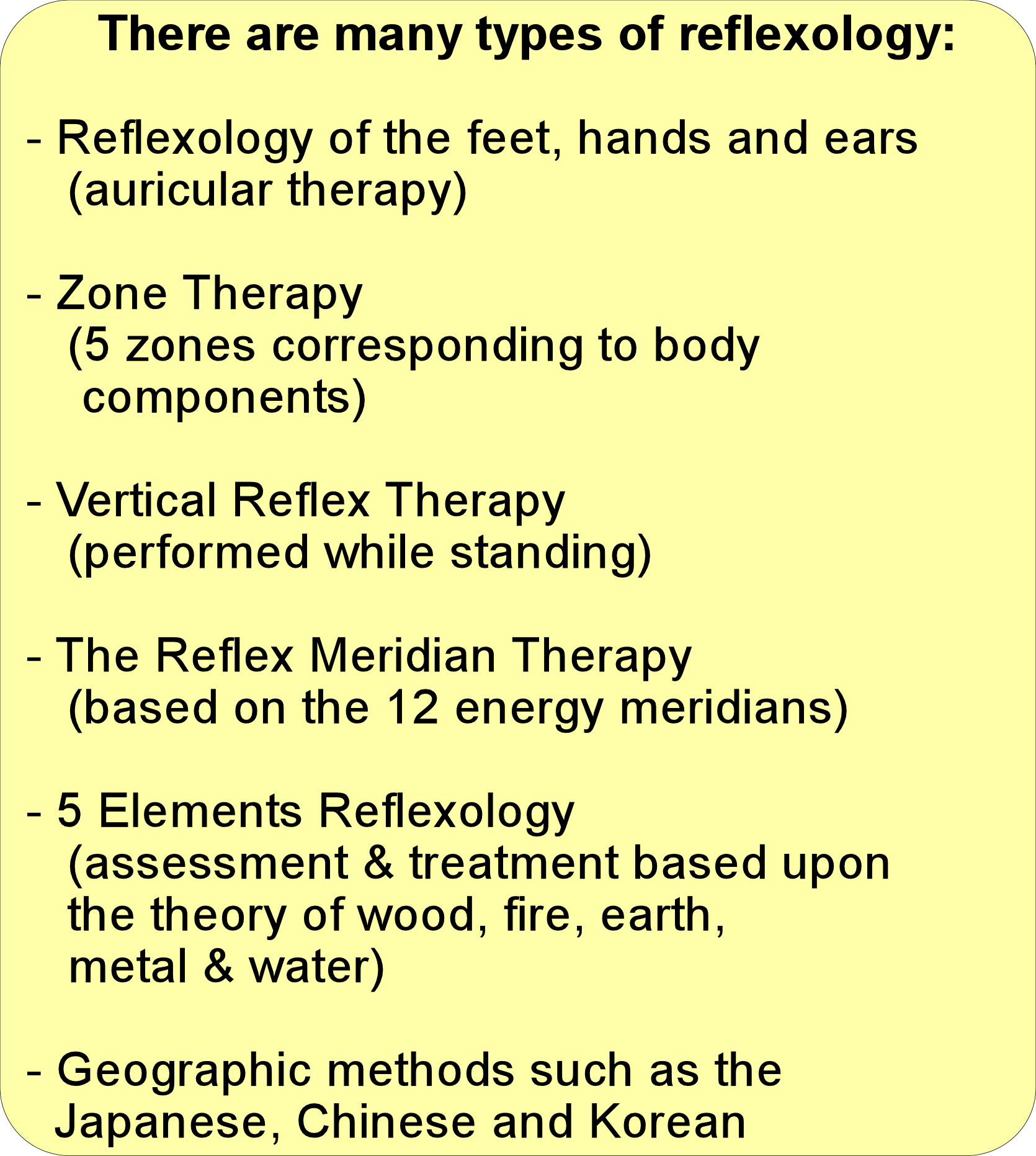
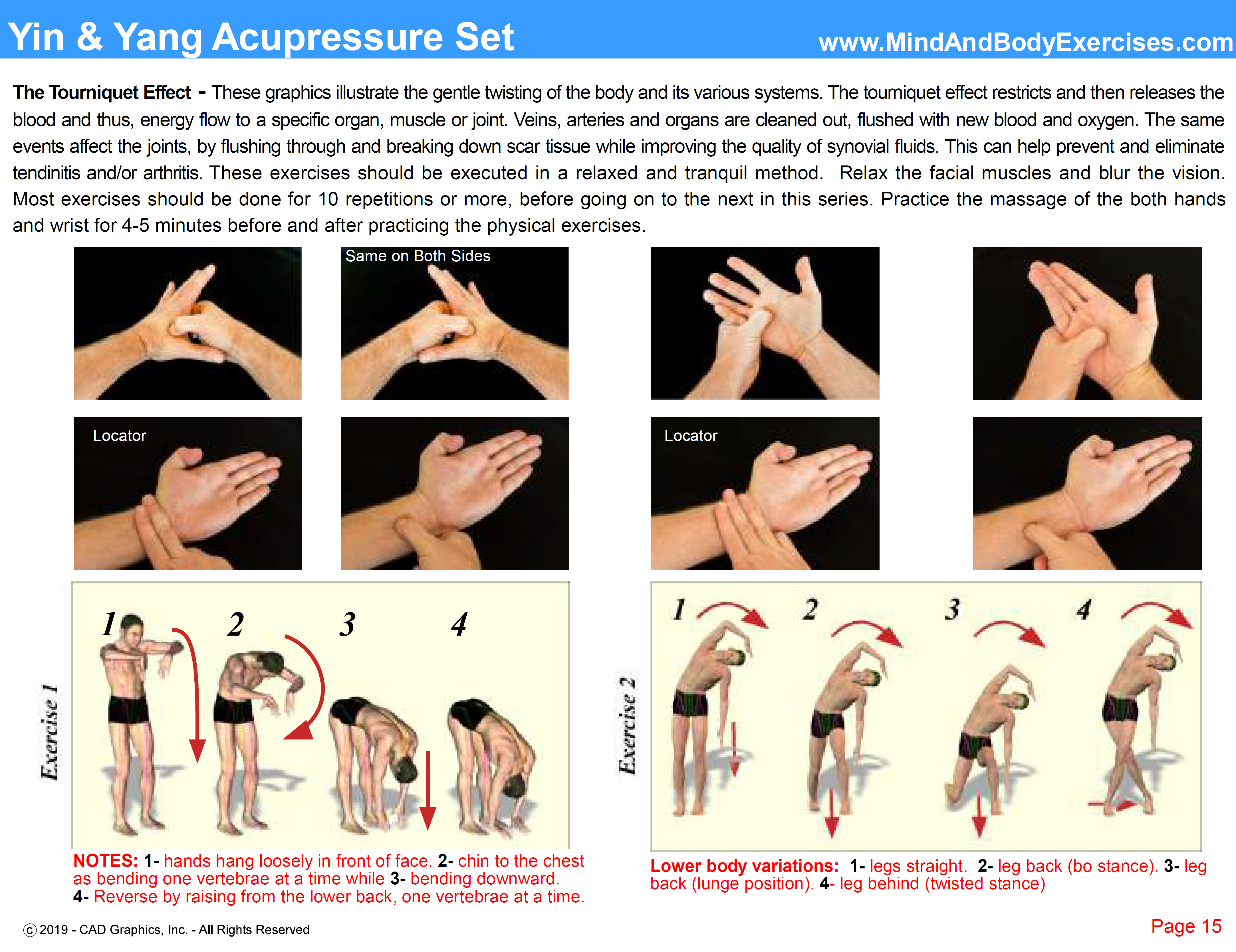
Reflexology is based on similar principles to acupuncture as well as some types of massage. Our bodies are mapped by meridians of energy, or “chi” (pronounced “chee’). When we feel pain, discomfort or uneasiness, the flow of energy is blocked in some way. By putting pressure on parts of these meridians, the practitioner sends an impulse or signal all the way along it, which unblocks it and promotes the energy to flow freely again. There are various theories as to where the mapping of the hands, feet and ears corresponds to the different components of the human body. This post focuses mostly on hand positioning methods to achieve better health.

_____________

_____________

I write often about topics that affect our health and well-being. Additionally, I teach and offer lecture about qigong, tai chi, baguazhang, and yoga. I also have hundreds of FREE education video classes, lectures and seminars available on my YouTube channel at:

https://www.youtube.com/c/MindandBodyExercises

Mind and Body Exercises on Google: https://posts.gle/aD47Qo

Jim Moltzan

407-234-0119

www.MindAndBodyExercises.com

www.Amazon.com/author/jimmoltzan
Exercise Affects: Anti-inflammatory Response, Growth Hormone Production & Cerebral Circulation

  • Physical exercise can help to produce anti-inflammatory responses from the central nervous system.
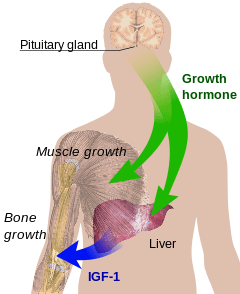
  • Physical exercise can help to stimulate human growth hormone production.
  • Physical exercise can help to increase blood flow and oxygenation to the prefrontal cortex and hippocampus areas of the brain.

Only 25% of the US population exercises regularly. We could see a much greater reduction in serious illnesses and related comorbidities if more people exercised on a regular basis. Children especially need to get off the couch, get off the phone, PC or video game, get outside, move their bodies. We all know this, but don’t want to do what it takes to change our own habits, let alone that of our kids. About 20% of US kids are obese. 80% of these will go on to be obese adults. Obesity is not the main issue but rather the illnesses that come along with it. Plant good seeds if you want good crops, right?

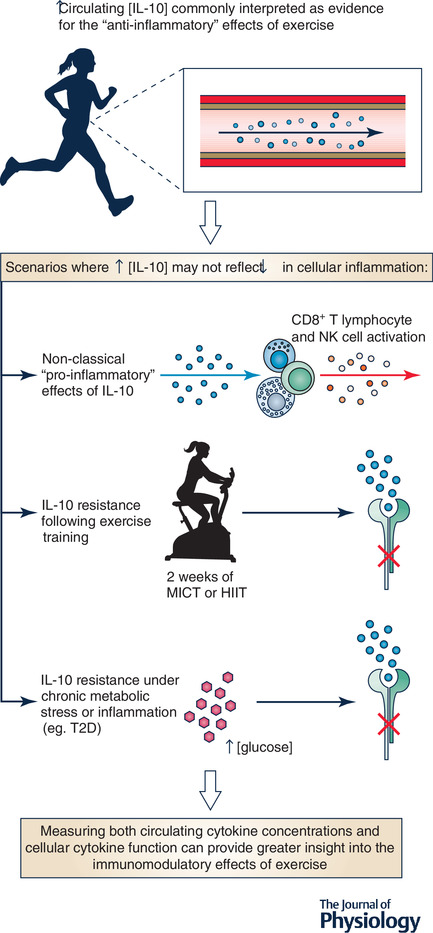
Interleukin-6 (IL-6) and interleukin-10 (IL-10) are both cytokines involved in the immune response and inflammation regulation

IL-6 & IL-10 are stimulated during exercise. They play important roles in modulating the body’s response to exercise. Here’s an overview of the physiology of this mechanism during exercise:

  1. Interleukin-6 (IL-6): During exercise, IL-6 is released from various sources, including skeletal muscle, immune cells, and adipose tissue. Several factors contribute to the stimulation of IL-6 production:

a. Muscle contraction: The mechanical stress placed on muscles during exercise triggers the release of IL-6 from the working muscles themselves. This release is mediated by intramuscular signaling pathways, such as calcium influx and the activation of adenosine monophosphate-activated protein kinase (AMPK) and mitogen-activated protein kinase (MAPK) pathways.

b. Sympathetic nervous system activation: Exercise leads to the activation of the sympathetic nervous system, which releases catecholamines (epinephrine and norepinephrine). These catecholamines promote IL-6 production in skeletal muscle and immune cells.

c. Tissue damage and inflammation: Intense or prolonged exercise can cause tissue damage and inflammation. This triggers the activation of immune cells, such as macrophages, which release IL-6 as part of the inflammatory response.

  1. Interleukin-10 (IL-10): IL-10 is an anti-inflammatory cytokine that helps regulate the immune response and control excessive inflammation. Its production during exercise is influenced by various factors:

a. IL-6-induced IL-10 production: IL-6, as mentioned earlier, is stimulated during exercise. Interestingly, IL-6 can also induce the production of IL-10. IL-6 acts as a signaling molecule, promoting the release of IL-10 from immune cells. This IL-6-induced IL-10 production helps regulate the immune response and minimize excessive inflammation.

b. Anti-inflammatory feedback: IL-10 acts as a negative feedback mechanism to downregulate pro-inflammatory cytokines, including IL-6 itself. By promoting the release of IL-10, exercise helps to maintain a balance between pro-inflammatory and anti-inflammatory factors, preventing an excessive immune response.

Both IL-6 and IL-10 have diverse effects on the body during exercise. IL-6, despite being pro-inflammatory, also has beneficial effects, such as promoting glucose uptake in muscles and stimulating lipolysis (breakdown of fats). IL-10, on the other hand, helps limit inflammation and contributes to tissue repair and recovery.

It’s important to note that the regulation of IL-6 and IL-10 during exercise is complex, and their levels can vary based on various factors, such as exercise intensity, duration, and individual fitness levels. Additionally, the exact mechanisms underlying their release and interaction during exercise are still an active area of research.

Strategic Trauma

The mechanism I am referring to, where interleukin-6 (IL-6) and interleukin-10 (IL-10) are stimulated during exercise, is often described as exercise-induced cytokine production, exercise-induced cytokine response or what I have come to know as strategic trauma. It highlights the fact that exercise can trigger the release and modulation of various cytokines, including IL-6 and IL-10.

The term “exercise-induced cytokine response” encompasses the broader concept of how exercise influences the production and release of cytokines, which are signaling molecules involved in immune regulation and inflammation. During exercise, various factors such as muscle contraction, sympathetic nervous system activation, and tissue damage contribute to the stimulation of cytokine production, including IL-6 and IL-10.

This term acknowledges that cytokine responses can vary depending on the type, intensity, and duration of exercise, as well as individual factors. It also reflects the dynamic nature of cytokine production during exercise, as the levels of different cytokines can change in response to the specific physiological demands of the exercise bout.

Strategic Trauma Effects Production of Human Growth Hormone

Exercise-induced cytokine production, particularly the release of interleukin-6 (IL-6), is related to the secretion of growth hormone (GH). GH is an important hormone involved in growth, metabolism, and tissue repair. The relationship between cytokines, especially IL-6, and GH is complex and interconnected. Here’s an overview of their connection:

  1. IL-6 and GH Release: During exercise, IL-6 can stimulate the release of GH. IL-6 acts on the hypothalamus and pituitary gland to enhance the secretion of GH from the anterior pituitary. This IL-6-induced GH release is mediated through a complex signaling cascade involving the hypothalamic-pituitary axis.
  2. Synergy with Other Factors: The exercise-induced release of GH is influenced by multiple factors, and IL-6 is one of the contributing elements. Other factors, such as increased neural stimulation, lactate production, and metabolic stress, also play a role in stimulating GH release during exercise. The combined effect of IL-6, along with these other factors, leads to an overall increase in GH secretion.
  3. Anabolic Effects and Tissue Repair: GH exerts anabolic effects on various tissues, promoting protein synthesis, muscle growth, and tissue repair. It enhances the uptake of amino acids and stimulates protein synthesis in muscles, contributing to muscle growth and repair after exercise-induced damage. The increased GH secretion during exercise, partly mediated by IL-6, helps facilitate these anabolic processes.
  4. Metabolism and Fat Utilization: GH also affects metabolism and the utilization of fats during exercise. It promotes lipolysis, the breakdown of fats, which serves as an energy source during prolonged exercise. This can help spare glycogen stores and improve endurance. IL-6, as mentioned earlier, can stimulate lipolysis as well, and the interplay between IL-6 and GH contributes to the regulation of energy metabolism during exercise.

It’s important to note that the relationship between cytokines, GH, and exercise is multifaceted and influenced by various factors. The exact mechanisms and interactions involved are still an active area of research, and further studies are needed to fully understand the intricate connections between cytokines and GH in the context of exercise.

Effects of Exercise on the Prefrontal Cortex and Hippocampus

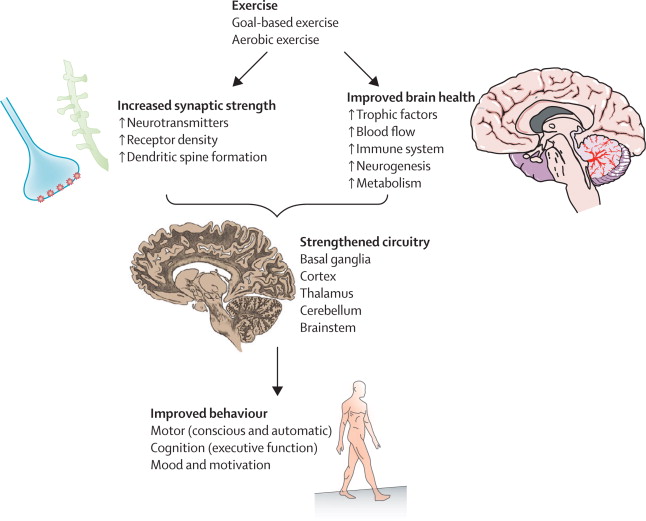
Exercise has significant effects on both the prefrontal cortex and the hippocampus, two key regions of the brain involved in cognition, learning, memory, and mood regulation. Regular exercise has been found to positively impact the structure and function of these brain areas. Here are some of the effects:

  1. Prefrontal Cortex: The prefrontal cortex (PFC) is responsible for higher cognitive functions, such as decision-making, attention, working memory, and executive control. Exercise has been shown to have several positive effects on the PFC:

a. Increased Blood Flow and Oxygenation: Exercise enhances blood flow and oxygen delivery to the brain, including the PFC. This improved cerebral blood flow helps nourish brain cells and supports optimal PFC function.

b. Neuroplasticity and Synaptic Growth: Exercise promotes neuroplasticity, the brain’s ability to change and adapt. It stimulates the growth and branching of dendrites, the communication pathways between neurons. This synaptic growth in the PFC improves neural connectivity and strengthens cognitive abilities.

c. Enhanced Executive Functions: Regular exercise has been associated with improvements in executive functions, including attention, working memory, cognitive flexibility, and inhibitory control. These enhancements are thought to be related to the positive effects of exercise on the PFC.

  1. Hippocampus: The hippocampus is a region crucial for learning, memory formation, and spatial navigation. Exercise has profound effects on the hippocampus, including:

a. Neurogenesis: Exercise promotes the generation of new neurons in the hippocampus, a process known as neurogenesis. These newly formed neurons are believed to contribute to improved learning and memory.

b. Enhanced Memory and Learning: Exercise has been linked to enhanced spatial memory, declarative memory (facts and events), and associative learning, all of which rely on the hippocampus. Regular physical activity can improve the encoding, consolidation, and retrieval of memories.

c. Mood Regulation: The hippocampus is involved in mood regulation, and exercise has been shown to have antidepressant effects. Regular exercise increases neurotrophic factors and neurotransmitters, such as brain-derived neurotrophic factor (BDNF) and serotonin, which positively influence mood and emotional well-being.

It’s worth noting that the effects of exercise on the prefrontal cortex and hippocampus can vary depending on various factors, such as the type, intensity, and duration of exercise, as well as an individual’s fitness level and genetic factors. Nonetheless, consistent evidence suggests that exercise plays a significant role in promoting brain health and optimizing cognitive functions in these critical brain regions.

References:

Chronic Disease Infographics | CDC. (n.d.). https://www.cdc.gov/chronicdisease/tools/infographics.htm

Islam, H., Neudorf, H., Mui, A.L. and Little, J.P. (2021), Interpreting ‘anti-inflammatory’ cytokine responses to exercise: focus on interleukin-10. J Physiol, 599: 5163-5177. https://doi.org/10.1113/JP281356

Petzinger, G. M., Fisher, B. E., McEwen, S., Beeler, J. A., Walsh, J. P., & Jakowec, M. W. (2013). Exercise-enhanced neuroplasticity targeting motor and cognitive circuitry in Parkinson’s disease. Lancet Neurology12(7), 716–726. https://doi-org.northernvermont.idm.oclc.org/10.1016/S1474-4422(13)70123-6

 Erickson, K. I., & Kramer, A. F. (2009). Aerobic exercise effects on cognitive and neural plasticity in older adults. British Journal of Sports Medicine, 43(1), 22-24.

 Hillman, C. H., Erickson, K. I., & Kramer, A. F. (2008). Be smart, exercise your heart: exercise effects on brain and cognition. Nature Reviews Neuroscience, 9(1), 58-65.

 Cotman, C. W., & Berchtold, N. C. (2002). Exercise: a behavioral intervention to enhance brain health and plasticity. Trends in Neurosciences, 25(6), 295-301.

 Kramer, A. F., Erickson, K. I., & Colcombe, S. J. (2006). Exercise, cognition, and the aging brain. Journal of Applied Physiology, 101(4), 1237-1242.

I write often about topics that affect our health and well-being. Additionally, I teach and offer lecture about qigong, tai chi, baguazhang, and yoga. I also have hundreds of FREE education video classes, lectures and seminars available on my YouTube channel at:

https://www.youtube.com/c/MindandBodyExercises

Mind and Body Exercises on Google: https://posts.gle/aD47Qo

Jim Moltzan

407-234-0119

www.MindAndBodyExercises.com

www.Amazon.com/author/jimmoltzan

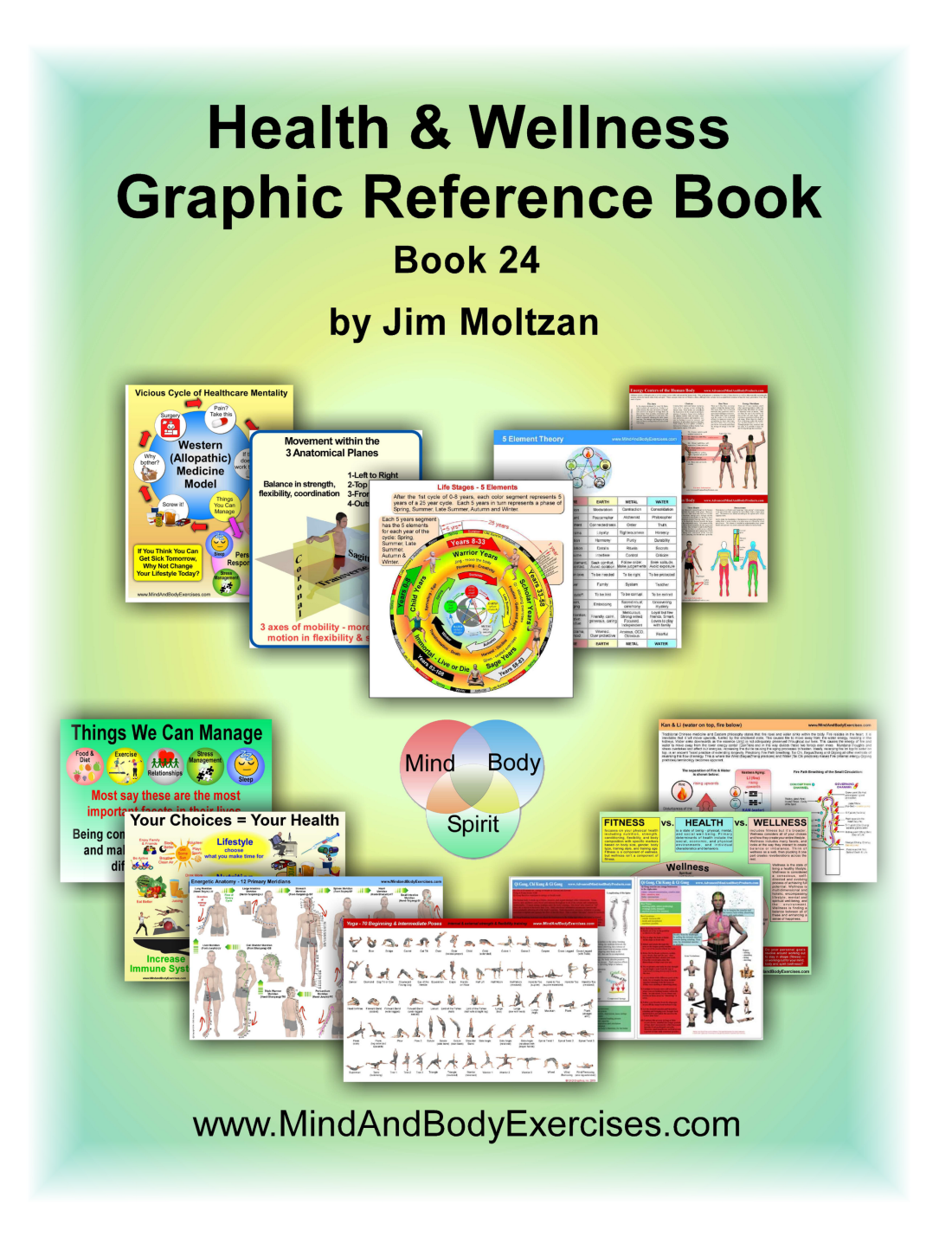
Book 24 – Health & Wellness Graphic Reference Book

My new reference book is now available on Amazon!

Book 24 – Health & Wellness Graphic Reference Book (Health and Wellness Study Guides Using Eastern Practices From Martial Arts, Yoga and Qigong) . This book is an encyclopedia of knowledge and is priced accordingly.

Remember the Indiana Jones movies, where he found his father’s diary which had clues to his search for the Holy Grail? Well, I have been searching for over 40 years for the Holy Grail of health, wellness, fitness and self-awareness. I have been producing graphics to depict what I believe to be the key components of health and happiness.

Over 400 pages in this study guide, consisting of mostly color graphics of concepts for better health and wellness, from allopathic and Traditional Chinese Medicine, anatomy & physiology, qigong, martial arts and yoga exercises and philosophy on these topics. Additionally, there are graphics depicting theories on the human life cycle, psychology relative to components of fitness and many other subjects pertaining to mental and physical well being. This reference book contains many exercise sets for rehabilitating injuries and illness as well as others to promote longevity and a better quality of life. Additionally, this book contains an appendix of over 30 pages of my personal typed notes on teaching, coaching and eastern philosophy. Review the watermarked edition just below here.

Click image to be directed to Amazon.com


My books, journals and graphics are the summation of over 40 years of my training, education, teaching and public speaking of martial arts, qigong, fitness, wellness, TCM and other facets of self-improvement. Similar to popular study guides such as Quick Study or PermaCharts, these graphic and text guides cut to the chase in order to minimize precious time spent muddling through extensive textbooks seeking understanding of specific concepts. Each guide is packed with the root knowledge regarding specific topics. This format is highly beneficial for the novice as well as experts in the fields of health, wellness and self-improvement.

The majority of my knowledge base is in theories, methods and techniques from almost 40 years of learning, training and teaching. The Qigong (breathing work) is from Chinese Kung Fu and the Korean Dong Han medical Qigong lineage. The core fitness movements are from Kung Fu and its forms in Baguazhang and Ship Pal Gi (Korean Kung Fu and weapons training). Each martial art and its fitness exercises can complement and enhance one another. The more ways that you can move your body, the better it is for your overall health.

I have also gained much knowledge of Traditional Chinese Medicine (TCM) from many TCM practitioners, martial arts masters, teachers and peers. This includes many techniques and practices of acupressure (reflexology, auricular, Jing Well, etc.), acupuncture, moxibustion as well as preparation of some herbal remedies and extracts for conditioning and injuries. I have been studying for over 20 years with Zen Wellness, learning medical Qigong as well as other Eastern methods of fitness and self awareness. I have been recognized as a “Gold Coin” master instructor having trained and taught others for at least 10000 hours or roughly over 35 years. I have pursued my BS degree in wellness and alternative medicine, which has helped me to expand my understanding of health/wellness into other areas of study in anatomy/physiology, integrative methods, meditation, stress and trauma management, psychology, religion, nutrition and other relative topics.

I write often about topics that affect our health and well-being. Additionally, I teach and offer lecture about qigong, tai chi, baguazhang, and yoga. I also have hundreds of FREE education video classes, lectures and seminars available on my YouTube channel at:

https://www.youtube.com/c/MindandBodyExercises

Mind and Body Exercises on Google: https://posts.gle/aD47Qo

Jim Moltzan

407-234-0119

www.MindAndBodyExercises.com

www.Amazon.com/author/jimmoltzan