consistent activity is a key factor in reducing disease
If we are led to believe that the US has the most wealth, the best doctors, the best healthcare, the best vaccines – then why did the US experience the highest rate of COVID-19 cases as well as associated deaths? Because the answers lies beyond the US being the best (far from it) when it comes to personal responsibility for health and well-being. Most in the US look to the broken healthcare system for sick-care after becoming sick or injured than looking to themselves to prevent acquiring disease, illness and injury. True is true; do your own research to see which countries fare the best in overall quality of life, and relative health. The US is far from the top, but by far spends the most money on sick-care.
An amazing amount of health issues can be reduced by simply exercising consistently (Exercise: 7 Benefits of Regular Physical Activity, 2021). Many issues such as stress, sleep disorders, and cardiovascular issues are reduced by exercising a few times per week. Find a method of exercise that works for you.
Known benefits of regular exercise include:
reduce your risk of a heart attack.
manage your weight better.
have a lower blood cholesterol level.
lower the risk of type 2 diabetes and some cancers.
have lower blood pressure.
have stronger bones, muscles and joints and lower risk of developing osteoporosis.
lower your risk of falls.
Walk, run, swim, weight train, yoga, tai chi, martial arts, dance – just do something everyday! Or every other day, 2 times a week, whatever! Get your body moving. Give your mind something positive to focus upon.
In the words of Dr. Jerome Adams from 2020, the former surgeon general of the United States, “You know what will make you and your community healthier but still, you choose not to do it.” He goes on to state that 7 out of 10 of 18-24-year olds are ineligible for military service due to the following:
they cannot pass the physical
cannot meet educational requirements
have a criminal history
In years past, recess and physical education were part of the school day from kindergarten through elementary school. High school students had PE every school day until graduation. Today if students are not involved in school or extracurricular sports, few make the time or commitment to stay physically active. Unhealthy kids quickly turn into unhealthy adults. The health of our people is directly affecting the safety of our nation.
Ask an average citizen in the US if their health and their family’s is a priority and the response will be something like, “Of course our health is my top priority and we have the healthiest country in the world!” No, not true for both statements based upon data from seemingly reputable data outlets. The Bloomberg Global Health Index for 2020, ranked the US #35 in the world for overall quality of health but ranks #1 for healthcare spending. The US spends more than $3.4 trillion annually on health care, more than any other country. Made obvious from the data is that investing more money in healthcare, does not necessarily make a country or the person healthier. Money does not change our health. We need to improve life expectancy and other indicators of health with better education along with a change in mindset. If someone has great healthcare coverage but eats junk food every day, does not exercise regularly and has a negative outlook, they will probably experience health issues sooner than later.
As a nation, we eat an extremely high amount of low-quality junk food and then sit for hours per day. We hope to efficiently digest low quality food that will eventually often cause illnesses and even death. More than 36.3% of youth aged 2-19 eat fast food on a given day.This is complicated even more so with the sedentary lifestyle and laissez-faire attitude towards individuals accepting responsibility for their own health. Americans meeting the CDC guideline for aerobic and muscle strengthening exercises is only 23.2% as of 2018.These factors help contribute to the increase of obesity over the last 60 years. Obesity is a key factor in many health issues based on data from the Center for Disease Control (CDC) and other reputable sources. In 2017–2018, the age-adjusted prevalence of obesity in adults was 42.4%. Stats for kids (not shown) are just as appalling. These numbers are truly pathetic. Further issues to discuss would be how many manage their nutrition by monitoring their intake of sugar, salt, trans fat, alcohol, and other consumables? What about managing stress and emotional health? The US economy needs our citizens to support the fast-food industry and consequently gives the health care industry an overabundance of its own customers. It seems as if the US wants its people to be healthy enough to work, but not too healthy as to put the fast-food and healthcare providers out of business. This is our reality that many choose to deny.
The leading causes of death in the US are all very much influenced by our diet, our sedentary lifestyle, lack of exercise and excessive sitting. Also contributing is our attitude towards managing stress or lack thereof. Thinking that more is always better or if we are not stressed, we are not doing enough. Heart disease, cancer, diabetes, and respiratory issues are all leading causes of death by far. Each of these ailments can be much less if we made it a priority to do so.
Another health issue is our obsession with following the news and the mental stress that can develop from it. Media in the US, love it or hate it, usually focuses mostly on reporting politics, crime and mostly the negative aspects of our society. The phrase “If it bleeds it leads” shows America’s fascination with negative news. This year so far has been mostly the tragedy of Covid19. The media, the government, the entertainment industry and healthcare leaders fail to promote personal responsibility for the individuals’ own actions relative to diet, exercise and lifestyle, and how that can affect on a much broader level the health of our nation. Instead the strong focus is mostly upon wearing masks and social distancing as a way to make an unhealthy nation, somehow immune to disease and illnesses that affect most those that have multiple health issues to begin with. Please understand that even typically well and health conscious people do get sick also. Athletes and health enthusiasts can get sick too. However, people that are active usually recover faster though.
We need to honestly look at the root causes for our health issues, instead of looking to politics or others to blame for our own personal accountability. Blaming others will not make us healthier. We are where we are, because of our choices. I love pizza but I should not be eating it every day of the week. Soda or sugary drinks with every meal? Some TV viewing is fine but 4-7 hours a day is a bit much no? Sitting for 8 or more hours a day negatively affects our metabolic health. We need to own our individual health and well-being.
Our actions support the data that we do not truly put exercise, nutrition and stress as high priorities deserving more action than mere conversation. Healthy living and habits are a choice and a mindset that we as Americans as a whole, fail terribly at practicing. It does not need to be this way. There are things that can move us forward to become a healthier nation.
The 5 Pillars of Health
Eating healthier can be achieved by managing less intake of junk foods, sugar, and salt, as well as reasonable amounts of alcohol. More fruit and vegetables are healthier snacks that have many nutritional rewards. Become more active by getting up and off the couch, stepping away from the PC, TV, smartphone, and other electronic addictions. Better sleep is a major immune system booster and can be earned by being more active during the day. Relieve stress through exercise, meditation, or breathing deeper and more deliberately, or take more breaks from the news and social media. Be nice to others because what you put out, you receive back. Basically, get moving more, eat healthier foods, sleep better, stress less and be a nicer person. Enjoy life but know your limits and take all things in moderation.
Fryar, Cheryl, et al. Fast Food Intake Among Children and Adolescents in the United States, 2015–2018, NCHS Data Brief No. 375, August 2020, www.cdc.gov/nchs/products/databriefs/db375.htm
Hales, Craig, et al. Prevalence of Obesity and Severe Obesity Among Adults: United States, 2017–2018, NCHS Data Brief No. 360, February 2020. www.cdc.gov/nchs/products/databriefs/db360.htm
You should sit in meditation for twenty minutes every day unless you’re too busy. Then you should sit for an hour.” Or “If you have time to breathe, you have time to meditate.” These are great quotes to ponder but regardless, meditation is an active practice that will not happen if I (we) do not make it happen.
I think many people confuse religion with philosophy. My understanding of religion is that it is a belief system based upon faith or what cannot be seen. Whereas philosophy is generally a rational investigation of truths. With this being said, I don’t think I would even enter into the conversation of how meditation is not religion, but rather a tool that could enhance one’s religious beliefs or other aspects of their life, unless they had an openness to begin with. I have found that trying to convince someone of something usually doesn’t achieve the desired results.
Insight meditation is also known as Vipassana and is known to be the oldest of Buddhist meditation practices coming directly from the Satipatthana Sutta which is the “Discourse on the Establishing of Awareness” attributed to the Buddha himself. Vipassana meditation is a direct but gradual training of self-awareness or mindfulness usually over a period of years. During practice, a student’s attention is focused inward towards an intense contemplation of particular aspects of one’s existence. The meditator trains to be more and more self-aware of their own flowing life experience.
Put aside time on your schedule to practice Vipassana meditation. Find a quiet room or space within or near your home. Sit upright but comfortably and relaxed in a sturdy chair. Relax and clsoe your eyes. Make your breathing deeper and longer with a 4-second pause between each inhale an exhale. Move your attention away from your breathing and onto other observations of your thoughts. Relax your neck and shoulders and work your way down your torso using just enough muscular tension to hold your body upright. Experience going through a progression from physical awareness to mental awareness and then to an emotional release to become present in the moment. Once you are comfortable with the physical awareness of your body, move on to becoming aware of your senses and what is occurring in your immediate environment inside and out. Listen closely to maybe hear the A/C or heater turning off, bringing your focus maybe to the refrigerator now humming away in the background of your awareness. Each time a distraction presents itself, acknowledge it and then become aware of the next sound. If there is no sound, move onto feeling the touch of your body in the chair or your feet on the floor. Then another thought will appear, like how long have I been sitting here, the room is warm, or what time of day is it? All trivial thoughts within your inner dialogue that you can continue to acknowledge and then let fade away. Slowly open your eyes to the room appearing slightly brighter and sharper. You will feel refreshed and calm thereafter.
Chakra is a Sanskrit word that means “wheel.” Chakras and Dimensions are the same thing. Sometimes they will be referred to as the “Seven Dantians.” Coming from traditional Indian medicine, there exist 7 energy centers within the human body. These points are considered the focal points for the reception and transmission of energies. Some believe believe the chakras interact with the body’s ductless endocrine glands and lymphatic system by feeding in positive energies and disposing of unwanted negative energies. Each chakra in your spinal column is believed to influence or direct bodily functions near its region of the spine.
Chakras are energy systems associated with different parts of the body that relay information in the form of energy. It is believed that a chakra is a wheel of energy that spins around its own axis and can spin fast or slowly. These chakras are like spirals of energy, each one relating to the others. A chakra will spin in relation to the energy level of your system, thus understanding your chakras and keeping them in balance can help with all kinds of health and emotional problems.
You can think of chakras as invisible, rechargeable batteries.
Imagine a vertical power current like a fluorescent tube that runs up and down the spine, from the top of the head to the base of the spine. Think of this as your main source of energy. The seven major chakras are in the center of the body and are aligned with this vertical “power line.”
They regulate the flow of energy throughout the electrical network (Meridians) that runs through the physical body. The body’s electrical system resembles the wiring in a house. It allows electrical current to be sent to every part, and is ready for use when needed.
Sometimes chakras become blocked because of stress, emotional or physical problems. If the body’s “energy system” cannot flow freely it islikely that problems will occur. The consequence of irregular energy flow may result in physical illness and discomfort or a sense of being mentally and emotionally out of balance. Blocked energy in our Seven Chakras can often lead to illness so it’s important to understand what each Chakra represents and what we can do to keep this energy flowing freely.
The universe contains an infinite amount of dimensions of existence. There are seven that are part of the “human experience.” There are infinite dimensions above our “7th Dimension” and infinite dimensions below our “1st Dimension.” We can concern ourselves with seven, however it is important to understand that just as the universe keeps expanding, so do the dimensions. You could even say that there are “infinity + 1” dimensions. That statement points to the ever-expanding universe.
Heaven and Earth
Man literally stands in between heaven and earth. Heaven begins at your crown chakra – 1/infinity of an inch above your bahui point. Earth begins at the bottom of your foot (K1). If we look at the “energetic body” we just look at the head, midsection and torso. In other words everything but the arms and legs.
Reference:
Leone M., Campbell J., Moltzan J., (2019), Journey Around the Sun
______
My goal is to present an education that brings awareness to these time-proven methods. With an intent to de-mystify and simplify explanations, hopefully more people can come to realize that we are all accountable for our own well-being.
My definition of meditation is practices where an individual train their mind to achieve a mode of consciousness to realize benefits. Meditation does not necessarily need to be done in a lotus position nor, hours of sitting motionless. However, these are methods of meditation. So can walking, gardening, playing an instrument, drawing, painting, journraling, yoga, tai chi, qigong, archery, target shooting and many other methods can be used as meditative practices.
I may have had some second thoughts or skepticism when I first started to learn of meditation practices. However, I was 16 years old at the time and had very little life experience and not much wisdom at this point in my life. Eastern philosophy and meditation practices from martial arts, qigong, yoga and others were not widely accepted in the United States in the early 80’s and definitely not in Midwest suburbia of the Chicago area of Illinois. Martial arts schools at this time in the US were looked upon as being religious, cult-like, or at the very least a cultural-shock to my conservative upbringing.
When we are young, we can often be more influenced and possibly manipulated by others in order to see their viewpoints or beliefs in their personal agenda. I may have experienced some of these issues to some extent. However, in my case this turned out to not be a bad thing but rather a life-changing event that allowed me to gain benefits from meditation for decades forward.
Whatever reluctance I held at the time for these methods, soon diminished as I was able to see and feel the benefits of my training, while I saw my elders and peers’ health and well-being suffer from years of unregulated emotional stress and physical tension.
Meditation practices can offer so much in relation to cultivating the mind, body and spiritual harmony that many seek to achieve but really have no plan, method or goal as to where meditation can guide them to. I have been able to build and nurture (cultivate) a relationship with my mental thought process, my physical being and my spiritual awareness of something bigger and more profound than the mundane life we often possess and accept.
Meditation has offered me so much. Specifically, on the mental level I have been able to release mental stress and achieve consistent focus and clarity. On the physical level I have learned to be able to recognize and release muscular tension by slowing my breath rate, heart rate and blood pressure. On the spiritual level I have been able to enter into a deeper sense of self-awareness and realization that our life is a series of lessons to be learned to hopefully serve a greater purpose. We can go find religious or spiritual leaders to help guide us through this journey. Or we can venture inward and go direct to the source if this is where we choose to put our efforts. Meditation is not a replacement for one’s faith but rather a way to enhance and understand it. Meditation is a tool to be used for the benefit of the practitioner. Based upon these concepts, I feel that my meditation practices have much more to offer me in my next stages of life.
Be well, become healthier, be wiser.
________________
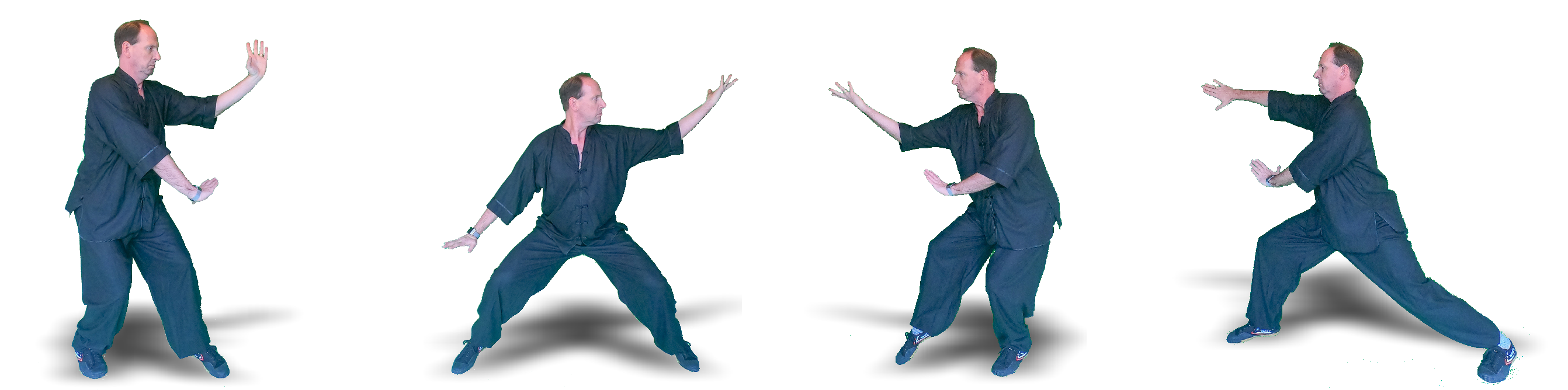
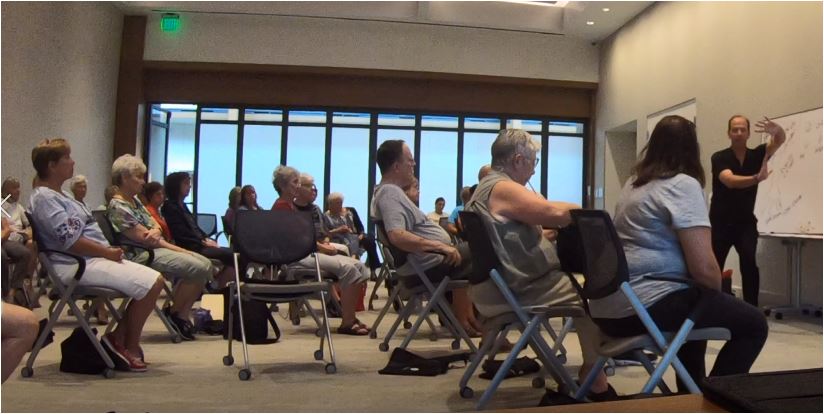
I write often about topics that affect our health and well-being. Additionally, I teach and offer lecture about qigong, tai chi, baguazhang, and yoga.




 United Martial Arts Association