Ayurvedic and Traditional Chinese Medicine (TCM) – Brief summary

Ayurveda and Traditional Chinese Medicine (TCM) are probably the two oldest systems of healthcare practiced throughout the world. Ayurveda has its origins in the Hindu religion within India from 5000 years ago. Traditional Chinese Medicine also has origins from thousands of years ago (475–221 BC) but in China. Both systems have been practiced widely throughout the world, with seemingly very little interest in the US when compared to Western allopathic or biomedicine practices. However, TCM has seemed to have gained more popularity in recent years in the US, maybe starting when President Nixon visited China back 1972.

Ayurveda and TCM philosophies believe that all things alive or not, are interconnected and have relationships on various levels with one another. When these relationships become out of balance disease can occur.

Ayurveda is based upon the 5 fundamental elements of space, air, fire, water and earth. Both of these systems use this understanding of the elements as a way to diagnose and treat disease and illness. Ayurveda uses the physical and well-being constitutions of vata, piita and kapha. Similarly, TCM has 5 constitutions of wood, fire, earth, metal and water. The human life force or breath is expressed as prana in Ayurveda and as qi in TCM. Both prana or qi flow within the body, are a key component in maintaining balance of the elements and an individual’s health in regard to their mind, body and spirit.

Both systems have components that include herbs, massage, and exercise in order to balance harmony of the mind, body and spirit.

I have and will continue to use TCM treatments and methods to help treat ailments as well as maintain better health and wellness. Less invasive methods as well as more natural ingredients are my main reasons for pursuing TCM methods. I am not opposed to Ayurveda if I had a condition that could be better treated through those methods.

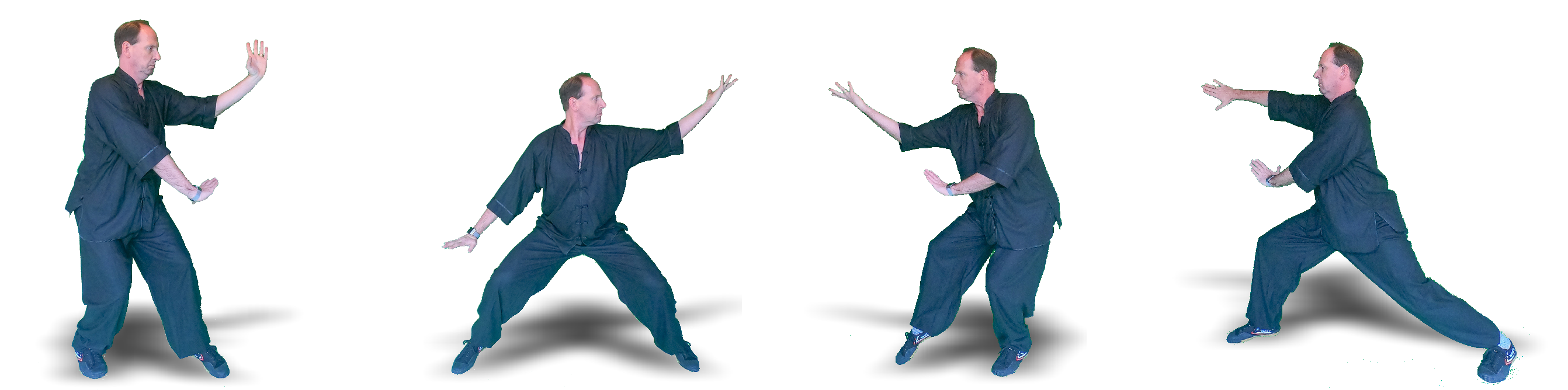
Having a strong background in Korean and Chinese martial arts, which are deeply connected with TCM, I have been exposed to an education that has deep roots in thousands of years in Asian culture, science and practical practice. While some people may look at TCM as an alternative or new age approach to maintaining health, I see a time-proven system that has been practiced by probably millions of people over a very long period of time. When studied and researched thoroughly, I find the methods from TCM of acupuncture, cupping, tuina, qigong, auriculotherapy, herbology and others to make logical sense as to why these options are so beneficial. When looked at from a physiological perspective, I have found the following:

Acupuncture & Auriculotherapy – stimulates the healing response through regulation of the nervous system.

Cupping – increases blood and lymph circulation in localized areas.

Tuina – increases blood, lymph circulation and disperses adhesions in the fascia.

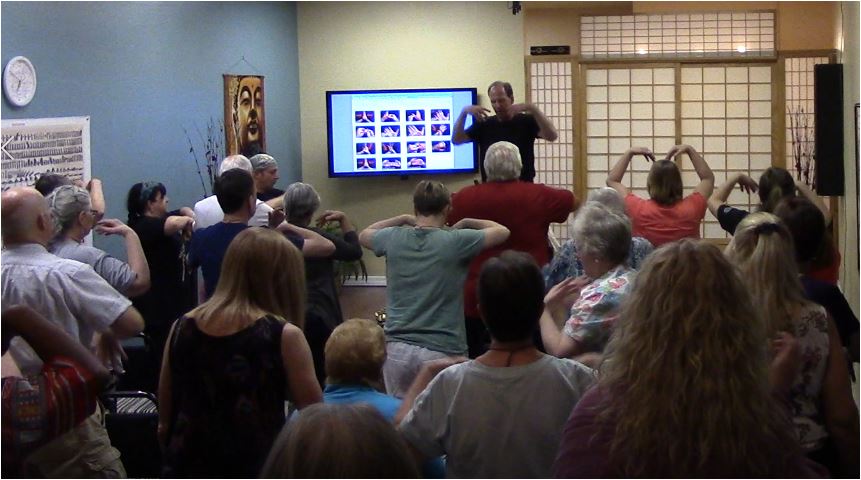
Qigong – regulates the autonomic nervous system through deliberate deep breathing patterns, as well as some styles offering flexibility, strengthening and vestibular balance exercises.
Herbology – helps to manage systemic organ function through naturally occur plants without use of pharmaceuticals.

Be well!

References:

“What is Ayurvedic Medicine?” National Center for Complementary and Alternative Medicine (2007). 30 August 2021.

Diamond, M.D., J. W. (2001). The Clinical Practice of Complementary, Alternative, and Western Medicine [E-book]. CRC Press.

____________

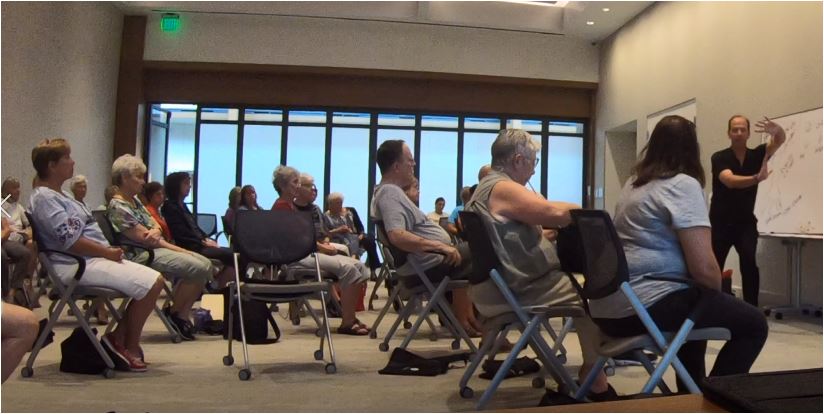
I write often about topics that affect our health and well-being. Additionally, I teach and offer lecture about qigong, tai chi, baguazhang, and yoga.

For more info, contact Jim Moltzan at info@mindandbodyexercises.com, 407-234-0119 or through my site at http://www.mindandbodyexercises.com
Where the Rubber Hits the Road – Personal Responsibility

Personal Responsibility

We are here…right here where the rubber hits the road.

When the action really begins, is when you begin the job, when you really get serious.

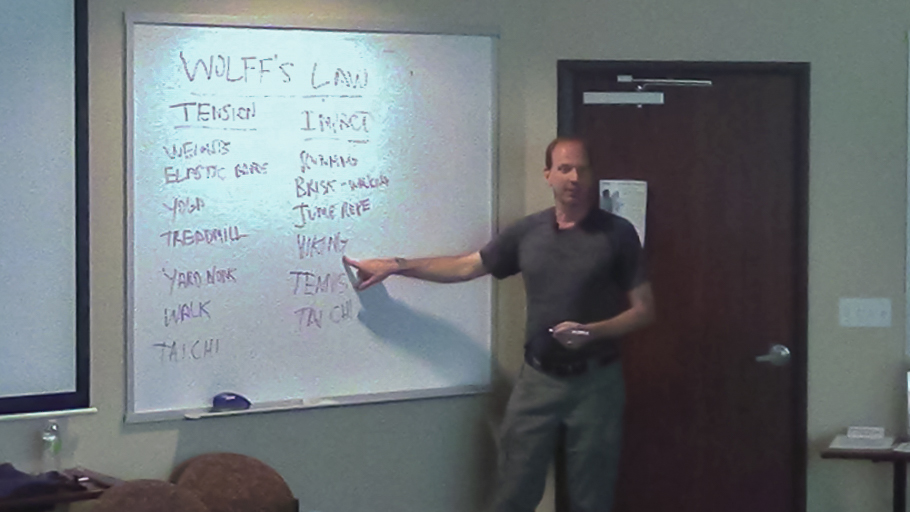
So the question I have is, how serious are you folks about doing anything? Likes and smiley faces are nice, but really don’t make us healthier, more fit or more connected.

None of us really have “extra” time but rather “make” time for what we prioritize in our lives. True is true, either we walk the talk, or we talk the walk.

Talk is cheap, time is priceless.

If every person in American spent 5 minutes (or more) every day by exercising, more people could better manage their weight and suffer less from related illnesses.

If every person in American spent 5 minutes (or more) every day calming their mind by practicing deep breathing exercises, more people would be less stressed and suffer less from related illnesses.

If every person in American spent every day becoming more conscious of their nutrition habits, more people would be able to maintain their health through the choices they make while eating and drinking, and suffer less from related illnesses.

If everyone could assume personal responsibility for their own health, our nation would not have to spend as much time, effort, energy and money trying to keep people healthy.

These concepts seem easy enough, but in reality, most people lack the desire or self-discipline to take the effort and do what it takes to stay healthy, prevent illness or cure their own ailments. Self-discipline is one of five steps known to help achieve better mental and physical wellness.

1) Respect – This is where values begin. You must understand and have respect for yourself (self-respect) before you can demonstrate it to others. Taking the steps to take care of your physical and mental well-being effects you first and then those closest to you second.

2) Discipline – Developing control of one’s own desires, commitments, and ultimately your own actions, leads to self-discipline. Control of physical exercises can lead to management of thought and emotion.

3) Self-Esteem – As you review your achievements of respect and discipline, your sense of worth is elevated and appreciated.

4) Confidence – Understanding and accepting your weak areas as well as your stronger aspects removes insecurity. When you feel that you are physically well and mentally sharp, confidence can fill your personality. You can accomplish whatever goal you set out to achieve.

5) Determination to Achieve Goals – The positive sum of the previous aspects leads to one’s determination. Good judgment and focused effort toward positive goals result in true personal success.

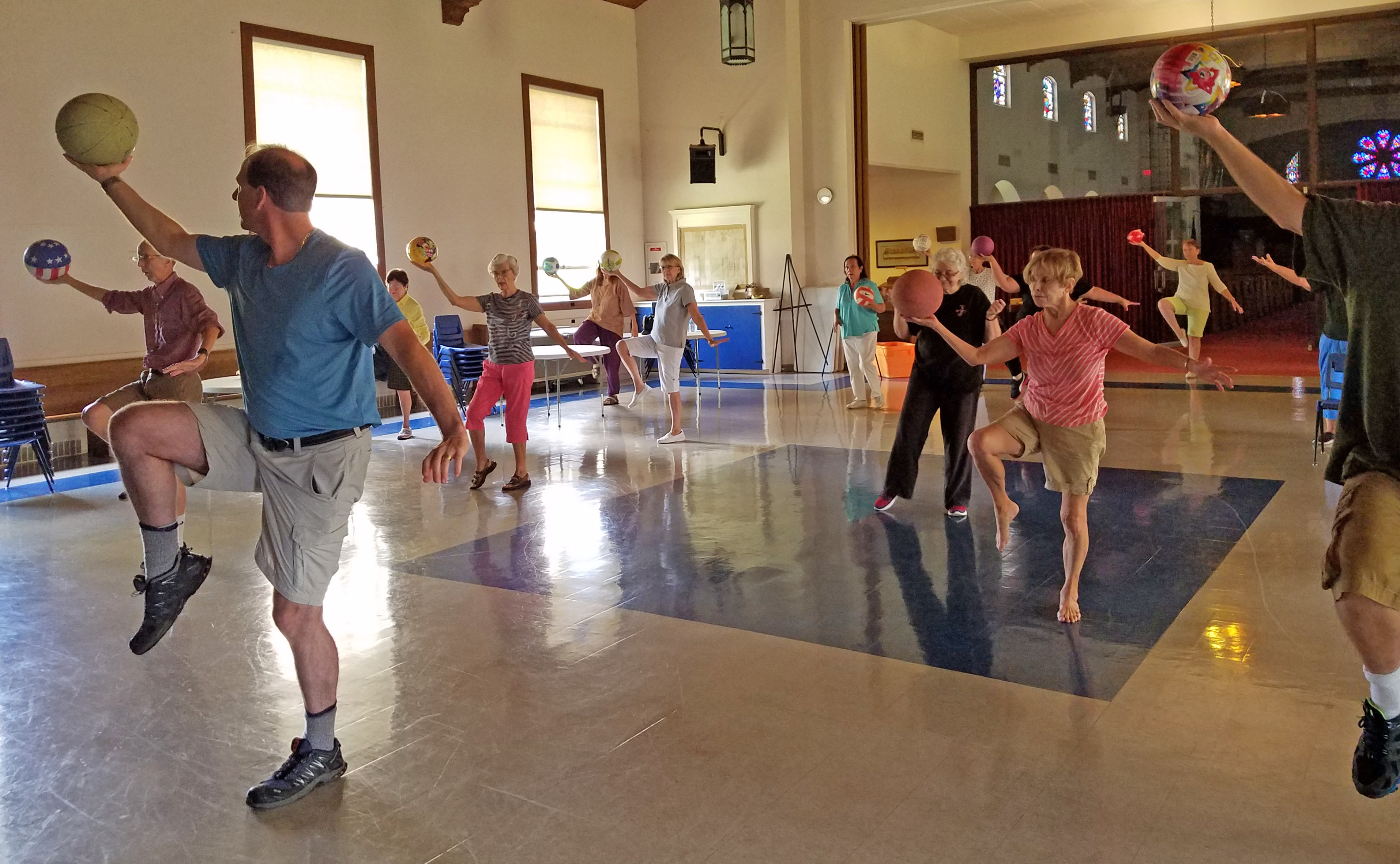
Qigong, Tai Chi and Yoga all are methods to achieve these traits.

It doesn’t matter so much that you do these exercises, as much as it matters that you do some type of exercise.  Walk, jog, swim or whatever – just get going and do something.  5 minutes here and there can quickly turn into 15 or 30 minutes at one time or over the course of a day.  Once you are moving or mentally engaged, it is much easier to stay motivated and try a few more exercises for a few more minutes.

Be well, become healthier, be wise.

Various Exercise Methods.jpg

___________

I write often about topics that affect our health and well-being. Additionally, I teach and offer lecture about qigong, tai chi, baguazhang, and yoga.

For more info, contact Jim Moltzan at info@mindandbodyexercises.com, 407-234-0119 or through my site at http://www.mindandbodyexercises.com
Intro to Transcendental Meditation

The Maharishi Mahesh Yogi (1917-2008) is known to have founded Transcendental Meditation or simply TM, inspired from his teacher and guru Swami Brahmananda Saraswati (who died 1953), and drawing upon the ancient Indian traditions of Vedic. He introduced the technique to the United States in the 1960s, where the British rock band the Beatles and other celebrities embraced the teachings adding to its popularity.

Maharishi Mahesh Yogi

Transcendental Meditation is a meditation method that attempts to avoid distracting thoughts while promoting a state of relaxed awareness. Somewhat different from other types of meditation methods, TM teaches practitioners to stay focused on a mantra which is a specific phrase. The mantra is then repeated internally within one’s inner dialogue of their thoughts.  Transcendental Meditation came to be taught and practiced as a non-spiritual nor religious path toward mental, emotional, and physical well-being.

The goal when meditating, is to “transcend” the regular thought process. It is replaced by a state of pure consciousness. In this state, the practitioner seeks to achieve perfect stillness, rest, order, stability, completely without of mental boundaries. This state of being is thought to lead to increased contentment, creativity and vitality.

From a physiological perspective, Transcendental Meditation can relax and revitalize the body and the mind by engaging the parasympathetic nervous system where stress and anxiety are reduced, blood pressure (hypertension) decreases, and changing the blood chemistry to help relieve depression.

A typical TM practice session might follow this progression:

  • Sit in a comfortable chair keeping the feet on the ground and hands in your lap. Legs and arms are uncrossed.
    • Eyes are closed while taking a few deep breaths in order to relax the body.
    • Repeat a mantra in your mind.
    • When you recognize you’re having a thought, return to the mantra.
    • After about 20 minutes, begin to move the fingers and toes, easing yourself back to the world.
    • Open your eyes.
    • Sit and relax for a few more minutes until ready to continue with your day.

References:

https://themindfool.com/transcendental-meditation-and-its-various-benefits/

Edlin, G. PhD, Golanty, E. Phd (2020), Health & Wellness, 13th edition, Jones & Bartlett Learning

https://www.webmd.com/balance/guide/transcendental-meditation-benefits-technique

How to Practice Transcendental Meditation – DOPE YOGI

__________

I write often about topics that affect our health and well-being. Additionally, I teach and offer lecture about qigong, tai chi, baguazhang, and yoga.

For more info, contact Jim Moltzan at info@mindandbodyexercises.com, 407-234-0119 or through my site at http://www.mindandbodyexercises.com

Short Podcast Interview on Tai Chi & Qigong

Listen to my short podcast interview regarding mind & body exercises such as tai chi and its parents of qigong and ultimately yoga and Ayurveda.

https://tunein.com/search/?query=jim%20moltzan

___________

I write often about topics that affect our health and well-being. Additionally, I teach and offer lecture about qigong, tai chi, baguazhang, and yoga.

For more info, contact Jim Moltzan at info@mindandbodyexercises.com, 407-234-0119 or through my site at http://www.mindandbodyexercises.com

Music & Sound Can Affect Health

Mantras when practiced with transcendental meditation are repeated in our inner dialogue, but can be practiced with or without background music or sounds. I have some information that a few musically inclined qigong friends and I wrote about in a book we co-authored a few years ago. Whether it is singing bowls, drumming, chanting, or other musical instruments and sounds, it is basically the same concepts. 

Masaru Emoto, in his book The Hidden Messages in Water, showed that music has a direct effect on water. By playing a certain piece of music, and then looking at water molecules under a high-powered microscope, he saw that when soothing music was played, the water organized itself with symmetry and beautiful designs. When turbid music was played, such as heavy metal, the water looked putrid and disorganized.  The human body is 60 to 80 percent water.  Music, whether positive or negative, has a profound effect on us. It can focus us, or it can distract us, it can make us happy or sad, bringing out a wide range of emotions.

Children exposed to music develop better listening skills. They do better in subjects such as math, language, and reading. Music also helps the brain’s plasticity and capacity to change and grow.
 
Studies have shown that when people have listened to music labeled “happy”, their creativity went up, and when your favorite song comes on unexpectedly, you get a small boost of dopamine. Numerous studies have also shown music can help with anxiety, depression, insomnia, ADHD, PTSD, and schizophrenia.

Music is uniquely human. Animals, with the occasional exception of some birds, can’t process music or feel rhythm in the same way that humans can. Studies have shown that when an animal is dancing to music, they are imitating the owner and not moving to the beat. Historically, music has played an important role in every culture. 

Nearly 40,000 years ago, early humans used carved bones with animal skins over tree stumps to make basic instruments. Bone flutes have also been discovered and dated back to 40,000 to 80,000 years ago. Even the early Torah was set to music so people could remember it before they would write it down. People have always used music to remember things.

I have learned also that for thousands of years, chanting as a form of music has been used as a vehicle to create a deeper spiritual connection. The sound of OM, is said to be the universal sound that contains all other sounds. A study revealed that chanting the word OM triggered the area of the brain that is associated with calmness and a sense of inner peace. The syllable OM was found to trigger that more than any other syllable.

Om Mani Padme Hum
It has been said over the centuries that all of the teachings of the Buddha are contained in the simple mantra of Om Mani Padme Hum. This can be roughly translated as “The jewel of the lotus.” Below is a hidden 5 element meaning of the mantra, from the album “The 5 Elements of Om Mani Padme Hum”

Om: Wood element: rising, spring time, sprouting upwards. The color is green. 

Ma: Fire element: rising and dispersing. Picture flames flickering and dancing. The color is red. 

Ni: Earth element: centered and sweet. It does not rise or fall much, always returning to the center. The colors are yellow and gold. 

Pad: Qi: sometimes referred to as the 6th energy. Similar to fire, this energy dances both upward and downward. The color is purple.

Me: Metal element: splitting and falling. The season is autumn, and there is grief in the metal element. The colors are white and silver. 

Hum: Water element: flowing, building up and dispersing. The season is winter. The colors are blue and black. 

Reference:

Leone M., Campbell J., Moltzan J., (2019), Journey Around the Sun

___________

I write often about topics that affect our health and well-being. Additionally, I teach and offer lecture about qigong, tai chi, baguazhang, and yoga. For more info, contact Jim Moltzan at info@mindandbodyexercises.com, 407-234-0119 or through my site at http://www.mindandbodyexercises.com