Depletion of vitamins and minerals in the soil have lead to lower nutritional quality in fruits and vegetables.
It takes more quantity of fruits and vegetables we consume, in order to obtain the same amount of nutrients, than we did in years past. So if we need to eat 8 oranges to gain out nutrients, instead of one, we are probably consuming to much volume. Most people in the US currently are not eating the recommended amounts to begin with. And we wonder why are population has become so unhealthy.
Become educated to what exactly you put in and on your bodies. No one else should care more about your own health and well-being that you.
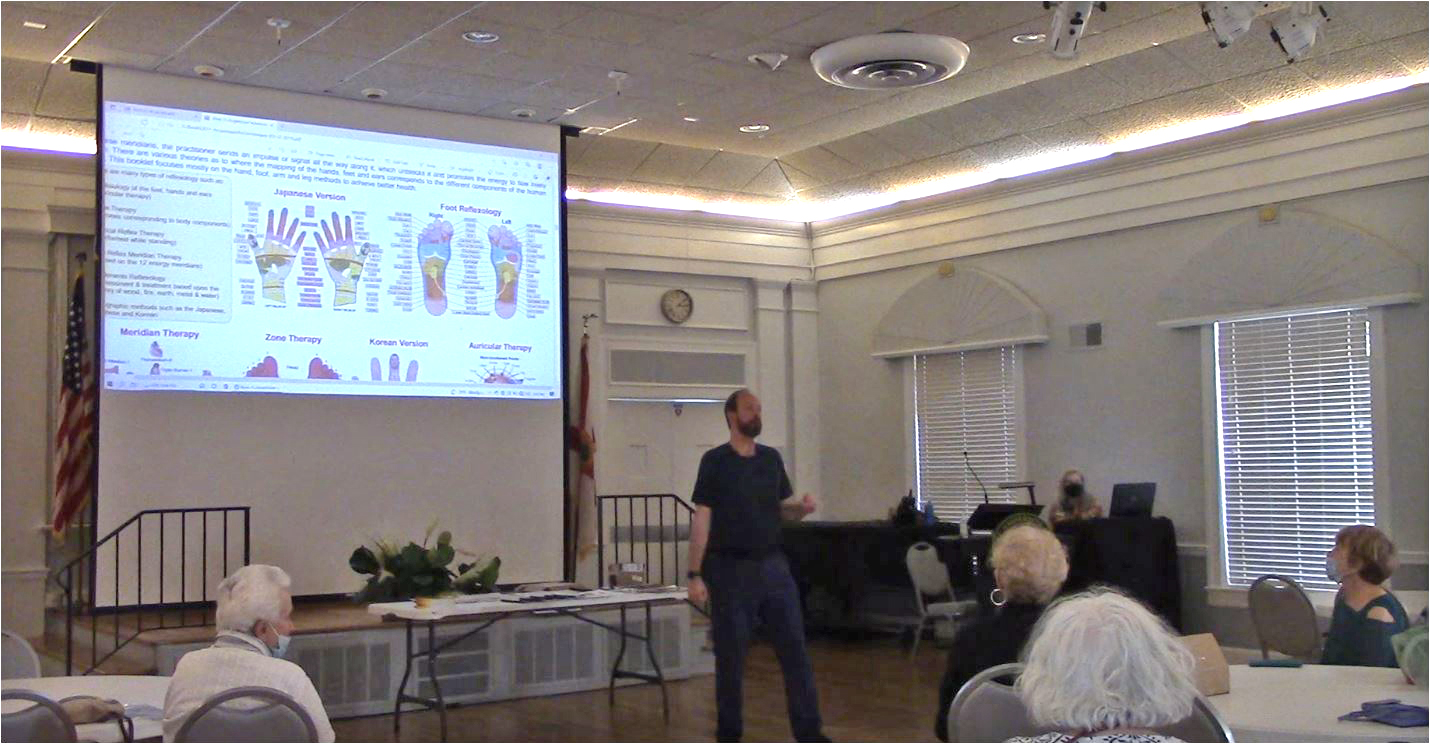
I write often about topics that affect our health and well-being. Additionally, I teach and offer lecture about qigong, tai chi, baguazhang, and yoga. I also have hundreds of FREE education video classes, lectures and seminars available on my YouTube channel at:
Our personal happiness has very much to do with having good health, adequate nutrition, positive social interactions, and other resources often not that of wealth, fame, or celebrity. Happiness comes from within an individual, as an inner state of awareness. We can cultivate our happiness. One way is to form a habit to practice deliberate mental exercises. Simple behavior tasks can take about 21 days of repletion to become a habit, whereas more complex or difficult behavior adjustments may take 66-88 days to master, depending upon the individual and their particular circumstances (Morris, 2022).
This first practice helps us to focus on what is most important in our life. Focus on your maximum net worth, what is most valuable to you – the people in your life, your health and well-being. When you are feeling depressed and your self-esteem is low, think of the people who care about you. This can help bring you back to place where your happiness comes from within and those around you. If you don’t have many or anyone in your life that you feel care about you, realize that you exist by means of something greater than you or anyone around or not around you. What do you think about upon waking up from your sleep? How long does it take for your mind to begin to wander after you wake up? How long do you allow your mind to wander before focusing in on what you need to do in order to get your day started. Now, try this exercise first thing when you wake up before even getting out of your bed. Think about five people in your life that you are grateful for. Lay with your eyes closed while performing this practice. Focus upon the first person in your life you want to be grateful for. Contemplate the various ways this person has impacted your life. Send your silent gratitude to this person. Then focus on a second person. Look deep into this person’s eyes and see the color of their irises. Then send this person your silent gratitude. Now focus upon a third person. Try to see your first memory of this person and then send your silent gratitude to them. Onto the fourth person and see this individual as being very content and joyful wherever that person is at right now. Send them your silent gratitude. Try to think back to a time when you were in grade school and try to see yourself as you were at that time. Draw from your memory of how you looked, the clothes you wore, the things that made you happy. Now send silent gratitude to your younger self. Finally, think about someone close to you who has passed away. See yourself embracing this individual and sending them your love. Send your silent gratitude to this individual. Open your eyes when you feel you are complete and satisfied. If you need a reminder to do this practice, take a Post-It note and write “gratitude” on it and place it to your bathroom mirror. Upon waking up, if you forget this exercise, you will eventually find yourself in the bathroom. See your Post-It reminder and go back to bed and start over. This is how you can make it a habit.
A second deliberate mental practice is to treat your loved ones as if you have not seen them for days. The saying of “familiarity breeds contempt” is directly relative to becoming so comfortable with one’s family, that they become bored and begin to look for faults and imperfections, in one another. For at least the first few minutes of encountering your loved ones, treat them with the same novelty that you would, if you were reunited a family member or friend that you have not seen in years – but do this on a daily basis. Become genuinely interested in what is of interest to them, while finding praise, rather than trying to judge or improve somebody’s shortcomings.
The third practice takes literally a few seconds. Look at the world in a way we want the world to look at us. When we meet a stranger, an acquaintance, a co-worker, a service provider, a doctor, a police officer, etc. and we look at one another, in an instant we choose whether to engage with them or not. Is this person trustworthy? Can I trust them with my safety, my health, my family, my house? We develop a judgmental awareness where we begin to make internal judgments about this person’s appearance and character. It takes a mere 30 milliseconds for us to decide if someone is trustworthy or not. 30 milliseconds, before we even begin to know who this person is. However, we all have so much in common in the way of having the same neural predispositions.
We all spend a lot of time with our minds wandering.
We all tend to focus on threats and imperfections.
We all carry negativity bias.
We all try to adapt to be positive.
When we see people and before our mind begins to judge others, try for the first few seconds, to embrace your heart with theirs and send them a silent “I wish you well.” “I wish hope upon you.” “I wish you healing and happiness.” This is how we can improve our world by silently wishing each other well. We don’t need to say it aloud but rather say internally as our private intention. What transpires is that our whole engagement with the world changes. Our threat perception goes down. Let’s not be naive and assume that everyone we encounter is free of executing violence and malfeasance towards others. Start in a time and location where it feels safe.
Once our attention is in our own control, we can take on the fourth practice where we re-frame life’s challenges into higher principles. The five principles of:
gratitude
compassion
acceptance
meaning
forgiveness
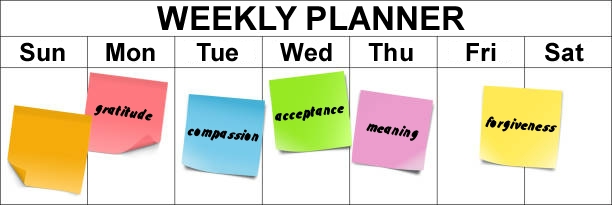
Take each day of the week and attach a theme to focus upon suing these principles.
Monday is the day for gratitude or what came before us and what will come after us.
Tuesday is the day for compassion and to be kind to others.
Wednesday is the day for acceptance. Will issues today really matter years from now?
Thursday is the day for seeking higher meaning and purpose.
Friday is the day for forgiveness; not necessarily to forget but to forgive and let go.
This is what we and our children need, to be grateful, to be compassionate, to be accepting, to live our life with meaning and have forgiveness, and by doing so we can create a better world for all of us and future generations.
I teach classes, seminars, and private instruction focusing on methods of wellness from Traditional Chinese Medicine, Tai Chi, Qigong, acupressure and exercises from martial arts for fitness and improved health. 407-234-0119.
If you follow the news these days, it seems like people are dropping dead left and right. Violence, shootings, suicides, drug overdoses, cardiac arrest and a host of other health-related issues have seemingly increased dramatically over the last few years. I encourage you to do your own diligent research, if these issues are of importance to you.
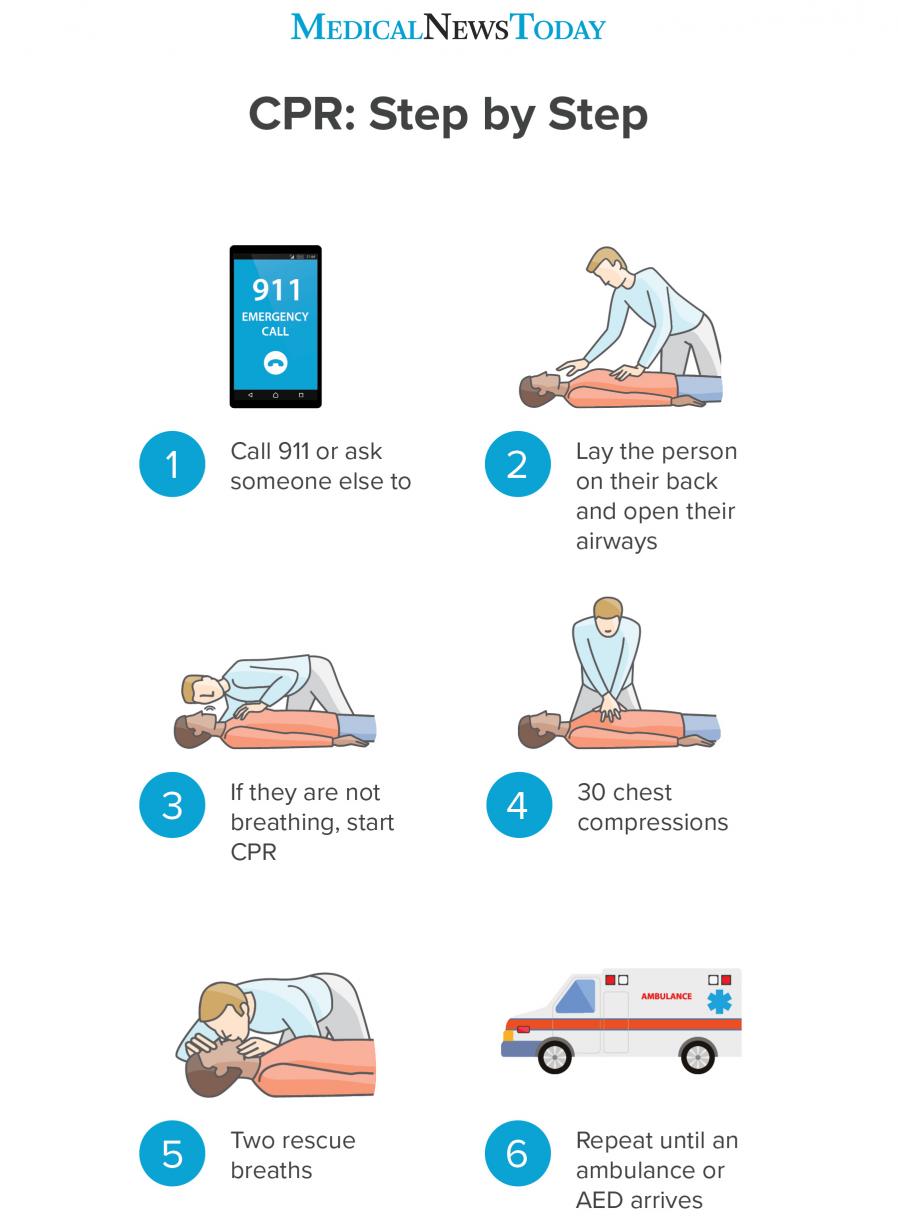
Do you know how to perform CPR?
Do you know how to perform the Heimlich Maneuver for a person who is choking?
Can you help someone who is bleeding profusely?
What do you do if someone is having a seizure?
Do you consider yourself to have the sufficient mental and physical fortitude to step up when the call comes?
Trauma, when experienced personally or through others in our presence, has the tendency to show us the true reality of our character. Will you be part of the bystander effect, where a group does nothing to help, or the Good Samaritan, where one reacts selflessly in the face of danger? As the saying goes, “when seconds matter, help is minutes away.
In our extremely polarized society of today, people are often shamed, shunned or ostracized for not caring enough about others’ health. But are any of us capable of preserving another’s life in their time of need? First responders? Hopefully. The average person, NO. Most people cannot even save themselves in a life-threatening situation, let alone another in drastic circumstances. If we choose to pontificate on how much we care about others, maybe we should actually learn how to save a life. More accurate would be to hopefully “preserve” or “prolong” a life, as we are mere humans and cannot save anyone or any living thing from their inevitable demise. We can only offer to do our best.
Far below is a graphic for understanding the basic steps of CPR. GO LEARN HOW TO DO IT!
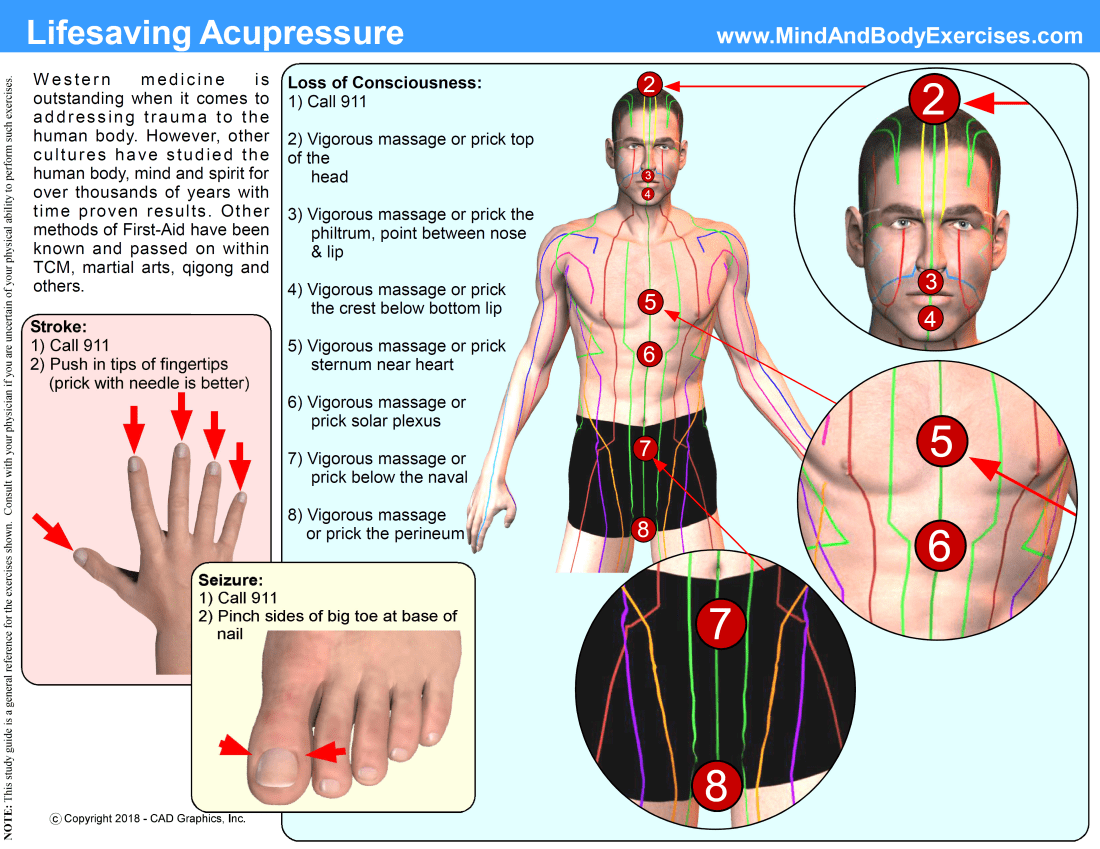
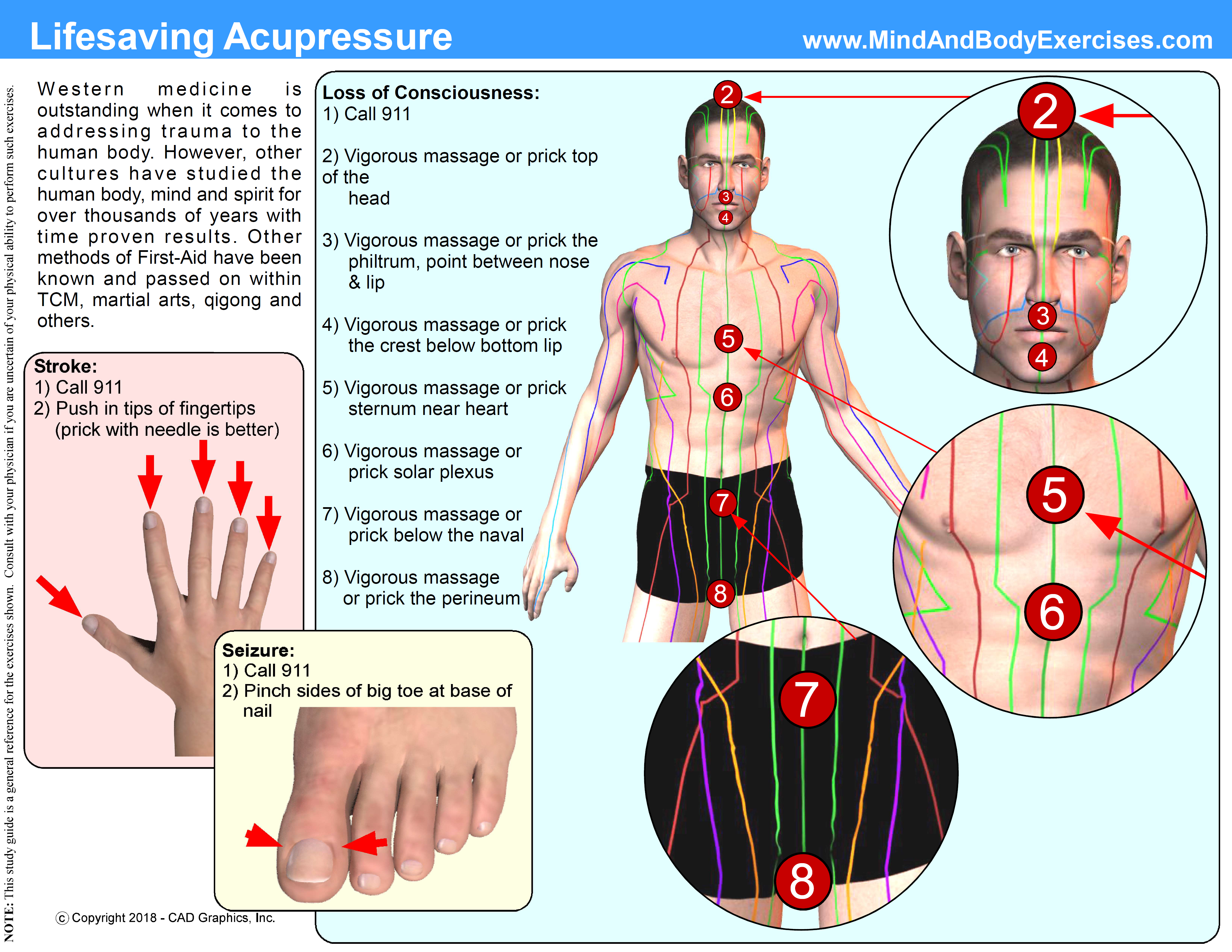
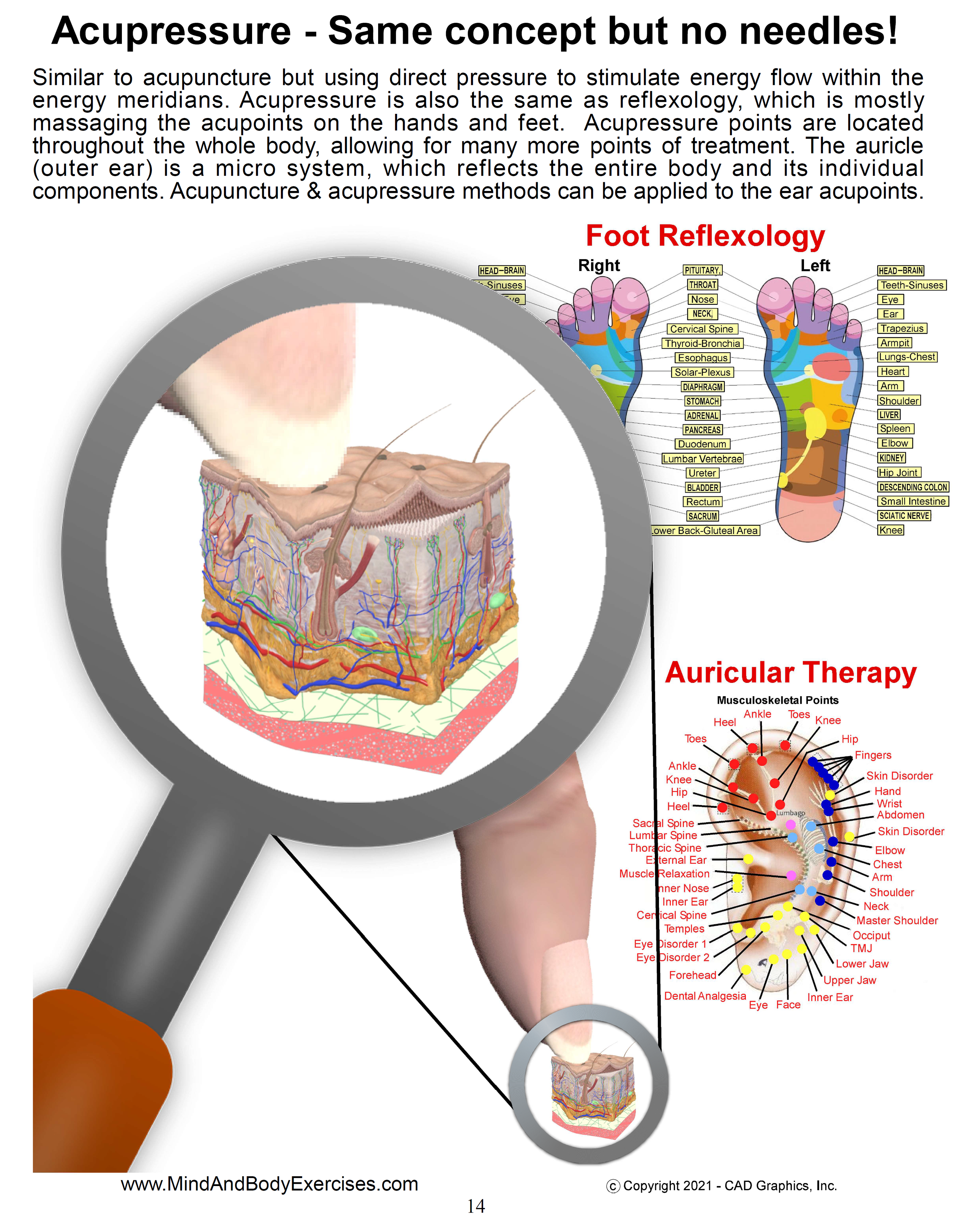
I am additionally offering here some priceless tools to help revive someone if they become unconscious. Acupressure (no needles) and its parent of acupuncture (needles) from Traditional Chinese medicine, has been around for a few thousand years. There are specific techniques that can be used to help resuscitate in addition to CPR training. If you are in need of more information or instruction beyond what is available here on applying these techniques, contact me or other qualified experts in this field.
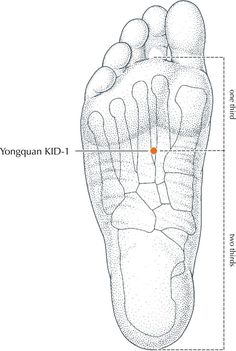
These are techniques that I was taught over 40 years ago from my martial arts masters and Traditional Chines Medicine teachers to help with stress, headaches and especially LOSS of CONSCIOUSNESS. If you are concerned about the legitimacy or efficacy of these types of techniques, I encourage you to do some of your own research as I have for many years. I have actually used these techniques to help revive others either from over-exertion, illness or trauma, more times than I can remember; maybe 50-100 times. Most often acupoints 1-10 work quite well for feinting and dizziness, and where 11-18 are used progressively for loss of consciousness, lack of breath and weak or nonexistent pulse. Striking of the perineum, also know as the huiyin point, conception vessel-1, or CV-1, is quite invasive and used only for the most dire of circumstances. Kidney-1 (KI-1) is just below the ball on the bottom of the foot, as is often used instead of CV-1.
It is no coincidence that most of these acupoints are the same ones used to strike and disable a physical attacker.
Copy, print, or share this image – it might come in handy!
Copy, print, or share this image – it might come in handy!
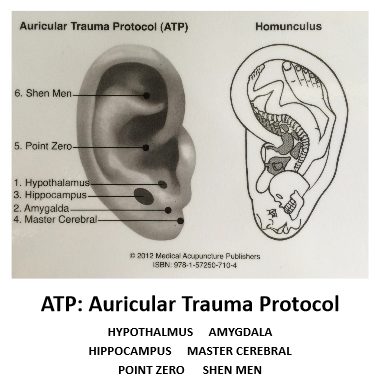
Auriculotherapy is another method of acupuncture and/or acupressure, where the qi or energy meridians are accessed from the inner and outer portions of the ear (auricle). Acupuncture needles are often used for treatments but there are also small seeds or steel pellets can be adhered to the skin to provide longer lasting stimulation usually lasting a few days. For some issues of pain, relief can be experienced within minutes from the start of the procedures. There are usually no complications nor side-effects while patients are subjected to very little or no discomfort.
I have had auricular therapy in the past from my TCM doctor at the time. I learned some of the techniques from her at the time and have since learned even more from other TCM doctors as well as qigong and martial arts masters, enabling me to provide my own successful treatments for backache, headaches, and seasonal allergies.
Almost 13 years ago the U.S. Air Force begin training physicians deployed in Iraq and Afghanistan on how to use these methods. These techniques are quite easy and quick for most people to learn. The doctors would apply small and fine needles to wounded service members and local patients for pain relief.
At the time, the term “battlefield acupuncture” was used, even though these techniques have been in use probably for hundreds of years and not necessarily to soldiers nor on the battlefield. This battlefield acupuncture was not purposely designed to replace conventional medical care for war-related injuries, but rather to help in pain relief and possibly eliminate the need for pain medications for acute and chronic pain.
Other TCM doctors are using auricular therapy for various issues or other benefits such as studies on the use of auriculotherapy with distance runners to increase performance.
I have found some information to be somewhat critical of auricular therapy (and TCM in general as well). Usually, it is the same issues with Western medicine having lack of scientific data or a desire not to deviate from the allopathic medical model. If these methods have existed in other cultures for hundreds, if not thousands of years, maybe there is something there to be studied further.
Traditional Chinese Medicine offers an amazing amount of knowledge, methods and alternative options to manage trauma, chronic pain and many other issues, beyond using surgery, opiates and anti-inflammatories.
I teach classes, seminars, and private instruction focusing on methods of wellness from Traditional Chinese Medicine, Tai Chi, Qigong, acupressure and exercises from martial arts for fitness and improved health. 407-234-0119.
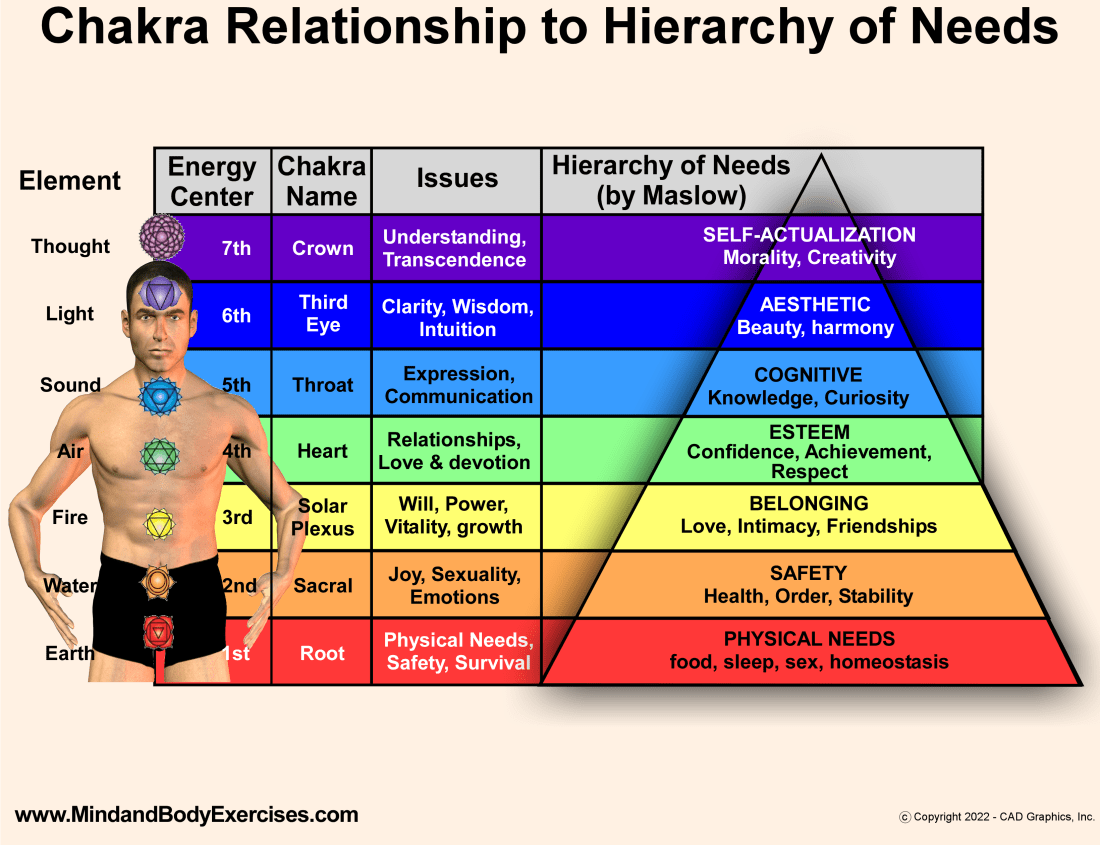
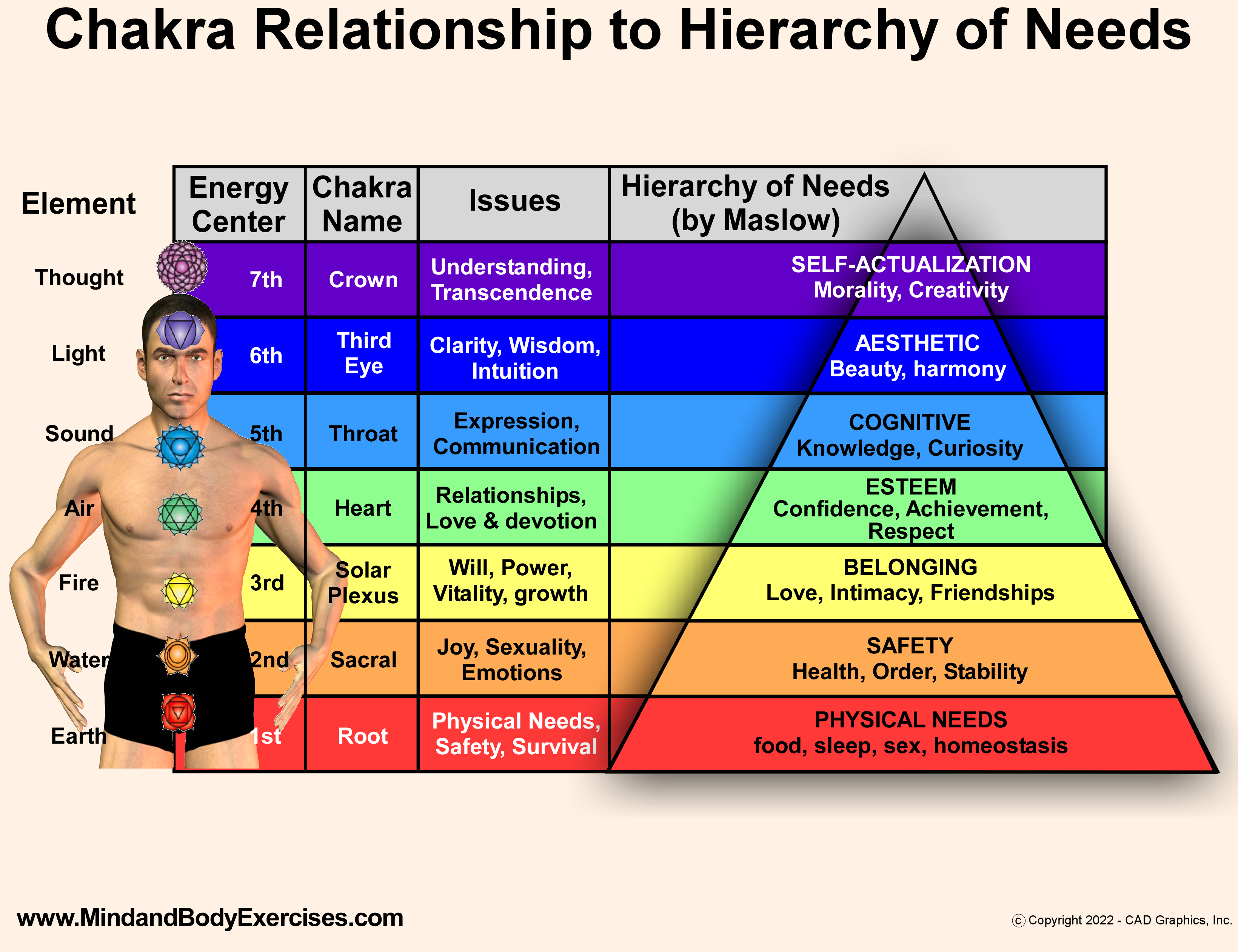
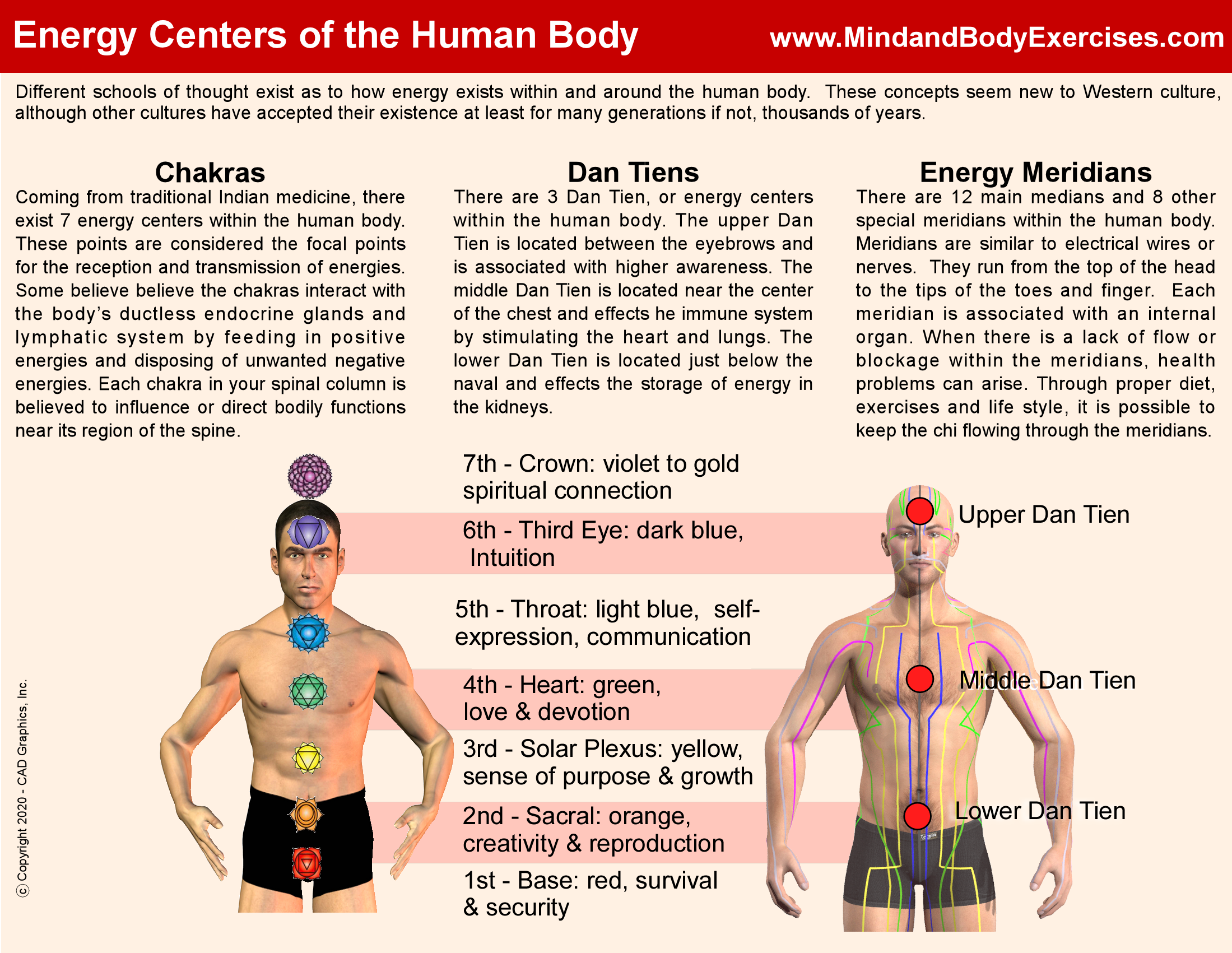
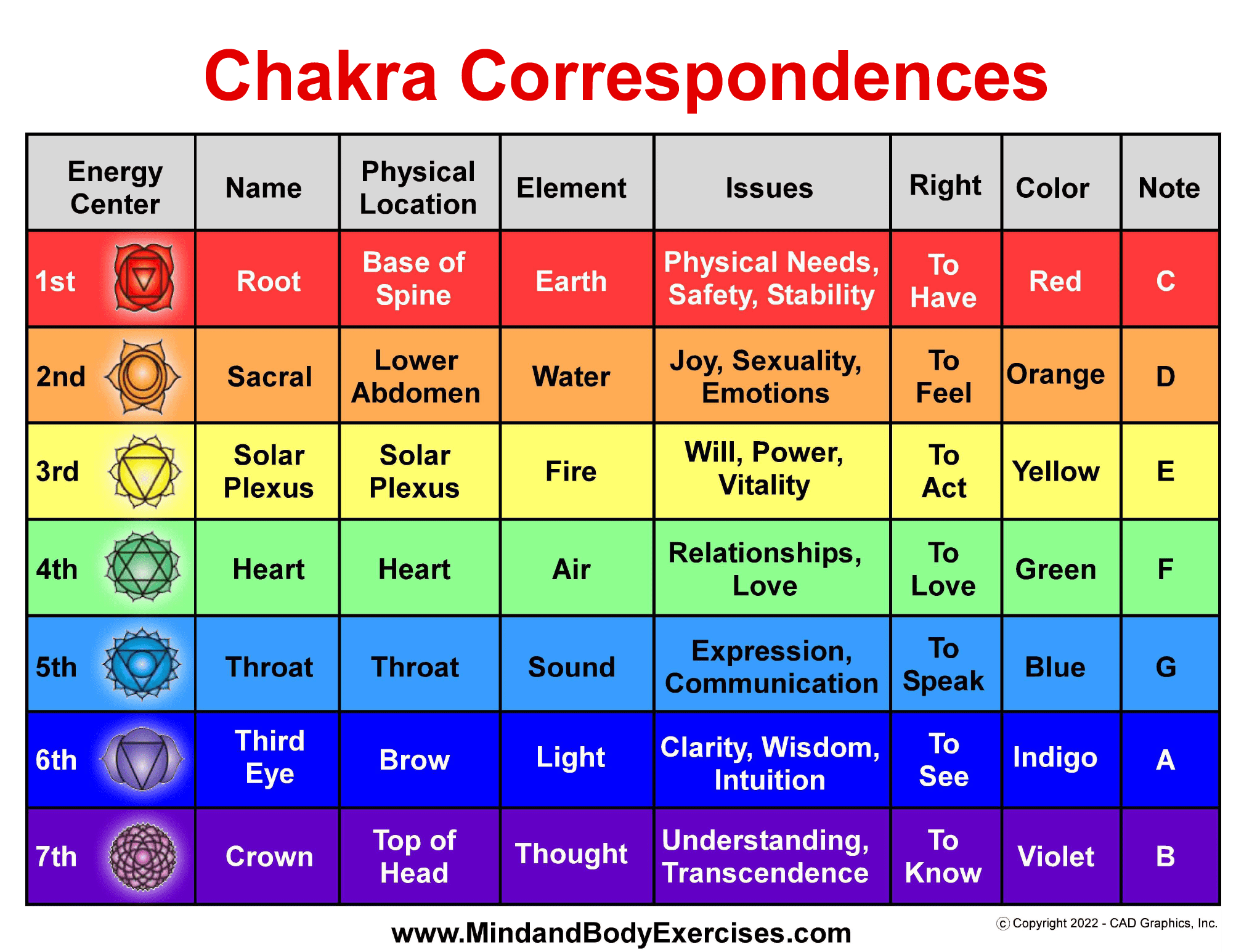
Various theories exist as to how energy and thought manifest in physical form within and around the human body. These concepts seem new to Western culture, although other cultures have accepted their existence at least for many generations if not, thousands of years. Some modern personality theories have a close relationship with ancient philosophies (some may call these religions) of Taoism, Buddhism and Hinduism that have existed and been studied for thousands of years. There seems to me to be quite some overlap and maybe even borrowing from the ancients. Abraham Maslow’s Hierarchy of Needs also reflects similarities to the 7 chakras found in Buddhism and Hinduism. The 7 chakras or energy centers are thought to hold mental as well as physical aspects of human development. For example, the 1st chakra is the root chakra, similar to Maslow’s basic needs of safety, survival, and primal instincts. The 7th chakra, also called the crown, corresponds to understanding, transcendence and enlightenment, similar to the where Maslow’s self-actualization where an individual struggles with morality and ethics. Again, these are familiar concepts and goals within other Eastern practices of philosophy and/or religion. Whether discussing chakras, dan tiens, energy meridians or the hierarchy of needs, all are intrinsically connect to our thoughts affecting our bodies, as well as our bodies affecting our thoughts.
Chakras
Coming from traditional Indian medicine, there exist 7 energy centers within the human body. These points are considered the focal points for the reception and transmission of energies. Some believe believe the chakras interact with the body’s ductless endocrine glands and lymphatic system by feeding in positive energies and disposing of unwanted negative energies. Each chakra in your spinal column is believed to influence or direct bodily functions near its region of the spine.
Dan Tiens
There are 3 Dan Tien, or energy centers within the human body. The upper Dan Tien is located between the eyebrows and is associated with higher awareness. The middle Dan Tien is located near the center of the chest and effects he immune system by stimulating the heart and lungs. The lower Dan Tien is located just below the naval and effects the storage of energy in the kidneys.
Energy Meridians
There are 12 main medians and 8 other special meridians within the human body. Meridians are similar to electrical wires or nerves. They run from the top of the head to the tips of the toes and finger. Each meridian is associated with an internal organ. When there is a lack of flow or blockage within the meridians, health problems can arise. Through proper diet, exercises and life style, it is possible to keep the chi flowing through the meridians.
_____________
Be more active, eat healthier, sleep better, stress less these are the key components to maintaining a strong immune system.
I am currently offering lectures and classes for group, small group & private instruction in Wekiva, Longwood and Winter Park.Mind and Body Exercises on Google: https://posts.gle/aD47Qo
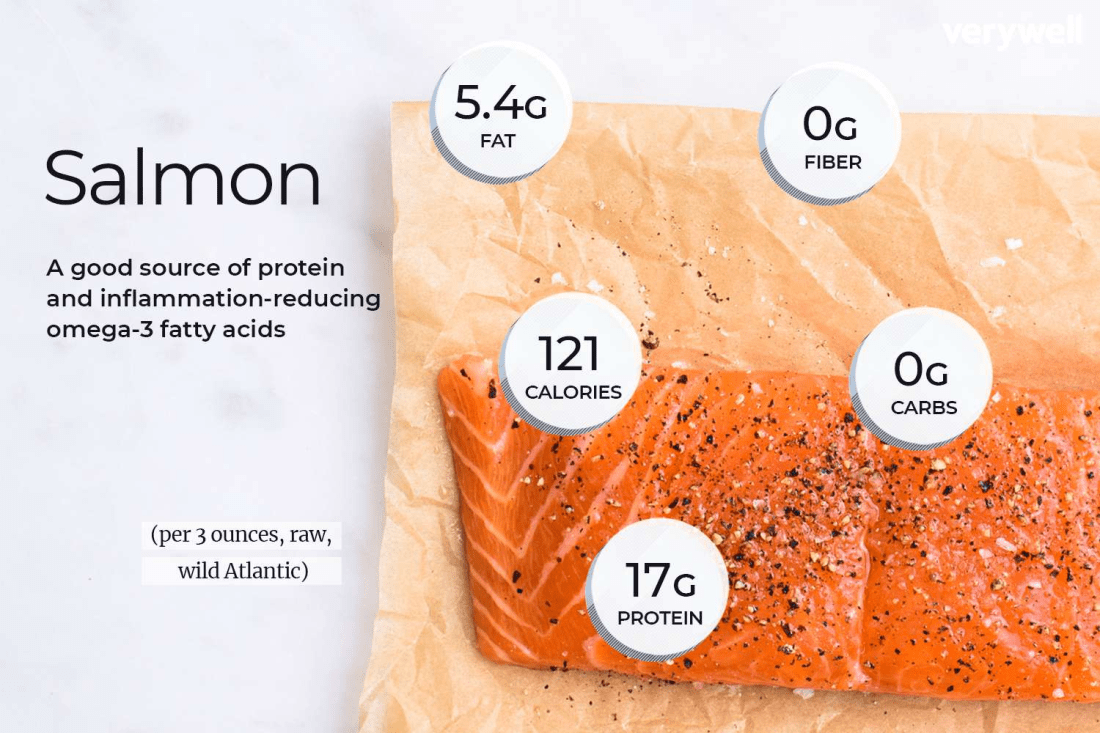
I try to pursue a healthy and nutritional diet, with salmon as a source of protein, fats and other vitamins. I do eat salmon 1-2 days per week. Choosing to purchase hormone-free, antibiotic-free salmon from either my local grocer (Publix) or Costco which both claim to sell these types of fish. I recently reviewed an article regarding salmon, that seems very relative to today’s current public debates over what is considered healthy or not. Or how, big corporations have become demonized (sometimes rightfully so) for promoting food or healthcare products with questionable health benefits. I have previously known about most of these issues that the article brought up, but thought it would be good information to share to a wider audience. We only have so many options for our food products, so we need to be even more diligent in reading labels and doing the research on foods in question.
The article I chose to review is entitled “Salmon – The way they live, the food they eat, and the effect on us” by Douglas Frantz and his wife Catherine Collins. Both authors seem to have strong journalism credentials where Frantz was a managing editor at the Los Angeles Times and where he shared a Pulitzer Prize as a foreign correspondent at the New York Times. Later he was chief investigator for the Senate Foreign Relations Committee and an assistant secretary of state in the Obama administration. Collins was a reporter and foreign correspondent for the Chicago Tribune and also a contributor to the New York Times and Los Angeles Times. She later became a private investigator where she specialized in international financial fraud. I could not find any personal reasons or information as to why these two chose to investigate the salmon industry.
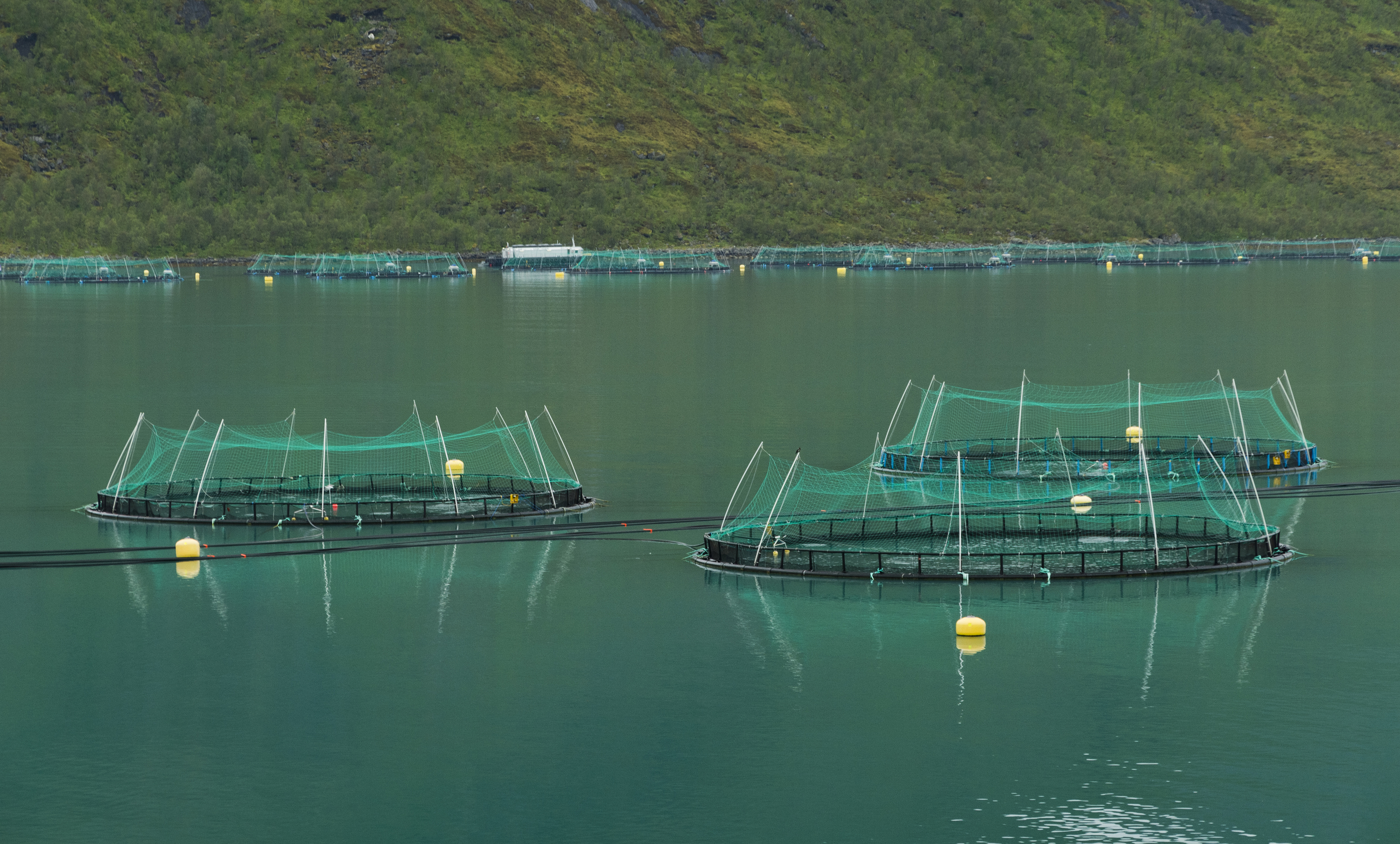
The article attempts to bring some light onto the discussion of how salmon consumption has been promoted by doctors and the U.S. Department of Agriculture (USDA) for its health benefits. The authors state that there often exists false marketing of salmon, as being a certified-natural product, organic, sustainable, and naturally raised. The USDA has no approve definition of what exactly is organic salmon. Sustainability comes into question when we learn that salmon are carnivores that feed on other fish. In order to farm salmon on a large commercial scale, salmon need their diet supplemented from other sources that require more acquisition of proteins from larvae, algae or bacteria. Natural is questionable as the ground fish feed used to sustain the salmon, contains chemicals and antibiotics. Salmon are farmed in crowded cages for years that have parasites within them.1
Salmon comes to the US mostly from far away. A whopping 90% of our salmon is farmed Atlantic salmon, raised then and then flown in from Chile, Canada, Norway, and Scotland. The remaining 10% is mostly wild-caught Pacific salmon commercially harvested from Alaska. Alaska is one of the few places that wild salmon are still fished commercially.1
I think that Frantz and Collins offered a fairly neutral stance as far as presenting the information. One can debate this as being more or less sensationalized depending upon your viewpoint on this particular issue. I did not get the feeling of sensationalism however it is quite sobering to hear that farmed salmon have their own health risks of disease, parasites, and predators. In 2020 the government of Norway reported that 52 million fish died before harvest and in 2019 the figure was 53 million. The government of Scotland reported the mortality rate for farmed salmon quadrupled between 2002 and 2019. And in 2019, Newfoundland had more salmon died in cages than were harvested.1
The authors do report that there are some positive tentative actions being done to hopefully move to change the salmon industry to being more reputable in regard to natural, organic, and sustainable. This would include a contest of some sort, by a collaboration of governments, academic researchers, nutritionists and the private sector, with the goal of enticing fish feed companies to develop alternatives to the existing feed products.1 This issue of how to feed the salmon that will eventually feed humans seems to be a major issue in regard to sustainability, and at what cost?
This article does give many insights at how far the salmon industry has veered off from years back where salmon were not farm raised with chemicals and antibiotics. Going back to the late 1700’s and the Industrial Revolution, the decline in salmon consumption was due to waste being dumped directly into rivers and streams. By the mid-1800’s, the salmon population was reduced further by commercial fishing. Additionally, construction of dams and mills destroyed fish habitats and blocked salmon rivers.1 The authors do not come off as experts in the field of nutrition but rather as experts in investigative reporting as noted in their background information.
There is is good and bad in everything (yin and yang) and it is our individual responsibility to research what food or healthcare products with questionable health benefits, we consume or use.











 United Martial Arts Association