Why I Share, What I Have Learned


A Method to Pursue Mind, Body & Spirit Harmony – The 8-Step Path
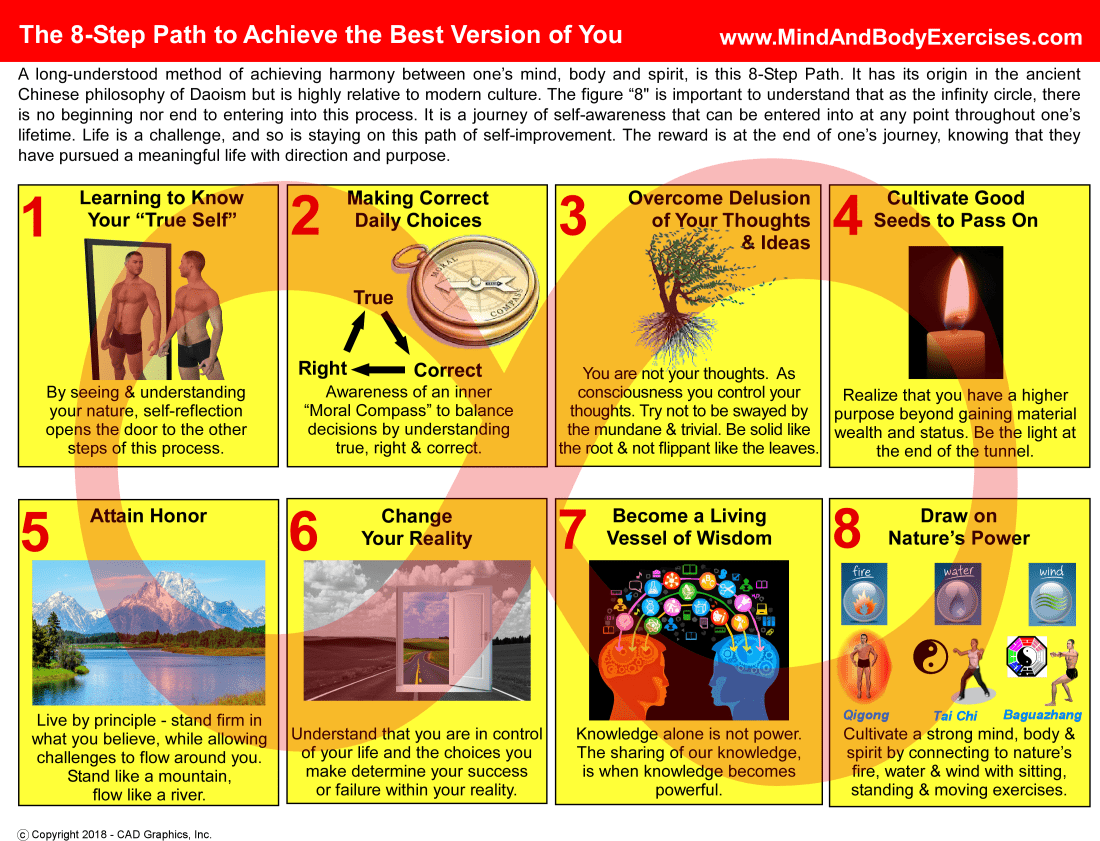
A long-understood method of achieving harmony between one’s mind, body and spirit, is this 8-Step Path. It has its origin in the ancient Chinese philosophy of Daoism but is highly relative to modern culture. The figure “8″ is important to understand that as the infinity circle, there is no beginning nor end to entering into this process. It is a journey of self-awareness that can be entered into at any point throughout one’s lifetime. Life is a challenge, and so is staying on this path of self-improvement. The reward is at the end of one’s journey, knowing that they have pursued a meaningful life with direction and purpose.
Spirituality and religion are often lumped together but have rather distinctly different meanings. So let’s look at spiritually more as a level of self-awareness, purpose and life direction and not necessarily a membership to any particular religion or belief system.
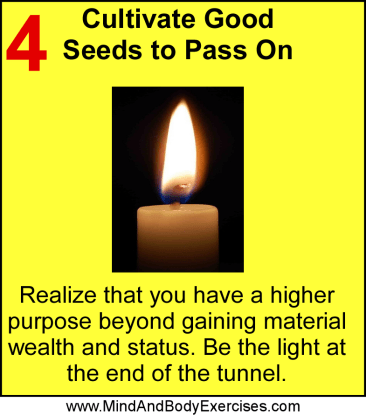
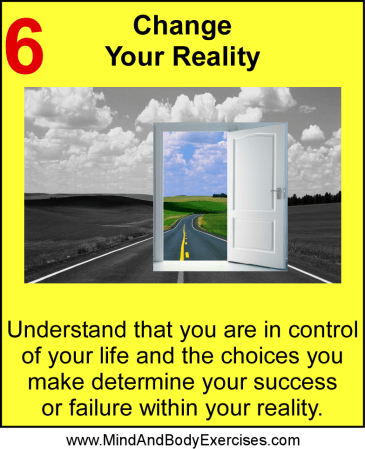
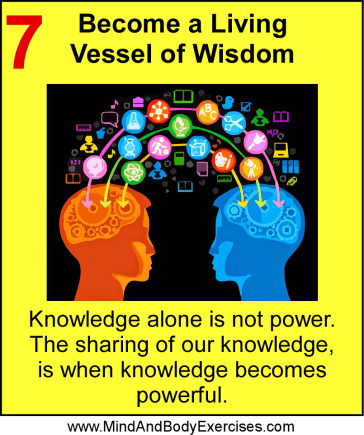
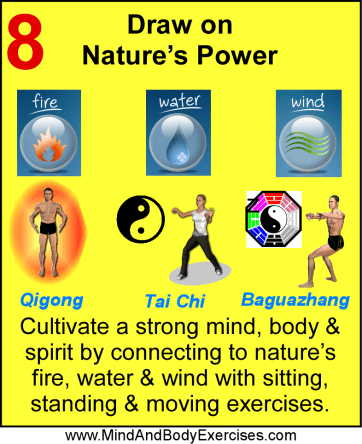
The graphic immediately below shows how the 8 are all interconnected. Below that are the brief descriptions of each of the 8 steps. This is by no means the only method to find this harmony of mind, body and spirit. It is a time-proven method that I have learned and have tried to cultivate for many years.


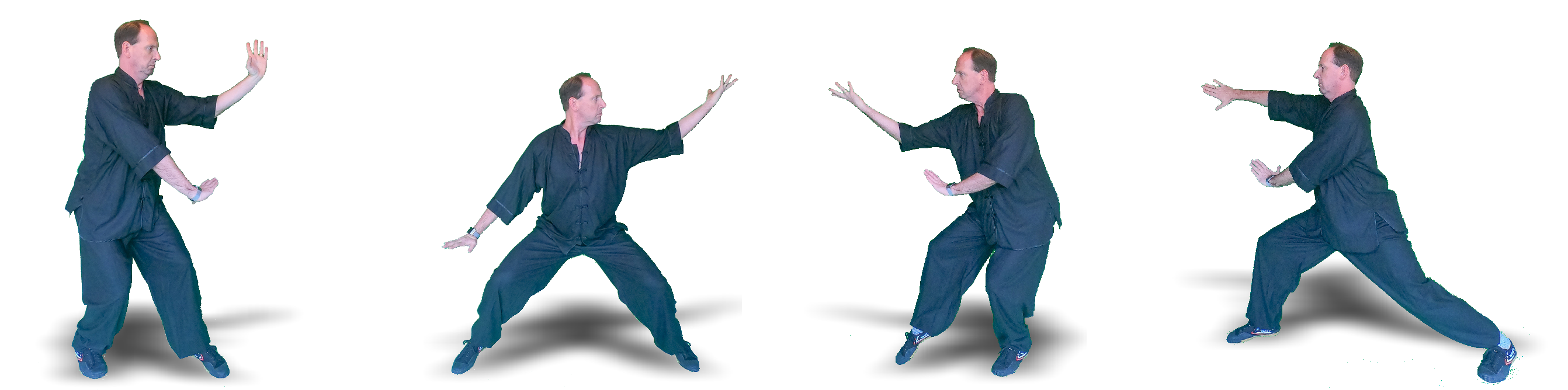
Qigong, tai chi, baguazhang, and yoga are not the only methods that can be used within this formula but have proven the test of time as methods to cultivate harmony of the mind, body and spirit. These exercise practices offer a wide spectrum of physical wellness benefits, stress relief as well as means of self-awareness. Not all teachers nor students practice these for the same goals.
_______________
For more info, contact Jim Moltzan at info@mindandbodyexercises.com, 407-234-0119 or through my site at http://www.mindandbodyexercises.com


Jim Moltzan started his martial arts training at the age of 16, starting with Korean martial arts and evolving into BaguaZhang, Tai Chi, and Qigong. Jim has been training, studying and teaching for almost 40 years effectively educating hundreds of students.
Master Instructor Jim Moltzan has trained with a diverse group of masters and high-level martial arts teachers of many different disciplines. Jim’s specialty is teaching exercises to improve chronic conditions, working with people of all ages, especially senior adults. Offering guidance and instruction, Jim has also worked with Parkinson Disease patients through Florida Hospital. Jim gives regular lectures as requested by AdventHealth (Florida Hospital) regarding the benefits of Eastern practices.
He is the author and graphic artist of numerous journals, graphic charts and study guides relative to the mind and body connection and how it relates to martial arts, fitness and self-improvement.
Jim continues his training and teaching in the Orlando, Florida area conducting classes, seminars and lectures as his schedule allows. He balances his teachings and businesses with his own personal cultivation and time spent with his wife and two college-age kids.
Relieving Chronic Lower Back Pain
Most people in the United States will experience back pain at some time in their lives. Some find relief through options like rest, medications, exercise, stretching, chiropractic, acupuncture, physical therapy and sometimes surgery. Most pain goes away within a few days or weeks only to return at a later date. In many cases, the root cause of back pain is tight hamstring muscles. Excessive sitting or standing can tighten these muscles, as well as lack of proper stretching on a regular basis. Other root causes of back pain are many ranging from poor posture, heavy lifting, sports injuries, career, lack of exercise, congenital and others. Unless the root cause is found and addressed, most treatments only offer temporary relief.

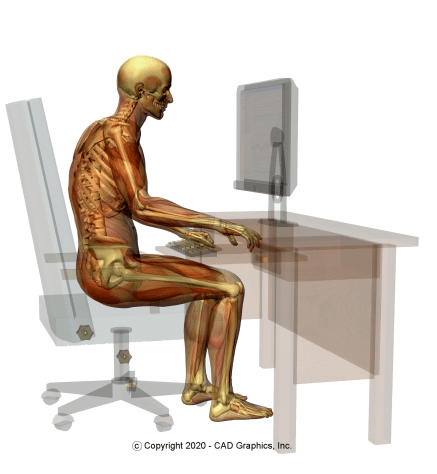
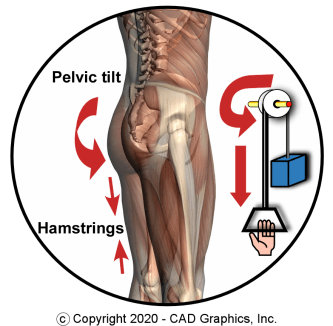
Poor posture, combined with long hours sitting stagnant in a chair cause muscles within the legs to shorten and tighten over time. These muscles, specifically the hamstrings, cause the pelvis to tilt the tailbone forward.

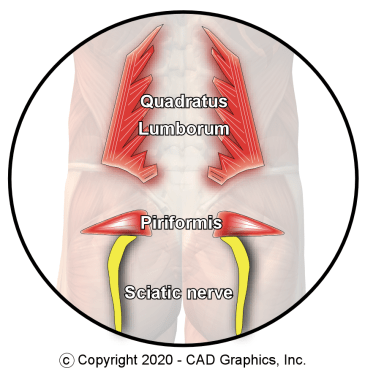
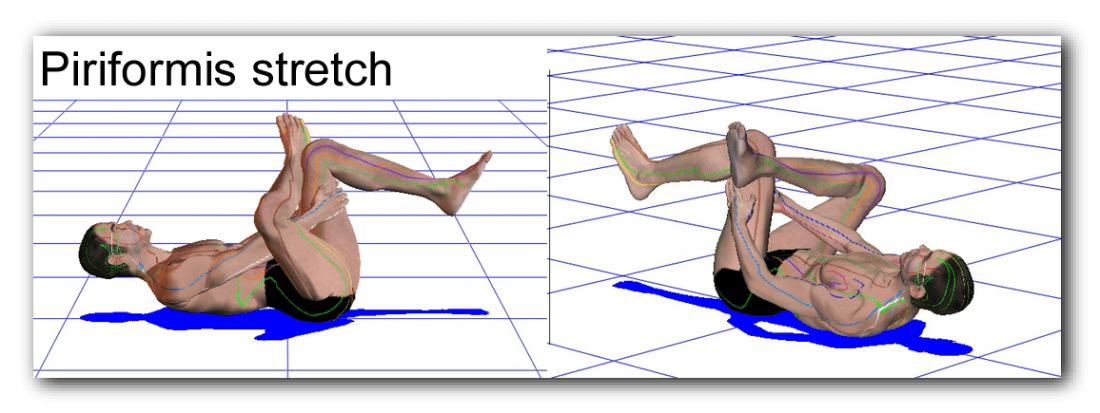
Pelvic tilt also puts strain on the lower back muscles such as the quadratus lumborum. Spasms can occur as the muscles tighten even more to protect the spine from excessive movement. The piriformis muscle attaches the head of the femur to the base of the pelvis. The piriformis can become irritated or tense causing pain to the nearby sciatic nerve. Sciatica can cause pain and numbness down the back of the legs to the heels and toes.

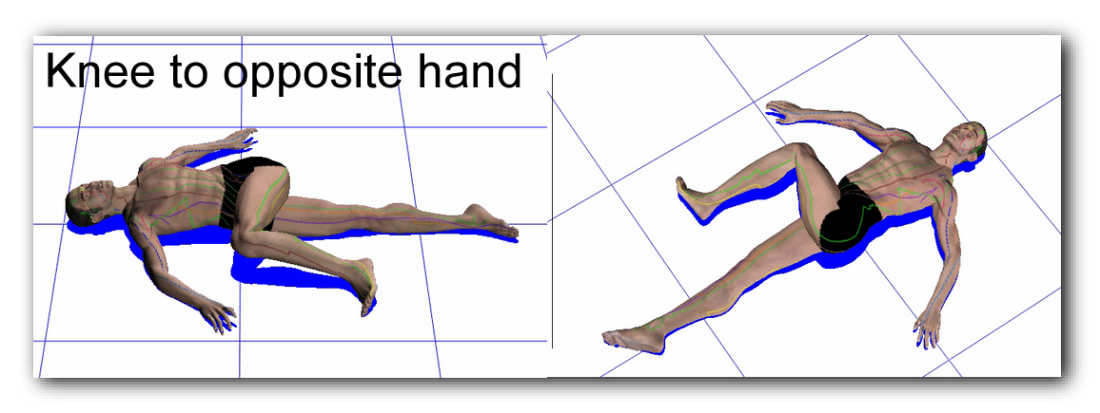
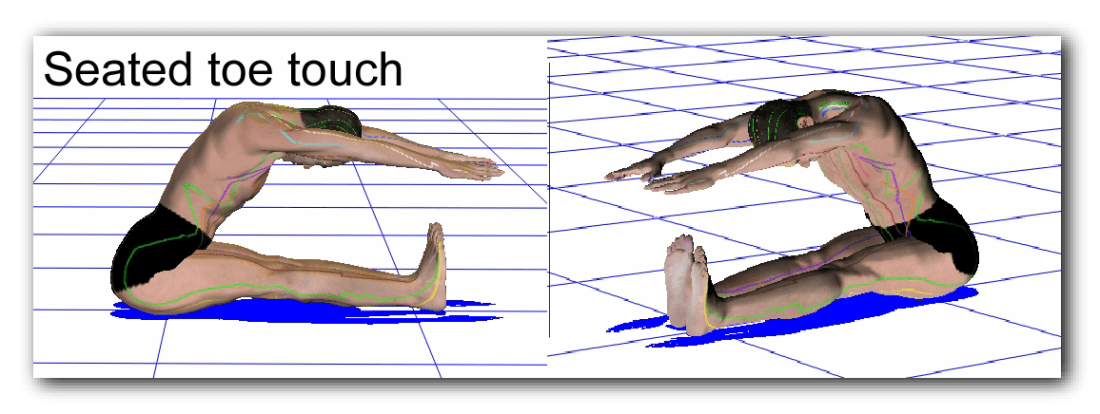
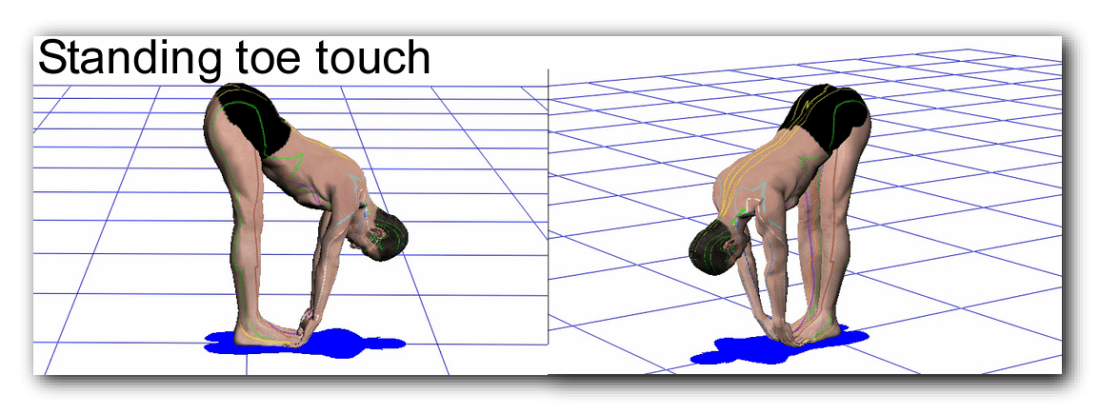
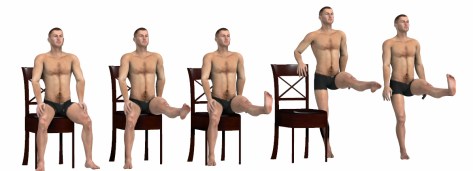
The below set of exercises develop strength and flexibility which can improve posture. Good health of the lower back starts with good posture. Strength in the back, hips and abdomen provide a strong cage that houses the internal organs. Flexibility in these areas helps to maintain good blood circulation to the organs and lower body. Lengthening of the spine while exercising reduces stress and tension on the nervous system. Relax the body into the positions in spite of any tension in the muscles. Deep and relaxed breathing is essential while performing these exercises.
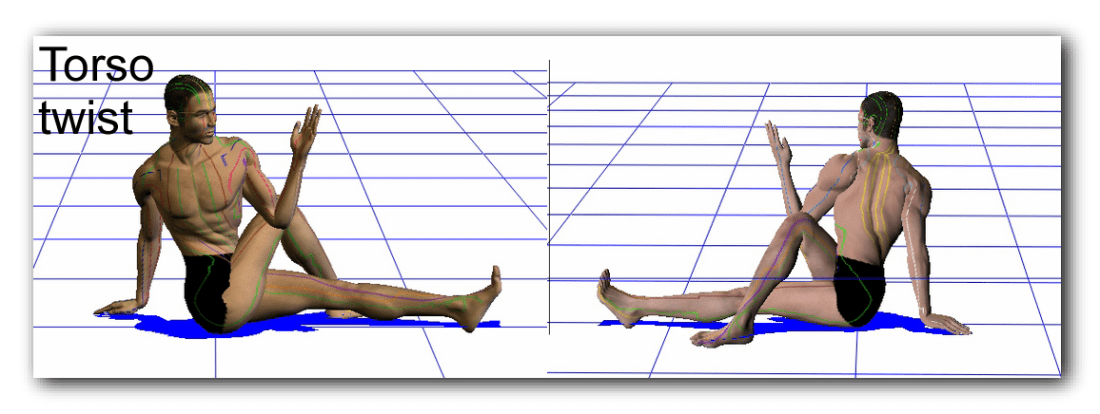
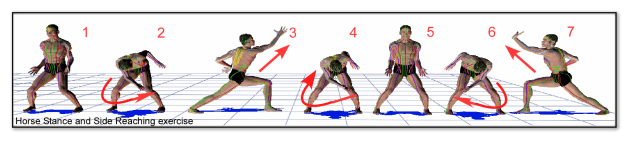
Try to match your body position similar to those as shown below. Don’t be discouraged by not being able to achieve these stretches but rather do what your body is capable of. Stretches can be performed on the floor, on a mattress or even in a swimming pool or hot tub. Try for a few seconds in each position for a total of a few minutes. As your flexibility increases in the hamstrings, less tension will be placed on the lower back muscles. Try to do some of the exercises everyday for at least a few days in a row. As the pain is relieved, try to add more time for each exercise working up to a total of a half-hour or full hour. As less pain is present, try to maintain a regular schedule of performing these exercises to keep the problem from reoccurring. All stretches should be performed on both sides.


_______________
For more info, contact Jim Moltzan at info@mindandbodyexercises.com, 407-234-0119 or through my site at http://www.mindandbodyexercises.com


Jim Moltzan started his martial arts training at the age of 16, starting with Korean martial arts and evolving into BaguaZhang, Tai Chi, and Qigong. Jim has been training, studying and teaching for almost 40 years effectively educating hundreds of students.
Master Instructor Jim Moltzan has trained with a diverse group of masters and high-level martial arts teachers of many different disciplines. Jim’s specialty is teaching exercises to improve chronic conditions, working with people of all ages, especially senior adults. Offering guidance and instruction, Jim has also worked with Parkinson Disease patients through Florida Hospital. Jim gives regular lectures as requested by AdventHealth (Florida Hospital) regarding the benefits of Eastern practices.
He is the author and graphic artist of numerous journals, graphic charts and study guides relative to the mind and body connection and how it relates to martial arts, fitness and self-improvement.
Jim continues his training and teaching in the Orlando, Florida area conducting classes, seminars and lectures as his schedule allows. He balances his teachings and businesses with his own personal cultivation and time spent with his wife and two college-age kids.
Knee Pain (or whatever pain you are dealing with) – What’s Your Plan?
Depending upon your issues, maybe yes to all of the above. Without knowing how serious your injury is, it can be difficult to plot a course to relieve the pain and gain back confidence in your activities. You need to do the homework and research to become educated as to what injuries are typical and what the options are to move forward.

I am not a doctor nor claim to be. However, I have a different health, fitness and well-being background spanning almost 40 years. Starting martial training at the age of 16, I have continued training, studying and teaching ever since. Traditional Chinese medicine and qigong can also be studied within some martial arts lineages, which I have pursued greatly. Martial arts is deeply connected to fitness and health, aside from the obvious self-defense benefits. My fellow students and I were taught that it was easier but not ethical to injure someone unless justified. More honorable was to heal injuries or train and teach to not become injured.

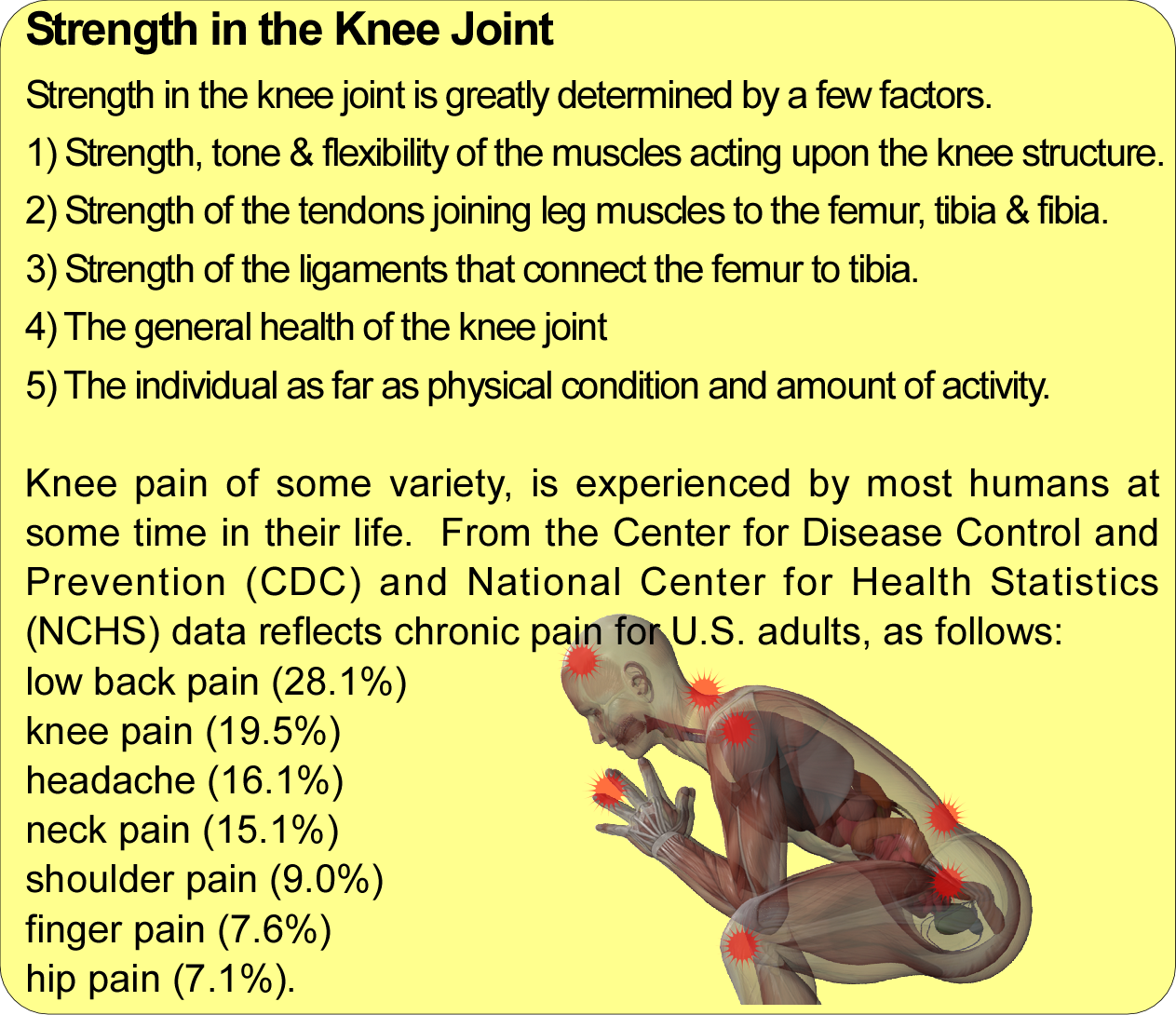
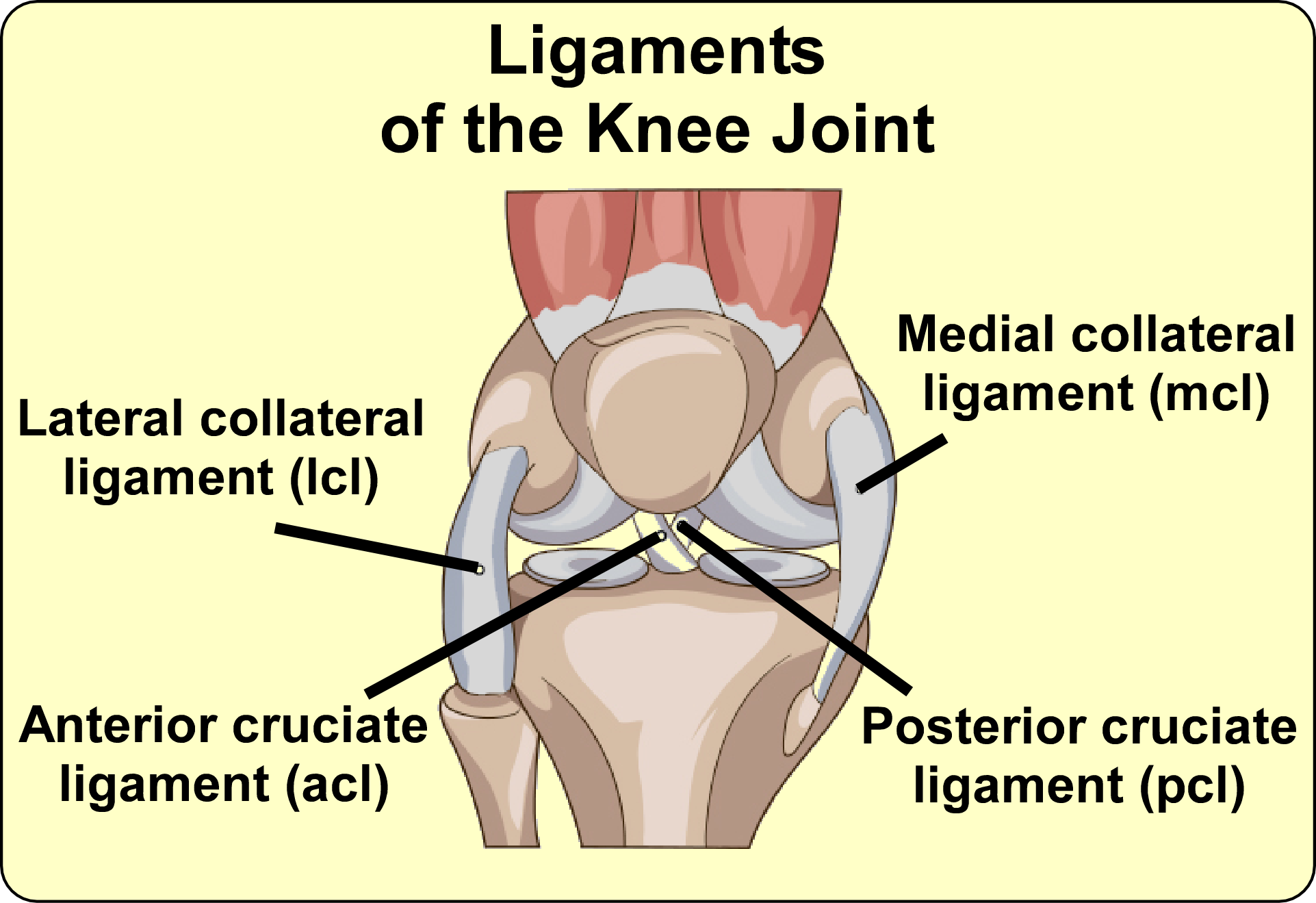
A knee injury when I was 21 woke me up to what the term “torn ACL” meant. So I tore my anterior cruciate ligament (ACL) and learned quickly how painful this type of injury could be. I decided not to go to a doctor but rather go the the “ice, rest and then exercise” route. Using martial arts exercises and qigong (deep breathing exercises as well as yoga-type postures) I was able to rehabilitate my injured knee to 100%. It took about 4-6 months of diligent daily training. Pretty much three exercises, performed 500 repetitions, twice daily. Also, holding a few stationary yoga-type stances for 5 minutes at a time. This is known as medical qigong or qigong therapy. These methods have been used for thousands of years for various injuries and ailments. Anyone can learn and exercise like this, but not everyone cares to put in the work or can make the time to exercise. Surgery is out-patient and physical therapy afterward is about 8-12 weeks. Many choose this route over the time and effort to do the disciplined exercises. Regardless, the individual will end up doing exercises anyway, if they want to resume pre-injury activities.
I have seen and worked with probably hundreds of students over the years that have improved the health of their knees (and other issues) through these specific exercises.

It was not until years later, that I re-injured the knee and decided to get an MRI just to know what was really injured and how badly. It was with this visit to an orthopedic surgeon that I learned that I had torn my ACL some 25 years earlier. He suggested that whatever I had been doing to strengthen and rehab my knee joint, I should continue because it had given me the much needed muscular stability in the lateral side to side movements. This surgeon also advised me against surgery that might or might not give me better knee stability at the risk of aggravating other issues performing the surgery. If it is not broken, don’t fix it – made perfect sense to me.

In 2002 there was a study by J. Bruce Moseley of the Houston Veterans Affairs Medical Center and his colleagues. They randomly placed 180 osteoarthritis patients into three treatment groups: debridement, lavage, or sham surgery, in which a surgeon would make incisions to the knee, but not cut or remove any cartilage. The patients nor their health care providers knew which group the researchers had placed them in. For two years the patients continued to evaluated their knee pain, while the doctors examined their regular walking and stair-climbing abilities. The results showed that at every point in the investigation, all three groups reported an equal degree of reduction in pain and increase in activity level. Mr. Moseley and his collaborators concluded that the placebo effect can account for the observed improvements; the surgeries did not appear to have any significant effect on the actual physiology of the knee ailment.
The point of this article is not to dissuade anyone from gaining medical treatment. But rather to encourage the acquiring of information and learning what ones options are before committing to a surgical procedure that may or might not improve your current situation. There is always a risk of having a worse set of circumstances after the procedure. There is not much lost nor risk of trying non-impact exercises, other than ones time and effort. If the exercises don’t produce the desired results of pain reduction and knee stability, one can always elect to have the surgical procedure afterwards, which will undoubtedly require pain meds, physically therapy and exercises after surgery anyway. Pay now or pay later – another term often used in the healthcare industry.
_______________
For more info, contact Jim Moltzan at info@mindandbodyexercises.com, 407-234-0119 or through my site at http://www.mindandbodyexercises.com


Jim Moltzan started his martial arts training at the age of 16, starting with Korean martial arts and evolving into BaguaZhang, Tai Chi, and Qigong. Jim has been training, studying and teaching for almost 40 years effectively educating hundreds of students.
Master Instructor Jim Moltzan has trained with a diverse group of masters and high-level martial arts teachers of many different disciplines. Jim’s specialty is teaching exercises to improve chronic conditions, working with people of all ages, especially senior adults. Offering guidance and instruction, Jim has also worked with Parkinson Disease patients through Florida Hospital. Jim gives regular lectures as requested by AdventHealth (Florida Hospital) regarding the benefits of Eastern practices.
He is the author and graphic artist of numerous journals, graphic charts and study guides relative to the mind and body connection and how it relates to martial arts, fitness and self-improvement.
Jim continues his training and teaching in the Orlando, Florida area conducting classes, seminars and lectures as his schedule allows. He balances his teachings and businesses with his own personal cultivation and time spent with his wife and two college-age kids.
The Modern Dilution of the Mind, Body & Spirit Connection
Mind
Body
Spirit
Often times we hear of the mind, body and spirit harmony expressed in the news, at the health club, yoga studio, coffee shops or places of worship. Spirituality and religion are often lumped together but have rather distinctly different meanings. So let’s look at spiritually more as a level of self-awareness, purpose and life direction and not necessarily a membership to any particular religion or belief system.
Who doesn’t desire a strong, sharp and intelligent mind?
A healthy, strong and disease-free body to last us into our latter years of life, would also be nice.
A strong connection to a higher power gives us direction, a hope for something greater than ourselves and for some a sense of purpose.
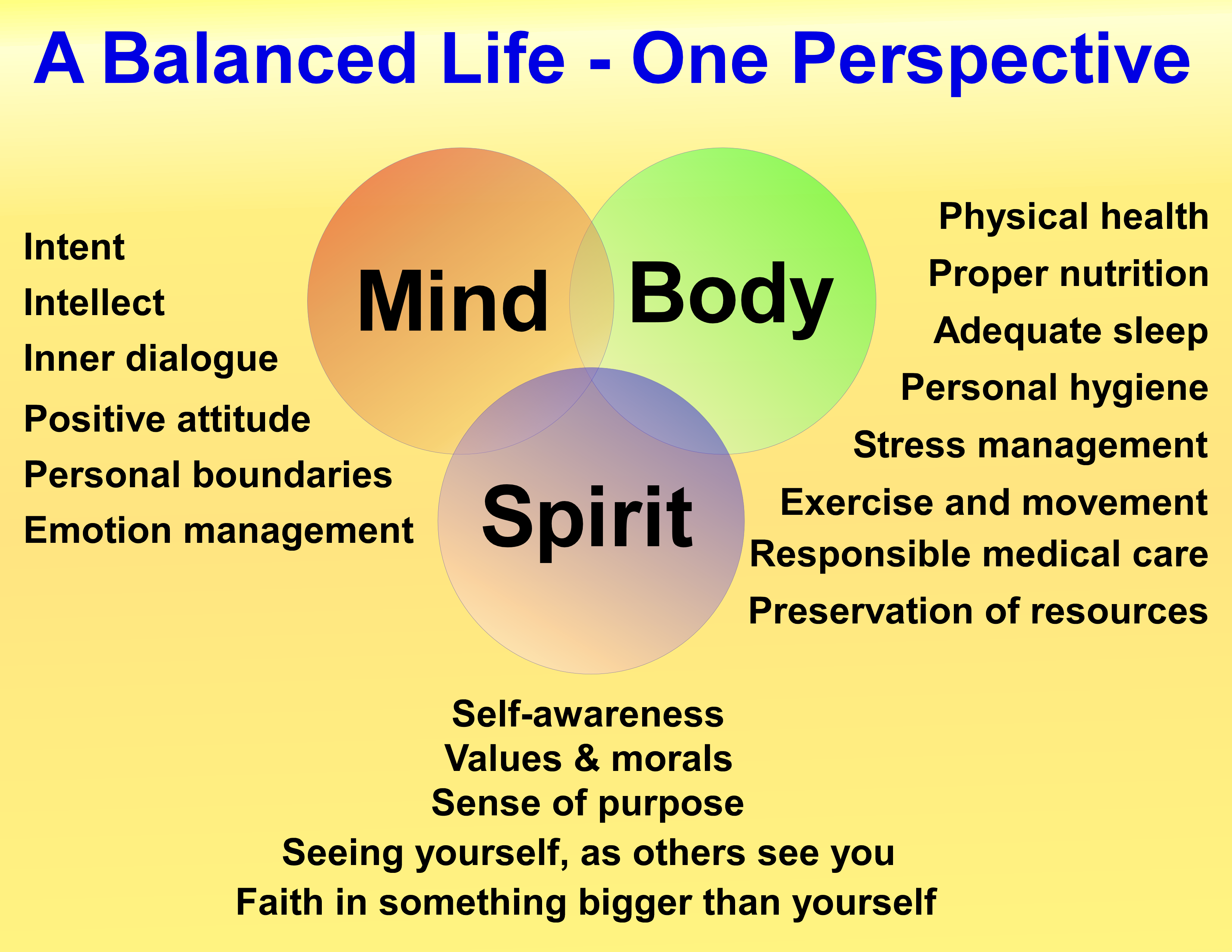
A harmony between the mind, body and spirit would wrap it all in a nice package, right? But how does this come about other than merely saying that this is what I am pursuing? I work out daily, go to church regularly, eat healthy foods, read books and magazines, stay informed – I have the mind, body and mind connection down pat, right? I guess it depends on what my goals and expectations are relative to achieving this harmony.
_______________
To pursue a strong, disciplined and intelligent mind, I think one needs to become and stay educated. Whether from schooling, reading, employment, life experiences, etc. you need to keep learning as long as you are able to. Once you think you know all of any particular subject matter, you limit yourself to learning something new or experiencing a different perspective of whatever knowledge you may already understand.
To achieve a healthy and disease-free body, usually requires some amount of physical effort or restraint from activities that tear the body down or put oneself in bodily harm or injury. Very few people make it past the middle ages of 33-58, free of injury or disease if they are not aware of what they eat, how they move their body (whether for career, fitness or lifestyle) and what they focus their thoughts upon. Thoughts being positive, happy, optimistic or more negative, depressed, counterproductive.
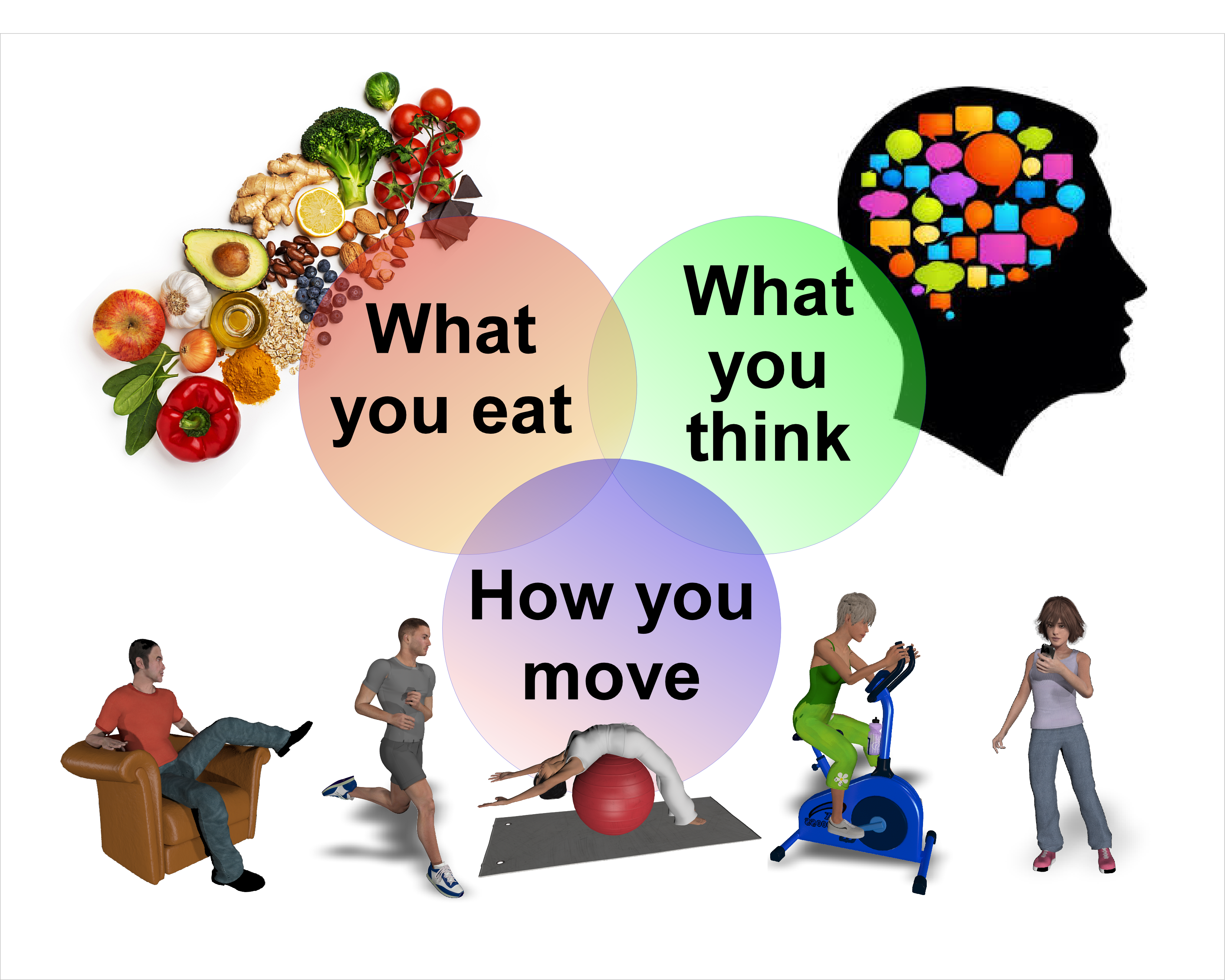
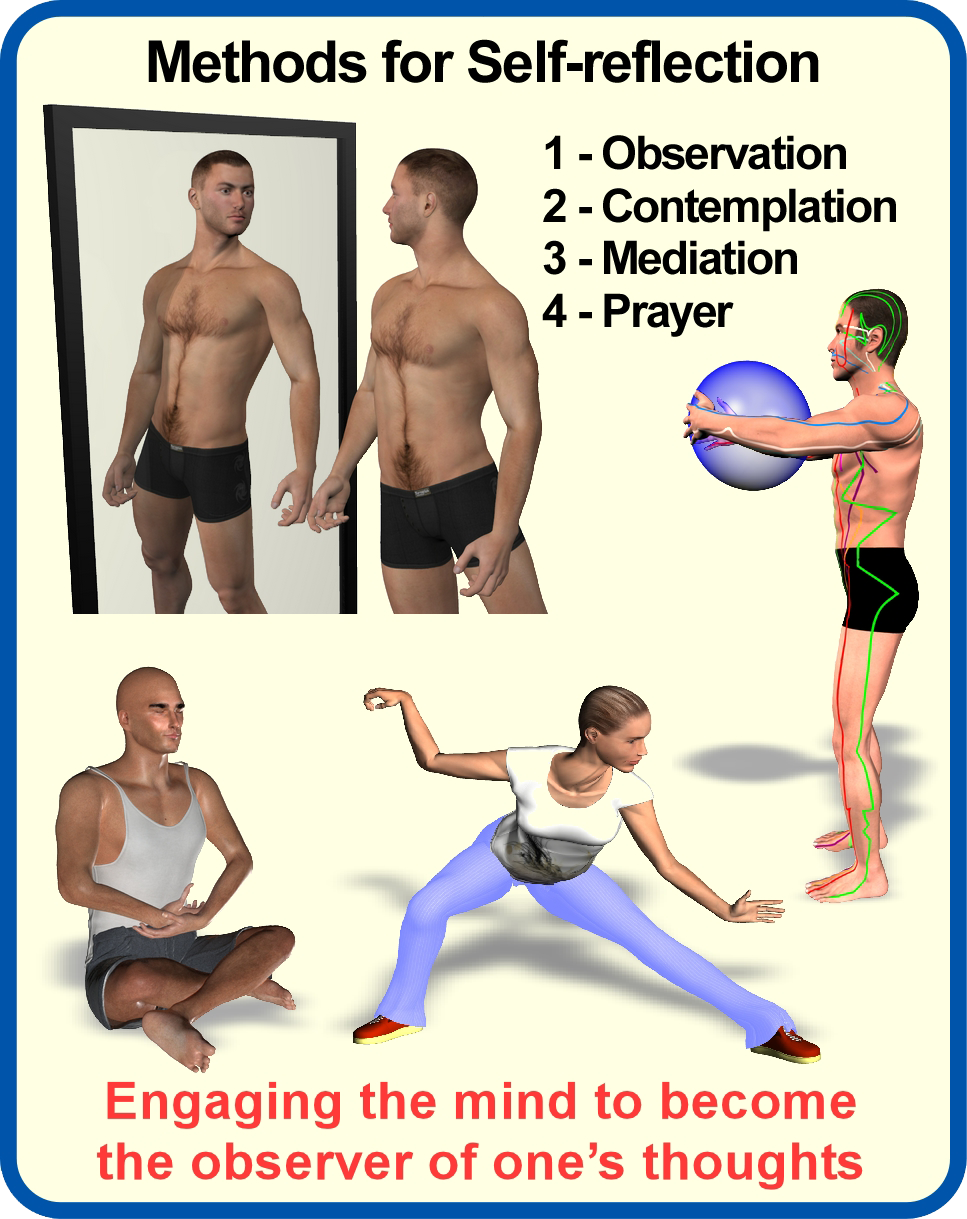
Acquiring a strong spirit doesn’t necessarily require attending religious institutions or services, but for many provides the direction or path to do so. Others go direct to the source, but I feel to each their own as long as it doesn’t infringe upon others living their lives and enjoying their freedoms to do so. I do however think that some method of self-reflection needs to be cultivated in order to see oneself as others see them. With this awareness, one can pursue the best version of their self, as a daily practice and not an occasional event.
_______________
There are many methods and formulas to achieve the mind, body and spirit connection I am writing about. In this article forward, I am referring more towards yoga, tai chi, qigong and martial arts practices. These I am most familiar with from my studying, practicing and teaching of for almost 40 years.
I feel that much of the yoga, qigong, tai chi and martial arts, being currently taught in the United States to the general public through health clubs, wellness centers, community rec centers, etc. is a watered-down version of these practices focusing merely on fitness and sometimes some other health aspects such as flexibility and stress relief. Many wellness centers try to fill up their calendars to offer the “one stop shop” featuring every version of fitness available. Spin classes, water aerobics, personal training, meditation, jazzercise, and the alternatives like yoga and tai chi – you name it, they will provide it. Often times the instructors are exercise instructors or ones having picked up a weekend course on a particular subject, who are now “qualified” to teach the methods without much real diligent practical experience themselves.
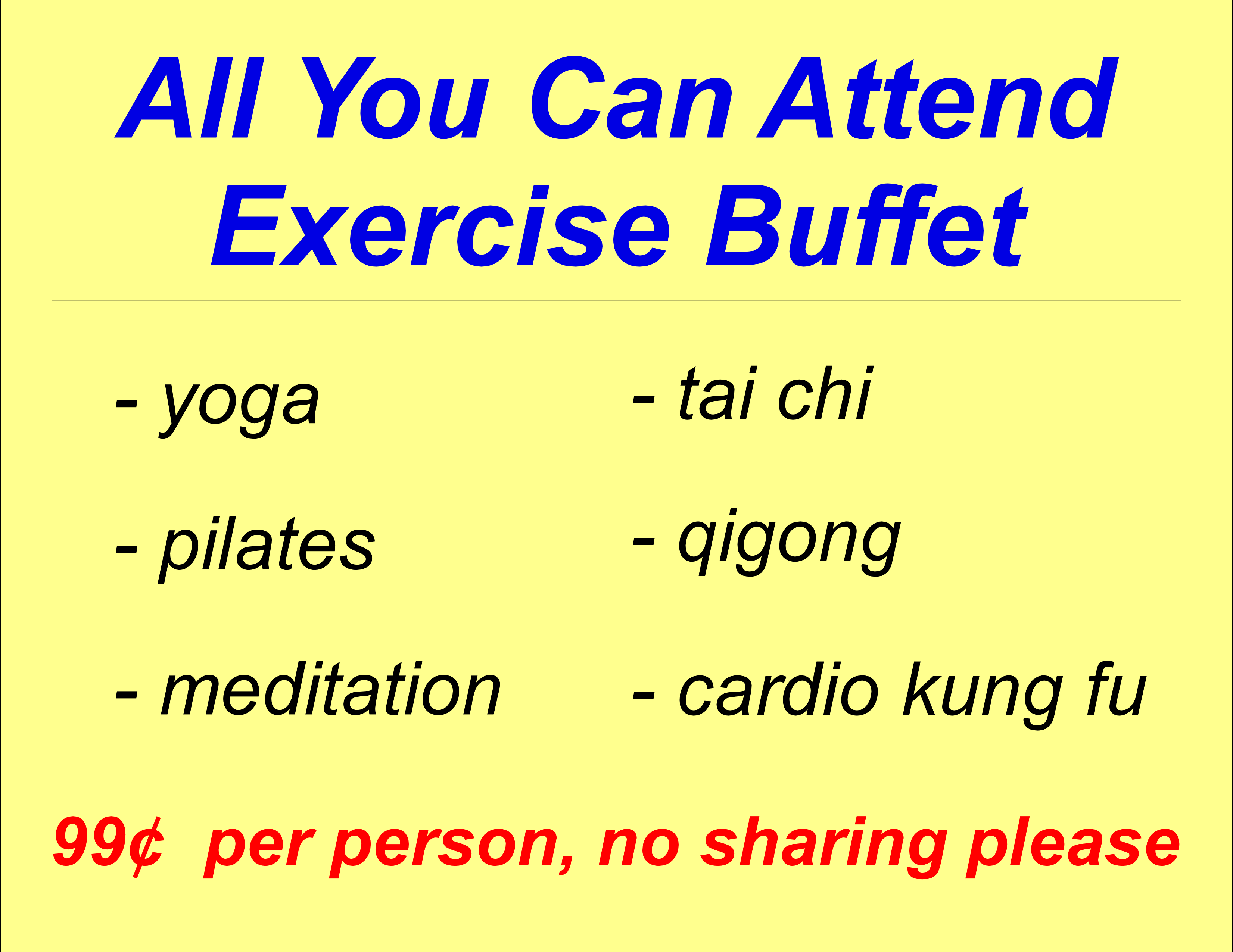
All of these methods can be taught or practiced as “yoga-light”, “tai chi-easy” or “cardio-kung fu” but the reality is that it takes time, physical effort and deliberate thought to achieve beyond the basic fitness benefits. Current culture doesn’t really encourage individuals to join the yoga ashram nor retreat into the mountains for years of training and isolation.
What took years of physical training, observation, contemplation and meditation in years past, is now packaged in weekend seminars or 200 or 500 hour programs that take a few months to a year or two to become “certified”. This is great that so many more people have more access to what was previously kept to yogis, monks and royalty. Those that are more knowledgeable or good teachers, usually move on to have their own clients or businesses elsewhere.
What is being left out is the actual mind and body integration that can lead to the higher levels of self-healing, chronic pain management and self-awareness. One will find it difficult to achieve a better understanding of self when they are not challenged to self-critique the inner dialogue that is part of the human condition. These aspects are not currently acceptable as mainstream within fitness centers, as it delves into asking the individual to question their own reality and look into the mirror to maybe see something they don’t care to deal with.
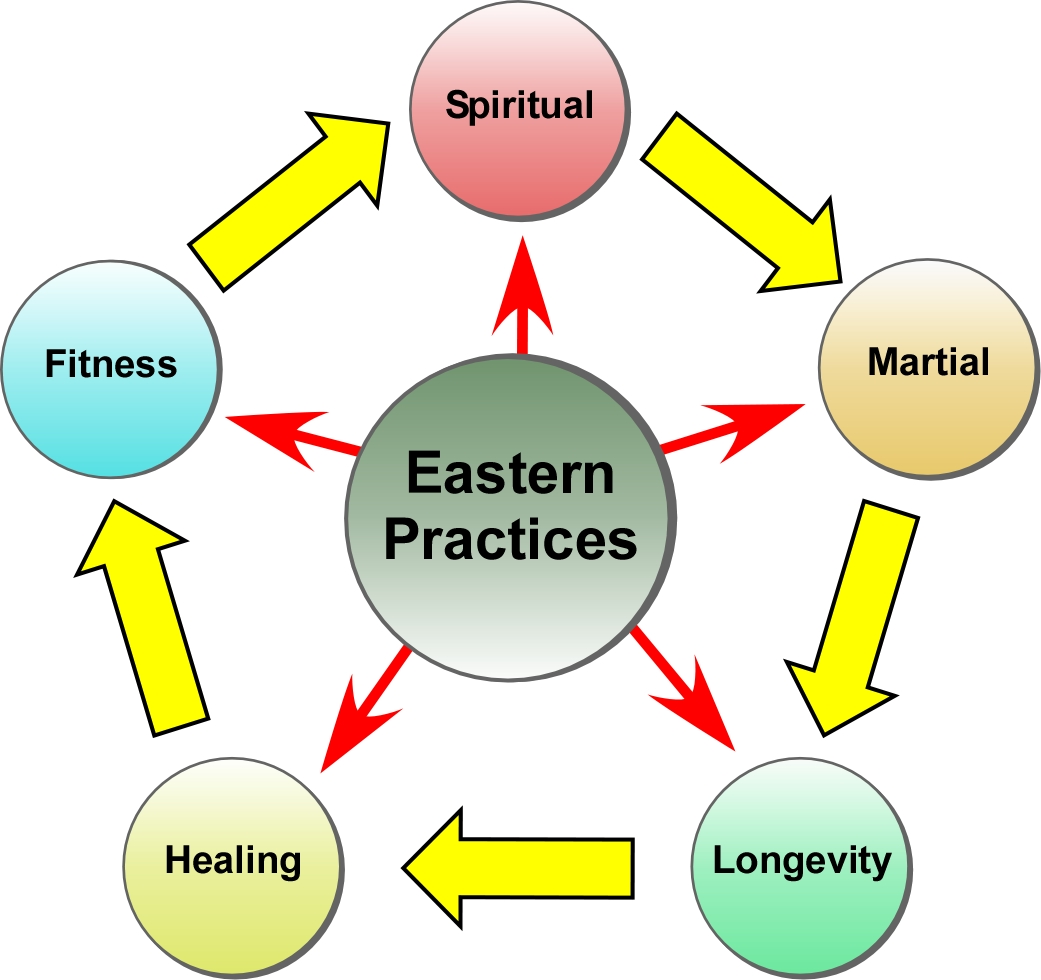
Interesting though is that the practices previously mentioned where indeed originally developed as a means of self-preservation of the body and mind to unite with their spirit. Yoga means “yoke” or unite. The yogi greeting of “namaste”, may the god in me see the god in you. Kung Fu meaning “hard” or “deliberate” work. Tai Chi meaning “the supreme ultimate”. Qigong meaning “energy” or “life force” work. You get the idea, being a deeper meaning or purpose behind the names themselves. Currently, yoga is often looked upon as glorified yuppie stretching; you have to have the yoga pants (I prefer Lululemon), the Hydro Flask water bottle. Tai chi is commonly perceived as exercises for old people who can’t run. And qigong, well that is that weird mediation and chanting stuff, right? Most people don’t want to spend the time to become better educated about these methods but would rather do the yoga-stretching classes at the gym, lift some weights, bike or run to feel the “burn”, break the sweat or overall just feel like physical exertion is the means to get in touch with their inner self.
Please don’t misunderstand my frustration with pursuing only the physical benefits of training. The physical training and self-discipline is indeed the gateway to a better understanding and management of ones thoughts and emotions. By disciplining the body, this leads to disciplining the thoughts and breathing rhythms which can consequently lead to higher levels of self-awareness.
_______________
There are still some very good teachers and schools/centers that continue to teach the mind/body/spirit aspects; but one needs to seek them out. Their numbers are dwindling, and there is the real possibility that the deeper root of knowledge will not be passed on to the next generations unless in books, videos or other resources. Supply and demand. No demand from people wanting to learn about the value of the mind, body and spirit connection, means the supply of teachers will continue to decline. You can’t make people understand the value of a diamond by giving it them for free. One cannot value an education that they did not earn for themselves. Is a college degree worth the paper it is written upon, or is the lessons and experience of the education process where the value is at? Teachers cannot pass the knowledge out, if the student doesn’t desire it to begin with. Knowledge is freedom. The sharing of knowledge is when knowledge becomes powerful.
_______________
For more info, contact Jim Moltzan at info@mindandbodyexercises.com, 407-234-0119 or through my site at http://www.mindandbodyexercises.com

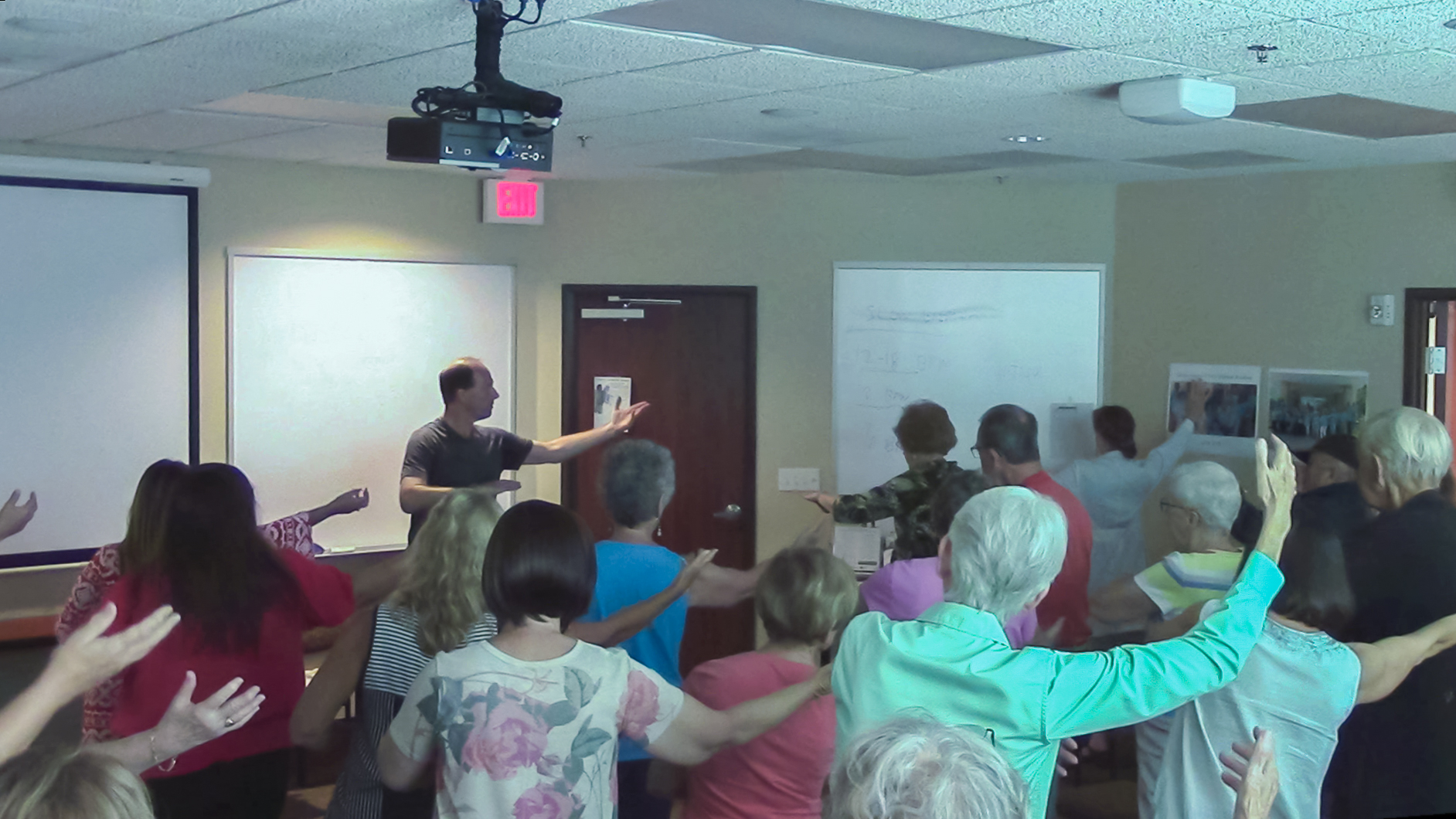

Jim Moltzan started his martial arts training at the age of 16, starting with Korean martial arts and evolving into BaguaZhang, Tai Chi, and Qigong. Jim has been training, studying and teaching for almost 40 years effectively educating hundreds of students.
Master Instructor Jim Moltzan has trained with a diverse group of masters and high-level martial arts teachers of many different disciplines. Jim’s specialty is teaching exercises to improve chronic conditions, working with people of all ages, especially senior adults. Offering guidance and instruction, Jim has also worked with Parkinson Disease patients through Florida Hospital. Jim gives regular lectures as requested by AdventHealth (Florida Hospital) regarding the benefits of Eastern practices.
He is the author and graphic artist of numerous journals, graphic charts and study guides relative to the mind and body connection and how it relates to martial arts, fitness and self-improvement.
Jim continues his training and teaching in the Orlando, Florida area conducting classes, seminars and lectures as his schedule allows. He balances his teachings and businesses with his own personal cultivation and time spent with his wife and two college-age kids.
__________