Herbal Tinctures for Pain Management

Why Conventional Methods Don’t Fix Chronic Pain Issues

When in pain, receptors become oversensitive requiring ever increasing amounts of input to dull this signal. Over time, the natural pain-killing mechanism will exhaust itself trying to keep up with the oversensitive receptors. The result being that the pain and inflammatory responses become chronic, and the pain becomes increasingly resistant to conventional pain-relief methods (ice, heat, etc.) and pain medications.

Chronic inflammation can destroy our joints completely over time. Pain relievers (NSAIDs, COX-2 inhibitors, etc.) are ineffective against this gradual degeneration. They may help somewhat with chronic pain symptoms but ultimately, they don’t repair the biological pain receptor nor joint damage.

Many pain-relieving drugs are known to have serious side effects. COX-2 inhibitors (Vioxx and Celebrex) have previously been shown to cause an increased risk of heart
ailments. NSAIDs (Ibuprofen, Naproxen, etc.) can cause bleeding ulcers and do damage to the digestive system and kidneys. Often these medicines are unable to keep the chronic inflammation from continuing to cause cartilage degradation and have little or no power to reverse the process.

Treatment for Inflammation
Inflammation can often be treated with over-the-counter medication, natural remedies (like fruits, vegetables, or herbs), or sometimes a change in diet. These options can sometimes be effective in temporarily eliminating pain from inflammation, but often only manipulates certain natural body functions, without dealing with the root cause of the inflammation. Treatment repeats as often as needed, creating a vicious cycle of treatment and then temporary relief.

The medication method introduces chemicals into the body that can eventually harm the liver and digestive tract over time. For the better results in managing inflammation, Chinese herbs could be incorporated within a healthy lifestyle. Those suffering from inflammation could introduce Chinese herbal remedies (or others) into their daily healthy habits. Natural ingredients often enhance and support various natural body functions. Herbal remedies can help keep manage inflammation and therefore pain.

Dit Da Jow (Liniment)
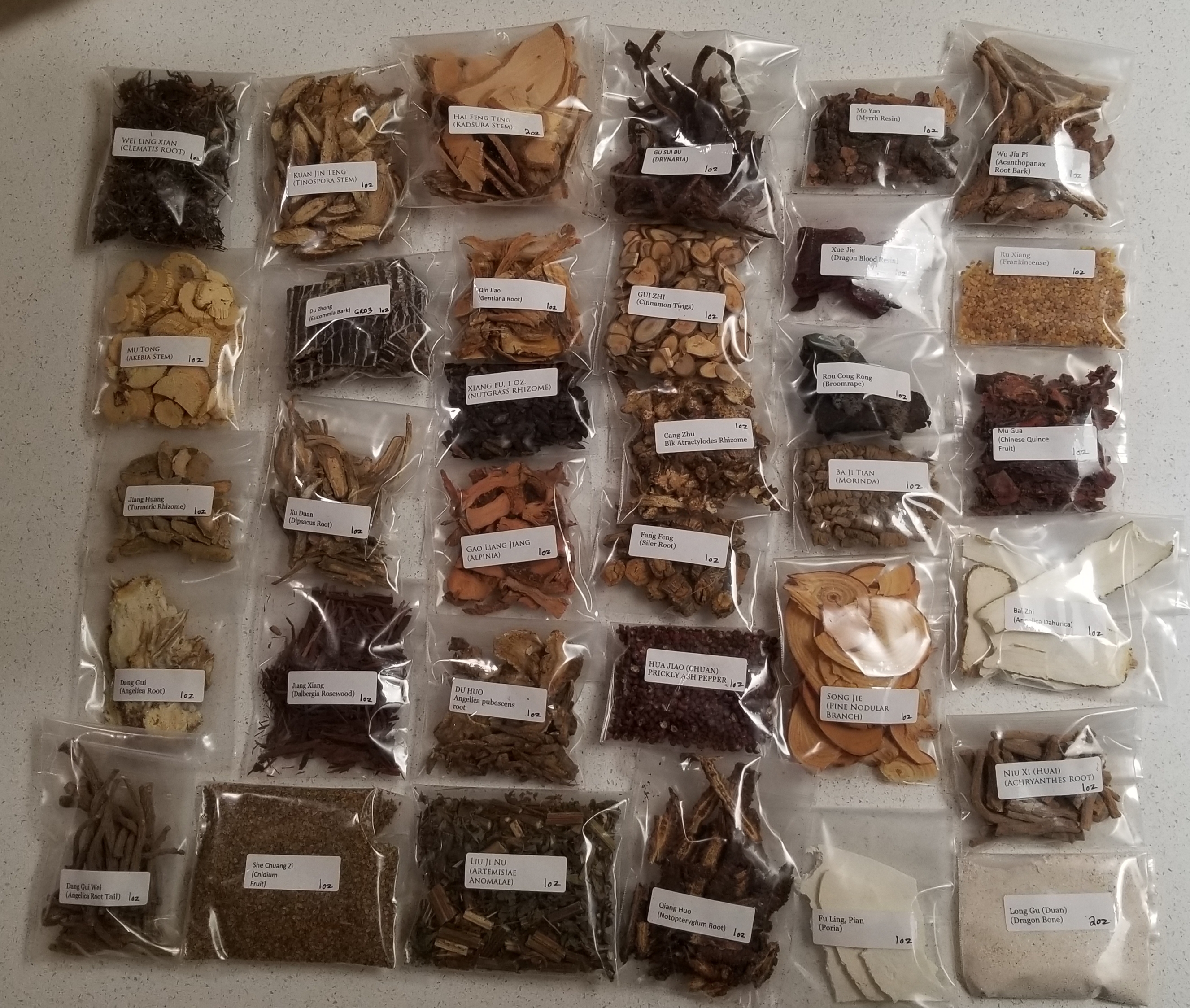
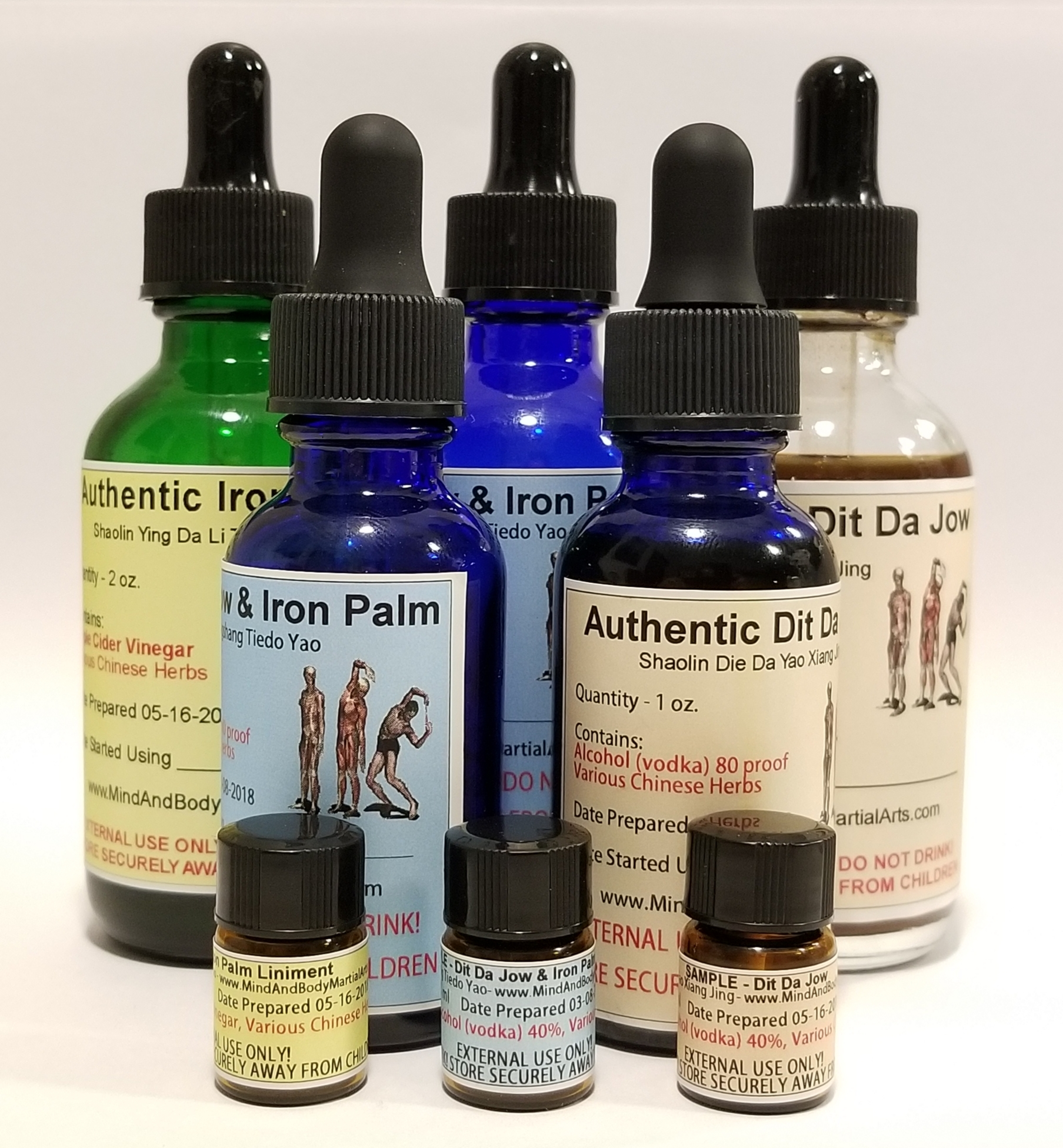
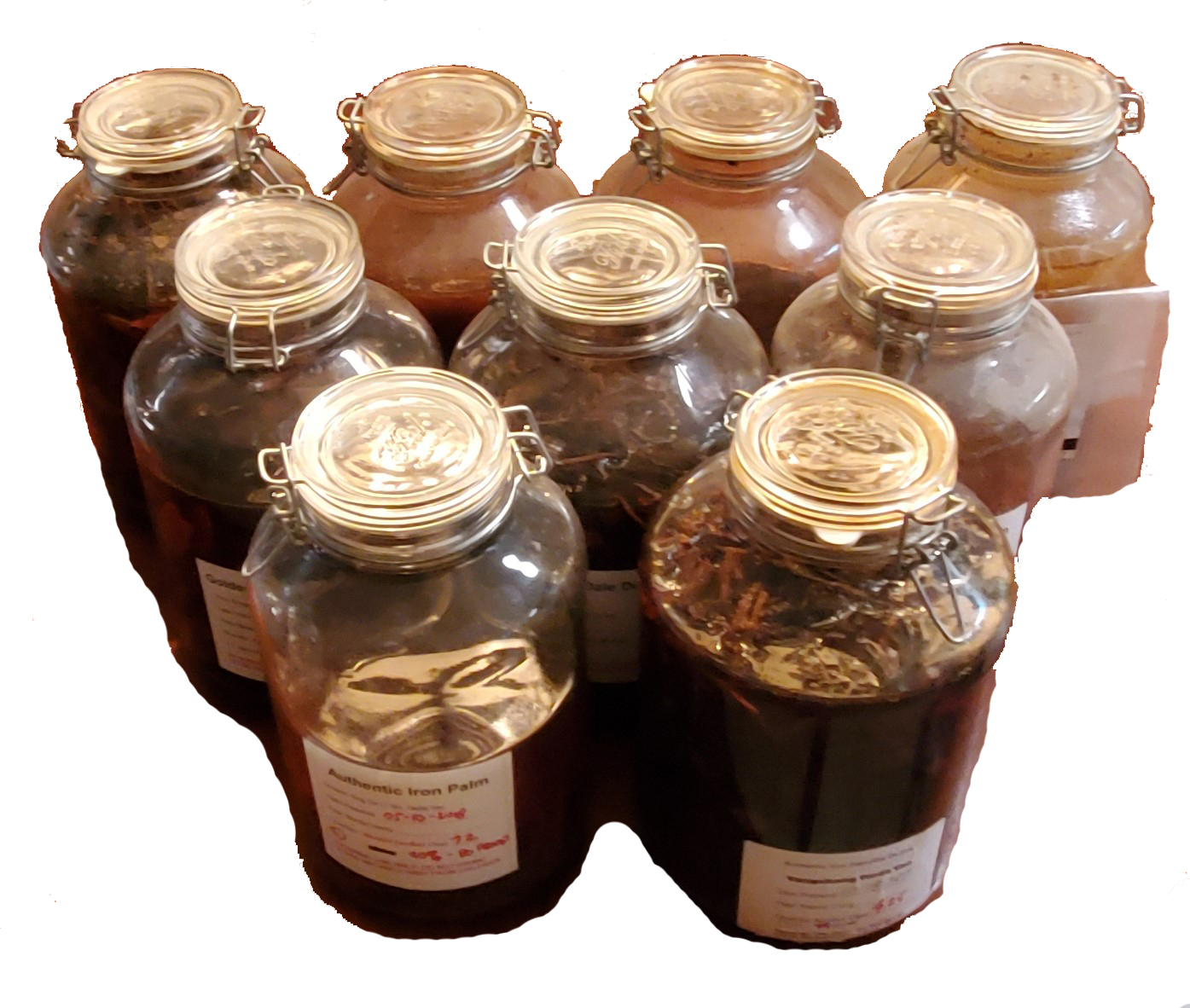
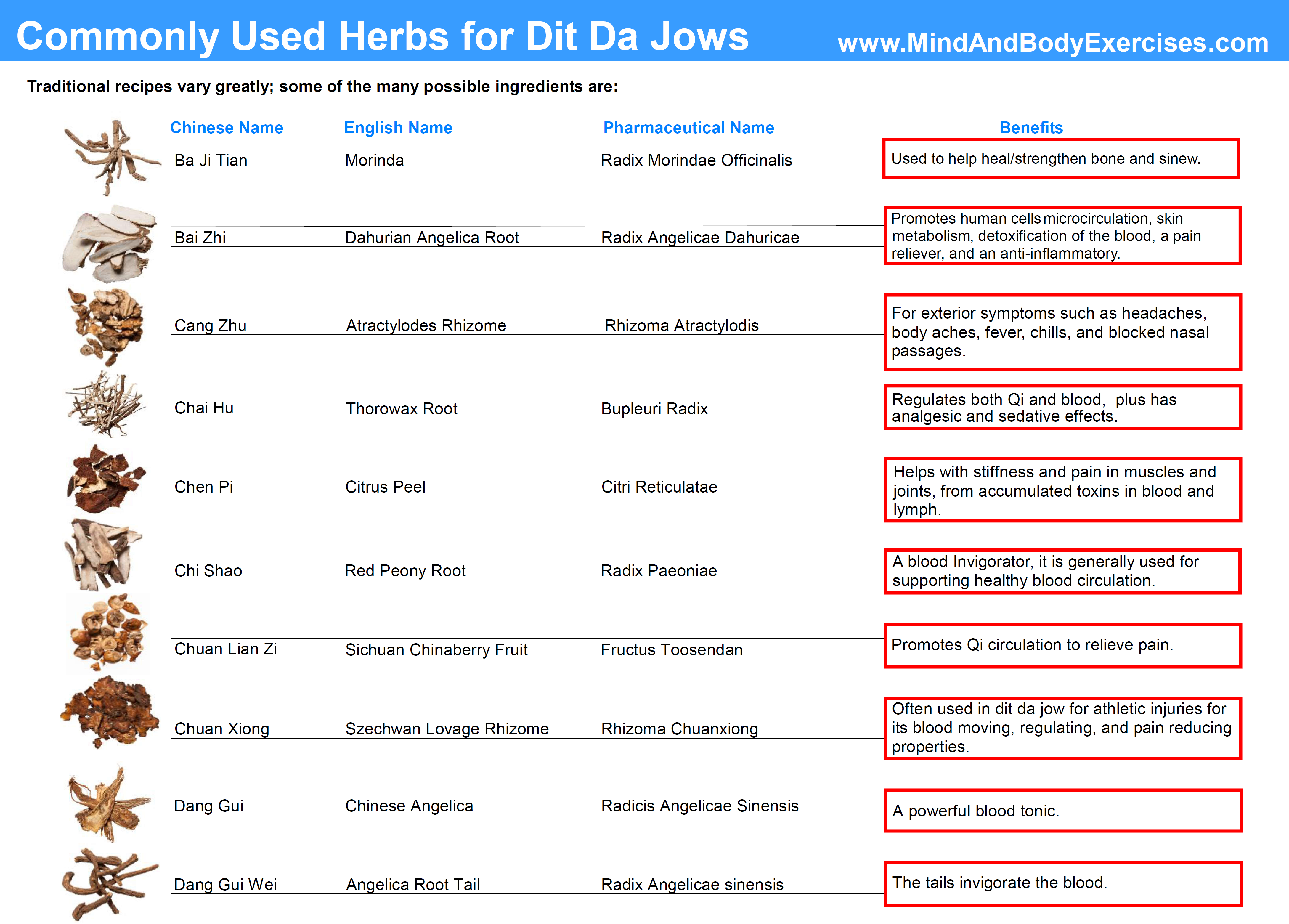
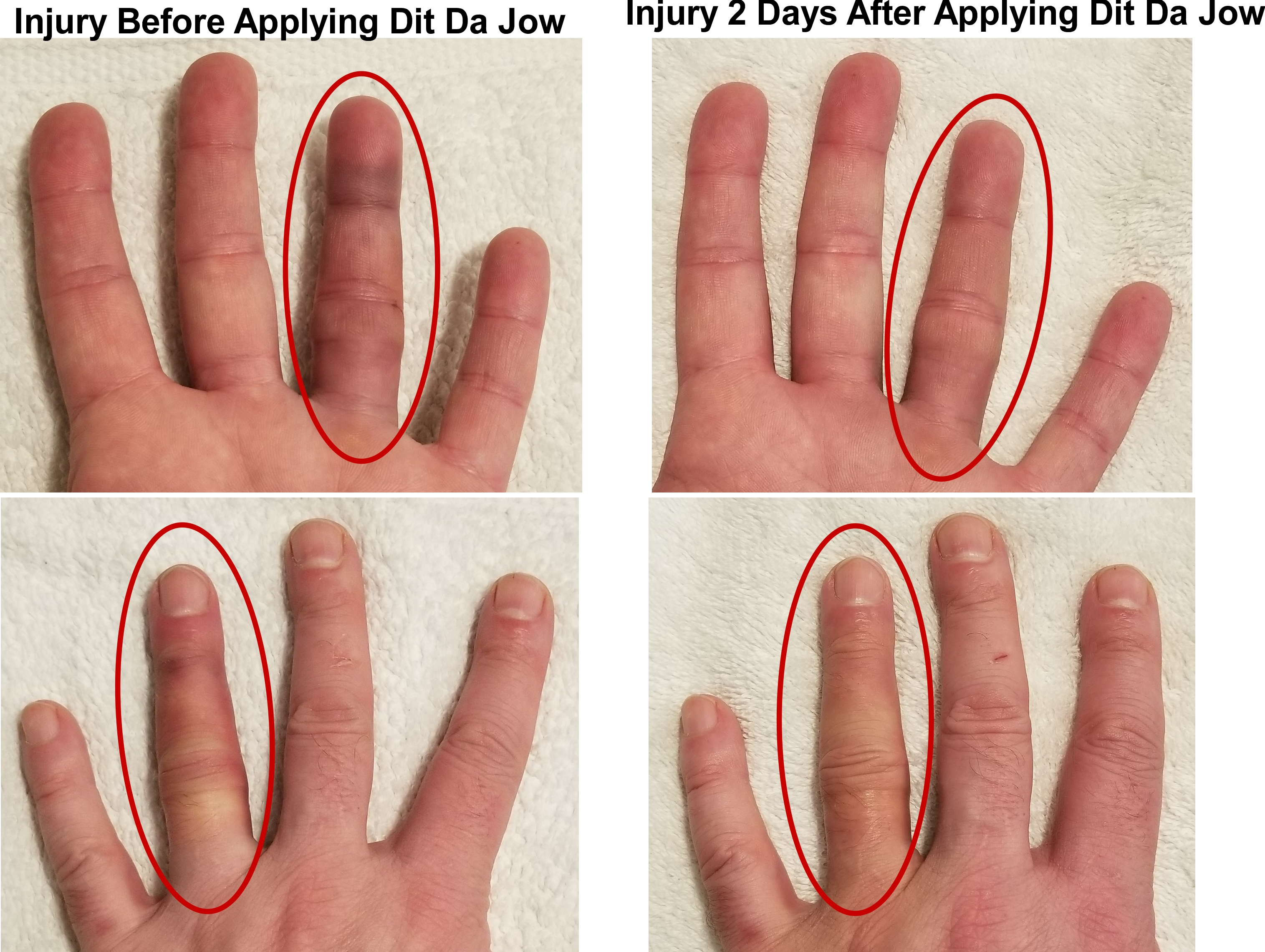
‘’Dit Da Jow” or “Jiao”, in Chinese means “fall and strike.” This term refers to external recipes formulated in Chinese medicine to treat injuries and trauma. Dit Da Jow is an external liniment and not for ingestion. The recipes vary primarily in whether they clear heat or are warming. Authentic Dit Da Jow recipes move blood and consequently Qi to relieve the pain of many injuries due to trauma or impact. We can also use these herbal extracts to apply to our hands, arms and other parts of our bodies for what is referred to as Iron Body training. These Jows are somewhat unique in that they reduce inflammation while at the same time increase blood circulation and promote natural healing. I have learned to produce these Jows ” and have been using them for almost 40 years to externally treat injuries, aches and pains. If overly sore or injured, we can also use curcumin poultices or store-bought plaster patches with cayenne.
_______________

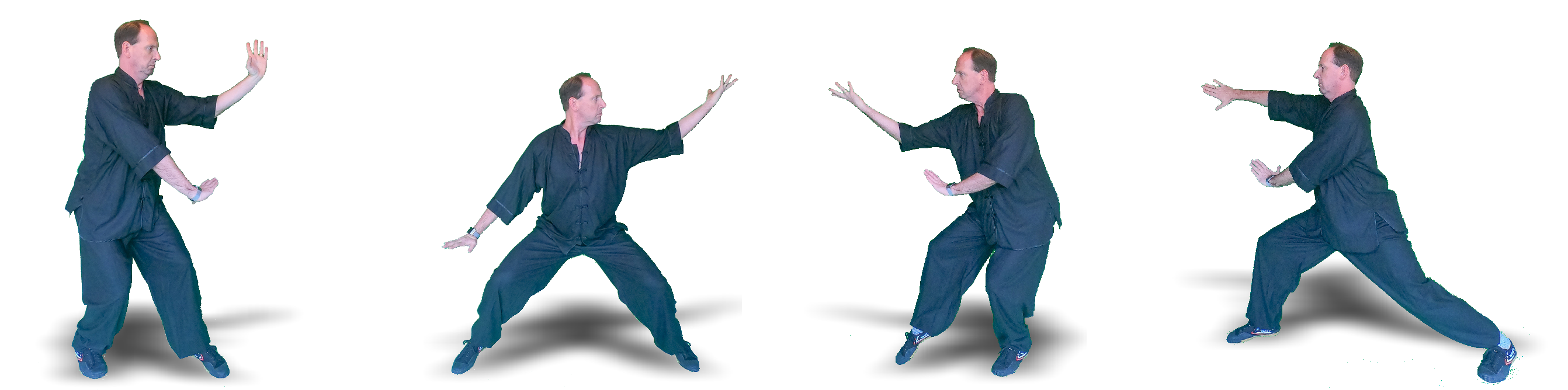
Qigong, tai chi, baguazhang, and yoga are not the only methods that can be used within this formula but have proven the test of time as methods to cultivate harmony of the mind, body and spirit. These exercise practices offer a wide spectrum of physical wellness benefits, stress relief as well as means of self-awareness.  Not all teachers nor students practice these for the same goals.

I am currently offering wellness lectures and classes for group, small group & private instruction in Wekiva, Longwood and Winter Park.

For more info, contact Jim Moltzan at info@mindandbodyexercises.com, 407-234-0119 or through my site at http://www.mindandbodyexercises.com

Jim
vs181006-004
cropped-header-image2.jpg

I started my martial arts training at the age of 16, starting with Korean martial arts and evolving into BaguaZhang, Tai Chi, and Qigong. I have been training, studying and teaching for almost 40 years effectively educating hundreds of students.

As a recognized master instructor, I have trained with a diverse group of masters and high-level martial arts teachers of many different disciplines. My specialty is teaching exercises to improve chronic conditions, working with people of all ages, especially senior adults. Offering guidance and instruction, I have also worked with Parkinson Disease patients through Florida Hospital. I offer regular lectures as requested by AdventHealth (Florida Hospital) regarding the benefits of Eastern practices.

I am the author and graphic artist of numerous journals, graphic charts and study guides relative to the mind and body connection and how it relates to martial arts, fitness and self-improvement.

I continue training and teaching in the Orlando, Florida area conducting classes, seminars and lectures as my schedule allows. I balance my teaching and businesses with my own personal cultivation and time spent with my wife and two college-age kids.

Silk Reeling Exercises

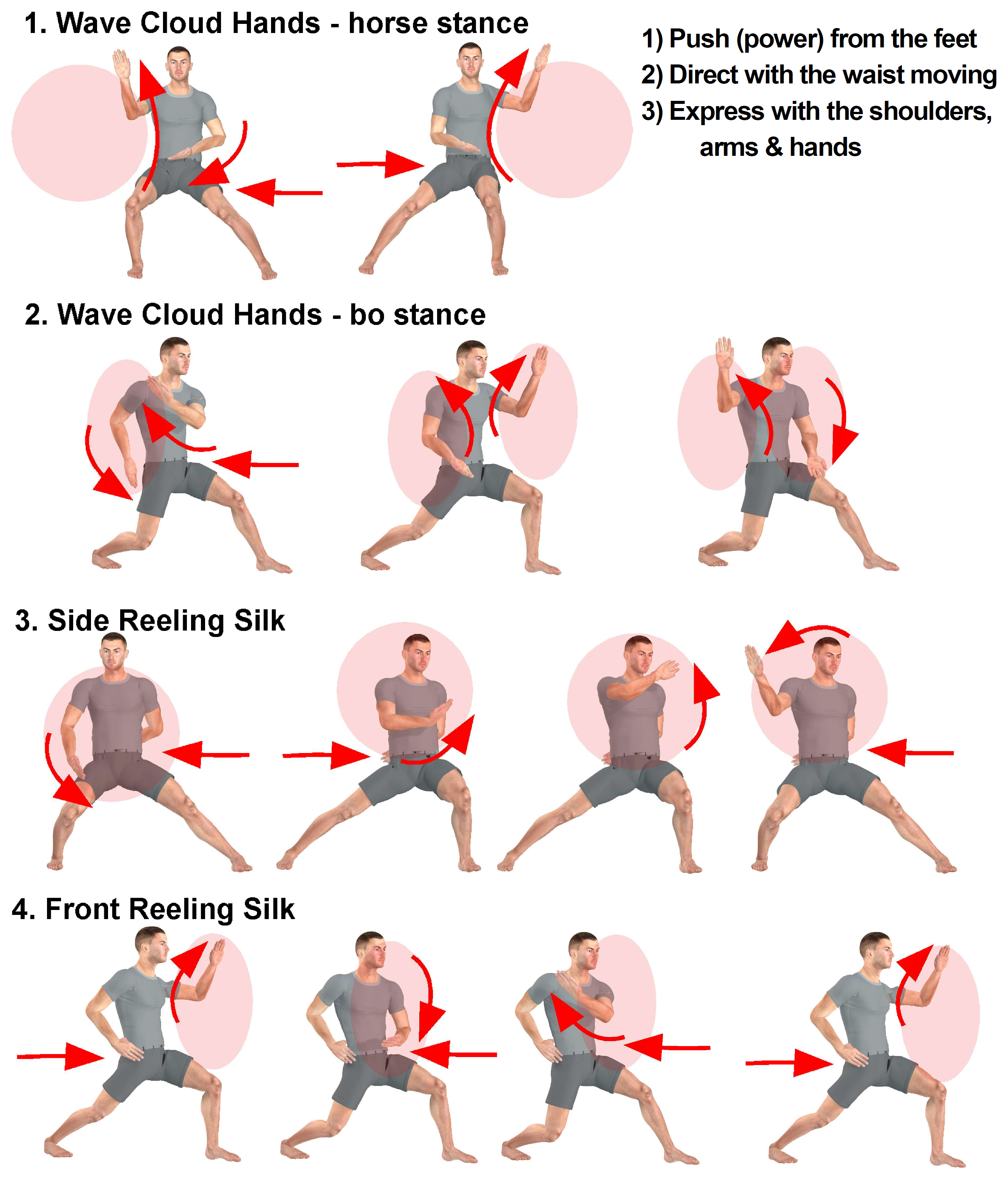
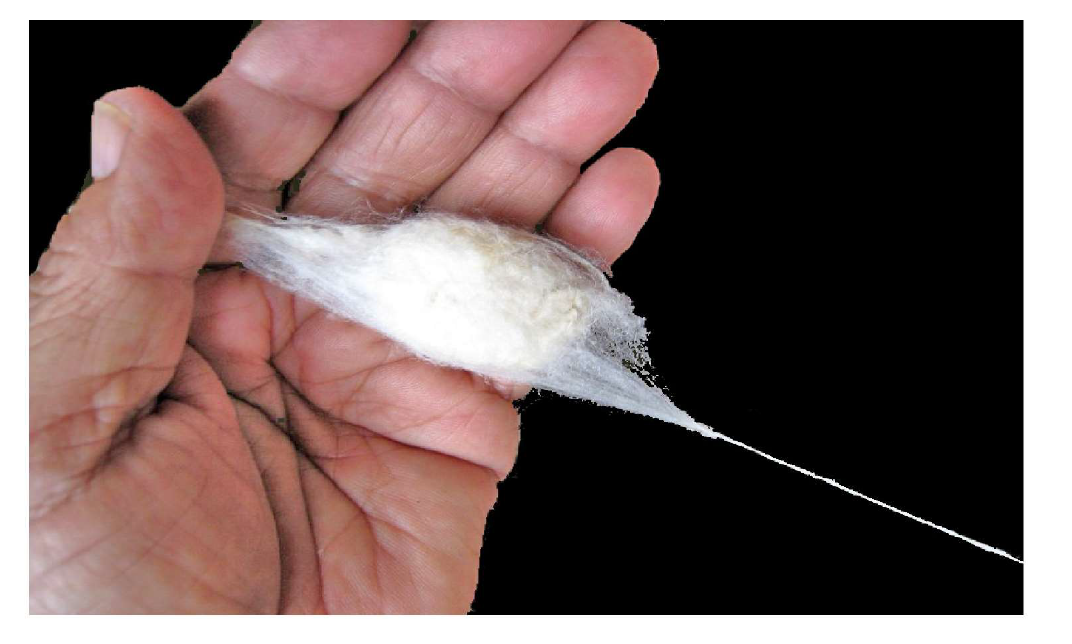
Silk Reeling refers to internal (neigong) movement principles practiced in traditional styles of Tai Chi, especially emphasized within the Chen and Wu styles. The metaphoric term derives from the spiraling and twisting movements of the silkworm larva as it wraps itself within its cocoon. In order to draw out the silk successfully, the action must be smooth, consistent and flowing with no jerking or sharp change in direction. Too fast of a movement and the silk breaks. Too slow and it sticks to itself and becomes tangled. Silk Reeling movements are continuous, rhythmic and spiraling patterns  practiced at consistent speed with a “light touch” of drawing silk. Silk reeling is practiced in solo forms and stances as well as in “push hands” with a partner.

Key Points of Awareness:
• The head stays upright as if trying to make the scalp push the ceiling up; chin slightly tucked back.
• Keep the head level and don’t drop your head when your arms move downwards or to look at your feet. Use your peripheral vision to focus on the arms when they are lowered.
• The tongue should be gently placed on the top palate (roof) of your mouth.
• Keep your body upright, with the spine naturally straight while keeping the chest relaxed. Do not hold too much tension in your chest.
• When the arms are in the lower phase of the movement don’t lean or bend forward keeping the body upright at all times.
• When moving the arms, try to keep the shoulders relaxed and loose, trying not to lift them.
• During movements when the arms arc away from the body, try not to lift the elbows too high. Make sure you keep your elbow lower then the hand.
• When shifting the weight side-to-side, always keep the knees slightly bent. Don’t straighten the empty leg.
• The breath should be natural, deep, slow and quiet while coordinated with the body movement. Typically when the hand goes across the body, breathe in through the nose. When the hand goes away from the body, breathe out through the nose.

Embrace the concept of feet, waist, arms:

1) Push (power) from the feet
2) Direct with the waist moving
3) Express with the shoulders, arms & hands

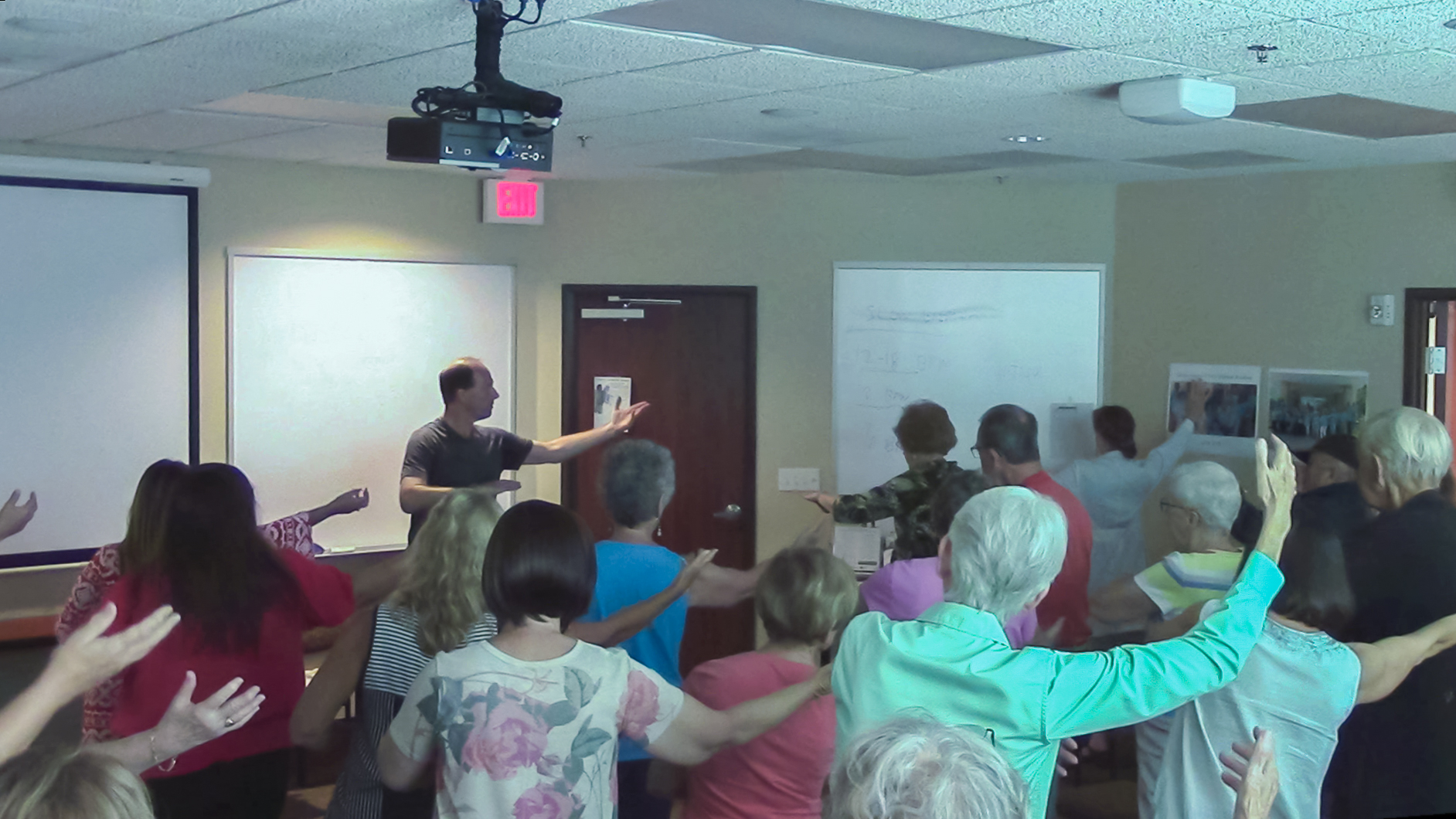
Watch the video to see one method of stretching the spine, relieving stress, increasing oxygen intake and becoming more self-aware.

__________

I write often about topics that affect our health and well-being. Additionally, I teach and offer lectures about qigong, tai chi, baguazhang, and yoga.

For more info, contact Jim Moltzan at info@mindandbodyexercises.com, 407-234-0119 or through my site at http://www.mindandbodyexercises.com

Where the Rubber Hits the Road – Personal Responsibility

Personal Responsibility

We are here…right here where the rubber hits the road.

When the action really begins, is when you begin the job, when you really get serious.

So the question I have is, how serious are you folks about doing anything? Likes and smiley faces are nice, but really don’t make us healthier, more fit or more connected.

None of us really have “extra” time but rather “make” time for what we prioritize in our lives. True is true, either we walk the talk, or we talk the walk.

Talk is cheap, time is priceless.

If every person in American spent 5 minutes (or more) every day by exercising, more people could better manage their weight and suffer less from related illnesses.

If every person in American spent 5 minutes (or more) every day calming their mind by practicing deep breathing exercises, more people would be less stressed and suffer less from related illnesses.

If every person in American spent every day becoming more conscious of their nutrition habits, more people would be able to maintain their health through the choices they make while eating and drinking, and suffer less from related illnesses.

If everyone could assume personal responsibility for their own health, our nation would not have to spend as much time, effort, energy and money trying to keep people healthy.

These concepts seem easy enough, but in reality, most people lack the desire or self-discipline to take the effort and do what it takes to stay healthy, prevent illness or cure their own ailments. Self-discipline is one of five steps known to help achieve better mental and physical wellness.

1) Respect – This is where values begin. You must understand and have respect for yourself (self-respect) before you can demonstrate it to others. Taking the steps to take care of your physical and mental well-being effects you first and then those closest to you second.

2) Discipline – Developing control of one’s own desires, commitments, and ultimately your own actions, leads to self-discipline. Control of physical exercises can lead to management of thought and emotion.

3) Self-Esteem – As you review your achievements of respect and discipline, your sense of worth is elevated and appreciated.

4) Confidence – Understanding and accepting your weak areas as well as your stronger aspects removes insecurity. When you feel that you are physically well and mentally sharp, confidence can fill your personality. You can accomplish whatever goal you set out to achieve.

5) Determination to Achieve Goals – The positive sum of the previous aspects leads to one’s determination. Good judgment and focused effort toward positive goals result in true personal success.

Qigong, Tai Chi and Yoga all are methods to achieve these traits.

It doesn’t matter so much that you do these exercises, as much as it matters that you do some type of exercise.  Walk, jog, swim or whatever – just get going and do something.  5 minutes here and there can quickly turn into 15 or 30 minutes at one time or over the course of a day.  Once you are moving or mentally engaged, it is much easier to stay motivated and try a few more exercises for a few more minutes.

Be well, become healthier, be wise.

Various Exercise Methods.jpg

___________

I write often about topics that affect our health and well-being. Additionally, I teach and offer lecture about qigong, tai chi, baguazhang, and yoga.

For more info, contact Jim Moltzan at info@mindandbodyexercises.com, 407-234-0119 or through my site at http://www.mindandbodyexercises.com

Physical Activity Effects on COVID-19

A root concept of healthcare for literally thousands of years, but apparently dismissed for the last 2 years:

PHYSICAL ACTIVITY HELPS TO PREVENT DISEASE AND ILLNESS

Become a researcher of health and wellness for your own benefit. Click on any of the following medical studies, to understand and then perhaps follow the science as to why physical activity & exercise are even more important today than maybe any other time before.

https://www.ncbi.nlm.nih.gov/pmc/articles/PMC7361852/

https://medicine.umich.edu/dept/psychiatry/michigan-psychiatry-resources-covid-19/your-lifestyle/importance-physical-activity-exercise-during-covid-19-pandemic

https://bjsm.bmj.com/content/55/19/1099

References:

Diamond, R., & Waite, F. (2021). Physical activity in a pandemic: A new treatment target for psychological therapy. Psychology and psychotherapy, 94(2), 357–364. https://doi.org/10.1111/papt.12294

https://medicine.umich.edu/dept/psychiatry/michigan-psychiatry-resources-covid-19/your-lifestyle/importance-physical-activity-exercise-during-covid-19-pandemic

Sallis R, Young DR, Tartof SY, et al Physical inactivity is associated with a higher risk for severe COVID-19 outcomes: a study in 48 440 adult patients British Journal of Sports Medicine 2021;55:1099-1105.

Pitanga, Francisco & Beck, Carmem & Pitanga, Cristiano. (2021). The Big Mistake of not Considering Physical Activity an Essential Element of Care During the Covid-19 Pandemic. International Journal of Cardiovascular Sciences. 34. 10.36660/ijcs.20200274.


_______________

Qigong, tai chi, baguazhang, and yoga are not the only methods that can be used within this formula but have proven the test of time as methods to cultivate harmony of the mind, body and spirit. These exercise practices offer a wide spectrum of physical wellness benefits, stress relief as well as means of self-awareness.  Not all teachers nor students practice these for the same goals. For more info, contact Jim Moltzan at info@mindandbodyexercises.com, 407-234-0119 or through my site at http://www.mindandbodyexercises.com

Jim
vs181006-004
cropped-header-image2.jpg

I started my martial arts training at the age of 16, starting with Korean martial arts and evolving into BaguaZhang, Tai Chi, and Qigong. I have been training, studying and teaching for almost 40 years effectively educating hundreds of students.

As a recognized master instructor, I have trained with a diverse group of masters and high-level martial arts teachers of many different disciplines. My specialty is teaching exercises to improve chronic conditions, working with people of all ages, especially senior adults. Offering guidance and instruction, I have also worked with Parkinson Disease patients through Florida Hospital. I offer regular lectures as requested by AdventHealth (Florida Hospital) regarding the benefits of Eastern practices.

I am the author and graphic artist of numerous journals, graphic charts and study guides relative to the mind and body connection and how it relates to martial arts, fitness and self-improvement.

I continue training and teaching in the Orlando, Florida area conducting classes, seminars and lectures as my schedule allows. I balance my teaching and businesses with my own personal cultivation and time spent with my wife and two college-age kids.
Therapeutic Benefits of Singing Bowls

Therapeutic Benefits of Singing Bowls

Illness and diseases such as addiction, mental health issues, heart disease, diabetes, and mental health issues have all been linked to stress and tension. Meditation and mindfulness-based methods of relaxation, have shown potential in bringing about the relaxation response, helping reduce anxiety and enhance well-being. The relaxation response is the term used for the body’s physiological response to relieving stress, where respiration and blood pressure is lowered to counter the “fight or flight” response, thereby activating the body’s parasympathetic nervous system (Goldsby, et al 2017).

Tibetan or Himalayan singing bowls and other ancient instruments used for religious and spiritual ceremonies have been in practice for a very long time. Use goes back thousands of years, with origins in China and Mongolia. Tibetan Buddhist monasteries used the bowls in this manner to keep time or to signal the end of a meditation (Pikörn 2021). Cultures including native peoples, throughout the world have been using sound for healing for thousands of years. The didgeridoo is an instrument used by Australian aboriginal tribes for over 40,000 years, as a sound healing instrument. (Goldsby, et al 2017).

Contemporary music therapy has been known to benefit suffers of various health conditions, including mental illness and pain. Meditation has long been known to also offer improved health and well-being with modern studies indicating that meditation is effective in managing many ailments. such as anxiety, depression, and pain issues (Stanhope & Weinstein (2020). How singing bowls produce health benefits is ambiguous. While sound bowls can help some people to relax and feel better, more research needs to be done to show how they may be able to target the same regions of the mind that meditation does (Pikörn 2021).


A singing bowl or standing bell, are mostly crystal or metal alloy bowls where, by rubbing a mallet around the bowl’s outer rim and edges produce sounds. Singing bowls and sometimes gongs, surround the user with tones that offer the goal of relaxation by decreasing stress, anxiety, and depression. These sounds offer an escape from the everyday incessant inner dialogue or chatter of thoughts within one’s mind. Singing bowl techniques can be very mind engaging, similarly to meditation practices and yoga, and are often practiced in tandem (Pikörn 2021).


Alfred A. Tomatis, a 20th-century French otolaryngologist (one who studies diseases of the ear and throat) offered the thought that music can influence brain waves. Don Campbell’s 1997 book, The Mozart Effect, focused on how music could make one smarter and increase concentration (Pikörn 2021).

The Influence of sound on the human mind and consequently the physical body, has been theorized that sound bowls can help calm the mind, by mimicking the brain’s electrical impulses, also referred to as “entraining”. Here, sound vibrations can “re-tune” the wave patterns of one’s mind, in this case Theta brain waves, similar to the vibrations that occur while in states of deep relaxation or concentration. Theta patterns resonate at 4-8 Hertz, occurring also during REM sleep, states of creativity, and during meditation. Studies report the theory that music can indeed change the brain’s bio-electrical oscillations. However, this effect is most evident in the range of alpha (8-13 Hertz) and beta (13 Hertz or greater) frequencies. From listening to singing bowls, one can guide their mind towards theta brain wave activity (Pikörn 2021).

A study published in 2017, explored the benefits of using singing bowls along with meditation, using data from a sample of 62 individuals participating. Ages were from 21-77 years old with a mean age 49.7 years. 9 were males and 53 females. The study was held at 3 locations in southern California at The Seaside Center for Spiritual Living in Encinitas, The Chopra Center for Wellbeing in Carlsbad, and the California Institute for Human Science (CIHS) in Encinitas (Goldsby, et al 2017). From my own personal knowledge, I know this particular area of the US to be a hub for meditation and other alternative medicine practices. So, it really didn’t surprise me that the results would show that these particular methods yielded positive health benefits. People in the 20-39 age group, reported the largest change in a reduction in their tension. However, the study did not specify what type of tension they were experiencing to begin with such as mental, muscular, or otherwise. Those in the 40-59 age group, reported the most noticeable effects from the meditation, with a decrease or even elimination of physical pain before and after the meditation (Goldsby, et al 2017).


It is not hard to find and purchase singing bowls as they are widely available online and elsewhere, costing as little as $20 per bowl and as high as thousands of dollars on the higher end for complete sets of various sizes and compositions. Also available are bowls that will produce different notes and different frequencies. In particular the 432 Hertz range is thought to be more desirable in achieving the desired results of the entraining the theta brain waves. Some avid practitioners of singing bowl meditations, prefer usage of the bowls or recorded sounds that are tuned to 432 Hertz. There is also some speculation that listening to music or sounds that have a frequency of 432 Hertz is thought to encourage a positive shift in consciousness, providing the listener a greater sense of peace. Meditation practitioners seem to favor this music as well. A frequency of 432 Hertz is thought to be the tone of nature, assisting the listener to become more calm, peaceful, and creative. Benefits thought to come from exposure to sounds with the 432 Hertz frequency include release of stress and tension from the body, induction of healing during and after surgeries and the release of endorphins and serotonin (Bawah Reserve 2020).


Of further interest may be that a small group of people having a strong dislike to the sounds made from singing bowls, due to the sounds increasing their self-reported depressions and anxiety. This leads to the possibility that the sound bowls themselves have no special powers of relaxation in and of themselves (Pikörn 2021).

image courtesy of http://www.ZenWellness.com


I have studied various methods of using sound with meditations, quite a bit over the years and have observed how particular sounds in our daily life, like traffic, thunder, loud music from various genres, yelling, etc. can cause damage on the nervous system. This can happen at the moment or over time, potentially causing even more damage. Consequently, I think the bowls are but another tool to hack the human nervous system to be in a more relaxed state of homeostasis from the parasympathetic nervous system. Any healthcare method that is relatively inexpensive, exhibits no negative side-effects, can easily be obtain by most people, and can offer the user some level of health benefits, is worth further scrutiny and usage by those in particular needing a reduction in their stress levels.

References:
Bawah Reserve. (2020, November 9). Sound bathing and the positive impact of 432 Hz listening. https://blog.bawahreserve.com/sound-bathing-singing-bowl-432hz-listening

Goldsby, T. L., Goldsby, M. E., McWalters, M., & Mills, P. J. (2017). Effects of Singing Bowl Sound Meditation on Mood, Tension, and Well-being: An Observational Study. Journal of evidence-based complementary & alternative medicine, 22(3), 401–406. https://doi.org/10.1177/2156587216668109


Pikörn, I. (2021, March 5). The Joyful Use Of Singing Bowls In Meditation Or Yoga Practice. Insight Timer Blog. https://insighttimer.com/blog/singing-bowls-meditation-benefits/

Stanhope, J., & Weinstein, P. (2020). The human health effects of singing bowls: A systematic review. Complementary Therapies in Medicine http://dx.doi.org/10.1016/j.ctim.2020.102412

_______________

Qigong, tai chi, baguazhang, and yoga are not the only methods that can be used within this formula but have proven the test of time as methods to cultivate harmony of the mind, body and spirit. These exercise practices offer a wide spectrum of physical wellness benefits, stress relief as well as means of self-awareness.  Not all teachers nor students practice these for the same goals. For more info, contact Jim Moltzan at info@mindandbodyexercises.com, 407-234-0119 or through my site at http://www.mindandbodyexercises.com

Jim
vs181006-004
cropped-header-image2.jpg

I started my martial arts training at the age of 16, starting with Korean martial arts and evolving into BaguaZhang, Tai Chi, and Qigong. I have been training, studying and teaching for almost 40 years effectively educating hundreds of students.

As a recognized master instructor, I have trained with a diverse group of masters and high-level martial arts teachers of many different disciplines. My specialty is teaching exercises to improve chronic conditions, working with people of all ages, especially senior adults. Offering guidance and instruction, I have also worked with Parkinson Disease patients through Florida Hospital. I offer regular lectures as requested by AdventHealth (Florida Hospital) regarding the benefits of Eastern practices.

I am the author and graphic artist of numerous journals, graphic charts and study guides relative to the mind and body connection and how it relates to martial arts, fitness and self-improvement.

I continue training and teaching in the Orlando, Florida area conducting classes, seminars and lectures as my schedule allows. I balance my teaching and businesses with my own personal cultivation and time spent with my wife and two college-age kids.