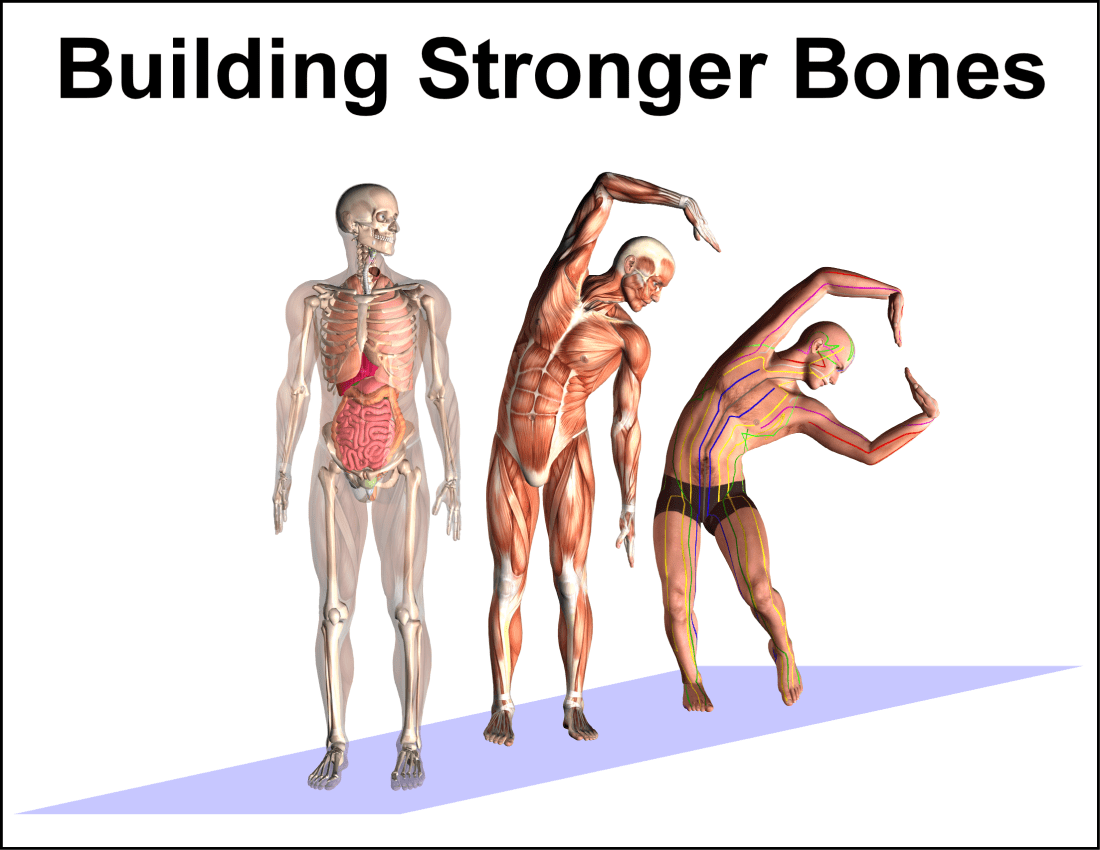
Building Stronger Bones

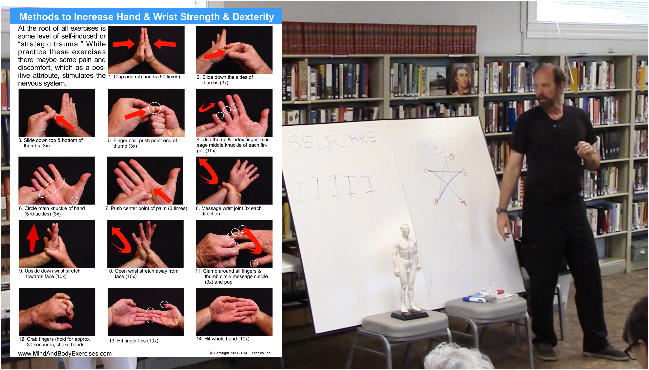
This month I wrapped up my series of 6 discussions regarding “self-care.”

Specific topics addressed were that of:

what is holistic health?

– management of hands and wrists using acupressure/reflexology

– management of various types of stress and headaches

– understanding how the vestibular balance systems work

– how to breathe deeper and more efficiently affecting

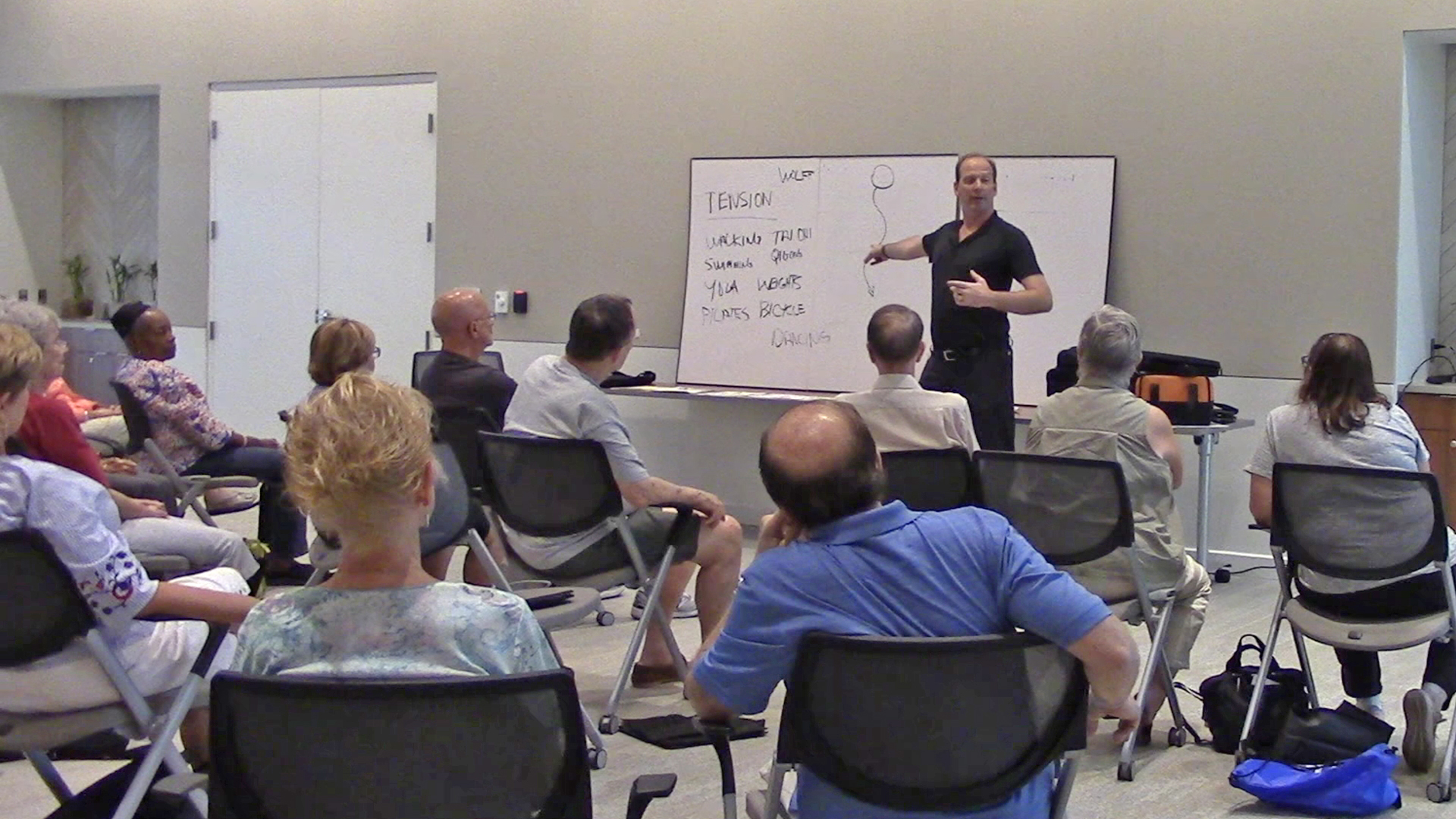
– why is bone density a serious issue and how to improve it

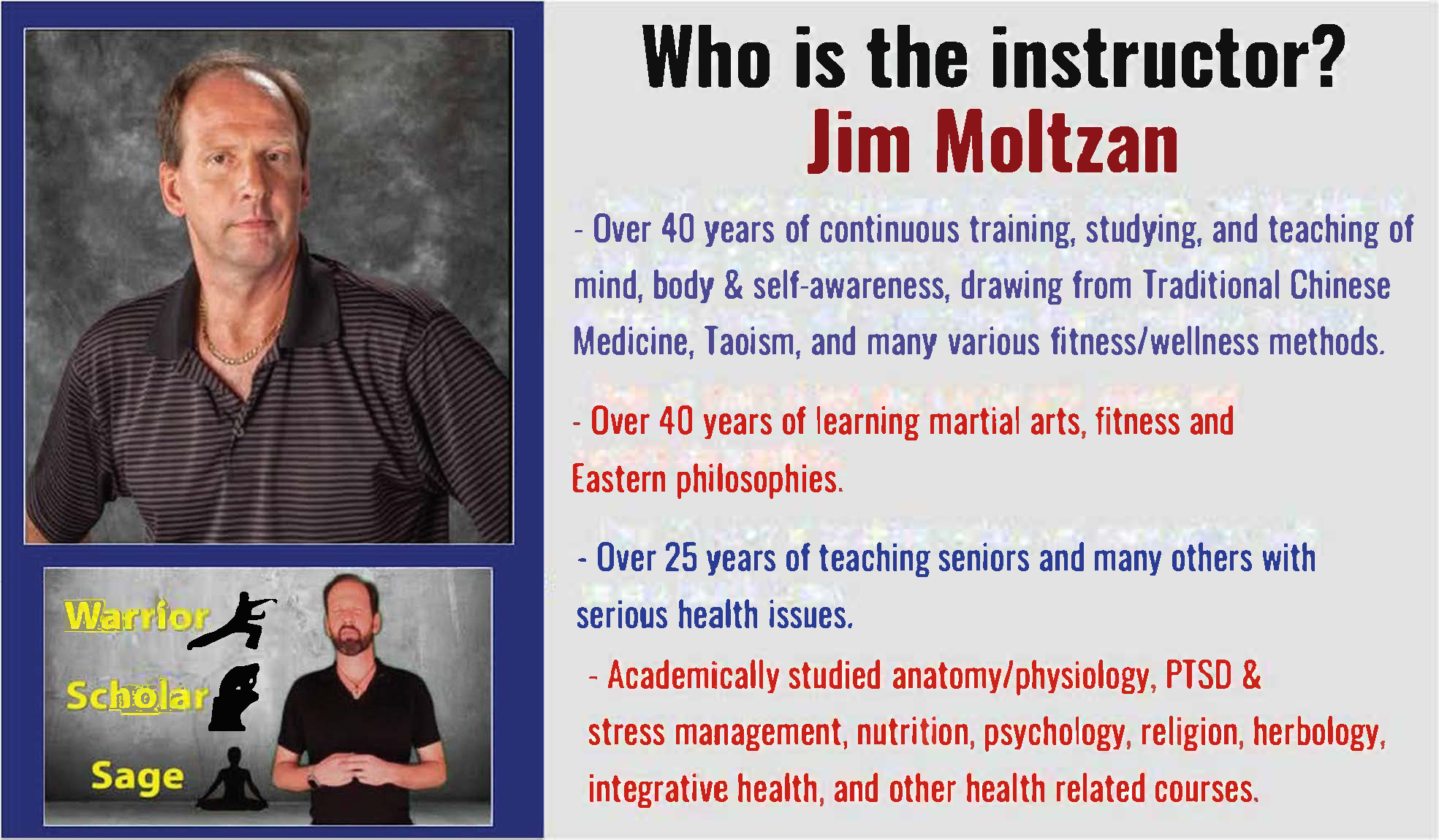
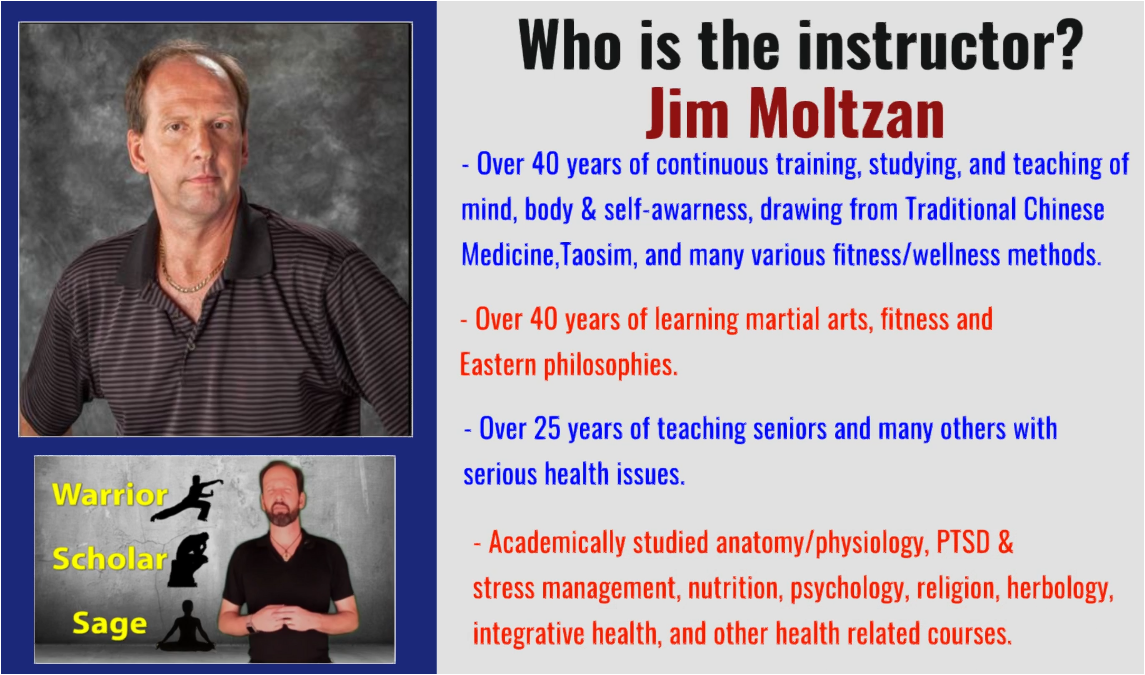
I have many more topics to discuss regarding better physical health, mental wellness, and having meaning/purpose in our lives. Tai chi and qigong are a big part of my curriculum, but I also earned a BS degree in holistic health in addition to my over 40 years of “hands-on” learning, practicing, and teaching. Contact me if you are interested in me speaking at your place of business, group, or other public setting.

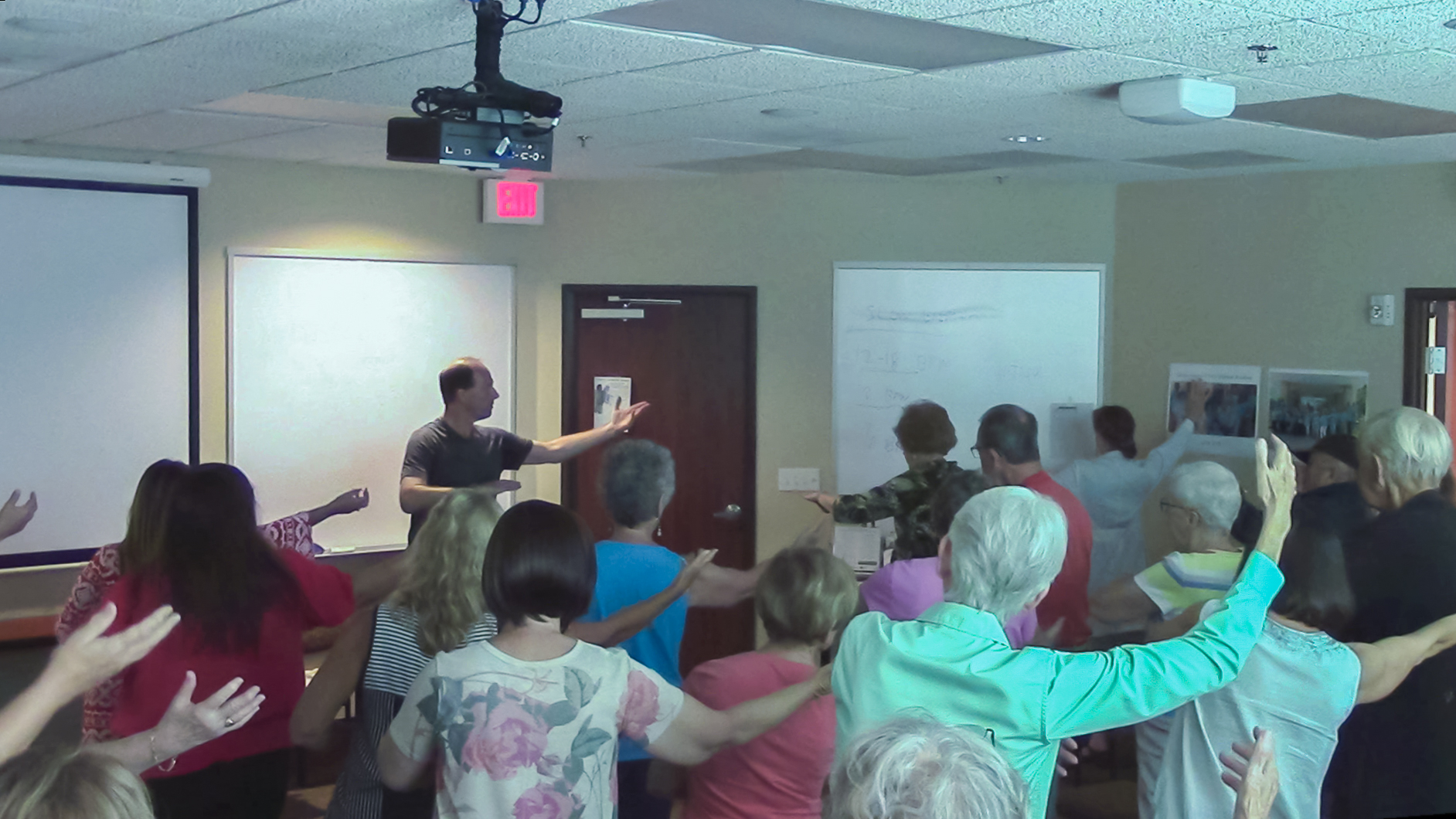
All 6 discussions can be found on my YouTube page, by clicking on the image below.

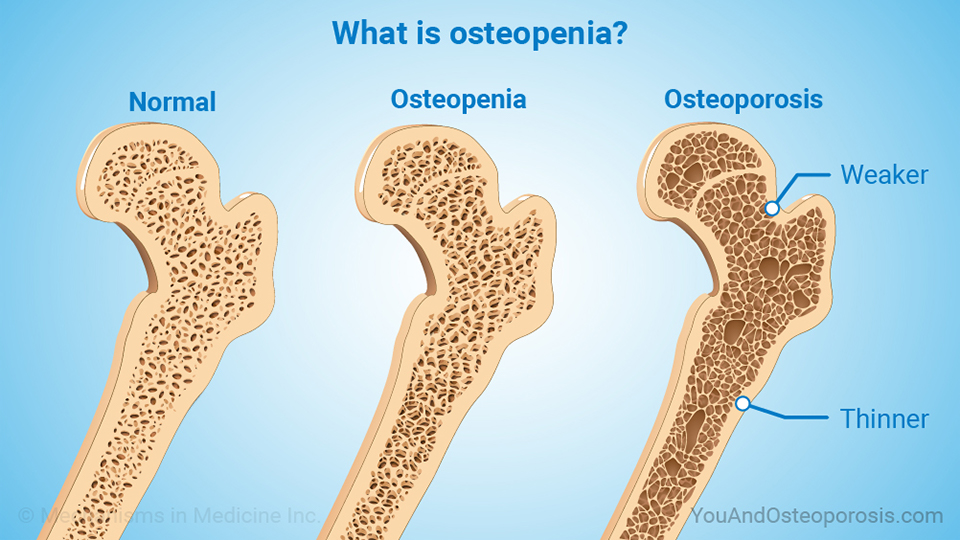
Here is a summary of the topics I discussed regarding osteopenia and osteoporosis, which are conditions related to bone density and strength, which affect millions of people, particularly as they age. Here’s a detailed breakdown:

  • Osteopenia: This is the early stage of bone loss, where bone mineral density (BMD) is lower than normal but not low enough to be classified as osteoporosis. It is often a precursor to osteoporosis and indicates weakening bones.
  • Osteoporosis: This is a more severe bone condition characterized by significant bone loss, making bones brittle and more susceptible to fractures. In osteoporosis, bones become porous, with decreased density and structural integrity.

Both osteopenia and osteoporosis are caused by an imbalance between bone resorption (the process of bone breakdown) and bone formation. Factors contributing to this include:

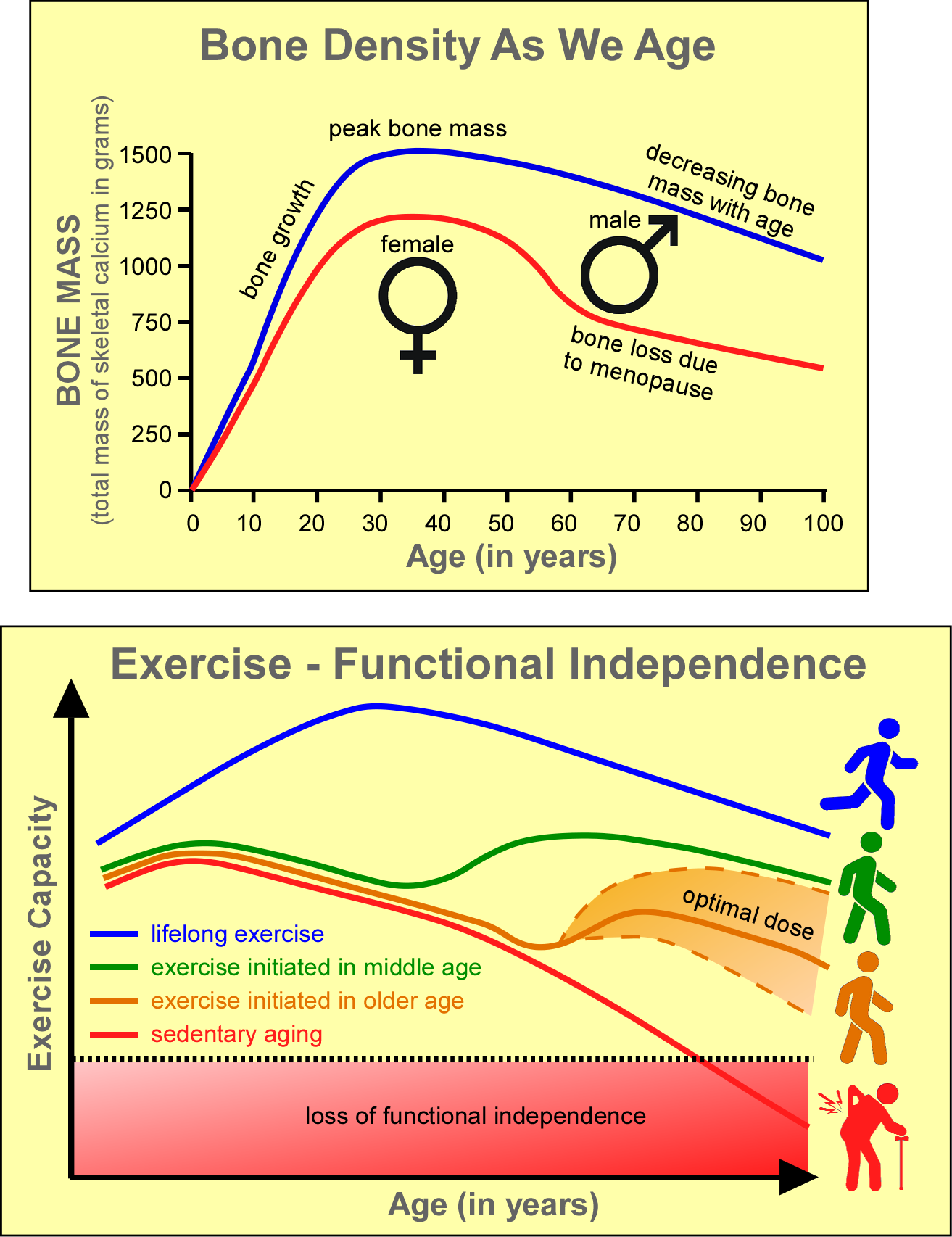
  • Aging: Bone mass typically peaks in a person’s 20s or 30s and declines with age, particularly in postmenopausal women due to decreased estrogen levels.
  • Hormonal changes: Lowered levels of hormones such as estrogen in women and testosterone in men can contribute to decreased bone density.
  • Genetics: A family history of osteoporosis can increase the risk.
  • Sedentary lifestyle: Lack of physical activity, particularly weight-bearing and resistance exercises, can contribute to weaker bones.
  • Poor nutrition: Low intake of calcium, vitamin D, and other nutrients crucial for bone health can lead to bone density loss.
  • Smoking and excessive alcohol consumption: Both are associated with decreased bone density.
  • Certain medications: Long-term use of corticosteroids and some other medications may contribute to bone loss.
  • Fractures: The most serious consequence, particularly in the hips, spine, and wrists, can result in decreased mobility and increased mortality in older adults.
  • Height loss: Often due to fractures in the vertebrae leading to compression.
  • Back pain: Resulting from collapsed or fractured vertebrae.
  • Kyphosis (spinal curvature): In severe cases of osteoporosis, the spine may curve forward.
  • Weight-bearing exercises: These include activities like walking, jogging, dancing, and stair climbing. They help stimulate bone formation by putting stress on the bones.
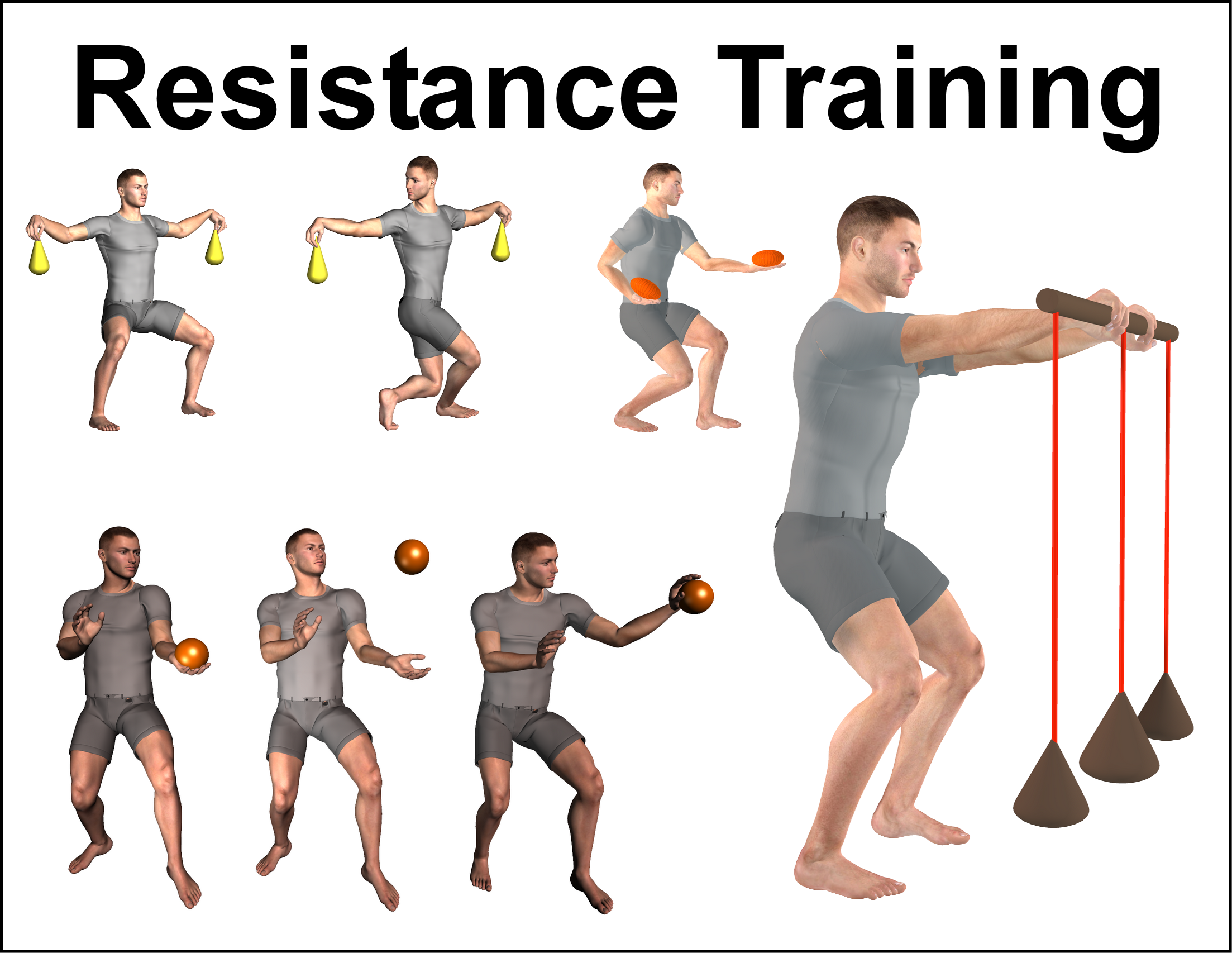
  • Resistance training: Lifting weights or using resistance bands helps build muscle mass and improves bone density. Exercises targeting the hips, spine, and wrists are particularly beneficial for bone health.
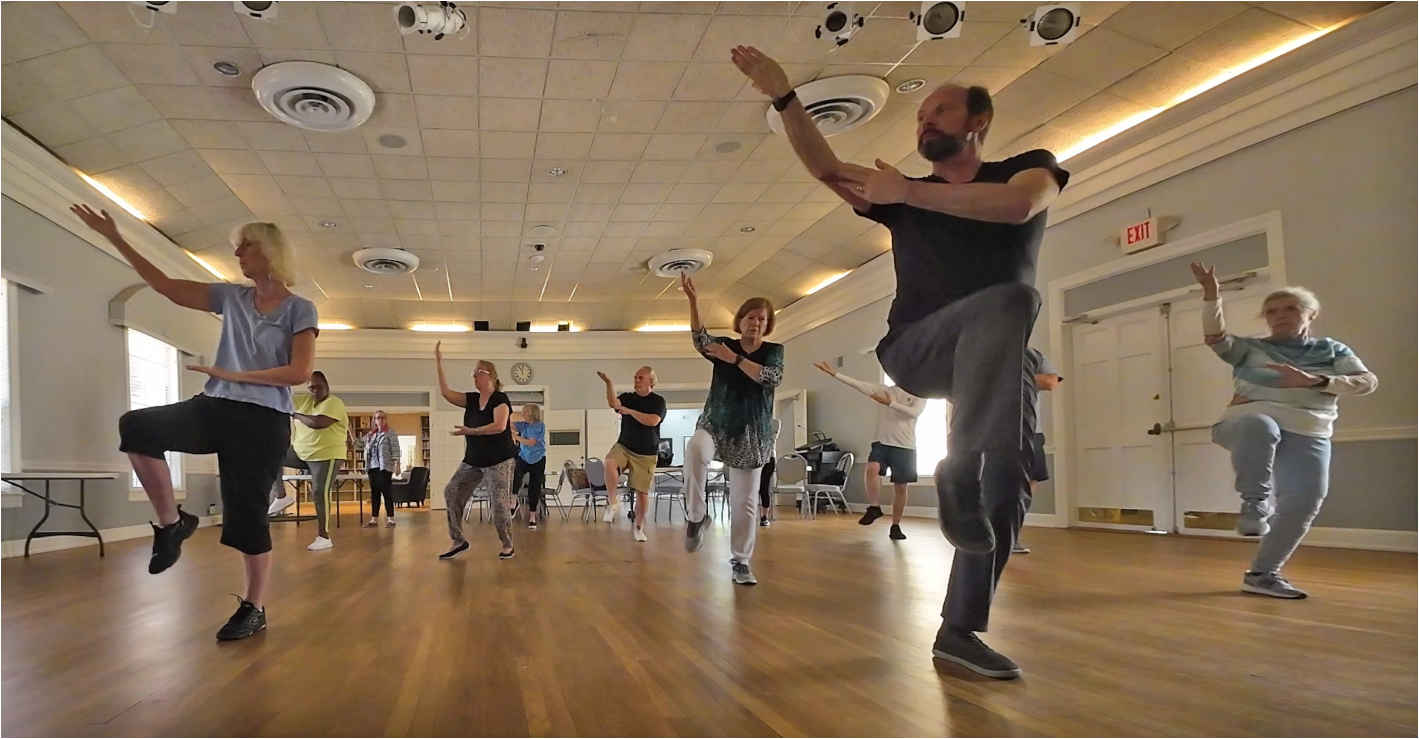
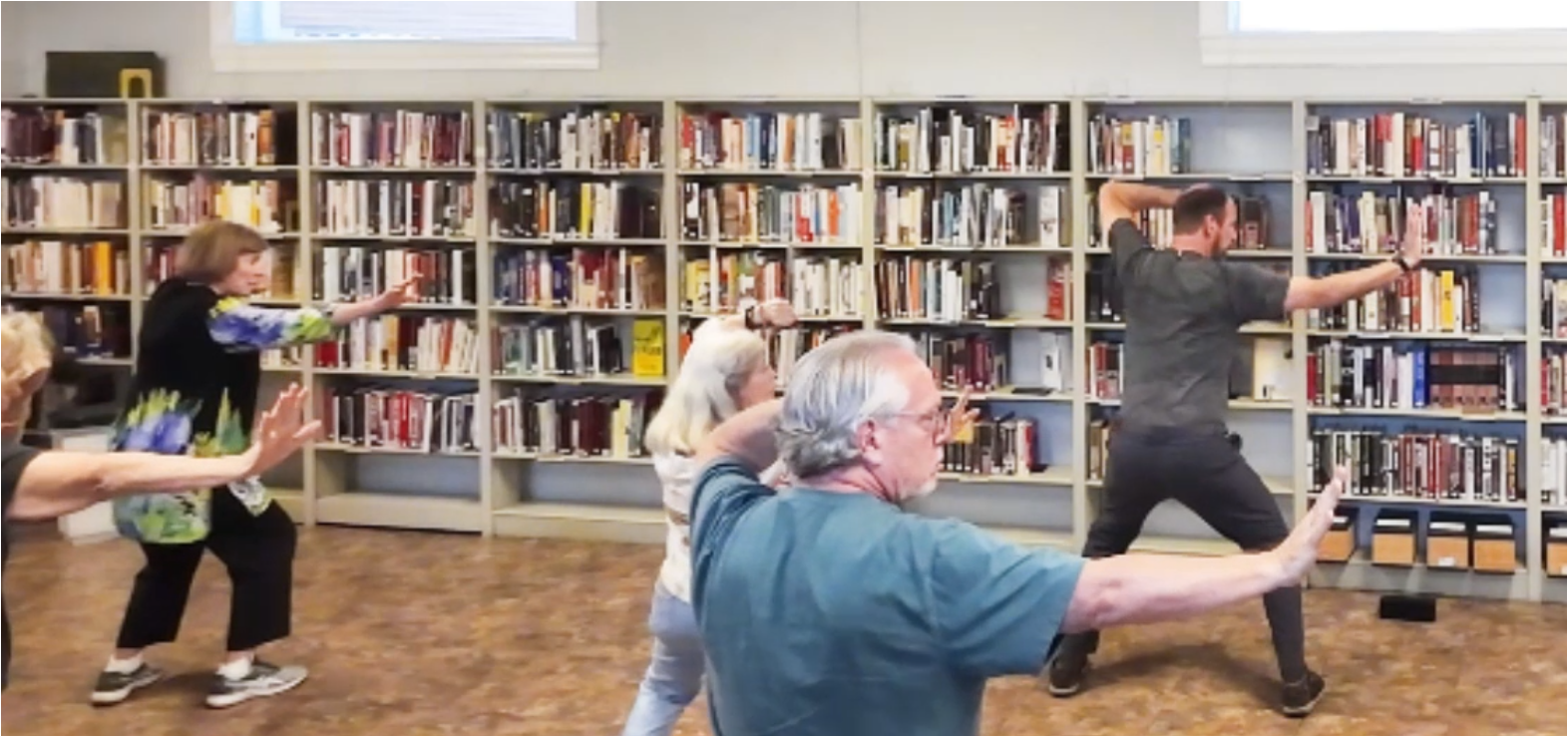
  • Balance training: Tai chi, yoga, and Pilates are excellent for improving balance and flexibility, reducing the risk of falls that can lead to fractures.
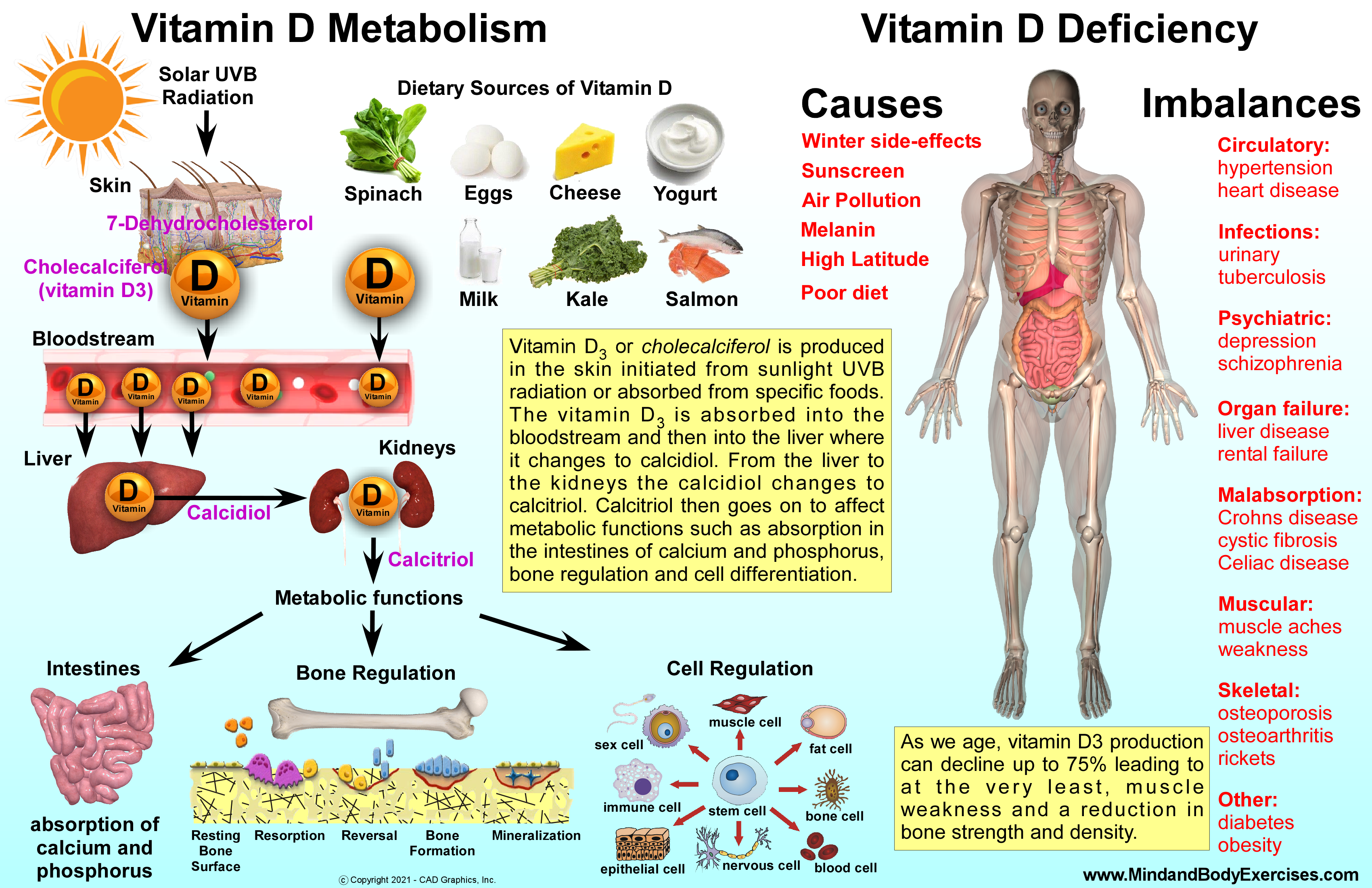
  • Vitamin D: Essential for calcium absorption, vitamin D can be synthesized through exposure to sunlight. About 15-30 minutes of sun exposure several times a week on the face, arms, or legs (without sunscreen) is often enough, depending on skin type, location, and weather.
  • Supplementation: In cases where adequate sun exposure is not possible, supplements are often recommended. The typical dosage is around 600-800 IU per day for adults, though higher doses may be needed for those with deficiencies.
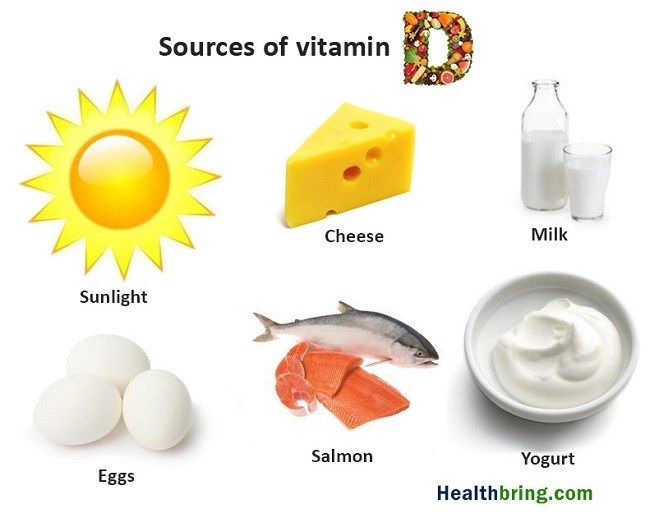
  • Calcium: Adequate calcium intake is crucial for maintaining bone density. The recommended intake is about 1,000-1,200 mg per day, depending on age and gender. Calcium-rich foods include dairy products (milk, cheese, yogurt), leafy greens (kale, broccoli), almonds, tofu, and fortified foods.
  • Magnesium: Magnesium helps convert vitamin D into its active form, allowing for better calcium absorption. Sources include nuts, seeds, legumes, and whole grains.
  • Protein: Adequate protein intake is essential for bone and muscle health. High-protein diets have been associated with improved bone density.
  • Other Nutrients:
    • Vitamin K: Found in leafy greens, helps regulate calcium and promotes bone health.
    • Omega-3 Fatty Acids: Found in fish like salmon and flaxseeds, these can help reduce bone loss.
  • Bisphosphonates: These drugs slow down bone resorption and help to maintain or increase bone density.
  • Hormone Therapy: Estrogen replacement therapy can be beneficial for postmenopausal women to slow bone loss.
  • Denosumab: A monoclonal antibody that reduces bone resorption.
  • Calcitonin: A hormone that helps regulate calcium levels and bone metabolism.
  • Parathyroid hormone analogs: These can help stimulate bone formation in severe cases of osteoporosis.
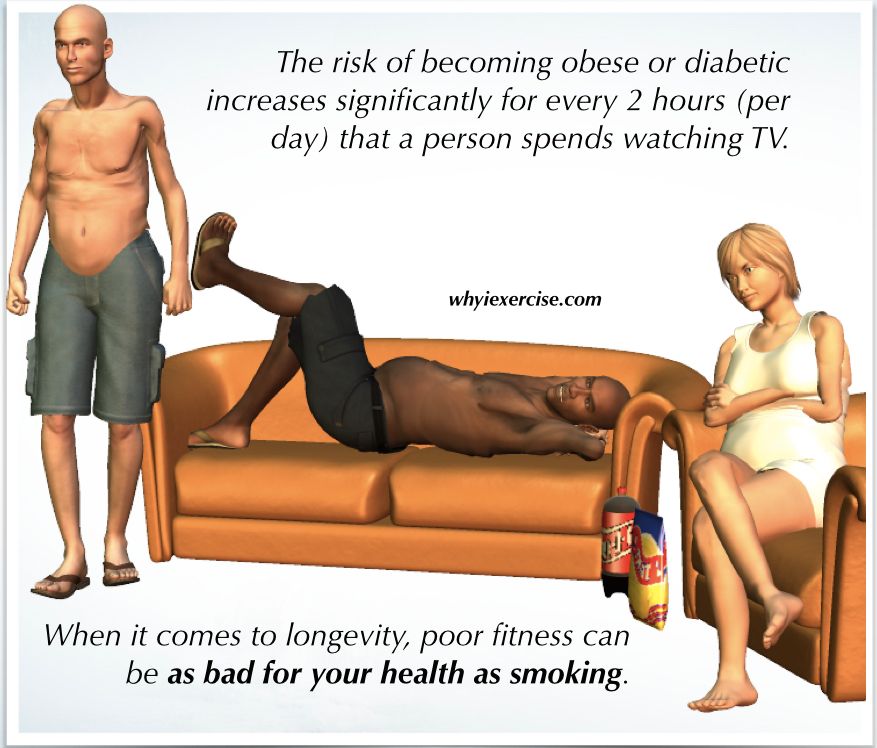
  • Quit smoking: Smoking accelerates bone loss, so quitting is important for bone health.
  • Limit alcohol: Excessive alcohol interferes with calcium balance and bone formation.
  • Fall prevention: Maintaining good balance and a safe living environment can help prevent falls that might lead to fractures.
  • Bone density scans: These scans can help monitor your bone health and assess your risk of fractures.
  • Regular medical check-ups: Consult your doctor for personalized advice and to discuss any concerns.

Osteopenia and osteoporosis are conditions that reflect the progressive weakening of bones, leading to increased risk of fractures. Managing these conditions involves a combination of strength training, resistance exercises, adequate sun exposure, proper nutrition (especially with calcium and vitamin D), and sometimes medication. Regular physical activity, especially weight-bearing and resistance exercises, can help strengthen bones, while proper diet and lifestyle choices support bone health and overall well-being.

I teach and offer lectures about holistic health, physical fitness, stress management, human behavior, meditation, phytotherapy (herbs), music for healing, self-massage (acupressure), Daoyin (yoga), qigong, tai chi, and baguazhang.

Please contact me if you, your business, organization, or group, might be interested in hosting me to speak on a wide spectrum of topics relative to better health, fitness, and well-being.

I look forward to further sharing more of my message by partnering with hospitals, wellness centers, VA centers, schools on all levels, businesses, and individuals who see the value in building a stronger nation through building a healthier population.

I also have hundreds of FREE education video classes, lectures, and seminars available on my YouTube channel at:

https://www.youtube.com/c/MindandBodyExercises

Many of my publications can be found on Amazon at:

http://www.Amazon.com/author/jimmoltzan

My holistic health blog is available at:

https://mindandbodyexercises.wordpress.com/

http://www.MindAndBodyExercises.com

Mind and Body Exercises on Google: https://posts.gle/aD47Qo

Jim Moltzan

407-234-0119

Health and Wellness Issues Have Worsened in Recent Decades

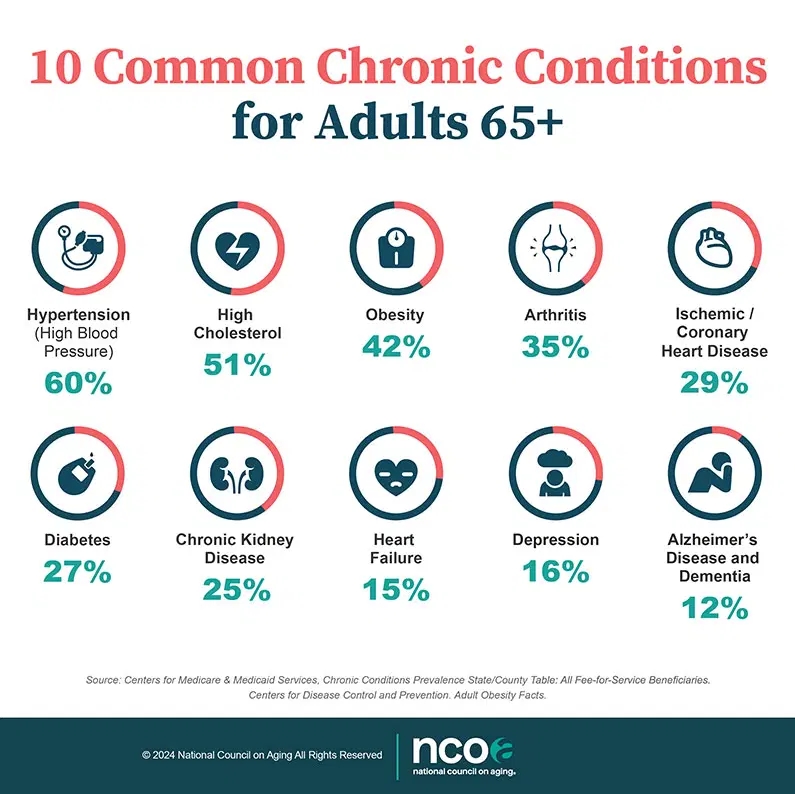
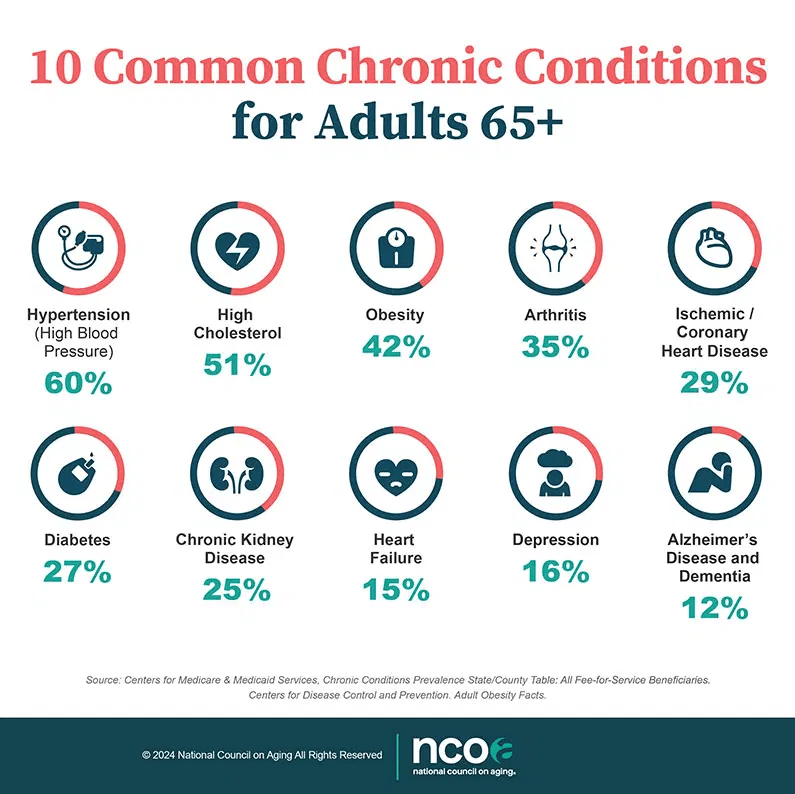
People in the US are experiencing many mental and physical diseases, ailments, and chronic conditions that were not nearly as prominent in years past. Many diseases and issues previously experienced by adults, are now seen in children. Some experts believe there is a definite link between our food, lack of physical activity, chemicals, other lifestyle choices, and the state of poor health in the US.

https://www.ncoa.org/article/the-top-10-most-common-chronic-conditions-in-older-adults/

General Prevalence:

  • Approximately 60 million adults (23.08%) in the U.S. experienced a mental illness in the past year, and nearly 13 million adults (5.04%) reported serious thoughts of suicide ​NAMIMental Health America.
  • Among youth aged 12-17, one in five experienced at least one major depressive episode, with over 56% not receiving any treatment ​Mental Health America.

Specific Disorders:

  • Anxiety Disorders: Affect 19.1% of U.S. adults ​NAMI.
  • Major Depressive Disorder: Approximately 8.3% of adults experience a major depressive episode ​NAMI.
  • Bipolar Disorder: Affects about 2.8% of the population ​NAMI.
  • Substance Use Disorders:
  • Over 45 million adults (17.82%) and 2.3 million youth (8.95%) are experiencing substance use disorders Mental Health America.

Barriers to Treatment:

  • The ratio of people to mental health providers is concerning, with around 340 individuals for every provider in many areas ​Mental Health America.
  1. Chronic Conditions:
    • Obesity: Over 42% of U.S. adults are classified as obese​ National Institute of Mental Health. This condition is linked to various other health issues, including diabetes and heart disease.
    • Cardiovascular Diseases: Conditions like hypertension and heart disease remain prevalent, contributing to high morbidity and mortality rates ​National Institute of Mental Health.
  2. Diabetes:
  3. Respiratory Conditions:
  4. Musculoskeletal Disorders:
  1. Prevalence of Mental Health Conditions:
    • Approximately 1 in 5 children (19%) aged 3-17 years has a diagnosed mental, emotional, or behavioral disorder ​CDCNAMI.
    • Mental health issues, including anxiety and depression, are particularly prominent, with anxiety disorders affecting 9.4% and major depressive episodes affecting 7.8% of this age group​PediatricsAmerican Psychological Association.
    • Developmental Disorders: Conditions such as ADHD and autism spectrum disorder are becoming more commonly diagnosed. Approximately 9.4% of children aged 2-17 have been diagnosed with ADHD, while around 1 in 36 children are diagnosed with autism​ HHS.govCDC.
  2. Suicidal Thoughts and Behaviors:
    • In 2023, 29% of high school students reported experiencing persistent feelings of sadness or hopelessness, and 14% reported seriously considering suicide​ CDCPediatrics.
    • Among LGBTQ+ youth, rates of suicidal ideation are alarmingly high, with 20% having attempted suicide ​CDCAmerican Psychological Association.
  3. Impact of Socioeconomic Factors:
    • Factors such as food insecurity, housing instability, and exposure to community violence contribute significantly to mental health challenges ​PediatricsAmerican Psychological Association. Structural racism also plays a critical role, particularly affecting Indigenous and Black children, who face higher rates of mental health issues and trauma ​Pediatrics.
  4. Access to Treatment:
    • Despite the high prevalence of mental health conditions, many children lack access to necessary care. For instance, 50.6% of youth aged 6-17 with mental health disorders received treatment​NAMI. There are significant disparities based on socioeconomic status and race​ PediatricsAmerican Psychological Association.
  5. Improvements and Challenges:
    • Some improvements have been noted recently, such as a decrease in persistent sadness among students overall, but increases in experiences of bullying and school safety concerns have been observed ​CDC. The ongoing challenges underscore the need for more comprehensive support systems in schools and communities ​PediatricsNAMI.
  1. Obesity: Childhood obesity is a significant concern, affecting approximately 19.7% of children aged 2 to 19 years as of 2020. This prevalence is higher among Hispanic (26.2%) and Black (24.8%) children compared to their White (16.6%) and Asian (9.0%) counterparts​ CDC. The annual medical costs related to obesity for U.S. children is estimated to be $1.3 billion CDC.
  2. Asthma: Approximately 7.5% of children in the U.S. have asthma, making it one of the most common chronic respiratory diseases. Asthma rates have been shown to vary with socioeconomic status, with children from lower-income families more likely to be affected​ CDC.
  3. Allergies: Allergic conditions, including food allergies and allergic rhinitis (hay fever), are prevalent among children. It’s estimated that 8% of children have food allergies, with increases seen in recent years​ CDC.
  4. Diabetes: The prevalence of diagnosed diabetes (both Type 1 and Type 2) among children is around 1.5%. There has been a notable increase in Type 2 diabetes, attributed to rising obesity rates​ CDC.
  5. Sleep Disorders: Conditions such as sleep apnea affect an estimated 2% to 5% of children, often linked to obesity and resulting in various physical and mental health issues​ CDC.
  6. Vision and Hearing Impairments: Around 5% of children have some form of visual impairment, while 1.4% experience hearing loss​ CDC.
  7. Injuries: Unintentional injuries remain a leading cause of morbidity among children, with thousands of emergency department visits annually related to accidents​ CDC.

The combined rise in mental health issues and chronic physical conditions points to a pressing health crisis in the U.S. The COVID-19 pandemic has exacerbated these challenges, leading to increased stress, anxiety, and social isolation, which further complicate access to care and treatment​

Mental Health America. It’s crucial for healthcare systems and policymakers to address these issues, focusing on improving access to mental health resources and integrating physical health strategies to support overall well-being.

I teach and offer lectures about holistic health, physical fitness, stress management, human behavior, meditation, phytotherapy (herbs), music for healing, self-massage (acupressure), Daoyin (yoga), qigong, tai chi, and baguazhang.

Please contact me if you, your business, organization, or group might be interested in hosting me to speak on a wide range of topics related to better health, fitness, and well-being.

I look forward to further sharing my message by partnering with hospitals, wellness centers, VA centers, schools on all levels, businesses, and individuals who see the value in building a stronger nation through a healthier population.

I also have hundreds of FREE education video classes, lectures, and seminars available on my YouTube channel at:

https://www.youtube.com/c/MindandBodyExercises

Many of my publications can be found on Amazon at:

http://www.Amazon.com/author/jimmoltzan

My holistic health blog is available at:

https://mindandbodyexercises.wordpress.com/

http://www.MindAndBodyExercises.com

Mind and Body Exercises on Google: https://posts.gle/aD47Qo

Jim Moltzan

Reducing Daily Stress Experienced by High School Students – Mindfulness-based Stress Reduction (MBSR) Techniques

Our teenage youths have been in distress now and for many years past. So much talk, but so little action. I am trying to do something, and it is time-proven and with a clear plan and direction.

Reducing daily stress experienced by high school students is possible through Mindfulness-based Stress Reduction (MBSR) techniques. I believe this to be accurate, as I have practiced and taught many stress management techniques for over 40 years to adults of all ages.

The goal of my proposed intervention is to reduce the typical daily stress that teenagers experience regularly on the individual level, while in high school. Daily stress often leads to mental health ailments of anxiety, depression, impaired focus, and lack of quality sleep. The target audience for this intervention is high school students, 14-18 years of age. Promoting focusing on mental health and well-being is crucial for overall health. This will be accomplished by myself or a qualified professional guiding participants through the various stages of change within the Transtheoretical Model (TTM) to encourage the practices of mindfulness-based stress reduction (MBSR). MBSR therapy is a meditation strategy that is used to help with stress management, sleep disorders, depression, anxiety, hypertension, chronic pain, cancer, diabetes mellitus, and other disorders (Kabat-Zinn, 2013).

MBSR techniques have little risk and can increase the agency that individuals have in managing mood swings and physical pain, as well as enhancing the quality of their own lives (Niazi & Niazi, 2011). Research from recent studies supports that some college students who practiced mindfulness along with their coursework, reported cognitive and wellbeing benefits, when practicing for as little as five minutes twice a week, dependent upon the specific type of mindfulness method implemented (O’Hare & Gemelli, 2023).

The Transtheoretical Model (TTM) will be utilized with this intervention. TTM encompasses more than one health-related behavior theory, which to me seems that TTM offers a more comprehensive strategy to help individuals to better understand and manage stressors within their daily life. Within TTM there are four key constructs that are thought to produce significant behavioral changes. The constructs are:

• Stages of changes

• Decisions balance

• Self/Efficacy/Temptations

• Processes of change

The first construct of TTM suggests that there are stages of change where precontemplation, contemplation, preparation, action, and maintenance all affect human behavior. The second construct of decision balance suggests that when there are more pros than cons for a certain behavior, an individual will either move forward or backward within the stages. The third construct encourages a “can-do” attitude, where an individual may gain confidence and feel that they have more control and agency in their decisions.  The fourth construct delves more into the details of experiential versus behavioral changes (Simons-Morton & Lodyga, 2021) where a person moves from the “thinking” state to a more active “doing” state of being. Overall, the TTM will help me to show participants how mindfulness-based stress reduction techniques can help students move from the “contemplation” stage to “action” by highlighting its effectiveness in stress reduction and management.

This intervention can be implemented by first contacting a local high school’s administration to explain the goals and benefits of sponsoring such an event. Once the administration agrees to support, promote, and manage the registration of students for a group setting workshop (intervention), a trained and/or qualified professional will come to the school’s auditorium after school finishes on a predetermined day. They can then present an initial 10-minute introduction of the potential goals and benefits to the students. Using a whiteboard and handwriting a few notes and health statistics from the Center for Disease Control (CDC) and the American Heart Association (AHA) will help draw their focus. My message that can be conveyed, is how as young adults, they can individually have self-efficacy over their thoughts, emotions, and relative coping mechanisms for managing stress. A major portion of this presentation will be explaining in some detail what the TTM is and how it is related to stress management. Another major component of this presentation will be an explanation of the methods and benefits of MBSR.

The professional will then ask those students interested in participating further in this intervention to answer only to themselves by signing a contract of commitment form to attend 3 10-minute sessions for a total of 8 weeks. There will be no consequence if the student decides not to continue, however, they will not receive any credit or reward upon completion if they do not attend. Sessions will be just after school ends, giving the students 5-10 minutes to get to the auditorium. Parent’s knowledge and support of their children’s participation are key components needed to reinforce their child’s commitment to accept the challenge of doing some type of task or activity that will potentially affect not only the individual but the whole family’s well-being. I would also invite and encourage parents to attend the sessions if they are available to do so.

My intervention can address the key constructs of TTM throughout the presentation. More specifically, the stages of change will need to be targeted as follows:

Precontemplation – In this stage, participants may not yet recognize a need to reduce stress or might not view it as an important priority. If they were in the room and attending my presentation, they are already past precontemplation, or else they would not have made the effort to come to the event.

Contemplation – With a goal of raising awareness of current teen health issues, I seek to motivate and inspire individuals to think more about becoming equipped to manage the impact stress has on their health and well-being, I will offer information regarding the benefits of mindfulness techniques to reduce stress, thereby affecting and improving overall health and well-being.

Preparation – In this stage I will be explaining how we will need to take action and how this group will be readied, in order to achieve a greater sense of agency over individual stress management. I will provide resources such as guided meditation apps or YouTube classes that can help support their practice.

Action – The phase of action is where participants will actively engage in MBSR exercises. Each session will review and build upon prior sessions. I will be encouraging them to practice regularly and offer other strategies to overcome potential hurdles and maintain motivation. Setting reminders on their phones and finding quiet places for meditation will help reinforce their self-practice.

Maintenance – In this phase, individuals will have successfully adopted mindfulness techniques into their daily routine and are most likely experiencing the benefits of having less stress. I can offer further strategies to help maintain their practice and prevent relapse, such as further opportunities for learning and growth through other techniques and resources. After this intervention concludes, there will be a follow-up survey one month after the event to determine if participants are still engaged in practicing the self-regulation techniques that they learned.

The construct of decision balance will be addressed and discussed at each session, as participants will be reviewing the pros and cons of returning for future sessions. If they feel that they are improving their stress management, they will be inclined and more self-motivated to continue.

The construct of self-efficacy of individuals will most likely increase as participants move through the stages of change.

For the construct of the processes of change, I would not going to go into much detail to the whole group. I feel that this construct, while important may be a bit more complex than what will already have been covered up to this point as far as human behavior is concerned. A slide will be available in the presentation, and I can offer further explanations as necessary.

The intended outcome of the intervention will be to hopefully have the participants be able to better recognize and manage stressful experiences, whether from events such as tests, time management, social interactions, and other activities that often manifest into stress.

Please contact me if you, your school, your business, your organization, or your group, might be interested in hosting me to speak on a wide spectrum of topics relative to better health, wellness, and fitness.

References:

American Heart Association: Childhood stress linked to higher risk of high blood pressure, obesity, diabetes in adults. (2024, January 17). Contify Life Science News, NA. https://link.gale.com/apps/doc/A779587760/ITBC?u=vol_vsc&sid=ebsco&xid=ed427911

CDC. (2023) The Youth Risk Behavior Survey Data Summary & Trends Report: 2011–2021, https://www.cdc.gov/healthyyouth/mental-health/index.htm

Kabat-Zinn, J. (2013) Full Catastrophe Living (Revised Edition) (pp. 77-78, 351). Random House Publishing Group. Kindle Edition.

Niazi, A. K., & Niazi, S. K. (2011). Mindfulness-based stress reduction: A non-pharmacological approach for chronic illnesses. North American Journal of Medical Sciences, 3(1), 20. https://doi.org/10.4297/najms.2011.320

O’Hare, A. J., & Gemelli, Z. T. (2023). The effects of short interventions of focused-attention vs. self-compassion mindfulness meditation on undergraduate students: Evidence from self-report, classroom performance, and ERPs. PLoS ONE, 17(1), 1–20. https://doi.org/10.1371/journal.pone.0278826

Simons-Morton, B., & Lodyga, M. (2021). Behavior theory in public health practice and research. Jones & Bartlett Learning.

I teach and offer lectures about holistic health, stress management, qigong, tai chi, baguazhang, meditation, phytotherapy (herbs), music for healing, self-massage, and Daoyin (yoga).

Please contact me if you, your business, organization, or group, might be interested in hosting me to speak on a wide spectrum of topics relative to better health, wellness, and fitness.

I look forward to further sharing more of my message by partnering with hospitals, wellness centers, VA centers, schools on all levels, businesses and individuals that see the value in building a stronger nation through building a healthier population. I also have hundreds of FREE education video classes, lectures and seminars available on my YouTube channel at:

www.MindAndBodyExercises.com
https://www.facebook.com/MindAndBodyExercises/
https://www.youtube.com/c/MindandBodyExercises
https://mindandbodyexercises.wordpress.com/
https://umareg.com/masters-council/

www.Amazon.com/author/jimmoltzan

Mind and Body Exercises on Google: https://posts.gle/aD47Qo

Jim Moltzan

  • 5th degree in Korean Kung Fu (Ship Pal Gye) 
  • Recognized by Zen Wellness as a Master Level Instructor (gold coin)
  • Recognized by the Doh Yi Masters as a Fellow Doh Yi Master, having completed 10000 hours of training
  • Bachelor’s degree in Holistic Health

407-234-0119

Social Media Addiction

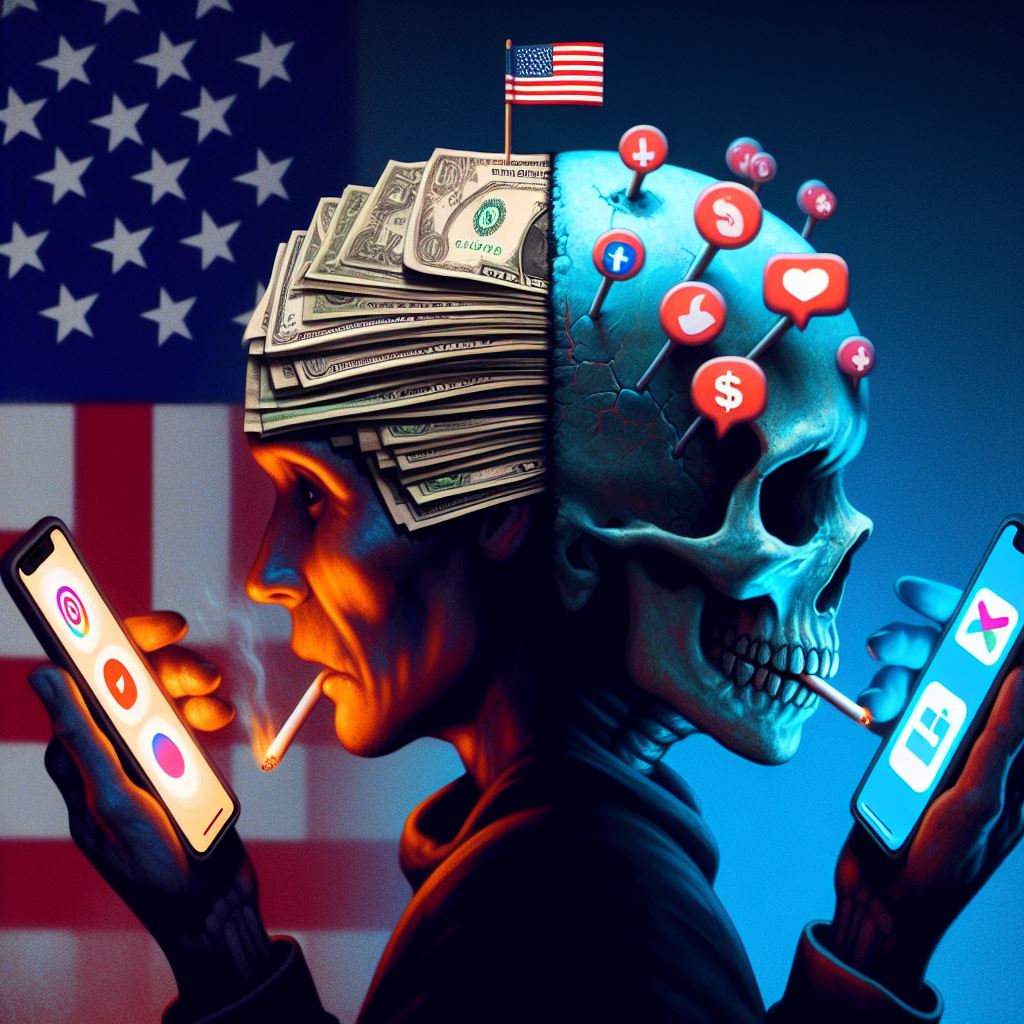
American people seem to finally be waking up to the fact that over-usage of smartphones and more specifically constant engagement in social media platforms, are detrimental to health and well-being. Social media addiction is the 2024 version of crack cocaine, where many people appear to be unable to go for more than a few minutes without their “fix” or dopamine dump from checking their phone for new messages, likes and other notifications. The Social Dilemma is a 2020 Netflix documentary that interviews many former software designers, investors, executives, and other insider occupations at social media platforms, such as Facebook, and Twitter(X). I did view this film back when it first aired but thought it would be insightful to watch and critique it more in detail today, as much has changed and/or advanced with most of these platforms, in the last fours years and even more recently.

This documentary offers insights into the beginning stages of social media, and most specifically on how Facebook started out in 2004 as something totally different than what it is today. Social media and its widespread availability and popularity are a good example of an evolutionary model of technological change” (Conerly, 2021a), where society has moved away from telephones being used merely for verbal communication. Smartphones have evolved to cameras, video recorders, email/text messaging devices and other uses way beyond telephones of years past. Most of those interviewed participated in the documentary because their experiences, hindsight and conscious has led them to think that such platforms purposefully manipulate a user’s attention and relative behavior. In doing so, users often develop a level of dopamine addiction when staying constantly engaged in interaction with social media either through smartphones, personal computers, or other electronic devices. Most of those interviewed see social media as neither inherently good nor bad, but rather as a tool to be used wisely as there exists a strong potential for addiction and abuse. They are careful to highlight the positive aspects of social media, such as offering ways for people to connect, re-connect, and stay abreast of current events and activities of friends and family.

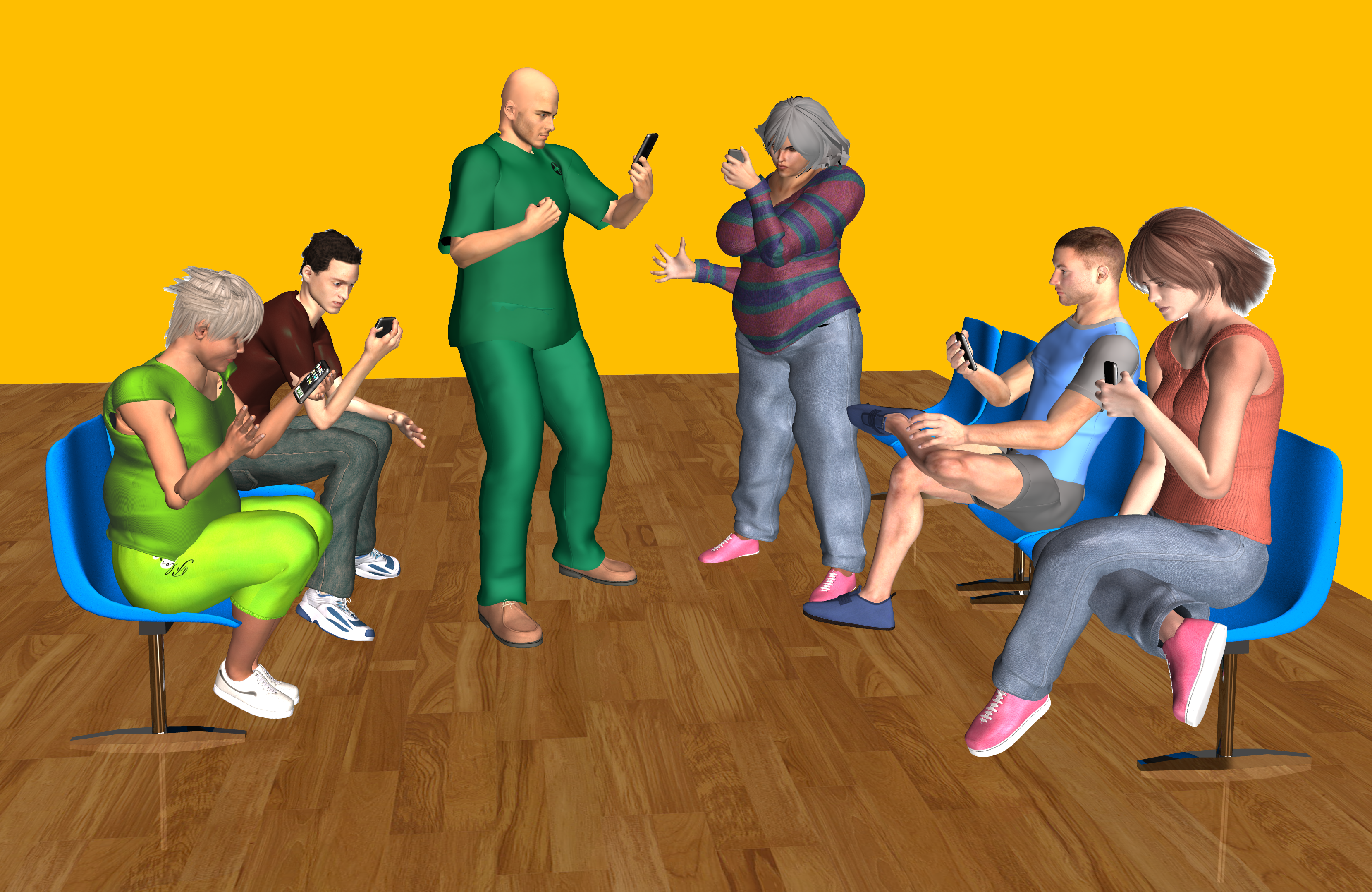
However, it is the opposite side of these benefits that have gained attention. Specifically, the view that for a whole generation of people, online social media connections have become their primary group (Conerly, 2021b), or their most important and significant others in their circle of influence. Or as these insiders see them, as a generation that has been raised to form their self-worth and identity through social media technology and its manipulation (Watch the Social Dilemma | Netflix Official Site, 2020). They feel that young people have been gradually losing their ability to socialize in person, while having difficulty in occupying themselves without social media interaction. I am old enough to have seen this evolution transform, seemingly right before my eyes. In years past before the explosion of social media, I used to be able to stop in a restaurant, coffee shop, bar or other public venue and see young (and older) people interacting with one another through conversation, facial and hand gestures, and other forms of outward communication. Now it is most common to see people of all ages and walks of life, immersed in staring into their smartphone, seemingly oblivious to time and those around them. Young people today seem more anxious, fragile, depressed, less likely to take positive risks, drive less, and date less. More scientific evidence has been gathered, where many are believing that social media is a psychological, cultural, and sociological experiment on a large scale also referred to as a “contagion experiment.” The documentary states depression in youths spiked in 2011 with an increase of 62% for preteens, and 189% with teenagers and suicide increasing 70% for preteens and 151% with teenagers (Watch the Social Dilemma | Netflix Official Site, 2020).

The original innovators and designers had no true inclination of how technology would advance so quickly and exponentially, while the human brain cannot physiologically keep up. The expansion of these platforms has become quite profitable for companies that manage the information made available through social media. This is often seen as “gatekeeping” where those people in charge of the media can decide what the viewing public is exposed to (Conerly, 2021c). and people begin to not know what to believe as true or otherwise. These companies have become an“oligopoly,” where only a few firms dominate a marketplace (Conerly, 2021d). Social media addiction and abuse have been brought to the attention of congressional hearings where government leaders are asking the social media oligopoly CEOs how to make these platforms safer for all, but especially with the youth in the US (Associated Press, 2024). I do not think that the platforms will change their methods and policies on their own, for the betterment of the people. However, I do understand that all actions have consequences, whether deemed as good or bad. The consequences from years of rampant growth and manipulation of data and uses, have brought us to this point where members of congress are basically trying to reverse the legislation from years past and specifically something called Section 230.  This law was passed in the earlier days of the internet and social media expansion (around 1996) that granted immunity to these companies from being sued by its users for unforeseen circumstances. The supreme court ruled in 2023 to keep the immunity in place, as it seems to fall under the freedom of speech (DEPARTMENT OF JUSTICE’S REVIEW OF SECTION 230 OF THE COMMUNICATIONS DECENCY ACT OF 1996, 2023). Congress members are now pushing for the tide to turn and have social media platforms able to be brought to trial for related injuries, deaths and other detrimental side effects. I think things will change dramatically if this happens, hopefully, for the better. But as with most things we don’t know or see the true results until time has passed.

Overall, I do feel The Social Dilemma is still very relevant to modern society, as these issues of addiction and abuse will not diminish on their own. With the rise of artificial intelligence (AI) and the daily increase in fake news and misinformation, I feel it is of the upmost importance that social media platforms and their leaders take actions that are based on mental health, rather than their stockholders and profits.

References:

Watch The Social Dilemma | Netflix Official site. (2020). https://www.netflix.com/title/81254224

Conerly, T. R. (2021a, June 3). 8.2 Media and Technology in Society – Introduction to Sociology 3E | OpenStax

Conerly, T. R. (2021b, June 3). 6.1 Types of Groups – Introduction to Sociology 3E | OpenStax.

Conerly, T. R. (2021c, June 3). 8.4 Theoretical Perspectives on Media and Technology – Introduction to Sociology 3E | OpenStax.

Conerly, T. R. (2021d, June 3). 8.3 Global Implications of Media and Technology – Introduction to Sociology 3E | OpenStax.

Associated Press. (2024, January 31). Senate hearing LIVE: Mark Zuckerberg, social media CEOs testify [Video]. YouTube. https://www.youtube.com/watch?v=HUjv2Ky7PcM

DEPARTMENT OF JUSTICE’S REVIEW OF SECTION 230 OF THE COMMUNICATIONS DECENCY ACT OF 1996. (2023, May 8). https://www.justice.gov/archives/ag/department-justice-s-review-section-230-communications-decency-act-1996

I teach and offer lectures about holistic health, stress management, qigong, tai chi, baguazhang, meditation, phytotherapy (herbs), music for healing, self-massage, and Daoyin (yoga).

I look forward to further sharing more of my message by partnering with hospitals, wellness centers, VA centers, schools on all levels, businesses and individuals that see the value in building a stronger nation through building a healthier population. I also have hundreds of FREE education video classes, lectures and seminars available on my YouTube channel at:

https://www.youtube.com/c/MindandBodyExercises

www.MindAndBodyExercises.com

www.Amazon.com/author/jimmoltzan

Mind and Body Exercises on Google: https://posts.gle/aD47Qo

Jim Moltzan

407-234-0119
What is Qi, Chi or Ki?

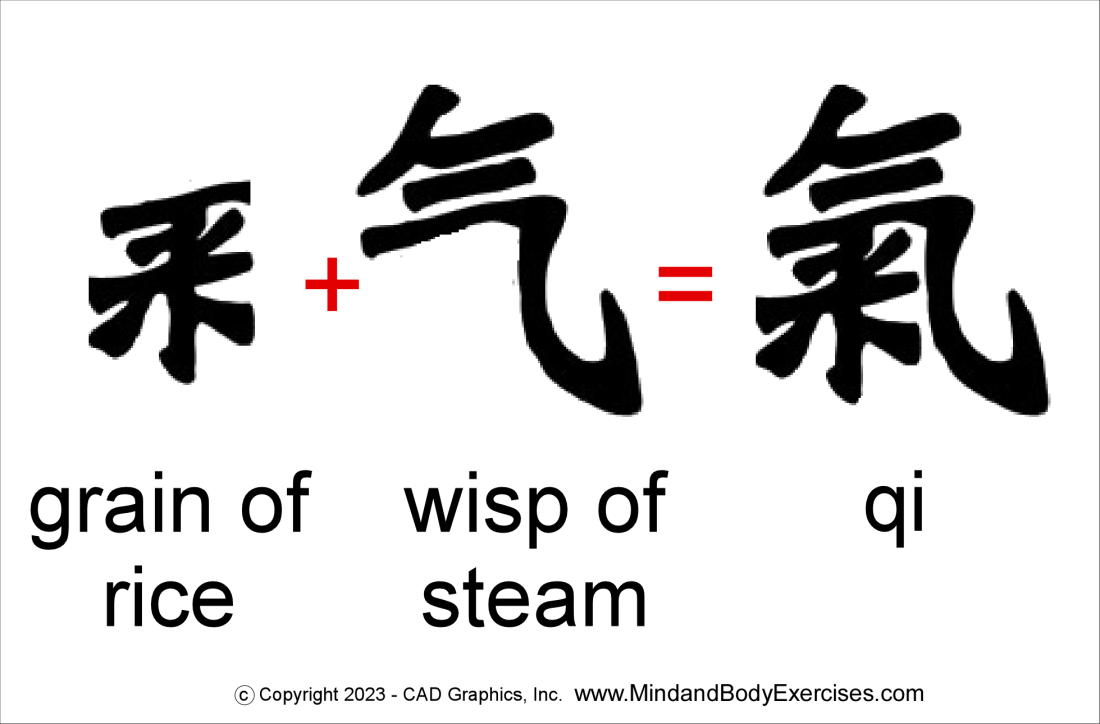
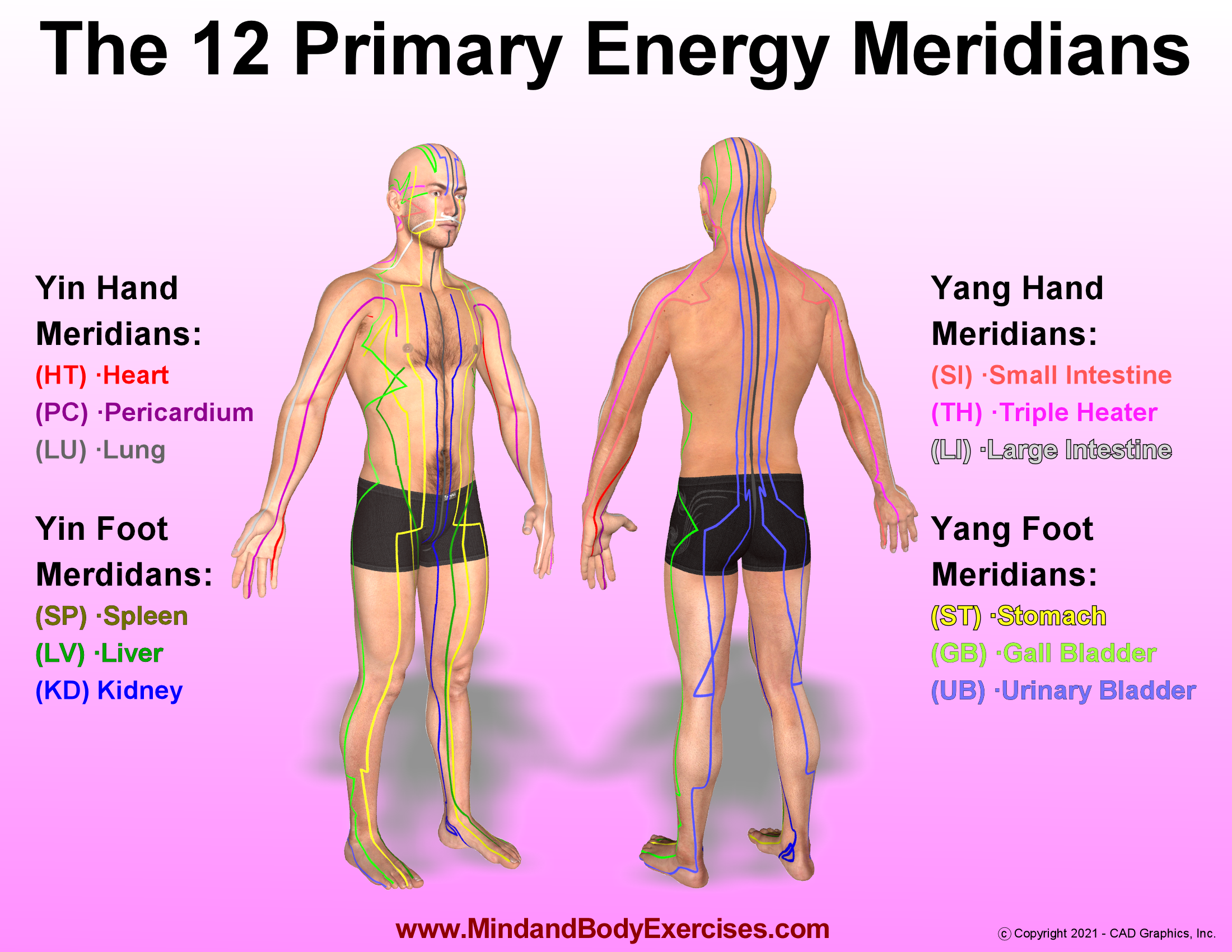
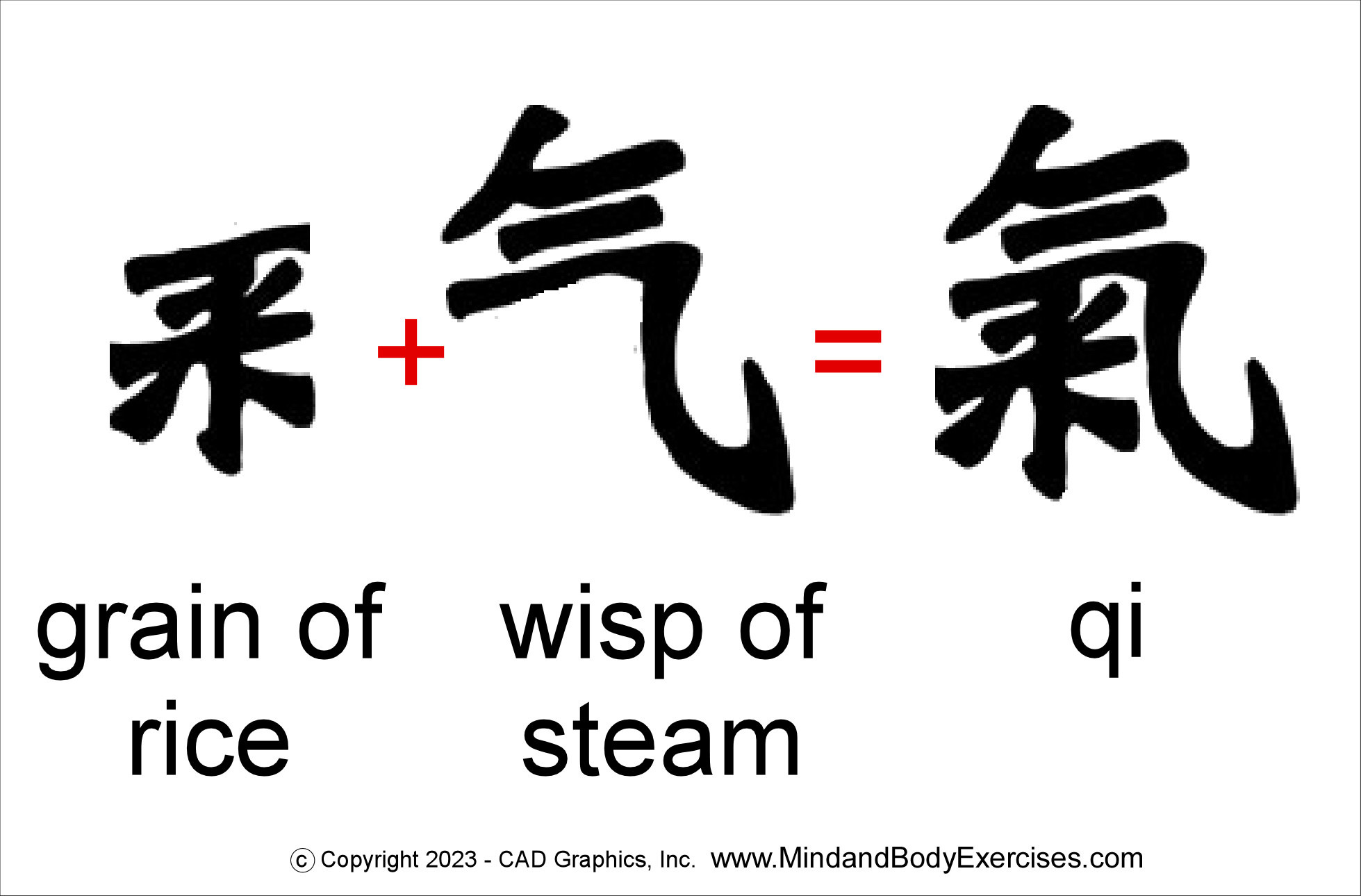
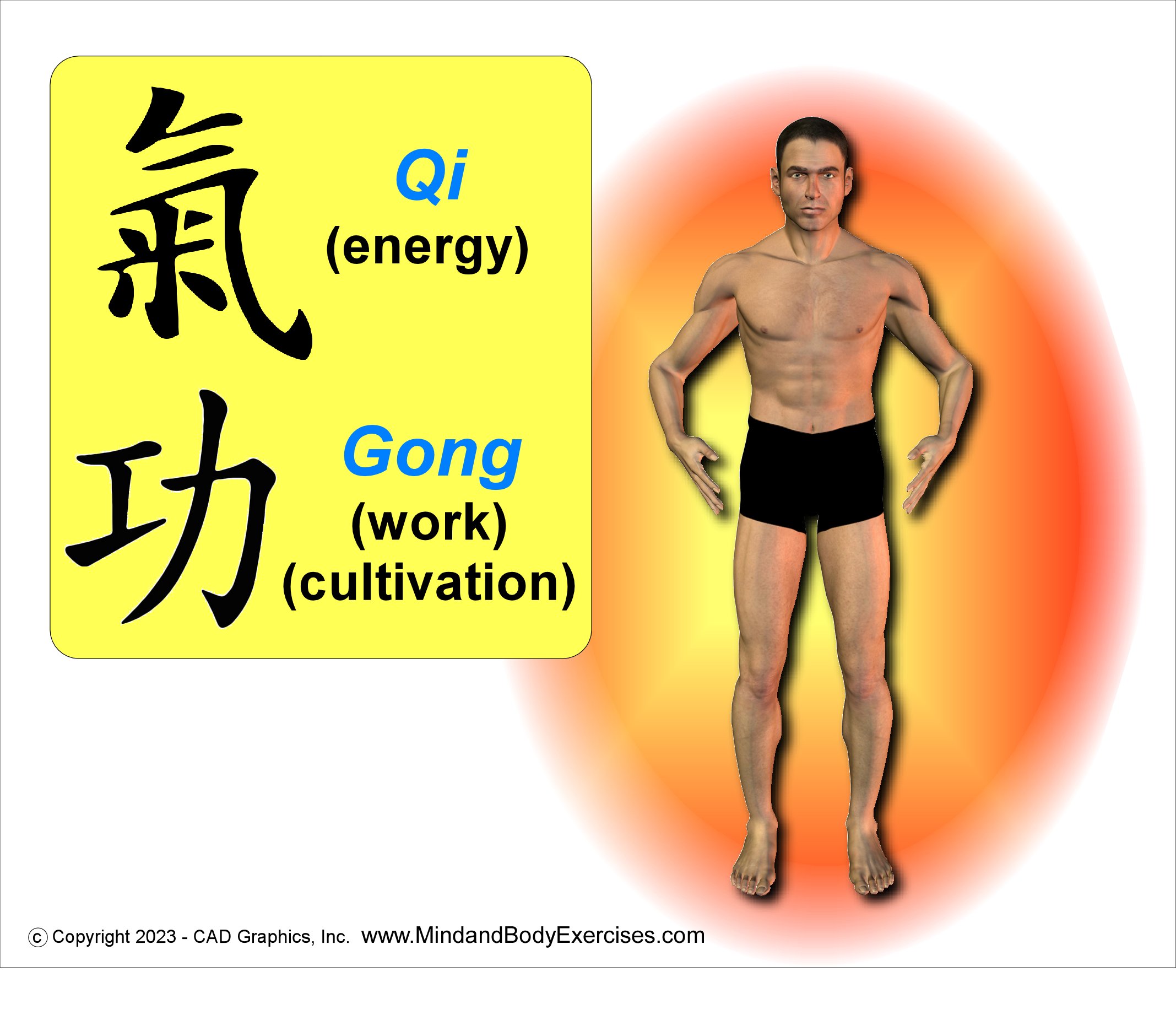
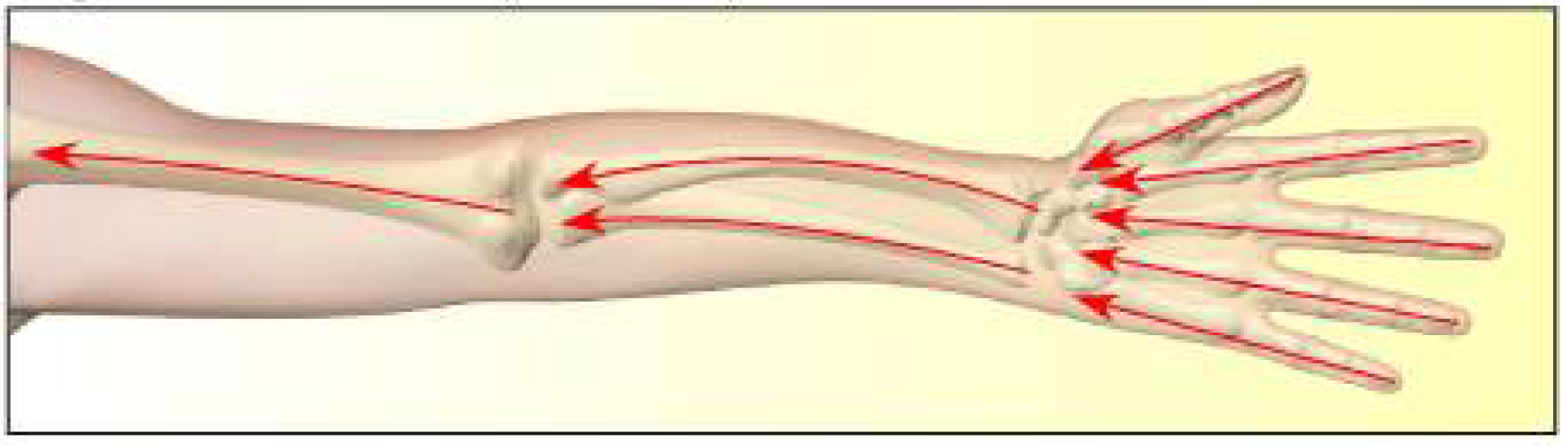
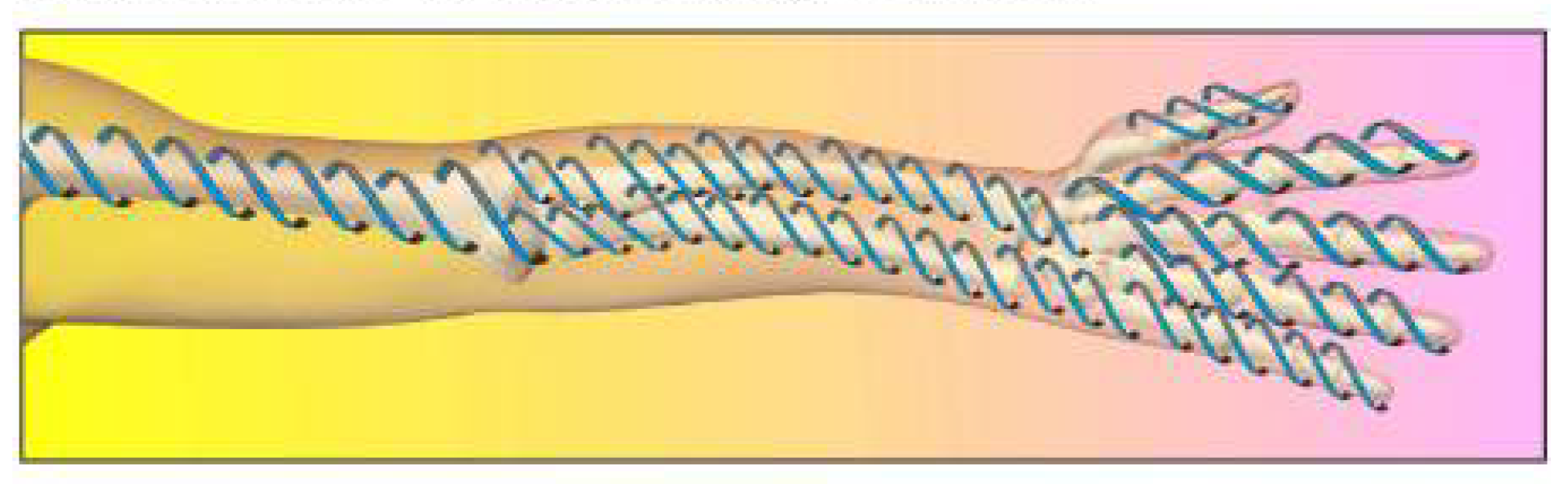
Chi or Qi (pronounced as “chee”) translates to mean “breath” in Chinese. Chi is the life energy that all living creatures require in order to exist. Different cultures call this energy, Ki (from Japanese), Gi (Korean) or Prana (Indian). Chi is a type of energy in the human body and circulates within the blood throughout. Chi flows in a specific pattern from the chest, down the front of the arms to the fingers. It then travels up the back of the arms to the head. The chi then travels down the back to the feet and back up the front of the body to the chest. It travels through meridians within the body that can be best described as something similar to the electrical lines on a printed circuit board. There are 12 main meridians and 8 extraordinary ones as well. There are points along these meridians that are known as “pressure points” or acupoints for acupressure and acupuncture.

Why is Chi important?

The amount of chi in one’s body and the quality of it determines whether an individual is generally healthy or prone to illness. There is a finite amount in our bodies and is gradually exhausted due to age and possible abuses. When it decreases so does the lifespan of the individual.

  • Prenatal chi comes from our parents.
  • Nutritional chi comes from the food we eat.
  • Air chi comes from the air we breathe.
  • Other types of chi are manifested from the previous three types to form others.

What types of chi are there?
Similar to how there can be many different types of plants for example, each having its own name and characteristics, there are various types of chi.

Prenatal, original or primary chi, are different names for the same type of chi that is inherited from the mother (and father) at the time of conception. At birth, the chi resides in and around the kidneys, eventually spreading throughout the rest of the organs and body. In order for the prenatal chi to be maintained, food, drink and air are required. Our health and quality of it are directly linked to the quality of these components. Even if someone’s prenatal chi is weak, it can still be properly nourished by proper diet, exercise and life style. Postnatal or nutritional chi and is derived from food and life style. Nutritional chi is responsible for producing the blood as well as providing the body with nourishment. Where the chi circulates, the blood will follow. The blood nourishes the chi; it is a synergistic relationship
just is yin and yang.

Pectoral or air chi is drawn into our lungs from the air we breathe. People lacking stamina, are known to be deficient in air chi. It enables the lungs to control respiratory functions and enables the heart to circulate blood, relying upon the arms and legs to circulate chi throughout the body.

Defensive or guardian chi (Wei Qi) circulates on the surface of the body, protecting it from outside influences and dangers. Originating from the food we eat, defensive chi is responsible for the operation of the skin’s pores, thereby regulating the body’s temperature and ability to provide moisture when needed.

Normal chi or Zangfu Zhi chi, is that which circulates through the organs.


Jing Luo Zhi chi is that which circulates through the meridians.

How do I keep what I have?
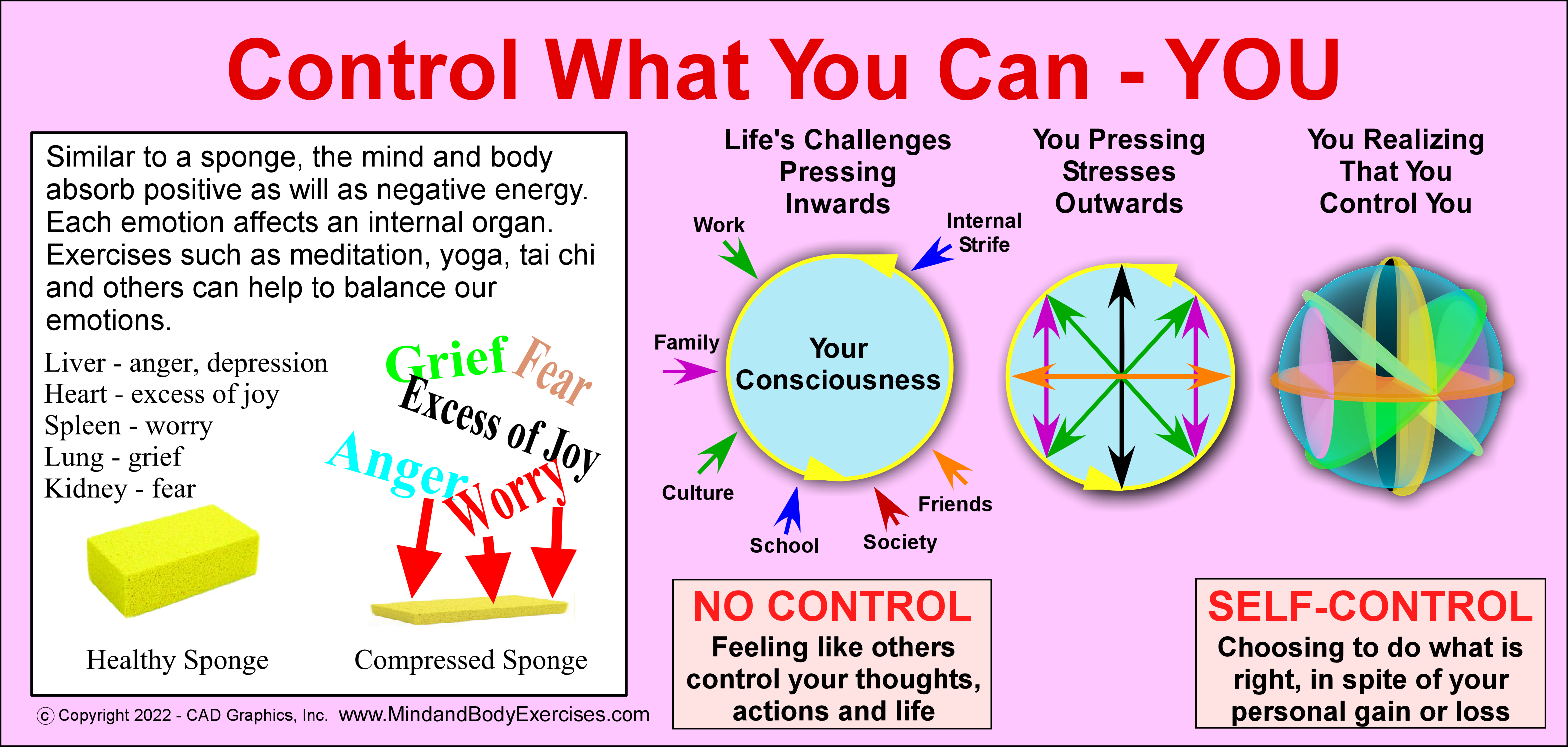
A proper balance of nutrition, exercise and a healthy lifestyle directly affect the quality and abundance of chi. Emotions and their balance or lack there of, affects the quality of an individual’s chi. The 7 emotions are Joy, Anger, Sadness, Grief, Pensiveness, Fear, and Fright. Energy (Chi) is regarded as one of the 3 Treasures or essential components of life, with essence (Jing) and spirit (Shen) being the other two. When energy, essence and spirit are in harmony with one another, the person finds himself or herself alert, healthy and vibrant. Or the opposite, if their treasures are in imbalance. If this harmonious flow is disrupted, illness occurs.

Can I get more?

  • Better quality food or herbs
  • Better quality of air we breathe
  • Deep breathing exercises such as Qigong
  • Other forms of internal martial arts training such as Tai Chi, Hsing Yi or BaguaZhang

What is Chi Kung, Qigong or Gi Gong?
Exercises originating in India and China, for enhancing or “cultivating” chi. The above names reflect different spellings for the same concept. Cultivate is an appropriate word because, as living things require nourishment and nurturing to grow, chi must be nourished and encouraged to develop.

How do these exercises work?
By regulating one’s breath and rhythm of it, an individual can begin to affect the parasympathetic nervous system which slows their heart rate, lowers the blood pressure, relieves muscle tension and consequently changes their body chemistry. This is basically the same state of being one achieves while sleeping and is when the body rests, heals and recharges its energy levels.

What are the benefits of practicing these types of exercises?

  • Increased energy
  • Relief from chronic illnesses
  • Increased self awareness
  • Expansion of one’s thought process
  • Spiritual awareness
  • Increased longevity
  • Better control of emotions
  • Provides a release of one’s internal chatter

Can Qigong exercises really cure serious diseases and ailments?
It is important to note that the claim of practicing chi kung to overcome illness and promote health is based on countless testimonials of practical cases spanning centuries. If someone is physically impaired, this affects his or her emotions and mental state. Consequently, someone’s emotions can easily affect their health, for better or worse. If our psychological and physiological systems function as they should, illness should not occur. Illness occurs when one or more of the body’s systems fail in their functions. The specialty of chi kung is to restore and enhance harmonious energy flow, thereby overcoming illness.


What is the difference between Qigong and Nei Dan (Nae Gung)?
Qigong is exercises focusing on increasing one’s energy by regulating their breath. Nei Dan is somewhat more advanced in that one uses their thought and awareness to guide and increase their energy throughout the spine and bones within the body.


Why pursue these methods?
The American Health Care Crisis might not be as such if all Americans assumed more personal responsibility for their own health. Many spend small fortunes on doctor visits, medication, chiropractic adjustments, massage therapy, acupuncture and other forms of health care and pain relief. Chi kung is relatively cheap to learn, takes little space and only minutes a day to reap the benefits. The only side effects are positive and it doesn’t require a prescription from your doctor.


I teach and offer lectures about holistic health, stress management, qigong, tai chi, baguazhang, and yoga.

I also have hundreds of FREE education video classes, lectures and seminars available on my YouTube channel at:

https://www.youtube.com/c/MindandBodyExercises

Mind and Body Exercises on Google: https://posts.gle/aD47Qo

Jim Moltzan

407-234-0119
Contact for times, locations and costs.

www.MindAndBodyExercises.com

www.Amazon.com/author/jimmoltzan