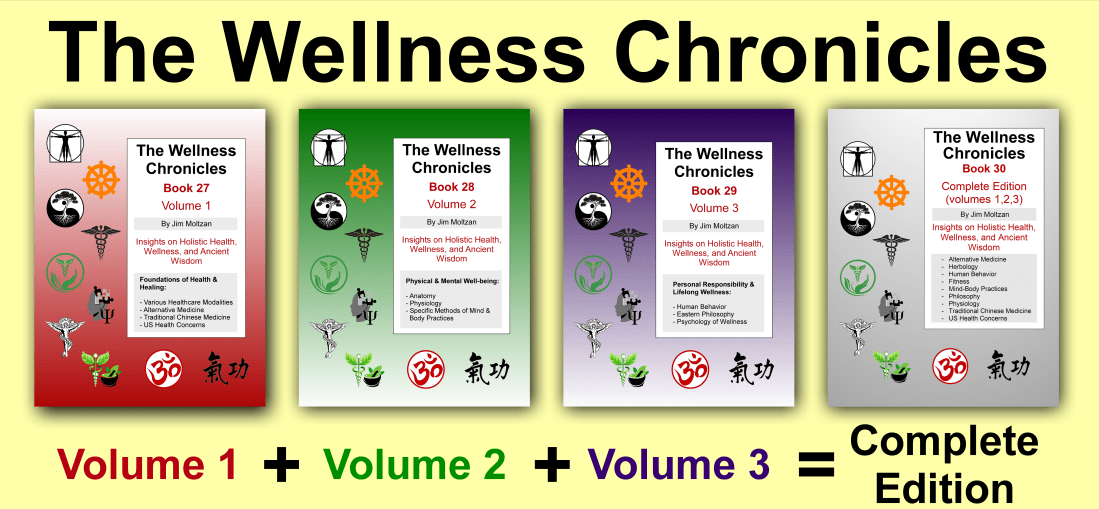
The Wellness Chronicles

I am excited to present The Wellness Chronicles, a culmination of insights gathered from my many years of writing on holistic health. These books distill key concepts from hundreds of my articles, offering a practical and thought-provoking guide to achieving well-being through a balanced approach to life.
In today’s fast-paced world, where stress and pharmaceutical dependency often overshadow self-care and preventative health, The Wellness Chronicles serves as a beacon for those seeking a deeper understanding of the mind-body-spirit connection. Each volume explores a broad spectrum of topics, including nutrition, physiology, healthcare modalities, meditation, psychology, and philosophy, all with an underlying focus on empowering individuals to take charge of their own well-being.

Readers will discover time-honored healing traditions such as Traditional Chinese Medicine (TCM) and Ayurveda alongside modern holistic approaches emphasizing balance and harmony. These books encourage self-awareness and practical application, addressing injuries and ailments through natural, non-pharmaceutical solutions while advocating for movement, breathwork, and mindfulness as essential tools for health.

Beyond physical well-being, The Wellness Chronicles delves into the intricate connections between the mind and body, and how emotions, thought patterns, and beliefs influence our nervous system, stress responses, and overall vitality. These principles are supported by both ancient wisdom and contemporary insights, illustrating the profound interplay between psychology, philosophy, and personal transformation.

As a visual complement to these insights, I have included many of my original graphics throughout these books. These illustrations highlight self-regulation techniques, eclectic exercises, and Eastern methodologies, demonstrating how the intentional control of breath (wind), circulation (water), and mental focus can cultivate resilience, restore balance, and increase vitality (fire)—a reflection of the Taoist concept that “wind and water create fire.”

The Wellness Chronicles are more than just a guide; they are an invitation to reflect, explore, and apply holistic principles in everyday life. My hope is that this book serves as both a resource and an inspiration, encouraging deeper inquiry into the art of living well.

Thank you for your engagement with this work. I am eager to share this journey with you and contribute to the collective pursuit of enduring health, happiness, and fulfillment.

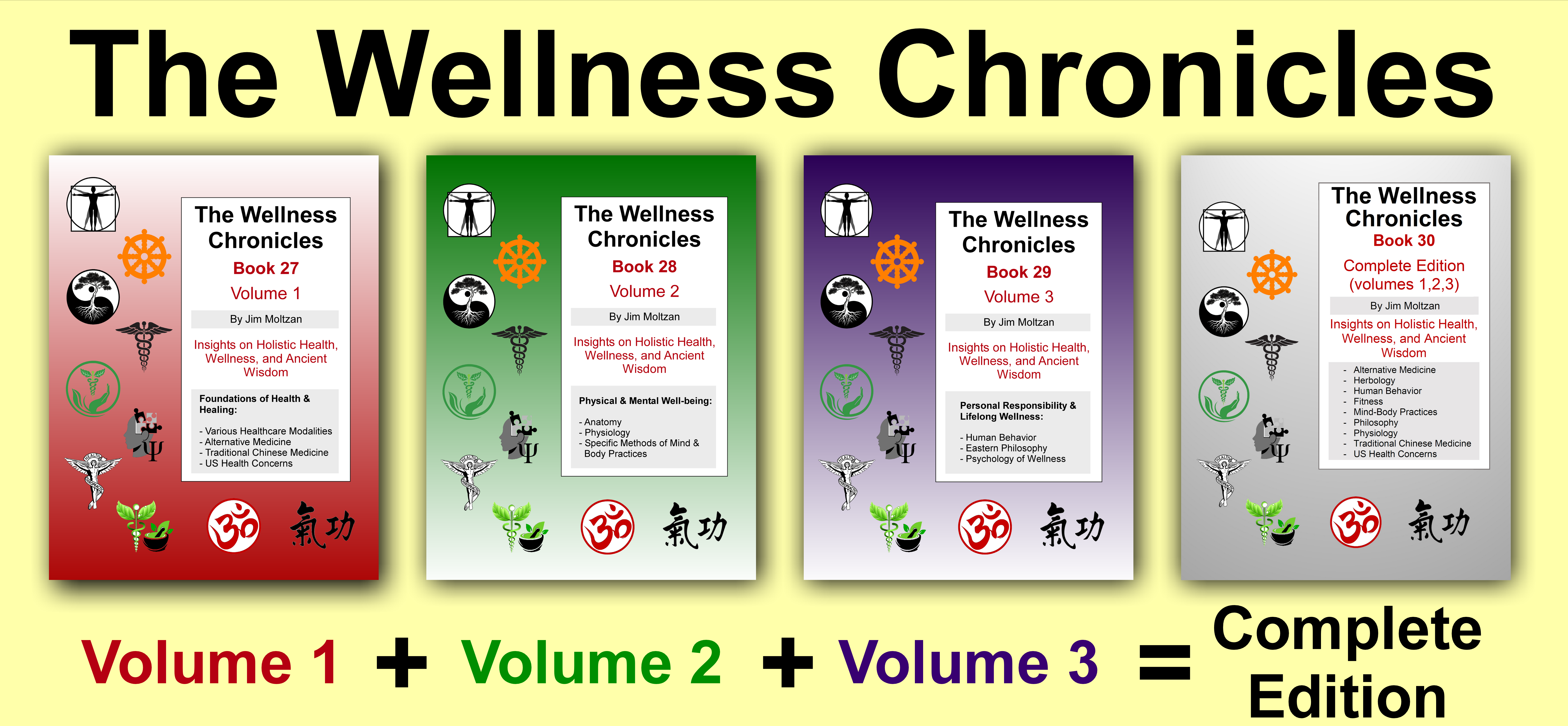
Thus far, I have volumes 1, 2 & 3, which are available individually or currently as one complete edition of all 3 in one book. Additional volumes may be added as I compose more content. Books are available at: https://www.amazon.com/dp/B0DYPFZ46F?binding=hardcover&searchxofy=true
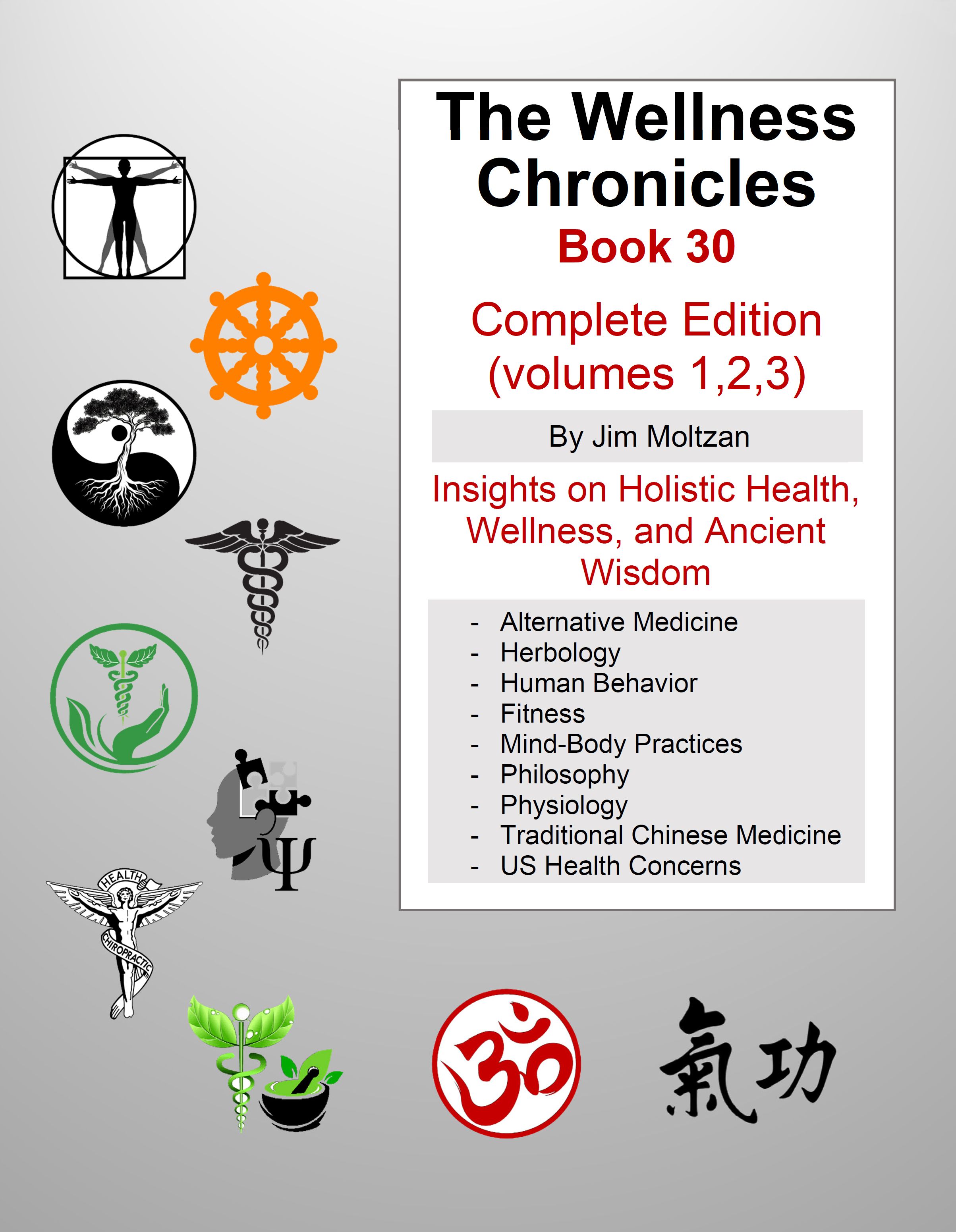
The Wellness Chronicles is a comprehensive exploration of holistic health, offering practical insights into achieving balance in mind, body, and spirit.

Complete Edition: The Definitive Guide – All three volumes combined in one masterwork, providing a full-spectrum resource for lifelong health and transformation. (515 pages)

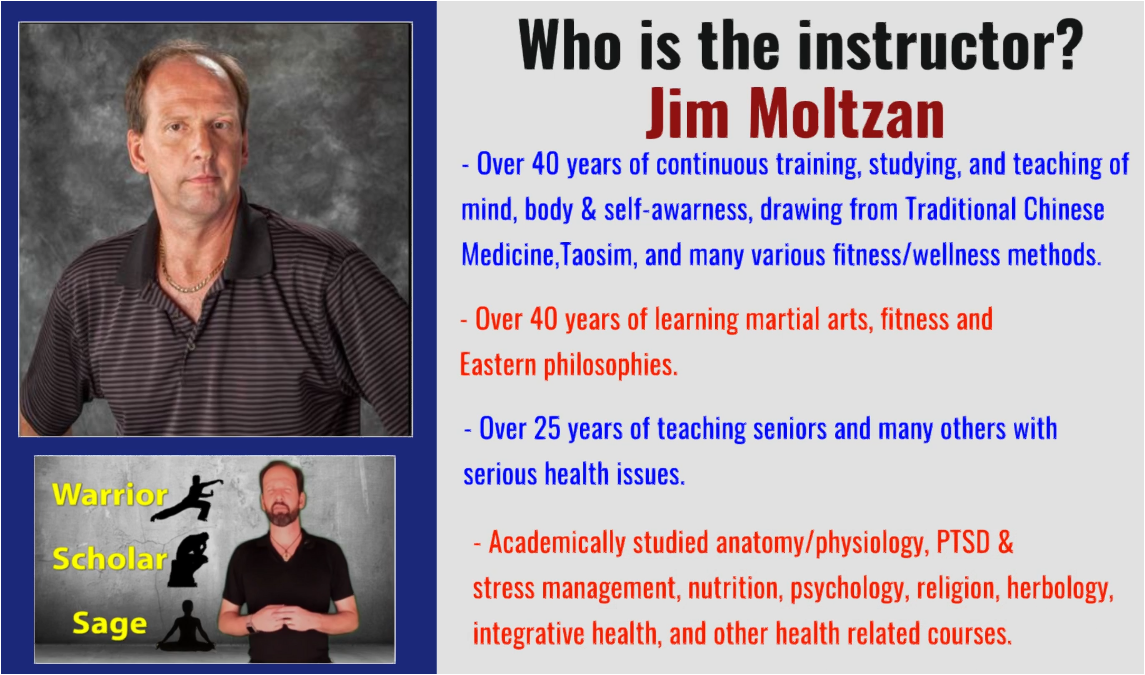
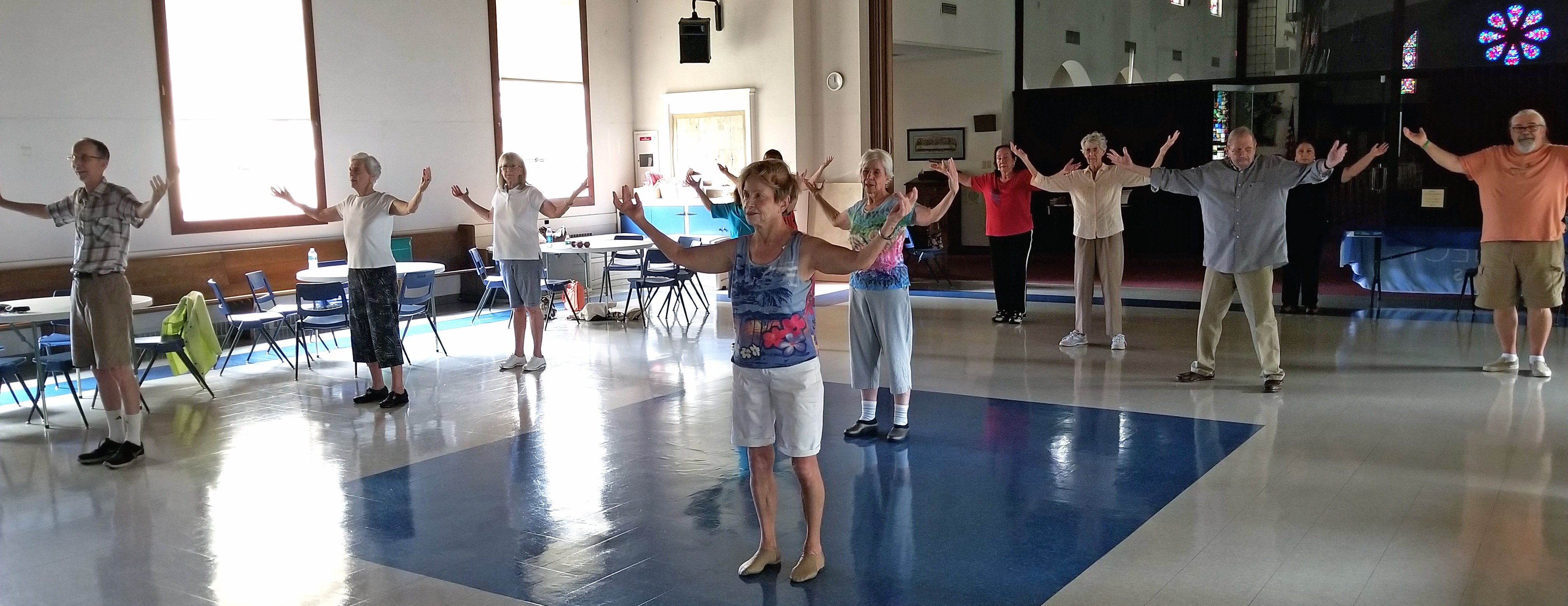
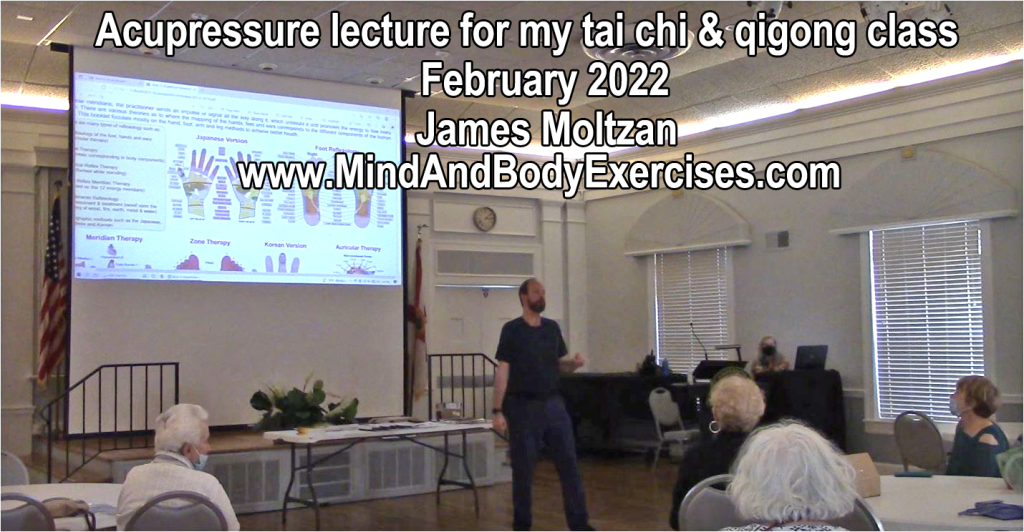
I teach and offer lectures about holistic health, physical fitness, stress management, human behavior, meditation, phytotherapy (herbs), music for healing, self-massage (acupressure), Daoyin (yoga), qigong, tai chi, and baguazhang.

Please contact me if you, your business, organization, or group, might be interested in hosting me to speak on a wide spectrum of topics relative to better health, fitness, and well-being.

I look forward to further sharing more of my message by partnering with hospitals, wellness centers, VA centers, schools on all levels, businesses, and individuals who see the value in building a stronger nation through building a healthier population.

I also have hundreds of FREE education video classes, lectures, and seminars available on my YouTube channel at:

https://www.youtube.com/c/MindandBodyExercises

Many of my publications can be found on Amazon at:

http://www.Amazon.com/author/jimmoltzan

My holistic health blog is available at:

https://mindandbodyexercises.wordpress.com/

http://www.MindAndBodyExercises.com

Mind and Body Exercises on Google: https://posts.gle/aD47Qo

Jim Moltzan

407-234-0119
Walking is Great Exercise, and it’s Free!

Having difficulty getting started on a fitness routine? No local gyms? No money in the budget for managing your health, fitness, and overall wellness?

How about adding more walking into your day? Walk your neighborhood. Hike in the woods or local parks, or try “nature bathing,” a topic for another post. Climb stairs in your home, apartment, or at nearby malls, offices, and other businesses. The options are abundant if one is motivated. Other types of exercise might offer more benefits than walking and are perhaps more appropriate for specific body types and issues. However, walking is the most available form of exercise that most people are already doing daily, to some degree. Walking can be therapeutic for some as a way to manage stress and anxiety, a much-needed tool in our current hectic society.

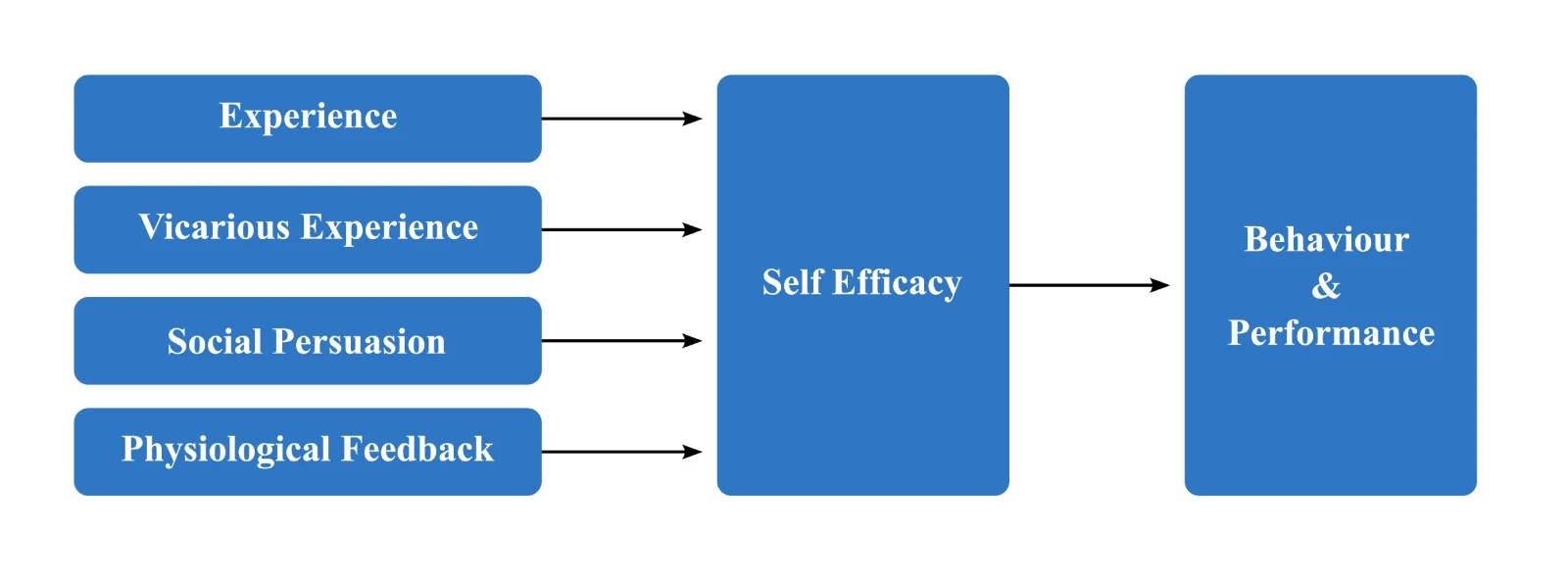
Here is a step-by-step method that offers some of the psychological mechanisms that can help someone to become motivated to get started with a fitness routine. By implementing the Self-Efficacy Theory (SET) I encourage any individual’s belief in their ability to perform specific behaviors relative to personal fitness and well-being. With the goal of increasing an individual’s health (young and old alike) through physical activities, I suggest expounding upon this goal by using appropriate, safe, and effective methods, such as walking. Why not implement more walking into your day? Consistent walking has many potential health benefits. Walking can help to increase overall physical health and mental well-being, as can be seen in adults of all ages who walk regularly. Some communities offer organized group walks where people can join and see others in similar health being able to engage in regular physical activity.

Once an individual becomes engaged in more simple and easily obtainable goals of walking activities, they can begin tracking and recording walking sessions on a daily basis. As the person increases their consistency of walking, they can gradually increase the distance and/or amount of time walking. As the individual sees their own progress increase through self-recording, they can further increase their own goals and consequently begin to achieve mastery in their own ability to maintain their health. Later they may invest in a fitness tracker, which could encourage more self-mastery of the individual’s health goals. Fitness trackers like Fitbit or Apple Watch can offer the person other ways to track not only their walking but also heart rate and calories burned in the process of walking. By acknowledging and celebrating their own achievements of specific goals, the individual again is receiving a feeling of mastery in their own achievements helping to instill their confidence and determination to continue further with their program of walking.

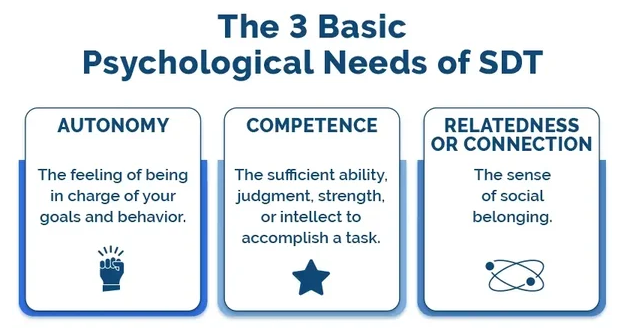
After some amount of time walking regularly, an individual will most likely begin to feel and experience somatic or emotional responses as they may feel less emotional stress after walking. They may even begin to feel the “runners’ high” where endorphins are released into their bloodstream, thus giving them a sense of temporary euphoria. By adding in some additional activities such as gentle stretching or warmup exercises at the beginning and/or end of each walking session, an individual may be able to better manage physical soreness, muscle tightness, or even emotional stress. As a person improves their own health, loved ones may offer emotional and maybe physical support if needed. An individual then may also begin to feel that others do indeed care about their health and well-being. This can further help them to become more intrinsically motivated to continue their exercise program knowing and believing that they can do it on their own but have more support if necessary. I think that all of the constructs that I discussed from SET and also with the self-determination theory (SDT), will give an individual over a short amount of time, the tools that they need to have more self-control, agency, and autonomy over their own health and well-being.

The Physiology of Walking for Fitness

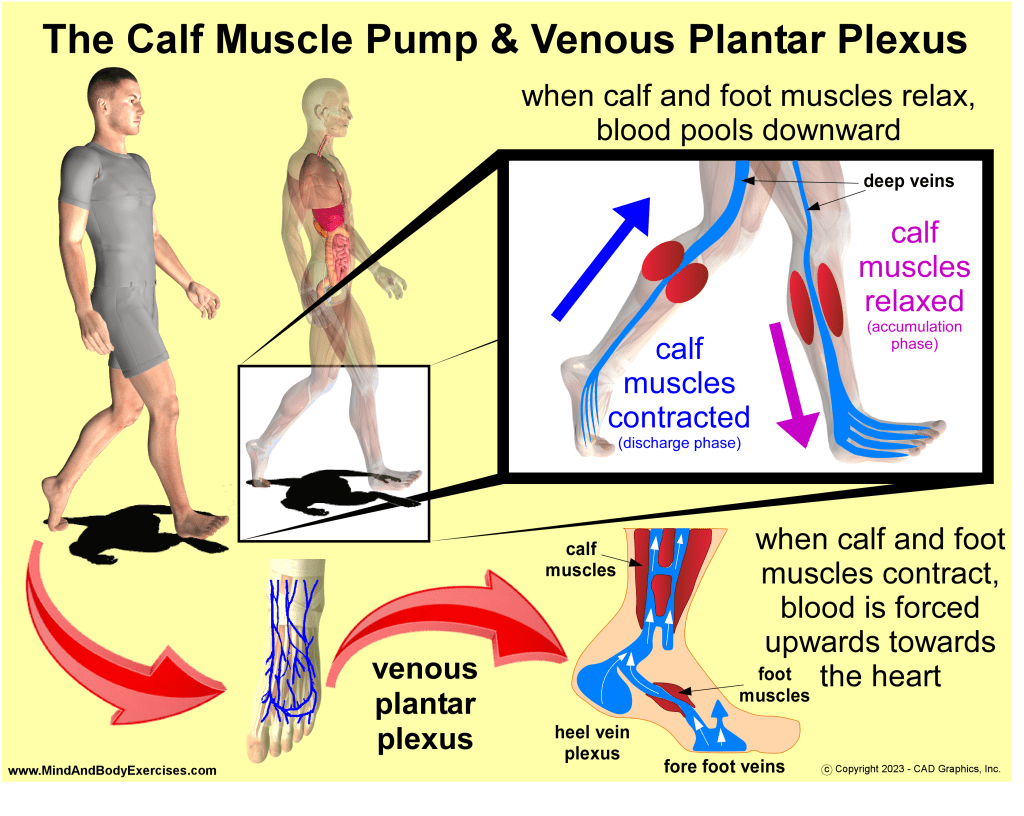
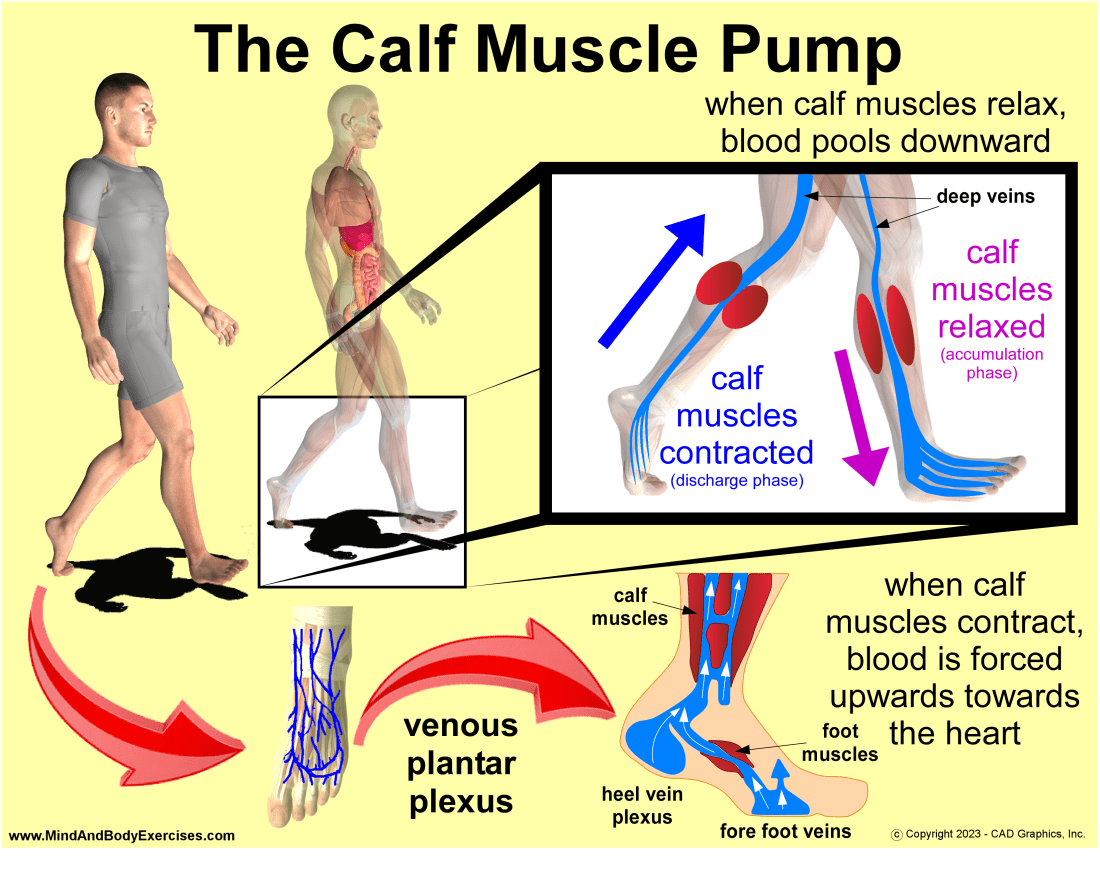
Walking and other weight-bearing activities that engage the muscles in the feet, calves, and thighs illicit a pumping effect that aids in moving blood back to the heart. Rhythmic patterns of relaxation and contraction of these muscles, in addition to the movement of the ankle and toe joints, help to increase venous return and help prevent blood pooling in the lower extremities. Lack of physical movement such as walking and an increase in sitting within our modern American sedentary lifestyle, are major factors that are contributing to the drastic decline in physical and mental wellness of our population within the last decades. More sitting for hours on end at work, behind computer screens, playing video games, and engaging with social media are the norm now. In past years physical activity was more prevalent whether from occupations, recreation, social interactions, or other reasons. A return to a more active lifestyle is what is necessary to get our nation back on track for better health and wellness, instead of harsh pharmaceuticals for all that ails us (a pill for every ill), and pursuing living a life without consequences. We are the architects of our own well-being and relative health and happiness.

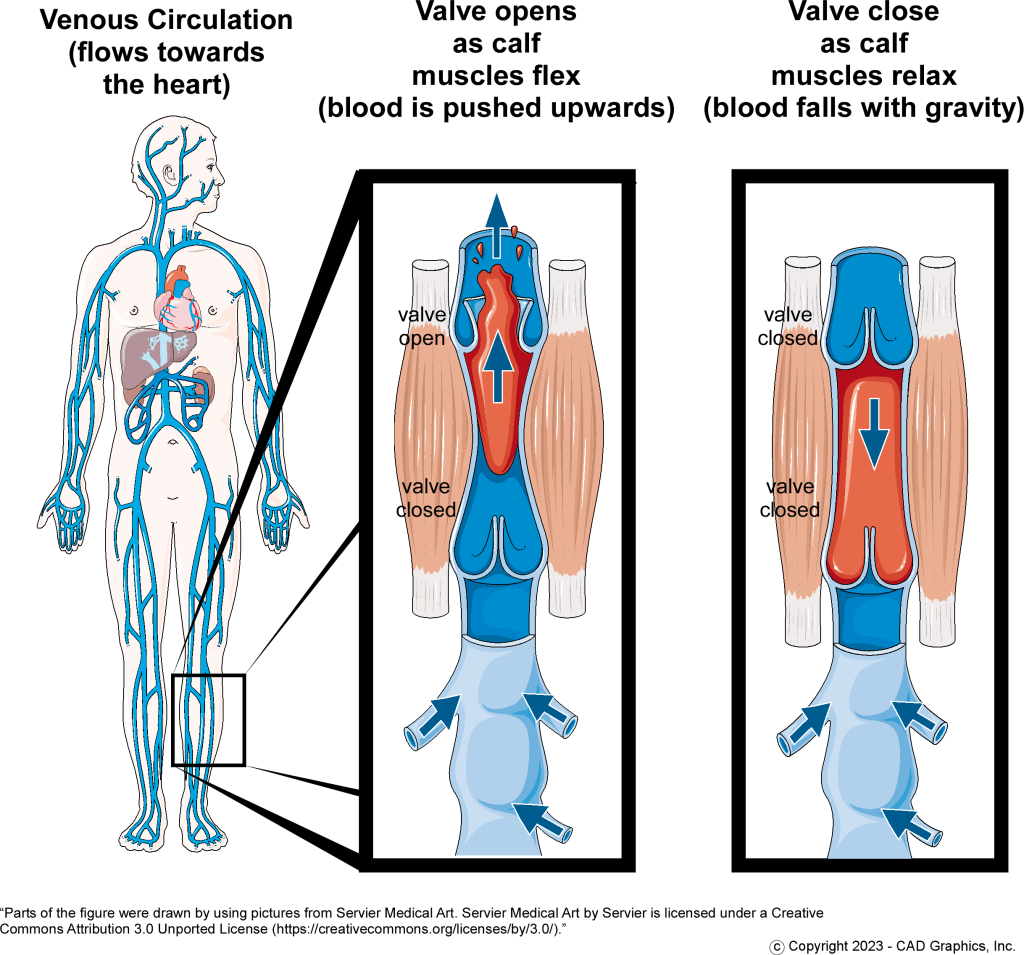
The venous plantar plexus of the foot, the venous pump of the calf, and the thigh muscle pump all work together as part of the venous return mechanism, which sends blood back to the heart. The venous pump of the calf, also referred to as the calf muscle pump, is a very important component of this whole mechanism involving the relaxation and contraction of the calf and foot muscles during specific activities such as walking, climbing, exercising, and others. The primary muscles of the calf muscle pump are the gastrocnemius and soleus. This engagement of the calf muscles compresses the veins and pushes blood upwards against gravity. The venous plantar plexus is a bundle of veins found in the sole of the foot, having a primary function of collecting deoxygenated blood from tissues within the foot and moving it back upwards towards the heart. Other muscles in the foot, such as the flexor hallucis brevis, flexor digitorum brevis, and lumbrical muscles, influence toe flexion and extension and consequently help with increasing blood circulation. Both of these mechanisms within the calves and feet contribute to providing efficient blood circulation back up to the heart, as well as preventing blood pooling (edema) in the lower extremities.

Nose-breathing while walking also helps the body to produce nitric oxide (NO) a now well-known messenger molecule that is produced in the nasal cavity and other tissues throughout the body and more specifically in the veins as arteries. NO increases blood flow through dilation of the veins and arteries.

References:

Parts of the figure were drawn by using pictures from Servier Medical Art. Servier Medical Art by Servier is licensed under a Creative Commons Attribution 3.0 Unported License (https://creativecommons.org/licenses/by/3.0/).

___________

I teach and offer lectures about holistic health, stress management, qigong, tai chi, baguazhang, meditation, phytotherapy (herbs), music for healing, self-massage, and Daoyin (yoga).

I look forward to further sharing more of my message by partnering with hospitals, wellness centers, VA centers, schools on all levels, businesses and individuals that see the value in building a stronger nation through building a healthier population. I also have hundreds of FREE education video classes, lectures and seminars available on my YouTube channel at:

https://www.youtube.com/c/MindandBodyExercises

www.MindAndBodyExercises.com

www.Amazon.com/author/jimmoltzan

Mind and Body Exercises on Google: https://posts.gle/aD47Qo

Jim Moltzan

407-234-0119

Walking Aids in Venous Return – or walk more, your life might depend upon it!

Walking and other weight-bearing activities that engage the muscles in the feet, calves and thighs illicit a pumping effect that aids in moving blood back to the heart. Rhythmic patterns of relaxation and contraction of these muscles, in addition to the movement of the ankle and toe joints, help to increase venous return and help to prevent blood pooling in the lower extremities. Lack of physical movement such as walking and an increase in sitting within our modern American sedentary lifestyle, are major factors that are contributing to the drastic decline in physical and mental wellness of our population within the last decades. More sitting for hours on end at work, behind computer screens, playing video games and engagement with social media are the norm now. In past years physical activity was more prevalent whether from occupations, recreation, social interactions and other reasons. A return to a more active lifestyle is what is necessary to get our nation back on a track of better health and wellness, in lieu of harsh pharmaceuticals for all that ails us, and pursuing living a life without consequences. We are the architects of our own well-being and relative health and happiness.

The venous plantar plexus of the foot, the venous pump of the calf and the thigh muscle pump all work together as part of the venous return mechanism, which sends blood back to the heart. The venous pump of the calf, also referred to as the calf muscle pump, is a very important component of this whole mechanism involving the relaxation and contraction of calf and foot muscles during specific activities such as walking, climbing, exercising and others. The primary muscles of the calf muscle pump are the gastrocnemius and soleus. This engagement of the calf muscles compresses the veins and pushing blood upwards against gravity. The venous plantar plexus is a bundle of veins found in the sole of the foot, having a primary function of collecting de-oxygenated blood from tissues within the foot and moving it back upwards towards the heart. Other muscles in the foot, such as the flexor hallucis brevis, flexor digitorum brevis, and lumbrical muscles, influence toe flexion and extension and consequently help with increasing blood circulation. Both of these mechanisms within the calves and feet contribute to providing efficient blood circulation back up to the heart, as well as preventing blood pooling (edema) in the lower extremities.

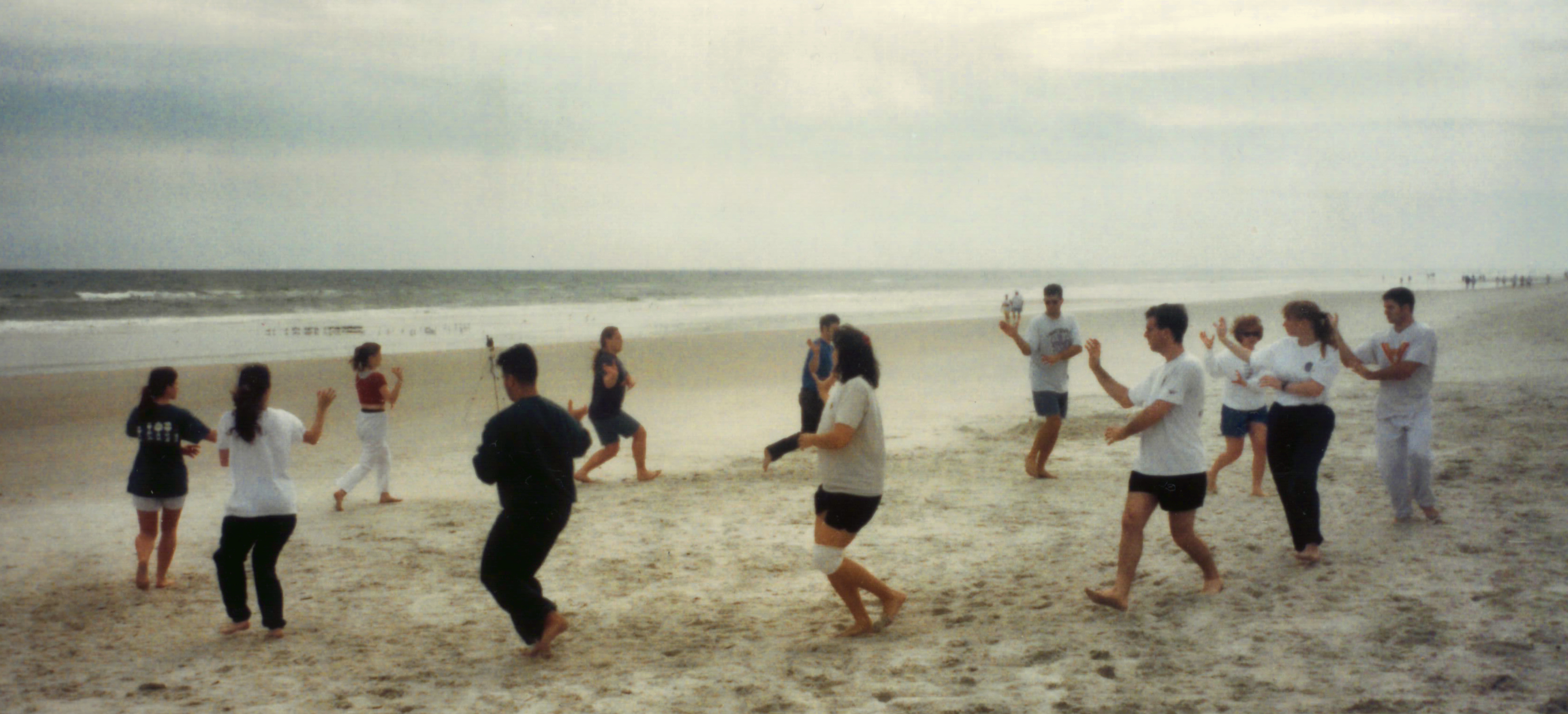
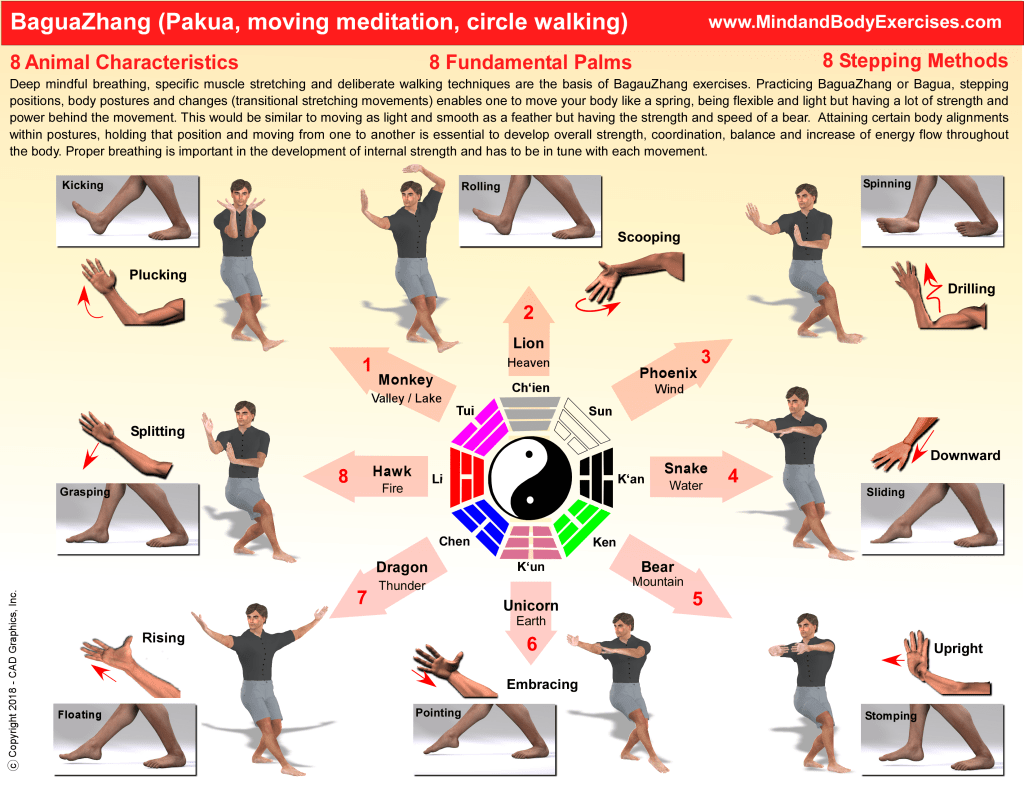
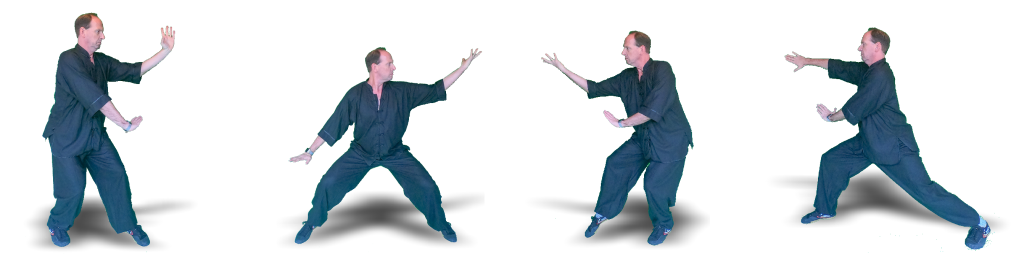
I have been practicing for over 40 years a type of moving meditation called BaguaZhang or 8-trigram palm, which is a walking meditation with various feet, hands, arms, and body positioning. When practiced with rapid (or sometimes slow) breathing and circular walking or stepping patterns, a great amount of qi (the Chinese word for life force) or prana (in Ayurveda), is accumulated within the body for martial, fitness or wellness applications. Conversely, the same methods can be practiced with a slower respiration rate of 6-10 BPM or even slower for more health and spiritual focused practices. I have received many benefits from these practices on mental, physical, and spiritual levels. Mentally, I feel more aware, alert, and calm throughout my day after a 20-minute session of practice. Physically, my whole body is stronger as the exercises engage many more muscle groups than conventional exercise. Spiritually, I am much more self-aware, as well as feeling more connected to nature and the energy or universal consciousness that we have access to. In today’s current norm of many coping with stress, anxiety, depression and many other psychological and physical issues, many types of exercise can be a much-needed option in lieu of pharmaceuticals or other invasive treatments. Basic walking is a great means of maintaining wellness, while advanced methods of walking such as BaguaZhang can offer benefits on many levels beyond locomotion. Studies on BaguaZhang have shown that these types of exercises were able to significantly affect the delicate balance of autonomic control, by way of increasing parasympathetic regulation while decreasing sympathetic nerve activity. Also reported were decreased were levels in serum glucose, cholesterol, body mass index and systolic blood pressure. Lastly, innate and adaptive immunity improved, as well as increased in physical fitness and physical strength for those who participated in a 10-week study (Tai, Chou, Tzeng, Wei, Su, Liu, & Kung, 2018).

References:

Parts of the figure were drawn by using pictures from Servier Medical Art. Servier Medical Art by Servier is licensed under a Creative Commons Attribution 3.0 Unported License (https://creativecommons.org/licenses/by/3.0/).

Tai, H.-C., Chou, Y.-S., Tzeng, I.-S., Wei, C.-Y., Su, C.-H., Liu, W.-C., & Kung, W.-M. (2018). Effect of Tai Chi Synergy T1 Exercise on Autonomic Function, Metabolism, and Physical Fitness of Healthy Individuals. Evidence-Based Complementary & Alternative Medicine (ECAM), 2018, 1–7. https://doi-org.northernvermont.idm.oclc.org/10.1155/2018/6351938

___________

I teach and offer lectures about holistic health, stress management, qigong, tai chi, baguazhang, meditation, phytotherapy (herbs), music for healing, self-massage, and Daoyin (yoga).

I look forward to further sharing more of my message by partnering with hospitals, wellness centers, VA centers, schools on all levels, businesses and individuals that see the value in building a stronger nation through building a healthier population. I also have hundreds of FREE education video classes, lectures and seminars available on my YouTube channel at:

https://www.youtube.com/c/MindandBodyExercises

www.MindAndBodyExercises.com

www.Amazon.com/author/jimmoltzan

Mind and Body Exercises on Google: https://posts.gle/aD47Qo

Jim Moltzan

407-234-0119
Gratitude Attitude

The holidays often provide us a reminder for us to be grateful for we have within our lives, as well as what we don’t have. Shouldn’t we try to be grateful though, regardless of what time of the year it is?

We all live a certain amount of time, which will be different for everyone, where we engage and/or are exposed to a large amount of happiness as well as sadness in our lives. Good times as well as bad times, or maybe looked at as a constant ebb and flow of peaks and valleys. I feel that I have a high amount of gratitude for my life, for which I equate to having come to my own realization for what is most important in my life. These things being my own gifts of my mind, body, and spirit along with those family and friends that share in my life. I think as we all become older these things become more apparent and of higher priority as we may realize that time is somewhat limited. Consequently, my mindfulness strategy is to strive to maintain these factors with the goal of not having regrets for not doing so, when it is my eventual time to pass onto the next phase of whatever comes hereafter.  With consistent daily practice of methods such as the “loving-kindness,” “living deeply” and “embracing life” focused meditations, I feel confident in increasing my level of gratitude that I express as well as experience.

I think it does help quite a bit to understand the psychophysiology that affects our mind and body as we process gratitude. I have come to understand that all emotions elicit a response from particular areas of the brain and the autonomic nervous system (ANS) and more specifically the limbic system and relative components of the amygdala, anterior cingulate cortex, and the hypothalamus. These regulatory mechanisms of the ANS produce a variety of appearance changes that are related to specific emotions, such as reactions of skin coloration, moisture and secretions, protrusions, and appearance of eyes (Cacioppo & Tassinary, 2016, p.448). I think that gratitude is perceived as a more positive emotion like joy or happiness, rather than a negative or threat-reactive emotion like fear or anger. I would then propose that an individual experiencing gratitude would also simultaneously experience their pupils constricting, facial reddening, dryness of the palmar regions of the hands and soles of the feet, tears secretion and perhaps lack or increase in piloerection as these are all functions of the parasympathetic nervous system (PNS) in reciprocity with the sympathetic nervous system (SNS) (Cacioppo & Tassinary, 2016, p.455).

A 2022 study published in the Nephrology Nursing Journal reports on how nurses that care for sufferers of chronic kidney disease (CKD), are often highly emotionally stressed and often themselves suffer health issues of burnout. Researchers in Canada hoped to recruit up to 35 nephrology nurses to participate, but eventually had 13 with 12 nurses actually completing the study program. Nurse participants needed to work in an academic urban regional renal care program, of which were at 10 hospital-based facilities and one at a community-based facility. Participants were recruited via emails, posters, and educational in-services. Nurses were required to be of at least 18 years of age or older, speak English, and work within the renal care program. Anyone that was experiencing untreated severe depression/mental health illness was to be excluded from participating in this study. Once having attended a brief screening process, volunteers that met the inclusion/exclusion criteria were given a letter of information and asked to provide their signed, informed consent. The nurses had agreed to participate in an 8-week Mindful Self-compassion (MSC) research-tested program that integrated the skills of mindfulness, with the intent of practicing specific methods they would cultivate skills in self-compassion to nurture self-kindness, a better sense of common humanity, and mindfulness where they could better manage difficult thoughts in a more balanced perspective instead of reacting with an avoidance or fight/flight response. For each of the 8 weeks a different theme was focused upon. The first week was aimed at discovering mindful self-compassion, the second week was practicing mindfulness, the third week was practice Loving-Kindness meditations and so on, where week eight focused upon embracing your life. The last week was highly important in that along with the culmination of the study, participants were educated on ways to cultivate gratitude, self-appreciation, and happiness.  Also, they learned ways to transform one’s mind’s away from natural negativity bias, while actively embracing the negative and positive aspects within one’s life and inner self. At the end of the study, researchers reported that the participating nurses’ self-compassion scores increased with a statistically significant difference between the before and immediately after intervention time points. Similar improvements were reported in the self-kindness, common humanity, and mindfulness aspects, where self-judgment, isolation, and over-identification had decreased (Crandall et al., 2022).

A way to practice gratitude is to write a letter to one’s younger self. This can help to put into perspective what we as individuals have accomplished, while knowing there is more work to be done. As we write this letter we can contemplate if we will ultimately become either a warning or an inspiration to those in our lives and around our presence. I believe that if we take time to look at ourselves from this perspective, we can actually change our beliefs, views, actions and consequently our emotions as we move forward.

References:

Cacioppo, J. T., Tassinary, L. G., & Berntson, G. G. (2016). Handbook of Psychophysiology. Pgs. 448, 455. Cambridge University Press. Kindle Edition.

Crandall, J., Harwood, L., Wilson, B., & Morano, C. (2022). Mindful Self-Compassion Training and Nephrology Nurses’ Self-Reported Levels of Self-Compassion, Burnout, and Resilience: A Mixed Methods Study. Nephrology Nursing Journal, 49(5), 405–417. https://doi.org/10.37526/1526-744x.2022.49.5.405

____________________

I teach and offer lectures about holistic health, stress management, qigong, tai chi, baguazhang, meditation, phytotherapy (herbs), music for healing, self-massage, and Daoyin (yoga).

I look forward to further sharing more of my message by partnering with hospitals, wellness centers, VA centers, schools on all levels, businesses and individuals that see the value in building a stronger nation through building a healthier population. I also have hundreds of FREE education video classes, lectures and seminars available on my YouTube channel at:

https://www.youtube.com/c/MindandBodyExercises

www.MindAndBodyExercises.com

www.Amazon.com/author/jimmoltzan

Mind and Body Exercises on Google: https://posts.gle/aD47Qo

Jim Moltzan

407-234-0119
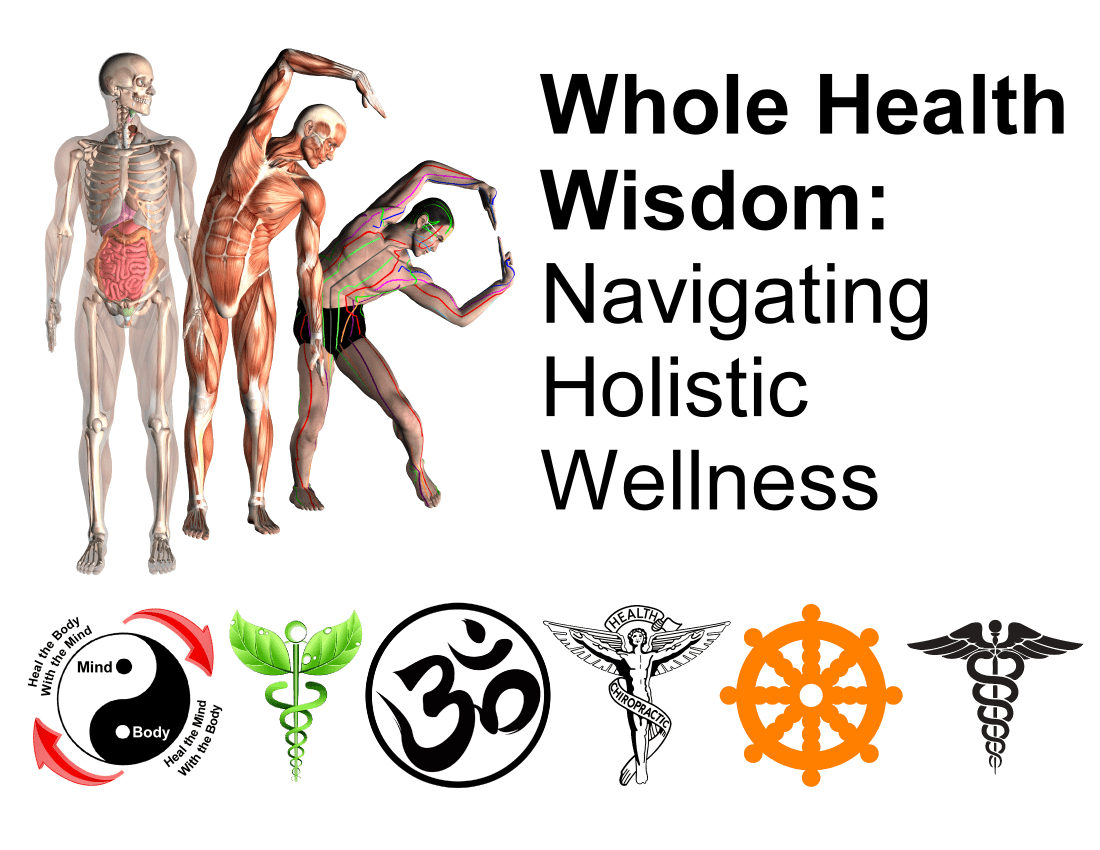
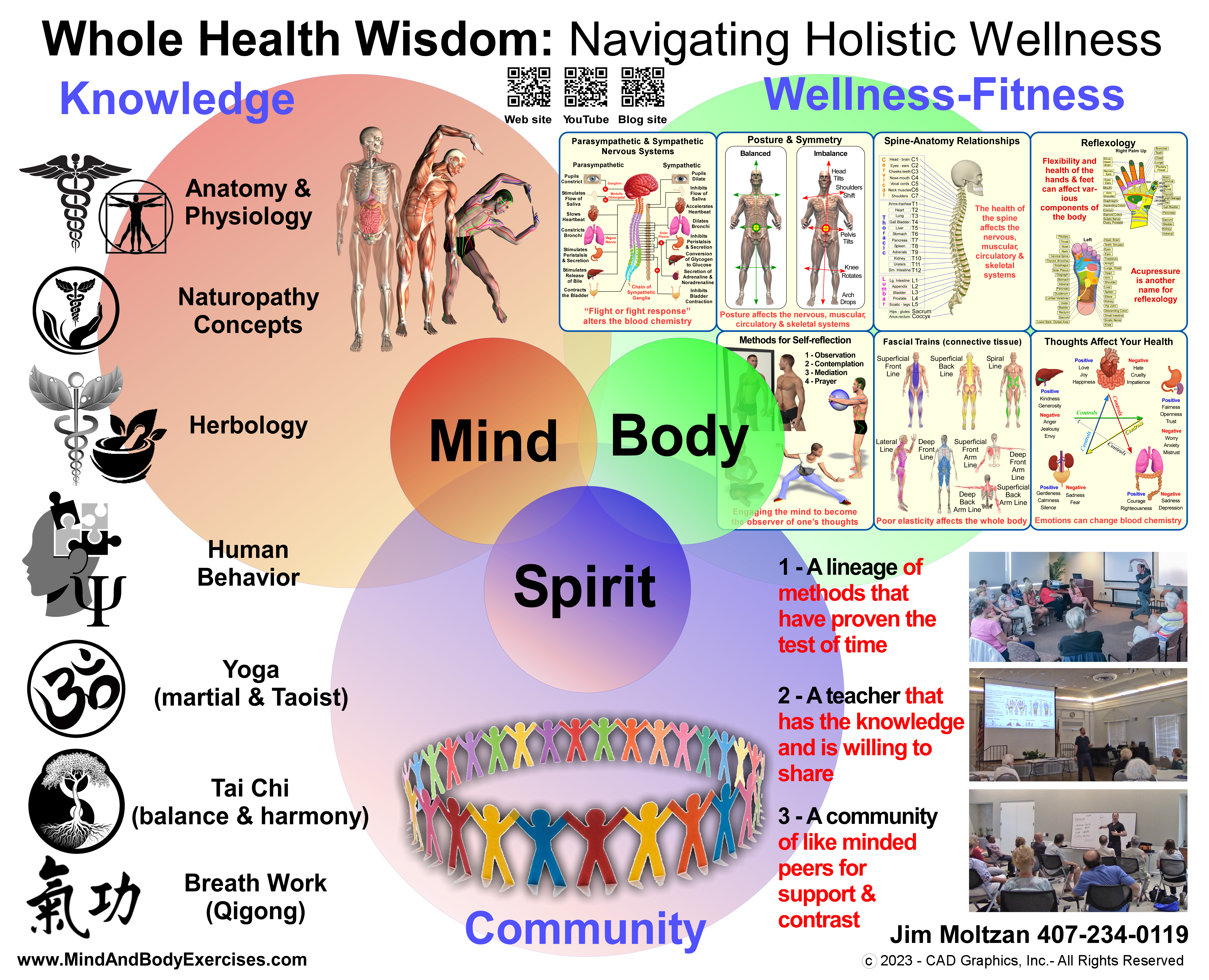
Whole Heath Wisdom: Navigating Holistic Wellness

Be well, become healthy, become wiser. You are the architect of your health and happiness!

Holistic wellness encompasses not only physical exercises but proper nutrition, social interactions, self-regulation of stress & emotions and many other facets of well-being. Holistic health practices seem like they are something new, sometimes thanks to savvy marketers looking to ride the next wave of healthcare fads. Ironically, many holistic methods have roots deep in Buddhism, Taoism, Ayurveda, Traditional Chinese Medicine and other ancient cultures from around the world. Phytotherapy (herbology), naturopathy, chiropractic and even biomedicine/allopathic medicine owe these origins to the ancients.

So many people in pain and suffering, that don’t need to be. I am looking forward to partnering with more wellness centers, hospitals, VA facilities, schools, other groups and venues that can see the value in promoting mind, body and self-awareness. Most know that we have been in a mental and physical healthcare crisis, for many decades now.

I teach and offer lectures about holistic health, qigong, tai chi, baguazhang, meditation, phytotherapy (herbs), music for healing, self-massage, and yoga. I also have hundreds of FREE education video classes, lectures and seminars available on my YouTube channel at:

https://www.youtube.com/c/MindandBodyExercises

Mind and Body Exercises on Google: https://posts.gle/aD47Qo

Jim Moltzan

407-234-0119
_________