Is Mindfulness the Same as Paying Attention?

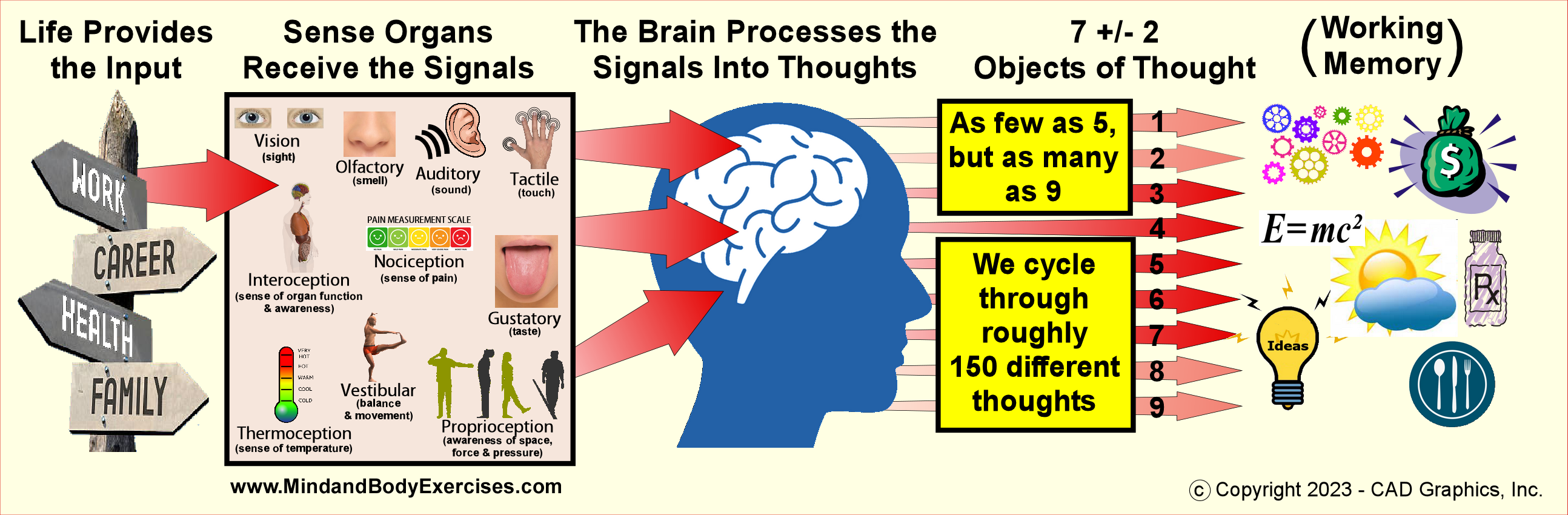
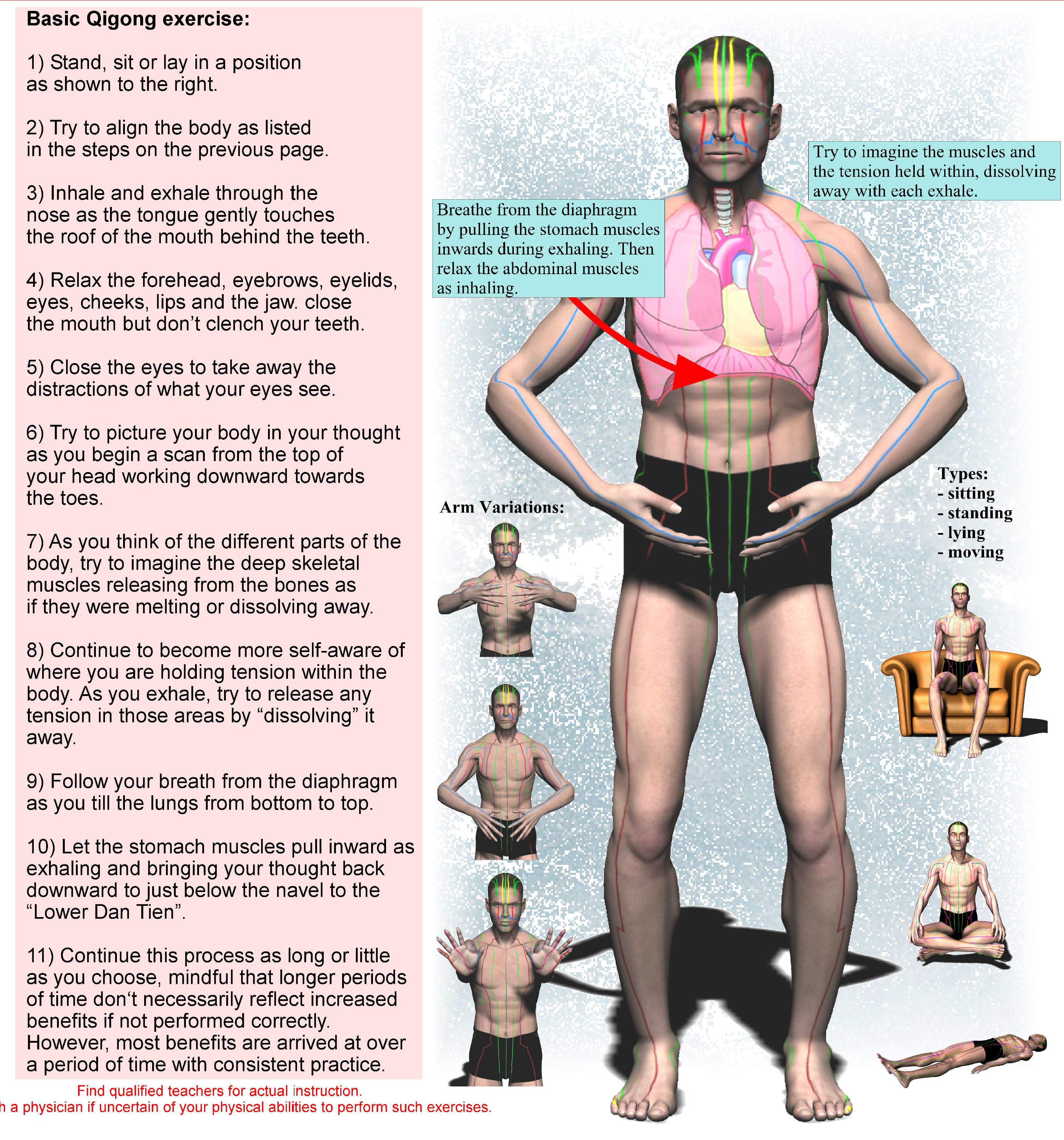
I used to think that mindfulness was just the latest buzzword for the health and wellness industry. A few years ago, I would have defined mindfulness more simply as “paying attention”. However, I have come to understand this term to have more depth and complexity than merely paying attention. Having been involved in meditation and many mind, body and spiritual practices for almost 4 decades, I have come to understand that paying attention is most often what someone else requires or expects from someone. Mindfulness however, originates from within the individual as they themselves are responsible for becoming aware of their own thoughts, emotions, and actions.
A study from 2022 at the University of Queensland reported that mindfulness training improved the psychological well-being of management students. This training was delivered via online methods. Participants chose to use one of two methods of training to manage mindfulness. The first method was Mindfulness-Based Stress Reduction (MBSR) consisting of mindfulness meditation, yoga, delivered weekly through 45 minutes of educational videos. Participants were requested to practice methods for 30 minutes per day, five days per week over the course of eight weeks. Those that chose physical exercise as a method to manage mindfulness could pick their own method of exercise. Participants in the exercise group were also requested to practice their exercise methods for 30 minutes per day, five days per week over the course of eight weeks. The exercise group also watched videos but theirs focused on physical health, fitness, nutrition, physiology, etc. instead of mindfulness topics. The researchers concluded that the participants that completed the mindfulness training as instructed, when compared with the physical exercise participants, online mindfulness training can noticeably increase how often people experience states of mindfulness. This study further reported that mindfulness training can help students develop a sense of authenticity or the ability to see themselves more neutrally or unbiasedly, mostly by way of increased self-awareness (Kay et al., 2022).

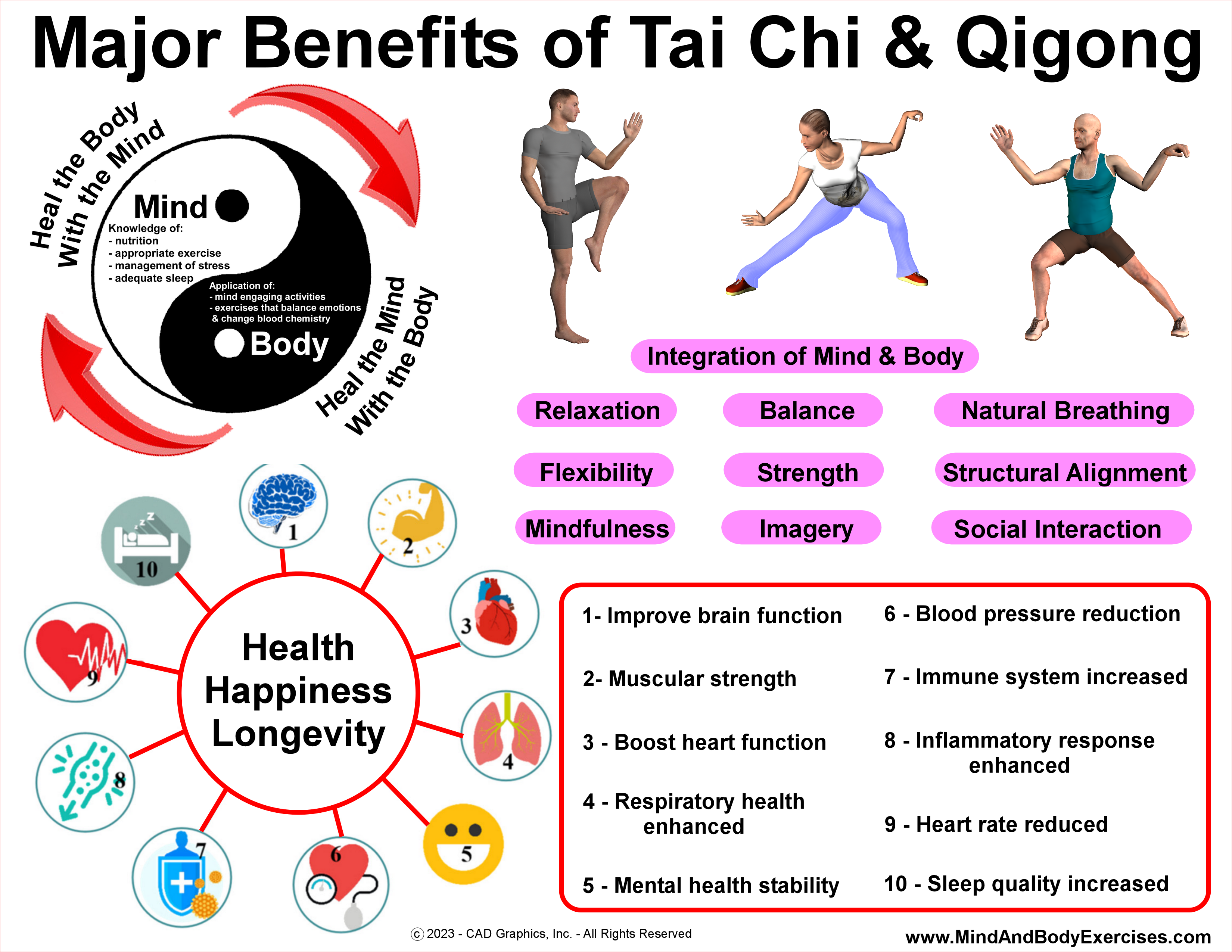
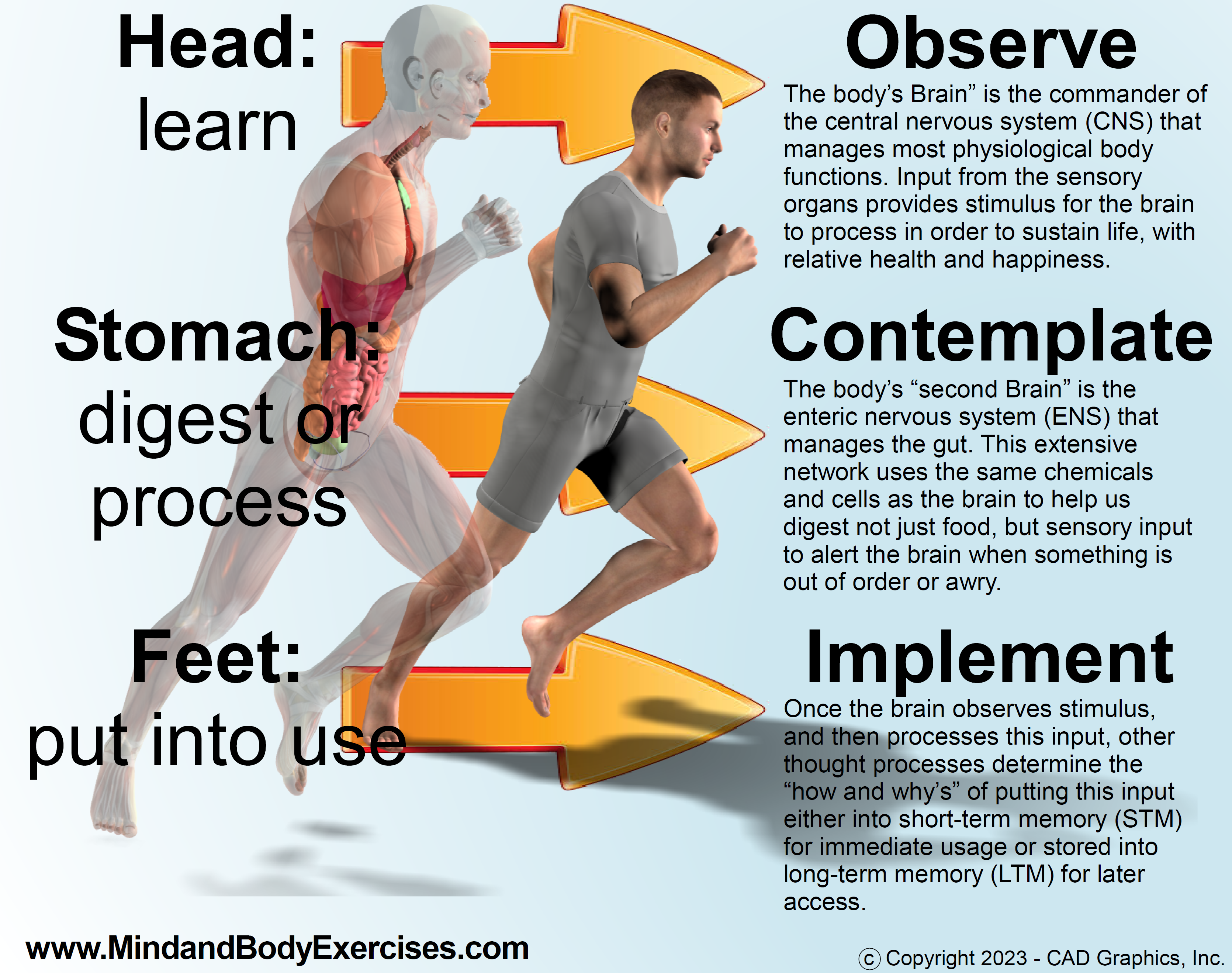
The four categories of psychophysiological relationships are outcomes, markers, concomitants, and invariants (Cacioppo et al., 2016). Mindfulness methods can help practitioners to become more aware of their thoughts, emotions, and perceptions happening in the present moment, often leading to more positive outcomes in their life. By practicing mindfulness, individuals can increase concomitants or the relationship of cause and effect when the physiological stress response is reduced, leading to increased well-being and happiness. Other studies have reported that mindfulness can affect psychophysiological stress markers such as heart rate variability (HRV) and brain activity patterns that can increase better autonomic nervous system regulation and cardiovascular health. It can also reduce cortisol levels, which can have an effect on lowering stress levels (Aguilar et al., 2021).

References:

Kay, A. A., & Young, T. (2022). Distanced from Others, Connected to Self: Online Mindfulness Training Fosters Psychological Well-Being by Cultivating Authenticity. Academy of Management Learning & Education, 21(2), 261–281. https://doi.org/10.5465/amle.2020.0316

Cacioppo, J. T., Tassinary, L. G., & Berntson, G. G. (2016). Handbook of Psychophysiology. p.10-, Cambridge University Press. Kindle Edition.

Aguilar, R. C., Stoffel, M., Hernández, C., Rahn, S., Moessner, M., Steinhilber, B., & Ditzen, B. (2021). Effects of a mindfulness‐based intervention on mindfulness, stress, salivary alpha‐amylase and cortisol in everyday life. Psychophysiology, 58(12), 1–12. https://doi.org/10.1111/psyp.13937

______________________

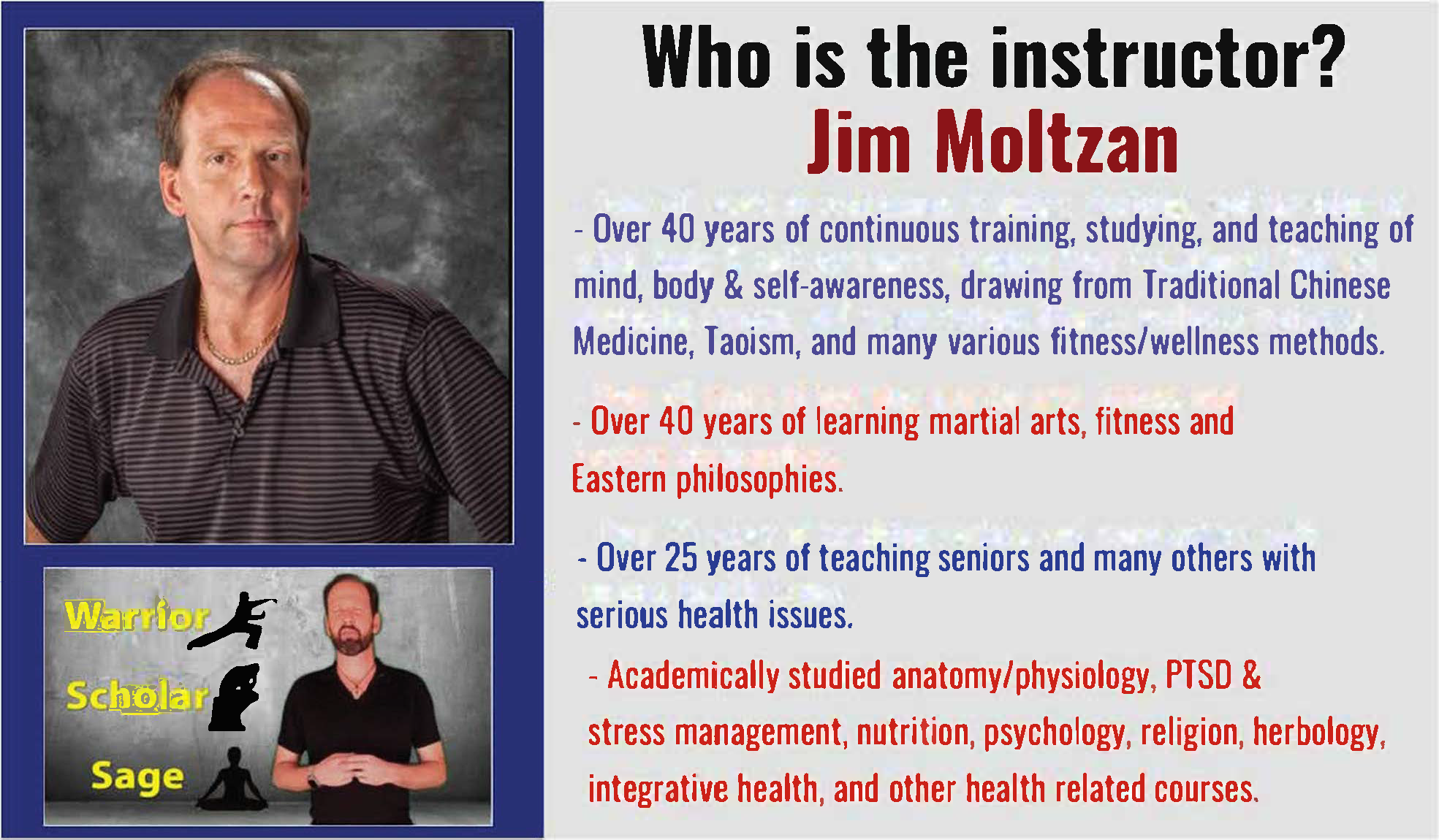
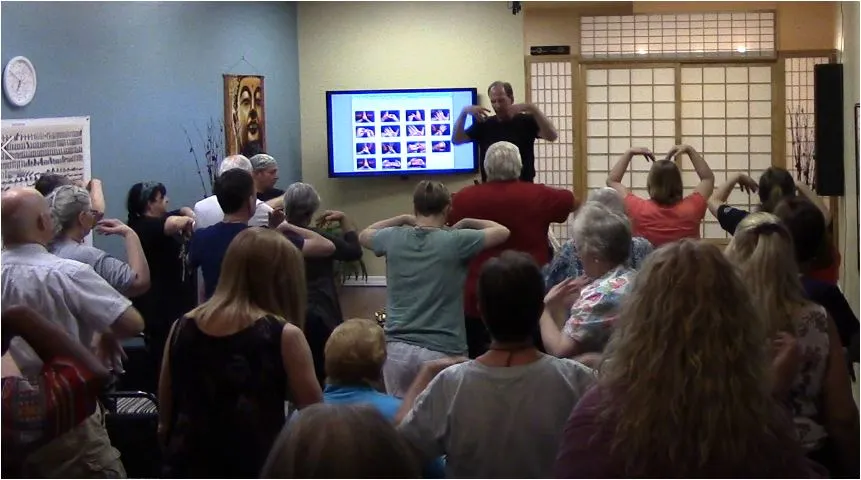
I teach and offer lectures about holistic health, stress management, qigong, tai chi, baguazhang, meditation, phytotherapy (herbs), music for healing, self-massage, and Daoyin (yoga).

I look forward to further sharing more of my message by partnering with hospitals, wellness centers, VA centers, schools on all levels, businesses and individuals that see the value in building a stronger nation through building a healthier population. I also have hundreds of FREE education video classes, lectures and seminars available on my YouTube channel at:

https://www.youtube.com/c/MindandBodyExercises

www.MindAndBodyExercises.com

www.Amazon.com/author/jimmoltzan

Mind and Body Exercises on Google: https://posts.gle/aD47Qo

Jim Moltzan

407-234-0119
Why do insurance companies cover pharmaceuticals and surgeries, but seldom cover non-invasive nor cheaper interventions?

Oh please, come on now… we all know there is no profit in treating healthy individuals. No business by definition will operate at a loss, let alone a lesser profit when so much money is left sitting on the table. Companies cannot stay in business for too long if they do not continue to grow from existing and new customers. Often people with chronic ailments are customers of drugs for the duration of their life span. US healthcare (truly sick-care) is a profit-driven system where it benefits from people remaining sick enough to require daily meds, but well enough to function in society. This is blatantly obvious where every fall medical experts warn us of the impeding “flu season” and a need to get vaccinated once again. Why not suggest instead or addition to this, that people take better care of themselves, get more sunlight (vitamin D) and exercise more? This is the time of year when temps drop, people bundle-up and cover their exposed skin or stay indoors more and thereby become even more Vitamin D deficient than they are normally anyway. Poor diet choices help fuel this deficiency also. Any qualified medical expert knows this and also know that Vitamin D levels are directly relevant to the immune system’s ability to function properly.

Similarly, look how difficult it is to find insurance policies that cover hearing aids, eyeglasses or dental treatments, as if these are not major health issues that often dictate our everyday tasks and responsibilities. If you need to be able to see better, hear better or eat properly, the former are all basic health requirements. Insurance companies need not cover these because they know most people will spend their own money regardless of if they can afford such luxuries as glasses, hearing aids or healthy teeth and gums.

So, how does this relate to the insurance companies? Insurance coverage decisions are a reflection of the current healthcare system’s business strategy, that is often in a state of constant change and adjustment. In today’s US health climate, there is a strong emphasis on pharmaceutical interventions and surgery in lieu of lifestyle modifications. Insurance coverage decisions regarding treatments with pharmaceuticals and surgeries are influenced by various factors of claimed cost-effectiveness, clinical evidence, medical guidelines, and the choices of pharmacy benefit managers who quite often base decisions upon profit over treatment effectiveness. It is important to note that insurance coverage decisions may not always coincide with individual preferences or beliefs towards certain treatments.

Surgical procedures may be covered if are seen as necessary, while chiropractic or physical therapy coverage varies based on upon perceived effectiveness of the specific condition being treated. I have had firsthand experience with this exact situation on many occasions. Nasacort for allergies is $26-36 or Flonase $14-21 with insurance, both covered but also offered me side-effects of anxiety and jitteriness. Over time, my body became accustomed to these medications and were no longer effective, but the side-effects remained. Insurance doesn’t cover herbs or supplements which I found to be quite effective for managing seasonal allergies. The cost for a microdiscectomy on a herniated disc can range between $20,000 and $50,000 which would be covered, but rest for a few weeks followed by chiropractic treatments at about $100 per session – 5 total, were not. Yoga sessions at $20 a class for about 20 classes, not covered. Both of these methods worked for those that I knew could fare better from options other than surgery. An osteopathic surgeon looked at me and shook his head in bewilderment when I declined to have a covered knee surgery procedure ($5000-$30000) for something I was able to manage through appropriate exercise, free of cost other than time and effort on my part. Some sufferers have no option but to have surgery or use pharmaceuticals, especially if they have suffered some type of traumatic injury.

Most of us know that chiropractic and appropriate exercises such as stretching, yoga and others are viable and effective methods of managing chronic pains. We also mostly know that insurance companies will not be covering these treatments because they generate little or no profit to their bottom lines. We know this but go along with it (cognitive dissonance) because most of us feel that we are helpless (learned helplessness) against a system that favors profits over patients. However, there is hope as we all have the ability to make our own decisions regarding our own health and well-being. I have personally trained and/or helped many of my students over the years to better manage chronic issues with their knees, lower back, neck, shoulders, headaches, allergies, anxiety, depression, PTSD and other ailments, through appropriate exercise and lifestyle modifications. Anecdotal experiences and academic studies abound if one cares to do a bit of research. I encourage all to perform their due diligence when it comes to pursuing and treatment, whether pharmaceuticals, surgery, chiropractic, herbs, physical exercise or any other methods of healthcare/self-care.

Several factors influence insurance companies’ decisions on coverage, including but not limited to the following:

  1. Regulatory approval of pharmaceuticals and surgical procedures – specific medicines and surgeries should go through a rigorous approval process by regulatory agencies, which can hopefully offer credibility to their usage in medical treatment. However, there has been an erosion in public trust towards regulatory agencies in recent years, as it has been proven that many are actually paid to perform research by the same companies that fall under their regulation.
  2. Clinical evidence – pharmaceuticals and surgical procedures often have established clinical evidence demonstrating their effectiveness in treating certain conditions, however as stated previously some research studies are funded by pharmaceutical companies leading to a conflict of interest. Some companies seek out specific academic institutions or scientist that agree with their particular goals (Jureidini, 2022).
  3. Quick fixes or a pill for all our ills – pharmaceuticals and surgeries can often offer relatively quick relief from symptoms, which may be desirable to both patients and healthcare providers. Time-consuming and effort to modify one’s lifestyle can require more time in order to gain significant results.
  4. Patient compliance – a certain percentage of patients might find it difficult or challenging to commit to making and managing lifestyle changes. Consequently, this makes pharmaceuticals and/or surgeries more practical, reliable and seemingly better options for particular patients.

There does seem to be a small but growing acknowledgement of the importance of lifestyle choices and relative modifications, such as managing a more nutritious diet, regular and consistent exercise, and taking some preventative measures towards various health conditions. Particular insurance providers might cover preventive services or programs focused upon encouraging healthier lifestyles. As this field of preventive medicine continues to evolve, there may be some amount of increased emphasis on adding some lifestyle interventions into healthcare coverage. In the meantime, realize that we truly are the architects of our own health, happiness and well-being.

Reference:

https://www.forbes.com/sites/sallypipes/2023/10/16/this-healthcare-reform-could-finally-bring-democrats-and-republicans-together/?sh=2b4ceb5b43cb

Jureidini, J. (2022, March 16). The illusion of evidence based medicine. The BMJ. https://www.bmj.com/content/376/bmj.o702

________________________

I teach and offer lectures about holistic health, stress management, qigong, tai chi, baguazhang, meditation, phytotherapy (herbs), music for healing, self-massage, and Daoyin (yoga).

I look forward to further sharing more of my message by partnering with hospitals, wellness centers, VA centers, schools on all levels, businesses and individuals that see the value in building a stronger nation through building a healthier population. I also have hundreds of FREE education video classes, lectures and seminars available on my YouTube channel at:

https://www.youtube.com/c/MindandBodyExercises

www.MindAndBodyExercises.com

www.Amazon.com/author/jimmoltzan

Mind and Body Exercises on Google: https://posts.gle/aD47Qo

Jim Moltzan

407-234-0119
The Overview Effect, a Cosmic Perspective of Just How Minute Humanity is

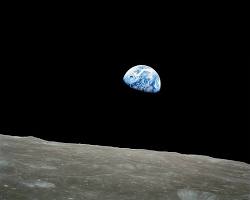
Author Frank White first introduced the “overview effect” in his 1987 book “The Overview Effect: Space Exploration and Human Evolution”. White had interviews with dozens of astronauts regarding their time in space, finding that many of them had experienced an alteration of their consciousness upon viewing the Earth from such a unique and distant perspective. White explained that the overview effect as being a “state of cognitive dissonance” where astronauts are faced with recognizing the reality of their existence as being a small part of a immense and interconnected universe. This immediate understanding can manifest into various cognitive changes such as:

  • A sense of astonishment, sublime and wonder: Some astronauts have commented about being overwhelmed by seeing the beauty, as well as fragility of the Earth when viewed from outer space.
  • An increased sense of interconnectedness: Some interviewed astronauts have reported experiencing feeling a deeper connection to all life on Earth as they have come to view humanity as but a single species instead of separate races, countries, or groups.
  • A re-calibration of priorities: Those astronauts that have experienced this effect have commented that they often feel a newfound appreciation for the importance of being good stewards of our environment, as well as nations needing to work together for the benefit of the Earth as a whole.

Coincidentally, television space traveler William Shatner of Star Trek fame, did travel in 2021 into space with the invitation from Blue Origin and Amazon’s Jeff Bezos. Shatner too did experience this phenomenon of overwhelming emotion and realization that the Earth, as most of us know it, is not all that we think it is, as sometimes being the center of the universe. Instead, Shatner and others have come to truly see the Earth as a small part of the universe.

As space travel and exploration becomes more feasible as a reality for non-traditional astronauts, travel off-planet may be another method to achieve some level of ego death. This paradigm shift could possibly lead to a more caring, peaceful and perhaps sustainable future for all of humanity. Ego death is a realization that someone comes to understand that they are not truly the things that they may identified with. Examples of this would be the brilliant doctor who becomes injured and must surrender their control to another to possibly save their life. In this discussion of the overview effect, an individual who sees the Earth in perspective to the rest of the universe, might experience their own ego death as they become humbled by seeing the brilliance of the universe.

To think that this on Earth is all that there is, I find to be quite narrow-minded as well as narcissistic. While standing on the Earth and gazing up at the night sky with no surrounding light pollution, have you never felt a similar type of overview effect upon seeing literally an infinite number of stars?

References:

The Overview Effect: Space Exploration and Human Evolution, 3rd Edition. (2014, December). ProtoView. https://link.gale.com/apps/doc/A392254156/AONE?u=vol_vsc&sid=ebsco&xid=acfa7be9

Koren, M. (2023). Seeing Earth from Space Will Change You. Atlantic Monthly331(1), 22–25.

Meijer, Dirk. (2014). The Universe as a Cyclic Organized Information System: John Wheeler’s World Revisited. NeuroQuantology. 13. 10.14704/nq.2015.13.1.798.

_____________________

I teach and offer lectures about holistic health, stress management, qigong, tai chi, baguazhang, meditation, phytotherapy (herbs), music for healing, self-massage, and Daoyin (yoga).

I look forward to further sharing more of my message by partnering with hospitals, wellness centers, VA centers, schools on all levels, businesses and individuals that see the value in building a stronger nation through building a healthier population. I also have hundreds of FREE education video classes, lectures and seminars available on my YouTube channel at:

https://www.youtube.com/c/MindandBodyExercises

www.MindAndBodyExercises.com

www.Amazon.com/author/jimmoltzan

Mind and Body Exercises on Google: https://posts.gle/aD47Qo

Jim Moltzan

407-234-0119

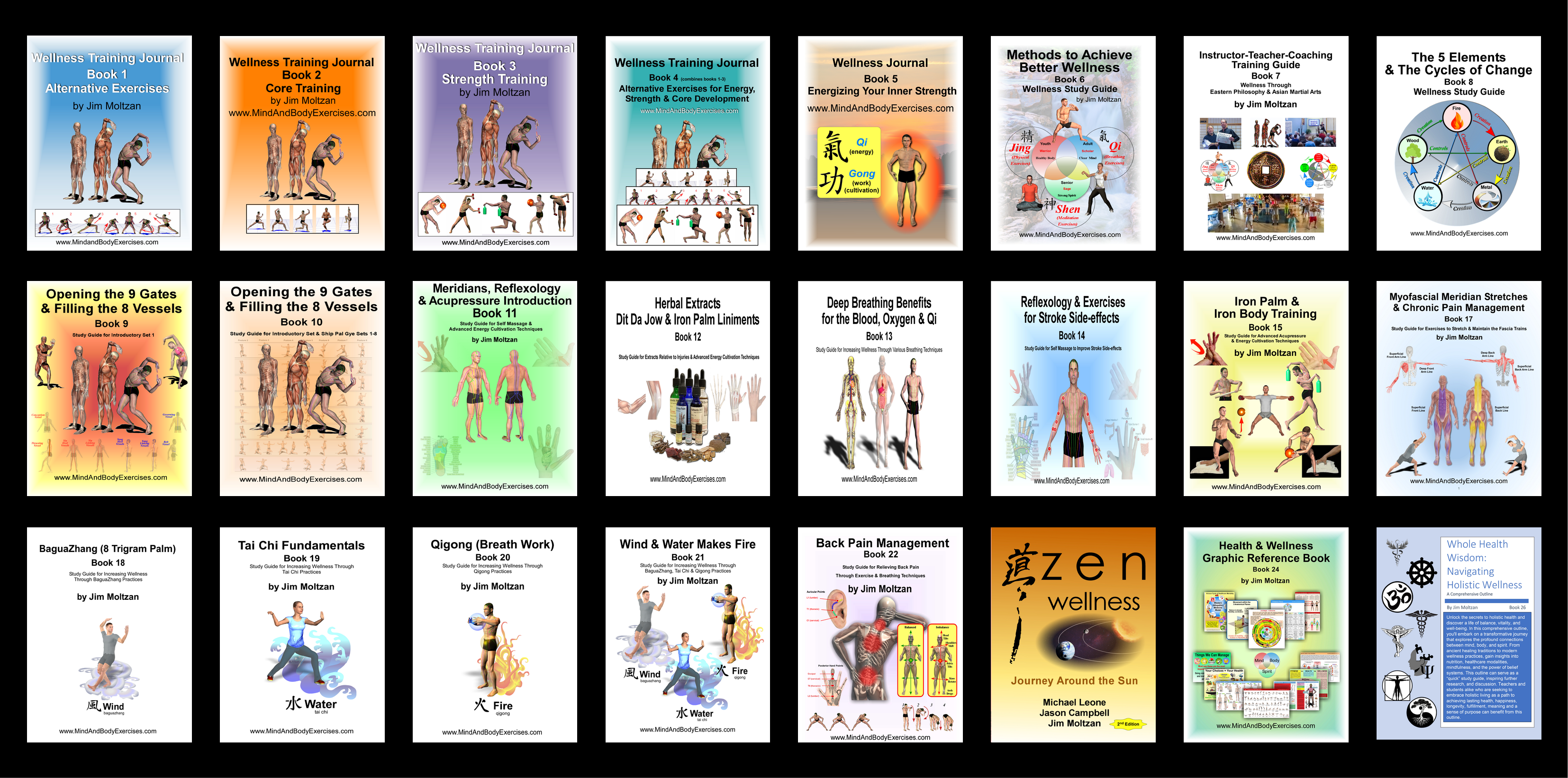
Holistic Health Illustrated Study Booklets

Remember the Indiana Jones movies, where Indy (Harrison Ford) found his father’s diary, which had very important sketches, notes, and other clues to aid his search for the Holy Grail? Well, I have been searching for over 40 years for the “Holy Grail” of health, wellness, fitness and self-awareness. I have been producing graphic posters and graphic study booklets to depict what I believe to be the key components of better health, fitness, well-being and relative happiness. My publications consist mostly of pages showing color graphics of concepts for better health and wellness. I draw my illustrations from my knowledge of allopathic and Traditional Chinese Medicine (TCM), qigong, martial arts, yoga and philosophy on these topics. There are depictions of theories on the human life cycle, psychology relative to components of fitness and many other subjects pertaining to mental and physical well-being. Most of my booklets contain many exercise sets for rehabilitating injuries and illness, as well as others to promote longevity and a better quality of life.


These booklets are the summation of over 40 years of my training, education, teaching and public speaking of holistic health, qigong, fitness, wellness, TCM, martial arts and other facets of self-improvement. Similar to popular study guides such as Quick Study or PermaCharts, these graphic and text guides cut to the chase in order to minimize precious time spent muddling through extensive textbooks seeking understanding of specific concepts. Each guide is packed with the root knowledge regarding specific topics. This format is highly beneficial for the novice as well as experts in the fields of health, wellness and self-improvement.

Books published and available:

Here are links for a low-res thumbnail-look inside of:

Book 1 – Alternative Exercises:
https://…/book-1-alternative-exercises-multiple-thumbnail-view.pdf

Book 2 – Core Training:
https://…/book-2-core-training-multiple-thumbnail-view.pdf

Book 3 – Strength Training:
https://…/book-3-strength-training-mulitple-thumbnail-view.pdf

Book 4 – Combo of 1-3:
https://…/book-4-combo-book-1-3-thumbnail-view.pdf

Book 5 – Energizing Your Inner Strength
https://…/book-5-energizing-your-inner-strength-thumbnail-view.pdf

Book 6 – Methods to Achieve Better Wellness:
https://…/book-6-methods-to-achieve-better-wellness-thumbnail-view.pdf
Book 7 – Coaching & Instructor Training Guide

Book 8 – The 5 Elements & the Cycles of Change
https://…/book-17-the-5-elements—the-cycles-of-change-thumbnail-view.pdf

Book 9 – Opening the 9 Gates & Filling 8 Vessels-Intro Set 1:
https://…/book7-intro-set-opening-the-9-gates—filling-8-vessels-thumbnail-view.pdf

Book 10 – Opening the 9 Gates & Filling 8 Vessels-sets 1 to 8:
https://…/book8-the-8-vessels-9sets-thumbnail-view.pdf

Book 11 – Meridians, Reflexology & Acupressure:
https://…/book-9-acupressure-techniques-thumbnail-view.pdf

Book 12 – Herbal Extracts, Dit Da Jow & Iron Palm Liniments:
https://…/book-10-herbal-extracts-thumbnail-view.pdf

Book 13 – Deep Breathing Benefits for the Blood, Oxygen & Qi:
https://…/book-11-deep-breathing-thumbnail-view.pdf

Book 14 – Reflexology for Stroke Side Effects:
https://…/book-12-exercises-for-stroke-side-effects-thumbnail-view.pdf

Book 15 – Iron Body & Iron Palm
https://…/book-15-iron-palm—iron-body–thumbnail-preview-.pdf

Book 17 – Fascial Train Stretches & Chronic Pain Management
https://…/book18-fascial-trains-pain-managment-thumnail-view.pdf

Book 18 – BaguaZhang
https://…/book-18-baguazhang-fundamentals–thumnail-preview-.pdf

Book 19 – Tai Chi Fundamentals
https://…/book-19-tai-chi–thumbnail-view-.pdf

Book 20 – Qigong (breath-work)
https://…/book-20-qigong–breath-work—thumbnail-view-.pdf

Book 21 – Wind & Water Make Fire
https://…/book-21-wind—water–thumbnail-view-.pdf

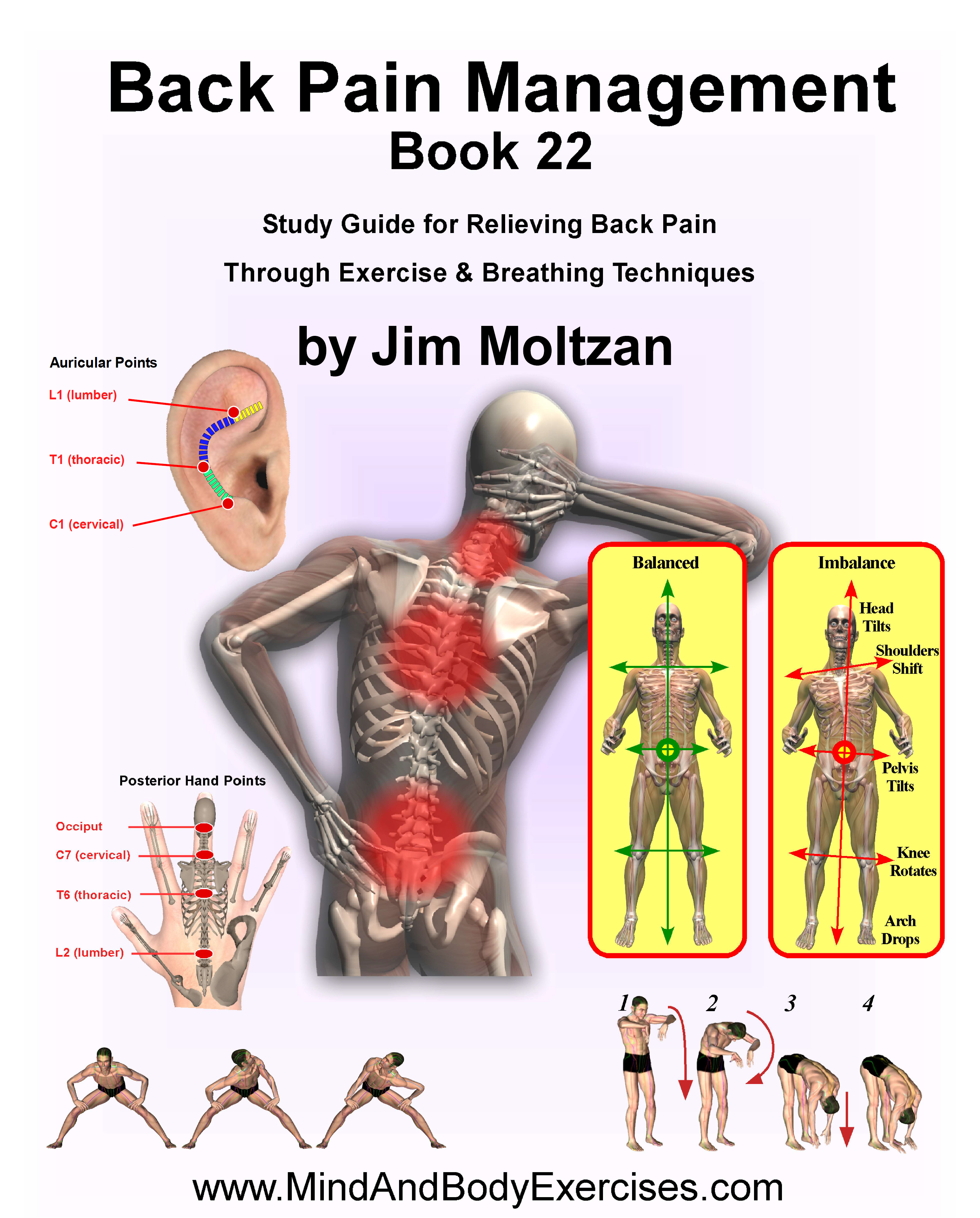
Book 22 – Back Pain Management
https://…/book19-back-pain-managment-thumbnail-view.pdf

Book 23 – Journey Around the Sun-2nd Edition:
https://…/journey-around-the-sun-intro-pages-9-18.pdf

Book 24 – Graphic Reference Book:
https://mindandbodyexercises.wordpress.com/2023/06/14/book-24-health-wellness-graphic-reference-book/

Book 26 – Whole Health Wisdom: Navigating Holistic Wellness: 
https://mindandbodyexercises.wordpress.com/2023/12/06/whole-health-wisdom-navigating-holistic-wellness-my-new-book/

______________

_________________

I teach and offer lectures about holistic health, stress management, mindfulness0based stress reduction (MBSR), qigong, tai chi, baguazhang, meditation, phytotherapy (herbs), music for healing, self-massage, and Daoyin (yoga).

I look forward to further sharing more of my message by partnering with hospitals, wellness centers, VA centers, schools on all levels, businesses, and individuals who see the value in building a stronger nation through building a healthier population. I also have hundreds of FREE education video classes, lectures, and seminars available on my YouTube channel at:

https://www.youtube.com/c/MindandBodyExercises

www.MindAndBodyExercises.com

www.Amazon.com/author/jimmoltzan

Mind and Body Exercises on Google: https://posts.gle/aD47Qo

Jim Moltzan

407-234-0119
Seek Out the “Wounded Healers”


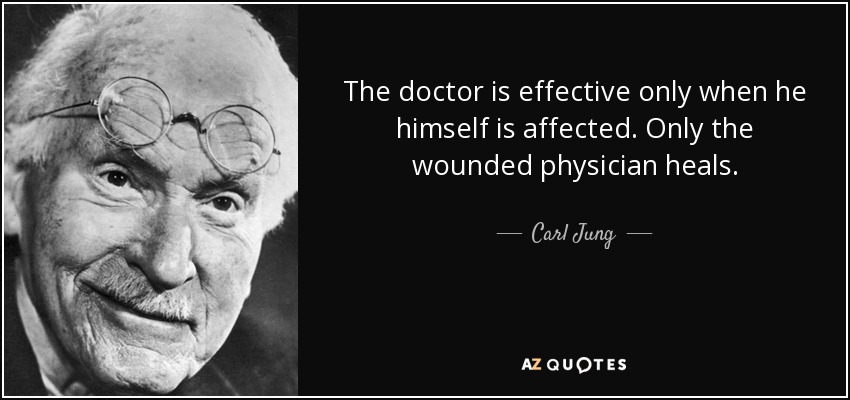
I have previously come across the concept of the “wounded healer.” There is no shortage of books and articles on this topic, where people that have first-hand experience with surviving trauma are often the best empaths for a particular issue. Psychologist Carl Jung may have been the first to use this term back in 1951, where he proposed that disease of the soul could be the most advantageous type of training for a healer. Jung was thought to believe that only a wounded physician could heal effectively. An empath that truly understands another’s circumstances may be of great benefit and perhaps provide a guiding path to post-traumatic growth (PTG). PTG is the term for what happens when someone who struggles psychologically from trauma and adversity, comes to experience positive, transformative changes in their mindset and behavior. “Finding the silver lining in all things, good or bad,” is a quote many of us are quite familiar with.

How can something “good” come from things that are seemingly “bad?” While I don’t think anyone truly looks forward to any personal loss and/or suffering on any level, there are sometimes good aspects that can come out of even the worst of circumstances. Losses or misfortunes can offer the possibility of life-enhancing “post-traumatic growth” as someone weaves the lessons of loss and resilience into their life moving forward. Personal growth following major experiences of loss is common (Hall, 2014). From my experiences in teaching fitness, wellness, and mindfulness, I have found most people do not have a deeper connection to their own health, well-being, or consciousness until some event of trauma as a life-threatening or life-changing situation enters into their life. Loss of life of a family member or close friend can be the spark that causes another to change their behaviors. Someone passing of a heart attack at an early age, might motivate others to watch their own health closer. Mental or physical trauma can sometimes lead to what some call “knowing one’s true self”, self-realization or enlightenment. Taoism and Buddhism has taught me decades ago, that trauma can be means to knowing one’s true self. Trauma can be very intense and life-changing experiences that an individual may become so affected, that they may appear to others to have evolved overnight into a different person. Many of us have encountered someone who while in dire straits, promises to change their ways if their circumstances where to play out in their favor. Changes of this sort can be viewed as positive or negative, as all things are relative. Change through motivation, stemming from trauma.

View public domain image source here

I have discussed alcoholism in some of my past posts here, as it is a topic that I am quite familiar with. We can see the wounded healer here, where survivors of alcoholism or those who have experienced alcohol abuse-related relationships often have firsthand experience with coping with alcohol related issues. Similarly, survivors of abusive relationships and varying levels of trauma have been wounded themselves but can also help others to heal by extending empathy and, if sought, advice. This same concept may hold validity for survivors of law enforcement related events, survivors of war trauma as soldiers and/or civilians, healthcare workers, firefighters and many others involved in service to others. However, in order to serve effectively as a wounded healer, this individual needs to be able to manage their own stress, suffering and other mental and physical ailments before extending their advice to others that are suffering. Otherwise, this individual, while having good intentions, may actually come off as being less understanding, less empathetical and perhaps hypocritical, and therefore causing more harm to a sufferer.

(1) Survivors of alcoholism or those who have experienced alcohol abuse-related relationships

(2) Survivors of abusive relationships on all levels of trauma

(3) Survivors of violence and/or law enforcement related events

(4) Survivors of war trauma as soldiers and/or civilians

(5) Survivors from cults and other particular groups

(6) Survivors of physical accidents or catastrophe

References:

Daneault S. The wounded healer: can this idea be of use to family physicians? Can Fam Physician. 2008 Sep;54(9):1218-9, 1223-5. PMID: 18791082; PMCID: PMC2553448.

https://www.azquotes.com/quote/1200463

Hall, C. (2014). Bereavement theory: recent developments in our understanding of grief and bereavement. Bereavement Care, 33(1), 7–12. https://doi.org/10.1080/02682621.2014.902610

__________________________

I teach and offer lectures about holistic health, stress management, qigong, tai chi, baguazhang, meditation, phytotherapy (herbs), music for healing, self-massage, and Daoyin (yoga).

I look forward to further sharing more of my message by partnering with hospitals, wellness centers, VA centers, schools on all levels, businesses and individuals that see the value in building a stronger nation through building a healthier population. I also have hundreds of FREE education video classes, lectures and seminars available on my YouTube channel at:

https://www.youtube.com/c/MindandBodyExercises

www.MindAndBodyExercises.com

www.Amazon.com/author/jimmoltzan

Mind and Body Exercises on Google: https://posts.gle/aD47Qo

Jim Moltzan

407-234-0119