Arnica – A Potentially Toxic Herb?

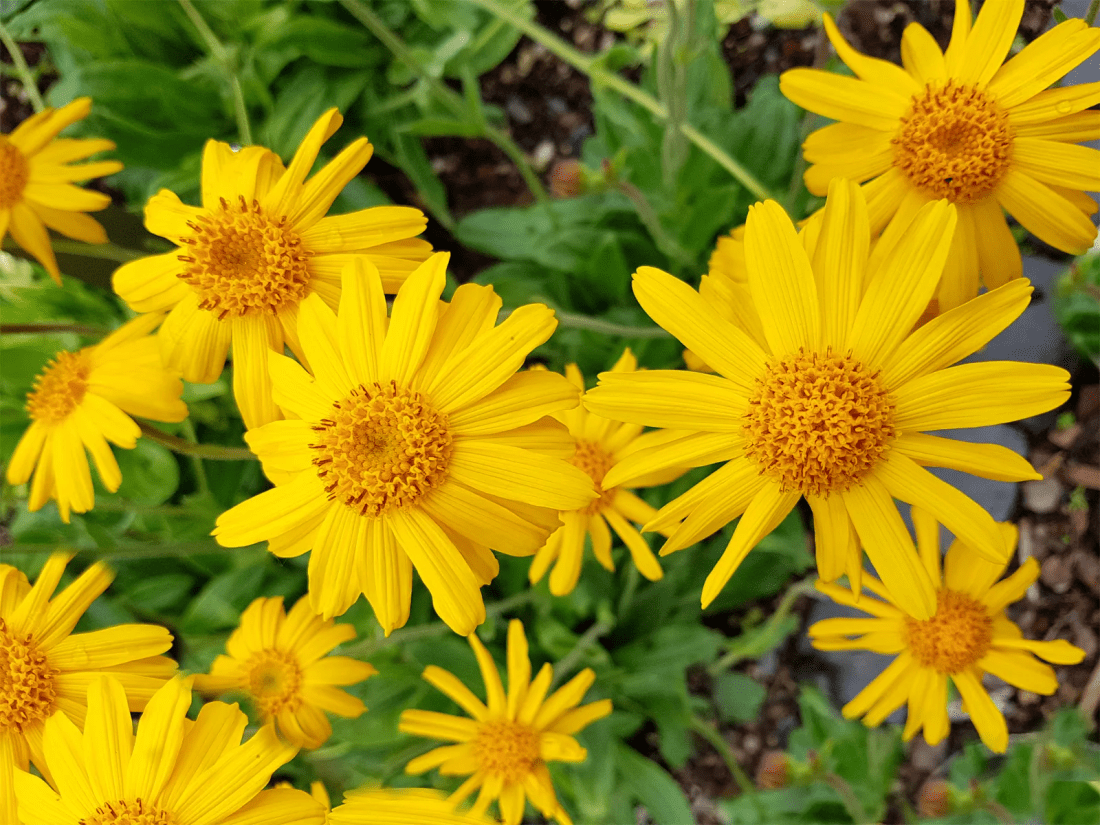
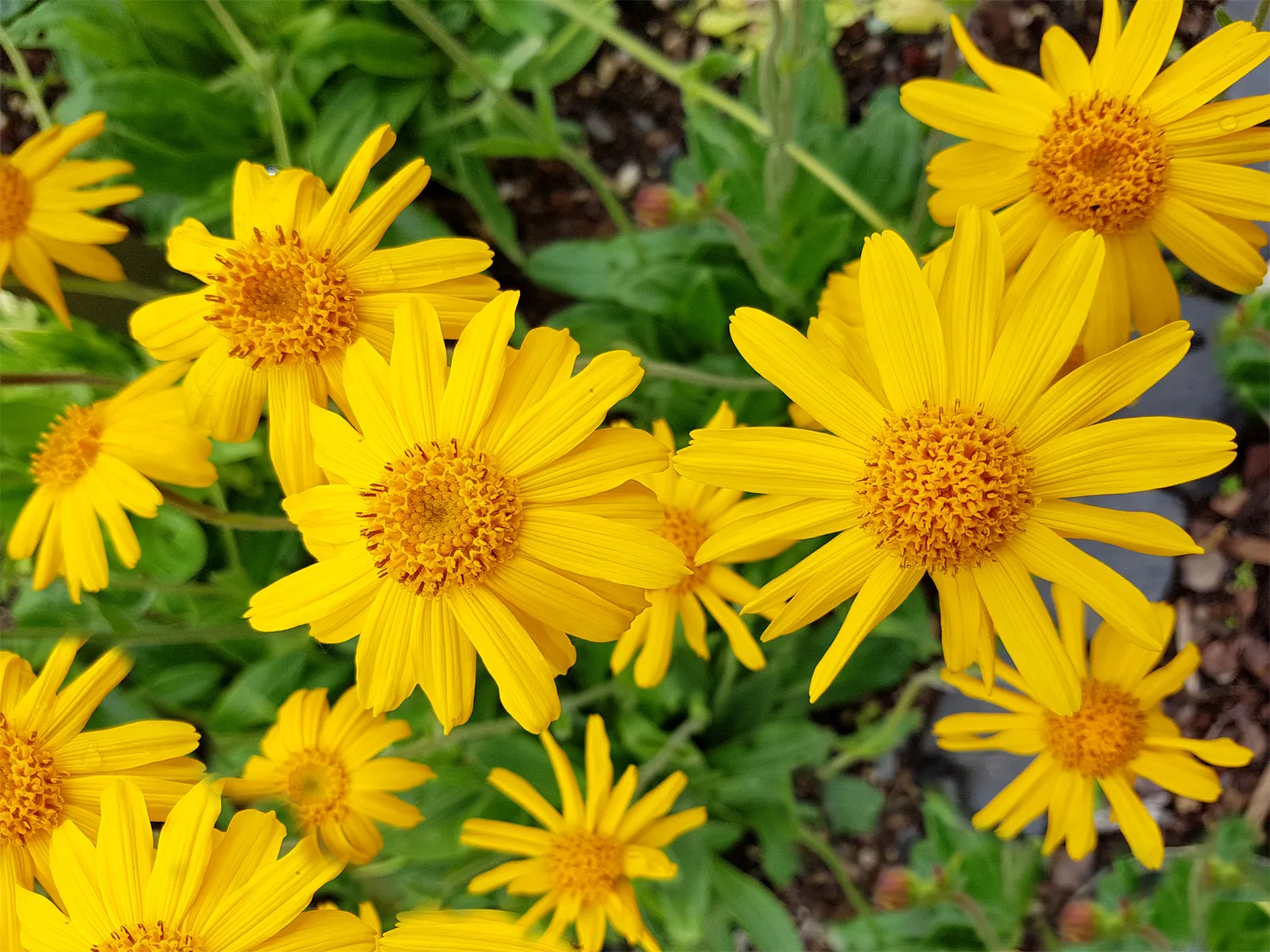
Arnica flowers, Arnica montana, or wolf’s bane, is typically used in a tincture as an analgesic, antiseptic, anti-inflammatory, and anti-ecchymotic (against bruises). Arnica has been a widely used remedy, being used (topically) externally in order to stimulate peripheral blood supply for swelling/inflammation, sprains, bruises, wounds and injuries. Additional external uses are for dandruff, dislocations, hemorrhoids, varicose veins, oedema associated with fractures, rheumatic, muscle and joint complaints, surface phlebitis, inflamed insect bites. Diluted arnica is often applied to the skin surface and purposely not covered with bandages. Arnica oil, which is a macerated oil from the arnica flowers, also has topical uses. This herb is sometimes taken internally, although not recommended, as a diuretic and stimulant. Due to irritant and allergenic effects internal use is a much lesser usage. Homeopathic preparations with arnica are also used internally and externally. In injuries of open wounds or where skin is broken or tender, topical application should be avoided as should usage near the eyes and mouth (Bones & Mills, 2013)
Internal use of arnica is not recommended. Oral use of arnica after oral ingestion may lead to dizziness, trembling, nausea, vomiting, diarrhea, increased heart rate, cardiac rhythm disturbances, breathing difficulties and collapse. There is high risk of damage to the fetus or miscarriage, if taken internally (Bones & Mills, 2013). Taken orally, Arnica may have side effects of muscle weakness, tachyarrhythmia, respiratory distress, gastrointestinal hemorrhage (Canders & Stanford, 2014). Arnica overdose can cause death due to circulatory paralysis with secondary respiratory arrest (Bones & Mills, 2013). When ingested orally, arnica’s exhibits immunomodulatory and cytotoxic effects, with its toxic constituent of Helenalin, which inhibits platelet aggregation. Arnica toxicity has no antidote (Canders & Stanford, 2014).

Key constituents include:

  • sesquiterpene lactones (SLs) of the pseudoguaianolide type (0.2% to 1.5%), including helenalin and 11alpha, 13-dihydrohelenalin and their ester derivatives
  • triterpenes, including arnidiol
  • Flavonoids (0.4% to 0.6%) including quercitin 3-O-glucuronic acid
  • Lignans including pinoresinol
  • Coumarins, carotenoids
  • Non-toxic pyrrolizidine alkaloids (tussilagine and isotussilagine)
  • Polyacetylenes
  • Essential oil (0.23% to 0.35%) containing sesquiterpenes, thymol derivatives and other monoterpenes
  • Caffeoylquinic acids (phenolic acids) including 3,5- and 1,5-dicaffeoylquinic acids (Bones & Mills, 2013)

Arnica is recommended for mostly anti-inflammatory topical usage, with noted occasional side effects of irritant contact dermatitis when used externally. It is not recommended for prolonged usage or for persons with sensitivity to members of the Asteraceae family, such as daisies, ragweed, and chrysanthemums (Bones & Mills, 2013).

There are alternative herbal options for arnica depending upon the intended use. For wounds, muscular and joint pain, lavender is an option.  Comfrey is used also for wounds, fractures and relative bruising. Aloe is an option for abrasions, wounds and other injuries (Herbs with Similar Uses as: Arnica, Complementary and Alternative Medicine, St. Luke’s Hospital, n.d.)

References:

Bone, Kerry; Mills, Simon. (2013) Principles and Practice of Phytotherapy (p. 373). Elsevier Health Sciences. Kindle Edition.

Canders, C., & Stanford, S. (2014, January 13). A Dangerous Cup of Tea. Wilderness & Environmental Medicine. https://www.wemjournal.org/article/S1080-6032(13)00345-1/fulltext#relatedArticles

Herbs with Similar Uses as: Arnica | Complementary and Alternative Medicine | St. Luke’s Hospital. (n.d.). St. Luke’s Hosptial. Retrieved February 23, 2022, from https://www.stlukes-stl.com/health-content/medicine/33/000589.htm

I write often about topics that affect our health and well-being. Additionally, I teach and offer lecture about qigong, tai chi, baguazhang, and yoga.

For more info, contact Jim Moltzan at info@mindandbodyexercises.com, 407-234-0119 or through my site at http://www.mindandbodyexercises.com

www.Amazon.com/author/jimmoltzan

Herbs & Pharmaceuticals – Risk vs. Benefits

I find it very interesting how there are so many herbs, that we as humans push the limits of their benefits versus their toxicity. I feel that herbs do sometimes get a bad reputation for this fact, but allopathic pharmaceuticals have been in this same position for the last century.. Too much or too little of any particular herb or pharmaceutical can have devastating side effects or even death.

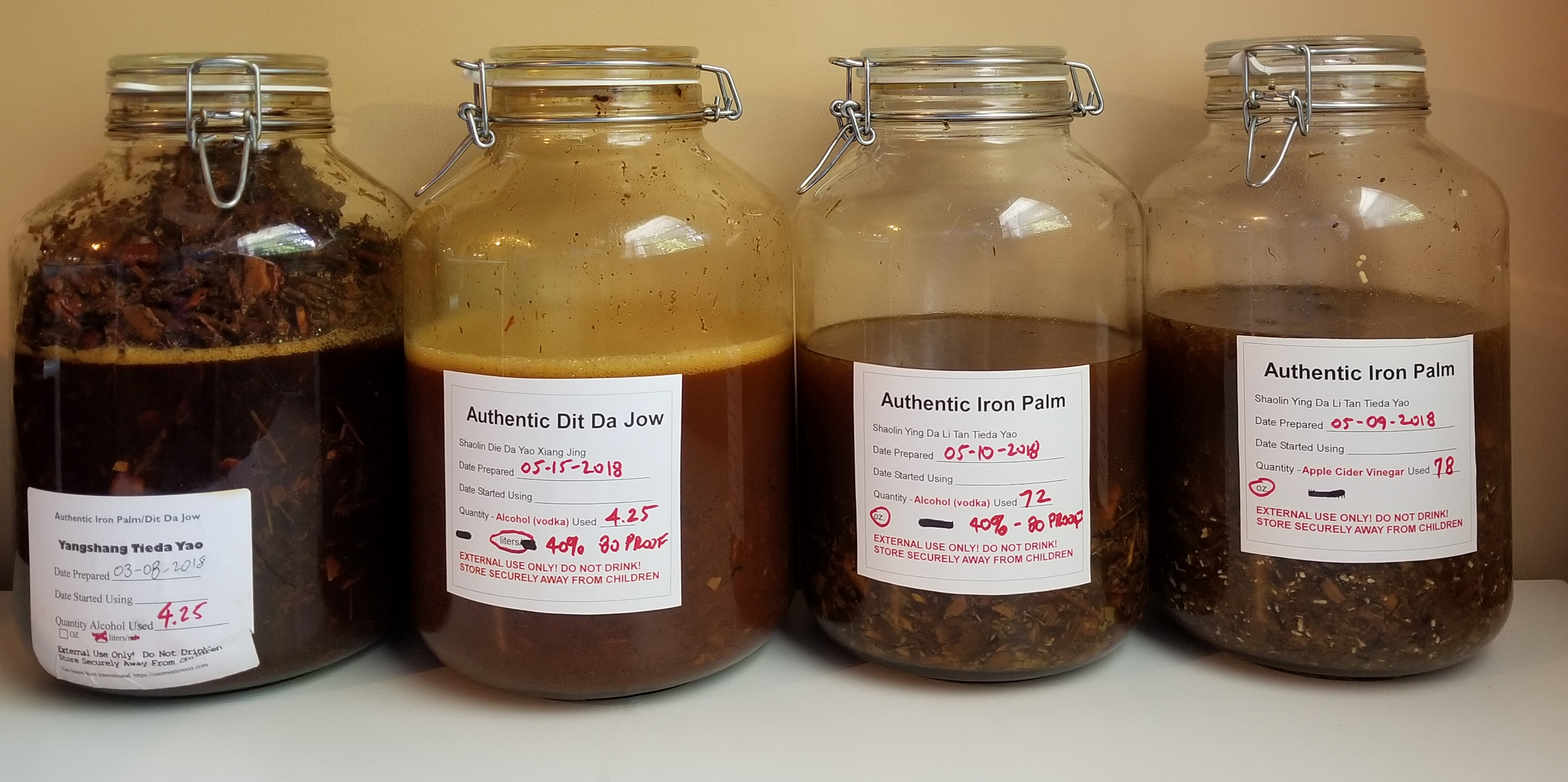
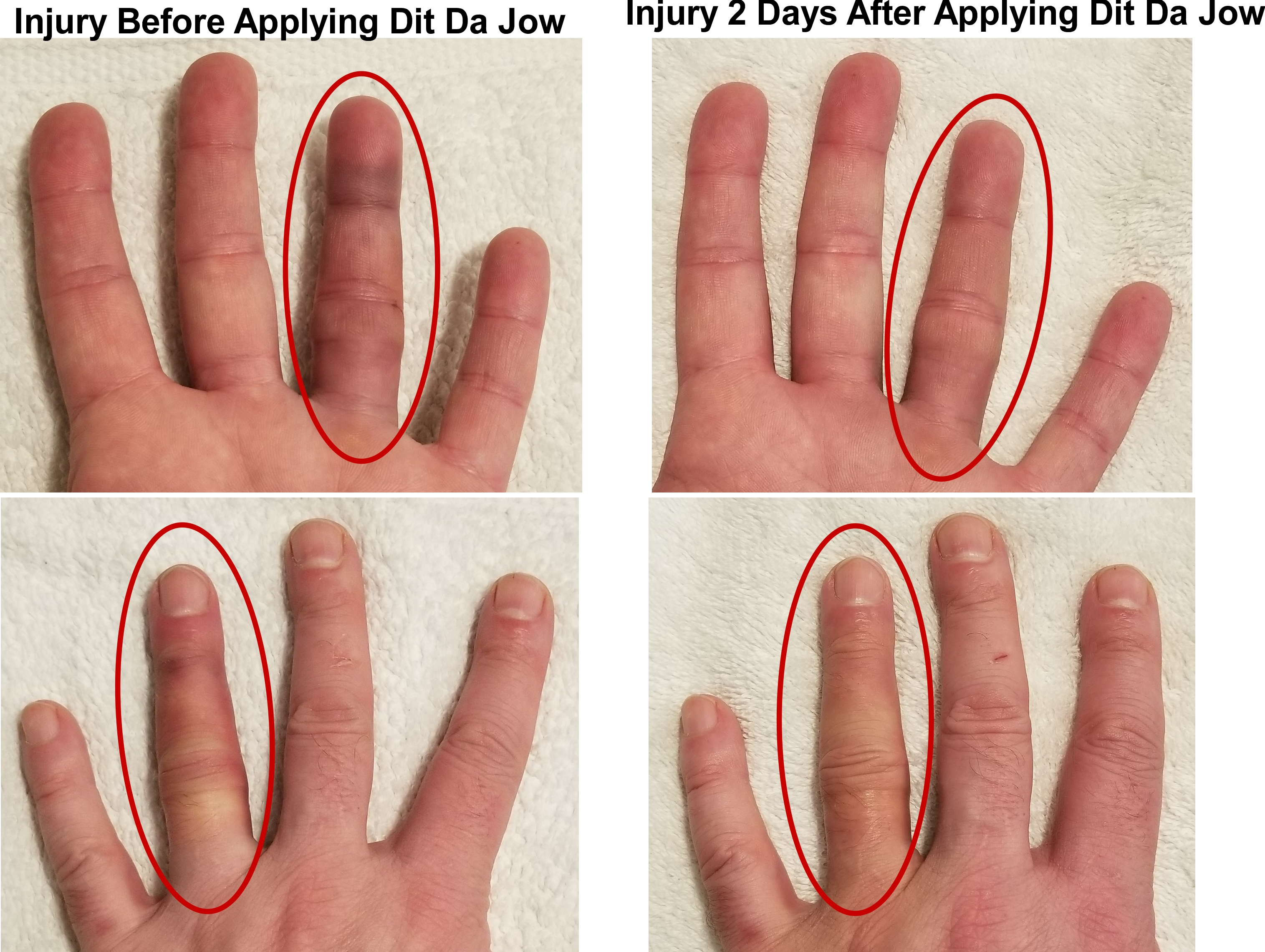
I have come across aconite previously with my learning preparations of dit da jow, (recipes for external bruising and inflammation) along with my martial arts and qigong training. Aconite is considered a pungent ingredient within Traditional Chinese Medicine and is used by martial artists to promote the circulations of qi and bodily fluids. I came to understand that aconite needed to be “prepared” in order to neutralize its toxicity, such as treating it with salt and then boiling with licorice and black soya beans, for at least 1 hour (Prepared Aconite (Zhi Fu Zi) in Chinese Medicine, n.d.).

I feel compelled to ask why some of these herbs would still be continued to be used, with such potentially toxic side-effects? Many people might respond with “just use Western allopathic pharmaceuticals, they are proven safe and effective to use.”

Plants and their natural ingredients are the producers of chemical substances, used to produce synthetic drugs. For most of history, herbal remedies were the only available medicine. Current estimates report that one third to one half of drugs in use today, originally derived from plants. Safety and efficacy in the use of herbs used in traditional and modern medicine are features that may apply to some herbs and patients, but not necessarily to others. Similar negative issues are known from conventional chemical drugs, which also are not always effective in all patients. There are risks of rare adverse reactions occurring in various organs relating to both, herbs and synthetic drugs (Teschke & Eickhoff, 2015).

There are many over-the-counter, as well as prescription drugs that have the potential for dangerous side effects. Although in most cases, the risk of serious side effects is very rare, at less than 1% of the time. Some of these medicines would include ACE inhibitors, where there is the risk of an allergic-type reaction called angioedema. This is a rapid swelling under the skin that may lead to swelling of the throat and tongue and difficulty breathing. Some diabetes medications may cause lactic acidosis, an accumulation of lactic acid in the blood that can lead to hypothermia (low body temperature). Over-the-counter painkillers such as Acetaminophen (Tylenol) and NSAIDs like ibuprofen (Advil, Motrin) or naproxen (Aleve) in large daily doses can damage the liver and lead to liver failure. Alcohol consumption while taking acetaminophen can also lead to liver damage. Long-term and sometimes short-term NSAID use, is linked to kidney issues, ulcers, high blood pressure, stomach bleeding, and increased risk for stroke and heart attack (5 common medications that can have serious side effects, 2020). 

References:

Teschke, R., & Eickhoff, A. (2015, April 23). Herbal hepatotoxicity in traditional and modern medicine: actual key issues and new encouraging steps. Frontiers. https://www.frontiersin.org/articles/10.3389/fphar.2015.00072/full

5 common medications that can have serious side effects. (2020). Harvard Health Letter45(3), 5.

Prepared aconite (Zhi Fu Zi) in Chinese Medicine. (n.d.). Me & Qi. Retrieved February 26, 2022

https://www.abc.net.au/news/2012-02-21/schwager-war-against-natural-medicine/3840682

I write often about topics that affect our health and well-being. Additionally, I teach and offer lecture about qigong, tai chi, baguazhang, and yoga.

For more info, contact Jim Moltzan at info@mindandbodyexercises.com, 407-234-0119 or through my site at http://www.mindandbodyexercises.com

www.Amazon.com/author/jimmoltzan
Iron Palm / Iron Body Conditioning

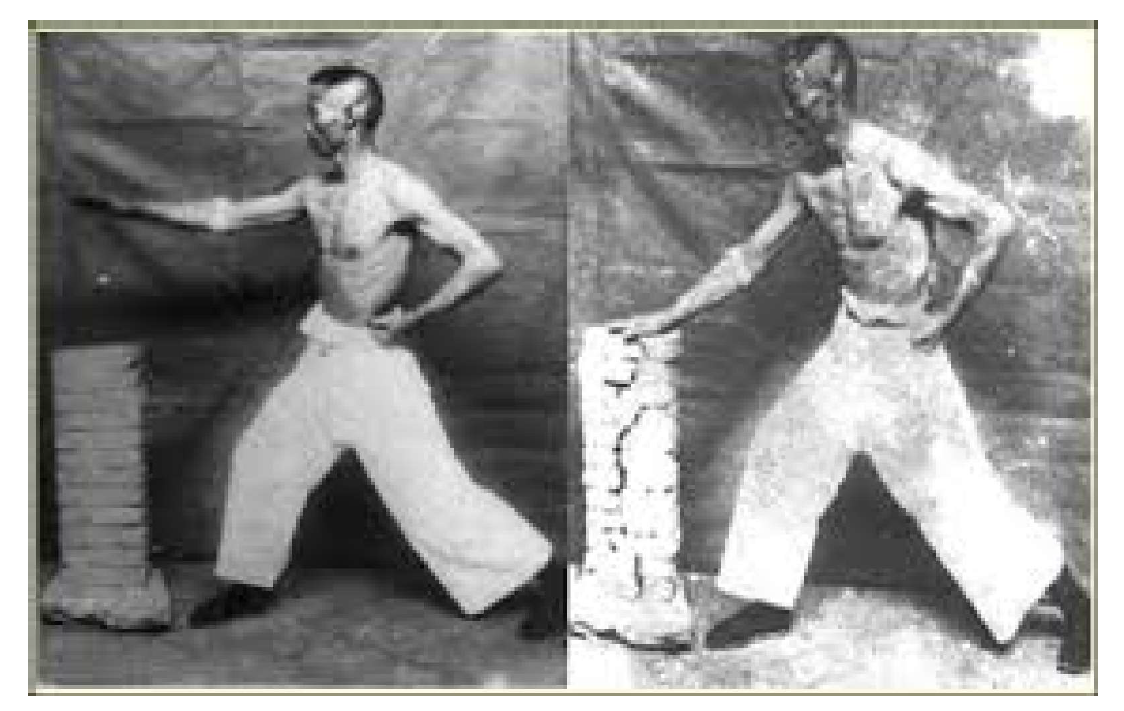
Iron Palm Conditioning started with Shaolin Monks practicing methods to make the hands. legs, and feet, feel as strong as iron. Iron Palm liniment is applied on the hands, legs, shins or any part of the body used to strike during training to prevent pain, strengthen the bones, tendons. ligaments. and connective tissue while helping these areas to heal more quickly. Iron Palm and Iron Body are a more advanced practice of acupressure and/or reflexology. As the specific parts of the body are precisely hit, acupoints on the 12 energy meridians are stimulated. These acupoints directly affect the internal organs of the human body.

This training can consist of punching the hands into large containers of dried beans, sand, rocks, and metal shavings among other media. Kicking bamboo trees, bags of sand, rocks and metal shavings is also part of this training regimen. Proper breathing (Qigong) and concentration develops, literally hands of iron while simultaneously improving blood and energy flow throughout the body and its internal organs.

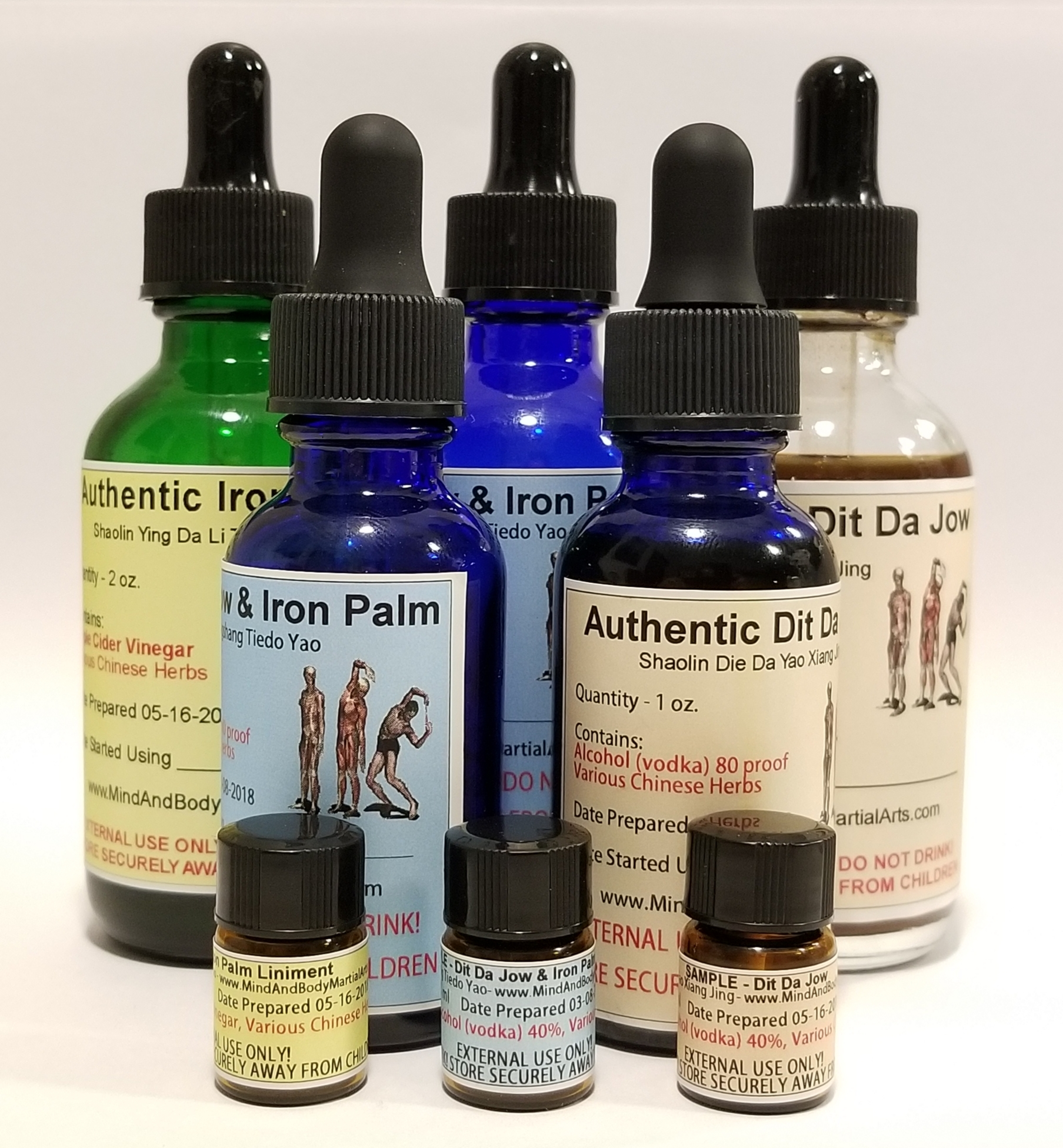
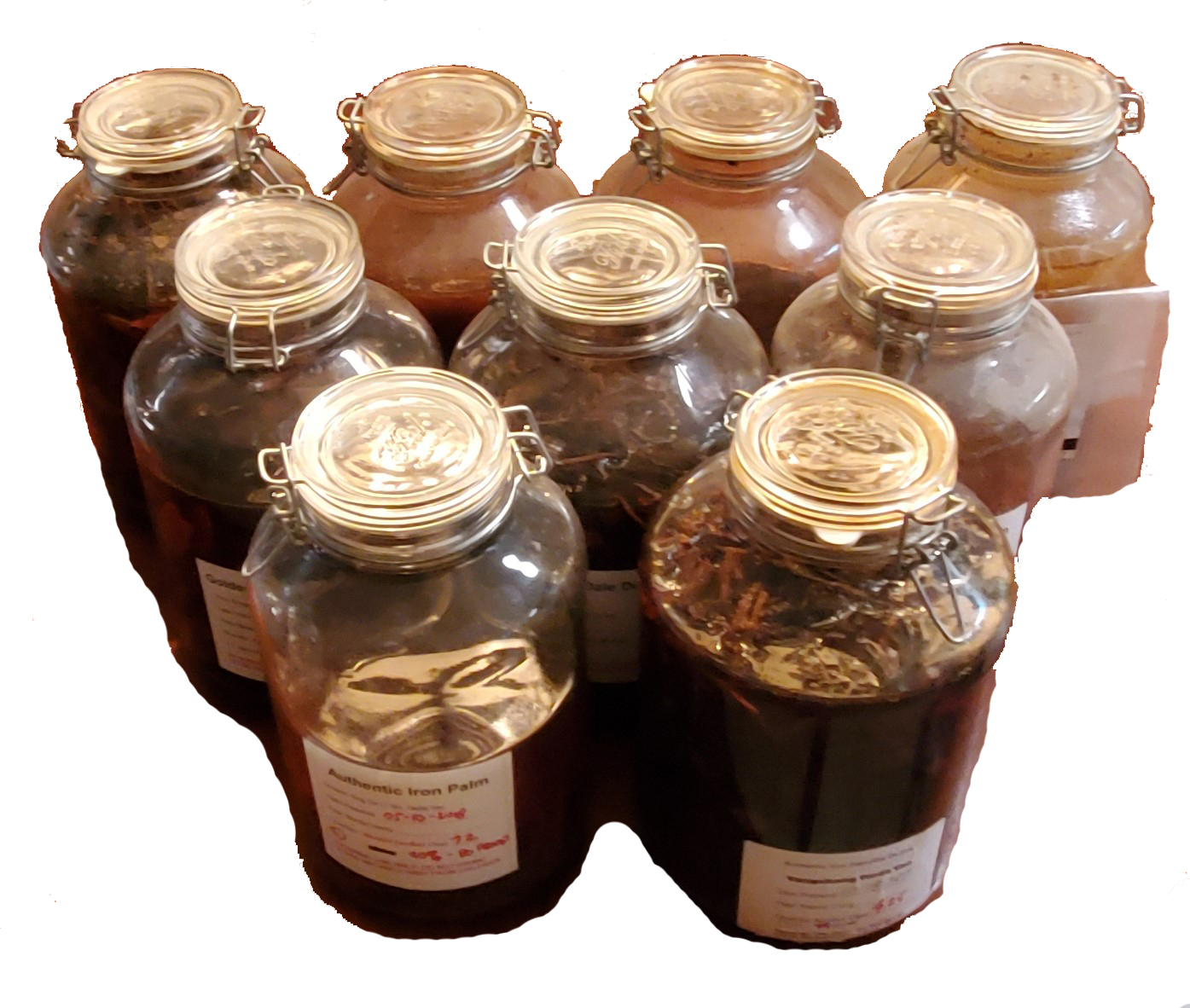
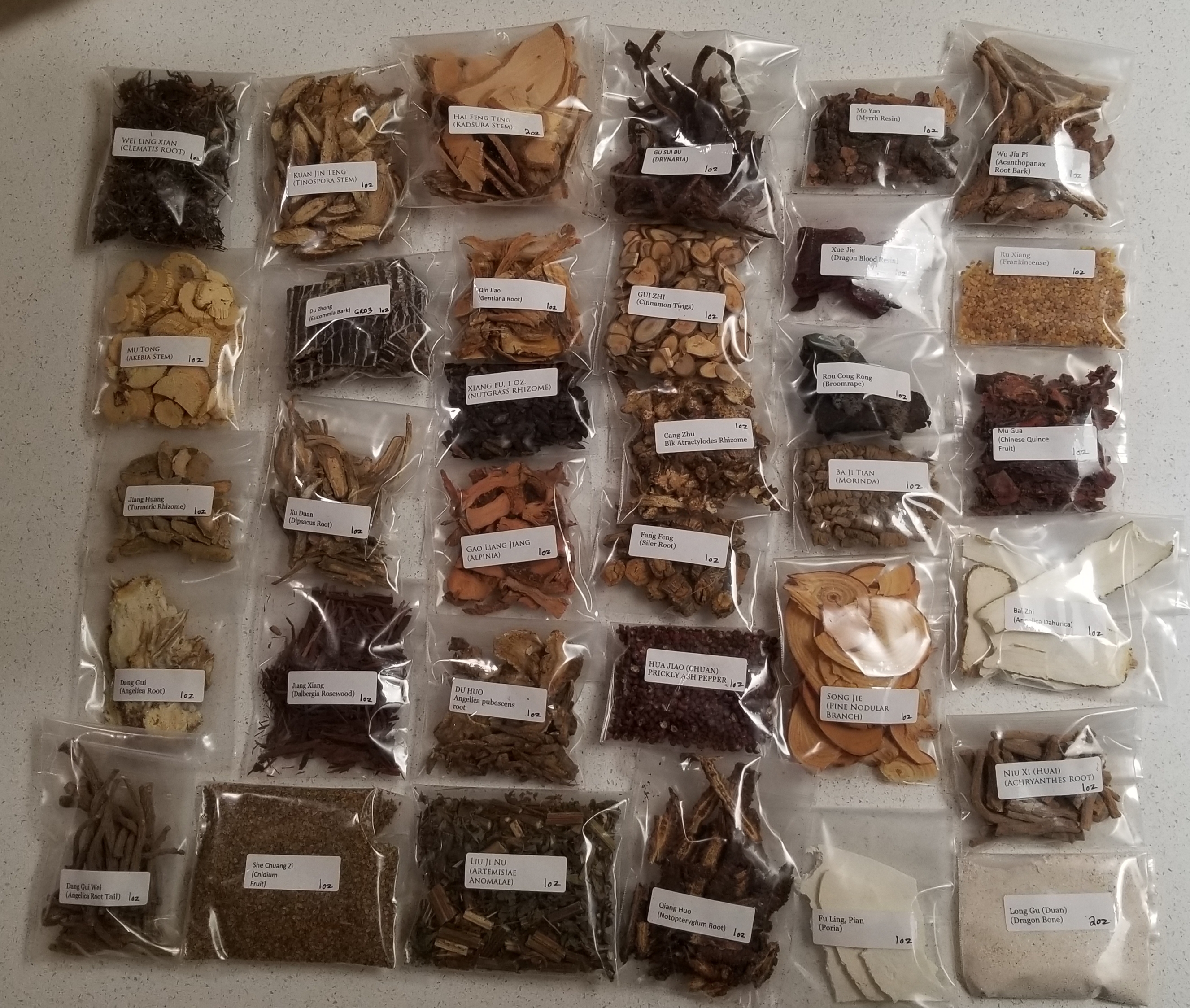
Iron Palm (Liniment)
Iron Palm liniment was formulated to strengthen and heal bones, ligaments, tendons, connective tissue and sinew from injuries and all types of repetitive contact exercises like hitting a punching bag, all types of Iron Palm bags or if you are advanced enough in training where you are breaking objects like brick, boards. etc. Another powerful benefit of Iron Palm liniment is reducing pain very quickly. Iron Palm herbal liniments are used externally. Iron Palm recipes are also used for reducing pain due to conditioning or from everyday injuries. Iron Palm liniments can also help with chronic conditions related to the above-mentioned areas. A person does not necessarily need to practice Iron Palm conditioning in order to receive the healing benefits of these extracts.

I have learned to produce these Jows ” and have been using them for almost 40 years to externally treat injuries, aches and pains. If overly sore or injured, we can also use curcumin poultices or store-bought plaster patches with cayenne.

_______________

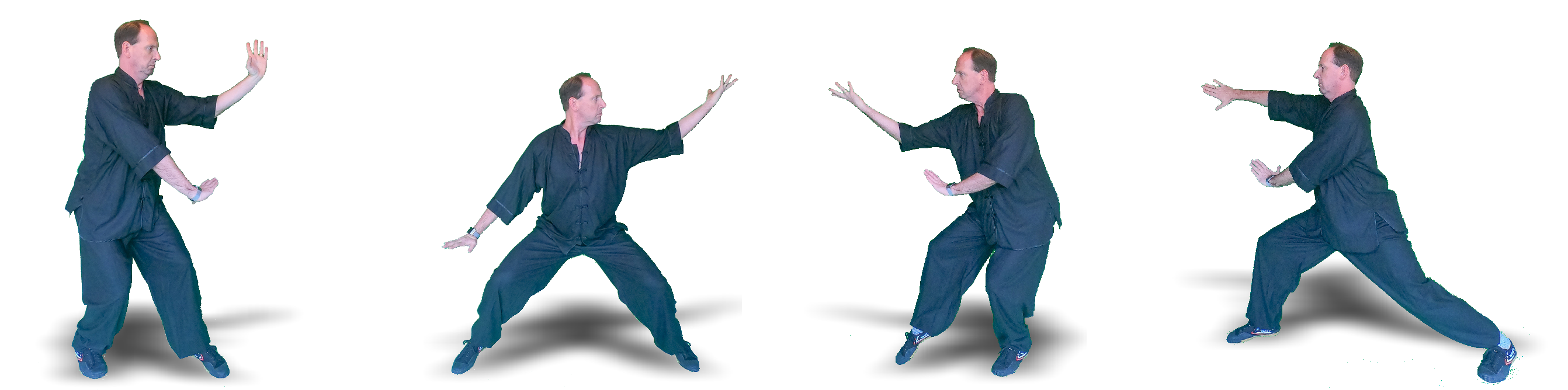
Qigong, tai chi, baguazhang, and yoga are not the only methods that can be used within this formula but have proven the test of time as methods to cultivate harmony of the mind, body and spirit. These exercise practices offer a wide spectrum of physical wellness benefits, stress relief as well as means of self-awareness.  Not all teachers nor students practice these for the same goals.

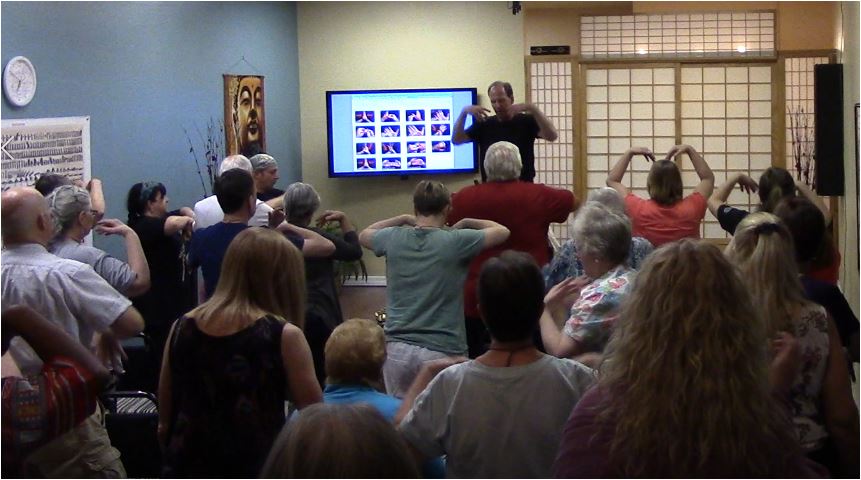
I am currently offering wellness lectures and classes for group, small group & private instruction in Wekiva, Longwood and Winter Park.

For more info, contact Jim Moltzan at info@mindandbodyexercises.com, 407-234-0119 or through my site at http://www.mindandbodyexercises.com

Jim
vs181006-004
cropped-header-image2.jpg

I started my martial arts training at the age of 16, starting with Korean martial arts and evolving into BaguaZhang, Tai Chi, and Qigong. I have been training, studying and teaching for almost 40 years effectively educating hundreds of students.

As a recognized master instructor, I have trained with a diverse group of masters and high-level martial arts teachers of many different disciplines. My specialty is teaching exercises to improve chronic conditions, working with people of all ages, especially senior adults. Offering guidance and instruction, I have also worked with Parkinson Disease patients through Florida Hospital. I offer regular lectures as requested by AdventHealth (Florida Hospital) regarding the benefits of Eastern practices.

I am the author and graphic artist of numerous journals, graphic charts and study guides relative to the mind and body connection and how it relates to martial arts, fitness and self-improvement.

I continue training and teaching in the Orlando, Florida area conducting classes, seminars and lectures as my schedule allows. I balance my teaching and businesses with my own personal cultivation and time spent with my wife and two college-age kids.