
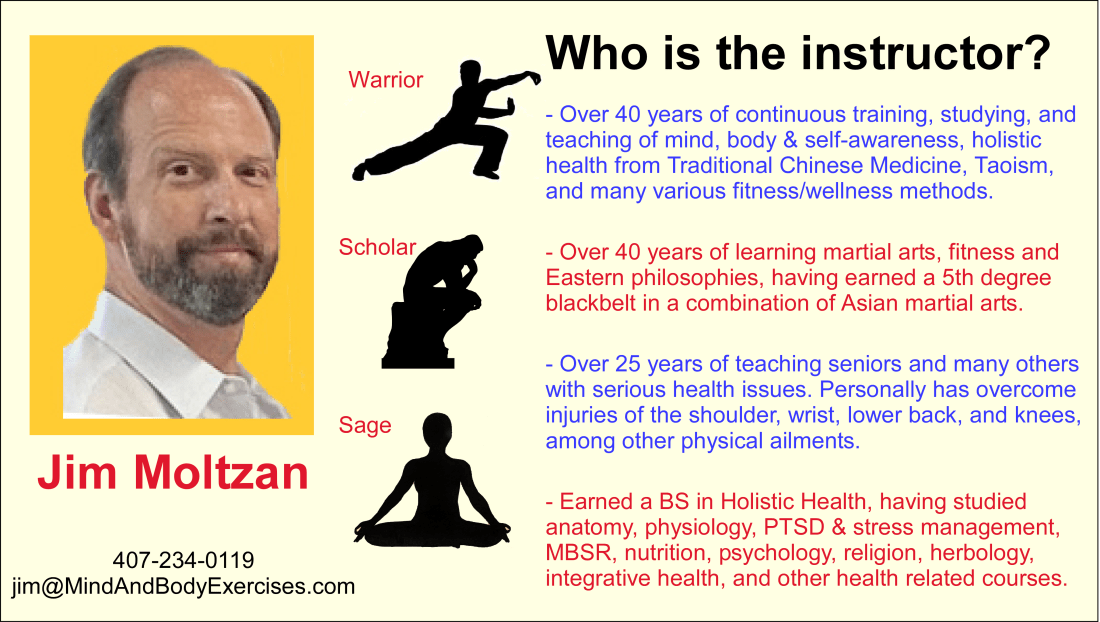
I’ve spent over 40 years teaching others how to live well, not just physically, but mentally, emotionally, and spiritually. I’ve taught classes, delivered lectures, produced hundreds of educational videos, and authored more than 30 books on health, martial arts, mindfulness, personal growth and self-mastery. My mission has always been clear: to help people avoid the slow decline into pain, isolation, and despair that so often accompanies aging.
And yet, here I am at 61 and asking the hard question:
Was anyone really listening?
The Uncomfortable Truth Few Want to Face
Over the years, I’ve watched countless people, friends, former students, co-workers, even family members, slide into chronic illness, mental stagnation, and deep loneliness. Their bodies give out. Their thoughts become incessant and negative. Their social circles shrink, often down to nothing. And worst of all, society tends to look away. People in pain make others uncomfortable. We don’t have to age this way, and we certainly don’t have to suffer in silence. Still, the outcomes I see around me are too often the same.
I have never claimed to have all the answers. Only the experience of walking this road with care, curiosity, and a deep respect for the process. I don’t sell miracle cures or promise instant transformation. I’ve simply chosen to live and teach what I know from having stayed on the path.
What’s most heartbreaking is that this pattern isn’t just anecdotal, it’s documented. One of the most important and longest-running psychological studies in history, the Harvard Grant Study, which began in the 1930s and followed hundreds of men (and later women) throughout their entire lives, revealed something striking:
The single most important factor in long-term health and happiness wasn’t wealth, fame, or even physical fitness. It was the quality of one’s relationships.
Those who maintained close, supportive connections, with friends, family, or community, aged better, lived longer, and experienced less pain and decline than those who didn’t.
This truth has deeply influenced my understanding of health. It affirmed what I had already intuited through years of teaching: isolation and disconnection are just as deadly as any disease.
Why Is It So Hard to Reach People?
It’s not that people don’t know the truth. Many understand what’s coming, in that neglecting the body, ignoring the breath, resisting change, and isolating oneself will eventually take a toll. But very few choose to act while there’s still time.
I’ve given my best efforts. I’ve tried to be an example. And yes, some have been moved. Some have changed their lives. But the deeper truth is that reaching people at scale, truly reaching them, has always felt like swimming against the tide. There’s an exhaustion that comes with trying to offer healing in a world more interested in convenience than discipline, distraction over reflection, and quick fixes over lasting change.
And Yet… This Work Gives Me Meaning
Despite the fatigue, the frustration, the quiet disappointments, this work still gives me purpose. It is, in fact, the very thing that keeps me well. Without this mission, I might have drifted long ago into the same darkness I warn others about.
- I teach because it keeps me whole.
- I guide others because someone once guided me.
- I keep going because I believe the message matters, even when the audience is small.
So Where Do I Go From Here?
I don’t know exactly. But I do know this. I am no longer chasing a mass audience. I don’t need viral videos or bestseller lists. What I need now is connection with those who truly get it, who are ready, who are willing to walk the path, not just read about it.
Maybe that means smaller, deeper circles of mentorship. Maybe it means fewer books, but more personal conversations. Maybe it means continuing to teach, not from a podium, but from a place of presence.
An Invitation to You, Reader
If you’re reading this, and something in your heart resonates, if you’ve seen the same patterns of decline and loneliness and want a different outcome, I’m here.
I’m still walking along the path. I’m still learning, adapting, evolving.
And I sincerely invite you to walk it with me.
Let’s not wait until the body breaks down or the mind turns sour before we act.
Let’s build strength now in the body, the mind and also in the spirit.
Let’s stay connected to others, to meaning and purpose, and to ourselves.
This is not just about growing older. It’s about growing wiser, deeper, and more alive, together.
_________
Resources & Further Reading
The reflections in this article are deeply informed by the Harvard Study of Adult Development, a landmark longitudinal study that began in the late 1930s and followed hundreds of individuals for over 75 years. Originally known as the Harvard Grant Study, it remains one of the longest and most detailed examinations of adult life and well-being ever conducted.
This research uncovered three essential contributors to long-term happiness and healthy aging:
- Warm, supportive relationships – The most consistent predictor of happiness, physical health, and mental clarity was the strength and quality of one’s close relationships. Loneliness and isolation, by contrast, were strongly linked to earlier decline.
- Emotional adaptability – Those who fared best over time weren’t those without hardship, but those who learned how to regulate emotions, rebound from setbacks, and find meaning through challenges.
- A sense of purpose and engagement – Having work, projects, or passions that felt meaningful — even in later life — was a powerful anchor for mental and emotional resilience.
“Good relationships keep us happier and healthier. Period.”
— Dr. Robert Waldinger, current director of the study
If you’re interested in learning more about these findings and their practical implications for your own life, consider the following resources:
- Waldinger, R., & Schulz, M. (2023). The Good Life: Lessons from the World’s Longest Scientific Study of Happiness. Simon & Schuster.
- Waldinger, R. (2015). What makes a good life? Lessons from the longest study on happiness [TED Talk]. https://www.ted.com/talks/robert_waldinger_what_makes_a_good_life_lessons_from_the_longest_study_on_happiness


 United Martial Arts Association