Managing Back Pain – You Have Options

My goal is to present an education for holistic health to increase longevity and quality of life (heathspan), that brings awareness to these time-proven methods. With an intent to de-mystify and simplify explanations, hopefully, more people can come to realize that we are all accountable for our own well-being.

I teach and offer lectures about holistic health, physical fitness, stress management, human behavior, meditation, phytotherapy (herbs), music for healing, self-massage (acupressure), Daoyin (yoga), qigong, tai chi, and baguazhang.

Please contact me if you, your business, organization, or group, might be interested in hosting me to speak on a wide spectrum of topics relative to better health, fitness, and well-being.

I look forward to further sharing more of my message by partnering with hospitals, wellness centers, VA centers, schools on all levels, businesses, and individuals who see the value in building a stronger nation through building a healthier population.

I also have hundreds of FREE education video classes, lectures, and seminars available on my YouTube channel at:

https://www.youtube.com/c/MindandBodyExercises

Many of my publications can be found on Amazon at:

www.Amazon.com/author/jimmoltzan

My holistic health blog is available at:

https://mindandbodyexercises.wordpress.com/

www.MindAndBodyExercises.com

Mind and Body Exercises on Google: https://posts.gle/aD47Qo

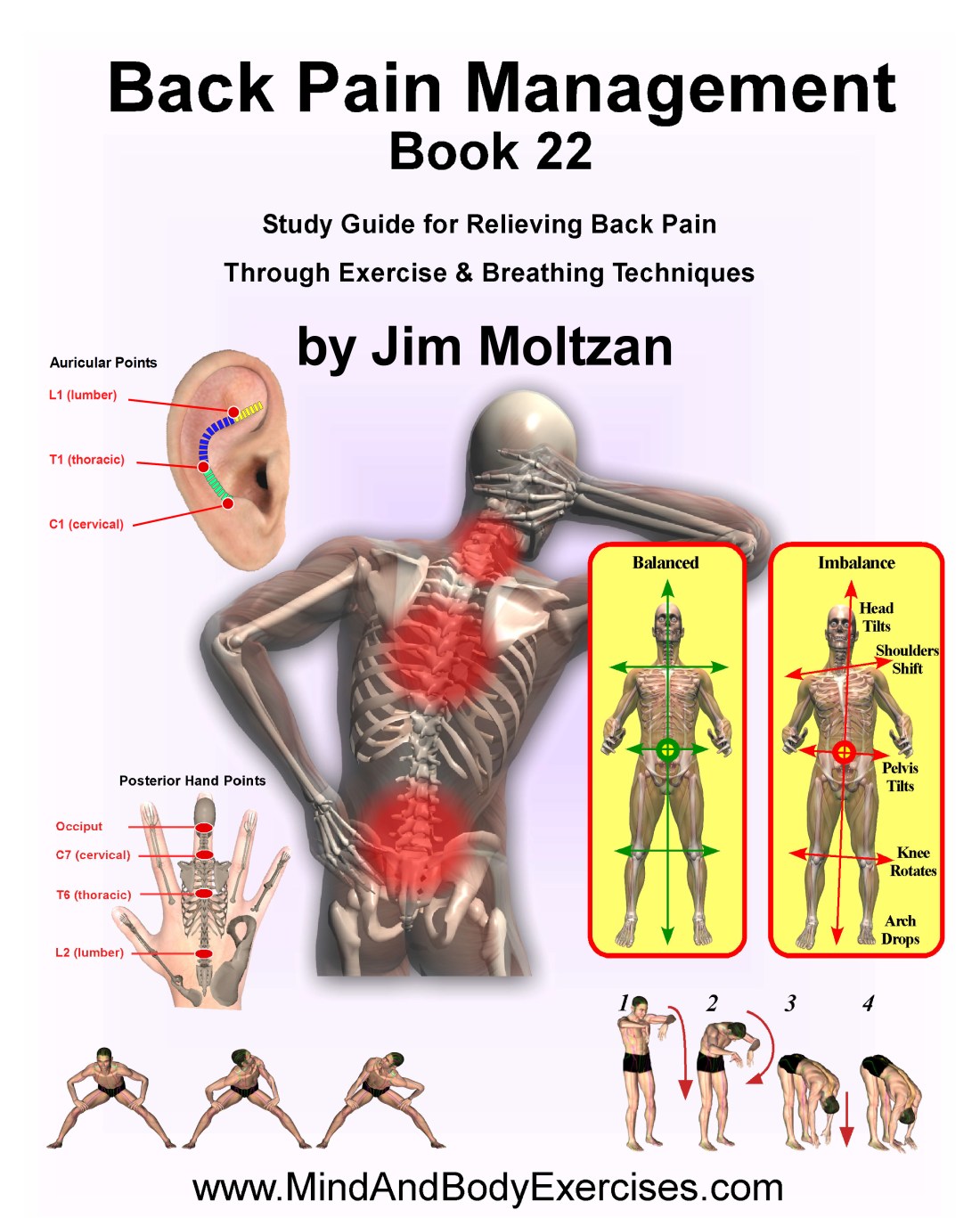
Back Pain Management – Book 22

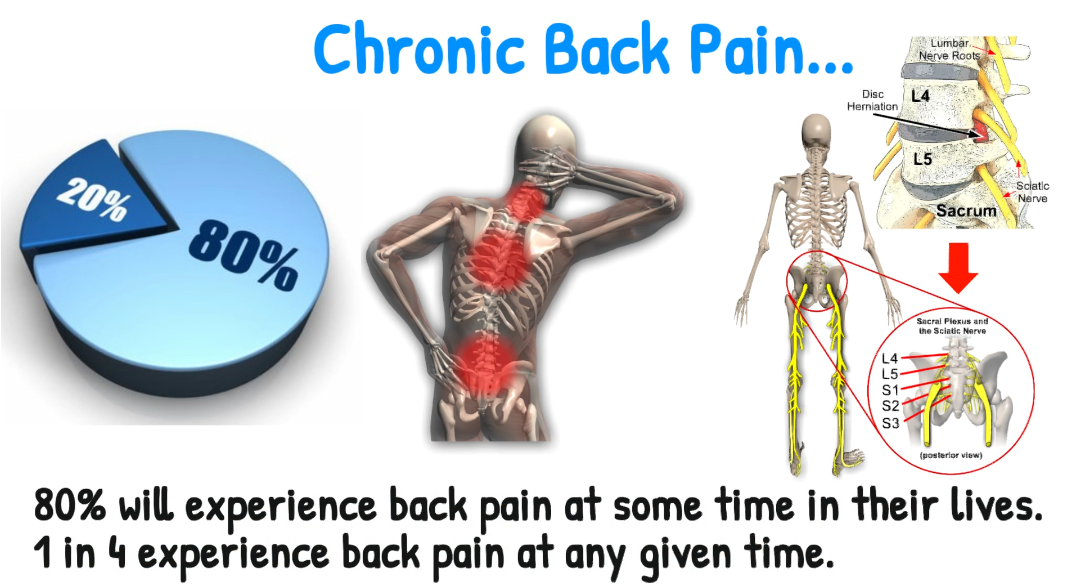
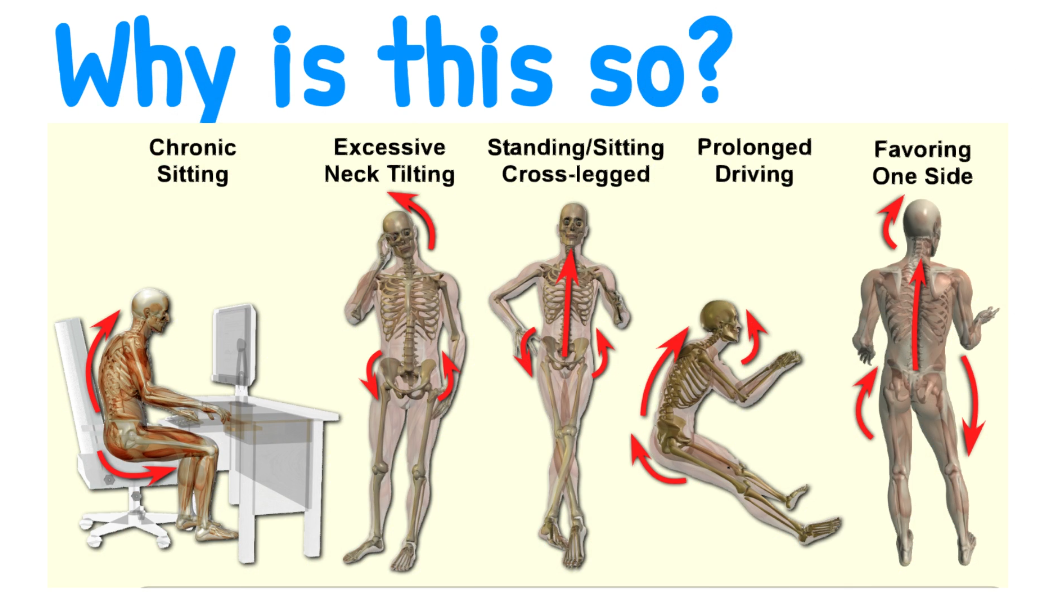
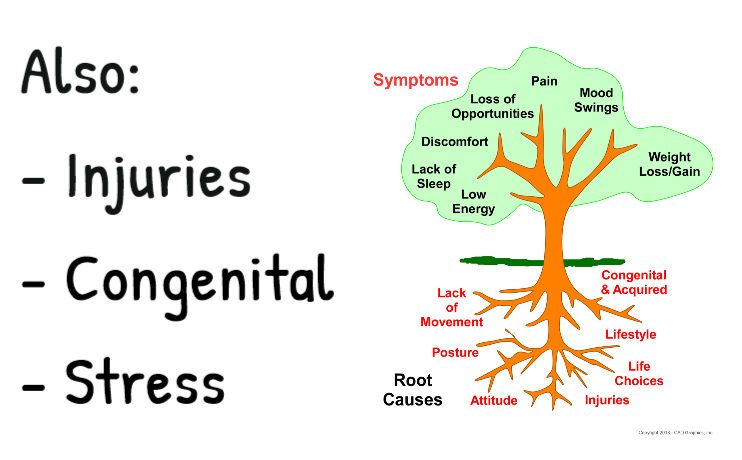
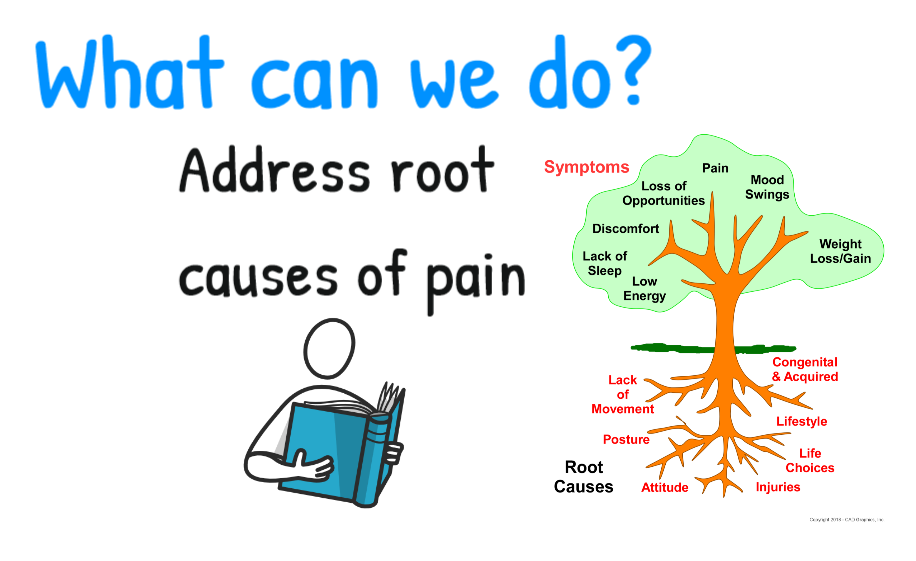
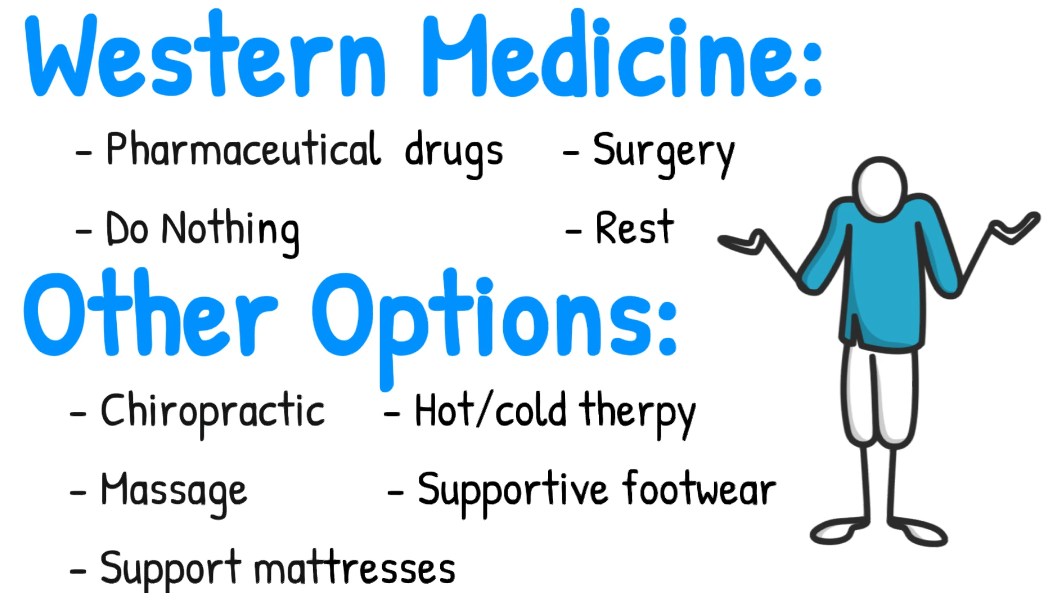
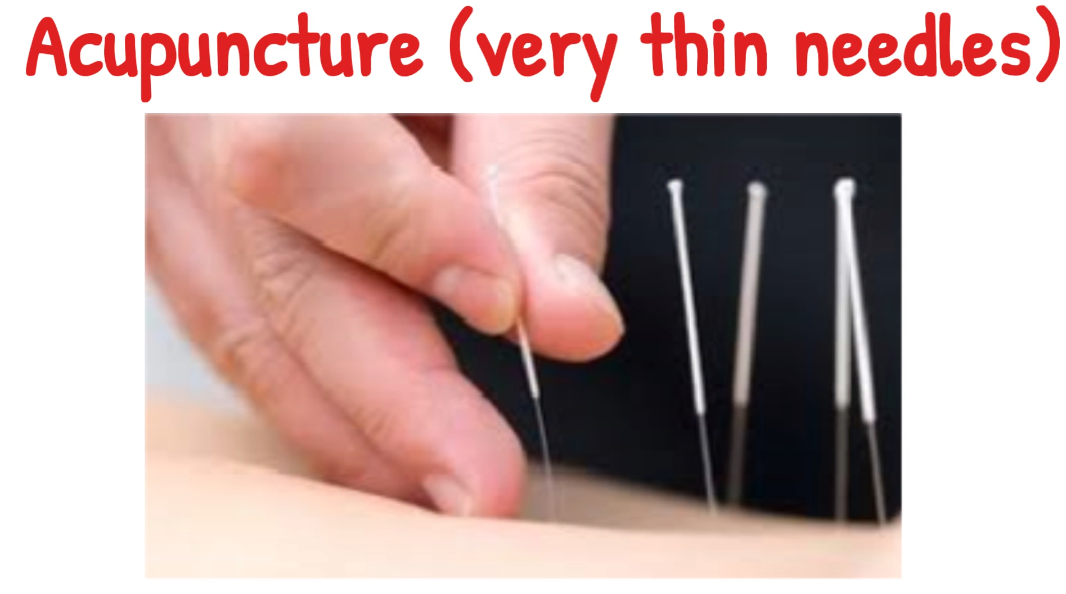
Most people in the United States will experience back pain at some time in their lives.  Causes of back pain are many, ranging from poor posture, heavy lifting, and lack of exercise among other issues.  Some may find relief through chiropractic or acupuncture therapy.  Depending upon the root cause, most pain goes away within a few days or weeks, only to return at a later date.  Unless the root cause is fixed, most treatments only offer temporary relief.  In many cases, the root cause of back pain is tight hamstring muscles and/or poor posture.  Excessive sitting can tighten these muscles as well as a lack of proper stretching on a regular basis contribute to many back pain issues. How we sit, how we stand and how we move, or more often don’t move – all affect our posture and relative issues with the spine and the nervous system.

Not having back pain, does not necessarily mean your spine is in great shape! If not disease nor illness is a goal, we need to focus on being fit, well & healthy. Good health usually comes at a cost of time, effort, sacrifice and resources, or a combination of the prior. Most people don’t care to make the investment into taking care of themselves until after they are injured. even then, most people with back issues often choose pain medicines or sometimes surgery over exercise or lifestyle changes that can improve their situation. Traumatic injuries are often best treated with emergency surgery and that is really not the topic of this post.

In 2019, 20.4% of adults had chronic pain and 7.4% of adults had chronic pain that frequently limited life or work activities (referred to as high impact chronic pain) in the past 3 months.

Chronic pain and high-impact chronic pain both increased with age and were highest among adults aged 65 and over.

Non-Hispanic white adults (23.6%) were more likely to have chronic pain compared with non-Hispanic black (19.3%), Hispanic (13.0%), and non-Hispanic Asian (6.8%) adults.

Source: https://www.cdc.gov/nchs/products/databriefs/db390.htm

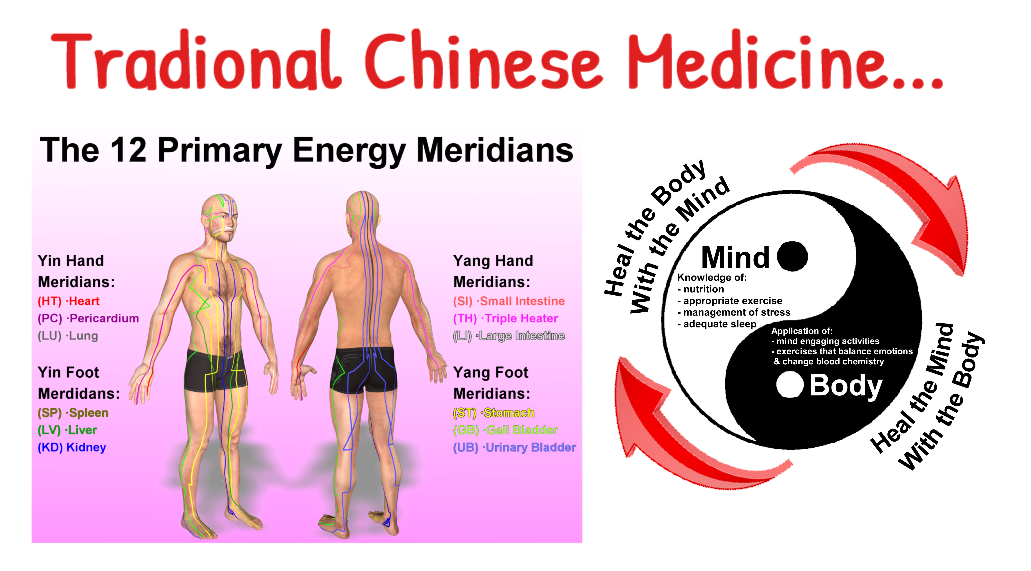
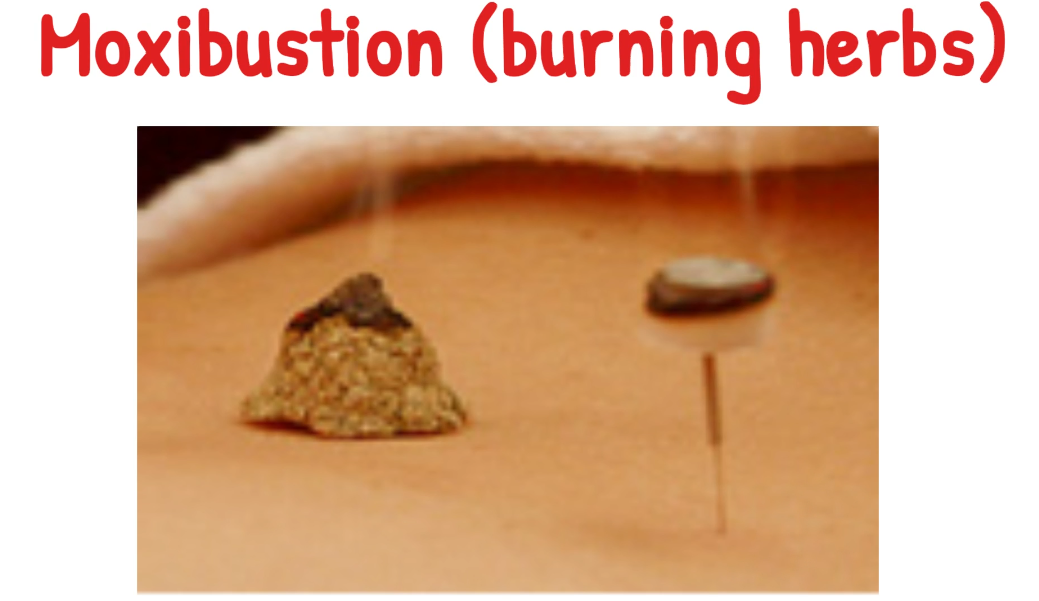
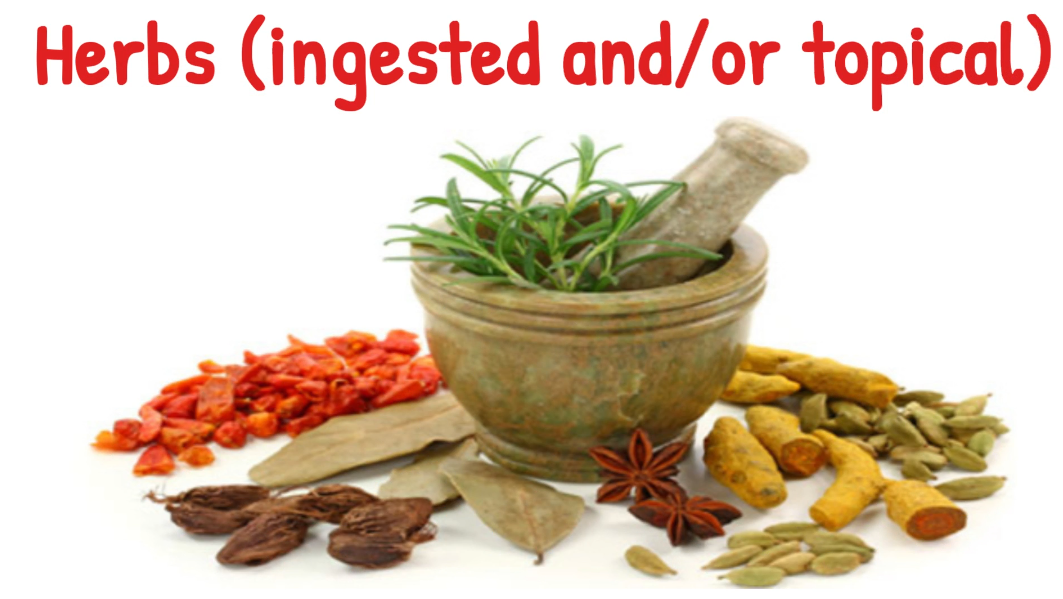
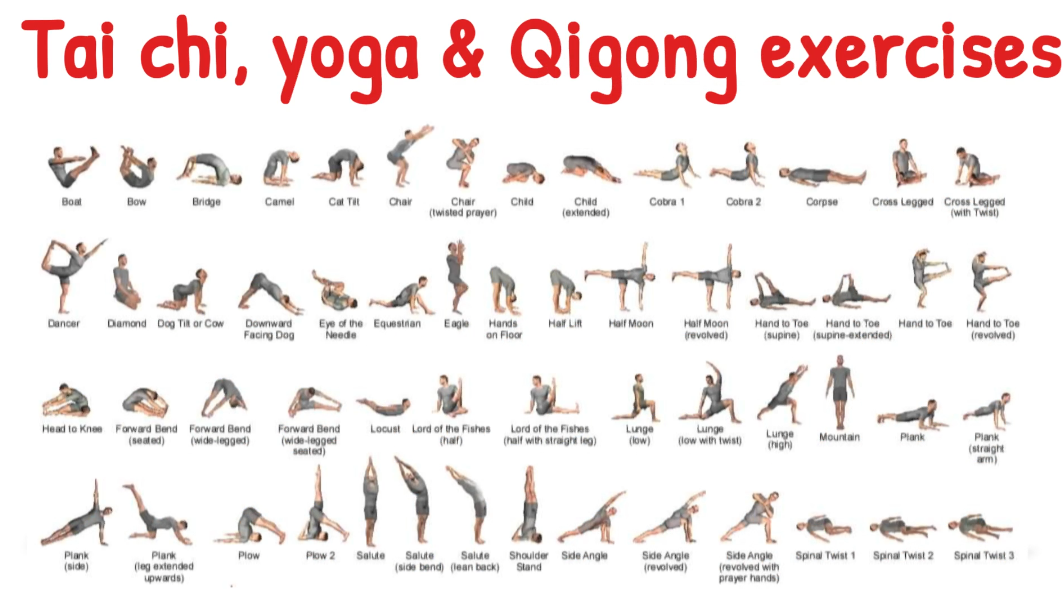
My booklet sample below, goes into detail, along with graphics to offer information on how these root problems affect our health and well-being. Additionally, I offer information on how to manage back pain without pharmaceuticals nor surgery when at all possible. Yoga, qigong, tai chi, martial arts, Traditional Chinese Medicine, reflexology/acupressure, deep breathing, meditation and other methods are explained in great detail in order to offer many options depending upon individual circumstances.

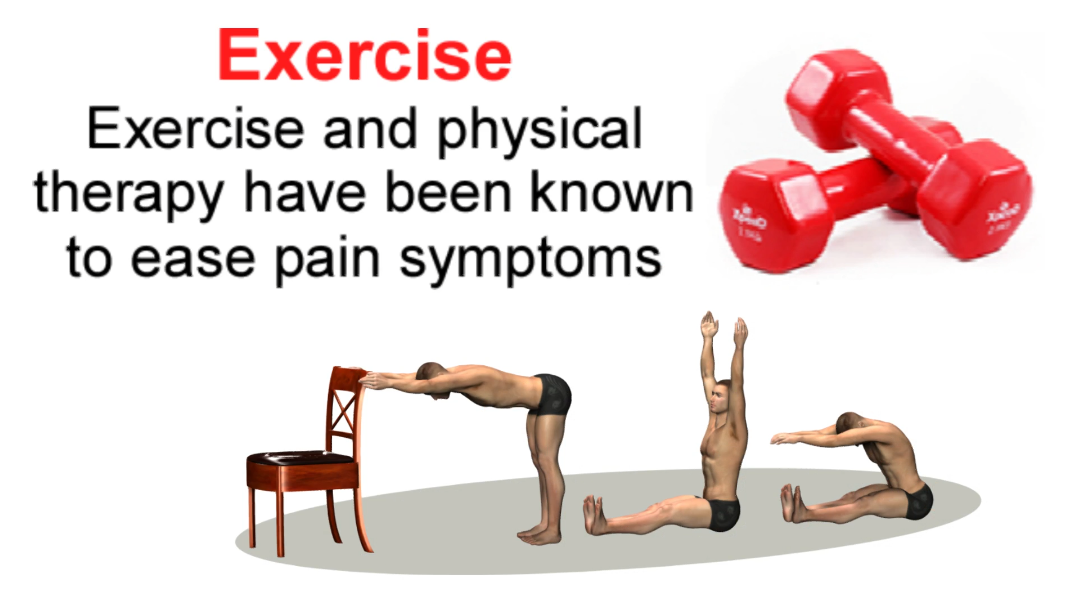
Included are many exercises and other methods to develop strength and flexibility which improve posture and relative spine health.  Good health of the entire spinal structure starts with good posture.  Strength in the back, hips and abdomen provide a strong cage that houses the internal organs.  Flexibility in these areas helps to maintain good blood circulation to the organs and lower body.  Lengthening of the spine while exercising reduces stress and tension on the nervous system.  Additionally, there are deep and relaxed breathing exercises included, which can help manage stress and pain. These can be practice while performing the back exercises or as stand-alone methods. I have practiced and taught others all of these methods for over 40 years, and often with much success.

My booklet can be purchased in hard-copy or Kindle versions at:

Link to Amazon

_____________

Be more active, eat healthier, sleep better, stress less these are the key components to maintaining a strong immune system.

I am currently offering lectures and classes for group, small group & private instruction in Wekiva, Longwood and Winter Park.Mind and Body Exercises on Google: https://posts.gle/aD47Qo

I also have hundreds of FREE education video classes, lectures and seminars available on my YouTube channel at: https://www.youtube.com/c/MindandBodyExercises

Mind and Body Exercises on Google: https://posts.gle/aD47Qo

Jim Moltzan

407-234-0119

www.MindAndBodyExercises.com

www.Amazon.com/author/jimmoltzan

Strengthen Your Mental Tolerance by Understanding the Energetic Structure of the 8 Extraordinary Vessels

The 8 Extraordinary Energy Meridians or Vessels

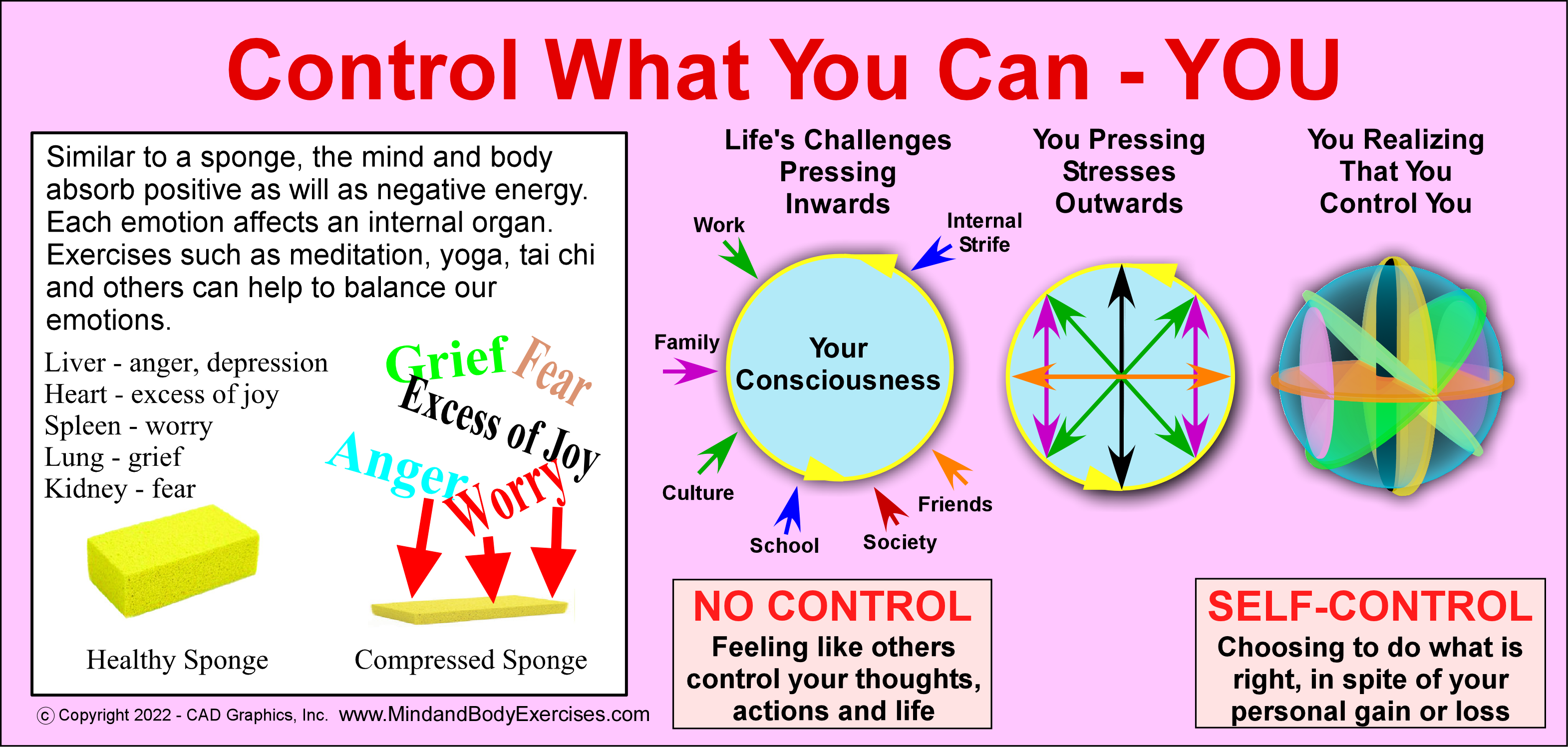
By strengthening the physical body through exercise – specific exercises such as yoga, tai chi, qigong, and others, are methods to develop self-disciple. By practicing self-induced strategic trauma (training) one can dramatically strengthen their nervous system and in turn, develop mental stress to better deal with the stress of daily trials and tribulations. By manifesting our own internal pressure (mind and body training), it is much easier to manage external pressure (stress) that constantly pushes into our personal space.

Managing ones physical body, thoughts and emotions all burn a tremendous amount of energy. The brain used 20% of the body’s overall energy expenditure, while only comprising 2% of our body weight.

Exercise and wellness methods and concepts like these have been known for centuries, but are considered new or “alternative” to modern western culture.

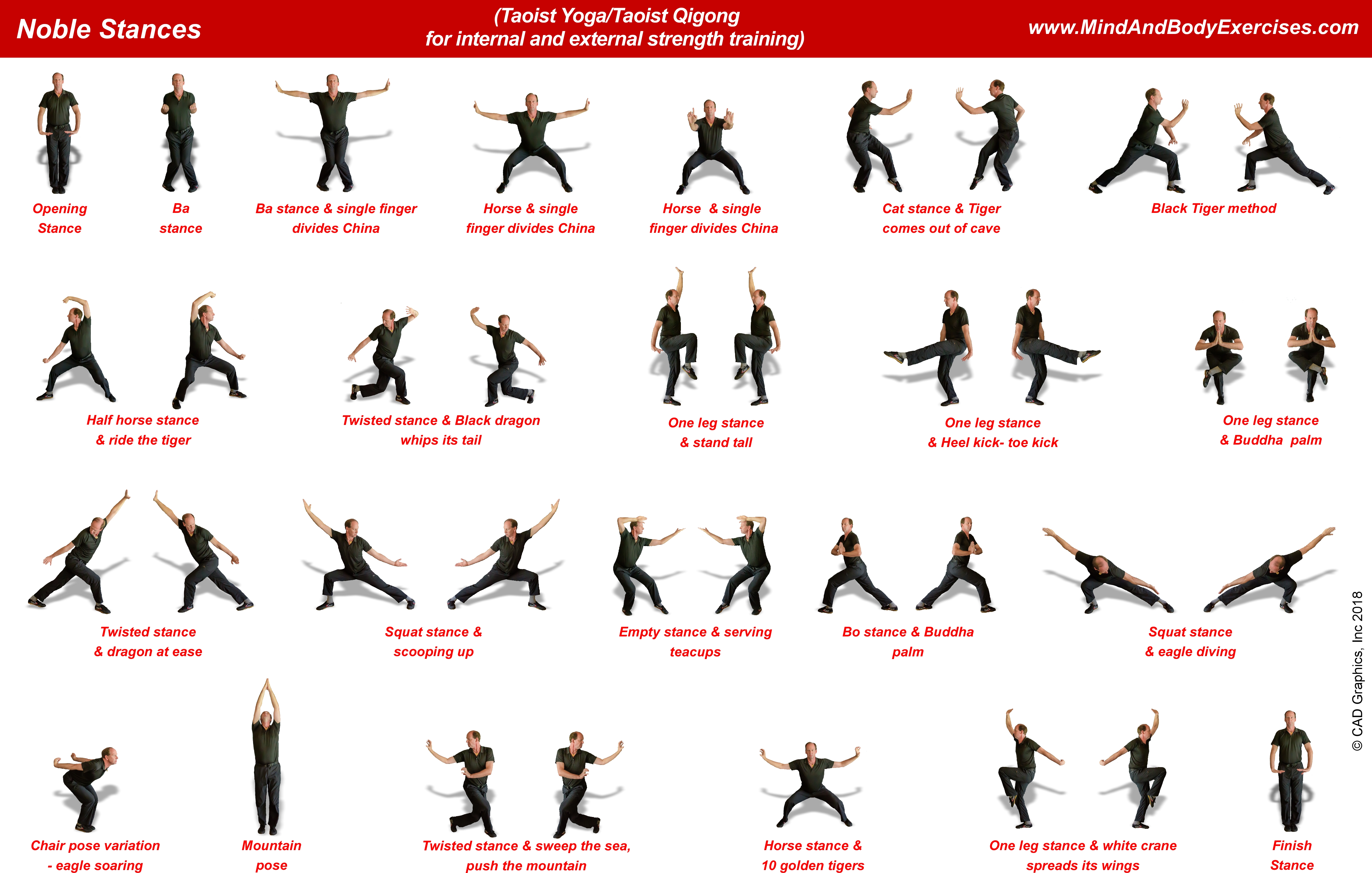
Building stronger muscles can lead to building stronger joints and bones. Additionally, by holding static postures, positions or exercises the nervous system is strengthened. Specific joint alignments engage the nervous system to endure more pain, stress and discomfort. Standing perfectly still for 1 minute can be challenging; 5 minutes of not moving might be considered self-torture for some. And that is just standing and not even trying to hold a difficult posture. Think of tempering steel in fire to strengthen the metal.

When engaging the muscles, tendons, bones and fascia, the 12 regular energy meridians are engaged plus the 8 extraordinary meridians (or vessels) are opened and filled as reservoirs to adjust the ebb and flow of energy throughout the body and thereby strengthening the immune system among other bodily functions. These meridians and vessels run throughout the body in a spider web-like pattern from head to toe, on the surface as well as deep into the internals of the human body.

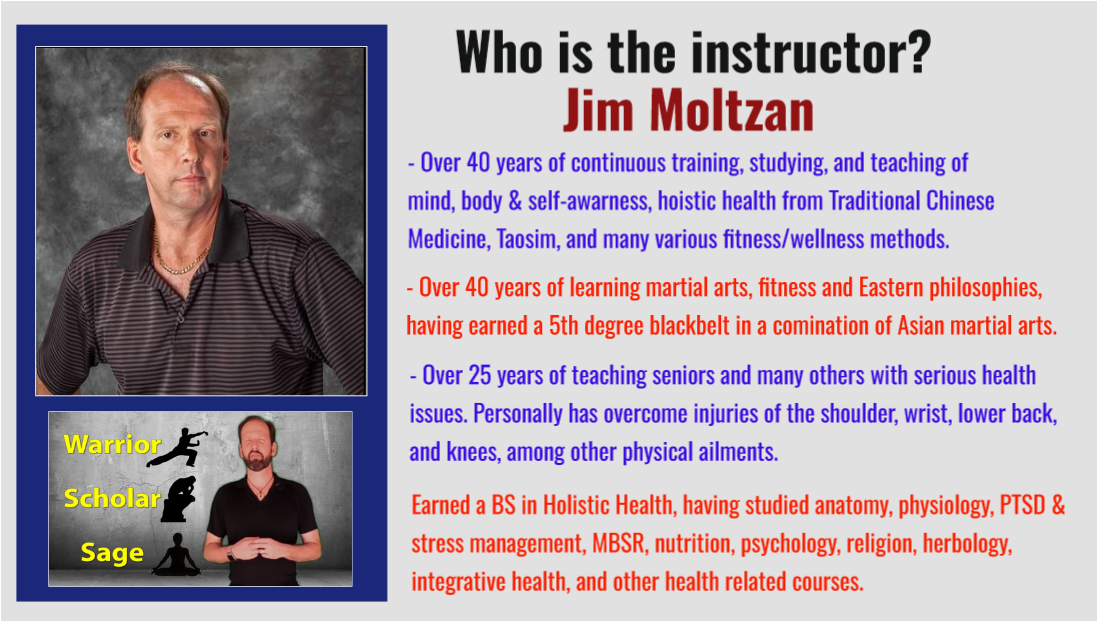
Often times people will ask me, “where did you learn this?” Well…almost 40 years ago I began studying Korean kung fu, then Traditional Chinese Medicine, medical qigong, fitness, wellness and anatomy. It didn’t happen overnight or from a weekend seminar. It took me decades of learning, studying and teaching from and with high level masters and teachers. And I’m not done learning yet, are you?

The physical exercises are just part of this training in addition to breath control and the self-awareness of the energy flow within the body.

Read and follow my blog posts to learn more about major health issues and what you can do about it.

Be well, become healthy, be wise.

#mentalhealth #stressmanagement #depression

Jim Moltzan 

407-234-0119

www.MindAndBodyExercises.com

https://www.amazon.com/author/jimmoltzan

https://www.facebook.com/MindAndBodyExercises

https://www.youtube.com/c/MindandBodyExercises

https://mindandbodyexercises.wordpress.com/

Americans are Severely Vitamin D Deficient

Vitamin D Deficiency at Epidemic Levels

The US, and many of the world, have been facing an epidemic of vitamin D deficiency for many years, especially in areas lacking consistent daily sunlight such as the northern states of US. This trend is also seen in areas with much sunlight where people cover up their whole bodies from sun exposure. Now exacerbated by pandemic lock-downs and less outside physical activity over the last few years. Most people are unaware or care to ignore how vital vitamin D is to the immune system and overall health.

From the National Library of Medicine of May, 2022:

Vitamin D deficiency is a global public health issue. About 1 billion people worldwide have vitamin D deficiency, while 50% of the population has vitamin D insufficiency.[1] The prevalence of patients with vitamin D deficiency is highest in the elderly, obese patients, nursing home residents, and hospitalized patients. The prevalence of vitamin D deficiency was 35% higher in obese subjects irrespective of latitude and age.[7] In the United States, about 50% to 60% of nursing home residents and hospitalized patients had vitamin D deficiency. [8][9] Vitamin D deficiency may be related to populations who have higher skin melanin content and who use extensive skin coverage, particularly in Middle Eastern countries. In the United States, 47% of African American infants and 56% of Caucasian infants have vitamin D deficiency, while over 90% of infants in Iran, Turkey, and India have vitamin D deficiency. In the adult population, 35% of adults in the United States are vitamin D deficient whereas over 80% of adults in Pakistan, India, and Bangladesh are Vitamin D deficient. In the United States, 61% of the elderly population is vitamin D deficient whereas 90% in Turkey, 96% in India, 72% in Pakistan, and 67% in Iran were vitamin D deficient Sizar & et al, 2022).

This epidemic of deficiency stems from misinformation surrounding the fear of sun exposure, use of toxic sunscreens, and poor dosing recommendations that neglect the critical role that vitamin D plays in protecting against nearly every chronic disease on Earth. Mainstream experts still express fear about taking too much vitamin D, in spite of very few people ever reaching “toxic” blood levels. as well as even less people experiencing side effects from too much vitamin D (Micozzi 2018). Let us be informed that sunscreen sales in the US for 2022 are forecast at $1.83 billion (Statista, 2021) and vitamin D supplement sales spiked to $544 million in 2020 (Grebow, 2021).

Vitamin D3, also known as cholecalciferol, is produced in the skin initiated from sunlight UVB radiation or absorbed from particular foods. Vitamin D3 is then absorbed into the bloodstream and then metabolized in the liver transforming into calcidiol. From here calcidiol, travels from the liver to the kidneys and changes to calcitriol. Calcitriol then proceeds to affect metabolic functions like absorption in the intestines of calcium and phosphorus, bone regulation and cell regulation. After the age of 50, aging causes vitamin D3 production to decrease up to 75% and causing muscle weakness and a loss in bone strength and density.

Vitamin D Deficiency

Causes:

  • Winter side-effects (less sun exposure)
  • Sunscreen
  • Air pollution
  • High altitude
  • Poor diet

Imbalances:

  • Hypertension
  • Heart disease
  • Urinary infections
  • Tuberculosis
  • Depression
  • Schizophrenia
  • Liver disease
  • Rental failure
  • Crohn’s disease
  • Cystic fibrosis
  • Celiac disease
  • Muscular aches & weakness
  • Osteoporosis
  • Osteoarthritis
  • Rickets
  • Diabetes
  • Obesity

Solutions:

  • Sunlight on skin
  • Diet
  • Vitamin supplements
  • Weight-bearing exercises

(Charoenngam & Holick, 2020)

What can you do to prevent vitamin D deficiency – become educated, be more aware of your own health, get outside during the morning or late afternoon when sunlight is less intense, and get your body moving to engage your muscles and bones to tell your nervous system that you are still alive and need your body to maintain homeostasis through good health and lifestyle practices.

Get started with these three simple steps:

  1. Consult with your doctor to manage your vitamin D levels twice a year — at the end of winter and again at the end of summer. Ask for a simple blood test called the 25(OH)D (25-hydroxy vitamin D) test. (Optimal blood levels are between 50 and 75 nanomoles/Liter.)
  2. Commit to being in the sun 15 minutes a day without sunscreen. When planning on being outside longer, add some protective clothing, a hat, and sunglasses.
  3. Supplement with 10,000 IU of vitamin D3 daily. This dose in a convenient, highly-absorbable liquid form together with the potent marine carotenoid, astaxanthin, for added benefits (Micozzi, 2018).

References:

Sizar O, Khare S, Goyal A, et al. Vitamin D Deficiency. [Updated 2022 May 1]. In: StatPearls [Internet]. Treasure Island (FL): StatPearls Publishing; 2022 Jan-. Available from: https://www.ncbi.nlm.nih.gov/books/NBK532266/

Statista. (2021). Sun Protection – United States. https://www.statista.com/outlook/cmo/beauty-personal-care/skin-care/sun-protection/united-states

Grebow, J. (2021, February 19). Vitamin D made headlines over COVID-19 studies last year. Sales of vitamin D were also up in 2020. What will 2021 look like? 2021 Ingredient trends to watch for food, drinks, and dietary supplements. Nutritional Outlook. https://www.nutritionaloutlook.com/view/vitamin-d-made-headlines-over-covid-19-studies-last-year-sales-of-vitamin-d-were-also-up-in-2020-what-will-2021-look-like-2021-ingredient-trends-to-watch-for-food-drinks-and-dietary-supplements

Charoenngam, Nipith & Holick, Michael. (2020). Immunologic Effects of Vitamin D on Human Health and Disease. Nutrients. 12. 2097. 10.3390/nu12072097.

Micozzi. (2018, September 13). Are you dangerously deficient in this key nutrient? Dr. Marc Micozzi. https://drmicozzi.com/are-you-dangerously-deficient-in-this-key-nutrient

Micozzi. (2018a, June 21). Six reasons why you’re still vitamin D deficient. Dr. Marc Micozzi. https://drmicozzi.com/six-reasons-why-youre-still-vitamin-d-deficient

Alfredsson L, Armstrong BK, Butterfield DA, Chowdhury R, de Gruijl FR, Feelisch M, Garland CF, Hart PH, Hoel DG, Jacobsen R, Lindqvist PG, Llewellyn DJ, Tiemeier H, Weller RB, Young AR. Insufficient Sun Exposure Has Become a Real Public Health Problem. International Journal of Environmental Research and Public Health. 2020; 17(14):5014. https://doi.org/10.3390/ijerph17145014

_________

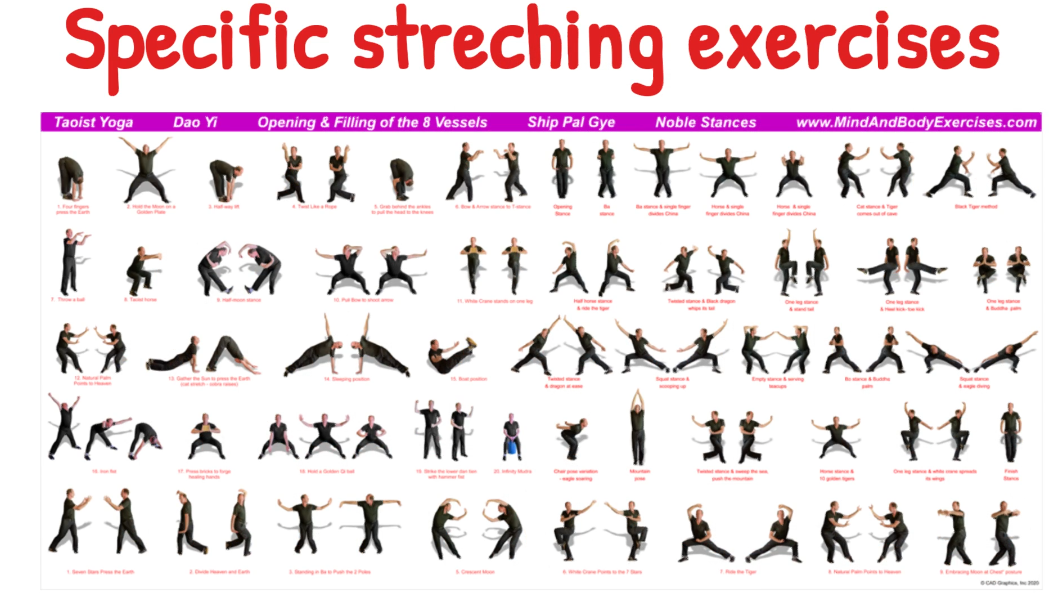
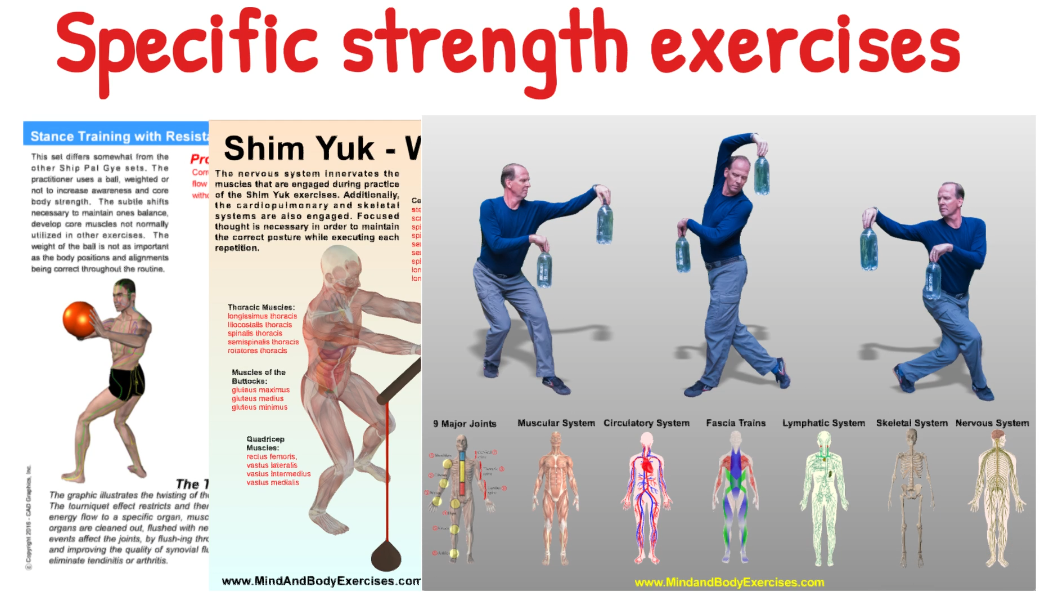
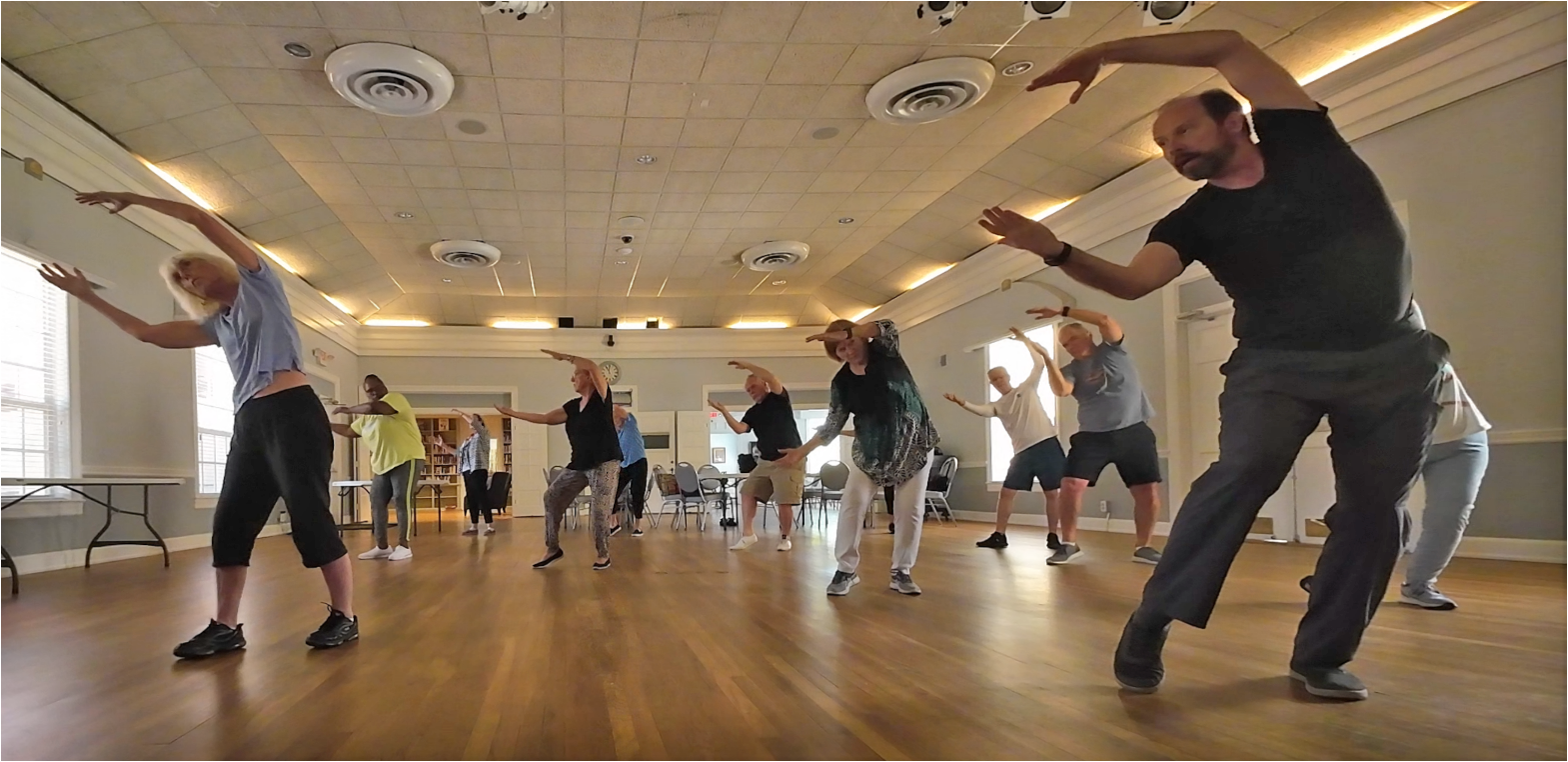
I have learned, studied, practiced and teach literally hundreds of various low-impact exercises that can build stronger bones, muscles and joints. Private, small or group instruction.

Control the body with the mind. Manage the mind by disciplining the body, through physical activity. Learn to be more active, eat healthier, sleep better, stress less – these are the key components to maintaining a strong mind, body, immune system, and outlook on life.

I am currently offering wellness lectures and classes for group, small group & private instruction in Wekiva, Longwood and Winter Park.

Mind and Body Exercises on Google: https://posts.gle/aD47Qo

Jim Moltzan

407-234-0119

http://www.MindAndBodyExercises.com

https://www.facebook.com/MindAndBodyExercises/

https://www.youtube.com/c/MindandBodyExercises

https://mindandbodyexercises.wordpress.com/

Masters Council

Excessive Sitting Often Leading to Metabolic Syndrome

Sitting for prolonged amounts of time is as, or more detrimental than tobacco smoking.
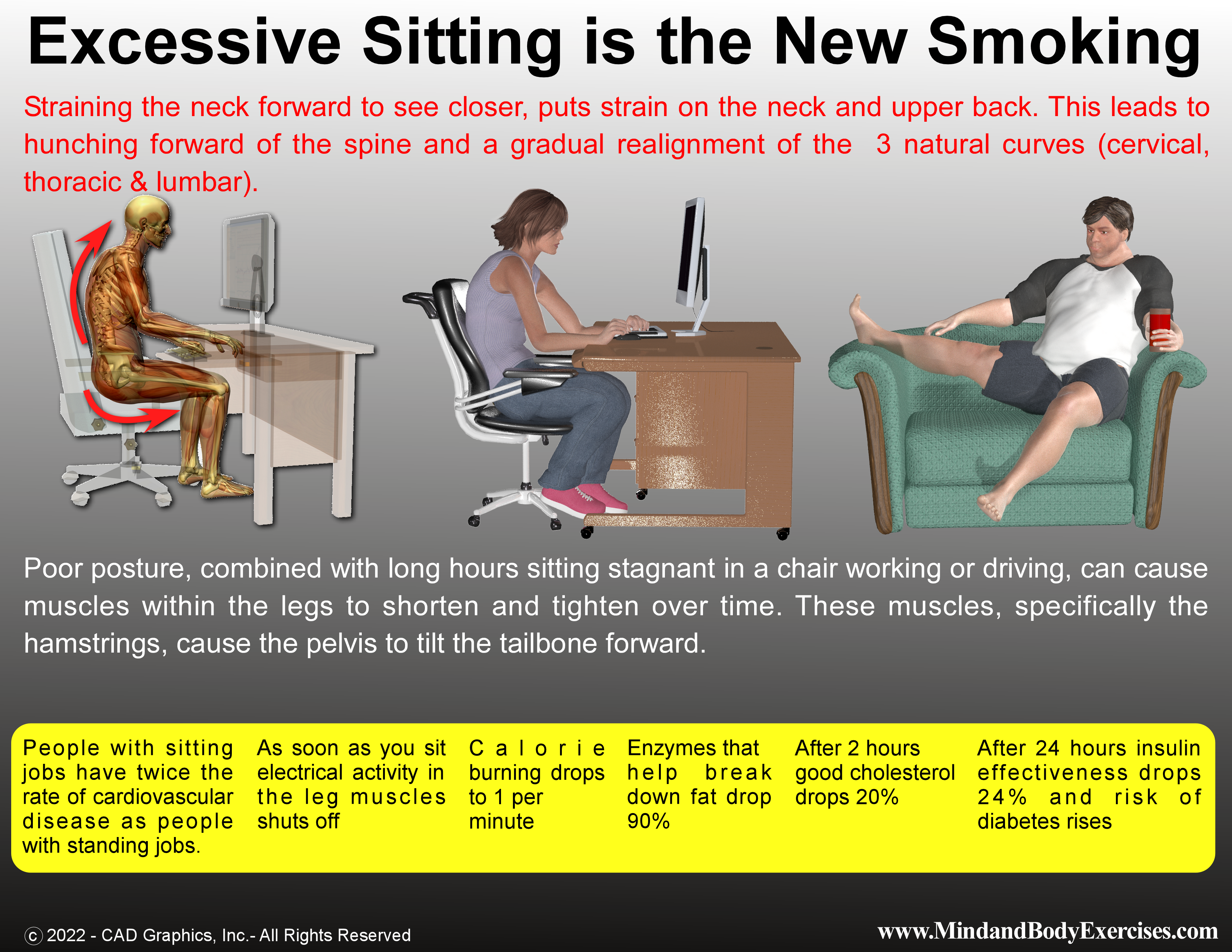
Most people are beginning to realize that sitting too much is unhealthy. Most feel lethargic after sitting after a long day at work or a TV binge . What exactly goes downhill in our bodies when we sit on the average, for nearly eight hours per day?

Common health issues from prolonged sitting:

  • Tightness of hips & relative muscle groups
  • Weakened abdominal muscles
  • Pancreas over-stimulation
  • Achy shoulders and back
  • Weakened glute muscles
  • Vertebrae issues
  • Heart disease
  • Colon cancer
  • Neck strain

More specific health issues:

Head:
Long periods of sitting can help to form blood clots, which can eventually travel to the brain resulting in stroke.

Neck:
Muscles in the neck become strained and tight. Fluid retained in the lower body during the day, returns to the neck region during sleep causing sleep apnea.

Lungs:
All day sitting raises doubles the risk of pulmonary embolism or blood clotting.

Heart:
Heart disease and diabetes risk doubles for those with a sedentary lifestyle versus those who are more active.

Stomach:
Prolonged sitting often leads to obesity, colon cancer and other digestion ailments. Metabolism is impaired as enzymes within muscles responsible for breaking down fats are essential turned off from lack of physical movement.

Spine (muscles & vertebrae):
Prolonged sitting puts excess pressure on vertebrae and muscles, compressing nerves connected to the whole body affecting many bodily functions.

Arms & Legs:
Lack of physical movement of the limbs helps lead to high blood pressure.

Glutes:
Pressure on nerves running through glutes and legs can become compressed causing pain and leading to more lack of activity.

Posture:
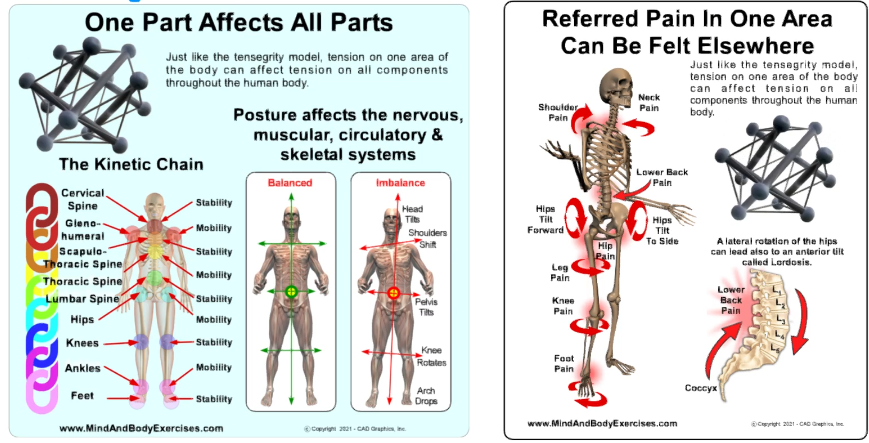
Posture is the relative placement of the human body and its components such as, but not confined to, the spine and limbs. Many people in the United States experience some type of chronic pain at some time in their lives. Causes of pain can vary depending upon the individual and their circumstances. Poor posture can be responsible for many ailments ranging from ankle, knee, hip and back pain. A spinal misalignment, due to improper posture, an injury, hereditary or even congenital conditions, can have an eventual ripple effect throughout the human body. A shift of .375″ (13mm) can cause the depicted ailments. A simple habitual tilt of the head or shift in the body weight over time, changes the alignment of the spine. This re-alignment begins to effect the muscles, tendons, ligaments and nerves causing a total imbalance within these body systems. An injured ankle or knee can become the spark that cause a ripple effect literally from head to toe. Instinctively, as humans we try to center our head directly above our physical center of gravity. Poor posture, short leg syndrome, injuries or habitual body movements can cause remodeling of the muscular, skeletal and nervous system. These root problems can be the cause of many chronic ailments.

What is the solution to these issues?

  • get up out of the chair more often
  • become more active
  • consult with your physician or chiropractor
  • have your posture checked
  • stretch regularly
  • perform non-specific symmetrical exercises
  • inspect footwear for uneven wear patterns
  • evaluate poor posture habits and adjust
  • review career choices if necessary

_______________

Control the body with the mind. Manage the mind by disciplining the body, through physical activity. Learn to be more active, eat healthier, sleep better, stress less – these are the key components to maintaining a strong mind, body, immune system, and outlook on life.

I am currently offering wellness lectures and classes for group, small group & private instruction in Wekiva, Longwood and Winter Park.

Mind and Body Exercises on Google: https://posts.gle/aD47Qo

Jim Moltzan

407-234-0119

www.MindAndBodyExercises.com

https://www.facebook.com/MindAndBodyExercises

https://www.youtube.com/c/MindandBodyExercises

https://mindandbodyexercises.wordpress.com/