Watch my lecture on acupressure, where I discuss the theories and concepts behind TCM, the placebo/nocebo effect, self-care and many other topics. Acupressure (no needles) and its parent of acupuncture (needles) from Traditional Chinese medicine, has been around for a few thousand years. I have been learning and practicing acupressure for almost 40 years with great results.
My goal is to present an education that brings awareness to these time-proven methods. With an intent to de-mystify and simplify explanations, hopefully more people can come to realize that we are all accountable for our own well-being.
I posted this article of mine almost 1 year ago. I thought it would be interesting to re-post and re-visit to contemplate if much has changed in the last year regarding the health of our nation.
In the words of Dr. Jerome Adams, the former surgeon general of the United States, “You know what will make you and your community healthier but still, you choose not to do it.” He goes on to state that 7 out of 10 of 18-24-year olds are ineligible for military service. They cannot pass the physical, can’t meet educational requirements, or have a criminal history. In years past, recess and physical education were part of the school day from kindergarten through elementary school. High school students had PE every school day until graduation. Today if students are not involved in school or extracurricular sports, few make the time or commitment to stay physically active. Unhealthy kids quickly turn into unhealthy adults. The health of our people is directly affecting the safety of our nation.
Ask an average citizen in the US if their health and their family’s is a priority and the response will be something like, “Of course our health is my top priority and we have the healthiest country in the world!” No, not true for both statements based upon data from seemingly reputable data outlets. The Bloomberg Global Health Index for 2020, ranked the US #35 in the world for overall quality of health but ranks #1 for healthcare spending. The US spends more than $3.4 trillion annually on health care, more than any other country. Made obvious from the data is that investing more money in healthcare, does not necessarily make a country or the person healthier. Money does not change our health. We need to improve life expectancy and other indicators of health with better education along with a change in mindset. If someone has great healthcare coverage but eats junk food every day, does not exercise regularly and has a negative outlook, they will probably experience health issues sooner than later.
As a nation, we eat an extremely high amount of low-quality junk food and then sit for hours per day. We hope to efficiently digest low quality food that will eventually often cause illnesses and even death. More than 36.3% of youth aged 2-19 eat fast food on a given day.This is complicated even more so with the sedentary lifestyle and laissez-faire attitude towards individuals accepting responsibility for their own health. Americans meeting the CDC guideline for aerobic and muscle strengthening exercises is only 23.2% as of 2018.These factors help contribute to the increase of obesity over the last 60 years. Obesity is a key factor in many health issues based on data from the Center for Disease Control (CDC) and other reputable sources. In 2017–2018, the age-adjusted prevalence of obesity in adults was 42.4%. Stats for kids (not shown) are just as appalling. These numbers are truly pathetic. Further issues to discuss would be how many manage their nutrition by monitoring their intake of sugar, salt, trans fat, alcohol, and other consumables? What about managing stress and emotional health? The US economy needs our citizens to support the fast-food industry and consequently gives the health care industry an overabundance of its own customers. It seems as if the US wants its people to be healthy enough to work, but not too healthy as to put the fast-food and healthcare providers out of business. This is our reality that many choose to deny.
The leading causes of death in the US are all very much influenced by our diet, our sedentary lifestyle, lack of exercise and excessive sitting. Also contributing is our attitude towards managing stress or lack thereof. Thinking that more is always better or if we are not stressed, we are not doing enough. Heart disease, cancer, diabetes, and respiratory issues are all leading causes of death by far. Each of these ailments can be much less if we made it a priority to do so.
Another health issue is our obsession with following the news and the mental stress that can develop from it. Media in the US, love it or hate it, usually focuses mostly on reporting politics, crime and mostly the negative aspects of our society. The phrase “If it bleeds it leads” shows America’s fascination with negative news. This year so far has been mostly the tragedy of Covid19. The media, the government, the entertainment industry and healthcare leaders fail to promote personal responsibility for the individuals’ own actions relative to diet, exercise and lifestyle, and how that can affect on a much broader level the health of our nation. Instead the strong focus is mostly upon wearing masks and social distancing as a way to make an unhealthy nation, somehow immune to disease and illnesses that affect most those that have multiple health issues to begin with. Please understand that even typically well and health conscious people do get sick also. Athletes and health enthusiasts can get sick too. However, people that are active usually recover faster though.
We need to honestly look at the root causes for our health issues, instead of looking to politics or others to blame for our own personal accountability. Blaming others will not make us healthier. We are where we are, because of our choices. I love pizza but I should not be eating it every day of the week. Some TV viewing is fine but 4-7 hours a day is a bit much no? We need to own our health.
Our actions support the data that we do not truly put exercise, nutrition and stress as high priorities deserving more action than mere conversation. Healthy living and habits are a choice and a mindset that we as Americans as a whole, fail terribly at practicing. It does not need to be this way. There are things that can move us forward to become a healthier nation.
The 5 Pillars of Health
Eating healthier can be achieved by managing less intake of junk foods, sugar, and salt, as well as reasonable amounts of alcohol. More fruit and vegetables are healthier snacks that have many nutritional rewards. Become more active by getting up and off the couch, stepping away from the PC, TV, smartphone, and other electronic addictions. Better sleep is a major immune system booster and can be earned by being more active during the day. Relieve stress through exercise, meditation, or breathing deeper and more deliberately, or take more breaks from the news and social media. Be nice to others because what you put out, you receive back. Basically, get moving more, eat healthier foods, sleep better, stress less and be a nicer person. Enjoy life but know your limits and take all things in moderation.
Fryar, Cheryl, et al. Fast Food Intake Among Children and Adolescents in the United States, 2015–2018, NCHS Data Brief No. 375, August 2020, www.cdc.gov/nchs/products/databriefs/db375.htm
Hales, Craig, et al. Prevalence of Obesity and Severe Obesity Among Adults: United States, 2017–2018, NCHS Data Brief No. 360, February 2020. www.cdc.gov/nchs/products/databriefs/db360.htm
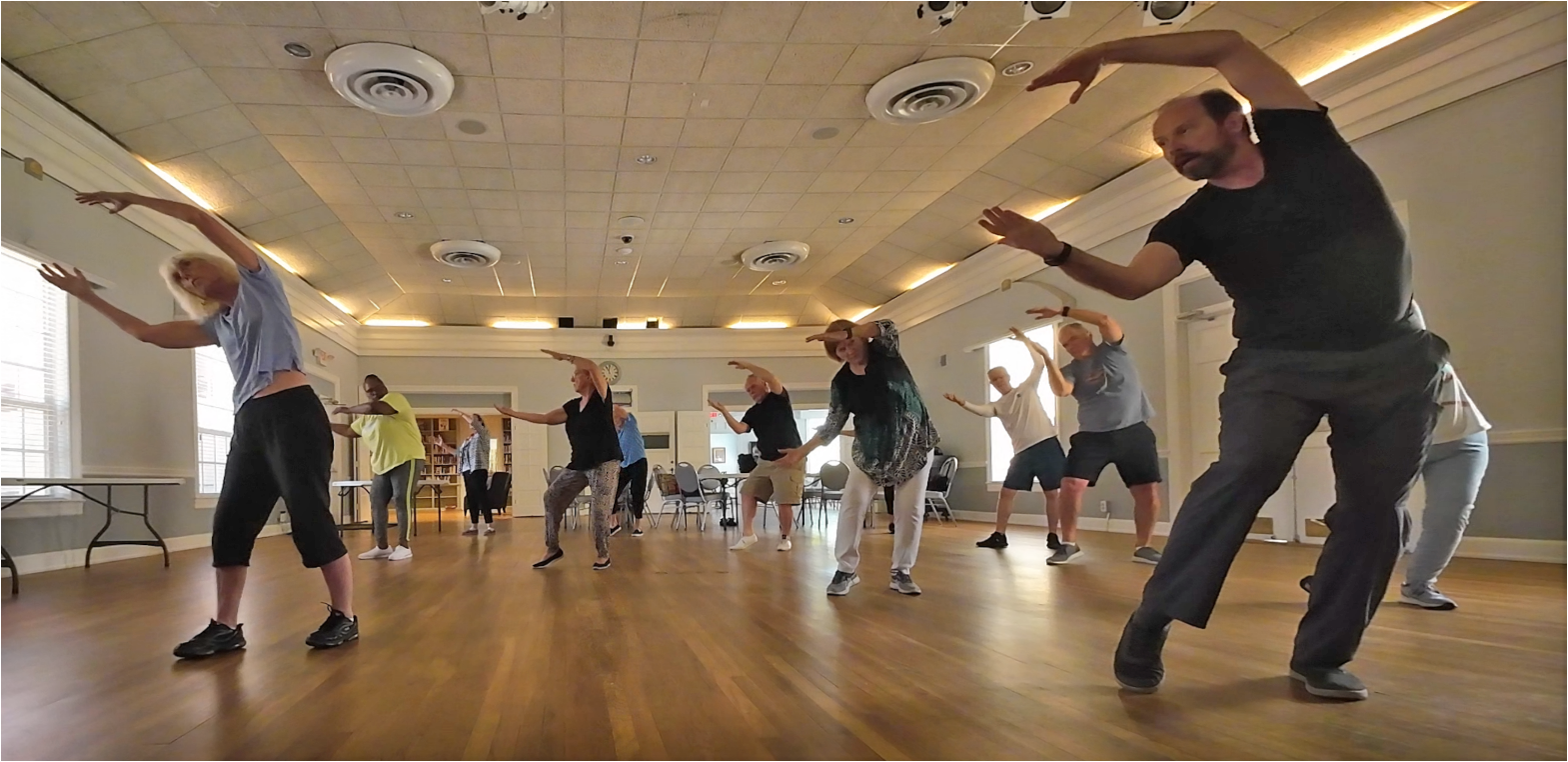
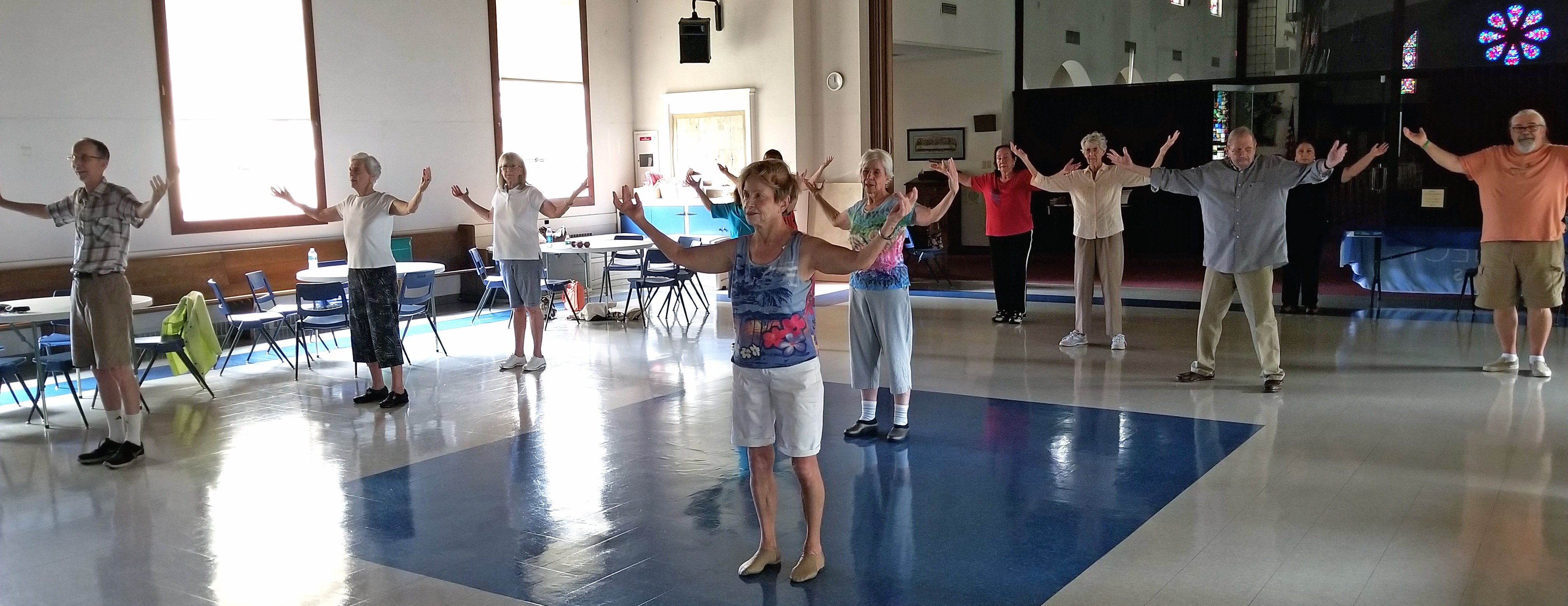
Qigong, tai chi, baguazhang, and yoga are not the only methods that can be used within this formula but have proven the test of time as methods to cultivate harmony of the mind, body and spirit. These exercise practices offer a wide spectrum of physical wellness benefits, stress relief as well as means of self-awareness. Not all teachers nor students practice these for the same goals.
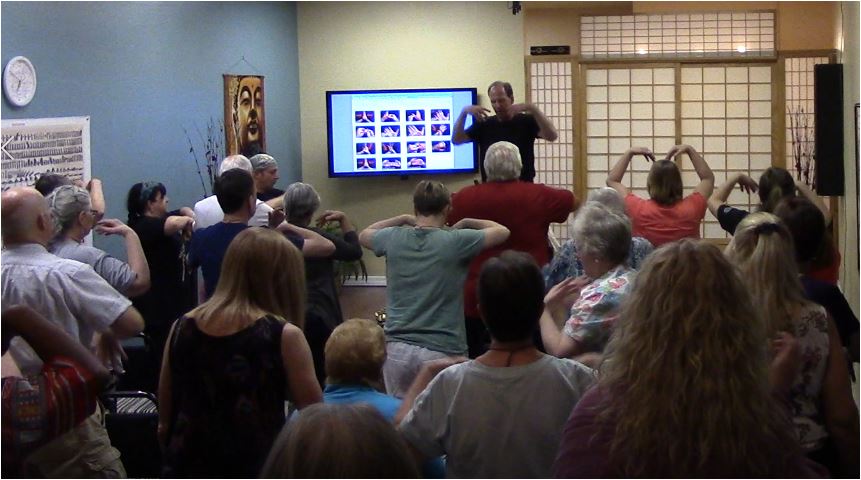
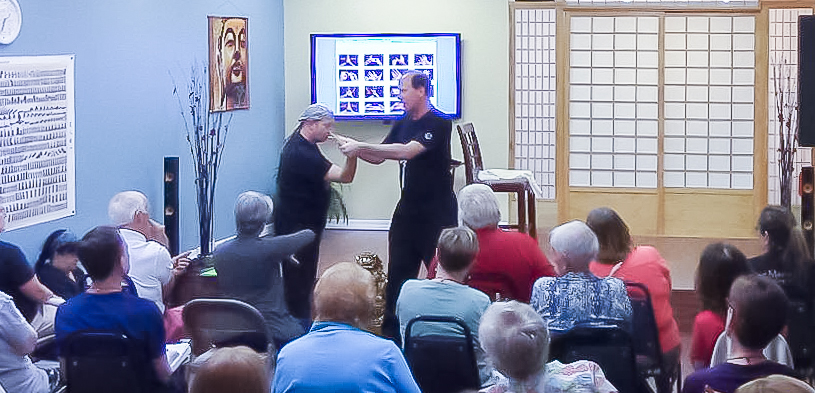
I am currently offering wellness lectures and classes for group, small group & private instruction in Wekiva, Longwood and Winter Park.
Heal the Body With the Mind (knowledge of how the body works)
Heal the Mind With the Body (skillful practices that engage one’s mind)
Many chronic health issues can be managed or eliminated with appropriate knowledge of how the human body works. Ailments such as joint or muscular pain are often due to injury or postural issues. Proper knowledge of exercise and physical movement can usually help. Issues such as stress, headaches, high blood pressure, obesity and many others can be improved through the appropriate methods for each individual’s personal situation.
Additionally, many emotional and mental issues can be improved or managed through skillful practices that engage the individuals mind and body simultaneously. Examples of mind and body engaging methods would be tai chi, yoga, pilates, meditation. Other methods might include playing a musical instrument, painting or engaging in nature.
Be well!
I teach and encourage people how to live a healthy lifestyle. Learn how this works and relates to your health and well being.
Qi is pronounced as “chee” and means “breath” in Chinese. Other definitions are vitality, energy, force, air, vapor. Qi is the life energy that all living creatures require in order to exist. Different cultures call this energy Chi (English), Ki (from Japanese), Gi (Korean) or Prana (Indian).
Qi is a type of energy in the human body and circulates within the blood, cells, and tissues throughout. “When qi moves, blood follows” is a root concept with Traditional Chinese Medicine (TCM). Qi flows in a specific pattern, at specific times from one organ to the next through meridians within the body. These meridians or channels might best be described as something similar to the electrical lines on a printed circuit board. There are 12 main meridians, with 2 for each organ (situated bilaterally from head to toe) for 12 organs. Zang Fu Zhi qi, is that which circulates through the organs. Jing Luo Zhi qi is that which circulates through the meridians.
Qi has mass the same way smoke or vapor has mass; both are transitional states of form. Qi (energy) is regarded as one of the 3 Treasures (San Jiao) or essential components of life, with essence (Jing) and spirit (Shen) being the other two. When energy, essence and spirit are in harmony with one another, the person finds themselves alert, healthy, and vibrant. Or the opposite if their treasures are in imbalance. If this harmonious flow is disrupted, illness occurs.
• Physically (jing): energetically manifesting as the body’s cells and tissues into form, bone marrow, blood and bodily fluids.
• Energetically (qi): as resonant vibration, heat, sound, light and electromagnetic fields.
• Spiritually (shen): energetically manifesting through subtle vibrations which extend through space or Wu Ji.
The following graphic shows how qi can be conceptualized into the Chinese ideogram of rice cooking atop a heat source and producing the wisps of vapor (energy) that we see rising above the cooking rice.
The amount of qi in one’s body and the quality of it determines whether an individual is generally healthy or prone to illness. There is a finite amount in our bodies and is gradually exhausted due to age and possible abuses. When it decreases so does the lifespan of the individual.
A proper balance of nutrition, exercise and a healthy lifestyle directly affect the quality and abundance of qi. Emotions and their balance or lack thereof, affects the quality of an individual’s qi. The emotions of joy, anger, sadness, grief and fear affect our qi within specific organs.
I write often about topics that affect our health and well-being. Additionally, I teach and offer lecture about qigong, tai chi, baguazhang, and yoga. I also have hundreds of FREE education video classes, lectures and seminars available on my YouTube channel at:




 United Martial Arts Association