Joy and the Heart in Traditional Chinese Medicine: A Double-Edged Emotion

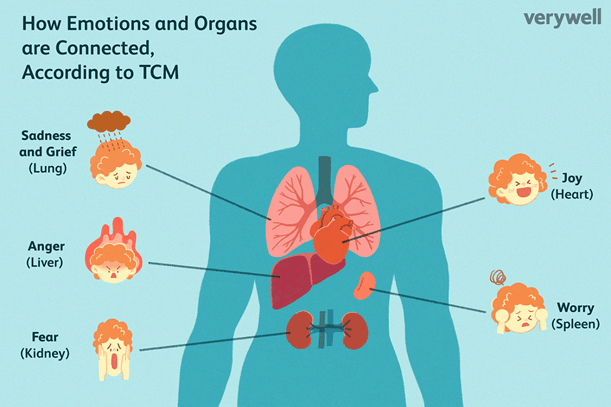
In Traditional Chinese Medicine (TCM), the human body is seen not merely as a collection of parts but as an interconnected system of energy, spirit, emotion, and function. One of the most profound concepts in TCM is that each major organ system is linked to a particular emotion. Among these, the Heart is associated with the season of summer and the emotion of Joy, a connection that is both beautiful and cautionary.
 (Vanbuskirk, 2024)

The Heart: Emperor of the Organ Systems

According to classical TCM, the Heart is not just a mechanical pump. It is the “Emperor” of the body’s organ systems. It governs the blood and blood vessels, controls the tongue, and most significantly, houses theShen the mind or spirit.

Heart Correspondences:

  • Element: Fire
  • Season: Summer
  • Color: Red
  • Flavor: Bitter
  • Tissue: Blood vessels
  • Sense Organ: Tongue
  • Emotion: Joy
  • Spirit: Shen (Mind/Spirit)

When the Heart is balanced, we experience mental clarity, restful sleep, appropriate excitement, and the capacity for deep connection with others.

Joy: The Nourishing Emotion

In appropriate doses, joy is a deeply nourishing force. Joy:

  • Soothes the nervous system and eases emotional tension
  • Promotes circulatory warmth and a sense of connection
  • Lifts the Shen, resulting in laughter, optimism, and creativity
  • It is vital to a healthy spiritual life

Joy reflects the expansive nature of the Fire element. Like the sun in summer, it radiates outward, illuminating relationships and animating the spirit.

When Joy Becomes Excessive

Paradoxically, the very emotion that nourishes the Heart can also harm it when excessive or poorly regulated. In TCM, “excess joy” includes:

  • Overexcitement, mania, or hysteria
  • Hyperactivity, constant stimulation
  • Overindulgence in pleasure or celebration

Physiological Consequences of Excess Joy:

  • Scattering of the Shen: The mind becomes ungrounded or erratic.
  • Heart Qi disruption: Can result in palpitations, insomnia, anxiety.
  • Mental-emotional disturbances: Talkativeness, inappropriate laughter, dream-disturbed sleep.

In modern terms, this may resemble bipolar mania, panic disorder, or emotional exhaustion. Prolonged joy without rest can overheat the system, especially in individuals already constitutionally “hot” or deficient in Yin.

The Importance of Emotional Balance in TCM

TCM recognizes no emotion as inherently negative. Emotions are considered physiological energies that must move freely, but in balance.

EmotionOrgan SystemIn BalanceIn Excess
JoyHeartWarmth, clarity, connectionScattered mind, insomnia, palpitations
AngerLiverMotivation, assertivenessIrritability, tension, high blood pressure
WorrySpleenCompassion, thoughtfulnessObsession, overthinking, fatigue
GriefLungReverence, releaseDepression, breathlessness
FearKidneyCaution, intuitionPanic, low back pain, adrenal fatigue

All five emotions (and their corresponding organ systems) influence one another. For example, chronic over-stimulation (excess joy) may weaken the Heart and eventually impact on the Kidneys (fear) or the Spleen (overthinking), leading to broader emotional and physical disharmony.

Recognizing Heart-Shen Imbalance

Signs that joy has turned from nourishing to disruptive may include:

  • Insomnia or difficulty falling asleep
  • Restlessness or excessive chatter
  • Palpitations or fluttering heartbeat
  • Red tip of the tongue (Heart Fire sign)
  • Vivid or disturbing dreams
  • Uncontrollable laughter or emotional outbursts

Practitioners aim to calm the Shen, clear Heart Fire, and nourish Heart Yin with techniques such as:

  • Acupuncture (e.g., Heart 7, Pericardium 6)
  • Herbal formulas (e.g., Tian Wang Bu Xin Dan)
  • Meditation and breathwork
  • Avoidance of overstimulation, especially in summer

A Holistic Reflection

In the West, joy is often pursued as a goal in itself. But TCM offers a subtle reminder: true wellness lies not in constant happiness but in dynamic balance. Joy, like fire, is beautiful but unchecked, it can burn.

Instead of constant excitement, TCM encourages us to cultivate:

  • Contentment
  • Presence
  • Inner peace

By anchoring our joy in stillness, we allow the Shen to rest peacefully in the Heart, just as the sun sets each day to allow the body to restore.

References

Kaptchuk, T. J. (2000). The Web That Has No Weaver: Understanding Chinese Medicine. McGraw-Hill.

Vanbuskirk, S. (2024, October 25). How emotions and organs are connected in traditional Chinese medicine. Verywell Mind. https://www.verywellmind.com/emotions-in-traditional-chinese-medicine-88196

I look forward to further sharing more of my message by partnering with hospitals, wellness centers, VA centers, schools on all levels, businesses, and individuals who see the value in building a stronger nation through building a healthier population.

I also have hundreds of FREE education video classes, lectures, and seminars available on my YouTube channel at:

https://www.youtube.com/c/MindandBodyExercises

Many of my publications can be found on Amazon at:

http://www.Amazon.com/author/jimmoltzan

My holistic health blog is available at:

http://www.mindandbodyexercises.wordpress.com

http://www.MindAndBodyExercises.com

Mind and Body Exercises on Google: https://posts.gle/aD47Qo

Jim Moltzan

407-234-0119

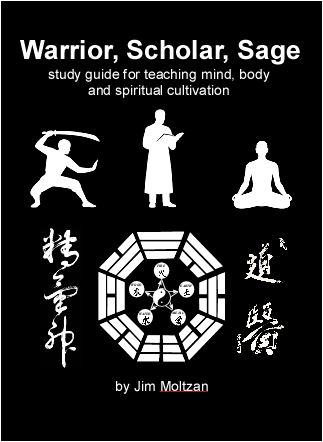
Announcing My New Book: Warrior, Scholar, Sage – A Guide for the Modern Seeker

In Warrior, Scholar, Sage, I invite you into a living tradition where martial arts, personal growth, and ancient philosophy merge to awaken the fullest human potential. Drawing from over 40 years of training, teaching, and holistic wellness practice, this book offers a unique blend of physical methodology, mental resilience, and spiritual reflection.

More than a manual of movements, this is a guide to living with awareness and integrity. You’ll explore Eastern martial traditions and Western psychological insights, from archetypes and ethical codes to energetic cultivation, posture work, and the moral responsibility of the modern-day warrior.

Through better understanding of dynamic tension exercises or stances (isometrics), proverbs, stories, and personal reflection, I equip readers to move with intention, teach with clarity, and live with purpose.

Whether you’re a martial artist, instructor, healer, or seeker of truth, Warrior, Scholar & Sage is your compass on the lifelong journey of strength, wisdom, and inner peace.

In a world flooded with noise, speed, and disconnection, this book offers a path back to equilibrium, through movement, breath, and discipline. It supports the development of the complete individual, what I have come to know as the integrated warrior-scholar-sage.

We’re not just training the body. We are refining the mind, expanding awareness, and aligning with higher values. The goal is not combat, but character. Not dominance, but discipline. Not conquest, but connection.

I invite you to read, reflect, and most importantly apply these teachings. Let this guide accompany you on your path to mastery not just in martial arts, but in life.

👉 Now available on Amazon.

I look forward to further sharing more of my message by partnering with hospitals, wellness centers, VA centers, schools on all levels, businesses, and individuals who see the value in building a stronger nation through building a healthier population.

I also have hundreds of FREE education video classes, lectures, and seminars available on my YouTube channel at:

https://www.youtube.com/c/MindandBodyExercises

Many of my publications can be found on Amazon at:

http://www.Amazon.com/author/jimmoltzan

My holistic health blog is available at:

http://www.mindandbodyexercises.wordpress.com

http://www.MindAndBodyExercises.com

Mind and Body Exercises on Google: https://posts.gle/aD47Qo

Jim Moltzan

407-234-0119
Rewiring the Human Nervous System: Adapting to a High-Voltage World

Rewiring the Nervous System: Ancient Practices for Modern Resilience

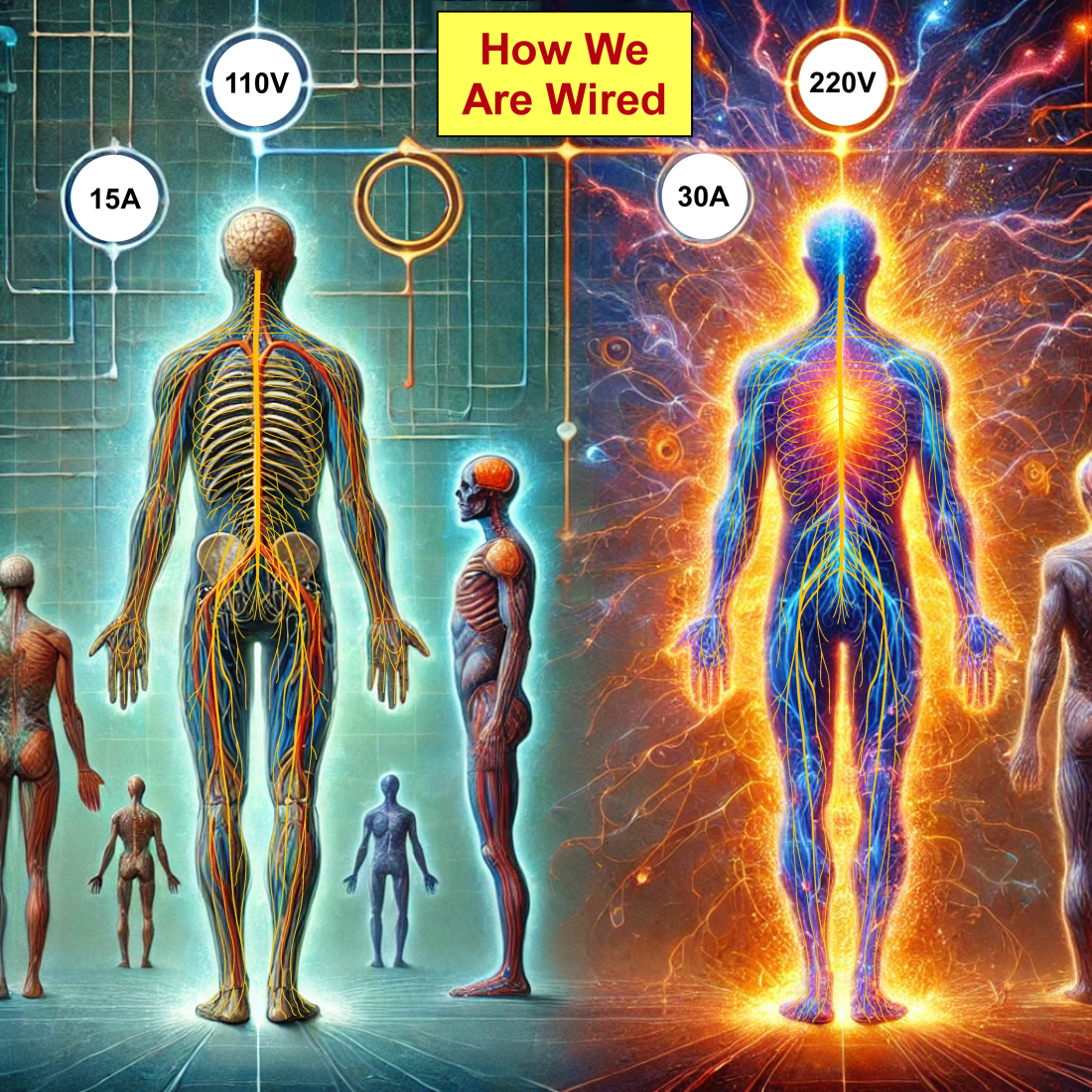
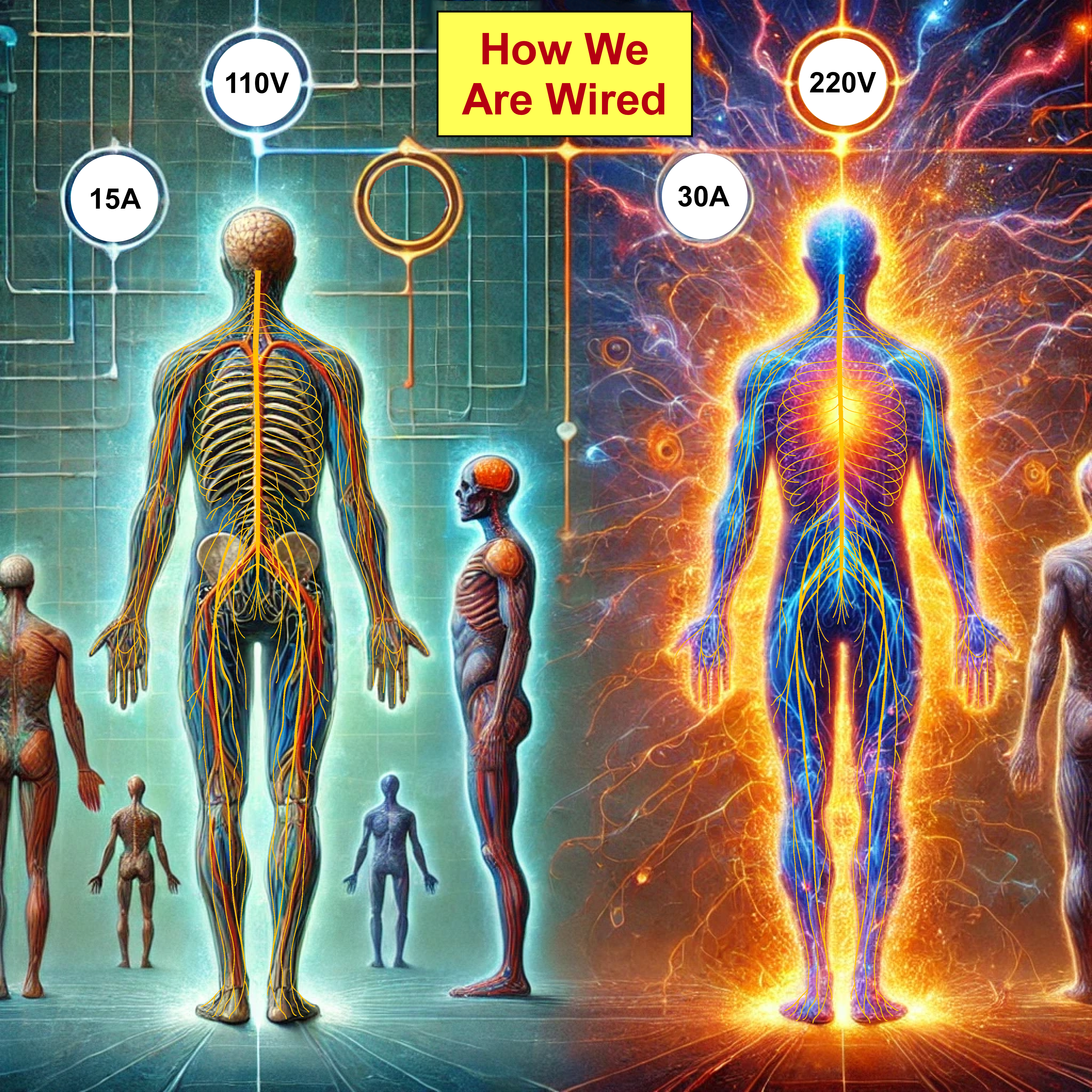
The human nervous system can be likened to an electrical system designed for specific voltage and amperage. Traditionally, it is assumed that most individuals are wired for 110 volts and 15 amps. However, contemporary society necessitates functioning at 220 volts and 30 amps, far exceeding the capacity originally intended by our biology. This increased “voltage” manifests as chronic stress, anxiety, burnout, and various physical ailments.

Nevertheless, just as an electrical system can be rewired to handle greater loads, the human nervous system can also be trained to adapt. Ancient practices such as martial arts, qigong, Dao Yin (Taoist yoga), yoga, and breathwork serve as effective interventions. These time-tested methods bridge the gap between the body’s inherent capabilities and the demands of modern life, enabling the nervous system to withstand higher levels of stress without succumbing to being overwhelmed.

The Role of Stance Training and Controlled Stress

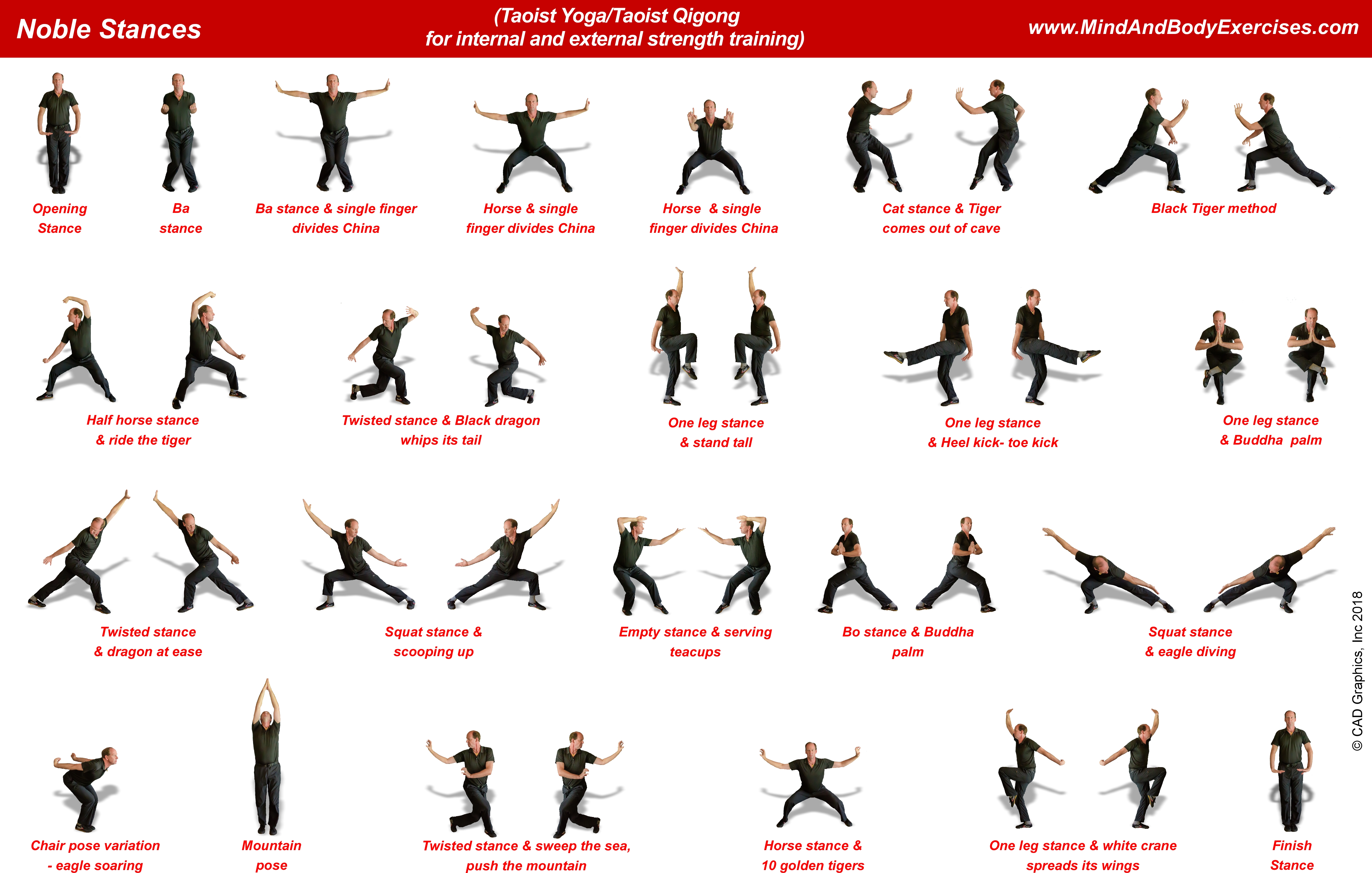
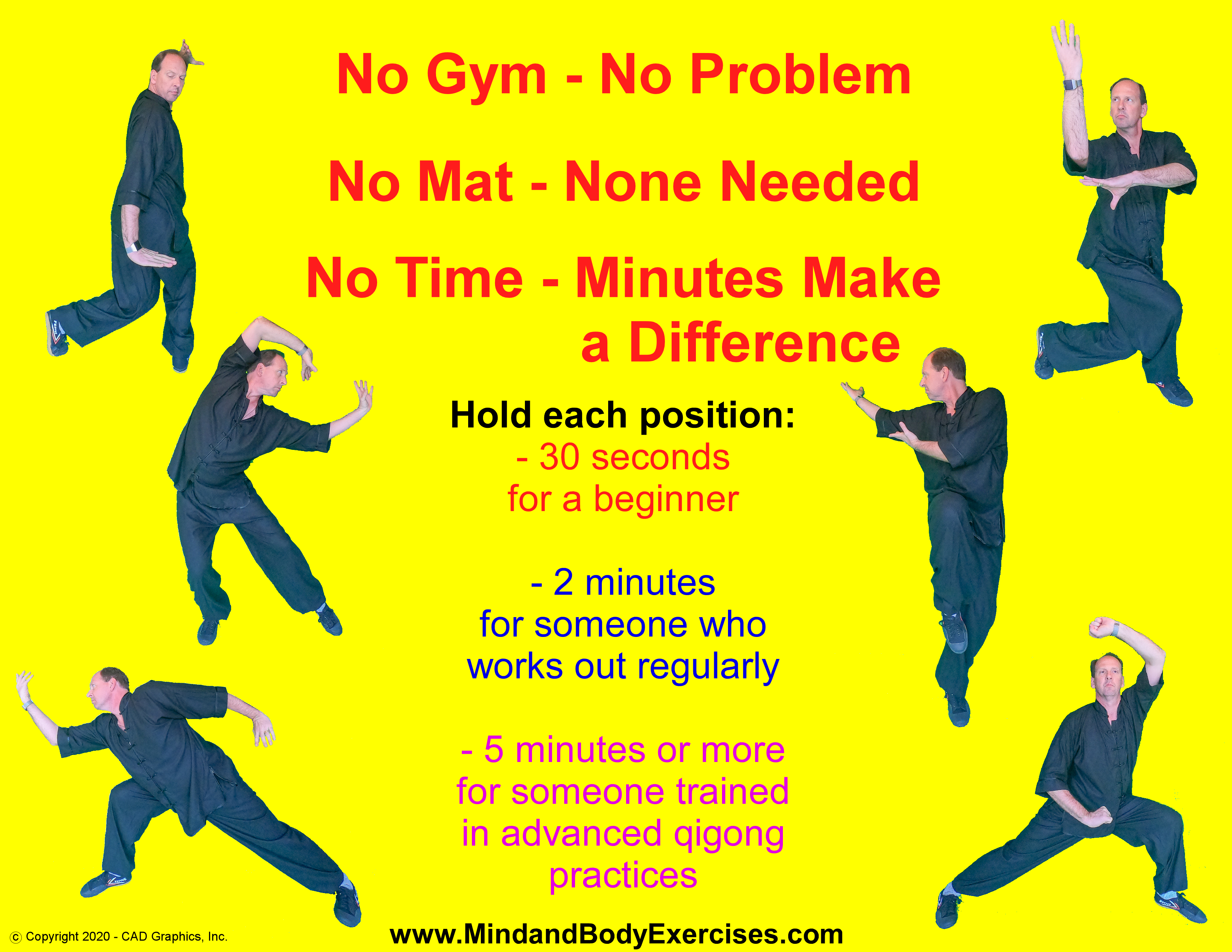
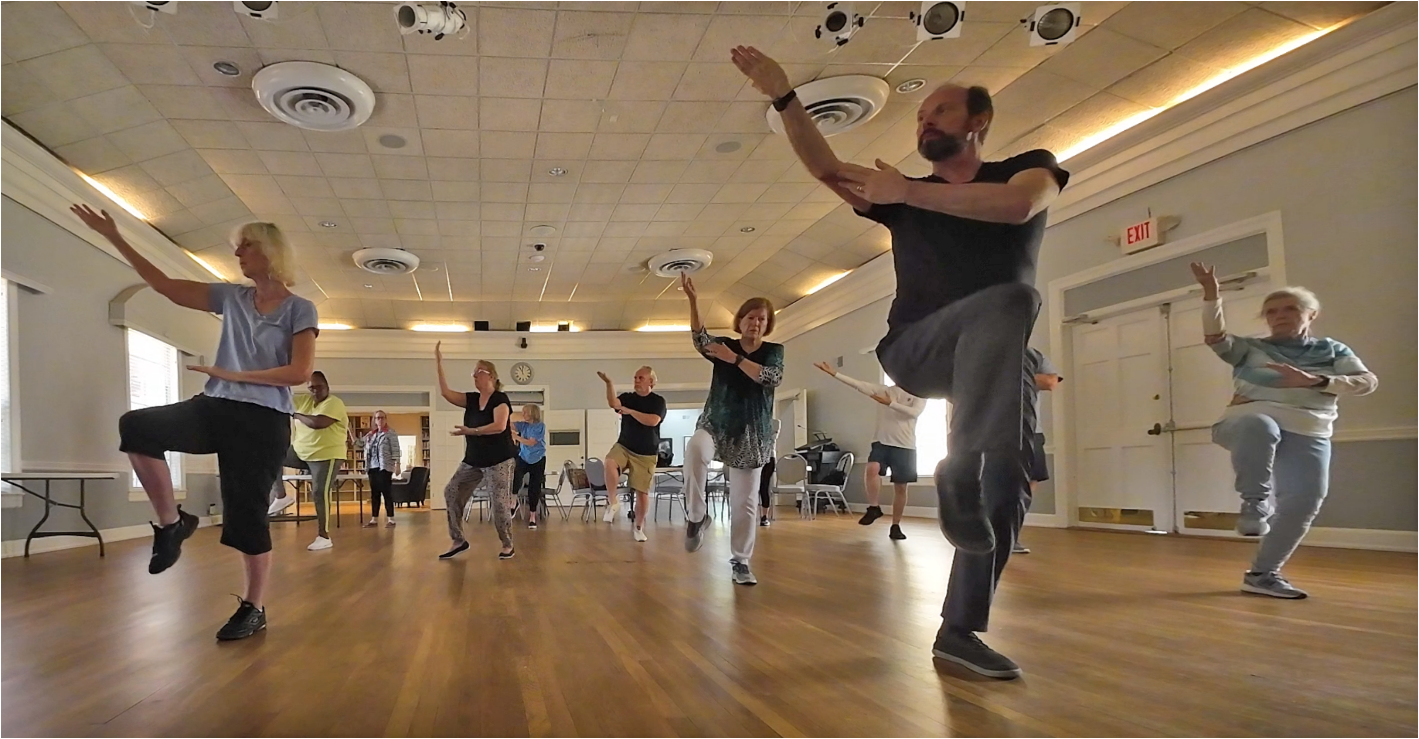
With over 45 years of experience in martial arts, qigong, Dao Yin, and yoga, it has been observed that certain methods can effectively enhance the nervous system. One such method is stance training, which involves holding postures for specific durations while integrating breath control.

For beginners, basic stances are introduced in succession, initially without prolonged holds. As they progress, duration gradually increases. Once students can hold each stance for 30 seconds, controlled breathing is incorporated, typically three breaths per 30 seconds. With consistent practice, the duration is extended to one-minute holds, adjusting breath cycles to around four to six respirations per minute.

This approach serves multiple purposes. On a physical level, it strengthens the legs, core, and other stabilizing muscles. On a neurological level, it encourages the nervous system to adapt to discomfort, fostering resilience, endurance, and focus. On an energetic level, it stimulates the body’s internal pathways, potentially leading to enhanced vitality and internal balance.

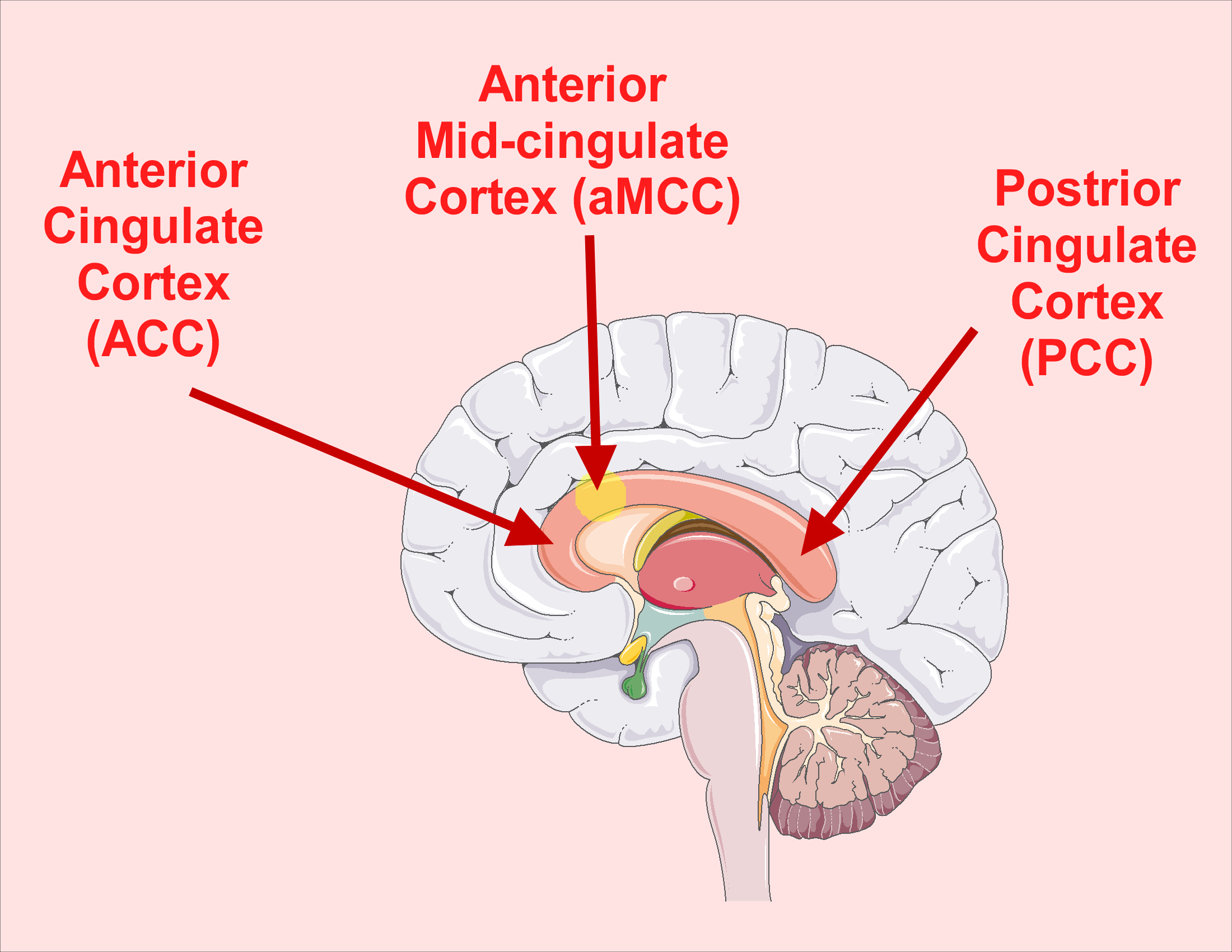
The Science Behind the Training: The Anterior Midcingulate Cortex (aMCC)

While these practices have been in use for centuries, contemporary neuroscience provides insight into their effectiveness. A critical region of the brain implicated in resilience is the anterior midcingulate cortex (aMCC).

The aMCC is responsible for effortful control, emotional regulation, and persistence in the face of challenges. Research indicates that engaging in controlled stress, such as maintaining difficult stances, regulating breath, or training under discomfort, strengthens and enlarges the aMCC. Consequently, individuals who practice these methods may enhance their ability to manage stress more effectively, increase mental toughness, and maintain composure under pressure.

In essence, deliberate training can augment our capacity to handle life’s challenges, analogous to how lifting heavier weights strengthens muscles. This concept is consistent with the principle of progressive overload, which is well-established in strength training and equally applicable to the nervous system and mental resilience.

“Burning the Chong Mai” – The Energetic Dimension

Beyond the physical and neurological aspects, these practices have deep roots in Taoist and Traditional Chinese Medicine (TCM). An important concept in energetic cultivation is “burning the Chong Mai.”

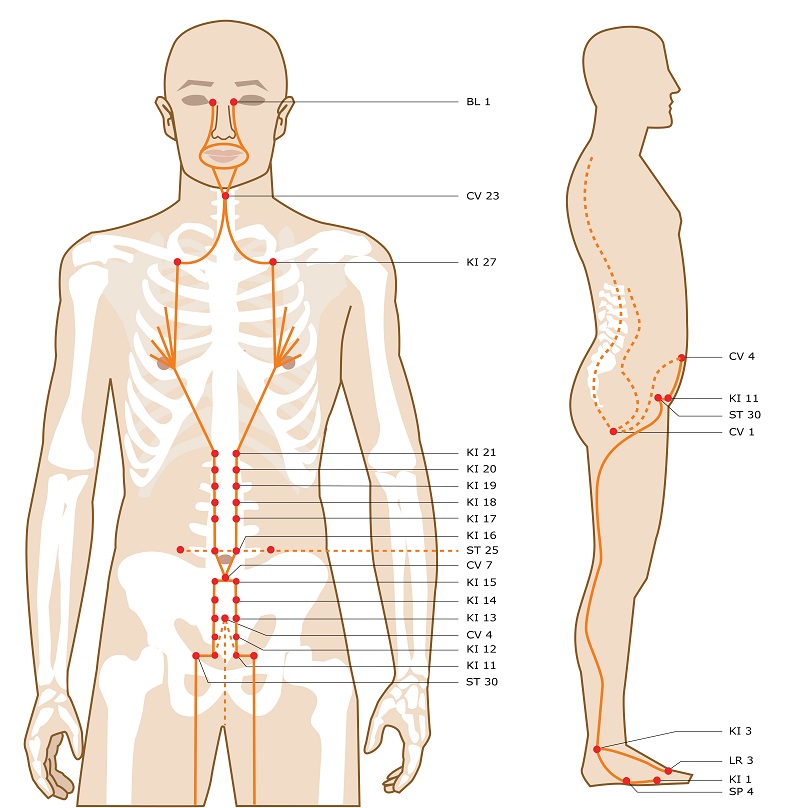
Chong Mai

The Chong Mai (penetrating or thrusting Vessel) is one of the eight extraordinary meridians in TCM. It serves as a primary channel for deep energy reserves, influencing the body’s overall energy flow. When stance work and controlled breathing are practiced regularly, this meridian can be activated, which may allow for greater energy circulation through the other seven extraordinary vessels and the twelve main meridians.

This process can be compared to upgrading a power grid. By increasing the capacity of the Chong Mai, the entire energetic system can become more efficient, stable, and resilient. This observation might explain why long-term practitioners of qigong, Dao Yin, and martial arts often report higher energy levels, improved focus, and a significant sense of internal strength.

Resilience Through Discomfort: The Path to Transformation

The old adage “That which does not kill us makes us stronger” perfectly encapsulates the philosophy behind these training methods. Rather than avoiding stress, we use it as a tool for growth.

  • Physically, stance training builds strength, endurance, and structural integrity.
  • Mentally, breath control and effortful posture-holding train the nervous system to remain calm under pressure.
  • Neurologically, the aMCC adapts and strengthens, improving stress management and persistence.
  • Energetically, activating the Chong Mai and meridian system enhances internal power and resilience.

Instead of being overwhelmed by modern life’s “220 volts,” we can upgrade our own internal wiring, ensuring that we remain grounded, adaptive, and powerful in an ever-changing world.

For those seeking true strength, not just physically, but mentally and spiritually- these ancient methods offer a proven path to transformation. The keys are consistency, patience, and a willingness to embrace discomfort as a gateway to resilience.

I look forward to further sharing more of my message by partnering with hospitals, wellness centers, VA centers, schools on all levels, businesses, and individuals who see the value in building a stronger nation through building a healthier population.

I also have hundreds of FREE education video classes, lectures, and seminars available on my YouTube channel at:

https://www.youtube.com/c/MindandBodyExercises

Many of my publications can be found on Amazon at:

http://www.Amazon.com/author/jimmoltzan

My holistic health blog is available at:

https://mindandbodyexercises.wordpress.com/

http://www.MindAndBodyExercises.com

Mind and Body Exercises on Google: https://posts.gle/aD47Qo

Jim Moltzan

407-234-0119

The Illusion of Morality: Global Affairs and Personal Responsibility

In studying world events, we often discover that things are not always as they appear on the surface. A powerful example of this is found in John Perkins’ revealing book, Confessions of an Economic Hit Man (Perkins, 2004). Perkins shares his firsthand experiences of how the United States, through corporations, banks, and covert operations, orchestrated financial and political control over many developing nations, often in the name of “helping” them.

According to Perkins (2004), the system worked as follows: economic consultants would persuade leaders of developing nations to accept massive loans for infrastructure projects. These loans, however, rarely benefited the local population. Instead, they flowed to large U.S. corporations like Bechtel, Halliburton, and Stone & Webster to build projects that made countries dependent rather than independent. When nations inevitably struggled to repay their debts, the U.S. could then leverage their vulnerability, gaining access to natural resources, securing military bases, or influencing critical political decisions (Perkins, 2004).

(Lobe, 2024)

If leaders resisted, covert operations and sometimes violent regime changes would often follow. Historical cases such as the overthrow of Mohammad Mossadegh in Iran, the assassination of Omar Torrijos in Panama, and the toppling of Salvador Allende in Chile exemplify this pattern (Kinzer, 2007; Blum, 2003).

Institutions involved in this system included not just private corporations, but also public agencies like the World Bank, the International Monetary Fund (IMF), USAID, and even parts of the NSA and CIA (Perkins, 2004). While many Americans believed and still believe that their country acts as a global force for good, many people around the world have a very different perspective. For them, U.S. involvement often meant debt, exploitation, lost sovereignty, and prolonged suffering under authoritarian regimes supported by external powers (Blum, 2003).

What This Means for Our Own Lives

It’s easy to become deeply engaged, even consumed by the pursuit of truth when uncovering these hidden histories. Indeed, understanding the deeper truths about global affairs can be empowering and necessary for conscious living. However, there is an essential balance we must maintain:

Chronic anger, outrage, and obsession can cause significant damage:

  • Persistent stress weakens the immune system (Segerstrom & Miller, 2004).
  • Excessive media consumption contributes to mental exhaustion and emotional burnout
  • Neglect of physical well-being sleep, exercise, nutrition, etc. can diminish vitality and resilience.

In the end, truth-seeking should not come at the cost of self-care. When we are physically strong, mentally clear, and emotionally stable, we are in a far better position to discern information, resist manipulation, and lead by quiet example rather than reactive outrage.

A Healthier Path Forward

History will always be complex, layered with contradictions, hidden motives, and competing interests. Yet we do not serve ourselves or the greater good by burning out or losing our health in pursuit of endless investigation.

Instead, we can:

  • Practice daily mental hygiene: mindfulness, conscious breathing, time away from media noise.
  • Maintain physical vitality: nourishing the body through good food, movement, and rest.
  • Build emotional resilience: cultivating gratitude, perspective, and compassionate boundaries.

By doing so, we remain rooted and strong and able to perceive global injustices without being consumed by them. Global interventions and economic manipulations have been supported by leaders from both major U.S. political parties. Historical evidence shows that Democratic and Republican administrations alike have engaged in coups, economic coercion, military interventions, and covert operations , often justified as protecting “freedom” or “democracy,” but usually serving corporate and strategic interests.

In conclusion, understanding global systems of influence can awaken us. But maintaining personal sovereignty of our own body, mind, and spirit is what ultimately allows us to thrive, think clearly, and live freely.

References

Blum, W. (2003). Killing hope (By Zed Books London). Zed Books London. https://www.cia.gov/library/abbottabad-compound/13/130AEF1531746AAD6AC03EF59F91E1A1_Killing_Hope_Blum_William.pdf

Kinzer, S. (2007). Overthrow: America’s Century of Regime Change from Hawaii to Iraq. Macmillan.

Lobe, J. (2024, April 26). What are Americans’ biggest foreign policy priorities? Responsible Statecraft. https://responsiblestatecraft.org/us-foreign-policy-poll/

Perkins, J. (2004). Confessions of an economic hit man. Berrett-Koehler Publishers.

Segerstrom, S. C., & Miller, G. E. (2004). Psychological stress and the human immune system: A meta-analytic study of 30 years of inquiry. Psychological Bulletin, 130(4), 601–630. https://doi.org/10.1037/0033-2909.130.4.601

I look forward to further sharing more of my message by partnering with hospitals, wellness centers, VA centers, schools on all levels, businesses, and individuals who see the value in building a stronger nation through building a healthier population.

I also have hundreds of FREE education video classes, lectures, and seminars available on my YouTube channel at:

https://www.youtube.com/c/MindandBodyExercises

Many of my publications can be found on Amazon at:

http://www.Amazon.com/author/jimmoltzan

My holistic health blog is available at:

https://mindandbodyexercises.wordpress.com/

http://www.MindAndBodyExercises.com

Mind and Body Exercises on Google: https://posts.gle/aD47Qo

Jim Moltzan

407-234-0119
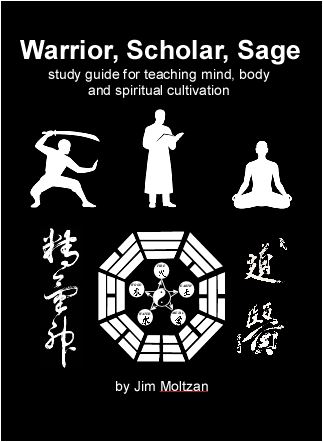
The Warrior, the Scholar, and the Sage: A Daoist View of Strength, Decline, and Human Destiny

In every era, civilizations rise and fall, not by accident or coincidence, but by the rhythm of deeper patterns or cycles of virtue and decay, clarity and confusion. As someone connected to a centuries-old lineage of Korean and Chinese martial artists, shaped by the philosophies of Taoism, Buddhism, and Confucianism, I’ve come to see that the struggles we face today are not anomalies. They are symptoms of imbalance. They are signs of what the ancients understood as the “return to the Daoand what modern thinkers Neil Howe and the late William Strauss have come to call the Fourth Turning (Strauss & Howe, 1997).

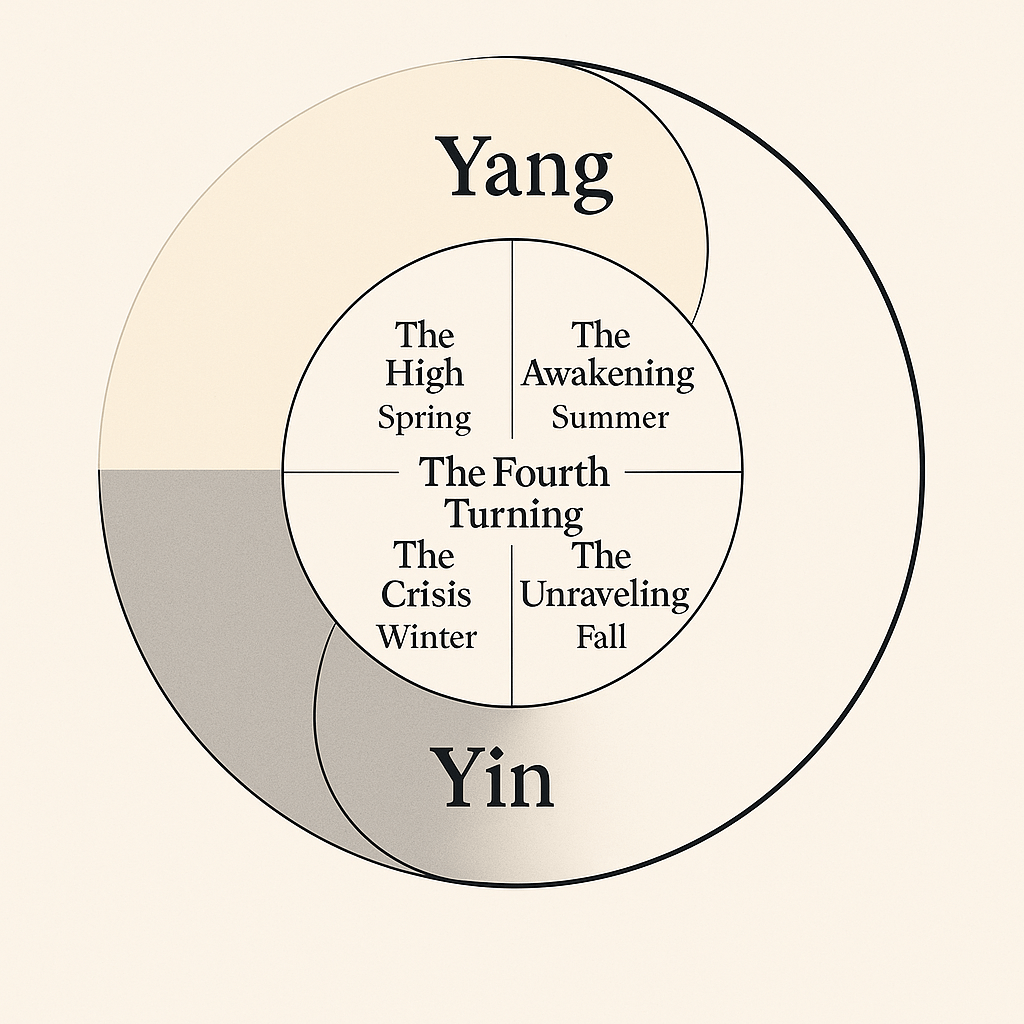
They propose that society moves in four generational phases, roughly every 20 years:

  • The High (Spring): After crisis, a period of rebuilding and cohesion.
  • The Awakening (Summer): Spiritual upheaval and individualism grow.
  • The Unraveling (Fall): Institutions decay, and social trust erodes.
  • The Crisis (Winter): A pivotal upheaval requiring transformation or collapse.

We have witnessed this over many years of history, such as the Fourth Turning (crisis) of the Great Depression into World War II, followed by a post-WWII boom in the U.S. (the High), then the 1960s counterculture movement (the Awakening), followed by the 1980s-2000s in the U.S. (Unraveling) and now into another 20 years of crisis. According to this model, we are now in the Fourth Turning or the winter phase, marked by turbulence, institutional failure, and a call for redefinition. Taoism would simply say: the yang must return. The old forms have decayed; the new must be forged through effort and alignment with the Dao.

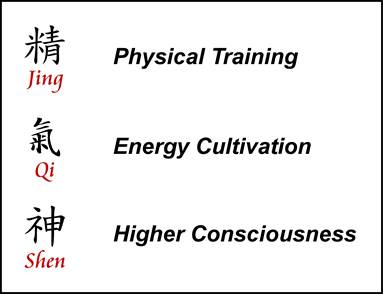
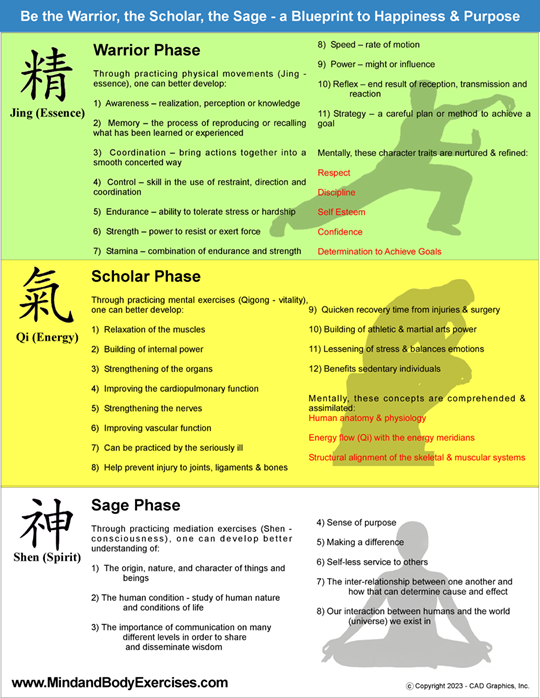
At the heart of this worldview is the triad of jing (essence), qi (energy), and shen (spirit). These internal forces are not just concepts from Taoist cultivation; they represent three powerful human archetypes:

  • The Warrior (Jing) – grounded in physical vitality, courage, and action.
  • The Scholar (Qi) – representing knowledge, refinement, and discernment.
  • The Sage (Shen) – embodying spiritual clarity, stillness, and alignment with the eternal.

This trinity mirrors the natural progression of human development and when lived out collectively, forms the foundation of a resilient, ethical, and awakened society. The warrior, the scholar, and the sage can all be found in various walks of life, regardless of age, race, gender or otherwise.

You’ve likely heard the saying:

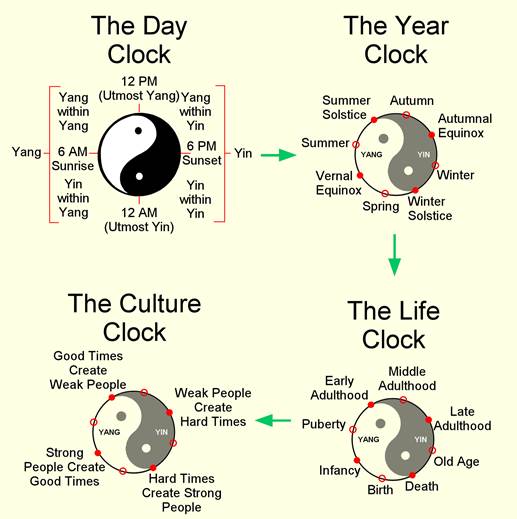
This isn’t just a catchy aphorism, but a succinct summary of yin and yang, the core principle of Taoist cosmology. When yang (strength, discipline, clarity) reaches its peak, it gives way to yin (softness, comfort, passivity). When yin becomes excessive, yang reasserts itself through challenge, hardship, and the need for resilience.

The phrase:

In the comfort of past decades, the “good times” many laid down the tools of vigilance. Warriors stopped training. Scholars stopped questioning. Sages retreated into the background. This absence of cultivated moral men (and I emphasize cultivated, not simply physically strong or formally educated) created a vacuum where mediocrity, passivity, and manipulation took root.

The Dao doesn’t punish. It corrects. The correction is not emotional but rather structural, rhythmic, and natural. In a time of unraveling, those who choose to do nothing only deepen the descent. Those who act in alignment with virtue help midwife the rebirth.

In our tradition, we don’t look outward to blame, but rather we look inward to refine ourselves through:

  • Cultivating jing through martial discipline and physical integrity.
  • Building qi through breathwork, mindfulness, and mental refinement.
  • Elevating shen through spiritual practice, service, and contemplation.

This process isn’t merely for personal benefit, but hopefully to provide a model for society. In this Fourth Turning, we need a return of those who live as warriors of integrity, scholars of discernment, and sages of wisdom. Their presence creates coherence in chaos. The Dao teaches that when the inner is aligned, the outer begins to harmonize.

Throughout history, men have often occupied positions of leadership, warfare, and infrastructure in roles requiring strength, vision, and responsibility. When these roles are filled by individuals of weak moral character, or by those disconnected from the natural order of the Dao, decline does not merely begin but it accelerates.

In today’s world, we’re witnessing the fallout of this imbalance. Divine masculinity is rooted in strength, service, wisdom, and responsibility, but has been overshadowed by its distorted reflection of toxic masculinity, which is driven by ego, control, irresponsibility, and impulse. The difference between the two is not force, but character.

The danger does not lie in masculinity itself, but in its misdirection. When yang energy is active, outward, and forceful it becomes unmoored from purpose and virtue, it devolves into recklessness, violence, and domination. One doesn’t have to look far to see the consequences: our prisons are full, blue collar and white collar crime persists, and too many men choose instant gratification over disciplined action.

Morally weak men are the most dangerous to society. Not because of their gender, but because of their inability to withstand temptation, make principled choices, or lead by example. Without the internal refinement of jing, qi, and shen, there is no foundation for restraint or wisdom.

Yet in the same breath, we must acknowledge that society still deeply depends on strong men in body, mind, and spirit. It is mostly men (not entirely though) who fight in wars, build bridges, maintain power grids, work oil rigs, harvest timber, and risk their lives in roles essential to our survival and stability. These are not outdated relics of a bygone age. They are the backbone of civilization.

But physical strength alone is not enough. In a time like the Fourth Turning, we don’t just need capable men. We need cultivated men:

  • Men who have mastered their emotions and instincts.
  • Men who serve rather than dominate.
  • Men who fight when necessary but protect by nature.
  • Men who think, reflect, and align with something greater than themselves.

As the Dao teaches:

The cure is not to suppress masculine energy but to elevate it, refine it, and align it with the eternal flow of the Dao. In this age of unraveling, the world doesn’t need less masculinity. It needs truer masculinity. The kind forged in hardship, guided by virtue, and embodied by the Warrior, the Scholar, and the Sage.

If everything follows the Dao, then this present upheaval is not a mistake. It’s a call. A call to remember. To return. To rebuild.

The Fourth Turning is not a death sentence. It is an initiation. Just as in Taoist cultivation, decay gives way to rebirth. The yang returns only when yin has gone to its extreme.

We must ask ourselves:

  • Will we wait for others to restore balance?
  • Or will we embody the Warrior, the Scholar, and the Sage, and rise to meet the moment?

The Dao is not just a path. It is the pattern of life itself. To walk it now, consciously is to become part of the cure.

Reference:

Strauss, W., & Howe, N. (1997). The fourth turning. Broadway Books.