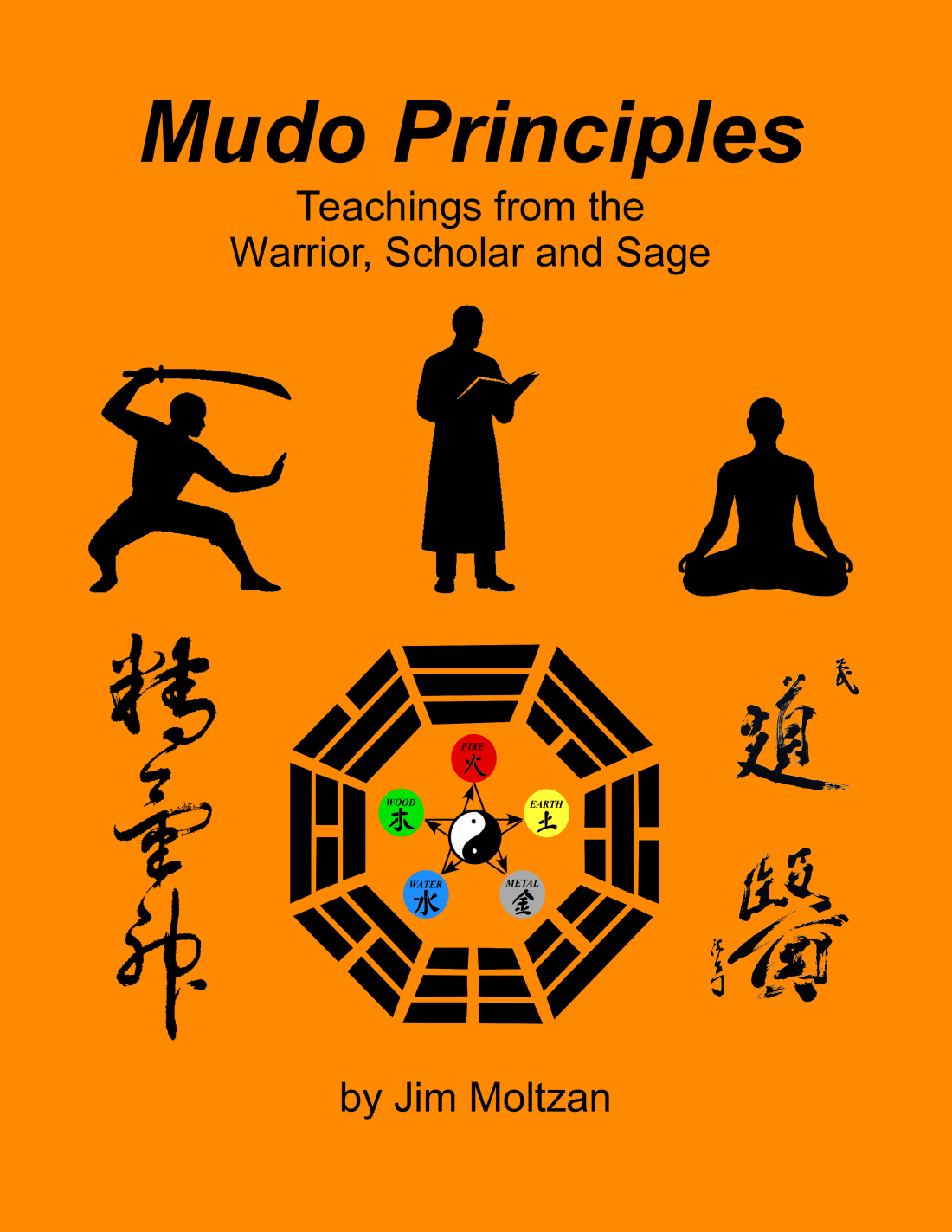
My latest book: Mudo Principles: Teachings from the Warrior, Scholar, and Sage
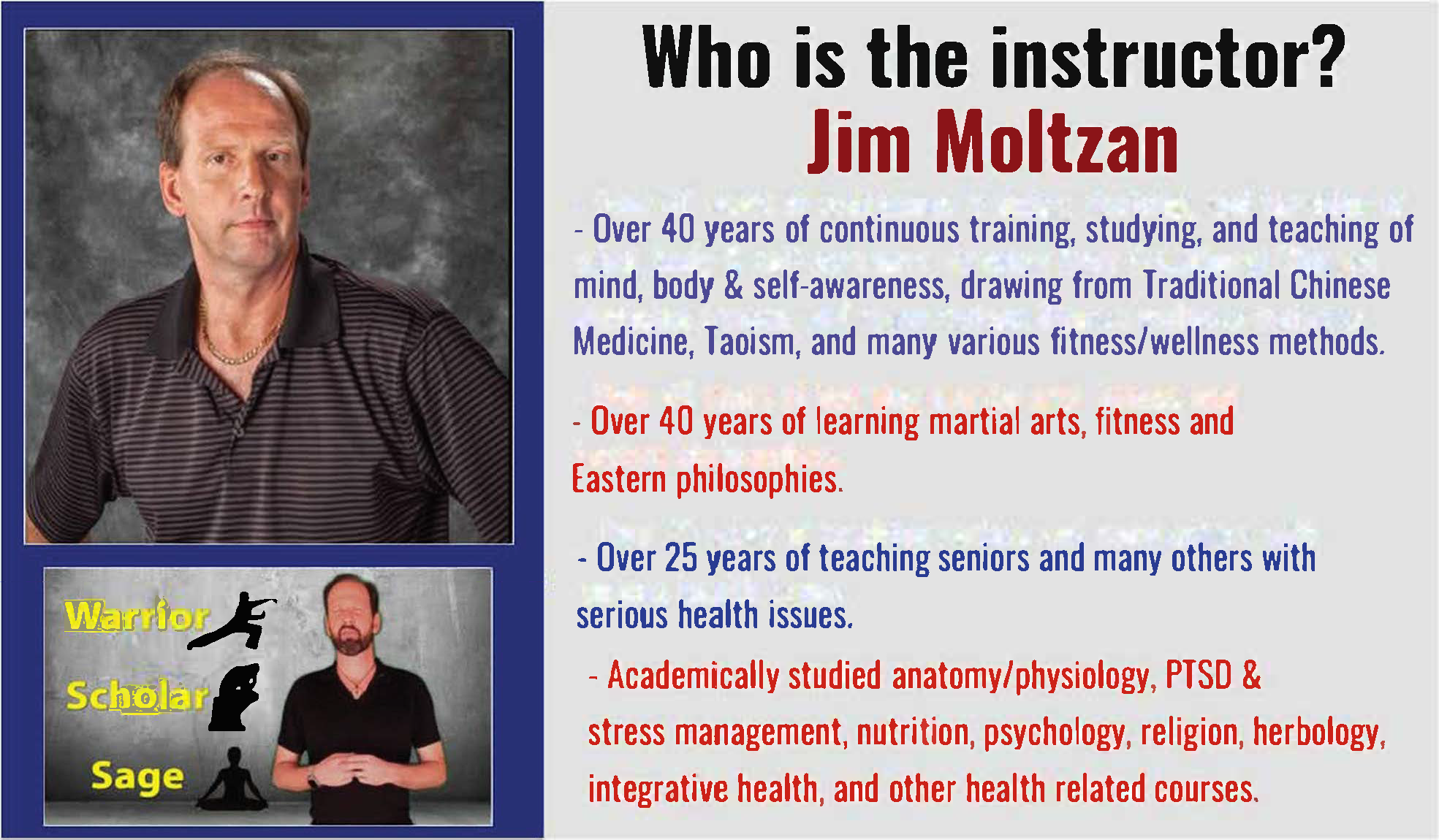
For over forty years, I have devoted my life to the study and practice of martial arts, qigong, Daoist yoga, psychology, philosophy, and holistic health. In Mudo Principles, my 37th book distills a lifetime of exploration into one transformative reference guide that unites the paths of the Warrior, the Scholar, and the Sage, three archetypes that together form the foundation of the human journey toward strength, wisdom, and inner peace.
Drawing upon classical martial traditions and modern science, Mudo Principles bridges the physical, mental, and spiritual dimensions of self-cultivation. It is more than a martial arts manual. It is a blueprint for living with purpose, integrity, and harmony in a world that demands balance between body, mind, and spirit.
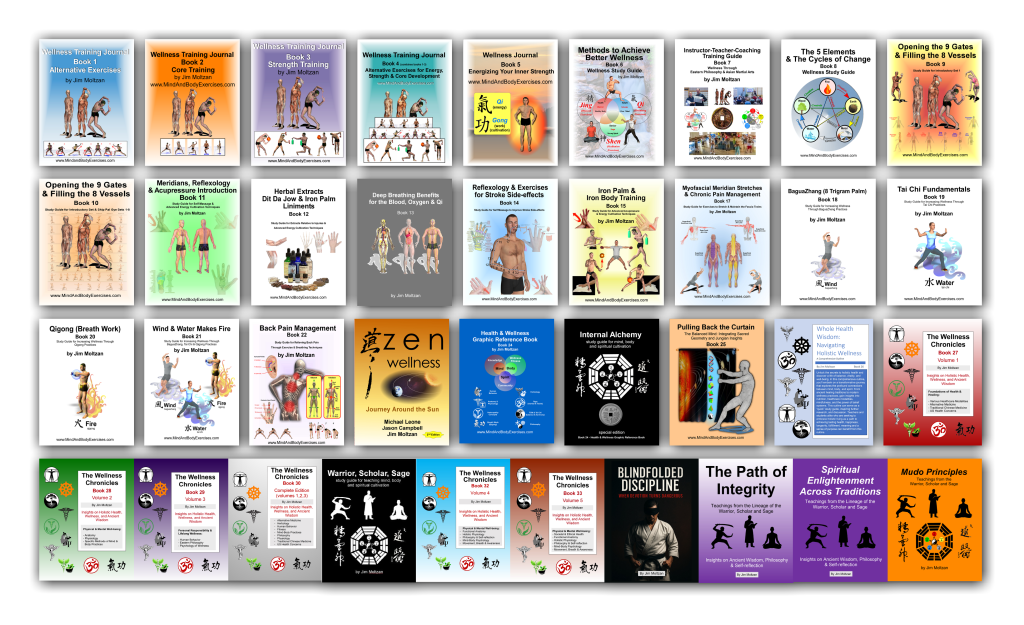
(This book is large with over 500 pages containing many color graphics; however, it does contain some of the information from Books 31-Warrior-Scholar-Sage, Book 35-The Path of Integrity and Book 36-Spritual Enlightenment Across Traditions)
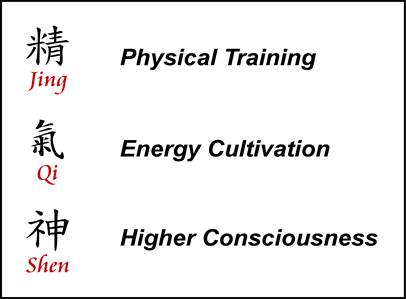
Part I – Terminology & Foundations Establishes the essential language and structure of training. Includes comprehensive glossaries, practical instruction on discipline, energy cultivation, the Three Treasures (Jing–Qi–Shen), and the neurological science behind resilience. These foundational essays ground readers in both the external and internal dimensions of martial cultivation.
Part II – The Way of the Warrior Explores the moral, physical, and spiritual foundations of the martial path. Essays examine the indomitable spirit, stance training, Shaolin symbolism at its 72 Arts, “burning the Chong Mai,” humility, and camaraderie. Here, martial discipline becomes a metaphor for moral strength and self-mastery.
Part III – The Way of the Scholar Turns inward to the world of thought and inquiry. Topics include metacognition, the Dunning–Kruger effect, authenticity, mass psychology, myth versus legitimacy in martial traditions, and the ethics of teaching. This section trains the intellect to discern truth from illusion, linking ancient wisdom with modern psychology and scientific reasoning.
Part IV – The Way of the Sage Leads beyond intellect to spiritual realization. Essays bridge faith, philosophy, and science, exploring quantum consciousness, Daoist inner alchemy, meditation, compassion, trauma healing, and the universal search for meaning.
Part V – Integration and the Path Forward Synthesizes the lessons of the Warrior, Scholar, and Sage into a living philosophy for modern life and how to balance health, success, and purpose without losing one’s center.
Part VI – Appendices
A Pathway for the Modern Seeker Mudo Principles serves martial artists, teachers, healers, philosophers, and all who seek to integrate physical strength, mental clarity, and spiritual understanding. It honors ancient traditions while addressing the unique challenges of contemporary life in stress, distraction, and disconnection from self and nature.
Through clear organization, over a hundred essays, and decades of lived wisdom, I invite the reader to:
Build discipline and resilience through mind–body training
Reclaim balance through ancient and modern methods of cultivation
Transform adversity into clarity, and confusion into purpose
Awaken the integrated self in the Warrior’s strength, the Scholar’s discernment, and the Sage’s compassion
This is a book for those who believe mastery begins within. Whether you are a lifelong martial artist or a modern seeker pursuing wholeness, Mudo Principles offers a map to transformation rooted in integrity, refined through discipline, and illuminated by wisdom.
Many say they know of the afterlife either being a good place (heaven) or a bad place (hell). Others believe that life here is a temporary classroom, where we keep coming back to revisit lessons not yet understood. No one that is alive can truly know the proven existence of any life beyond their current physical manifestation. Some hope for an afterlife that is heavenly, but also live a life that is hellish. Quite the quandary, no? Why not try to live a heaven life, and hopefully bring that with when you pass? Sounds better than living in hell on earth, and then taking hell with to the next level of existence. There are many theories abound regarding the laws of attraction and how we often acquire what we dwell upon, whether deemed as good or bad. Those that think mainly about wealth and/or fame, put much of their energy into obtaining these things. However, once they acquire these items, they often realize that they are not truly happy with themselves, because they sacrificed things such as family, friends, health and other aspects of their being.
Others see God’s kingdom as heaven on earth. Their life may be full of love, gratitude, and happiness. Others may see their physical life here on earth as hell with none of the prior mentioned and therefore are looking forward to hopefully reaching a better place in the hereafter. The famous philosopher Confucius is thought to have said that we should not put focus on the afterlife, because we don’t understand much about it. Instead, we should focus on our everyday life here in the present. I take this further to mean that we can choose to believe that the Kingdom of God is here right now, in our mind and body here in the physical world. My understanding is that the state of our thoughts at the very time of our passing is of the upmost importance. What we do or don’t do here on Earth within our physical lifetimes, can and will affect what happens to our soul or consciousness after our physical being expires. I have personally been exposed to many people that are most concerned about what may happen in their next life, with very little concern about how they live this current physical life. And others, who care only about their wants and desires of what is in front of them, with no concerns for what may come next. We may indeed die and go to a place of heaven or hell, based upon how we live our lives. If we strive to live a “heavenly-like” life, we may be able to take that peacefulness, joy, and bliss with us to whatever the next phase we have earned. Consequently, if we live a life full of hell in anger, hatred, suffering and regret, we very well may bring that negative energy to whatever that next place may be.
________________________________________
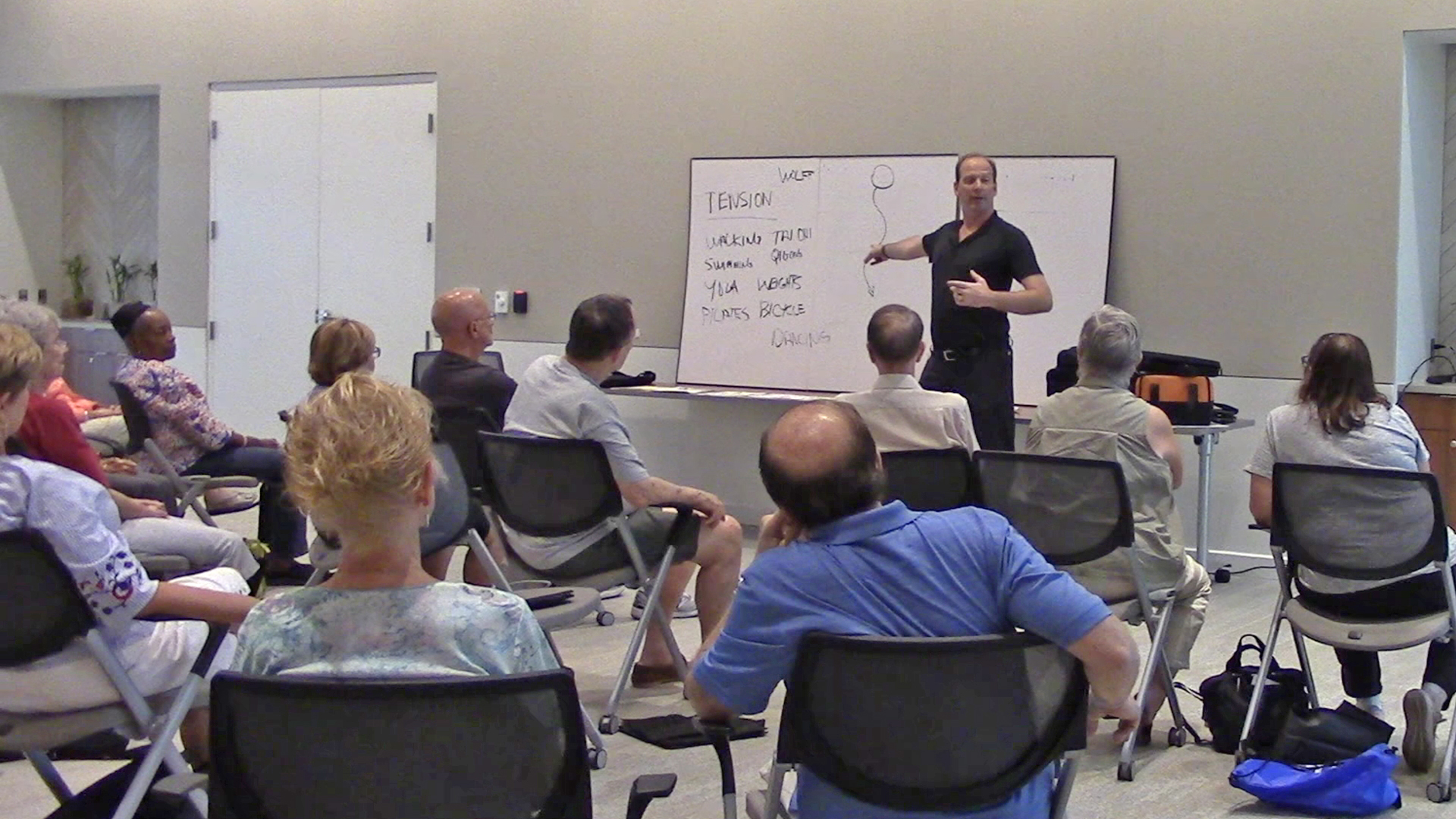
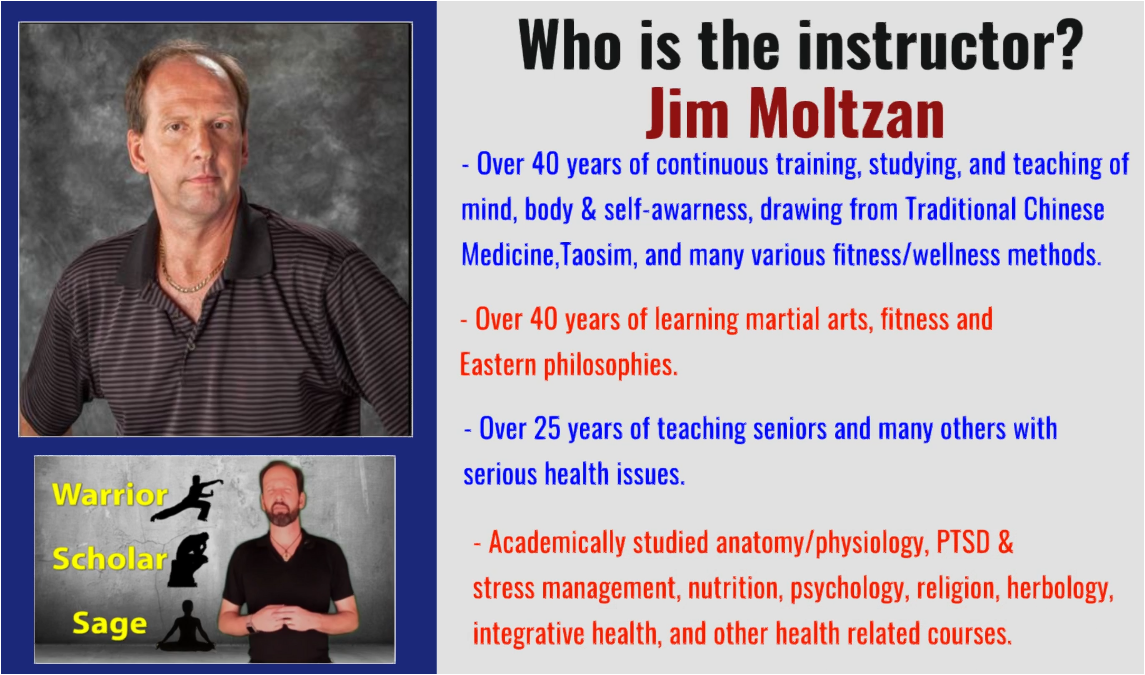
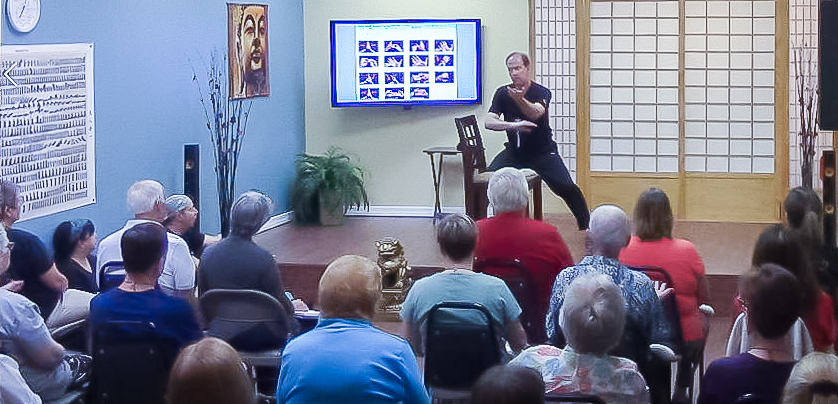
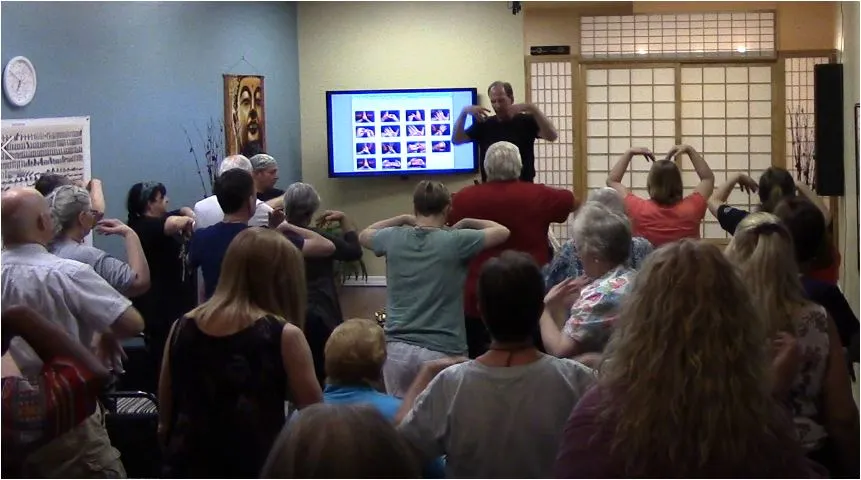
I teach and offer lectures about holistic health, stress management, qigong, tai chi, baguazhang, meditation, phytotherapy (herbs), music for healing, self-massage, and Daoyin (yoga).
I look forward to further sharing more of my message by partnering with hospitals, wellness centers, VA centers, schools on all levels, businesses and individuals that see the value in building a stronger nation through building a healthier population. I also have hundreds of FREE education video classes, lectures and seminars available on my YouTube channel at:
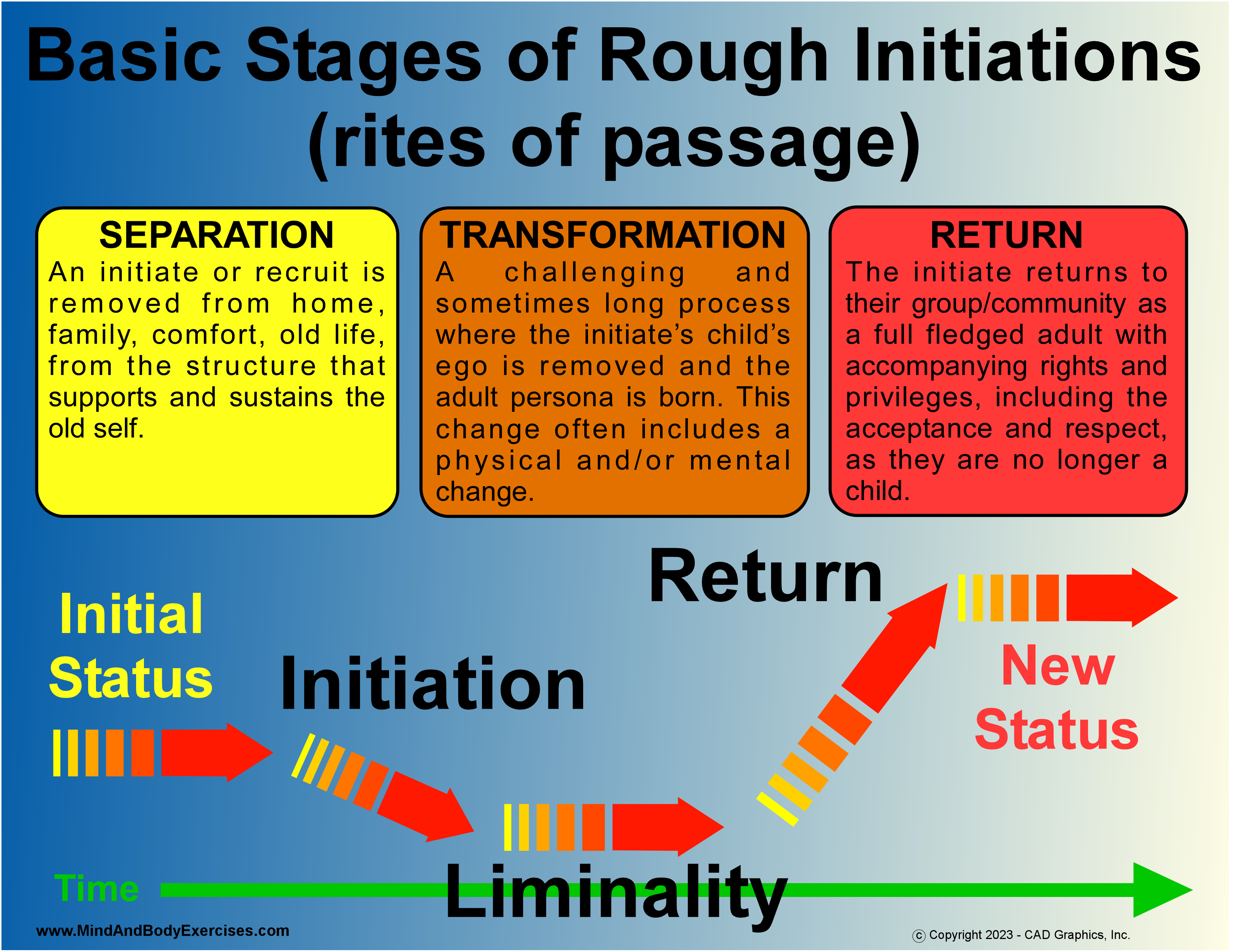
Rough initiations is another term for rites of passage, which can be ceremonial events that mark important transitions in an individual’s life. A rough initiation refers to the challenging aspects of an initiation process or symbolic ritual. These events often involve the change of one’s social status, roles, or responsibilities within a family, group or community. Initiations are a common element within rites of passage, taking various forms or presentations. Challenges may involve physical and/or psychological challenges of endurance, meant to push an individual to achieve their full potential, capacity or limits. By overcoming these challenges, the individual can demonstrate their willingness and qualifications to accept new roles or responsibilities within a particular group or community. Rough initiations are integral to various cultures and traditions around the world, where they are often designed specifically to assess an individual’s strength, fortitude, courage, resilience, and loyalty to a group or community. Details and particulars for rough initiations vary widely, but most have the underlying purpose of facilitating personal growth, strengthening of social bonds, and promoting a sense of identity and worth within the group.
I don’t think that our current American culture offers much in the way of positive reinforcement of any real “coming of age” initiations or rites of passage. Common American initiations over the years have typically been the introductions of smoking cigarettes, drinking of alcohol, driving our first automobile, graduation from high school, and religious ceremonies of confirmation, bar/bat mitzvahs and other initiations that usher the individual into adulthood. Some of these previous examples other than the religious ones, can on some level be loosely interpreted as Francis Weller defined initiation, as “a contained encounter with death.” Upon further reading of Francis Weller’s Rough Initiations, what first started to catch my attention is that not everyone experiences things quite the same way. For what may be traumatic for one individual might be trivial or an inconvenience for another. My understanding of trauma beyond the actual definition of events that our done to someone mentally and physically that manifest suffering to the individual, is that trauma most often comes at us unwelcomed, unannounced and usually free of a monetary charge. Initiations (rough or otherwise) on the other hand, are often welcomed, announced well ahead of time, seen as acceptance into adulthood, and for some there may be a monetary reward or financial fee in order for the initiation to be held. Trauma is firsthand experiences or witnessing of physical injury/violence, abusive/toxic environments, death of a loved one, etc. Modern day rough initiations might be seen in religious ceremonies, the first hunt/fishing, cold/hot plunge, an intense mountain hike, college all-nighter, fasting, isolation, sleep deprivation and other tests that may challenge someone to perform at higher levels of physical activity and mental discipline. Basically, trauma comes to us, whereas we may pursue rough initiations, or so I have come to understand. We are all quite literally wired differently in regard to our own physiological nervous system, that often helps us to interpret stimuli as either positive or negative to mental, physical, and spiritual well-being. I do think that other cultures, may still hold their initiations of upmost importance, as I have come to learn more about that of indigenous peoples throughout the world.
This is not a new concept as we can see examples from ancient times, where groups such as the Spartans, Romans, Vikings, Samurai, Mongols, the Knights Templar, Benedictines, Franciscans, Native Indigenous people worldwide, secret societies, and perhaps many others have had their own particular initiations and rites of passage. In more modern times, rough initiations can still be found in various presentations, although they may not be as common or standardized as some traditional cultural practices. Here are some examples:
Cultural or Social Initiations: Cultures, subcultures or social groups can have initiation rituals that require symbolic actions or engaging in challenging tasks that can range from endurance challenges to symbolic acts designed to demonstrate loyalty to the values of a group.
Fraternity/Sorority Hazing: Many organizations discourage, restrict and even ban hazing, however some fraternities and sororities still include initiation rituals that can be physically or emotionally challenging.
Sports Initiations: College and professional sports may have initiation rituals that involve rookies undergoing tasks or challenges, or participation in team-building events in order to demonstrate their commitment or loyalty to their team.
Military Training: Military basic training involves physically and mentally challenging tasks needed to prepare recruits for the demanding risks they may encounter in their roles as soldiers. Initiation activities may include intense physical fitness routines, such as “hell week,” and other psychological stress events that help to build discipline, resilience and camaraderie.
Specialized Training Programs: Elite military units, law enforcement agencies, first responder emergency teams and others may require their members to participate in stressful training which may be considered as extremely rough initiations, to ensure they are prepared for life and death situations.
Authors in the book and movie industry have played an enormous role in promoting this whole concept of rough initiations as can be seen in a seemingly endless stream of titles such as Star Wars, Harry Potter, Narnia, The Matrix and many, many others. Challenging initiations can help to cultivate a sense of belonging, camaraderie and commitment, however there is a nuanced relationship between beneficial rites of passage and detrimental hazing practices. Many organizations now deliberately discourage or restrict activities that can potentially put individuals at physical or mental risk, compromising their overall well-being. Most would agree that responsible and respectable initiation processes should focus on the individual’s personal growth, social connections, and instilling a positive sense of belonging.
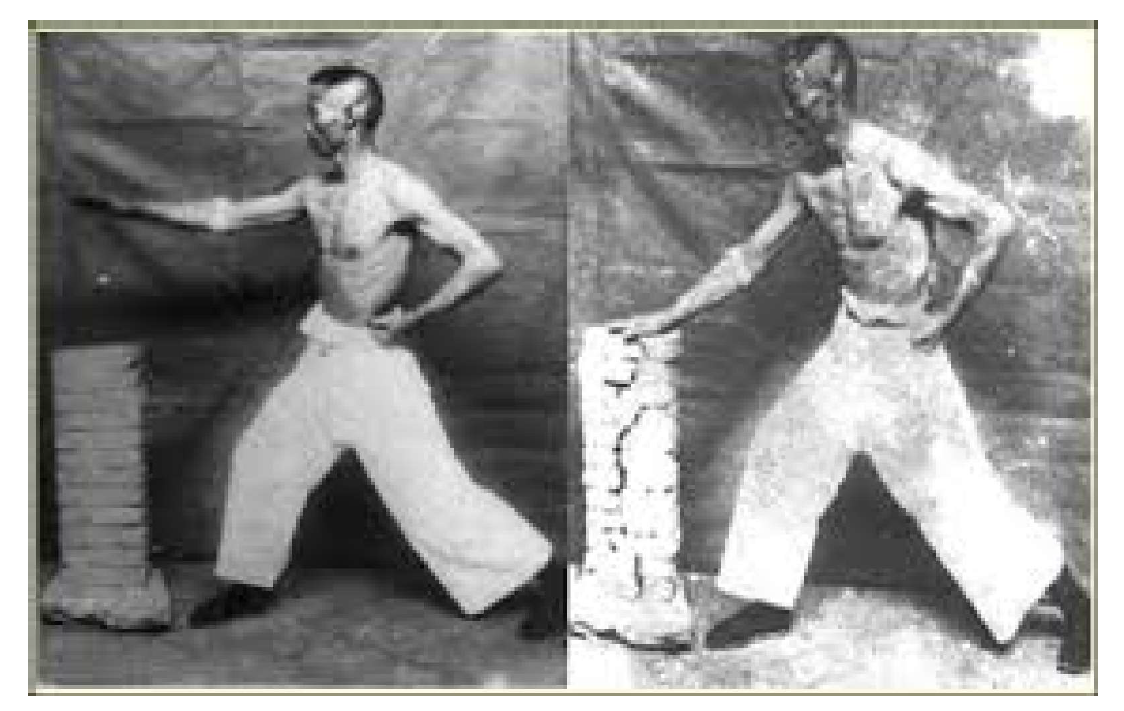
Iron Palm training (strategic trauma or rough initiations)
Reading Rough Initiations brought some memories back from my first years in my martial arts (cult)ure and having experienced many initiations. I refer to it as such because at this time of the early 1980’s, American and Eastern cultures from China and Korea did not exactly assimilate well with each other in the conservative Midwest. One person’s culture can very well be seen as another’s cult. This can be quite apparent as seen today regarding one’s religious, philosophical, and sometimes political beliefs. Even facets in pop culture, social issues and sports can reflect this divide between perspectives of what trends seem to have their own culture. With the former being said, the martial arts community of years past was often viewed as having its own unique culture as demonstrated in its traditions, rituals, and ceremonies. My lineage did indeed focus beyond the basic goal of self-defense, due to the deep Taoist and Buddhist roots of my teachers. I was not quite aware of this before my first introductions, but I would soon learn that most martial arts systems are indeed rooted in having a series of initiations or tests, designed to bring an individual at least from being physically and mentally weak to that of enhanced physical and mental strength, and for those interested in cultivating higher spiritual awareness. I too have sought out rough initiations or “voluntary suffering” in what I would later learn to be called strategic trauma. Intense exercise, meditation, fasting, sensory deprivation, isolation and other methods of self-cultivation can be considered types of self-induced strategic trauma. “Iron palm” training is one such method of self-induced trauma that I did willfully partake in. Mental, physical and self-awareness benefits can be achieved from skillfully hitting bags of dried beans, and then applying medicinal herbs and acupressure techniques thereafter to promote healing. I think when others recognize an individual for having accepted these challenges either on their own volition or with the guidance, encouragement, and assistance from others, these events are now transformed into initiations. We as a group, consisting of my teachers, peers, and later my students under my guidance, did heavily invest in Weller’s five variables of initiations that are the same used to heal individual trauma. These variables are community, ritual, the sacred, time and place. These components can help stabilize and anchor our inner dialogue, when either coping with traumatic life-changing events or self-cultivation.
I teach and offer lectures about holistic health, stress management, qigong, tai chi, baguazhang, meditation, phytotherapy (herbs), music for healing, self-massage, and Daoyin (yoga).
I look forward to further sharing more of my message by partnering with hospitals, wellness centers, VA centers, schools on all levels, businesses and individuals that see the value in building a stronger nation through building a healthier population. I also have hundreds of FREE education video classes, lectures and seminars available on my YouTube channel at:






 United Martial Arts Association