Still Looking for Gifts for Others?

Maybe consider giving a gift of knowledge.

Remember the Indiana Jones films, when Indiana discovers his father’s diary containing clues to the Holy Grail? The book itself was knowledge. Wisdom came from applying that knowledge through experience. Without knowledge and lived practice, wisdom is difficult to cultivate.

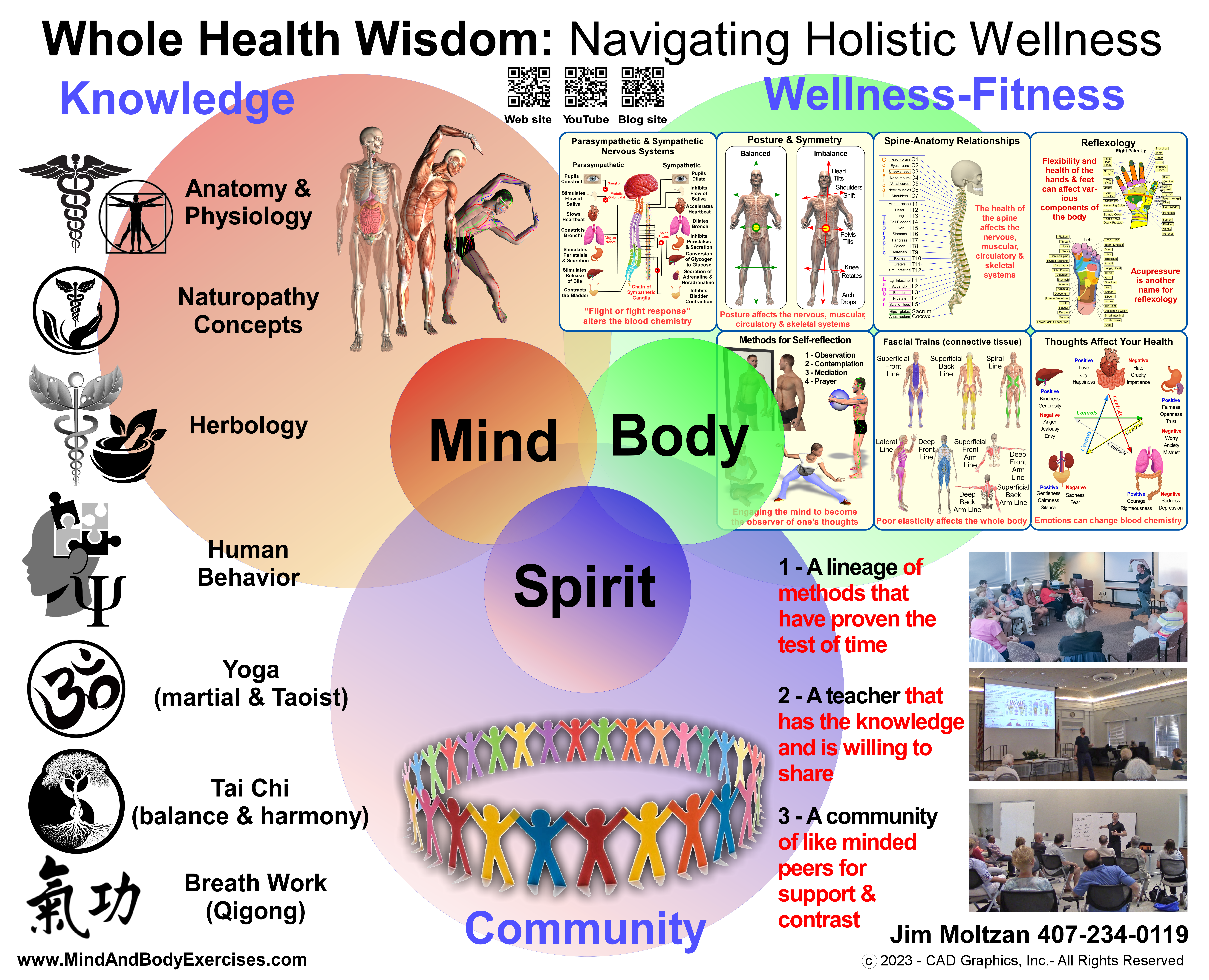
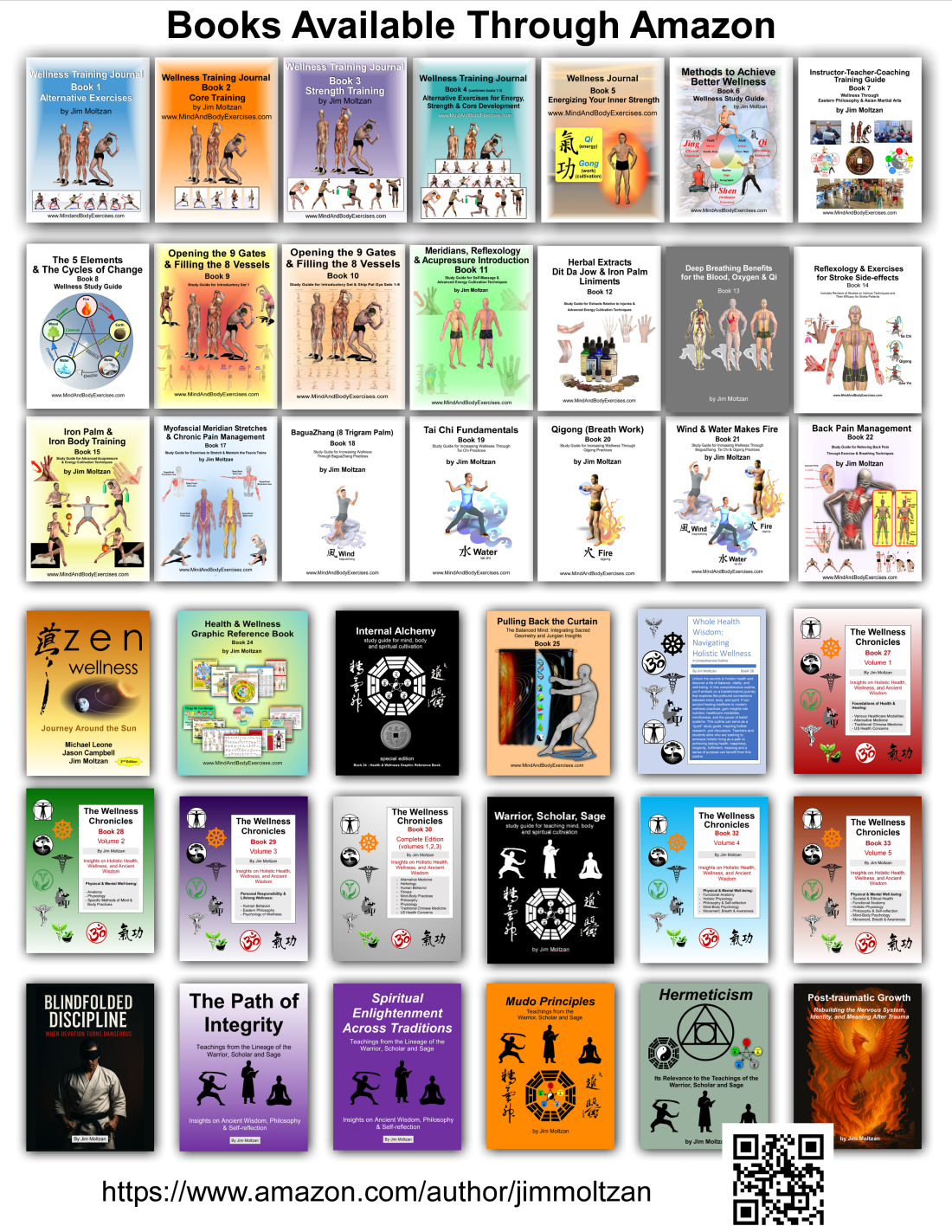
For over 40 years, I have been on my own search for a “Holy Grail” of health, wellness, fitness, and self-awareness. Along that journey, I have created a series of books and study guides that visually and conceptually map what I believe to be the essential components of a healthy, balanced, and meaningful life.

My books are comprehensive, deeply researched, and feature original, full-color illustrations designed to make complex ideas clear and accessible. Each volume reflects decades of firsthand learning, practice, teaching, and illustration across disciplines including holistic health, fitness, psychology, Traditional Chinese Medicine, qigong, martial arts, and yoga philosophy. These are not mass-market publications. They are intentionally crafted for thoughtful readers, practitioners, and lifelong learners who value depth, clarity, and authenticity.

To date, I have published 39 books and study guides on Amazon. Some are primarily visual references that distill complex systems into clear graphic formats. Others explore theories of human development, psychology, movement, breathwork, rehabilitation, longevity, and overall quality of life. Many include practical exercise sets designed to support recovery, resilience, and long-term well-being.

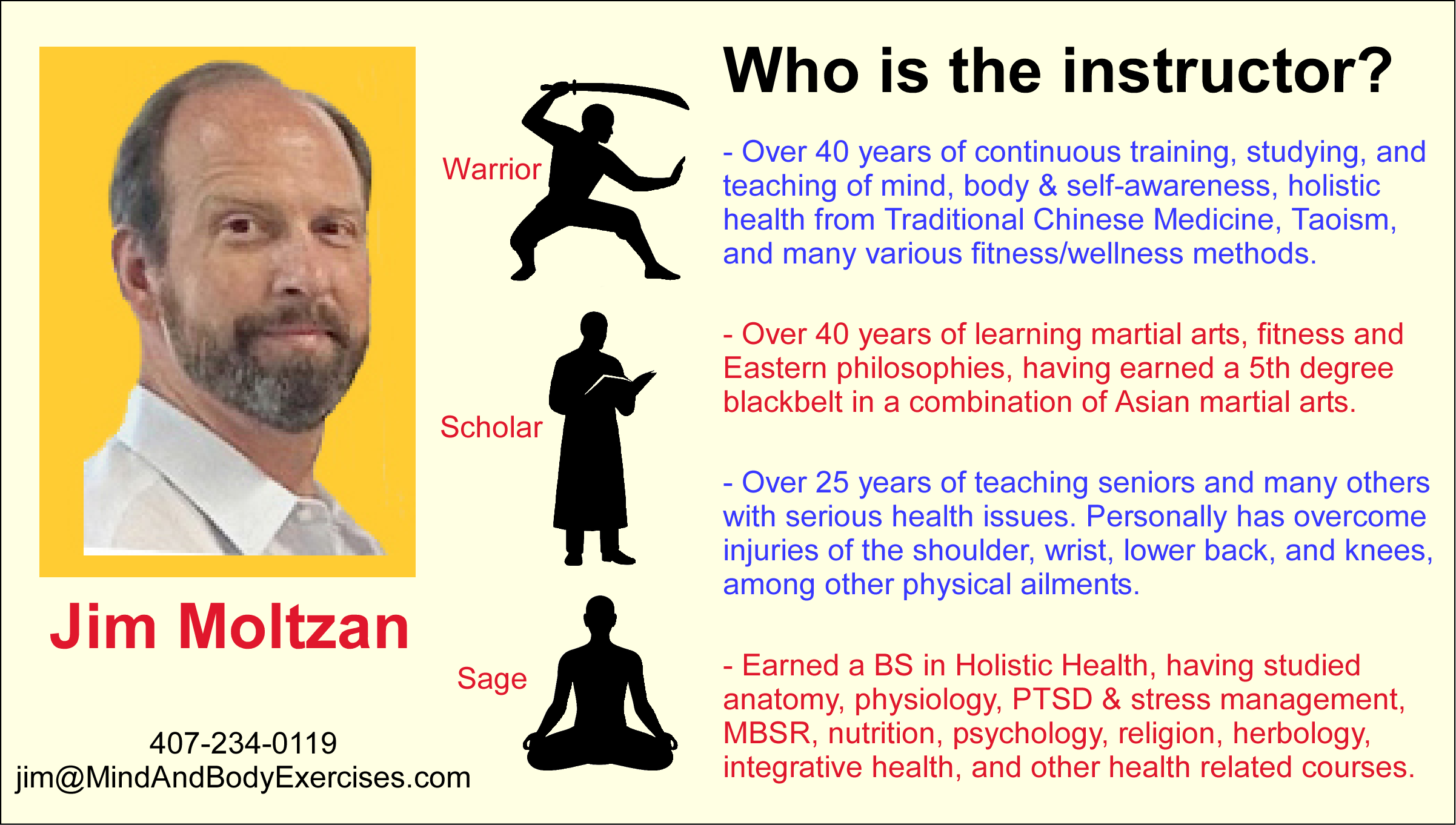
These works represent the summation of more than four decades of training, education, teaching, and public speaking. Much of the qigong and breathing work draws from Chinese Kung Fu and Korean Dong Han medical qigong lineages, alongside extensive study with Traditional Chinese Medicine practitioners and martial arts masters. My background also includes acupressure, acupuncture principles, moxibustion, herbal preparation, and medical qigong, as well as formal academic training culminating in a Bachelor of Science degree in Holistic Health.

Similar in concept to Quick Study or PermaCharts, these guides are designed to “cut to the chase,” minimizing the time spent searching through dense textbooks while preserving the essential root knowledge of each subject. This format serves both beginners seeking a solid foundation and experienced practitioners looking for concise, high-quality reference materials.

If you are looking for a meaningful gift, one that supports health, awareness, and lifelong learning, these books are intended to be resources that grow with the reader over time.

My titles are available on Amazon at: https://www.amazon.com/author/jimmoltzan
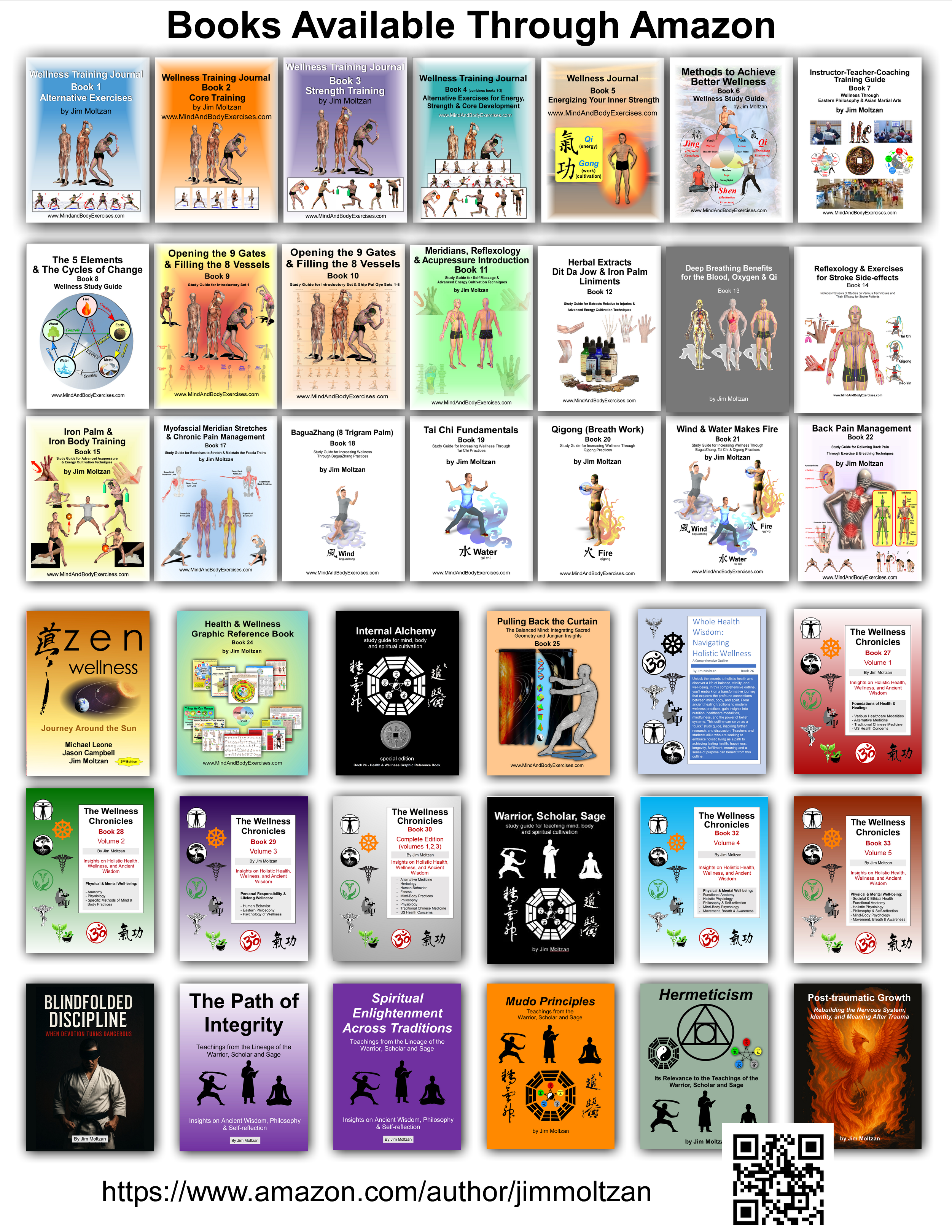
My titles are available on Amazon at: https://www.amazon.com/author/jimmoltzan

Book 1 – Alternative Exercises

Book 2 – Core Training

Book 3 – Strength Training

Book 4 – Combo of 1-3

Book 5 – Energizing Your Inner Strength

Book 6 – Methods to Achieve Better Wellness

Book 7 – Coaching & Instructor Training Guide

Book 8 – The 5 Elements & the Cycles of Change

Book 9 – Opening the 9 Gates & Filling 8 Vessels-Intro Set 1

Book 10 – Opening the 9 Gates & Filling 8 Vessels-sets 1 to 8

Book 11 – Meridians, Reflexology & Acupressure

Book 12 – Herbal Extracts, Dit Da Jow & Iron Palm Liniments

Book 13 – Deep Breathing Benefits for the Blood, Oxygen & Qi

Book 14 – Reflexology for Stroke Side Effects:

Book 15 – Iron Body & Iron Palm

Book 17 – Fascial Train Stretches & Chronic Pain Management

Book 18 – BaguaZhang

Book 19 – Tai Chi Fundamentals

Book 20 – Qigong (breath-work)

Book 21 – Wind & Water Make Fire

Book 22 – Back Pain Management

Book 23 – Journey Around the Sun-2nd Edition

Book 24 – Graphic Reference Book

Book 25 – Pulling Back the Curtain

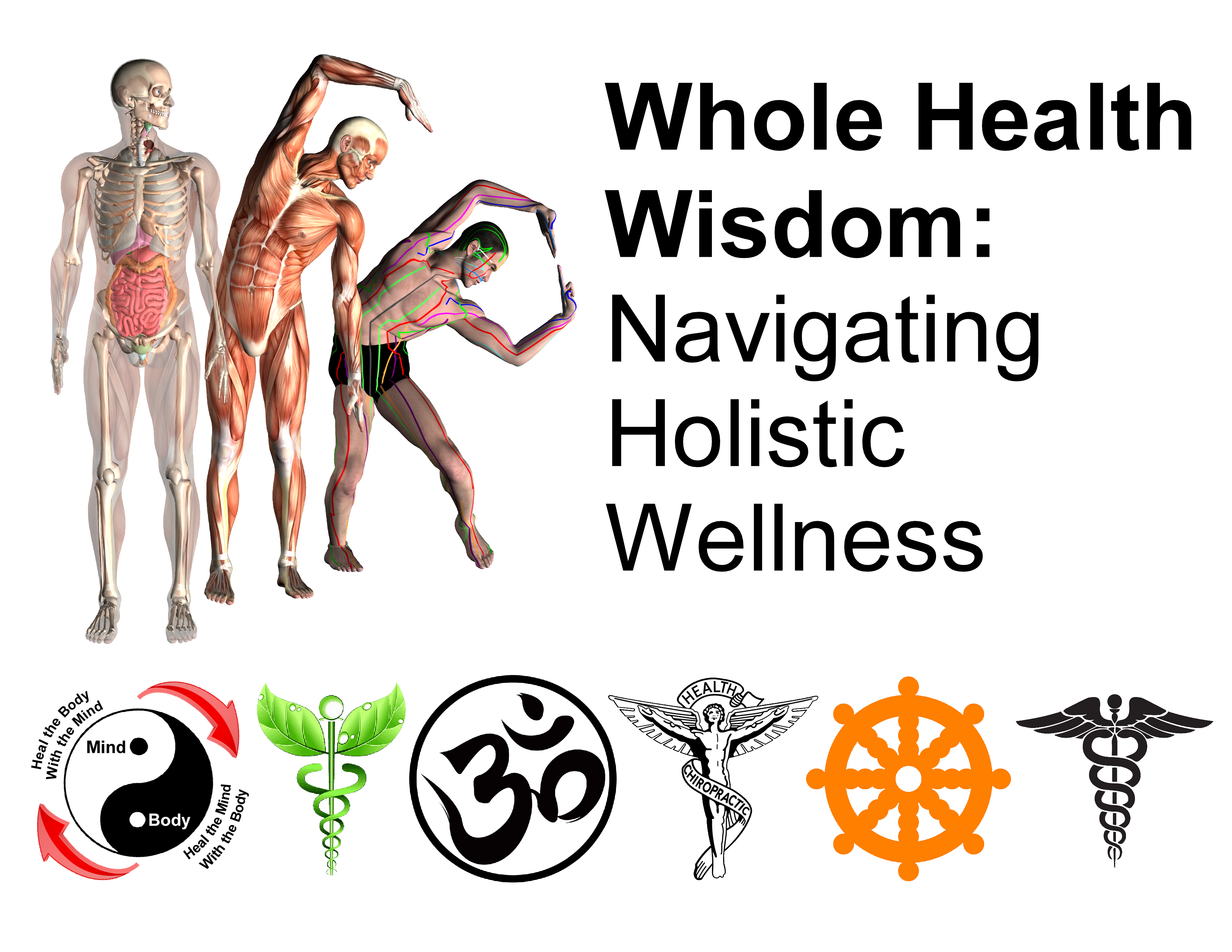
Book 26 – Whole Health Wisdom: Navigating Holistic Wellness

Book 27 – The Wellness Chronicles (volume 1) 

Book 28 – The Wellness Chronicles (volume 2)

Book 29 – The Wellness Chronicles (volume 3)

Book 30 – The Wellness Chronicles (complete edition, volumes 1-3)

Book 31 – Warrior, Scholar, Sage

Book 32 – The Wellness Chronicles (volume 4)

Book 33 – The Wellness Chronicles (volume 5)

Book 34 – Blindfolded Discipline

Book 35 – The Path of Integrity

Book 36 – Spiritual Enlightenment Across Traditions

Book 37 – Mudo Principles: Teachings from the Warrior, Scholar, and Sage

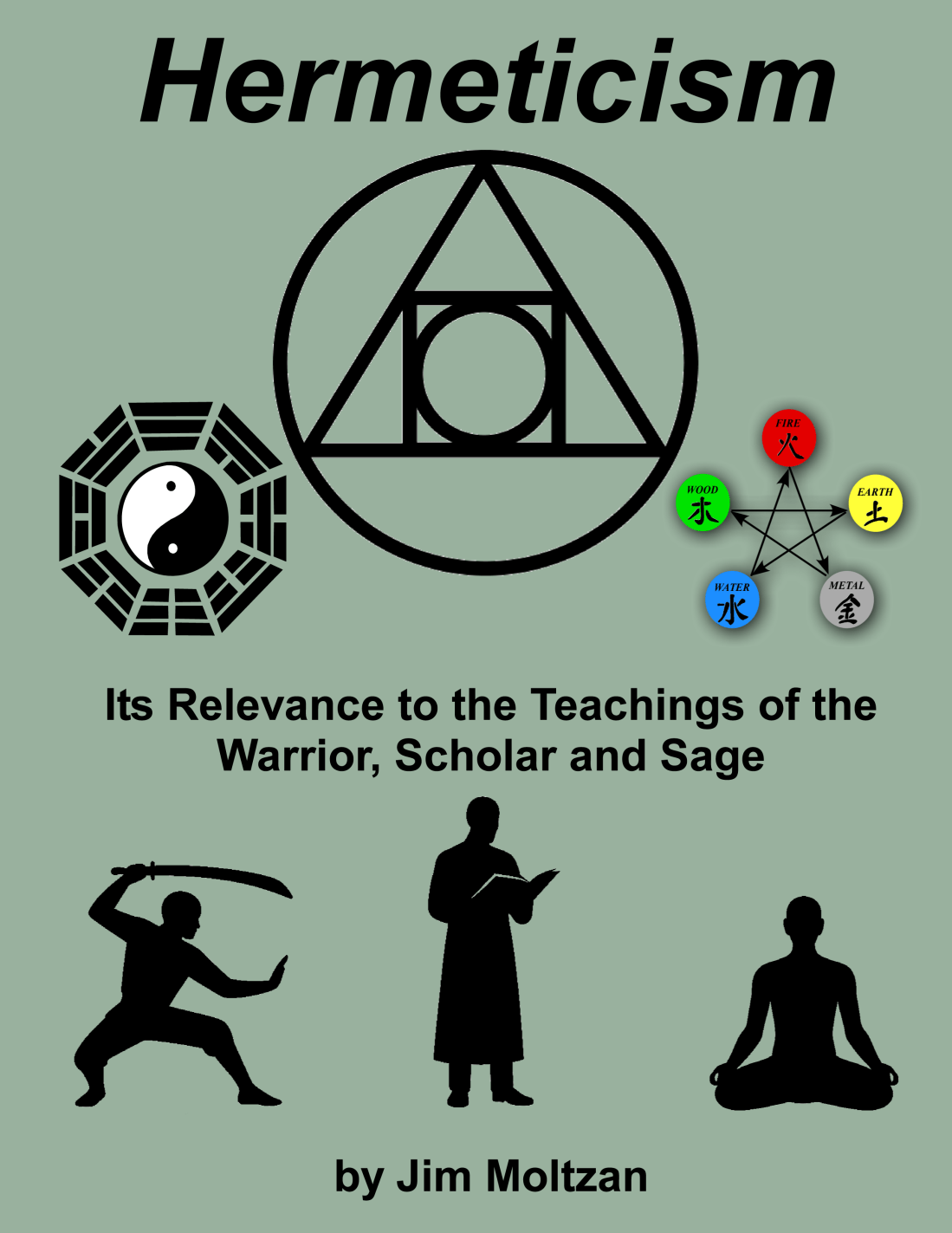
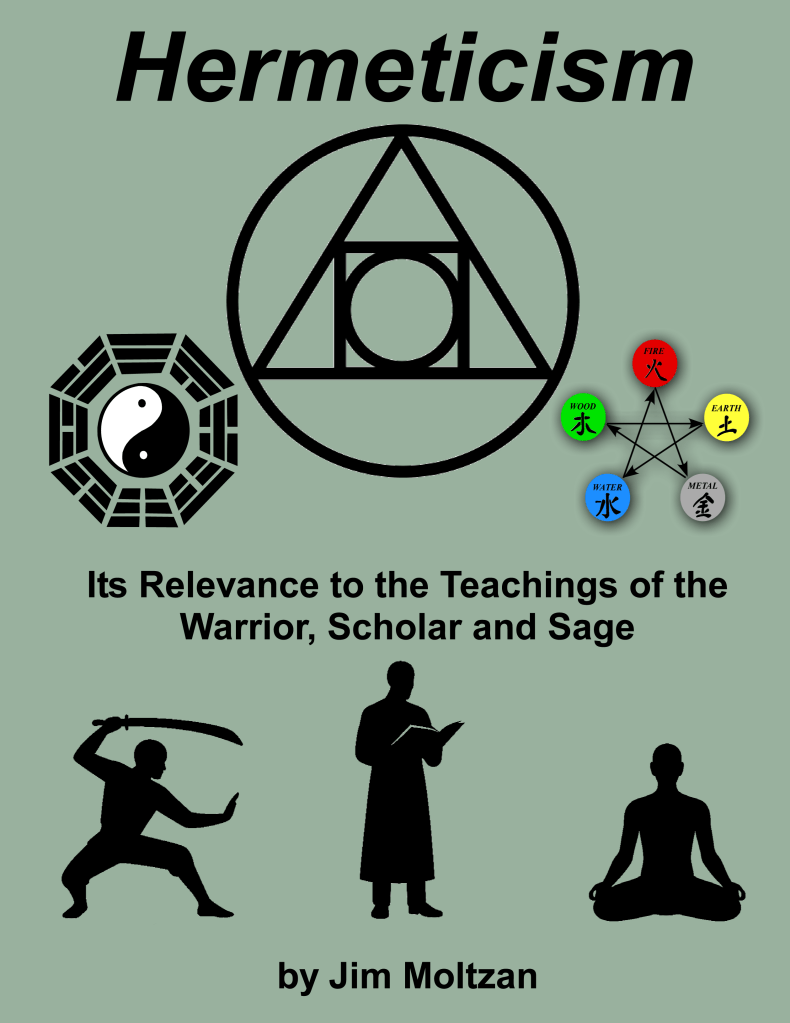
Book 38 – Hermeticism: Its Relevance to the Teachings of the Warrior, Scholar and Sage

Book 39 – Post-traumatic Growth

As Above, So Within – The Hermetic Thread of the Warrior, Scholar & Sage

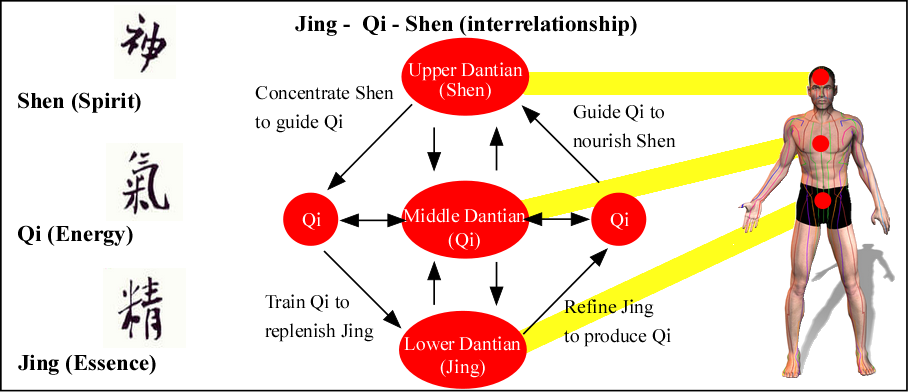
Every comprehensive system of human transformation contains a bridge, one that links the physical body to the invisible dimensions of mind and spirit. In the Eastern traditions this bridge is expressed through Jing (essence), Qi (vital energy), and Shen (consciousness). In the developmental framework I teach, it appears as the Warrior, Scholar, and Sage. In the Western esoteric lineage, the same bridge is known as Hermeticism, a philosophical and spiritual system attributed to Hermes Trismegistus, the “Thrice-Great” master of physical, intellectual, and spiritual wisdom.

These are not parallel systems by coincidence. They are structurally identical expressions of the same universal process of human refinement, or the ascent from embodiment to insight, and from insight to integrated wisdom. Across cultures and centuries, the language changes, but the architecture remains.

Hermeticism arises from Hellenistic Egypt, a fusion of Greek philosophy, Egyptian spirituality, early science, medicine, astronomy, and metaphysics (Copenhaver, 1992; Fowden, 1993). Its core message is simple but profound: reality is mental, patterned, cyclical, lawful, and capable of conscious transformation. The most famous Hermetic maxim from the Emerald Tablet expresses this truth succinctly:

This is not merely poetic symbolism. It is a functional statement of psychospiritual law: what is refined in the body shapes the mind; what is clarified in the mind refines the spirit; what is awakened in the spirit returns to illuminate the body.

The Eight Hermetic Principles and Their Living Expression

Hermetic philosophy is traditionally organized into eight fundamental principles (seven classical principles plus the unifying axiom of Integration & Moral Alignment). These principles are not abstract metaphysics; they describe how transformation actually happens in daily life.

Below is a brief, applied summary of each.

1. Mentalism – “All is Mind.”

Reality originates in consciousness.

Example:
Thought hygiene, attention control, emotional regulation, and metacognition all reflect the fact that perception shapes experience. In practice, this is where the Scholar refines Qi through disciplined awareness.

2. Correspondence – “As above, so below; as within, so without.”

Patterns repeat across all levels of existence.

Example:
Organ–emotion relationships, archetypal symbolism, and synchronicity reflect this principle. The Sage expresses it through Shen-based integration and purpose.

3. Vibration – “Nothing rests; everything moves.”

All things exist in motion and frequency.

Example:
Breath rhythm, posture, nervous system tone, and muscular tension all shape consciousness. This is the foundational work of the Warrior, refining Jing through somatic calibration.

4. Polarity – “Opposites are identical in nature, differing only in degree.”

All dualities exist on a spectrum.

Example:
Fear and courage, stress and resilience, pain and growth are not opposites but transformations of the same continuum. This principle governs emotional alchemy and shadow integration.

5. Rhythm – “Everything flows in and out.”

Nature moves in cycles.

Example:
Circadian rhythms, seasonal cycles, recovery cycles in training, and emotional tides all operate under rhythmic law. Ignoring rhythm leads to burnout; honoring it leads to longevity.

6. Cause and Effect – “Every cause has its effect.”

Nothing is random.

Example:
Consistent practice compounds. Discipline produces capacity. Neglect produces decay. This principle governs training progression, psychological habit formation, and destiny itself.

7. Gender – “Masculine and feminine principles exist in everything.”

All creation arises from active and receptive forces.

Example:
Stillness and motion, force and yielding, analysis and intuition are necessary partners. In internal alchemy this corresponds to Kan and Li, or the inner marriage of fire and water.

8. The Unifying Principle – Integration & Moral Alignment

(Implicit throughout the Hermetic texts)

This is the alchemical ascent itself:
Matter → Energy → Consciousness → Unity
Warrior → Scholar → Sage
Jing → Qi → Shen

It describes the return of the fragmented human being to wholeness.

Hermeticism and Eastern Internal Alchemy: One Process, Two Languages

Western Hermeticism and Daoist Neidan (internal alchemy) describe the same three-stage refinement:

  1. Refining Jing (Warrior) – stability, grounding, structure, breath, stance
  2. Refining Qi (Scholar) – insight, emotional regulation, meaning
  3. Refining Shen (Sage) – awareness, wisdom, unity, purpose

In Hermetic terms this mirrors:

  • Earth → Air → Fire → Ether
  • Body → Mind → Spirit → Divine Mind
  • Alchemy → Knowledge → Illumination → Union

The training of the body becomes the furnace of consciousness. The mind becomes the instrument of refinement. The spirit becomes the field of meaning.

Jung and Psychology as Modern Hermetic Science

Carl Jung recognized Western and Eastern alchemy as symbolic maps of individuation, or the integration of the unconscious and conscious psyche (Jung, 1968). He interpreted alchemical stages as:

  • Shadow purification
  • Integration of opposites
  • Inner marriage (coniunctio)
  • Emergence of the unified Self

This is precisely the Warrior–Scholar–Sage progression expressed in psychological language.

Why Hermeticism Matters Now

Modern culture suffers from a dangerous fragmentation:

  • The Warrior has been reduced to stress and survival
  • The Scholar to data without wisdom
  • The Sage to abstraction without embodiment

Hermeticism restores their unity as a single ascending current of human evolution. It re-establishes the coherence between:

  • Body and breath
  • Thought and emotion
  • Discipline and compassion
  • Knowledge and service
  • Identity and purpose

This blog summary introduces the deeper work now fully developed in my newest release:

Book 38 – Hermeticism: Its Relevance to the Teachings of the Warrior, Scholar & Sage

This volume stands at the architectural center of my entire body of work. It reveals:

  • How the Warrior becomes the Scholar
  • How the Scholar becomes the Sage
  • How the Sage returns to unity
  • And how all three operate simultaneously as a single living process

It is not a theoretical book. It is a map of transformation, as it seeks to integrate Hermetic law, Eastern internal alchemy, Jungian psychology, nervous system science, breathwork, ethics, and the meaning-making process of human life.

Hermeticism is not something to believe. It is something to practice, embody, and become.

Available on Amazon at: https://a.co/d/fbD2mU0

References:

Copenhaver, B. P. (1992). Hermetica: The Greek Corpus Hermeticum and the Latin Asclepius. Cambridge University Press.

Faivre, A. (1994). Access to Western Esotericism. SUNY Press.

Fowden, G. (1993). The Egyptian Hermes: A historical approach to the late pagan mind. Princeton University Press. https://archive.org/details/egyptianhermeshi0000fowd

Jung, C. G. (1968). Alchemical studies (R. F. C. Hull, Trans.). Princeton University Press. https://www.jungiananalysts.org.uk/wp-content/uploads/2018/07/C.-G.-Jung-Collected-Works-Volume-13_-Alchemical-Studies.pdf

Mahé, J.-P. (1998). The treatise on the “Emerald Tablet.” Journal of the Warburg and Courtauld Institutes, 61, 1–20.

Principe, L. M. (2013). The Secrets of Alchemy. University of Chicago Press.

Announcing a Powerful Collaboration for Inner and Outer Transformation

After decades of study, practice, and teaching, I’ve come to a simple but powerful truth: personal transformation is possible. through committed effort, self-reflection, and time-proven methods that honor both the body and the spirit.

For over 40 years, I’ve dedicated my life to exploring and sharing the profound wisdom of holistic health, qigong, tai chi, martial arts, and traditional Eastern systems of healing and self-realization. These practices were once dismissed as esoteric or somewhat “out there,” but have never been more relevant. In a culture dominated by distraction, disconnection, and stress, they offer a lifeline back to balance, clarity, strength, and peace.

Today, I’m excited to share something new. A step forward in expanding the reach of this message.

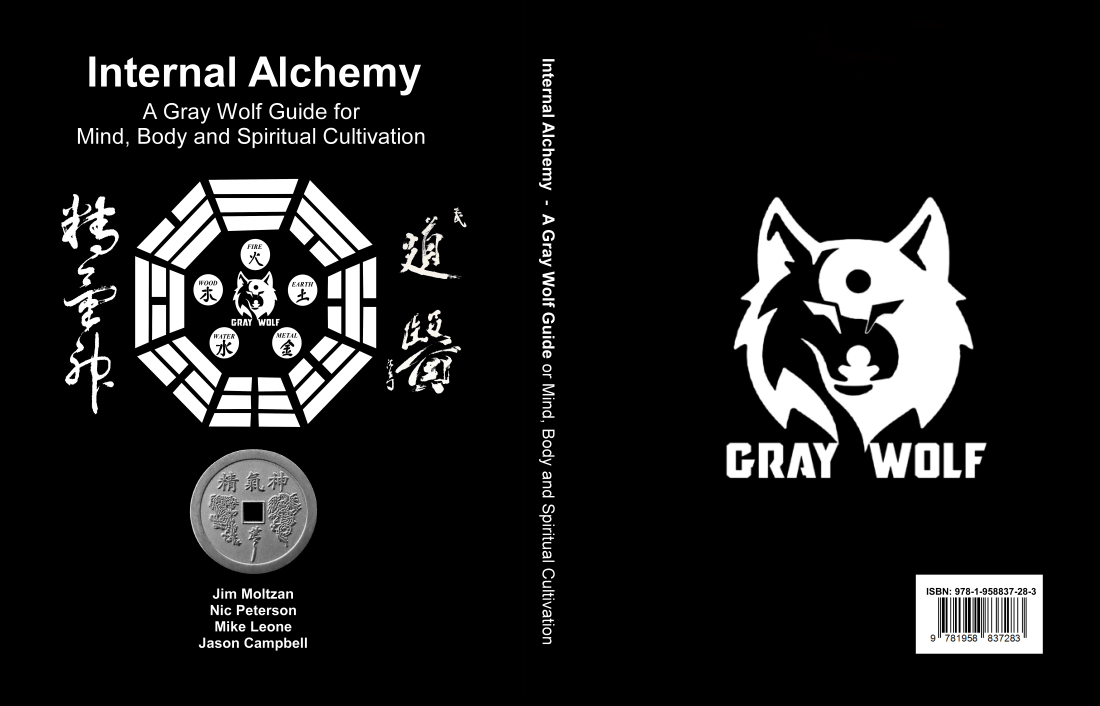
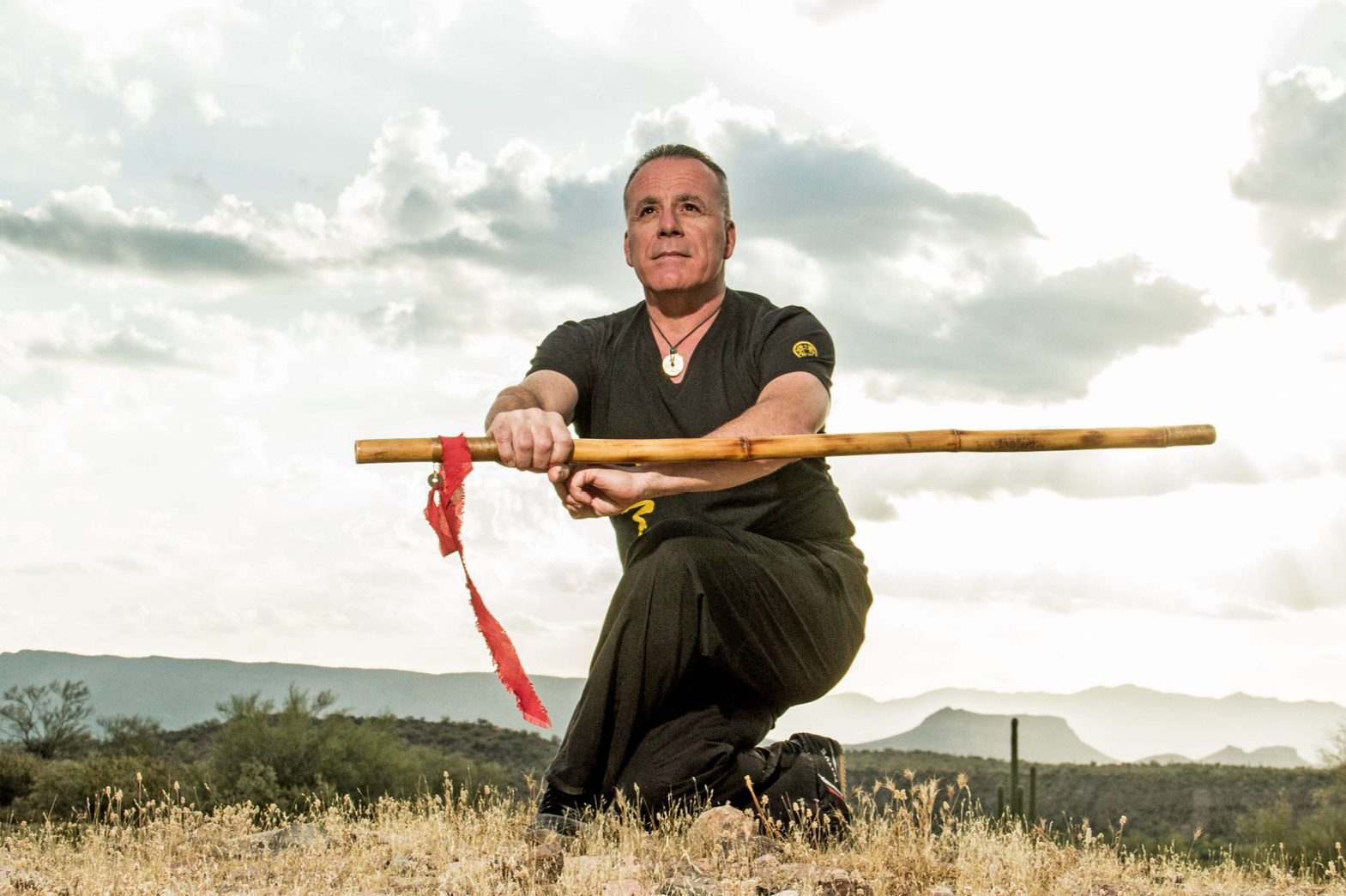
I’m partnering with Nic Peterson  (https:/www.nicpeterson.com/) a respected lineage holder of the Gray Wolf Clan, whose commitment to mastery, stewardship, and the preservation of traditional wisdom deeply aligns with my own. Nic recently wrote a powerful foreword for a private-label edition of one of my foundational works, newly titled Internal Alchemy: The Gray Wolf Guide to Body, Mind, and Consciousness. His contribution reflects the values we both hold dear of humility in teaching, discipline in practice, and the profound responsibility that comes with authentic knowledge.

We come from a warrior–scholar–sage tradition. Our masters are healers and fighters, philosophers and practitioners. They are as capable of restoring life as they are of taking it. Many other masters and grandmasters, though unnamed, have left their mark here too. That’s the nature of a true lineage: the teachings carry many hands, many voices.

Internal Alchemy is not a light read. It is a manual that is quite dense, and a deliberate reference that can (and should) be returned to time and again. Each page could be unpacked over days of study. It’s not meant to be skimmed; it’s meant to be integrated.

Alongside Nic, I am also honored to acknowledge the contributions of two remarkable individuals:

Michael Leone, my friend, peer, and sometimes teacher, a doctor of Chinese medicine, and a true warrior-scholar-sage, has been the wellspring of much of the knowledge this book is built upon. His insight into internal energetics, martial arts, and the healing systems of the East has deeply shaped my own understanding and practice. His teachings live within every page of Internal Alchemy, and his guidance continues to inform and inspire everything I share. Michael can be reached at: https://zenwellness.com/

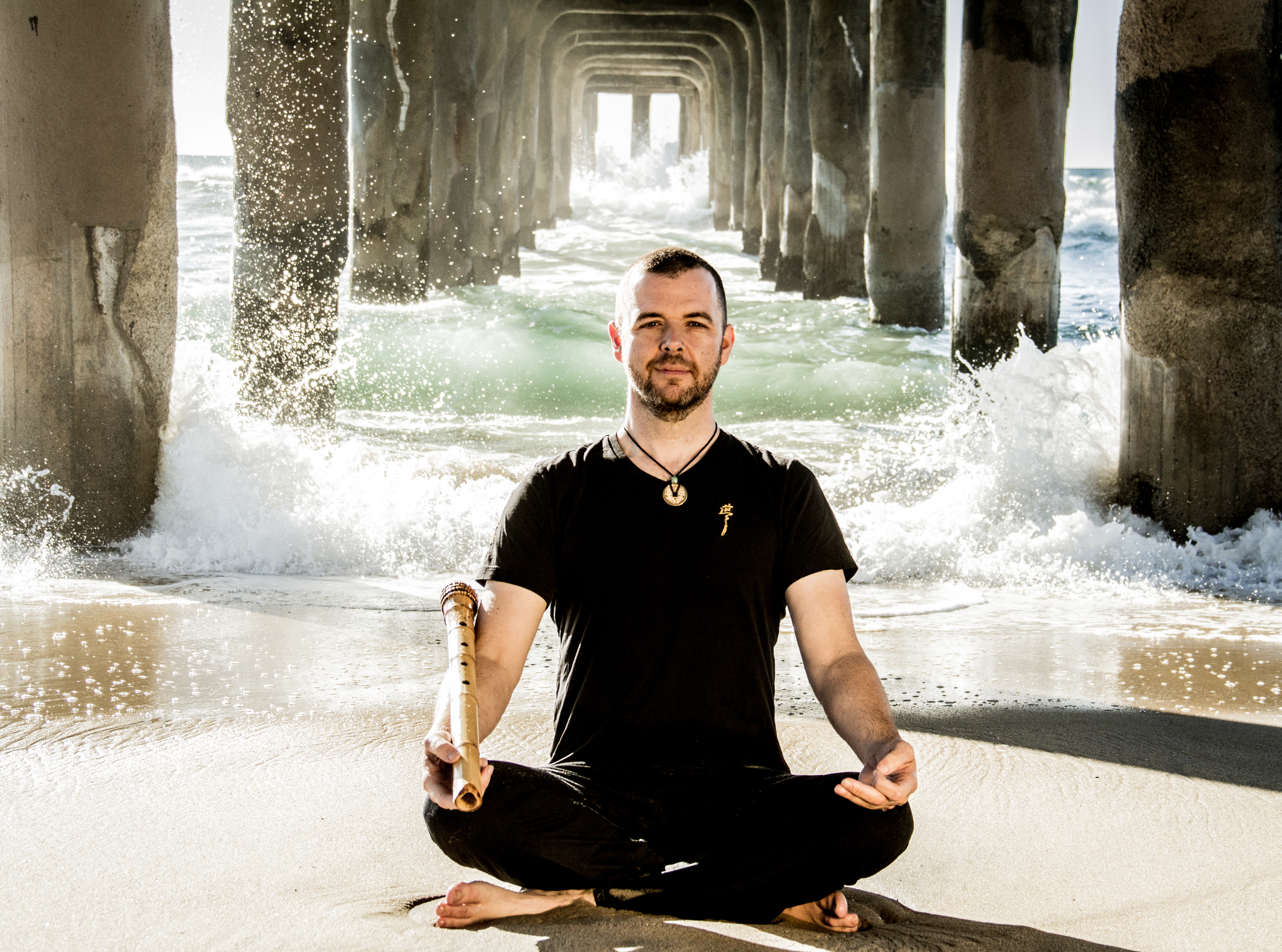
Jason Campbell, a highly recognized teacher, musician, and meditation guide, adds a profound layer to this collaboration. His work bridges the gap between ancient practices and modern lives, using sound, rhythm, and stillness to create doorways into deeper awareness. His presence in this effort expands our ability to reach those seeking peace not just in body and mind, but also in spirit and daily life. Jason’s works can be found at: https://www.jasoncampbellmusic.com/

Together, we represent a community of practitioners who believe that ancient knowledge must be preserved, respected, and made relevant in the modern age. Our collaboration is a commitment to serving the global community of seekers who value depth over trends, practice over theory, and legacy over ego.

Internal Alchemy is more than a book. It’s a living transmission of teachings designed to support your path toward self-mastery and inner freedom. Whether you are a beginner or a lifelong practitioner, we invite you to join us on this journey.

If you feel the call to the mountain, to the stillness, to something deeper within, you’re already on the path.

To learning, growing, and giving back.

Jim Moltzan
Author, Educator, Practitioner

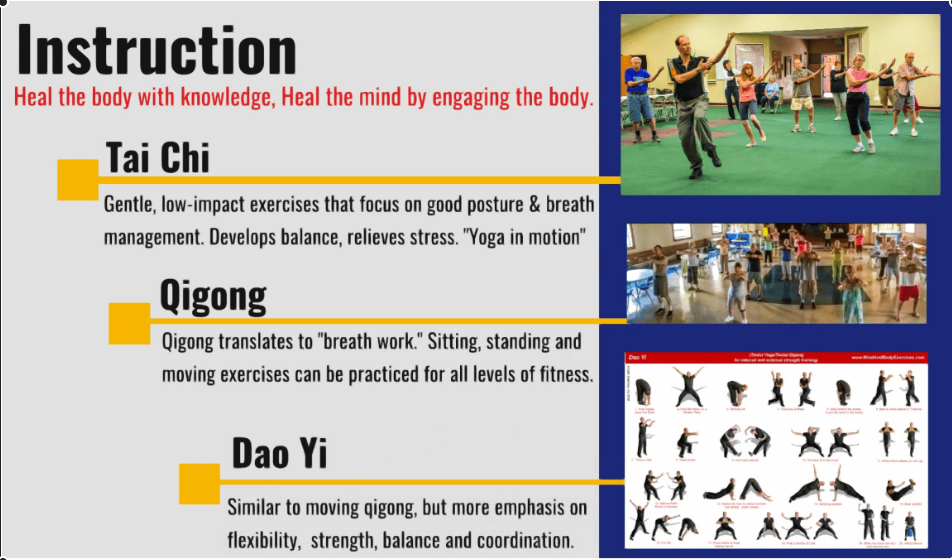
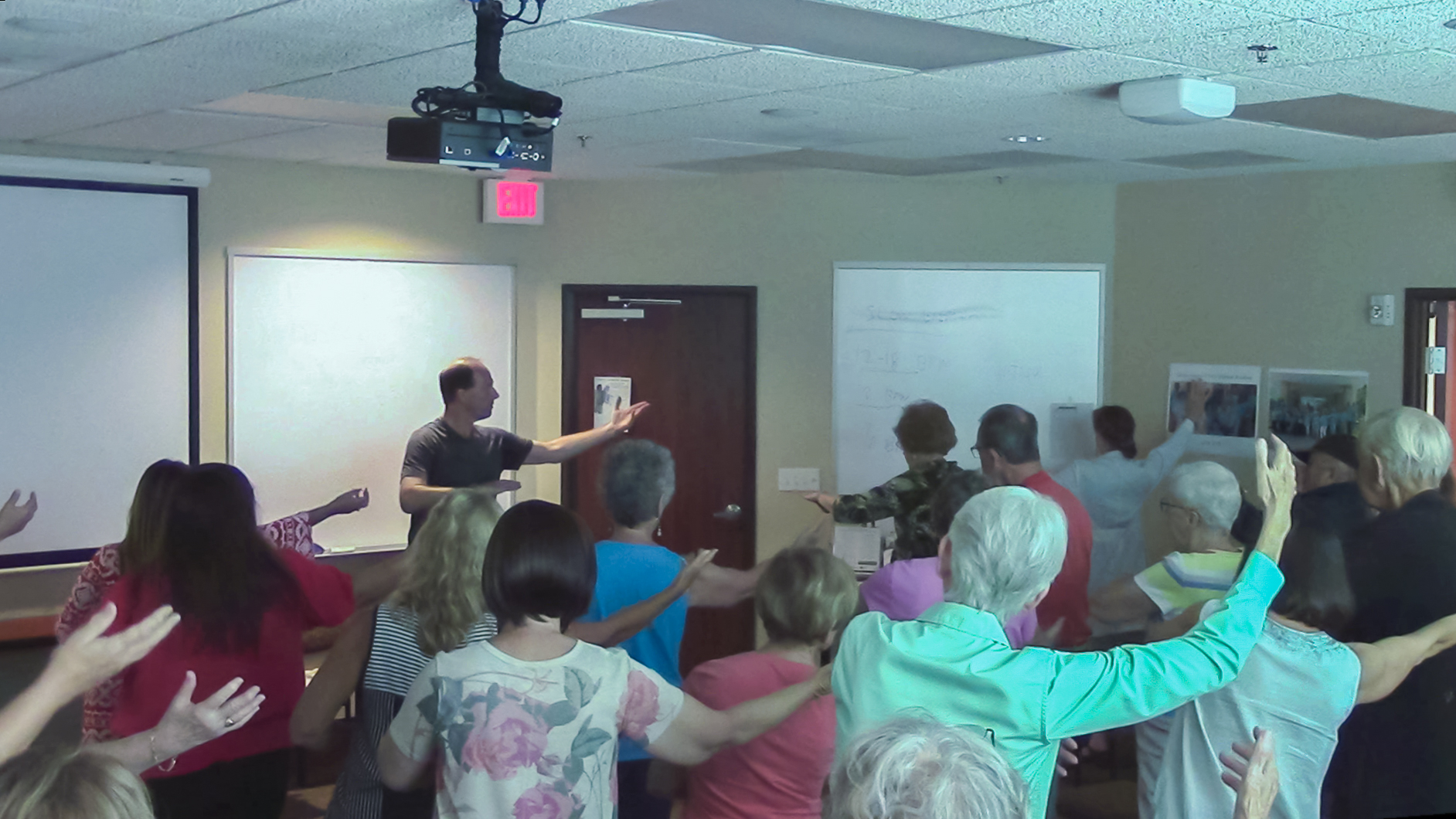
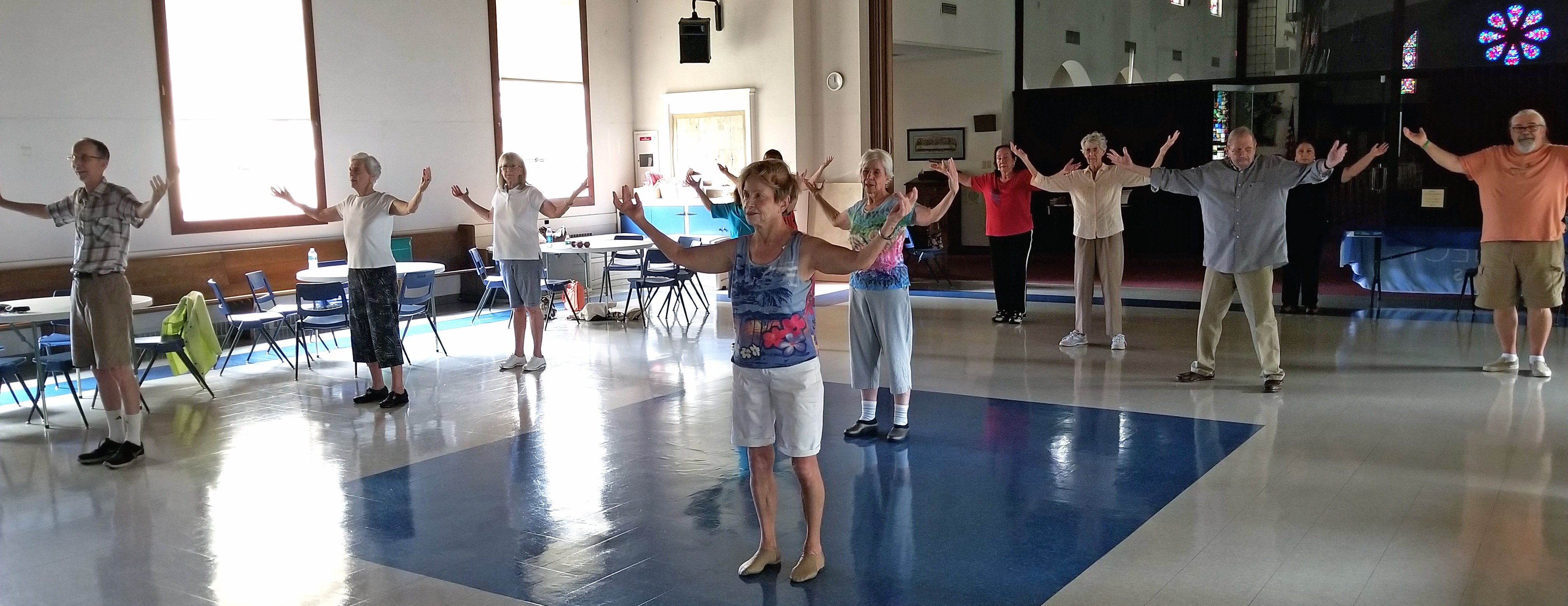
I teach and offer lectures about holistic health, physical fitness, stress management, human behavior, meditation, phytotherapy (herbs), music for healing, self-massage (acupressure), Daoyin (yoga), qigong, tai chi, and baguazhang.

Please contact me if you, your business, organization, or group, might be interested in hosting me to speak on a wide spectrum of topics relative to better health, fitness, and well-being.

I look forward to further sharing more of my message by partnering with hospitals, wellness centers, VA centers, schools on all levels, businesses, and individuals who see the value in building a stronger nation through building a healthier population.

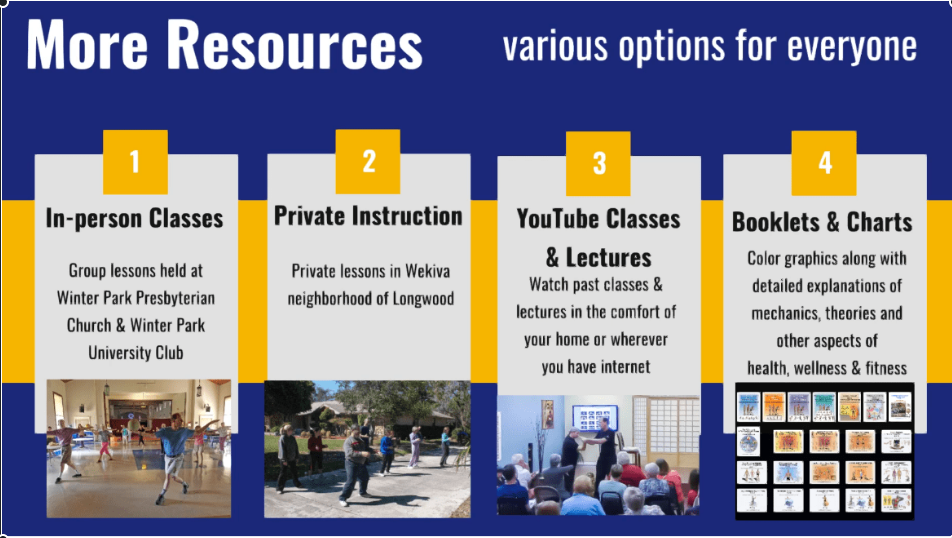
I also have hundreds of FREE education video classes, lectures, and seminars available on my YouTube channel at:

https://www.youtube.com/c/MindandBodyExercises

Many of my publications can be found on Amazon at:

http://www.Amazon.com/author/jimmoltzan

My holistic health blog is available at:

https://mindandbodyexercises.wordpress.com/

http://www.MindAndBodyExercises.com

Mind and Body Exercises on Google: https://posts.gle/aD47Qo

Jim Moltzan

407-234-0119

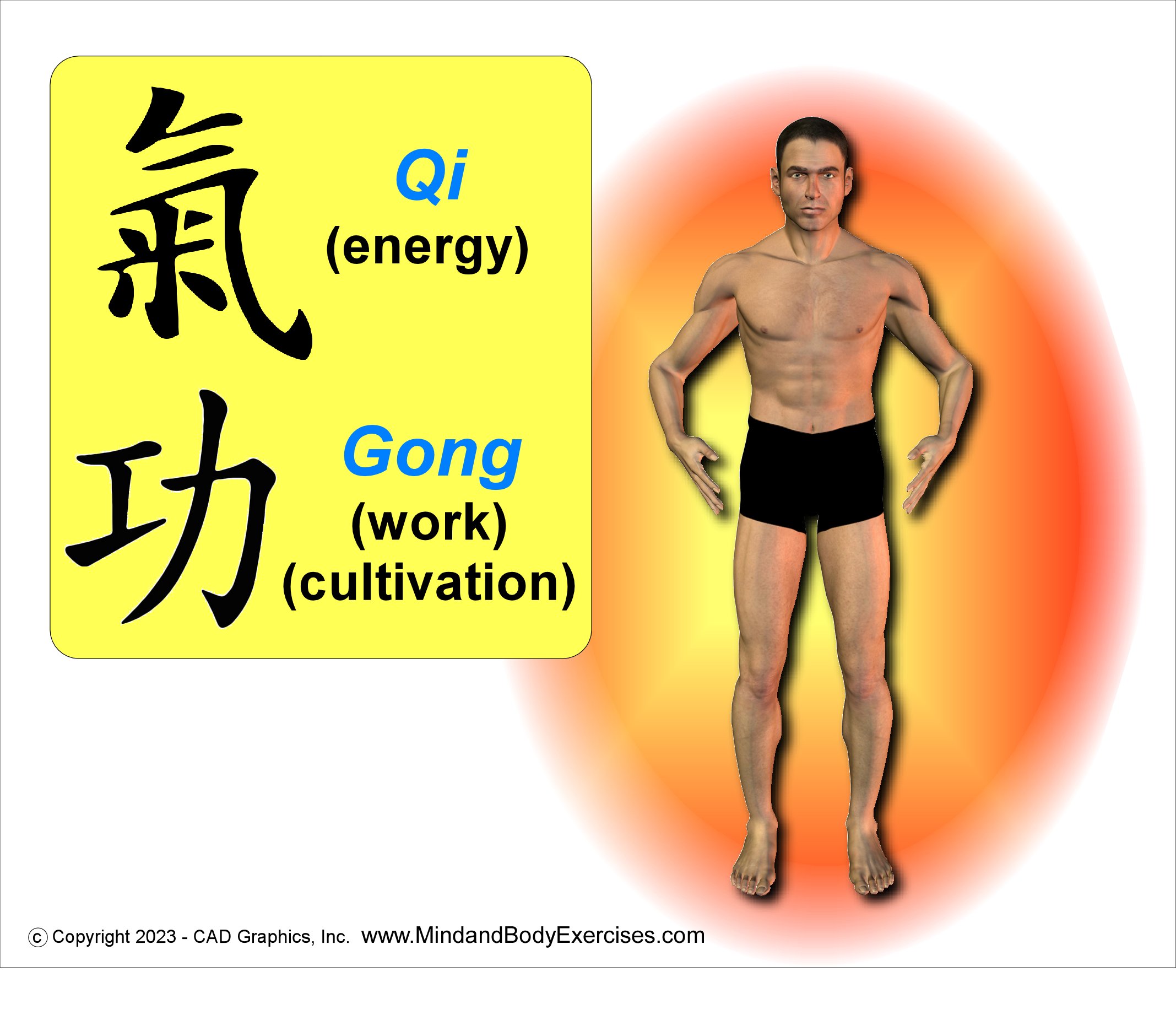
What is Qi, Chi or Ki?

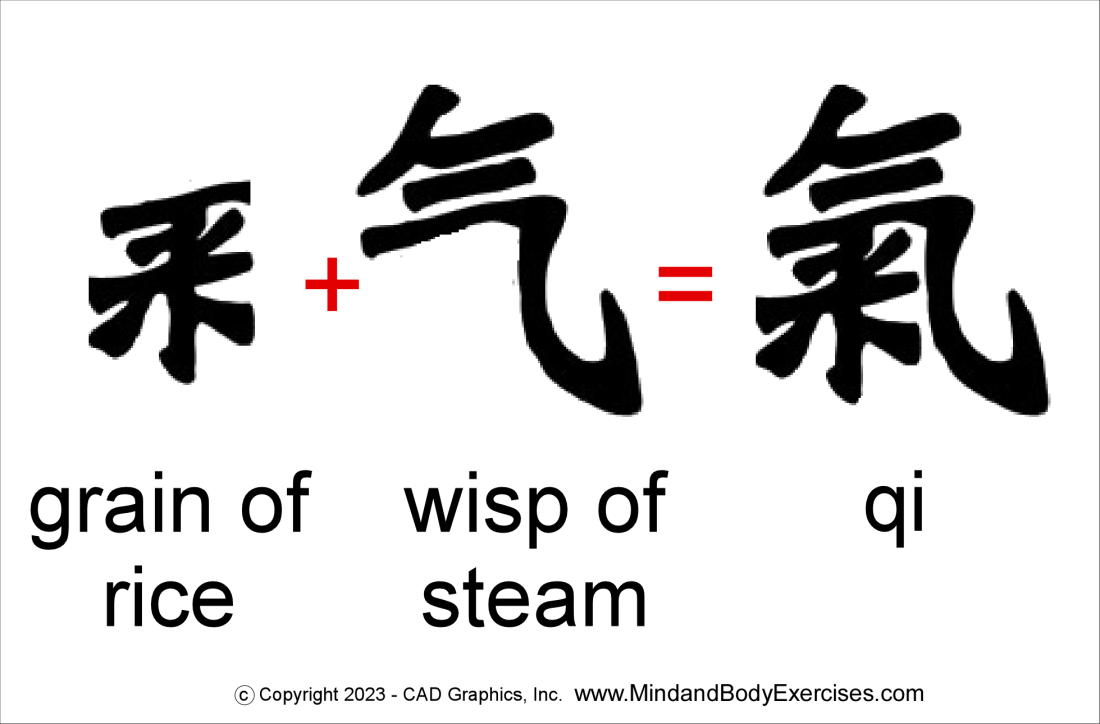
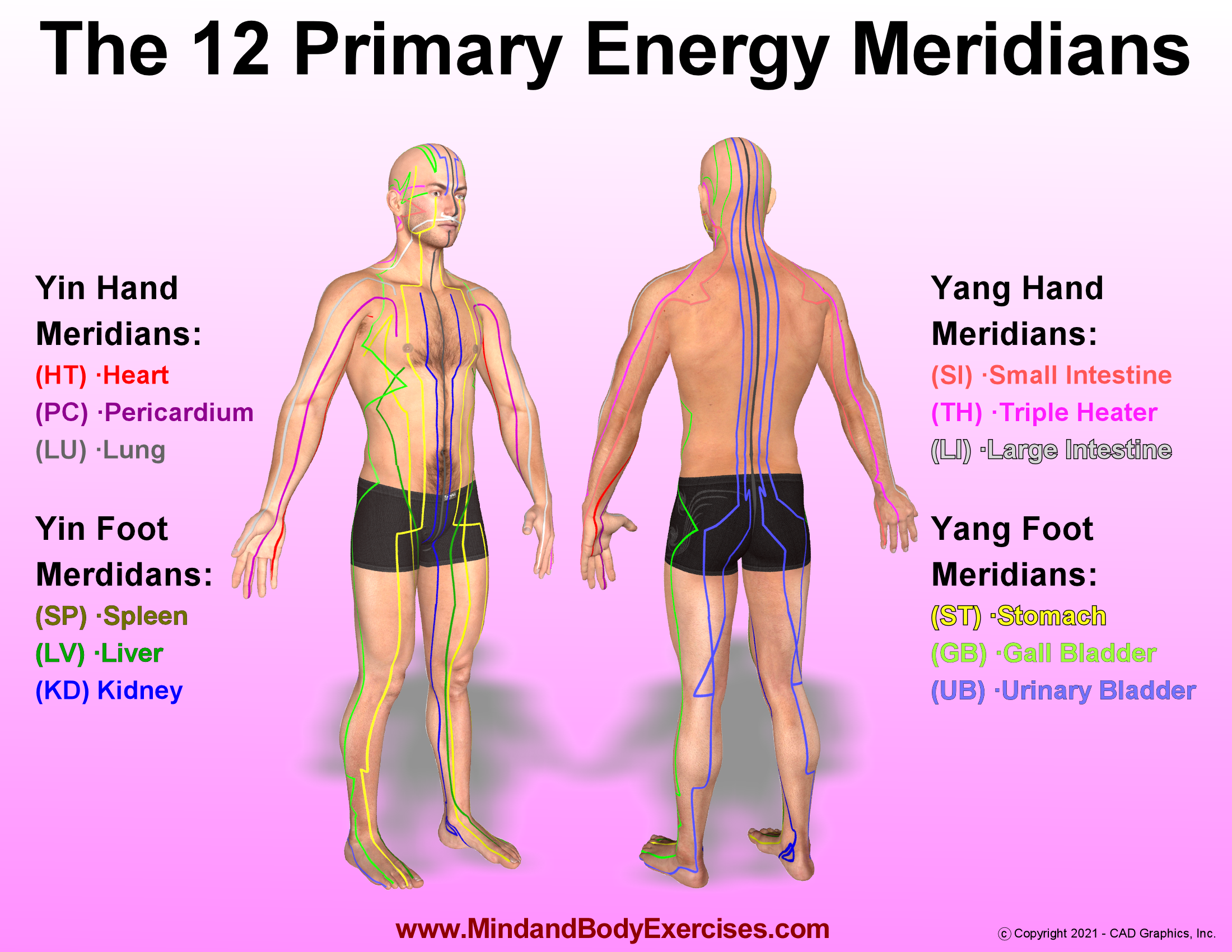
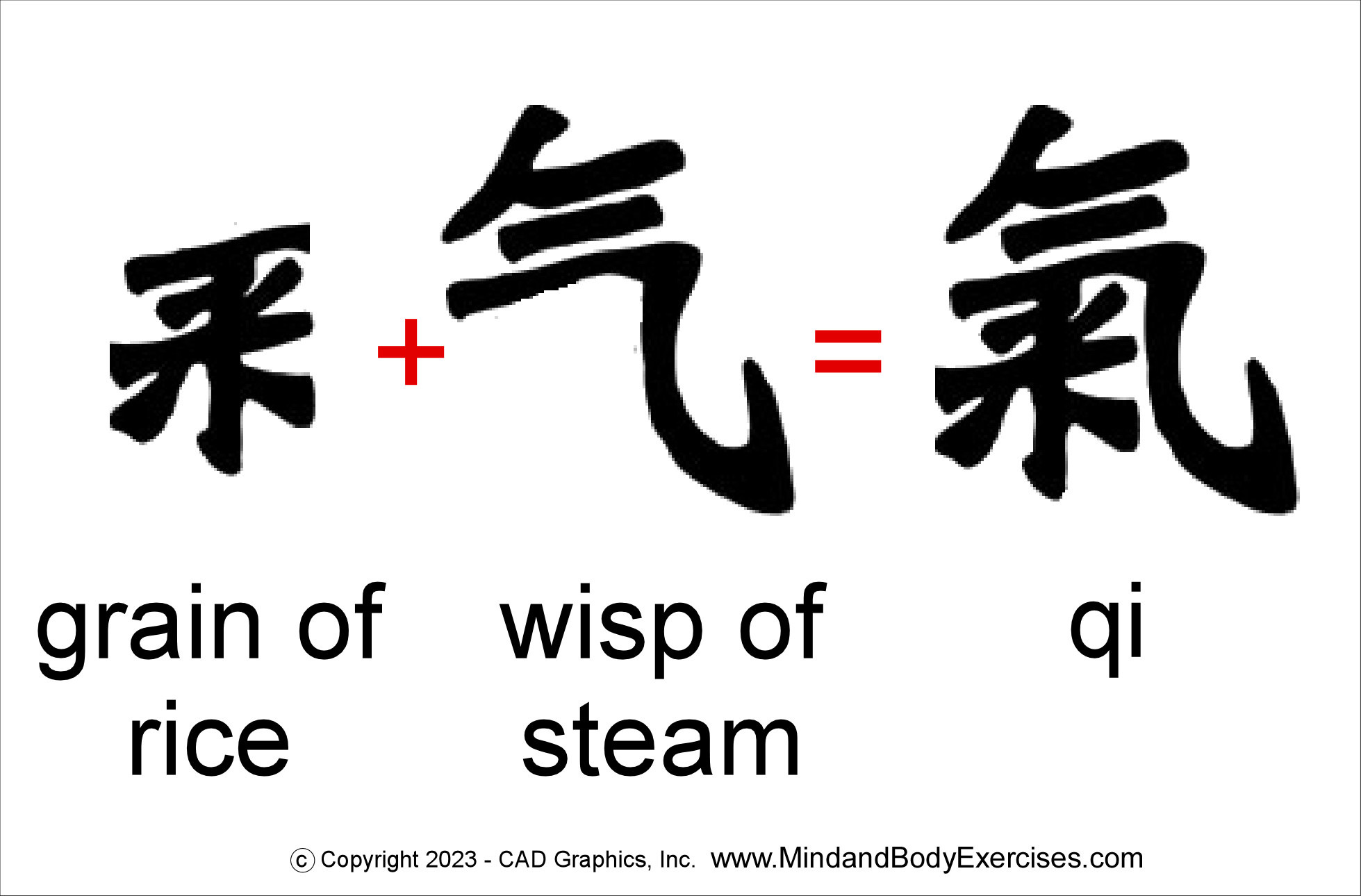
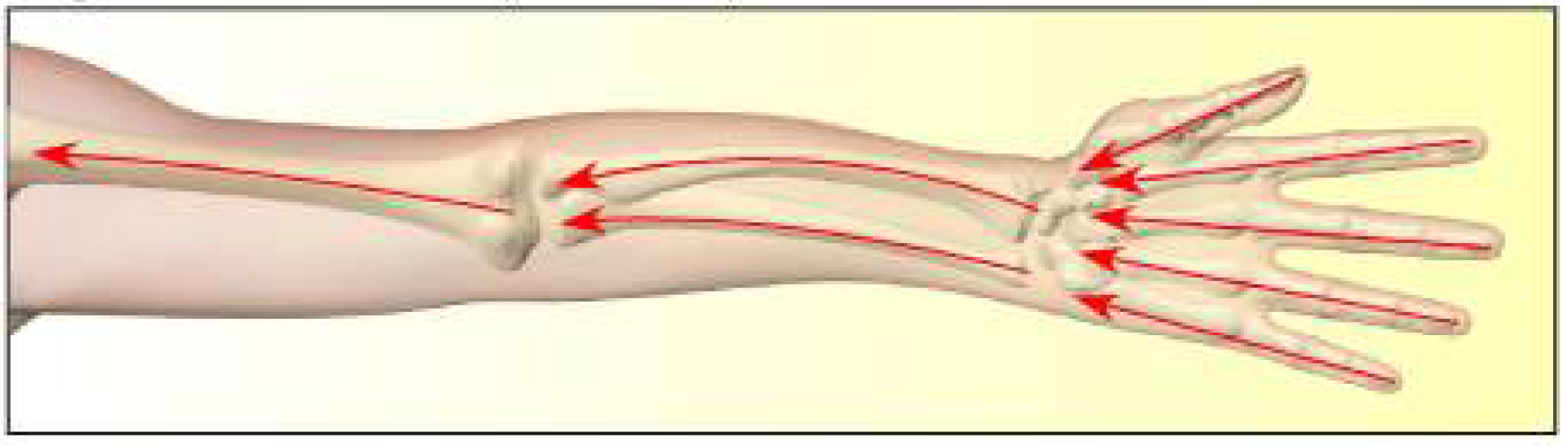
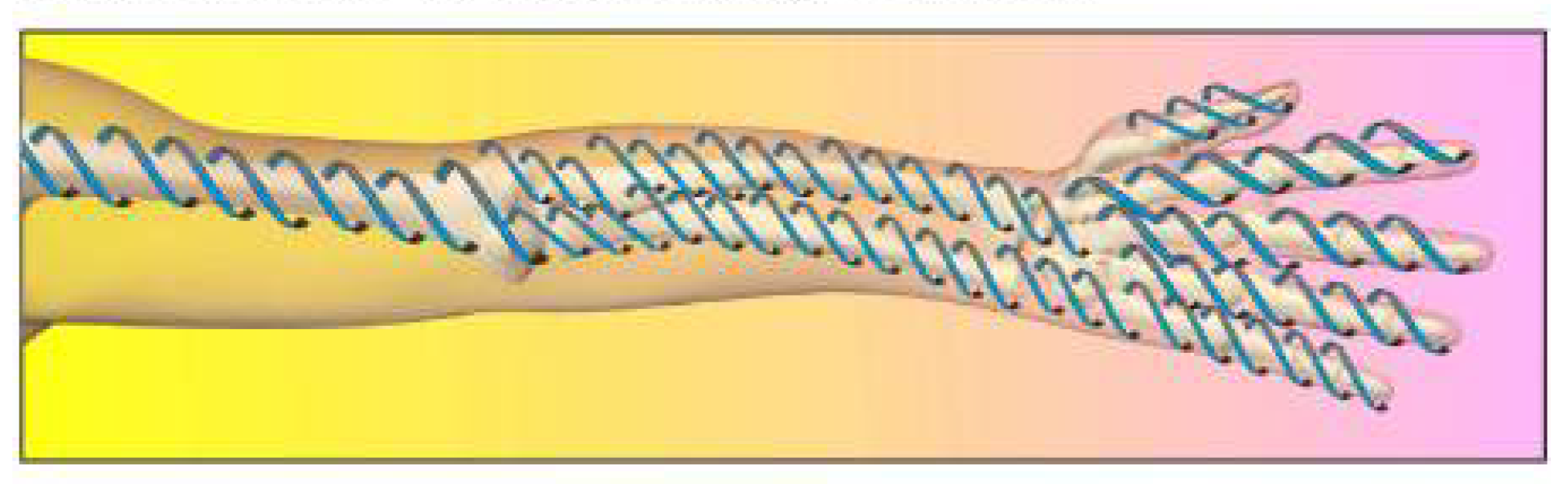
Chi or Qi (pronounced as “chee”) translates to mean “breath” in Chinese. Chi is the life energy that all living creatures require in order to exist. Different cultures call this energy, Ki (from Japanese), Gi (Korean) or Prana (Indian). Chi is a type of energy in the human body and circulates within the blood throughout. Chi flows in a specific pattern from the chest, down the front of the arms to the fingers. It then travels up the back of the arms to the head. The chi then travels down the back to the feet and back up the front of the body to the chest. It travels through meridians within the body that can be best described as something similar to the electrical lines on a printed circuit board. There are 12 main meridians and 8 extraordinary ones as well. There are points along these meridians that are known as “pressure points” or acupoints for acupressure and acupuncture.

Why is Chi important?

The amount of chi in one’s body and the quality of it determines whether an individual is generally healthy or prone to illness. There is a finite amount in our bodies and is gradually exhausted due to age and possible abuses. When it decreases so does the lifespan of the individual.

  • Prenatal chi comes from our parents.
  • Nutritional chi comes from the food we eat.
  • Air chi comes from the air we breathe.
  • Other types of chi are manifested from the previous three types to form others.

What types of chi are there?
Similar to how there can be many different types of plants for example, each having its own name and characteristics, there are various types of chi.

Prenatal, original or primary chi, are different names for the same type of chi that is inherited from the mother (and father) at the time of conception. At birth, the chi resides in and around the kidneys, eventually spreading throughout the rest of the organs and body. In order for the prenatal chi to be maintained, food, drink and air are required. Our health and quality of it are directly linked to the quality of these components. Even if someone’s prenatal chi is weak, it can still be properly nourished by proper diet, exercise and life style. Postnatal or nutritional chi and is derived from food and life style. Nutritional chi is responsible for producing the blood as well as providing the body with nourishment. Where the chi circulates, the blood will follow. The blood nourishes the chi; it is a synergistic relationship
just is yin and yang.

Pectoral or air chi is drawn into our lungs from the air we breathe. People lacking stamina, are known to be deficient in air chi. It enables the lungs to control respiratory functions and enables the heart to circulate blood, relying upon the arms and legs to circulate chi throughout the body.

Defensive or guardian chi (Wei Qi) circulates on the surface of the body, protecting it from outside influences and dangers. Originating from the food we eat, defensive chi is responsible for the operation of the skin’s pores, thereby regulating the body’s temperature and ability to provide moisture when needed.

Normal chi or Zangfu Zhi chi, is that which circulates through the organs.


Jing Luo Zhi chi is that which circulates through the meridians.

How do I keep what I have?
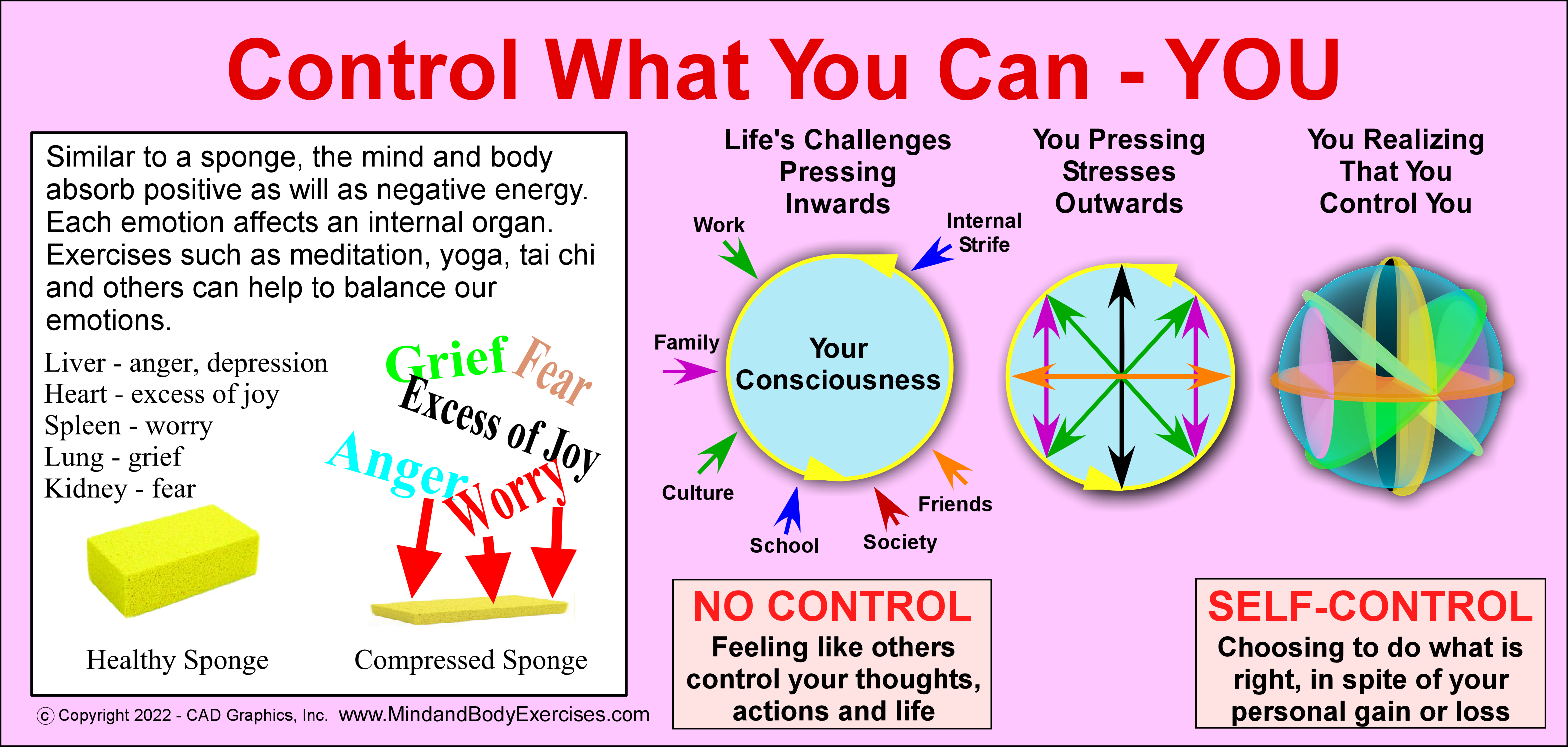
A proper balance of nutrition, exercise and a healthy lifestyle directly affect the quality and abundance of chi. Emotions and their balance or lack there of, affects the quality of an individual’s chi. The 7 emotions are Joy, Anger, Sadness, Grief, Pensiveness, Fear, and Fright. Energy (Chi) is regarded as one of the 3 Treasures or essential components of life, with essence (Jing) and spirit (Shen) being the other two. When energy, essence and spirit are in harmony with one another, the person finds himself or herself alert, healthy and vibrant. Or the opposite, if their treasures are in imbalance. If this harmonious flow is disrupted, illness occurs.

Can I get more?

  • Better quality food or herbs
  • Better quality of air we breathe
  • Deep breathing exercises such as Qigong
  • Other forms of internal martial arts training such as Tai Chi, Hsing Yi or BaguaZhang

What is Chi Kung, Qigong or Gi Gong?
Exercises originating in India and China, for enhancing or “cultivating” chi. The above names reflect different spellings for the same concept. Cultivate is an appropriate word because, as living things require nourishment and nurturing to grow, chi must be nourished and encouraged to develop.

How do these exercises work?
By regulating one’s breath and rhythm of it, an individual can begin to affect the parasympathetic nervous system which slows their heart rate, lowers the blood pressure, relieves muscle tension and consequently changes their body chemistry. This is basically the same state of being one achieves while sleeping and is when the body rests, heals and recharges its energy levels.

What are the benefits of practicing these types of exercises?

  • Increased energy
  • Relief from chronic illnesses
  • Increased self awareness
  • Expansion of one’s thought process
  • Spiritual awareness
  • Increased longevity
  • Better control of emotions
  • Provides a release of one’s internal chatter

Can Qigong exercises really cure serious diseases and ailments?
It is important to note that the claim of practicing chi kung to overcome illness and promote health is based on countless testimonials of practical cases spanning centuries. If someone is physically impaired, this affects his or her emotions and mental state. Consequently, someone’s emotions can easily affect their health, for better or worse. If our psychological and physiological systems function as they should, illness should not occur. Illness occurs when one or more of the body’s systems fail in their functions. The specialty of chi kung is to restore and enhance harmonious energy flow, thereby overcoming illness.


What is the difference between Qigong and Nei Dan (Nae Gung)?
Qigong is exercises focusing on increasing one’s energy by regulating their breath. Nei Dan is somewhat more advanced in that one uses their thought and awareness to guide and increase their energy throughout the spine and bones within the body.


Why pursue these methods?
The American Health Care Crisis might not be as such if all Americans assumed more personal responsibility for their own health. Many spend small fortunes on doctor visits, medication, chiropractic adjustments, massage therapy, acupuncture and other forms of health care and pain relief. Chi kung is relatively cheap to learn, takes little space and only minutes a day to reap the benefits. The only side effects are positive and it doesn’t require a prescription from your doctor.


I teach and offer lectures about holistic health, stress management, qigong, tai chi, baguazhang, and yoga.

I also have hundreds of FREE education video classes, lectures and seminars available on my YouTube channel at:

https://www.youtube.com/c/MindandBodyExercises

Mind and Body Exercises on Google: https://posts.gle/aD47Qo

Jim Moltzan

407-234-0119

Contact for times, locations and costs.

www.MindAndBodyExercises.com

www.Amazon.com/author/jimmoltzan

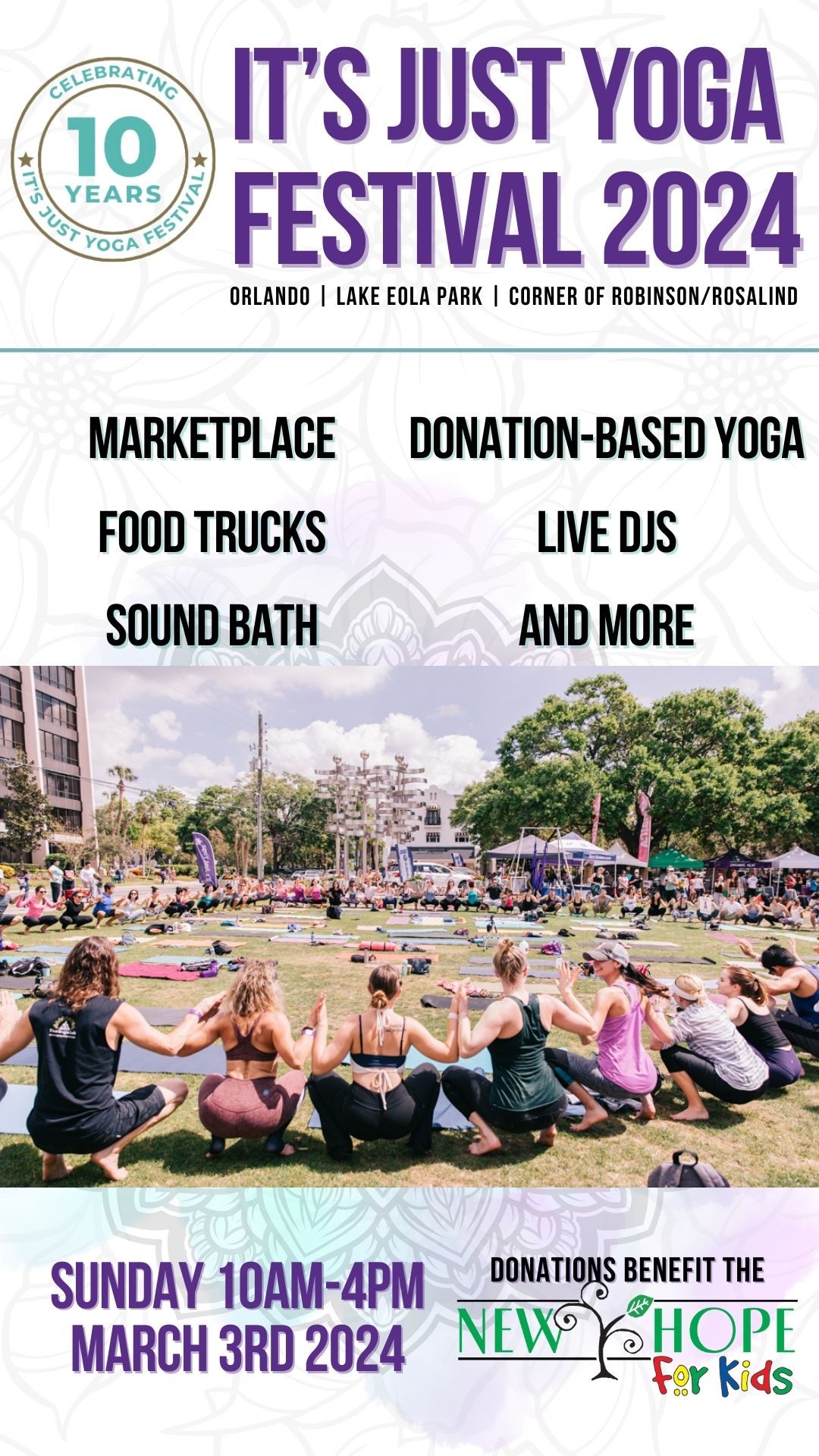
Come join me at the 2024 Yoga Festival!

I have a tent space rented from 10am-4pm at Lake Eola, near the bandshell. I will have many of my books, posters and herbal extracts (dit da jows) for purchase at a discount, for those who stop by. If you are not near Orlando or have no time, consider clicking some of my links below to see what type of education I am offering.

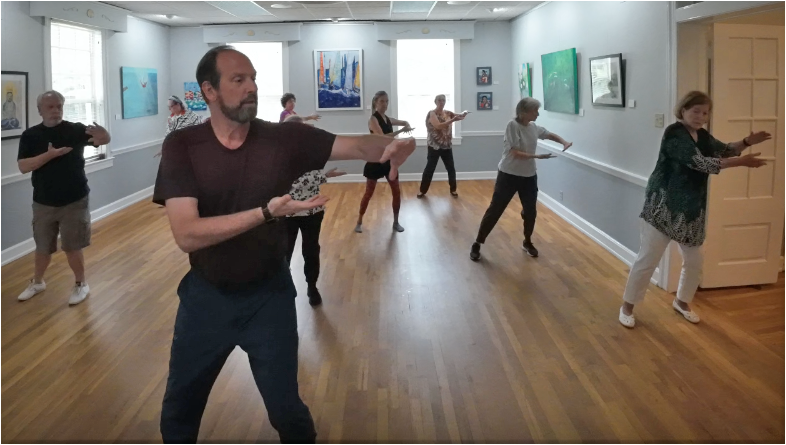
Many people don’t know that Tai chi is a type of qigong, which has roots in yoga. Tai chi is often referred to as “yoga in motion.”

___________

___________

___________

___________


I teach and offer lectures about holistic health, stress management, qigong, tai chi, baguazhang, and yoga.

I also have hundreds of FREE education video classes, lectures and seminars available on my YouTube channel at:

https://www.youtube.com/c/MindandBodyExercises

Mind and Body Exercises on Google: https://posts.gle/aD47Qo

Jim Moltzan

407-234-0119

Contact for times, locations and costs.

www.MindAndBodyExercises.com

www.Amazon.com/author/jimmoltzan