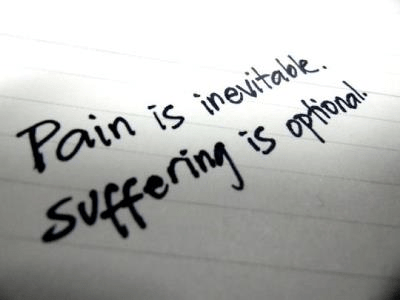
Pain vs. Suffering: Distinctions and Interconnections

Human existence inevitably involves experiences of both pain and suffering. While the two terms are often used interchangeably in casual language, they carry distinct meanings in psychological, philosophical, and medical discourse. Understanding their differences not only clarifies the nature of human distress but also provides insight into how individuals and societies can respond to these experiences more effectively.

Defining Pain

Pain is most often understood as a sensory and emotional experience associated with actual or potential tissue damage. The International Association for the Study of Pain (IASP) defines it as both a physical signal and an emotional perception (Raja et al., 2020). In this sense, pain functions as an alarm system of the body, signaling when something is wrong or when potential harm is imminent.

Pain manifests in various forms:

  • Acute pain, such as a sudden burn, fracture, or injury, is sharp, immediate, and often short-lived once the cause is addressed.
  • Chronic pain, on the other hand, persists over weeks, months, or even years, sometimes long after the initial injury has healed. Conditions such as arthritis, fibromyalgia, or nerve damage exemplify this enduring form (Turk & Okifuji, 2002).

Importantly, pain has a protective and adaptive function. It compels an individual to withdraw from harmful stimuli and to take measures that promote healing or survival. Without pain, humans would be at significant risk of unchecked injuries or illnesses.

Defining Suffering

Suffering, while related to pain, is a broader and more complex phenomenon. It encompasses not only physical discomfort but also emotional, psychological, social, and even spiritual distress. Unlike pain, which often has a specific biological cause, suffering can arise from a wide range of experiences: grief, loss of a loved one, existential crises, betrayal, disappointment, or psychological trauma (Cassell, 2004).

Suffering is therefore less about a direct signal from the nervous system and more about the interpretive and evaluative dimension of human experience. It involves meaning-making, identity, and a person’s worldview. For example, two individuals with identical physical injuries may experience different degrees of suffering depending on their emotional resilience, cultural background, or spiritual beliefs.

Pain as a Component of Suffering

Pain can certainly contribute to suffering, but it does not always equate to it. A person experiencing acute physical pain might endure it without deep emotional distress, especially if they perceive it as temporary or purposeful. Athletes, for instance, may push through significant physical pain during training, framing it as progress rather than hardship (Wiech, 2016).

Conversely, suffering can exist without overt physical pain. Psychological conditions such as depression, anxiety, or post-traumatic stress disorder illustrate how individuals may endure profound suffering without a corresponding physical injury (Kleinman, 2017). In these cases, suffering is rooted in thought patterns, emotional struggles, or existential despair.

Thus, pain can be considered a subset of suffering, but suffering extends beyond the purely physical to encompass the whole spectrum of human distress.
Cultural and Existential Dimensions

The distinction between pain and suffering has been explored not only in medicine and psychology but also in philosophy and spirituality. In many traditions, suffering is tied to existential questions about meaning and purpose. For example:

  • Buddhist philosophy identifies suffering (dukkha) as a central feature of existence, arising not merely from pain but from attachment, craving, and aversion (Rahula, 1974).
  • Western existential thought, such as Viktor Frankl’s logotherapy, emphasizes the role of meaning-making in shaping suffering. Frankl (1992) argued that while pain is unavoidable, suffering can be transformed if one finds meaning in it.
  • Medical ethics often distinguishes between the duty to treat pain and the broader challenge of alleviating suffering, particularly in palliative and end-of-life care (Ferrell & Coyle, 2018).

These perspectives underscore that suffering is as much about interpretation and context as it is about physical sensation.

Psychological Responses and Coping

Another way to distinguish pain and suffering is through the human response to each. Pain typically elicits reflexive responses of withdrawal, medication, or medical treatment aimed at reducing the sensation. Suffering, however, often requires more nuanced interventions such as counseling, support networks, mindfulness, or spiritual practices.

Psychologists note that suffering is amplified by cognitive and emotional factors such as fear, helplessness, or catastrophic thinking. For instance, chronic pain patients who interpret their pain as a sign of irreversible decline may suffer more intensely than those who frame it as a challenge that can be managed (Garland et al., 2019). In this way, suffering is not simply a passive condition, but an active process shaped by interpretation, resilience, and meaning-making.

Toward an Integrated Understanding

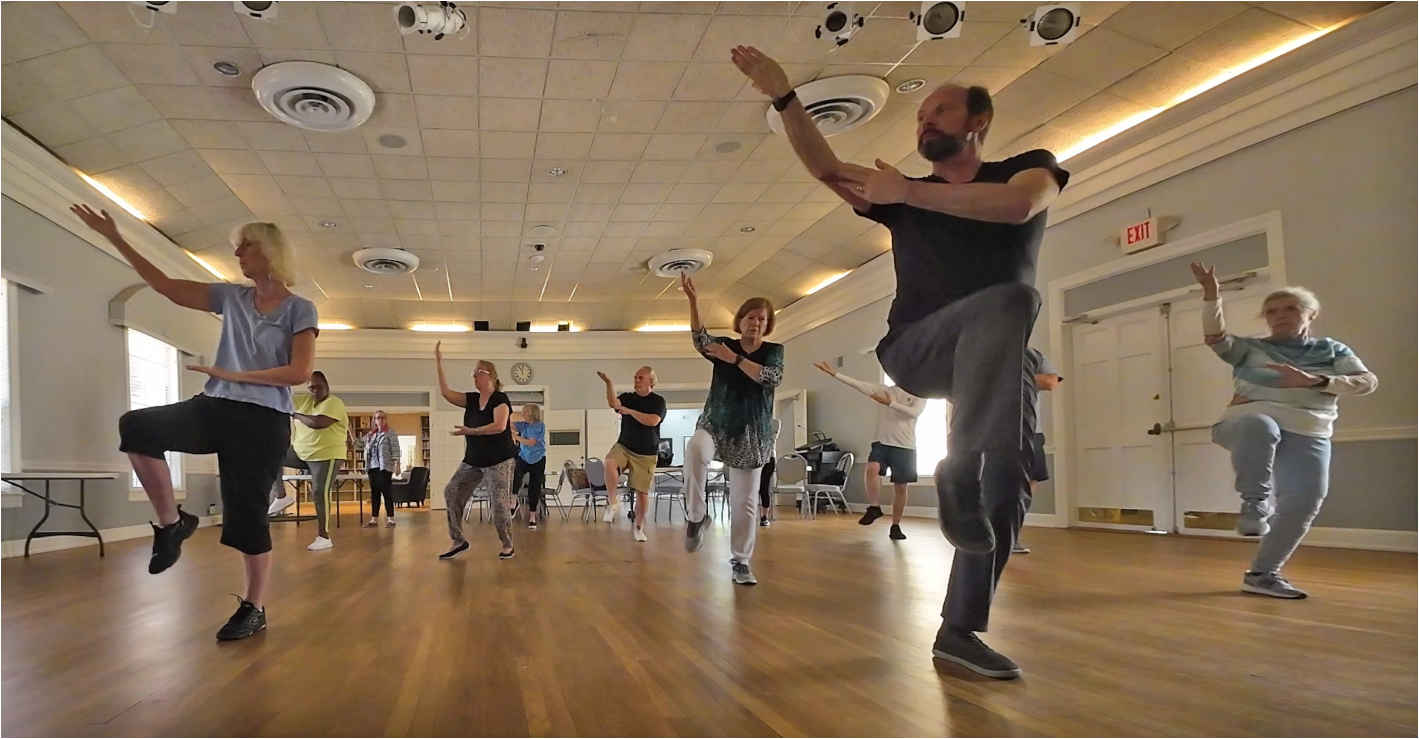
Understanding the difference between pain and suffering allows for more compassionate and comprehensive approaches to human well-being. Medicine can treat pain with analgesics, surgery, or physical therapy, but addressing suffering requires a broader, more holistic perspective. Interventions may include psychological counseling, social support, spiritual care, or practices such as meditation, Tai Chi, or Qigong that engage the body, mind, and spirit.

This distinction also empowers individuals. Recognizing that suffering is not merely the sum of physical pain but also involves interpretation and meaning provides opportunities for growth, resilience, and transformation. While pain is often unavoidable, suffering can sometimes be reframed, reduced, or even transcended.

Conclusion

In sum, pain and suffering are related but not synonymous. Pain is primarily a sensory and emotional signal tied to actual or potential bodily harm, serving a protective biological function. Suffering, by contrast, is a broader human experience that encompasses not only physical pain but also emotional, psychological, social, and existential dimensions. Pain is often a contributor to suffering, but suffering can exist independently of physical pain.

By distinguishing these concepts, individuals and practitioners alike can better understand the complexity of human distress and identify strategies to address both the body’s signals and the mind’s interpretations. In doing so, the possibility emerges not only to relieve immediate discomfort but also to cultivate resilience, wisdom, and compassion in the face of life’s inevitable challenges.

References

Cassell, E. J. (2004). The nature of suffering and the goals of medicine. https://doi.org/10.1093/acprof:oso/9780195156164.001.0001

Ferrell, B. R., & Coyle, N. (2018). Oxford textbook of palliative nursing (5th ed.). Oxford University Press. https://academic.oup.com/book/31742

Frankl, V. E. (1992). Man’s search for meaning [Personal narratives]. In Ilse Lasch (Trans.), Man’s Search for Meaning (Fourth). Beacon Press. https://antilogicalism.com/wp-content/uploads/2017/07/mans-search-for-meaning.pdf

Garland, E. L., Hanley, A. W., Riquino, M. R., Reese, S. E., Baker, A. K., Salas, K., Yack, B. P., Bedford, C. E., Bryan, M. A., Atchley, R., Nakamura, Y., Froeliger, B., & Howard, M. O. (2019). Mindfulness-oriented recovery enhancement reduces opioid misuse risk via analgesic and positive psychological mechanisms: A randomized controlled trial. Journal of Consulting and Clinical Psychology, 87(10), 927–940. https://doi.org/10.1037/ccp0000390

Kleinman, A. (2017). The illness narratives: suffering, healing, and the human condition. Academic Medicine, 92(10), 1406. https://doi.org/10.1097/acm.0000000000001864

Rahula, W. (1974). What the Buddha taught. Grove Press. https://archive.org/details/whatbuddhataught00walp

Raja, S. N., Carr, D. B., Cohen, M., Finnerup, N. B., Flor, H., Gibson, S., Keefe, F. J., Mogil, J. S., Ringkamp, M., Sluka, K. A., Song, X. J., Stevens, B., Sullivan, M. D., Tutelman, P. R., Ushida, T., & Vader, K. (2020). The revised International Association for the Study of Pain definition of pain: Concepts, challenges, and compromises. Pain, 161(9), 1976–1982. https://doi.org/10.1097/j.pain.0000000000001939

Turk, D. C., & Okifuji, A. (2002). Psychological factors in chronic pain: Evolution and revolution. Journal of Consulting and Clinical Psychology, 70(3), 678–690. https://doi.org/10.1037/0022-006x.70.3.678urk, D. C., & Okifuji, A. (2022). Psychological factors in chronic pain: Evolution and revolution. Journal of Pain, 23(4), 387–404. https://doi.org/10.1016/j.jpain.2021.07.007

Wiech, K. (2016). Deconstructing the sensation of pain: The influence of cognitive processes on pain perception. Science, 354(6312), 584–587. https://doi.org/10.1126/science.aaf8934

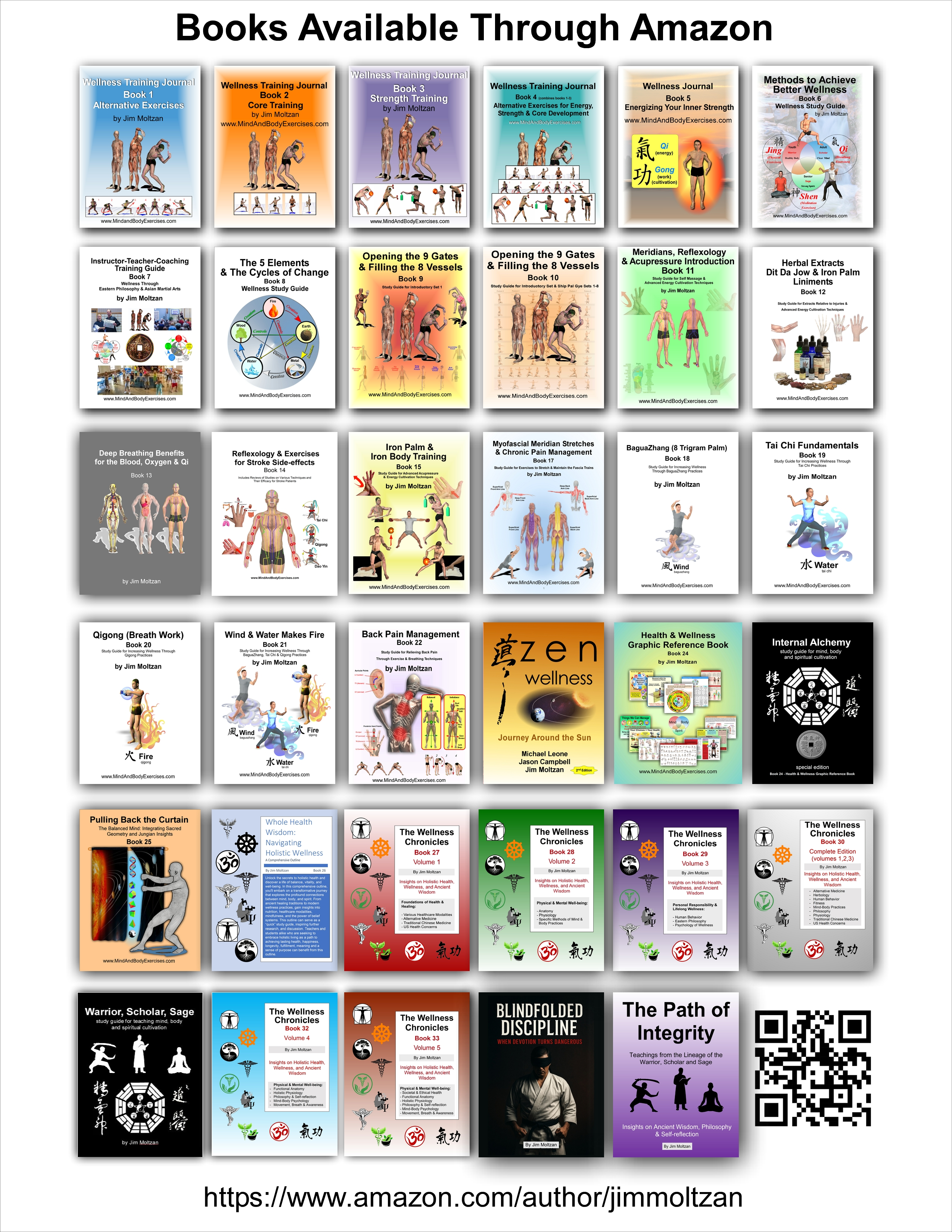
The Path of Integrity

Introducing a new book by Jim Moltzan

At its heart, The Path of Integrity is both a philosophical treatise and a psychological guide. A rare combination that bridges ancient wisdom traditions with contemporary understandings of human growth, resilience, and meaning-making.

From a psychological perspective, the manuscript reflects a humanistic foundation, echoing thinkers like Carl Rogers and Abraham Maslow in its focus on authenticity, self-knowledge, and the pursuit of a life aligned with core values. The text moves beyond prescriptive “self-help” to address the deeper internal architecture of the self in the mind, body, spirit, and relational being and how each must be cultivated in balance.

The book also engages with existential psychology, confronting questions of purpose, mortality, and moral responsibility. By drawing parallels between the “Path of Integrity” and the “Way of Dissonance,” it frames life as a series of choices that either bring us into alignment with our highest potential or lead us away from it. This dichotomy functions as a form of cognitive re-framing, helping readers see their daily decisions in a broader, values-driven context.

Importantly, the manuscript explores post-traumatic growth, not as an abstract theory but as a lived reality. It acknowledges that adversity, when met with awareness and intention, can deepen resilience, empathy, and wisdom. This theme is woven throughout personal reflections, martial philosophy, and spiritual principles to create a layered and authentic approach to transformation.

The emphasis on discipline, self-awareness, and service aligns closely with self-determination theory, which holds that autonomy, competence, and relatedness are essential to psychological well-being. The book’s integration of martial arts principles, such as inner guarding, patience, and strategic action, translates these abstract needs into concrete practices.

The style is psycho-educational, offering not only insight but also practical steps, from developing mental clarity and setting energetic boundaries to cultivating stillness as a tool for decision-making. This pedagogical approach makes it equally relevant to martial artists, spiritual seekers, and those navigating the complexities of modern life.

Psychologically, The Path of Integrity stands out because it addresses both the inner terrain (belief systems, emotional regulation, moral reasoning) and the outer application (relationships, teaching, leadership, legacy). This dual focus ensures that readers do not merely reflect but act, integrating new perspectives into daily living.

Ultimately, the book’s psychological message is clear. Integrity is not an abstract ideal. It is a lived state of alignment that requires ongoing attention, honest self-evaluation, and the courage to choose what is right over what is easy. By walking this path, we move beyond survival into a life of grounded purpose, resilience, and contribution.

The Path to Integrity is available at Amazon at: https://a.co/d/bgm7U2t

Media Hysteria vs. Medical Reality: The Overlooked Crisis of Iatrogenic Injuries

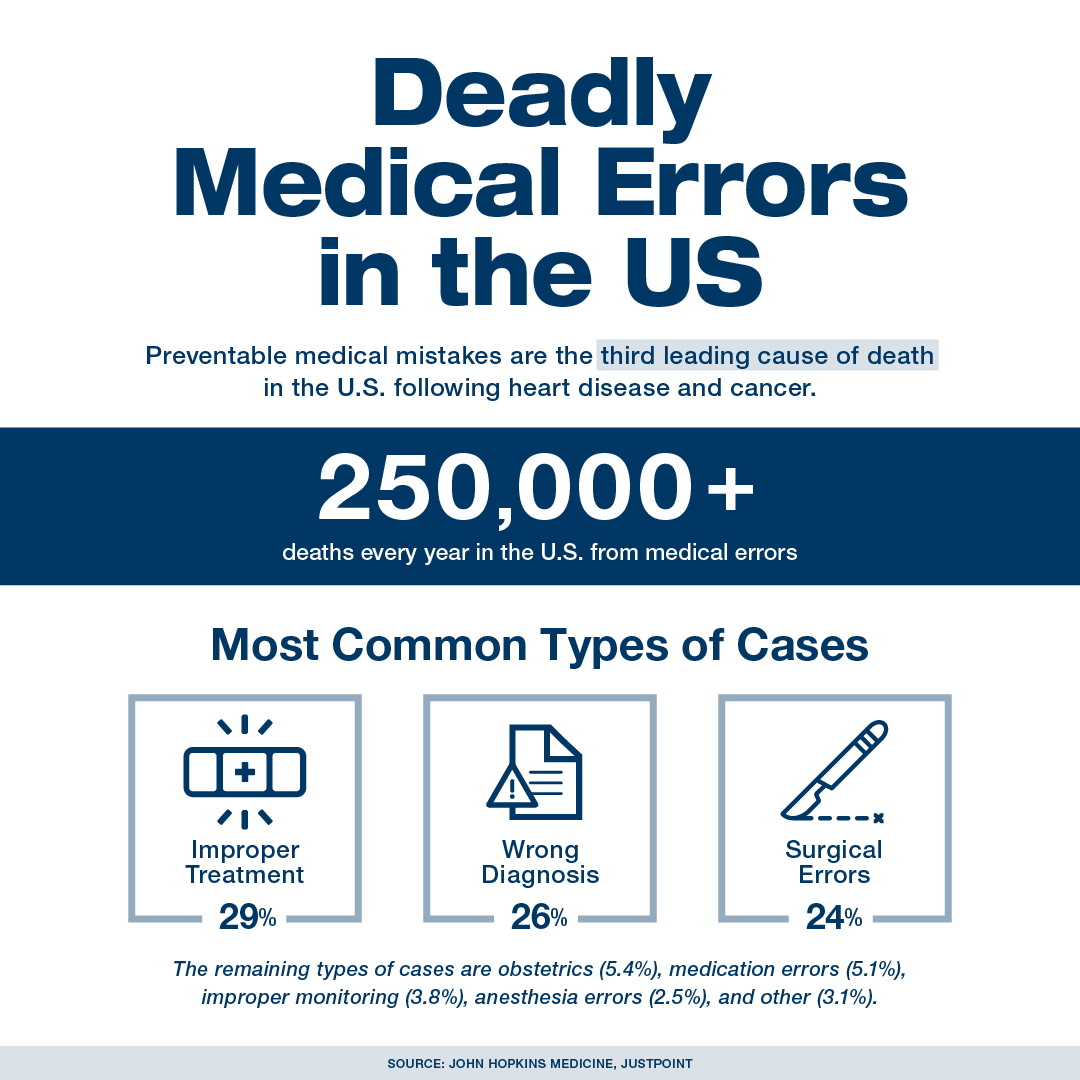
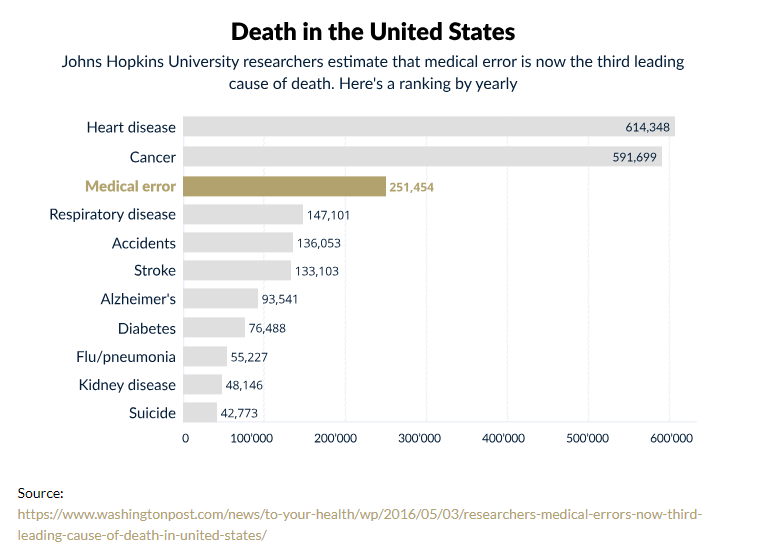
Public health discussions often concentrate on contagious diseases such as measles, especially in light of recent outbreaks. In early 2025, the passing of a 6-year-old girl in Seminole, Texas, represented the first measles-related death in the United States in a decade (Bartlett, 2025). This event rekindled debates concerning vaccination and disease prevention strategies. Nonetheless, the significant focus on measles, despite its relatively low mortality rate, starkly contrasts with the limited dialogue surrounding iatrogenic injuries, which result in a substantial number of roughly 250,000 fatalities each year.

The Scope of the Issue: Measles vs. Iatrogenic Injuries

Measles: A Preventable Yet Overemphasized Disease

Measles, a highly contagious viral disease, was declared eliminated in the U.S. in 2000 but has resurfaced in communities with low vaccination rates. The recent Texas case highlighted the risks associated with vaccine hesitancy (Bartlett, 2025). Allopathic medical professionals consider measles preventable through the MMR (Measles, Mumps, and Rubella) vaccine, which is reported as 97% effective with two doses (CDC, 2025). However, concerns over vaccine safety and accountability persist. In 1986, Congress and President Reagan enacted the National Childhood Vaccine Injury Act (NCVIA), which created a system for compensating individuals harmed by vaccines while granting pharmaceutical companies immunity from lawsuits related to vaccine injuries. This legislation has led to debates about vaccine mandates, corporate accountability, and public trust in immunization programs. Many feel that if the vaccines are safe and effective, why should a multi-billion dollar industry not be held accountable for their products?

Iatrogenic Injuries: A Silent Epidemic

  • 12,000 from unnecessary surgery
  • 7,000 from medication errors in hospitals
  • 20,000 from other hospital errors
  • 80,000 from hospital-acquired infections
  • 106,000 from adverse drug effects when taken as prescribed (Starfield, 2000).

Despite these alarming figures, public awareness and policy efforts remain disproportionately low compared to diseases like measles.

Why the Disparity in Media and Political Attention?

1. Media Sensationalism and Public Perception

Media outlets prioritize stories that generate fear and engagement. “If it bleeds, it leads” has been a media mission statement for decades. Measles outbreaks with their visible symptoms and high contagion make for dramatic headlines, while iatrogenic injuries occur behind hospital doors, lacking visual appeal for mass media (Bartlett, 2025).

2. Political and Public Health Priorities

Governments focus on highly contagious diseases like measles because they can cause widespread outbreaks. Vaccination campaigns offer a clear solution (WHO, 2024), whereas fixing medical errors needs systemic healthcare reforms, which are less appealing politically.

3. Institutional Interests and Liability

Acknowledging the extent of iatrogenic injuries necessitates systemic accountability from hospitals, pharmaceutical companies, and regulatory agencies, potentially resulting in legal implications and diminished public trust. Conversely, messaging regarding measles often supports pharmaceutical and public health objectives by promoting vaccination initiatives (WHO, 2024).

4. Public vs. Private Accountability

Measles outbreaks are often presented as a matter of public responsibility, with an emphasis on vaccine compliance. Conversely, iatrogenic injuries tend to be regarded as individual incidents rather than indicative of systemic issues, thus enabling healthcare institutions to evade thorough scrutiny (James, 2013).

5. Psychological Bias and Fear Appeal

Individuals tend to exhibit greater fear towards external, unpredictable threats, such as infectious diseases, compared to systemic risks, including medical errors. When measles is presented as an imminent crisis, it triggers a heightened fear response. In contrast, despite their significant impact, medical errors are frequently understated (Slovic, 2000).

The Need for a Balanced Approach

While any death is unfortunate, addressing measles outbreaks is vital. However, the focus on these outbreaks compared to iatrogenic injuries highlights an imbalance in public health priorities. Increasing transparency, implementing patient safety protocols, and facilitating discussions about medical errors are essential to reduce deaths and restore confidence in the US healthcare system.

The significant number of fatalities resulting from iatrogenic injuries highlights the critical need for enhanced patient safety protocols. A robust healthcare strategy must encompass both external health threats and internal systemic deficiencies to ensure better protection of patients’ lives.

References

Bartlett, T. (2025, March 11). His daughter was America’s first measles death in a decade. The Atlantic. https://www.theatlantic.com/health/archive/2025/03/texas-measles-outbreak-death-family/681985/

Centers for Disease Control and Prevention (CDC). (2025, March 7). Measles cases and outbreaks. https://www.cdc.gov/measles/data-research/index.html

H.R.5546 – 99th Congress (1985-1986): National Childhood Vaccine Injury Act of 1986. (n.d.). Congress.gov | Library of Congress. https://www.congress.gov/bill/99th-congress/house-bill/5546

James, J. T. (2013). A new, evidence-based estimate of patient harms associated with hospital care. Journal of Patient Safety, 9(3), 122-128. https://doi.org/10.1097/PTS.0b013e3182948a69

Makary, M. A., & Daniel, M. (2016). Medical error—the third leading cause of death in the US. BMJ, 353, i2139. https://doi.org/10.1136/bmj.i2139

Starfield, B. (2000). Is US health really the best in the world? JAMA, 284(4), 483-485. https://doi.org/10.1001/jama.284.4.483

Slovic, P. (2000). The perception of risk. Earthscan Publications.

World Health Organization (WHO). (2024, November 14). Measles fact sheet. https://www.who.int/news-room/fact-sheets/detail/measles

I look forward to further sharing more of my message by partnering with hospitals, wellness centers, VA centers, schools on all levels, businesses, and individuals who see the value in building a stronger nation through building a healthier population.

I also have hundreds of FREE education video classes, lectures, and seminars available on my YouTube channel at:

https://www.youtube.com/c/MindandBodyExercises

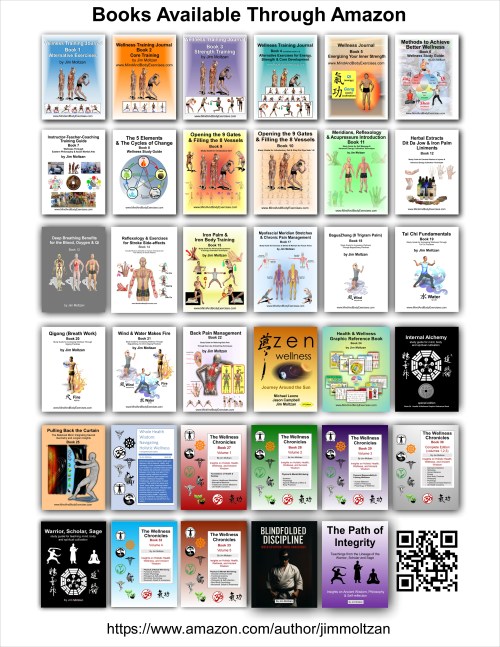
Many of my publications can be found on Amazon at:

http://www.Amazon.com/author/jimmoltzan

My holistic health blog is available at:

https://mindandbodyexercises.wordpress.com/

http://www.MindAndBodyExercises.com

Mind and Body Exercises on Google: https://posts.gle/aD47Qo

Jim Moltzan

407-234-0119

Is Gratitude and Appreciation Outdated?

The Good Book says it’s better to give than to receive
I do my best to do my part
Nothin’ in my pockets, I got nothin’ up my sleeve
I keep my magic in my heart
Keep up your spirit, keep up your faith, baby
I am counting on you
You know what you’ve got to do

(Triumph – 80’s rock band)

What is up with more recent generations, who often don’t say thank you or express appreciation for others’ paying bills, buying groceries, preparing meals, dining out, creating education opportunities, and many other instances where in the past, people did so? Has this been the new norm for a while now and I just missed the memo? Maybe the email got lost in my AOL spam folder. Perhaps I am behind the times.

I think that my observation touches on a fascinating dynamic: gratitude as a social and cultural norm seems to have diluted over generations, influenced by shifts in our values, communication styles, and societal structures. In the past, gratitude wasn’t just a taught virtue. Expression of gratitude often had real tangible stakes, such as maintaining social connections, securing resources, or avoiding ostracization. A lack of a call thanking an older relative for a birthday or graduation gift would consequently cease future generosities. The pendulum now seems to have swung, with younger generations often less in sync with older generations as to the importance of explicit expressions of gratitude, especially in personal and financial matters.

For example, take the following scenario with a person choosing to treat a small group to an expensive fine dining experience. The younger participants freely order appetizers, entrees, and alcohol without regard for cost or acknowledgment that there may be a budget. At the end of the meal, all comment on how good the meal was, and then go on their separate ways. Another instance may be where an aging grandparent distributes their wealth before their passing but receives little appreciation nor thanks for the efforts that might greatly influence the beneficiaries’ futures. This behavior might stem from several interconnected factors:

Why This Happens

  1. Changing Norms and Expectations
    • In the past, gratitude was tied to survival and societal belonging. Today, individualism and a sense of entitlement may inadvertently reduce the perceived need to express thanks.
    • Younger generations might see expressions of generosity as routine, expected or transactional, especially if they’ve grown up with parents or elders providing without clear expectations of acknowledgment.
  2. Generational Blind Spots
    • Many in their young adulthood haven’t had to manage substantial expenses themselves. Without the firsthand experience of the time and effort required to afford luxuries, they might not fully grasp the significance of such gestures.
    • Digital communication norms have shifted the way gratitude is expressed, with younger people often favoring indirect methods over explicit verbal thanks, such as via texting emojis or likes.
  3. Social and Economic Pressures
    • With stressors like social issues, economic uncertainty, college costs, and other debt, younger people may unconsciously prioritize their immediate pleasure over reflecting on the bigger picture of generosity and sacrifice.

Addressing the Issue

If someone cares to bridge this gap constructively, here are some strategies:

  1. Be the Example and Model by Discussing Gratitude
    • Share how you learned the value of expressing thanks and why it’s meaningful. For example, one might say, “When I was younger, I eventually realized how important it was to show my appreciation, not just out of politeness, but because it helps to build and strengthen relationships.”
    • Express your own gratitude openly, as this sets an example for others. For example, one could acknowledge the chef or server during the dining experience, demonstrating the power of recognition.
  2. Gently Raise Awareness
    • Reflect on the experience with them afterward. For instance: “I really enjoyed treating everyone to dinner, it was quite a special occasion for me. I hope you all felt the same way.”
    • If you can find it appropriate, bring up the idea of cost in a non-confrontational way, such as: “Fine dining is a real treat. It made me think about how much time and effort goes into making something like that possible and memorable.”
  3. Set Expectations Going Forward
    • For similar future outings, one could propose some light boundaries or discussions about the value of shared experiences. For example, “Let’s keep it simple and focus on enjoying the moment. Feel free to order what you’d like, but keep in mind that we’re here to share a meaningful time together.”

Big Picture

While it might feel disheartening in the moment, remember that younger generations often do appreciate acts of kindness but might lack the social tools or awareness to express it in a way that others may recognize. By modeling, discussing, and gently guiding, you can help foster an understanding of gratitude that feels authentic to both parties, ensuring these experiences are both enjoyable and meaningful.

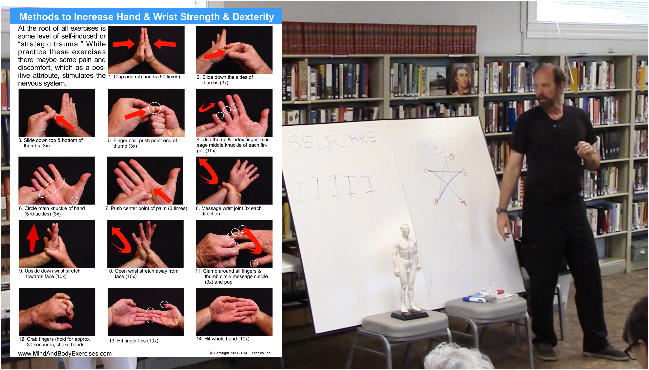
I teach and offer lectures about holistic health, physical fitness, stress management, human behavior, meditation, phytotherapy (herbs), music for healing, self-massage (acupressure), Daoyin (yoga), qigong, tai chi, and baguazhang.

Please contact me if you, your business, organization, or group, might be interested in hosting me to speak on a wide spectrum of topics relative to better health, fitness, and well-being.

I look forward to further sharing more of my message by partnering with hospitals, wellness centers, VA centers, schools on all levels, businesses, and individuals who see the value in building a stronger nation through building a healthier population.

I also have hundreds of FREE education video classes, lectures, and seminars available on my YouTube channel at:

https://www.youtube.com/c/MindandBodyExercises

Many of my publications can be found on Amazon at:

http://www.Amazon.com/author/jimmoltzan

My holistic health blog is available at:

https://mindandbodyexercises.wordpress.com/

http://www.MindAndBodyExercises.com

Mind and Body Exercises on Google: https://posts.gle/aD47Qo

Jim Moltzan

407-234-0119

Health and Wellness Issues Have Worsened in Recent Decades

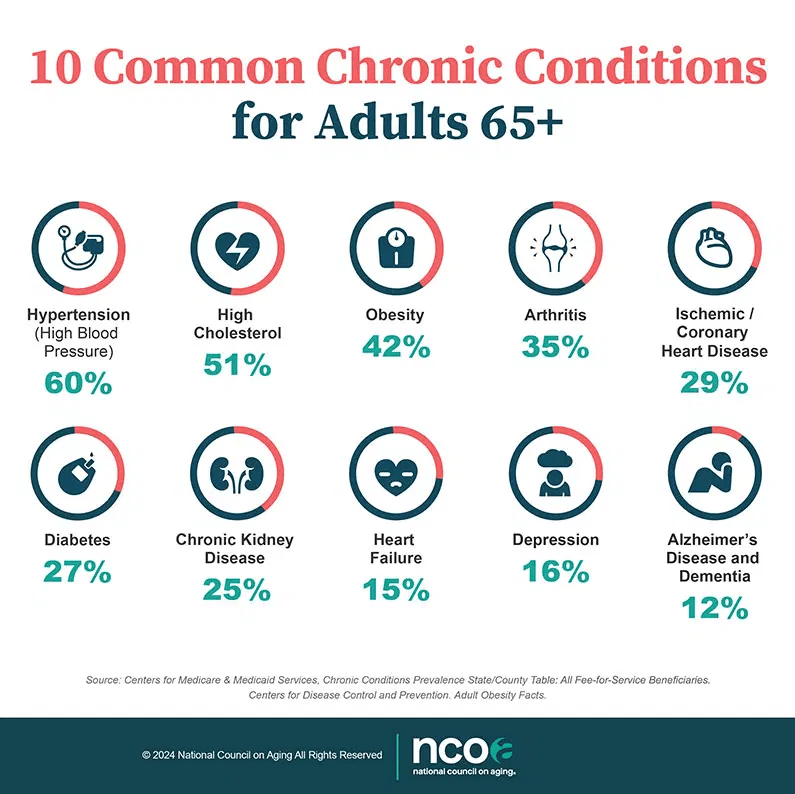
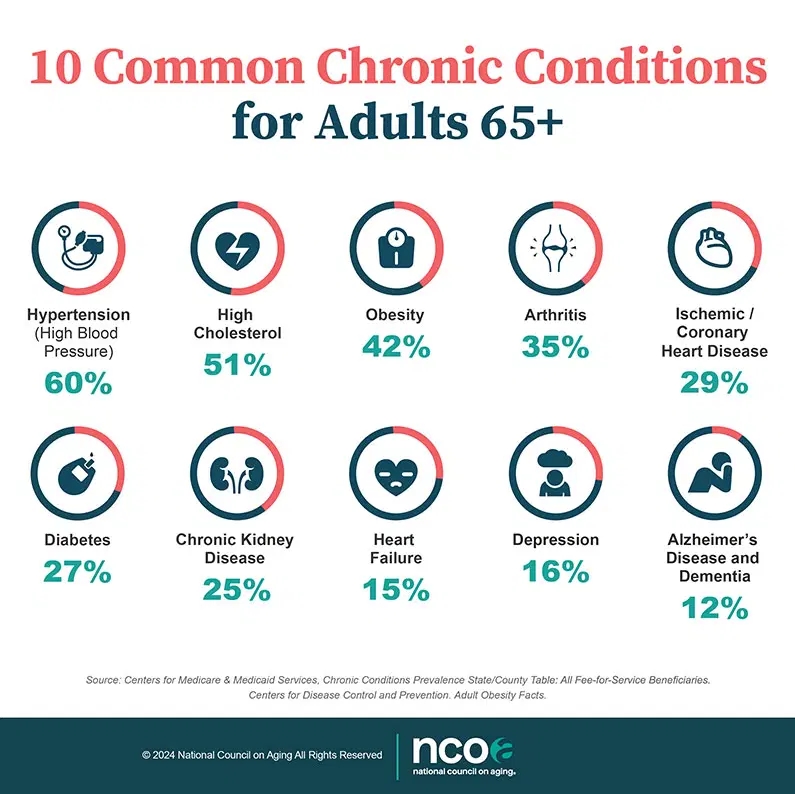
People in the US are experiencing many mental and physical diseases, ailments, and chronic conditions that were not nearly as prominent in years past. Many diseases and issues previously experienced by adults, are now seen in children. Some experts believe there is a definite link between our food, lack of physical activity, chemicals, other lifestyle choices, and the state of poor health in the US.

https://www.ncoa.org/article/the-top-10-most-common-chronic-conditions-in-older-adults/

General Prevalence:

  • Approximately 60 million adults (23.08%) in the U.S. experienced a mental illness in the past year, and nearly 13 million adults (5.04%) reported serious thoughts of suicide ​NAMIMental Health America.
  • Among youth aged 12-17, one in five experienced at least one major depressive episode, with over 56% not receiving any treatment ​Mental Health America.

Specific Disorders:

  • Anxiety Disorders: Affect 19.1% of U.S. adults ​NAMI.
  • Major Depressive Disorder: Approximately 8.3% of adults experience a major depressive episode ​NAMI.
  • Bipolar Disorder: Affects about 2.8% of the population ​NAMI.
  • Substance Use Disorders:
  • Over 45 million adults (17.82%) and 2.3 million youth (8.95%) are experiencing substance use disorders Mental Health America.

Barriers to Treatment:

  • The ratio of people to mental health providers is concerning, with around 340 individuals for every provider in many areas ​Mental Health America.
  1. Chronic Conditions:
    • Obesity: Over 42% of U.S. adults are classified as obese​ National Institute of Mental Health. This condition is linked to various other health issues, including diabetes and heart disease.
    • Cardiovascular Diseases: Conditions like hypertension and heart disease remain prevalent, contributing to high morbidity and mortality rates ​National Institute of Mental Health.
  2. Diabetes:
  3. Respiratory Conditions:
  4. Musculoskeletal Disorders:
  1. Prevalence of Mental Health Conditions:
    • Approximately 1 in 5 children (19%) aged 3-17 years has a diagnosed mental, emotional, or behavioral disorder ​CDCNAMI.
    • Mental health issues, including anxiety and depression, are particularly prominent, with anxiety disorders affecting 9.4% and major depressive episodes affecting 7.8% of this age group​PediatricsAmerican Psychological Association.
    • Developmental Disorders: Conditions such as ADHD and autism spectrum disorder are becoming more commonly diagnosed. Approximately 9.4% of children aged 2-17 have been diagnosed with ADHD, while around 1 in 36 children are diagnosed with autism​ HHS.govCDC.
  2. Suicidal Thoughts and Behaviors:
    • In 2023, 29% of high school students reported experiencing persistent feelings of sadness or hopelessness, and 14% reported seriously considering suicide​ CDCPediatrics.
    • Among LGBTQ+ youth, rates of suicidal ideation are alarmingly high, with 20% having attempted suicide ​CDCAmerican Psychological Association.
  3. Impact of Socioeconomic Factors:
    • Factors such as food insecurity, housing instability, and exposure to community violence contribute significantly to mental health challenges ​PediatricsAmerican Psychological Association. Structural racism also plays a critical role, particularly affecting Indigenous and Black children, who face higher rates of mental health issues and trauma ​Pediatrics.
  4. Access to Treatment:
    • Despite the high prevalence of mental health conditions, many children lack access to necessary care. For instance, 50.6% of youth aged 6-17 with mental health disorders received treatment​NAMI. There are significant disparities based on socioeconomic status and race​ PediatricsAmerican Psychological Association.
  5. Improvements and Challenges:
    • Some improvements have been noted recently, such as a decrease in persistent sadness among students overall, but increases in experiences of bullying and school safety concerns have been observed ​CDC. The ongoing challenges underscore the need for more comprehensive support systems in schools and communities ​PediatricsNAMI.
  1. Obesity: Childhood obesity is a significant concern, affecting approximately 19.7% of children aged 2 to 19 years as of 2020. This prevalence is higher among Hispanic (26.2%) and Black (24.8%) children compared to their White (16.6%) and Asian (9.0%) counterparts​ CDC. The annual medical costs related to obesity for U.S. children is estimated to be $1.3 billion CDC.
  2. Asthma: Approximately 7.5% of children in the U.S. have asthma, making it one of the most common chronic respiratory diseases. Asthma rates have been shown to vary with socioeconomic status, with children from lower-income families more likely to be affected​ CDC.
  3. Allergies: Allergic conditions, including food allergies and allergic rhinitis (hay fever), are prevalent among children. It’s estimated that 8% of children have food allergies, with increases seen in recent years​ CDC.
  4. Diabetes: The prevalence of diagnosed diabetes (both Type 1 and Type 2) among children is around 1.5%. There has been a notable increase in Type 2 diabetes, attributed to rising obesity rates​ CDC.
  5. Sleep Disorders: Conditions such as sleep apnea affect an estimated 2% to 5% of children, often linked to obesity and resulting in various physical and mental health issues​ CDC.
  6. Vision and Hearing Impairments: Around 5% of children have some form of visual impairment, while 1.4% experience hearing loss​ CDC.
  7. Injuries: Unintentional injuries remain a leading cause of morbidity among children, with thousands of emergency department visits annually related to accidents​ CDC.

The combined rise in mental health issues and chronic physical conditions points to a pressing health crisis in the U.S. The COVID-19 pandemic has exacerbated these challenges, leading to increased stress, anxiety, and social isolation, which further complicate access to care and treatment​

Mental Health America. It’s crucial for healthcare systems and policymakers to address these issues, focusing on improving access to mental health resources and integrating physical health strategies to support overall well-being.

I teach and offer lectures about holistic health, physical fitness, stress management, human behavior, meditation, phytotherapy (herbs), music for healing, self-massage (acupressure), Daoyin (yoga), qigong, tai chi, and baguazhang.

Please contact me if you, your business, organization, or group might be interested in hosting me to speak on a wide range of topics related to better health, fitness, and well-being.

I look forward to further sharing my message by partnering with hospitals, wellness centers, VA centers, schools on all levels, businesses, and individuals who see the value in building a stronger nation through a healthier population.

I also have hundreds of FREE education video classes, lectures, and seminars available on my YouTube channel at:

https://www.youtube.com/c/MindandBodyExercises

Many of my publications can be found on Amazon at:

http://www.Amazon.com/author/jimmoltzan

My holistic health blog is available at:

https://mindandbodyexercises.wordpress.com/

http://www.MindAndBodyExercises.com

Mind and Body Exercises on Google: https://posts.gle/aD47Qo

Jim Moltzan