Reducing Daily Stress Experienced by High School Students – Mindfulness-based Stress Reduction (MBSR) Techniques

Our teenage youths have been in distress now and for many years past. So much talk, but so little action. I am trying to do something, and it is time-proven and with a clear plan and direction.

Reducing daily stress experienced by high school students is possible through Mindfulness-based Stress Reduction (MBSR) techniques. I believe this to be accurate, as I have practiced and taught many stress management techniques for over 40 years to adults of all ages.

The goal of my proposed intervention is to reduce the typical daily stress that teenagers experience regularly on the individual level, while in high school. Daily stress often leads to mental health ailments of anxiety, depression, impaired focus, and lack of quality sleep. The target audience for this intervention is high school students, 14-18 years of age. Promoting focusing on mental health and well-being is crucial for overall health. This will be accomplished by myself or a qualified professional guiding participants through the various stages of change within the Transtheoretical Model (TTM) to encourage the practices of mindfulness-based stress reduction (MBSR). MBSR therapy is a meditation strategy that is used to help with stress management, sleep disorders, depression, anxiety, hypertension, chronic pain, cancer, diabetes mellitus, and other disorders (Kabat-Zinn, 2013).

MBSR techniques have little risk and can increase the agency that individuals have in managing mood swings and physical pain, as well as enhancing the quality of their own lives (Niazi & Niazi, 2011). Research from recent studies supports that some college students who practiced mindfulness along with their coursework, reported cognitive and wellbeing benefits, when practicing for as little as five minutes twice a week, dependent upon the specific type of mindfulness method implemented (O’Hare & Gemelli, 2023).

The Transtheoretical Model (TTM) will be utilized with this intervention. TTM encompasses more than one health-related behavior theory, which to me seems that TTM offers a more comprehensive strategy to help individuals to better understand and manage stressors within their daily life. Within TTM there are four key constructs that are thought to produce significant behavioral changes. The constructs are:

• Stages of changes

• Decisions balance

• Self/Efficacy/Temptations

• Processes of change

The first construct of TTM suggests that there are stages of change where precontemplation, contemplation, preparation, action, and maintenance all affect human behavior. The second construct of decision balance suggests that when there are more pros than cons for a certain behavior, an individual will either move forward or backward within the stages. The third construct encourages a “can-do” attitude, where an individual may gain confidence and feel that they have more control and agency in their decisions.  The fourth construct delves more into the details of experiential versus behavioral changes (Simons-Morton & Lodyga, 2021) where a person moves from the “thinking” state to a more active “doing” state of being. Overall, the TTM will help me to show participants how mindfulness-based stress reduction techniques can help students move from the “contemplation” stage to “action” by highlighting its effectiveness in stress reduction and management.

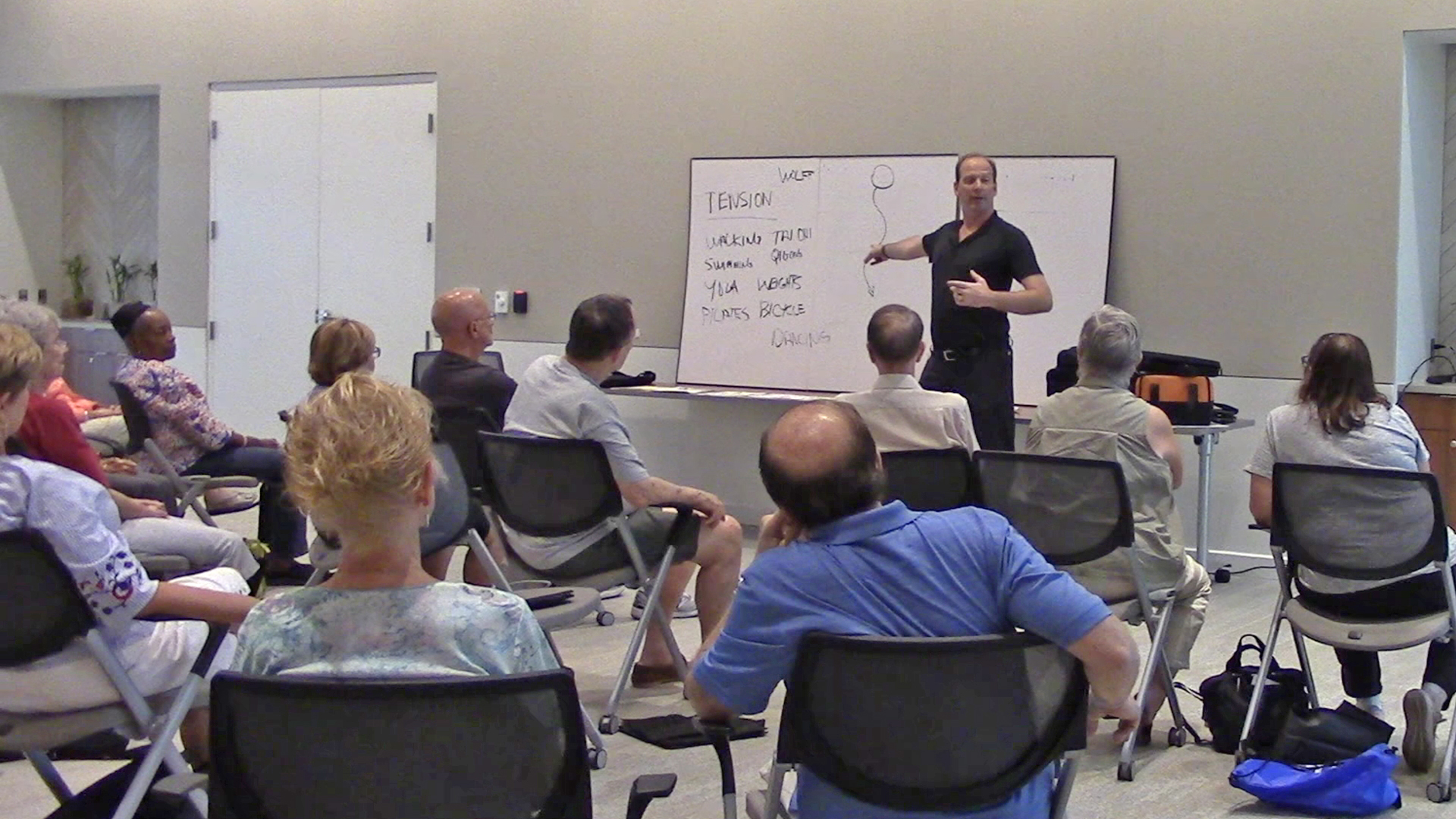
This intervention can be implemented by first contacting a local high school’s administration to explain the goals and benefits of sponsoring such an event. Once the administration agrees to support, promote, and manage the registration of students for a group setting workshop (intervention), a trained and/or qualified professional will come to the school’s auditorium after school finishes on a predetermined day. They can then present an initial 10-minute introduction of the potential goals and benefits to the students. Using a whiteboard and handwriting a few notes and health statistics from the Center for Disease Control (CDC) and the American Heart Association (AHA) will help draw their focus. My message that can be conveyed, is how as young adults, they can individually have self-efficacy over their thoughts, emotions, and relative coping mechanisms for managing stress. A major portion of this presentation will be explaining in some detail what the TTM is and how it is related to stress management. Another major component of this presentation will be an explanation of the methods and benefits of MBSR.

The professional will then ask those students interested in participating further in this intervention to answer only to themselves by signing a contract of commitment form to attend 3 10-minute sessions for a total of 8 weeks. There will be no consequence if the student decides not to continue, however, they will not receive any credit or reward upon completion if they do not attend. Sessions will be just after school ends, giving the students 5-10 minutes to get to the auditorium. Parent’s knowledge and support of their children’s participation are key components needed to reinforce their child’s commitment to accept the challenge of doing some type of task or activity that will potentially affect not only the individual but the whole family’s well-being. I would also invite and encourage parents to attend the sessions if they are available to do so.

My intervention can address the key constructs of TTM throughout the presentation. More specifically, the stages of change will need to be targeted as follows:

Precontemplation – In this stage, participants may not yet recognize a need to reduce stress or might not view it as an important priority. If they were in the room and attending my presentation, they are already past precontemplation, or else they would not have made the effort to come to the event.

Contemplation – With a goal of raising awareness of current teen health issues, I seek to motivate and inspire individuals to think more about becoming equipped to manage the impact stress has on their health and well-being, I will offer information regarding the benefits of mindfulness techniques to reduce stress, thereby affecting and improving overall health and well-being.

Preparation – In this stage I will be explaining how we will need to take action and how this group will be readied, in order to achieve a greater sense of agency over individual stress management. I will provide resources such as guided meditation apps or YouTube classes that can help support their practice.

Action – The phase of action is where participants will actively engage in MBSR exercises. Each session will review and build upon prior sessions. I will be encouraging them to practice regularly and offer other strategies to overcome potential hurdles and maintain motivation. Setting reminders on their phones and finding quiet places for meditation will help reinforce their self-practice.

Maintenance – In this phase, individuals will have successfully adopted mindfulness techniques into their daily routine and are most likely experiencing the benefits of having less stress. I can offer further strategies to help maintain their practice and prevent relapse, such as further opportunities for learning and growth through other techniques and resources. After this intervention concludes, there will be a follow-up survey one month after the event to determine if participants are still engaged in practicing the self-regulation techniques that they learned.

The construct of decision balance will be addressed and discussed at each session, as participants will be reviewing the pros and cons of returning for future sessions. If they feel that they are improving their stress management, they will be inclined and more self-motivated to continue.

The construct of self-efficacy of individuals will most likely increase as participants move through the stages of change.

For the construct of the processes of change, I would not going to go into much detail to the whole group. I feel that this construct, while important may be a bit more complex than what will already have been covered up to this point as far as human behavior is concerned. A slide will be available in the presentation, and I can offer further explanations as necessary.

The intended outcome of the intervention will be to hopefully have the participants be able to better recognize and manage stressful experiences, whether from events such as tests, time management, social interactions, and other activities that often manifest into stress.

Please contact me if you, your school, your business, your organization, or your group, might be interested in hosting me to speak on a wide spectrum of topics relative to better health, wellness, and fitness.

References:

American Heart Association: Childhood stress linked to higher risk of high blood pressure, obesity, diabetes in adults. (2024, January 17). Contify Life Science News, NA. https://link.gale.com/apps/doc/A779587760/ITBC?u=vol_vsc&sid=ebsco&xid=ed427911

CDC. (2023) The Youth Risk Behavior Survey Data Summary & Trends Report: 2011–2021, https://www.cdc.gov/healthyyouth/mental-health/index.htm

Kabat-Zinn, J. (2013) Full Catastrophe Living (Revised Edition) (pp. 77-78, 351). Random House Publishing Group. Kindle Edition.

Niazi, A. K., & Niazi, S. K. (2011). Mindfulness-based stress reduction: A non-pharmacological approach for chronic illnesses. North American Journal of Medical Sciences, 3(1), 20. https://doi.org/10.4297/najms.2011.320

O’Hare, A. J., & Gemelli, Z. T. (2023). The effects of short interventions of focused-attention vs. self-compassion mindfulness meditation on undergraduate students: Evidence from self-report, classroom performance, and ERPs. PLoS ONE, 17(1), 1–20. https://doi.org/10.1371/journal.pone.0278826

Simons-Morton, B., & Lodyga, M. (2021). Behavior theory in public health practice and research. Jones & Bartlett Learning.

I teach and offer lectures about holistic health, stress management, qigong, tai chi, baguazhang, meditation, phytotherapy (herbs), music for healing, self-massage, and Daoyin (yoga).

Please contact me if you, your business, organization, or group, might be interested in hosting me to speak on a wide spectrum of topics relative to better health, wellness, and fitness.

I look forward to further sharing more of my message by partnering with hospitals, wellness centers, VA centers, schools on all levels, businesses and individuals that see the value in building a stronger nation through building a healthier population. I also have hundreds of FREE education video classes, lectures and seminars available on my YouTube channel at:

www.MindAndBodyExercises.com
https://www.facebook.com/MindAndBodyExercises/
https://www.youtube.com/c/MindandBodyExercises
https://mindandbodyexercises.wordpress.com/
https://umareg.com/masters-council/

www.Amazon.com/author/jimmoltzan

Mind and Body Exercises on Google: https://posts.gle/aD47Qo

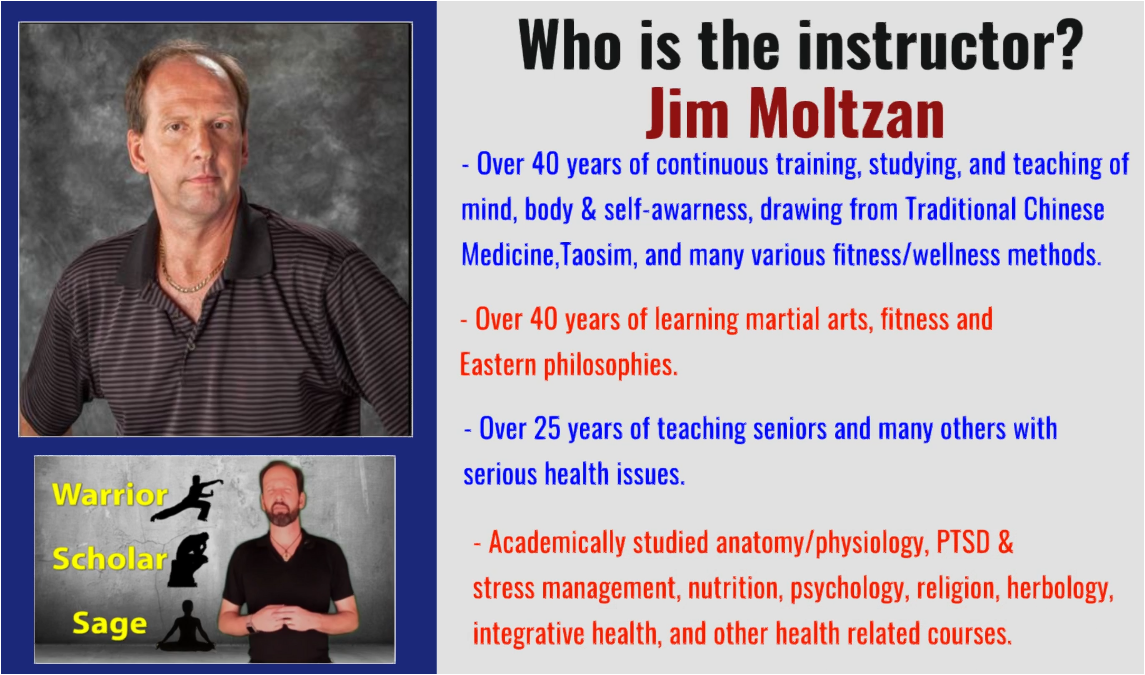
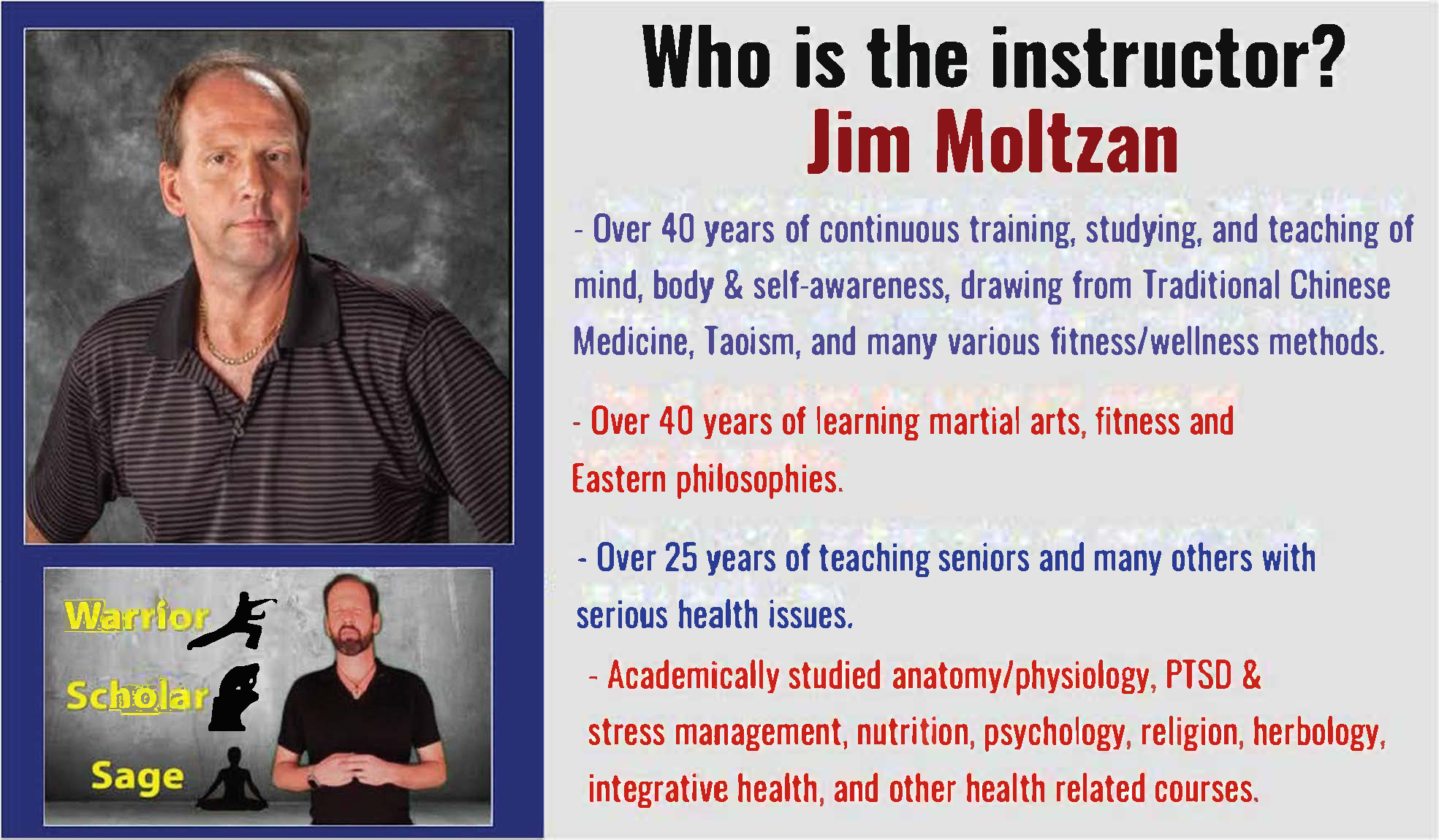
Jim Moltzan

  • 5th degree in Korean Kung Fu (Ship Pal Gye) 
  • Recognized by Zen Wellness as a Master Level Instructor (gold coin)
  • Recognized by the Doh Yi Masters as a Fellow Doh Yi Master, having completed 10000 hours of training
  • Bachelor’s degree in Holistic Health

407-234-0119
Social Media Addiction

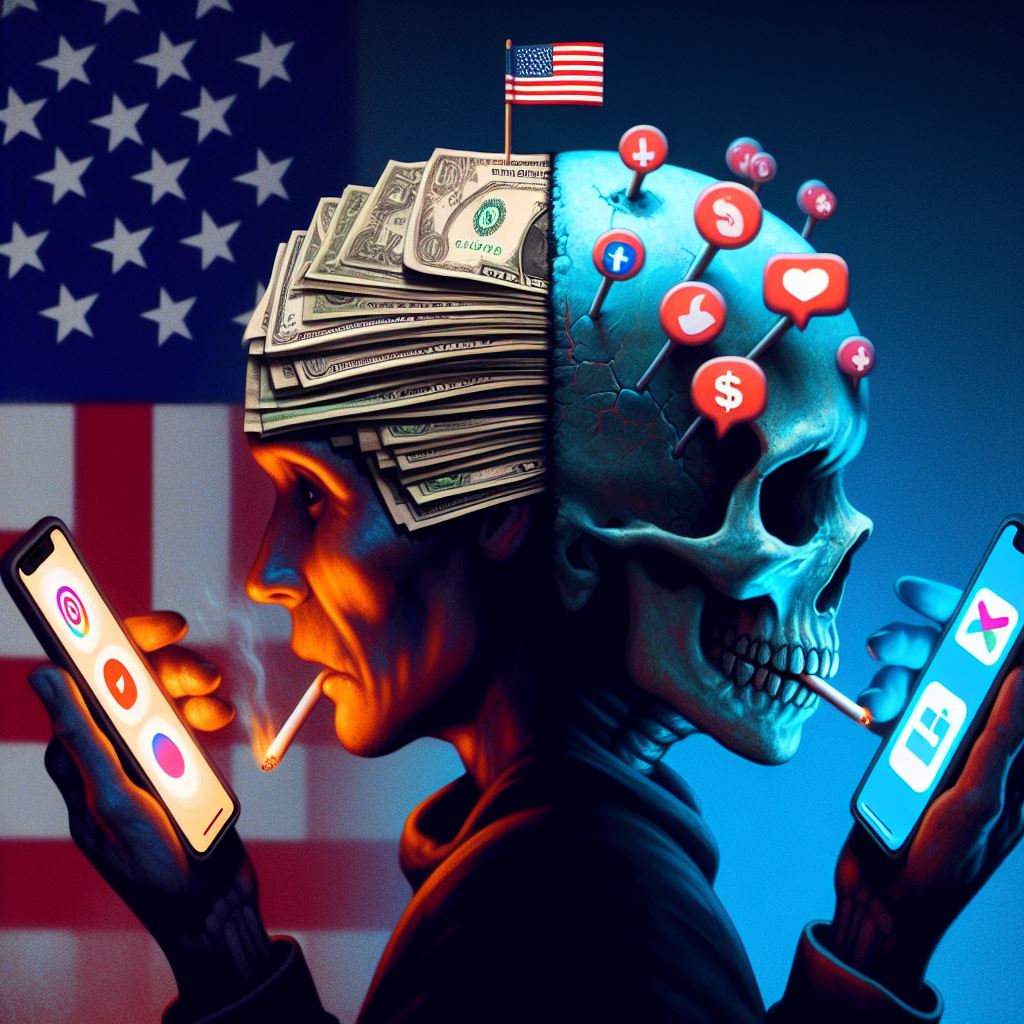
American people seem to finally be waking up to the fact that over-usage of smartphones and more specifically constant engagement in social media platforms, are detrimental to health and well-being. Social media addiction is the 2024 version of crack cocaine, where many people appear to be unable to go for more than a few minutes without their “fix” or dopamine dump from checking their phone for new messages, likes and other notifications. The Social Dilemma is a 2020 Netflix documentary that interviews many former software designers, investors, executives, and other insider occupations at social media platforms, such as Facebook, and Twitter(X). I did view this film back when it first aired but thought it would be insightful to watch and critique it more in detail today, as much has changed and/or advanced with most of these platforms, in the last fours years and even more recently.

This documentary offers insights into the beginning stages of social media, and most specifically on how Facebook started out in 2004 as something totally different than what it is today. Social media and its widespread availability and popularity are a good example of an evolutionary model of technological change” (Conerly, 2021a), where society has moved away from telephones being used merely for verbal communication. Smartphones have evolved to cameras, video recorders, email/text messaging devices and other uses way beyond telephones of years past. Most of those interviewed participated in the documentary because their experiences, hindsight and conscious has led them to think that such platforms purposefully manipulate a user’s attention and relative behavior. In doing so, users often develop a level of dopamine addiction when staying constantly engaged in interaction with social media either through smartphones, personal computers, or other electronic devices. Most of those interviewed see social media as neither inherently good nor bad, but rather as a tool to be used wisely as there exists a strong potential for addiction and abuse. They are careful to highlight the positive aspects of social media, such as offering ways for people to connect, re-connect, and stay abreast of current events and activities of friends and family.

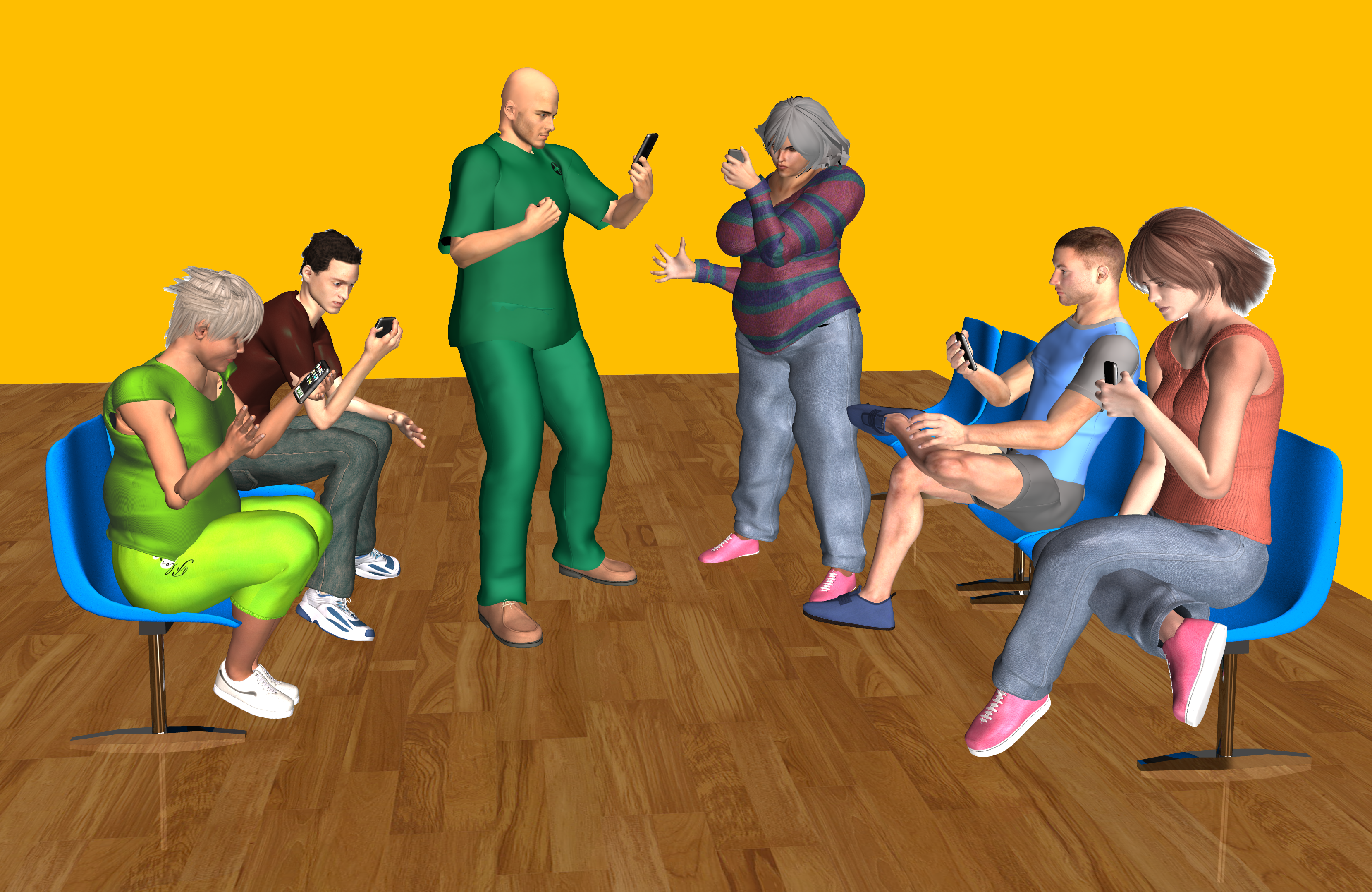
However, it is the opposite side of these benefits that have gained attention. Specifically, the view that for a whole generation of people, online social media connections have become their primary group (Conerly, 2021b), or their most important and significant others in their circle of influence. Or as these insiders see them, as a generation that has been raised to form their self-worth and identity through social media technology and its manipulation (Watch the Social Dilemma | Netflix Official Site, 2020). They feel that young people have been gradually losing their ability to socialize in person, while having difficulty in occupying themselves without social media interaction. I am old enough to have seen this evolution transform, seemingly right before my eyes. In years past before the explosion of social media, I used to be able to stop in a restaurant, coffee shop, bar or other public venue and see young (and older) people interacting with one another through conversation, facial and hand gestures, and other forms of outward communication. Now it is most common to see people of all ages and walks of life, immersed in staring into their smartphone, seemingly oblivious to time and those around them. Young people today seem more anxious, fragile, depressed, less likely to take positive risks, drive less, and date less. More scientific evidence has been gathered, where many are believing that social media is a psychological, cultural, and sociological experiment on a large scale also referred to as a “contagion experiment.” The documentary states depression in youths spiked in 2011 with an increase of 62% for preteens, and 189% with teenagers and suicide increasing 70% for preteens and 151% with teenagers (Watch the Social Dilemma | Netflix Official Site, 2020).

The original innovators and designers had no true inclination of how technology would advance so quickly and exponentially, while the human brain cannot physiologically keep up. The expansion of these platforms has become quite profitable for companies that manage the information made available through social media. This is often seen as “gatekeeping” where those people in charge of the media can decide what the viewing public is exposed to (Conerly, 2021c). and people begin to not know what to believe as true or otherwise. These companies have become an“oligopoly,” where only a few firms dominate a marketplace (Conerly, 2021d). Social media addiction and abuse have been brought to the attention of congressional hearings where government leaders are asking the social media oligopoly CEOs how to make these platforms safer for all, but especially with the youth in the US (Associated Press, 2024). I do not think that the platforms will change their methods and policies on their own, for the betterment of the people. However, I do understand that all actions have consequences, whether deemed as good or bad. The consequences from years of rampant growth and manipulation of data and uses, have brought us to this point where members of congress are basically trying to reverse the legislation from years past and specifically something called Section 230.  This law was passed in the earlier days of the internet and social media expansion (around 1996) that granted immunity to these companies from being sued by its users for unforeseen circumstances. The supreme court ruled in 2023 to keep the immunity in place, as it seems to fall under the freedom of speech (DEPARTMENT OF JUSTICE’S REVIEW OF SECTION 230 OF THE COMMUNICATIONS DECENCY ACT OF 1996, 2023). Congress members are now pushing for the tide to turn and have social media platforms able to be brought to trial for related injuries, deaths and other detrimental side effects. I think things will change dramatically if this happens, hopefully, for the better. But as with most things we don’t know or see the true results until time has passed.

Overall, I do feel The Social Dilemma is still very relevant to modern society, as these issues of addiction and abuse will not diminish on their own. With the rise of artificial intelligence (AI) and the daily increase in fake news and misinformation, I feel it is of the upmost importance that social media platforms and their leaders take actions that are based on mental health, rather than their stockholders and profits.

References:

Watch The Social Dilemma | Netflix Official site. (2020). https://www.netflix.com/title/81254224

Conerly, T. R. (2021a, June 3). 8.2 Media and Technology in Society – Introduction to Sociology 3E | OpenStax

Conerly, T. R. (2021b, June 3). 6.1 Types of Groups – Introduction to Sociology 3E | OpenStax.

Conerly, T. R. (2021c, June 3). 8.4 Theoretical Perspectives on Media and Technology – Introduction to Sociology 3E | OpenStax.

Conerly, T. R. (2021d, June 3). 8.3 Global Implications of Media and Technology – Introduction to Sociology 3E | OpenStax.

Associated Press. (2024, January 31). Senate hearing LIVE: Mark Zuckerberg, social media CEOs testify [Video]. YouTube. https://www.youtube.com/watch?v=HUjv2Ky7PcM

DEPARTMENT OF JUSTICE’S REVIEW OF SECTION 230 OF THE COMMUNICATIONS DECENCY ACT OF 1996. (2023, May 8). https://www.justice.gov/archives/ag/department-justice-s-review-section-230-communications-decency-act-1996

I teach and offer lectures about holistic health, stress management, qigong, tai chi, baguazhang, meditation, phytotherapy (herbs), music for healing, self-massage, and Daoyin (yoga).

I look forward to further sharing more of my message by partnering with hospitals, wellness centers, VA centers, schools on all levels, businesses and individuals that see the value in building a stronger nation through building a healthier population. I also have hundreds of FREE education video classes, lectures and seminars available on my YouTube channel at:

https://www.youtube.com/c/MindandBodyExercises

www.MindAndBodyExercises.com

www.Amazon.com/author/jimmoltzan

Mind and Body Exercises on Google: https://posts.gle/aD47Qo

Jim Moltzan

407-234-0119

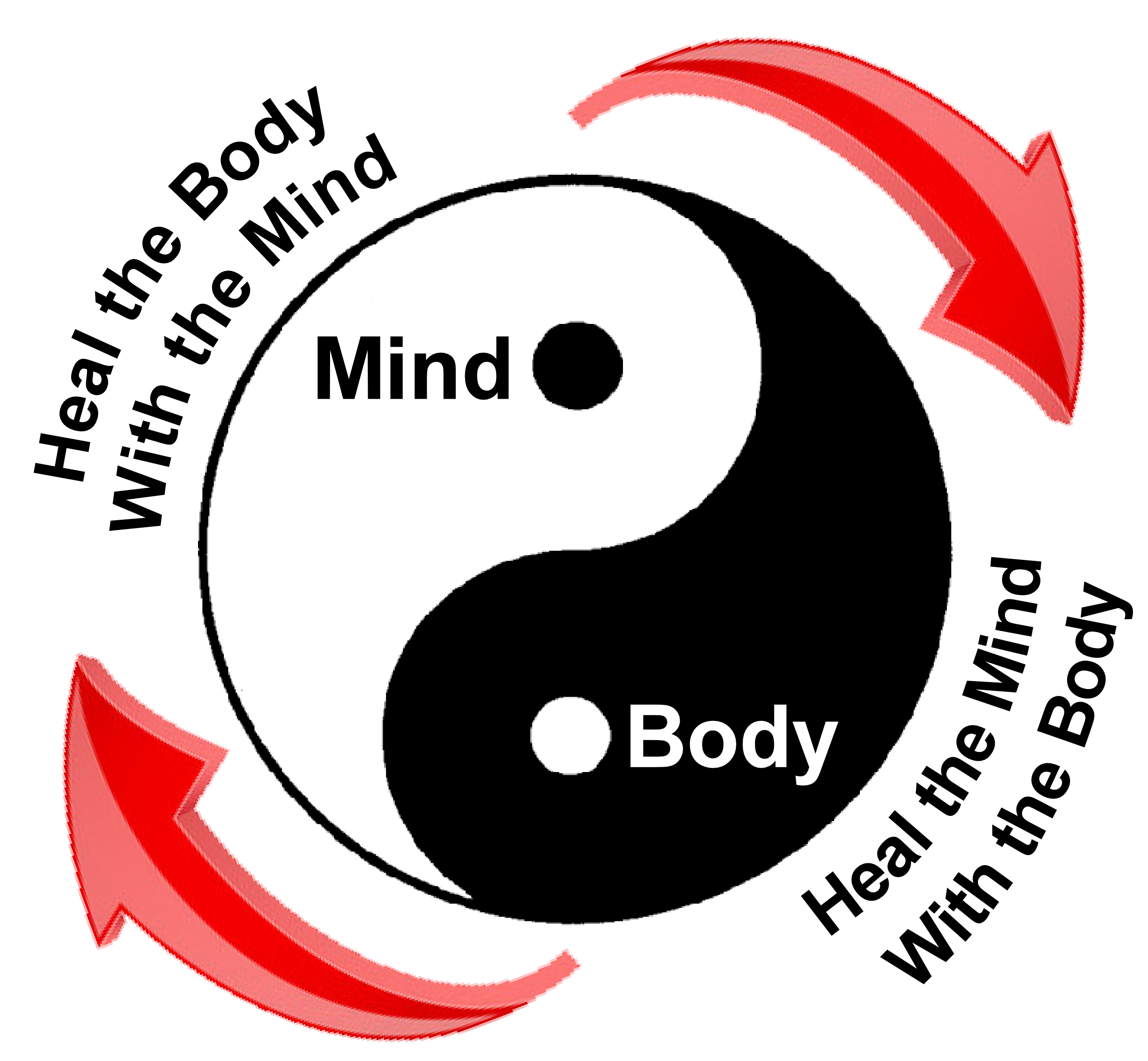
Heal the Mind With the Body, Heal the Body With the Mind

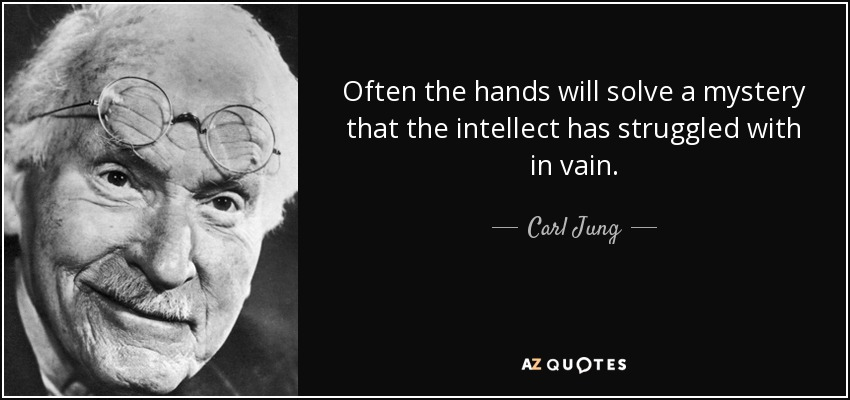
Often the hands will solve a mystery that the intellect has struggled with in vain.

– Carl Jung

Our culture is broken. Out of balance. Many feel traumatized. So many people suffering. So much stress, depression, and anxiety. The solution is not always in pharmaceuticals, therapy, alcohol or recreational drugs. Exercising regularly can help and it is often FREE if you commit to the time and effort.

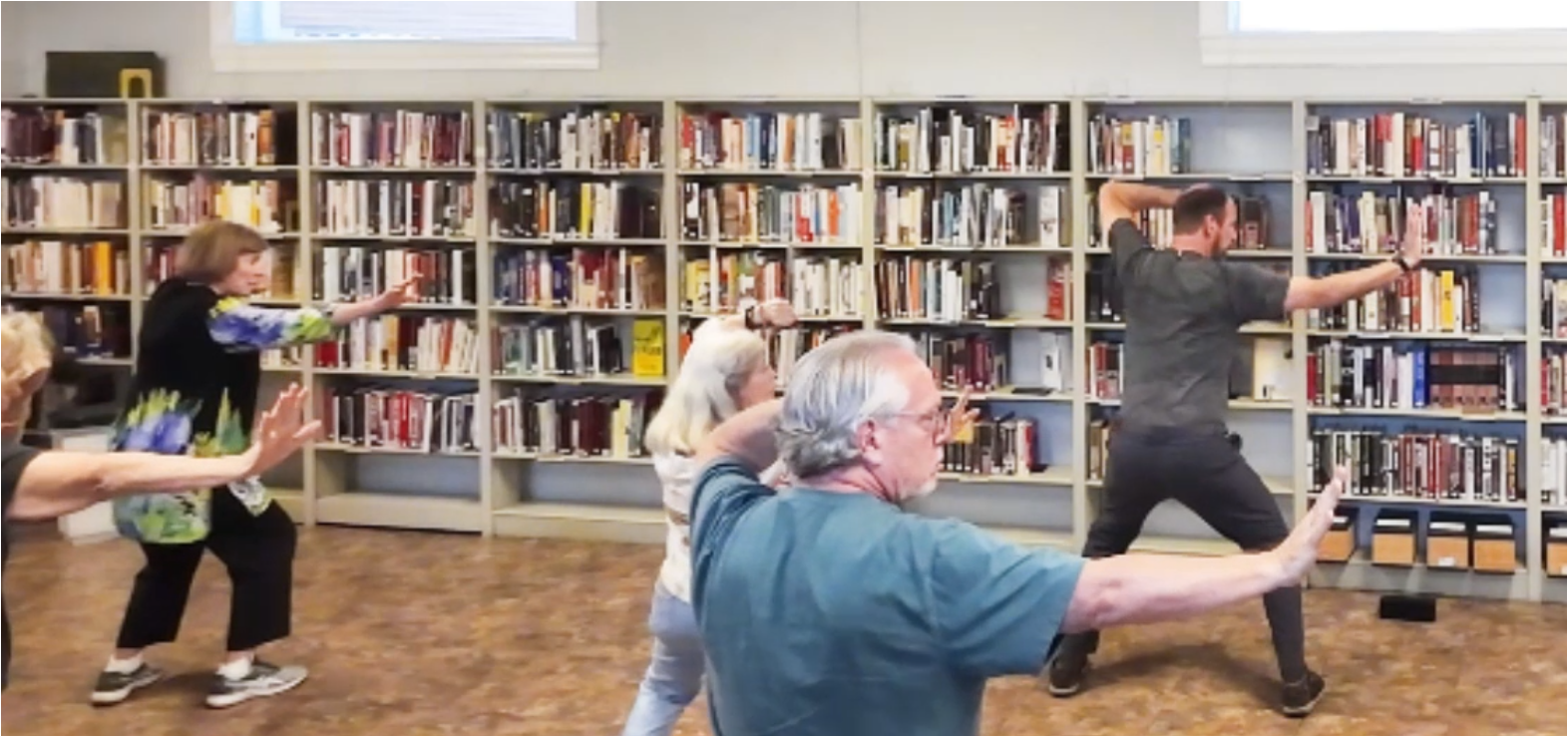
Physical exercise is one of the single most beneficial mental and physical activities that we can do for ourselves on a regular basis. When we exercise, our brain produces many chemicals (hormones and neurotransmitters) that manage stress and counteract the sympathetic nervous response. If you are not currently exercising regularly, try to start by simply taking a walk around your block and build up from there. 5 minutes here and there throughout your day adds up cumulatively. One does not need to exercise for hours a day to gain the benefits. Walk, run , swim, stretch, weight train, or my preferences of qigong, tai chi and yoga. This is the “do something,” that will actually affect you and consequently those in your life.

And we as a nation have been consistently reducing the importance of physical exercise to our youth, as many schools nationwide have greatly reduced and even eliminated physical education within schools on all levels. Perhaps this is why teenage depression, anxiety, ADHD, OCD and other ailments have been contributing to the spike in youth suicides over the last few decades. Broken children grow into broken adults. Plant good seeds and harvest a good yield. Plant with rotten seeds and the crop produced will be rotten. This is ancient knowledge that seems to have been forgotten in current times.

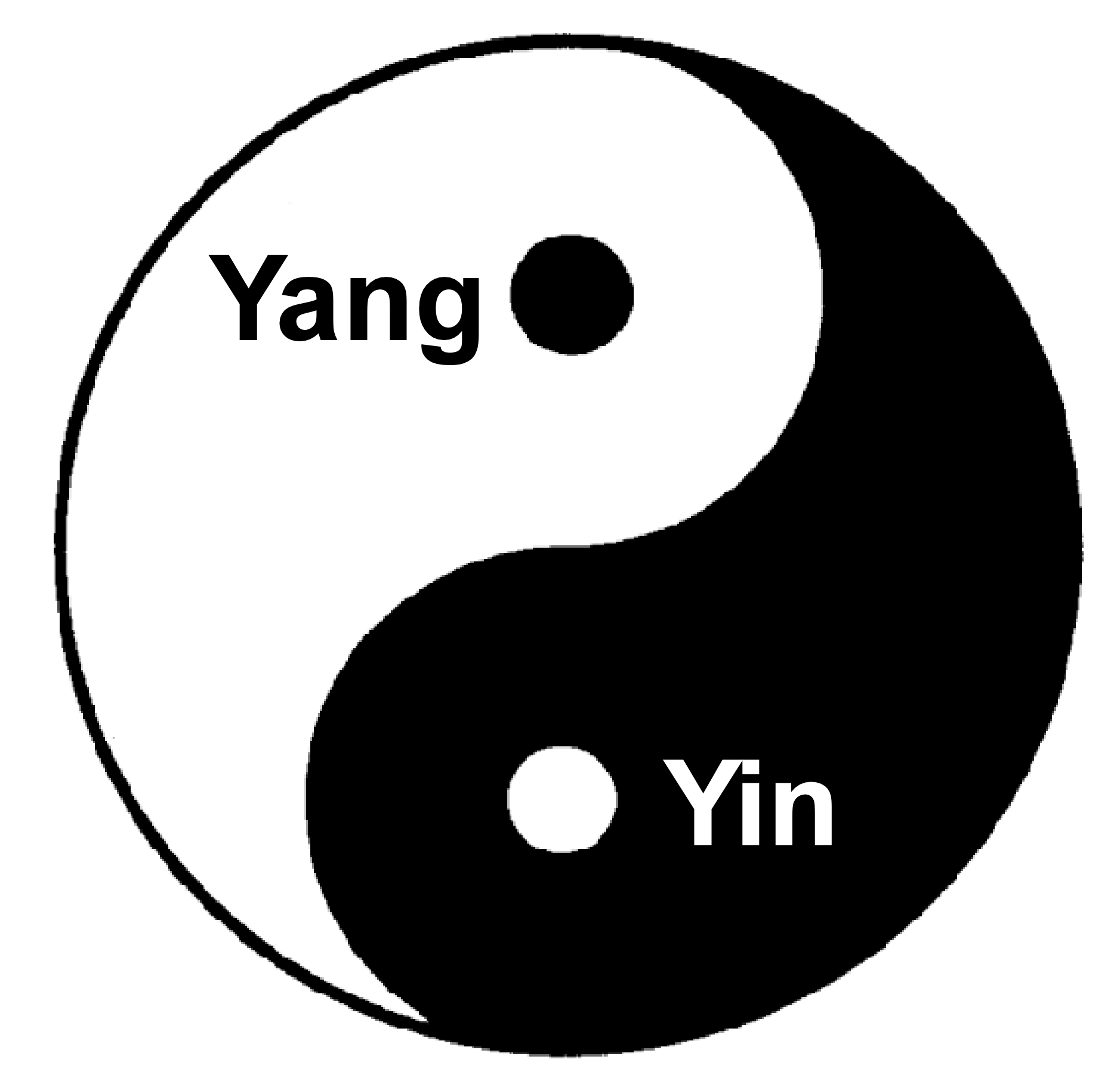
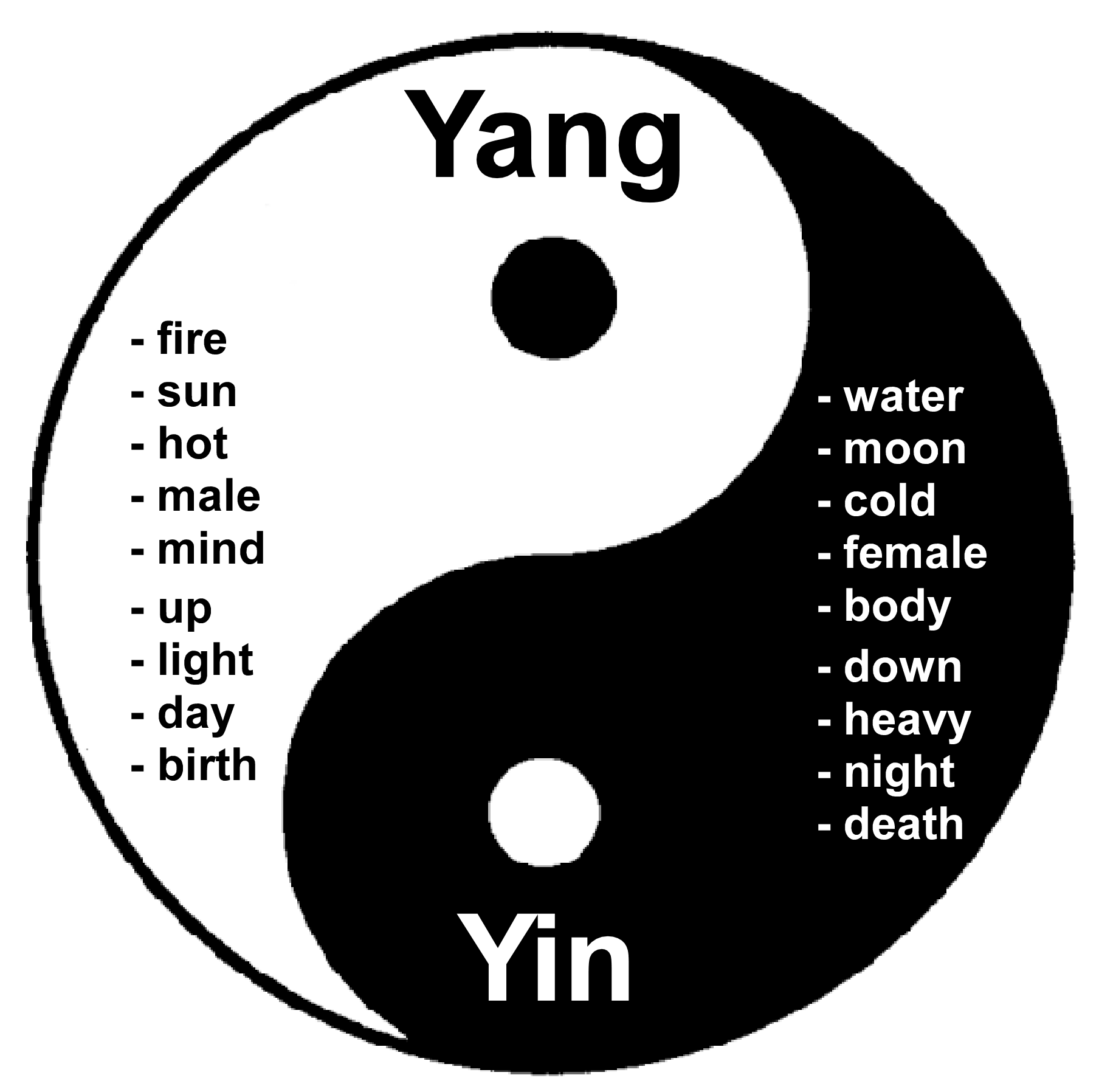
Yin & Yang are relative terms, in relation to content and context. In the concept of Yin & Yang, nothing is
permanent nor absolute. Opposites are complementary. Many philosophers and scholars view Yin & Yang as the
motive force for the start, change and end of life. Traditional Chinese Medicine (TCM) is based upon the belief that
the existence of the universe is due to the result of the interactions between Yin & Yang.

Everyday Uses of Yin & Yang Theory:

  • Traditional Chinese Medicine (TCM)
  • Philosophy (Taoism & Confucianism)
  • Science (Chinese)
  • Meditation
  • Feng Shui
  • Spirituality
  • As a Trending Fad
  • Martial Arts
  • Qigong and Energy Movement

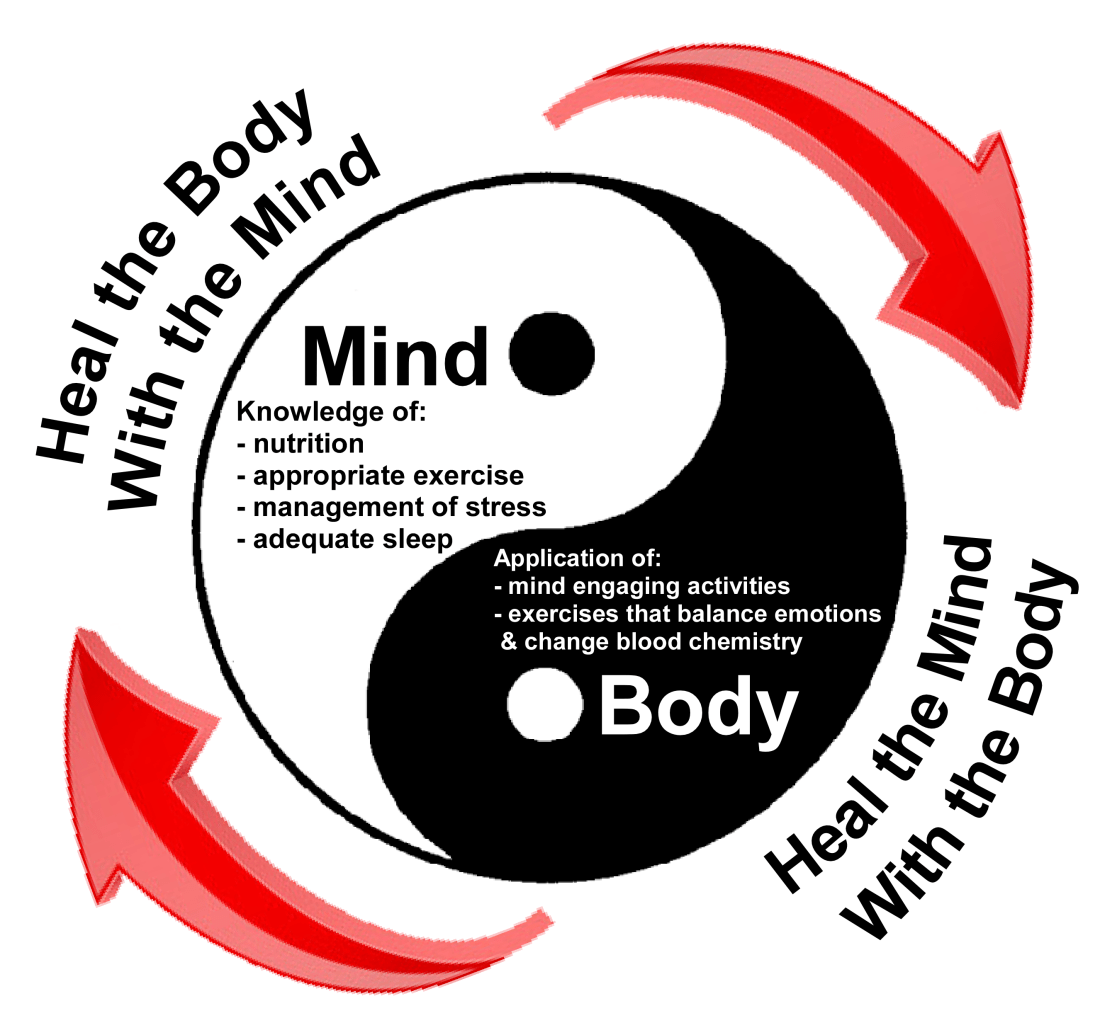
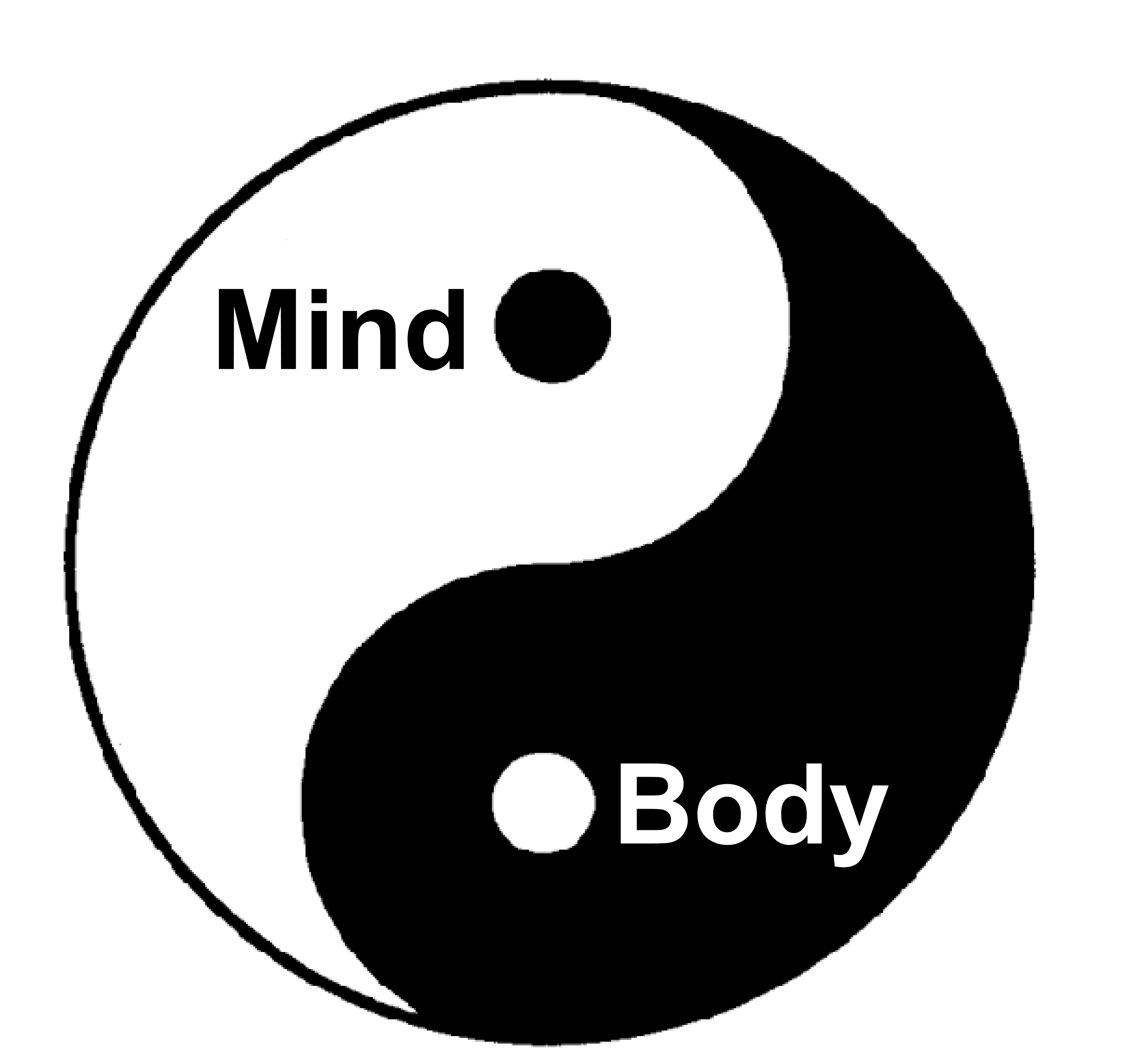
Mind and body – most agree that our mind and body are important and there exists a balance and harmony between the two. Just because someone can repeat the words of “mind and body” does not necessarily mean they have an understanding of this relationship. How do we achieve this beyond just the mere words of “mind” and “body?’ We need to actually use our mind to manage and regulate not only our physical bodies but our thoughts and relative emotions. We need to truly engage our physical body in movement, physical activities and exercises in order to engage our cognitive brain functions. This is how we can link the mind and body together to achieve higher levels of both self-awareness, mental and physical health as well. Self-cultivation is not free in any sense of this understanding. This takes time, effort and often sacrifice of other things we deem as important.

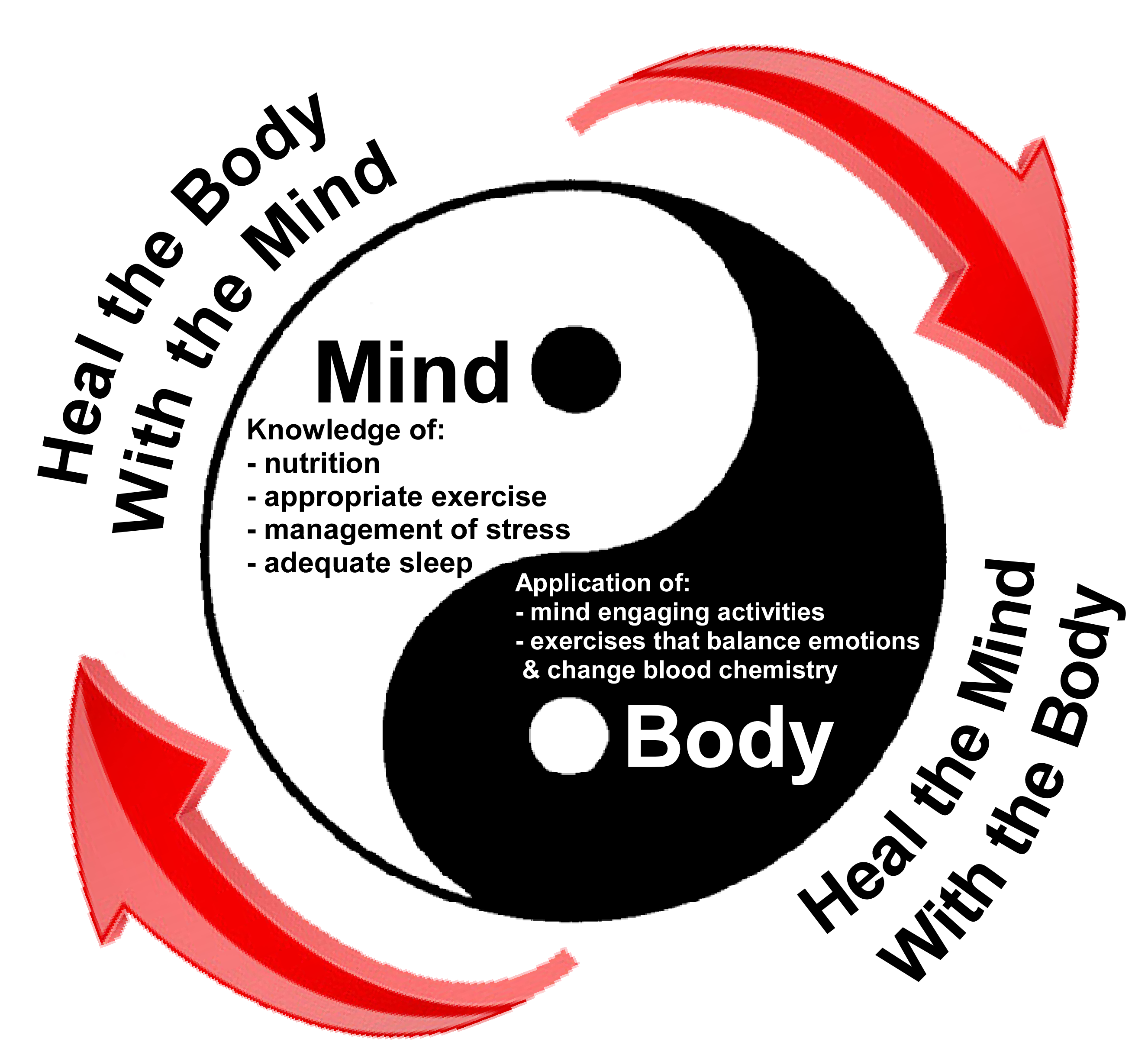
It is usually much easier to train our body, than it is to train our minds. By becoming aware of our body positions, alignments and movements, we train our minds by using our bodies. When we position our toes, our knees, the hips, the spine, the shoulders, and especially our breathing rhythm, we are disciplining our body into correct alignments that manifest into muscle and bone strength, increased blood and energy circulation and most specifically the change in the hormones within the blood chemistry that not only regulates organ function, but balances out emotional ups and downs.

We can use the knowledge within our thoughts to help to heal our damaged body. Knowledge such as nutrition, appropriate exercise, management of sleep and healthy social relationships. So why is is such as stretch to consider that our body holds the keys to managing mental ailments linked to emotions of anxiety, depression, anger, grief and others?

I write often about topics that affect our health and well-being. Additionally, I teach and offer lecture about qigong, tai chi, baguazhang, and yoga. I also have hundreds of FREE education video classes, lectures and seminars available on my YouTube channel at:

https://www.youtube.com/c/MindandBodyExercises

Mind and Body Exercises on Google: https://posts.gle/aD47Qo

Jim Moltzan

407-234-0119

www.MindAndBodyExercises.com

www.Amazon.com/author/jimmoltzan