Most Have Choices, but Don’t Like the Options

Often people feel that they have no choices regarding their own health. This is true for some people, but mostly I see people having choices that they don’t like. An individual may have little control or lose their ability to take personal responsibility for their own health, due to that individual’s unique set of circumstances. Children are often subject to the habits and actions of their parents until they learn about nutrition, fitness, and wellness. Those who suffer from mental illness or are injured may be unable to take control of their own health, where others or government agencies are needed to intervene. Those in prisons are also not really in much control of what they consume, physical activity, and violence that may affect their health and well-being. Some individuals have their own unique socioeconomic factors that may affect or lead to their inability to have proper nutrition or access to healthcare and fitness options. I think this is where society needs to make a distinction between providing help to those who cannot take care of themselves and those who choose not to take care of themselves.
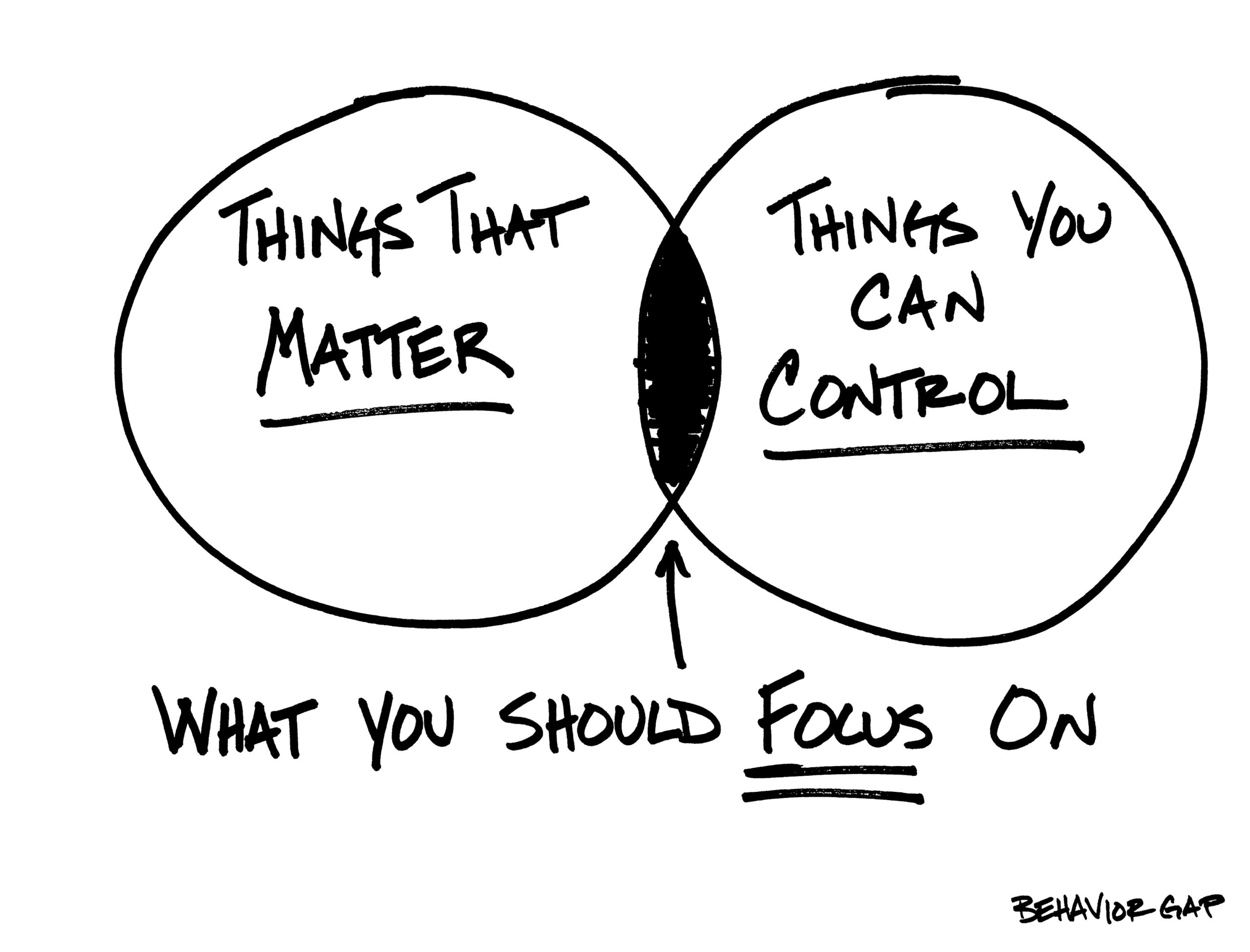
We live in a time where behavior contradictions abound. Such as taking the time and effort to buy and prepare their own foods of a healthier variety; fast food is often cheaper and tastes better they may justify. Or people will have no budget for nutritious foods or a gym membership but will visit Starbucks daily for $5.00+ sugar-loaded coffee drinks. Despite this current mentality, some with little resources still may find time to walk, run, swim, practice calisthenics, or watch free YouTube exercise classes for almost every type of exercise method. These options are available for free, but many choose not to exercise or pursue a healthy diet. We as a society need to get past looking at health and well-being as a luxury, privilege, or commodity. Rather we can see health, fitness, and wellness as basic life skills that need to be taught at the grade school level, so we can become a better nation. Become healthy.
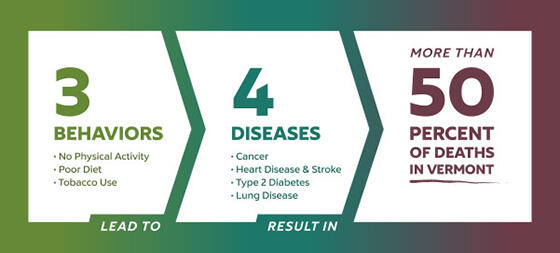
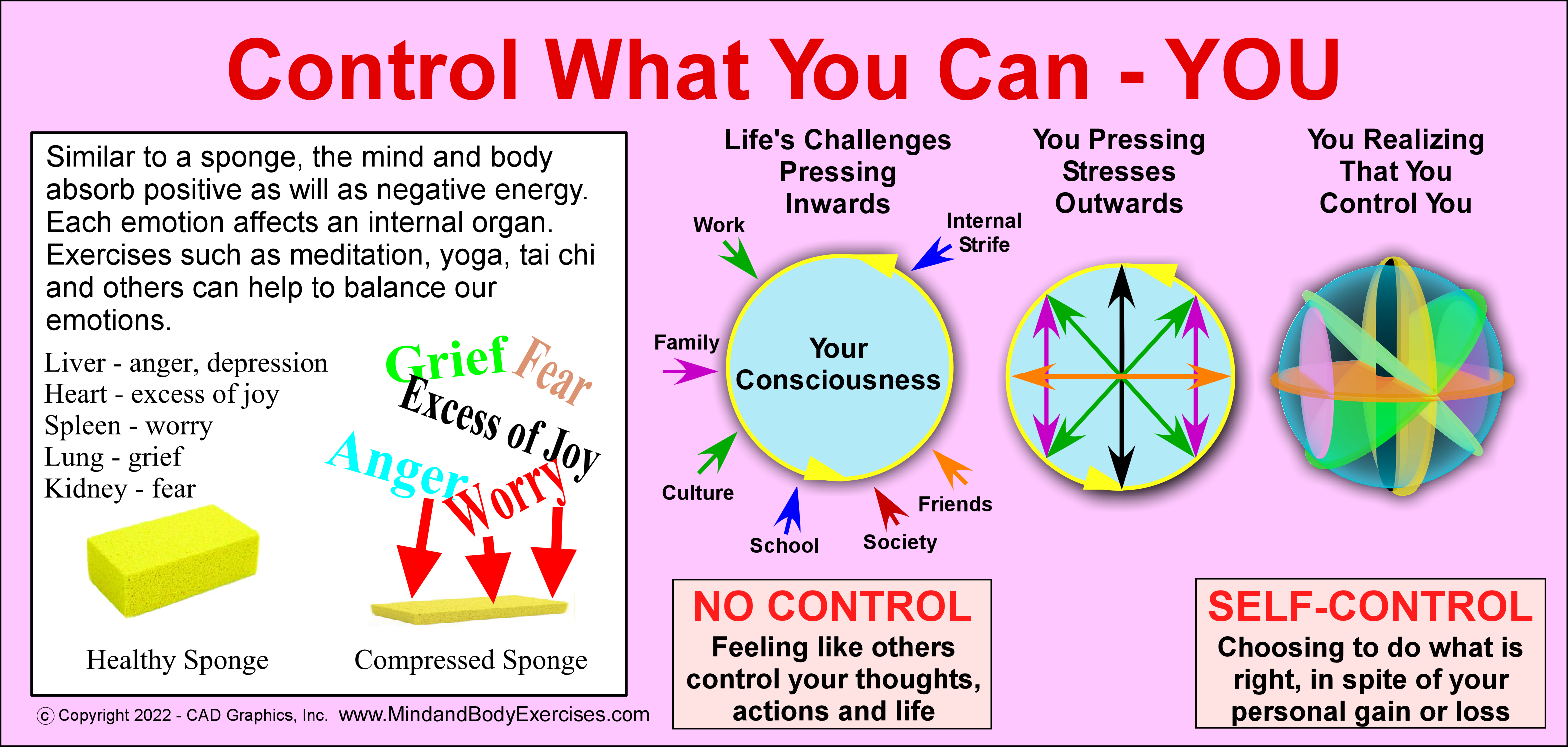
From a holistic health point of view, everything influences and affects healthy or unhealthy behaviors. What we think, what we eat, and how we move, are what I see as the root components of our health and wellbeing. Everything else basically branches off from these factors. If I must pick one aspect of behavior that is most important, I will highlight personal responsibility. Over many decades, our American society has gradually eroded from people feeling and being responsible for their own health and well-being, to that where many people feel that it is the government, their doctors, their employers, and everyone else’s responsibility to keep the individual healthy.  The state of Vermont has implemented a program called the Vermont 3-4-50, which offers the potential for people to become more self-empowered to seek out the resources to become better educated regarding better nutrition, physical activity, and mental health (HealthVermont, 2019). The program seems to be based on politicians, employers, and schools all promoting the program. The key component here is that schools need to play a major role in teaching the youth how to live a healthy lifestyle. It is so cliché, but the youth of today are indeed the leaders of tomorrow. There has been much media attention in the last year on how the recent generation, or Gen Z, is now being labeled as the “anxious” or “depressed” generation. This program and mindset are exactly what is needed not just for Gen Z but for people of all ages. Hopefully, the 3-4-50 program can spread more awareness and become implemented on a national level.  

Make good choices. Be wise in your decisions, as your life and those you care about are most affected by your thoughts and actions.

Reference: HealthVermont. (2019, July 1). 3-4-50 Vermont: Standing together to reduce chronic disease [Video]. YouTube. https://www.youtube.com/watch?v=GGlv0aC86HU

I teach and offer lectures about holistic health, physical fitness, stress management, human behavior, meditation, phytotherapy (herbs), music for healing, self-massage (acupressure), Daoyin (yoga), qigong, tai chi, and baguazhang.

Please contact me if you, your business, organization, or group, might be interested in hosting me to speak on a wide spectrum of topics relative to better health, fitness, and well-being.

I look forward to further sharing more of my message by partnering with hospitals, wellness centers, VA centers, schools on all levels, businesses, and individuals who see the value in building a stronger nation through building a healthier population.

I also have hundreds of FREE education video classes, lectures, and seminars available on my YouTube channel at:

https://www.youtube.com/c/MindandBodyExercises

Many of my publications can be found on Amazon at:

http://www.Amazon.com/author/jimmoltzan

My holistic health blog is available at:

https://mindandbodyexercises.wordpress.com/

http://www.MindAndBodyExercises.com

Mind and Body Exercises on Google: https://posts.gle/aD47Qo

Jim Moltzan

407-234-0119

Bone Conduction – it is all in your head

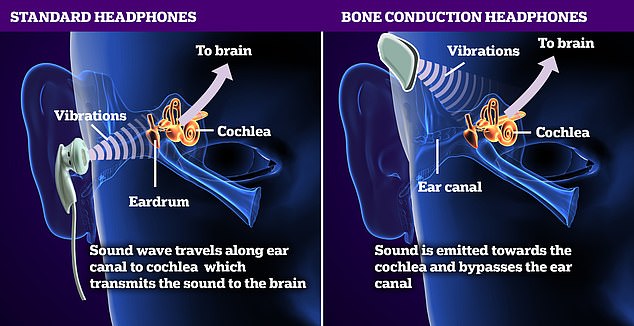
In typical traditional hearing, sound waves move through the air, reaching the ear canal and then causing the eardrum to vibrate. Bone conduction, on the other hand, is a physiological mechanism by which sound waves are transmitted to the inner ear by vibrations of the bones within the skull. These vibrations are then transmitted by way of the middle ear bones (ossicles) to the inner ear, where they are transformed into electrical signals that the brain perceives as sound.

With bone conduction, sound waves take a detour from the outer and middle ear and directly stimulate the inner ear. This scenario can occur when vibrations from a vibrating object or even more specifically from bone conduction headphones, are attached or placed upon the bones of the skull. Bone conduction technology is utilized for various health-related applications such as for hearing aids. This technology can be highly beneficial for people with particular types of hearing loss or for environments where traditional headphones may not be as appropriate, such as underwater communication or scenarios requiring awareness of ambient sounds.

I propose that this concept of bone conduction might be related to the perception of sounds originating from within the body, such as sounds produced by muscles, bones, and joints. However, specific sounds that one may hear when moving their bodies about, during physical exercise or other activities may actually come about due to different physiological mechanisms. Sounds such as snap, crackle, and pop (just like the old Rice Crispie cereal catchphrase) are more commonly due to the movement of joints and their release of gas bubbles within the synovial fluid that is known to lubricate the joints. The sound of a particular joint “popping” may be the result of the release of nitrogen gas from within the synovial fluid, when pressure changes come about during joint movement. While these sounds may not always directly related to bone conduction in the sense of transmission of sound waves through to the inner ear bones, they do involve the mechanical aspects of bone and joint movement. Bone conduction as explained here previously, usually refers to the transmission of external sounds through the bones of the skull to the inner ear, as opposed to sounds generated from within the body.

However, I draw some attention to this phenomenon as being more apparent when practicing specific exercises from activities such as yoga, Pilates, tai chi, qigong, and perhaps others. These methods usually require a heightened sense of self-awareness, where an individual can become quite sensitive to interoception. Interoception is the ability to sense internal signals from one’s own body, such as when we are hungry, when our heart is beating fast, or when we need to use the toilet. Having this level of self-awareness sensitivity may provide opportunities to “hear” their digestive system working, muscles, fascia, and bones repositioning, and even hear their own heartbeat as if it were outside of their physical body. In summary, the sounds we hear during exercise are probably more related to joint physiology, mechanics, and fluid dynamics, than due to the bone conduction of external sounds being transmitted to within our heads.

Reference:

Chadwick, J. (2020, July 30). Apple unveils “bone conduction headphones” concept. Mail Online. https://www.dailymail.co.uk/sciencetech/article-8576155/Apple-unveils-bone-conduction-headphones-concept.html

I teach and offer lectures about holistic health, stress management, qigong, tai chi, baguazhang, meditation, phytotherapy (herbs), music for healing, self-massage, and Daoyin (yoga).

Please contact me if you, your business, organization, or group, might be interested in hosting me to speak on a wide spectrum of topics relative to better health, wellness, and fitness.

I look forward to further sharing more of my message by partnering with hospitals, wellness centers, VA centers, schools on all levels, businesses, and individuals who see the value in building a stronger nation through building a healthier population. I also have hundreds of FREE education video classes, lectures, and seminars available on my YouTube channel at:

https://www.youtube.com/c/MindandBodyExercises

www.MindAndBodyExercises.com

www.Amazon.com/author/jimmoltzan

Mind and Body Exercises on Google: https://posts.gle/aD47Qo

Jim Moltzan

407-234-0119
What is Qi, Chi or Ki?

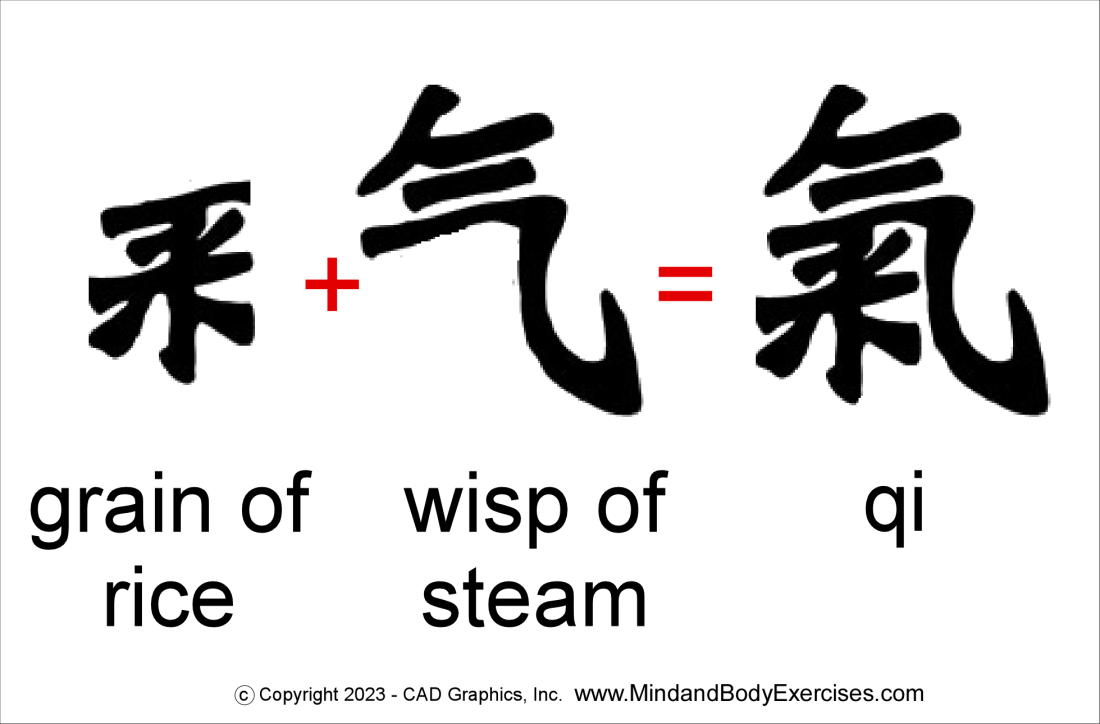
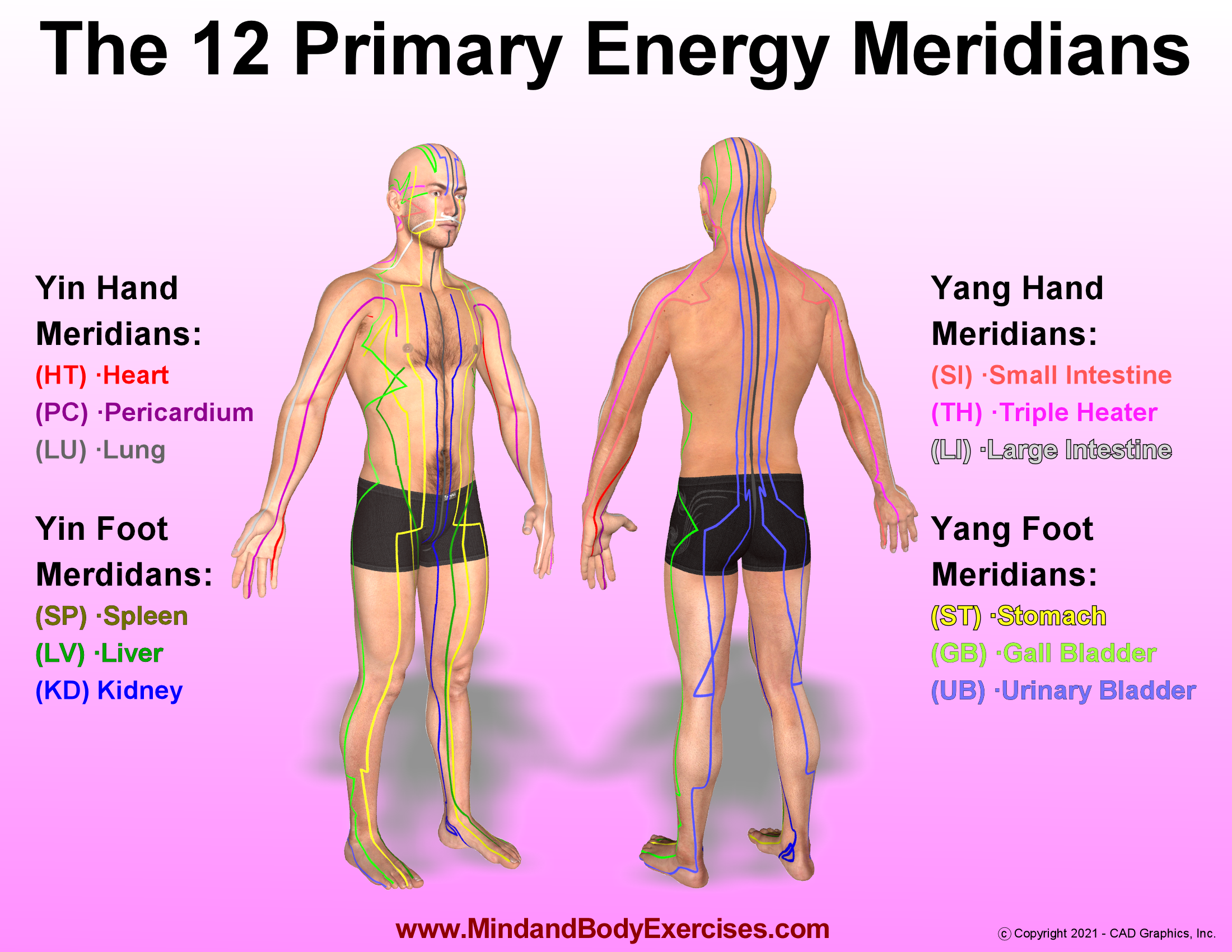
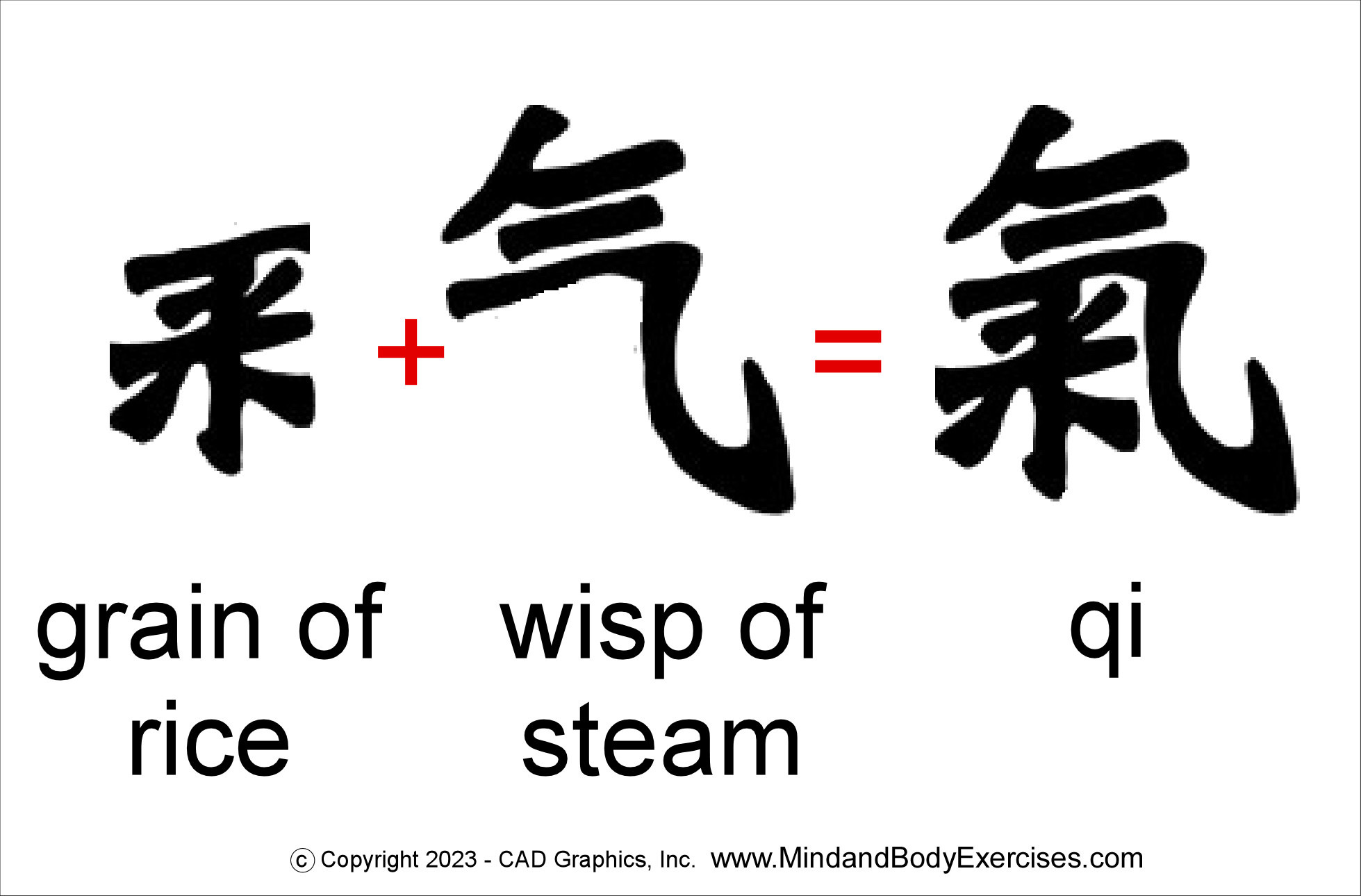
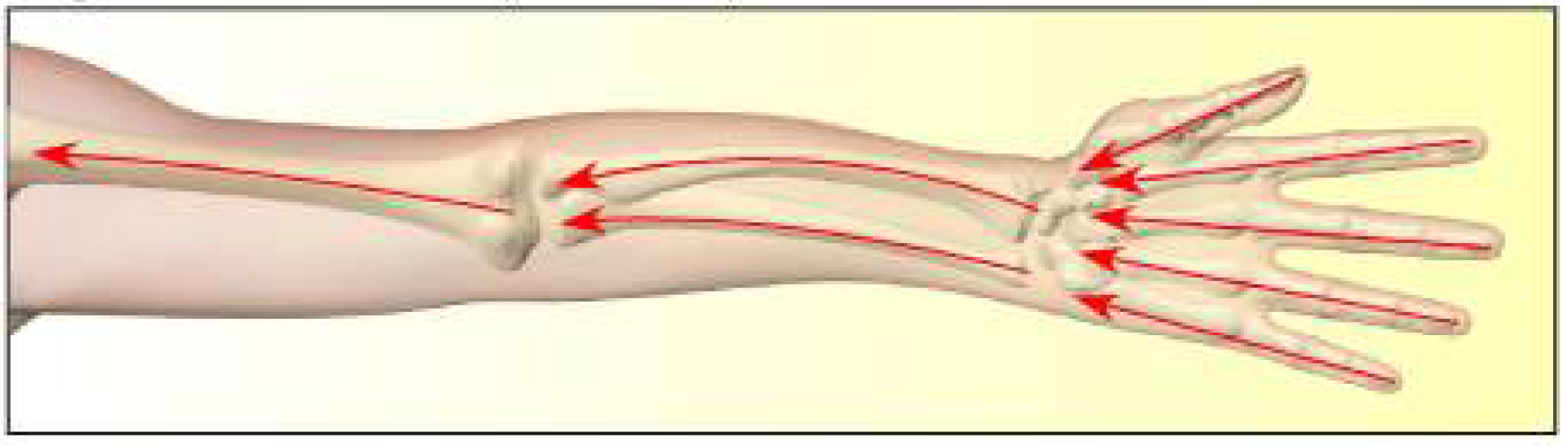
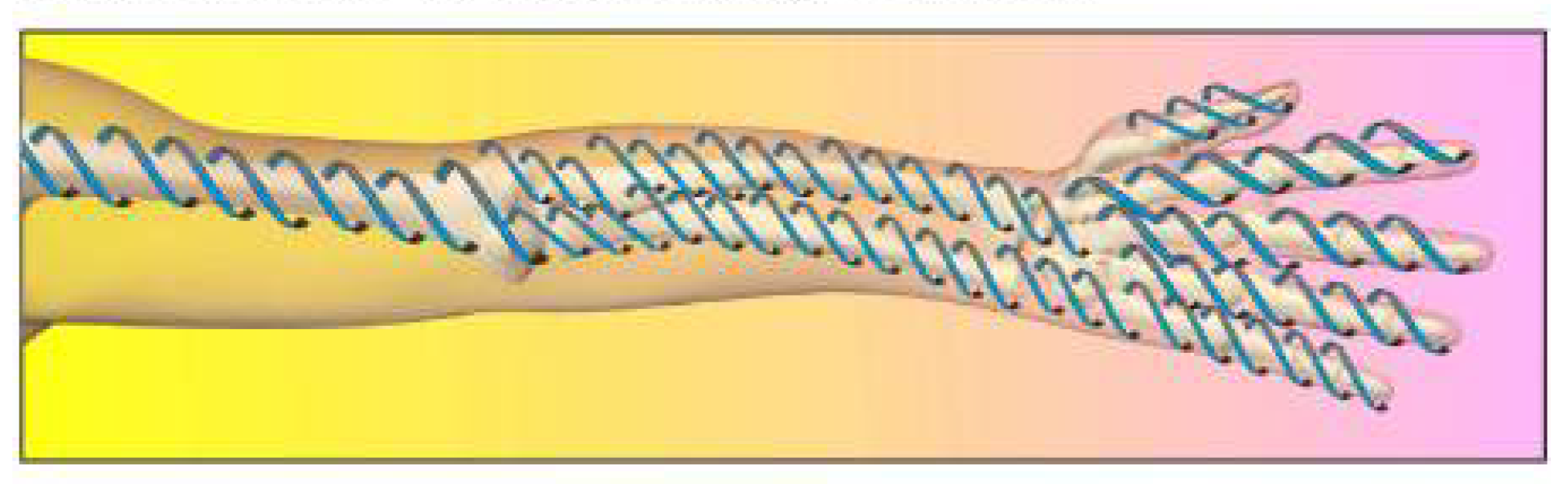
Chi or Qi (pronounced as “chee”) translates to mean “breath” in Chinese. Chi is the life energy that all living creatures require in order to exist. Different cultures call this energy, Ki (from Japanese), Gi (Korean) or Prana (Indian). Chi is a type of energy in the human body and circulates within the blood throughout. Chi flows in a specific pattern from the chest, down the front of the arms to the fingers. It then travels up the back of the arms to the head. The chi then travels down the back to the feet and back up the front of the body to the chest. It travels through meridians within the body that can be best described as something similar to the electrical lines on a printed circuit board. There are 12 main meridians and 8 extraordinary ones as well. There are points along these meridians that are known as “pressure points” or acupoints for acupressure and acupuncture.

Why is Chi important?

The amount of chi in one’s body and the quality of it determines whether an individual is generally healthy or prone to illness. There is a finite amount in our bodies and is gradually exhausted due to age and possible abuses. When it decreases so does the lifespan of the individual.

  • Prenatal chi comes from our parents.
  • Nutritional chi comes from the food we eat.
  • Air chi comes from the air we breathe.
  • Other types of chi are manifested from the previous three types to form others.

What types of chi are there?
Similar to how there can be many different types of plants for example, each having its own name and characteristics, there are various types of chi.

Prenatal, original or primary chi, are different names for the same type of chi that is inherited from the mother (and father) at the time of conception. At birth, the chi resides in and around the kidneys, eventually spreading throughout the rest of the organs and body. In order for the prenatal chi to be maintained, food, drink and air are required. Our health and quality of it are directly linked to the quality of these components. Even if someone’s prenatal chi is weak, it can still be properly nourished by proper diet, exercise and life style. Postnatal or nutritional chi and is derived from food and life style. Nutritional chi is responsible for producing the blood as well as providing the body with nourishment. Where the chi circulates, the blood will follow. The blood nourishes the chi; it is a synergistic relationship
just is yin and yang.

Pectoral or air chi is drawn into our lungs from the air we breathe. People lacking stamina, are known to be deficient in air chi. It enables the lungs to control respiratory functions and enables the heart to circulate blood, relying upon the arms and legs to circulate chi throughout the body.

Defensive or guardian chi (Wei Qi) circulates on the surface of the body, protecting it from outside influences and dangers. Originating from the food we eat, defensive chi is responsible for the operation of the skin’s pores, thereby regulating the body’s temperature and ability to provide moisture when needed.

Normal chi or Zangfu Zhi chi, is that which circulates through the organs.


Jing Luo Zhi chi is that which circulates through the meridians.

How do I keep what I have?
A proper balance of nutrition, exercise and a healthy lifestyle directly affect the quality and abundance of chi. Emotions and their balance or lack there of, affects the quality of an individual’s chi. The 7 emotions are Joy, Anger, Sadness, Grief, Pensiveness, Fear, and Fright. Energy (Chi) is regarded as one of the 3 Treasures or essential components of life, with essence (Jing) and spirit (Shen) being the other two. When energy, essence and spirit are in harmony with one another, the person finds himself or herself alert, healthy and vibrant. Or the opposite, if their treasures are in imbalance. If this harmonious flow is disrupted, illness occurs.

Can I get more?

  • Better quality food or herbs
  • Better quality of air we breathe
  • Deep breathing exercises such as Qigong
  • Other forms of internal martial arts training such as Tai Chi, Hsing Yi or BaguaZhang

What is Chi Kung, Qigong or Gi Gong?
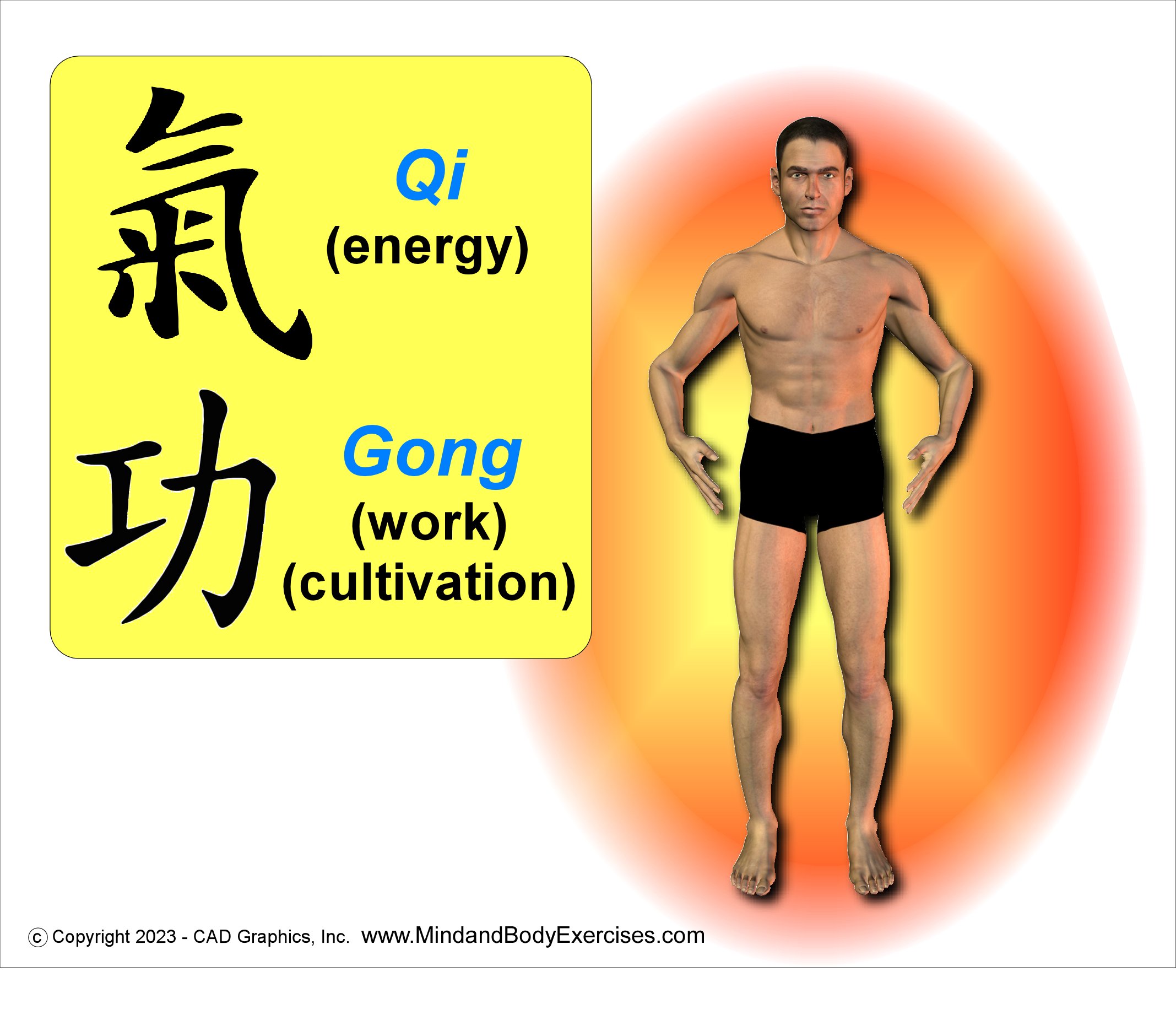
Exercises originating in India and China, for enhancing or “cultivating” chi. The above names reflect different spellings for the same concept. Cultivate is an appropriate word because, as living things require nourishment and nurturing to grow, chi must be nourished and encouraged to develop.

How do these exercises work?
By regulating one’s breath and rhythm of it, an individual can begin to affect the parasympathetic nervous system which slows their heart rate, lowers the blood pressure, relieves muscle tension and consequently changes their body chemistry. This is basically the same state of being one achieves while sleeping and is when the body rests, heals and recharges its energy levels.

What are the benefits of practicing these types of exercises?

  • Increased energy
  • Relief from chronic illnesses
  • Increased self awareness
  • Expansion of one’s thought process
  • Spiritual awareness
  • Increased longevity
  • Better control of emotions
  • Provides a release of one’s internal chatter

Can Qigong exercises really cure serious diseases and ailments?
It is important to note that the claim of practicing chi kung to overcome illness and promote health is based on countless testimonials of practical cases spanning centuries. If someone is physically impaired, this affects his or her emotions and mental state. Consequently, someone’s emotions can easily affect their health, for better or worse. If our psychological and physiological systems function as they should, illness should not occur. Illness occurs when one or more of the body’s systems fail in their functions. The specialty of chi kung is to restore and enhance harmonious energy flow, thereby overcoming illness.


What is the difference between Qigong and Nei Dan (Nae Gung)?
Qigong is exercises focusing on increasing one’s energy by regulating their breath. Nei Dan is somewhat more advanced in that one uses their thought and awareness to guide and increase their energy throughout the spine and bones within the body.


Why pursue these methods?
The American Health Care Crisis might not be as such if all Americans assumed more personal responsibility for their own health. Many spend small fortunes on doctor visits, medication, chiropractic adjustments, massage therapy, acupuncture and other forms of health care and pain relief. Chi kung is relatively cheap to learn, takes little space and only minutes a day to reap the benefits. The only side effects are positive and it doesn’t require a prescription from your doctor.


I teach and offer lectures about holistic health, stress management, qigong, tai chi, baguazhang, and yoga.

I also have hundreds of FREE education video classes, lectures and seminars available on my YouTube channel at:

https://www.youtube.com/c/MindandBodyExercises

Mind and Body Exercises on Google: https://posts.gle/aD47Qo

Jim Moltzan

407-234-0119
Contact for times, locations and costs.

www.MindAndBodyExercises.com

www.Amazon.com/author/jimmoltzan

A Blueprint for Inner Happiness, and its You!

Do You Know What Your Potential Is? Physical health, mental well-being and the relationships within our lives; are these the most cherished aspects of your life? Yet, how much effort do we put towards improving these areas on a daily basis?

You may have many teachers throughout your life, but every individual has the ability to access the “master” within their own self. You are the master in control of your own reality. No amount of wealth or fame can make you truly happy if you are not healthy and value those around you. The following aspects are just one formula for a successful life. With a blueprint of how to achieve prosperity, how can you not become healthier within all facets of your life?

Respect

Discipline

Self Esteem

Confidence

Determination to Achieve Goals

RespectThis is where values begin. You must understand and have respect for yourself (self-respect) before you can demonstrate it to others. Taking the steps to take care of your physical and mental well-being effects you first and then those closest to you second.

DisciplineDeveloping control of one’s own desires, commitments, and ultimately your own actions, leads to self-discipline. Control of physical movements can lead to management of thoughts and emotions.

Self-EsteemAs you review your achievements of respect and discipline, your sense of worth is elevated and appreciated.

ConfidenceUnderstanding and accepting your weak areas as well as your stronger aspects removes insecurity. When you feel that you are physically well and mentally sharp, confidence can fill your personality. You can accomplish whatever goal you set out to achieve. One should be careful not become arrogant with an increase in self-confidence.

Determination to Achieve Goals– The positive sum of the previous aspects leads to one’s determination. Good judgment and focused effort toward positive goals result in true personal success.

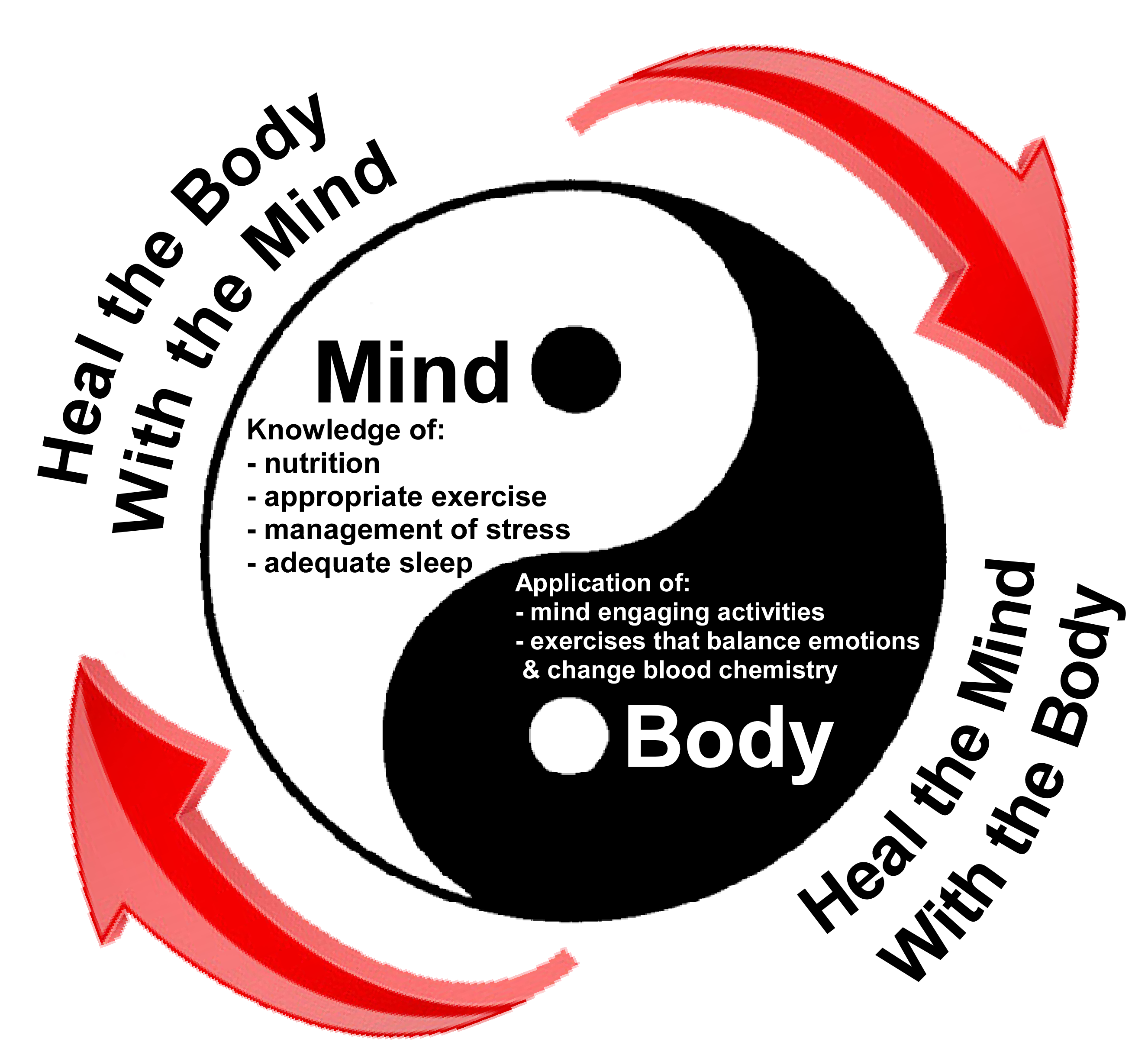
So, the question here is, how does an individual gain these mental traits of respect, self-discipline, self-esteem, confidence, and determination, if they do not have much of these to begin with? At the root of this blueprint is physical movements and/or exercises. Mental development comes from engagement with the physical body. We heal the body with our mind, as our body protects our mind. Skillful means and activities, whether it be physical exercise, playing musical instruments, painting, drawing, singing, cooking, gardening, the list goes on, anything that engages the body through engagement of one’s thoughts and attention can help to bring about enhancement of positive mental traits. By developing self-discipline to continuously execute and perfect whatever skillful activities, an individual can start to understand not only how their being works physically but also mentally and emotionally. You can find your strengths and your weaknesses and improve them both. From here the self-control acquired can be used to accomplish any goal when properly motivated.

__________________

I teach and offer lectures about holistic health, stress management, qigong, tai chi, baguazhang, meditation, phytotherapy (herbs), music for healing, self-massage, and Daoyin (yoga).

I look forward to further sharing more of my message by partnering with hospitals, wellness centers, VA centers, schools on all levels, businesses and individuals that see the value in building a stronger nation through building a healthier population. I also have hundreds of FREE education video classes, lectures and seminars available on my YouTube channel at:

https://www.youtube.com/c/MindandBodyExercises

www.MindAndBodyExercises.com

www.Amazon.com/author/jimmoltzan

Mind and Body Exercises on Google: https://posts.gle/aD47Qo

Jim Moltzan

407-234-0119
Why do insurance companies cover pharmaceuticals and surgeries, but seldom cover non-invasive nor cheaper interventions?

Oh please, come on now… we all know there is no profit in treating healthy individuals. No business by definition will operate at a loss, let alone a lesser profit when so much money is left sitting on the table. Companies cannot stay in business for too long if they do not continue to grow from existing and new customers. Often people with chronic ailments are customers of drugs for the duration of their life span. US healthcare (truly sick-care) is a profit-driven system where it benefits from people remaining sick enough to require daily meds, but well enough to function in society. This is blatantly obvious where every fall medical experts warn us of the impeding “flu season” and a need to get vaccinated once again. Why not suggest instead or addition to this, that people take better care of themselves, get more sunlight (vitamin D) and exercise more? This is the time of year when temps drop, people bundle-up and cover their exposed skin or stay indoors more and thereby become even more Vitamin D deficient than they are normally anyway. Poor diet choices help fuel this deficiency also. Any qualified medical expert knows this and also know that Vitamin D levels are directly relevant to the immune system’s ability to function properly.

Similarly, look how difficult it is to find insurance policies that cover hearing aids, eyeglasses or dental treatments, as if these are not major health issues that often dictate our everyday tasks and responsibilities. If you need to be able to see better, hear better or eat properly, the former are all basic health requirements. Insurance companies need not cover these because they know most people will spend their own money regardless of if they can afford such luxuries as glasses, hearing aids or healthy teeth and gums.

So, how does this relate to the insurance companies? Insurance coverage decisions are a reflection of the current healthcare system’s business strategy, that is often in a state of constant change and adjustment. In today’s US health climate, there is a strong emphasis on pharmaceutical interventions and surgery in lieu of lifestyle modifications. Insurance coverage decisions regarding treatments with pharmaceuticals and surgeries are influenced by various factors of claimed cost-effectiveness, clinical evidence, medical guidelines, and the choices of pharmacy benefit managers who quite often base decisions upon profit over treatment effectiveness. It is important to note that insurance coverage decisions may not always coincide with individual preferences or beliefs towards certain treatments.

Surgical procedures may be covered if are seen as necessary, while chiropractic or physical therapy coverage varies based on upon perceived effectiveness of the specific condition being treated. I have had firsthand experience with this exact situation on many occasions. Nasacort for allergies is $26-36 or Flonase $14-21 with insurance, both covered but also offered me side-effects of anxiety and jitteriness. Over time, my body became accustomed to these medications and were no longer effective, but the side-effects remained. Insurance doesn’t cover herbs or supplements which I found to be quite effective for managing seasonal allergies. The cost for a microdiscectomy on a herniated disc can range between $20,000 and $50,000 which would be covered, but rest for a few weeks followed by chiropractic treatments at about $100 per session – 5 total, were not. Yoga sessions at $20 a class for about 20 classes, not covered. Both of these methods worked for those that I knew could fare better from options other than surgery. An osteopathic surgeon looked at me and shook his head in bewilderment when I declined to have a covered knee surgery procedure ($5000-$30000) for something I was able to manage through appropriate exercise, free of cost other than time and effort on my part. Some sufferers have no option but to have surgery or use pharmaceuticals, especially if they have suffered some type of traumatic injury.

Most of us know that chiropractic and appropriate exercises such as stretching, yoga and others are viable and effective methods of managing chronic pains. We also mostly know that insurance companies will not be covering these treatments because they generate little or no profit to their bottom lines. We know this but go along with it (cognitive dissonance) because most of us feel that we are helpless (learned helplessness) against a system that favors profits over patients. However, there is hope as we all have the ability to make our own decisions regarding our own health and well-being. I have personally trained and/or helped many of my students over the years to better manage chronic issues with their knees, lower back, neck, shoulders, headaches, allergies, anxiety, depression, PTSD and other ailments, through appropriate exercise and lifestyle modifications. Anecdotal experiences and academic studies abound if one cares to do a bit of research. I encourage all to perform their due diligence when it comes to pursuing and treatment, whether pharmaceuticals, surgery, chiropractic, herbs, physical exercise or any other methods of healthcare/self-care.

Several factors influence insurance companies’ decisions on coverage, including but not limited to the following:

  1. Regulatory approval of pharmaceuticals and surgical procedures – specific medicines and surgeries should go through a rigorous approval process by regulatory agencies, which can hopefully offer credibility to their usage in medical treatment. However, there has been an erosion in public trust towards regulatory agencies in recent years, as it has been proven that many are actually paid to perform research by the same companies that fall under their regulation.
  2. Clinical evidence – pharmaceuticals and surgical procedures often have established clinical evidence demonstrating their effectiveness in treating certain conditions, however as stated previously some research studies are funded by pharmaceutical companies leading to a conflict of interest. Some companies seek out specific academic institutions or scientist that agree with their particular goals (Jureidini, 2022).
  3. Quick fixes or a pill for all our ills – pharmaceuticals and surgeries can often offer relatively quick relief from symptoms, which may be desirable to both patients and healthcare providers. Time-consuming and effort to modify one’s lifestyle can require more time in order to gain significant results.
  4. Patient compliance – a certain percentage of patients might find it difficult or challenging to commit to making and managing lifestyle changes. Consequently, this makes pharmaceuticals and/or surgeries more practical, reliable and seemingly better options for particular patients.

There does seem to be a small but growing acknowledgement of the importance of lifestyle choices and relative modifications, such as managing a more nutritious diet, regular and consistent exercise, and taking some preventative measures towards various health conditions. Particular insurance providers might cover preventive services or programs focused upon encouraging healthier lifestyles. As this field of preventive medicine continues to evolve, there may be some amount of increased emphasis on adding some lifestyle interventions into healthcare coverage. In the meantime, realize that we truly are the architects of our own health, happiness and well-being.

Reference:

https://www.forbes.com/sites/sallypipes/2023/10/16/this-healthcare-reform-could-finally-bring-democrats-and-republicans-together/?sh=2b4ceb5b43cb

Jureidini, J. (2022, March 16). The illusion of evidence based medicine. The BMJ. https://www.bmj.com/content/376/bmj.o702

________________________

I teach and offer lectures about holistic health, stress management, qigong, tai chi, baguazhang, meditation, phytotherapy (herbs), music for healing, self-massage, and Daoyin (yoga).

I look forward to further sharing more of my message by partnering with hospitals, wellness centers, VA centers, schools on all levels, businesses and individuals that see the value in building a stronger nation through building a healthier population. I also have hundreds of FREE education video classes, lectures and seminars available on my YouTube channel at:

https://www.youtube.com/c/MindandBodyExercises

www.MindAndBodyExercises.com

www.Amazon.com/author/jimmoltzan

Mind and Body Exercises on Google: https://posts.gle/aD47Qo

Jim Moltzan

407-234-0119