Post-traumatic Growth (PTG), General Adaptation Syndrome (GAS), and Learned Helplessness

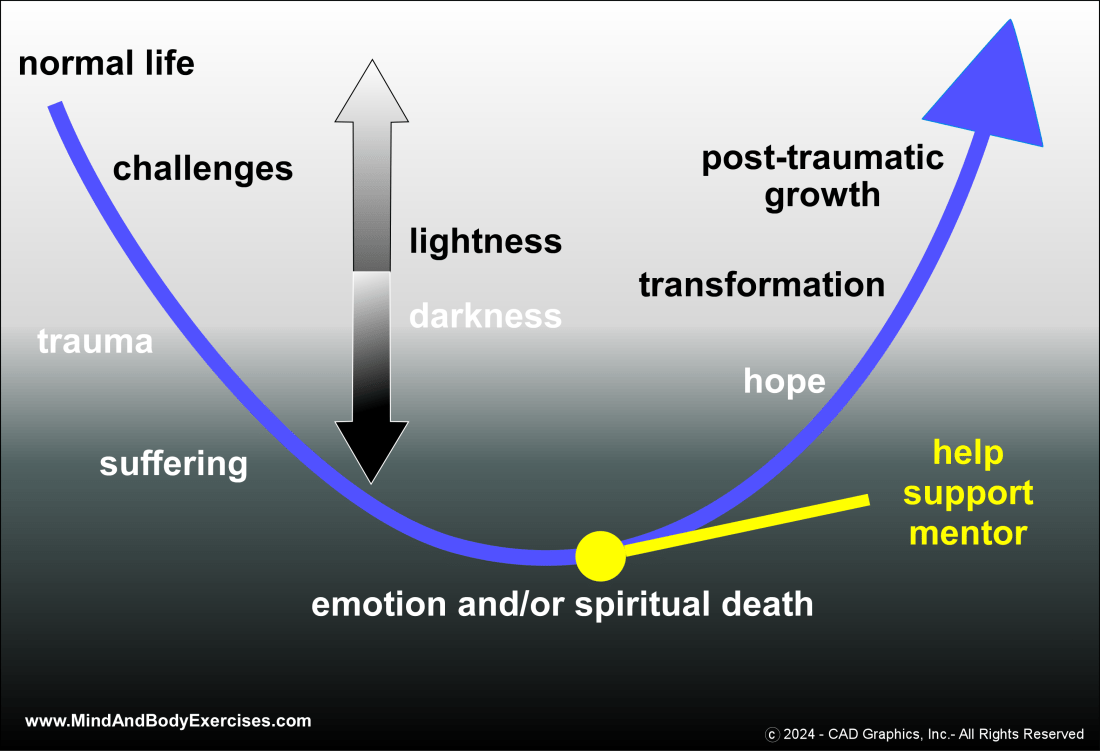
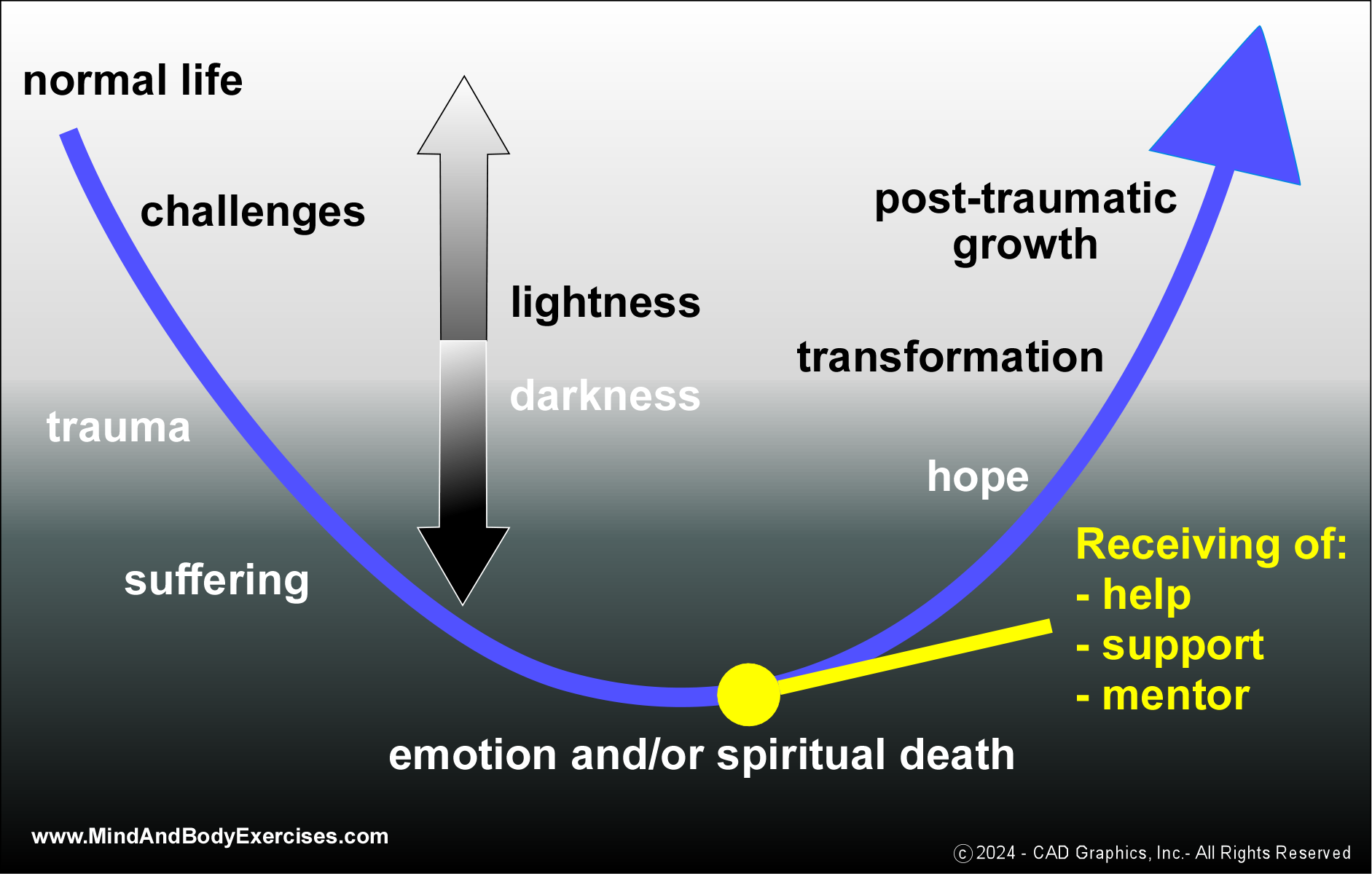
Post-traumatic growth (PTG) is the term for what happens when someone who struggles psychologically from past trauma and adversity or post-traumatic stress disorder (PTSD), comes to experience positive, and maybe even transformative changes in their mindset and behavior. Over time, a survivor’s focus shifts away from their trauma, moving toward a new purposeful narrative that may include possibilities for a better future. A key factor for PTG is the ability for the sufferer to create an emotional distance from the traumatic event and realize that it doesn’t define who they are.
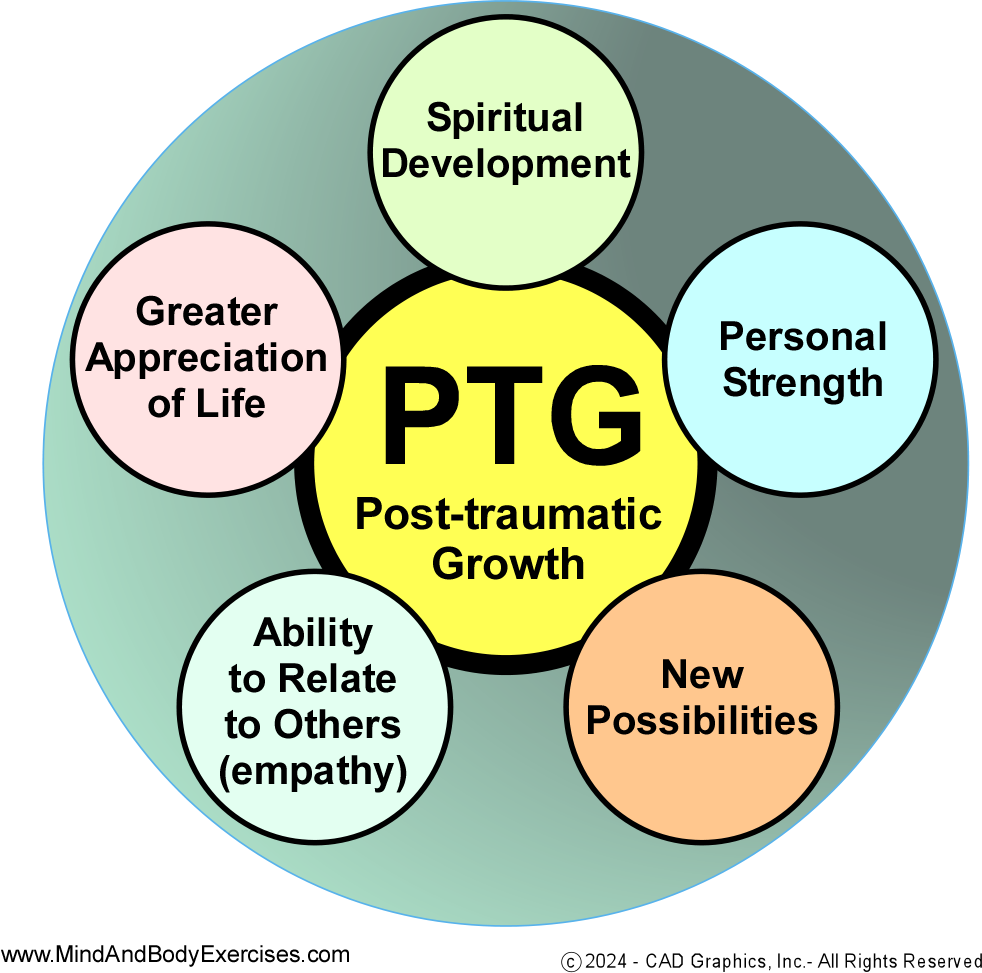
Potential benefits may include:


(1) A sprouting of personal strength
(2) An ability to relate to others more deeply
(3) An openness to new possibilities and maybe even greater opportunities
(4) A greater appreciation of life
(5) Spiritual and existential change


It is important to note that not everyone who experiences PTSD can or will also experience post-traumatic growth. Those who respond to trauma by assuming control, manage much better.
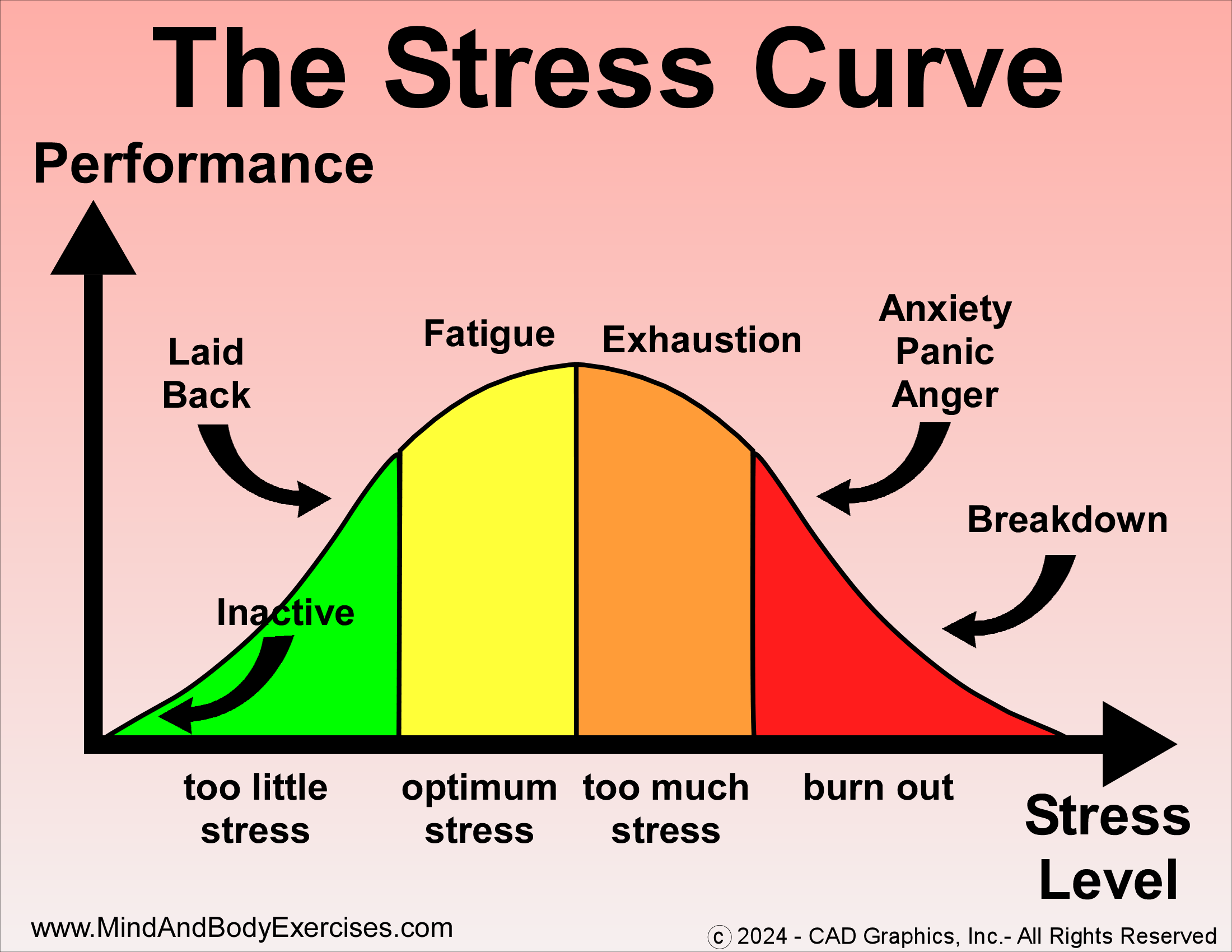
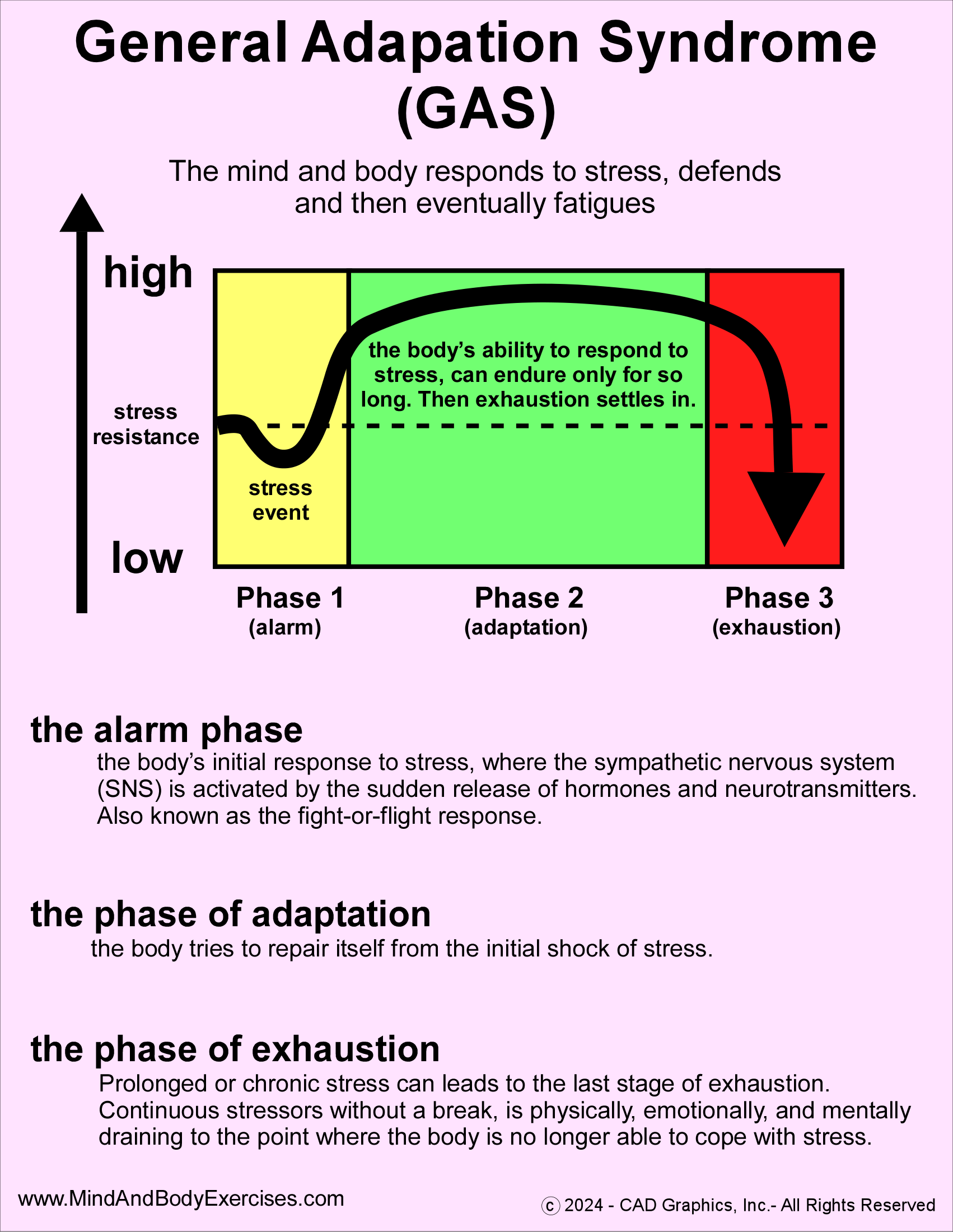
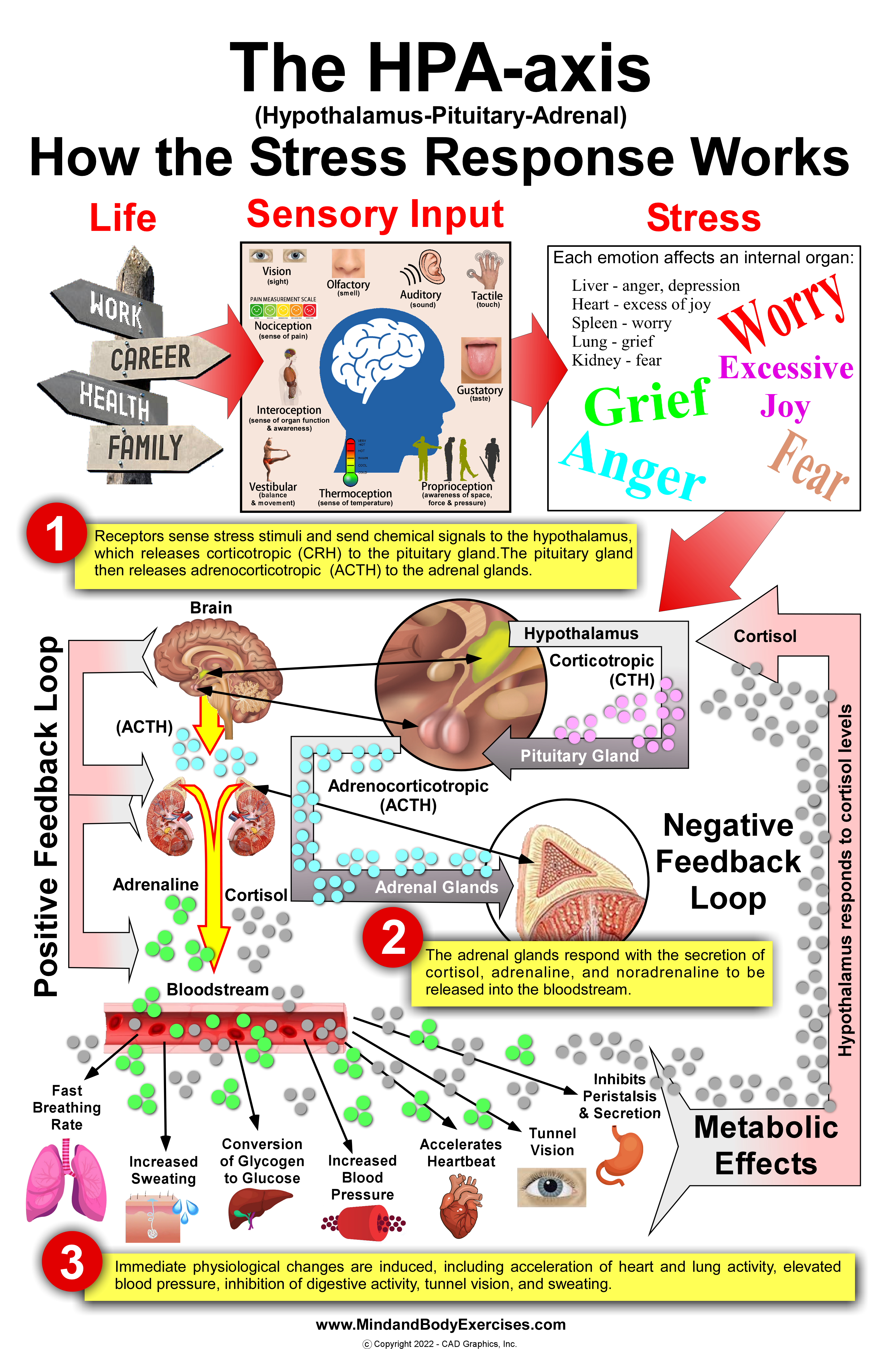
Contrasting PTG is that of “learned helplessness” where a person acquires an altered state of being, that can occur after a person has experienced a stressful situation once or repeatedly. The individual comes to believe that they are unable to control or change their negative situation or future circumstances. Eventually, the person stops trying to change their conditions, even when opportunities for positive change become available. This thought process puts extra wear and tear on the nervous system, as the HPA-axis is constantly engaged in order to cope with and manage the inner stresses on the psyche. This can further lead to the general adaption syndrome (GAS) were the body sees the continued heightened level of stress as the new norm, and consequently psychophysiological mechanisms become affected. 
After reading The Body Keeps the Score: Brain, Mind, and Body in the Healing of Trauma, I have a better idea of how mental wounds can heal or stay fresh, active and continue to live on in a sufferer’s mind. Over my past years as a martial artist, tai chi and yoga teacher, almost all of my teachers (masters in their respective fields of expertise) spoke of how the mind protects the body, as conversely and more often synergistically, the body protects the mind. The mechanisms that control our physiology that are affected and managed by are nervous system, embody this exact relationship between our mind and body. What really embraced my attention was the concept that if our being is not able to react and take some level of control over a traumatic situation, we may well be caught in a never-ending loop of reliving the original trauma, often leading to the learned helplessness that I spoke of earlier. Our nervous system, along with our mind, body and spirit will continue to perceive the original trauma as present threat until reprogrammed to be otherwise.
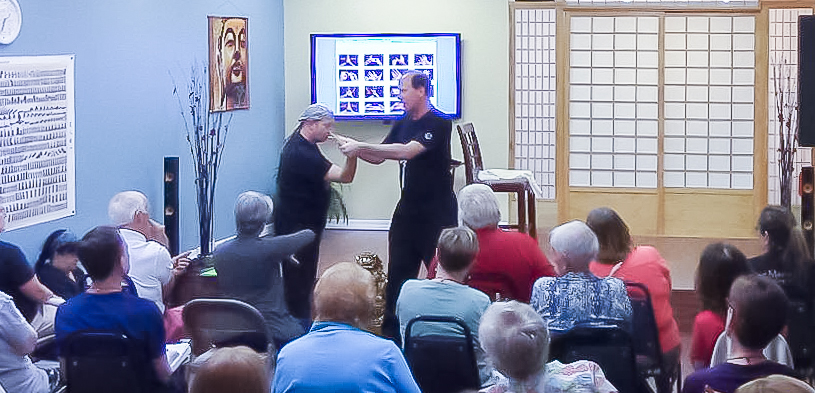
I was taught and encouraged to teach others also, that in a self-defense or other traumatic situation, a victim will almost always fair better emotionally and mentally if they try to defend themselves against a would-be attacker. In spite of the obvious potential for becoming injured, killed or otherwise, a victim at a particular time or place, need not accept that they will forever be a victim. I know this to be true from the hundreds of students that made their way to our schools and pursued self-defense instruction and classes, often after already having experienced some type of personal abuse, crime, or assault. However, at the time of my interaction with such individuals I was not following any scientific data nor studies, but rather my firsthand observations and conversations I had with many of my students. More recent research on my part, has led me to various studies of how yoga has been studied and implemented in the treatments of symptoms from traumatic events, such as fear, anxiety, depression, and post-traumatic stress disorder (PTSD) (Macy et al., 2015). Additionally, other research has been studied regarding specifically how self-defense training can be used as an intervention as a psychotherapeutic treatment for traumatic events (Rosenblum & Taska, 2014). Yoga, qigong, tai chi, martial arts and other mind-body practices have proven the test of time for hundreds if not thousands of years within other cultures. Hopefully, are scientific and medical communities will continue to pursue their due diligence to confirm how beneficial these methods can be for those in need within our fast-paced and often stressful lifestyles.

References:

Van der Kolk, B. A. (2014). The Body Keeps the Score: Brain, Mind, and Body in the Healing of Trauma. Viking.

Macy, R. J., Jones, E., Graham, L. M., & Roach, L. (2015, December 9). Yoga for Trauma and Related Mental Health Problems: A Meta-Review With Clinical and Service Recommendations. Trauma, Violence, &Amp; Abuse, 19(1), 35–57. https://doi.org/10.1177/1524838015620834

Rosenblum, G. D., & Taska, L. S. (2014, March). Self-Defense Training as Clinical Intervention for Survivors of Trauma. Violence Against Women, 20(3), 293–308. https://doi.org/10.1177/1077801214526048

____________

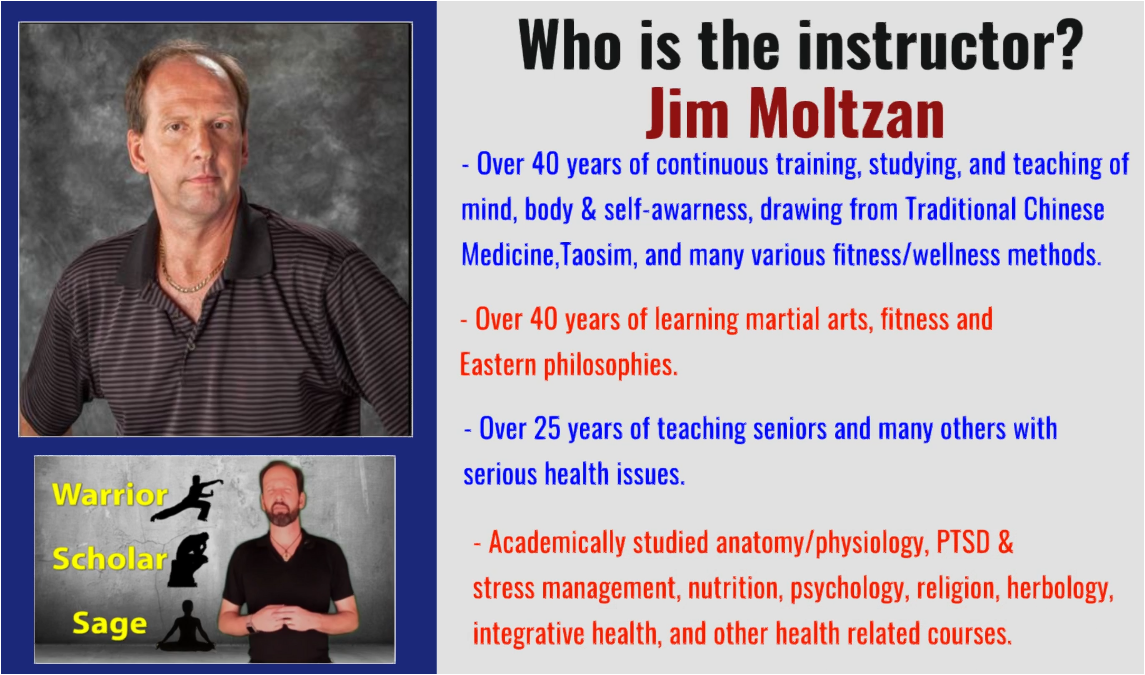
I teach and offer lectures about holistic health, stress management, qigong, tai chi, baguazhang, meditation, phytotherapy (herbs), music for healing, self-massage, and Daoyin (yoga).

I look forward to further sharing more of my message by partnering with hospitals, wellness centers, VA centers, schools on all levels, businesses and individuals that see the value in building a stronger nation through building a healthier population. I also have hundreds of FREE education video classes, lectures and seminars available on my YouTube channel at:

https://www.youtube.com/c/MindandBodyExercises

www.MindAndBodyExercises.com

www.Amazon.com/author/jimmoltzan

Mind and Body Exercises on Google: https://posts.gle/aD47Qo

Jim Moltzan

407-234-0119
Holistic Health Illustrated Study Booklets

Remember the Indiana Jones movies, where Indy (Harrison Ford) found his father’s diary, which had very important sketches, notes, and other clues to aid his search for the Holy Grail? Well, I have been searching for over 40 years for the “Holy Grail” of health, wellness, fitness and self-awareness. I have been producing graphic posters and graphic study booklets to depict what I believe to be the key components of better health, fitness, well-being and relative happiness. My publications consist mostly of pages showing color graphics of concepts for better health and wellness. I draw my illustrations from my knowledge of allopathic and Traditional Chinese Medicine (TCM), qigong, martial arts, yoga and philosophy on these topics. There are depictions of theories on the human life cycle, psychology relative to components of fitness and many other subjects pertaining to mental and physical well-being. Most of my booklets contain many exercise sets for rehabilitating injuries and illness, as well as others to promote longevity and a better quality of life.


These booklets are the summation of over 40 years of my training, education, teaching and public speaking of holistic health, qigong, fitness, wellness, TCM, martial arts and other facets of self-improvement. Similar to popular study guides such as Quick Study or PermaCharts, these graphic and text guides cut to the chase in order to minimize precious time spent muddling through extensive textbooks seeking understanding of specific concepts. Each guide is packed with the root knowledge regarding specific topics. This format is highly beneficial for the novice as well as experts in the fields of health, wellness and self-improvement.

Books published and available:

Here are links for a low-res thumbnail-look inside of:

Book 1 – Alternative Exercises:
https://…/book-1-alternative-exercises-multiple-thumbnail-view.pdf

Book 2 – Core Training:
https://…/book-2-core-training-multiple-thumbnail-view.pdf

Book 3 – Strength Training:
https://…/book-3-strength-training-mulitple-thumbnail-view.pdf

Book 4 – Combo of 1-3:
https://…/book-4-combo-book-1-3-thumbnail-view.pdf

Book 5 – Energizing Your Inner Strength
https://…/book-5-energizing-your-inner-strength-thumbnail-view.pdf

Book 6 – Methods to Achieve Better Wellness:
https://…/book-6-methods-to-achieve-better-wellness-thumbnail-view.pdf
Book 7 – Coaching & Instructor Training Guide

Book 8 – The 5 Elements & the Cycles of Change
https://…/book-17-the-5-elements—the-cycles-of-change-thumbnail-view.pdf

Book 9 – Opening the 9 Gates & Filling 8 Vessels-Intro Set 1:
https://…/book7-intro-set-opening-the-9-gates—filling-8-vessels-thumbnail-view.pdf

Book 10 – Opening the 9 Gates & Filling 8 Vessels-sets 1 to 8:
https://…/book8-the-8-vessels-9sets-thumbnail-view.pdf

Book 11 – Meridians, Reflexology & Acupressure:
https://…/book-9-acupressure-techniques-thumbnail-view.pdf

Book 12 – Herbal Extracts, Dit Da Jow & Iron Palm Liniments:
https://…/book-10-herbal-extracts-thumbnail-view.pdf

Book 13 – Deep Breathing Benefits for the Blood, Oxygen & Qi:
https://…/book-11-deep-breathing-thumbnail-view.pdf

Book 14 – Reflexology for Stroke Side Effects:
https://…/book-12-exercises-for-stroke-side-effects-thumbnail-view.pdf

Book 15 – Iron Body & Iron Palm
https://…/book-15-iron-palm—iron-body–thumbnail-preview-.pdf

Book 17 – Fascial Train Stretches & Chronic Pain Management
https://…/book18-fascial-trains-pain-managment-thumnail-view.pdf

Book 18 – BaguaZhang
https://…/book-18-baguazhang-fundamentals–thumnail-preview-.pdf

Book 19 – Tai Chi Fundamentals
https://…/book-19-tai-chi–thumbnail-view-.pdf

Book 20 – Qigong (breath-work)
https://…/book-20-qigong–breath-work—thumbnail-view-.pdf

Book 21 – Wind & Water Make Fire
https://…/book-21-wind—water–thumbnail-view-.pdf

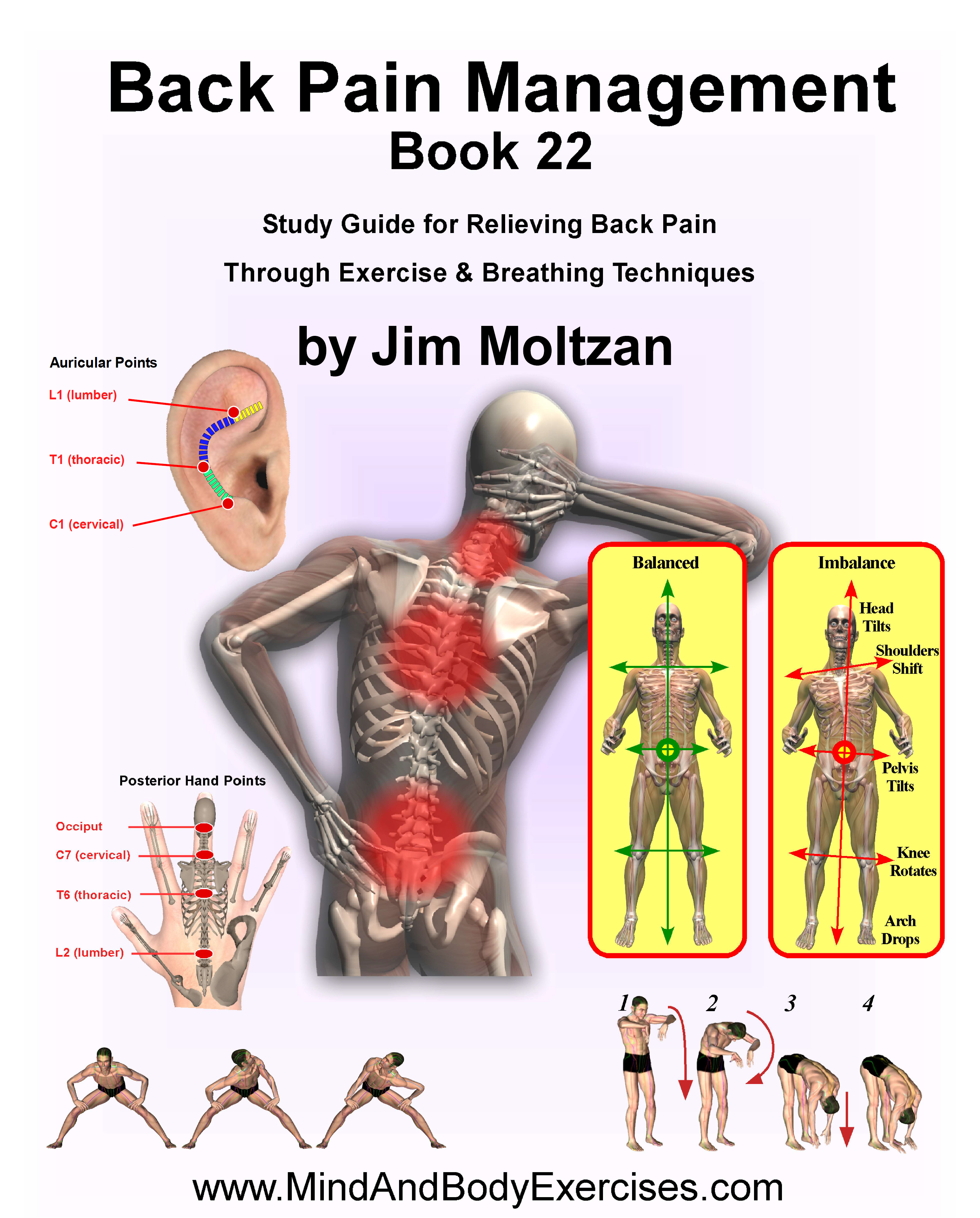
Book 22 – Back Pain Management
https://…/book19-back-pain-managment-thumbnail-view.pdf

Book 23 – Journey Around the Sun-2nd Edition:
https://…/journey-around-the-sun-intro-pages-9-18.pdf

Book 24 – Graphic Reference Book:
https://mindandbodyexercises.wordpress.com/2023/06/14/book-24-health-wellness-graphic-reference-book/

Book 26 – Whole Health Wisdom: Navigating Holistic Wellness: 
https://mindandbodyexercises.wordpress.com/2023/12/06/whole-health-wisdom-navigating-holistic-wellness-my-new-book/

______________

_________________

I teach and offer lectures about holistic health, stress management, mindfulness0based stress reduction (MBSR), qigong, tai chi, baguazhang, meditation, phytotherapy (herbs), music for healing, self-massage, and Daoyin (yoga).

I look forward to further sharing more of my message by partnering with hospitals, wellness centers, VA centers, schools on all levels, businesses, and individuals who see the value in building a stronger nation through building a healthier population. I also have hundreds of FREE education video classes, lectures, and seminars available on my YouTube channel at:

https://www.youtube.com/c/MindandBodyExercises

www.MindAndBodyExercises.com

www.Amazon.com/author/jimmoltzan

Mind and Body Exercises on Google: https://posts.gle/aD47Qo

Jim Moltzan

407-234-0119
Ayahuasca, Literally Means “the vine of death”

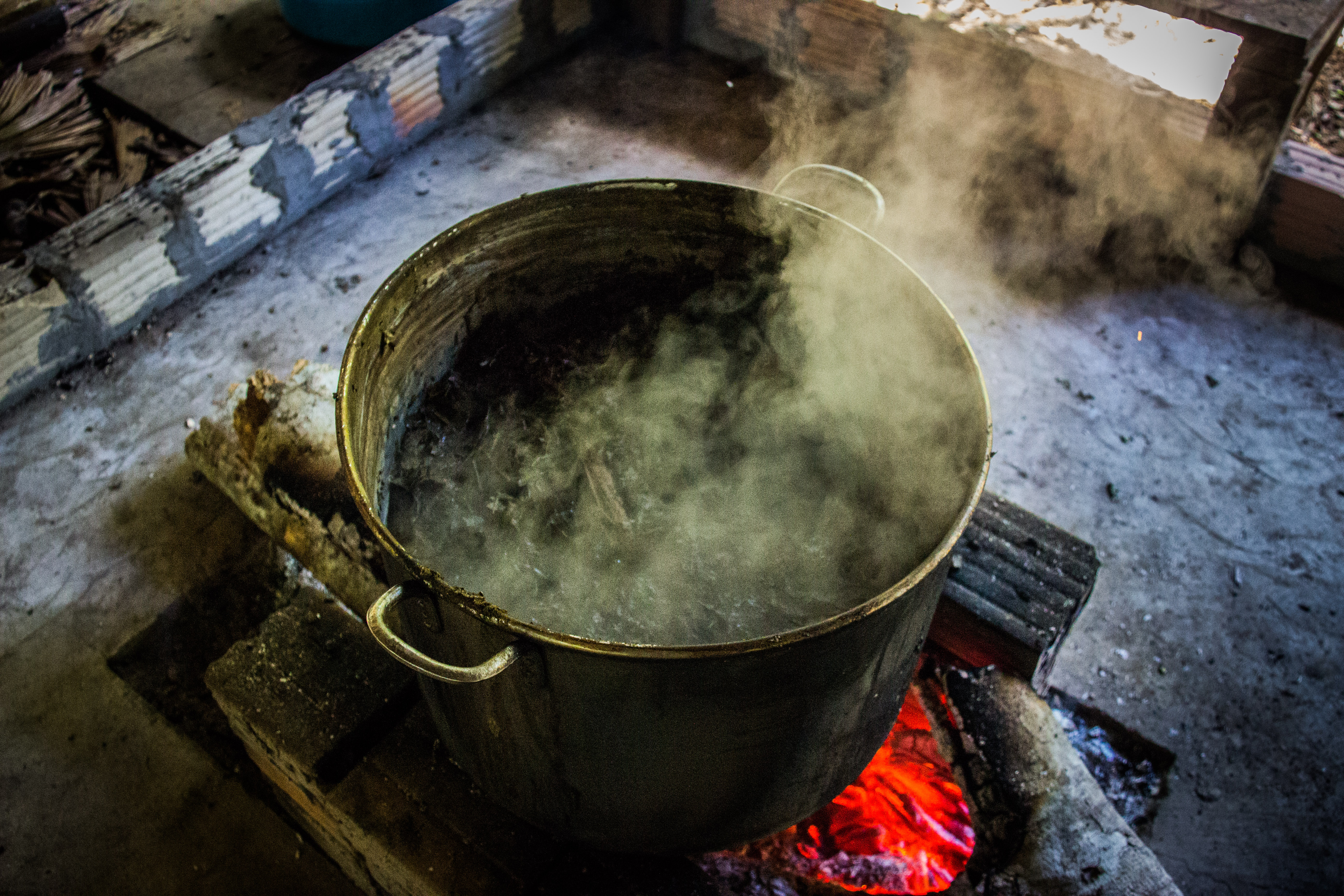
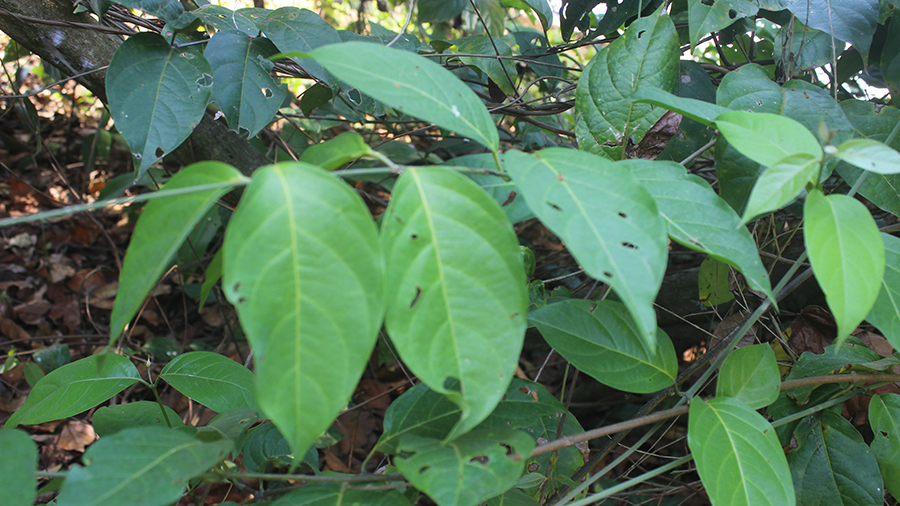
Ayahuasca usage in Amazonian cultures as a method of healing, has been more widely documented in more recent years. Ayahuasca has been very popular and widespread among indigenous people in South America, having much usage among Amazonian cultures as a way to promote community bonds within interethnic festivals, serving as an initiation or rite of passage from childhood to adulthood, as a religious sacrament, and also as a spiritual teacher plant to increase self-awareness. Various traditional medicines that include plants containing psychoactive constituents, such as Ayahuasca, are becoming more popular throughout the world. Ayahuasca, whose name means “the vine of death” contains N-dimethyltryptamine or DMT (Santos-Longhurst, 2022). This is an appropriate name, due to indigenous people’s use of Ayahuasca in order to achieve spiritual awakening where in the ritualistic ceremony. A participant may face in their mind the loss of everything that they consider important, such as their identity, their body, their health, their loved ones and perhaps even their old belief systems. How they were supposed to be, supposed to live, who they were supposed to love, and how they were supposed to forgive one another, all may become more apparent as the participant’s mind and body process the powerful psychedelic. This ceremony has three important components with the first being the setting, such as within the Amazon Rainforest, the second being the shaman master conducting the ceremony and third the ayahuasca plant and other relative constituents of the concoction to be consumed (Collective Awakening, 2017b).

While the documentary, Collective Awakening talks mostly about the positive aspects of Ayahuasca, I feel it is important to comment on other issues relative to its use. I have found other research on my part that warrants more discussion. Thousands of Westerners (I personally know a few) travel to Amazonian regions every year to pursue spiritual enlightenment and healing of physical as well as psychological ailments. With the more recent globalization of Ayahuasca, there has been a growing assimilation of the ritualistic settings, where the ceremony used to be more respective of its original context. As traditional healing methods grow in popularity, novelty and consequently more integration into Western culture, I feel there needs to be more intense scrutiny into the distribution, use and possible regulation within the US and other countries. This has already been occurring, as more scientists have been increasing their study of Ayahuasca for its potential therapeutic and long-term effects and benefits for fields of neuropsychiatric and neuropharmacology. Research has found encouraging results for mental health issues such as depression, grief, post-traumatic stress disorder, drug dependency, and eating disorders (Bouso & Sanchez-Aviles, 2020).

Living here in Orlando, Florida makes me a bit more sensitive to this topic of Ayahuasca usage going mainstream. A few years back there was a death here, related to a seemingly “alternative church ceremony” and its use and administering of Ayahuasca. The church was not held as legally liable for the death of a 22-year-old man who was a participant (Ray, 2019). My concern is that the ceremony, its meaning, and its purity will become diluted as all of these factors often come into play with the Westernization of traditional medicine modalities.

References:

Collective Awakening. (2017, February 8). Amazonia – Ayahuasca Documentary [Video]. YouTube. https://www.youtube.com/watch?v=XC1fcMplVWc

Bouso, J. C., & Sanchez-Aviles, C. (2020). Traditional Healing Practices Involving Psychoactive Plants and the Global Mental Health Agenda: Opportunities, Pitfalls, and Challenges in the “Right to Science” Framework. Health and Human Rights, 22(1), 145–150. https://www.jstor.org/stable/26923481

Santos-Longhurst, A. (2022, July 13). Everything You Need to Know About DMT, the ‘Spirit Molecule.’ Healthline. https://www.healthline.com/health/what-is-dmt

Ray, K. (2019, November 23). No charges after death investigation at ayahuasca church. WFTV. https://www.wftv.com/news/9-investigates/no-charges-after-death-investigation-at-ayahuasca-church/852255976/

______________________

I teach and offer lectures about holistic health, stress management, qigong, tai chi, baguazhang, meditation, phytotherapy (herbs), music for healing, self-massage, and Daoyin (yoga).

I look forward to further sharing more of my message by partnering with hospitals, wellness centers, VA centers, schools on all levels, businesses and individuals that see the value in building a stronger nation through building a healthier population. I also have hundreds of FREE education video classes, lectures and seminars available on my YouTube channel at:

https://www.youtube.com/c/MindandBodyExercises

www.MindAndBodyExercises.com

www.Amazon.com/author/jimmoltzan

Mind and Body Exercises on Google: https://posts.gle/aD47Qo

Jim Moltzan

407-234-0119

Managing Our Inner Dialogue

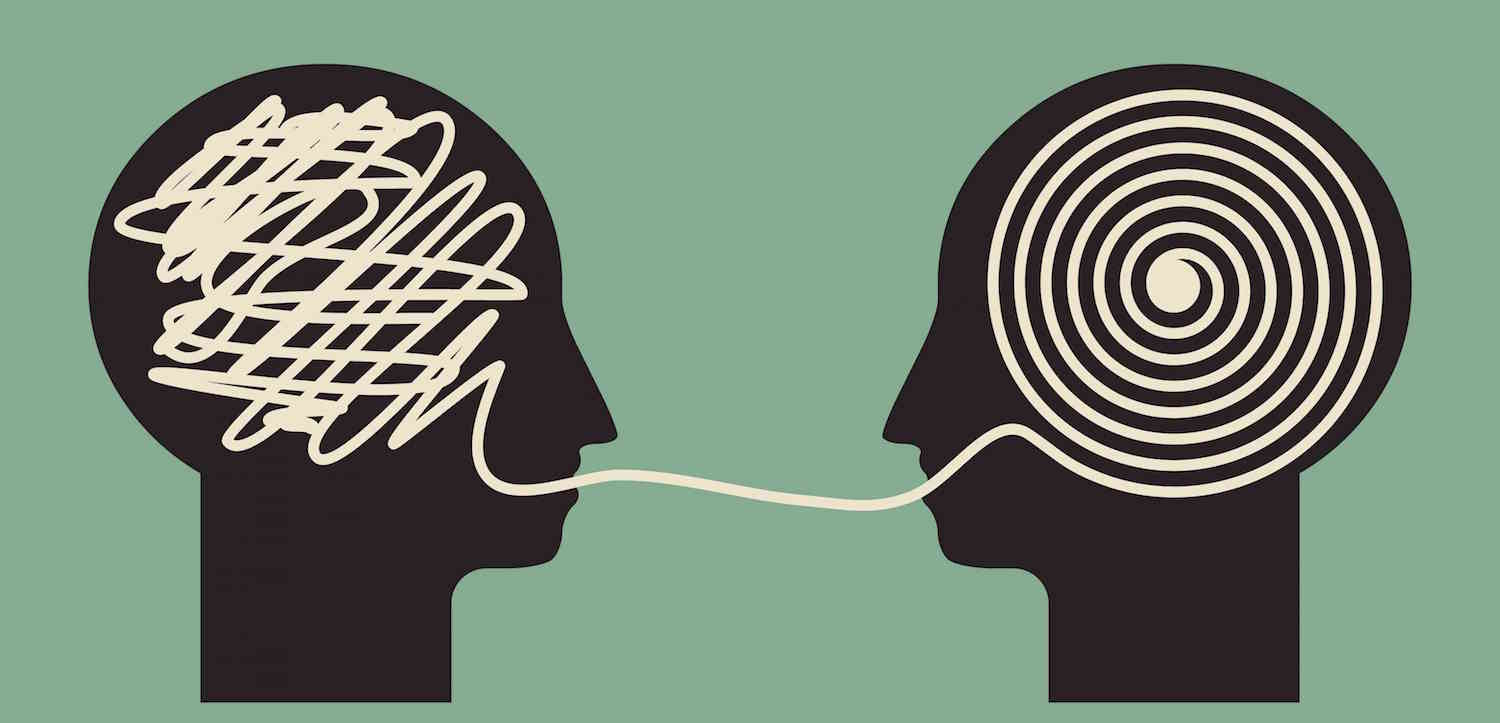
Ancient philosophies and belief systems of Buddhism and Taoism have long understood a state of consciousness of mind wandering, however referring to it as the “monkey mind.” This term is quite appropriate as it defines a state of one’s thoughts jumping from one thought to the next, as a monkey can jump from one tree to the next. William James, the founder of psychology in the United States coined the term “the stream of consciousness.” He saw our thoughts similar to a film reel, where we have individual thoughts that linked together in a sequence to form somewhat of a moving story or movie in our minds. The story moves or “streams” as we are constantly moving from one thought to the next as we process external and internal stimuli. William James theorized that human consciousness does not occur in bits or fragmented segments but rather flows more like a river, or a stream of consciousness. (Benjamin, 2018).

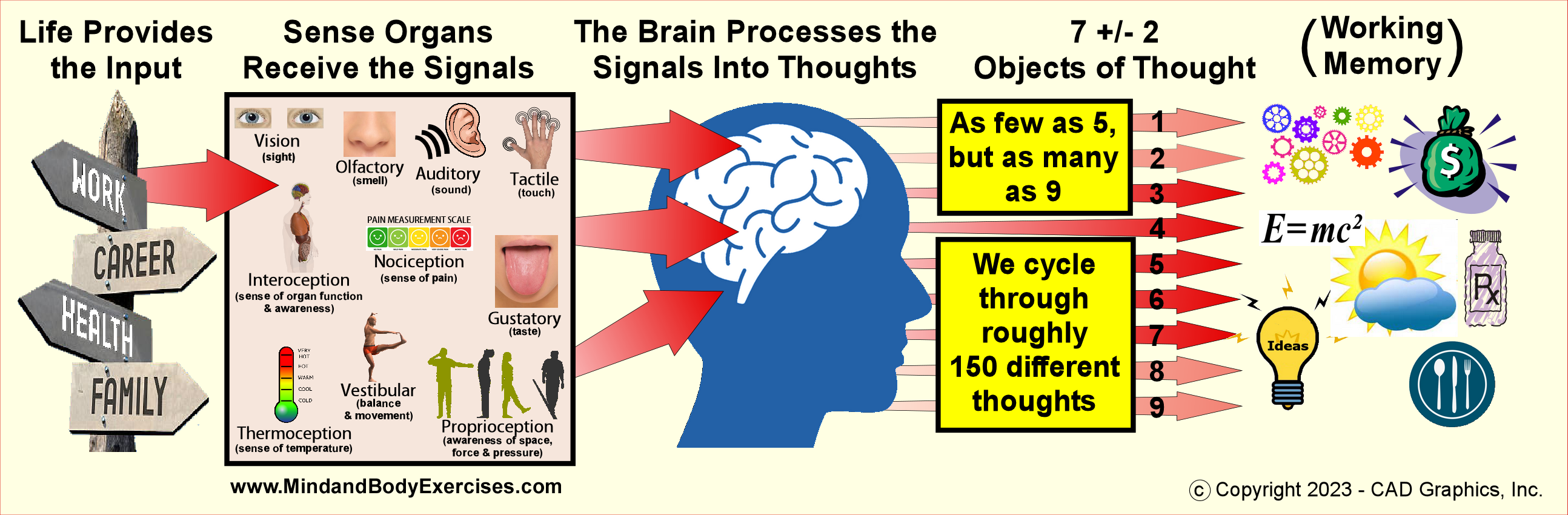
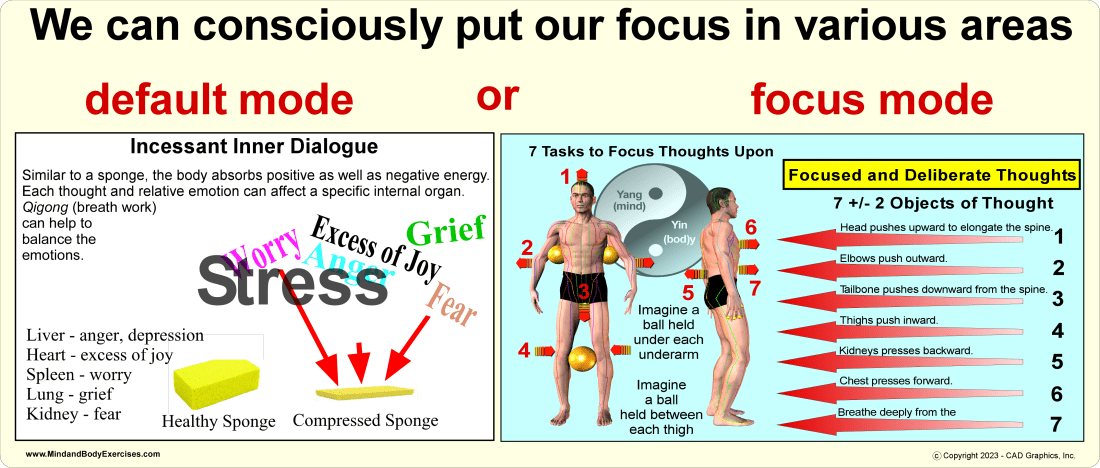
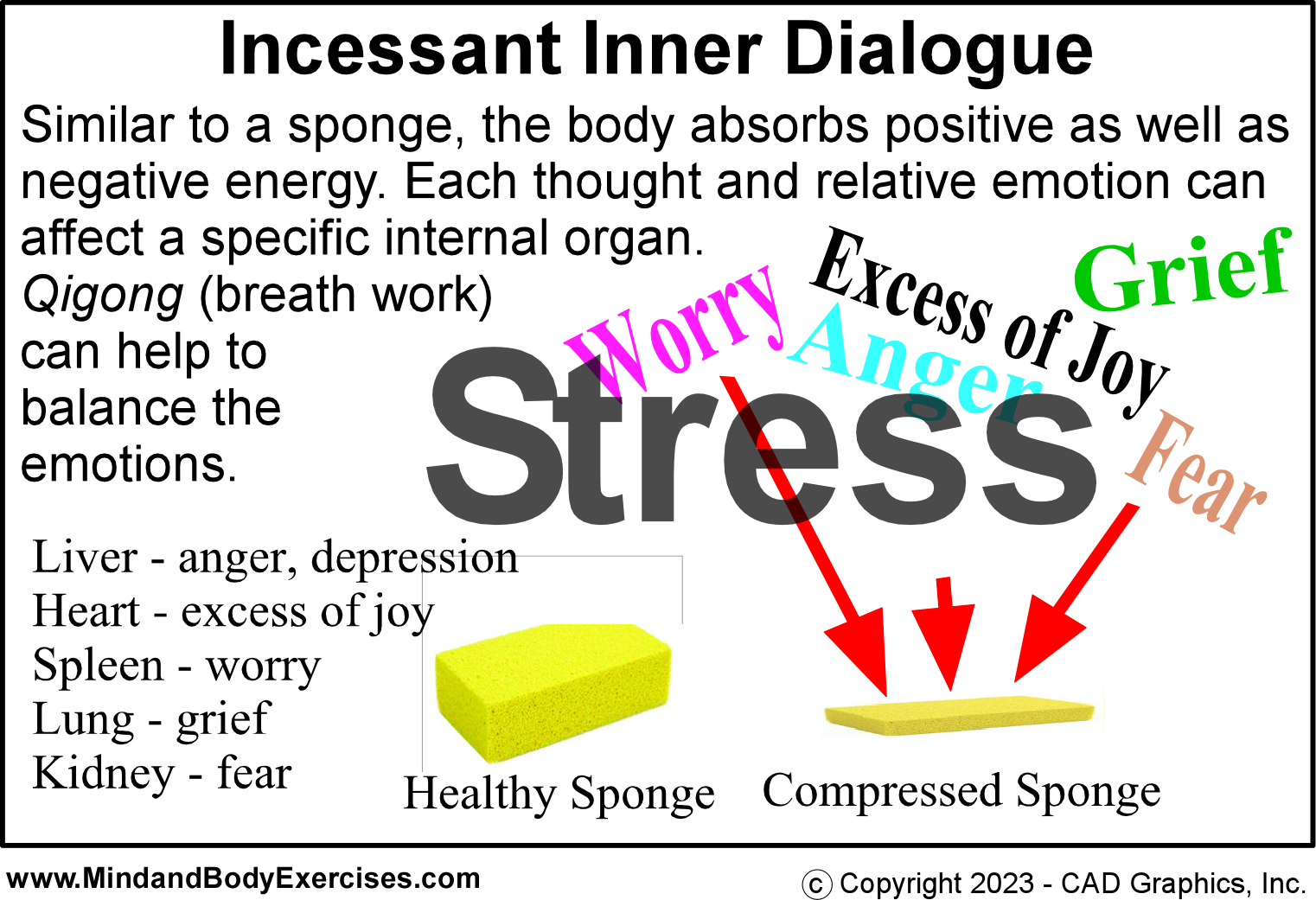
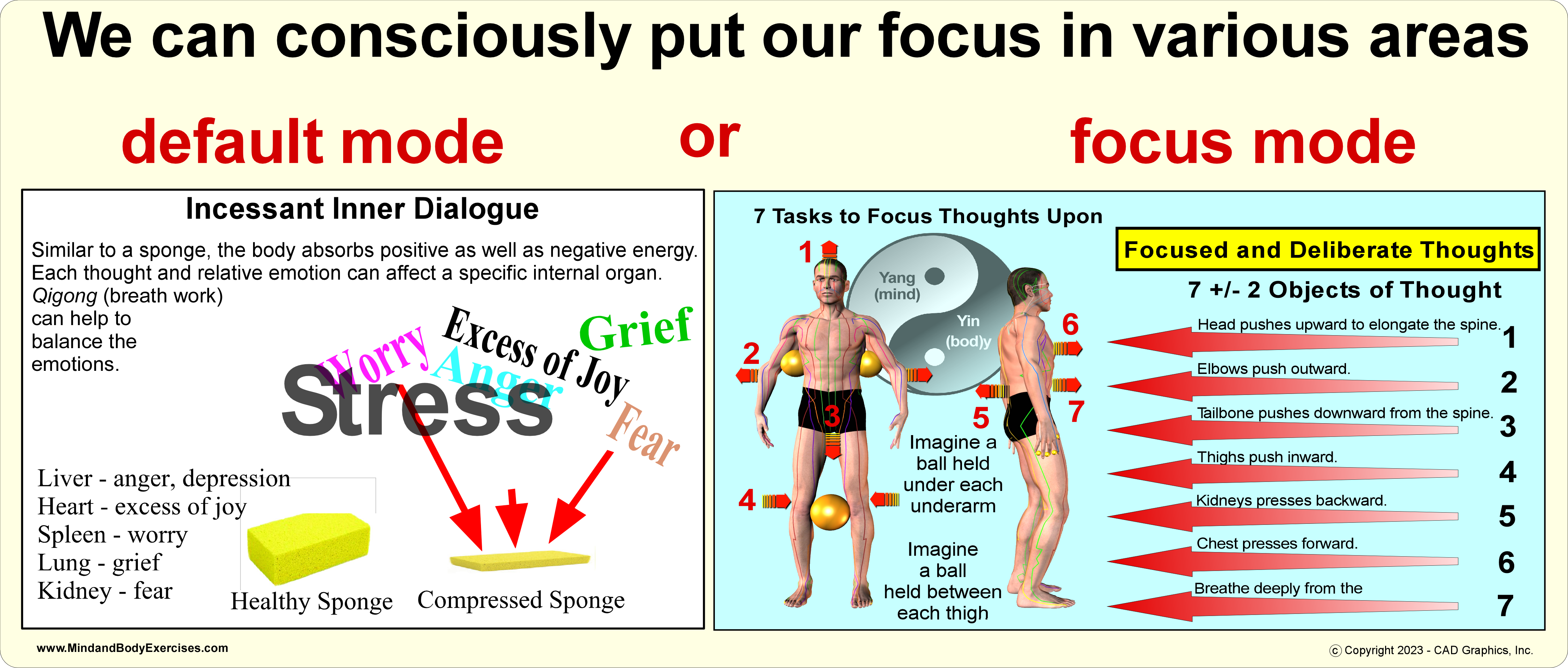
Our inner dialogue consist of basically two separate modes of awake thought processing and associated cognitive brain functions. The first mode of the brain is called the default mode network (DMN), the turbid mind, the incessant inner dialogue, or the monkey mind. In this mode we occupy 50-80 percent of our time with this wandering attention, juggling about 150 undone tasks at any particular time. When we perform mundane tasks, such as getting dressed, taking a shower, brushing our teeth, driving to work, or maybe jogging around the block, our mind is often wandering elsewhere. Our brain is not really focusing much on the physical task at hand but rather thinking of other issues or events elsewhere. We sometimes refer to this as multitasking. Our mind is constantly wandering in and out of the past, present, and future. Becoming and staying focused on specific tasks is a large challenge for the human brain.

The second mode of the awake brain is the task positive network (TPN) or focused mode (Dal Lin et al., 2015). Focused mode is engaged when we are actively paying attention, in the present moment, or concentrating upon tasks using short-term memory, as the brain processes information deemed as very important, interesting, or even sometimes dangerous. For example, if you are engaged in an interesting movie, you may not notice time passing by because your thoughts are focused on what is happening in the movie. If one’s life was to be threatened by a venomous snake, they might become extremely focused upon not moving too quickly, while also keeping their focus on the movement of that snake. Playing a musical instrument, riding a bike, taking a test, or using a knife while cooking are other examples of using this first mode of the brain – focused mode. We often enjoying being in this mode, in spite of not spending the majority of our time here. However, too much time in focus mode left unchecked, can often lead to stress and relative psychological and physiological disorders.

So, how can we better manage and deliberately engage the mode of our choosing? The first step is understanding that we are exposed to various types of stimuli at any given movement. Stimuli comes to us in differing amounts through either external or internal sources. Stimuli is received through our primary sense organs of the eyes, ears, nose, tongue and touch receptors throughout skin on the entire body. Internal stimuli is received through baroreceptors as well as pain, temperature and other types of receptors that tell us when we are hungry, thirsty, and off balance. Often this input manifests into various emotions, whether deemed as positive or negative in their nature.

Psychologist George Miller proposed his theory in his 1956 paper entitled The Magical Number Seven, Plus or Minus Two: Some Limits on our Capacity for Processing Information, that the human brain’s short-term or working memory (STM) has an upper limit referred to as the “magical number seven.” Miller’s paper detailed his theoretical description of how STM brain might be capable of managing 7 objects, or bits of information.  However, the upper limit could be as many as 9 or as little as 5. Miller’s article reported that memory span is not limited by small bits of information, but rather limited by that of a few bits of information grouped together, or “chunks” (p. 349). Cowan (2015) wrote a review of Miller’s (1956) article titled George Miller’s Magical Number of Immediate Memory in Retrospect: Observations on the Faltering Progression of Science. Years after Miller’s paper, Cowan and Baddeley conducted their own studies on human memory and information processing, where both surmised that the real magic number is actually four and not seven. This concept of the limits of STM affect everyday tasks and interactions, ranging from reading menus on a website, driving a vehicle, and even holding a conversation with one another.

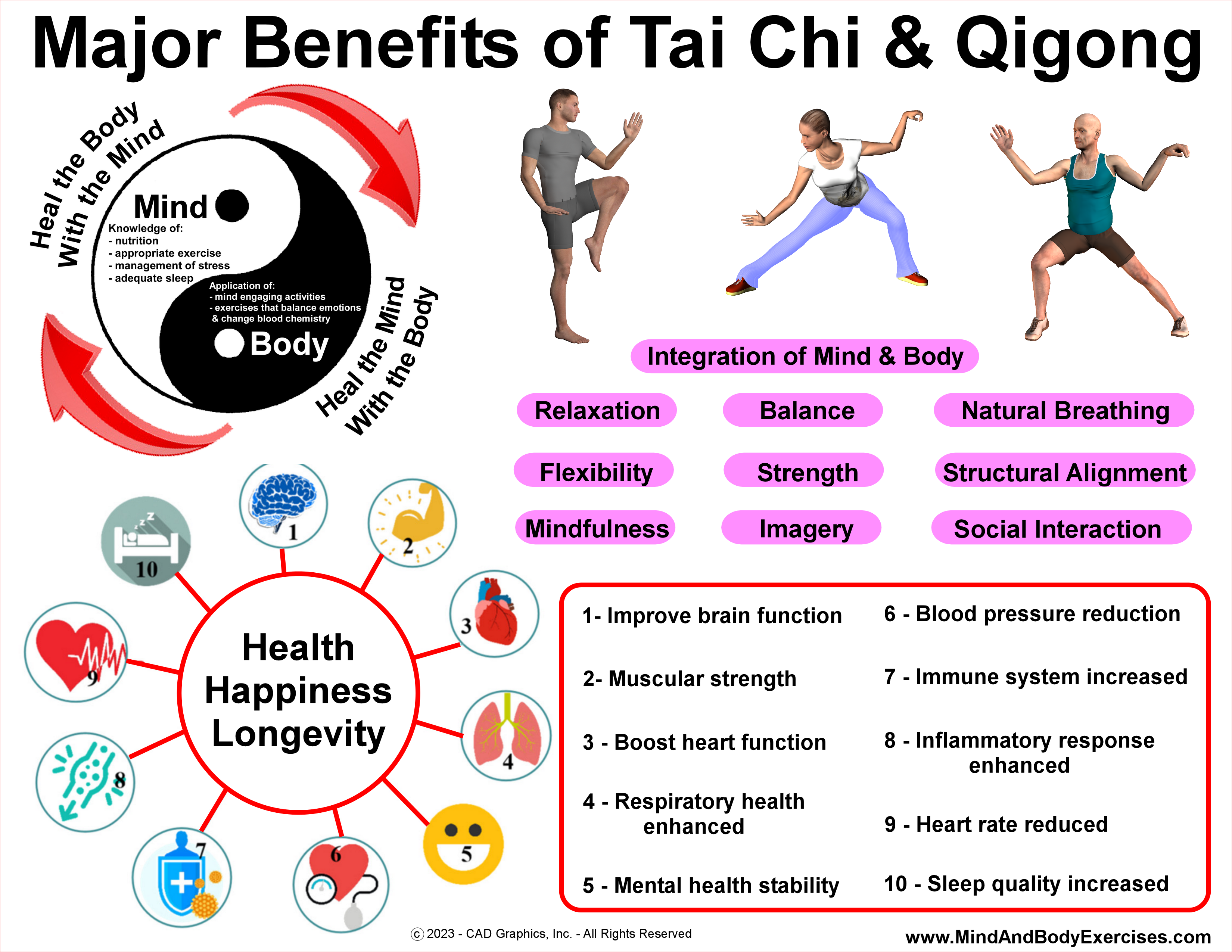
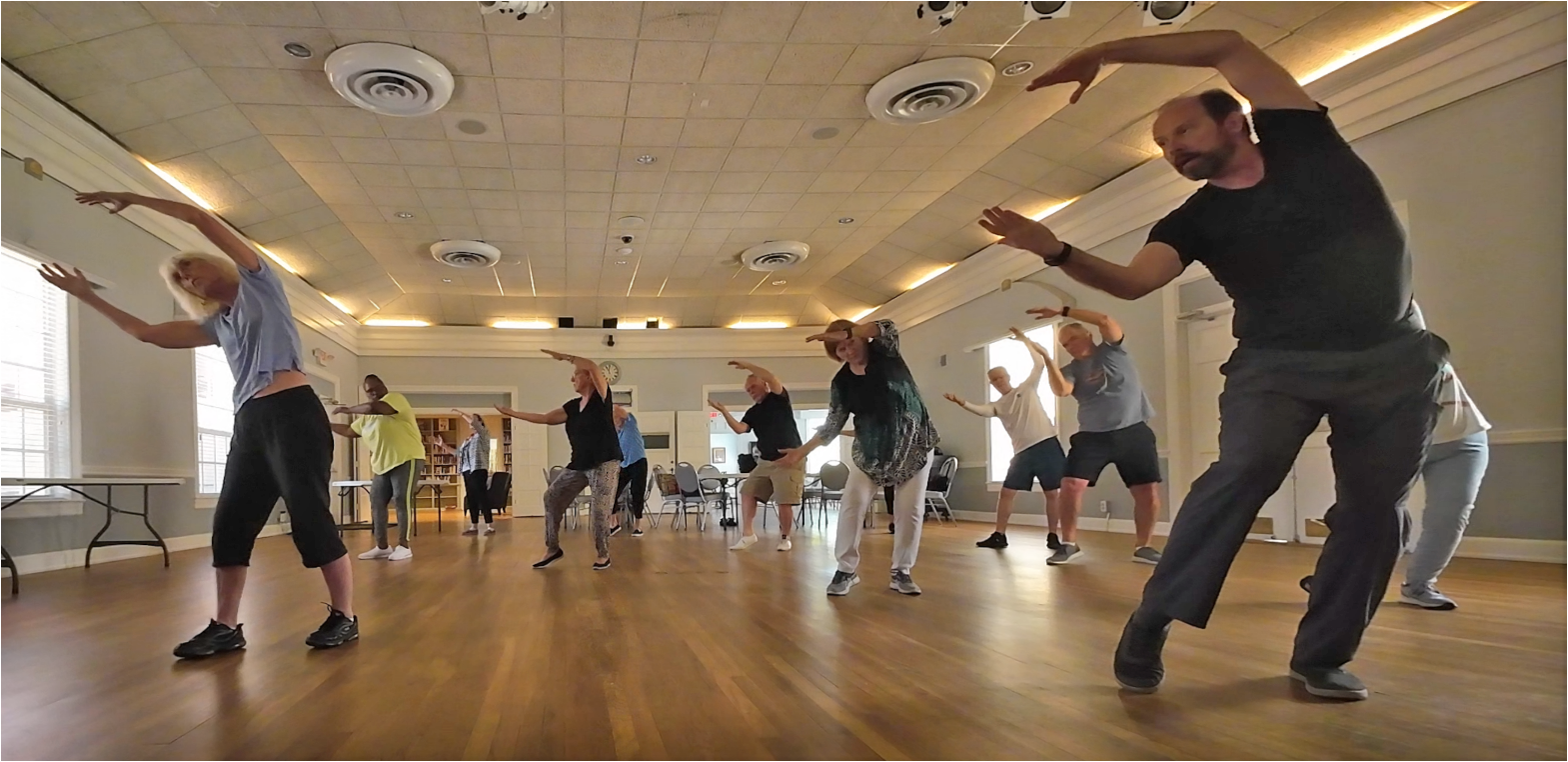
If we can deliberately choose to occupy our thoughts with stimuli that engages our short-term memory along with our breath and physical body alignments and sometimes movement, we can actually learn to better manage our thoughts and emotions. The physical body is a conduit into understanding our mind. The mind is tasked with directing and protecting the body. Conversely, the body protects the user’s mind. Yoga and its sibling of qigong, and its offspring of tai chi, offer many options of sitting, standing and moving exercises that can help to move the practitioner into a meditative state of mind that can help to tame our incessant inner dialogue. Other methods that can engage this cognitive process of managing thoughts can be playing instruments, gardening, and other skillful means however, not all offer the same benefits such as the physical health benefits of yoga, qigong and tai chi.

References:

Benjamin, T., Jr. (2018). A Brief History of Modern Psychology. Wiley.

Cowan, N. (2015). George Miller’s magical number of immediate memory in retrospect: Observations on the faltering progression of science. Psychological Review122(3), 536–541. https://doi.org/10.1037/a0039035

Miller, G. A. (1956). The magical number seven, plus or minus two: Some limits on our capacity for processing information. Psychological Review63(2), 81–97. https://doi-org.northernvermont.idm.oclc.org/10.1037/h0043158

____________________

I teach and offer lectures about holistic health, stress management, qigong, tai chi, baguazhang, meditation, phytotherapy (herbs), music for healing, self-massage, and Daoyin (yoga).

I look forward to further sharing more of my message by partnering with hospitals, wellness centers, VA centers, schools on all levels, businesses and individuals that see the value in building a stronger nation through building a healthier population. I also have hundreds of FREE education video classes, lectures and seminars available on my YouTube channel at:

https://www.youtube.com/c/MindandBodyExercises

www.MindAndBodyExercises.com

www.Amazon.com/author/jimmoltzan

Mind and Body Exercises on Google: https://posts.gle/aD47Qo

Jim Moltzan

407-234-0119
Whole Health Wisdom: Navigating Holistic Wellness (my new book)

What we think, what we eat and how we move our bodies are the basic components that determine our health and happiness. We all know this, but how do we go about making our lives what we want them to be? Knowledge. Knowledge indeed gives us power to succeed in any endeavor. Knowledge unused is wasted.

I just recently finished up my 26th book in my series on mind, body and self-awareness, titled Whole Health Wisdom: Navigating Holistic Wellness. I formatted this book mostly as an outline, in order to best present the multitude of topics that encompass holistic health and wellness. Each topic could be a separate book unto itself. It is now available for purchase on Amazon https://a.co/d/gcRDJbg with a paperback and Kindle format. However the Kindle version does not look as well formatted as the paperback version. I have at least a few more book topics in my pipeline, as I have tried to publish about one per year more recently.

Book 26 draws upon my over 40 years of learning, practicing and teaching, with the goal of helping others to unlock the key components of holistic health by discovering a life of balance, vitality, and well-being. In this comprehensive outline, you’ll embark on a transformative journey that explores the profound connections between mind, body, and spirit. From ancient healing traditions to modern wellness practices, gain insights into nutrition, healthcare modalities, mindfulness, and the power of belief systems. This outline can serve as a “quick” study guide, inspiring further research, and discussion. Teachers and students alike who are seeking to embrace holistic living as a path to achieving lasting health, happiness, longevity, fulfillment, meaning and a sense of purpose can benefit from this outline.


I included many of my detailed color graphics towards the back-half, that I feel connect strongly to the topics covered in my outline. Specifically, the graphics offer insights and exercises relative to self-regulation of the nervous system, through deliberate management of thoughts, emotions and relative physiological responses by way of respiration and physical body postures. Included are also detailed illustrations of many qigong exercises such as the 8 Pieces of Brocade, Opening & filling of the 8 Vessels (Ship Pal Gye), bottle and weight exercises as well as the Yang 24 tai chi set along with history and physiology. Just below is watermarked copy of new book for those who care to review its contents.

______________________

I teach and offer lectures about holistic health, stress management, qigong, tai chi, baguazhang, meditation, phytotherapy (herbs), music for healing, self-massage, and Daoyin (yoga).

I look forward to further sharing more of my message by partnering with hospitals, wellness centers, VA centers, schools on all levels, businesses and individuals that see the value in building a stronger nation through building a healthier population. I also have hundreds of FREE education video classes, lectures and seminars available on my YouTube channel at:

https://www.youtube.com/c/MindandBodyExercises

www.MindAndBodyExercises.com

www.Amazon.com/author/jimmoltzan

Mind and Body Exercises on Google: https://posts.gle/aD47Qo

Jim Moltzan

407-234-0119