Americans are Severely Vitamin D Deficient

Vitamin D Deficiency at Epidemic Levels

The US, and many of the world, have been facing an epidemic of vitamin D deficiency for many years, especially in areas lacking consistent daily sunlight such as the northern states of US. This trend is also seen in areas with much sunlight where people cover up their whole bodies from sun exposure. Now exacerbated by pandemic lock-downs and less outside physical activity over the last few years. Most people are unaware or care to ignore how vital vitamin D is to the immune system and overall health.

From the National Library of Medicine of May, 2022:

Vitamin D deficiency is a global public health issue. About 1 billion people worldwide have vitamin D deficiency, while 50% of the population has vitamin D insufficiency.[1] The prevalence of patients with vitamin D deficiency is highest in the elderly, obese patients, nursing home residents, and hospitalized patients. The prevalence of vitamin D deficiency was 35% higher in obese subjects irrespective of latitude and age.[7] In the United States, about 50% to 60% of nursing home residents and hospitalized patients had vitamin D deficiency. [8][9] Vitamin D deficiency may be related to populations who have higher skin melanin content and who use extensive skin coverage, particularly in Middle Eastern countries. In the United States, 47% of African American infants and 56% of Caucasian infants have vitamin D deficiency, while over 90% of infants in Iran, Turkey, and India have vitamin D deficiency. In the adult population, 35% of adults in the United States are vitamin D deficient whereas over 80% of adults in Pakistan, India, and Bangladesh are Vitamin D deficient. In the United States, 61% of the elderly population is vitamin D deficient whereas 90% in Turkey, 96% in India, 72% in Pakistan, and 67% in Iran were vitamin D deficient Sizar & et al, 2022).

This epidemic of deficiency stems from misinformation surrounding the fear of sun exposure, use of toxic sunscreens, and poor dosing recommendations that neglect the critical role that vitamin D plays in protecting against nearly every chronic disease on Earth. Mainstream experts still express fear about taking too much vitamin D, in spite of very few people ever reaching “toxic” blood levels. as well as even less people experiencing side effects from too much vitamin D (Micozzi 2018). Let us be informed that sunscreen sales in the US for 2022 are forecast at $1.83 billion (Statista, 2021) and vitamin D supplement sales spiked to $544 million in 2020 (Grebow, 2021).

Vitamin D3, also known as cholecalciferol, is produced in the skin initiated from sunlight UVB radiation or absorbed from particular foods. Vitamin D3 is then absorbed into the bloodstream and then metabolized in the liver transforming into calcidiol. From here calcidiol, travels from the liver to the kidneys and changes to calcitriol. Calcitriol then proceeds to affect metabolic functions like absorption in the intestines of calcium and phosphorus, bone regulation and cell regulation. After the age of 50, aging causes vitamin D3 production to decrease up to 75% and causing muscle weakness and a loss in bone strength and density.

Vitamin D Deficiency

Causes:

  • Winter side-effects (less sun exposure)
  • Sunscreen
  • Air pollution
  • High altitude
  • Poor diet

Imbalances:

  • Hypertension
  • Heart disease
  • Urinary infections
  • Tuberculosis
  • Depression
  • Schizophrenia
  • Liver disease
  • Rental failure
  • Crohn’s disease
  • Cystic fibrosis
  • Celiac disease
  • Muscular aches & weakness
  • Osteoporosis
  • Osteoarthritis
  • Rickets
  • Diabetes
  • Obesity

Solutions:

  • Sunlight on skin
  • Diet
  • Vitamin supplements
  • Weight-bearing exercises

(Charoenngam & Holick, 2020)

What can you do to prevent vitamin D deficiency – become educated, be more aware of your own health, get outside during the morning or late afternoon when sunlight is less intense, and get your body moving to engage your muscles and bones to tell your nervous system that you are still alive and need your body to maintain homeostasis through good health and lifestyle practices.

Get started with these three simple steps:

  1. Consult with your doctor to manage your vitamin D levels twice a year — at the end of winter and again at the end of summer. Ask for a simple blood test called the 25(OH)D (25-hydroxy vitamin D) test. (Optimal blood levels are between 50 and 75 nanomoles/Liter.)
  2. Commit to being in the sun 15 minutes a day without sunscreen. When planning on being outside longer, add some protective clothing, a hat, and sunglasses.
  3. Supplement with 10,000 IU of vitamin D3 daily. This dose in a convenient, highly-absorbable liquid form together with the potent marine carotenoid, astaxanthin, for added benefits (Micozzi, 2018).

References:

Sizar O, Khare S, Goyal A, et al. Vitamin D Deficiency. [Updated 2022 May 1]. In: StatPearls [Internet]. Treasure Island (FL): StatPearls Publishing; 2022 Jan-. Available from: https://www.ncbi.nlm.nih.gov/books/NBK532266/

Statista. (2021). Sun Protection – United States. https://www.statista.com/outlook/cmo/beauty-personal-care/skin-care/sun-protection/united-states

Grebow, J. (2021, February 19). Vitamin D made headlines over COVID-19 studies last year. Sales of vitamin D were also up in 2020. What will 2021 look like? 2021 Ingredient trends to watch for food, drinks, and dietary supplements. Nutritional Outlook. https://www.nutritionaloutlook.com/view/vitamin-d-made-headlines-over-covid-19-studies-last-year-sales-of-vitamin-d-were-also-up-in-2020-what-will-2021-look-like-2021-ingredient-trends-to-watch-for-food-drinks-and-dietary-supplements

Charoenngam, Nipith & Holick, Michael. (2020). Immunologic Effects of Vitamin D on Human Health and Disease. Nutrients. 12. 2097. 10.3390/nu12072097.

Micozzi. (2018, September 13). Are you dangerously deficient in this key nutrient? Dr. Marc Micozzi. https://drmicozzi.com/are-you-dangerously-deficient-in-this-key-nutrient

Micozzi. (2018a, June 21). Six reasons why you’re still vitamin D deficient. Dr. Marc Micozzi. https://drmicozzi.com/six-reasons-why-youre-still-vitamin-d-deficient

Alfredsson L, Armstrong BK, Butterfield DA, Chowdhury R, de Gruijl FR, Feelisch M, Garland CF, Hart PH, Hoel DG, Jacobsen R, Lindqvist PG, Llewellyn DJ, Tiemeier H, Weller RB, Young AR. Insufficient Sun Exposure Has Become a Real Public Health Problem. International Journal of Environmental Research and Public Health. 2020; 17(14):5014. https://doi.org/10.3390/ijerph17145014

_________

I have learned, studied, practiced and teach literally hundreds of various low-impact exercises that can build stronger bones, muscles and joints. Private, small or group instruction.

Control the body with the mind. Manage the mind by disciplining the body, through physical activity. Learn to be more active, eat healthier, sleep better, stress less – these are the key components to maintaining a strong mind, body, immune system, and outlook on life.

I am currently offering wellness lectures and classes for group, small group & private instruction in Wekiva, Longwood and Winter Park.

Mind and Body Exercises on Google: https://posts.gle/aD47Qo

Jim Moltzan

407-234-0119

http://www.MindAndBodyExercises.com

https://www.facebook.com/MindAndBodyExercises/

https://www.youtube.com/c/MindandBodyExercises

https://mindandbodyexercises.wordpress.com/

Masters Council

Osteoporosis (bone mass loss) – What You Can Do About It

Last years of 2020 & 2021 were pretty rough year for most of the world population regarding health and wellness. While some people fared ok, many took many steps backward in being healthy and well. The exact measures many people have been taking to stay safe, have actually been contributing to them becoming less healthy. Staying inside dramatically affected positive social interactions, options to exercise and staying active, fresh air intake as well as less sunlight on the skin to help synthesize vitamin D. Vitamin D is a key component to maintaining innate (natural immunity) and bone health. This issue alone, will contribute to an increase in osteoporosis.

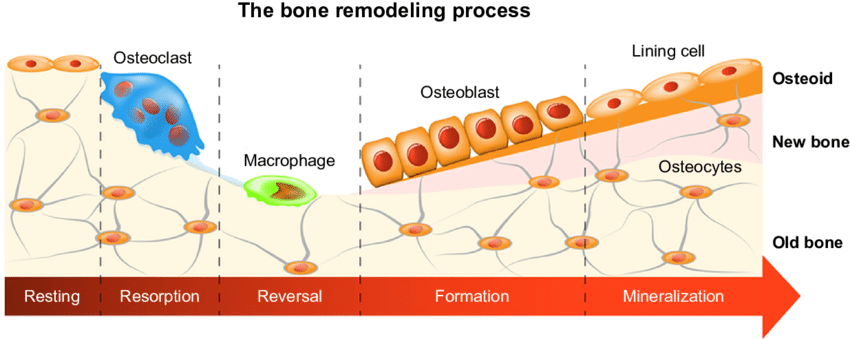
Osteoporosis or low bone mass, is a disease that causes bones to become thin, brittle and weak, making bones more likely to break, most often from a minor fall. The most common bones that are affected are the spine, wrist or hip. Osteoporosis is often called a “silent disease.” You can’t feel or see your bones getting thinner. Many people do not even know that they have thin bones until a bone breaks. Most people with this issue don’t die from osteoporosis, but rather from complications that follow from falling or breaking brittle bones while out and about.

Osteoporosis is a major public health issue with an estimated 44 million Americans, or for more than half of those 50 or older. In the United States, almost 1 out of 2 Caucasian or Asian women over 50 will experience a broken bone due to osteoporosis. 24 percent of hip fracture patients age 50 and over die in the year following the fracture. Six months after a hip fracture, only 15 percent of patients can walk across a room unaided.

Things you can do to prevent loss of bone mass:

  • A bone mineral density (BMD) test can diagnose osteoporosis.
  • Eat a variety of healthy (nutrient-rich) foods every day.
  • Get the calcium you need.
  • Get the recommended amount of vitamin D.
  • Get some sunlight on your body everyday (helps the body synthesize vitamin D)
  • Don’t smoke
  • Limit alcohol.
  • Take action to prevent falls
  • Exercise regularly with appropriate methods for your personal situation, limits and expectations

Being physically active can help prevent bone loss leading to osteoporosis. Your bones get stronger and denser when you make them work. Walking, climbing stairs, and dancing are impact (or weight-bearing) exercises that strengthen your bones by moving your body against gravity when you are upright. Resistance exercises, such as lifting weights or using exercise bands, strengthen your bones as well as your muscles.

Tai Chi and qigong like in this video are perfect examples of physical activity that improves posture and balance to help decrease your risk for falls and fractures. Tai chi can also strengthen the bones themselves by reacting to the tension that exercise puts on the muscles and consequently the bones.  If the bones are not engaged in everyday use, osteoporosis can find its way into the body. Exercise can be easy; try 10 minutes at a time, adding up the minutes to reach your goal.

I offer instruction in qigong, Taoist yoga, tai chi, martial arts, ship pal gye, hapkido, fitness, wellness and many other avenues to improve health and well-being.

I am currently accepting new clients for group, small group & private instruction.

Mind and Body Exercises on Google: https://posts.gle/aD47Qo

Be well!

Jim Moltzan

407-234-0119

www.MindAndBodyExercises.com

https://www.facebook.com/MindAndBodyExercises/

https://www.youtube.com/c/MindandBodyExercises

https://mindandbodyexercises.wordpress.com/

https://umareg.com/masters-council/

Stress Response Leads to Obesity, Depression and Even More Stress

We all know what stress is, but how does it manifest and what can we do to manage it?

If we are to grow a garden, do we try to nourish the seeds in a healthy, safe and nutritional environment? Or do we just plant the seeds in sand in a mostly dark place where no one checks to see how they are sprouting? Well, metaphorically, this is how our nation cultivates our youth with little or no education in health, nutrition, fitness, stress management and accountability. No wonder why teenage depression and suicide has skyrocketed in the last few years. And no wonder our nation is a nation of overweight children soon to be obese and sickly adults. We need to move past the politics and cultural correctness of not addressing the American diet and lifestyle choices of being the root causes of obesity that lead to disease and health issues in our country.

For children and adolescents aged 2-19 years in 2017-2018:

  • The prevalence of obesity was 19.3% and affected about 14.4 million children and adolescents.
  • Obesity prevalence was 13.4% among 2- to 5-year-olds, 20.3% among 6- to 11-year-olds, and 21.2% among 12- to 19-year-olds. Childhood obesity is also more common among certain populations.
  • Obesity prevalence was 25.6% among Hispanic children, 24.2% among non-Hispanic Black children, 16.1% among non-Hispanic White children, and 8.7% among non-Hispanic Asian children.
Credit: Derek Thompson, The Atlantic; data from the CDC.
  • Anxiety and depression affects many children
    • 7.1% of children aged 3-17 years (approximately 4.4 million) have diagnosed anxiety.
    • 3.2% of children aged 3-17 years (approximately 1.9 million) have diagnosed depression.
  • Anxiety and depression have increased over time
    • “Ever having been diagnosed with either anxiety or depression” among children aged 6-17 years increased from 5.4% in 2003 to 8% in 2007 and to 8.4% in 2011–2012.
    • “Ever having been diagnosed with anxiety” among children aged 6-17 years increased from 5.5% in 2007 to 6.4% in 2011–2012.
    • “Ever having been diagnosed with depression” among children aged 6-17 years did not change between 2007 (4.7%) and 2011–2012 (4.9%).

In years past, recess and physical education (PE) were part of the school day from kindergarten through elementary school. High school students had PE every school day until graduation. Regular exercise has been known and proven to help manage stress and maintain better health and mental well being. Currently, many schools require only 1 credit of PE over 4 years of high school and often offer it as an online course. Today if students are not involved in school or extracurricular sports, few make the time or commitment to stay physically active. Unhealthy kids quickly turn into unhealthy adults. The health of our people is directly affecting the safety of our nation. For the sake of our youth and ultimately our country, put PE and maybe health education back into the school system, as a priority and not just a minimal requirement.

References:

https://www.cdc.gov/obesity/data/childhood.html

https://www.cdc.gov/nchs/data/hestat/obesity-child-17-18/obesity-child.htm

https://www.cdc.gov/childrensmentalhealth/features/anxiety-depression-children.html

I can help. I have almost 40 years worth of experience in practicing and teaching others to take control of their health and well-being. For more information, contact Jim Moltzan at 407-234-0119 or www.MindAndBodyExercises.com

Is Better Health a Priority in the US?

In the words of Dr. Jerome Adams from 2020, the former surgeon general of the United States, “You know what will make you and your community healthier but still, you choose not to do it.” He goes on to state that 7 out of 10 of 18-24-year olds are ineligible for military service due to the following:

  • they cannot pass the physical
  • cannot meet educational requirements
  • have a criminal history

In years past, recess and physical education were part of the school day from kindergarten through elementary school. High school students had PE every school day until graduation. Today if students are not involved in school or extracurricular sports, few make the time or commitment to stay physically active. Unhealthy kids quickly turn into unhealthy adults. The health of our people is directly affecting the safety of our nation.

Ask an average citizen in the US if their health and their family’s is a priority and the response will be something like, “Of course our health is my top priority and we have the healthiest country in the world!” No, not true for both statements based upon data from seemingly reputable data outlets. The Bloomberg Global Health Index for 2020, ranked the US #35 in the world for overall quality of health but ranks #1 for healthcare spending. The US spends more than $3.4 trillion annually on health care, more than any other country. Made obvious from the data is that investing more money in healthcare, does not necessarily make a country or the person healthier. Money does not change our health. We need to improve life expectancy and other indicators of health with better education along with a change in mindset. If someone has great healthcare coverage but eats junk food every day, does not exercise regularly and has a negative outlook, they will probably experience health issues sooner than later.

As a nation, we eat an extremely high amount of low-quality junk food and then sit for hours per day. We hope to efficiently digest low quality food that will eventually often cause illnesses and even death. More than 36.3% of youth aged 2-19 eat fast food on a given day.This is complicated even more so with the sedentary lifestyle and laissez-faire attitude towards individuals accepting responsibility for their own health. Americans meeting the CDC guideline for aerobic and muscle strengthening exercises is only 23.2% as of 2018.These factors help contribute to the increase of obesity over the last 60 years. Obesity is a key factor in many health issues based on data from the Center for Disease Control (CDC) and other reputable sources. In 2017–2018, the age-adjusted prevalence of obesity in adults was 42.4%. Stats for kids (not shown) are just as appalling. These numbers are truly pathetic. Further issues to discuss would be how many manage their nutrition by monitoring their intake of sugar, salt, trans fat, alcohol, and other consumables? What about managing stress and emotional health? The US economy needs our citizens to support the fast-food industry and consequently gives the health care industry an overabundance of its own customers. It seems as if the US wants its people to be healthy enough to work, but not too healthy as to put the fast-food and healthcare providers out of business. This is our reality that many choose to deny.

The leading causes of death in the US are all very much influenced by our diet, our sedentary lifestyle, lack of exercise and excessive sitting. Also contributing is our attitude towards managing stress or lack thereof. Thinking that more is always better or if we are not stressed, we are not doing enough. Heart disease, cancer, diabetes, and respiratory issues are all leading causes of death by far. Each of these ailments can be much less if we made it a priority to do so.

Another health issue is our obsession with following the news and the mental stress that can develop from it. Media in the US, love it or hate it, usually focuses mostly on reporting politics, crime and mostly the negative aspects of our society. The phrase “If it bleeds it leads” shows America’s fascination with negative news. This year so far has been mostly the tragedy of Covid19. The media, the government, the entertainment industry and healthcare leaders fail to promote personal responsibility for the individuals’ own actions relative to diet, exercise and lifestyle, and how that can affect on a much broader level the health of our nation. Instead the strong focus is mostly upon wearing masks and social distancing as a way to make an unhealthy nation, somehow immune to disease and illnesses that affect most those that have multiple health issues to begin with. Please understand that even typically well and health conscious people do get sick also.  Athletes and health enthusiasts can get sick too. However, people that are active usually recover faster though.

We need to honestly look at the root causes for our health issues, instead of looking to politics or others to blame for our own personal accountability. Blaming others will not make us healthier.  We are where we are, because of our choices. I love pizza but I should not be eating it every day of the week. Soda or sugary drinks with every meal? Some TV viewing is fine but 4-7 hours a day is a bit much no?  Sitting for 8 or more hours a day negatively affects our metabolic health. We need to own our individual health and well-being.

Our actions support the data that we do not truly put exercise, nutrition and stress as high priorities deserving more action than mere conversation. Healthy living and habits are a choice and a mindset that we as Americans as a whole, fail terribly at practicing. It does not need to be this way. There are things that can move us forward to become a healthier nation.

The 5 Pillars of Health

Eating healthier can be achieved by managing less intake of junk foods, sugar, and salt, as well as reasonable amounts of alcohol. More fruit and vegetables are healthier snacks that have many nutritional rewards. Become more active by getting up and off the couch, stepping away from the PC, TV, smartphone, and other electronic addictions. Better sleep is a major immune system booster and can be earned by being more active during the day. Relieve stress through exercise, meditation, or breathing deeper and more deliberately, or take more breaks from the news and social media. Be nice to others because what you put out, you receive back. Basically, get moving more, eat healthier foods, sleep better, stress less and be a nicer person.  Enjoy life but know your limits and take all things in moderation.

Be well, stay healthy, be wise.

Jim Moltzan

Works Cited

Adams, Jerome, “How resilient communities can create a healthier country.” Youtube, uploaded by TEDxMidAtlantic. September 23, 2020.   www.youtube.com/watch?v=RIY13uvlGLY

American Academy of Anti-Aging Medicine

www.worldhealth.net/news/bloombergs-global-health-index-2020/

Fryar, Cheryl, et al. Fast Food Intake Among Children and Adolescents in the United States, 2015–2018, NCHS Data Brief No. 375, August 2020, www.cdc.gov/nchs/products/databriefs/db375.htm

CDC, National Center for Health Statistics. Exercise or Physical Activity, May 11, 2020 www.cdc.gov/nchs/fastats/exercise.htm

Hales, Craig, et al. Prevalence of Obesity and Severe Obesity Among Adults: United States, 2017–2018, NCHS Data Brief No. 360, February 2020. www.cdc.gov/nchs/products/databriefs/db360.htm

Xu, Jiaquan, et al. Mortality in the United States, 2018, NCHS Data Brief No. 355, January 2020.  www.cdc.gov/nchs/products/databriefs/db355.htm

Managing High Blood Pressure Using Qigong Practices

Managing High Blood Pressure Using Qigong Practices

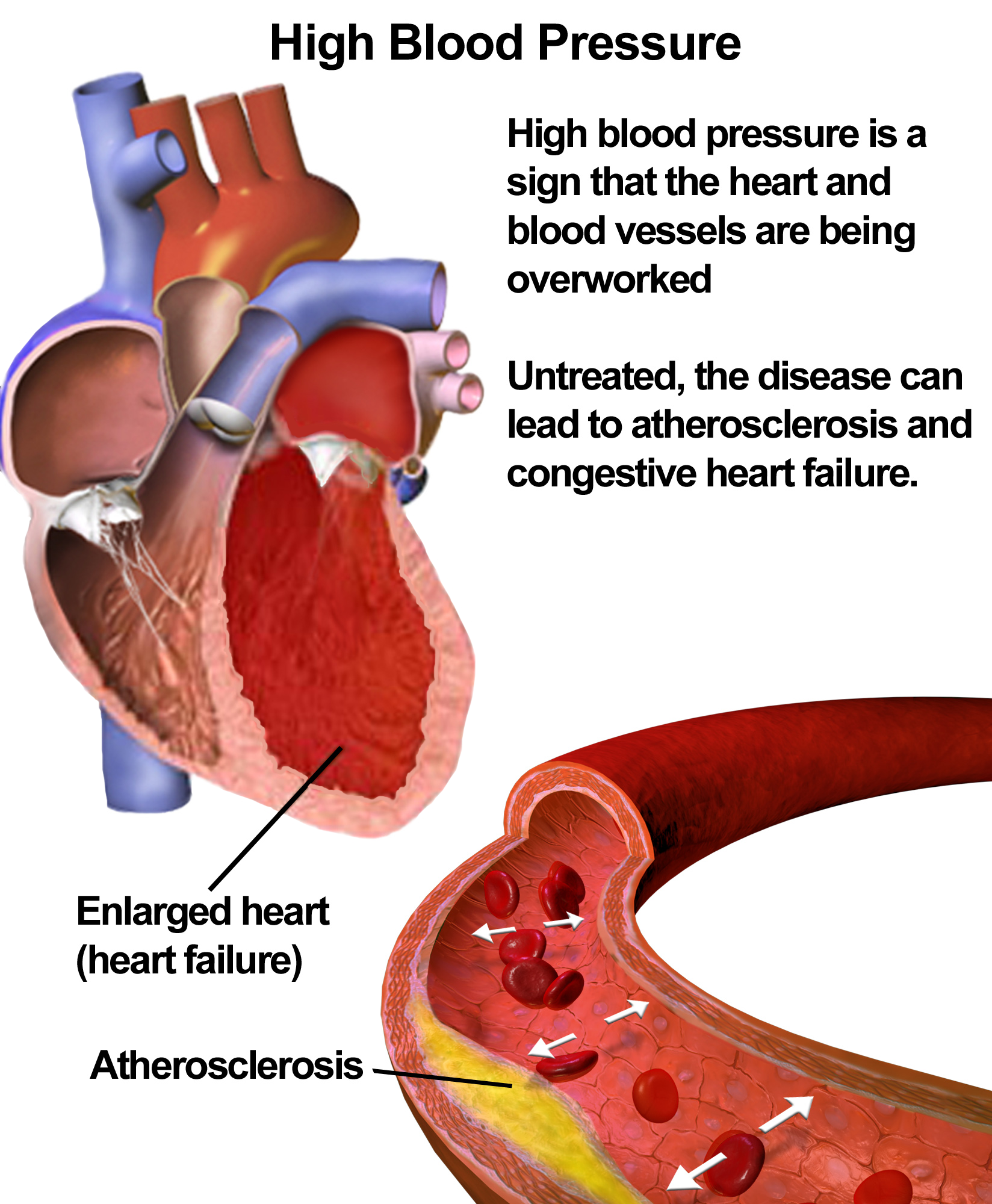
High blood pressure or hypertension (HTN) is a major public health issue affecting almost a billion people worldwide. HTN is often called a “silent killer” because while it has no obvious symptoms, untreated HTN can often lead to strokes, heart attacks and other health issues. As of 2015, an estimated 75 million adults in the U.S. had HTN.

Management of hypertension is typically addressed through lifestyle changes, diet and antihypertensive medications. A diet high in vegetables, fruits, and low-fat dairy type foods can help lower blood pressure among people having hypertension, as well as those without. Also, a diet low in sodium can also help to lower blood pressure across age, gender, race, weight, and physical activity subgroups. Other methods for lowering high blood pressure can include weight reduction if overweight or obese, increasing physical activity, and moderate alcohol consumption.1

High blood pressure or hypertension is a disease in itself but also a major risk factor for other diseases. Normal blood pressure is typically 120 systolic (maximum pressure during one heartbeat) over 80 diastolic (minimum pressure between two heartbeats). Systolic blood pressure over 115 mmHg is usually considered as higher than normal. An average and sustained blood pressure of 140/90 would be defined as hypertension and considered to put an individual at risk of specific health issues. Medical studies have shown that an increase of hypertension is connected to an increasing rate of cardiovascular issues such as heart failure, atrial fibrillation, stroke, myocardial infarction, and premature mortality.

Blood pressure over 180/110 mmHg, if left untreated can overcome normal microvascular autoregulation. This can often lead to severe damage to the body’s blood circulation within the smallest blood vessels (microcirculation) resulting in a syndrome of accelerated or malignant hypertension and possibly cerebral hemorrhage where there is bleeding in or around the brain, which can be immediate threats to one’s life.2

information from the Mayo Clinic lists various factors that can put someone at a higher risk of experiencing hypertension and its relative ailments:

  • Age. As people grow older, the risk of high blood pressure increases. Up until around age 64, hypertension is more common with men. Women after age 65, are at higher risk of having high blood pressure.
  • Race. Those of African heritage often acquire high blood pressure earlier in life and more often than other ethnicities. Serious complications related to hypertension such as heart attack, kidney failure and stroke are more common in those of African heritage.
  • Family history. High blood pressure has a tendency to be hereditary.
  • Obesity and overweight. The more someone weighs, the more oxygen and nutrients are needed to be transported through the blood to tissues. Increased blood flow increases the pressure on the blood vessel walls throughout the body.
  • Lack of physical activity. People who are more sedentary often have higher heart rates making the heart having to work more with each contraction. Less physical activity also contributes to the risk of being overweight or obese.
  • Smoking and tobacco use. Smoking or chewing tobacco can immediately raise blood pressure temporarily, while the chemicals in tobacco may cause damage to the lining of the artery walls.
  •  High salt (sodium) diet. High sodium in your diet may cause the body to retain fluid, which leads to an increase in blood pressure.
  • Low potassium diet. Potassium helps keep the balance of the amount of sodium in the cells of our body. If there is not enough potassium in our diet, sodium can build up in the blood.
  • Excess alcohol consumption. Excessive drinking can cause damage to the heart. More than one drink per day for women and more than two drinks per day for men can affect blood pressure.
  • Stress. Stress left unchecked can cause a temporary increase in blood pressure. Habits related to stress like binge eating, tobacco use and excess alcohol can lead to further increases of blood pressure.
  • Chronic conditions. Certain chronic conditions can also increase risk of high blood pressure. These would include diabetes, kidney disease and sleep apnea.3

In recent years, news and media outlets have brought some attention to complementary alternative medicine (CAM) as options to use with or without pharmaceutical approaches to manage high blood pressure. Among these methods would be meditation, tai chi, qigong and its root origin of yoga. A research study conducted in 2015 titled Qigong for Hypertension: A Systematic Review, investigated the use of qigong practices for hypertension. It was widely distributed through various internet outlets such as PubMed, NCBI, Medicine, ResearchGate, Harvard Library and others.

Qigong has its root origin in yoga. Tai chi and daoyin are types of qigong (or basically yoga) where the body is trained to perform “yoga in motion” where exercises are linked together to form sets of movements.  While all of these methods have quite different names, they all share the same Eastern Indian origins and similar philosophy. All of these types of exercise use mindful breathing with deliberate body positioning. The mind is focused inward on one’s thoughts, breathing and posture. All have elements for mind, body & spiritual (or higher consciousness) development. These practices have been practiced for thousands of years (origins between 5000-1500 BC), and Tai Chi originated in the 12th century. The following is a basic translation of these methods:

  • Qi, chi or gi = air, energy, or breath
  • Gong or kung = work or effort
  • Qigong = energy or breath work
  • Daoyin = guide the qi, stretch the body (sometimes referred to as Taoist yoga)
  • Tai chi, taiji, tai chi chuan = supreme ultimate fist
  • Yoga = to join or unite

The systematic review of this study was conducted in coherence with the Preferred Reporting Items for Systematic Reviews and Meta-Analyses guidelines. Only RCTs investigating the effects of qigong on high blood pressure (hypertension) were included. The results from this meta-analysis study suggests that qigong is an effective therapy for hypertension.

At the time of this study in 2015, China had roughly 5% of its 1.3 billion population practicing qigong on a regular basis. They believe qigong to improve health, prevent illness, and extend life by addressing a wide range of ailments and conditions. These ailments would include hypertension, chronic pain, fatigue, stress, movement disorders, cancer, depression, anxiety, heart failure, coronary heart disease, cardiac rehabilitation, diabetes, metabolic syndrome, chronic obstructive pulmonary disease, immune function and to enhance the overall quality of life (QOL). Qigong here is widely practiced by middle-aged and elderly people, many who cannot engage in moderate-to-vigorous–intensity aerobic exercise. This makes qigong more appropriate for elderly patients, being a gentle alternative to intense physical activities. Static (non-moving) qigong can be practiced which has even lower physical demands.

The results from this meta-analysis study suggests that qigong is an effective therapy for hypertension. Qigong is better than no intervention but with antihypertensive drugs. However, it was found that qigong was inferior to exercise in lowering high blood pressure. Additionally, qigong used as a supplemental therapy to antihypertensive drugs, can significantly lower hypertension. Qigong could be recommended as a complementary intervention for hypertensive patients.

If other well-designed RCTs were to offer a high quality of methodology confirming that qigong is beneficial, it could be used as a recommended evidence-based complementary or alternative therapy for the management of high blood pressure on a global scale.

Due to inferior systematic quality of some of the included studies, further RCTs with strictly designed methods need to be pursued along with long-term follow-up focusing on definitive clinical outcomes are required in order to confirm the results. From here, a higher level of evidence could support qigong as an alternative to regular conventional exercise for elderly patients. In contrast, negative outcomes can challenge the clinical evidence supporting qigong.

A methodical search for literature was executed from 7 databases, from their respective inceptions up until April of 2014. These databases included PubMed, the Chinese National Knowledge Infrastructure, the Chinese Scientific Journal Database, the Cochrane Library, EMBASE, the Chinese Biomedical Literature Database, and the Wanfang database. Randomized controlled trials were a mixture identifying interventions of qigong as either practice alone (monotherapy) or adjunctive therapy with antihypertensive (high blood pressure lowering) drugs versus no intervention, exercise, or antihypertensive drugs for hypertension.

The controls included wait-list control, jogging, conventional exercises, no exercise, oryzanol, or antihypertensive drugs. Participants in the treatment group were given the same type and dosage of antihypertensive drugs, and with the same standard that was used for the control group. All studies were parallel-designed and single-centered.

A total of 2349 patients with hypertension were evaluated. Participants were of any age, gender, and ethnic origin, being clinically diagnosed as hypertensive in any stage, with at least 1 of the current or past guidelines or definitions of hypertension. Of the trials, 18 were held in China and 2 trials were conducted in South Korea. From data presented in the study, participant ages ranged from as young as 21 and as old as 84. The average age appeared to be in the mid 50’s. The data compiled in this study spanned from as early as 1959 up until 2014. The duration of qigong treatments ranged from 8 weeks to 12 months.

All studies showed qigong as either monotherapy or supplemental therapy to hypertension drugs in the treatment group. Two of the trials had a 3-group study design with 1 trial including jogging, qigong, and antihypertensive drugs groups, while the other trial included qigong plus antihypertensive drugs groups. Practice sessions for that practicing qigong, were usually at least 15 minutes long and sometimes up to 60 minutes. 1-2 practice sessions per day were reported in the data.4

I find it quite commendable that there was data compiled from over such a long period of time for this study. Qigong is so embedded within Asian culture for thousands of years, where in the United States it is relatively new to our country. I have found as usual with many of these medical studies regarding ancient Eastern methods, the researchers are careful to say that more research and investigation is required. Regardless of the research, these methods have been used for thousands of years by other cultures that look beyond the scientific data and see a strong correlation between the mind, body and spiritual connection affecting health and well-being.

I feel that qigong is a great method to reduce hypertension, having worked with hundreds of individuals over my 40 years of teaching these methods. Any methods that encourage mindful regulation of one’s breathing patterns, can have a profound positive effect on their autonomic nervous system. Management of the “fight or flight” response of the sympathetic nervous system or “rest and digest” response of the parasympathetic nervous system, is directly connected to the body’s autoregulation of the cardiovascular system and consequently high blood pressure.

References

1 Langford, A. T., Solid, C. A., Gann, L. C., Rabinowitz, E. P., Williams, S. K., & Seixas, A. A. (2018). Beliefs about the causes of hypertension and associations with pro-health behaviors. Health Psychology37(12), 1092–1101. https://doi-org.northernvermont.idm.oclc.org/10.1037/hea0000687

2 Gabb, G. (2020). What is hypertension? Australian Prescriber43(4), 108–109. https://doi-org.northernvermont.idm.oclc.org/10.18773/austprescr.2020.025

3 High blood pressure (hypertension). (n.d.). Www.Mayoclinic.Org. Retrieved July 18, 2021, from https://www.mayoclinic.org/diseases-conditions/high-blood-pressure/symptoms-causes/syc-20373410

4 Xiong, X., Wang, P., Li, X., & Zhang, Y. (2015). Qigong for hypertension: a systematic review. Medicine94(1), e352. https://doi-org.northernvermont.idm.oclc.org/10.1097/MD.0000000000000352

____________________

I offer instruction, lectures and seminars on qigong, Taoist yoga, tai chi, martial arts, ship pal gye, hapkido, fitness, wellness and many other avenues to improve health and well-being.

I am currently accepting new clients for group, small group & private instruction.

Mind and Body Exercises on Google: https://posts.gle/aD47Qo

Be well!

Jim Moltzan

407-234-0119

www.MindAndBodyExercises.com

https://www.facebook.com/MindAndBodyExercises/

https://www.youtube.com/c/MindandBodyExercises

https://mindandbodyexercises.wordpress.com/
https://umareg.com/masters-council/