Many people have been sitting much more this last year while working at home, online classes and in general less physical activity. Consequently, long hours of sitting is also a known cause for lower back, leg and neck issues. Most people in the United States will experience back pain at some time in their lives. Causes of back pain are many ranging from poor posture, heavy lifting and lack of exercise amongst others. Some find relief through chiropractic or acupuncture therapy. Most pain goes away within a few days or weeks only to return at a later date.
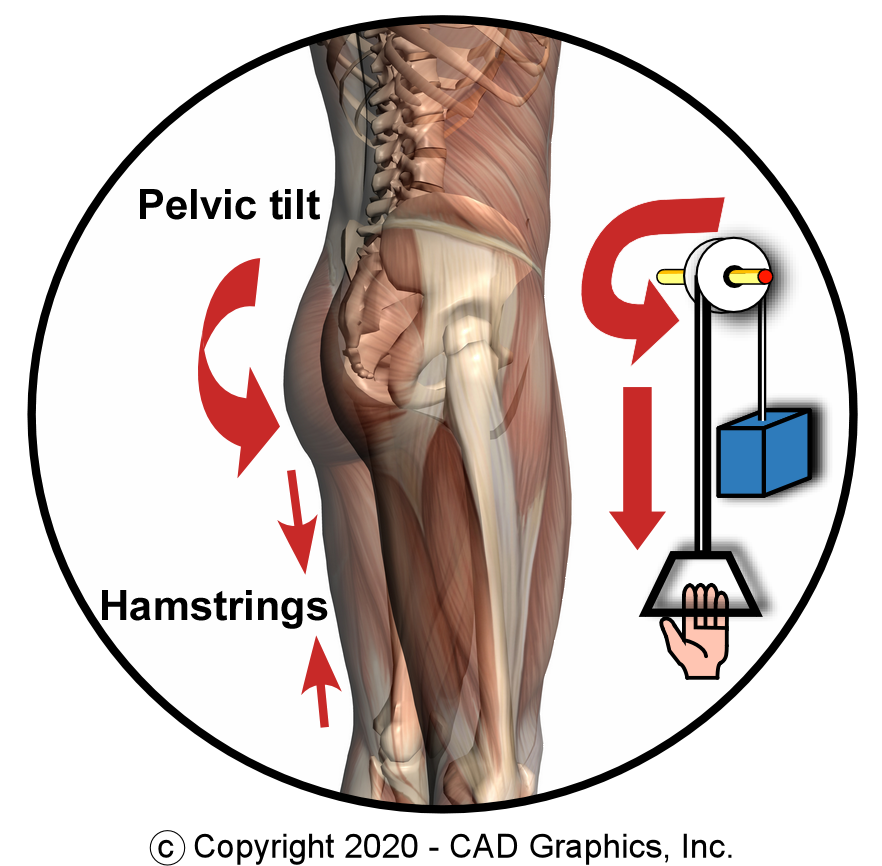
Unless the root cause is fixed, most treatments only offer temporary relief. In many cases, the root cause of back pain is tight hamstring and/or quadricep muscles. Excessive sitting can tighten these muscles as well as lack of proper stretching on a regular basis.
I have learned, studied, practiced and teach literally hundreds of various low-impact exercises that can build stronger bones, muscles and joints. Private, small or group instruction.
“Up to 40 minutes of “moderate to vigorous intensity physical activity” every day is about the right amount to balance out 10 hours of sitting still, the research says – although any amount of exercise or even just standing up helps to some extent.”
Long hours of sitting is also a known cause for lower back issues. Most people in the United States will experience back pain at some time in their lives. Causes of back pain are many ranging from poor posture, heavy lifting and lack of exercise amongst others. Some find relief through chiropractic or acupuncture therapy. Most pain goes away within a few days or weeks only to return at a later date. Unless the root cause is fixed, most treatments only offer temporary relief. In many cases, the root cause of back pain is tight hamstring muscles. Excessive sitting can tighten these muscles as well as lack of proper stretching on a regular basis.
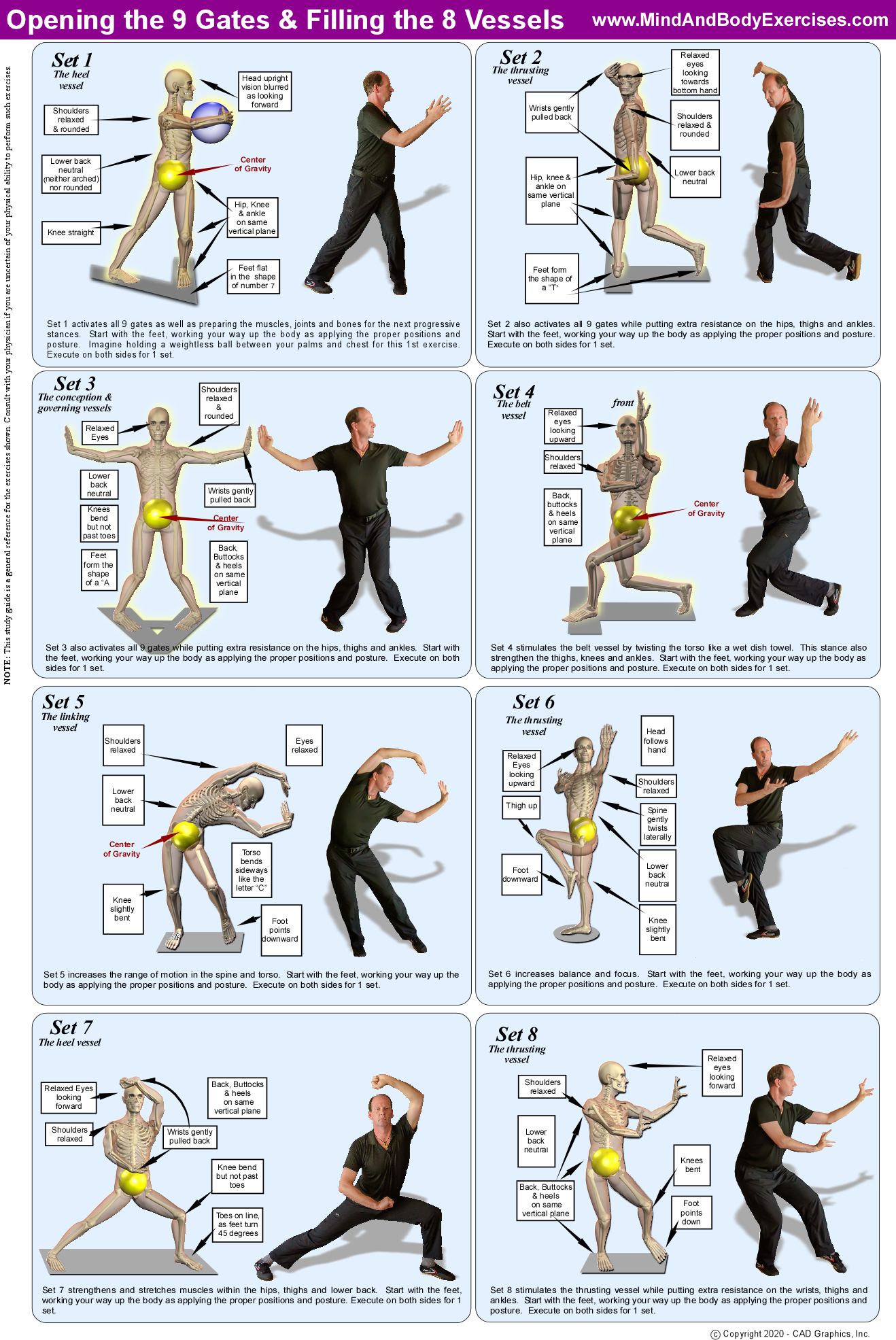
The following set of exercises develop strength and flexibility which improve posture. Good health of the lower back starts with good posture. Strength in the back, hips and abdomen provide a strong cage that houses the internal organs. Flexibility in these areas helps to maintain good blood circulation to the organs and lower body. Lengthening of the spine while exercising reduces stress and tension on the nervous system. Relax the body into the positions in spite of any tension in the muscles. Deep and relaxed breathing is essential while performing these exercises.
————-
I have learned, studied, practiced and teach literally hundreds of various low-impact exercises that can build stronger bones, muscles and joints. Private, small or group instruction.
Ancient Chinese scholars of the time approximately from 1600-1000 BC, recognized continuous patterns of change and transformation. Initially, these patterns were interpreted using yin-yang (balance) logic, but later these interpretations were expanded to the theory called The Five Elements. The 5 Elements Theory is based on observation, contemplation and meditation of the natural world and the environment we exist within.
The Five Elements Theory evolved from the observation of various processes, functions, and phenomena of nature. The theory proclaims that aspects of matter, can be divided into one of five basic elements of wood, fire, earth, metal and water. Each element contains their own specific characteristics and interrelationships. In modern times, the five elements theory is still used as a tool for grouping substances, as well as a method for studying changes of natural phenomena.
The 5 Elements Theory is a major component of thought within TCM or traditional Chinese medicine. These elements have corresponding relationships within our environment as well as within our own being.
The Six Levels or Six Stages is a theory that is thought to have originated from Shang Han Lun (translated into “On Cold Damage”) by Zhang Zhongjing in 220 CE or about 1800 years ago.
The six stages are: Tai Yang or Greater Yang Yang Ming or Bright Yang Shao Yang or Lesser Yang Tai Yin or Greater Yin Shao Yin or Lesser Yin Jue Yin or Terminal Yin
The names of the syndrome levels are the same as the names of the head and foot pairs of acupuncture meridians. The order is roughly the order that a disease takes as an individual goes from healthy to death. Some disease levels are skipped or the order changed depending upon the person and their individual conditions.
Traditional Chinese Medicine has many relationships to Tai Chi, qigong and other martial as well as wellness practices. I have learned, studied, practiced and teach literally hundreds of various low-impact exercises that can build stronger bones, muscles and joints. Private, small or group instruction.
Vitamin D3 or cholecalciferol is produced in the skin initiated from sunlight UVB radiation or absorbed from specific foods. The vitamin D3 is absorbed into the bloodstream and then into the liver where it changes to calcidiol. From the liver to the kidneys the calcidiol changes to calcitriol. Calcitriol then goes on to affect metabolic functions such as absorption in the intestines of calcium and phosphorus, bone regulation and cell regulation. As we age, vitamin D3 production can decline up to 75% leading to at the very least, muscle weakness and a reduction in bone strength and density.
Vitamin D Deficiency
Causes:
Winter side-effects (less sun exposure)
Sunscreen
Air pollution
High altitude
Poor diet
Imbalances:
Hypertension
Heart disease
Urinary infections
Tuberculosis
Depression
Schizophrenia
Liver disease
Rental failure
Crohn’s disease
Cystic fibrosis
Celiac disease
Muscular aches & weakness
Osteoporosis
Osteoarthritis
Rickets
Diabetes
Obesity
Solutions:
Sunlight on skin
Diet
Vitamin supplements
I have learned, studied, practiced and teach literally hundreds of various low-impact exercises that can build stronger bones, muscles and joints. Private, small or group instruction.
The joints of our body are composed of two or more bones joining together, along with the muscles, tendons, cartilage, synovium and ligaments that hold the whole structure together. The shape of our bones reflect the forces applied to them. For example, small bumps, ridges and other features on the surface of our bones are the attachment sites for tendons. When muscles are put under more load through activities, stress or exercises, the corresponding attachment sites enlarge to withstand the increased forces. Bones that are under more stress become thicker and stronger, while in contrast bones that are not subjected to ordinary stresses tend to become weaker, thin and more brittle. Wolff’s law, developed by anatomist & surgeon Julius Wolff in the 19th century, states that “bone in a healthy person or animal will adapt to the loads under which it is placed.”
Regular weight-bearing exercise is an important component for maintaining healthy bone structure. Avid weight lifters often have thick bones with very prominent ridges. Non-athletes or those who have little to moderate amounts of physical activity will find weight-bearing activities are imperative for stimulating normal bone metabolism of maintenance as well as maintaining bone strength.
Changes in bones of the skeleton can take place in relatively short periods of inactivity. For example, someone uses crutches to take weight off an injured leg while they wear a cast. Within a few weeks, the unstressed bones can lose up to a third of their mass. When normal weight loading resume the bones rebuild. However, it takes longer to rebuild bone than to lose bone density. The removal of calcium salts can be a serious health hazard for long-term bedridden patients or paralyzed individuals who cannot put normal stress on their skeleton.
Bones of the skeleton become thinner and weaker as a normal part of the human aging process. Inadequate ossification is called osteopenia. Everyone of us usually become slightly osteopenic as we age. Bone mass reduction begins between ages 30 and 40. Around this age, osteoblast (bone building) activity begins to decline, while osteoclast (bone breakdown) activity continues at the previous level. Women tend to lose about 8 percent of their bone mass every decade. Men often lose less, but around 3 percent per decade. The epiphyses or ends of the long bones, the vertebrae of the spine, and our jaws lose more bone mass than other locations. Side effects of low bone mass are more fragile limbs, loss in height, and sometimes the loss of teeth.
Osteoporosis is the further reduction in bone mass that inhibits normal functions. Bones become fragile and brittle making them more likely to break when exposed to stresses that healthier individuals could easily adjust to. This can be seen when an elderly person can suffer a hip fracture when simply attempting to sit or stand. A loss of mobility, independence and consequently self-confidence can occur when fractures result in older individuals leading to further weakening of the skeleton as they become less active and fearful of future injuries.
Hormonal balances are important in maintaining bone deposition. If and when hormone levels decline, bone mass also declines. After age 45, about 29 percent of women and 18 percent of men will develop osteoporosis. With women the condition increases after menopause, from a decrease in estrogen production. Men in the same age group tend to have less severe osteoporosis due to continued production of testosterone into their later years of life.
Osteoporosis can sometimes develop into the secondary effect of many cancers. Cancers within the bone marrow, breast cancer, and other tissues release a chemical called osteoclast-activating factor. This chemical increases the number and activity of osteoclasts and produces severe osteoporosis.
By engaging our bones with strategic trauma exercise methods (or specific stress without injury) that can be regulated by the individual to make bones stronger and prevent osteopenia and/or osteoporosis. These types of exercises fall into 3 different categories of tension, impact and vibration exercises. Ironically, while some of these methods improve bone and muscular strength, they sometimes can cause pain and injury to the same joints that the individual might be trying to strengthen. Fox example, jumping rope, hiking and tennis might cause more injury to a 60+ than the benefits that might be gained from these practices.
Tension Exercises:
Dancing
Elastic Bands
Qigong (Chi Kung)
Pilates
Stair-Step machine
Tai Chi
Treadmill
Weights
Yard Work
Yoga
Impact:
Aerobics
Hiking
Jump rope
Running
Stair climbing
Tennis
Walking – brisk
Vibration:
Machine therapy
Tapping methods
Reference(s):
1. Martini, F., Nath, J. L., Bartholomew, E. F., Ober, W. C., Ober, C. E., Welch, K., & Hutchings, R. T. (2018). Fundamentals of anatomy & physiology. New York: Pearson Education.
————-
I have learned, studied, practiced and teach literally hundreds of various low-impact exercises that can build stronger bones, muscles and joints. Private, small or group instruction.




 United Martial Arts Association