Are Food Preservatives “Preserving” Health Risks in the Body?

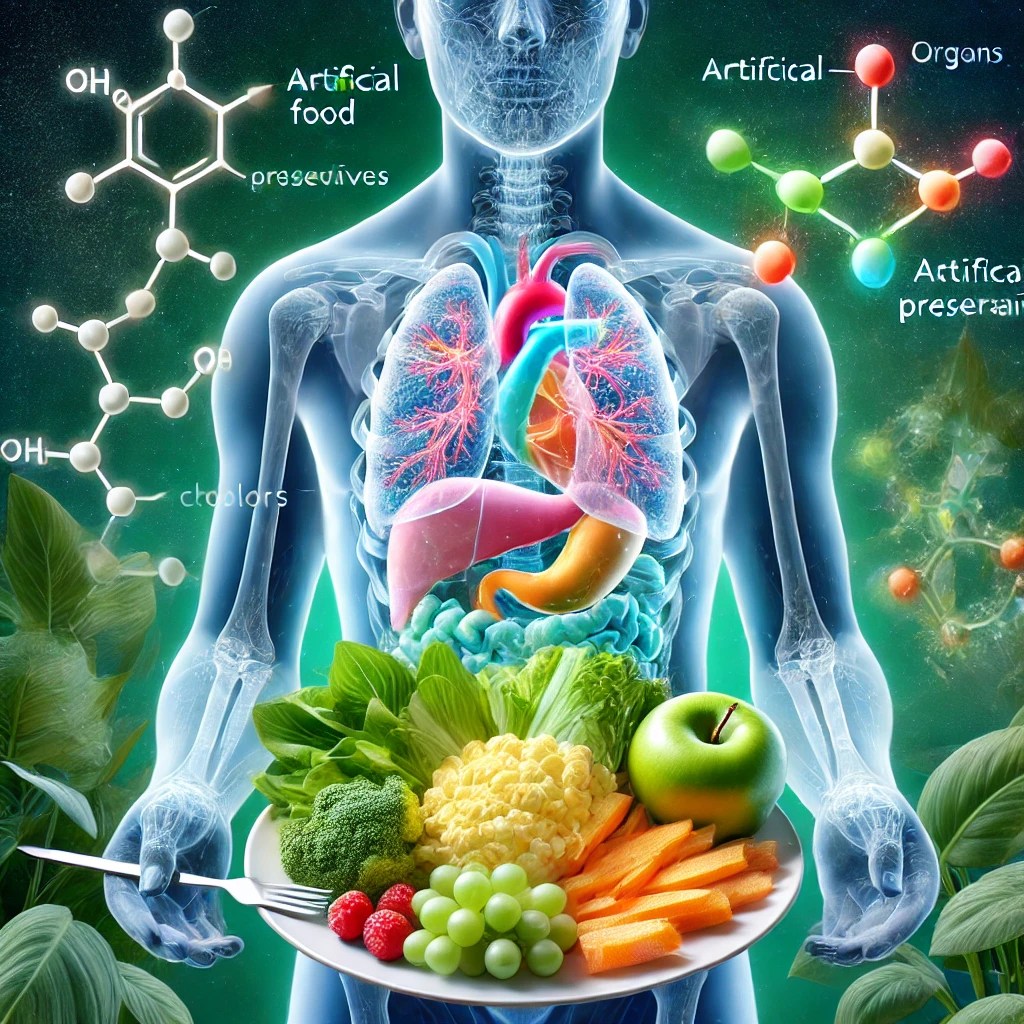
The potential for preservatives and other food additives to have long-term effects on human health has indeed been a subject of research and debate. While the preservatives used in food are generally approved by regulatory agencies and deemed safe within established limits, or “generally recognized as safe” (GRAS), there is concern about how these substances might interact with the human body, particularly with prolonged exposure or high consumption levels.
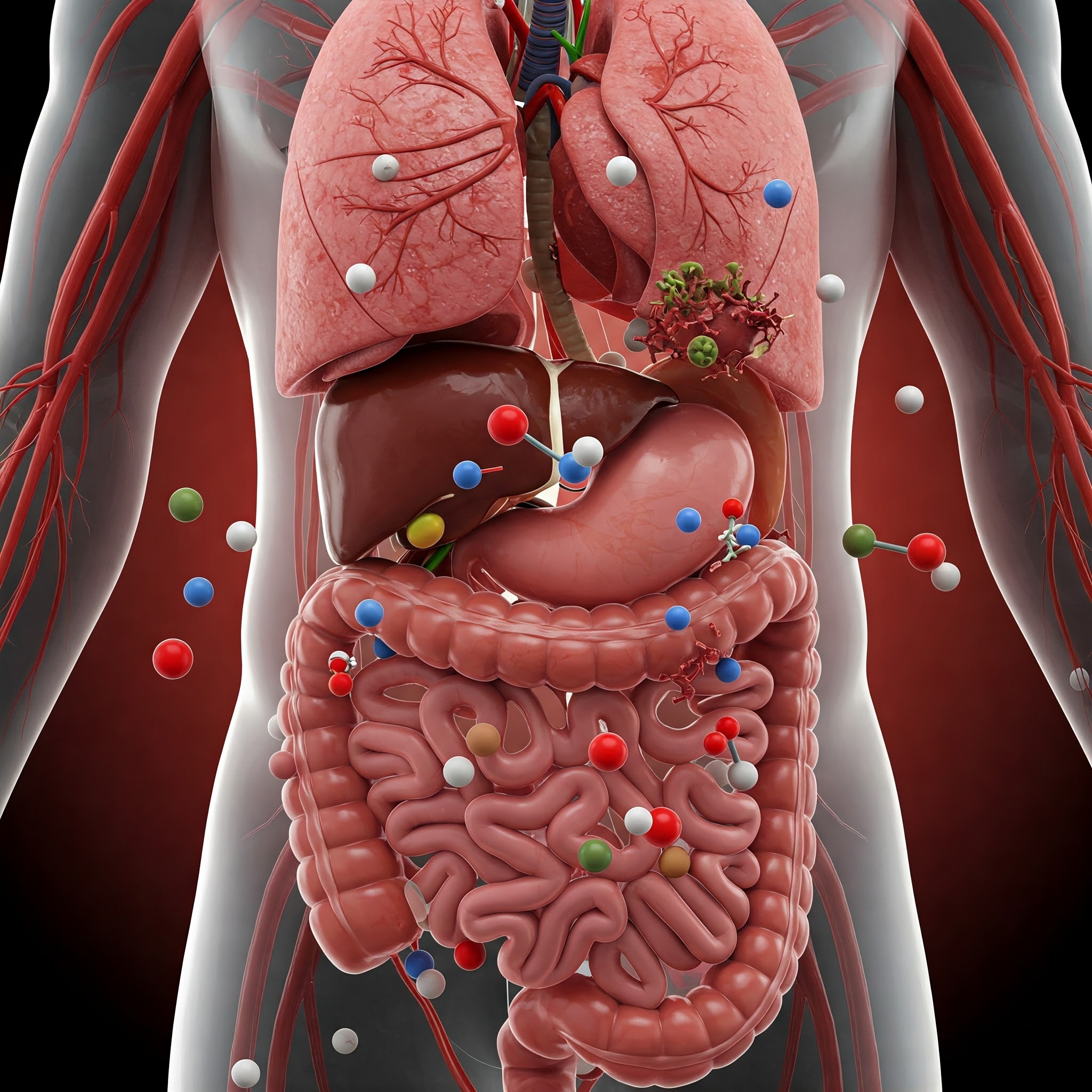
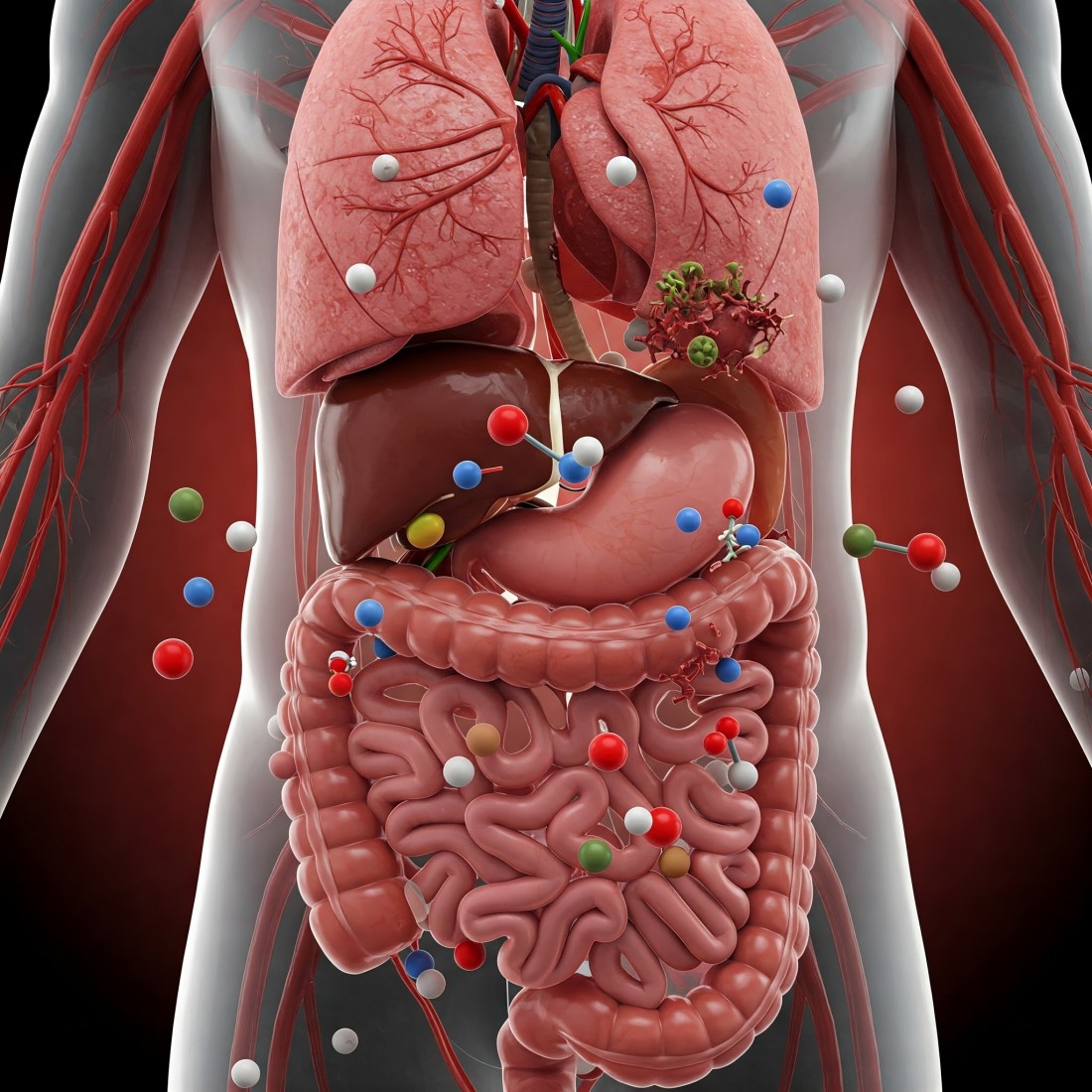
Many preservatives target microbial cells rather than human cells, and they often break down or are excreted from the body. However, some studies suggest certain preservatives might contribute to adverse health effects, such as inflammation, gut microbiome disruption, or oxidative stress (Zhou et al., 2023).

Some examples:

  • Sodium benzoate is widely used in acidic foods like sodas and fruit juices. Research has shown that under certain conditions, it can convert to benzene, a known carcinogen, especially when combined with ascorbic acid (vitamin C) (McNeal et al., 1993). The risk is generally low, but it raises concerns about high levels of consumption.
  • Nitrates and nitrites, commonly found in processed meats, can convert into nitrosamines in the stomach, compounds associated with an increased risk of cancers such as colorectal cancer (Song et al., 2015).
  • BHT and BHA are synthetic antioxidants used in fats and oils to prevent rancidity. There is some evidence that they may act as endocrine disruptors and impact cellular processes, although results are mixed (Pop et al., 2013).

The body’s detoxification systems, primarily the liver and kidneys, are generally effective at processing and eliminating many of these compounds. However, researchers argue that cumulative effects from chronic exposure to multiple food additives, combined with other dietary and lifestyle factors, could potentially pose health risks over time (Witkowska et al., 2021). We have known for many decades that a balanced diet with minimally processed foods can help to reduce exposure to these additives, though experts always state that more research is needed to understand their long-term impacts fully. The FDA finally banned red dye in the U.S. for use in cosmetics back in 1990 but not in foods until just January of 2025 (Davis, 2025).
_____

References

  • Zhou, X., Qiao, K., Wu, H., & Zhang, Y. (2023). The Impact of Food Additives on the Abundance and Composition of Gut Microbiota. Molecules (Basel, Switzerland), 28(2), 631. https://doi.org/10.3390/molecules28020631
  • McNeal, T. P., Nyman, P. J., Benson, J. M., & Diachenko, G. W. (1993). Survey of benzene in foods by using headspace concentration techniques and capillary gas chromatography. Journal of AOAC International, 76(6), 1213-1219.
  • Song, P., Wu, L., & Guan, W. (2015). Dietary Nitrates, Nitrites, and Nitrosamines Intake and the Risk of Gastric Cancer: A Meta-Analysis. Nutrients, 7(12), 9872–9895. https://doi.org/10.3390/nu7125505
  • Pop, A., Kiss, B., & Loghin, F. (2013). Endocrine disrupting effects of butylated hydroxyanisole (BHA – E320). Clujul medical (1957), 86(1), 16–20.
  • Witkowska, D., Słowik, J., & Chilicka, K. (2021). Heavy Metals and Human Health: Possible Exposure Pathways and the Competition for Protein Binding Sites. Molecules (Basel, Switzerland), 26(19), 6060. https://doi.org/10.3390/molecules26196060
  • Davis, Josh, How Red Dye 3 finally got banned in foods, according to a dietitian. (2025). https://www.houstonmethodist.org/blog/articles/2024/may/is-red-dye-no-3-in-food-bad-for-you-a-dieticians-take/

I teach and offer lectures about holistic health, physical fitness, stress management, human behavior, meditation, phytotherapy (herbs), music for healing, self-massage (acupressure), Daoyin (yoga), qigong, tai chi, and baguazhang.

Please contact me if you, your business, organization, or group, might be interested in hosting me to speak on a wide spectrum of topics relative to better health, fitness, and well-being.

I look forward to further sharing more of my message by partnering with hospitals, wellness centers, VA centers, schools on all levels, businesses, and individuals who see the value in building a stronger nation through building a healthier population.

I also have hundreds of FREE education video classes, lectures, and seminars available on my YouTube channel at:

https://www.youtube.com/c/MindandBodyExercises

Many of my publications can be found on Amazon at:

http://www.Amazon.com/author/jimmoltzan

My holistic health blog is available at:

https://mindandbodyexercises.wordpress.com/

http://www.MindAndBodyExercises.com

Mind and Body Exercises on Google: https://posts.gle/aD47Qo

Jim Moltzan

407-234-0119
Pain vs. Pleasure: Core Mechanisms

The human body’s ability to experience and regulate both pain and pleasure is central to its survival, adaptation, and overall well-being. These sensations are not isolated phenomena but are deeply rooted in complex neural, chemical, and hormonal systems that influence behavior, emotion, and physiological balance. This article explores the intricate physiological mechanisms involved in pain and pleasure, as well as how they interact with the body’s homeostatic processes to maintain equilibrium and guide adaptive responses to both internal and external stimuli.

1. Neural Pathways

  • Pain (Nociception):
    • Specialized nerve endings (nociceptors) detect noxious stimuli (heat, pressure, chemicals).
    • Signals travel via the spinothalamic tract to the thalamus and somatosensory cortex for interpretation.
    • Limbic system (amygdala, anterior cingulate cortex) mediates the emotional aspects of pain (Leknes & Tracey, 2008).
  • Pleasure (Reward):
    • Mediated by the mesolimbic dopamine pathway, primarily involving the ventral tegmental area (VTA) and nucleus accumbens (NAc).
    • Stimuli like food, sex, exercise, or music release dopamine, producing pleasure and reinforcement (Fields, 2004).

2. Neurotransmitters & Chemicals

NeurochemicalRole in PainRole in Pleasure
Dopamine↓ in chronic pain (Leknes & Tracey, 2008)↑ in reward/pleasure (Fields, 2004)
SerotoninModulates pain perception (McEwen, 2007)Enhances mood, pleasure (Fields, 2004)
EndorphinsNatural opioid, inhibits pain (Zubieta et al., 2005)Induces euphoria (“runner’s high”) (Fields, 2004)
Substance PPromotes pain signal transmission (Fields, 2004)–
GABA & GlycineInhibit pain signals (McEwen, 2007)Promote relaxation (Ulrich-Lai & Herman, 2009)
OxytocinMay reduce pain; bonding hormone (Leknes & Tracey, 2008)Enhances social pleasure (Leknes & Tracey, 2008)

3. Homeostasis: The Balance Regulator

a. The Hypothalamus

  • The hypothalamus is the central control for maintaining homeostasis. It monitors:
    • Temperature
    • Blood glucose
    • pH
    • Hormone levels
    • Circadian rhythms
      (McEwen, 2007)
  • It regulates autonomic output and endocrine functions via:
    • Pituitary gland
    • Sympathetic and parasympathetic systems
      (Ulrich-Lai & Herman, 2009)

b. Autonomic Nervous System (ANS)

  • Sympathetic Nervous System (SNS): “Fight or flight” – increases HR, BP, dilates pupils, inhibits digestion.
  • Parasympathetic Nervous System (PNS): “Rest and digest” – promotes digestion, slows HR, conserves energy
    (Ulrich-Lai & Herman, 2009).

c. Pain, Pleasure, and Autonomic Balance

  • Pain → SNS activation: Increased cortisol, inflammation, heightened alertness.
  • Pleasure → PNS activation: Lowered stress hormones, improved digestion, enhanced healing and immunity
    (Fields, 2004; McEwen, 2007).

4. Adaptive Feedback Loops

a. HPA Axis (Hypothalamic–Pituitary–Adrenal Axis)

  • Activated during chronic pain or stress.
  • Releases cortisol and other glucocorticoids to mobilize energy.
  • Chronic activation can lead to:
    • Suppressed immune function
    • Disrupted sleep
    • Impaired neuroplasticity
      (McEwen, 2007; Ulrich-Lai & Herman, 2009)

b. Reward System Feedback

  • Positive reinforcement strengthens pleasure-seeking behavior.
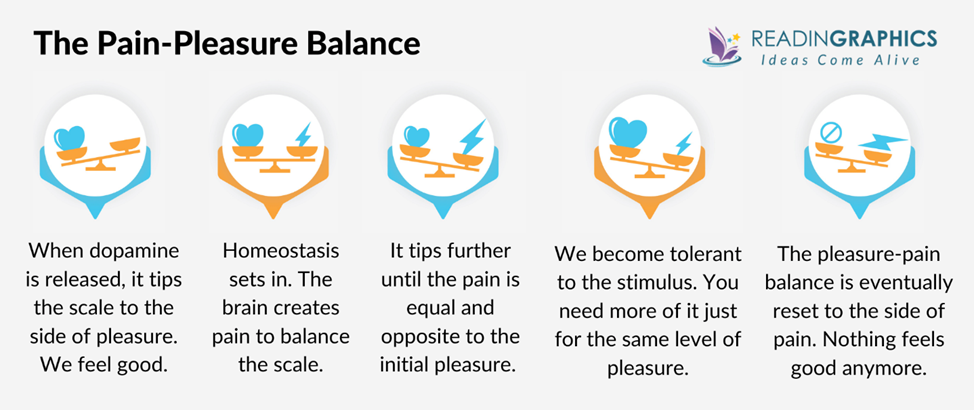
  • Dopaminergic signaling adapts: excess pleasure (e.g., from addictive substances) can reduce sensitivity, requiring more stimulus for the same effect (tolerance)
    (Leknes & Tracey, 2008).

5. Integration: Pain-Pleasure-Homeostasis Interplay

ConditionPain SystemPleasure SystemHomeostasis Impact
Acute ExerciseStimulates endorphins (mild pain)↑ Dopamine, endorphins (Fields, 2004)Improves cardiovascular balance (McEwen, 2007)
Chronic Stress↑ Cortisol, ↑ Substance P (McEwen, 2007)↓ Dopamine, serotonin (Leknes & Tracey, 2008)Disrupts sleep, digestion, immunity (Ulrich-Lai & Herman, 2009)
Meditation/Relaxation↓ SNS activation (Ulrich-Lai & Herman, 2009)↑ GABA, ↑ serotonin (McEwen, 2007)Restores ANS balance (Ulrich-Lai & Herman, 2009)
Trauma (Physical/Emotional)Activates nociception + amygdala (Leknes & Tracey, 2008)Blunts reward pathways (Fields, 2004)Dysregulated HPA axis, chronic pain (McEwen, 2007)

V. Holistic Considerations

From a holistic health perspective, balance between pain and pleasure is key to maintaining dynamic equilibrium:

  • Pain is a protective signal—meant to initiate change or healing.
  • Pleasure signals safety and reward—encouraging repeat behavior.
  • Both influence behavior, decision-making, immune function, and neuroplasticity (McEwen, 2007; Fields, 2004).

Regular practices like:

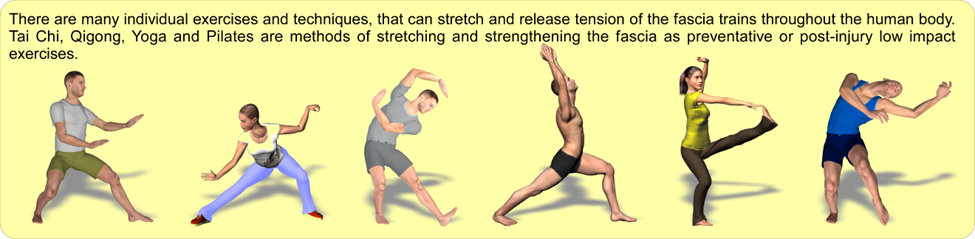
  • Tai Chi, Qigong, exercise, cold exposure, mindful eating, and social connection
    help regulate this system and enhance adaptive resilience (Ulrich-Lai & Herman, 2009).

The physiological mechanisms governing pain and pleasure are not only crucial for signaling threat or reward but also act as integral regulators of the body’s internal environment. These systems work synergistically with the hypothalamus, autonomic nervous system, and endocrine pathways to maintain homeostasis, reinforce survival behaviors, and foster adaptation. Understanding these interconnected networks opens the door to more effective holistic health interventions, such as movement, mindfulness, and social engagement, that support the body’s natural capacity to manage stress, enhance pleasure, and restore balance.

References:

Fields, H. L. (2004). State-dependent opioid control of pain. Nature Reviews Neuroscience, 5(7), 565–575. https://doi.org/10.1038/nrn1431

Leknes, S., & Tracey, I. (2008). A common neurobiology for pain and pleasure. Nature Reviews Neuroscience, 9(4), 314–320. https://doi.org/10.1038/nrn2333

McEwen, B. S. (2007). Physiology and neurobiology of stress and adaptation. Physiological Reviews, 87(3), 873–904. https://doi.org/10.1152/physrev.00041.2006

Readingraphics. (2025, July 13). Book summary – Dopamine Nation: Finding Balance in the Age of Indulgence. Readingraphics. https://readingraphics.com/book-summary-dopamine-nation/

Ulrich-Lai, Y. M., & Herman, J. P. (2009). Neural regulation of endocrine and autonomic stress responses. Nature Reviews Neuroscience, 10(6), 397–409. https://doi.org/10.1038/nrn2647

Zubieta, J. K., et al. (2005). Placebo effects mediated by endogenous opioid activity on μ-opioid receptors. Journal of Neuroscience, 25(34), 7754–7762. https://doi.org/10.1523/JNEUROSCI.0439-05.2005

When to Do and When Not to Do

A Warrior–Scholar–Sage Perspective on Discernment, Discipline, and Rest

Modern culture equates productivity with virtue. We are conditioned to believe that constant motion is synonymous with progress and that rest is a form of weakness. Yet across classical Eastern philosophy, martial traditions, and contemplative lineages, wisdom has never been measured by how much one does, but by knowing when to act and when not to act. This discernment lies at the heart of the Warrior–Scholar–Sage archetype and is expressed through the timeless triad of True, Right, and Correct.

To live well is not merely to be busy, but to be aligned. The true path is not found through endless activity, but through refined awareness and the capacity to recognize what deserves our energy and what must be released.

The Warrior: Mastery of Discipline and Restraint

The Warrior represents Right action. Not impulsive action, not reactive behavior, but action rooted in clarity, purpose, and timing. In classical martial traditions, discipline is not merely physical conditioning but cultivated judgment. The greatest warrior is not one who fights constantly, but one who knows when not to fight.

Sun Tzu reminds us that victory is achieved not by brute force, but by superior strategy and restraint:

“He will win who knows when to fight and when not to fight.”
(The Art of War; Sun Tzu, trans. Griffith, 1971)

The Warrior’s training develops self-command, or the ability to resist distraction, ego-driven urgency, and emotional reactivity. This mastery is reflected in the modern principle of the “not-to-do list,” which removes time-wasters, unnecessary meetings, and low-impact obligations that drain vitality and clarity. Just as a martial artist conserves energy for decisive moments, the modern Warrior must learn to say “no” to what is trivial in order to say “yes” to what is meaningful.

In Taoist philosophy, this principle is expressed as wu wei, or effortless action through alignment rather than force. Wu wei does not mean passivity; it means acting only when action is harmonious with circumstance (Lao Tzu, trans. Mitchell, 1988). The Warrior does not struggle against the current of life; he moves with it.

The Scholar: Clarity of Mind and Discernment of Truth

The Scholar represents True understanding. Before action, perception must come. Before movement, awareness must come. The Scholar refines cognition, attention, and reflection so that effort is guided by wisdom rather than compulsion.

In Eastern philosophy, clarity is cultivated through stillness. The Tao Te Ching teaches:

“To the mind that is still, the whole universe surrenders.”
(Lao Tzu, trans. Mitchell, 1988)

This stillness is not emptiness but receptivity. It is the mental discipline that allows one to distinguish signal from noise, value from distraction, essence from excess. The Scholar understands that perpetual stimulation fragments attention and erodes creativity. Neuroscience now confirms that insight, problem-solving, and emotional regulation depend upon cycles of focused engagement and deliberate rest (Raichle, 2015; Kaplan & Berman, 2010).

Modern productivity research echoes ancient wisdom: deep work requires boundaries. Without reflection, we confuse urgency with importance. Without rest, we confuse movement with meaning. The Scholar therefore cultivates the discipline of reflection, journaling, meditation, and contemplative study, practices that refine perception and illuminate what is true.

The Sage: Alignment with Natural Law

The Sage embodies what is Correct, not merely in a moral sense, but in accordance with natural rhythm and universal order. The Sage recognizes that life unfolds in cycles: effort and restoration, engagement and withdrawal, expansion and contraction.

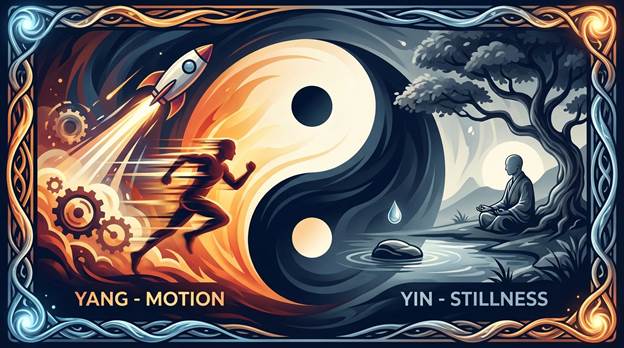
Traditional Chinese philosophy expresses this through the doctrine of yin and yang, complementary forces in perpetual transformation (Kaptchuk, 2000). Activity without rest becomes exhaustion. Rest without purpose becomes stagnation. Health, creativity, and wisdom arise from dynamic balance.

The Sage understands that overextension leads to collapse and that excessive control produces resistance. In Buddhism, this is reflected in the Middle Way, the path between indulgence and deprivation (Rahula, 1974). In Confucian ethics, it is expressed through li, proper conduct arising from situational appropriateness rather than rigid rules (Ames & Rosemont, 1998).

To the Sage, knowing when not to act is as powerful as knowing when to act. Stillness is not absence. Silence is not emptiness. Withdrawal is not retreating. These are strategic expressions of wisdom.

The Integrated Path: Living the True, Right, and Correct Life

When the Warrior, Scholar, and Sage are integrated, life becomes a practice of intelligent engagement. The individual learns to:

  • Act with discipline (Warrior — Right)
  • Perceive with clarity (Scholar — True)
  • Align with natural law (Sage — Correct)

This triadic harmony produces a life of purposeful effort rather than frantic striving. It teaches us to push forward when the moment calls for courage and endurance and to withdraw when reflection, restoration, or re-calibration is required.

The ancient sages understood what modern neuroscience now confirms: burnout is not a failure of character but a failure of rhythm. Creativity does not arise from constant stimulation but from alternating cycles of tension and release. Wisdom does not emerge from accumulation but from discernment.

To live well is not to do more. It is to do what matters and to release what does not.

The highest form of productivity is not busyness. It is alignment.

The highest form of discipline is not force. It is restraint.

And the highest form of wisdom is knowing, with clarity and courage, and when to do and when not to do.

References

Ames, R. T., & Rosemont, H. (1998). The analects of Confucius: A philosophical translation. Ballantine Books.

Griffith, S. B. (Trans.). (1971). Sun Tzu: The art of war. Oxford University Press.

Kaplan, S., & Berman, M. G. (2010). Directed attention as a common resource for executive functioning and self-regulation. Perspectives on Psychological Science, 5(1), 43–57. https://doi.org/10.1177/1745691609356784

Kaptchuk, T. J. (2000). The web that has no weaver: Understanding Chinese medicine (2nd ed.). McGraw-Hill.

Lao Tzu. (1988). Tao Te Ching (S. Mitchell, Trans.). HarperCollins.

Rahula, W. (1974). What the Buddha taught (2nd ed.). Grove Press.

Raichle, M. E. (2015). The brain’s default mode network. Annual Review of Neuroscience, 38, 433–447. https://doi.org/10.1146/annurev-neuro-071013-014030

Borrowed Meaning, Personal Authorship, and the Measure of a Life

Human beings have an enduring need for meaning, belonging, and purpose. Throughout history, individuals have aligned themselves with ideologies, political parties, professional identities, institutions, movements, and charismatic leaders in hopes of achieving recognition, security, direction, and a sense of significance. While such affiliations can offer structure and community, they also carry a subtle risk: the displacement of personal authorship in favor of borrowed meaning.

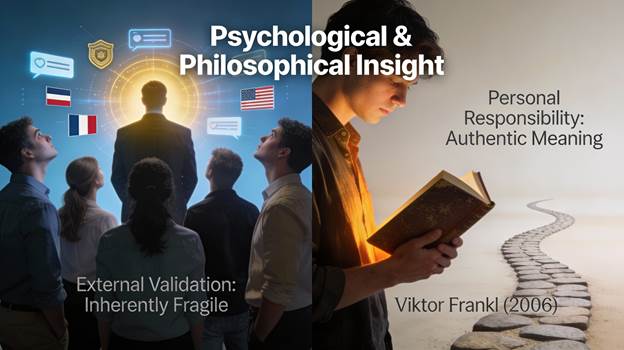
Psychological and philosophical academia suggests that meaning derived primarily from external validation or group identity is inherently fragile. Viktor Frankl (2006) argued that meaning cannot be handed down by systems or authorities; it must be discovered and embodied through personal responsibility and lived values. When individuals outsource their sense of purpose to an ideology, organization, or leader, they may experience temporary fulfillment yet remain existentially dependent upon forces outside themselves.

Modern culture increasingly reinforces identity through alignment. Social identity theory demonstrates that individuals often define themselves by the groups to which they belong, internalizing group values and narratives as personal identity markers (Tajfel & Turner, 1979). While this can foster cohesion, it can also suppress individuality and moral agency. Over time, allegiance may shift from being a conscious choice to an unquestioned loyalty, where dissent threatens belonging and conformity replaces reflection.

In such cases, people may spend years or entire lifetimes resources, contributing labor, emotional energy, and loyalty to systems that primarily expand the legacy, power, or recognition of others. Institutions grow. Leaders are remembered. Movements persist. Yet the individual contributor often fades into obscurity, having invested deeply in causes that did not meaningfully invest back in their personal development or well-being. Hannah Arendt (1958) warned that when individuals surrender judgment and responsibility to collective structures, they risk becoming functionaries rather than fully realized moral agents.

This raises a fundamental question: Whose legacy is being built?

At the end of life, few people aspire to be remembered for their affiliations. Rarely does one hope their memory will read “loyal employee,” “dedicated party member,” or “contributor to institutional success.” Instead, the identities most people cherish are relational and human: beloved parent, partner, friend, mentor. These roles are not bestowed by organizations; they are earned through presence, care, ethical consistency, and emotional availability over time.

Developmental psychology reinforces this distinction. Erikson (1982) described late adulthood as a period defined by the tension between integrity and despair, in which individuals reflect on whether their lives were meaningfully lived. Integrity emerges not from accumulated status, but from coherence between values, actions, and relationships. A life measured primarily by external achievement, devoid of authentic connection, often results in existential dissatisfaction rather than fulfillment.

Importantly, this is not an argument against service, cooperation, or contributing to causes larger than oneself. Meaningful work frequently involves collaboration, and healthy societies depend upon participation. However, there is a critical difference between serving a cause and surrendering one’s authorship to it. Self-determination theory emphasizes that psychological well-being depends on autonomy, competence, and relatedness, none of which thrive when individuals suppress their agency in pursuit of approval or belonging (Deci & Ryan, 2000).

True contribution strengthens both the individual and the collective. It arises when service is grounded in personal integrity rather than self-erasure, and when individuals retain moral discernment rather than deferring it to authority. Contribution that demands the forfeiture of identity, conscience, or critical thought ultimately diminishes the human spirit, even if it benefits external systems.

Legacy, therefore, is not a matter of scale or visibility. It is not defined by titles held, slogans defended, or institutions supported. Rather, it is reflected in the quiet, cumulative impact one has on the lives of others. Did one listen when it mattered? Act with courage when it was costly? Offer care without expectation of reward? Help others become more fully themselves rather than merely more productive or powerful?

Research on meaning in life consistently shows that fulfillment is most strongly associated with prosocial behavior, authenticity, and contribution to others’ well-being, not with status or ideological dominance (Martela & Steger, 2016). A life devoted solely to advancing systems, leaders, or abstract ideals may leave impressive structures behind, yet little trace of the individual soul that sustained them.

In a culture that frequently equates significance with visibility and success with alignment, choosing to root meaning in personal responsibility and human connection is a quiet act of resistance. It affirms substance over symbolism, depth over display, and conscience over conformity. When the final accounting arrives, most people do not wish to be remembered for what they stood behind, but for who they stood beside.

And in that measure, meaning is no longer borrowed, it is earned.

References

Arendt, H. (1958). The human condition (By The University of Chicago Press & The University of Chicago Press, Ltd.; 2nd ed., p. vii). The University of Chicago Press. https://www.dbu.edu/mitchell/modern-resources/_documents/arendt_the_human_condition.pdf

Deci, E. L., & Ryan, R. M. (2000). The “what” and “why” of goal pursuits: Human needs and the self-determination of behavior. Psychological Inquiry, 11(4), 227–268. https://doi.org/10.1207/S15327965PLI1104_01

Erikson, E. H. (1982). The life cycle completed. W. W. Norton & Company. https://archive.org/details/lifecyclecomplet0000erik_j3j4

Frankl, V. E. (2006). Man’s search for meaning (Rev. ed.). Beacon Press. (Original work published 1946) https://antilogicalism.com/wp-content/uploads/2017/07/mans-search-for-meaning.pdf

Martela, F., & Steger, M. F. (2016). The three meanings of meaning in life: Distinguishing coherence, purpose, and significance. The Journal of Positive Psychology, 11(5), 531–545. https://doi.org/10.1080/17439760.2015.1137623

Tajfel, H., & Turner, J. C. (1979). An integrative theory of intergroup conflict. In W. G. Austin & S. Worchel (Eds.), The social psychology of intergroup relations (pp. 33–47). Brooks/Cole.

Elemental Symbolism in the Internal Martial Arts: Tai Chi, Bagua, and Xing Yi

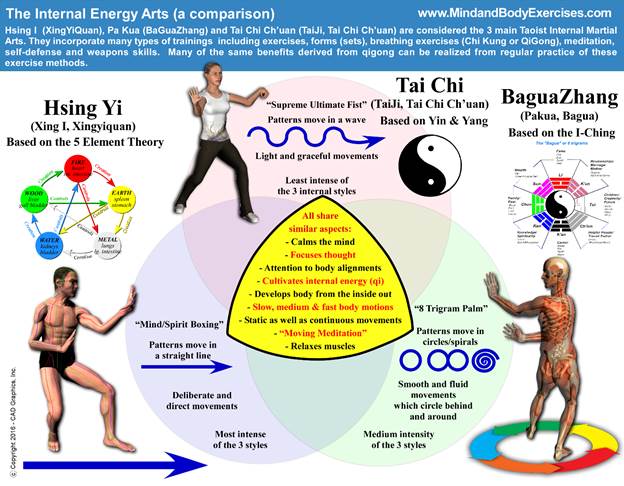
In traditional Chinese internal martial arts (Neijia), symbolism plays an essential role in describing movement, intention, and energy flow. Among the many philosophical systems that influence martial practice, the Five Elements (Wu Xing) and natural elements such as water, wind, and fire serve as both metaphors and method. Though not universally codified in classical texts, many modern teachers and scholars have come to associate Tai Chi with Water, Bagua Zhang with Wind, and Xing Yi Quan with Fire, based on their movement qualities and strategic principles (Frantzis, 1998; Cartmell & Miller, 1998). These associations offer a deeper understanding of how the internal arts mirror natural forces and how practitioners may align themselves with these dynamics.

Tai Chi as Water: The Principle of Yielding and Flow

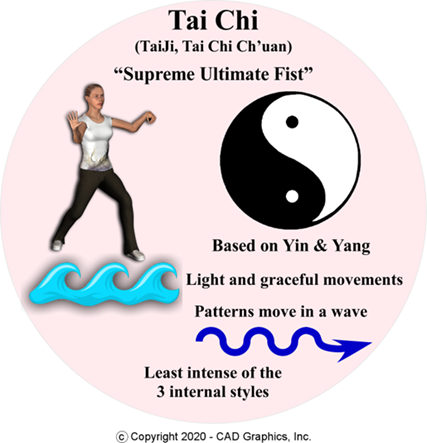
Tai Chi Chuan (Taijiquan), a martial art rooted in Daoist cosmology and yin-yang theory, is often compared to the element of Water. Water is adaptive, flowing, and capable of penetrating even the hardest of substances through persistence rather than force. In Tai Chi, practitioners aim to maintain softness, continuity, and relaxed power (Peng), using circular and spiraling movements to redirect incoming force. These characteristics reflect the Daoist principle of wu wei (effortless action), whereby defense and offense occur through fluid, responsive interaction rather than brute resistance (Sun, 2003).

Water’s symbolic alignment with Tai Chi can be seen in how practitioners train to neutralize force by absorbing and redirecting it, as in the practice of “push hands” (tuishou). The emphasis is not on meeting force with force, but on flowing with it by yielding, adapting, and then returning it. As Frantzis (1998) describes, “Tai Chi emulates water. It yields, absorbs, and returns force, teaching practitioners how to remain relaxed under pressure and adapt with intelligence” (p. 82).

Bagua Zhang as Wind: Circular Change and Evasion

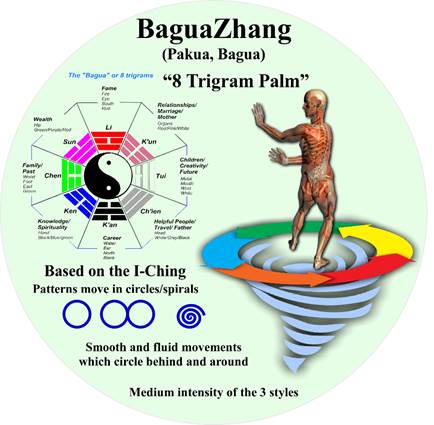
Bagua Zhang (Eight Trigram Palm), another internal martial art with strong Daoist influences, is symbolically associated with Wind. The Bagua system is derived from the eight trigrams of the I Ching (Book of Changes), each representing a dynamic force of nature. Among these, Wind (Xun, ☴) signifies flexibility, dispersal, and continuous transformation, all core attributes of Bagua’s martial strategy.

Bagua is renowned for its circular walking patterns, constant change of direction, and evasive footwork. Practitioners train to “walk the circle,” using coiling energy (spiral force) to confuse, evade, and flank opponents. This constant motion mirrors the behavior of wind as unpredictable, swift, and intangible. Cartmell and Miller (1998) note that “Bagua’s strength lies in mobility and redirection, like the wind it represents; its goal is to avoid direct confrontation by continuous movement and adaptability” (p. 59).

The element of wind also suggests penetration and subtlety, qualities emphasized in Bagua’s use of palm changes, angular footwork, and rotational torque. In combat, this allows the practitioner to surround the opponent and strike from unexpected angles, embodying the principle of strategic change rather than head-on conflict.

Xing Yi Quan as Fire: Direct Intention and Explosive Power

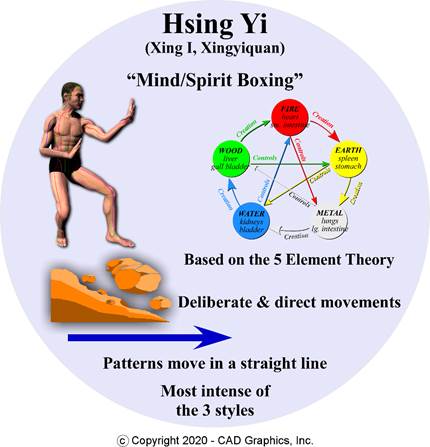
Xing Yi Quan (Form-Intent Fist), the most linear and forceful of the three internal systems, is commonly linked with the element of Fire. While the system itself is deeply rooted in the Five Element Theory (Wu Xing), with each of its five fists corresponding to one element, its overall character is often described as fiery, due to its aggressive forward motion and explosive power.

Among the Five Element fists in Xing Yi:

  • Pi Quan (Splitting Fist) represents Metal
  • Zuan Quan (Drilling Fist) represents Water
  • Beng Quan (Crushing Fist) represents Wood
  • Pao Quan (Pounding Fist) represents Fire
  • Heng Quan (Crossing Fist) represents Earth

Of these, Pao Quan exemplifies Fire’s essence: sudden, upward, and bursting energy. It strikes with explosive fa jin (power release), emerging from internal pressure and focused intent (Sun, 2003). Xing Yi’s methodology emphasizes single-minded intent (Yi) driving the form (Xing), producing a decisive and often overwhelming attack. This sharp, penetrating nature aligns well with the Fire element’s transformative and consuming energy.

Furthermore, the mindset cultivated in Xing Yi, that of resolute, forward-driving, and undeterred, echoes Fire’s symbolism as the element of willpower and illumination. As Frantzis (1998) notes, “Xing Yi burns through obstacles, physically and mentally. Its training sharpens the practitioner’s intent like a flame concentrated into a cutting edge” (p. 102).

A Contemporary Interpretive Framework

It is important to recognize that these elemental associations of Tai Chi as Water, Bagua as Wind, and Xing Yi as Fire, are interpretive frameworks developed in modern times to help convey complex movement and energetic concepts to students and readers. They are not fixed doctrines codified in ancient martial manuals, but rather practical metaphors rooted in Daoist philosophy, Traditional Chinese Medicine, and martial observation.

Still, they are widely embraced among modern martial scholars and instructors as effective teaching tools. By associating each art with a fundamental element, practitioners gain not only a sensory understanding of the movement principles but also a philosophical map for personal development and strategic application.

Conclusion

The symbolic associations of internal martial arts with natural elements offer profound insight into their essence and strategy. Tai Chi’s yielding flow mirrors Water, Bagua’s swirling evasiveness reflects Wind, and Xing Yi’s focused explosiveness embodies Fire. Though rooted in metaphor and interpretation, these elemental alignments resonate deeply with the practitioner’s embodied experience. They serve as bridges between physical training and inner cultivation, highlighting the enduring influence of Daoist cosmology on martial thought and practice.

References:

Cartmell, T., & Miller, D. (1998). Xing Yi Nei Gong: Xing Yi Health Maintenance and Internal Strength Development. Unique Publications. https://archive.org/details/DanMillerAndTimCartmellXingYiNeiGong

Frantzis, B. K. (1998). The Power of Internal Martial Arts and Chi: Combat and Energy Secrets of Ba Gua, Tai Chi and Hsing-I. North Atlantic Books.

Sun, L. (2003). A Study of Form-Mind Boxing (Xing Yi Quan Xue) (A. Liu, Trans.). Blue Snake Books. (Original work published 1915)