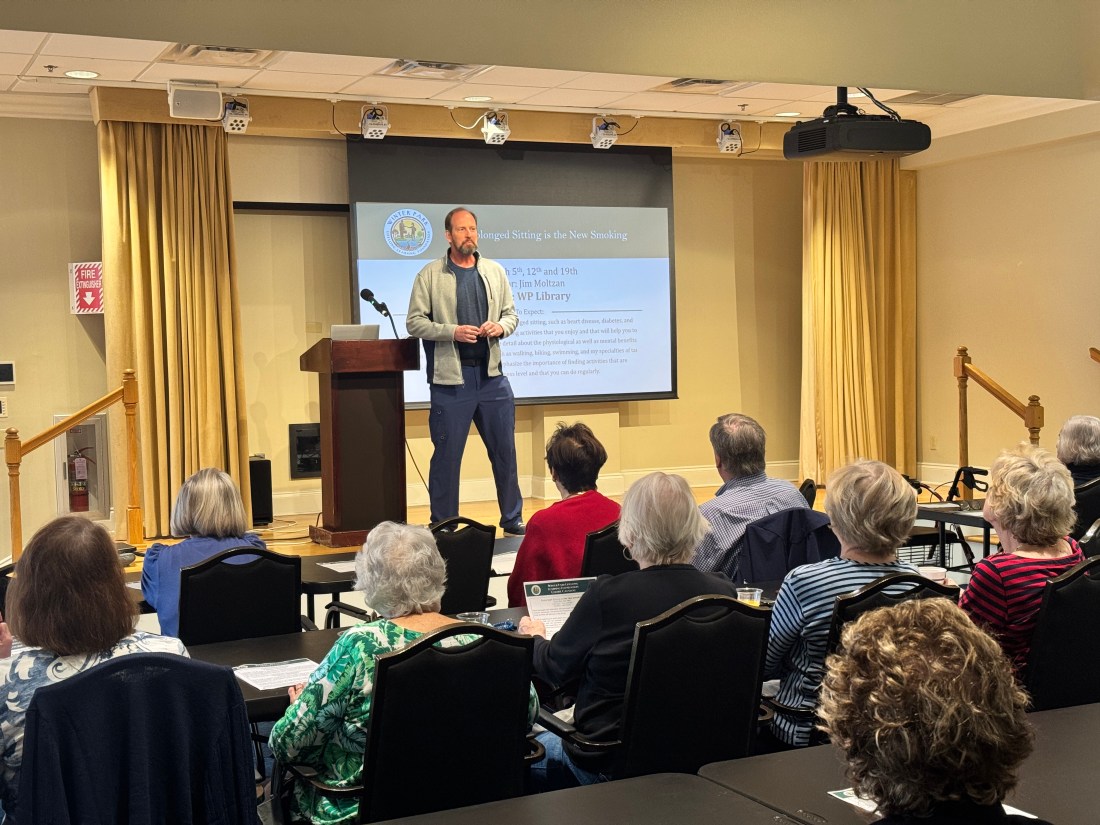
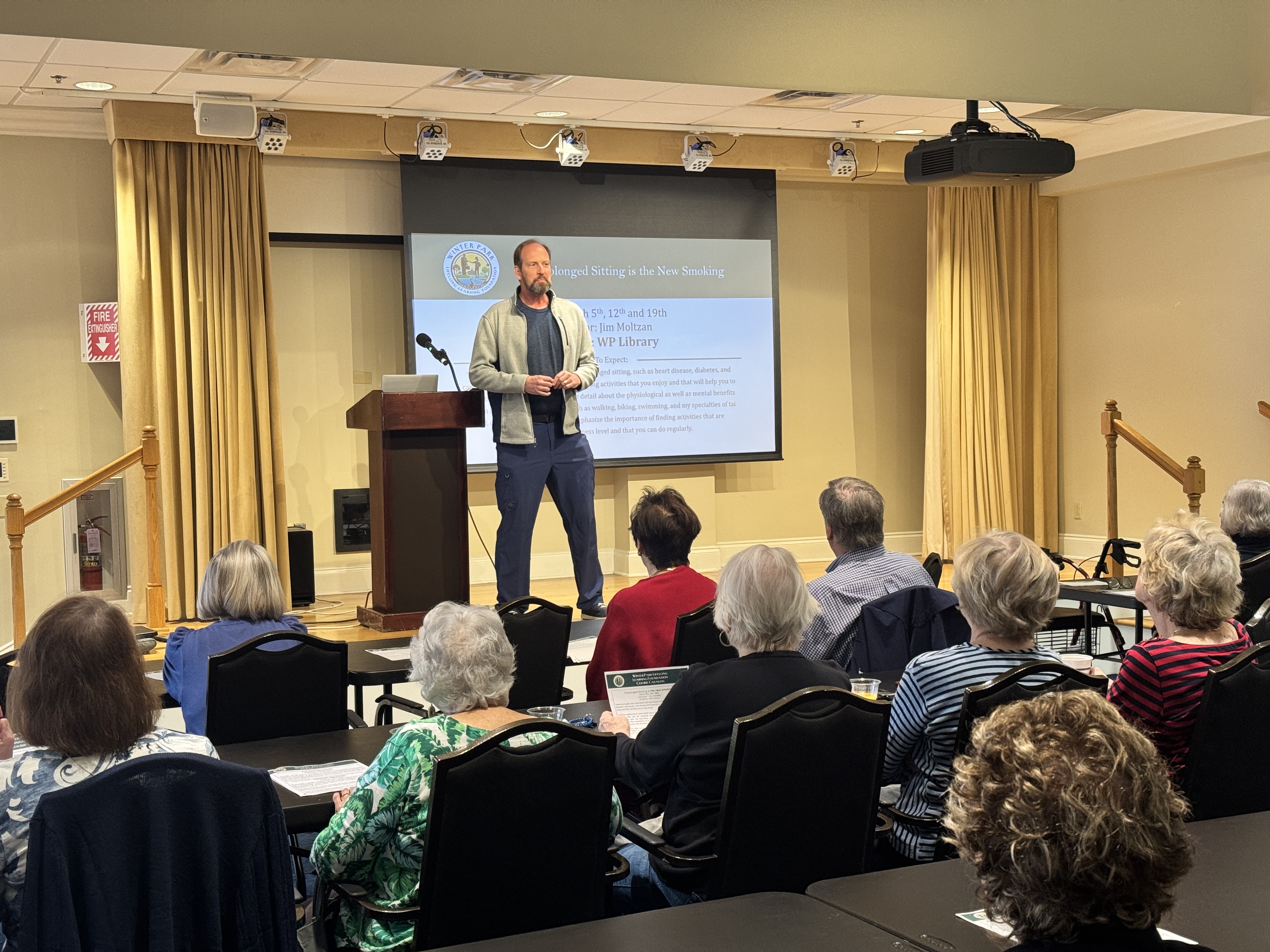
I spoke this week for a few minutes at The Mayflower at Winter Park, along with The Winter Park Lifelong Learning Foundation, regarding my upcoming course in March on:
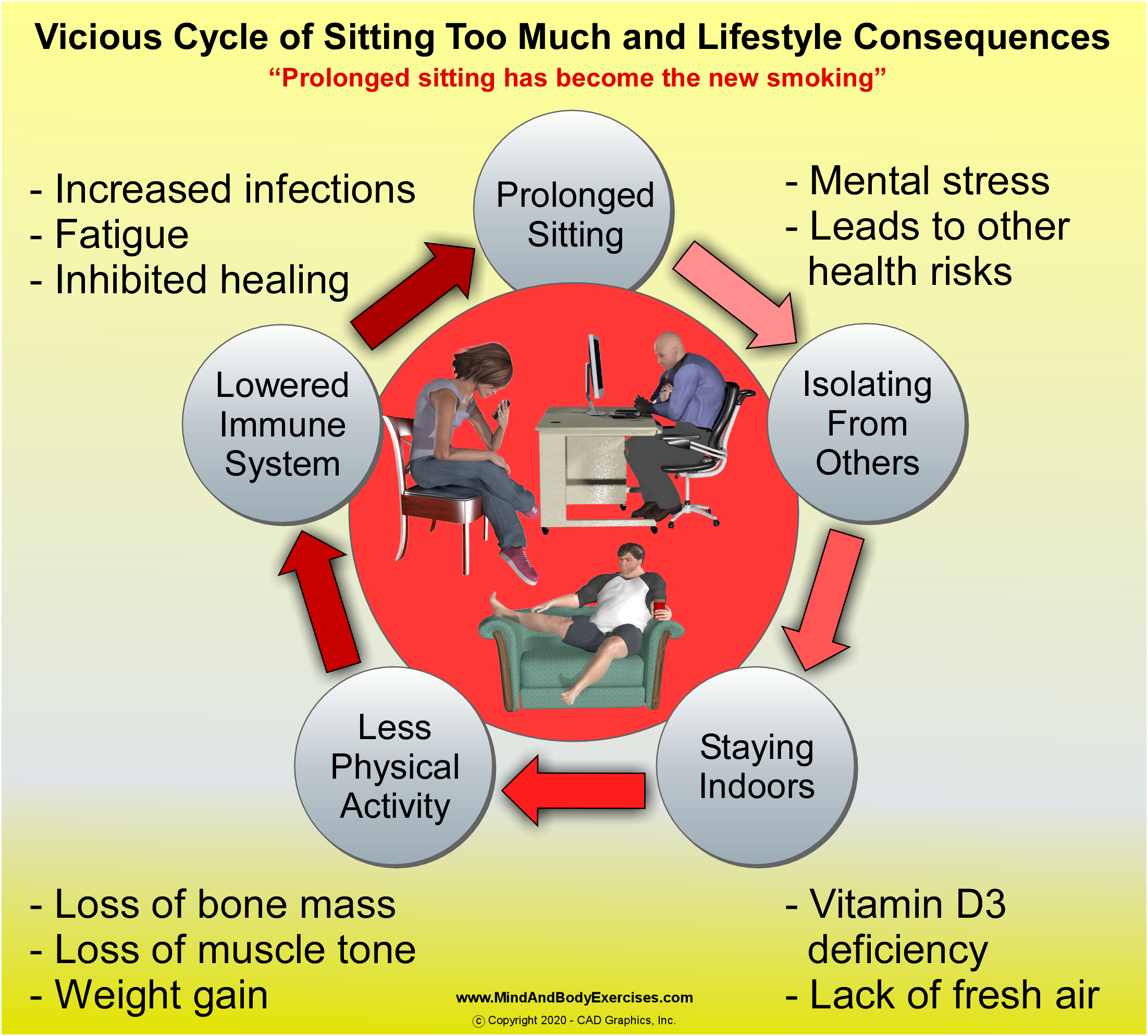
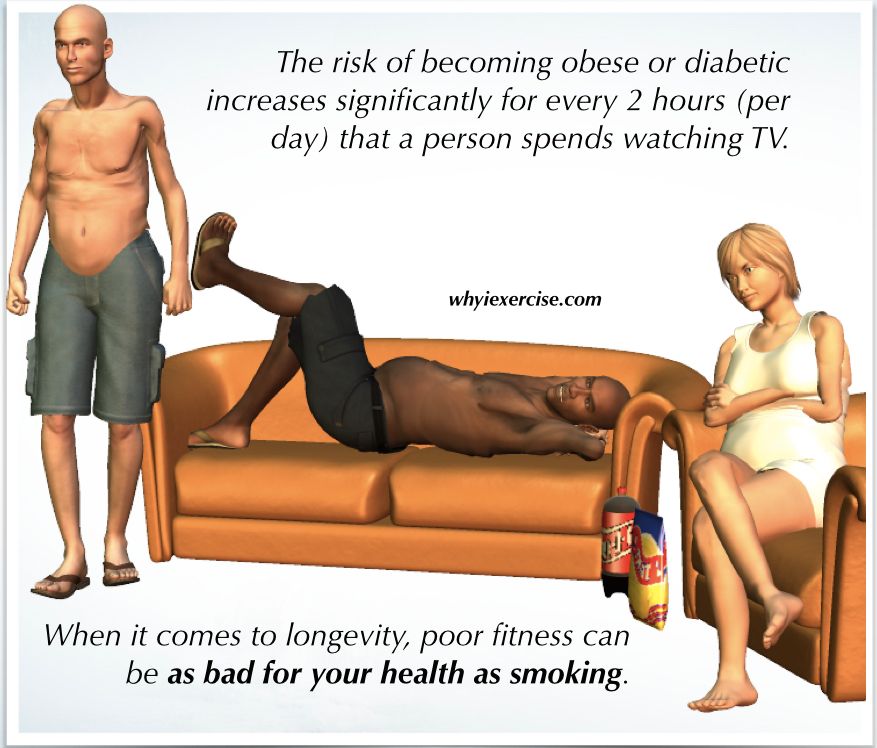
“Prolonged Sitting is the New Smoking”
Three sessions that build upon the first, starting on March 5th, 12th, 19th (10:30-11:45am)
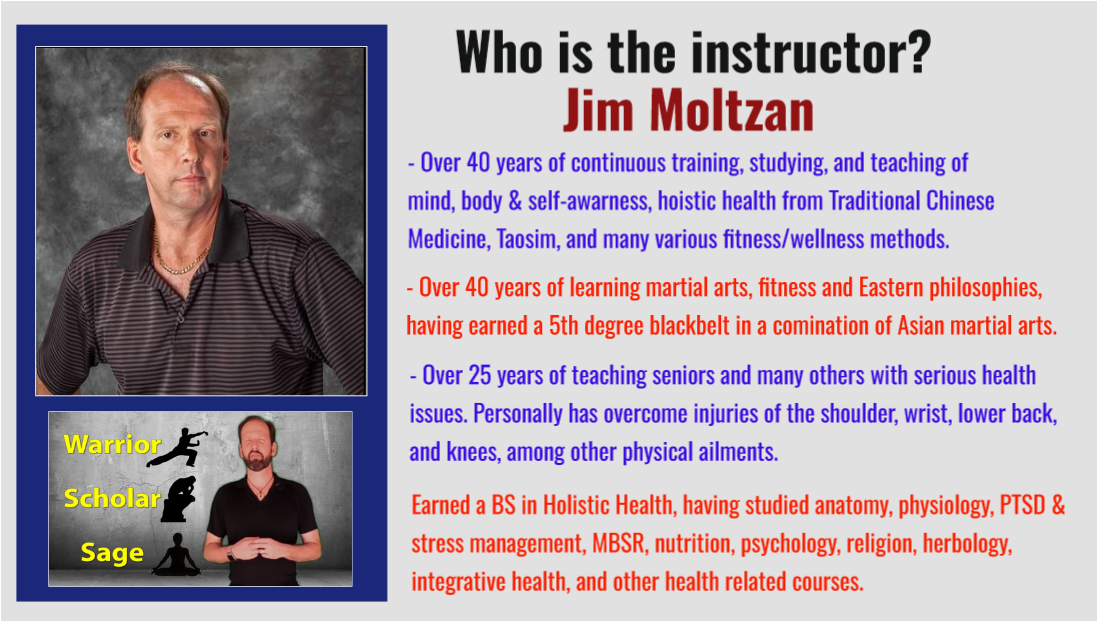
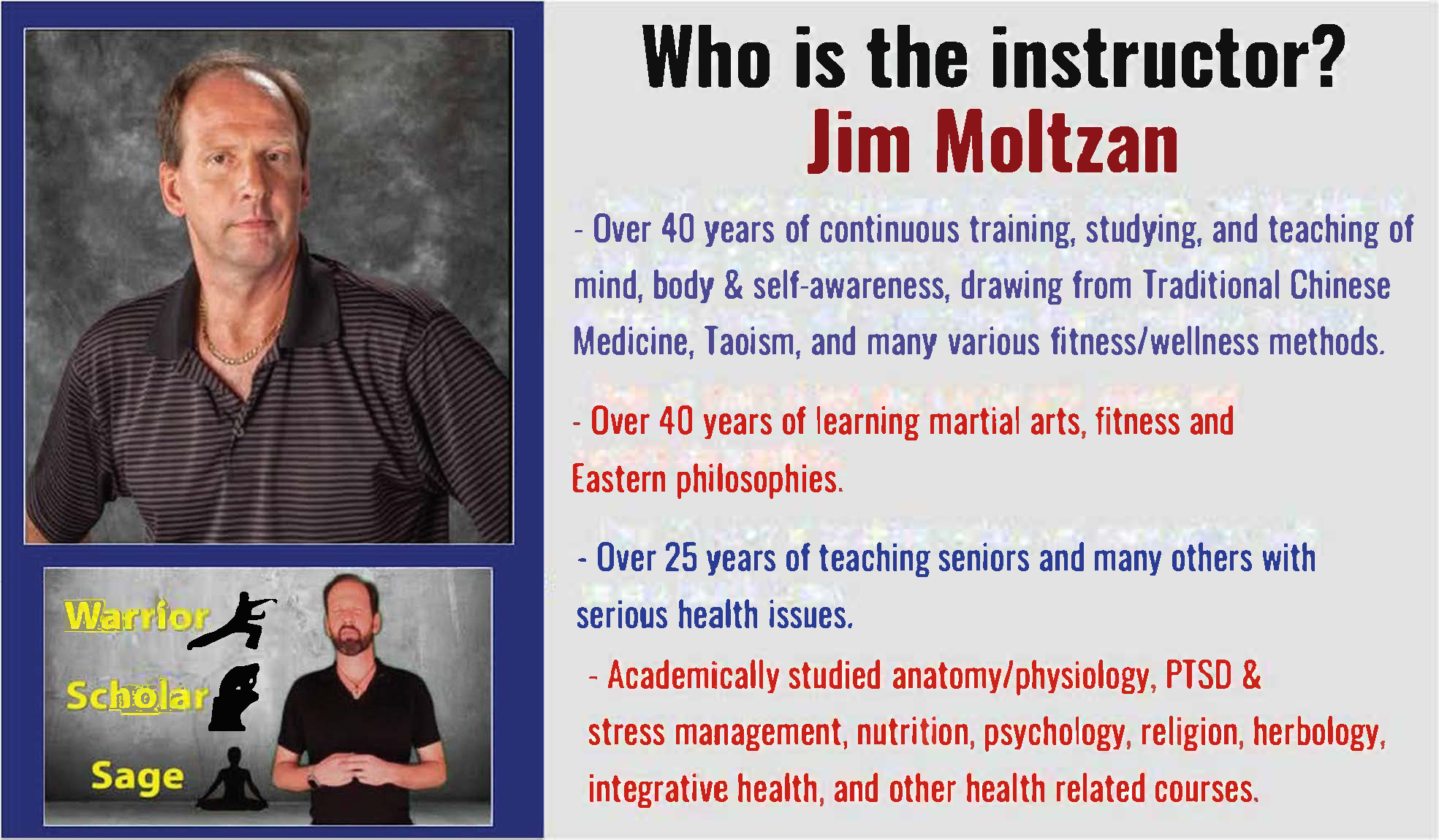
Instructor – Jim Moltzan, BS degree in holistic health
Location – WP Library near the Winter Park Village on 17-92.
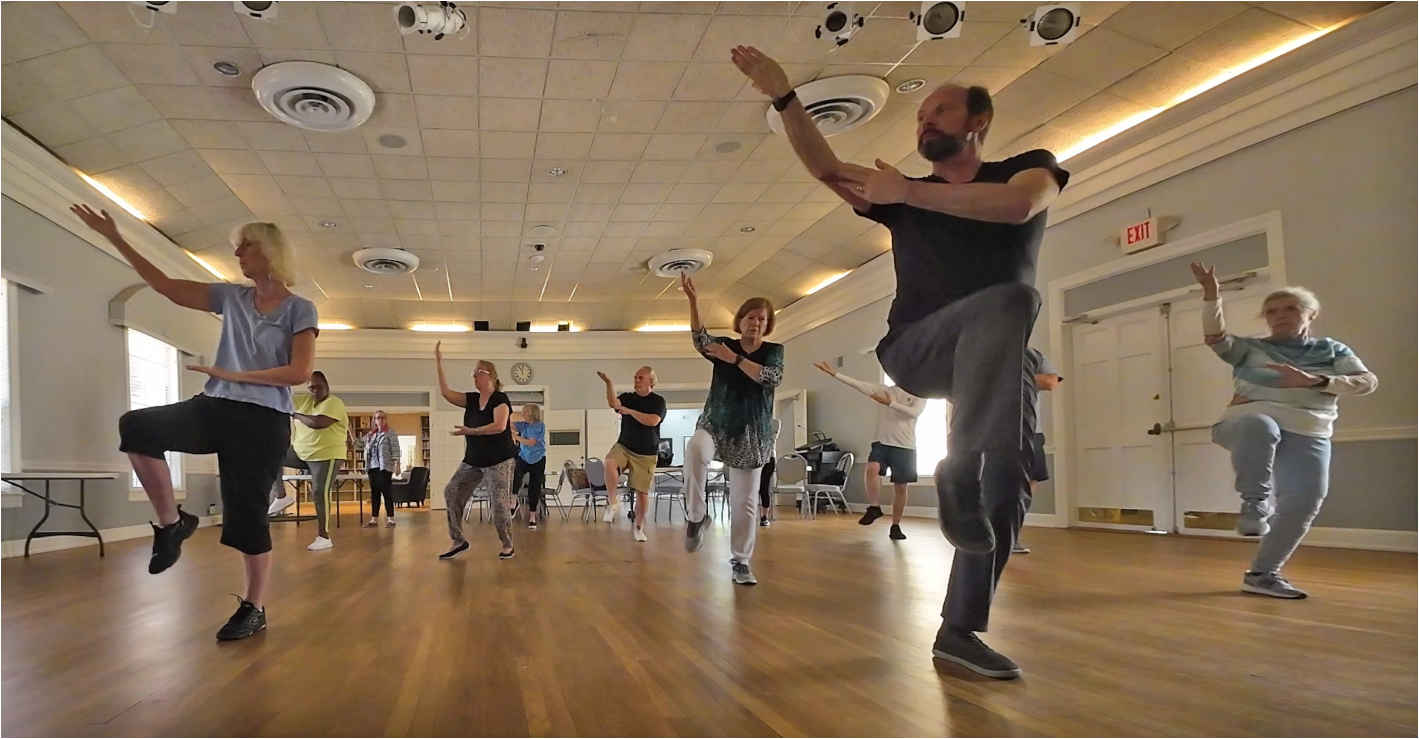
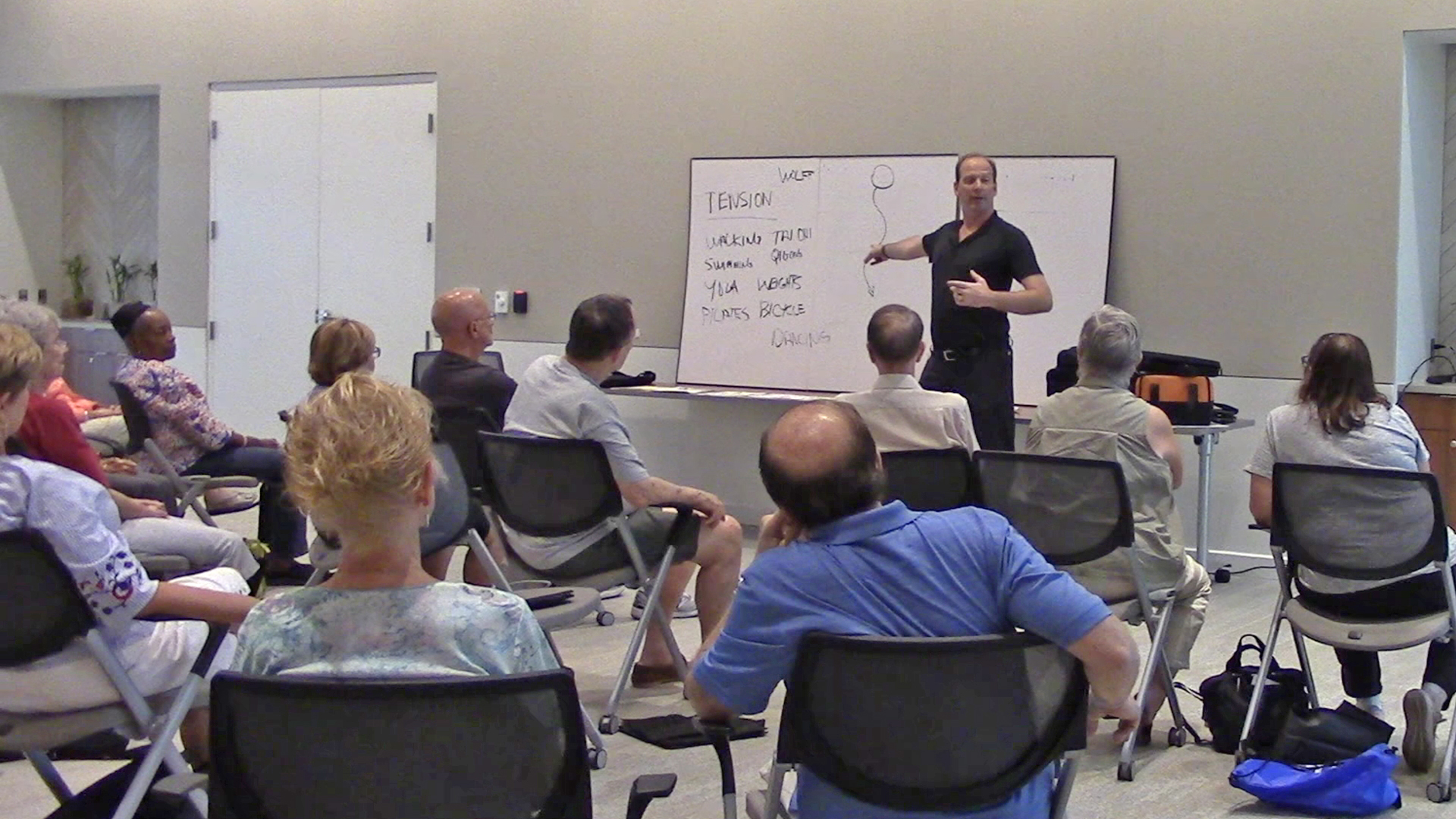
At each session, I will discuss the physical, mental, and spiritual (self-awareness) aspects of remaining in a seated position for extended periods. Each session will also include about a 1/2-hour of instruction in qigong, tai chi, or other methods that can help to get the body moving, engage one’s mind, and offer for some, meaning and purpose to get out of that chair on a daily basis.
__________
A $35.00 registration is required to attend all three sessions, which goes toward supporting college scholarships through the Lifelong Learning Foundation: https://winterparklifelong.org/register-courses
I teach and offer lectures about holistic health, physical fitness, stress management, human behavior, meditation, phytotherapy (herbs), music for healing, self-massage (acupressure), Daoyin (yoga), qigong, tai chi, and baguazhang.
Please contact me if you, your business, organization, or group, might be interested in hosting me to speak on a wide spectrum of topics relative to better health, fitness, and well-being.
I look forward to further sharing more of my message by partnering with hospitals, wellness centers, VA centers, schools on all levels, businesses, and individuals who see the value in building a stronger nation through building a healthier population.
I also have hundreds of FREE education video classes, lectures, and seminars available on my YouTube channel at:
The Good Book says it’s better to give than to receive I do my best to do my part Nothin’ in my pockets, I got nothin’ up my sleeve I keep my magic in my heart Keep up your spirit, keep up your faith, baby I am counting on you You know what you’ve got to do
(Triumph – 80’s rock band)
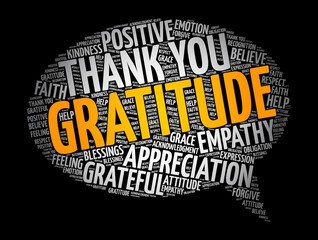
What is up with more recent generations, who often don’t say thank you or express appreciation for others’ paying bills, buying groceries, preparing meals, dining out, creating education opportunities, and many other instances where in the past, people did so? Has this been the new norm for a while now and I just missed the memo? Maybe the email got lost in my AOL spam folder. Perhaps I am behind the times.
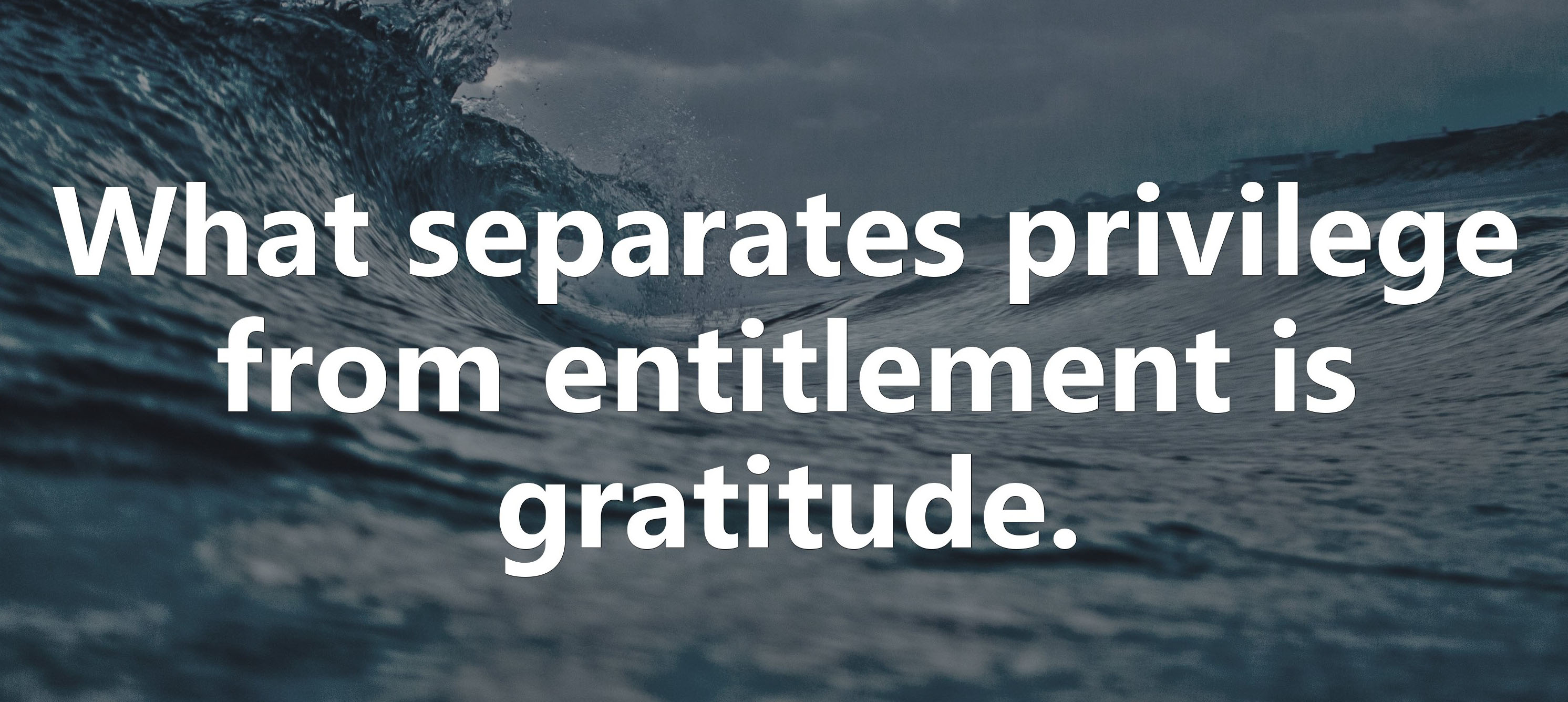
I think that my observation touches on a fascinating dynamic: gratitude as a social and cultural norm seems to have diluted over generations, influenced by shifts in our values, communication styles, and societal structures. In the past, gratitude wasn’t just a taught virtue. Expression of gratitude often had real tangible stakes, such as maintaining social connections, securing resources, or avoiding ostracization. A lack of a call thanking an older relative for a birthday or graduation gift would consequently cease future generosities. The pendulum now seems to have swung, with younger generations often less in sync with older generations as to the importance of explicit expressions of gratitude, especially in personal and financial matters.
For example, take the following scenario with a person choosing to treat a small group to an expensive fine dining experience. The younger participants freely order appetizers, entrees, and alcohol without regard for cost or acknowledgment that there may be a budget. At the end of the meal, all comment on how good the meal was, and then go on their separate ways. Another instance may be where an aging grandparent distributes their wealth before their passing but receives little appreciation nor thanks for the efforts that might greatly influence the beneficiaries’ futures. This behavior might stem from several interconnected factors:
Why This Happens
Changing Norms and Expectations
In the past, gratitude was tied to survival and societal belonging. Today, individualism and a sense of entitlement may inadvertently reduce the perceived need to express thanks.
Younger generations might see expressions of generosity as routine, expected or transactional, especially if they’ve grown up with parents or elders providing without clear expectations of acknowledgment.
Generational Blind Spots
Many in their young adulthood haven’t had to manage substantial expenses themselves. Without the firsthand experience of the time and effort required to afford luxuries, they might not fully grasp the significance of such gestures.
Digital communication norms have shifted the way gratitude is expressed, with younger people often favoring indirect methods over explicit verbal thanks, such as via texting emojis or likes.
Social and Economic Pressures
With stressors like social issues, economic uncertainty, college costs, and other debt, younger people may unconsciously prioritize their immediate pleasure over reflecting on the bigger picture of generosity and sacrifice.
Addressing the Issue
If someone cares to bridge this gap constructively, here are some strategies:
Be the Example and Model by Discussing Gratitude
Share how you learned the value of expressing thanks and why it’s meaningful. For example, one might say, “When I was younger, I eventually realized how important it was to show my appreciation, not just out of politeness, but because it helps to build and strengthen relationships.”
Express your own gratitude openly, as this sets an example for others. For example, one could acknowledge the chef or server during the dining experience, demonstrating the power of recognition.
Gently Raise Awareness
Reflect on the experience with them afterward. For instance: “I really enjoyed treating everyone to dinner, it was quite a special occasion for me. I hope you all felt the same way.”
If you can find it appropriate, bring up the idea of cost in a non-confrontational way, such as: “Fine dining is a real treat. It made me think about how much time and effort goes into making something like that possible and memorable.”
Set Expectations Going Forward
For similar future outings, one could propose some light boundaries or discussions about the value of shared experiences. For example, “Let’s keep it simple and focus on enjoying the moment. Feel free to order what you’d like, but keep in mind that we’re here to share a meaningful time together.”
Big Picture
While it might feel disheartening in the moment, remember that younger generations often do appreciate acts of kindness but might lack the social tools or awareness to express it in a way that others may recognize. By modeling, discussing, and gently guiding, you can help foster an understanding of gratitude that feels authentic to both parties, ensuring these experiences are both enjoyable and meaningful.
I teach and offer lectures about holistic health, physical fitness, stress management, human behavior, meditation, phytotherapy (herbs), music for healing, self-massage (acupressure), Daoyin (yoga), qigong, tai chi, and baguazhang.
Please contact me if you, your business, organization, or group, might be interested in hosting me to speak on a wide spectrum of topics relative to better health, fitness, and well-being.
I look forward to further sharing more of my message by partnering with hospitals, wellness centers, VA centers, schools on all levels, businesses, and individuals who see the value in building a stronger nation through building a healthier population.
I also have hundreds of FREE education video classes, lectures, and seminars available on my YouTube channel at:
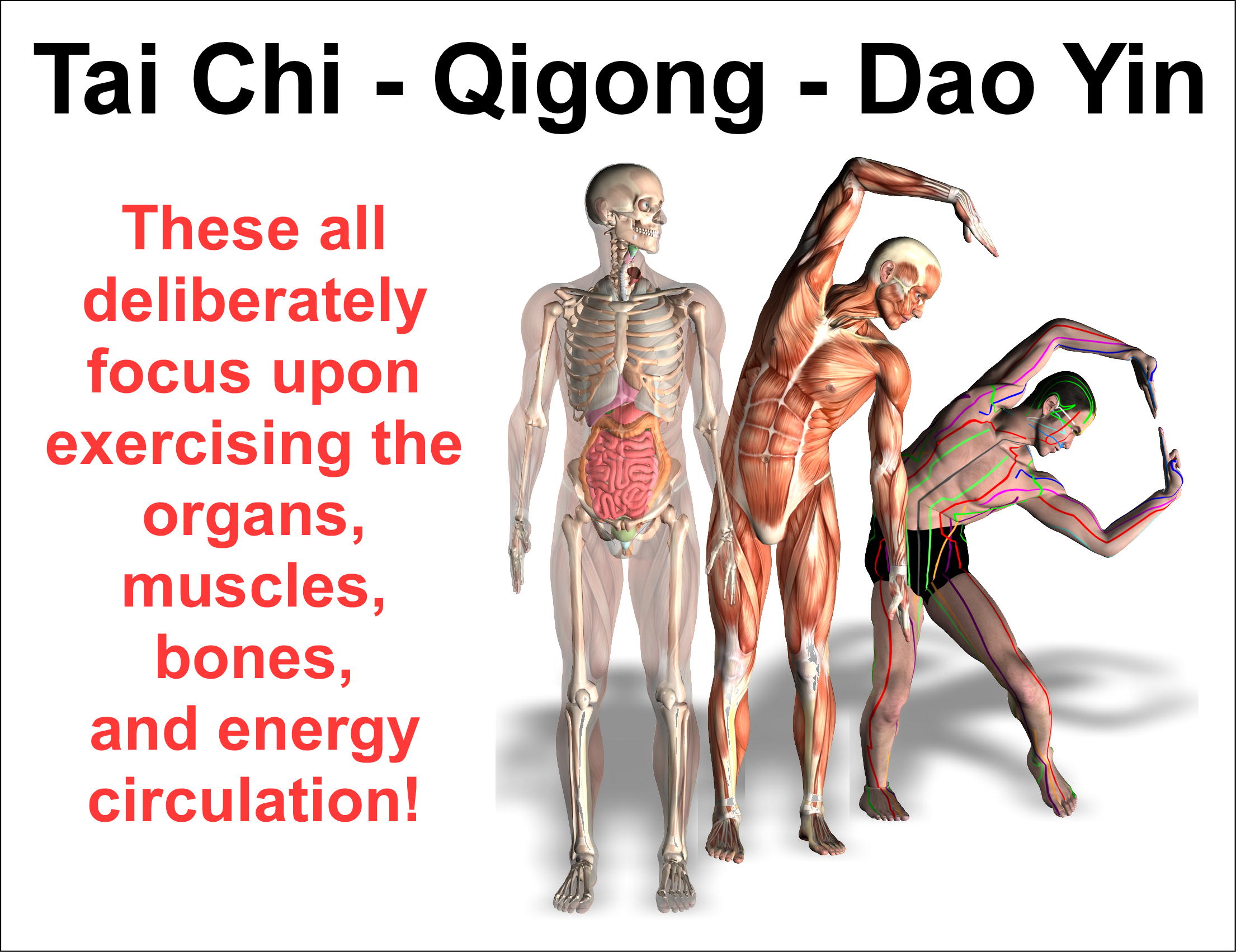
Most popular physical exercise methods (running, walking, weights, swimming, etc.) are designed to engage the musculoskeletal and cardiovascular systems, through movement of the arms and legs. However, the internal organs, composed of specialized similar cellular tissues, can also benefit indirectly from physical activity. How and why it makes sense to “exercise” the internal organs is a topic for deeper discussion.
1. Indirect Engagement of Internal Organs Through Physical Activity
Cardiovascular System: Aerobic exercises such as running, walking, and swimming help increase blood circulation, deliver oxygen and nutrients to internal organs, and remove waste products more efficiently.
Respiratory System: Deep breathing during exercise engages and strengthens the diaphragm, improving lung capacity.
Digestive System: Physical activity stimulates peristalsis (the rhythmic contraction of digestive muscles), improving digestion and potentially reducing issues like constipation.
Lymphatic System: Movements that engage large muscle groups, increase lymphatic flow, which is critical for immune function and detoxification.
2. Why Exercise Internal Organs?
Internal organs, like muscles, rely on regular stimulation to maintain optimal function. Physical exercise promotes:
Improved cellular metabolism and regeneration.
Enhanced detoxification processes involving the liver and kidneys.
Maintenance of healthy organ size and function, especially in the heart and lungs.
3. Direct Stimulation of Organs
While many popular exercises don’t directly target internal organs, some practices focus on this concept:
Abdominal breathing or Pranayama: Directly engages the diaphragm, stimulating internal organs, and improving their function.
Torso-twisting poses From yoga, Pilates, and some martial arts: These poses gently compress and release organs like the liver and kidneys, thought to stimulate their function.
Qigong or Tai Chi: These methods at their root. emphasize mindful movement of the breath and torso, resulting in an increase of internal energy flow, believed to “massage” internal organs.
4. Specific Targeting of Organs
Hydration and Nutrition: Essential for organ health, as they provide the components for cell repair and energy.
Stress Management: Techniques such as deep breathing, and meditation reduce the impact of stress hormones on organs like the heart, lungs, stomach and adrenal glands.
Interoception Practices: Awareness of internal organs and bodily functions and their relative signals can lead to better care and prevent strain on specific organs.
What I have suggested aligns with holistic practices that seek to treat the body as one interconnected system. We can broaden the definition of “exercise” to include practices that target internal organs, where we can promote a deeper level of health and vitality.
I teach and offer lectures about holistic health, physical fitness, stress management, human behavior, meditation, phytotherapy (herbs), music for healing, self-massage (acupressure), Daoyin (yoga), qigong, tai chi, and baguazhang.
Please contact me if you, your business, organization, or group, might be interested in hosting me to speak on a wide spectrum of topics relative to better health, fitness, and well-being.
I look forward to further sharing more of my message by partnering with hospitals, wellness centers, VA centers, schools on all levels, businesses, and individuals who see the value in building a stronger nation through building a healthier population.
I also have hundreds of FREE education video classes, lectures, and seminars available on my YouTube channel at:
This month I wrapped up my series of 6 discussions regarding “self-care.”
Specific topics addressed were that of:
– what is holistic health?
– management of hands and wrists using acupressure/reflexology
– management of various types of stress and headaches
– understanding how the vestibular balance systems work
– how to breathe deeper and more efficiently affecting
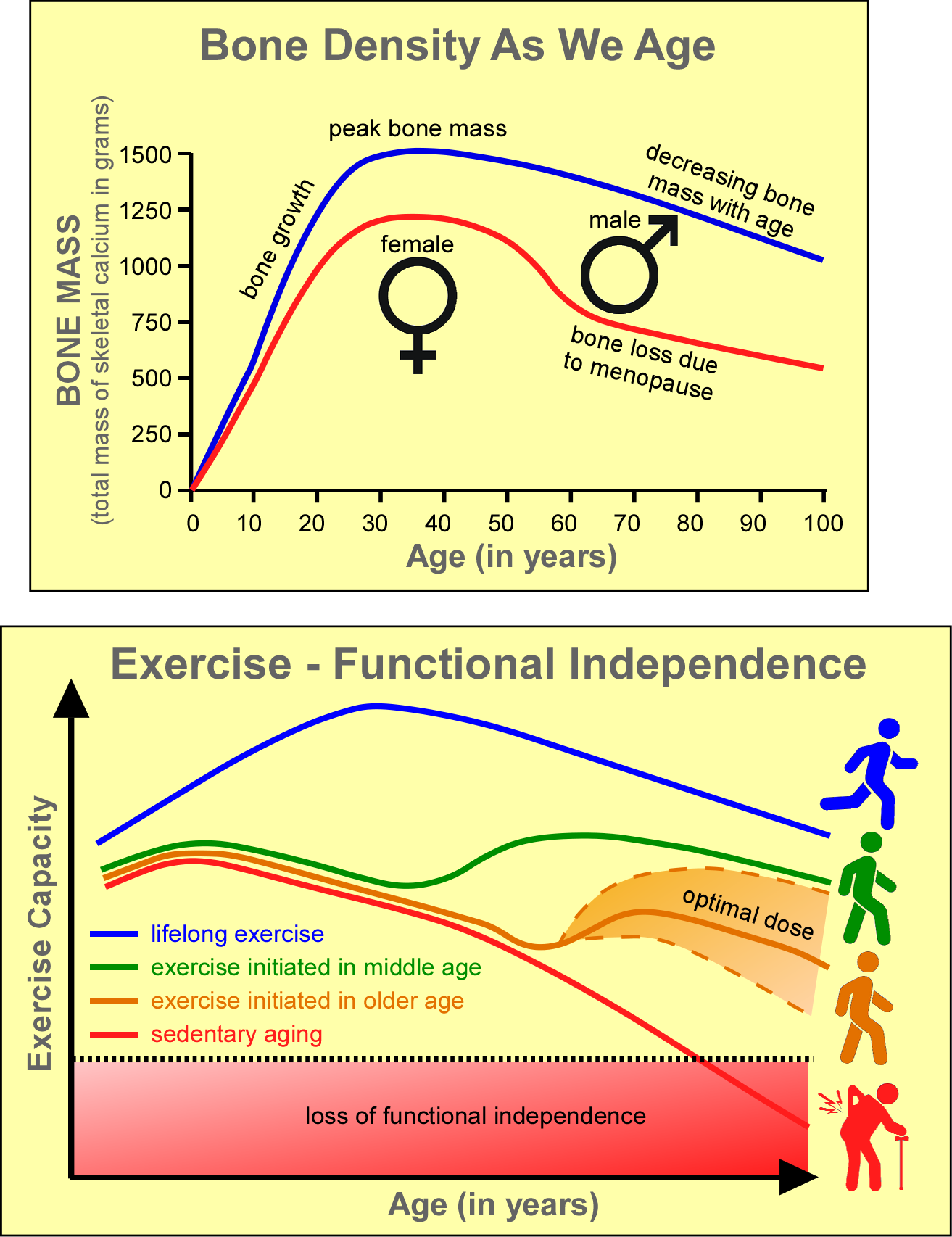
– why is bone density a serious issue and how to improve it
I have many more topics to discuss regarding better physical health, mental wellness, and having meaning/purpose in our lives. Tai chi and qigong are a big part of my curriculum, but I also earned a BS degree in holistic health in addition to my over 40 years of “hands-on” learning, practicing, and teaching. Contact me if you are interested in me speaking at your place of business, group, or other public setting.
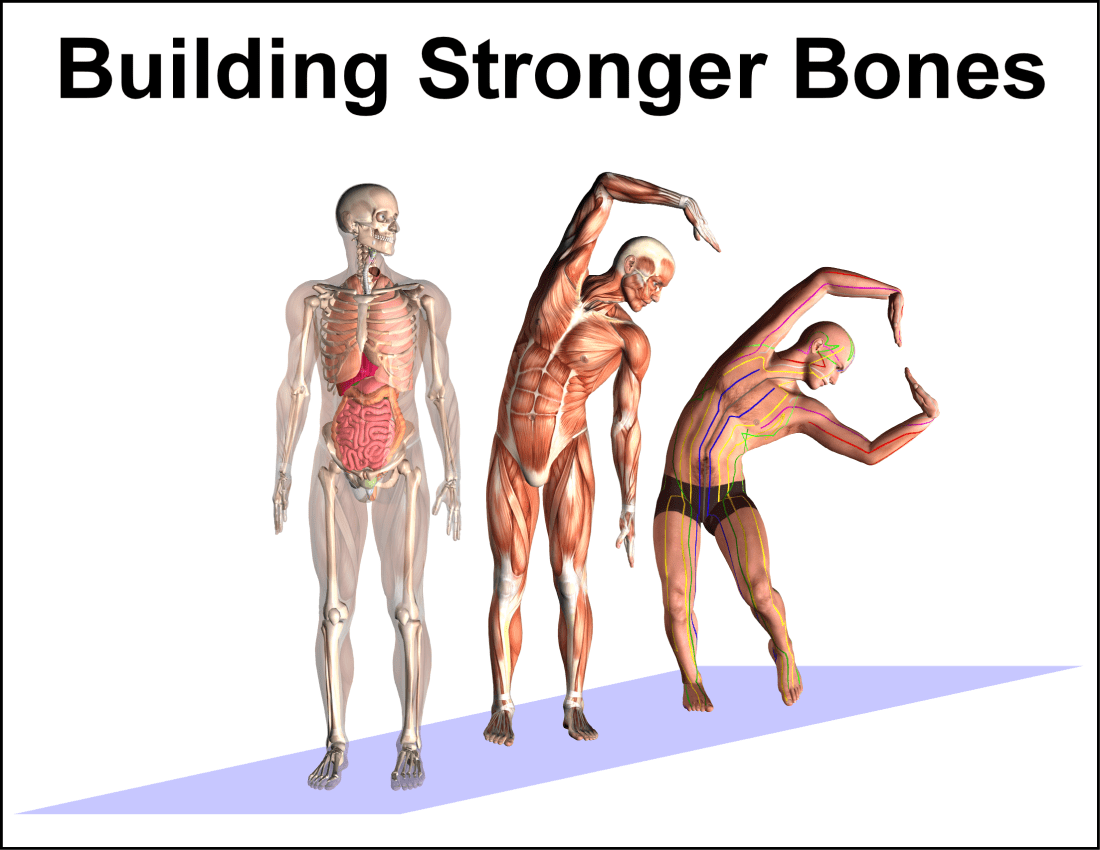
All 6 discussions can be found on my YouTube page, by clicking on the image below.
Here is a summary of the topics I discussed regarding osteopenia and osteoporosis, which are conditions related to bone density and strength, which affect millions of people, particularly as they age. Here’s a detailed breakdown:
Osteopenia vs. Osteoporosis
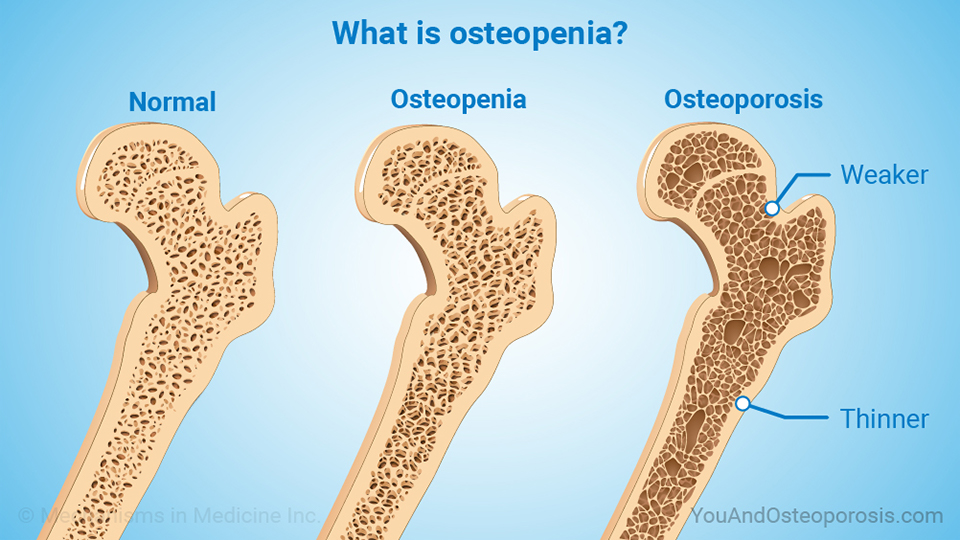
Osteopenia: This is the early stage of bone loss, where bone mineral density (BMD) is lower than normal but not low enough to be classified as osteoporosis. It is often a precursor to osteoporosis and indicates weakening bones.
Osteoporosis: This is a more severe bone condition characterized by significant bone loss, making bones brittle and more susceptible to fractures. In osteoporosis, bones become porous, with decreased density and structural integrity.
Causes
Both osteopenia and osteoporosis are caused by an imbalance between bone resorption (the process of bone breakdown) and bone formation. Factors contributing to this include:
Aging: Bone mass typically peaks in a person’s 20s or 30s and declines with age, particularly in postmenopausal women due to decreased estrogen levels.
Hormonal changes: Lowered levels of hormones such as estrogen in women and testosterone in men can contribute to decreased bone density.
Genetics: A family history of osteoporosis can increase the risk.
Sedentary lifestyle: Lack of physical activity, particularly weight-bearing and resistance exercises, can contribute to weaker bones.
Poor nutrition: Low intake of calcium, vitamin D, and other nutrients crucial for bone health can lead to bone density loss.
Smoking and excessive alcohol consumption: Both are associated with decreased bone density.
Certain medications: Long-term use of corticosteroids and some other medications may contribute to bone loss.
Side Effects and Risks
Fractures: The most serious consequence, particularly in the hips, spine, and wrists, can result in decreased mobility and increased mortality in older adults.
Height loss: Often due to fractures in the vertebrae leading to compression.
Back pain: Resulting from collapsed or fractured vertebrae.
Kyphosis (spinal curvature): In severe cases of osteoporosis, the spine may curve forward.
Management and Prevention
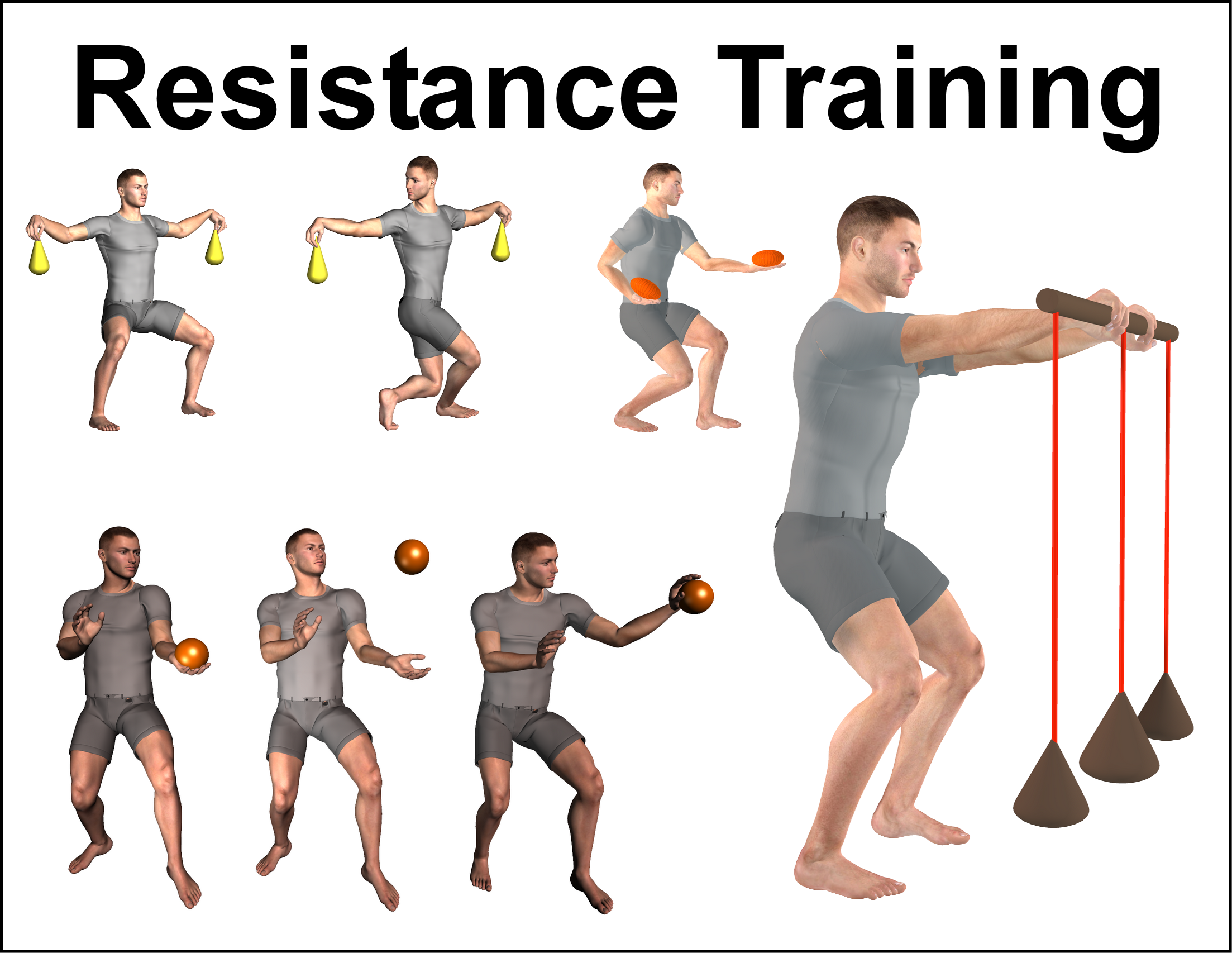
1. Strength and Resistance Training
Weight-bearing exercises: These include activities like walking, jogging, dancing, and stair climbing. They help stimulate bone formation by putting stress on the bones.
Resistance training: Lifting weights or using resistance bands helps build muscle mass and improves bone density. Exercises targeting the hips, spine, and wrists are particularly beneficial for bone health.
Balance training: Tai chi, yoga, and Pilates are excellent for improving balance and flexibility, reducing the risk of falls that can lead to fractures.
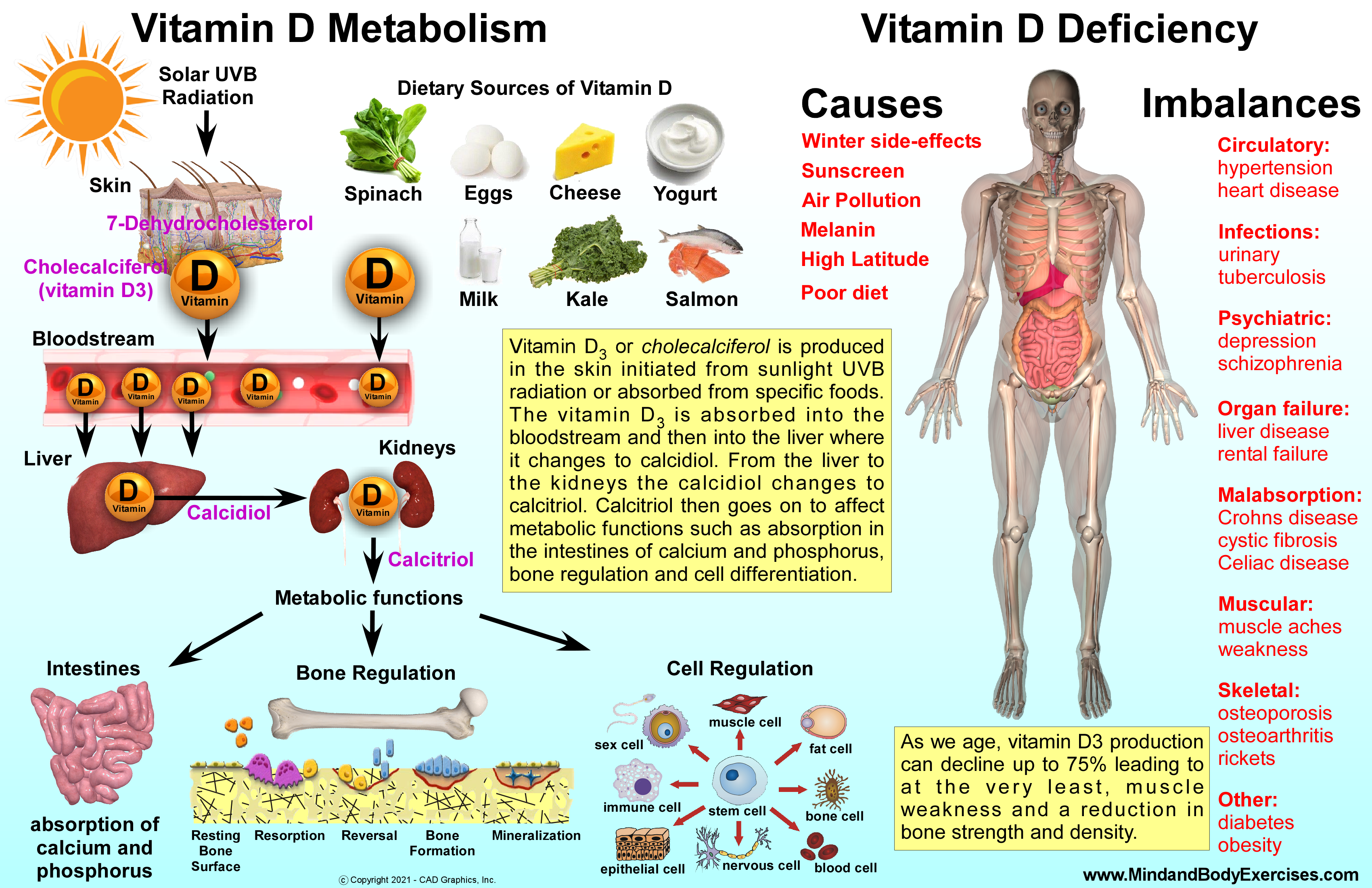
2. Sun Exposure and Vitamin D
Vitamin D: Essential for calcium absorption, vitamin D can be synthesized through exposure to sunlight. About 15-30 minutes of sun exposure several times a week on the face, arms, or legs (without sunscreen) is often enough, depending on skin type, location, and weather.
Supplementation: In cases where adequate sun exposure is not possible, supplements are often recommended. The typical dosage is around 600-800 IU per day for adults, though higher doses may be needed for those with deficiencies.
3. Nutrition
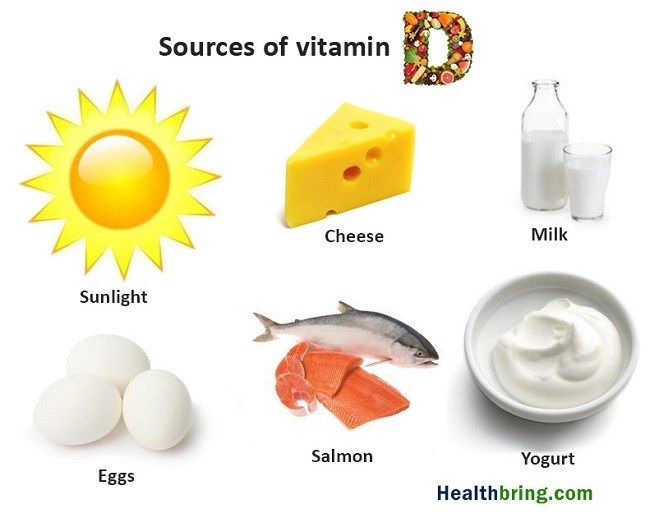
Calcium: Adequate calcium intake is crucial for maintaining bone density. The recommended intake is about 1,000-1,200 mg per day, depending on age and gender. Calcium-rich foods include dairy products (milk, cheese, yogurt), leafy greens (kale, broccoli), almonds, tofu, and fortified foods.
Magnesium: Magnesium helps convert vitamin D into its active form, allowing for better calcium absorption. Sources include nuts, seeds, legumes, and whole grains.
Protein: Adequate protein intake is essential for bone and muscle health. High-protein diets have been associated with improved bone density.
Other Nutrients:
Vitamin K: Found in leafy greens, helps regulate calcium and promotes bone health.
Omega-3 Fatty Acids: Found in fish like salmon and flaxseeds, these can help reduce bone loss.
4. Medications (I did not discuss these much, as my focus was towards non-pharmaceutical options)
Bisphosphonates: These drugs slow down bone resorption and help to maintain or increase bone density.
Hormone Therapy: Estrogen replacement therapy can be beneficial for postmenopausal women to slow bone loss.
Denosumab: A monoclonal antibody that reduces bone resorption.
Calcitonin: A hormone that helps regulate calcium levels and bone metabolism.
Parathyroid hormone analogs: These can help stimulate bone formation in severe cases of osteoporosis.
5. Lifestyle Changes
Quit smoking: Smoking accelerates bone loss, so quitting is important for bone health.
Limit alcohol: Excessive alcohol interferes with calcium balance and bone formation.
Fall prevention: Maintaining good balance and a safe living environment can help prevent falls that might lead to fractures.
6. Regular Check-ups:
Bone density scans: These scans can help monitor your bone health and assess your risk of fractures.
Regular medical check-ups: Consult your doctor for personalized advice and to discuss any concerns.
Summary
Osteopenia and osteoporosis are conditions that reflect the progressive weakening of bones, leading to increased risk of fractures. Managing these conditions involves a combination of strength training, resistance exercises, adequate sun exposure, proper nutrition (especially with calcium and vitamin D), and sometimes medication. Regular physical activity, especially weight-bearing and resistance exercises, can help strengthen bones, while proper diet and lifestyle choices support bone health and overall well-being.
I teach and offer lectures about holistic health, physical fitness, stress management, human behavior, meditation, phytotherapy (herbs), music for healing, self-massage (acupressure), Daoyin (yoga), qigong, tai chi, and baguazhang.
Please contact me if you, your business, organization, or group, might be interested in hosting me to speak on a wide spectrum of topics relative to better health, fitness, and well-being.
I look forward to further sharing more of my message by partnering with hospitals, wellness centers, VA centers, schools on all levels, businesses, and individuals who see the value in building a stronger nation through building a healthier population.
I also have hundreds of FREE education video classes, lectures, and seminars available on my YouTube channel at:
Operant conditioning entails learning relationships between behavior and its consequences of reinforcement or punishment. Operant responses are usually voluntary, such as verbal behavior, thinking and/or physical actions. In operant conditioning experiments, the researcher associates a particular response by closely following correspondences to that response with reinforcement or punishment (Ettinger, 2018).
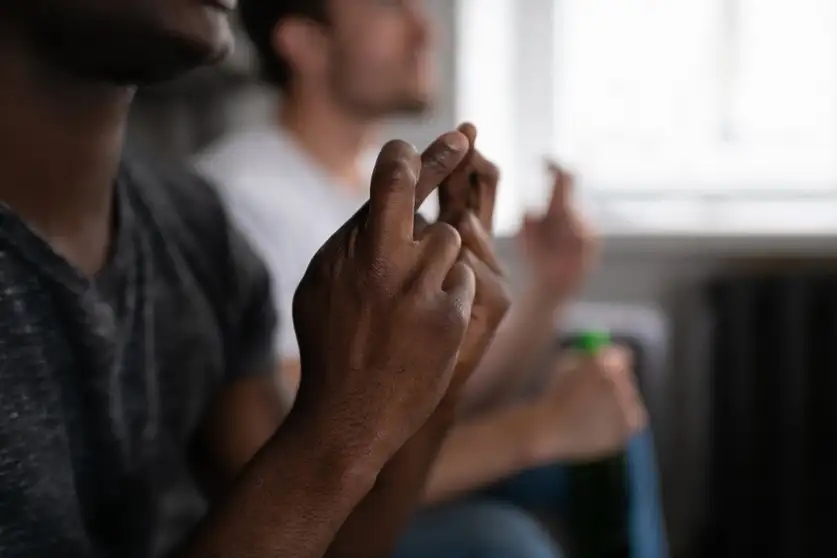
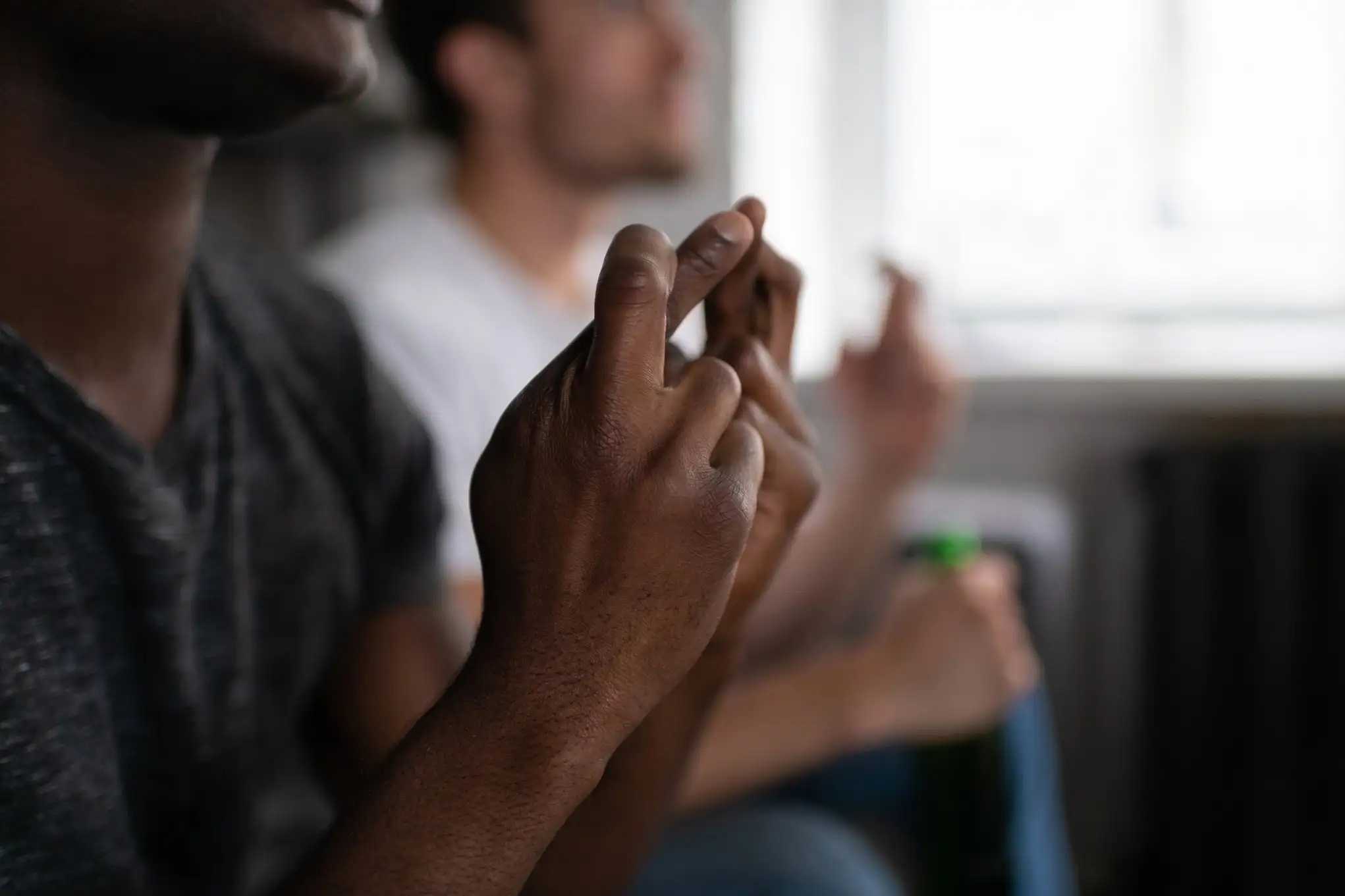
Superstition may be defined as an irrational belief that can lead to the practice of various rituals, where a random occurrence is related with a positive outcome. The practice of the ritual is then thought to increase the positive outcome by again repeating the behavior. Some may see superstition as rooted in a mismatched correlation between cause and effect, where there is a tendency to interpret outcomes in line with our pre-existing beliefs. We often see this behavior in sporting activities, where a chance action or inaction, could lead to a point or goal for a particular percentage of the time. For example, actions of a baseball batter tapping home plate with their bat, loosening, and retightening their gloves and then hitting a homerun, are likely to be repeated. Not that these actions actually have any effect, but simply because of the coincidental reinforcement (What Is the Evolutionary Reason for Superstitious Behaviour? 2021).
(What Is the Evolutionary Reason for Superstitious Behaviour?, 2021)
Behavior learned through reinforcement usually involves a straightforward process linking cause to effect. However, with superstitious behavior, we perform an irrelevant action that happens to accompany the behavior that is being reinforced. Now that irrelevant action or the superstitious behavior, itself becomes reinforced (Krauss Whitbourne, 2014).
I think this cause-and-effect superstitious behavior can be often seen in many other common rituals that we often execute without much engaged thought. Ironically, some superstitions actually have some logical explanation or history behind them. An example would be not walking under a ladder because it could be potentially dangerous if something fell off of the ladder and onto someone’s head. Or not opening an umbrella indoors, because it was designed to be open outdoors and clear from hitting potential objects upon opening (Kolitz, 2020).
References:
Ettinger, R. H. (2018). Psychology: The Science of Behavior (6th ed.). BVT Publishing.
I teach and offer lectures about holistic health, physical fitness, stress management, human behavior, meditation, phytotherapy (herbs), music for healing, self-massage (acupressure), Daoyin (yoga), qigong, tai chi, and baguazhang.
Please contact me if you, your business, organization, or group, might be interested in hosting me to speak on a wide spectrum of topics relative to better health, fitness, and well-being.
I look forward to further sharing more of my message by partnering with hospitals, wellness centers, VA centers, schools on all levels, businesses, and individuals who see the value in building a stronger nation through building a healthier population.
I also have hundreds of FREE education video classes, lectures, and seminars available on my YouTube channel at:




 United Martial Arts Association