Purpose and Meaning – From Chaos to Calling, Discovering Your Reason for Being

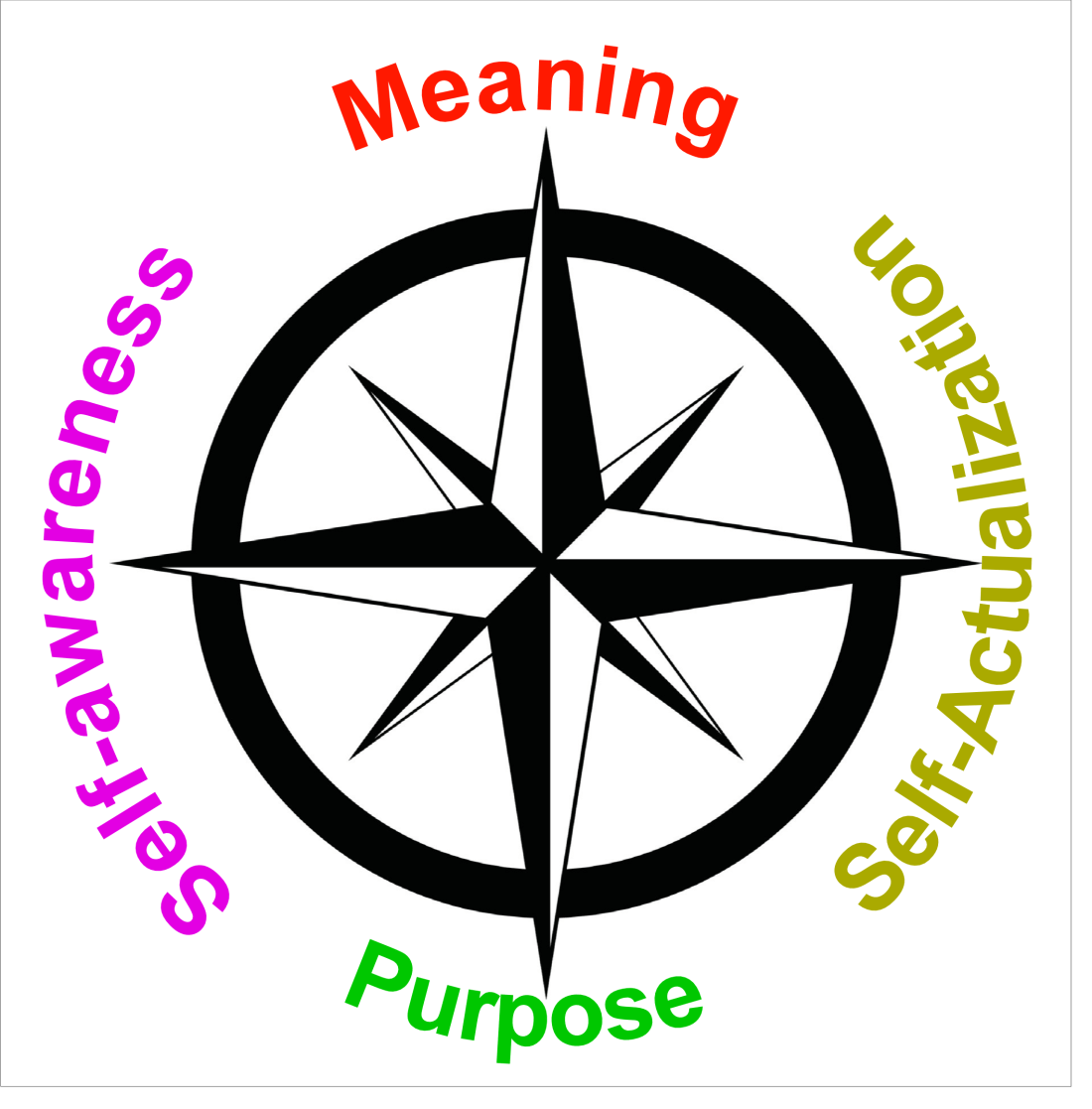
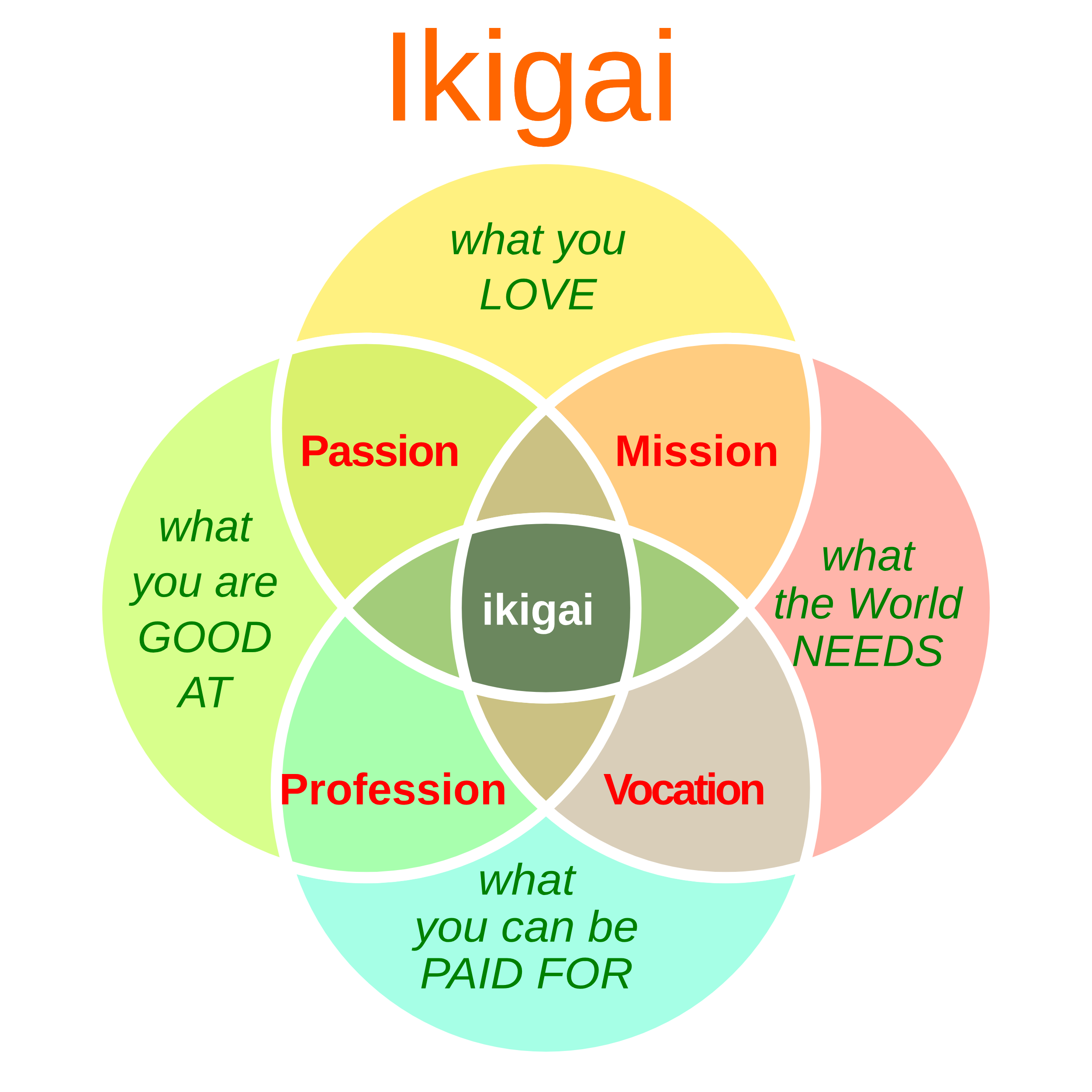
Ikigai is the Japanese term for striving to achieve a balance of differing concepts of purpose, meaning, self-awareness and self-realization (I will use the acronym of PMSS), while also being able to earn a living from occupations that are rooted in these concepts. Other names for this concept may be finding one’s bliss, calling or inner genius. These four concepts of PMSS are similar, albeit different in their definitions. When we have these components within are psyche, we have a reason to be, a reason to get up out of bed each day, a direction that we can see will benefit our lives and those around us. Without these components, we see chaos, confusion, pain and suffering. Some do know and realize their purpose early in life, although most do not. Many Americans seem to have lost their sense of purpose and meaning. Some may never have known their purpose in the first place, let alone later in their lives. We often see retirees having a loss of purpose once they step away from careers that mostly defined who they were in the workplace, at their homes and within the family hierarchy. Some lose their purpose when a spouse or loved one passes away. Some people in these latter categories, look to volunteering and public service as ways to revive their meaning and purpose. Gaining as understanding of these concepts sooner than later is better not just for the individual, but communities and society as a whole. This sense of PMSS is not something that one can purchase at a store or read about and determine from first thoughts or insights on this topic, as time, life experiences, desire and self-reflection all help to shape one’s PMSS.
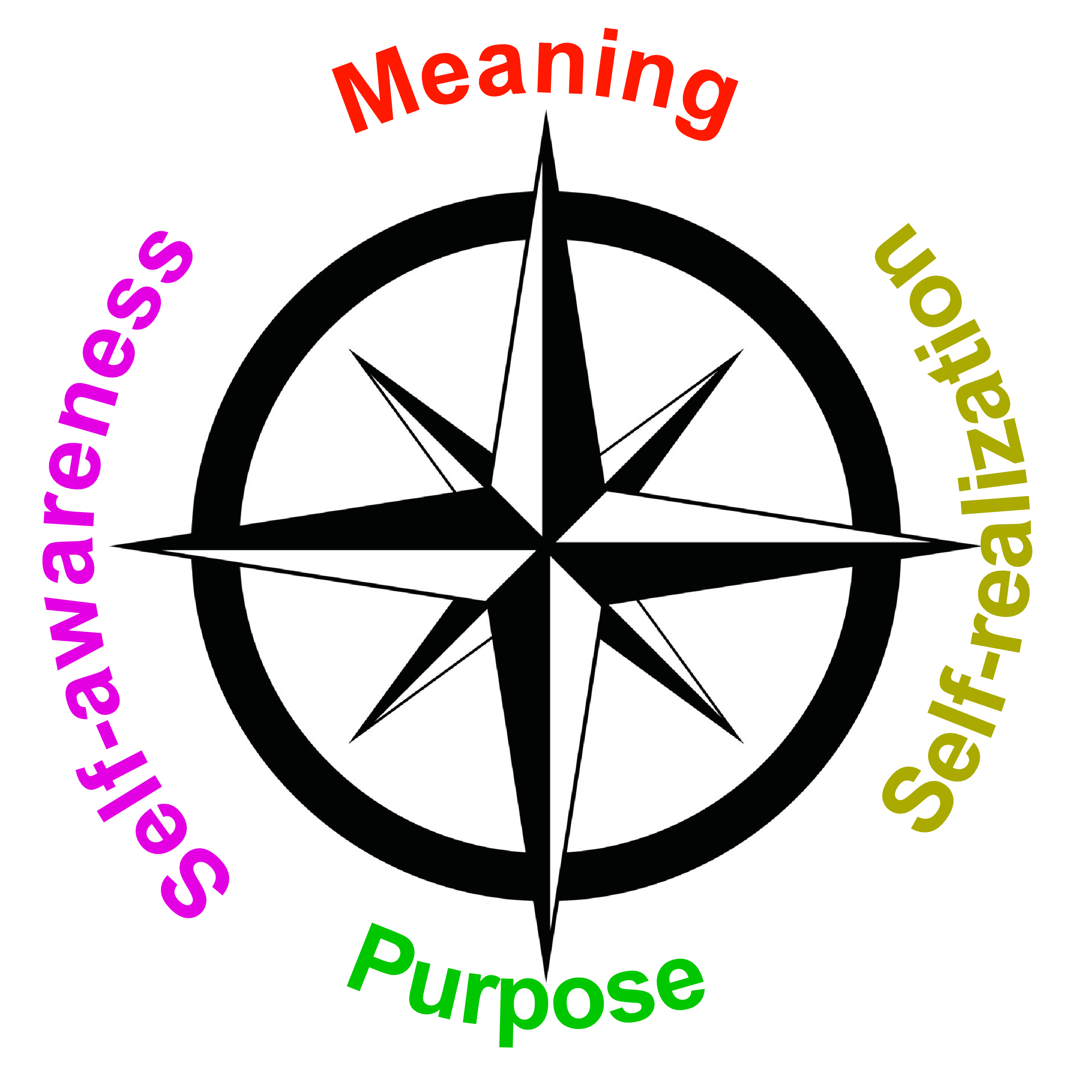
Each of the elements of PMSS can offer philosophical and psychological aspects. Here are some summaries of each:

  1. Purpose:
    • Purpose refers to the reason why something exists or is done, the desired outcome or the intention behind an action.
    • In the context of having a purpose, personal purpose involves a person having an understanding of their reason for being, and what gives their life a sense of drive and direction.
  2. Meaning:
    • Meaning is the worth, value or significance that a particular thing holds, often determined from the influence, connection or impact that it has on other things in its surroundings.
    • In the context of having a personal meaning, this concept is the relative awareness, understanding and interpretation of one’s own experiences, actions, and relationships, that influence an individual’s sense of usefulness, satisfaction and fulfillment.
  3. Self-Awareness:
    • Self-awareness is the conscious knowledge of an individual’s own being, which may includes one’s own character, emotions, desires and intents, usually involving one’s ability to reflect upon oneself in order to better understand one’s own thoughts and behaviors.
    • In the Context of having a personal self-awareness, this concept would involve recognizing and acknowledging personal strengths, weaknesses, values, desires, and aspirations.
  4. Self-Realization:
    • Self-realization is the process of pursuing one’s full potential by becoming the best version of oneself, while also achieving a state of personal actualization and fulfillment.
    • In the context of pursuing self-realization, this is closely related to finding and living in harmony with one’s purpose and meaning through one’s life experiences, often including cultivation of personal growth, self-discovery, and the pursuit of authenticity.

In summary, purpose and meaning are key components to achieving self-awareness and self-realization. Developing a better sense of self-awareness can lead to a better understanding of one’s purpose. Self-realization involves the continuous process of living in harmony with that purpose, while finding meaning in one’s life journey. These four different concepts are interconnected and deeply individual, often shaped by one’s own individual experiences, values, and beliefs. Practices such as meditation, yoga, qigong, tai chi and others can often help serve as a conduit to a better understanding of how one’s mind, body and self-awareness are interconnected.

__________________

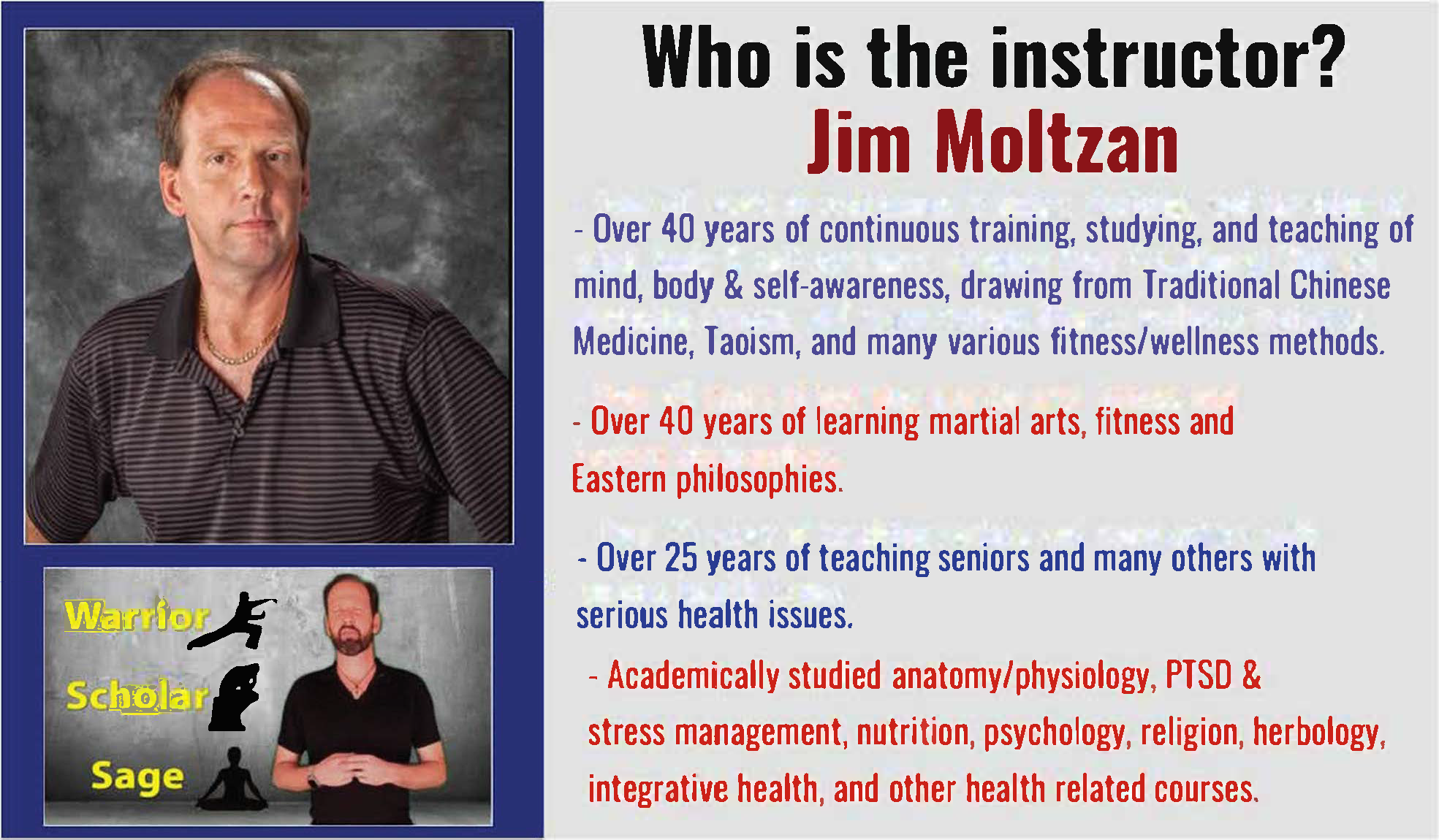
I teach and offer lectures about holistic health, stress management, qigong, tai chi, baguazhang, meditation, phytotherapy (herbs), music for healing, self-massage, and Daoyin (yoga).

I look forward to further sharing more of my message by partnering with hospitals, wellness centers, VA centers, schools on all levels, businesses and individuals that see the value in building a stronger nation through building a healthier population. I also have hundreds of FREE education video classes, lectures and seminars available on my YouTube channel at:

https://www.youtube.com/c/MindandBodyExercises

www.MindAndBodyExercises.com

www.Amazon.com/author/jimmoltzan

Mind and Body Exercises on Google: https://posts.gle/aD47Qo

Jim Moltzan

407-234-0119
What Are The Key Elements to Happiness? A Harvard Study Adds Insights

Having a loving family, supportive friends, good health, and having a sense of purpose, are these not what are truly at the root of most people’s happiness? So, then why do we struggle so much to find our happiness through other means, when we know the answer is found in what I have already mentioned? I think many people are in a state of what is currently a popular term of cognitive dissonance, or a inner mental conflict of knowing what is true but choose to believe and behave otherwise to the facts. Most of us know that happiness comes from within, but still look to find it or buy it at some retail store or car dealer down the road. Americans’ happiness has been in a state of decline for many decades now, where many people have a lack of faith or spirituality, have less sense of purpose/meaning, less deeper connections to family and friends, and even less loyalty and pride in the workplace. Many people prefer living a false reality through social media or interactions entirely through the internet. Open your eyes and take an honest look around and see where we are truly residing. However, there is hope though. We just need to do the work. Read further below.

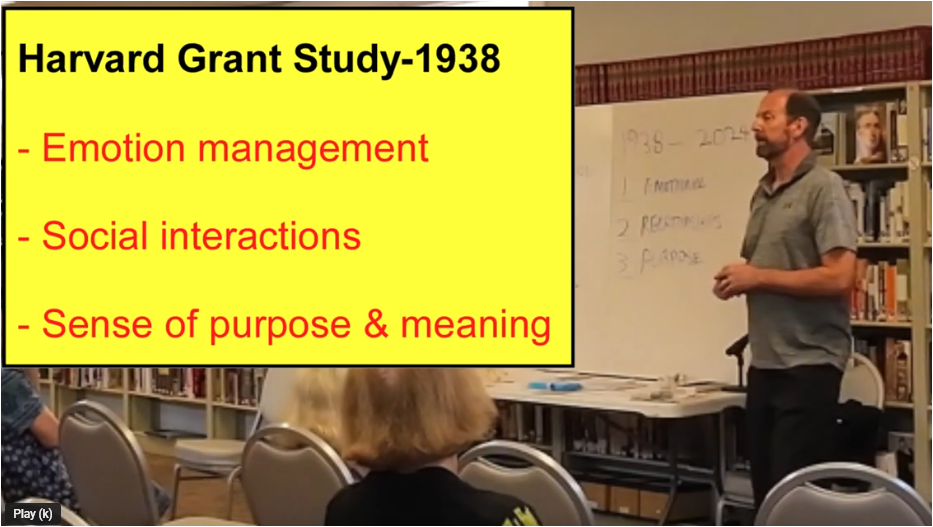
The Harvard Study of Adult Development (aka the Grant/Glueck Study) is an ongoing longitudinal study having started in 1938 with 724 men, with women added in some years later. The goal of the study was to track the participants’ physical and mental health, along with their social and emotional interactions and development over the span of their lives. Now 80 years later, the study is still offering insights into what are the key elements that participants found to have provided happiness throughout their lives. The original study began with a group of 268 Harvard sophomore men, and then later expanded to include a second cohort of 456 inner-city young men from Boston. Many of the men from both groups would go off to fight in WWII, where consequently not all of the soldiers were able to return back home alive.

Key findings:

  • Relationships are key to happiness and well-being. Individuals who pursue and maintain strong social ties are more often happier and healthier than those who are more isolated.
  • Mental and physical health are synergistically entwined. People with good mental health are more prone to be in good physical condition.
  • Stress management is essential for long term health and wellness. Having healthy coping mechanisms helps with better health and longevity.
  • No “one size fits all” approach worked for all. Everyone is uniquely individual in how certain aspects or behaviors of health maintenance may work for some but not necessarily others.
  • Expression and experiencing of positive emotions. Emotions and expressions of gratitude, thankfulness, compassion and empathy are thought to heavily influence health and happiness.

And there it is, some scientific data that has been tracked and passed the test of time. Maybe nothing revolutionary is found in the study, that we often take for granted every day. Family, friends, good health, and a sense of purpose and/or faith in something greater than the individual. All is really needed is the desire, effort and time to make these key elements a reality to the user. Start or join an in-person club or group, call or visit friends and loved ones, mend broken relationships, volunteer, spark new conversations and relationships where appropriate. Get moving! Walk, run, swim, yoga, tai chi, hike. Get your blood moving. Try to be at least 51% positive, as much as possible. Find the things that make you want to wake up every day and get out of the bed, the house, your head. There is a whole world out there that you can be part of and not just an observer from a distance.

Reference:

Msudlifemed. (2019, February 16). Harvard Study of Adult Development- Relationships, Resilience, and Happiness (Healthy Aging). MSU Denver Lifestyle Medicine Resource Hub. https://msudlifemed.wordpress.com/2019/02/16/harvard-study-of-adult-development-relationships-resilience-and-happiness/

___________

I teach and offer lectures about holistic health, stress management, qigong, tai chi, baguazhang, meditation, phytotherapy (herbs), music for healing, self-massage, and Daoyin (yoga).

I look forward to further sharing more of my message by partnering with hospitals, wellness centers, VA centers, schools on all levels, businesses and individuals that see the value in building a stronger nation through building a healthier population. I also have hundreds of FREE education video classes, lectures and seminars available on my YouTube channel at:

https://www.youtube.com/c/MindandBodyExercises

www.MindAndBodyExercises.com

www.Amazon.com/author/jimmoltzan

Mind and Body Exercises on Google: https://posts.gle/aD47Qo

Jim Moltzan

407-234-0119
Gratitude Attitude

The holidays often provide us a reminder for us to be grateful for we have within our lives, as well as what we don’t have. Shouldn’t we try to be grateful though, regardless of what time of the year it is?

We all live a certain amount of time, which will be different for everyone, where we engage and/or are exposed to a large amount of happiness as well as sadness in our lives. Good times as well as bad times, or maybe looked at as a constant ebb and flow of peaks and valleys. I feel that I have a high amount of gratitude for my life, for which I equate to having come to my own realization for what is most important in my life. These things being my own gifts of my mind, body, and spirit along with those family and friends that share in my life. I think as we all become older these things become more apparent and of higher priority as we may realize that time is somewhat limited. Consequently, my mindfulness strategy is to strive to maintain these factors with the goal of not having regrets for not doing so, when it is my eventual time to pass onto the next phase of whatever comes hereafter.  With consistent daily practice of methods such as the “loving-kindness,” “living deeply” and “embracing life” focused meditations, I feel confident in increasing my level of gratitude that I express as well as experience.

I think it does help quite a bit to understand the psychophysiology that affects our mind and body as we process gratitude. I have come to understand that all emotions elicit a response from particular areas of the brain and the autonomic nervous system (ANS) and more specifically the limbic system and relative components of the amygdala, anterior cingulate cortex, and the hypothalamus. These regulatory mechanisms of the ANS produce a variety of appearance changes that are related to specific emotions, such as reactions of skin coloration, moisture and secretions, protrusions, and appearance of eyes (Cacioppo & Tassinary, 2016, p.448). I think that gratitude is perceived as a more positive emotion like joy or happiness, rather than a negative or threat-reactive emotion like fear or anger. I would then propose that an individual experiencing gratitude would also simultaneously experience their pupils constricting, facial reddening, dryness of the palmar regions of the hands and soles of the feet, tears secretion and perhaps lack or increase in piloerection as these are all functions of the parasympathetic nervous system (PNS) in reciprocity with the sympathetic nervous system (SNS) (Cacioppo & Tassinary, 2016, p.455).

A 2022 study published in the Nephrology Nursing Journal reports on how nurses that care for sufferers of chronic kidney disease (CKD), are often highly emotionally stressed and often themselves suffer health issues of burnout. Researchers in Canada hoped to recruit up to 35 nephrology nurses to participate, but eventually had 13 with 12 nurses actually completing the study program. Nurse participants needed to work in an academic urban regional renal care program, of which were at 10 hospital-based facilities and one at a community-based facility. Participants were recruited via emails, posters, and educational in-services. Nurses were required to be of at least 18 years of age or older, speak English, and work within the renal care program. Anyone that was experiencing untreated severe depression/mental health illness was to be excluded from participating in this study. Once having attended a brief screening process, volunteers that met the inclusion/exclusion criteria were given a letter of information and asked to provide their signed, informed consent. The nurses had agreed to participate in an 8-week Mindful Self-compassion (MSC) research-tested program that integrated the skills of mindfulness, with the intent of practicing specific methods they would cultivate skills in self-compassion to nurture self-kindness, a better sense of common humanity, and mindfulness where they could better manage difficult thoughts in a more balanced perspective instead of reacting with an avoidance or fight/flight response. For each of the 8 weeks a different theme was focused upon. The first week was aimed at discovering mindful self-compassion, the second week was practicing mindfulness, the third week was practice Loving-Kindness meditations and so on, where week eight focused upon embracing your life. The last week was highly important in that along with the culmination of the study, participants were educated on ways to cultivate gratitude, self-appreciation, and happiness.  Also, they learned ways to transform one’s mind’s away from natural negativity bias, while actively embracing the negative and positive aspects within one’s life and inner self. At the end of the study, researchers reported that the participating nurses’ self-compassion scores increased with a statistically significant difference between the before and immediately after intervention time points. Similar improvements were reported in the self-kindness, common humanity, and mindfulness aspects, where self-judgment, isolation, and over-identification had decreased (Crandall et al., 2022).

A way to practice gratitude is to write a letter to one’s younger self. This can help to put into perspective what we as individuals have accomplished, while knowing there is more work to be done. As we write this letter we can contemplate if we will ultimately become either a warning or an inspiration to those in our lives and around our presence. I believe that if we take time to look at ourselves from this perspective, we can actually change our beliefs, views, actions and consequently our emotions as we move forward.

References:

Cacioppo, J. T., Tassinary, L. G., & Berntson, G. G. (2016). Handbook of Psychophysiology. Pgs. 448, 455. Cambridge University Press. Kindle Edition.

Crandall, J., Harwood, L., Wilson, B., & Morano, C. (2022). Mindful Self-Compassion Training and Nephrology Nurses’ Self-Reported Levels of Self-Compassion, Burnout, and Resilience: A Mixed Methods Study. Nephrology Nursing Journal, 49(5), 405–417. https://doi.org/10.37526/1526-744x.2022.49.5.405

____________________

I teach and offer lectures about holistic health, stress management, qigong, tai chi, baguazhang, meditation, phytotherapy (herbs), music for healing, self-massage, and Daoyin (yoga).

I look forward to further sharing more of my message by partnering with hospitals, wellness centers, VA centers, schools on all levels, businesses and individuals that see the value in building a stronger nation through building a healthier population. I also have hundreds of FREE education video classes, lectures and seminars available on my YouTube channel at:

https://www.youtube.com/c/MindandBodyExercises

www.MindAndBodyExercises.com

www.Amazon.com/author/jimmoltzan

Mind and Body Exercises on Google: https://posts.gle/aD47Qo

Jim Moltzan

407-234-0119
Ayahuasca, Literally Means “the vine of death”

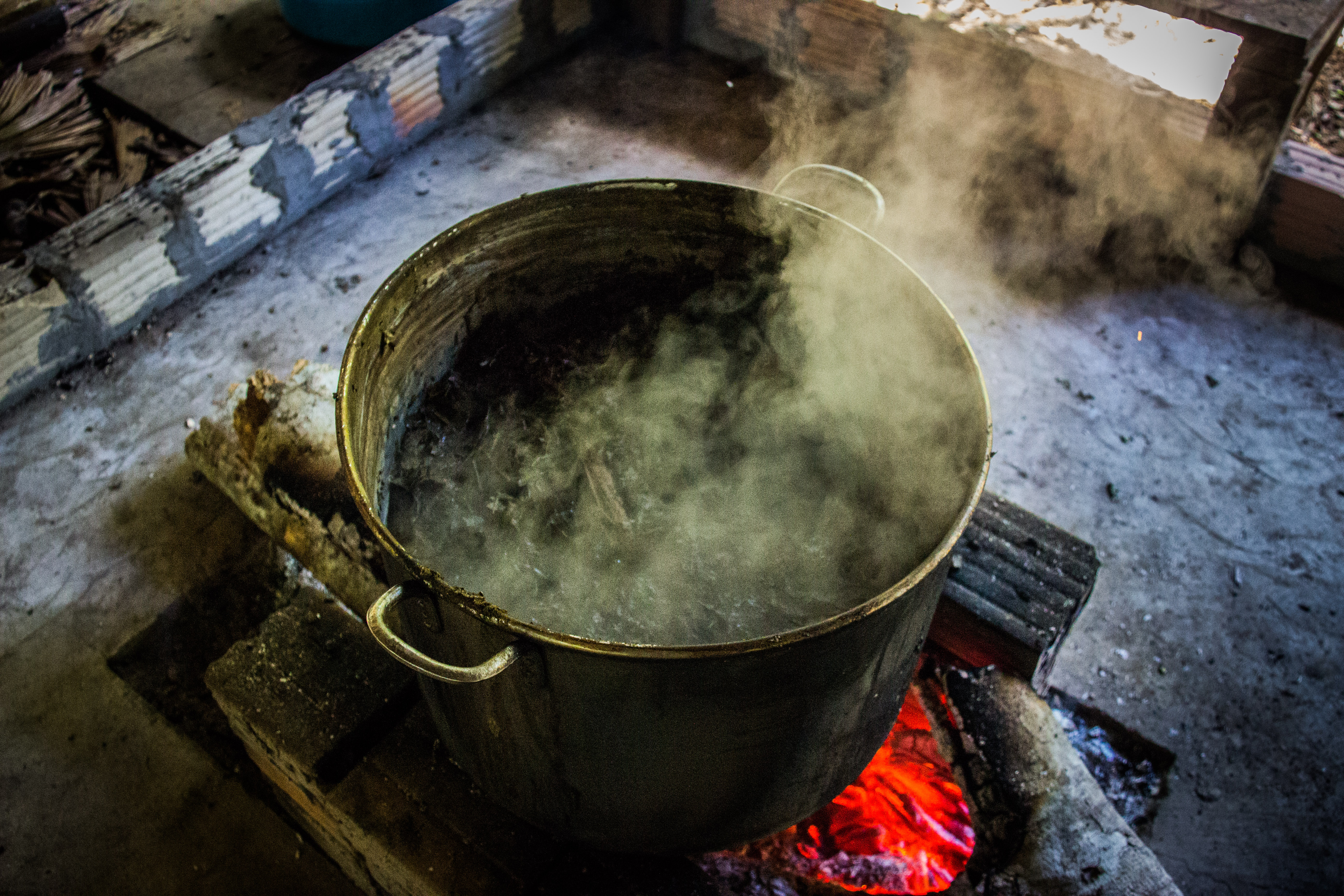
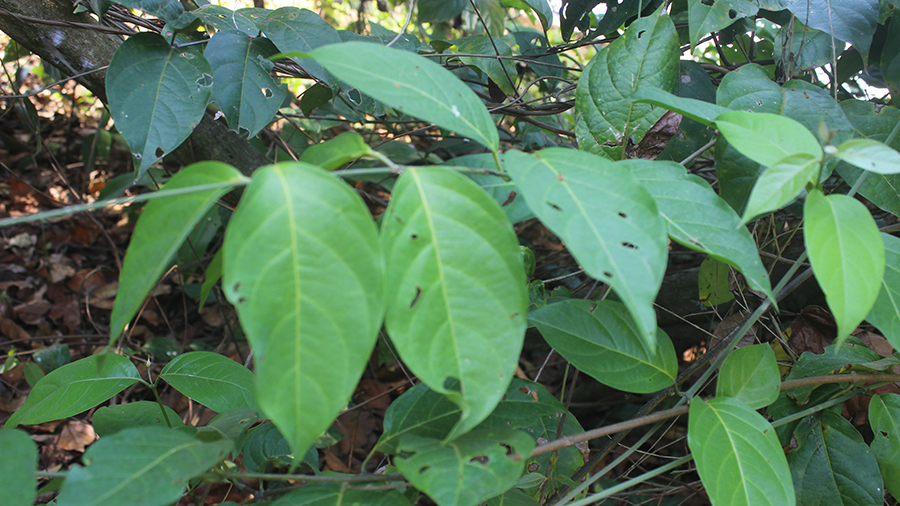
Ayahuasca usage in Amazonian cultures as a method of healing, has been more widely documented in more recent years. Ayahuasca has been very popular and widespread among indigenous people in South America, having much usage among Amazonian cultures as a way to promote community bonds within interethnic festivals, serving as an initiation or rite of passage from childhood to adulthood, as a religious sacrament, and also as a spiritual teacher plant to increase self-awareness. Various traditional medicines that include plants containing psychoactive constituents, such as Ayahuasca, are becoming more popular throughout the world. Ayahuasca, whose name means “the vine of death” contains N-dimethyltryptamine or DMT (Santos-Longhurst, 2022). This is an appropriate name, due to indigenous people’s use of Ayahuasca in order to achieve spiritual awakening where in the ritualistic ceremony. A participant may face in their mind the loss of everything that they consider important, such as their identity, their body, their health, their loved ones and perhaps even their old belief systems. How they were supposed to be, supposed to live, who they were supposed to love, and how they were supposed to forgive one another, all may become more apparent as the participant’s mind and body process the powerful psychedelic. This ceremony has three important components with the first being the setting, such as within the Amazon Rainforest, the second being the shaman master conducting the ceremony and third the ayahuasca plant and other relative constituents of the concoction to be consumed (Collective Awakening, 2017b).

While the documentary, Collective Awakening talks mostly about the positive aspects of Ayahuasca, I feel it is important to comment on other issues relative to its use. I have found other research on my part that warrants more discussion. Thousands of Westerners (I personally know a few) travel to Amazonian regions every year to pursue spiritual enlightenment and healing of physical as well as psychological ailments. With the more recent globalization of Ayahuasca, there has been a growing assimilation of the ritualistic settings, where the ceremony used to be more respective of its original context. As traditional healing methods grow in popularity, novelty and consequently more integration into Western culture, I feel there needs to be more intense scrutiny into the distribution, use and possible regulation within the US and other countries. This has already been occurring, as more scientists have been increasing their study of Ayahuasca for its potential therapeutic and long-term effects and benefits for fields of neuropsychiatric and neuropharmacology. Research has found encouraging results for mental health issues such as depression, grief, post-traumatic stress disorder, drug dependency, and eating disorders (Bouso & Sanchez-Aviles, 2020).

Living here in Orlando, Florida makes me a bit more sensitive to this topic of Ayahuasca usage going mainstream. A few years back there was a death here, related to a seemingly “alternative church ceremony” and its use and administering of Ayahuasca. The church was not held as legally liable for the death of a 22-year-old man who was a participant (Ray, 2019). My concern is that the ceremony, its meaning, and its purity will become diluted as all of these factors often come into play with the Westernization of traditional medicine modalities.

References:

Collective Awakening. (2017, February 8). Amazonia – Ayahuasca Documentary [Video]. YouTube. https://www.youtube.com/watch?v=XC1fcMplVWc

Bouso, J. C., & Sanchez-Aviles, C. (2020). Traditional Healing Practices Involving Psychoactive Plants and the Global Mental Health Agenda: Opportunities, Pitfalls, and Challenges in the “Right to Science” Framework. Health and Human Rights, 22(1), 145–150. https://www.jstor.org/stable/26923481

Santos-Longhurst, A. (2022, July 13). Everything You Need to Know About DMT, the ‘Spirit Molecule.’ Healthline. https://www.healthline.com/health/what-is-dmt

Ray, K. (2019, November 23). No charges after death investigation at ayahuasca church. WFTV. https://www.wftv.com/news/9-investigates/no-charges-after-death-investigation-at-ayahuasca-church/852255976/

______________________

I teach and offer lectures about holistic health, stress management, qigong, tai chi, baguazhang, meditation, phytotherapy (herbs), music for healing, self-massage, and Daoyin (yoga).

I look forward to further sharing more of my message by partnering with hospitals, wellness centers, VA centers, schools on all levels, businesses and individuals that see the value in building a stronger nation through building a healthier population. I also have hundreds of FREE education video classes, lectures and seminars available on my YouTube channel at:

https://www.youtube.com/c/MindandBodyExercises

www.MindAndBodyExercises.com

www.Amazon.com/author/jimmoltzan

Mind and Body Exercises on Google: https://posts.gle/aD47Qo

Jim Moltzan

407-234-0119
Managing Our Inner Dialogue

Ancient philosophies and belief systems of Buddhism and Taoism have long understood a state of consciousness of mind wandering, however referring to it as the “monkey mind.” This term is quite appropriate as it defines a state of one’s thoughts jumping from one thought to the next, as a monkey can jump from one tree to the next. William James, the founder of psychology in the United States coined the term “the stream of consciousness.” He saw our thoughts similar to a film reel, where we have individual thoughts that linked together in a sequence to form somewhat of a moving story or movie in our minds. The story moves or “streams” as we are constantly moving from one thought to the next as we process external and internal stimuli. William James theorized that human consciousness does not occur in bits or fragmented segments but rather flows more like a river, or a stream of consciousness. (Benjamin, 2018).

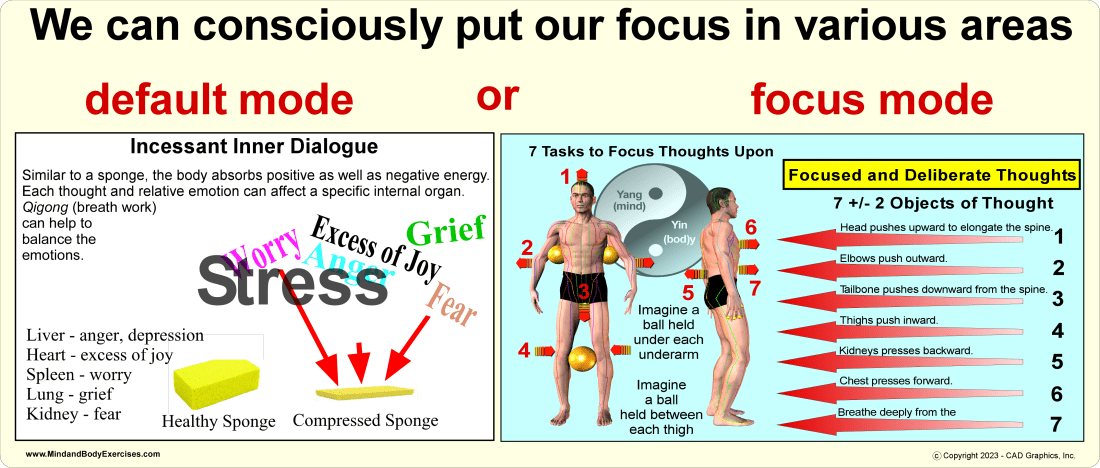
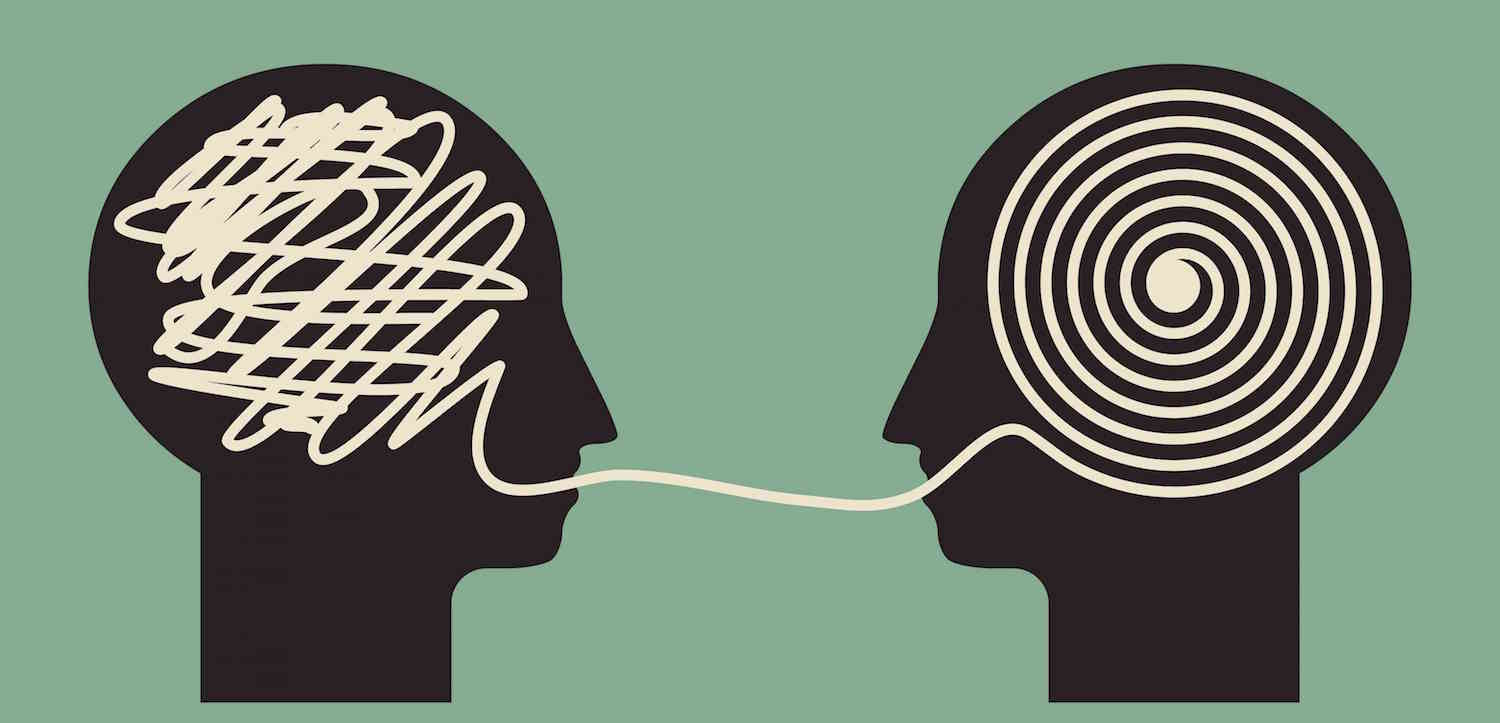
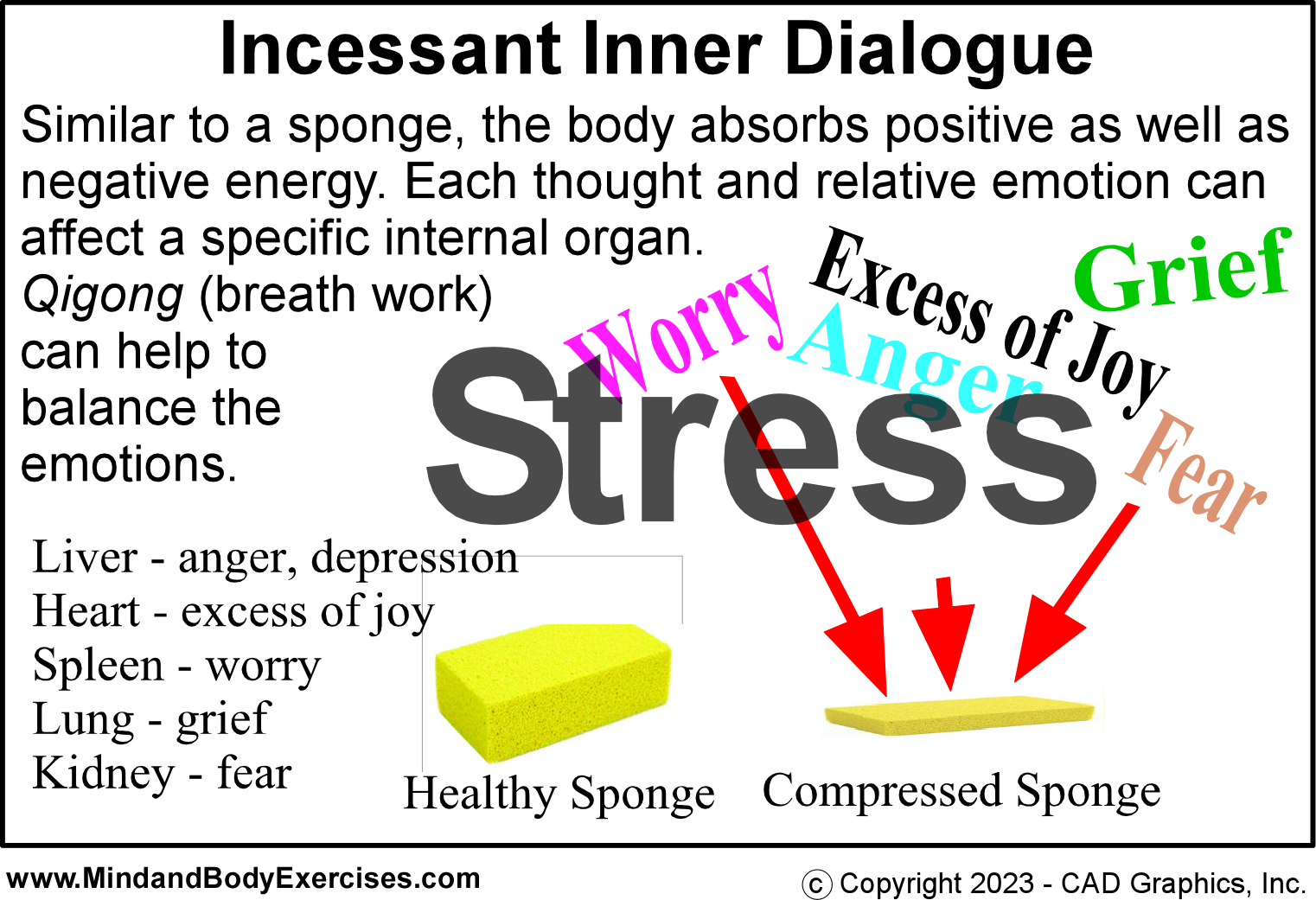
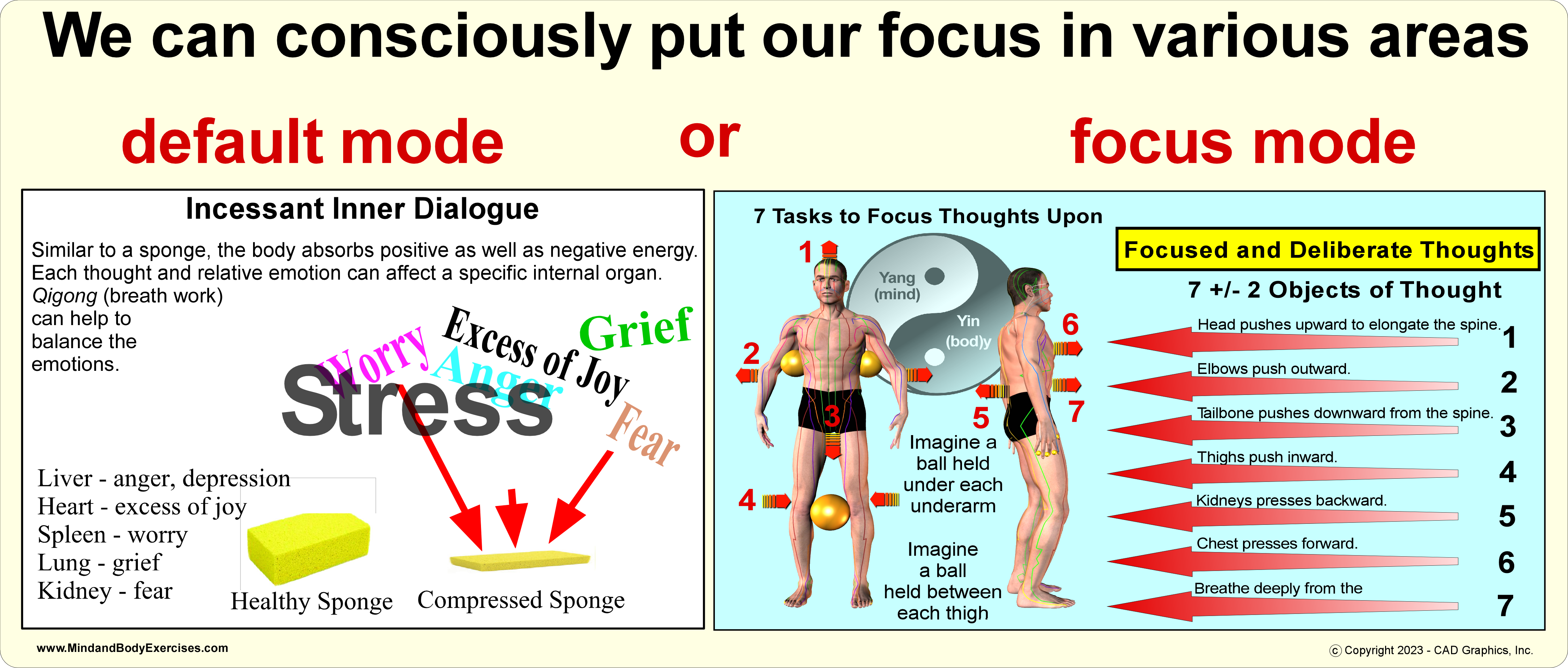
Our inner dialogue consist of basically two separate modes of awake thought processing and associated cognitive brain functions. The first mode of the brain is called the default mode network (DMN), the turbid mind, the incessant inner dialogue, or the monkey mind. In this mode we occupy 50-80 percent of our time with this wandering attention, juggling about 150 undone tasks at any particular time. When we perform mundane tasks, such as getting dressed, taking a shower, brushing our teeth, driving to work, or maybe jogging around the block, our mind is often wandering elsewhere. Our brain is not really focusing much on the physical task at hand but rather thinking of other issues or events elsewhere. We sometimes refer to this as multitasking. Our mind is constantly wandering in and out of the past, present, and future. Becoming and staying focused on specific tasks is a large challenge for the human brain.

The second mode of the awake brain is the task positive network (TPN) or focused mode (Dal Lin et al., 2015). Focused mode is engaged when we are actively paying attention, in the present moment, or concentrating upon tasks using short-term memory, as the brain processes information deemed as very important, interesting, or even sometimes dangerous. For example, if you are engaged in an interesting movie, you may not notice time passing by because your thoughts are focused on what is happening in the movie. If one’s life was to be threatened by a venomous snake, they might become extremely focused upon not moving too quickly, while also keeping their focus on the movement of that snake. Playing a musical instrument, riding a bike, taking a test, or using a knife while cooking are other examples of using this first mode of the brain – focused mode. We often enjoying being in this mode, in spite of not spending the majority of our time here. However, too much time in focus mode left unchecked, can often lead to stress and relative psychological and physiological disorders.

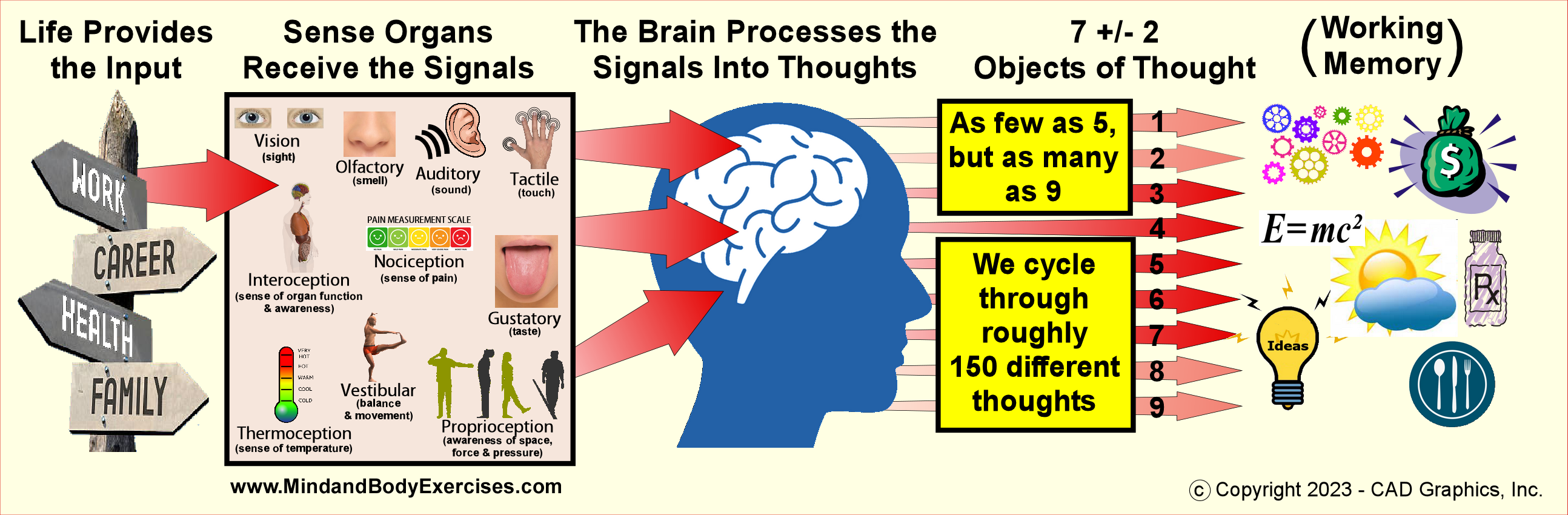
So, how can we better manage and deliberately engage the mode of our choosing? The first step is understanding that we are exposed to various types of stimuli at any given movement. Stimuli comes to us in differing amounts through either external or internal sources. Stimuli is received through our primary sense organs of the eyes, ears, nose, tongue and touch receptors throughout skin on the entire body. Internal stimuli is received through baroreceptors as well as pain, temperature and other types of receptors that tell us when we are hungry, thirsty, and off balance. Often this input manifests into various emotions, whether deemed as positive or negative in their nature.

Psychologist George Miller proposed his theory in his 1956 paper entitled The Magical Number Seven, Plus or Minus Two: Some Limits on our Capacity for Processing Information, that the human brain’s short-term or working memory (STM) has an upper limit referred to as the “magical number seven.” Miller’s paper detailed his theoretical description of how STM brain might be capable of managing 7 objects, or bits of information.  However, the upper limit could be as many as 9 or as little as 5. Miller’s article reported that memory span is not limited by small bits of information, but rather limited by that of a few bits of information grouped together, or “chunks” (p. 349). Cowan (2015) wrote a review of Miller’s (1956) article titled George Miller’s Magical Number of Immediate Memory in Retrospect: Observations on the Faltering Progression of Science. Years after Miller’s paper, Cowan and Baddeley conducted their own studies on human memory and information processing, where both surmised that the real magic number is actually four and not seven. This concept of the limits of STM affect everyday tasks and interactions, ranging from reading menus on a website, driving a vehicle, and even holding a conversation with one another.

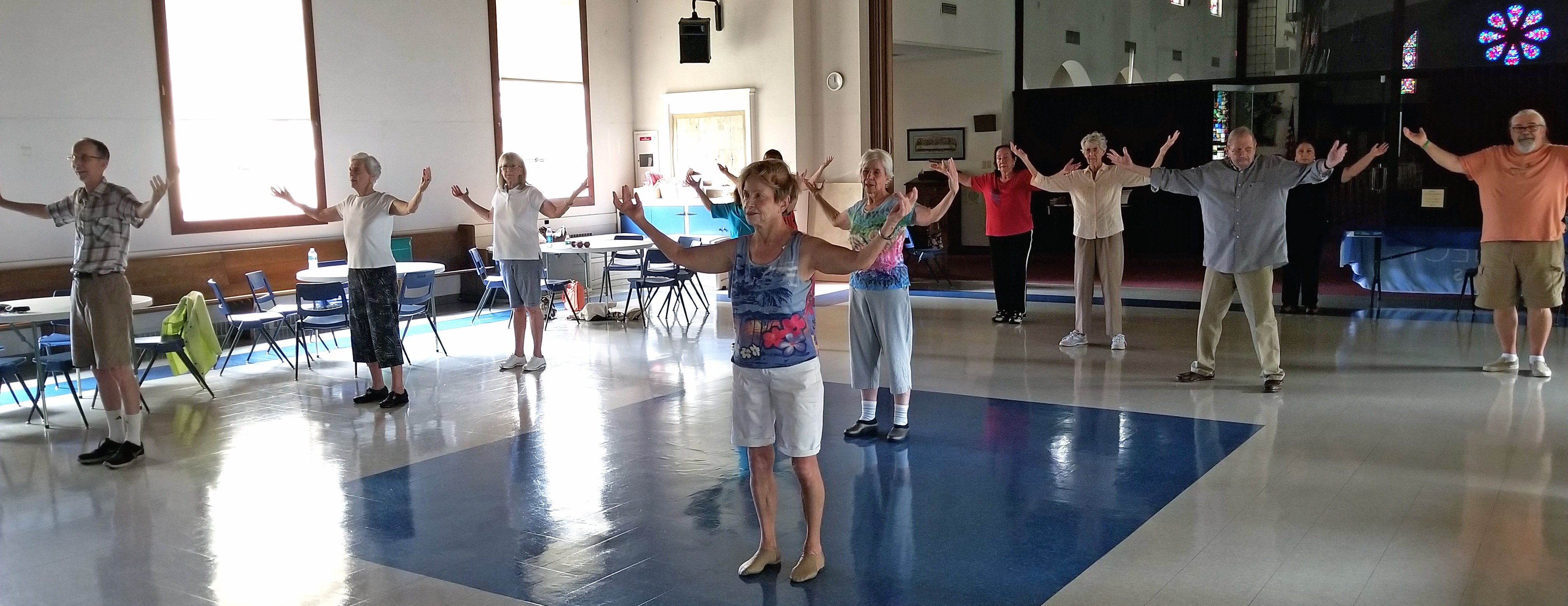
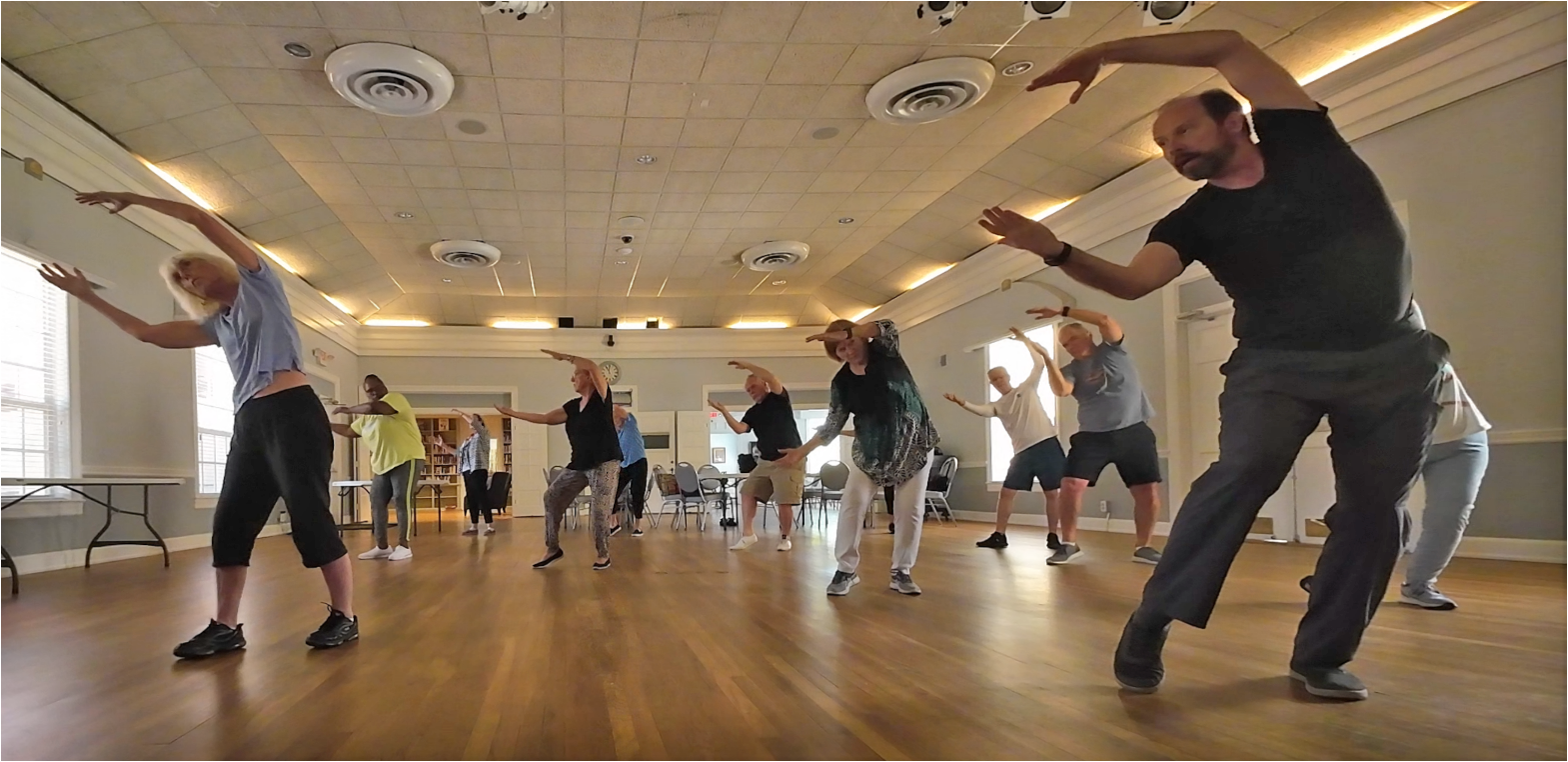
If we can deliberately choose to occupy our thoughts with stimuli that engages our short-term memory along with our breath and physical body alignments and sometimes movement, we can actually learn to better manage our thoughts and emotions. The physical body is a conduit into understanding our mind. The mind is tasked with directing and protecting the body. Conversely, the body protects the user’s mind. Yoga and its sibling of qigong, and its offspring of tai chi, offer many options of sitting, standing and moving exercises that can help to move the practitioner into a meditative state of mind that can help to tame our incessant inner dialogue. Other methods that can engage this cognitive process of managing thoughts can be playing instruments, gardening, and other skillful means however, not all offer the same benefits such as the physical health benefits of yoga, qigong and tai chi.

References:

Benjamin, T., Jr. (2018). A Brief History of Modern Psychology. Wiley.

Cowan, N. (2015). George Miller’s magical number of immediate memory in retrospect: Observations on the faltering progression of science. Psychological Review122(3), 536–541. https://doi.org/10.1037/a0039035

Miller, G. A. (1956). The magical number seven, plus or minus two: Some limits on our capacity for processing information. Psychological Review63(2), 81–97. https://doi-org.northernvermont.idm.oclc.org/10.1037/h0043158

____________________

I teach and offer lectures about holistic health, stress management, qigong, tai chi, baguazhang, meditation, phytotherapy (herbs), music for healing, self-massage, and Daoyin (yoga).

I look forward to further sharing more of my message by partnering with hospitals, wellness centers, VA centers, schools on all levels, businesses and individuals that see the value in building a stronger nation through building a healthier population. I also have hundreds of FREE education video classes, lectures and seminars available on my YouTube channel at:

https://www.youtube.com/c/MindandBodyExercises

www.MindAndBodyExercises.com

www.Amazon.com/author/jimmoltzan

Mind and Body Exercises on Google: https://posts.gle/aD47Qo

Jim Moltzan

407-234-0119