Whole Health Wisdom: Navigating Holistic Wellness (my new book)

What we think, what we eat and how we move our bodies are the basic components that determine our health and happiness. We all know this, but how do we go about making our lives what we want them to be? Knowledge. Knowledge indeed gives us power to succeed in any endeavor. Knowledge unused is wasted.

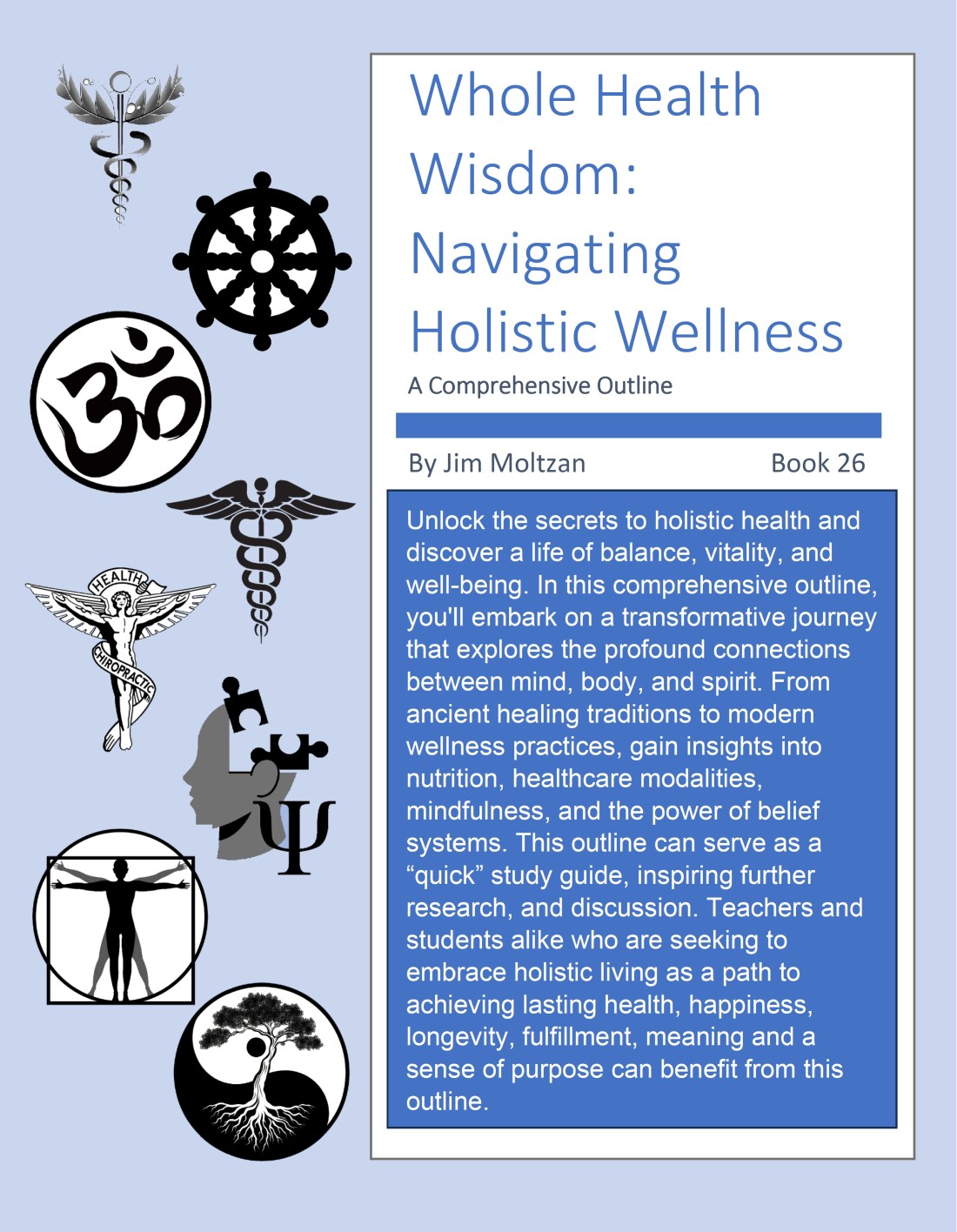
I just recently finished up my 26th book in my series on mind, body and self-awareness, titled Whole Health Wisdom: Navigating Holistic Wellness. I formatted this book mostly as an outline, in order to best present the multitude of topics that encompass holistic health and wellness. Each topic could be a separate book unto itself. It is now available for purchase on Amazon https://a.co/d/gcRDJbg with a paperback and Kindle format. However the Kindle version does not look as well formatted as the paperback version. I have at least a few more book topics in my pipeline, as I have tried to publish about one per year more recently.

Book 26 draws upon my over 40 years of learning, practicing and teaching, with the goal of helping others to unlock the key components of holistic health by discovering a life of balance, vitality, and well-being. In this comprehensive outline, you’ll embark on a transformative journey that explores the profound connections between mind, body, and spirit. From ancient healing traditions to modern wellness practices, gain insights into nutrition, healthcare modalities, mindfulness, and the power of belief systems. This outline can serve as a “quick” study guide, inspiring further research, and discussion. Teachers and students alike who are seeking to embrace holistic living as a path to achieving lasting health, happiness, longevity, fulfillment, meaning and a sense of purpose can benefit from this outline.


I included many of my detailed color graphics towards the back-half, that I feel connect strongly to the topics covered in my outline. Specifically, the graphics offer insights and exercises relative to self-regulation of the nervous system, through deliberate management of thoughts, emotions and relative physiological responses by way of respiration and physical body postures. Included are also detailed illustrations of many qigong exercises such as the 8 Pieces of Brocade, Opening & filling of the 8 Vessels (Ship Pal Gye), bottle and weight exercises as well as the Yang 24 tai chi set along with history and physiology. Just below is watermarked copy of new book for those who care to review its contents.

______________________

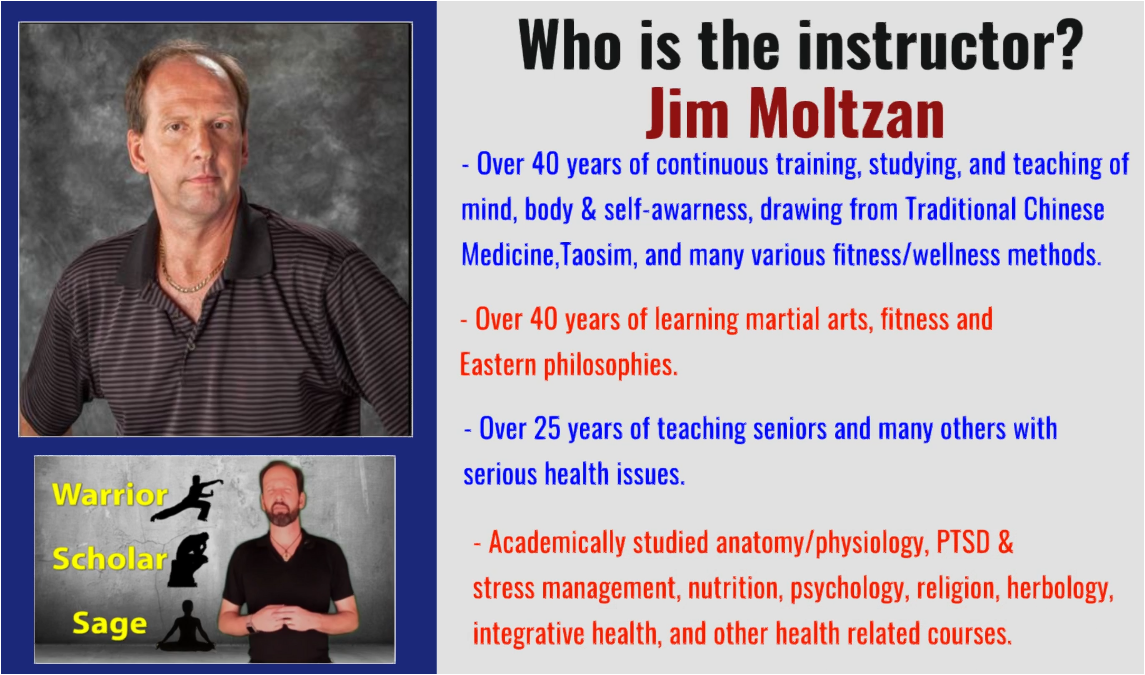
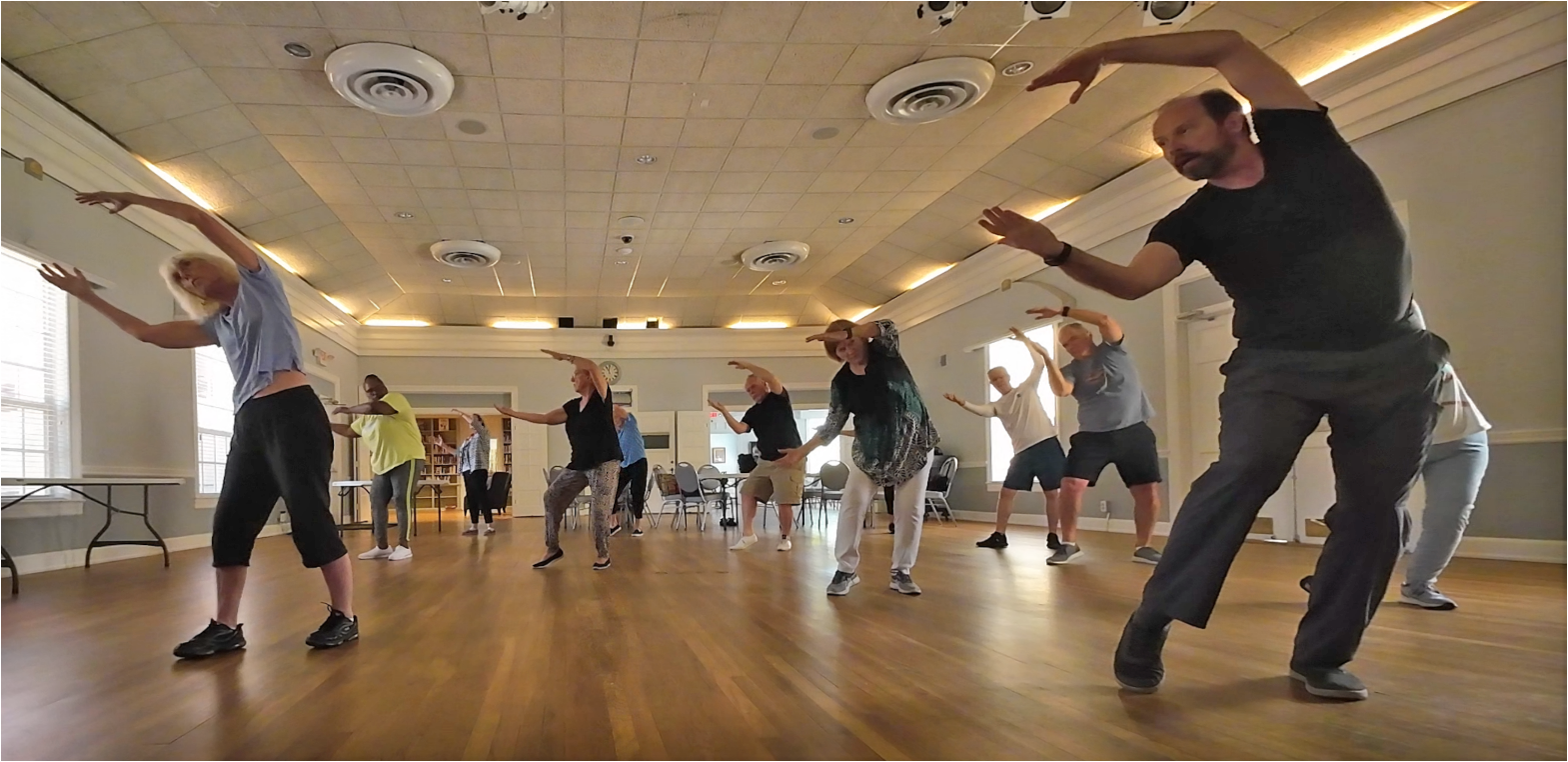
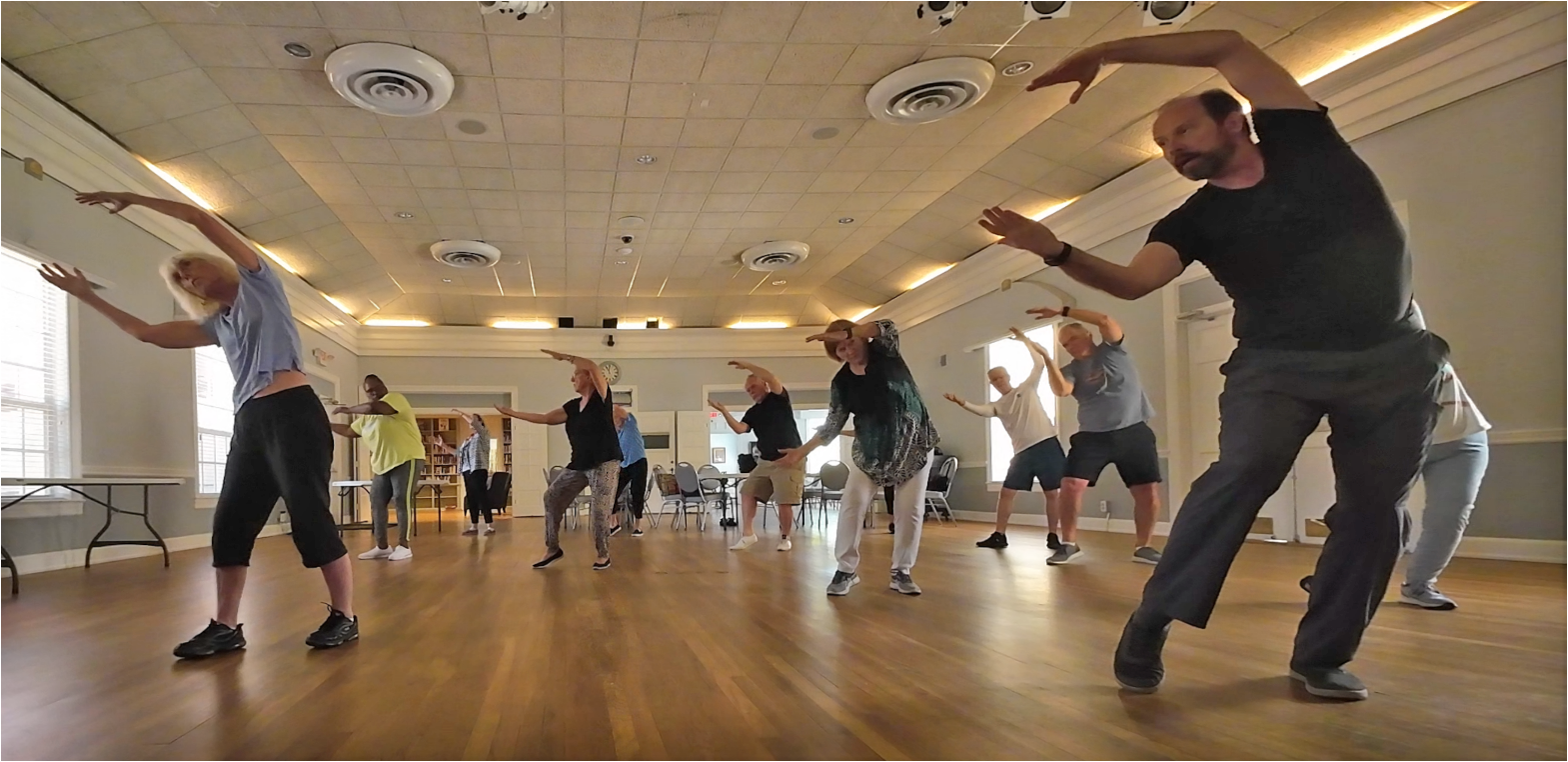
I teach and offer lectures about holistic health, stress management, qigong, tai chi, baguazhang, meditation, phytotherapy (herbs), music for healing, self-massage, and Daoyin (yoga).

I look forward to further sharing more of my message by partnering with hospitals, wellness centers, VA centers, schools on all levels, businesses and individuals that see the value in building a stronger nation through building a healthier population. I also have hundreds of FREE education video classes, lectures and seminars available on my YouTube channel at:

https://www.youtube.com/c/MindandBodyExercises

www.MindAndBodyExercises.com

www.Amazon.com/author/jimmoltzan

Mind and Body Exercises on Google: https://posts.gle/aD47Qo

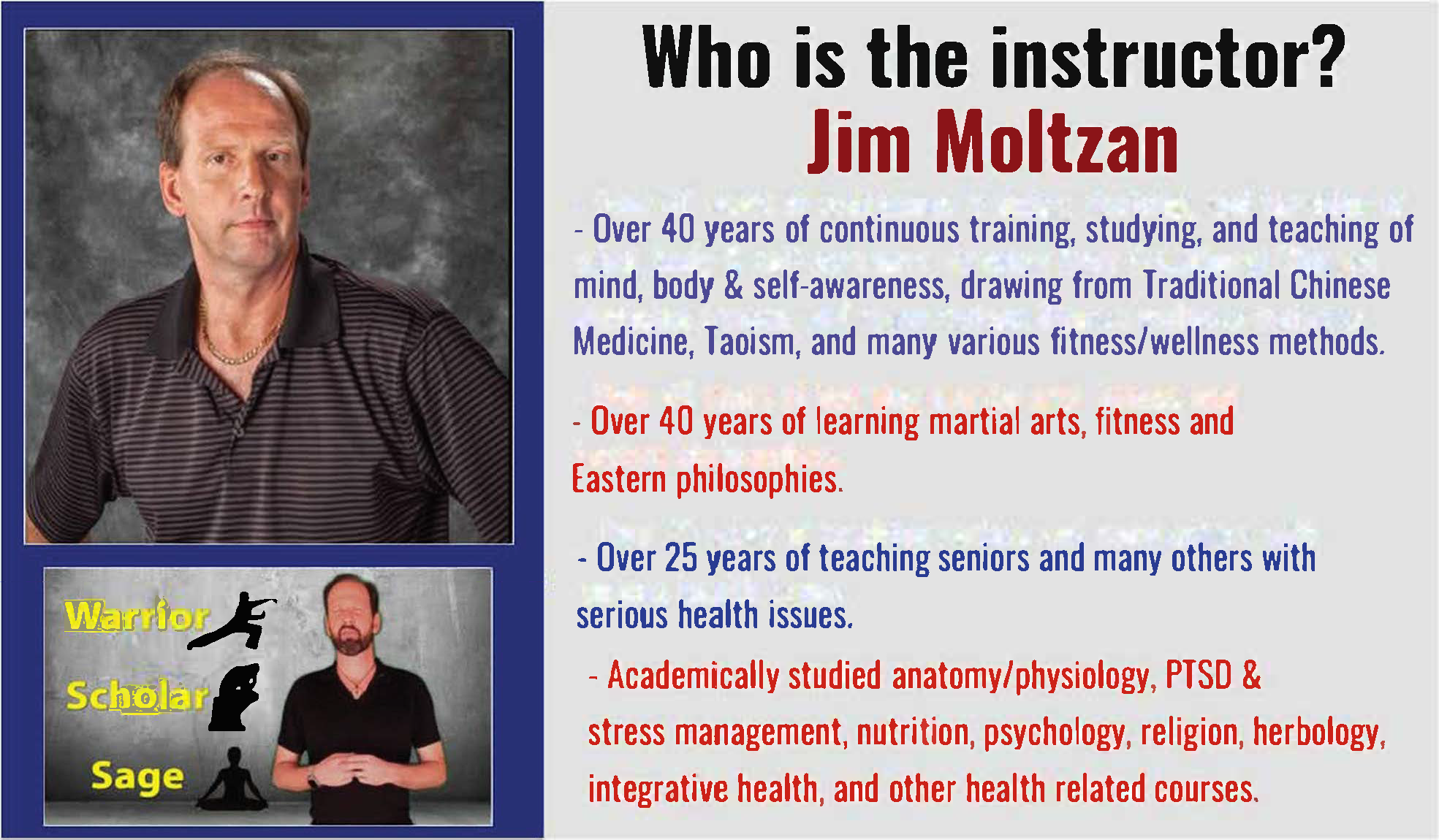
Jim Moltzan

407-234-0119
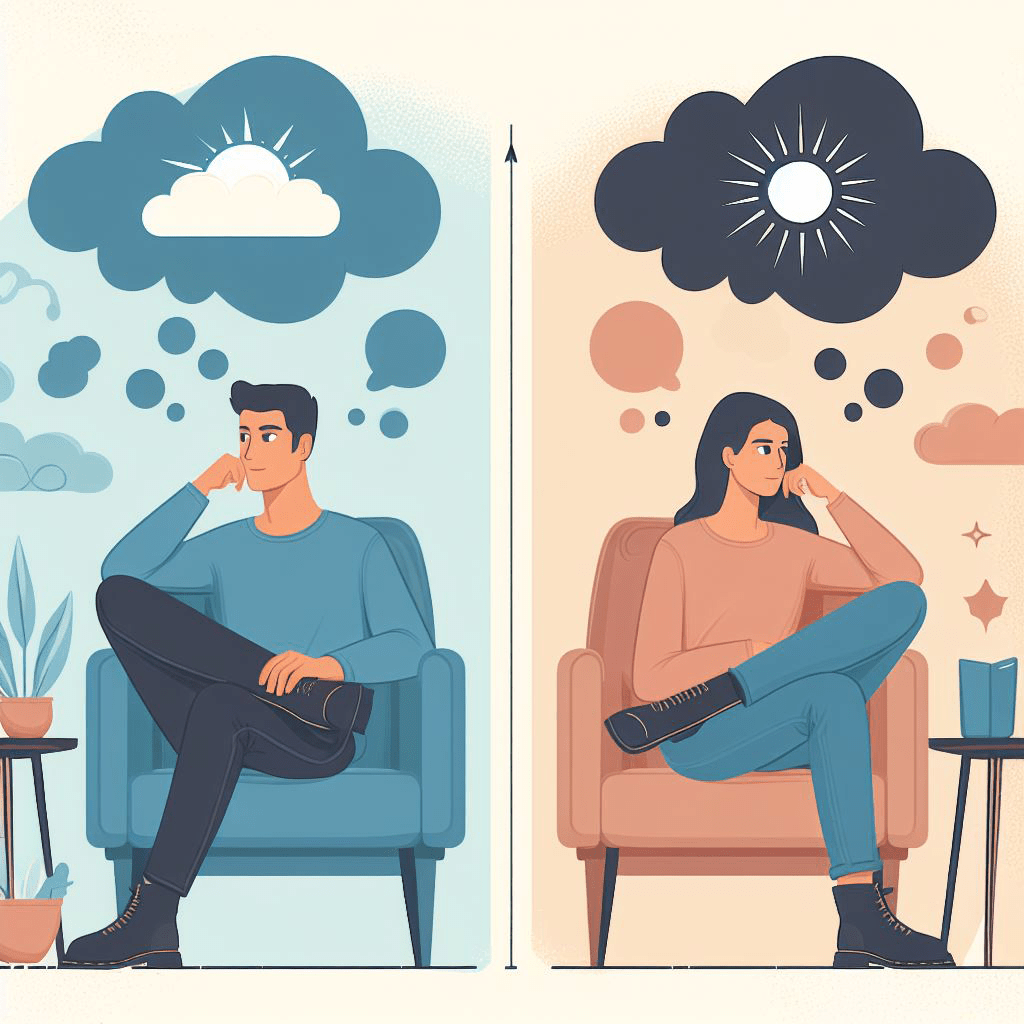
Physically close, mentally far; physically far, mentally close.


“Physically close, mentally far; physically far, mentally close” is a philosophical concept that reflects a paradoxical aspect of human relationships. We can be physically close to others, but still feel mentally distant. Conversely, we may be physically distanced, but still feel mentally close.

The Harvard Study of Adult Development (the Grant/Glueck Study) started in 1938 with 724 men, and women added in later, has been ongoing for 80 years. Key findings of this study were the following:
(a) Relationships are key to happiness and well-being
(b) Mental and physical health are synergistically in twined
(c) Stress management is essential for long term health and wellness
(d) Gratitude is also a key component to living a longer and happier life
(e) No one size fits all” approach, as everyone’s situation is somewhat unique from another

Human relationships are often quite complex, nudging us to recognize the multi-dimensional nature of closeness and connection beyond the limitations of physical space. Further contemplation on this might bring us to a deeper understanding and appreciation for those in our lives.

  1. Proximity:
    • Being physical next to or in close proximity to another, does not necessarily guarantee emotional or intellectual connection. Individuals can be physically close as in the same room, office, vehicle, or sharing the same space, while being distant in their own thoughts, emotions, and deeper understanding of one another.
  2. The Nature of Connection:
    • Authentic connections transcend physical presence. Mental closeness consists of a deeper understanding that can exist regardless of physical distance, focusing upon the importance of not only emotional but also intellectual connections in relationships.
  3. Communication and Understanding:
    • Open and truthful communication and mutual understanding are imperative for genuine closeness. Physical proximity by itself cannot make up for a lack of communication or comprehend of another’s perspectives.
  4. Technology:
    • Recent advancements in technology have increased the options to stay in touch while being physically far apart. Smartphones, computers and other electronic communication tools have enabled more people to be able to maintain relationships across vast distances, demonstrating the ever changing nature of relationships in our world.
  5. Existential Reflection:
    • Our minds are not bound by mere physical constraints as we can transcend the limitations of space if we desire to do so with our relationships.
  6. Emotional Distance:
    • Physical closeness can be seen as a reflection of our geographical location. Mental distance can be a result of emotional barriers. People may find themselves physically close to other, while emotionally distant due to differences of values, morals, opinions, unresolved conflicts, or emotional walls.
  7. Authentic Connections:
    • Authenticity in relationships requires a deeper understanding of shared values, principles, and emotional empathy for meaningful connections.
  8. Temporal Evolution:
    • Relationships most often change and evolve over time. Physical closeness that once nurtured mental proximity can change, where physical distance coexists with either a stronger or weaker mental connection.
    • Physical distance can actually strengthen relationships, because it may cause people to miss and appreciate each other more giving people time to reflect on their relationship and grow closer.

If people strive to have a strong emotional bond where they feel they are supported and deeply understood by each other, their relationship will be strong regardless of the physical proximity between them.

__________________

I teach and offer lectures about holistic health, stress management, qigong, tai chi, baguazhang, meditation, phytotherapy (herbs), music for healing, self-massage, and Daoyin (yoga). I also have hundreds of FREE education video classes, lectures and seminars available on my YouTube channel at:

https://www.youtube.com/c/MindandBodyExercises

www.MindAndBodyExercises.com

www.Amazon.com/author/jimmoltzan

Mind and Body Exercises on Google: https://posts.gle/aD47Qo

Jim Moltzan

407-234-0119
Suicide Rates Spike…. Again in the US

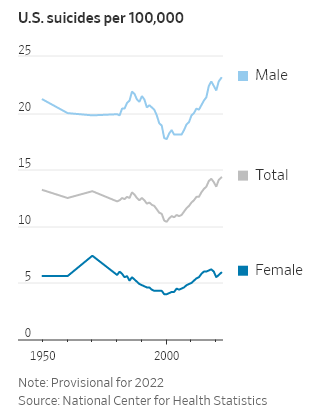
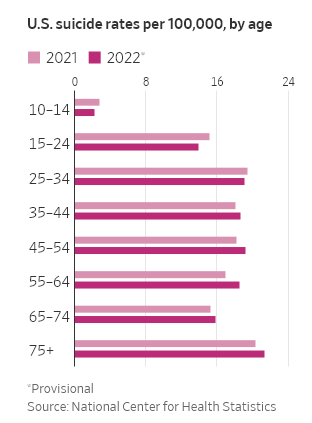
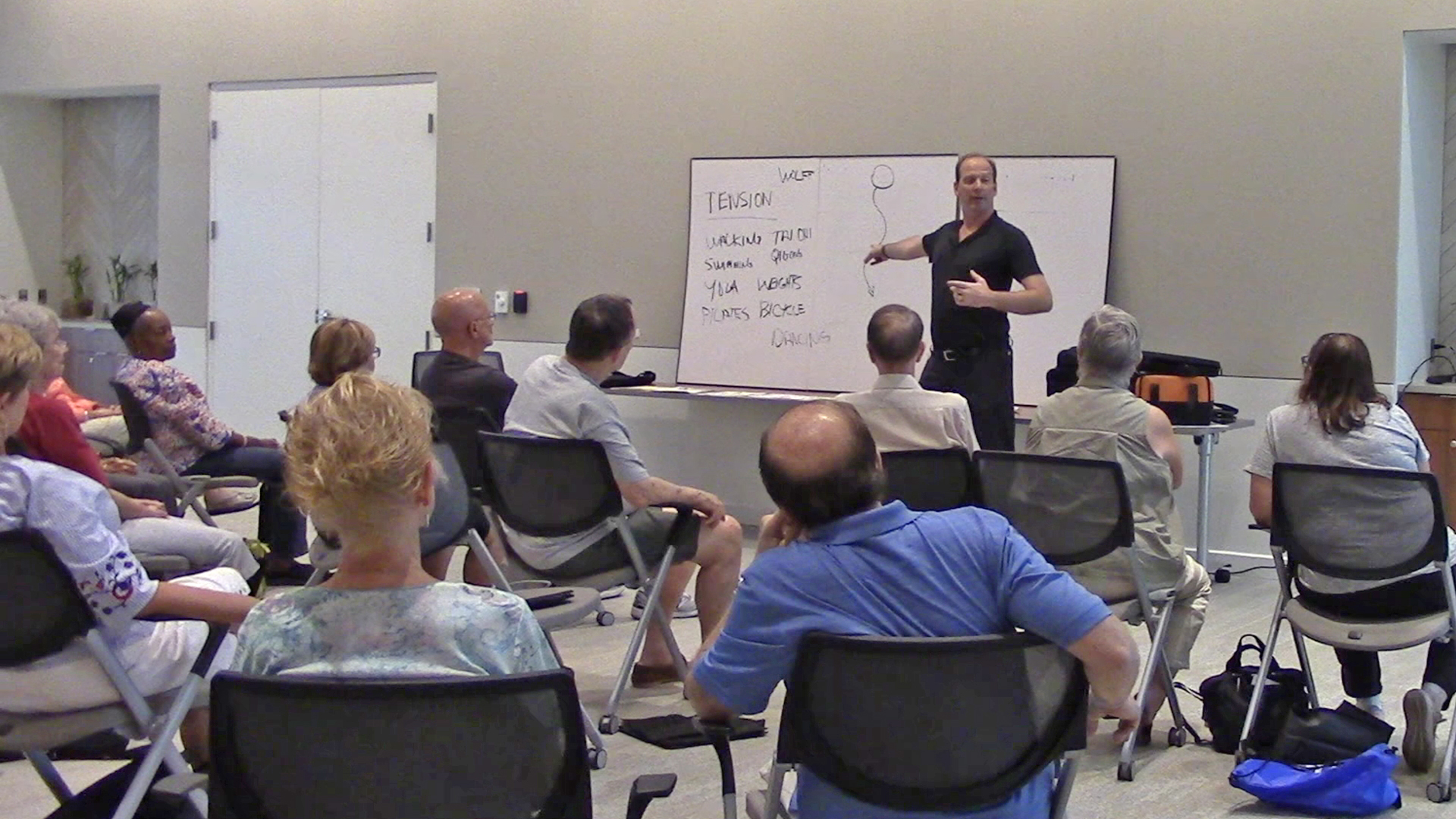
Here I am again, discussing mental health care in the US. The Wall Street Journal just dropped an article reporting that “U.S. Suicides Reached a Record High Last Year.” It doesn’t need to be this way.

I find this so frustrating that we know our nation’s people are in distress, due to many manageable root issues of poor diet, lack of physical activity (sedentary lifestyle), addiction to electronics, lack of patriotism and maybe most important. loss of meaning and purpose in our lives. Most of us know these are major issues, but do we really care enough to make changes that will actually have a lasting effect? Having vast resources in the way of dollars, and throwing more money to healthcare facilities that often prescribe strong pharmaceuticals cannot be the only answer to this problem that has been on the rise for the last decades. As we can see today, these methods are not making much of a dent.

If we continue to only treat the symptoms of mental health issues, such as anxiety, depression, PTSD, etc. we will never truly address the root causes of these ailments.

Here is the link for the Wall Street Journal article:

There are many options that we can implement, we just need to pierce the veil of delusion and fix the root causes of most of our problems. Most start with our youth and never end as they grow into adults. Education and self-discipline are key.

  • Improve the diet in schools. No more crap junk foods at school or at home.
  • Get recess and PE back in the daily school schedule. What good are cramming advanced courses in the schedule when a kid can’t even self-regulate their emotions with some recess and physical activity?
  • Better manage this smartphone, TV, PC internet/gaming addiction. Basic physiology classes explain this is all about our inner chemistry that is way out of balance with all of the dopamine and cortisol rollercoastering up and down, all day long.
  • Give our people a place to be proud of. If people don’t have a home. a community, a city, a nation, what’s the desire to live in these places?
  • Let’s better educate people to have purpose, something that makes us want to get up and out of bed because the world needs each of us in order to become a better place for everyone.
  • Show those that you love and care about, and even those that you don’t, that the world is a better place for them not only for being in it, but being part of it. This gives meaning to someone and their life.

In addition to these root issues being addressed, there are other options for people to try just in order to manage and self-regulate their own stress. Some are absolutely free or available for minimal costs such as:

(1) Education – books, documentaries, libraries, online


(2) Support – from family, friends, local support groups, online, on the phone (dumps oxytocin into the blood flow)


(3) Mindfulness – pursue becoming aware about what you think, how you react, your actions

(4) Meditation – take a break, a walk, listen to calming music, garden, exercise – these are all types of activities that can elicit a meditative state of mind (adjusts serotonin levels in the bloodstream)


(5) Exercise – the conduit to the mind is through the physical body. Physical movement either gets endorphins and dopamine flowing or epinephrine, adrenaline and cortisol if you are running from a tiger. Walk, run, swim, stretch, hike, etc. These are mostly free.

Other methods may have a cost, but are stiller cheaper in the long run than pills, therapy, a trip to the hospital or ultimately to the morgue.

Be well, become healthier, become wiser.

_____

I teach and offer lectures about holistic health, stress management, qigong, tai chi, baguazhang, meditation, phytotherapy (herbs), music for healing, self-massage, and Daoyin (yoga). I also have hundreds of FREE education video classes, lectures and seminars available on my YouTube channel at:

https://www.youtube.com/c/MindandBodyExercises

www.MindAndBodyExercises.com

www.Amazon.com/author/jimmoltzan

Mind and Body Exercises on Google: https://posts.gle/aD47Qo

Jim Moltzan

407-234-0119
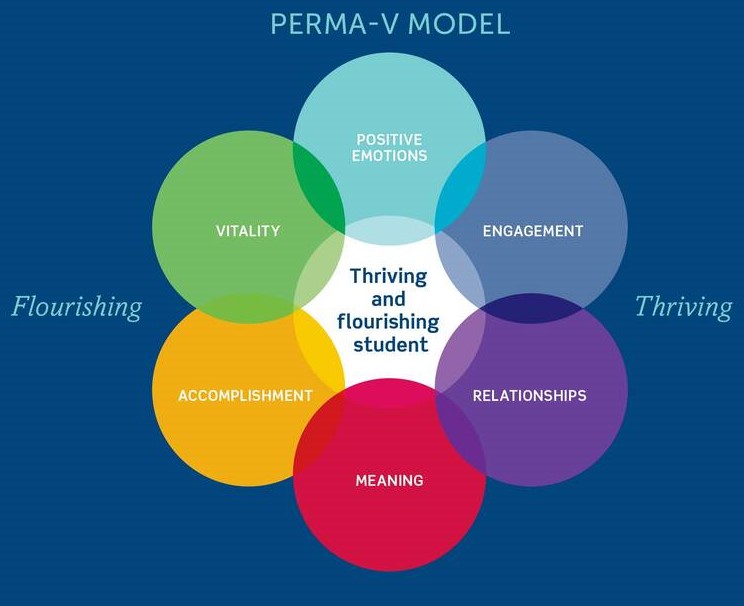
What is the PERMA-V Model for Flourishing?

Dr. Martin Seligman, a psychologist and one of the founders of positive psychology, introduced the concept of PERMA as a framework for understanding and cultivating well-being and happiness. PERMA is an acronym that represents five essential elements of a fulfilling and meaningful life. Here’s a brief summary of each component:

  1. Positive Emotions (P): This refers to experiencing and cultivating positive feelings such as joy, gratitude, serenity, interest, hope, pride, amusement, and love. Fostering positive emotions is seen as a crucial aspect of overall well-being.
  2. Engagement (E): Also known as “flow,” engagement involves being fully absorbed and immersed in activities that challenge and utilize one’s skills. When individuals are engaged in what they’re doing, they often lose track of time and experience a sense of deep satisfaction.
  3. Relationships (R): Positive social connections and meaningful relationships contribute significantly to well-being. Maintaining healthy and supportive relationships with friends, family, and community fosters a sense of belonging and social support.
  4. Meaning (M): Finding meaning and purpose in life is essential for well-being. This involves understanding one’s strengths and values and using them to contribute to something larger than oneself, whether it be through work, relationships, or other pursuits.
  5. Accomplishment (A): Achieving goals and accomplishments, both big and small, contributes to a sense of competence and mastery. Setting and reaching goals provides a sense of purpose and fulfillment.
  6. Vitality (V): There has been an update to Seligman’s PERMA model, and the “V” for Vitality has been added. This addition expands the model to include physical well-being as a crucial component. Vitality encompasses the importance of a healthy and energized body. It involves paying attention to nutrition, exercise, sleep, and other factors that contribute to physical well-being.

The PERMA-V model suggests that these six elements work together to enhance overall well-being, and individuals can focus on cultivating each aspect in their lives to lead a more flourishing and satisfying existence.

_________________

I teach and offer lectures about holistic health, qigong, tai chi, baguazhang, meditation, phytotherapy (herbs), music for healing, self-massage, and yoga. I also have hundreds of FREE education video classes, lectures and seminars available on my YouTube channel at:

https://www.youtube.com/c/MindandBodyExercises

www.MindAndBodyExercises.com

www.Amazon.com/author/jimmoltzan

Mind and Body Exercises on Google: https://posts.gle/aD47Qo

Jim Moltzan

407-234-0119
Flu Season is Really Vitamin D Deficiency Season

Yes, it is that time of year again. Become educated, become healthy and be in control of your health and well-being. Nobody else will care more about YOUR health than YOU!

Temperatures drop. People stay inside. Many wear more layers of clothing to stay warm. Those in warmer climates cover their skin to avoid too much sun exposure. For a big chunk of the year, many people do not receive enough sunlight on their skin to produce their own vitamin D. Nationwide vitamin D deficiency overall prevalence rate is 41.6%, with the highest rate seen in blacks (82.1%), followed by Hispanics (69.2%)2.
https://pubmed.ncbi.nlm.nih.gov/21310306/

Vitamin D is a fat-soluble vitamin that plays a crucial role in several physiological processes, including bone health and immune system function.

Bone Physiology:

  1. Calcium Absorption:
    • Vitamin D is essential for the absorption of calcium from the intestines. Calcium is a critical mineral for bone health, and its absorption is necessary for the development and maintenance of strong and healthy bones.
  2. Bone Mineralization:
    • Vitamin D helps regulate the levels of calcium and phosphorus in the blood, facilitating the mineralization of bone. This process is essential for the formation and maintenance of the bone structure.
  3. Preventing Rickets and Osteomalacia:
    • Severe vitamin D deficiency can lead to conditions such as rickets in children and osteomalacia in adults. These conditions result in weakened and deformed bones due to impaired mineralization.

Immune System:

  1. Immune Cell Function:
    • Vitamin D has been shown to modulate the function of immune cells, including T cells and macrophages. It helps regulate the immune response, promoting the appropriate response to infections while preventing excessive inflammation.
  2. Antimicrobial Properties:
    • Vitamin D has antimicrobial properties and can enhance the production of antimicrobial peptides. These peptides play a role in the body’s defense against various pathogens, including bacteria and viruses.
  3. Autoimmune Diseases:
    • There is evidence suggesting a link between vitamin D deficiency and an increased risk of autoimmune diseases. Adequate vitamin D levels may help modulate the immune system and reduce the risk of autoimmune conditions.

Sources of Vitamin D:

  1. Sun Exposure:
    • The skin can produce vitamin D when exposed to ultraviolet B (UVB) radiation from sunlight. Spending time outdoors and getting sunlight on the skin is a natural way to produce vitamin D.
  2. Dietary Sources:
    • Some foods are good sources of vitamin D, including fatty fish (such as salmon and mackerel), fortified dairy products, fortified cereals, and egg yolks.
  3. Supplements:
    • In cases where it’s challenging to obtain enough vitamin D from sunlight and diet, supplements may be recommended, especially in regions with limited sunlight or for individuals with conditions that affect vitamin D absorption.

Maintaining adequate levels of vitamin D is crucial for both bone health and a well-functioning immune system. It’s important to strike a balance, as both deficiency and excess of vitamin D can have adverse effects on health. If you have concerns about your vitamin D levels, it’s advisable to consult with a healthcare professional for personalized guidance.

_________________

I teach and offer lectures about holistic health, qigong, tai chi, baguazhang, meditation, phytotherapy (herbs), music for healing, self-massage, and yoga. I also have hundreds of FREE education video classes, lectures and seminars available on my YouTube channel at:

https://www.youtube.com/c/MindandBodyExercises

www.MindAndBodyExercises.com

www.Amazon.com/author/jimmoltzan

Mind and Body Exercises on Google: https://posts.gle/aD47Qo

Jim Moltzan

407-234-0119