Serious as a Heart Attack

If you follow the news these days, it seems like people are dropping dead left and right. Violence, shootings, suicides, drug overdoses, cardiac arrest and a host of other health-related issues have seemingly increased dramatically over the last few years. I encourage you to do your own diligent research, if these issues are of importance to you.

Do you know how to perform CPR?

Do you know how to perform the Heimlich Maneuver for a person who is choking?

Can you help someone who is bleeding profusely?

What do you do if someone is having a seizure?

Do you consider yourself to have the sufficient mental and physical fortitude to step up when the call comes?

Trauma, when experienced personally or through others in our presence, has the tendency to show us the true reality of our character. Will you be part of the bystander effect, where a group does nothing to help, or the Good Samaritan, where one reacts selflessly in the face of danger? As the saying goes, “when seconds matter, help is minutes away.

In our extremely polarized society of today, people are often shamed, shunned or ostracized for not caring enough about others’ health. But are any of us capable of preserving another’s life in their time of need? First responders? Hopefully. The average person, NO. Most people cannot even save themselves in a life-threatening situation, let alone another in drastic circumstances. If we choose to pontificate on how much we care about others, maybe we should actually learn how to save a life. More accurate would be to hopefully “preserve” or “prolong” a life, as we are mere humans and cannot save anyone or any living thing from their inevitable demise. We can only offer to do our best.

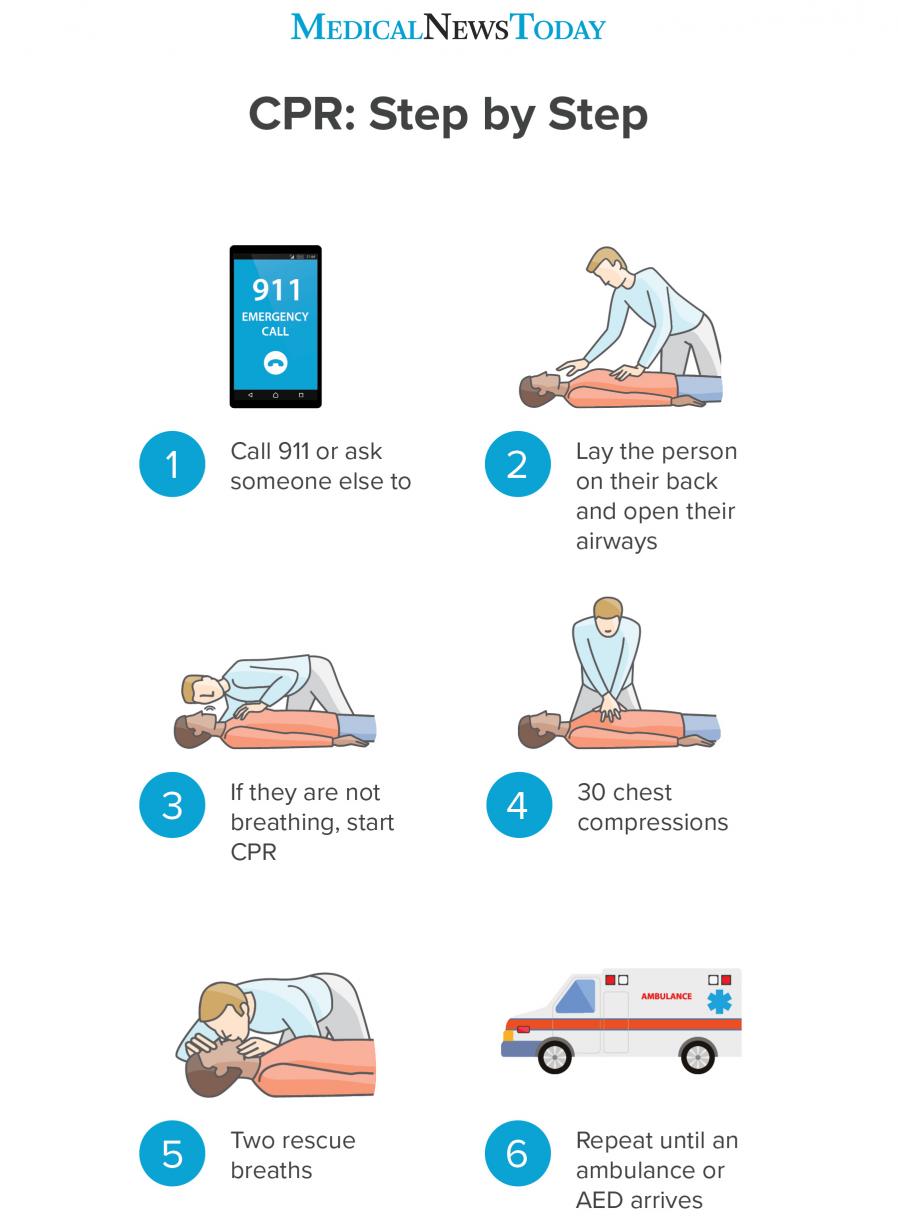
Far below is a graphic for understanding the basic steps of CPR. GO LEARN HOW TO DO IT!

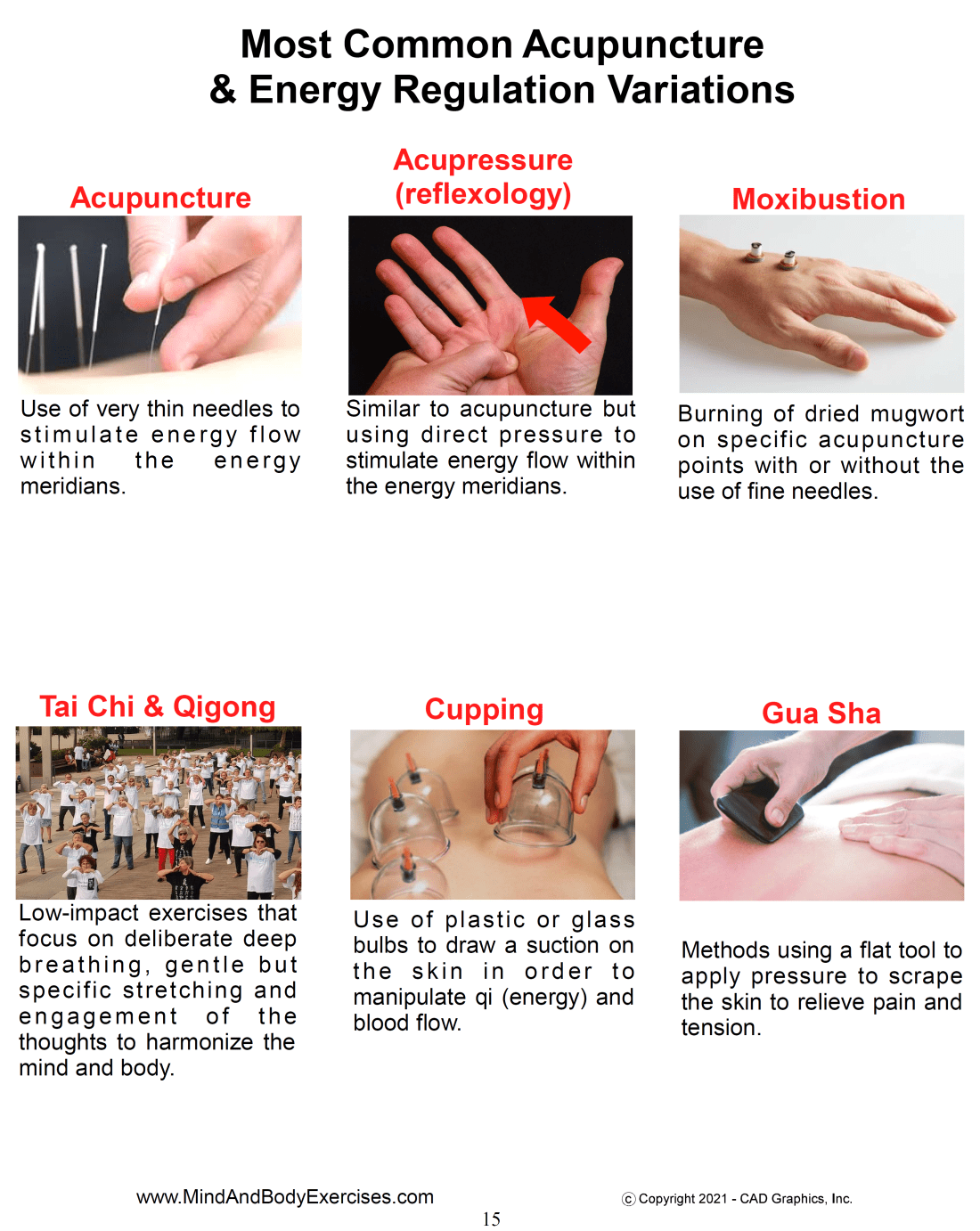
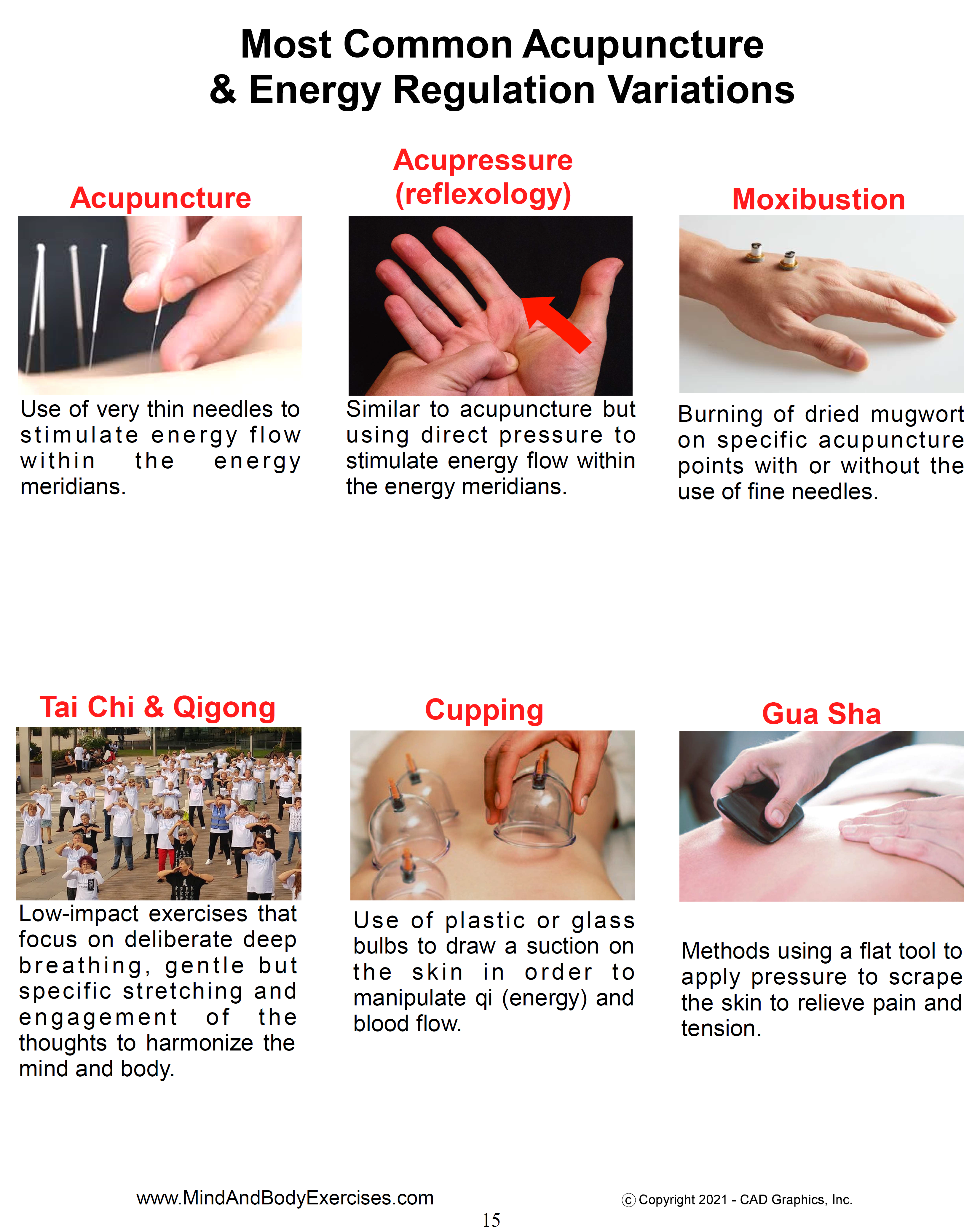
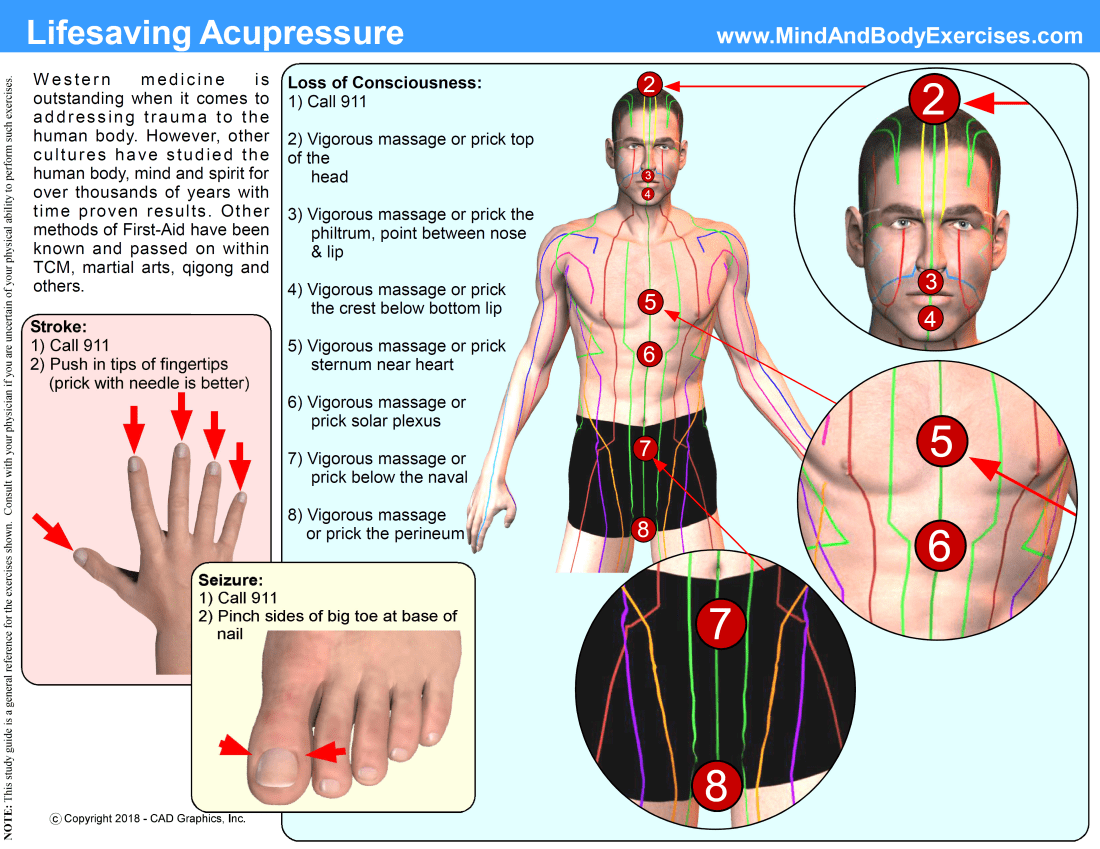
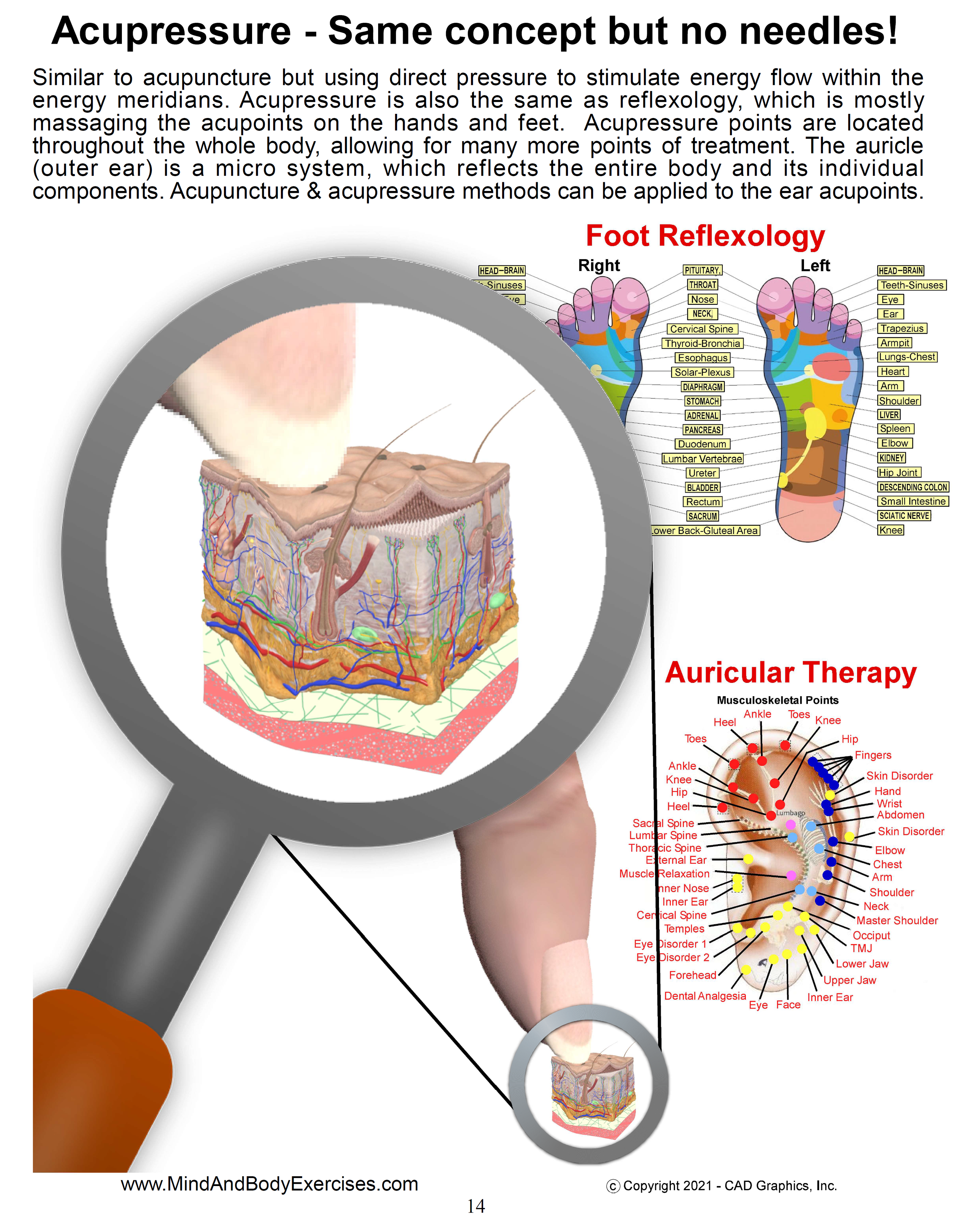
I am additionally offering here some priceless tools to help revive someone if they become unconscious. Acupressure (no needles) and its parent of acupuncture (needles) from Traditional Chinese medicine, has been around for a few thousand years. There are specific techniques that can be used to help resuscitate in addition to CPR training. If you are in need of more information or instruction beyond what is available here on applying these techniques, contact me or other qualified experts in this field.

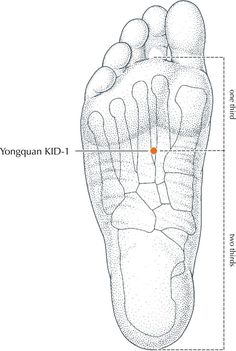
These are techniques that I was taught over 40 years ago from my martial arts masters and Traditional Chines Medicine teachers to help with stress, headaches and especially LOSS of CONSCIOUSNESS. If you are concerned about the legitimacy or efficacy of these types of techniques, I encourage you to do some of your own research as I have for many years. I have actually used these techniques to help revive others either from over-exertion, illness or trauma, more times than I can remember; maybe 50-100 times. Most often acupoints 1-10 work quite well for feinting and dizziness, and where 11-18 are used progressively for loss of consciousness, lack of breath and weak or nonexistent pulse. Striking of the perineum, also know as the huiyin point, conception vessel-1, or CV-1, is quite invasive and used only for the most dire of circumstances. Kidney-1 (KI-1) is just below the ball on the bottom of the foot, as is often used instead of CV-1.

It is no coincidence that most of these acupoints are the same ones used to strike and disable a physical attacker.

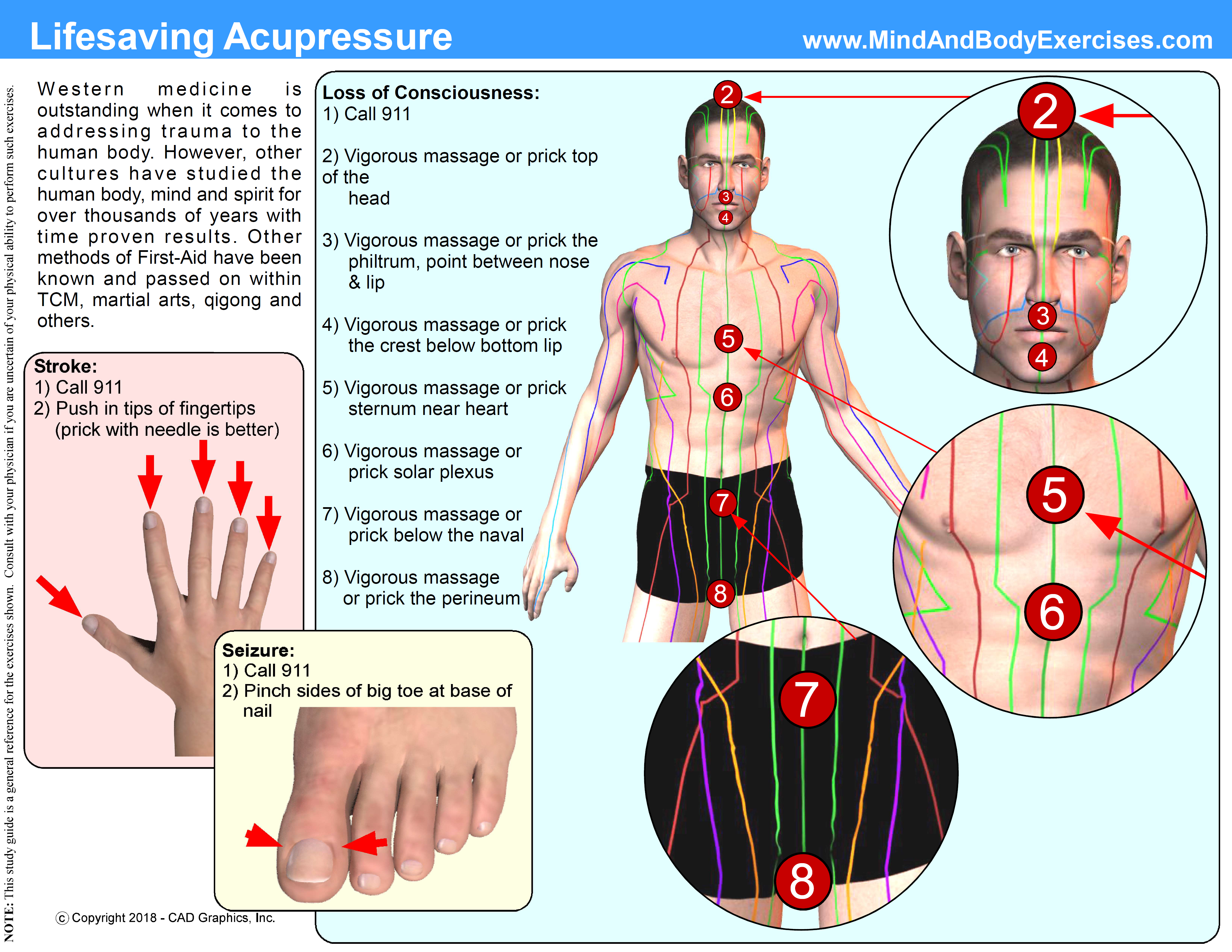
Copy, print, or share this image – it might come in handy!

Auriculotherapy is another method of acupuncture and/or acupressure, where the qi or energy meridians are accessed from the inner and outer portions of the ear (auricle). Acupuncture needles are often used for treatments but there are also small seeds or steel pellets can be adhered to the skin to provide longer lasting stimulation usually lasting a few days. For some issues of pain, relief can be experienced within minutes from the start of the procedures. There are usually no complications nor side-effects while patients are subjected to very little or no discomfort.

I have had auricular therapy in the past from my TCM doctor at the time.  I learned some of the techniques from her at the time and have since learned even more from other TCM doctors as well as qigong and martial arts masters, enabling me to provide my own successful treatments for backache, headaches, and seasonal allergies. 

Almost 13 years ago the U.S. Air Force begin training physicians deployed in Iraq and Afghanistan on how to use these methods. These techniques are quite easy and quick for most people to learn. The doctors would apply small and fine needles to wounded service members and local patients for pain relief.
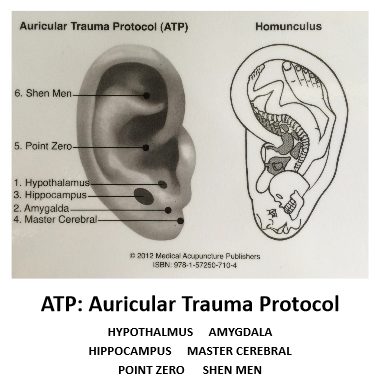
At the time, the term “battlefield acupuncture” was used, even though these techniques have been in use probably for hundreds of years and not necessarily to soldiers nor on the battlefield. This battlefield acupuncture was not purposely designed to replace conventional medical care for war-related injuries, but rather to help in pain relief and possibly eliminate the need for pain medications for acute and chronic pain.

Other TCM doctors are using auricular therapy for various issues or other benefits such as studies on the use of auriculotherapy with distance runners to increase performance.

I have found some information to be somewhat critical of auricular therapy (and TCM in general as well). Usually, it is the same issues with Western medicine having lack of scientific data or a desire not to deviate from the allopathic medical model.  If these methods have existed in other cultures for hundreds, if not thousands of years, maybe there is something there to be studied further.

Traditional Chinese Medicine offers an amazing amount of knowledge, methods and alternative options to manage trauma, chronic pain and many other issues, beyond using surgery, opiates and anti-inflammatories.
References:

https://www.medicalnewstoday.com/articles/324712#cpr-quick-reference

Battlefield Acupuncture for the Clinical Practitioner (acupuncturetoday.com)

https://www.mcgill.ca/oss/article/pseudoscience/bad-science-lends-friendly-ear-ear-seeds
Battlefield Acupuncture in the U.S. Military: A Pain-Reduction Model for NATO | Medical Acupuncture (liebertpub.com)

Battlefield Acupuncture » Battlefield Acupuncture Seminars | Battlefield acupuncture, Advanced battlefield acupuncture, battlefield acupuncture seminars,acupuncture, auricular therapy, auriculothrapy, ear acupuncture

How to perform CPR: Guidelines, procedure, and ratio

_________________

I teach classes, seminars, and private instruction focusing on methods of wellness from Traditional Chinese Medicine, Tai Chi, Qigong, acupressure and exercises from martial arts for fitness and improved health. 407-234-0119.

More education products can be found at:

https://www.mindandbodyexercises.com/f82557669

I write often about topics that affect our health and well-being. Additionally, I teach and offer lecture about qigong, tai chi, baguazhang, and yoga.

For more info, contact Jim Moltzan at info@mindandbodyexercises.com, 407-234-0119 or through my site at http://www.mindandbodyexercises.com

www.Amazon.com/author/jimmoltzan
Chakras, Dan Tiens & The Hierarchy of Needs

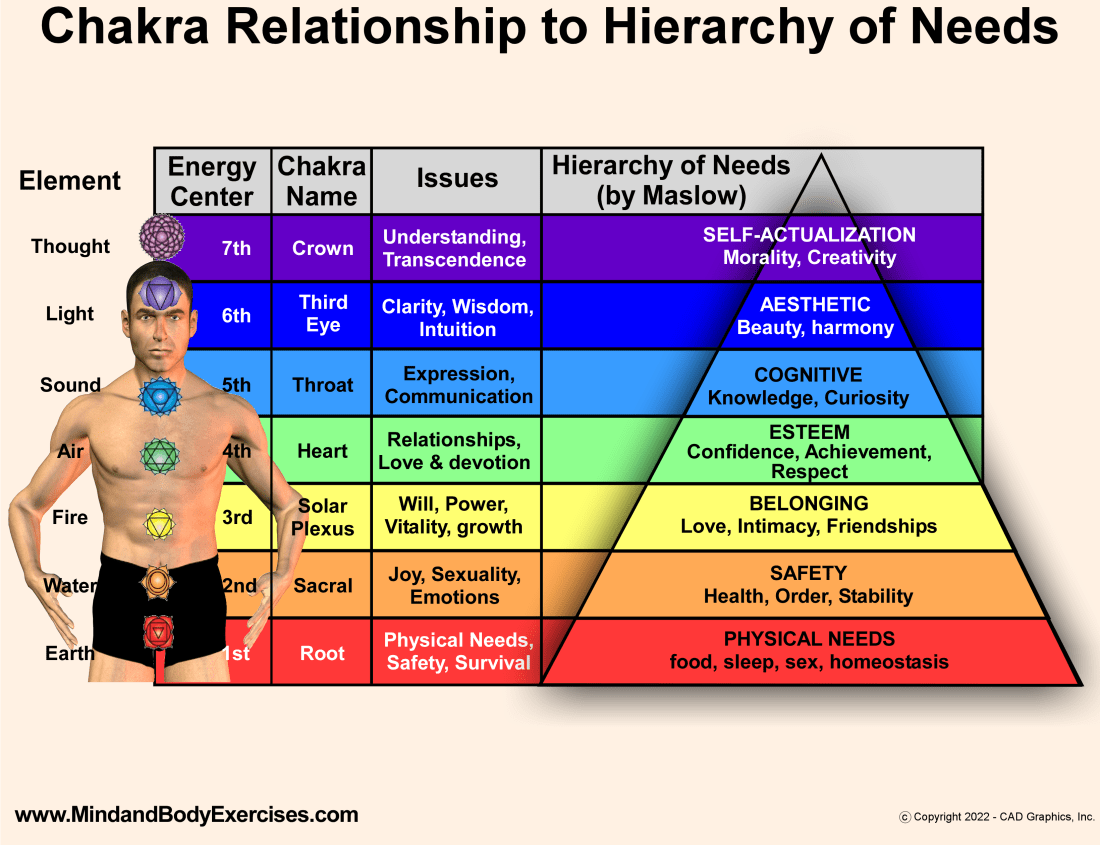
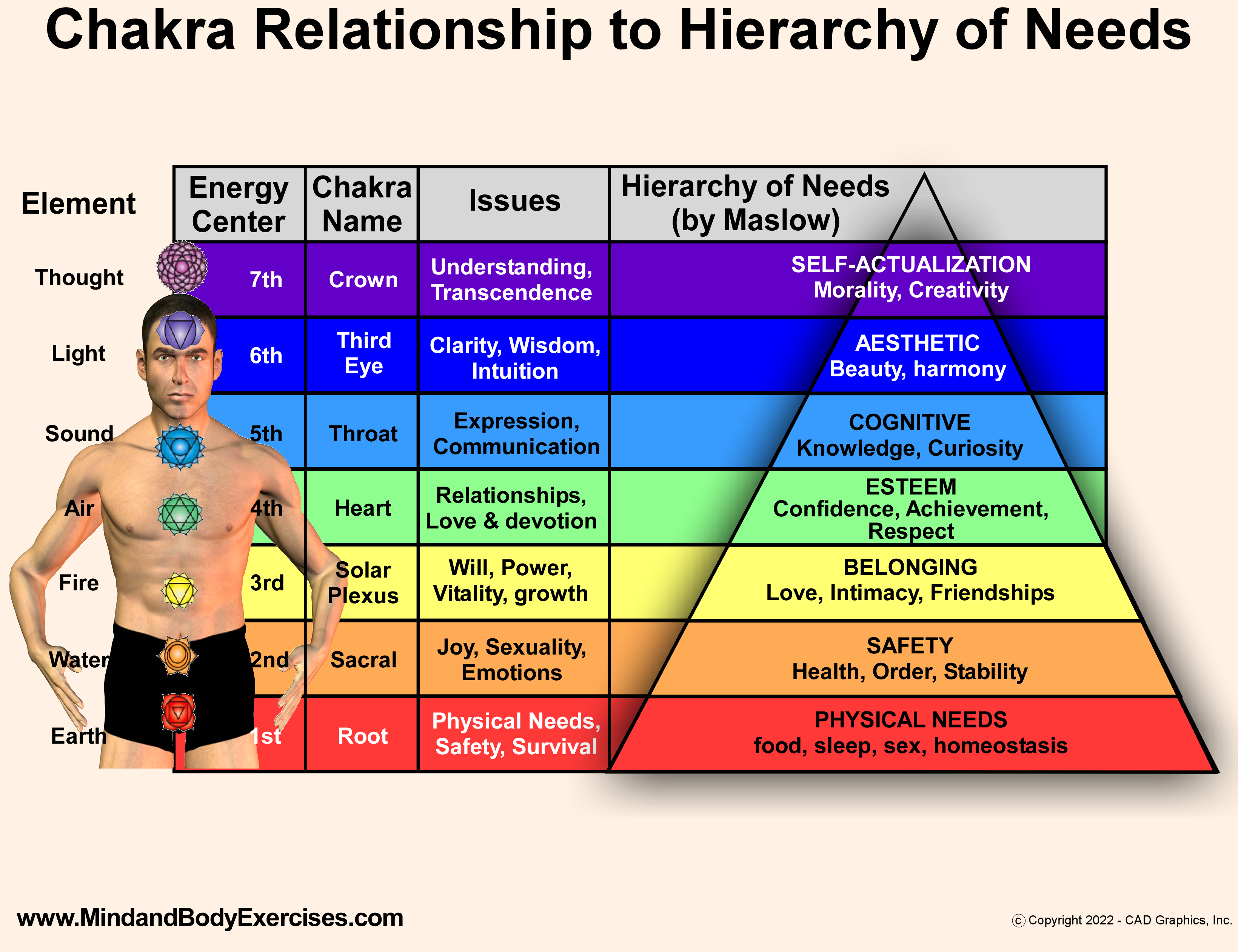
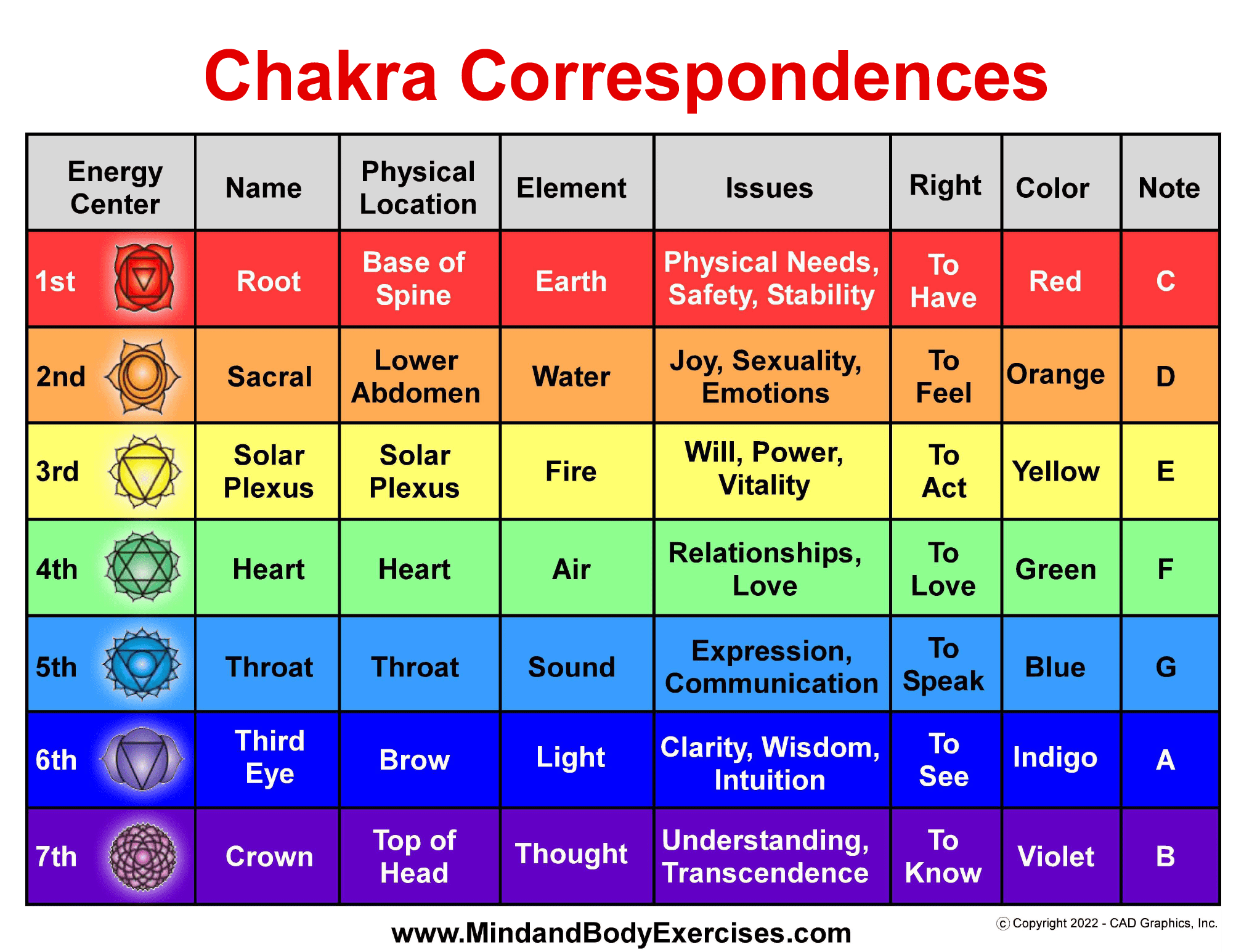
Various theories exist as to how energy and thought manifest in physical form within and around the human body. These concepts seem new to Western culture, although other cultures have accepted their existence at least for many generations if not, thousands of years. Some modern personality theories have a close relationship with ancient philosophies (some may call these religions) of Taoism, Buddhism and Hinduism that have existed and been studied for thousands of years. There seems to me to be quite some overlap and maybe even borrowing from the ancients. Abraham Maslow’s Hierarchy of Needs also reflects similarities to the 7 chakras found in Buddhism and Hinduism. The 7 chakras or energy centers are thought to hold mental as well as physical aspects of human development. For example, the 1st chakra is the root chakra, similar to Maslow’s basic needs of safety, survival, and primal instincts. The 7th chakra, also called the crown, corresponds to understanding, transcendence and enlightenment, similar to the where Maslow’s self-actualization where an individual struggles with morality and ethics. Again, these are familiar concepts and goals within other Eastern practices of philosophy and/or religion. Whether discussing chakras, dan tiens, energy meridians or the hierarchy of needs, all are intrinsically connect to our thoughts affecting our bodies, as well as our bodies affecting our thoughts.

Chakras

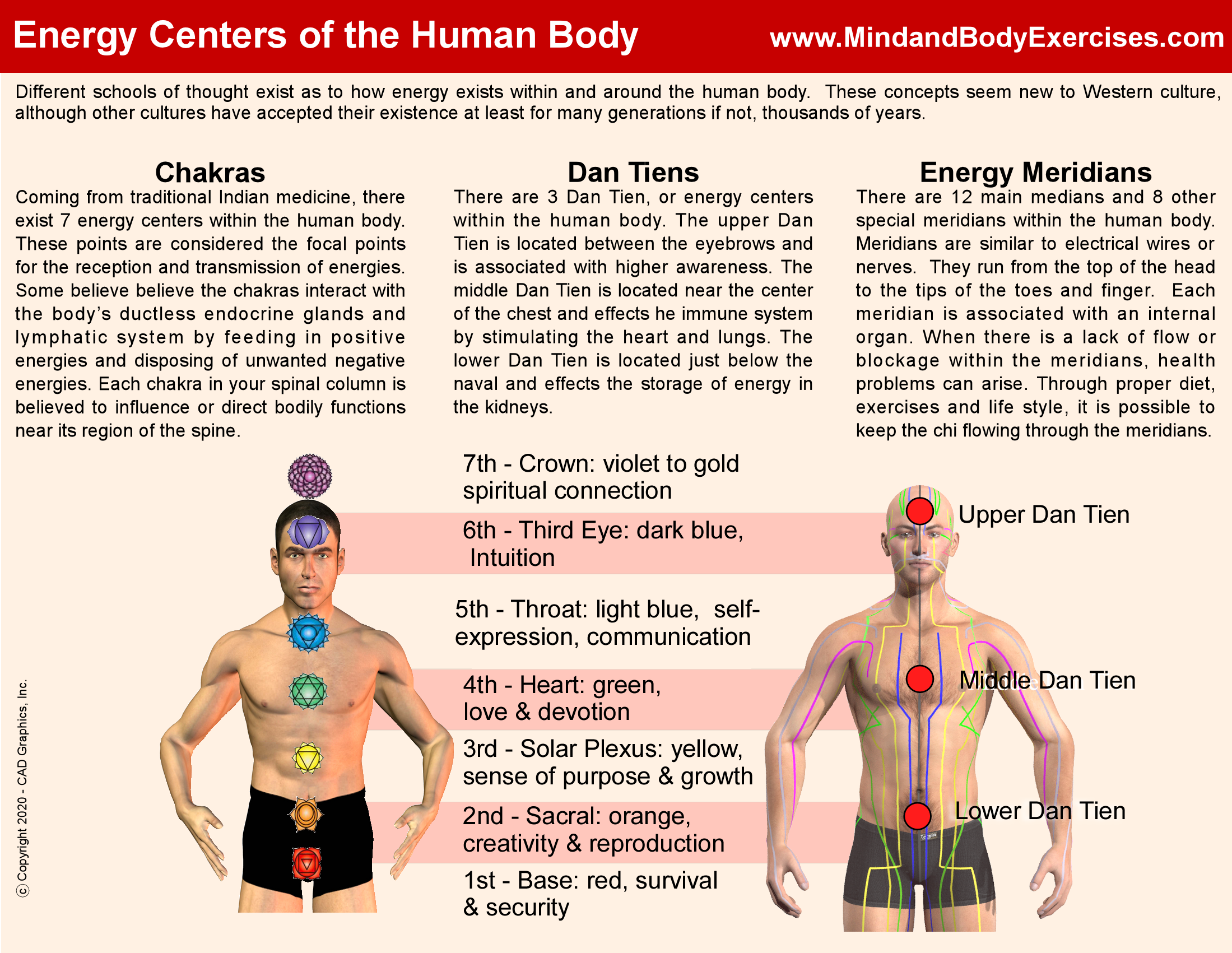
Coming from traditional Indian medicine, there exist 7 energy centers within the human body. These points are considered the focal points for the reception and transmission of energies. Some believe believe the chakras interact with the body’s ductless endocrine glands and lymphatic system by feeding in positive energies and disposing of unwanted negative energies. Each chakra in your spinal column is believed to influence or direct bodily functions near its region of the spine.

Dan Tiens

There are 3 Dan Tien, or energy centers within the human body. The upper Dan Tien is located between the eyebrows and is associated with higher awareness. The middle Dan Tien is located near the center of the chest and effects he immune system by stimulating the heart and lungs. The lower Dan Tien is located just below the naval and effects the storage of energy in the kidneys.

Energy Meridians

There are 12 main medians and 8 other special meridians within the human body. Meridians are similar to electrical wires or nerves. They run from the top of the head to the tips of the toes and finger. Each meridian is associated with an internal organ. When there is a lack of flow or blockage within the meridians, health problems can arise. Through proper diet, exercises and life style, it is possible to keep the chi flowing through the meridians.

_____________

Be more active, eat healthier, sleep better, stress less these are the key components to maintaining a strong immune system.

I am currently offering lectures and classes for group, small group & private instruction in Wekiva, Longwood and Winter Park.Mind and Body Exercises on Google: https://posts.gle/aD47Qo

I also have hundreds of FREE education video classes, lectures and seminars available on my YouTube channel at: https://www.youtube.com/c/MindandBodyExercises

Mind and Body Exercises on Google: https://posts.gle/aD47Qo

Jim Moltzan

407-234-0119

www.MindAndBodyExercises.com

www.Amazon.com/author/jimmoltzan

Salmon – Is it as Healthy as Experts Say?

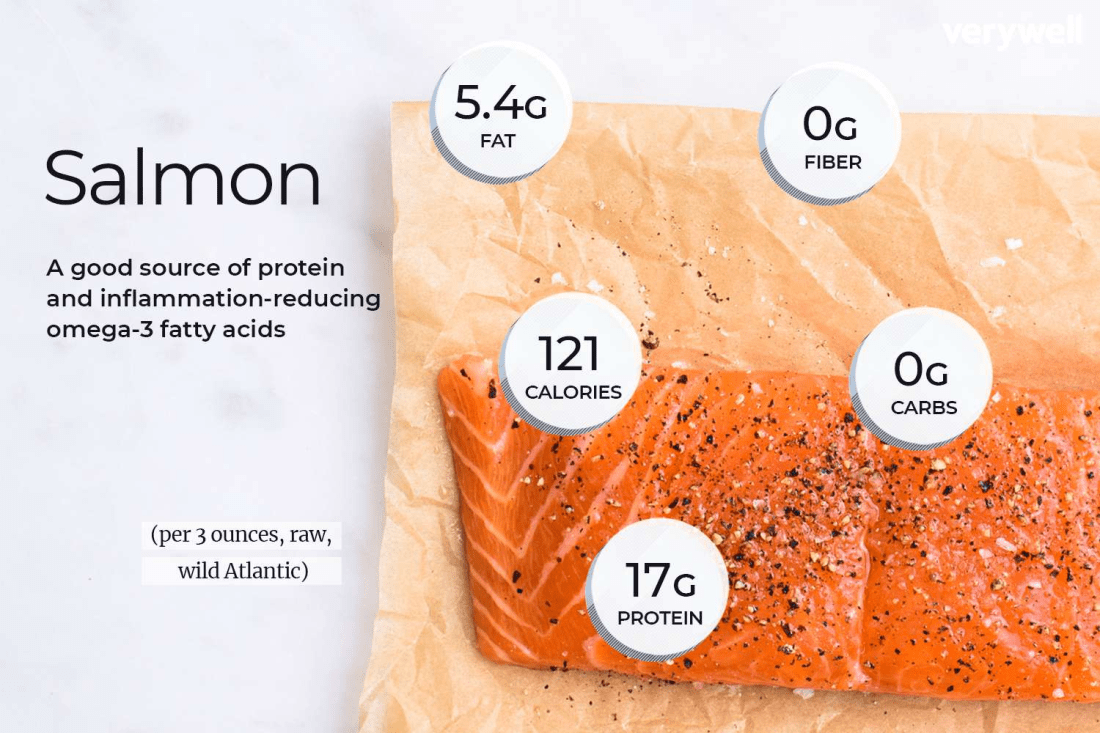
I try to pursue a healthy and nutritional diet, with salmon as a source of protein, fats and other vitamins. I do eat salmon 1-2 days per week. Choosing to purchase hormone-free, antibiotic-free salmon from either my local grocer (Publix) or Costco which both claim to sell these types of fish. I recently reviewed an article regarding salmon, that seems very relative to today’s current public debates over what is considered healthy or not. Or how, big corporations have become demonized (sometimes rightfully so) for promoting food or healthcare products with questionable health benefits. I have previously known about most of these issues that the article brought up, but thought it would be good information to share to a wider audience. We only have so many options for our food products, so we need to be even more diligent in reading labels and doing the research on foods in question.


The article I chose to review is entitled “Salmon – The way they live, the food they eat, and the effect on us” by Douglas Frantz and his wife Catherine Collins. Both authors seem to have strong journalism credentials where Frantz was a managing editor at the Los Angeles Times and where he shared a Pulitzer Prize as a foreign correspondent at the New York Times. Later he was chief investigator for the Senate Foreign Relations Committee and an assistant secretary of state in the Obama administration. Collins was a reporter and foreign correspondent for the Chicago Tribune and also a contributor to the New York Times and Los Angeles Times. She later became a private investigator where she specialized in international financial fraud. I could not find any personal reasons or information as to why these two chose to investigate the salmon industry.

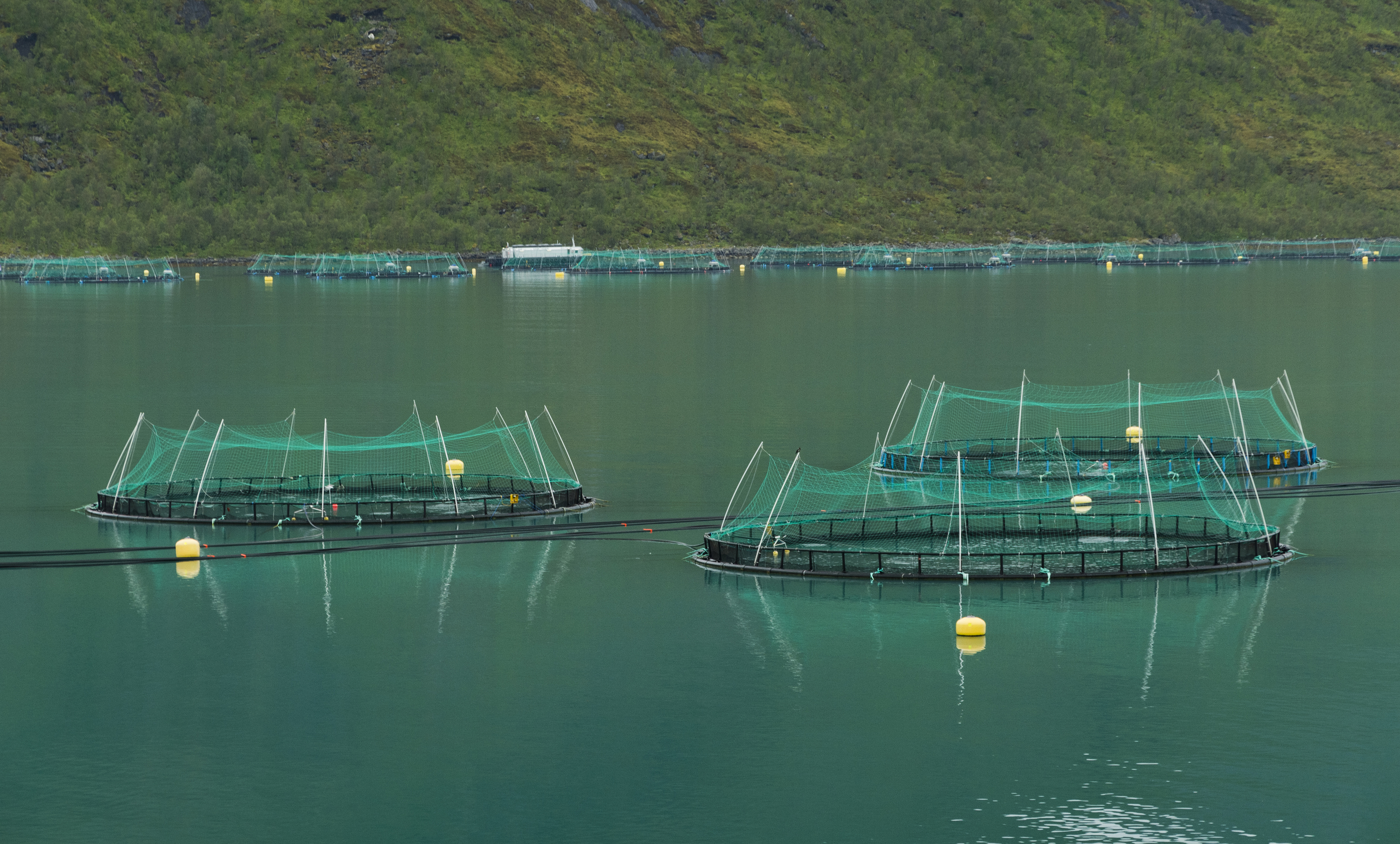
The article attempts to bring some light onto the discussion of how salmon consumption has been promoted by doctors and the U.S. Department of Agriculture (USDA) for its health benefits. The authors state that there often exists false marketing of salmon, as being a certified-natural product, organic, sustainable, and naturally raised. The USDA has no approve definition of what exactly is organic salmon. Sustainability comes into question when we learn that salmon are carnivores that feed on other fish. In order to farm salmon on a large commercial scale, salmon need their diet supplemented from other sources that require more acquisition of proteins from larvae, algae or bacteria. Natural is questionable as the ground fish feed used to sustain the salmon, contains chemicals and antibiotics. Salmon are farmed in crowded cages for years that have parasites within them.1

Salmon comes to the US mostly from far away. A whopping 90% of our salmon is farmed Atlantic salmon, raised then and then flown in from Chile, Canada, Norway, and Scotland. The remaining 10% is mostly wild-caught Pacific salmon commercially harvested from Alaska. Alaska is one of the few places that wild salmon are still fished commercially.1
 
I think that Frantz and Collins offered a fairly neutral stance as far as presenting the information. One can debate this as being more or less sensationalized depending upon your viewpoint on this particular issue. I did not get the feeling of sensationalism however it is quite sobering to hear that farmed salmon have their own health risks of disease, parasites, and predators. In 2020 the government of Norway reported that 52 million fish died before harvest and in 2019 the figure was 53 million. The government of Scotland reported the mortality rate for farmed salmon quadrupled between 2002 and 2019. And in 2019, Newfoundland had more salmon died in cages than were harvested.1

The authors do report that there are some positive tentative actions being done to hopefully move to change the salmon industry to being more reputable in regard to natural, organic, and sustainable. This would include a contest of some sort, by a collaboration of governments, academic researchers, nutritionists and the private sector, with the goal of enticing fish feed companies to develop alternatives to the existing feed products.1 This issue of how to feed the salmon that will eventually feed humans seems to be a major issue in regard to sustainability, and at what cost?

This article does give many insights at how far the salmon industry has veered off from years back where salmon were not farm raised with chemicals and antibiotics. Going back to the late 1700’s and the Industrial Revolution, the decline in salmon consumption was due to waste being dumped directly into rivers and streams. By the mid-1800’s, the salmon population was reduced further by commercial fishing. Additionally, construction of dams and mills destroyed fish habitats and blocked salmon rivers.1 The authors do not come off as experts in the field of nutrition but rather as experts in investigative reporting as noted in their background information.

There is is good and bad in everything (yin and yang) and it is our individual responsibility to research what food or healthcare products with questionable health benefits, we consume or use.

References:

1 Frantz, Douglas, and Catherine Collins. 2022. “Salmon. (Cover Story).” Natural History 130 (7): 22–27. https://search-ebscohost-com.northernvermont.idm.oclc.org/login.aspx?direct=true&AuthType=sso&db=aph&AN=157318533&site=eds-live.

2 Wikipedia contributors. (2021, May 2). Natural History (magazine). Wikipedia. https://en.wikipedia.org/wiki/Natural_History_(magazine)

https://www.verywellfit.com/salmon-nutrition-facts-calories-and-health-benefits-4106641

____________

I write often about topics that affect our health and well-being. Additionally, I teach and offer lecture about qigong, tai chi, baguazhang, and yoga.

For more info, contact Jim Moltzan at info@mindandbodyexercises.com, 407-234-0119 or through my site at http://www.mindandbodyexercises.com

www.Amazon.com/author/jimmoltzan
Body-Based Health Practices & Cultural Challenges

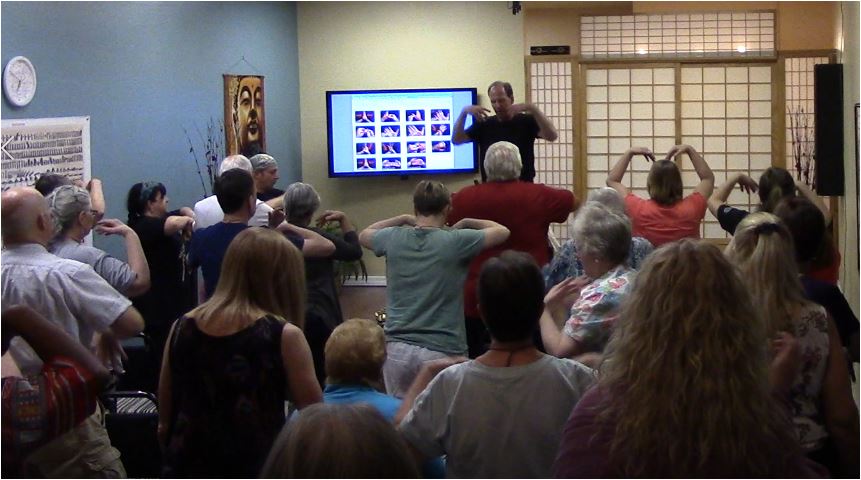
Depending upon which cultures are involved, specific different issues can be discussed. I will comment on Asian body-based methods being assimilated into American culture.

I think many of the challenges have already been occurring for many years. When President Nixon visited China in 1972, Traditional Chinese Medicine (TCM) and its body-based practices of reflexology (acupressure) and tuina (massage), where not well known in the US at that time. Thanks to the New York Times columnist James Reston reporting of his experience in a Chinese hospital, the American public was able to receive a firsthand account of the benefits of acupuncture and other hands-on methods. TCM methods had been practiced in the US since the immigrants from China arrived long ago, but never was reported much in mainstream media until Reston’s article (Yong, 2015).

Back in the early 1980’s, I had direct exposure to Chinese and Korean culture by way of martial arts, cuisine, language and lifestyle. Many of my relatives and adult peers were veterans of the Korean and Vietnam Wars, having deep political, racial and trust issues towards the Asian cultures. I did not agree with many of their viewpoints, but I did respect them as they had lived, fought and some died while unwillingly experiencing the culture that they were drafted into attending. At that time, my relatives would have never even considered seeking treatment from anyone other than an American medical doctor, even knowing that these were options for healthcare. While I think more Americans are open today to alternative medicine and complimentary practices, I think some of these issues may still exist decades after their initial seeding in the US. I think there can be found, good and bad in everything depending upon how it is chosen to be interpreted.

Other cultures often do not have the same regulations nor requirements as deemed necessary for licensure within the US, making body-based practitioners less likely to seek offering services in the US. I have found that most insurance providers often don’t recognize these methods as legitimate Western allopathic medicine and are seen as quackery or mostly placebo-based treatments.

Ayurveda and Traditional Chinese Medicine (TCM) are probably the two oldest systems of healthcare practiced throughout the world. Ayurveda has its origins in the Hindu religion within India from 5000 years ago. Traditional Chinese Medicine also has origins from thousands of years ago (475–221 BC) but in China. Both systems have been practiced widely throughout the world, with seemingly very little interest in the US when compared to Western allopathic or biomedicine practices.

What will it take and when will the medical community more fully embrace the benefits of many of these methods and practices that have proven the test of time for many cultures, sometimes over thousands of years?

Reference:

Li, Yong. (2015). Acupuncture journey to America: A turning point in 1971. Journal of Traditional Chinese Medical Sciences. 1. 10.1016/j.jtcms.2015.03.001.

______________

I write often about topics that affect our health and well-being. Additionally, I teach and offer lecture about qigong, tai chi, baguazhang, and yoga. I also have hundreds of FREE education video classes, lectures and seminars available on my YouTube channel at:

https://www.youtube.com/c/MindandBodyExercises

Mind and Body Exercises on Google: https://posts.gle/aD47Qo

Jim Moltzan

407-234-0119

www.MindAndBodyExercises.com

www.Amazon.com/author/jimmoltzan
Seasons Change, People Get Sick – Connect the Dots

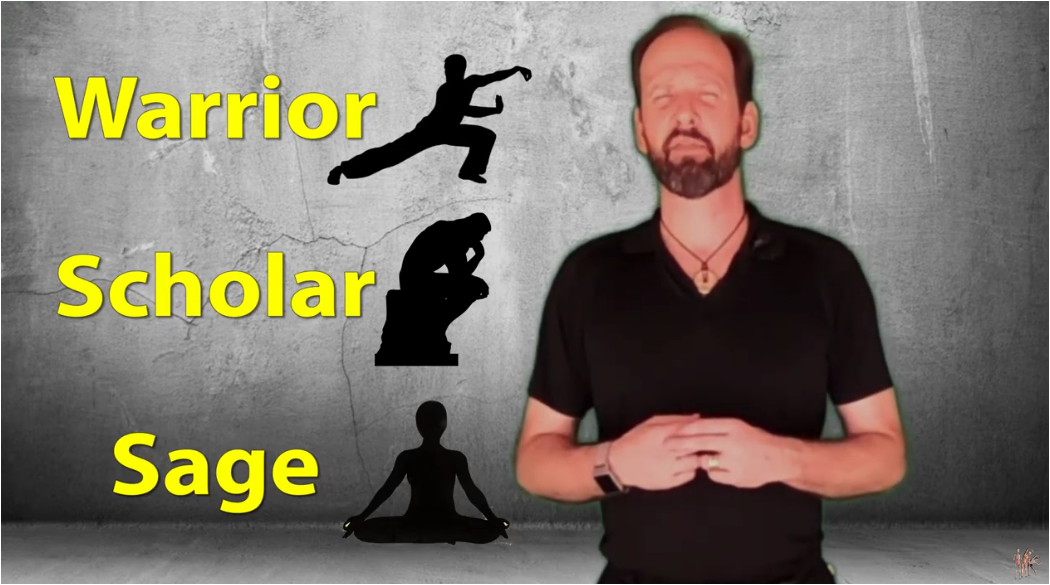
More people have been staying inside for much of the last 3 years, to avoid Covid19. As a consequence, people may now be suffering more from vitamin D3 deficiency (metabolism & bone issues), seasonal affective disorder (SAD) (depression), drug & alcohol overuse and overdoses, and many other issues relative to sitting far more than previously. These issues were already at record high levels before the pandemic, and now have continued to rise and will continue to contribute to the US’s losing rank of being a healthy nation, trailing many other industrialized nations.

Vitamin D Deficiency at Epidemic Levels

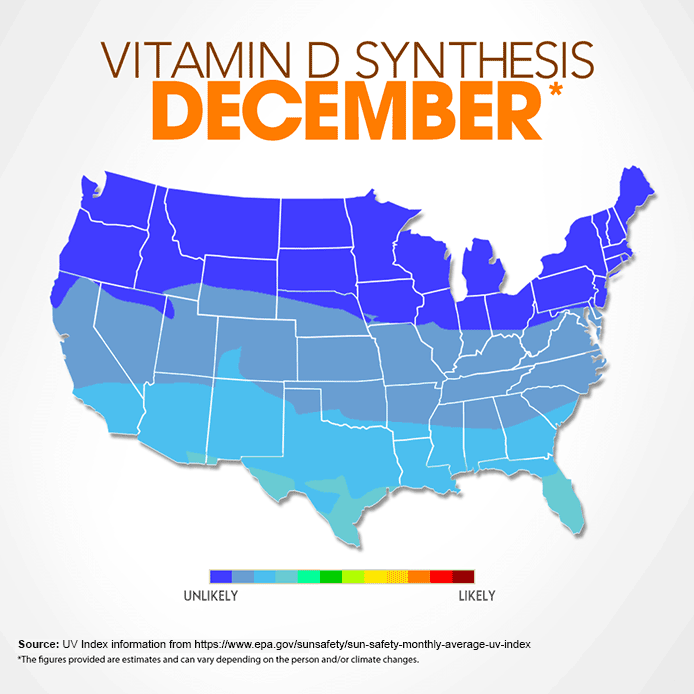
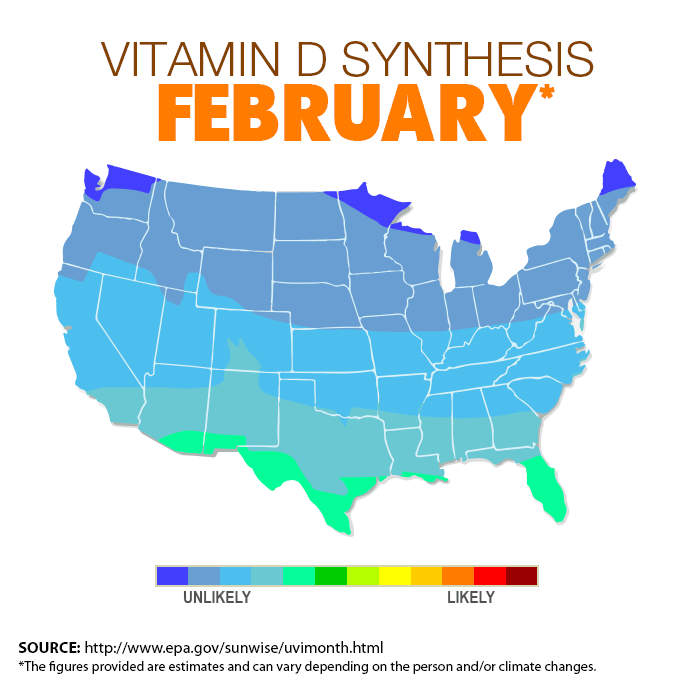
The US, and many of the world, have been facing an epidemic of vitamin D deficiency for many years, especially in areas lacking consistent daily sunlight such as the northern states of US. This trend is also seen in areas with much sunlight where people cover up their whole bodies from sun exposure. Now exacerbated by pandemic lock-downs and less outside physical activity over the last few years. Most people are unaware or care to ignore how vital vitamin D is to the immune system and overall health.

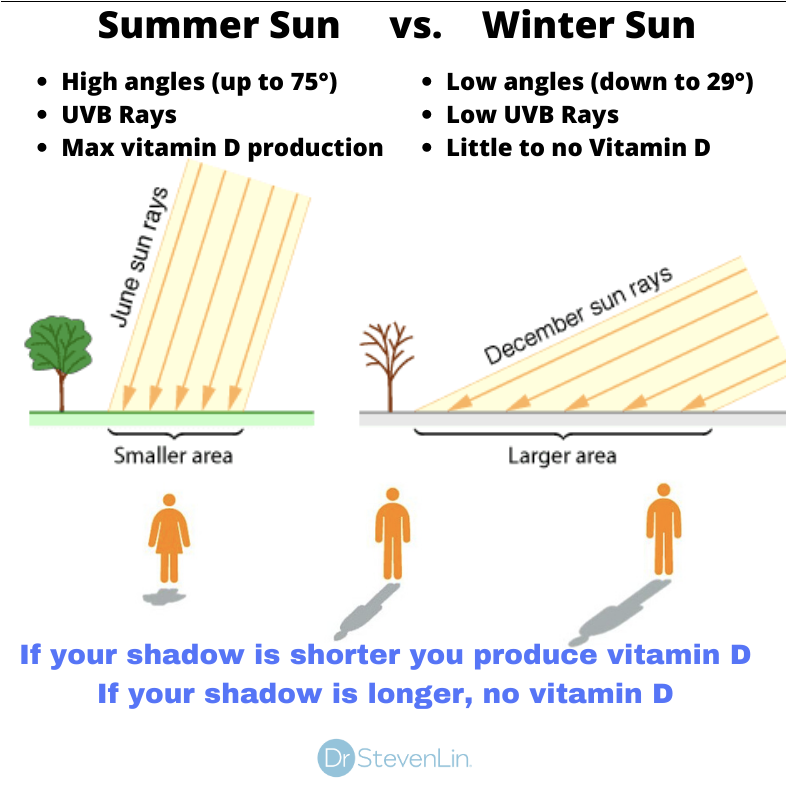
Dr Steven Lin - Sunlight absorbed through the skin is boosting your immune  system a number of critical ways. All light on earth, plants, bacteria, and  mammals primarily depend on the sun

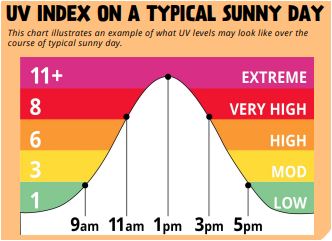
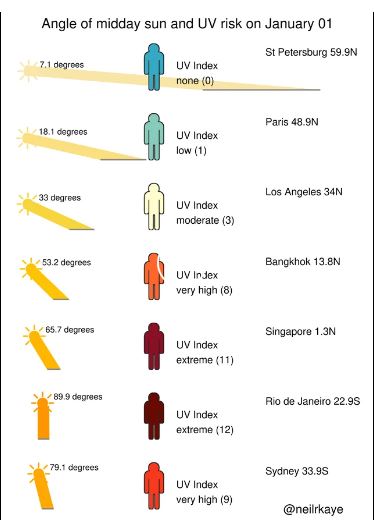
What can you do to prevent vitamin D deficiency – become educated, be more aware of your own health, get outside during the morning or late afternoon when sunlight is less intense, and get your body moving to engage your muscles and bones to tell your nervous system that you are still alive and need your body to maintain homeostasis through good health and lifestyle practices.

Get started with these three simple steps:

  1. Consult with your doctor to manage your vitamin D levels twice a year — at the end of winter and again at the end of summer. Ask for a simple blood test called the 25(OH)D (25-hydroxy vitamin D) test. (Optimal blood levels are between 50 and 75 nanomoles/Liter.)
  2. Commit to being in the sun 15 minutes a day without sunscreen. When planning on being outside longer, add some protective clothing, a hat, and sunglasses.
  3. Consume foods high in vitamin D and/or supplement with 10,000 IU of vitamin D3 daily. This dose in a convenient, highly-absorbable liquid form together with the potent marine carotenoid, astaxanthin, for added benefits (Micozzi, 2018).

References:

Lin, S. (2018b, September 22). Vitamin D Deficiency Symptoms. Dr Steven Lin. https://www.drstevenlin.com/vitamin-d-deficiency-symptoms/

Lopez, M. A. (2018, August 23). UV RADIATION: The Importance of the Forecast That We Ignore. https://www.2020mag.com/article/uv-radiation-the-importance-of-the-forecast-that-we-ignore

Micozzi. (2018a, June 21). Six reasons why you’re still vitamin D deficient. Dr. Marc Micozzi. https://drmicozzi.com/six-reasons-why-youre-still-vitamin-d-deficient

He, C. S., Aw Yong, X. H., Walsh, N. P., & Gleeson, M. (2016). Is there an optimal vitamin D status for immunity in athletes and military personnel?. Exercise immunology review22, 42–64.

Sun Safety Monthly Average UV Index. (2022, February 23). US EPA. https://www.epa.gov/sunsafety/sun-safety-monthly-average-uv-index

____________

Type your email…

Be more active, eat healthier, sleep better, stress less these are the key components to maintaining a strong immune system.

I am currently offering lectures and classes for group, small group & private instruction in Wekiva, Longwood and Winter Park.Mind and Body Exercises on Google: https://posts.gle/aD47Qo

I also have hundreds of FREE education video classes, lectures and seminars available on my YouTube channel at: https://www.youtube.com/c/MindandBodyExercises

Mind and Body Exercises on Google: https://posts.gle/aD47Qo

Jim Moltzan

407-234-0119

www.MindAndBodyExercises.com

www.Amazon.com/author/jimmoltzan