The 3 Healthcare Systems in the US

The 3 Healthcare Systems in the US

  1. “Healthcare” which is truly “Sick-care”
  2. “Self-care”
  3. “I Don’t Care

“Healthcare” is truly “Sick-care”

what most people think they receive when they go to the doctor after they become sick or injured. Little or no preventative measures are encouraged.
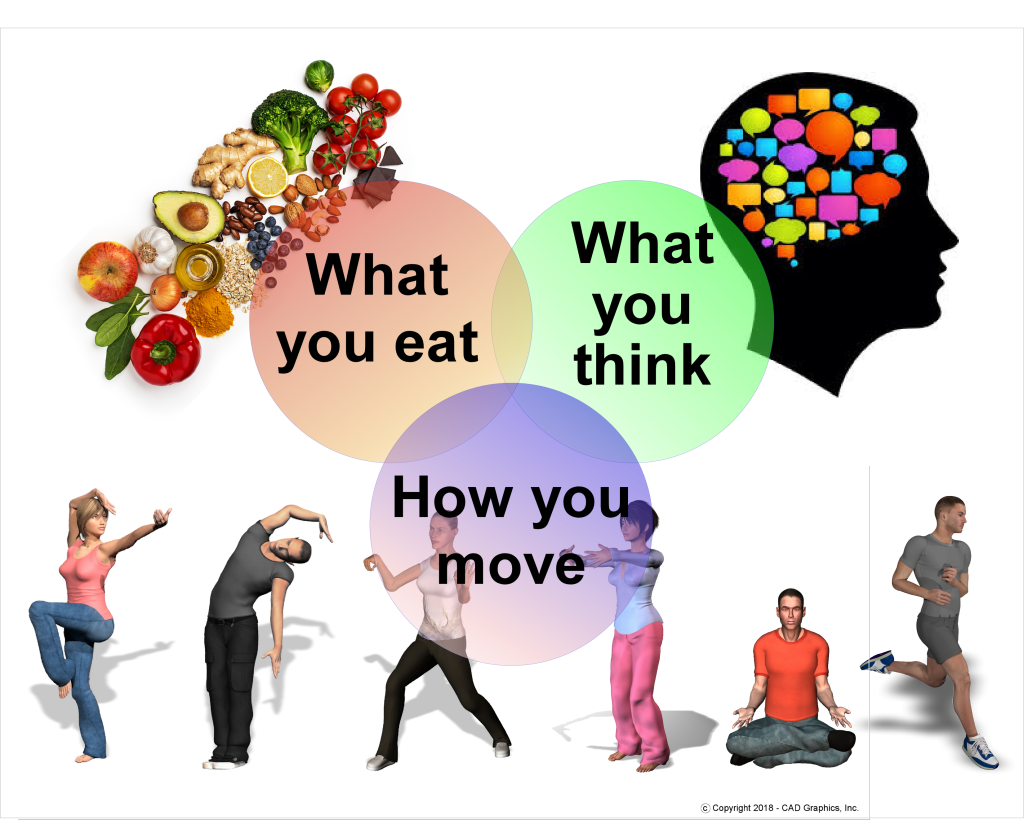
“Self-care” –

when the individual takes responsibility for what they think, what they consume, and how they move their physical body (exercise/activity), making up the components of what we typically call lifestyle.
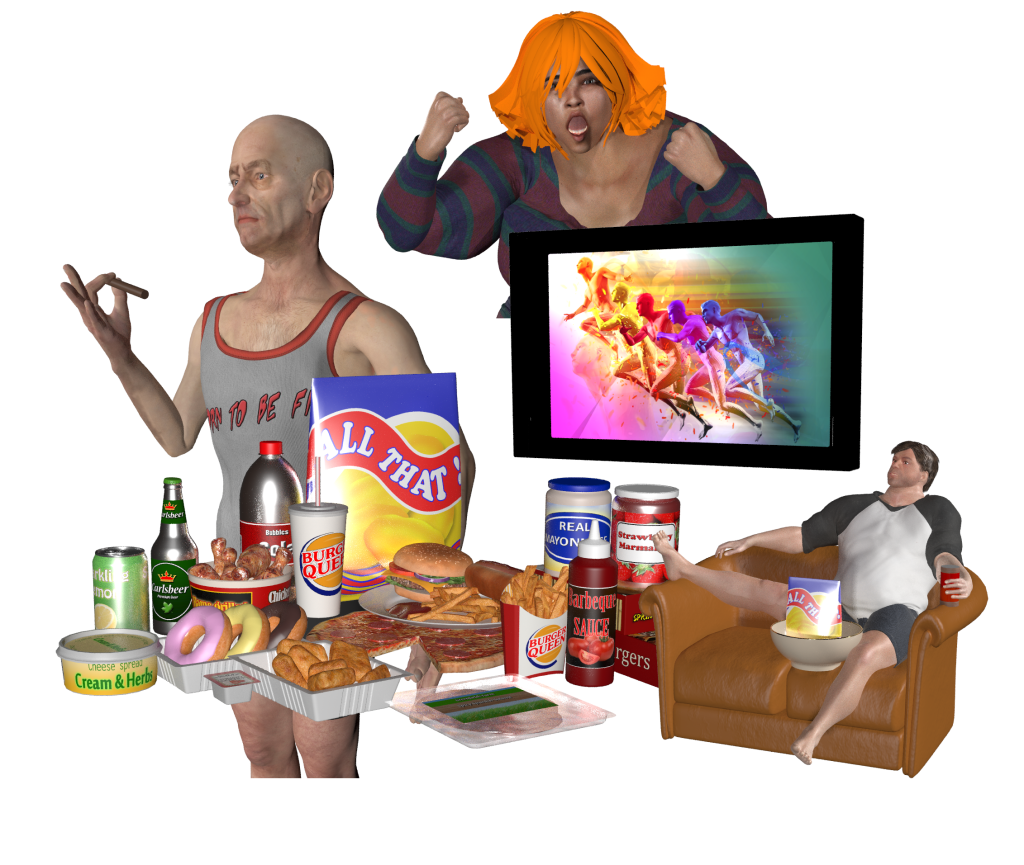
“I don’t-care” –

what some people say, when asked why they don’t take better care of their own health & well-being.

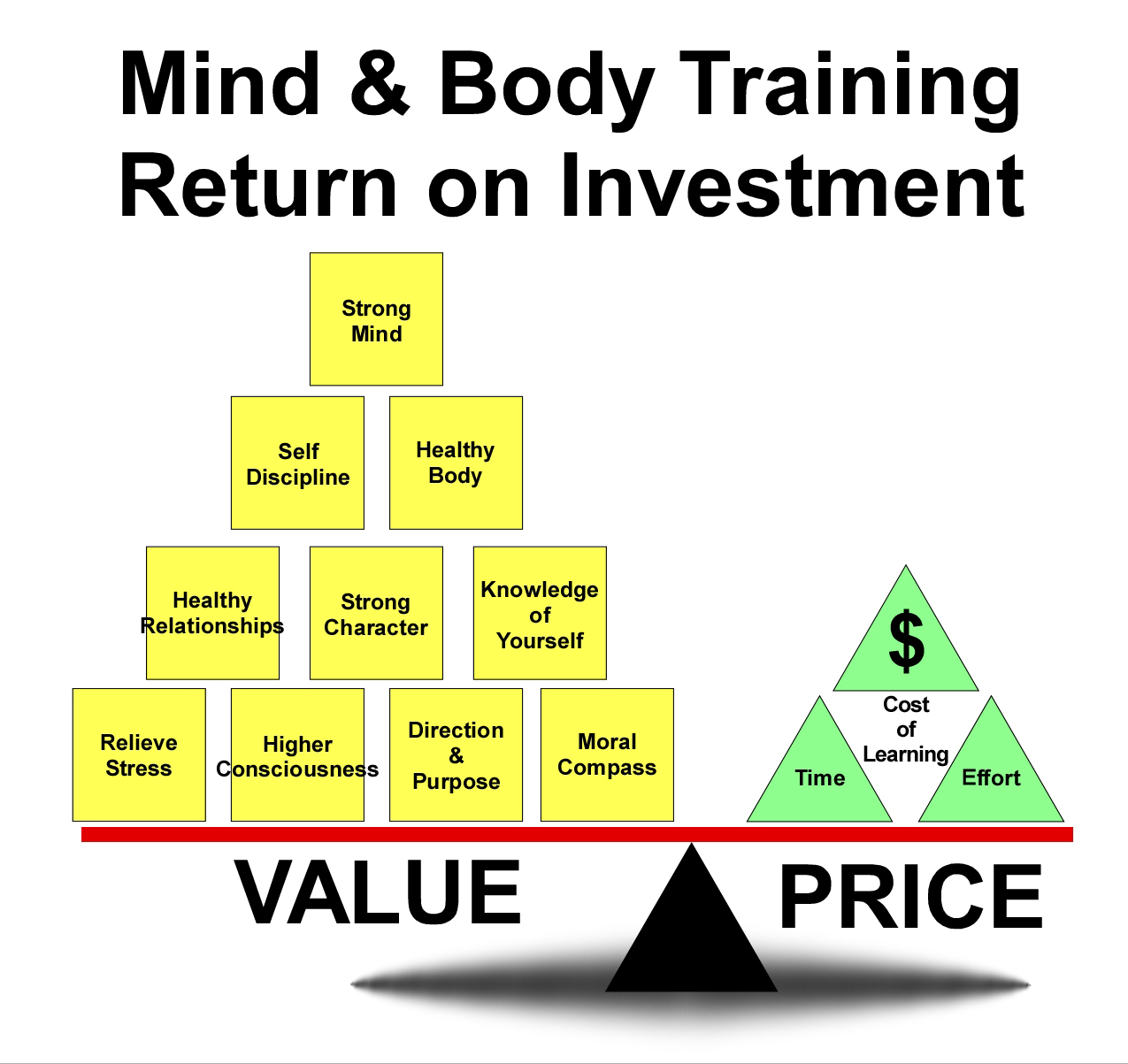
Health is wealth – plain and simple. Ask anyone who has pain or suffering if they would spend their money, once they are already ill to fix all their woes. $30,000-$100,000 for a new knee, $130,000 for a heart bypass, or $1,250,000 for a heart transplant, thousands every year for insurance and prescriptions. You do the math; pay now of pay later.
______________

I write often about topics that affect our health and well-being. Additionally, I teach and offer lecture about qigong, tai chi, baguazhang, and yoga.

For more info, contact Jim Moltzan at info@mindandbodyexercises.com, 407-234-0119 or through my site at http://www.mindandbodyexercises.com

Osteoporosis (bone mass loss) – What You Can Do About It

Last years of 2020 & 2021 were pretty rough year for most of the world population regarding health and wellness. While some people fared ok, many took many steps backward in being healthy and well. The exact measures many people have been taking to stay safe, have actually been contributing to them becoming less healthy. Staying inside dramatically affected positive social interactions, options to exercise and staying active, fresh air intake as well as less sunlight on the skin to help synthesize vitamin D. Vitamin D is a key component to maintaining innate (natural immunity) and bone health. This issue alone, will contribute to an increase in osteoporosis.

Osteoporosis or low bone mass, is a disease that causes bones to become thin, brittle and weak, making bones more likely to break, most often from a minor fall. The most common bones that are affected are the spine, wrist or hip. Osteoporosis is often called a “silent disease.” You can’t feel or see your bones getting thinner. Many people do not even know that they have thin bones until a bone breaks. Most people with this issue don’t die from osteoporosis, but rather from complications that follow from falling or breaking brittle bones while out and about.

Osteoporosis is a major public health issue with an estimated 44 million Americans, or for more than half of those 50 or older. In the United States, almost 1 out of 2 Caucasian or Asian women over 50 will experience a broken bone due to osteoporosis. 24 percent of hip fracture patients age 50 and over die in the year following the fracture. Six months after a hip fracture, only 15 percent of patients can walk across a room unaided.

Things you can do to prevent loss of bone mass:

  • A bone mineral density (BMD) test can diagnose osteoporosis.
  • Eat a variety of healthy (nutrient-rich) foods every day.
  • Get the calcium you need.
  • Get the recommended amount of vitamin D.
  • Get some sunlight on your body everyday (helps the body synthesize vitamin D)
  • Don’t smoke
  • Limit alcohol.
  • Take action to prevent falls
  • Exercise regularly with appropriate methods for your personal situation, limits and expectations

Being physically active can help prevent bone loss leading to osteoporosis. Your bones get stronger and denser when you make them work. Walking, climbing stairs, and dancing are impact (or weight-bearing) exercises that strengthen your bones by moving your body against gravity when you are upright. Resistance exercises, such as lifting weights or using exercise bands, strengthen your bones as well as your muscles.

Tai Chi and qigong like in this video are perfect examples of physical activity that improves posture and balance to help decrease your risk for falls and fractures. Tai chi can also strengthen the bones themselves by reacting to the tension that exercise puts on the muscles and consequently the bones.  If the bones are not engaged in everyday use, osteoporosis can find its way into the body. Exercise can be easy; try 10 minutes at a time, adding up the minutes to reach your goal.

I offer instruction in qigong, Taoist yoga, tai chi, martial arts, ship pal gye, hapkido, fitness, wellness and many other avenues to improve health and well-being.

I am currently accepting new clients for group, small group & private instruction.

Mind and Body Exercises on Google: https://posts.gle/aD47Qo

Be well!

Jim Moltzan

407-234-0119

www.MindAndBodyExercises.com

https://www.facebook.com/MindAndBodyExercises/

https://www.youtube.com/c/MindandBodyExercises

https://mindandbodyexercises.wordpress.com/

https://umareg.com/masters-council/

Meditation for Kids – Plant Good Seeds

I especially like the idea of getting children involved in meditating at a young age. Teaching kids how to manage their own stress and well-being, is like planting good seeds with the intent of a giving them tools for a better future for them and everyone around them.

I researched that in China, children do meditate at the different age levels in school. It is also different in different schools. In some elementary schools, kids might meditate every day. In middle school they might twice a week. In some high schools, they might meditate once a week. I did find also, that in a particular primary school in Foshan, China, parents objected to meditation practices in place of nap time at school. The school was basically forced to remove the practice from the school setting. Maybe things in China are more like the US than we care to admit. Regardless, mediation practices have been part of many cultures for thousands of years.

Let us not forget, that in years past, recess and physical education (PE) were part of the school day from kindergarten through elementary school. High school students had PE every school day until graduation. Regular exercise has been known and proven to help manage stress and maintain better health and mental well being. Meditation is a mental exercise that can be accomplished in many ways. Aside from the still of sitting meditation that most people think of, there are also moving mediation methods such as walking, tai chi, yoga and qigong. Gardening can even be a type of mediation as some grade schools get the kids outdoors and get their hands in the dirt.

Remember, unhealthy kids quickly turn into unhealthy adults. The health of our people is directly affecting the safety of our nation. For the sake of our youth and ultimately our country, put PE, meditation of some sort, and health education back into the school system, as a priority and not just a minimal requirement.

References:

https://jeffreyalexandermartin.medium.com/meditation-in-chinese-schools-and-beyond-6c71f18cc01aLinks to an external site.

http://en.people.cn/n/2015/0907/c98649-8946673.html

I write often about topics that affect our health and well-being. Additionally, I teach and offer lecture about qigong, tai chi, baguazhang, and yoga.

For more info, contact Jim Moltzan at info@mindandbodyexercises.com, 407-234-0119 or through my site at http://www.mindandbodyexercises.com

Science, Where to Follow What Fits Your Viewpoints

Coffee is bad for you, but studies show that it might be good for you.

Cow’s milk is good for humans, unless you read the studies that say it is not so much.

Moderate alcohol consumption is good for you, unless you find the medical studies that say it is not.

Sun exposure is bad for the skin, but good for vitamin D production, immunity and bone health, until one develops skin cancer.

Cigarette smoking was at one time, recommended by doctors to help promote health and relieve stress.

The list goes on and on. Which “science” do we choose to believe? Well, whichever science that supports our own individual beliefs, viewpoints and agendas.

Maybe the truth of the science lies in that all things are relative, yin and yang in all things for those that understand that life is constantly changing and often there are no absolutes. Maybe all of the above are good in moderation, but not so much when in excess or abuse.

Media and science…kind of like oil and water. I feel these days, that media reports on what they feel the American public should know. News outlets use to be somewhat neutral. Currently, most don’t even try to be neutral but rather tout what direction their reports lean towards. Fox News, Prager U and others, makes no qualms about being quite to the right, whereas CNN, MSNBC and New York Times reports leaning quite to the left. So, who should and shouldn’t report on what leads us to 1st amendment discussions about who determines what is truth and misinformation. Seems like there are now multiple truths these days depending upon the source and the agenda in play. Universal truths that everyone can agree upon, like water is wet, the sun rises in the east and that humans are mortals will still be debated given an audience and someone willing to debate these facts.

What is true for everyone (not your truth or my truth silliness) is that we need to be more active, eat healthier, sleep better, stress less, develop self-discipline. These are the key components to maintaining a strong mind, body, immune system, and outlook on life.

I write often about topics that affect our health and well-being. Additionally, I teach and offer lecture about qigong, tai chi, baguazhang, and yoga.

For more info, contact Jim Moltzan at info@mindandbodyexercises.com, 407-234-0119 or through my site at http://www.mindandbodyexercises.com
Regular Exercise Improves Many Common Ailments

consistent activity is a key factor in reducing disease

If we are led to believe that the US has the most wealth, the best doctors, the best healthcare, the best vaccines – then why did the US experience the highest rate of COVID-19 cases as well as associated deaths? Because the answers lies beyond the US being the best (far from it) when it comes to personal responsibility for health and well-being. Most in the US look to the broken healthcare system for sick-care after becoming sick or injured than looking to themselves to prevent acquiring disease, illness and injury. True is true; do your own research to see which countries fare the best in overall quality of life, and relative health. The US is far from the top, but by far spends the most money on sick-care.

An amazing amount of health issues can be reduced by simply exercising consistently (Exercise: 7 Benefits of Regular Physical Activity, 2021). Many issues such as stress, sleep disorders, and cardiovascular issues are reduced by exercising a few times per week. Find a method of exercise that works for you.

Known benefits of regular exercise include:

  • reduce your risk of a heart attack.
  • manage your weight better.
  • have a lower blood cholesterol level.
  • lower the risk of type 2 diabetes and some cancers.
  • have lower blood pressure.
  • have stronger bones, muscles and joints and lower risk of developing osteoporosis.
  • lower your risk of falls.

Walk, run, swim, weight train, yoga, tai chi, martial arts, dance – just do something everyday! Or every other day, 2 times a week, whatever! Get your body moving. Give your mind something positive to focus upon.

References:

Exercise: 7 benefits of regular physical activity. (2021, October 8). Mayo Clinic. https://www.mayoclinic.org/healthy-lifestyle/fitness/in-depth/exercise/art-20048389#:%7E:text=Regular%20physical%20activity%20can%20improve,energy%20to%20tackle%20daily%20chores

https://www.cdc.gov/physicalactivity/about-physical-activity/index.html

https://www.worldometers.info/coronavirus/

https://worldpopulationreview.com/country-rankings/best-healthcare-in-the-world

Obesity and Cancer | CDC

______________

I write often about topics that affect our health and well-being. Additionally, I teach and offer lecture about qigong, tai chi, baguazhang, and yoga.

For more info, contact Jim Moltzan at info@mindandbodyexercises.com, 407-234-0119 or through my site at http://www.mindandbodyexercises.com