Unseen Wounds: How Emotional Trauma Shapes Our Health

Despite living in an age of advanced medicine and rising health awareness, chronic illness, emotional suffering, and addiction continue to rise. This contradiction invites us to question not just our treatments but also the mindset and motivations behind them. Increasingly, research and lived experience point to unprocessed pain and trauma as the core drivers of both psychological and physiological illness.
Medicine’s Narrow Focus: Suppressing Symptoms Instead of Healing

Contemporary medical practices often focus on symptom suppression rather than root-cause healing. For example, elevated cortisol, a hormone associated with stress, is frequently managed with pharmaceuticals that reduce inflammation but fail to address the underlying source of distress (Sapolsky, 2004). In cases of chronic illness, especially cancer, mainstream interventions often fall back on drastic methods: cutting (surgery), poisoning (chemotherapy), or burning (radiation), with minimal inquiry into psychosomatic or emotional contributors.

The pharmaceutical industry has also come under scrutiny for prioritizing profit-driven solutions that treat stress biochemically without offering tools for actual emotional or relational healing (Gabor Maté, 2010).

A Society Obsessed with Health Yet Unwell

We live in a paradoxical society: obsessed with fitness, diet, and health optimization, yet disconnected from authentic well-being. Emotional pain is frequently seen as a personal failure, and expressions of vulnerability are often equated with weakness. Shame becomes a hidden driver of behavior, shaping identity through internalized messages like “I’m not enough” or “My needs don’t matter” (Brown, 2012).

The metaphor of the “monster” within, like the transformation of Bruce Banner into the Hulk, illustrates how repressed emotions can erupt when unacknowledged. We often assume that other people’s issues are about us, leading to further internal conflict and disconnection.

Trauma: The Root Cause of Addiction and Illness

Pain, especially unresolved emotional pain, is at the root of many afflictions. According to trauma expert Gabor Maté (2008), addiction is not a disease or choice but a response to deep suffering. Whether through substances, work, food, or achievement, people are often trying to soothe pain they may not even fully understand.

Social disconnection, abandonment, and lack of emotional education perpetuate trauma across generations. Society offers little support or guidance for managing grief, shame, or stress. Many turn to coping mechanisms without the tools to process their trauma, which is especially evident in marginalized communities where chronic stress is linked to disproportionately higher rates of illness (Williams & Mohammed, 2009).

The Cost of Disconnection and the Need for Authenticity

In professional fields like medicine, unresolved trauma is common. Some individuals pursue high-achieving careers not from passion but to compensate for feelings of inadequacy or unlovability. Emotional detachment, often a survival strategy in childhood, becomes normalized in adulthood. This disconnection between mind and body leads to chronic stress, illness, and burnout (Van der Kolk, 2014).

Authentic healing requires honoring two essential human needs: attachment and authenticity. When these needs are in conflict, as they often are in trauma survivors, authenticity is usually sacrificed for the sake of relational survival. Reconnecting with one’s truth, expressing anger constructively, and embracing emotional honesty are key steps toward transformation.

Healing the Generational Wounds

Trauma doesn’t disappear. It is often passed from one generation to the next, not just through genetics but through behavior, belief systems, and emotional suppression. Children absorb the stress of their caregivers. Without awareness and intervention, these patterns replicate over time (Yehuda & Lehrner, 2018).

What may appear as weakness, in hypervigilance, dissociation, emotional volatility, is often a response to longstanding unmet needs. Healing begins by naming these patterns and allowing space for expression and integration.

A Shift Toward Integration and Compassion

The healing path is not just clinical, it is relational, emotional, and spiritual. Psychedelic-assisted therapy, somatic practices, plant medicines like ayahuasca, and trauma-informed psychotherapy are gaining traction because they center empathy, connection, and emotional truth (Carhart-Harris & Goodwin, 2017).

As we reevaluate addiction, trauma, and illness through this lens, we begin to see that these challenges are not signs of brokenness. Rather, they are indicators of what needs acknowledgment, healing, and reintegration. Addiction, far from being a moral failure or inherited defect, can be seen as a solution to an emotional problem, a cry for help that must be understood before it can be addressed.

References

Brown, B. (2012). DARING GREATLY. In GOTHAM BOOKS. GOTHAM BOOKS. https://site.ieee.org/sb-nhce/files/2021/06/Brene-brown-book1.pdf

Carhart-Harris, R. L., & Goodwin, G. M. (2017). The therapeutic potential of psychedelic drugs: Past, present, and future. Neuropsychopharmacology, 42(11), 2105–2113. https://doi.org/10.1038/npp.2017.84

Maté, G. (2008). In the realm of hungry ghosts: Close encounters with addiction. Knopf Canada. https://drgabormate.com/book/in-the-realm-of-hungry-ghosts/

Maté, G. (2010). When the body says no: The cost of hidden stress. Wiley. When the Body Says No – Dr. Gabor Maté

Sapolsky, R. (2004). Why Zebras don’t get Ulcers: The acclaimed Guide to Stress, Stress-Related Diseases, and Coping. ResearchGate. https://www.researchgate.net/publication/272161275_Why_Zebras_Don’t_Get_Ulcers_The_Acclaimed_Guide_to_Stress_Stress-Related_Diseases_and_Coping

Van der Kolk, B. (2014). The body keeps the score: Brain, mind, and body in the healing of trauma. Viking. The body keeps the score: Brain, mind, and body in the healing of trauma.

Williams, D. R., & Mohammed, S. A. (2009). Discrimination and racial disparities in health: Evidence and needed research. Journal of Behavioral Medicine, 32(1), 20–47. https://doi.org/10.1007/s10865-008-9185-0

Yehuda, R., & Lehrner, A. (2018). Intergenerational transmission of trauma effects: Putative role of epigenetic mechanisms. World Psychiatry, 17(3), 243–257. https://doi.org/10.1002/wps.20568

Nei Dan (Inner Alchemy)

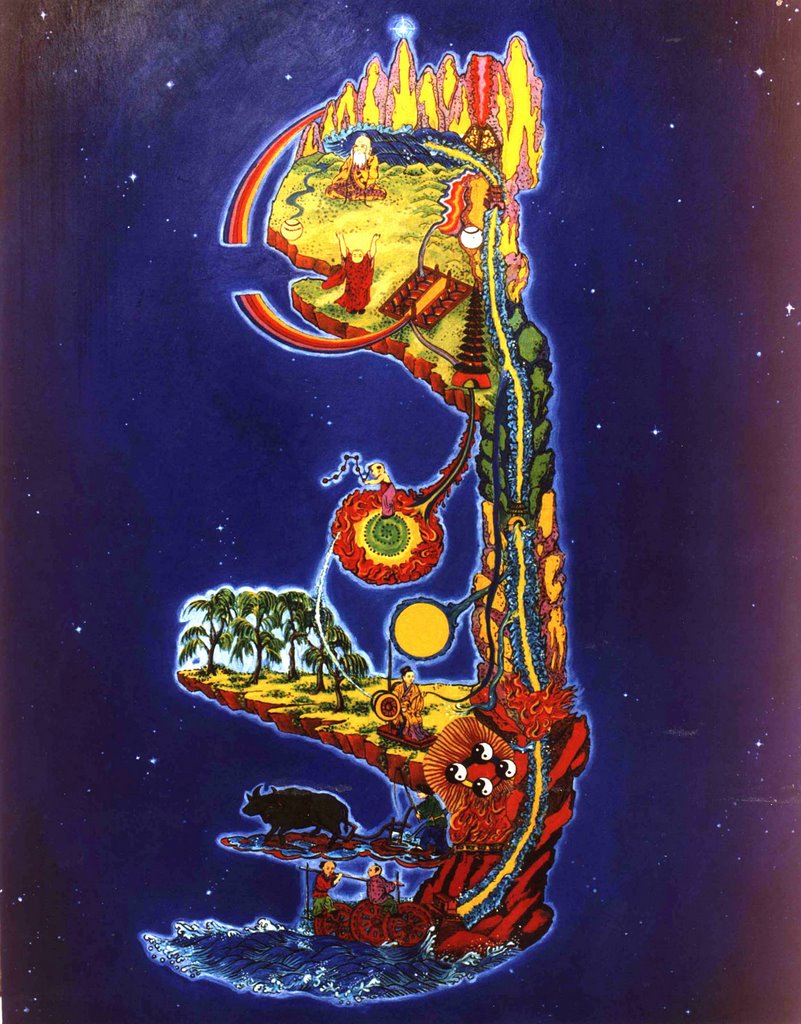
Nei Dan (nae gong, neigong) often translated as “Inner Alchemy,” is one of the most profound and esoteric branches of Daoist cultivation and traditional martial arts training. Unlike Wai Dan (or Wei Dan), or “external alchemy,” which historically referred to concocting elixirs from minerals and herbs, Nei Dan is an internal process of refining and transforming the body’s vital energies (jing, qi, and shen) into higher states of vitality, consciousness, and spiritual realization. This internal alchemical process forms the energetic and philosophical foundation of many advanced martial, meditative, and spiritual practices across Daoist, Chan Buddhist, and certain Confucian lineages.

Daoist Roots (circa 3rd–8th century CE):
Nei Dan emerged from early Daoist cosmology and longevity practices (yangsheng), evolving alongside classical texts such as the Dao De Jing, Zhuangzi, and later the Cantong Qi, (The Seal of the Unity of the Three), often considered the foundational text of internal alchemy (Pregadio, 2019). Early Daoist alchemists saw the human body as a microcosm of the cosmos, mirroring the same dynamic interplay of yin and yang, five elements (wuxing), and celestial cycles. The goal was to harmonize and refine these internal forces to return the practitioner to their original, undifferentiated state (yuan jing, yuan qi, yuan shen).

Tang–Song Dynasty Expansion (7th–13th century):
During the Tang and Song dynasties, Nei Dan was codified into systematic schools such as the Zhong-Lü and Nanzong lineages. These schools emphasized an internal “elixir” (neidan dan) formed through disciplined meditation, breath regulation, and energetic circulation, paralleling the external alchemical metaphor of refining base metals into gold. At this time, martial traditions, especially those influenced by Daoism and Chan Buddhism (e.g., Shaolin and Wudang), began incorporating these principles into their training as a means of enhancing internal power (nei jin), awareness, and longevity.

Integration into Martial Arts (Ming–Qing era onward):
By the late imperial era, Nei Dan principles had become inseparable from Nei Jia Quan (“internal martial arts”) and most notably Taijiquan, Xingyiquan, and Baguazhang. These arts used the body as a vessel for alchemical transformation, with martial techniques functioning as vehicles for energetic refinement and spiritual cultivation. Masters such as Zhang Sanfeng (legendary founder of Taijiquan) and Dong Haichuan (founder of Baguazhang) are often described in Daoist alchemical terms, emphasizing internal stillness, energy transformation, and the unity of movement and spirit.

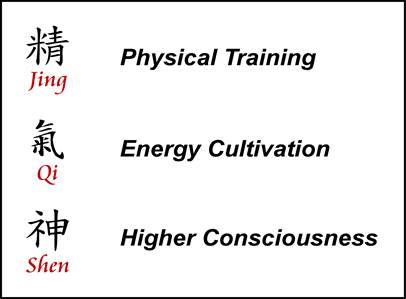
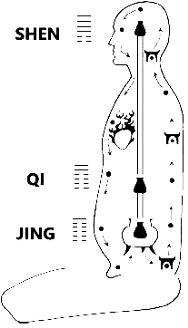
At its essence, Nei Dan is a lifelong path of internal transformation. The traditional Daoist saying — “Refine jing into qi, refine qi into shen, refine shen and return to emptiness” outlines the three fundamental stages:

  1. Refining Jing:
    • Jing refers to “essence” – the foundational life force associated with physical vitality, sexual energy, and genetic potential.
    • Practices in this stage focus on conserving and strengthening jing through lifestyle discipline, breath regulation, and daoyin exercises. This builds the “alchemical furnace” in the lower dantian, or the body’s energetic cauldron.
  2. Transforming Qi:
    • Once jing is stabilized, it is “cooked” into qi, which is the vital energy that flows through the body’s meridians.
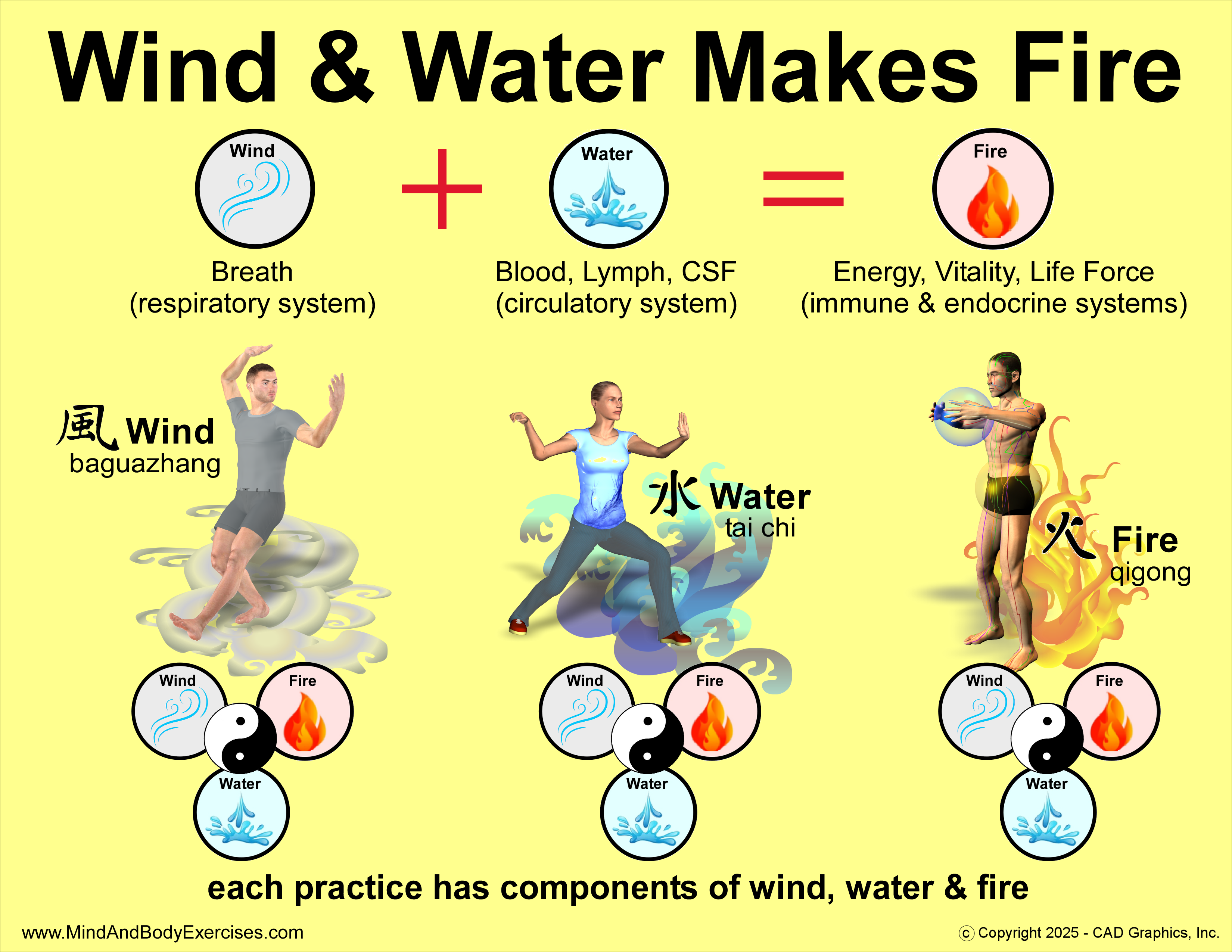
    • Breathwork (tu-na), microcosmic orbit circulation (xiao zhoutian), and standing post practices (zhan zhuang) are common methods. Martial expressions of this phase include issuing power (fa jin) and unifying breath with intent (yi qi heyi).
  3. Refining Shen:
    • Shen, or “spirit,” is consciousness itself. At this level, practice aims at expanding awareness, cultivating emptiness (xu), and returning to the primordial source (dao).
    • Deep meditation, visualization, and contemplative stillness are central practices, often accompanied by subtle internal energetic processes described metaphorically as “the embryo of immortality” (shen ying).

– Breath and Energy Regulation (Tiao Qi):
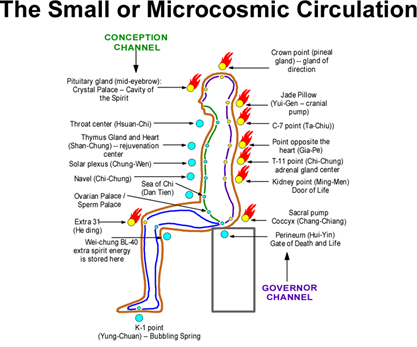
Controlled breathing (tu-na) is fundamental, teaching practitioners to guide qi consciously through the meridians. The microcosmic orbit (circulating qi along the du and ren vessels) is one of the most well-known techniques.

– Posture and Structure (Tiao Shen):
Postural alignment, rooted stance work (zhan zhuang), and slow, continuous movement (e.g., Taiji or daoyin) build the vessel for qi cultivation. Internal martial arts often hide alchemical work within physical movement.

– Mental Focus and Intention (Tiao Xin):
Training the mind (yi) to direct energy (qi) is central. Practitioners cultivate stillness (jing), intention (yi), and awareness (shen ming), often through visualization of internal alchemical processes.

– Sexual Alchemy (Fangzhong Shu):
Though often misrepresented, sexual alchemy is a legitimate component in many Nei Dan systems. It involves the conservation and refinement of sexual energy (jing), transforming it into spiritual power rather than expending it.

– Meditative and Cosmological Practices:
Advanced practitioners engage in meditations synchronizing their internal rhythms with cosmic cycles (e.g., lunar, solar, and seasonal changes) reflecting the Daoist belief in harmonizing microcosm and macrocosm.

4. Nei Dan in Esoteric Martial Arts

In the context of esoteric martial arts, Nei Dan is not simply health practice, but rather it is a method of refining the warrior’s spirit. The martial applications go far beyond fighting techniques:

  • Enhanced Internal Power: Cultivation of nei jin allows practitioners to issue force with minimal muscular effort.
  • Heightened Awareness: Refining shen deepens perception, intuition, and responsiveness, essential traits in high-level combat.
  • Transformation of Self: Martial practice becomes a vehicle for self-mastery, transcending ego and aligning the individual with the Dao.

Some lineages, such as certain Wudang Daoist sects, Xingyi Nei Gong, or the “Eight Immortal Methods” of Baguazhang, embed Nei Dan principles so deeply that combat forms double as alchemical formulas, guiding practitioners through progressive energetic transformations.

5. Legacy and Contemporary Practice

Today, Nei Dan is studied worldwide, both as a martial discipline and a spiritual science. In modern qigong, taiji, and neigong schools, the terminology may vary — yet the underlying process remains unchanged: the transformation of the human being from a coarse, ordinary state to one of luminous awareness and harmonious unity with the Dao.

It is said in the Daoist classics:

“The elixir is not found in mountains or seas. It is found within one’s own body.”

This aphorism encapsulates the essence of Nei Dan: the human being is the laboratory, the mind is the alchemist, and the Dao is the final elixir.

Nei Dan – Three-Stage Map with Methods, Physiology/Energetics, Goals, and Applications

Stage / TermCore Practice MethodsPhysiological / Energetic FocusAlchemical Goal / TransformationMartial & Spiritual Applications
Zhújī / Lìdǐng – Laying the Foundation / Setting the CauldronPostural regulation (tiao shen), alignment, pelvic “bowl” set; (zhàn zhuāng), (dǎoyǐn), soft tissue and fascial opening; diet/sleep/seasonal living; moral/intent regulation (de, yi)Stabilize lower dantian, pelvic floor, diaphragm; vagal tone; fascial tensegrity; Kidney–Spleen axis (TCM); normalize breath mechanics (nasal, low and wide)Build the “furnace” and “cauldron”; unify body–breath–mind; stop leaks of jing; establish stillness (jing) and attentional continuityConverts “health qigong” into true alchemical vessel; reliable rooting, joint decompression; baseline nervous-system regulation for higher stages
Liàn jīng huà qì – Refine Essence into Qi(breath work): natural to regulated; (tǔ nà), abdominal “bellows,” Dantian breathing; gentle (jing conservation), menstrual/sexual energy hygiene; light (Kidney tonification)Consolidate jing in lower dantian; Kidney–Adrenal/endocrine axis; marrow/essence; microcirculation to pelvis/abdomen; perineal lift–release coordinationTransform conserved jing → qi; ignite “furnace fire” without overheating; seal “three leaks” (body, breath, mind)Increased vitality, recovery, libido stability; root power for internal arts; fatigue resistance; stable base for nèi jìn
Xiǎo zhōutiān – Micro-cosmic OrbitAwareness-led circulation along (, Governing) & (Rèn, Conception) vessels; tongue-to-palate seal; breath–intent coupling; mild bandha/locks analogsOpen Dū/Rèn gates (tailbone, mingmen, jiaji, yintang); diaphragms (pelvic, respiratory, thoracic); cerebrospinal fluid rhythmSmooth, even qi circulation; harmonize anterior–posterior flow; pressure-equalize cavities; refine coarse sensations to subtleReliable whole-body connection; quiet, elastic spine; improved timing/issuing; emotional steadiness under stress
Liàn qì huà shén – Refine Qi into Shen(yì shǒu: guarding with intent), (inner illumination), reverse breathing (when appropriate), long-set, moving-stillness (Taiji, Xingyi, Bagua as vehicles)Stabilize middle dantian ; heart/pericardium field); regulate Heart–Lung axis; balance sympathetic/parasympathetic tonus; refine channel networkQi → Shen: transmute vitality into luminosity/clarity; unify (intent–energy–form); stabilize observer-stateHeightened ting jin (listening); anticipatory timing; effortless fa jin; creativity/flow; reduction of startle and fear reactivity
Dà zhōutiān – Great Orbit / Grand CirculationExtend orbit through limbs, twelve primaries, eight extraordinary vessels; seasonal/time-cycle practices; walking-circle meditation (Bagua), long-form Taiji as “moving elixir”Whole-network perfusion; limb-to-core elastic pathways; periphery–core pressure gradients; integrate Three JiaosGlobal conductivity; unify center–periphery; “breathes as one piece”; refine subtle heat/cool cyclesIssuing from any point/direction whole-body power; resilient gait and spiral force; durable calm under load
Liàn shén huán xū – Refine Shen, Return to EmptinessSilent sitting, formless absorption; (guarding mysterious pass), cessation–contemplation; sleep alchemy (dream/clear-light practice in some lines)Upper dantian; yintang/niwan field); brain–heart coherence; “spirit residence” clarified; minimize cortical overdriveShen → Xu: transparent awareness; stabilize non-dual witnessing; “embryo of immortality” metaphorsUnforced presence, economy of action; fearlessness with humility; “do less, achieve more” in martial timing; ethical clarity
 Fángzhōng shù – Sexual Alchemy / TemperanceModeration, timing, and conservation rather than depletion; couple-practice in specific lines; pelvic floor–breath–spine harmonizationProtect jing; endocrine stabilization; avoid sympathetic spikes from excess loss; integrate sensual energy into orbitRecycle sexual potential into tonic qi and lucid shen; avoid rebound agitationStable mood/drive; fewer boom-bust cycles; deep stamina; relational clarity and warmth without clinging
Yào huǒhòu – “Fire Phases” / Dosing & TimingAlternating (civil/martial fire): gentle vs. vigorous practice; periodization across day/season/age; recovery disciplinePrevent overheating/dryness of fluids; protect Heart–Kidney communication; maintain “sweet spot” arousalRight-dose transformation; steady progress without injury; “water and fire already harmonized”Sustainable training, fewer plateaus; long career longevity; adaptability across environments
Nèiguān jiàoduì – Inner Observation & CorrectionsSensation taxonomy; error recognition (straining, breath holds, scattered mind); teacher feedback, journalingDetect energy stagnation, “up-flaring,” cold/damp accumulation; posture-breath-mind driftKeep process safe, reversible, testable; iterate micro-adjustmentsReduces injury/overreach; repeatable skill acquisition; clearer pedagogy for students
Déxíng / Jièlǜ – Virtue & PreceptsEthical commitments, speech discipline, simplicity, gratitude; community of good companyCalms karmic winds; reduces inner conflict/leaks; supports Heart clarity“Leak-proof” vessel; clarity of intention; congruent life supports practiceStable leadership presence; conflict de-escalation; trustworthy teacher-student field

Notes & mini-glossary (for manuscript margin or endnotes)

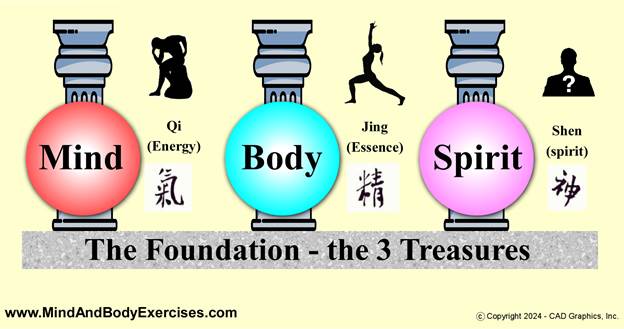
  • Sānbǎo: Jing–Qi–Shen — essence, energy, spirit.
  • Three Dantians: lower (vital/structural), middle (affective/relational), upper (cognitive/awareness).
  • Micro/Great orbits – conduction along Conception/Governing vessels (small), then through full channel network (great).
  • Huǒhòu: “Fire timing” — dosage, intensity, and pacing of practice.
  • Nèi jìn: Internal (elastic) power arising from whole-body integration and refined fascia/pressure dynamics.
  • Safety: Over-forcing breath, heat, or sexual practices can destabilize mood, sleep, or blood pressure; increase gradually, emphasize recovery.

References:

Despeux, C. (1990). Taoism and Self Cultivation: Transformation and Immortality. In L. Kohn & M. LaFargue (Eds.), Lao-tzu and the Tao-te-ching (pp. 39–52). SUNY Press.

Eskildsen, S. (2008). Daoist Body Cultivation: Traditional Models and Contemporary Practices – Edited by Livia Kohn. Religious Studies Review, 34(3), 230–231. https://doi.org/10.1111/j.1748-0922.2008.00306_4.x

Pregadio, F. (2019). The Seal of the Unity of the Three: A Study and Translation of the Cantong Qi, the Source of the Daoist Way of the Golden Elixir. Golden Elixir Press.

Robinet, I. (1993). Taoist Meditation: The Mao-shan Tradition of Great Purity. State University of New York Press.

Yang, J. M. (2005). The Root of Chinese Qigong: Secrets of Health, Longevity, & Enlightenment. YMAA Publications. https://archive.org/details/rootofchineseqig0000yang

The Dual Nature of Virtue

How Our Greatest Strengths Become Our Greatest Weaknesses

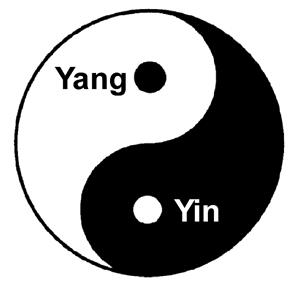
Human nature is inherently paradoxical. The very traits that empower individuals to succeed, lead, and create meaning in life often carry within them the seeds of their undoing. This reality, that one’s best qualities can also become one’s greatest liabilities reflects the profound wisdom of the yin-yang principle, a foundational concept in classical Chinese philosophy. Yin and yang are not simply opposites; they are complementary, interdependent forces that define and transform one another. Just as light is known only in contrast to darkness, strength becomes fully understood only when we recognize how it can slip into weakness.

Yin and Yang: Interdependent Forces

The Tao Te Ching teaches that the universe is governed by the continuous interplay of yin (receptive, passive, yielding) and yang (active, assertive, dynamic) energies. These forces are not antagonistic but mutually defining, each containing the seed of the other (Tao Te Ching, trans. Lau, 1963). This principle applies not only to the natural world but also to human psychology and character. In the same way that excess yang can result in aggression and burnout, or excessive yin in stagnation and withdrawal, personal strengths become vulnerabilities when pushed to extremes.

Aristotle expressed a similar idea in his theory of the “golden mean.” Virtue, he argued, lies between two extremes: deficiency and excess (Aristotle, trans. Irwin, 1999). Courage, for example, is the balance between cowardice and recklessness; generosity lies between stinginess and extravagance. When a trait exceeds its proper measure, it ceases to be a virtue. This echoes the yin-yang insight that balance, not absolute dominance, is the source of harmony and strength.

When Strength Turns to Weakness

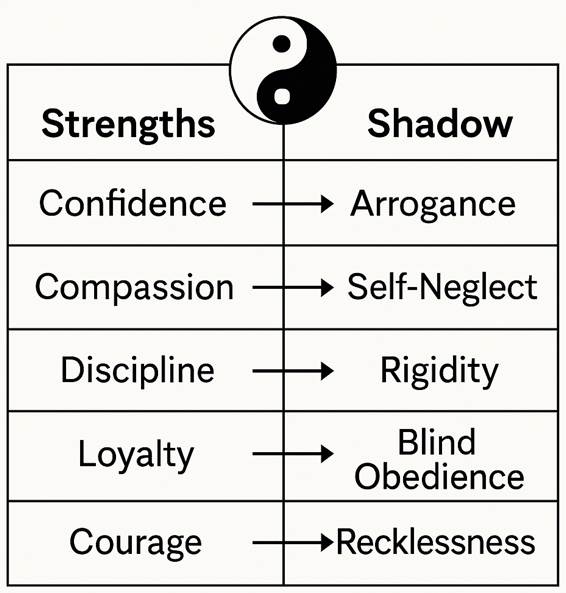
Confidence and Arrogance
Confidence is essential to growth and achievement. It enables people to take risks, speak truthfully, and persist through adversity. Yet, unchecked confidence easily becomes arrogance, a refusal to accept feedback or recognize limitations (Peterson & Seligman, 2004). The same force that drives leadership can blind a person to alternative perspectives, eroding relationships and stifling growth.

Compassion and Self-Neglect
Compassion is one of humanity’s highest virtues, binding individuals and societies through empathy and care. However, compassion without boundaries can lead to emotional exhaustion, codependence, or enabling harmful behaviors (Figley, 2002). In caring for others, one may neglect oneself, demonstrating how yin’s softness can dissolve into weakness if not balanced by yang’s firmness.

Discipline and Rigidity
Discipline builds resilience and mastery. But when discipline ossifies into inflexibility, it inhibits creativity and adaptability (Dweck, 2017). Martial artists often repeat the adage: “Be firm but not unyielding; flexible but not weak.” Like a tree that bends in the wind, human character must adapt to changing circumstances or risk breaking under pressure.

Loyalty and Blind Obedience
Loyalty fosters trust and cohesion. Yet blind loyalty, devotion without discernment, has fueled countless injustices throughout history. Jung (1959) warned that unexamined virtues often mask hidden “shadows,” unconscious impulses that distort behavior. Loyalty’s shadow is the surrender of critical thought, allowing unethical actions to persist under the guise of fidelity.

The Shadow and the Self

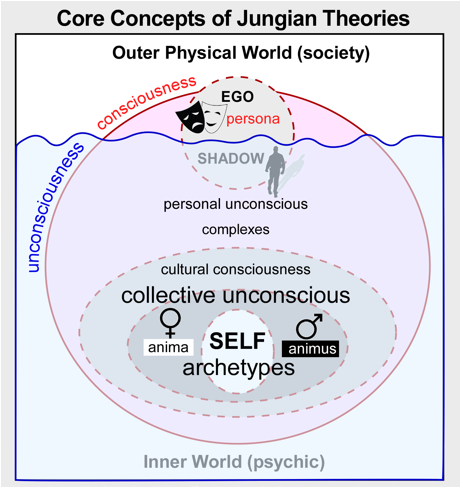
Carl Jung’s concept of the shadow offers a psychological lens for understanding this paradox. Every conscious virtue has an unconscious counterpart that, if unacknowledged, can manifest destructively (Jung, 1959). The perfectionist’s pursuit of excellence may hide a fear of inadequacy; the truth-teller’s bluntness may conceal a need for control. To achieve wholeness, what Jung termed individuation, individuals must confront and integrate these hidden aspects rather than deny them.

This process mirrors the yin-yang symbol, where each half contains a seed of its opposite. Strength and weakness are not distinct categories but fluid states that transform into one another depending on context, awareness, and intention.

Cultivating Balance and Wisdom

Recognizing the dual nature of virtue is not meant to discourage the cultivation of strengths but to deepen self-awareness. True wisdom lies in practicing moderation, context sensitivity, and ongoing reflection. Strategies for maintaining this balance include:

  • Self-Observation: Mindfulness and introspection can reveal when a strength is tipping into excess.
  • Feedback and Dialogue: Honest input from trusted sources helps counter blind spots.
  • Flexibility: Adapting behavior to context allows traits to express themselves constructively rather than rigidly.

By embracing the yin-yang dynamic within ourselves, we learn to wield our strengths with discernment, preventing them from becoming self-defeating forces.

Harmony Over Extremes

The paradox that one’s best trait can also be one’s worst enemy is not a flaw in human design but a reflection of deeper universal patterns. As yin and yang continuously transform into one another, so too do strength and weakness. The path to mastery — of self, of relationships, of life — lies not in eliminating our shadows but in integrating them, not in suppressing our virtues but in balancing them. In doing so, we cultivate wisdom that transcends dualities and reflects the natural harmony of the Tao.

References:

Aristotle. (1999). Nicomachean ethics (T. Irwin, Trans.). Hackett Publishing. (Original work published ca. 350 BCE)  https://archive.org/details/isbn_9780872204645

Dweck, C. S. (2017). Mindset: The new psychology of success. Ballantine Books. https://psycnet.apa.org/record/2006-08575-000

Figley, C. R. (2002). Compassion fatigue: Psychotherapists’ chronic lack of self-care. Journal of Clinical Psychology, 58(11), 1433–1441. https://doi.org/10.1002/jclp.10090

Jung, C. G. (1959). Aion: Researches into the phenomenology of the self (R. F. C. Hull, Trans.). Princeton University Press. https://www.academia.edu/19686702/Carl_Jung_Aion_Researches_into_the_Phenomenology_of_the_Self_pdf_

Laozi. (1963). Tao te ching (D. C. Lau, Trans.). Penguin Classics.

Peterson, C., & Seligman, M. E. P. (2004). Character strengths and virtues: A handbook and classification. Oxford University Press. https://psycnet.apa.org/record/2004-13277-000

Pain vs. Suffering: Distinctions and Interconnections

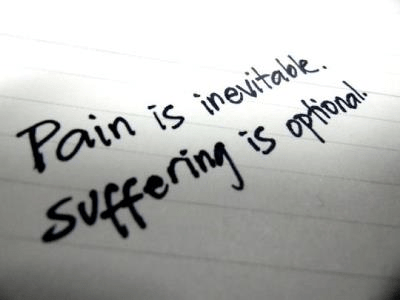
Human existence inevitably involves experiences of both pain and suffering. While the two terms are often used interchangeably in casual language, they carry distinct meanings in psychological, philosophical, and medical discourse. Understanding their differences not only clarifies the nature of human distress but also provides insight into how individuals and societies can respond to these experiences more effectively.

Defining Pain

Pain is most often understood as a sensory and emotional experience associated with actual or potential tissue damage. The International Association for the Study of Pain (IASP) defines it as both a physical signal and an emotional perception (Raja et al., 2020). In this sense, pain functions as an alarm system of the body, signaling when something is wrong or when potential harm is imminent.

Pain manifests in various forms:

  • Acute pain, such as a sudden burn, fracture, or injury, is sharp, immediate, and often short-lived once the cause is addressed.
  • Chronic pain, on the other hand, persists over weeks, months, or even years, sometimes long after the initial injury has healed. Conditions such as arthritis, fibromyalgia, or nerve damage exemplify this enduring form (Turk & Okifuji, 2002).

Importantly, pain has a protective and adaptive function. It compels an individual to withdraw from harmful stimuli and to take measures that promote healing or survival. Without pain, humans would be at significant risk of unchecked injuries or illnesses.

Defining Suffering

Suffering, while related to pain, is a broader and more complex phenomenon. It encompasses not only physical discomfort but also emotional, psychological, social, and even spiritual distress. Unlike pain, which often has a specific biological cause, suffering can arise from a wide range of experiences: grief, loss of a loved one, existential crises, betrayal, disappointment, or psychological trauma (Cassell, 2004).

Suffering is therefore less about a direct signal from the nervous system and more about the interpretive and evaluative dimension of human experience. It involves meaning-making, identity, and a person’s worldview. For example, two individuals with identical physical injuries may experience different degrees of suffering depending on their emotional resilience, cultural background, or spiritual beliefs.

Pain as a Component of Suffering

Pain can certainly contribute to suffering, but it does not always equate to it. A person experiencing acute physical pain might endure it without deep emotional distress, especially if they perceive it as temporary or purposeful. Athletes, for instance, may push through significant physical pain during training, framing it as progress rather than hardship (Wiech, 2016).

Conversely, suffering can exist without overt physical pain. Psychological conditions such as depression, anxiety, or post-traumatic stress disorder illustrate how individuals may endure profound suffering without a corresponding physical injury (Kleinman, 2017). In these cases, suffering is rooted in thought patterns, emotional struggles, or existential despair.

Thus, pain can be considered a subset of suffering, but suffering extends beyond the purely physical to encompass the whole spectrum of human distress.

Cultural and Existential Dimensions

The distinction between pain and suffering has been explored not only in medicine and psychology but also in philosophy and spirituality. In many traditions, suffering is tied to existential questions about meaning and purpose. For example:

  • Buddhist philosophy identifies suffering (dukkha) as a central feature of existence, arising not merely from pain but from attachment, craving, and aversion (Rahula, 1974).
  • Western existential thought, such as Viktor Frankl’s logotherapy, emphasizes the role of meaning-making in shaping suffering. Frankl (1992) argued that while pain is unavoidable, suffering can be transformed if one finds meaning in it.
  • Medical ethics often distinguishes between the duty to treat pain and the broader challenge of alleviating suffering, particularly in palliative and end-of-life care (Ferrell & Coyle, 2018).

These perspectives underscore that suffering is as much about interpretation and context as it is about physical sensation.

Psychological Responses and Coping

Another way to distinguish pain and suffering is through the human response to each. Pain typically elicits reflexive responses of withdrawal, medication, or medical treatment aimed at reducing the sensation. Suffering, however, often requires more nuanced interventions such as counseling, support networks, mindfulness, or spiritual practices.

Psychologists note that suffering is amplified by cognitive and emotional factors such as fear, helplessness, or catastrophic thinking. For instance, chronic pain patients who interpret their pain as a sign of irreversible decline may suffer more intensely than those who frame it as a challenge that can be managed (Garland et al., 2019). In this way, suffering is not simply a passive condition, but an active process shaped by interpretation, resilience, and meaning-making.

Toward an Integrated Understanding

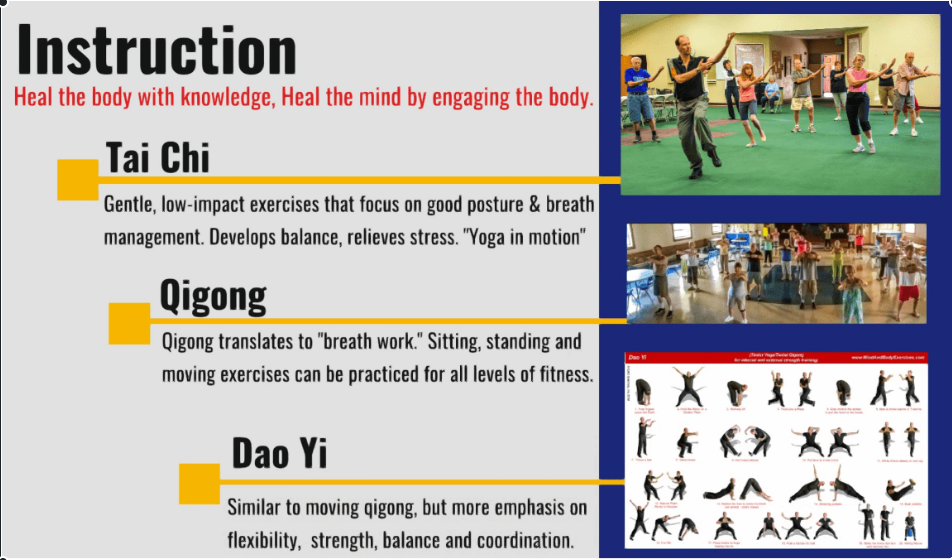
Understanding the difference between pain and suffering allows for more compassionate and comprehensive approaches to human well-being. Medicine can treat pain with analgesics, surgery, or physical therapy, but addressing suffering requires a broader, more holistic perspective. Interventions may include psychological counseling, social support, spiritual care, or practices such as meditation, Tai Chi, or Qigong that engage the body, mind, and spirit.

This distinction also empowers individuals. Recognizing that suffering is not merely the sum of physical pain but also involves interpretation and meaning provides opportunities for growth, resilience, and transformation. While pain is often unavoidable, suffering can sometimes be reframed, reduced, or even transcended.

Conclusion

In sum, pain and suffering are related but not synonymous. Pain is primarily a sensory and emotional signal tied to actual or potential bodily harm, serving a protective biological function. Suffering, by contrast, is a broader human experience that encompasses not only physical pain but also emotional, psychological, social, and existential dimensions. Pain is often a contributor to suffering, but suffering can exist independently of physical pain.

By distinguishing these concepts, individuals and practitioners alike can better understand the complexity of human distress and identify strategies to address both the body’s signals and the mind’s interpretations. In doing so, the possibility emerges not only to relieve immediate discomfort but also to cultivate resilience, wisdom, and compassion in the face of life’s inevitable challenges.

References

Cassell, E. J. (2004). The nature of suffering and the goals of medicine. https://doi.org/10.1093/acprof:oso/9780195156164.001.0001

Ferrell, B. R., & Coyle, N. (2018). Oxford textbook of palliative nursing (5th ed.). Oxford University Press. https://academic.oup.com/book/31742

Frankl, V. E. (1992). Man’s search for meaning [Personal narratives]. In Ilse Lasch (Trans.), Man’s Search for Meaning (Fourth). Beacon Press. https://antilogicalism.com/wp-content/uploads/2017/07/mans-search-for-meaning.pdf

Garland, E. L., Hanley, A. W., Riquino, M. R., Reese, S. E., Baker, A. K., Salas, K., Yack, B. P., Bedford, C. E., Bryan, M. A., Atchley, R., Nakamura, Y., Froeliger, B., & Howard, M. O. (2019). Mindfulness-oriented recovery enhancement reduces opioid misuse risk via analgesic and positive psychological mechanisms: A randomized controlled trial. Journal of Consulting and Clinical Psychology, 87(10), 927–940. https://doi.org/10.1037/ccp0000390

Kleinman, A. (2017). The illness narratives: suffering, healing, and the human condition. Academic Medicine, 92(10), 1406. https://doi.org/10.1097/acm.0000000000001864

Rahula, W. (1974). What the Buddha taught. Grove Press. https://archive.org/details/whatbuddhataught00walp

Raja, S. N., Carr, D. B., Cohen, M., Finnerup, N. B., Flor, H., Gibson, S., Keefe, F. J., Mogil, J. S., Ringkamp, M., Sluka, K. A., Song, X. J., Stevens, B., Sullivan, M. D., Tutelman, P. R., Ushida, T., & Vader, K. (2020). The revised International Association for the Study of Pain definition of pain: Concepts, challenges, and compromises. Pain, 161(9), 1976–1982. https://doi.org/10.1097/j.pain.0000000000001939

Turk, D. C., & Okifuji, A. (2002). Psychological factors in chronic pain: Evolution and revolution. Journal of Consulting and Clinical Psychology, 70(3), 678–690. https://doi.org/10.1037/0022-006x.70.3.678urk, D. C., & Okifuji, A. (2022). Psychological factors in chronic pain: Evolution and revolution. Journal of Pain, 23(4), 387–404. https://doi.org/10.1016/j.jpain.2021.07.007

Wiech, K. (2016). Deconstructing the sensation of pain: The influence of cognitive processes on pain perception. Science, 354(6312), 584–587. https://doi.org/10.1126/science.aaf8934

If You Want to Know What is Inside Something, You Squeeze it

Tempering the Self – Cultivation through Pressure, Refinement and Purpose

In the tradition of martial arts and Taoist self-cultivation, the process of becoming a person of refined character, resilience and integrity is often portrayed metaphorically as a transformation under pressure or through rigorous refinement. Just as coal under intense pressure becomes a diamond, as glass is tempered to strengthen it, or as a sword is heated, hammered and folded until it offers purity, sharpness and endurance, so too does the aspirant put themselves through trials, reflection, disciplined training, and “taking apart” of habitual patterns in order to emerge stronger, clearer, and more whole. This essay explores that metaphorical terrain, linking historic Taoist concepts of cultivation with martial-art training and moral growth.

At the heart of the metaphor is the notion of pressure and refinement. A lump of coal, subjected to geological force over time, becomes a diamond: the original material has been compressed, purified, and transformed into something far harder and more brilliant. In a similar way, a glass object is heated and rapidly cooled (tempered) so that its structure changes, the internal stresses are intentionally introduced, then stabilized and thus the glass becomes more resistant to shattering. A sword likewise must be heated, hammered, folded, quenched, and polished; the metal structure is reorganized so that it can hold an edge, bend without breaking, and serve a purpose. Transposed to human character and training, these metaphors suggest that to become something more than we currently are, we must face pressure (external challenges, internal struggle), go through the restructuring of habit, belief, body and mind, and emerge in a usable state: strong, resilient, sharp of focus, yet tempered by insight.

In essence, this process represents a kind of transmutation, orthe transformation of one’s coarse, unrefined nature into a state of inner clarity and integrity. Just as physical elements change state under heat or pressure, the human psyche and spirit can evolve through disciplined practice and self-reflection. In Taoist internal alchemy, such transmutation marks the transition from density to subtlety, from the crude to the luminous.

In the realm of martial arts, and particularly those influenced by Taoist philosophy, this is not merely a nice poetic image, but an embedded structure of training. The discipline, repetition, discomfort, unlearning of ingrained patterns, and gradual internalization of principles all function like the hammer and heat of the swordsmith. As one trains, one is literally breaking down old neural/structural patterns of body and mind, refining them, and integrating them into something more coherent, more “whole” and more aligned with one’s higher potential.

From the viewpoint of Taoist self-cultivation, this process aligns with the paradigm of internal alchemy (neidan). Internal alchemy is described as a “transformation process that involves changing both body and mind to higher levels of functioning” (Fung Loy Kok Institute of Taoism, 2025). According to Taoist doctrine, one works with the “Three Treasures” (jingqishen: essence, energy, spirit) and seeks gradual refinement of self (Wikipedia contributors, 2025). The aim is to dissolve coarse patterns (the raw coal), to apply “heat” and “pressure” in the sense of rigorous practice, moral confrontation, endurance, discipline, and then to emerge as something sharper, lighter, more refined, aligned with the Tao (道). This dynamic mirrors the alchemical notion of transmutation, in which base material (lead or raw essence) is refined into gold or spiritual purity. Taoist cultivation translates this symbolism into physiological and psychological terms: jing (essence) transmuted into qi (vital energy), and qi into shen (spirit), forming a continuum of self-refinement that bridges body, mind, and consciousness (Needham, 1983; Pregadio, 2019).

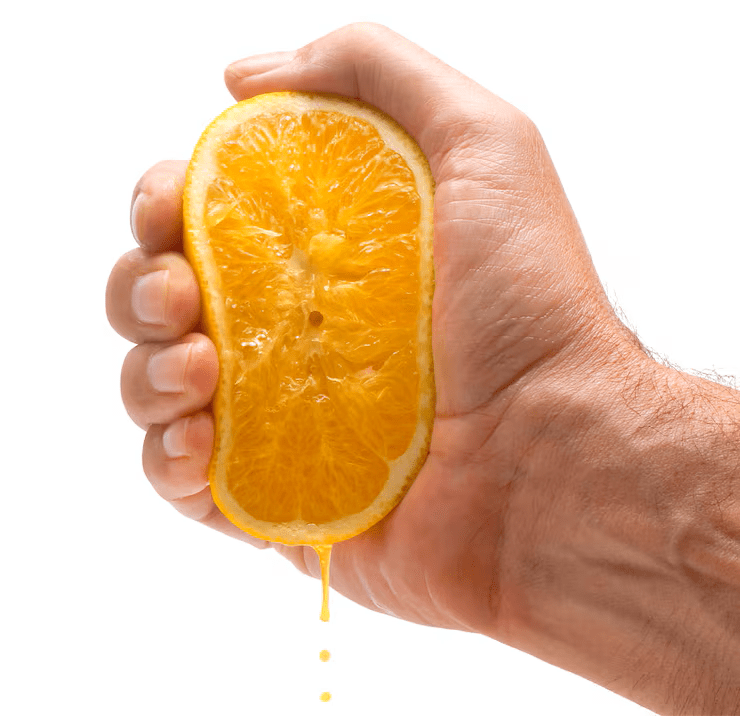
I prefer the metaphor of “if you want to know what is inside something, you squeeze it; if you want to know what something is made of, you take it apart and hopefully put it back together, maybe even better than the original.” In the training context, “squeeze” refers to tests and trials: one’s character is squeezed by adversity, by training drills, by mental stress. That brings to awareness hidden weaknesses of unseen fractures, untempered spots. “Taking apart” refers to the deconstruction of habit, belief, movement, reaction: in the martial arts one often unlearns bad posture, reflexes, tension, and rebuilds structure. Then one reassembles with new alignment, better structure, refined intent. The final state is not merely restored but upgraded, like a sword folded multiple times becomes stronger than the original billet; glass tempered is stronger than annealed glass; coal stressed in pressure becomes diamond.

In ethical or moral self-cultivation this means that facing one’s character under pressure reveals hidden fissures: impulsiveness, reactivity, unresolved fear, habit. Good training (physical, mental, moral) allows one to “see” those fissures, to let them be “heated” (examined, confronted) and “hammered” (repeated disciplined practice, correction) until the structure of self becomes more resilient, more integrated, more responsive rather than reactive. The Taoist culture encourages a kind of return to one’s original nature of goodness (德, de) and compassion, which has been obscured by life’s conditioning (Fung Loy Kok Institute of Taoism, 2025). The “sword” or “diamond” of self-character thus is not about hardness for its own sake, but a resilient clarity, readiness, humility, and refined responsiveness.

Moreover, the metaphor highlights the paradox: we often think that pressure or challenge is purely negative; yet in transformation systems, from geology to metallurgy to glass tempering, pressure and heat are required for refinement. In martial practice, avoidance of stress means never getting the internal re-working that occurs under challenge. In Taoist cultivation, the path is not easy but transformation. Indeed, the Taoist ideal of wú wéi or “effortless action” is often misunderstood; it is not doing nothing, but acting naturally from a well-tempered, integrated being (Wikipedia contributors, 2025). After the hammering, the sword is sharp without forced strength; the tempered glass resists shatter without brittle rigidity; the diamond shines because prior pressure created its internal perfection.

In integrating this into holistic and/or martial arts philosophy (Tai Chi, Bagua, Qigong, etc.), the training forms, the repetitive drills, the internal alignments, the meditations, the stance work, all of these provide the “pressure chamber” in which subtle weaknesses (postural misalignment, mental chatter, emotional reactivity) are exposed. We can “take apart” our default responses by slow mindful repetition, by breaking and rebuilding the body-mind link. Over time we can reassemble into someone who moves from center, aligned in structure, calm in mind, responsive in body, as the sword forged, the diamond formed. That formation is not only for combat or technique but for human character: greater clarity, sharper discernment, stronger resilience, deeper compassion.

Finally, the metaphors of glass and sword and diamond remind us that refinement is not about making something brittle or inflexible. A diamond is hard but also rare and valued; tempered glass remains flexible in the sense of resisting sudden break; a well-forged sword has strength but also resilience, edge but also integrity. The cultivated person is not rigid or inflexible, but resilient and discerning; not hardened by bitterness but refined by purpose. True cultivation (in Taoist terms) is returning to one’s original nature of goodness, clarity and unity with the Tao (Fung Loy Kok Institute of Taoism, 2025). Thus the journey of applying pressure, refining, deconstructing and reconstructing becomes a path to higher humanness.

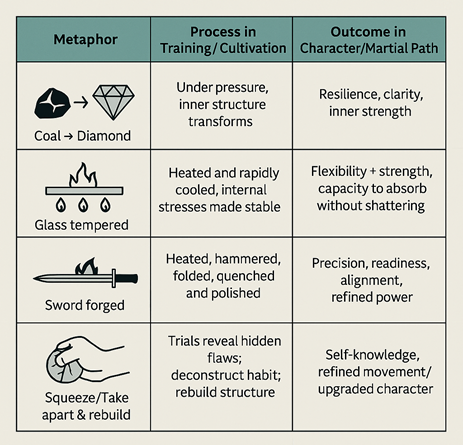
Expanded Insight – Summary Table

MetaphorProcess in Training / CultivationOutcome in Character/Martial Path
Coal → DiamondUnder pressure, inner structure transformsResilience, clarity, inner strength
Glass temperedHeated and rapidly cooled, internal stresses made stableFlexibility + strength, capacity to absorb without shattering
Sword forgedHeated, hammered, folded, quenched and polishedPrecision, readiness, alignment, refined power
Squeeze/Take apart & rebuildTrials reveal hidden flaws; deconstruct habit; rebuild structureSelf-knowledge, refined movement/mind, upgraded character

  • The “squeeze” corresponds to facing real challenge, such as training under fatigue, mental adversity, resisting egoic impulses.
  • “Taking apart” corresponds to unlearning: posture, reflexes, mental habits, emotional reactivity.
  • “Putting back together” corresponds to rebuilding through alignment, mindful movement, meditative awareness, ethical discipline.
  • The end state is not perfection in the sense of rigidity, but refined flexibility, integrated power, clear purpose.


In summary, the metaphors of coal under pressure producing diamond, glass tempered, sword forged, and the squeeze/deconstruction/reconstruction process, are profoundly apt for describing a martial-art and Taoist vision of self-cultivation. They reflect an understanding that becoming a person of refined humanness involves more than mere physical technique: it demands pressure (challenge), refinement (attention, repetition, unlearning), rebuilding (integration of mind/body/spirit), and emergence into a state of character and ability that is both strong and flexible, sharp and compassionate.

In this sense, all of these metaphors of coal, glass, sword, and the squeeze, describe not only refinement but transmutation: the intentional evolution of the inner substance of the self through sustained practice, ethical tempering, and conscious transformation. In the Taoist tradition of internal alchemy, we see this very schema: transforming the body-mind through disciplined practice until one returns to original nature or emerges into a new, refined state (Fung Loy Kok Institute of Taoism, 2025; Komjathy & The Yuen Yuen Institute, 2008). These metaphors explicitly embody the concept of the Warrior, Scholar & Sage, as principles that connect physical technique with inner alchemical transformation, so that practitioners understand that the pressure in training is not incidental, but rather it is intrinsic to the forging and cultivation of their character.

References:

Fung Loy Kok Institute of Taoism. (2025). Taoism: Cultivating Body, Mind and Spirit. https://www.taoist.org/taoism-cultivating-body-mind-spirit/ (Fung Loy Kok Institute of Taoism)

Kohn, L. (2009). Internal Alchemy: Self, Society, and the Quest for Immortality. Three Pines Press.

Komjathy, L. & The Yuen Yuen Institute. (2008). Handbooks for Daoist practice [Book]. The Yuen Yuen Institute. https://ia803408.us.archive.org/3/items/daoist-scriptures-collection-english-translations/Handbooks%20for%20Daoist%20Practice%20-%20%281%29%20Introduction%20-%20Louis%20Komjathy.pdf

Needham, J. (1983). Science and Civilisation in China: Vol. 5. Chemistry and Chemical Technology, Part V: Spagyrical Discovery and Invention: Physiological Alchemy. Cambridge University Press.

Wikipedia contributors. (2025, September 30). Neidan. Wikipedia. https://en.wikipedia.org/wiki/Neidan?utm_source=chatgpt.com

Wikipedia contributors. (2025, October 11). Wu wei. Wikipedia. https://en.wikipedia.org/wiki/Wu_wei?utm_source=chatgpt.com