Chronic Illness, Shrinking Circles, and the Crisis of Modern Aging

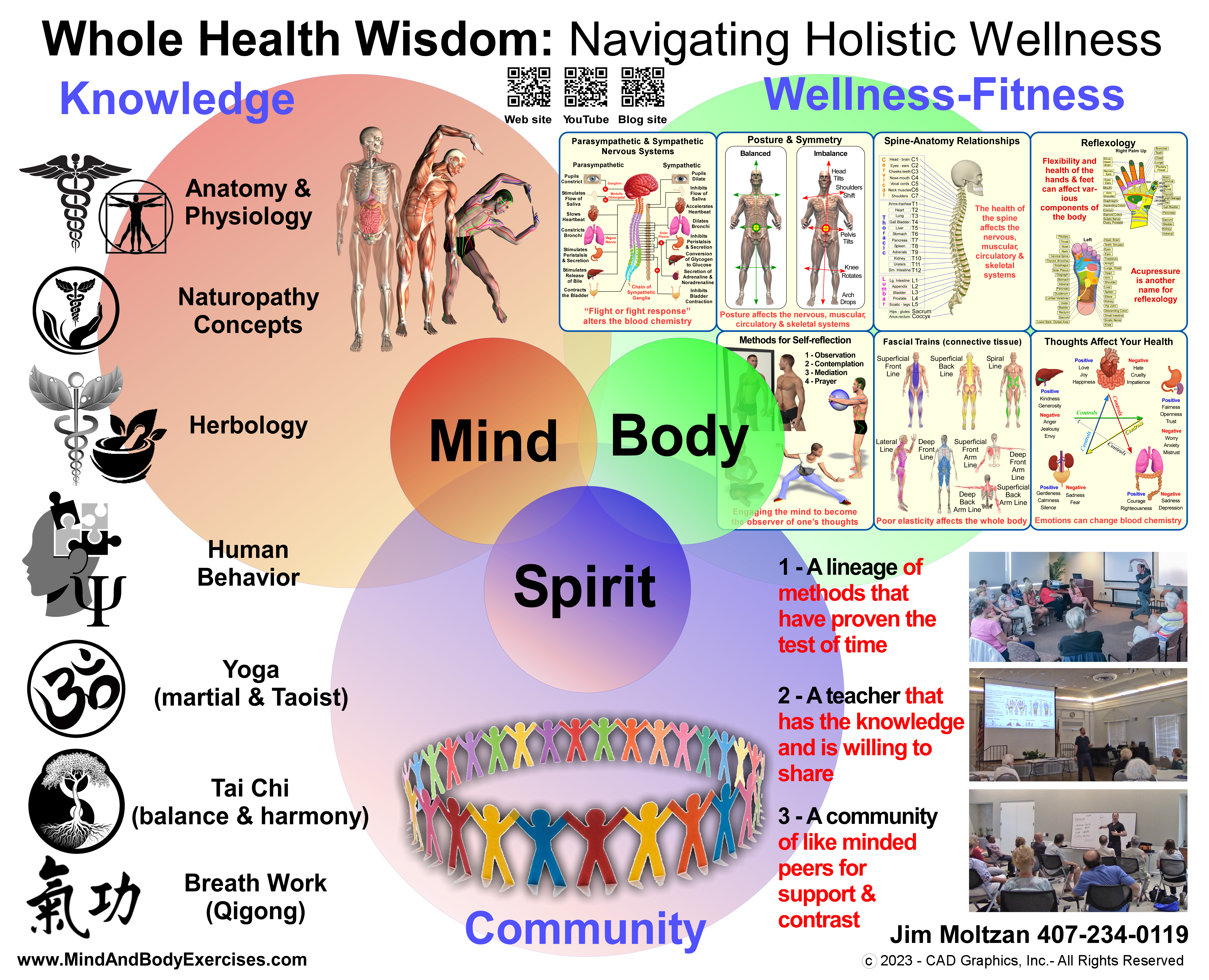
I’ve spent over 40 years teaching others how to live well, not just physically, but mentally, emotionally, and spiritually. I’ve taught classes, delivered lectures, produced hundreds of educational videos, and authored more than 30 books on health, martial arts, mindfulness, personal growth and self-mastery. My mission has always been clear: to help people avoid the slow decline into pain, isolation, and despair that so often accompanies aging.

And yet, here I am at 61 and asking the hard question:

The Uncomfortable Truth Few Want to Face

Over the years, I’ve watched countless people, friends, former students, co-workers, even family members, slide into chronic illness, mental stagnation, and deep loneliness. Their bodies give out. Their thoughts become incessant and negative. Their social circles shrink, often down to nothing. And worst of all, society tends to look away. People in pain make others uncomfortable. We don’t have to age this way, and we certainly don’t have to suffer in silence. Still, the outcomes I see around me are too often the same.

I have never claimed to have all the answers. Only the experience of walking this road with care, curiosity, and a deep respect for the process. I don’t sell miracle cures or promise instant transformation. I’ve simply chosen to live and teach what I know from having stayed on the path.

What’s most heartbreaking is that this pattern isn’t just anecdotal, it’s documented. One of the most important and longest-running psychological studies in history, the Harvard Grant Study, which began in the 1930s and followed hundreds of men (and later women) throughout their entire lives, revealed something striking:

Those who maintained close, supportive connections, with friends, family, or community, aged better, lived longer, and experienced less pain and decline than those who didn’t.

This truth has deeply influenced my understanding of health. It affirmed what I had already intuited through years of teaching: isolation and disconnection are just as deadly as any disease.

Why Is It So Hard to Reach People?

It’s not that people don’t know the truth. Many understand what’s coming, in that neglecting the body, ignoring the breath, resisting change, and isolating oneself will eventually take a toll. But very few choose to act while there’s still time.

I’ve given my best efforts. I’ve tried to be an example. And yes, some have been moved. Some have changed their lives. But the deeper truth is that reaching people at scale, truly reaching them, has always felt like swimming against the tide. There’s an exhaustion that comes with trying to offer healing in a world more interested in convenience than discipline, distraction over reflection, and quick fixes over lasting change.

And Yet… This Work Gives Me Meaning

Despite the fatigue, the frustration, the quiet disappointments, this work still gives me purpose. It is, in fact, the very thing that keeps me well. Without this mission, I might have drifted long ago into the same darkness I warn others about.

  • I teach because it keeps me whole.
  • I guide others because someone once guided me.
  • I keep going because I believe the message matters, even when the audience is small.

So Where Do I Go From Here?

I don’t know exactly. But I do know this. I am no longer chasing a mass audience. I don’t need viral videos or bestseller lists. What I need now is connection with those who truly get it, who are ready, who are willing to walk the path, not just read about it.

Maybe that means smaller, deeper circles of mentorship. Maybe it means fewer books, but more personal conversations. Maybe it means continuing to teach, not from a podium, but from a place of presence.

An Invitation to You, Reader

If you’re reading this, and something in your heart resonates, if you’ve seen the same patterns of decline and loneliness and want a different outcome, I’m here.

I’m still walking along the path. I’m still learning, adapting, evolving.

And I sincerely invite you to walk it with me.

Let’s not wait until the body breaks down or the mind turns sour before we act.

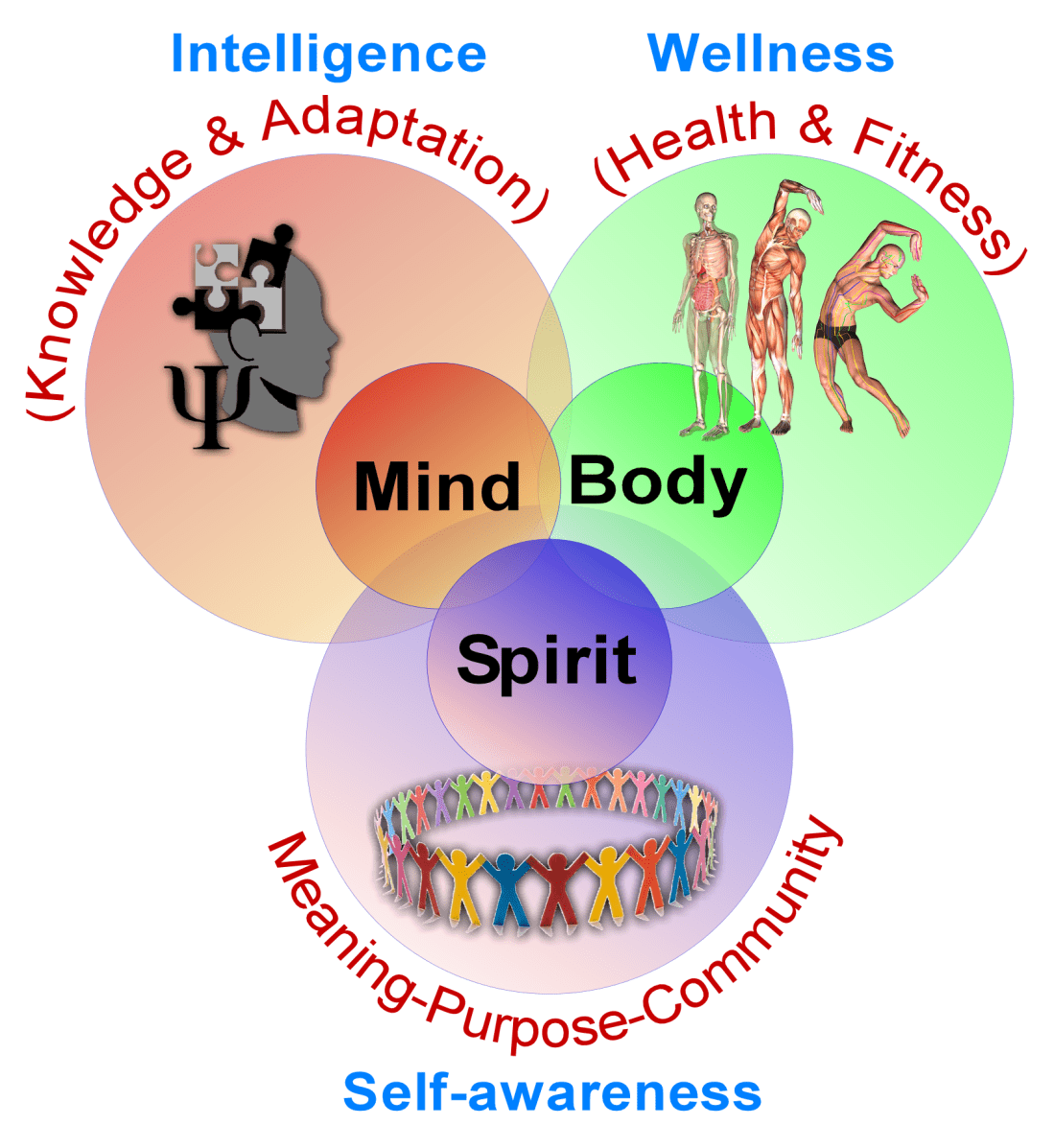
Let’s build strength now in the body, the mind and also in the spirit.

Let’s stay connected to others, to meaning and purpose, and to ourselves.

This is not just about growing older. It’s about growing wiser, deeper, and more alive, together.

_________

Resources & Further Reading

The reflections in this article are deeply informed by the Harvard Study of Adult Development, a landmark longitudinal study that began in the late 1930s and followed hundreds of individuals for over 75 years. Originally known as the Harvard Grant Study, it remains one of the longest and most detailed examinations of adult life and well-being ever conducted.

This research uncovered three essential contributors to long-term happiness and healthy aging:

  1. Warm, supportive relationships – The most consistent predictor of happiness, physical health, and mental clarity was the strength and quality of one’s close relationships. Loneliness and isolation, by contrast, were strongly linked to earlier decline.
  2. Emotional adaptability – Those who fared best over time weren’t those without hardship, but those who learned how to regulate emotions, rebound from setbacks, and find meaning through challenges.
  3. A sense of purpose and engagement – Having work, projects, or passions that felt meaningful — even in later life — was a powerful anchor for mental and emotional resilience.

“Good relationships keep us happier and healthier. Period.”
— Dr. Robert Waldinger, current director of the study

If you’re interested in learning more about these findings and their practical implications for your own life, consider the following resources:

The Golgi Reflex: Nature’s Brake System for Safer Movement

Deep within our muscles and tendons lies a sophisticated intelligence. One that operates beyond conscious control, regulating our strength, flexibility, and safety in every movement. Among the body’s built-in protective systems, the Golgi tendon reflex (also known as the inverse myotatic reflex) plays a pivotal role in preventing injury and maintaining neuromuscular balance.

Whether you’re a martial artist mastering internal softness and explosive force, an older adult regaining balance, or a rehab patient rebuilding function, this reflex is one of the silent forces shaping your movement.

The Golgi Tendon Reflex: A Safety Mechanism Against Overload

The Golgi tendon organs (GTOs) are tiny sensory receptors embedded within the tendons, especially near where muscle fibers attach. These structures monitor tension, not length. When a muscle generates excessive force, the GTOs activate and send signals through Ib afferent neurons to the spinal cord. In response, inhibitory interneurons suppress the alpha motor neurons of the same muscle, causing it to relax,a reflexive release that protects against tendon tears and muscle damage (Kandel et al., 2013).

This response is involuntary, immediate, and essential when lifting something too heavy, absorbing shock from a fall, or stabilizing during sudden force.

(Muscle Spindle and Golgi Tendon Organ, n.d.)

Application in Martial Arts and Internal Cultivation

In martial disciplines, particularly internal arts like Tai Chi, Baguazhang, and Aikido, awareness of the body’s reflex arcs can inform a practitioner’s ability to flow with force rather than oppose it. Here’s how the Golgi reflex relates:

  • Iron Palm training along with Dit Da Jow herbal extracts help to gradually condition the body to tolerate greater tendon strain. Controlled stress during impact training subtly recalibrates the GTO sensitivity over time.
  • Soft styles like Tai Chi and Baguazhang avoid jarring, stretch-activated movements. Instead, working slow, and with controlled tension that stimulates Golgi response, allows the body to yield and remain supple under pressure.
  • In dynamic grappling or throws, as seen in Chin Na, Judo or Hapkido, reflexive yielding through the Golgi pathway helps reduce injury by inhibiting over-tensed muscles at the point of joint load.

Advanced practitioners learn not only to listen to these reflexes, but to train around them, balancing contraction and surrender, strength and softness.

Beyond Martial Arts: Who Else Benefits from the Golgi Reflex?

This reflex isn’t just for warriors or athletes. It’s a vital part of movement safety and performance for everyone:

  • General Population

Everyday actions like lifting groceries, catching a falling object, or stepping off a curb involve sudden shifts in tension. The Golgi reflex modulates effort and prevents injury in such moments.

  • Seniors and Fall Recovery

Age-related proprioceptive decline can dampen these reflexes. That’s why gentle resistance training, balance work, and slow-motion practices (e.g., Tai Chi or aquatic movement) help reengage GTOs, reducing fall risk and enhancing muscular responsiveness (Howe et al., 2011).

  • Stretch and Flexibility Work

Proprioceptive Neuromuscular Facilitation (PNF) stretching uses the GTO mechanism: by contracting a muscle group before passively stretching it, you activate the Golgi reflex, causing deeper relaxation and elongation. This principle is used in yoga, physical therapy, and high-level athletic warmups (Sharman et al., 2006).

  • Rehabilitation

After injury or surgery, the neuromuscular system often becomes overly protective. Isometric contractions, gradual load-bearing, and eccentric movement help reset healthy GTO thresholds. Therapists use these principles to reestablish functional movement patterns without triggering pain or spasm.

Stretch Reflex vs. Golgi Reflex: A Neuromuscular Balancing Act

Reflex TypeGolgi Tendon ReflexStretch Reflex (Myotatic)
TriggerExcessive tension in tendonSudden lengthening of muscle
Sensory ReceptorGolgi tendon organMuscle spindle
ResultInhibits contraction (relaxation)Initiates contraction
PurposeProtects tendon/muscle from ruptureMaintains posture and joint stability
Used InFlexibility work, yielding reflexesPosture, explosive movement

Together, these two reflexes keep the body in dynamic equilibrium, preventing collapse on one end and rupture on the other.

Training Neuromuscular Wisdom

By understanding and training with these reflexes, rather than against them, we unlock more than just flexibility or safety. We cultivate body intelligence.

  • In meditative movement arts, such as Qigong or Tai Chi, this intelligence is described as developing “song” or a state of relaxed, alert readiness.
  • In Western terms, it aligns with developing sensorimotor awareness and reflexive strength: tension when needed, release when wise.
  • In rehab or daily movement, it’s the difference between bracing unnecessarily and moving efficiently.

Whether you’re planting a garden, throwing a punch, or rising from a chair, your Golgi reflex is part of the feedback system keeping you safe, supple, and strong.

References:

Howe, T. E., Rochester, L., Jackson, A., Banks, P. M., Blair, V. A., & Ballinger, C. (2011). Exercise for improving balance in older people. Cochrane Database of Systematic Reviews, (11). https://doi.org/10.1002/14651858.CD004963.pub3

Kandel, E. R., Schwartz, J. H., Jessell, T. M., Siegelbaum, S. A., & Hudspeth, A. J. (2013). Principles of Neural Science (5th ed.). McGraw-Hill Education. https://accessbiomedicalscience.mhmedical.com/content.aspx?bookid=1049&sectionid=59138139

Muscle spindle and golgi tendon organ. (n.d.). https://www.unm.edu/~lkravitz/Exercise%20Phys/spindleGTO.html

Sharman, M. J., Cresswell, A. G., & Riek, S. (2006). Proprioceptive neuromuscular facilitation stretching. Sports Medicine, 36(11), 929–939. https://doi.org/10.2165/00007256-200636110-00002

Options for Managing Chronic Pain #2

Managing Chronic Pain Naturally: Integrating Traditional Wisdom with Modern Science

Chronic pain and stress affect millions of people today, often leading to dependency on pharmaceutical interventions that merely mask symptoms. But there are time-tested, natural ways to promote healing and resilience by working with the body’s innate intelligence.

In a recent lecture, I shared insights from over 40 years of practice in Traditional Chinese Medicine (TCM), holistic movement, breathwork, and energy therapies. This article summarizes key concepts and practical tools from that presentation, blending ancient wisdom with contemporary research to empower your self-care journey.

A Holistic Approach to Chronic Pain

TCM views chronic pain not as an isolated symptom but as the result of disharmony in the body’s energy systems. Through modalities such as acupuncture, cupping, herbal therapy, and breathwork, TCM helps restore balance, encourage circulation, and reduce inflammation.

Yet the modern view adds valuable understanding: chronic stress, shallow breathing, emotional suppression, and sedentary lifestyles all contribute to nervous system dysregulation and persistent pain. The solution lies in integrating breath, movement, awareness, and lifestyle shifts, all of which support long-term healing.

Breathing: The Foundation of Resilience

We often overlook the quality of our breath. Most adults default to shallow chest breathing, reducing oxygen intake and maintaining a low-level fight-or-flight state. In contrast, deep diaphragmatic (abdominal) breathing, as seen in babies and trained performers, nourishes the body and calms the nervous system.

By practicing techniques such as “box breathing” (inhaling, holding, exhaling, holding in equal segments), we can retrain our breathing patterns. Studies show this can lower the respiratory rate from 12–15 breaths per minute to as few as 4, promoting parasympathetic (“rest and digest”) activation and improving resilience (Jerath et al., 2006).


Autogenic training, which combines breath with mental imagery (e.g., sensations of lightness or warmth), offers another powerful tool to redirect the mind away from pain and tension (Fuster, 1959).

Emotions and Organ Health: The TCM Perspective

Traditional Chinese Medicine teaches that emotions are deeply connected to organ systems:

  • Grief affects the lungs
  • Fear affects the kidneys
  • Anger affects the liver
  • Joy affects the heart

Chronic emotional states can block energy (Qi) flow, weakening organ function and fostering illness. Western research supports this: stress hormones like cortisol impair digestion, immunity, and tissue repair (McEwen, 1998).

Mindfulness, breathwork, and emotional regulation are not optional — they are essential for maintaining health and preventing chronic disease.

Movement and Reflexology: Tools for Daily Practice

Pain often leads to inactivity, which worsens circulation and energy stagnation. Safe, enjoyable movement is key. Practices like Tai Chi, swimming, gentle yoga, and controlled resistance training engage respiratory and postural muscles without exacerbating pain.

In addition, reflexology offers a simple method for self-care. Using tools like a golf ball or spiky massage ball to stimulate reflex zones on the feet, hands, and ears enhances circulation and soothes nerve pathways. Reflexology aligns with both TCM meridian theory and Western understanding of dermatomes and nerve reflex arcs (Ernst, 2009).

Sensory Input: A Subtle Yet Powerful Factor

We are constantly influenced by sensory stimuli: sound, light, smell, touch, and temperature.

  • Soothing music and pleasant aromas can promote relaxation
  • Harsh noise and unnatural lighting can trigger stress responses

Creating an intentional sensory environment is a subtle but powerful lever for healing and nervous system regulation (Ulrich et al., 1991).

Integrating Traditional and Modern Tools

Lasting relief from chronic pain comes from addressing its root causes, not just numbing the symptoms. An integrated approach combines:

  • Traditional therapies: acupuncture, moxibustion, herbal remedies
  • Breath practices: box breathing, autogenic training
  • Movement: gentle, customized exercise
  • Emotional awareness: mindfulness, journaling, supportive community
  • Sensory care: cultivating nourishing environments
  • Self-care tools: reflexology, energy work

Quick pharmaceutical fixes may offer temporary relief but do not build long-term resilience. A holistic model supports healing from within, empowering you to become an active participant in your well-being.

Conclusion

Pain is a complex experience woven from physical, emotional, and energetic threads. By understanding this interconnectedness and by applying time-tested practices we can shift from passive suffering to empowered self-care.

Breath, movement, emotional balance, and sensory awareness are accessible to all. With consistent practice, these simple tools can transform not only how we experience pain but how we experience life itself.

References:

Ernst, E. (2009). Is reflexology an effective intervention? A systematic review of randomised controlled trials. The Medical Journal of Australia, 191(5), 263–266. https://doi.org/10.5694/j.1326-5377.2009.tb02780.x

Fuster, J. M. (1959, November 1). AUTOGENIC TRAINING: A psychophysiologic approach in psychotherapy. https://pmc.ncbi.nlm.nih.gov/articles/PMC1577930/

Jerath, R., Edry, J. W., Barnes, V. A., & Jerath, V. (2006). Physiology of long pranayamic breathing: Neural respiratory elements may provide a mechanism that explains how slow deep breathing shifts the autonomic nervous system. Medical Hypotheses, 67(3), 566–571. https://doi.org/10.1016/j.mehy.2006.02.042


McEwen, B. S. (1998). Protective and damaging effects of stress mediators. New England Journal of Medicine, 338(3), 171–179. https://doi.org/10.1056/nejm199801153380307

Ulrich, R. S., Simons, R. F., Losito, B. D., Fiorito, E., Miles, M. A., & Zelson, M. (1991). Stress recovery during exposure to natural and urban environments. Journal of Environmental Psychology, 11(3), 201–230. https://doi.org/10.1016/s0272-4944(05)80184-7

How Medical Studies Get Published and Why It Matters

In the age of evidence-based medicine, published research is often viewed as the gold standard for guiding health decisions. However, behind the polished language of medical journals lies a complex web of funding, publication bias, and editorial politics. While many researchers uphold high standards, recent investigations reveal systemic vulnerabilities in how medical studies are published, even in the world’s most respected journals.

The Traditional Path to Publication

Medical studies generally follow a structured path to publication. Researchers begin by designing their study, obtaining ethical approval (e.g., IRB approval), and collecting data. A manuscript is then submitted to a peer-reviewed journal, where it undergoes scrutiny by field experts who evaluate its methodology, novelty, and clarity. The editorial team, taking reviewer feedback into account, decides whether the paper will be accepted, revised, or rejected.

This peer-review process is intended to serve as a quality filter. However, peer reviewers are unpaid, overburdened, and not always able to detect fraudulent or misleading work, especially in fields outside their specialty (Smith, 2006).

The Cost of Getting Published

One of the less visible aspects of medical publishing is the cost. While traditional journals may publish accepted articles without charge, many newer or open-access journals charge “article processing charges” (APCs) that range from $1,500 to over $5,000 per article (Solomon & Björk, 2012). These fees are often covered by research grants or institutional funding, but they can also create barriers for independent researchers and incentivize some journals to accept more articles, compromising rigor for revenue.

Moreover, the push toward open-access publishing has led to the rise of predatory journals, where publications charge authors but lack credible peer review. This has flooded the academic ecosystem with poorly vetted studies that masquerade as legitimate science.

Politics and Prestige in Editorial Decisions

Studies have shown that research from prestigious universities is more likely to be accepted for publication, a phenomenon known as the “Matthew Effect” (Merton, 1968). Additionally, journals tend to favor studies with statistically significant or “positive” results, leading to a well-documented “publication bias” (Dwan et al., 2013). Negative findings, though scientifically valuable, are less likely to be published, skewing the evidence base.

Even more concerning, high-impact journals have been shown to favor topics that align with social trends or commercial interests. For instance, an investigation by The Wall Street Journal in 2005 exposed how pharmaceutical companies employed ghostwriters to author studies that promoted their drugs, later assigning authorship to respected academics to add legitimacy (Armstrong, 2005). This practice, while not universally accepted, was alarmingly common at the time.

The Paper Mill Problem

In 2024, The Wall Street Journal released another bombshell: a flood of fraudulent research papers had forced the publisher Wiley to retract over 11,000 articles and shut down 19 academic journals (Marcus & Overland, 2024). These papers were often generated by “paper mills” which are organizations that produce fake scientific studies for a fee. Some even used AI to generate content that mimicked legitimate science, exposing deep vulnerabilities in the peer-review and editorial process.

This was not an isolated incident. Other publishers, including Elsevier and Taylor & Francis, have faced similar challenges, revealing how even major journals can be infiltrated by illegitimate science when editorial oversight fails.

The Problem with “Trust the Science”

In recent years, the phrase “trust the science” has become a cultural catchphrase used by media, governments, and institutions to affirm confidence in scientific guidance. While well-intentioned, this phrase can be misleading. It implies that science is monolithic and settled, when in fact it is a dynamic process subject to debate, revision, and crucially, accessibility. Not all valid scientific perspectives make it to publication. Financial constraints, editorial preferences, and publication bias mean that some high-quality studies are never seen by the public or professionals. This selective visibility creates an illusion of consensus, when in reality many opposing findings may have been filtered out of the mainstream conversation (Dwan et al., 2013). Thus, trusting “the science” too literally can obscure the fact that what gets published is only a portion of what is known or could be known on any given topic.

A Historical Case: Vioxx and the NEJM

Concerns over editorial bias are not new. In 2006, The Wall Street Journal reported on how the New England Journal of Medicine failed to detect misleading data about the arthritis drug Vioxx, which was later withdrawn from the market due to cardiovascular risks (Martinez & Winslow, 2006). Critics argued that key risk data were omitted from published studies, undermining public safety.

This case became a turning point in the debate over transparency, conflict of interest, and pharmaceutical influence in academic publishing.

Navigating the Landscape: A Call for Awareness

For health-conscious individuals and practitioners in holistic wellness, the takeaway is not to reject scientific research, but to read it critically. The peer-reviewed system has value, but it is not infallible. Consider the funding source, author affiliations, and whether the journal itself is reputable and transparent about its processes.

Advocates for scientific reform are pushing for stronger peer-review standards, post-publication review systems, and the full disclosure of data and conflicts of interest. Platforms like Retraction Watch, PubPeer, and preprint servers like medRxiv offer tools for transparency.

–  Retraction Watch

–  PubPeer

–  MedRxiv

–  PLOS ONE Publication Criteria

–  WSJ science reporting

References:

Armstrong, D. (2005, December 13). At medical journals, writers paid by industry play big role. The Wall Street Journal. https://www.wsj.com/articles/SB113443606745420770

Dwan, K., Gamble, C., Williamson, P. R., & Kirkham, J. J. (2013). Systematic review of the empirical evidence of study publication bias and outcome reporting bias—An updated review. PLOS ONE, 8(7), e66844. https://doi.org/10.1371/journal.pone.0066844

Marcus, A., & Overland, C. (2024, February 22). Flood of fake science forces multiple journal closures. The Wall Street Journal. https://www.wsj.com/science/academic-studies-research-paper-mills-journals-publishing-f5a3d4bc

Martinez, B., & Winslow, R. (2006, May 18). How the New England Journal missed warning signs on Vioxx. The Wall Street Journal. https://www.wsj.com/articles/SB114765430315252591

Merton, R. K. (1968). The Matthew effect in science: The reward and communication systems of science are considered. Science, 159(3810), 56–63. https://doi.org/10.1126/science.159.3810.56

Smith, R. (2006). Peer review: A flawed process at the heart of science and journals. Journal of the Royal Society of Medicine, 99(4), 178–182. https://doi.org/10.1258/jrsm.99.4.178

Solomon, D. J., & Björk, B. C. (2012). A study of open access journals using article processing charges. Journal of the American Society for Information Science and Technology, 63(8), 1485–1495. https://doi.org/10.1002/asi.22673

Options for Managing Chronic Pain #1

Recently I presented a 3-session discussion of managing chronic pain and various health conditions without relying heavily on pharmaceuticals. Drawing on over four decades of experience in fitness, wellness, and martial arts, I shared practical alternatives for alleviating chronic pain, enhancing overall health, and addressing root causes of illness through natural and holistic methods. The presentation emphasizes lifestyle changes such as regular exercise, proper nutrition, adequate sleep, positive mindset, and maintaining good posture. In addition to physical activity, I introduced various therapies from traditional Chinese medicine like acupuncture, cupping, and herbal treatments, alongside modern tools such as massage guns, acupressure blankets, TENS units, and topical applications like Biofreeze and herbal extracts and oils.

This talk also highlights the important role of breathing techniques and managing thoughts and emotions to influence bodily health, noting the body-mind connection reflected in how emotions such as fear and anger affect organ function. I stressed the importance of building health-supportive habits, acknowledged the challenge of post-traumatic growth, and discussed the nuanced use of heat and cold therapies. Practical advice on selecting and safely using equipment and topical treatments is interwoven with cautions about chemical ingredients and the need for professional guidance when appropriate.

Traditional Chinese medicine explanations include the theory of meridians and fascia as pathways for energy and healing, while acknowledgment of the placebo effect underscores individual variability in treatment success. The presentation culminates with a discussion on herbal remedies and CBD products, encouraging personal experimentation with proper research and awareness of one’s unique constitution. Finally, I outlined future classes focusing on exercises for specific pain areas, breathing techniques, and addressing common ailments such as headaches.

Highlights

  • 🌿 Emphasis on managing chronic pain naturally through lifestyle changes and holistic methods.
  • 🧘‍♂️ Importance of regular exercise, stretching, and posture correction to alleviate joint and muscle pain.
  • 🌞 Balanced exposure to sunlight recommended for overall health despite skin cancer concerns.
  • 🌬️ Deep, nasal breathing techniques help regulate hormones and reduce stress.
  • 💆‍♀️ Overview of traditional Chinese medicine therapies such as acupuncture, cupping, and reflexology.
  • ⚡ Introduction of modern tools like massage guns and TENS units for targeted pain relief.
  • 🌱 Discussion of herbal remedies and CBD products with a focus on personal research and safety.

Key Insights

  • 🌟 Holistic Approach to Chronic Pain Management: The presentation advocates a multi-faceted strategy that goes beyond drugs, focusing on physical activity, nutrition, sleep, mental health, and social connection. Chronic pain is not treated solely as a symptom requiring pills but as a condition that benefits from addressing root causes like posture, mobility, and emotional well-being.

  • 💪 Exercise as a Foundation of Health: Regular, thoughtful exercise not only builds strength and flexibility but also aids in maintaining joint integrity and reducing inflammation. Tailored rehabilitation exercises for injury-prone areas such as knees and back show how specific movements can promote healing and prevent surgery, underscoring the preventive value of physical training.

  • 🌞 Sunlight’s Dual Role: Despite warnings about sun exposure, moderate sunlight early in the day is beneficial for vitamin D synthesis and overall well-being. This nuanced advice counters extreme avoidance and highlights how balanced choices support immune function and energy metabolism.

  • 🧠 Mind-Body Connection Through Thought and Emotion: The concept that emotions influence physical health is grounded in both traditional Asian medicine and modern science. Chronic fear, anger, and depression affect hormone and nervous system balance, which in turn impacts organ health and pain perception. Cultivating positive attitudes is presented as an essential part of holistic health care.

  • 🧘 Breathing as a Regulatory Tool: Emphasizing nasal breathing, I explained its biological effects on the nervous system’s fight-or-flight response and hormone regulation. It’s a simple, often overlooked method to enhance relaxation, improve circulation, and support natural healing processes by shifting the body into a rest-and-digest state.

  • 🌿 Traditional Chinese Medicine and Modern Integration: The explanation of meridian theory in relation to fascia and connective tissue bridges ancient concepts with current anatomical understanding. Techniques like acupuncture, cupping, and acupressure stimulate circulation and nervous system responses, and while their scientific basis is still debated, many find them effective. The placebo effect is recognized as a legitimate contributor to therapeutic outcomes.

  • ⚙️ Safe and Informed Use of Therapeutic Tools and Topicals: Modern devices like massage guns and TENS units can provide effective relief when used properly, but self-education and professional guidance are critical to avoid injury. Similarly, topical treatments like Biofreeze and traditional herbal liniments are recommended with caveats regarding chemical content and appropriate application to prevent adverse reactions.

  • 🌱 Individual Variability and Habit Formation: Chronic pain management is highly personalized. What works for one person might not work for another, which places importance on trying different methods and establishing consistent habits to evaluate effectiveness. The 21-day habit-building model is cited to encourage persistence and gradual lifestyle change.

  • 🌿 Herbal Medicine and CBD’s Mixed Efficacy: Herbal remedies such as ashwagandha and valerian root, alongside emerging treatments like CBD oil, show promise but require careful individual assessment and research. The overlap with placebo effects means patients must remain open-minded yet discerning, guided by their body’s responses and external advice.

  • 🩺 Discerning Between Muscle and Nerve Pain: Understanding the distinction between muscular discomfort and nerve-related pain is key to selecting appropriate therapies. For example, nerve pain may radiate and be treated with different techniques compared to localized muscle soreness, necessitating professional diagnosis to optimize treatment choices.

  • 🔥 Heat vs. Cold Therapy Nuances: The presentation challenges simplistic views on hot and cold treatment by discussing recent medical perspectives on risks and timing. Cold is beneficial immediately post-injury to reduce inflammation but can cause cell damage if prolonged, while heat aids recovery after inflammation subsides, supporting personalized and time-sensitive application.

  • 🌱 Post-Traumatic Growth Emphasized Over Syndrome: Rather than dwelling on trauma as a limiting factor, I frame it as an opportunity for growth. Adopting this mindset fosters resilience, encouraging individuals to engage in rehabilitation, self-care, and lifestyle changes despite past injuries or stressors contributing to chronic pain.

  • 🤝 Value of Social Connection and Mental Health Support: Being part of a supportive community, such as a health class or social network, can distract from pain and enhance feelings of well-being. This social support acts synergistically with physical treatment and mental health practices to bolster overall recovery and health maintenance.

In conclusion, my video offers a rich and practical resource for anyone seeking alternatives or complements to pharmaceutical pain management. It integrates ancient wisdom with contemporary tools and scientific insights, advocating for an active, informed, and individualized approach to chronic pain and health challenges. The emphasis on self-care, preventive habits, and understanding the body-mind interplay positions viewers to take more control of their well-being without over-dependence on medication.