Seasonal affection disorder (SAD) is defined as a subtype of depression, where an individual experiences chronic major depression that follows a seasonal pattern. SAD most often occurs during the winter months. The exact cause of SAD is unknown but is thought to probably manifest from hormone and neurotransmitter dysfunction affecting the nervous and psychic-emotional systems of the human body (Piotrowski, 2022).
Theories of What Causes SAD
Research points towards the winter form of SAD, involving the hormone melatonin, which is a substance secreted by the brain’s pineal gland. Melatonin affects mood and energy levels as well as helps to regulate sleep-wake cycles. Studies reflect too much, or prolonger secretion of melatonin may promote SAD (Ettinger, 2018).
Melatonin as well as serotonin systems are influenced by the earth’s daily dark-light cycle also known as photoperiodism. SAD can thereby be related to seasonal disturbances in the earth’s dark-light cycle and its relative effect on individuals (Ettinger, 2018).
Key Symptoms of SAD
Seasonal patterns of experiencing of a depressed mood that may include feelings of sadness, emptiness, or tearfulness
A lack of interest or pleasure in most activities for most of the day
Significant loss or gain of bodyweight
Insomnia (inability to sleep) or hypersomnia (excessive sleep)
Psychomotor agitation or psychomotor retardation
Loss of energy (fatigue)
Feelings of worthlessness or inappropriate guilt
Diminished ability to think or concentrate
Recurrent thoughts of death or suicide ideation (Piotrowski, 2022)
Who Suffers From SAD?
Research shows that people living in northern climates are more likely to be affected by SAD than people living at other latitudes.
Most persons who will experience this problem will be in their twenties and thirties.
Individuals typically experience depression as the amount of daylight decreases with the advancing of the winter season.
Women are two to four times more likely than men to develop SAD.
Rates for newly diagnosed with SAD tend to decrease during the fifties and decrease dramatically after age sixty-five (Piotrowski, 2022).
SAD affects 0.5 to 3 percent of individuals in the general population. It affects 10-20% of people with major depressive disorder and about 25% of those with bipolar disorder (Seasonal Affective Disorder: MedlinePlus Genetics, n.d.)
Treatment Options
Phototherapy or light therapy is the dominant treatment for those affected by this disorder. Exposure to light can be difficult for some people as each may have unique circumstances in relation to their environment, schedules and careers which may help to limit access to light (Piotrowski, 2022).
Phototherapy involves sitting in front of a specific type of therapeutic light source for anywhere from thirty to ninety minutes. This treatment is usually done in the morning each day. Serotoninergic antidepressant medication is sometimes used along with phototherapy (Piotrowski, 2022).
Cognitive behavioral therapy is another type of treatment where thought patterns are modified to manage SAD. There are also light visors having a light source built into the brim that can help those with this disorder (Piotrowski, 2022).
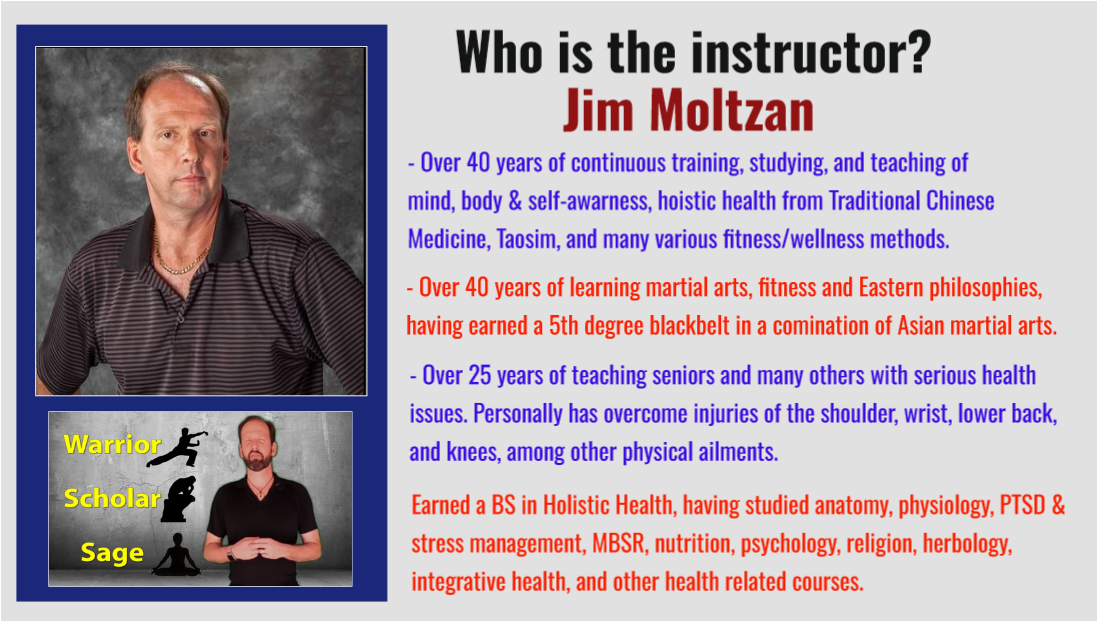
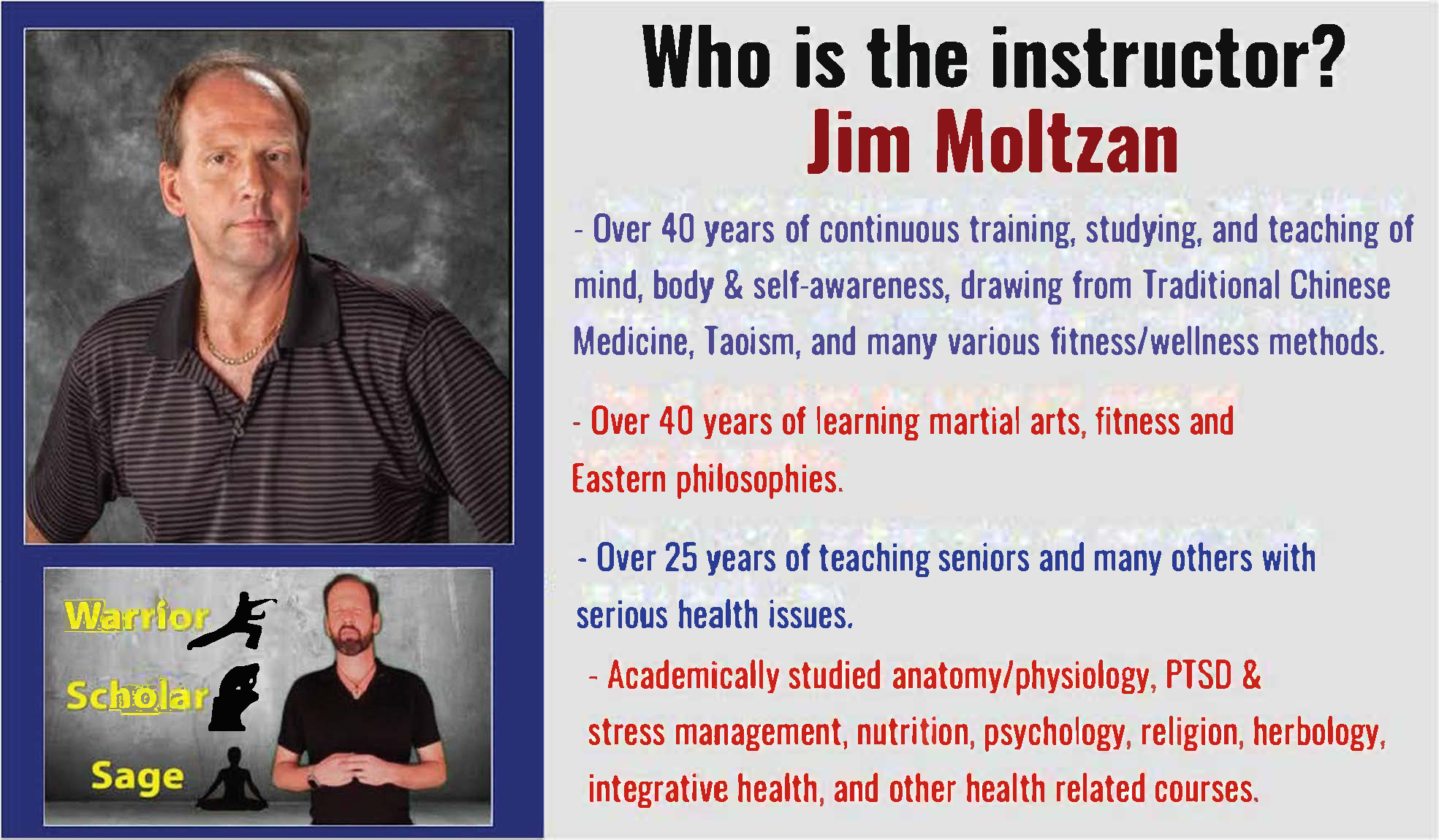
I teach and offer lectures about holistic health, physical fitness, stress management, human behavior, meditation, phytotherapy (herbs), music for healing, self-massage (acupressure), Daoyin (yoga), qigong, tai chi, and baguazhang.
Please contact me if you, your business, organization, or group, might be interested in hosting me to speak on a wide spectrum of topics relative to better health, fitness, and well-being.
I look forward to further sharing more of my message by partnering with hospitals, wellness centers, VA centers, schools on all levels, businesses, and individuals who see the value in building a stronger nation through building a healthier population.
I also have hundreds of FREE education video classes, lectures, and seminars available on my YouTube channel at:
Johann Wolfgang von Goethe (1749-1832), the German author of Faust and other literary works, once wrote:
“Things which matter most must never be at the mercy of things which matter least.”
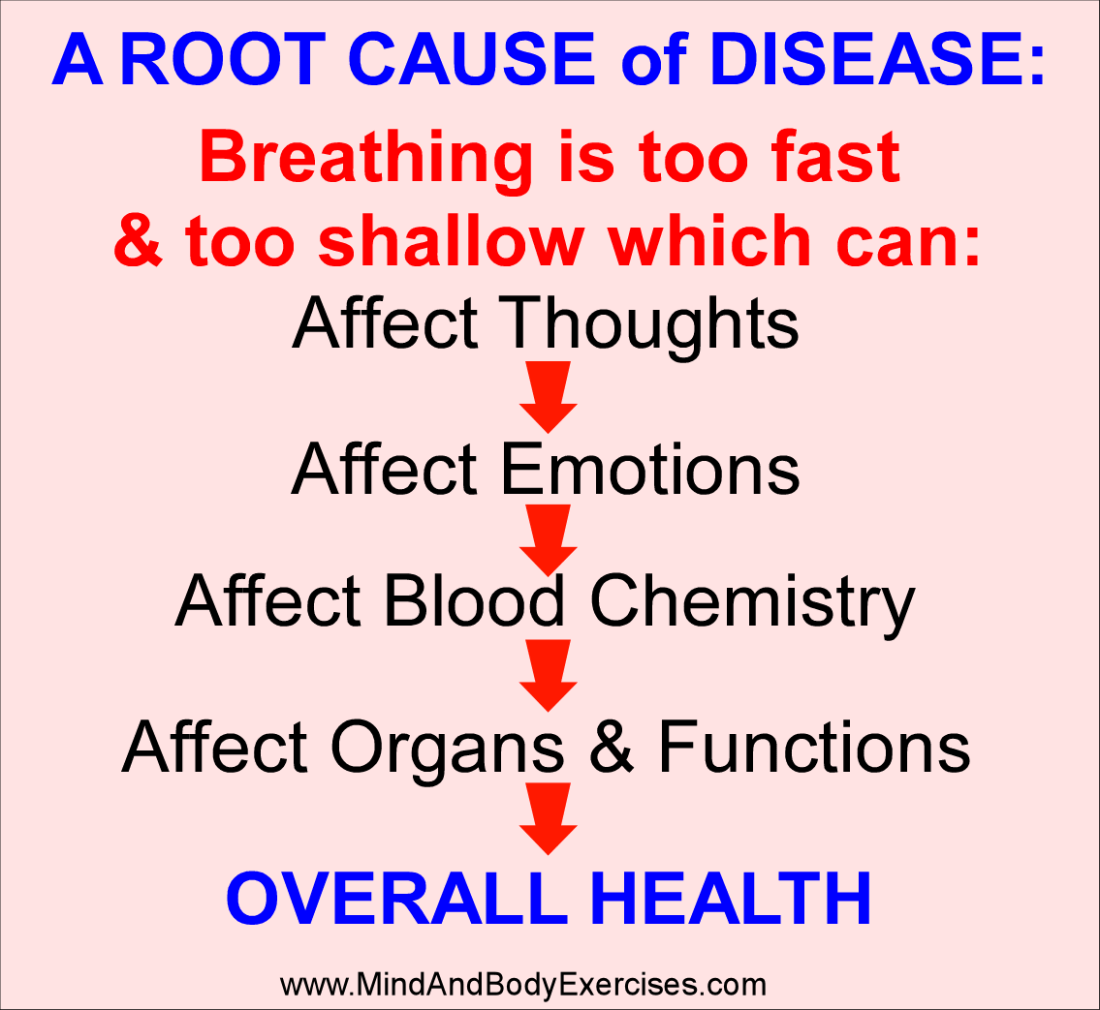
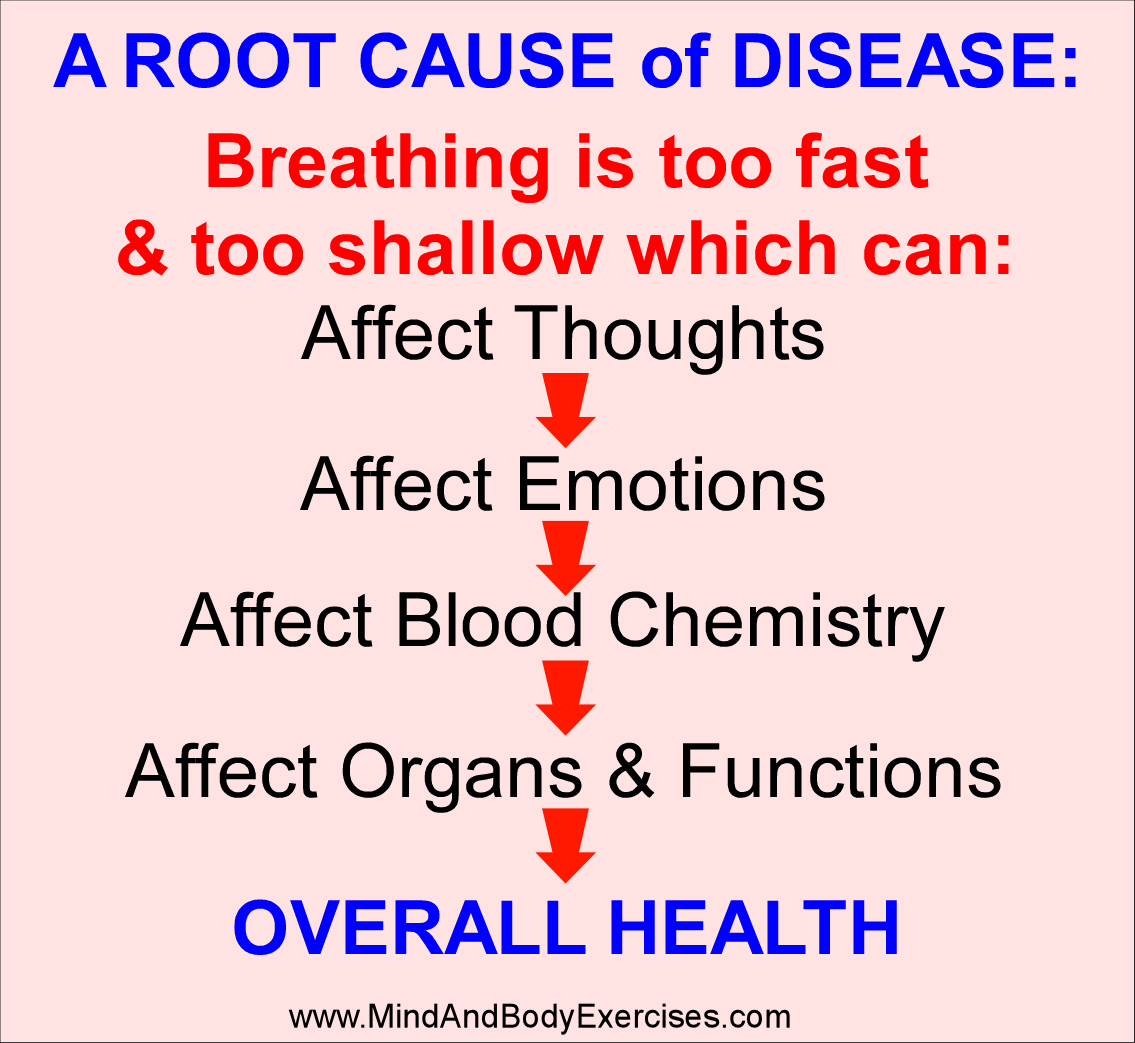
We need to have our priorities in proper order for our own individual goals and responsibilities. It is easy to become caught up in trivial issues that have no real impact on the more important issues that may actually affect our health and well-being. My understanding of stress is an excess of focused attention to a particular issue that may become a detriment to one’s health and well-being of their mind, body, or spiritual awareness. This extra attention can make its way into our thoughts through our senses of sight, hearing, touch, smell, and taste. As our sensory organs receive potential negative input, and relay signals to the brain, our nervous system will make adjustments to the various organ systems and chemistry of the blood throughout our bodies. Stress hormones affect the organs and overall health of the individual leading us back to a potential vicious circle of our health affecting our thoughts and emotions and causing more stress back throughout the body.
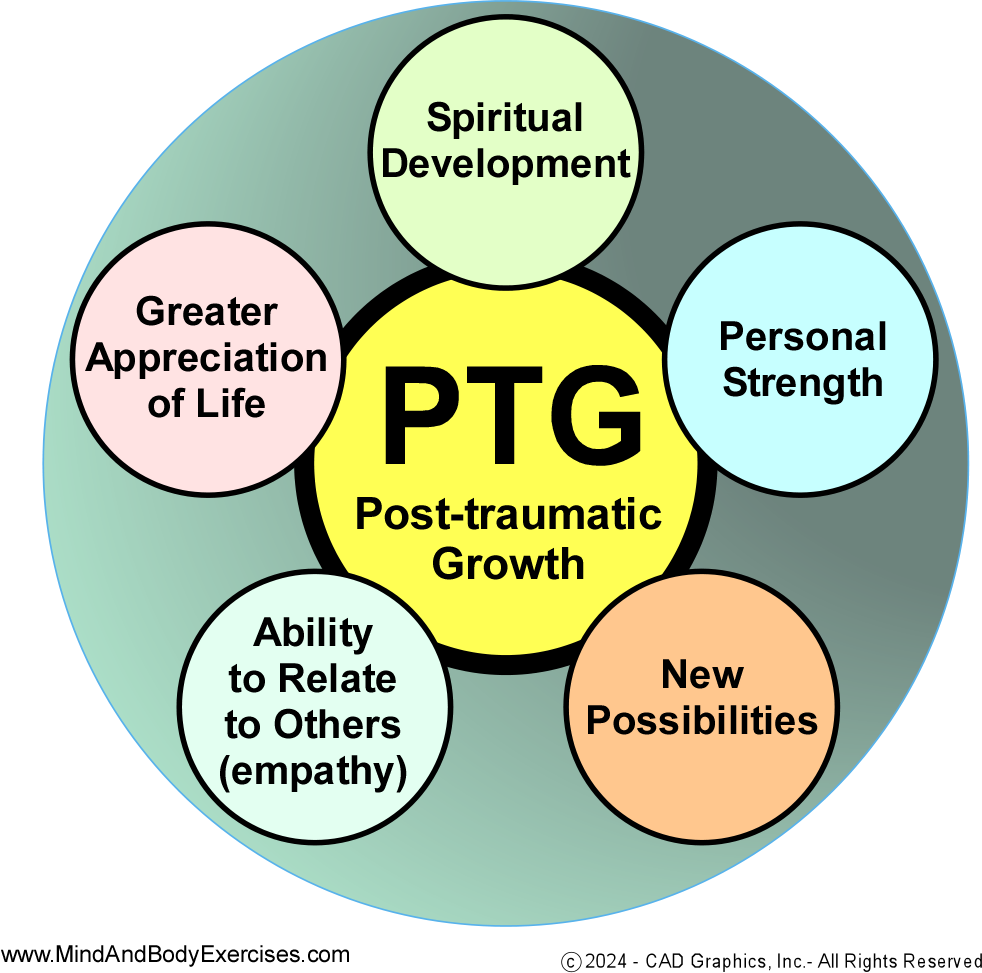
Some stress is actually needed for us to be able to manage the ups and downs we encounter in daily life. I have come to understand that everyone manages stress with their own unique skill set of coping mechanisms and available resources. What is quite stressful for one person may be a minor inconvenience for others. Similarly, when someone experiences some type of traumatic event, they may later experience post-traumatic stress disorder (PTSD), whereas another individual with different coping skills may come to experience post-traumatic growth (PTG). PTG is the term for what may happen when a person who struggles psychologically from trauma and adversity, may come to experience positive, transformative changes in their behavior and mindset (Collier, 2016). Either way, I think that most people try not to be stressed or traumatized, but when they do experience either, there is a wide variety of self-regulation skills that one can access. I have been introduced to various theories such as self-efficacy theory (SET) and self-determination theory (SDT) where individuals can be active participants in how they manage their own thoughts, emotions, and relative actions (Simons-Morton & Lodyga, 2021).
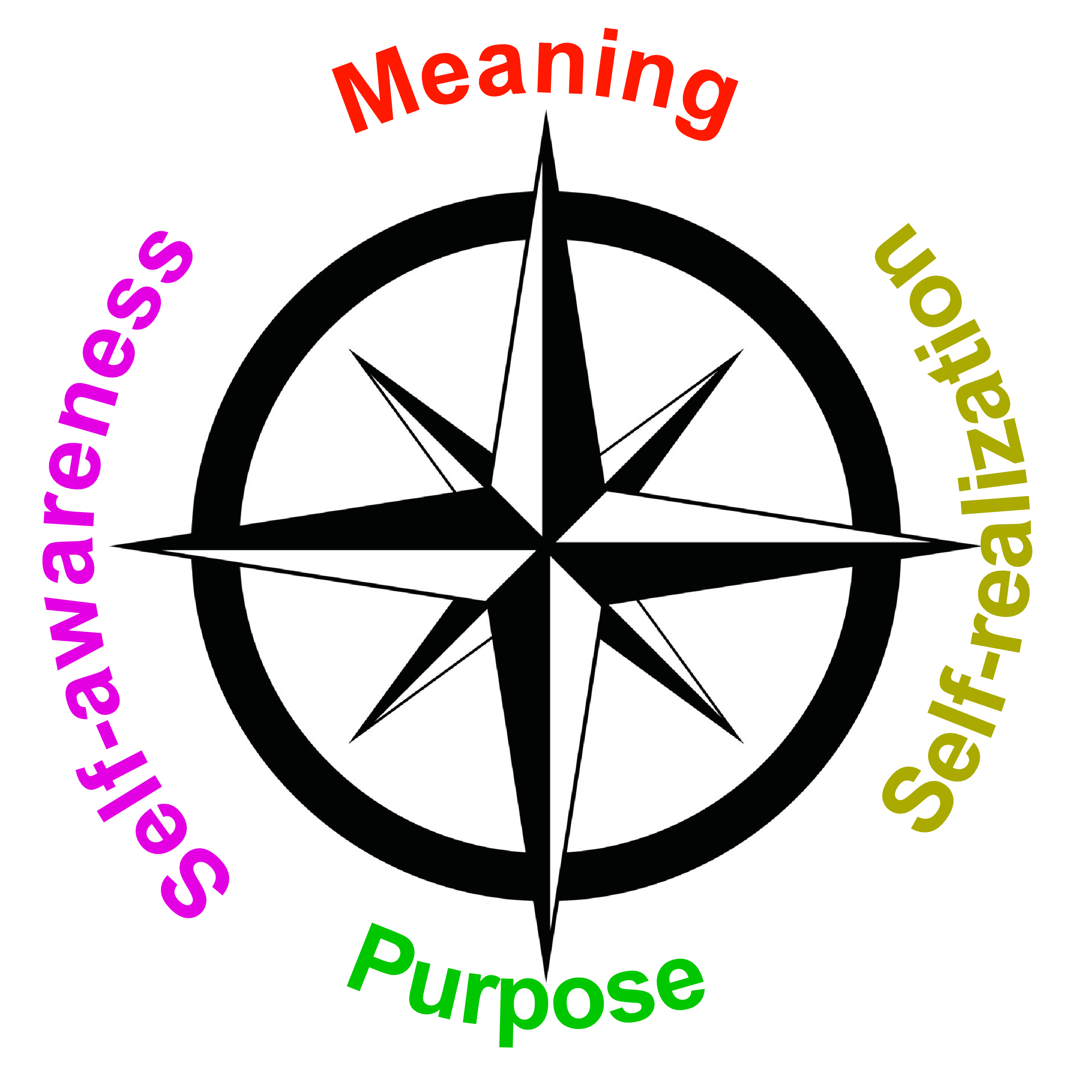
I think everyone has stress on some level in their daily lives. However, I have been fortunate to figure out at an early age that the most important things in my life is my mind, body and spiritual awareness. Once I learned that this is a universal truth that is hard to debate, I realized that everything is connected to the balance and well-being of our physical body, our mental understanding, and an awareness of a higher power along with a sense of purpose or life direction. With the prior being said, I still do experience the daily mundane stresses of tasks, work-related circumstances, interactions with people, studying for this course and a host of other issues many others deal with also. However, I realize that I am the one controlling my thoughts, emotions, and actions, and consequently, I determine how much or how little stress I allow to manifest in my life.
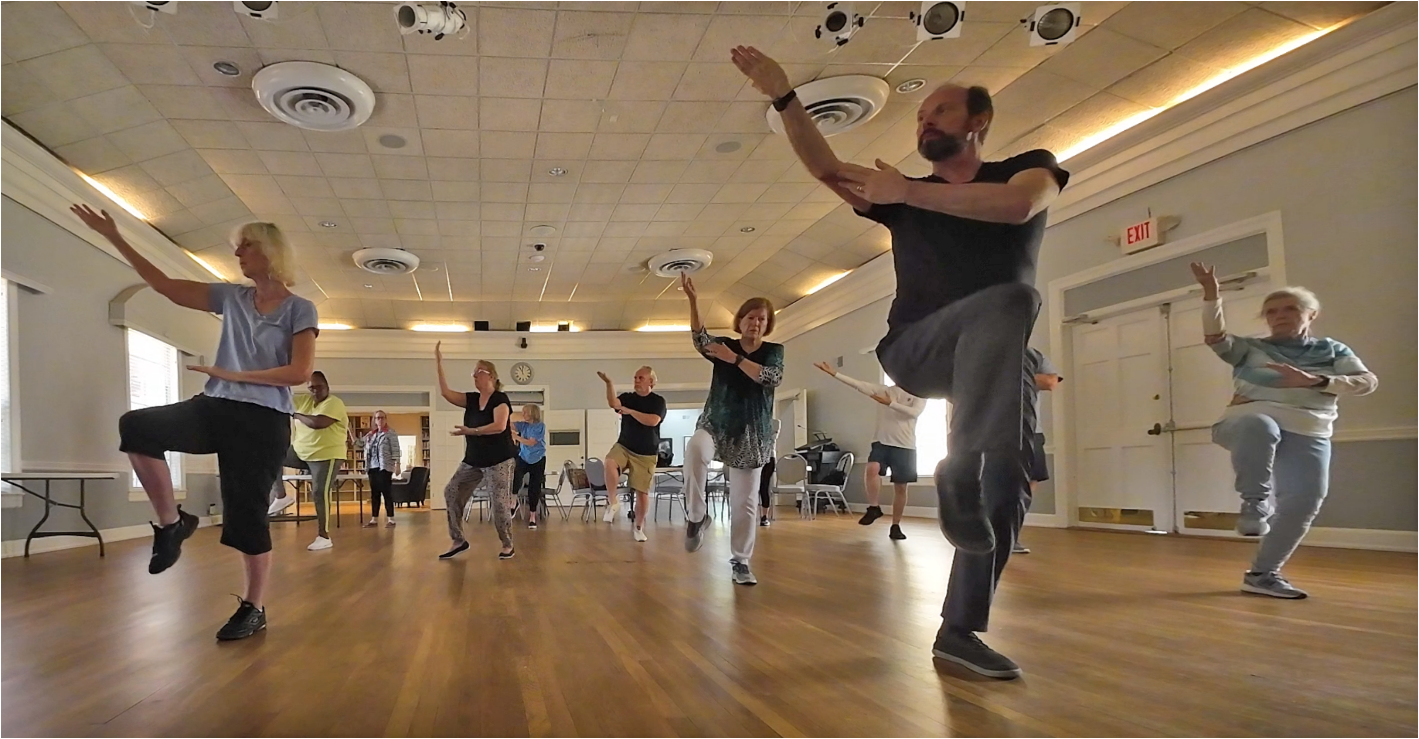
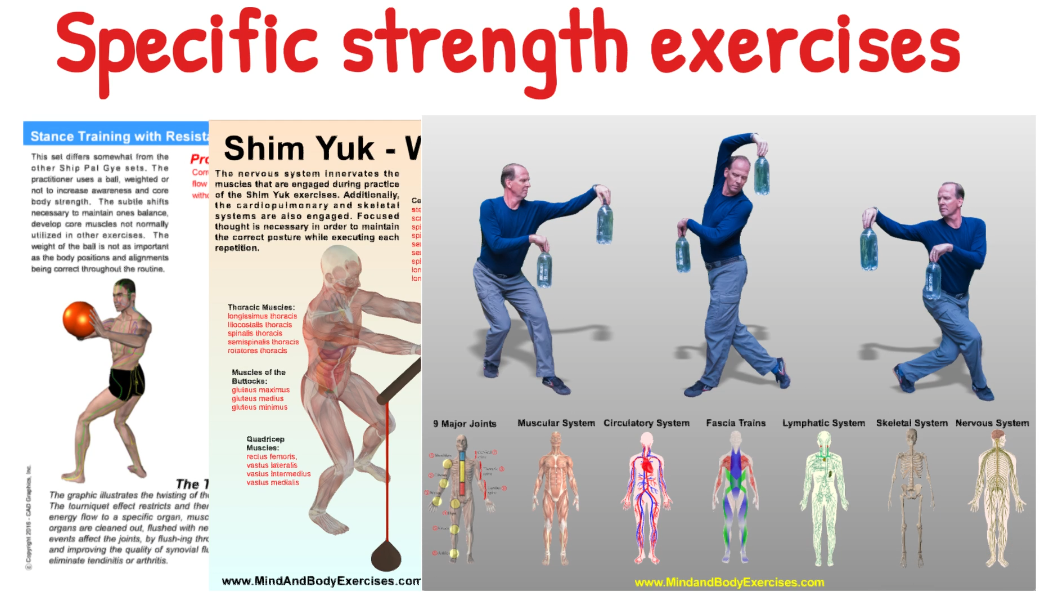
I am currently managing my stress by monitoring my diet and appropriate nutrition, exercising consistently by practicing of sitting, standing, and moving meditation methods like tai chi, qigong, and other martial arts, as well as some resistance/weight training, and cardiovascular exercises, while trying to get about 7-8 hours of sleep. I have studied and practiced many sleep methods/behaviors and their relationship with exercise, meditation, and other mind/body practices. What we do or don’t do during our waking hours can determine the quality of our sleep at night. Conversely, how well we sleep, and duration can affect the quality of our waking hours also. Practicing stress relieving exercises and behaviors during the day such as yoga, mindful breathing, meditation, tai chi, (A Prescription for Tai Chi? A UCLA Researcher Works to Position This Ancient Mind-body Practice Into Mainstream Medicine Nationwide. – Document – Gale General OneFile, 2024) and many other physical exercise methods, can help the mind and body to better process information and rejuvenate during the sleep stages. Mental output and activity often become stressful when we try to work, manage family duties, solve finances, and manage hundreds of other daily tasks. A good night’s rest is most often earned by what we eat, what we think, and what types of physical activity/exercise we practice throughout the day. This is what I have learned and experienced from my own anecdotal experiences.
I teach and offer lectures about holistic health, physical fitness, stress management, human behavior, meditation, phytotherapy (herbs), music for healing, self-massage (acupressure), Daoyin (yoga), qigong, tai chi, and baguazhang.
Please contact me if you, your business, organization, or group might be interested in hosting me to speak on a wide range of topics related to better health, fitness, and well-being.
I look forward to further sharing my message by partnering with hospitals, wellness centers, VA centers, schools on all levels, businesses, and individuals who see the value in building a stronger nation through a healthier population.
I also have hundreds of FREE education video classes, lectures, and seminars available on my YouTube channel at:
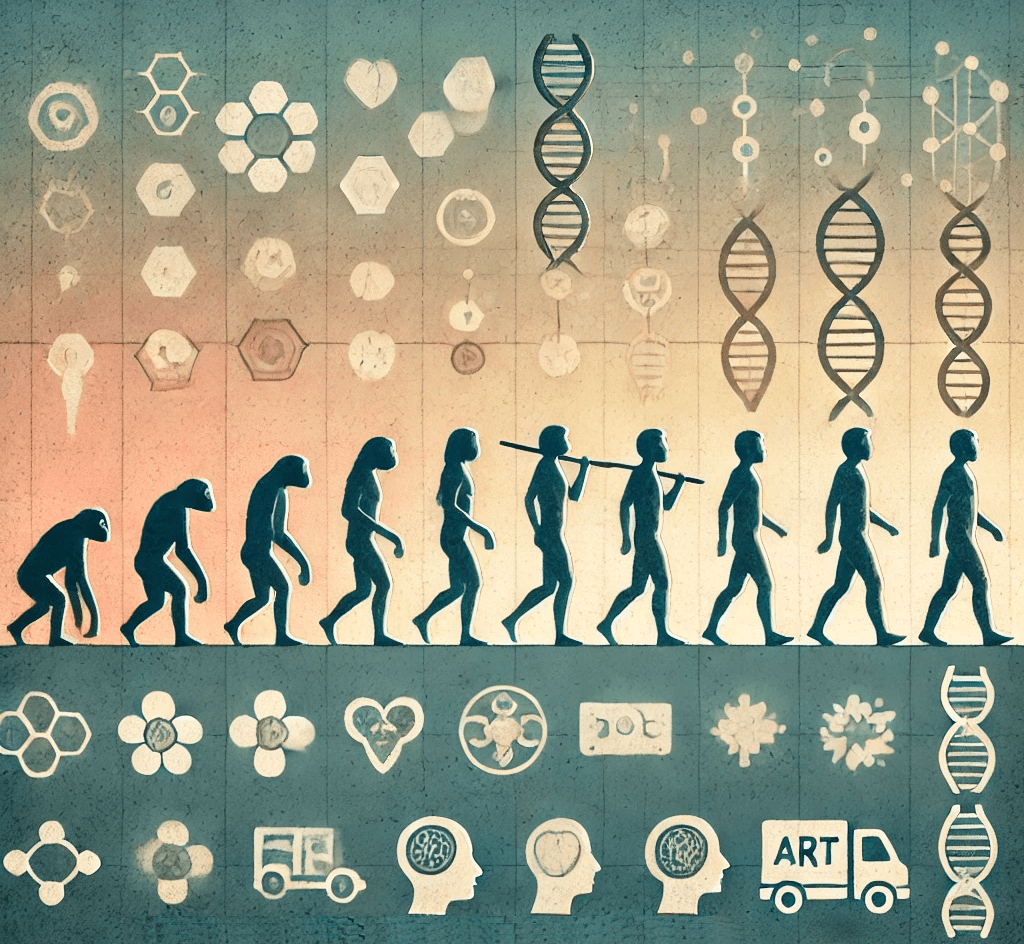
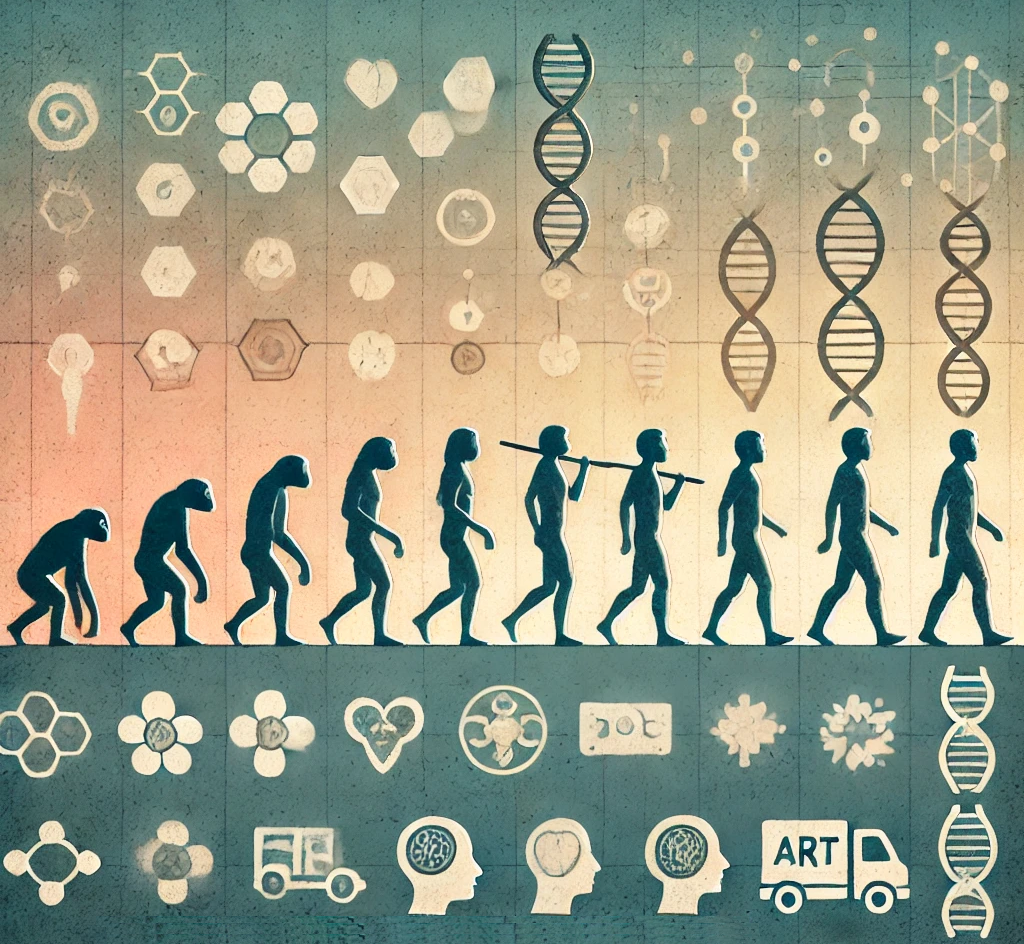
The evolution of human behavior has affected diseases and medical conditions or morbidities such as psychiatric and psychological conditions. Some of these conditions have become acceptable as consequences of not only genetics but effects from the environment such as climate, culture, nutrition, healthcare, etc. Herein lies the discussion of nature versus nurture. A major component in human evolution is the social environment and our ability to adjust or modify it to suit our needs. This ability to make changes allows for the potential mismatch between evolved phenotypes and the current surroundings that we exist and live within, possibly leading to psychological disorders (Gluckman et al., 2016).
Subjection to unfortunate and early social environments such as childhood neglect or abuse, has been linked to increased hypothalamic-pituitary-adrenal (HPA) responses to stress where there is a greater risk of suffering from depression later in life, especially if exposed to other stressful occasions. Increased vulnerability to environmental stressors can be seen as an evolved trait, where stressful environments guide development toward outcomes that are adaptive to stressful conditions as mechanisms affecting physiological functions (Gluckman et al., 2016).
Higher risk-taking or immature behavior is thought to be connected to the lack of prefrontal cortex development, which has been known to affect judgment, planning, impulse control, and decision-making portions of the human brain. Usually, this part of the brain and consequential mental development is not fully mature until about 25 years of age. There is evidence of young males experiencing puberty at an earlier age, where they are biologically mature while simultaneously being psychologically immature (Gluckman et al., 2016). I think that this might be leading to them being much more prone to having suicidal tendencies than those experiencing puberty later. This example appears to demonstrate how a mismatch can affect other adolescent issues such as risky behaviors, drug use and abuse, rebelling, and depression at an early age (Gluckman et al., 2016).
Evolution and Medicine: A Holistic Approach
Evolutionary principles can be applied to medical practice and public health. By exploring an evolutionary perspective, the focus can be steered towards clinical medicine and public health. Evolutionary explanations can encourage differing perspectives of basic, clinical, and public health analysis. Evolutionary interpretations seem to seek the “why” a clinical problem has come about rather than the mechanistic approach of “how” some ailments surface.
Medical conditions might be better understood when a more encompassing or holistic approach looks at a patient’s social background including personal, family, and medical history, a patient’s lineage, human biological and cultural evolution, as well as the broader biological evolution. Examples in this chapter relayed how multiple components are responsible for influencing the risk of acquiring disease and illness. Influenza is often seen as a respiratory viral infection with various levels of severity. Influenza has a relationship with animals where there is a rapid evolution of viruses while we try to maintain effective vaccines. The genomic sequence and evolution of the influenza virus is constantly being evaluated in order to develop vaccines and/or other prophylactic public health strategies. These measures tap into evolutionary principles. Evolutionary science is the main uniting principle within all biology (Gluckman et al., 2016)
Evolutionary Psychology and Consumer Behavior
Author Gad Saad writes about how Darwinian concepts of evolution affect us as consumers in his article of “Applying Evolutionary Psychology in Understanding the Darwinian Roots of Consumption Phenomena”. Humans as a species as well as consumers, embrace various behaviors that are linked to many key Darwinian modules of evolution such as variation, selection, and adaptation. These concepts are found to be consistently reoccurring within expressions of popular culture such as in music, television, and movies. Some of our consumption rituals have roots in our Darwinian heritage, but where consumers are not necessarily consciously aware of the resulting cause or etiology of their behaviors. Most people do not think about our biological heritage when we our buying goods or services (Saad. 2006).
Many of Saad’s examples were relative to reproductive fitness and how specific aspects of selection such as hair color, eye color and height could affect courtship rituals such as dating and gift-giving. Other factors brought up were how females might be more concerned with their physical appearance and pursuing products or services (cosmetics and cosmetic surgery) that would hopefully attract males with more resources that would help perpetuate the success of future offspring. Males were thought to pursue products that allude to their material resources by displaying expensive vehicles (Saad, 2006). I find it interesting how some of these aspects might be viewed today as stereotyping or sexist, however, have some relevance in actual science and research.
Jealousy Through an Evolutionary Lens
“Sex Differences in Jealousy: Evolution, Physiology, and Psychology” an article written by Buss, Larsen, Westen, and Semmelroth, 1992 reports on a hypothesis where situations that initiate emotions of jealousy, may physiologically and psychologically be different for men and women. This issue might have evolved over time due to the different adaptive problems humans experience during mating rituals. Three studies were conducted with participants being undergraduate students, presumably from the University of Michigan and being mostly equally divided between male and female. The study asked questions of what would be more distressing regarding both sexual and emotional infidelity. The results of the studies support that jealousy was activated when questions of this context were discussed with the participants while being connected to a polygraph to monitor skin response, heart rate, and signal strength. The studies would find that these two types of infidelity would have differing results between men and women. Men were more distressed than women while thinking that their partner was having a sexual relationship with another partner, than if the relationship was emotional. Women appeared to be more disturbed by the emotional infidelity of their partner being committed or emotionally attached to a different partner (Buss et al., 1992).
Evolutionary psychological concepts that may be relative to this issue of jealousy and infidelity, are that female commitment jealousy and male sexual jealousy will be greater in cultures where males invest heavily in the upbringing of their children. Also male sexual jealousy will decline as the age of the male’s partner increases due to the female reproductive fitness also declining (Buss et al., 1992). I think that these studies can be seen as limited or somewhat biased in that the participants were of a single age group (college age) and culture (American Midwest). Other age groups or persons from other parts of the country or the world might yield different results.
Art and Evolutionary Psychology
There is an increased curiosity in evolutionary psychology and how it affects our inherited nature within contemporary life, or so Richard Hickman’s 2016 “Reflections on Art Making and Evolutionary Psychology” states. This leads to the question of if all human beings possess an innate capacity and desire for making and appreciating art? Does denial of this capacity lead one to an unrealized and unhealthy life? He goes onto remember that as a young art teacher, a colleague commented that “you can’t teach art; you’re either born with it or not.” Maybe having the ability to know, see or make art is highly subjective on defining what art actually is to one person and not to another. Does art reflect skill, expression, and organization or other universal signatures, for everyone defining what their version of art entails?
Hickman goes on to submit the concept of humans in years past, having to rely on their knowledge of plants and their relative health to ensure survival, in essence, a form of art in detecting fresh-looking plants over diseased or spoiled fruits and vegetables perhaps. He goes on to state individuals are not born as an artist or with specific art-related talents but rather that we are born with a potential for a sense of creativity to adapt our environment and accessories to our needs and desires (Hickman, 2016).
Conclusion
From an evolutionary perspective, I think that many artistic developments have come about due to evolutionary adaptation relative to our preferences and dislikes of foods, music, cinema, and other entertainment or traditions. As I have studied anatomy and physiology, I have come to understand that most functions and responses of the human body, basically come down to chemistry. As I have just seen the tip of the iceberg with this course’s topics, I think that almost everything in our bodies, our behaviors, and beliefs, all within our environment and the universe as a whole, comes down to evolution. I have been exposed to how evolution has affected many human health issues such as pregnancy, nutrition, disease, and heredity. I have also become more aware of how the behaviors of humans as well as other species are affected by evolution principles. Also, evolutionary environmental changes in climate, weather, and other geographical issues have come to play a part in how other interconnected components are all affected. In sum, evolutionary psychology offers a compelling framework for understanding human behavior, from health and disease to consumer choices and social dynamics. The studies and theories discussed in this essay demonstrate how evolutionary principles continue to shape modern life, influencing everything from public health strategies to interpersonal relationships. By exploring human behavior through an evolutionary lens, we gain a deeper appreciation for how our biology, culture, and environment are interconnected. As our understanding of evolutionary science continues to evolve, so too will our insights into the human condition.
Richard Hickman. (2016). Reflections on Art Making and Evolutionary Psychology. The Journal of Aesthetic Education, 50(3), 1–12. https://doi.org/10.5406/jaesteduc.50.3.0001 Saad, G. (2006). Applying Evolutionary Psychology in Understanding the Darwinian Roots of Consumption Phenomena. Managerial and Decision Economics, 27(2/3), 189–201. http://www.jstor.org/stable/25151431
I teach and offer lectures about holistic health, physical fitness, stress management, human behavior, meditation, phytotherapy (herbs), music for healing, self-massage (acupressure), Daoyin (yoga), qigong, tai chi, and baguazhang.
Please contact me if you, your business, organization, or group might be interested in hosting me to speak on a wide range of topics related to better health, fitness, and well-being.
I look forward to further sharing my message by partnering with hospitals, wellness centers, VA centers, schools on all levels, businesses, and individuals who see the value in building a stronger nation through a healthier population.
I also have hundreds of FREE education video classes, lectures, and seminars available on my YouTube channel at:
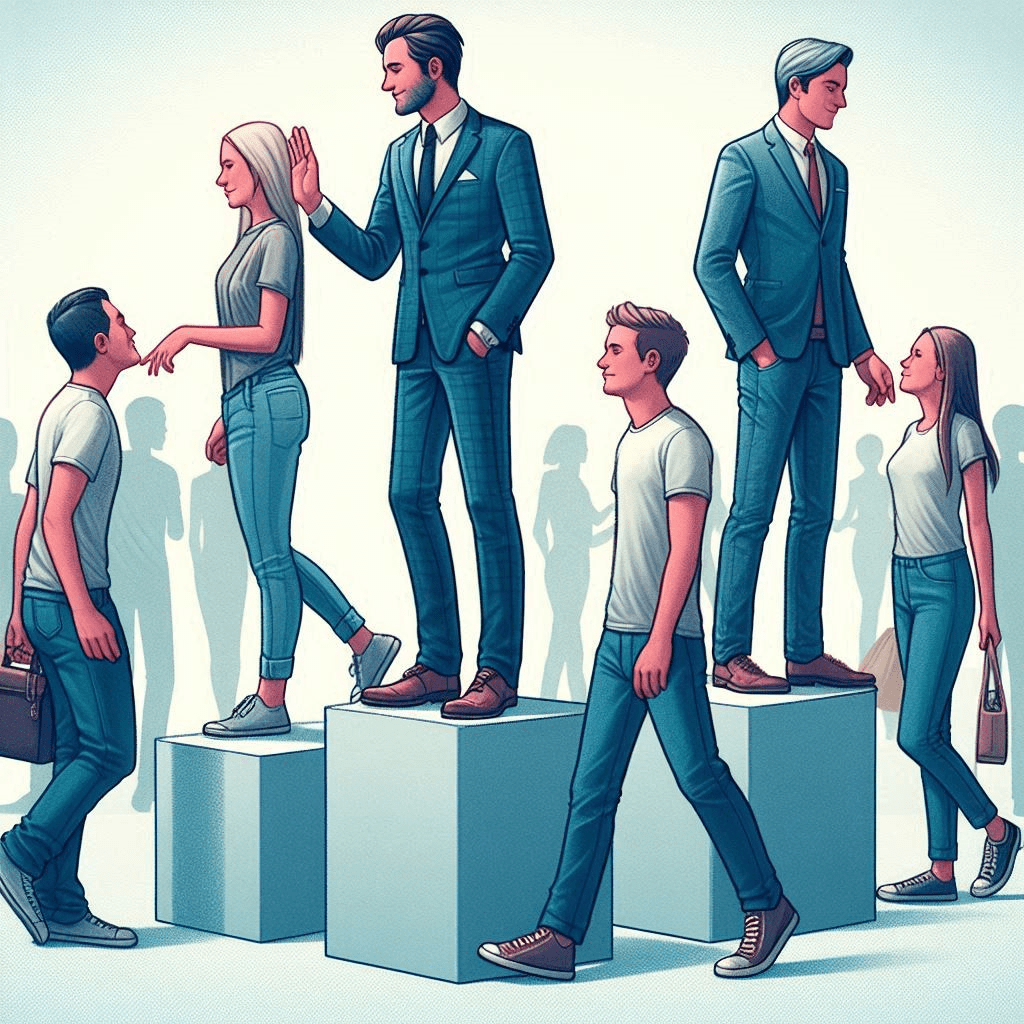
“What do you do for a living?” Isn’t this a typical icebreaker that many Americans use when first meeting someone? For many, this question can carry hidden judgments about education. income and social status. Are you a soldier, a doctor, a lawyer, a judge, a firefighter, a teacher, a law enforcement officer, an athlete, or a celebrity deserving more respect than others due to your level of contributions to society? Or a janitor, garbage collector, starving but aspiring artist, stay-at-home parent, and other professions or callings that maybe don’t garner much respect? Does the retired general or surgeon still expect others to jump to their requests, once they are no longer “in service?” I used to command… I used to manage…
Historically, career choice has often defined an individual’s identity, leading to feelings of invisibility or inadequacy when career titles are lost, changed, or unachieved. This pressure is magnified by America’s long-standing tendency to measure respect towards another based on their socioeconomic status. Psychologist Carl Jung proposed decades ago the concept of personas, which helps to shed light on this behavior. Jung theorized that personas are a type of social mask we wear in society to fulfill various roles that align with expectations for a particular social environment. In the context of the workplace, one’s professional roles become personas that they inhabit. When at home or in other social circles, one’s persona may change to fit the situation, circumstances and environment. The manager at work may also be the caring, understanding but disciplined parent at home. Likewise, the firefighter might also be a great cook or confident to others in need. When people ask, “What do you do?” they’re often asking about the persona or mask you wear in society, expecting a concise answer that reflects status or identity. However, for those in transition such as laid-off workers, retirees, or stay-at-home parents, answering this question can become challenging as their personas shift, blur or dissolve. These individuals may struggle to accept their current selves with their former, socially validated personas, which can lead to psychological issues, such as identity crises and feelings of inadequacy. due to feeling “unmoored” or disconnected from a former identity.
This career-centric perspective, sometimes referred to as “workism,” is deep-seated in American culture. It may have roots in the Protestant work ethic, which values hard or complex work as a measure of morality and worth. The result is a societal obsession with careers that often substitute family, community, and religion as the primary marker of value. In the US, socioeconomic status is quite often related to job titles and income, meaning that the “What do you do?” question also functions as a shortcut for determining respect and the perceived value of a person. This respect, or lack thereof, can create social friction, where those without distinguished titles feel slighted.
To reduce the unhealthy dependence on a career path as identity, experts suggest reframing the question or focusing on aspects of life outside and beyond one’s career. Jung’s approach would encourage developing a deeper understanding of one’s self beyond the persona, encouraging individuals to explore other aspects of their identities that are not dependent on professional success and/or recognition. Questions like, “What do you enjoy?” or “What are you passionate about?” may spark more meaningful conversations about who a person is, without linking the value of their character to their economic or social standing.
The American perspective on work and its complex culture has been slowly evolving. Younger generations are adopting a more open, less judgmental approach to non-traditional career paths. However, the stigma of defining oneself by a job title still lingers, leading to challenges in self-worth, especially when careers are in flux, disrupted, or ended for various reasons. As people move beyond “work enmeshment”— an unhealthy co-dependence on career identity — and begin to separate their self-value from their professional personas, they can cultivate new ways to contribute and find purpose. This might involve creative endeavors, personal growth, volunteering, or other areas of interest.
One valuable lesson I learned years ago from martial arts training is that “one must learn before they can earn,” along with the reminder that “happiness comes from within, not from mere recognition from others.”
I teach and offer lectures about holistic health, physical fitness, stress management, human behavior, meditation, phytotherapy (herbs), music for healing, self-massage (acupressure), Daoyin (yoga), qigong, tai chi, and baguazhang.
Please contact me if you, your business, organization, or group might be interested in hosting me to speak on a wide range of topics related to better health, fitness, and well-being.
I look forward to further sharing my message by partnering with hospitals, wellness centers, VA centers, schools on all levels, businesses, and individuals who see the value in building a stronger nation through a healthier population.
I also have hundreds of FREE education video classes, lectures, and seminars available on my YouTube channel at:
I think that legitimate research studies can help support a particular perspective. However, we can often find studies that support our own beliefs, viewpoints, and agendas.
Recently I read an article titled Spending Time In Nature Is Good for You. New Research Explains Why, published at Healthline.com by Chantelle Pattemore, reports why spending time in nature is beneficial to our mental and physical well-being and specifically why (Pattemore, 2022).
This article was based on another article reporting new research coming from the University of Tokyo, where researchers found at least 10 new mechanisms that can positively affect mental and physical health (Huynh et al., 2022). These would include satisfactive, formative cohesive, and transcendent. Satisfactive would be a feeling that one’s needs and expectations are satisfied by way of interactions with nature. Formative would be where following interactions with nature, factors of attitude, behaviors, mood, and values change either instantly or over a short duration of time. Cohesive is the growth of significant human relationships through activities engaging with nature. Transcendent refers to obtaining spiritual or religious benefits after interacting with nature (Pattemore, 2022). This particular article references the observational research having come from a systematic review and analysis of 301 relevant peer-reviewed pieces of literature from 62 different countries. Most of the studies included and focused on local communities, followed by tourists, indigenous communities, farmers, fishers, and business owners (Huynh et al., 2022).
I feel that there definitely was the potential for research bias as the studies that were reviewed were mostly from Europe, Asia, and North America. Obviously, there are other regions of the world where people not only live near or within nature but may more or less embrace doing so depending upon many variables. Studies from Europe comprised 42.1% of articles, Asia comprised 21.7% of articles and North America comprised 18.5% of articles reviewed. Central and South America offered 6.5% of articles, Africa had 5.8% of articles, and Oceania had 5.4% of articles reviewed. Additionally, the studies focused on various locations of particular cultural ecosystem services (CESs) within each country. CESs are also referred to as the non-material or “intangible contributions” to well-being that nature provides. The reviewed studies focused on CESs from urban and semiurban ecosystems (26.2% of articles), forests and woodlands (20.2% of articles), inland water (12.5% of articles), and coastal areas (8.9% of articles) (Huynh et al., 2022).
I think that if the majority of the studies reviewed came from regions that are directly located near nature, such as coastal areas, mountainous areas, locations near some type of body of water, wooded areas, and others, people will probably have reasons why they think they receive benefits from the nature available in these types of areas. Conversely, I think that if the studies reviewed came from people dwelling happily within city buildings, separate from plant life or areas with less access to nature, they might be more inclined to report that they are not as concerned with access to nature. For this reason, I think this article might be considered as reviewing a captive audience knowing that people living close to nature are going to report positively about the benefits of doing so.
I do feel that this article has merit overall based on the reviewed data, but I actually find myself biased in favor of the results. I have lived within areas where I had much, as well as little easy access to nature and therefore have the benefit of being able to draw a comparison for myself as to what is better for my health and well-being. Another individual may find that living in a mostly concrete and metal environment, that offers them income and other resources, that may contribute to their own peace and satisfaction, is better for their own health and well-being. In conclusion, while I think that legitimate research studies can help support our own beliefs, viewpoints, and agendas particular perspective, there are often just as many studies that support contradictory viewpoints.
Huynh, L. T. M., Gasparatos, A., Su, J., Dam Lam, R., Grant, E. I., & Fukushi, K. (2022, August 5). Linking the nonmaterial dimensions of human-nature relations and human well-being through cultural ecosystem services. Science Advances, 8(31). https://doi.org/10.1126/sciadv.abn8042
I teach and offer lectures about holistic health, physical fitness, stress management, human behavior, meditation, phytotherapy (herbs), music for healing, self-massage (acupressure), Daoyin (yoga), qigong, tai chi, and baguazhang.
Please contact me if you, your business, organization, or group, might be interested in hosting me to speak on a wide spectrum of topics relative to better health, fitness, and well-being.
I look forward to further sharing more of my message by partnering with hospitals, wellness centers, VA centers, schools on all levels, businesses, and individuals who see the value in building a stronger nation through building a healthier population.
I also have hundreds of FREE education video classes, lectures, and seminars available on my YouTube channel at:






 United Martial Arts Association