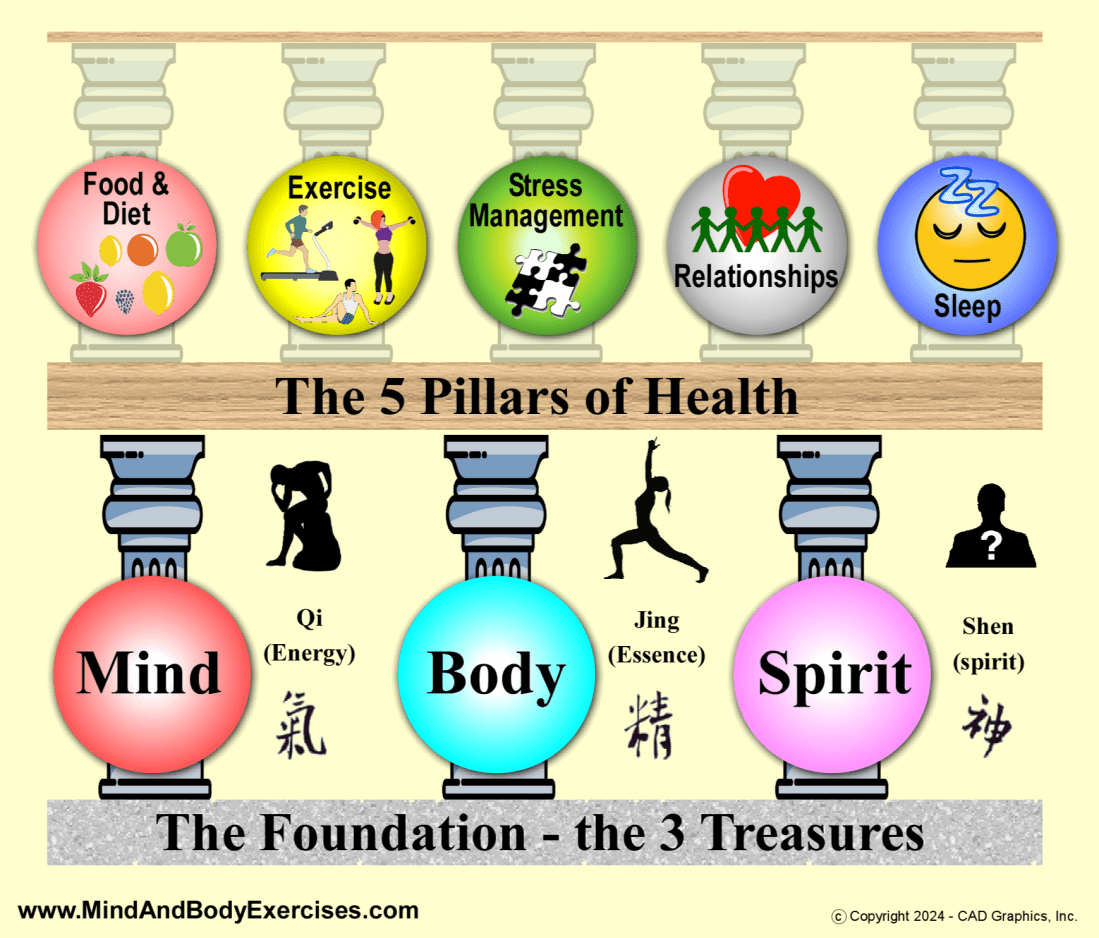
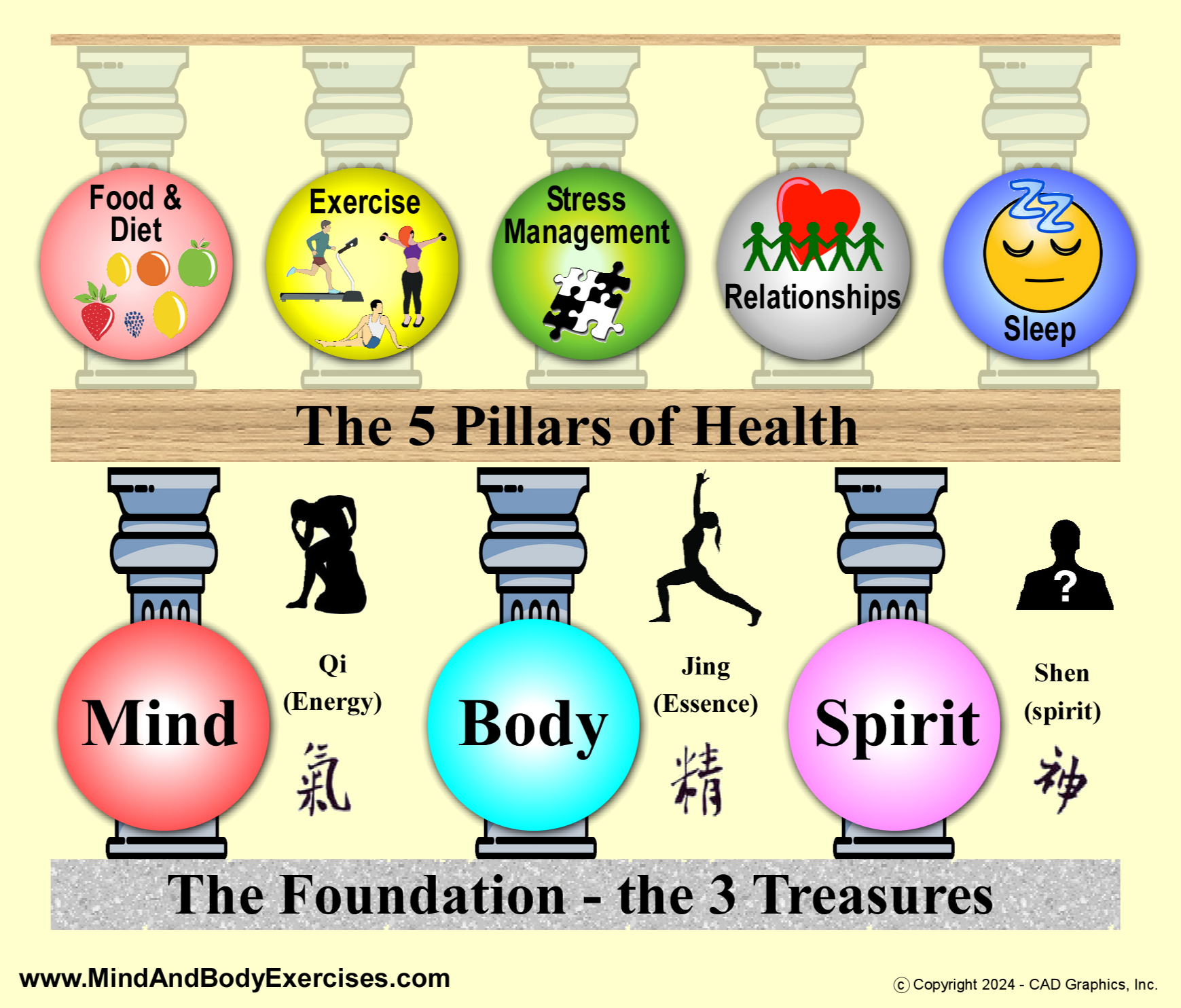
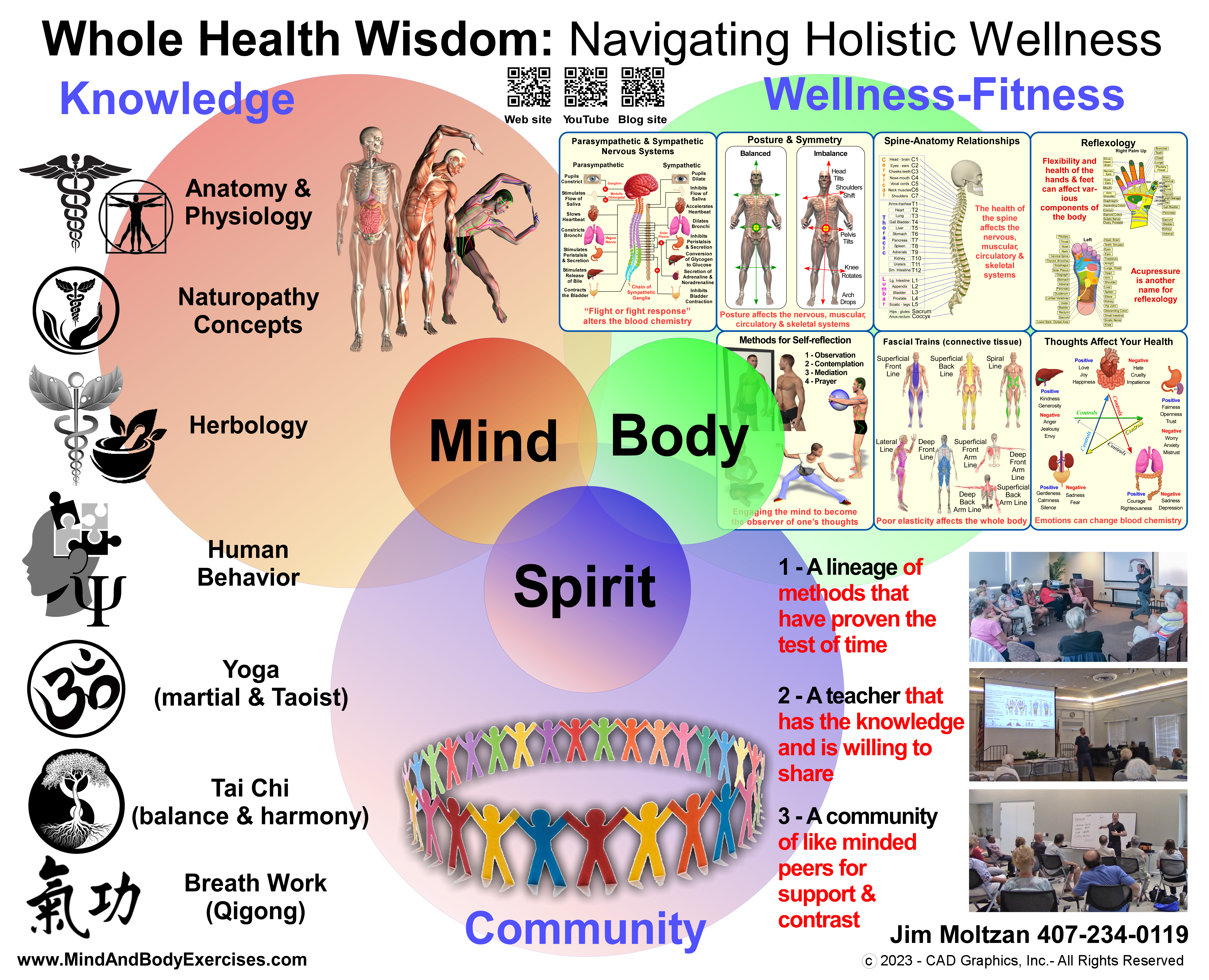
In recent years, more hospitals, wellness centers businesses, and other groups have begun to acknowledge that there is some relationship between the food we consume, exercise, management of stress, social relationships, and sleep hygiene, collectively referred to as the “5 Pillars of Health.” These components can exist in harmony to play parts in overall health and well-being. With this realization, we can see from the graphic below how the many sub-categories that are now thought to be parts of wellness build upon the original concept of mind, body, and spirit.
The 5 Pillars of Health are a great segway from the 3 Treasures of the mind, body, and spirit. All aspects of society and culture evolve over time. It only makes sense that some ancient philosophical concepts will also continue to evolve over time. Thousands of years ago, nutrition might not have been viewed as good or bad, but rather as great to just have enough food to survive. Exercise may have not been so trendy, whereas again survival might have dictated the types of activities that people engaged with (ie. hunting, running, swimming, lifting dragging, etc.). While people have been coping with stress for as long as humans have existed, we have not diagnosed it as such up until recent decades. Social connections and sleep are again areas that had not really been considered to affect health that much, until more recently.
Food and Diet:
Importance: Food provides the essential nutrients that the body requires to function properly.
Key Aspects: A balanced intake of macronutrients (fats, carbohydrates, proteins,) and micronutrients (vitamins and minerals), appropriate hydration, and mindful eating.
Tips: Focus on consuming whole foods like fruits, vegetables, lean proteins, whole grains, and healthy fats. Reduce intake of processed foods, sugar, alcohol, and excessive salt.
Exercise:
Importance: 2nd only to not smoking, exercise is the best activity for maintaining physical health, improving mental well-being, and enhancing overall quality of life.
Key Aspects: Includes cardiovascular (aerobic) exercise, strength/resistance training, flexibility exercises, coordination, control, and balance activities.
Tips: Strive to exercise for at least 150 minutes of moderate-intensity or 75 minutes of high-intensity aerobic activity per week, while also engaging in muscle-strengthening activities for two or more days per week.
Stress Management:
Importance: Studies and relative research support that chronic stress can definitely have negative impacts on physical and mental health.
Key Aspects: Coping and managing techniques can help to reduce stress, such as deep breathing exercises (qigong), mindfulness, meditation, and better time management.
Tips: Try to implement relaxation techniques into daily activities and routines, engage in hobbies, and pursue support from friends, family, and/or professionals when needed.
Relationships:
Importance: The ongoing 80-year-old Harvard Grant Study on Adult Development supports that ongoing healthy social relationships can impact emotional well-being and also can provide support during tough times.
Key Aspects: Connections to family, friends, local communities, and other social support networks can affect well-being on many levels.
Tips: Seek open communication, show empathy, set boundaries, and make quality time for loved ones.
Sleep or Sleep Hygiene:
Importance: Quality as well as quantity of sleep is important for physical rest and recovery, emotional balance, and cognitive functions.
Key Aspects: Good sleep hygiene involves consistent sleep patterns, appropriate duration (7-9 hours for most adults), and an environment that promotes sound and uninterrupted sleep.
Tips: Strive to maintain a consistent sleep schedule, in a restful environment, reduce caffeine and electronics intake well before bed, and practice a bedtime routine.
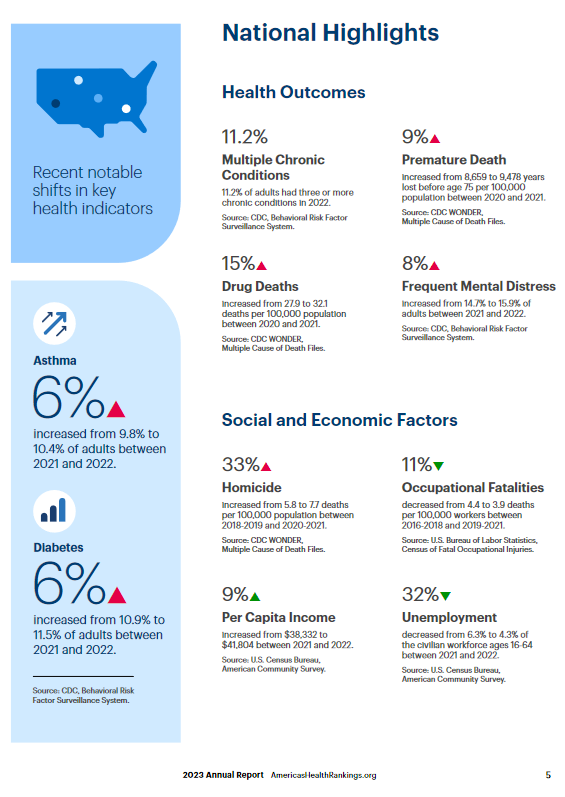
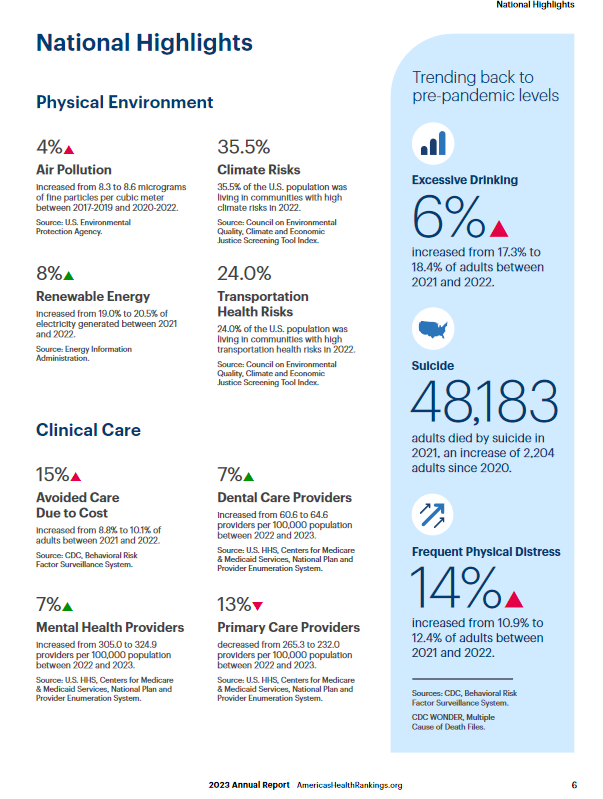
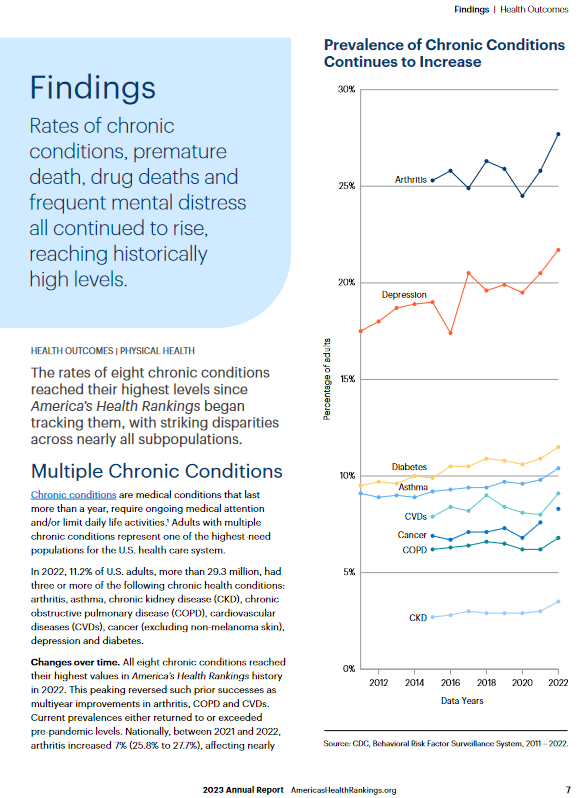
The 5 Pillars of Health may seem like common sense to many. However, many people of all ages do not understand these pillars to be fundamentally important to overall better health and well-being. More than in other periods in the US, more Americans are suffering from disease and illness that can be managed through implementing these concepts of the 3 Treasures and the 5 Pillars of Health.
I teach and offer lectures about holistic health, stress management, qigong, tai chi, baguazhang, meditation, phytotherapy (herbs), music for healing, self-massage, and Daoyin (yoga).
Please contact me if you, your business, organization, or group, might be interested in hosting me to speak on a wide spectrum of topics relative to better health, wellness, and fitness.
I look forward to further sharing more of my message by partnering with hospitals, wellness centers, VA centers, schools on all levels, businesses and individuals that see the value in building a stronger nation through building a healthier population. I also have hundreds of FREE education video classes, lectures and seminars available on my YouTube channel at:
Sick-Care to Self-Care: Transforming Health Through Holistic Practices (this week’s FREE discussion at the University Club of Winter Park)
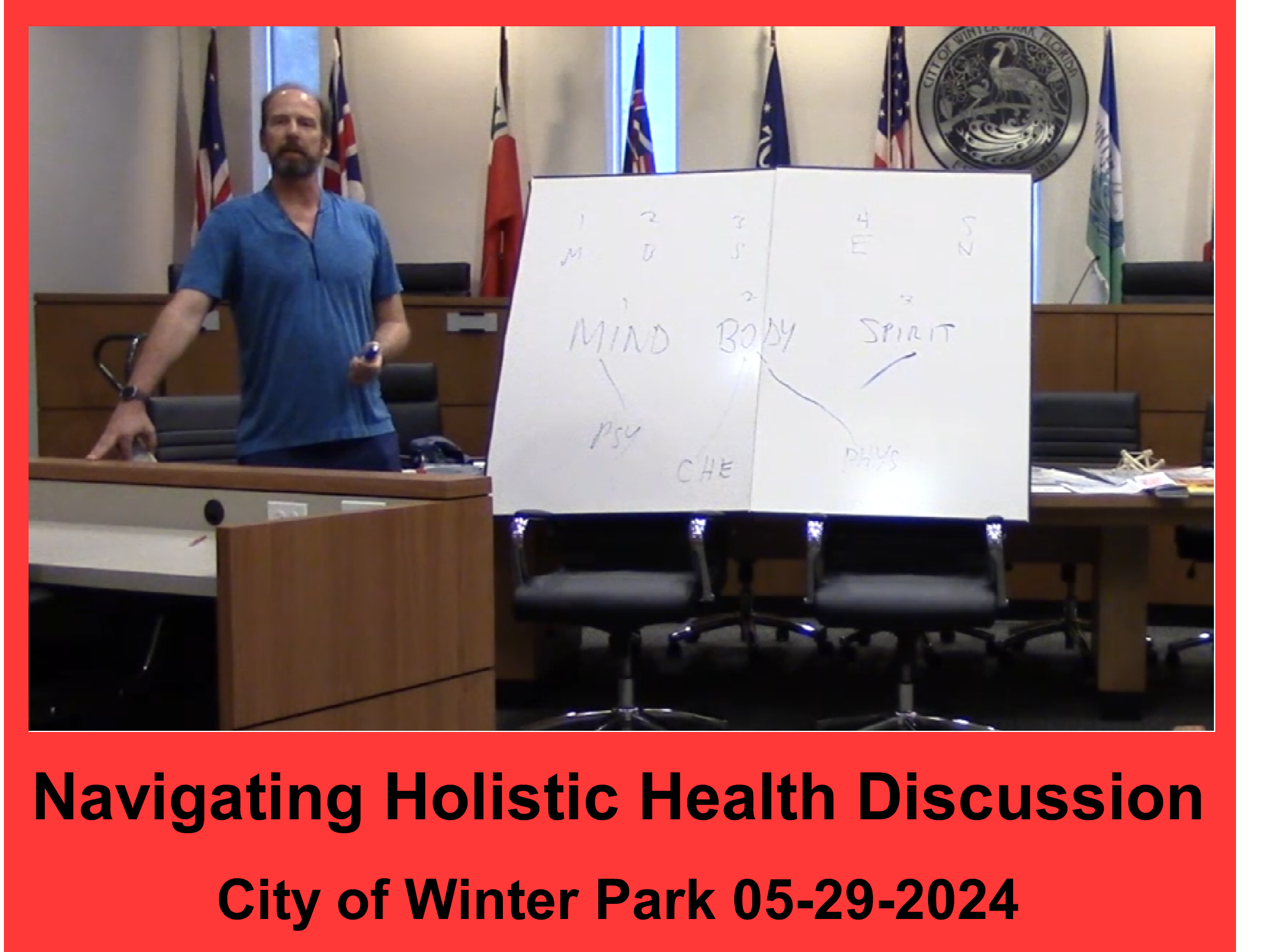
This week I will again speak at the University Club of Winter Park, to share information about health and wellness practices. This month, I will discuss the many factors that play a role in our health and well-being, as well as those “Mind and Body” practices that Western medicine increasingly recognizes as important to our health.
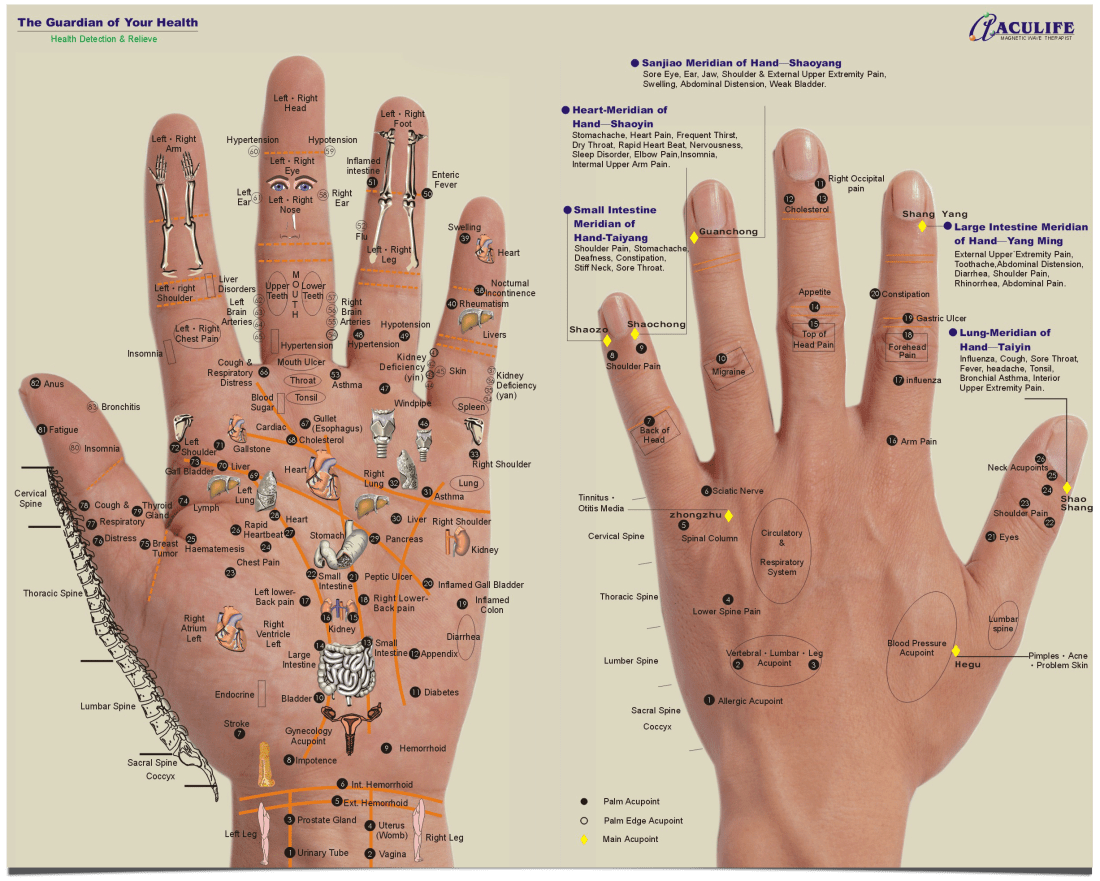
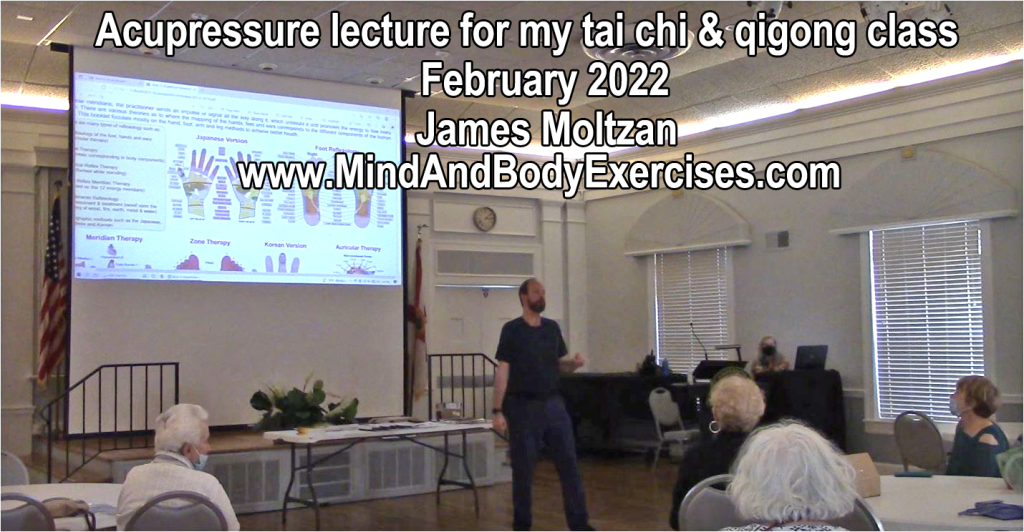
I will be discussing topics such as qi, and how to increase its flow through acupressure (reflexology) on the hands, fingers, and wrists. These exercises can help reduce pain while also increasing grip strength. A strong grip can help reduce falling for those with balance issues.
The concept of “sick-care” is to wait until you get sick to get care. The idea of “self-care” empowers the individual to manage their own well-being by taking active control to prioritize healthy lifestyle choices and consider options beyond traditional Western medicine. It’s never too late to start caring for yourself, so join us to learn how!
UCWP is located at 841 N. Park Avenue, Winter Park, at 2pm Thursday, July 11th. Contact me to confirm attendance at 407-234-0119
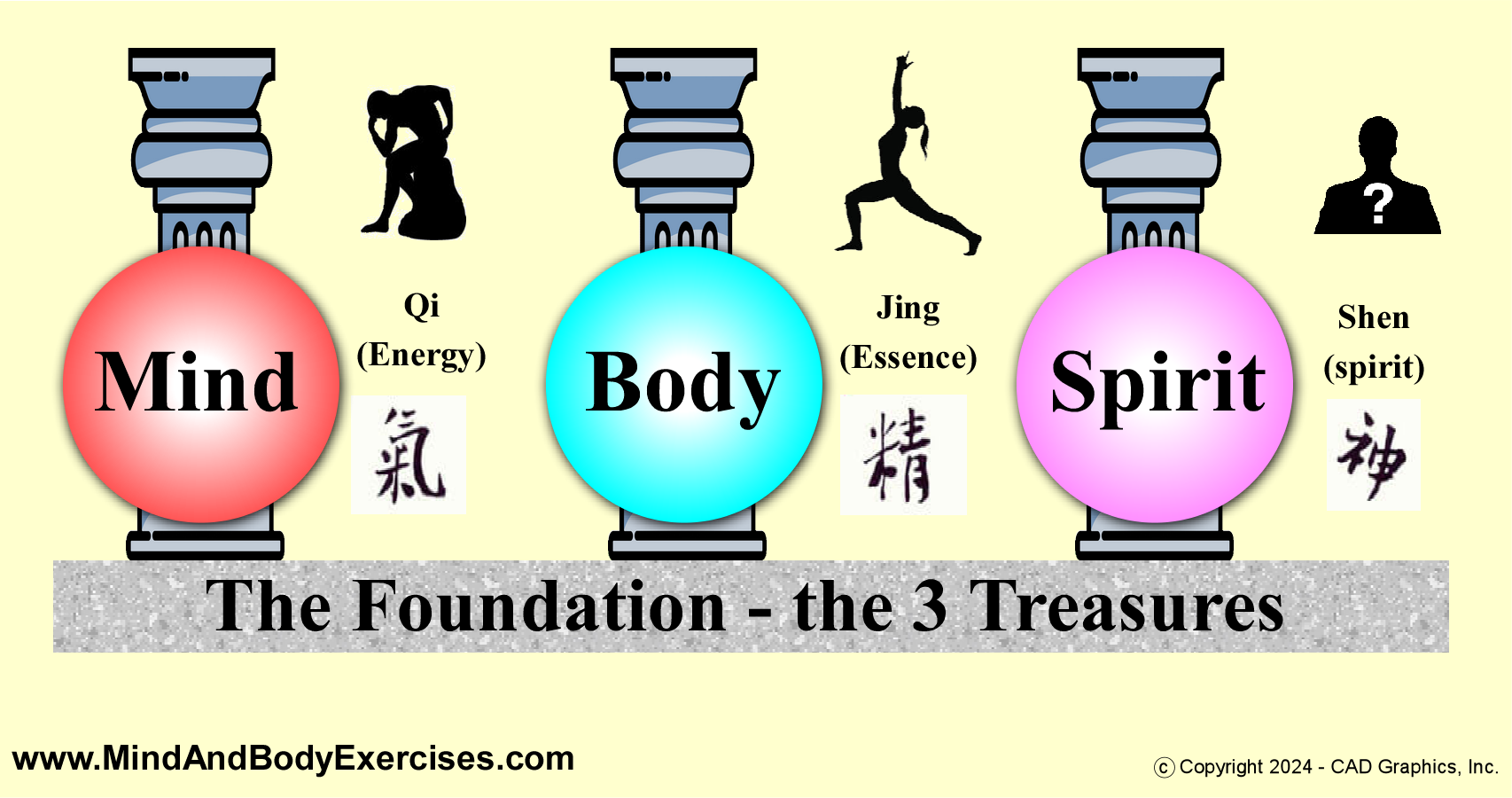
Mind(Qi)– How and what you think about and how you process information from sensory input. From the Traditional Chinese Medicine TCM) perspective, the mind is related to the vitality of the breath. Responsible for the blueprint of internal and external functions of the energy force within the body. Qi can be equated to the flame which is the source of the light that illuminates from the candle. The flame eventually consumes the candle. Qi is one’s energy or vitality. When Qi is used wisely, one’s Jing can last longer. Qi is loss through regular daily activities but gained back through good habits of diet, exercise, breathing, and sleep.
Body (Jing) – The physical matter that makes up you and how well it functions. The physical structure of the body’s tissue. Responsible for the developmental processes of the body. Jing can be equated to the wick and the wax which is the fuel for the source of the flame. Better quality wax determines the longevity of the candle. One’s Jing is determined by genetic inheritance. Jing is depleted over one’s lifetime and is not easily replenished.
Spirit(Shen) – What you believe as far as beliefs in the unknown, faith, morals, a purpose, etc. The refined level of the mind and higher consciousness. Consists of the spirit, soul, and mind. Responsible for the interaction of destiny & fate. Maintains internal and external functions. Shen can be equated to the light that illuminates a candle. A candle’s purpose is to light the darkness. One’s Shen is the illumination of their spirit. When one’s Jing and Qi are in abundance, Shen is released. Shen is divided further into the mind (shen), the intellect (yi), the corporeal soul (po), willpower (zhi) and the ethereal soul (hun). These 5 shen are a topic for another discussion.
These three treasures are the most valuable things that we all possess. Without these 3, we have no family, no friends, no career, no big house, no internet. What we sometimes see today as “new” is indeed rather old. This concept of the 3 Treasures comes from Taoism, a philosophy that is over 2000 years old, originating around 500 BCE. These are universal truths that are hard to debate. We all need to take care of our own “treasures” before we can be of benefit to those around us. Breathe deeper, exercise more, eat better, and earn a good night’s sleep by being active and relieving stress during the day.
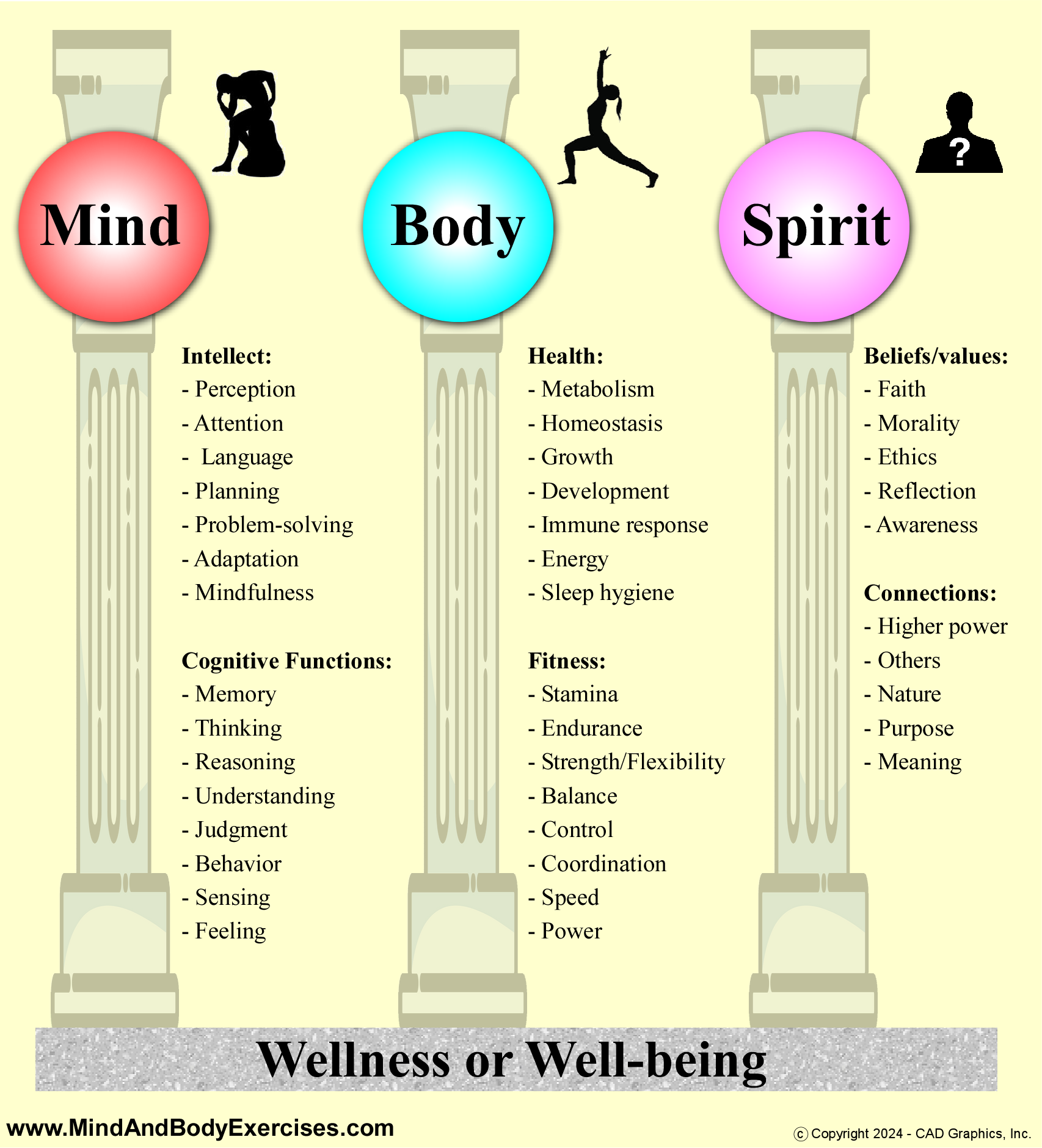
Modern science and research seek to label and dissect any and all things, intending to assign a name or label to all that is and sometimes that which is not. With this realization, we can see from the graphic below the many sub-categories that are now thought to be parts of the original concept of mind, body, and spirit.
The mind is comprised of various components:
Intellect:
Perception – recognizing and acknowledging sensory stimuli.
Attention – ability to focus on specific thoughts and stimuli.
Language – understanding and producing speech and writing.
Planning – ability to formulate a strategy or process.
Problem-solving – finding solutions to complex issues.
Decision-making – making choices among options.
Adaptation – being able to change and adjust thoughts, feelings, and actions.
Mindfulness – an awareness of current thoughts, feelings, and surroundings.
Cognitive Functions:
Memory – storage and retrieval of information.
Thinking – the mental process of considering or reasoning about something.
Reasoning – the process of drawing conclusions or making inferences based on evidence and logical principles.
Understanding – to comprehend the meaning or significance of something.
Judgment – the ability to make considered decisions or come to sensible conclusions.
Behavior – the actions or reactions of an individual in response to external or internal stimuli.
Sensing – the process of detecting and responding to stimuli through the sensory organs.
Feelings – experiences of emotions.
The body can be broken down into various categories:
Health:
Metabolism – chemical processes that occur within living organisms.
Homeostasis – the body’s ability to manage and regulate stable internal bodily functions and conditions.
Growth/development – physical changes throughout a living organism’s lifespan.
Immune response – ability of the body to defend against pathogens.
Energy – the amount of physical power that can be drawn upon.
Sleep hygiene – the quality of an individual’s ability to rest and recover.
Fitness:
Survival – on the most basic level, the ability to stay alive.
Stamina – ability to sustain prolonged physical for an extended time without fatigue.
Endurance – the muscular system’s capacity to sustain activity.
Strength – the ability of muscles to exert force against resistance
Flexibility – the range of motion available at a joint or group of joints
Balance – the ability to maintain the body’s position, whether stationary or while moving.
Control – to manage and direct the body’s movements precisely and efficiently.
Coordination – ability to use different parts of the body together smoothly and efficiently.
Speed – to move quickly across the ground or move limbs rapidly for a specific purpose.
Power – ability to exert maximum force in the shortest amount of time.
Spirit can be interpreted through numerous facets:
Beliefs/values:
Faith – belief in principles of an organized religion or spiritual practice.
Morality – the ability to differentiate between what is considered right and wrong.
Ethics – a system of moral principles.
Reflection – the ability to be aware of one’s own thoughts and actions.
Awareness – a sense of one’s self, surroundings, and relative environment.
Connections:
Higher power – a sense of a greater presence beyond themselves.
Others – relationships with people, and community.
Nature – relationships with all living creatures and the environment.
Purpose – a reason to wake up every day.
Meaning – realization of one’s reason for existing.
Part 2 of this series will delve into the concept of The Five Pillars of Health.
What type of pillars have you built your foundation of health, fitness, and well-being upon? Watch my view below for further discussion.
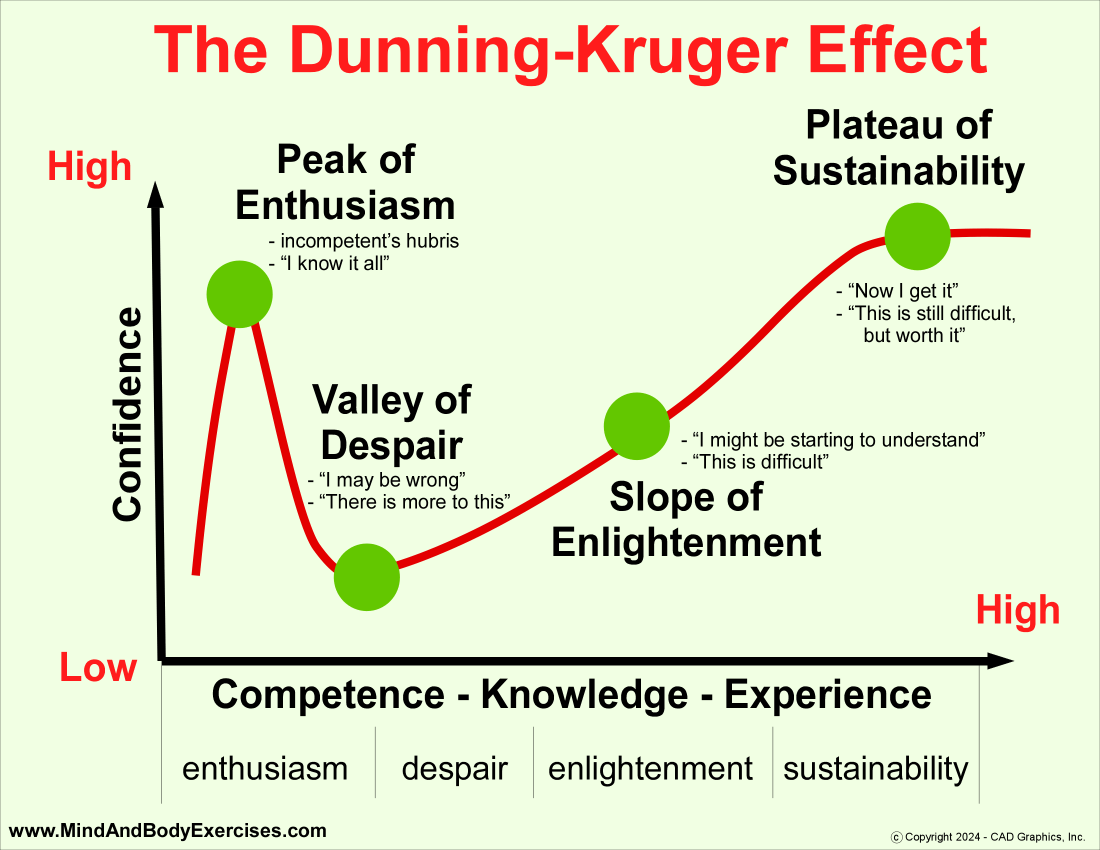
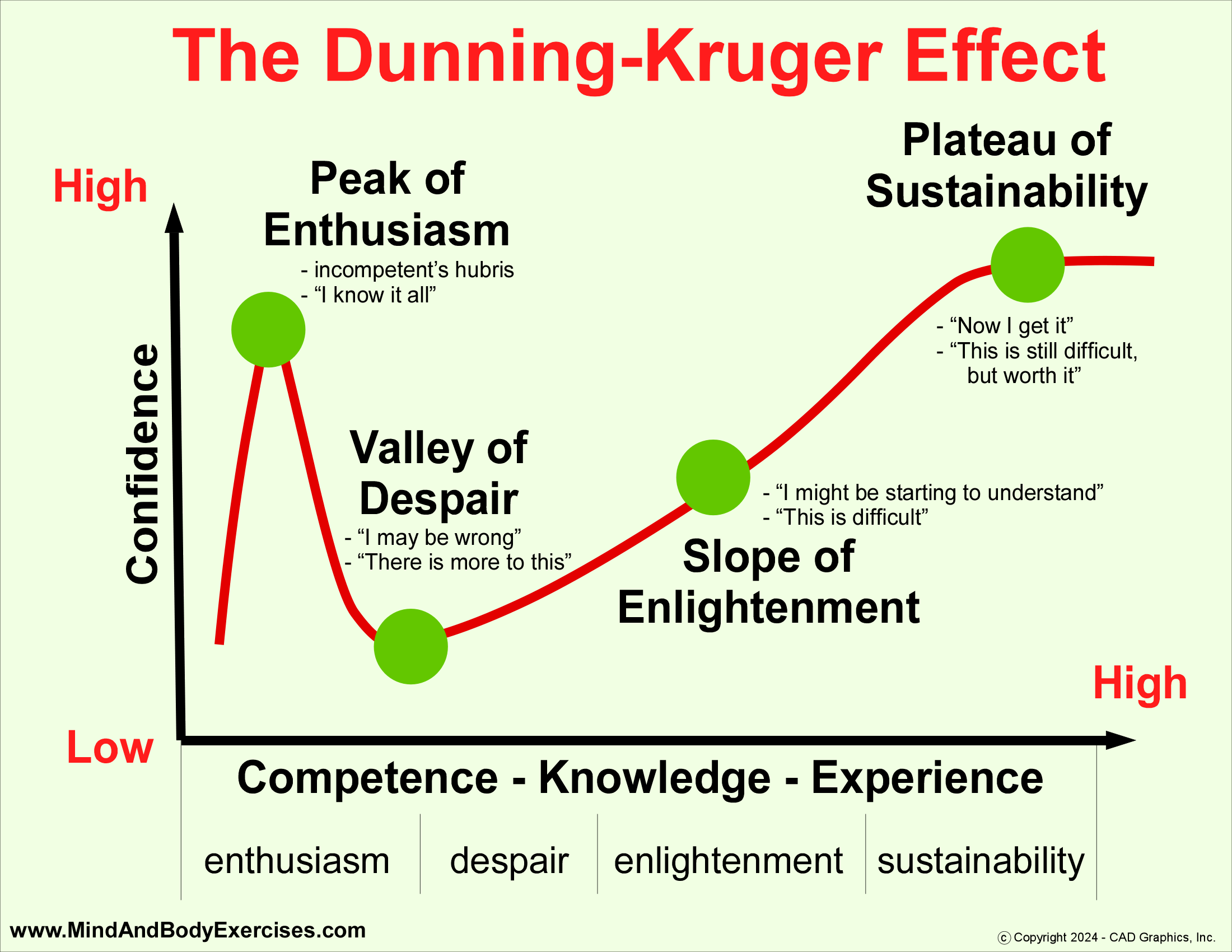
The Dunning-Kruger effect was theorized by psychologists David Dunning and Justin Kruger in a 1999 study. They proposed that there is a cognitive bias where individuals with knowledge or ability within a specific area have a propensity to overestimate their own competence in a particular field. This overestimation may come about due to a lack of the necessary metacognitive skills to accurately determine their own competence. A common phrase used to summarize this phenomenon is that of “they don’t know, what they don’t know.” This effect may be seen in examples of recent high school or college graduates who sometimes express a type of hubris, where they believe that they are intellectually superior to others. Expecting parents sometimes experience this effect where before their child is born, they have delusions of what type of parents they will be. “My kids won’t get away with that,” “I won’t be doing that with my children,” or maybe prejudging other parents in how they choose to raise their kids. Once their children are born, new parents might soon realize that parenting is much more complex and difficult than what they first believed.
Conversely, those individuals who are highly knowledgeable or skilled in a particular field often underestimate their own competence. This underestimation may manifest because some individuals assume that challenges or projects that are easy for them, may also be easy for most others. Well-seasoned individuals in any particular field of knowledge, skill, or ability often gain much wisdom from experience, adaptation, and application of their specific skill set. For some people, this is also highly humbling as the individual realizes that the more someone knows, they ironically recognize that there is so much more to learn.
The Dunning-Kruger effect can be summarized into four key stages:
Incompetence and Confidence: Individuals possessing low skill levels or knowledge may fail to acknowledge their lack of skill, leading to inflated self-assessments and high confidence.
Awareness of Incompetence: Once an individual acquires more knowledge and experience, they may start to become more aware of their own incompetence, which in turn leads to a further decrease in confidence.
Competence along with Cautious Confidence: With further experience, practice, and learning, individuals begin to develop true competence. As their confidence begins to increase again, they can more accurately showcase their abilities.
Mastery with Modesty: More highly skilled individuals will often acknowledge the complexities of a particular domain and realize how much they still don’t know. This awareness can lead to modesty or humbleness about their abilities, despite the individual being highly competent in their specific field.
The Dunning-Kruger effect highlights the importance of seeking self-awareness and striving to continue to learn new things. It proposes that improving one’s metacognitive skills, such as the ability to self-assess one’s own knowledge and performance accurately can help minimize the effect. In summary, the Dunning-Kruger effect is a cognitive bias where individuals with low knowledge, ability, or competence in a specific area may overestimate their own skill level. On the other hand, people with a high competency in a particular field often underestimate their relative ability. This may occur due to the same skills that contribute to competence are also needed to recognize competence, leading to a disconnect between self-assessment and actual ability.
I teach and offer lectures about holistic health, stress management, qigong, tai chi, baguazhang, meditation, phytotherapy (herbs), music for healing, self-massage, and Daoyin (yoga).
I look forward to further sharing more of my message by partnering with hospitals, wellness centers, VA centers, schools on all levels, businesses and individuals that see the value in building a stronger nation through building a healthier population. I also have hundreds of FREE education video classes, lectures, and seminars available on my YouTube channel at:
I rely on a diverse array of reliable sources for my research, including peer-reviewed studies, medical journals, and databases like PubMed and BMJ. I choose Google Scholar and other sites as a means to finding other sources of information knowing that information needs to be quantified. As far as the CDC and the FDA websites are concerned, my skepticism is that they will not post their own shortcomings on their own websites. Instead, we need to look towards more reputable and non-biased news or research sources that are not connected financially to these government agencies. For example, the American Medical Association has recognized the public’s lack of trust in the CDC, highlighting the need for greater transparency (American Medical Association, 2020) where it will carry more weight if the CDC actually acknowledges what many have already felt was a lack of transparency of information during the recent COVID-19 pandemic. Similarly, I believe that The Washington Post is considered a legitimate and reliable news source. The Post reported that the CDC experienced “technical blunders and botched messaging” that were brought to public attention by friends, supporters, and even some professionals within the CDC’s own Atlanta headquarters (Sun & Achenbach, 2020).
Evidence-based Medicine?
Dr. Jon Jureidini, a child psychiatrist in Australia and a member of the Critical and Ethical Mental Health (CEMH) research group, authored ‘The Illusion of Evidence-based Medicine’ (2022). The CEMH conducts critical appraisal, meta-research, teaching, and advocacy, with the goal of promoting safer, more effective, and more ethical research and practice in the field of mental health (Staff Directory | Dr Jon Jureidini, n.d.).
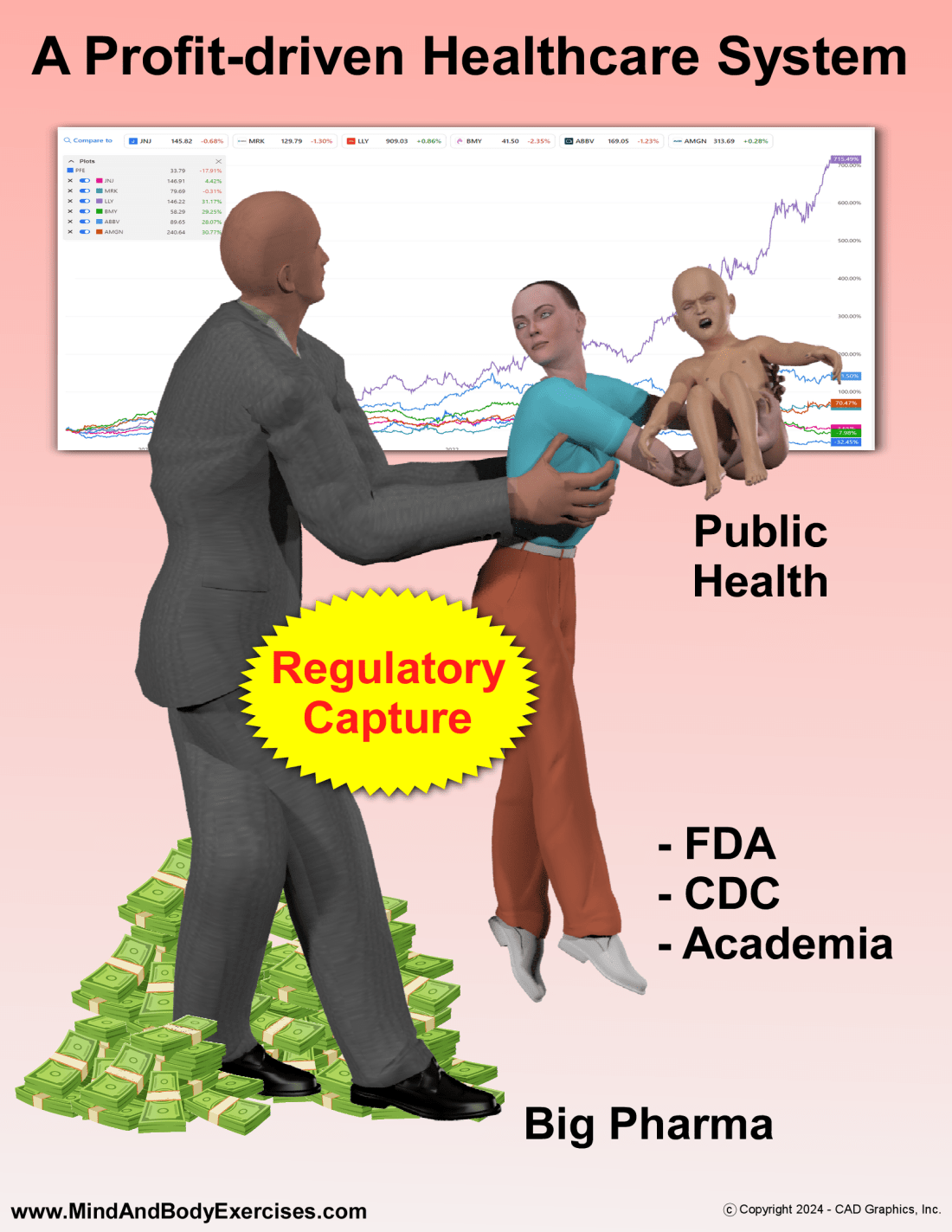
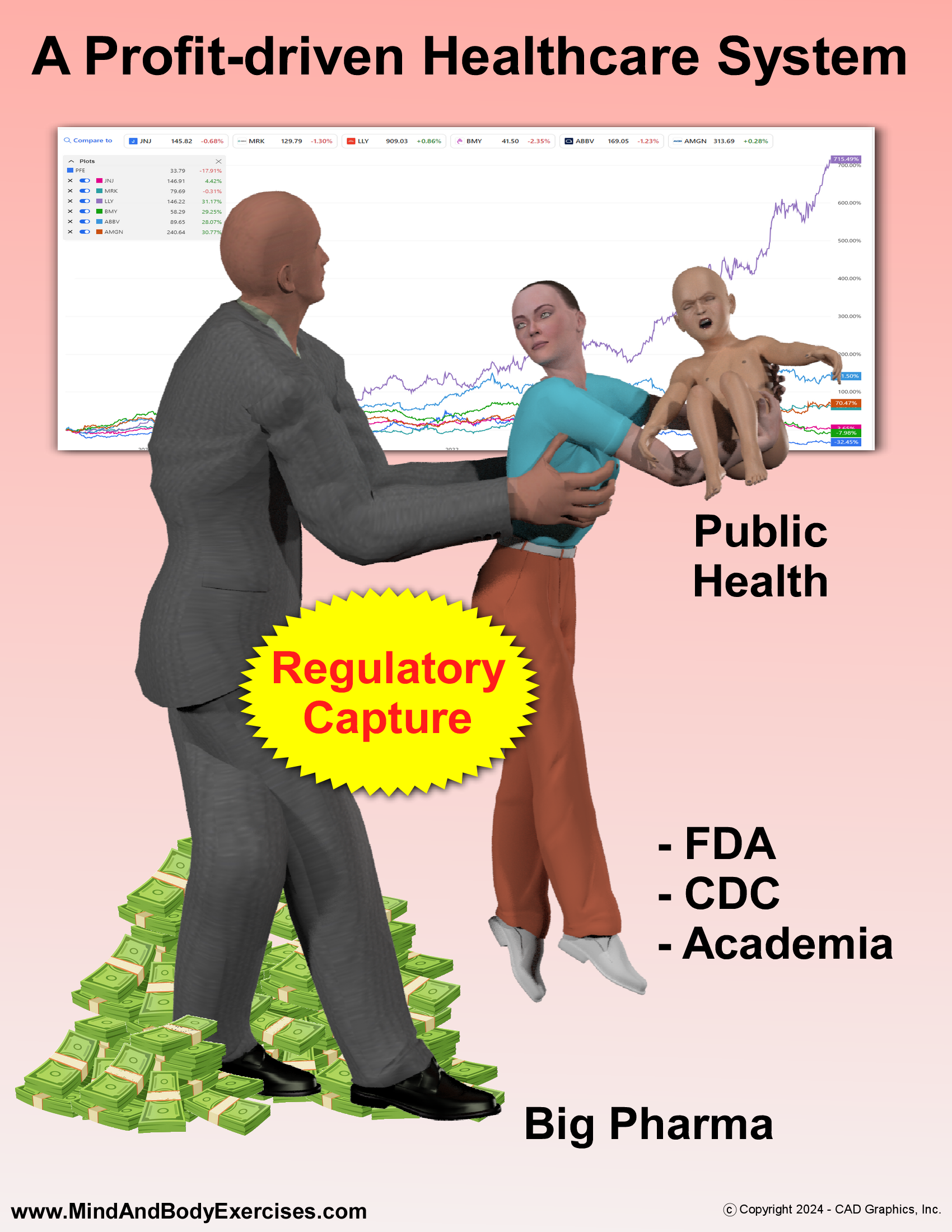
Dr. Jon Jureidini reports that medicine is mostly dominated by a few very large and competing pharmaceutical companies, that are quite aligned in their methods to expand their profits. He reports on the issues of evidence-based medicine being compromised by the commercialization of academia, failed regulation, and other corporate influences. This doctor sees the scientific progress being abused by the medical industry and its relationship with academic researchers, as they often do not share raw data, suppress negative trial results, and fail to report adverse events. Because of this, there is a greater potential for patient death, due to commercial interests’ influence upon regulators, research agenda, and universities. He strongly suggests that reforms need to be made in all of these areas, in order to bring trust and legitimacy back to evidence-based medicine. Jureidini calls for a separation of regulators from drug company funding, due to regulators often accepting funding and industry-funded trials to approve drugs that a particular company is trying to market (Jureidini, 2022).
Why Drug Marketing Rules America
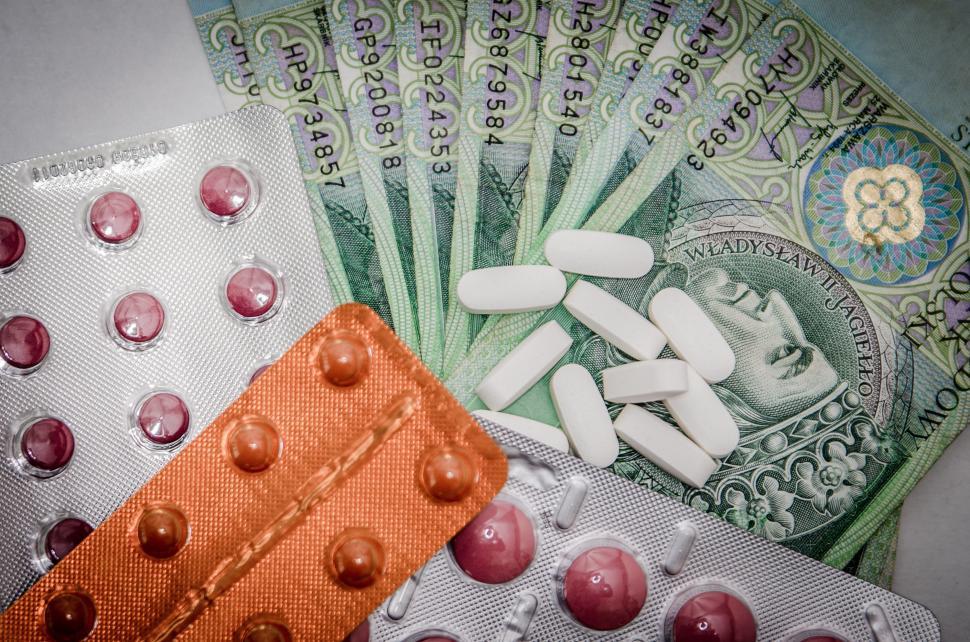
Lydia Green, a pharmacist, and former pharmaceutical advertising copywriter speaks about her goals of decreasing the sway of influence of pharmaceutical marketing and misinformation on the American healthcare industry. America contributes only 5% to the population of the world yet spends 1/3 of the world’s $1.4 trillion pharmaceutical healthcare marketplace. In spite of spending the most, the US often ranks low on the overall health of its population. Medicine often prioritizes profit over patient well-being. These pharmaceutical companies are businesses that at their root, just like all businesses, operate to make a profit. Again, it is all about the money. When healthcare and its relative components of pharmaceuticals, doctors, and the profits that both can gain from promoting their products, despite actual need – this whole system is severely corrupt and broken and in need of drastic reform. Green proposes a need for a 3rd party agency to help return trust, regarding the pharmaceutical industry. This alliance would be made up of communicators, marketers, former pharma-ad writers, medical and pharmacy schools, and doctors who have no influence from companies with profits as their sole motivation. However, Green suggests that such an organization could be funded through payments, but once again from fees attached to monies that pharmaceutical and medical device companies make to doctors (TEDx Talks, 2020b).
DTC Pharmaceuticals
In 2015, the US pharmaceutical industry spent $5.4 billion on direct-to-consumer (DTC) advertisements. The U.S. is one of only 2 countries that legally allow DTC for drug companies. New Zealand is the other. Not coincidently, Americans pay more for drugs and medical devices than any other country in the world (Drugwatch, 2022).
Michelle Llamas, a Board Certified Patient Advocate (BCPA) has a long list of experience, but what makes her credible to this article is her almost a decade of medical writing and research experience. She is a trusted source for information on high-risk prescriptions, health conditions, drugs, and medical devices (Drugwatch, 2023).
Drug companies often invest billions of dollars in their attempts to promote off-labeling of their drugs and/or devices that are not approved for other uses by the Food and Drug Administration (FDA). Companies try to convince doctors to prescribe their brand-name drugs or devices, for uses other than their original approval. Additionally, drug companies sometimes create clinical trials focused on swaying doctors and educational courses to highlight expensive drugs for non-FDA-approved uses, despite having no scientific evidence of efficacy or safety. Drug and device companies spent in 2015, about $4 billion on television ads, and about $1.5 billion in magazine advertising. Radio, theaters, newspapers, billboards, and some other types of marketing took up an additional few million dollars. It paid off for these companies to advertise, as every dollar spent on advertising generated increased sales of prescription drugs by $4.40. Big pharmaceutical companies are willing to gamble on being fined for a few hundred million dollars, despite their product being found to cause adverse effects if they know that they can market a product that may generate billions of dollars in profit (Drugwatch, 2022). From a business perspective, this is a good business model. From an ethical perspective, this is downright criminal and inhumane.
Another area of concern is that the CDC often receives funding from the exact same pharmaceutical companies that it is tasked with regulating. The ASH Clinical News, a magazine for the American Society of Hematology, reported that the CDC Foundation received $79.6 million from companies like Pfizer, Biogen, and Merck between 2014 and 2018. The CDC responded that the agency doesn’t accept commercial support, but its own media office has stated that “the CDC claims its public-private partnerships are synergistic and beneficial” (CDC Pressed to Acknowledge Industry Funding, 2021).
FDA Allows Toxic Ingredients in the US, But Other Countries Ban Them
“The FDA has once again failed the public by ignoring the harmful effects of phthalates on our health,” said Kristina Sinclair, associate attorney at the Center for Food Safety. “The agency’s refusal to pay attention to scientific evidence will have detrimental health effects for years to come” (Earthjustice: FDA Approves Use of Toxic Chemicals Leaping Into Food and Beverages, (2023).
“Despite its nearly $7 billion annual operating budget, the U.S. Food and Drug Administration (FDA) isn’t analyzing every shampoo or supplement on sale at your local drugstore. In fact, the FDA does not approve most cosmetics before they hit shelves—let alone assess how they’ll affect human health after years of regular use. This information vacuum has given rise to a network of nonprofits, consumer-protection groups, and independent scientists dedicated to informing the public about potential hazards lurking in their products.” (Ducharme, 2024).
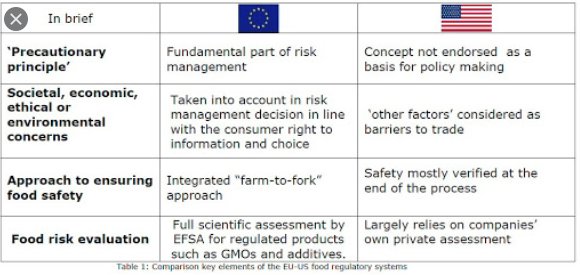
Red Dye No. 3, brominated vegetable oil, potassium bromate, propylparaben, titanium dioxide, and other chemicals are banned in other countries, where the FDA allows these to be added to food products in the US (Worthington, 2024).
Don’t Burn Bridges With Your Future Employer
Lastly, I find it disturbing that there is a merry-go-round of employment where high-level pharmaceutical executives and directors of the FDA go to work for one another, whereas in other types of business, these interactions would be considered conflicts of interest. For this issue, I found that NPR, National Public Radio (considered a reputable news source) reported that from 2001 through 2010 about 27% of its FDA employees who approved cancer and hematology drugs, went on to work for the pharmaceutical companies. The potential conflict of interest here is that FDA employees may have a career goal of later working in the public sector at pharmaceutical companies that they are in charge of regulating. Will these FDA regulators give pharma companies the benefit of the doubt for their products or be more critical of them by using poor comparisons in drug studies? The article did bring up the idea that having former FDA officials on the pharmaceutical industry payroll can offer some benefits to the general public. Former FDA employees having knowledge of the drug approval process can help facilitate the processes and relevant research that needs to be completed, and where the most current pathways to approval are followed (Lupkin, 2016). Another more recent peer-reviewed article from the Stanford Law School addressed this exact issue in further detail (Karas, 2023). We all know these issues are wrong and continue to go along with the societal cognitive dissonance, hoping that it will all work out and the general population will be fine.
Be well, become healthier, and be wise. Do your research.
TEDx Talks. (2020b, November 23). Why Drug Marketing Rules American Healthcare and What We Can Do About it | Lydia Green | TEDxMcphs. YouTube. https://www.youtube.com/watch?v=Jh7rQbknPyE
I teach and offer lectures about holistic health, stress management, qigong, tai chi, baguazhang, meditation, phytotherapy (herbs), music for healing, self-massage, and Daoyin (yoga).
Please contact me if you, your business, organization, or group, might be interested in hosting me to speak on a wide spectrum of topics relative to better health, wellness, and fitness.
I look forward to further sharing more of my message by partnering with hospitals, wellness centers, VA centers, schools on all levels, businesses and individuals that see the value in building a stronger nation through building a healthier population. I also have hundreds of FREE education video classes, lectures and seminars available on my YouTube channel at:








 United Martial Arts Association