I think yes, definitely. Severe trauma mentally or physically can trigger a “hard reset” where an individual is so affected that they are basically a different person(ality) after such events. See the soldier who returns home and can no longer relate to their friends and family due to what they have seen and experienced during war. Or the person who survives cancer or some type of near-death event, where they promise to make drastic changes to their lives once they recover. It is these types of events that shock an individual into what is truly most important to them, often being their own health, and the people around them that they hold dear.
I have come to understand that there are basically two paths to ego death. The first is what I have just been describing, through the trauma of pain and suffering. It often comes unannounced and free of a monetary charge. The second path to ego death is through self-cultivation, through prayer, meditation, skillful means, and perhaps other methods that inspire self-reflection. This path is most often deliberately pursued and usually comes with costs of time, sacrifice and resources whether monetary or otherwise.
______________
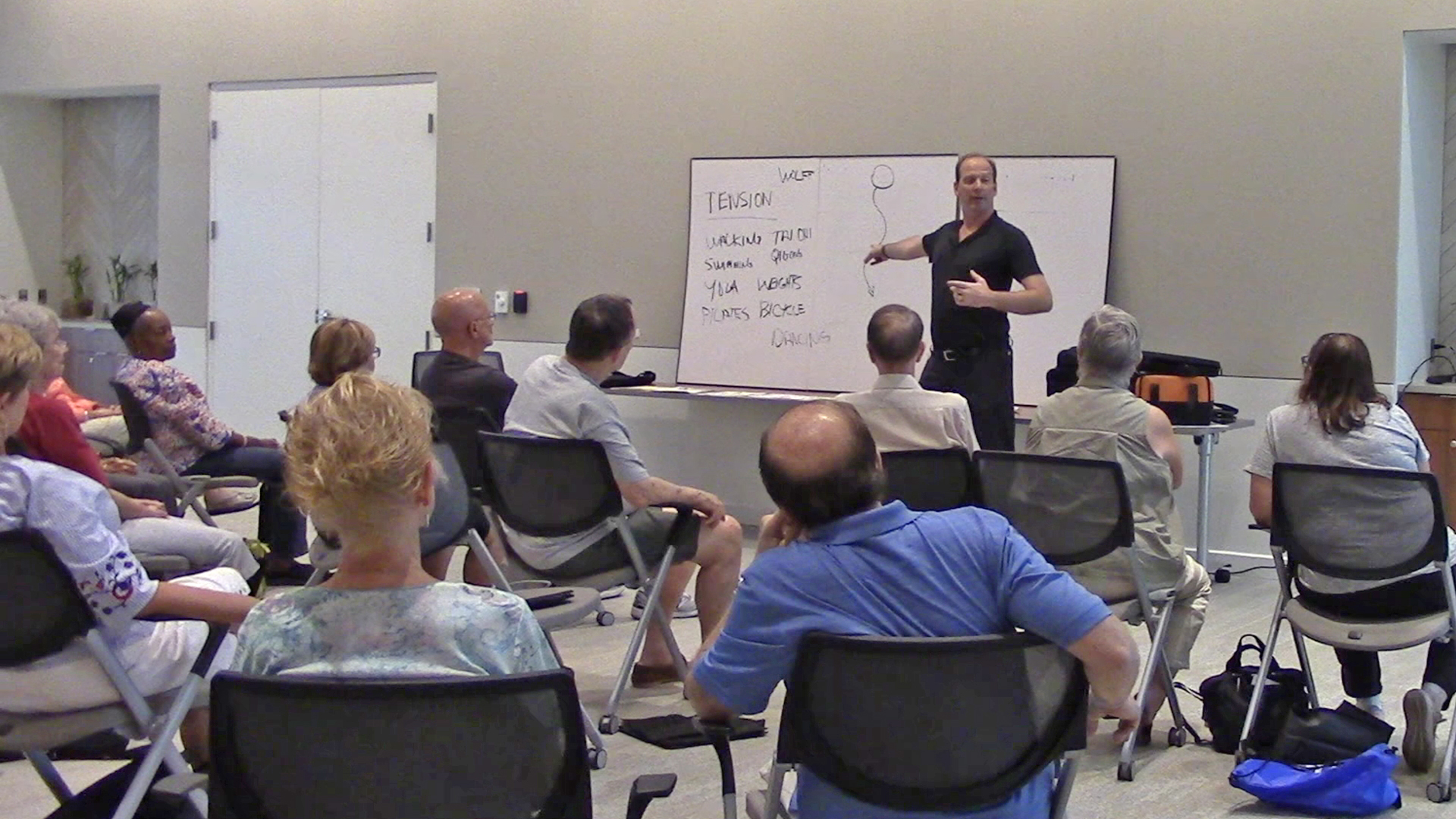
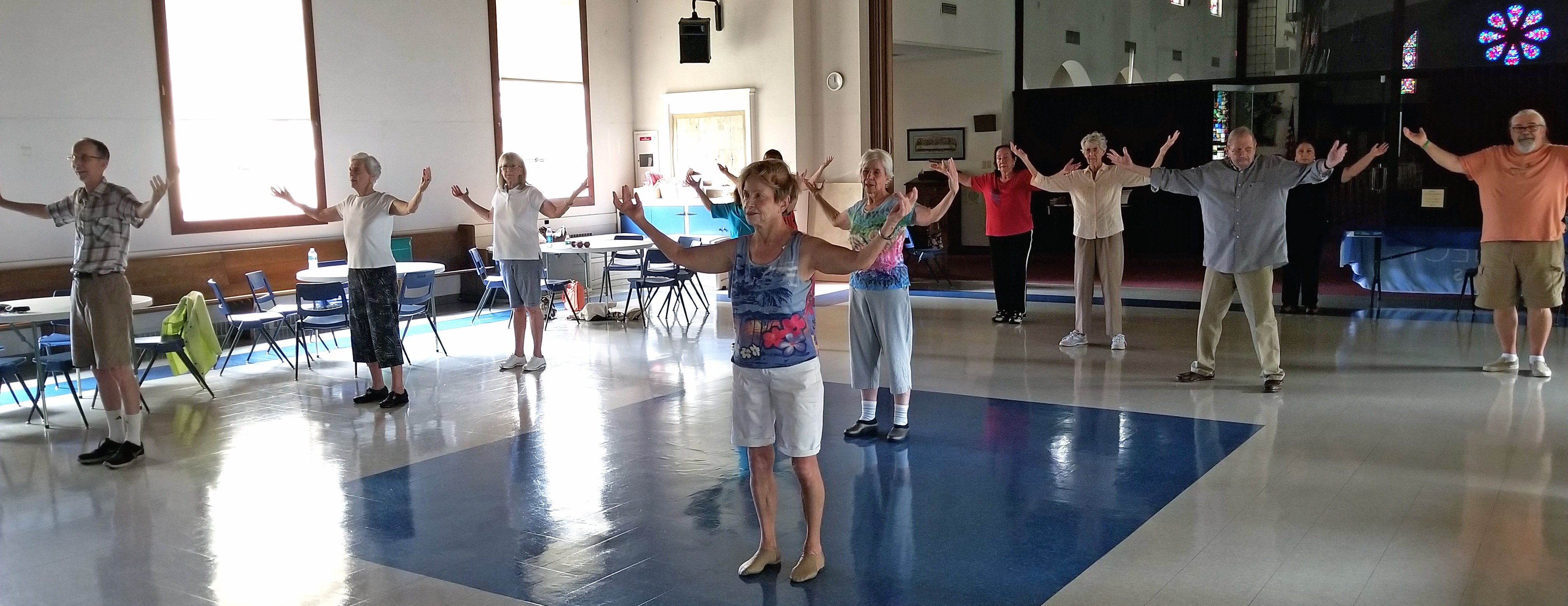
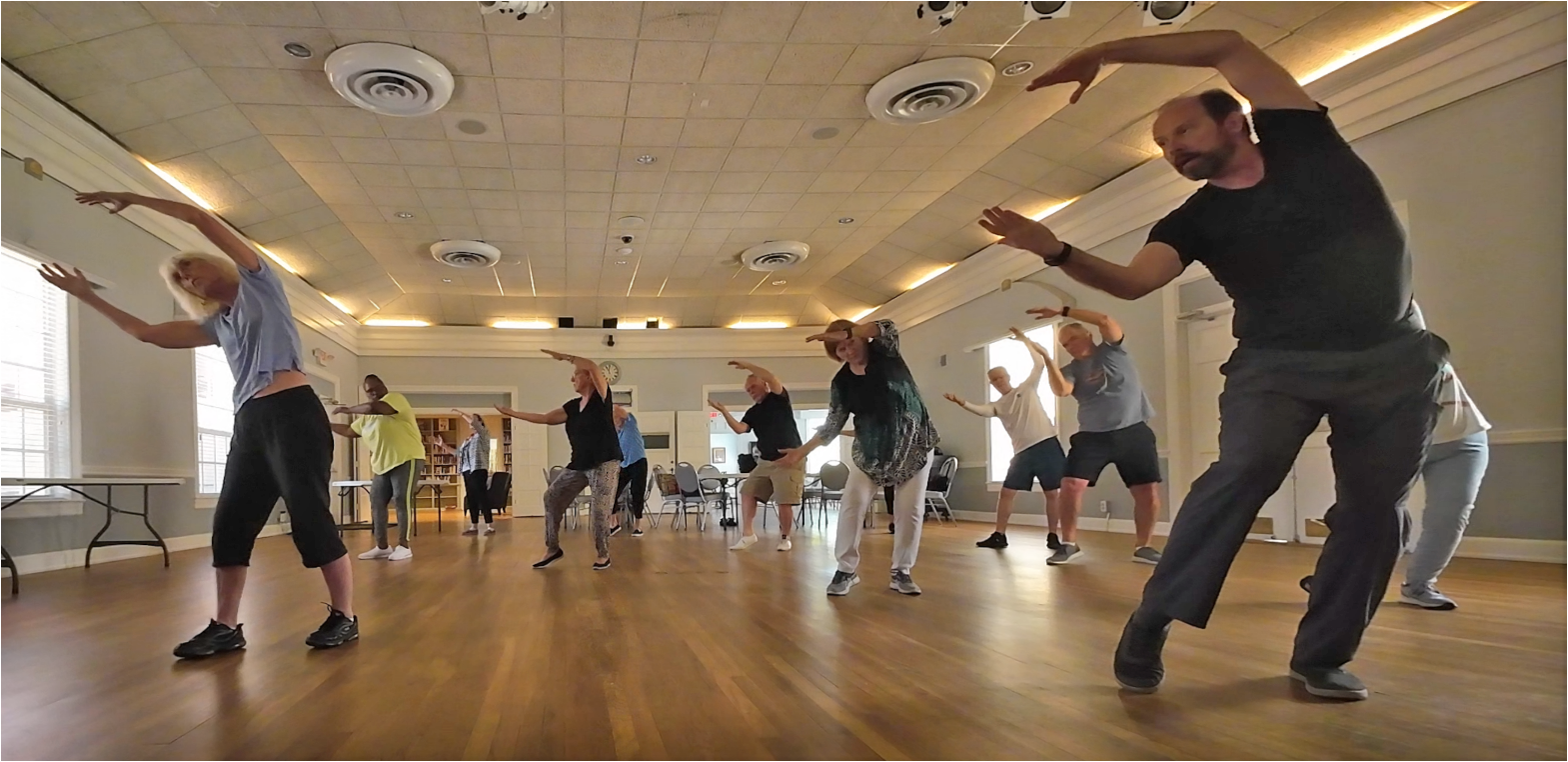
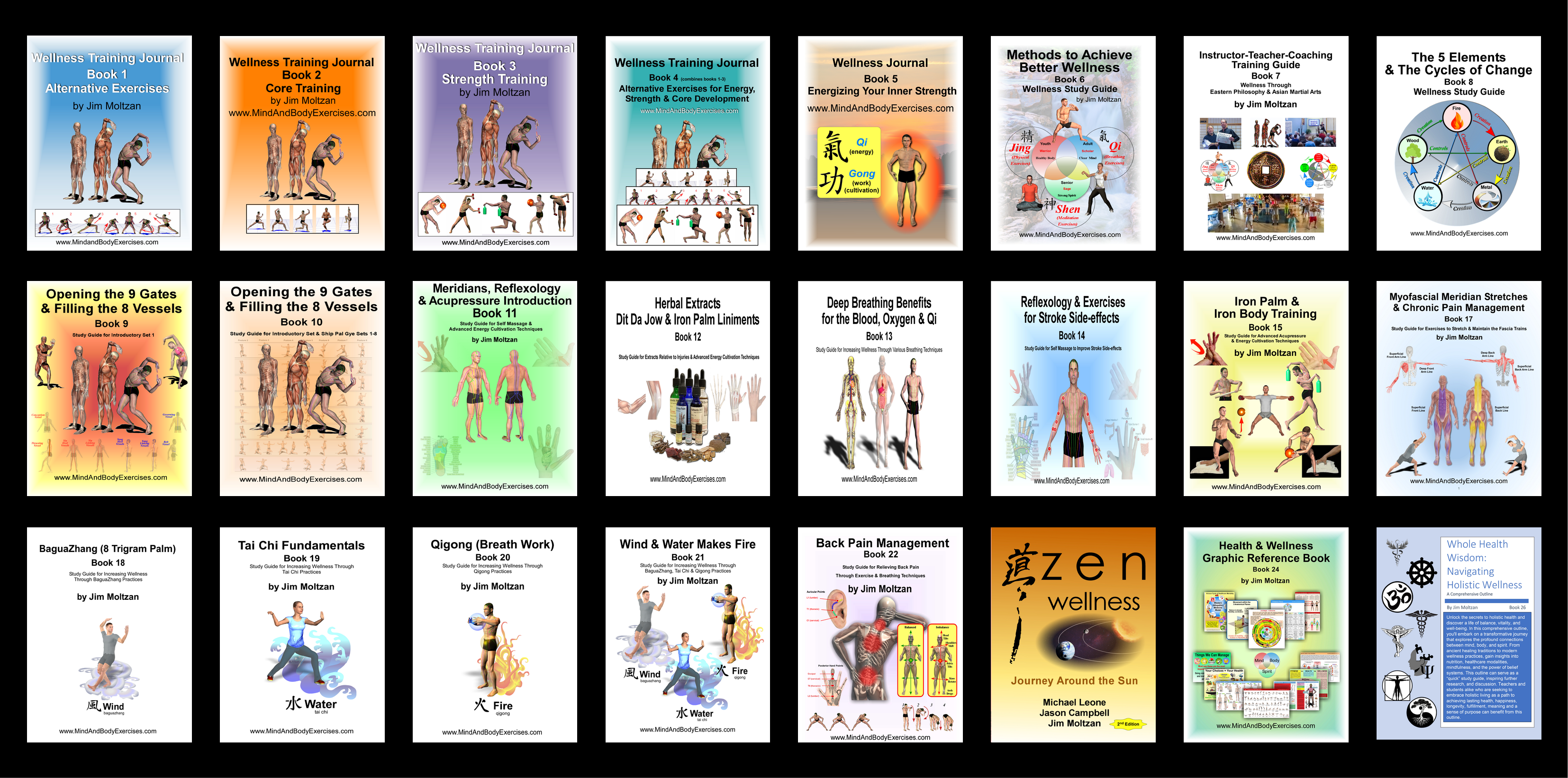
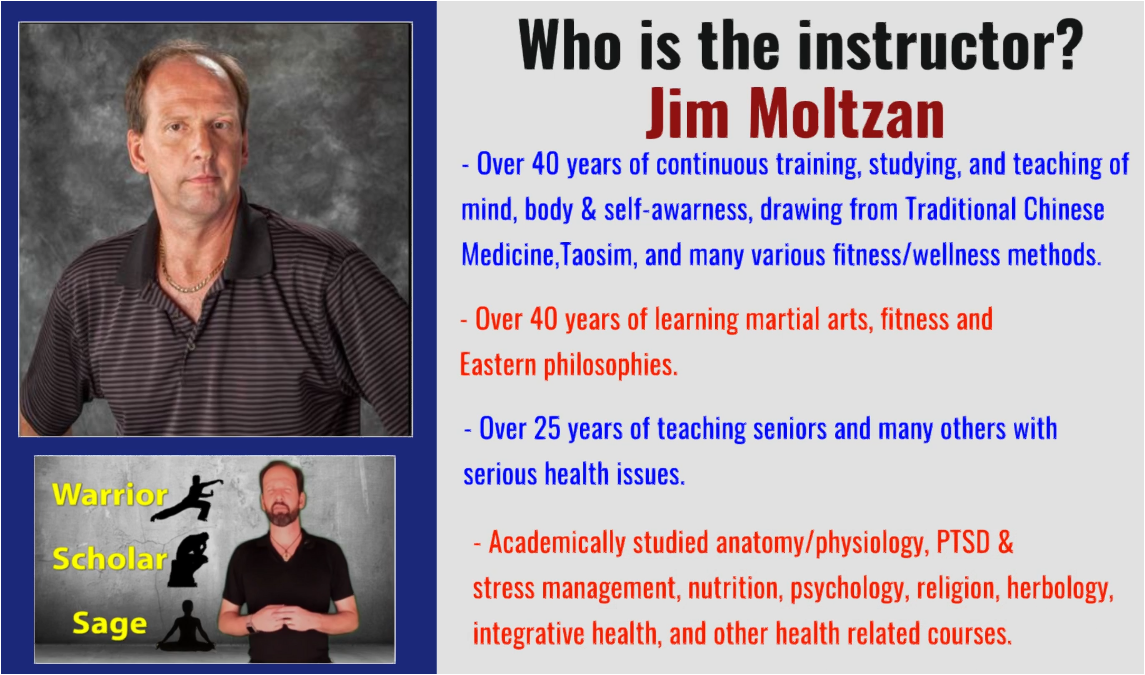
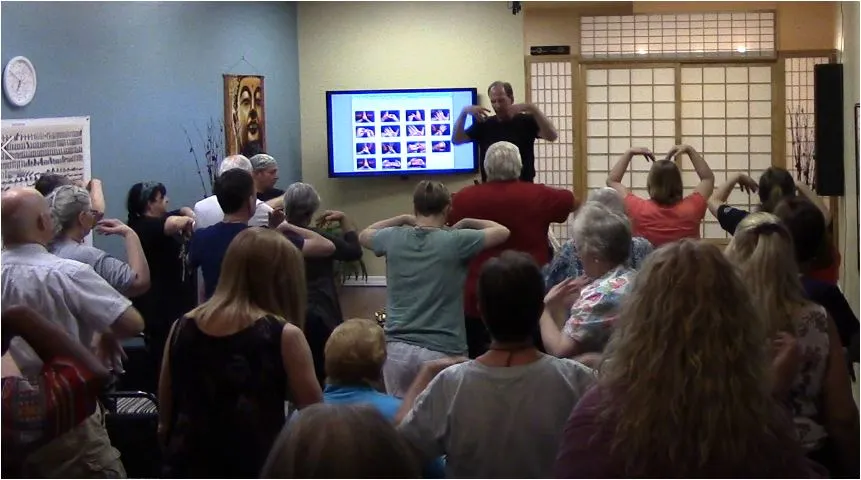
I teach and offer lectures about holistic health, stress management, qigong, tai chi, baguazhang, meditation, phytotherapy (herbs), music for healing, self-massage, and Daoyin (yoga).
I look forward to further sharing more of my message by partnering with hospitals, wellness centers, VA centers, schools on all levels, businesses and individuals that see the value in building a stronger nation through building a healthier population. I also have hundreds of FREE education video classes, lectures and seminars available on my YouTube channel at:
I fear not. We may hope to see everything as good, positive, beautiful or whatever the “good” is in anything, there must exist the opposite, corresponding or dependence upon the other in order to offer contrast to both. This is the balance that holds everything to together. Literature professor Joseph Campbell spoke of it often in his documentaries, referring to this concept as the duality in all things. Taoist philosophy of yin and yang, sees this polarization as part of the birth of creation itself. Without the contrast we cannot ask the question of how “good” or how “evil” someone or something is, as these concepts are not absolute and are almost always determined in relation to time and circumstances.
A soldier may be good for their particular country, but evil to the enemy. A child may see their parent(s) as evil because they took their electronics away for whatever reason, when the parent was trying to be a good influence. Natural disasters may kill off human, animal, and plant life. Would we consider nature evil? The sun brings us life on so many levels. Too much sun can bring other issues of cancer, drought, and other climatic imbalances. So, is the sun good or bad? All things are relative and connected to one another in various amounts, shades, and levels. Without this contrast, neither good nor evil can exist.
_________________
I teach and offer lectures about holistic health, stress management, qigong, tai chi, baguazhang, meditation, phytotherapy (herbs), music for healing, self-massage, and Daoyin (yoga).
I look forward to further sharing more of my message by partnering with hospitals, wellness centers, VA centers, schools on all levels, businesses and individuals that see the value in building a stronger nation through building a healthier population. I also have hundreds of FREE education video classes, lectures and seminars available on my YouTube channel at:
Do You Know What Your Potential Is? Physical health, mental well-being and the relationships within our lives; are these the most cherished aspects of your life? Yet, how much effort do we put towards improving these areas on a daily basis?
You may have many teachers throughout your life, but every individual has the ability to access the “master” within their own self. You are the master in control of your own reality. No amount of wealth or fame can make you truly happy if you are not healthy and value those around you. The following aspects are just one formula for a successful life. With a blueprint of how to achieve prosperity, how can you not become healthier within all facets of your life?
Respect
Discipline
Self Esteem
Confidence
Determination to Achieve Goals
Respect – This is where values begin. You must understand and have respect for yourself (self-respect) before you can demonstrate it to others. Taking the steps to take care of your physical and mental well-being effects you first and then those closest to you second.
Discipline– Developing control of one’s own desires, commitments, and ultimately your own actions, leads to self-discipline. Control of physical movements can lead to management of thoughts and emotions.
Self-Esteem – As you review your achievements of respect and discipline, your sense of worth is elevated and appreciated.
Confidence – Understanding and accepting your weak areas as well as your stronger aspects removes insecurity. When you feel that you are physically well and mentally sharp, confidence can fill your personality. You can accomplish whatever goal you set out to achieve. One should be careful not become arrogant with an increase in self-confidence.
Determination to Achieve Goals– The positive sum of the previous aspects leads to one’s determination. Good judgment and focused effort toward positive goals result in true personal success.
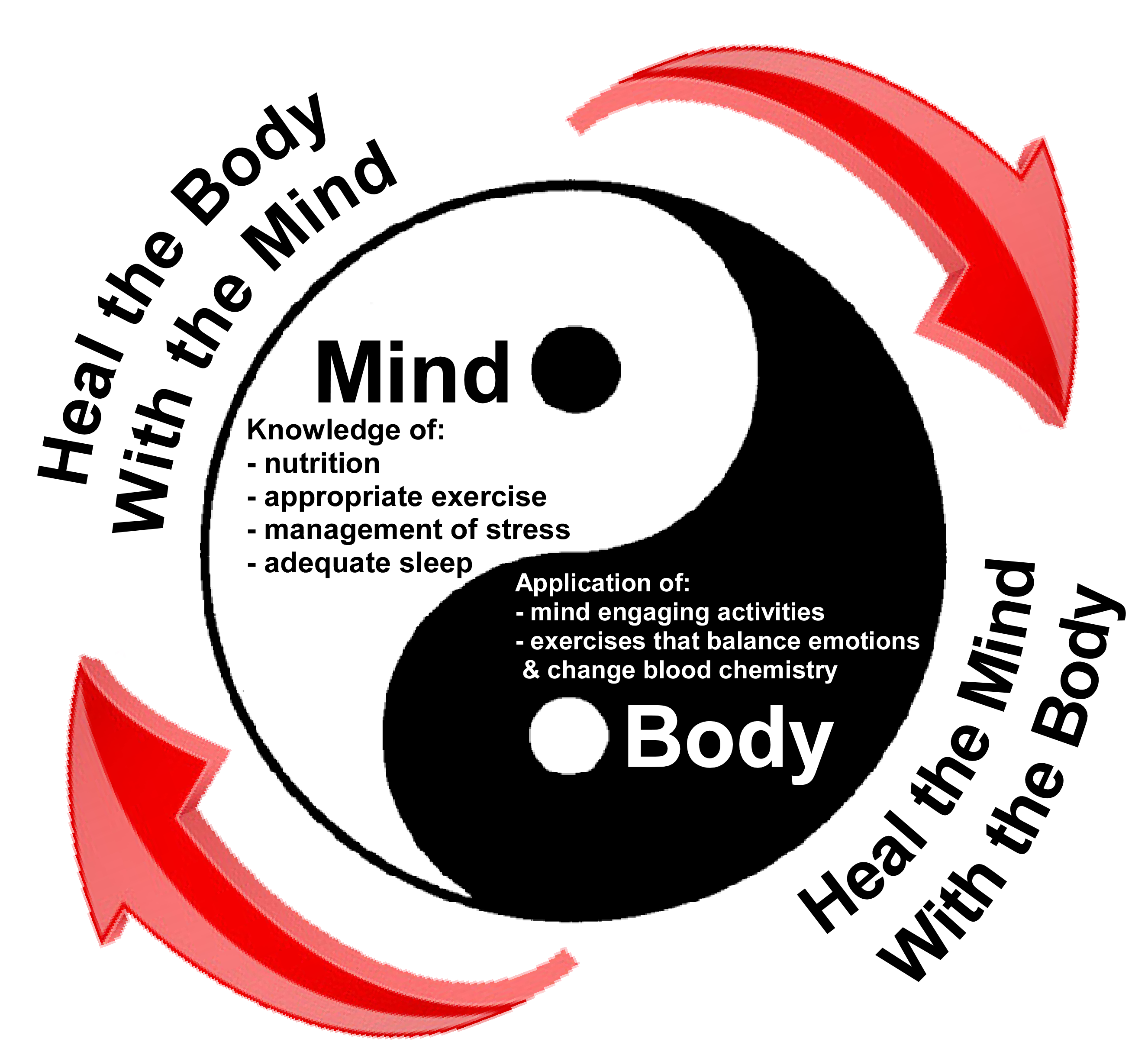
So, the question here is, how does an individual gain these mental traits of respect, self-discipline, self-esteem, confidence, and determination, if they do not have much of these to begin with? At the root of this blueprint is physical movements and/or exercises. Mental development comes from engagement with the physical body. We heal the body with our mind, as our body protects our mind. Skillful means and activities, whether it be physical exercise, playing musical instruments, painting, drawing, singing, cooking, gardening, the list goes on, anything that engages the body through engagement of one’s thoughts and attention can help to bring about enhancement of positive mental traits. By developing self-discipline to continuously execute and perfect whatever skillful activities, an individual can start to understand not only how their being works physically but also mentally and emotionally. You can find your strengths and your weaknesses and improve them both. From here the self-control acquired can be used to accomplish any goal when properly motivated.
__________________
I teach and offer lectures about holistic health, stress management, qigong, tai chi, baguazhang, meditation, phytotherapy (herbs), music for healing, self-massage, and Daoyin (yoga).
I look forward to further sharing more of my message by partnering with hospitals, wellness centers, VA centers, schools on all levels, businesses and individuals that see the value in building a stronger nation through building a healthier population. I also have hundreds of FREE education video classes, lectures and seminars available on my YouTube channel at:
Many say they know of the afterlife either being a good place (heaven) or a bad place (hell). Others believe that life here is a temporary classroom, where we keep coming back to revisit lessons not yet understood. No one that is alive can truly know the proven existence of any life beyond their current physical manifestation. Some hope for an afterlife that is heavenly, but also live a life that is hellish. Quite the quandary, no? Why not try to live a heaven life, and hopefully bring that with when you pass? Sounds better than living in hell on earth, and then taking hell with to the next level of existence. There are many theories abound regarding the laws of attraction and how we often acquire what we dwell upon, whether deemed as good or bad. Those that think mainly about wealth and/or fame, put much of their energy into obtaining these things. However, once they acquire these items, they often realize that they are not truly happy with themselves, because they sacrificed things such as family, friends, health and other aspects of their being.
Others see God’s kingdom as heaven on earth. Their life may be full of love, gratitude, and happiness. Others may see their physical life here on earth as hell with none of the prior mentioned and therefore are looking forward to hopefully reaching a better place in the hereafter. The famous philosopher Confucius is thought to have said that we should not put focus on the afterlife, because we don’t understand much about it. Instead, we should focus on our everyday life here in the present. I take this further to mean that we can choose to believe that the Kingdom of God is here right now, in our mind and body here in the physical world. My understanding is that the state of our thoughts at the very time of our passing is of the upmost importance. What we do or don’t do here on Earth within our physical lifetimes, can and will affect what happens to our soul or consciousness after our physical being expires. I have personally been exposed to many people that are most concerned about what may happen in their next life, with very little concern about how they live this current physical life. And others, who care only about their wants and desires of what is in front of them, with no concerns for what may come next. We may indeed die and go to a place of heaven or hell, based upon how we live our lives. If we strive to live a “heavenly-like” life, we may be able to take that peacefulness, joy, and bliss with us to whatever the next phase we have earned. Consequently, if we live a life full of hell in anger, hatred, suffering and regret, we very well may bring that negative energy to whatever that next place may be.
________________________________________
I teach and offer lectures about holistic health, stress management, qigong, tai chi, baguazhang, meditation, phytotherapy (herbs), music for healing, self-massage, and Daoyin (yoga).
I look forward to further sharing more of my message by partnering with hospitals, wellness centers, VA centers, schools on all levels, businesses and individuals that see the value in building a stronger nation through building a healthier population. I also have hundreds of FREE education video classes, lectures and seminars available on my YouTube channel at:
I used to think that mindfulness was just the latest buzzword for the health and wellness industry. A few years ago, I would have defined mindfulness more simply as “paying attention”. However, I have come to understand this term to have more depth and complexity than merely paying attention. Having been involved in meditation and many mind, body and spiritual practices for almost 4 decades, I have come to understand that paying attention is most often what someone else requires or expects from someone. Mindfulness however, originates from within the individual as they themselves are responsible for becoming aware of their own thoughts, emotions, and actions.
A study from 2022 at the University of Queensland reported that mindfulness training improved the psychological well-being of management students. This training was delivered via online methods. Participants chose to use one of two methods of training to manage mindfulness. The first method was Mindfulness-Based Stress Reduction (MBSR) consisting of mindfulness meditation, yoga, delivered weekly through 45 minutes of educational videos. Participants were requested to practice methods for 30 minutes per day, five days per week over the course of eight weeks. Those that chose physical exercise as a method to manage mindfulness could pick their own method of exercise. Participants in the exercise group were also requested to practice their exercise methods for 30 minutes per day, five days per week over the course of eight weeks. The exercise group also watched videos but theirs focused on physical health, fitness, nutrition, physiology, etc. instead of mindfulness topics. The researchers concluded that the participants that completed the mindfulness training as instructed, when compared with the physical exercise participants, online mindfulness training can noticeably increase how often people experience states of mindfulness. This study further reported that mindfulness training can help students develop a sense of authenticity or the ability to see themselves more neutrally or unbiasedly, mostly by way of increased self-awareness (Kay et al., 2022).
The four categories of psychophysiological relationships are outcomes, markers, concomitants, and invariants (Cacioppo et al., 2016). Mindfulness methods can help practitioners to become more aware of their thoughts, emotions, and perceptions happening in the present moment, often leading to more positive outcomes in their life. By practicing mindfulness, individuals can increase concomitants or the relationship of cause and effect when the physiological stress response is reduced, leading to increased well-being and happiness. Other studies have reported that mindfulness can affect psychophysiological stress markers such as heart rate variability (HRV) and brain activity patterns that can increase better autonomic nervous system regulation and cardiovascular health. It can also reduce cortisol levels, which can have an effect on lowering stress levels (Aguilar et al., 2021).
References:
Kay, A. A., & Young, T. (2022). Distanced from Others, Connected to Self: Online Mindfulness Training Fosters Psychological Well-Being by Cultivating Authenticity. Academy of Management Learning & Education, 21(2), 261–281. https://doi.org/10.5465/amle.2020.0316
Cacioppo, J. T., Tassinary, L. G., & Berntson, G. G. (2016). Handbook of Psychophysiology. p.10-, Cambridge University Press. Kindle Edition.
Aguilar, R. C., Stoffel, M., Hernández, C., Rahn, S., Moessner, M., Steinhilber, B., & Ditzen, B. (2021). Effects of a mindfulness‐based intervention on mindfulness, stress, salivary alpha‐amylase and cortisol in everyday life. Psychophysiology, 58(12), 1–12. https://doi.org/10.1111/psyp.13937
______________________
I teach and offer lectures about holistic health, stress management, qigong, tai chi, baguazhang, meditation, phytotherapy (herbs), music for healing, self-massage, and Daoyin (yoga).
I look forward to further sharing more of my message by partnering with hospitals, wellness centers, VA centers, schools on all levels, businesses and individuals that see the value in building a stronger nation through building a healthier population. I also have hundreds of FREE education video classes, lectures and seminars available on my YouTube channel at:









 United Martial Arts Association