
My Traditional Approach to Acupressure, Massage, and Herbal Therapy
As both a long-time practitioner and teacher of holistic wellness, martial arts, and Traditional Chinese Medicine (TCM), I have found that the health of our hands is often underestimated. Our hands connect us to the world, allowing us to create, heal, and express, but they are also vulnerable to stiffness, poor circulation, and overuse injuries, especially in our modern, screen-driven culture.
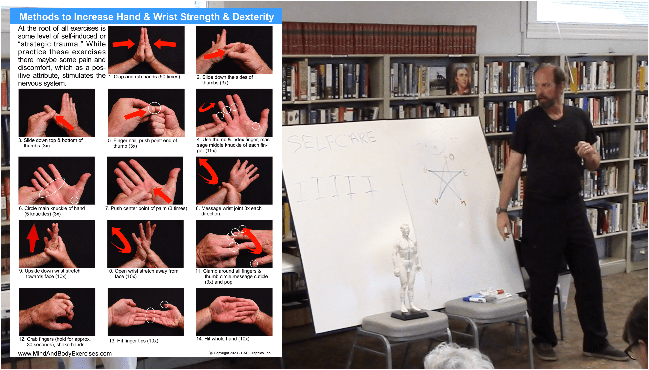
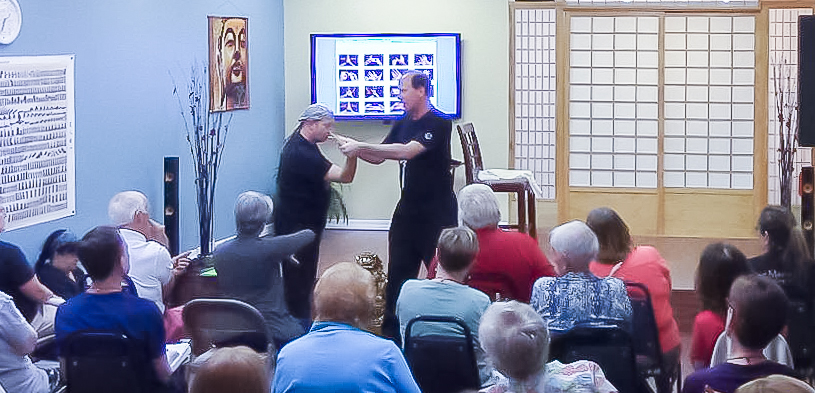
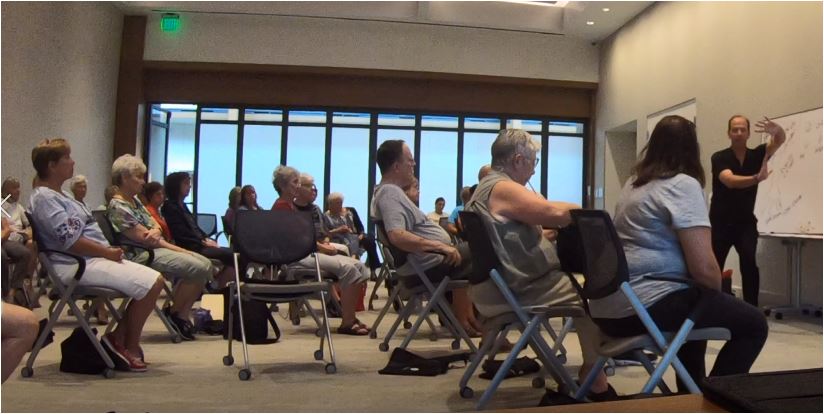
In my lecture and video presentation, I shared a traditional system of hand conditioning that I have personally practiced and taught for many years. This unique approach integrates acupressure, therapeutic trauma, herbal therapy, breathing techniques, and mindful movement. All designed to restore vitality, enhance flexibility, and promote whole-body energy flow.
A Philosophy of Health, Not Hardness
In the martial arts world, hand conditioning is often associated with building hardened fists and thick calluses. I take a different view.
The method I teach is not about brute strength or desensitization. It is about stimulating circulation, promoting healing, and enhancing energy (Qi) flow throughout the entire body.
Using bean-filled bags (I recommend soybeans, mung beans, or chickpeas), we create strategic trauma or gentle, controlled impacts that trigger the body’s natural healing response. This principle, rooted in ancient wisdom, leverages micro-trauma to increase blood flow, strengthen tissues, and support overall wellness (Zhou, 2009).

Hands as Microcosms of the Body
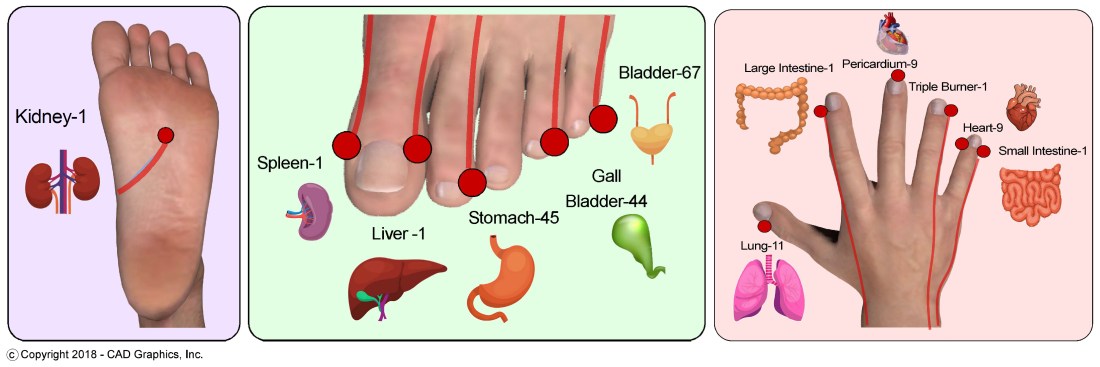
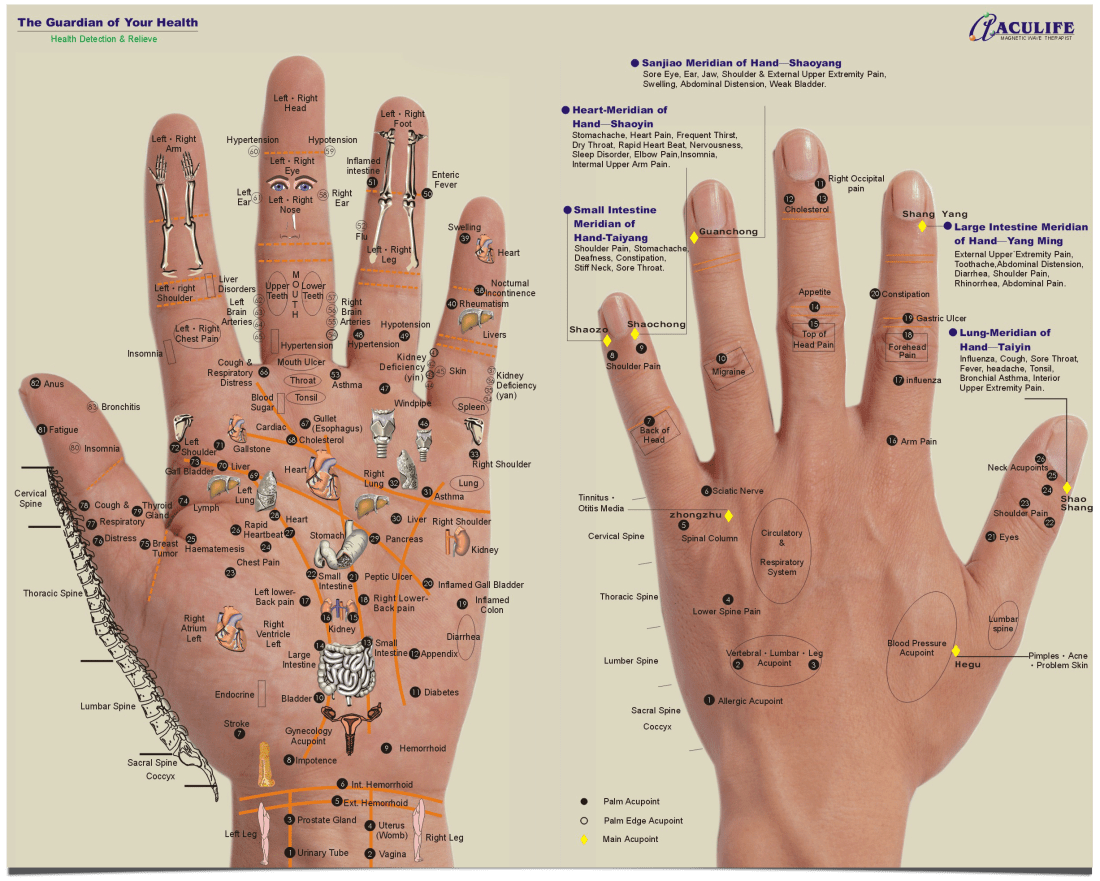
In my lineage or martial arts system, the hands are viewed as a map of the entire body, a concept validated by reflexology and TCM meridian theory.
- We focus on stimulating Jing-well points located on the fingertips—powerful gateways for regulating energy flow (Deadman & Al-Khafaji, 2007).
- I also reference Japanese and Korean reflexology maps, which beautifully illustrate how the fingers and palms correspond to internal organs and bodily systems (Ang et al., 2021).
- When we work the hands with mindful techniques, we influence not just the hands themselves, but the entire body and mind.
Breathing: The Missing Link
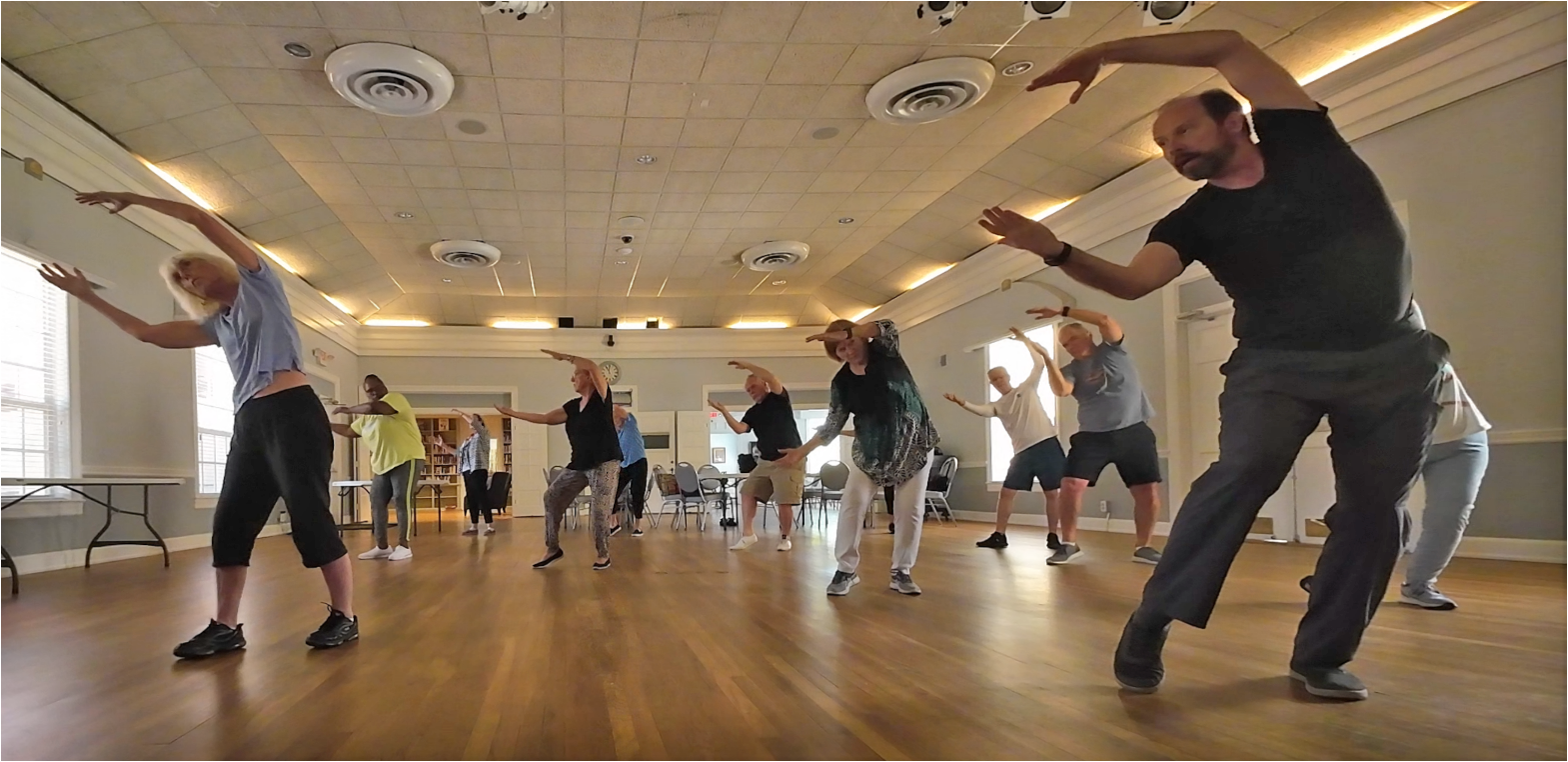
A key element in my lineage is Qigong (breath work), a deep, nasal breathing pattern combined with proper tongue positioning on the upper palate.
This breathing technique activates the parasympathetic nervous system, promoting relaxation, improving circulation, and harmonizing Qi flow (Sancier, 2001).
When combined with hand exercises, this breathwork turns a simple routine into a powerful integrative practice that nourishes body, mind, and spirit.
The Practice in Action
During my presentation, I guided participants through a progressive series of hand conditioning techniques, including:
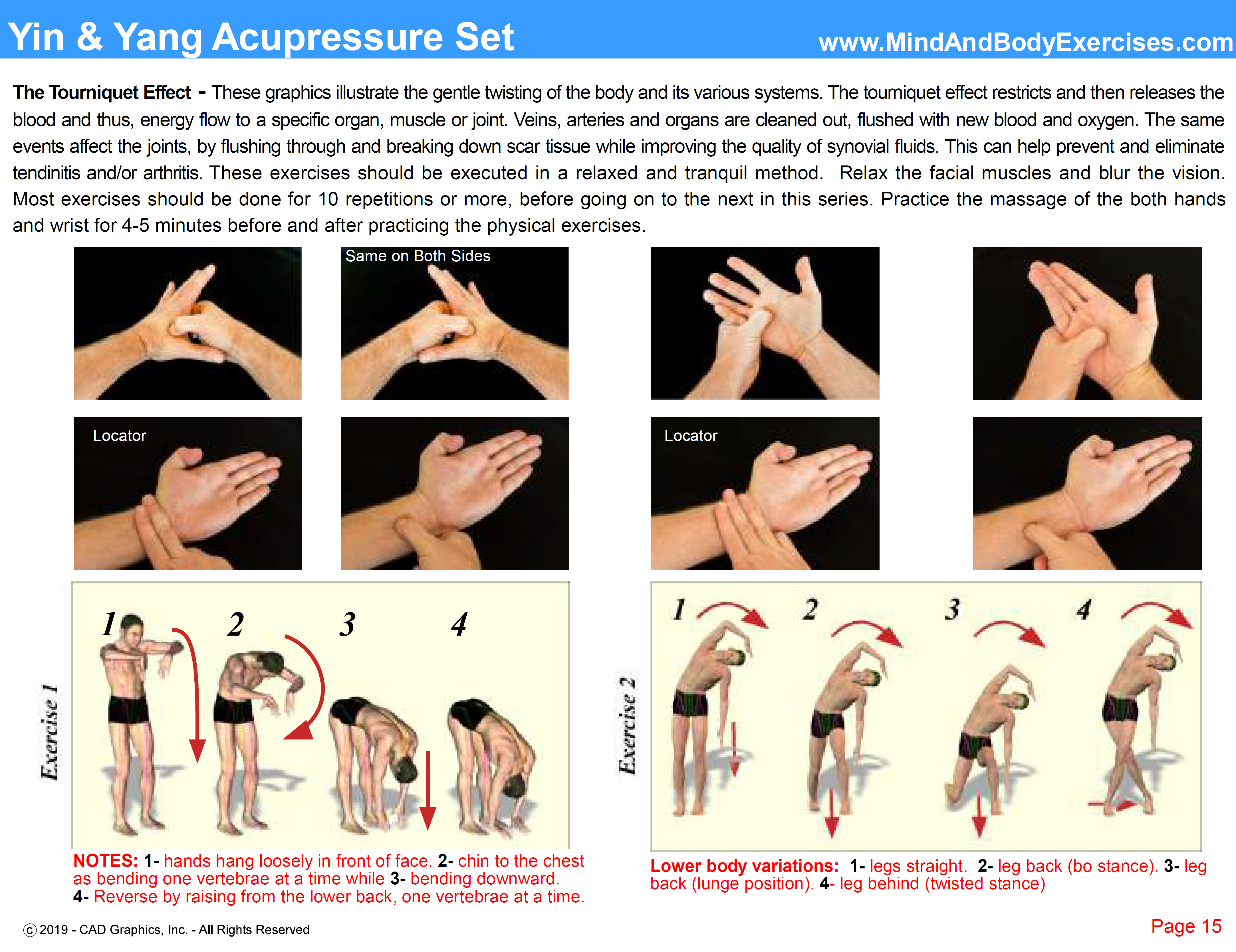
- Pinching, clapping, and crab-finger movements to stimulate circulation and flexibility.
- Percussion on bean bags to activate Jing-well points and trigger micro-trauma healing.
- Twisting, stretching, and massage for the palms, knuckles, thumbs, and wrists.
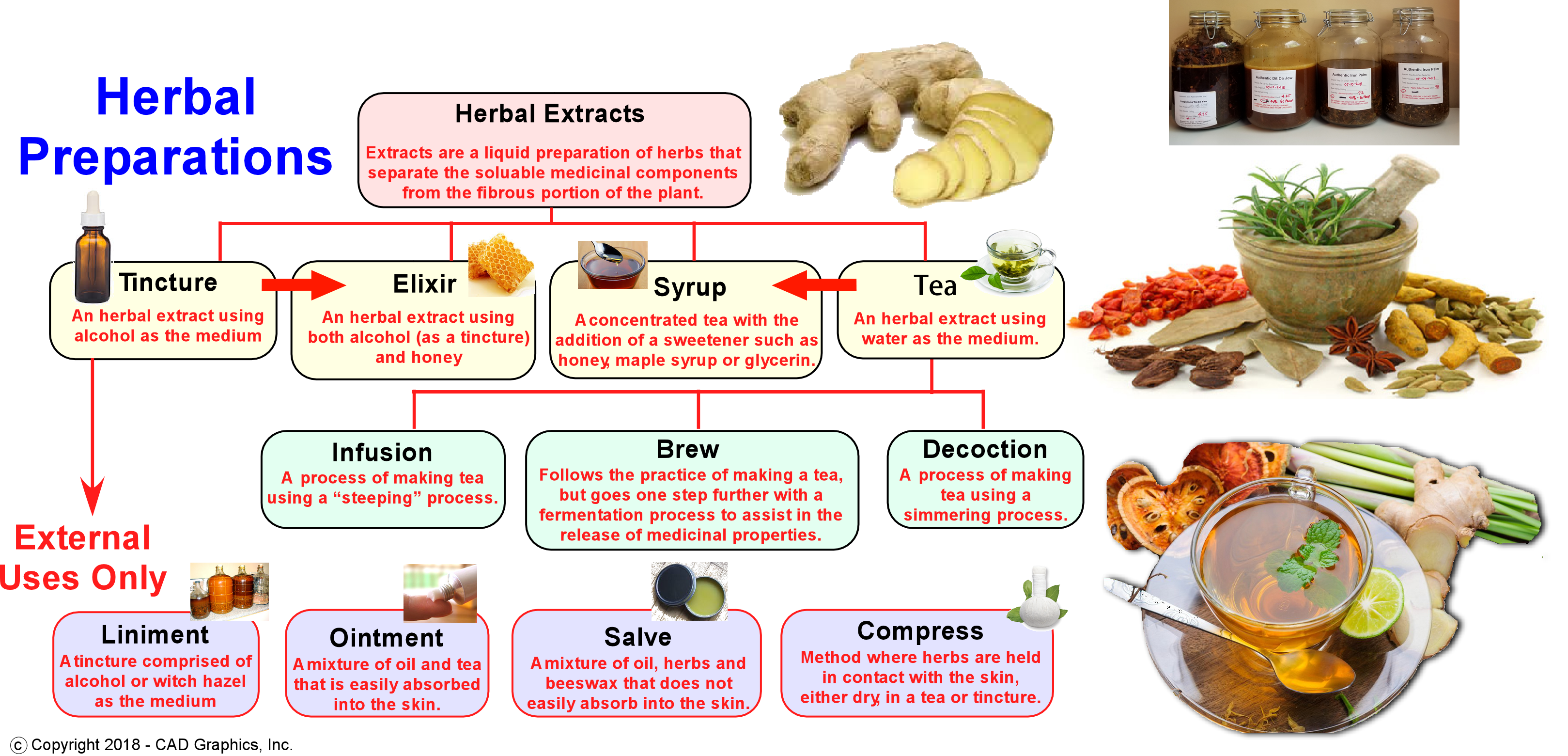
- External application of herbal tinctures, which I personally formulate using apple cider vinegar, frankincense, and traditional Chinese herbs, to reduce inflammation and enhance post-exercise recovery (Xu et al., 2013). (Note: these tinctures are for external use only and should not be ingested.)
Real-World Applications
One of the most exciting aspects of this practice is its practical value:
- Certain finger acupressure points can be used to help revive a fainted person; a technique I demonstrate and encourage students to learn.
- Regular practice can reduce symptoms of arthritis, improve joint mobility, and enhance overall hand resilience, making it valuable not just for martial artists, but for anyone seeking greater hand health and functional longevity (Kim et al., 2015).
Balance Is Key
In my teaching, I stress the importance of balance and recovery:
- Do not overdo the hitting exercises! Allow at least one day of rest between sessions.
- Always follow with herbal application to soothe the tissues and prevent over-inflammation.
- Listen to your body. This is a lifelong practice, not a race for quick results.
This approach embodies the philosophy I teach in all of my wellness work: true progress comes from harmonizing stimulation with restoration.
Closing Thoughts
For me, this hand conditioning system is much more than an exercise routine. It is a gateway to whole-body vitality and a deeper connection with the subtle currents of energy that animate us.
By combining traditional acupressure, mindful breathwork, herbal therapy, and thoughtful movement, we can restore the natural vitality of the hands, which in turn enhances our overall health, energy balance, and functional well-being.
I encourage you to explore this practice with patience, mindfulness, and care. Your hands and your entire body will thank you.

References:
Deadman, P., & Al-Khafaji, M. (2007). A Manual of Acupuncture. Eastland Press.
Ang, L., Song, E., Lee, H., & Lee, M. (2021). Acupressure for Managing Osteoarthritis: A Systematic Review and Meta-Analysis. Applied Sciences, 11(10), 4457. https://doi.org/10.3390/app11104457
Sancier, K. M. (2001). Search for Medical Applications of Qigong with the Qigong DatabaseTM. The Journal of Alternative and Complementary Medicine, 7(1), 93–95. https://doi.org/10.1089/107555301300004574
Starr, P. (2020). Authentic Iron Palm: The Complete Training Manual. Blue Snake Books.
Xu, Q., Bauer, R., Hendry, B. M., Fan, T., Zhao, Z., Duez, P., Simmonds, M. S., Witt, C. M., Lu, A., Robinson, N., Guo, D., & Hylands, P. J. (2013). The quest for modernisation of traditional Chinese medicine. BMC Complementary and Alternative Medicine, 13(1). https://doi.org/10.1186/1472-6882-13-132









 United Martial Arts Association