
We all know what stress is, but how does it manifest and what can we do to manage it?

If we are to grow a garden, do we try to nourish the seeds in a healthy, safe and nutritional environment? Or do we just plant the seeds in sand in a mostly dark place where no one checks to see how they are sprouting? Well, metaphorically, this is how our nation cultivates our youth with little or no education in health, nutrition, fitness, stress management and accountability. No wonder why teenage depression and suicide has skyrocketed in the last few years. And no wonder our nation is a nation of overweight children soon to be obese and sickly adults. We need to move past the politics and cultural correctness of not addressing the American diet and lifestyle choices of being the root causes of obesity that lead to disease and health issues in our country.

For children and adolescents aged 2-19 years in 2017-2018:
- The prevalence of obesity was 19.3% and affected about 14.4 million children and adolescents.
- Obesity prevalence was 13.4% among 2- to 5-year-olds, 20.3% among 6- to 11-year-olds, and 21.2% among 12- to 19-year-olds. Childhood obesity is also more common among certain populations.
- Obesity prevalence was 25.6% among Hispanic children, 24.2% among non-Hispanic Black children, 16.1% among non-Hispanic White children, and 8.7% among non-Hispanic Asian children.

- Anxiety and depression affects many children
- 7.1% of children aged 3-17 years (approximately 4.4 million) have diagnosed anxiety.
- 3.2% of children aged 3-17 years (approximately 1.9 million) have diagnosed depression.
- Anxiety and depression have increased over time
- “Ever having been diagnosed with either anxiety or depression” among children aged 6-17 years increased from 5.4% in 2003 to 8% in 2007 and to 8.4% in 2011–2012.
- “Ever having been diagnosed with anxiety” among children aged 6-17 years increased from 5.5% in 2007 to 6.4% in 2011–2012.
- “Ever having been diagnosed with depression” among children aged 6-17 years did not change between 2007 (4.7%) and 2011–2012 (4.9%).

In years past, recess and physical education (PE) were part of the school day from kindergarten through elementary school. High school students had PE every school day until graduation. Regular exercise has been known and proven to help manage stress and maintain better health and mental well being. Currently, many schools require only 1 credit of PE over 4 years of high school and often offer it as an online course. Today if students are not involved in school or extracurricular sports, few make the time or commitment to stay physically active. Unhealthy kids quickly turn into unhealthy adults. The health of our people is directly affecting the safety of our nation. For the sake of our youth and ultimately our country, put PE and maybe health education back into the school system, as a priority and not just a minimal requirement.

References:
https://www.cdc.gov/obesity/data/childhood.html
https://www.cdc.gov/nchs/data/hestat/obesity-child-17-18/obesity-child.htm
https://www.cdc.gov/childrensmentalhealth/features/anxiety-depression-children.html


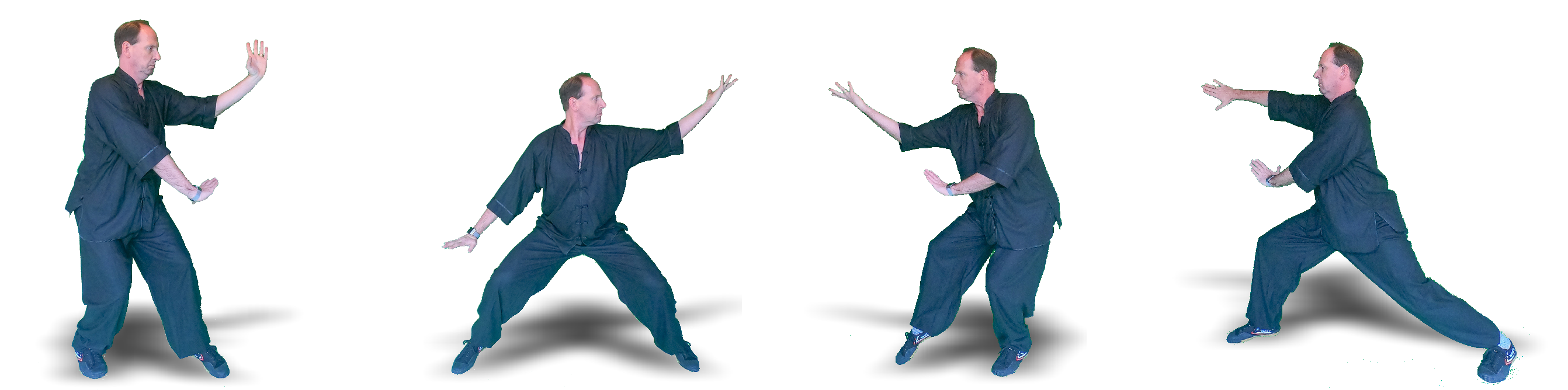
I can help. I have almost 40 years worth of experience in practicing and teaching others to take control of their health and well-being. For more information, contact Jim Moltzan at 407-234-0119 or www.MindAndBodyExercises.com




 United Martial Arts Association