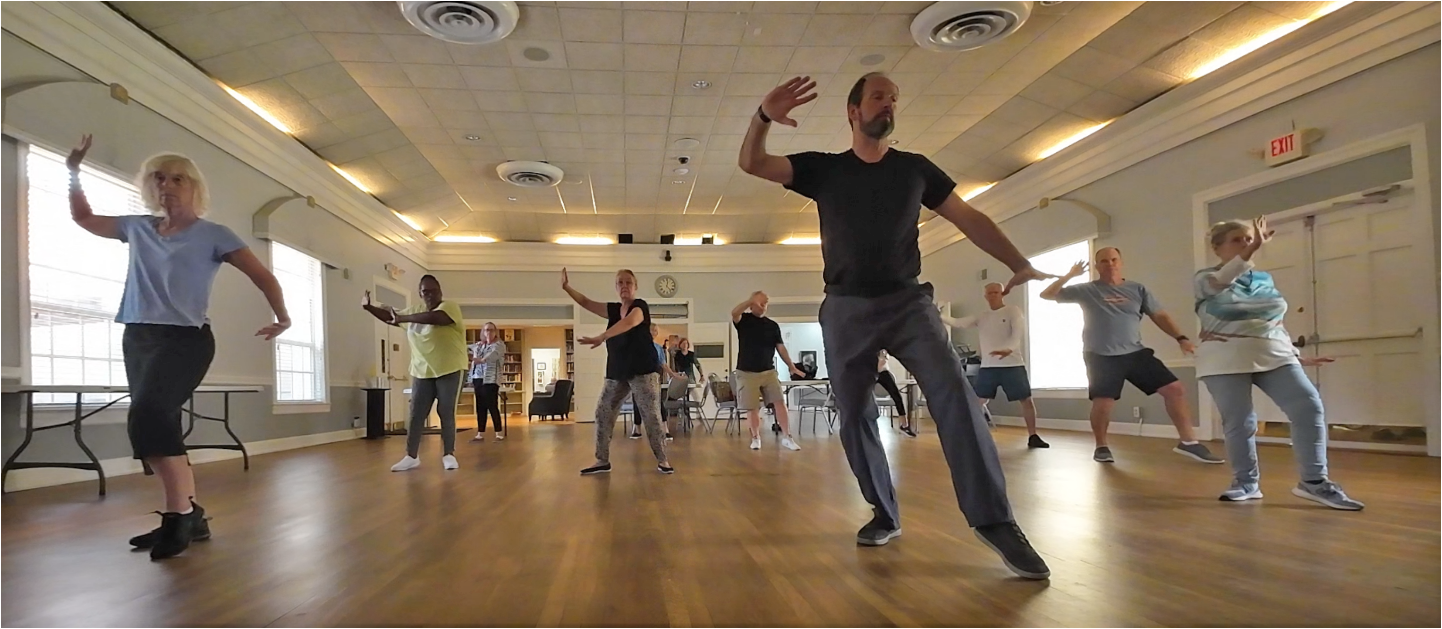
Holistic Health & Wellness Discussions

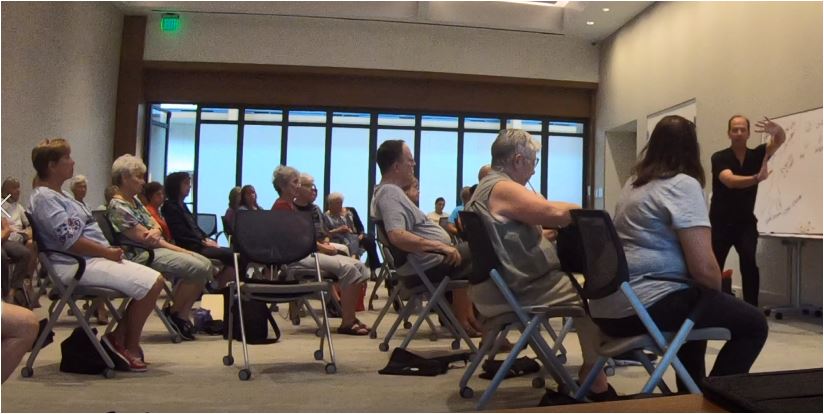
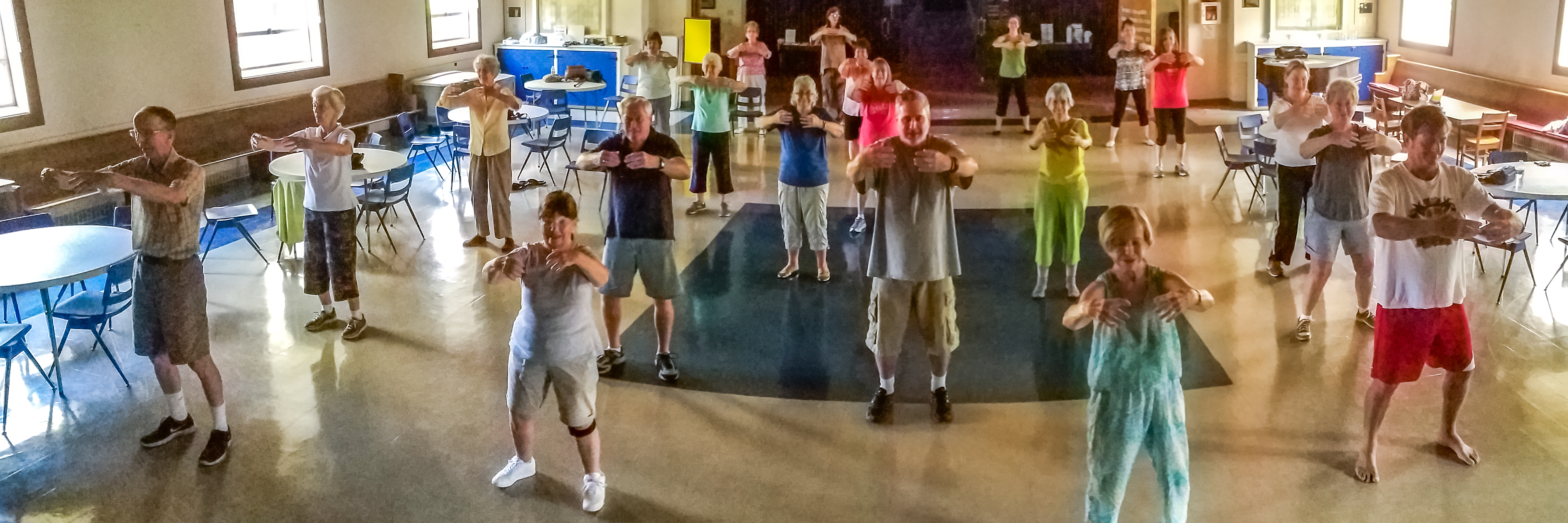
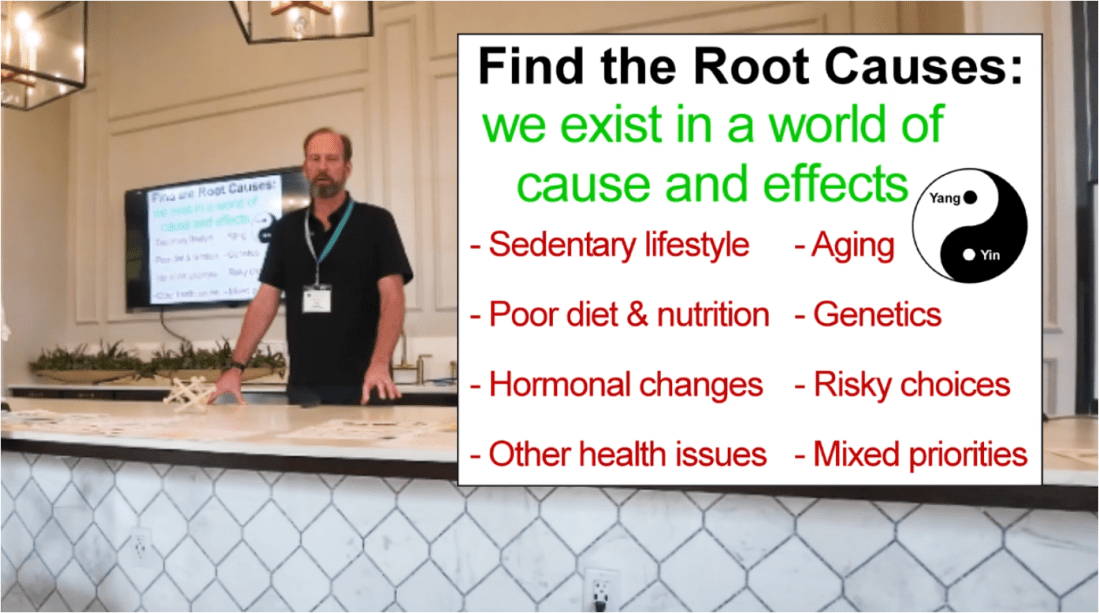
I have been learning, practicing and studying health and wellness for 45 years, teaching and sharing for 42 years. I feel that I have a lot to share that can benefit the mind, body & spirit. Watch my video of various venues that I have held holistic health discussions.

Contact me to discuss options for you, your business, your group, etc. Good health and wellness are a journey that doesn’t happen overnight. We will all experience some pain and suffering throughout our lives. Learn how to manage it before it comes it comes knocking at your door.

Jim Moltzan – 407-234-0119 or info@MindAndBodyExercises.com

The Dynamics of Kung

Essence, Training, and Mastery

Kung is the essential concentrated force, both mental and physical, that underlies all Chinese martial arts, particularly Kung Fu. It is not mere muscular power, but a highly focused and potent concentration of will, attention, and energy that amplifies every physical technique. Without Kung, even the most refined martial skills remain incomplete; with it, a practitioner achieves exceptional power, resilience, and mastery.

The information presented here is an overview of traditional Kung concepts and techniques as described in Kung Fu: History, Philosophy and Technique (Chow, 1978). While these methods are part of historical martial arts culture, they range from well-documented conditioning practices to legendary or symbolic feats.

Internal and External Kung

Kung manifests in two primary forms:

  • Internal Kung (Yin or Negative Kung) emphasizes the cultivation of Qi (ch’i, chi, ki, gi) the vital life-breath through breathing, meditation, and calm concentration. It often favors subtlety and passive defense, enabling the practitioner to mentally subdue an opponent without direct physical contact. Its effects may be invisible, yet profound.
  • External Kung (Yang or Positive Kung) focuses on physical strength and conditioning, with energy flowing outward through the body. It subdivides into Soft Kung (Yin) and Hard Kung (Yang):
    • Soft Kung is difficult to master, emphasizing invisibility, precision, and mental control, but is sometimes viewed with suspicion for its potential unethical use.
    • Hard Kung is overtly physical, conditioning muscles and nerves to withstand and counter heavy blows or weapon strikes.

A well-rounded martial artist seeks balance between these forms, harmonizing Yin and Yang according to Taoist principles.

Discipline and Moral Foundation

Kung is as much a moral and spiritual discipline as it is a physical one. Practitioners must adhere to behavioral and emotional codes designed to preserve vital energy and mental clarity:

  • Five Restrictions to avoid:
    • Frivolity
    • Conceit
    • Impatience
    • Negligence
    • Lasciviousness
  • Seven Detriments:
    • Fornication (energy depletion)
    • Anger (breathing harm)
    • Worry (mental numbness)
    • Over trust (emotional vulnerability)
    • Overdrinking (blood dilution)
    • Laziness (muscular weakness)
    • Tenseness (weak bones).

Violating these principles disrupts energy flow and undermines training. The Shaolin tradition stresses purification of spirit, breath regulation, and ethical conduct using Kung only for defense or just causes, never for malicious harm. Misuse inevitably leads to personal ruin.

Stages of Training

Mastery requires patience, persistence, and often decades of disciplined practice. Training typically progresses through:

  1. Skin and Muscle Stimulation – Vigorous rubbing to improve circulation and tone.
  2. Tendon Conditioning – Stretching and calisthenics to enhance elasticity and force transmission.
  3. Joint Strengthening – Weight training and impact drills for endurance and striking power.
  4. Qi Development – Meditation and breath control to cultivate and store vital energy, directing it for specific purposes.

This gradual progression ensures the body and mind are prepared for advanced techniques without risk of injury.

Qi: The Power Source of Kung

Qi transforms raw physical ability into directed, dynamic force. Concentrating Qi in specific body parts creates specialized capabilities, such as an iron abdomen, immovable stance, or penetrating strike. Its development must be patient and natural; forcing the process is ineffective and potentially harmful. In rare cases, Qi manifests spontaneously in emergencies, hinting at latent human potential.

Extraordinary Kung Techniques

Through disciplined training, practitioners can achieve remarkable feats, some practical, others legendary in reputation. These include:

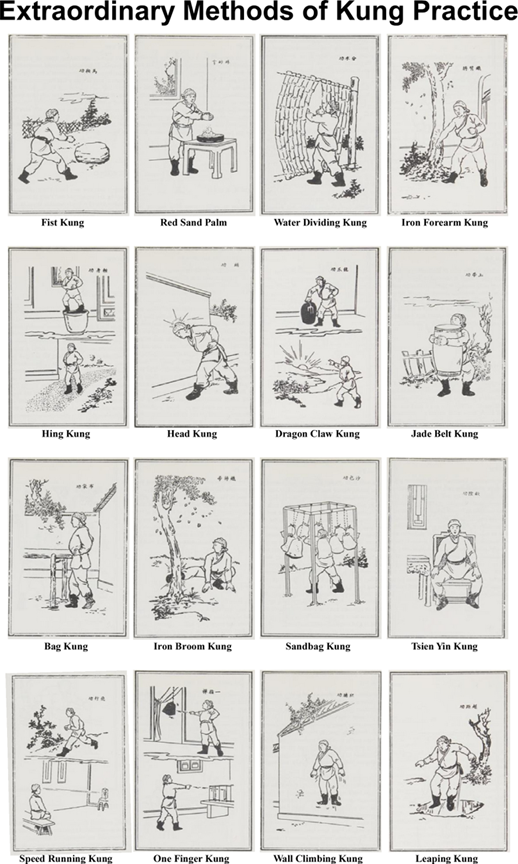
  • Red Sand Palm – Yin Kung capable of inflicting damage without physical contact, developed through progressive conditioning from fine sand to heavy objects.
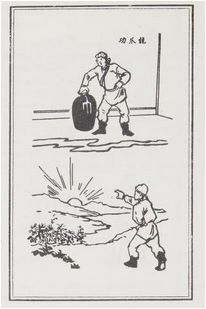
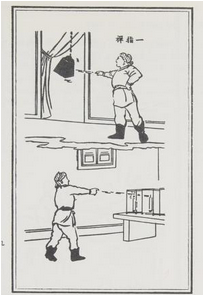
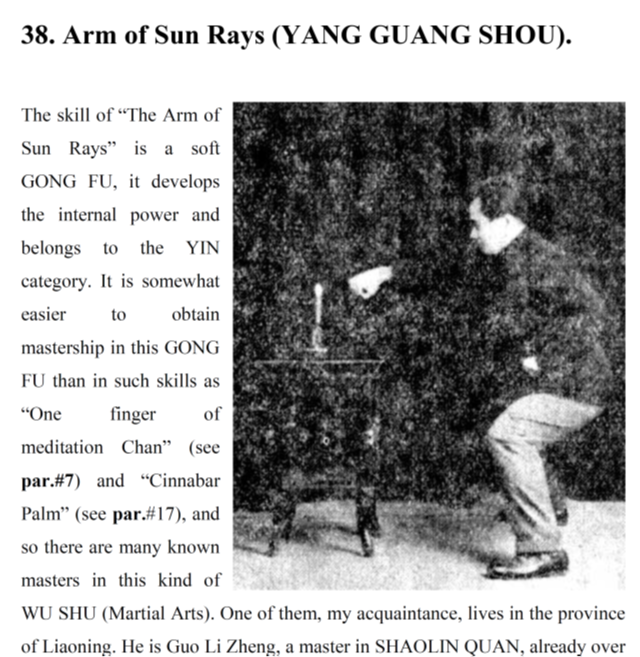
  • One Finger Kung – Focused finger strikes that can move heavy objects or extinguish flames from a distance.
  • Dragon Claw Kung – Grip strength and joint control using progressive resistance, applied to immobilize opponents.
  • Water Dividing Kung – Palm and arm strength sufficient to part rigid bamboo poles.
  • Hing Kung (Lightness Kung) – Ability to move silently and lightly, even on fragile surfaces.
  • Speed Running Kung – Leg and eyesight conditioning for swift, sustained movement.
  • Leaping Kung – Explosive leg power built by jumping from progressively deeper trenches or with added weights.
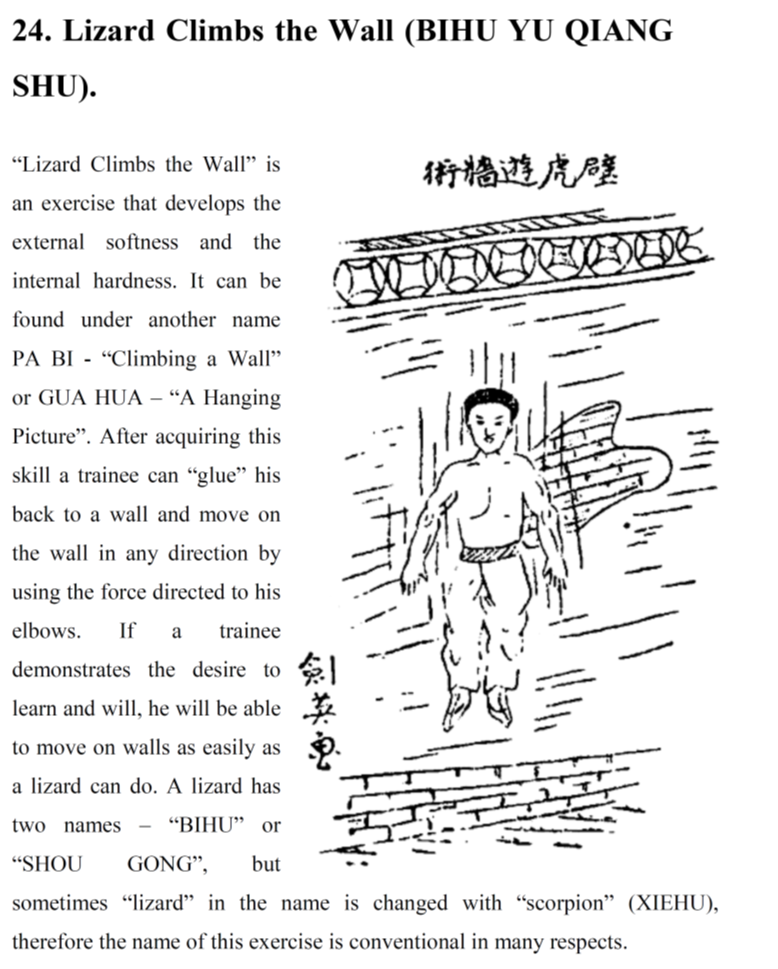
  • Wall Climbing Kung – Vertical and horizontal wall movement using elbows and heels.
  • Tsien Yin Kung – Qi-based internal protection of vital areas.
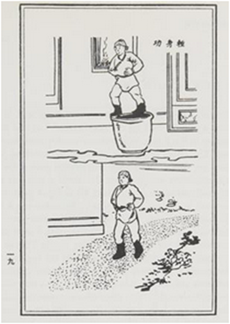
  • Bag Kung – Abdominal conditioning to absorb and redirect strikes.
  • Iron Forearm Kung, Fist Kung, Sandbag Kung – Impact conditioning for devastating strikes and multi-angle attack defense.
  • Iron Broom Kung – Powerful sweeping kicks to fell opponents or break obstacles.
  • Jade Belt Kung – Crushing arm strength developed through tree hugging and stone lifting.
  • Head Kung – Progressive hardening of the skull for safe head strikes.

Many of these require 10–15 years of committed training and precise energy control to master.

Health, Longevity, and Mental Clarity

Beyond combat, Kung offers profound physical and mental benefits. Long-term practice strengthens circulation, tendons, joints, and immunity; enhances concentration and calmness; and may contribute to longevity. It is both a martial art and a holistic health system.

Modern Rarity and Preservation

In ancient times, Kung masters devoted decades to perfection, often beginning in childhood. Today, the demands of modern life, coupled with the secrecy of true training, make genuine mastery rare. Most authentic techniques are still transmitted privately to protect their integrity. Demonstrations by skilled masters, such as generating heat without contact, bending steel, or breaking stone, attest to the enduring power of these methods.

Anyone interested in studying these skills should understand that:

  • Authentic instruction is rare. Many of these methods require years of careful, incremental training under a knowledgeable teacher who understands both the physical and internal aspects.
  • Improper training can cause harm. Without correct supervision, certain conditioning practices can lead to serious injury, long-term health problems, or mental strain.
  • Ethics matter. True Kung training is rooted in discipline, self-control, and moral conduct. Any instruction that promotes reckless aggression, neglects safety, or bypasses ethical principles should be avoided.
  • Due diligence is essential. Seek a reputable teacher with verifiable lineage, recognized skill, and a proven track record of developing students safely. Research the school’s philosophy, teaching methods, and student experiences before committing.
  • Respect your limits. Not every method is appropriate for every individual. Health conditions, age, and personal goals should all factor into how one approaches training.

Approaching Kung with patience, humility, and discernment will help ensure that the art becomes a source of growth and empowerment, not injury or disillusionment.

Conclusion

The Dynamics of Kung reveal that true Kung Fu mastery transcends physical fighting skill. It is a lifelong path of self-cultivation, uniting body, mind, and spirit through disciplined practice, ethical conduct, and the harmonious balance of internal and external forces. The extraordinary abilities it promises—whether practical, legendary, or symbolic—stand as testimony to the heights of human potential when effort, patience, and moral purpose are perfectly aligned.

Reference:

Chow, D., & Spangler, R. (1978). Kung Fu: history, philosophy and techniques. Lulu.com. https://archive.org/details/kungfuhistoryphi0000chow

Training Methods Of 72 Arts Of Shaolin

Training Methods Of 72 Arts Of Shaolin by Jin Jing Zhong (1934) is a window into how some traditional lineages of martial arts training used to be practice in years past. Many decades ago, practitioners could and would devote many hours, for many days and over many years, even decades to develop and perfect their skills. Many of the methods explained throughout this book seem impossible with today’s hectic modern schedule, where most people find it difficult to carve out 1-2 hours to exercise, a few days per week.

The text is an extensive and detailed manual on the 72 Arts of Shaolin Kung Fu, compiled and translated from early 20th-century Chinese martial arts manuscripts. It presents a comprehensive guide to Shaolin training methods, theoretical principles, and practical exercises essential for mastering both internal (soft, spiritual, energy-based) and external (hard, physical, muscular) martial arts skills. The text includes biographies of key figures such as Jin Jing Zhong and Reverend Miao Xing, highlighting their dedication and contributions to preserving Shaolin traditions. It emphasizes the cultivation of Qi (internal energy), balance of Yin and Yang forces, and the importance of moral character and perseverance in training.

The manual systematically categorizes the 72 arts into hard and soft, internal and external skills, linking each to physical health, spiritual development, and combat effectiveness. Detailed instructions on foundational exercises (e.g., striking wooden dummies, suspending coins, kicking flying meteors), and advanced techniques (e.g., Diamond Finger, Iron Shirt, Luohan’s Night Vision, Skill of Light Body) are provided. The text stresses the need for gradual, persistent training, avoidance of harmful habits, and the ethical use of martial arts. It also includes unique Shaolin training methods such as walking on poles, swimming skills, and acrobatic movements, demonstrating the holistic nature of Shaolin Kung Fu as both a martial and health practice.

The manual concludes with a tribute to Lam Sai Wing, a renowned master of Southern Shaolin Hung Gar, whose writings similarly blend combat techniques and internal cultivation methods, affirming the enduring legacy of Shaolin martial arts.

Highlights

  • Comprehensive guide to the 72 Arts of Shaolin Kung Fu, covering theory and practice.
  • Emphasis on balancing internal energy (Qi), Yin-Yang forces, and moral development.
  • Detailed hard and soft training methods for physical and spiritual mastery.
  • Shaolin exercises improve health, resilience, and combat skills simultaneously.
  • Training principles stress persistence, patience, and ethical martial arts use.
  • Unique skills include walking on poles, swimming techniques, and acrobatic jumps.
  • Biographies of key Shaolin masters and their contributions to preserving martial traditions.

Key Insights

  • Integration of Internal and External Skills: The text highlights that Shaolin mastery requires the harmonious development of both internal energy cultivation (soft Gong Fu) and external physical power (hard Gong Fu). This dual approach ensures not only effective combat skills but also long-term health and spiritual well-being. The internal force Qi, when properly nurtured, fortifies the body against injury and disease, while external techniques develop strength, precision, and resilience.
  • Qi as the Core Vital Force: Qi is portrayed as the fundamental life energy governing health, strength, and spirit. The manual provides numerous exercises for cultivating, circulating, and concentrating Qi throughout the body. The practice of controlling Qi leads to improved blood circulation, organ function, mental clarity, and emotional stability. This understanding aligns with traditional Chinese medicine and Taoist philosophy, reinforcing Shaolin’s holistic approach.
  • Moral and Psychological Foundations of Martial Arts: The text stresses that mastery is not merely physical but deeply rooted in cultivating virtues such as humility, patience, courage, and self-control. The reverence for tutors, avoidance of arrogance, and ethical restraint in the use of force are repeatedly emphasized. This moral framework ensures that martial power is used responsibly and contributes to personal and social harmony.
  • Progressive and Systematic Training: The 72 Arts are organized to accommodate practitioners of all ages and skill levels, with clear stages of difficulty and gradual increase in intensity. Foundational exercises such as Four-Part Exercise and base conditioning prepare the body and mind for advanced techniques. The text warns against impatience and irregular practice, advocating steady, daily training for years or decades to achieve true mastery.
  • Specialized Combat Techniques and Conditioning: The manual describes a wide range of sophisticated methods that condition specific body parts (e.g., Iron Head, Iron Knees, Diamond Finger) and develop unique combat skills (e.g., One Finger Chan Meditation, Eagle’s Claws, Mantis Claws). These techniques show the detailed craftsmanship in Shaolin arts, combining physical toughness with precision targeting of acupoints and energy pathways.
  • Health Benefits and Longevity: Many exercises are designed not only for fighting but also for therapeutic effects, strengthening internal organs, improving circulation, enhancing sensory functions (night vision, keen hearing), and preventing age-related decline. The text acknowledges adaptations for children, adults, and the elderly, emphasizing that Shaolin is as much a health cultivation system as a martial discipline.
  • Practical Application in Combat and Life: The manual balances philosophical depth with direct combat pragmatism. It includes guidance on using softness to overcome hardness, redirecting opponent’s force, and applying “deadly” but hidden techniques. It also teaches survival skills like swimming, diving, and agile movement, showing Shaolin’s comprehensive training for real-world challenges.

This text is a foundational document for understanding traditional Shaolin martial arts, blending philosophy, health sciences, and combat techniques into a unified training system. It underscores the cultural, spiritual, and practical significance of the 72 Arts, offering an authentic window into the Shaolin legacy that continues to influence martial arts worldwide.

Reference:

Training Methods of 72 Arts of Shaolin by Jin Jing Zhong 1934 : Jin Jing Zhong : free download, borrow, and streaming : Internet Archive. (1934). Internet Archive. https://archive.org/details/trainingmethodsof72artsofshaolinbyjinjingzhong1934

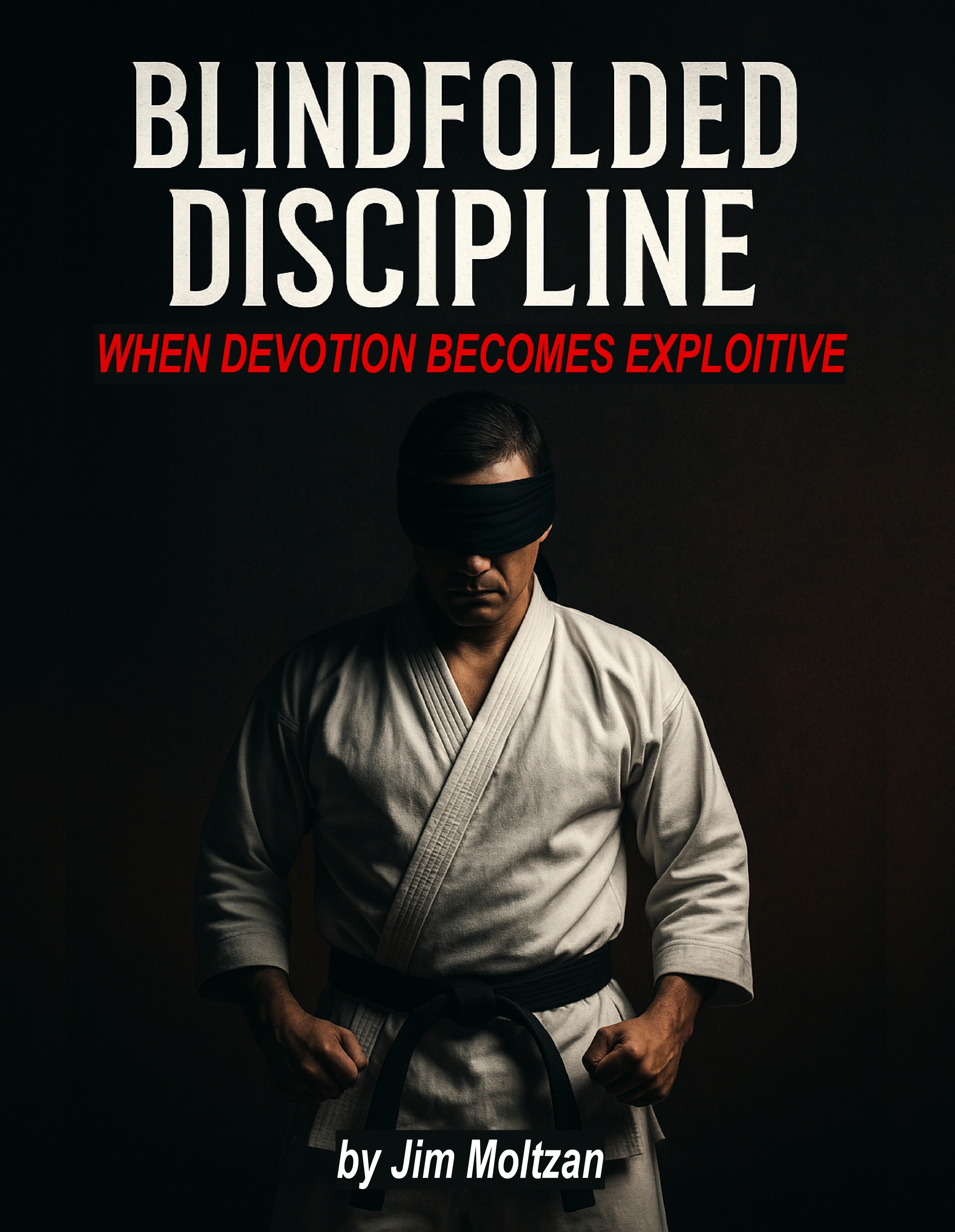
Blindfolded Discipline: When Devotion Becomes Exploitative

Blindfolded Discipline: When Devotion Becomes Exploitative is more than a personal story. It is a case study in resilience, moral clarity, and the capacity for self-reinvention after prolonged exposure to a high-control environment. For two decades, I navigated the intricate and often coercive dynamics of an insular martial arts organization, balancing loyalty, ambition, and self-doubt. Through personal transformation, I emerged not as a victim, but as a self-aware survivor who redefined mastery on my own terms.

From a psychological standpoint, this journey reveals the subtle mechanisms of indoctrination. From incremental increases in commitment to the blurring of personal boundaries, and the complex interplay of group identity, authority, and self-concept. It also shows how two people can share the same environment yet walk away with vastly different interpretations, shaped by personal values, resilience, and readiness for change.

Drawing on over 45 years of experience, including two decades immersed in a closed, hierarchical group and 25 years exploring more open martial arts communities, I offer an unflinching look at the signs of control and the steps we can take to reclaim our autonomy. My insights are grounded in formal study in holistic health, interviews with high-level practitioners across styles, and extensive research into psychology and group dynamics.

This book is both a cautionary tale and a guide to recognizing unhealthy environments, fostering integrity, and building communities that nurture true growth. What makes this journey powerful is its balance between self-accountability and systemic critique. I openly acknowledge the personal choices that kept me in the group while also dissecting the structures that perpetuated control. This blend of honesty and analysis makes the story relatable to anyone who has wrestled with loyalty, ambition, or the fear of leaving a close-knit, high-control, insular system.

Ultimately, Blindfolded Discipline is about transformation, not just leaving a harmful environment, but building a life of integrity, autonomy, and purpose afterward. It offers valuable insights for anyone seeking to understand the psychology of high-control groups, the nature of commitment, and the process of reclaiming one’s own voice.

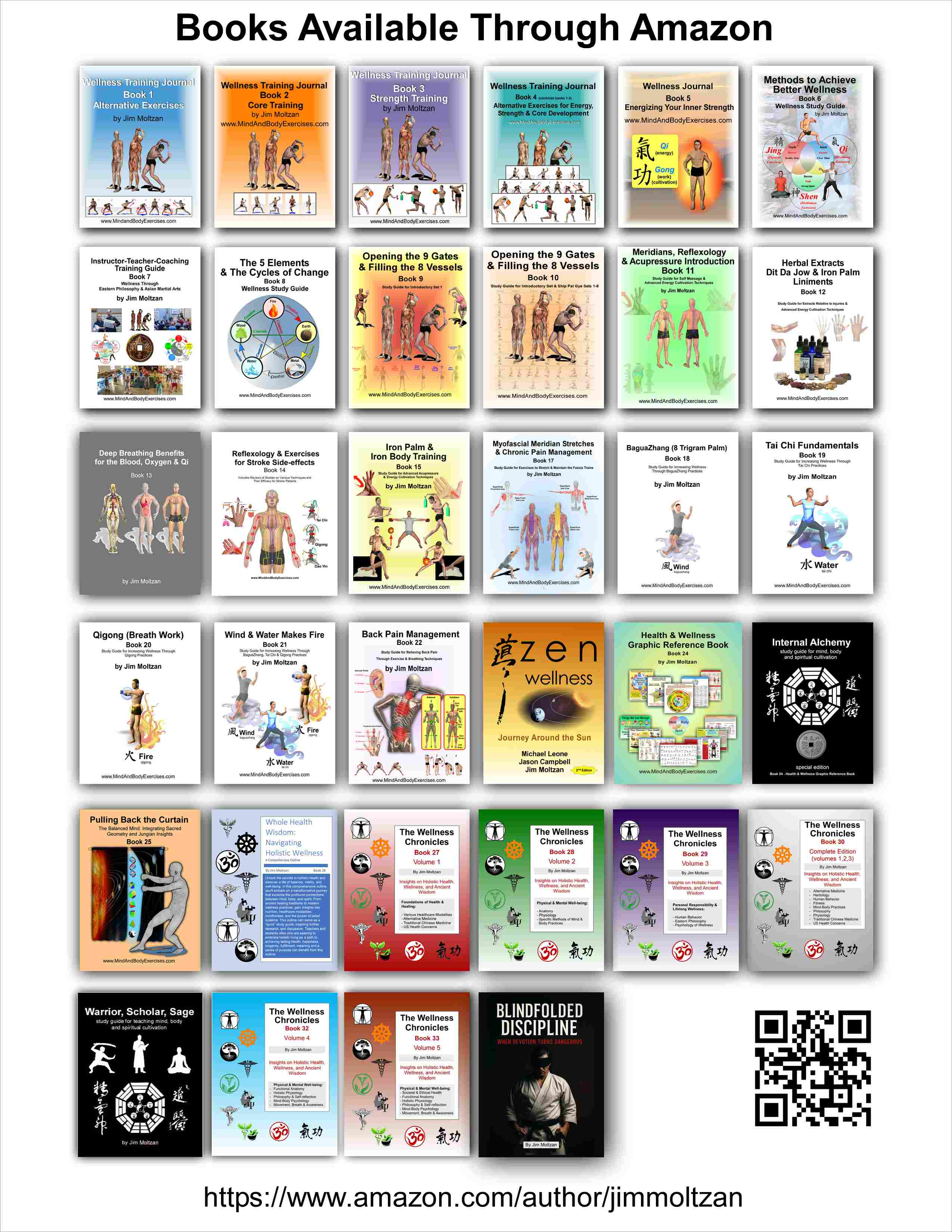
Available on Amazon at: https://a.co/d/cre1dT9

Wealth Without Wellness is Poverty in Disguise

In an age where wealth, fame, and social standing are glorified as the pinnacle of success, it is easy to forget that the most valuable assets we possess are not in our bank accounts or in our résumés. Rather they are the state of our minds and the vitality of our bodies. Material fortune and public recognition can buy influence, open doors, and offer fleeting pleasures, but they cannot reverse years of physical neglect or restore a mind dulled by stress, apathy, or overindulgence. The truth is simple: when the mind and body are compromised, the currency of wealth and the applause of the crowd lose their meaning.

The Illusion of Substitution

Society often promotes the illusion that money, influence, or fame can make up for a lack of health. We see celebrities celebrated despite visible physical decline, business leaders pushing themselves past the brink of exhaustion, and influencers curating glamorous online lives while privately battling anxiety, burnout, and chronic illness. This image of “success” hides a grim reality. No amount of financial or social power can purchase a new nervous system, undo the damage of decades of poor lifestyle habits, or replace the inner peace that comes from a well-cared-for mind.

Wealth can buy advanced medical treatment, but it cannot buy resilience built from consistent exercise, balanced nutrition, and quality rest. It can hire therapists and coaches, but it cannot magically instill mental clarity, discipline, or emotional stability in a person unwilling to nurture them. It can provide luxury and comfort, but it cannot offer the satisfaction of living in a body and mind that are strong, agile, and alert.

The Human Cost of Neglect

Neglect of the body often begins subtly. Skipped workouts, poor sleep, diets based on convenience rather than nutrition and other issues emerge as seemingly harmless lapses. Over time, this neglect compounds where muscles and bones weaken, cardiovascular endurance drops, weight accumulates, and chronic conditions take root. The body, once ignored, demands attention in ways that money alone cannot silence. Arthritis cannot be bribed. A failing heart cannot be impressed by prestige. The slow erosion of mobility and vitality spares no one.

Similarly, the neglected mind suffers in ways that wealth cannot mend. Without continuous learning, mental challenges, and emotional self-regulation, the mind becomes less adaptable. Stress becomes more overwhelming, decision-making more erratic, and creativity more stagnant. Intellectual and emotional atrophy often occur long before physical decline becomes visible, robbing life of richness and depth.

Real Wealth: Mind-Body Integrity

The most enduring form of success comes from balance: a mind that remains curious, clear, and resilient, and a body that can carry us through life’s challenges with strength and endurance. This integrity cannot be purchased, but rather it must be cultivated through daily choices. Physical exercise strengthens not just the body but also mental health, reducing anxiety and improving cognitive function. Mindful practices such as meditation, reflection, and deliberate learning sharpen awareness and emotional stability. Proper nutrition fuels both the brain and the muscles, enabling them to function at their best.

True prestige comes from being able to meet each day’s demands with clarity of thought, steadiness of emotion, and physical capability. A billionaire confined by illness envies the healthy freedom of someone who can walk without pain. A public figure struggling with depression or mental exhaustion would trade their followers for peace of mind. In the end, health is the foundation upon which all other forms of success are built.

Lessons from History and Life

History offers countless examples of individuals whose material success could not shield them from the consequences of neglect. Famous industrialists, politicians, and entertainers have succumbed to preventable diseases, addictions, and burnout. Some reached the heights of their careers only to spend their later years consumed by medical treatments or emotional turmoil. On the other hand, there are those of modest means who lived into old age with vibrant energy and mental clarity, not because they had wealth or fame, but because they respected and maintained their inner and outer well-being.

Conclusion: The Non-Negotiable Priority

In the end, the message is clear: a neglected mind and body will undermine every other achievement. Wealth and status are fleeting. The body and mind are the constant companions that shape every moment of experience. Taking care of them is not an optional luxury. A strong and healthy mind, as well as physical body are the foundation for a life well-lived. The most successful person is not necessarily the one with the most accolades or the largest bank account, but the one who can wake each day with the energy to act, the clarity to think, and the inner peace to enjoy the journey.

No title, no fortune, no spotlight can take the place of that.