The Warrior, the Scholar, and the Sage: A Daoist View of Strength, Decline, and Human Destiny

In every era, civilizations rise and fall, not by accident or coincidence, but by the rhythm of deeper patterns or cycles of virtue and decay, clarity and confusion. As someone connected to a centuries-old lineage of Korean and Chinese martial artists, shaped by the philosophies of Taoism, Buddhism, and Confucianism, I’ve come to see that the struggles we face today are not anomalies. They are symptoms of imbalance. They are signs of what the ancients understood as the “return to the Daoand what modern thinkers Neil Howe and the late William Strauss have come to call the Fourth Turning (Strauss & Howe, 1997).

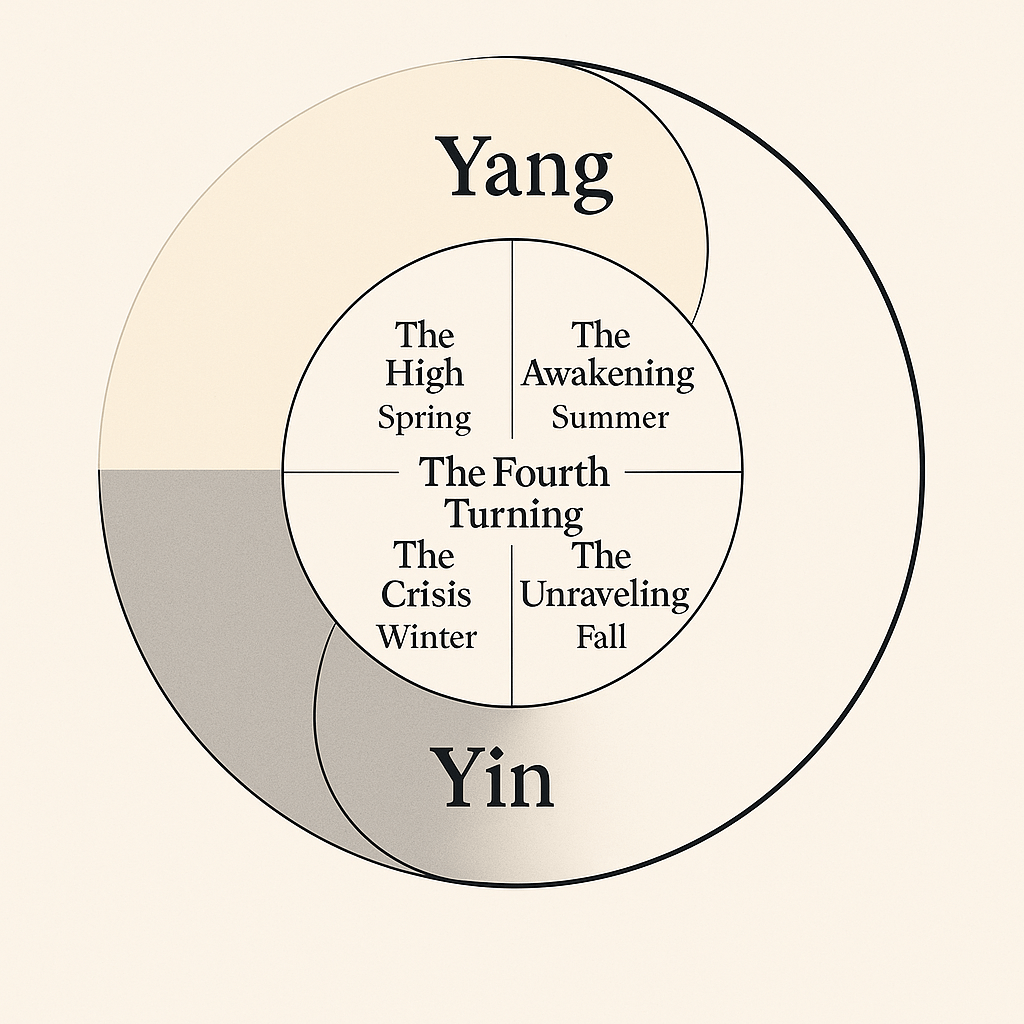
They propose that society moves in four generational phases, roughly every 20 years:

  • The High (Spring): After crisis, a period of rebuilding and cohesion.
  • The Awakening (Summer): Spiritual upheaval and individualism grow.
  • The Unraveling (Fall): Institutions decay, and social trust erodes.
  • The Crisis (Winter): A pivotal upheaval requiring transformation or collapse.
We have witnessed this over many years of history, such as the Fourth Turning (crisis) of the Great Depression into World War II, followed by a post-WWII boom in the U.S. (the High), then the 1960s counterculture movement (the Awakening), followed by the 1980s-2000s in the U.S. (Unraveling) and now into another 20 years of crisis. According to this model, we are now in the Fourth Turning or the winter phase, marked by turbulence, institutional failure, and a call for redefinition. Taoism would simply say: the yang must return. The old forms have decayed; the new must be forged through effort and alignment with the Dao.

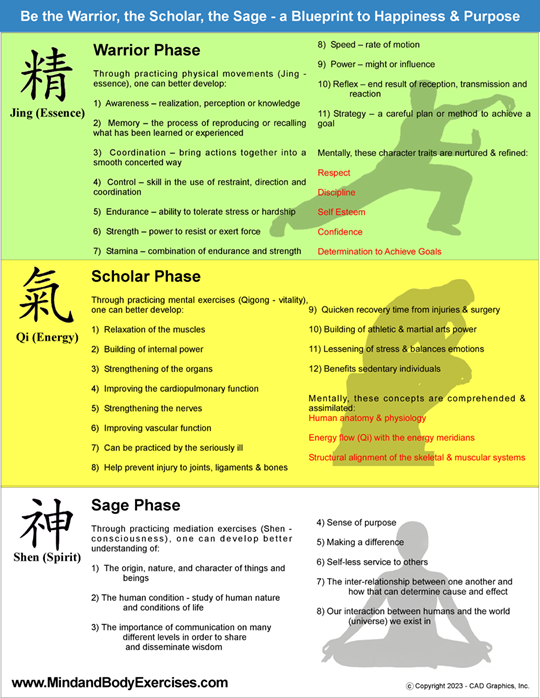
At the heart of this worldview is the triad of jing (essence), qi (energy), and shen (spirit). These internal forces are not just concepts from Taoist cultivation; they represent three powerful human archetypes:

  • The Warrior (Jing) – grounded in physical vitality, courage, and action.
  • The Scholar (Qi) – representing knowledge, refinement, and discernment.
  • The Sage (Shen) – embodying spiritual clarity, stillness, and alignment with the eternal.
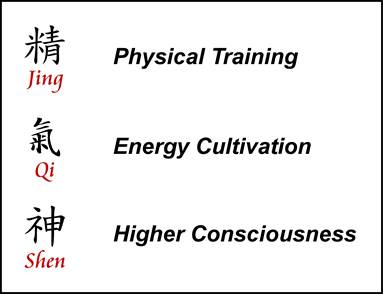
This trinity mirrors the natural progression of human development and when lived out collectively, forms the foundation of a resilient, ethical, and awakened society. The warrior, the scholar, and the sage can all be found in various walks of life, regardless of age, race, gender or otherwise.

You’ve likely heard the saying:

This isn’t just a catchy aphorism, but a succinct summary of yin and yang, the core principle of Taoist cosmology. When yang (strength, discipline, clarity) reaches its peak, it gives way to yin (softness, comfort, passivity). When yin becomes excessive, yang reasserts itself through challenge, hardship, and the need for resilience.
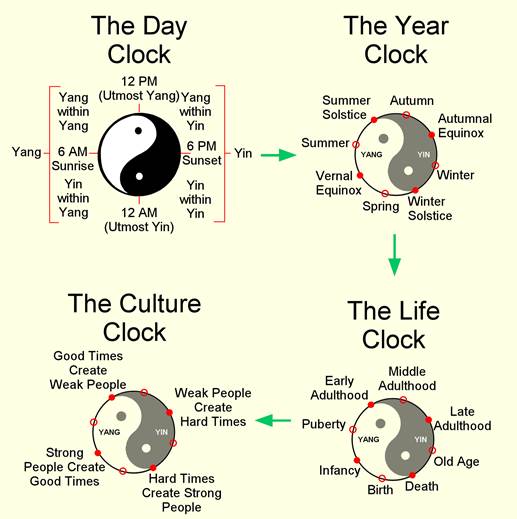
The phrase:

In the comfort of past decades, the “good times” many laid down the tools of vigilance. Warriors stopped training. Scholars stopped questioning. Sages retreated into the background. This absence of cultivated moral men (and I emphasize cultivated, not simply physically strong or formally educated) created a vacuum where mediocrity, passivity, and manipulation took root.

The Dao doesn’t punish. It corrects. The correction is not emotional but rather structural, rhythmic, and natural. In a time of unraveling, those who choose to do nothing only deepen the descent. Those who act in alignment with virtue help midwife the rebirth.

In our tradition, we don’t look outward to blame, but rather we look inward to refine ourselves through:

  • Cultivating jing through martial discipline and physical integrity.
  • Building qi through breathwork, mindfulness, and mental refinement.
  • Elevating shen through spiritual practice, service, and contemplation.

This process isn’t merely for personal benefit, but hopefully to provide a model for society. In this Fourth Turning, we need a return of those who live as warriors of integrity, scholars of discernment, and sages of wisdom. Their presence creates coherence in chaos. The Dao teaches that when the inner is aligned, the outer begins to harmonize.

Throughout history, men have often occupied positions of leadership, warfare, and infrastructure in roles requiring strength, vision, and responsibility. When these roles are filled by individuals of weak moral character, or by those disconnected from the natural order of the Dao, decline does not merely begin but it accelerates.

In today’s world, we’re witnessing the fallout of this imbalance. Divine masculinity is rooted in strength, service, wisdom, and responsibility, but has been overshadowed by its distorted reflection of toxic masculinity, which is driven by ego, control, irresponsibility, and impulse. The difference between the two is not force, but character.

The danger does not lie in masculinity itself, but in its misdirection. When yang energy is active, outward, and forceful it becomes unmoored from purpose and virtue, it devolves into recklessness, violence, and domination. One doesn’t have to look far to see the consequences: our prisons are full, blue collar and white collar crime persists, and too many men choose instant gratification over disciplined action.

Morally weak men are the most dangerous to society. Not because of their gender, but because of their inability to withstand temptation, make principled choices, or lead by example. Without the internal refinement of jing, qi, and shen, there is no foundation for restraint or wisdom.

Yet in the same breath, we must acknowledge that society still deeply depends on strong men in body, mind, and spirit. It is mostly men (not entirely though) who fight in wars, build bridges, maintain power grids, work oil rigs, harvest timber, and risk their lives in roles essential to our survival and stability. These are not outdated relics of a bygone age. They are the backbone of civilization.

But physical strength alone is not enough. In a time like the Fourth Turning, we don’t just need capable men. We need cultivated men:

  • Men who have mastered their emotions and instincts.
  • Men who serve rather than dominate.
  • Men who fight when necessary but protect by nature.
  • Men who think, reflect, and align with something greater than themselves.

As the Dao teaches:

The cure is not to suppress masculine energy but to elevate it, refine it, and align it with the eternal flow of the Dao. In this age of unraveling, the world doesn’t need less masculinity. It needs truer masculinity. The kind forged in hardship, guided by virtue, and embodied by the Warrior, the Scholar, and the Sage.

If everything follows the Dao, then this present upheaval is not a mistake. It’s a call. A call to remember. To return. To rebuild.

The Fourth Turning is not a death sentence. It is an initiation. Just as in Taoist cultivation, decay gives way to rebirth. The yang returns only when yin has gone to its extreme.

We must ask ourselves:

  • Will we wait for others to restore balance?
  • Or will we embody the Warrior, the Scholar, and the Sage, and rise to meet the moment?

The Dao is not just a path. It is the pattern of life itself. To walk it now, consciously is to become part of the cure.
Reference:

Strauss, W., & Howe, N. (1997). The fourth turning. Broadway Books.

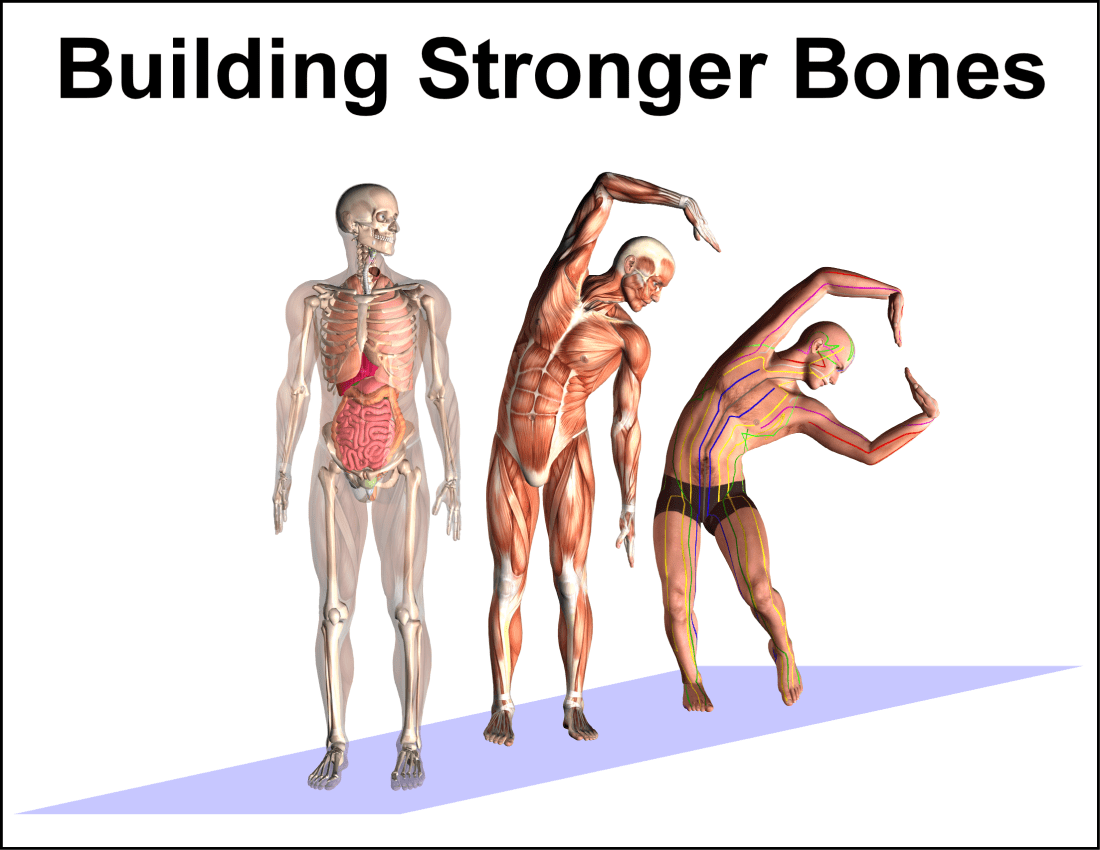
Building Stronger Bones

This month I wrapped up my series of 6 discussions regarding “self-care.”

Specific topics addressed were that of:

what is holistic health?

– management of hands and wrists using acupressure/reflexology

– management of various types of stress and headaches

– understanding how the vestibular balance systems work

– how to breathe deeper and more efficiently affecting

– why is bone density a serious issue and how to improve it

I have many more topics to discuss regarding better physical health, mental wellness, and having meaning/purpose in our lives. Tai chi and qigong are a big part of my curriculum, but I also earned a BS degree in holistic health in addition to my over 40 years of “hands-on” learning, practicing, and teaching. Contact me if you are interested in me speaking at your place of business, group, or other public setting.

All 6 discussions can be found on my YouTube page, by clicking on the image below.

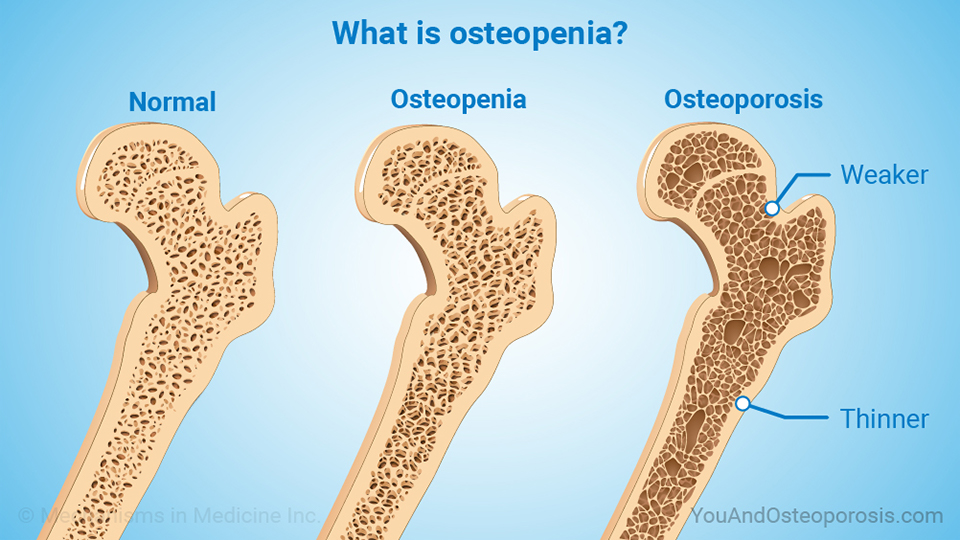
Here is a summary of the topics I discussed regarding osteopenia and osteoporosis, which are conditions related to bone density and strength, which affect millions of people, particularly as they age. Here’s a detailed breakdown:

  • Osteopenia: This is the early stage of bone loss, where bone mineral density (BMD) is lower than normal but not low enough to be classified as osteoporosis. It is often a precursor to osteoporosis and indicates weakening bones.
  • Osteoporosis: This is a more severe bone condition characterized by significant bone loss, making bones brittle and more susceptible to fractures. In osteoporosis, bones become porous, with decreased density and structural integrity.

Both osteopenia and osteoporosis are caused by an imbalance between bone resorption (the process of bone breakdown) and bone formation. Factors contributing to this include:

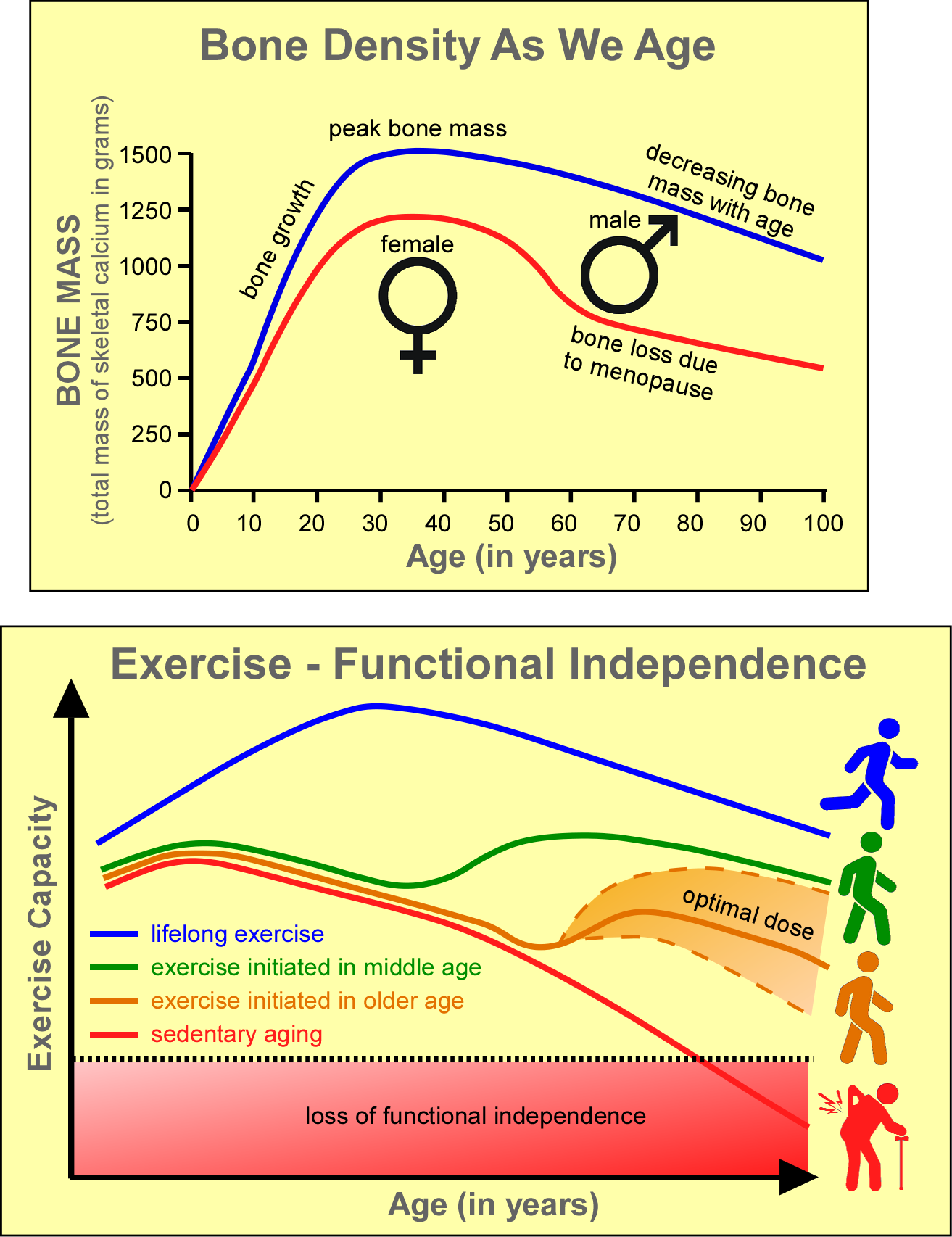
  • Aging: Bone mass typically peaks in a person’s 20s or 30s and declines with age, particularly in postmenopausal women due to decreased estrogen levels.
  • Hormonal changes: Lowered levels of hormones such as estrogen in women and testosterone in men can contribute to decreased bone density.
  • Genetics: A family history of osteoporosis can increase the risk.
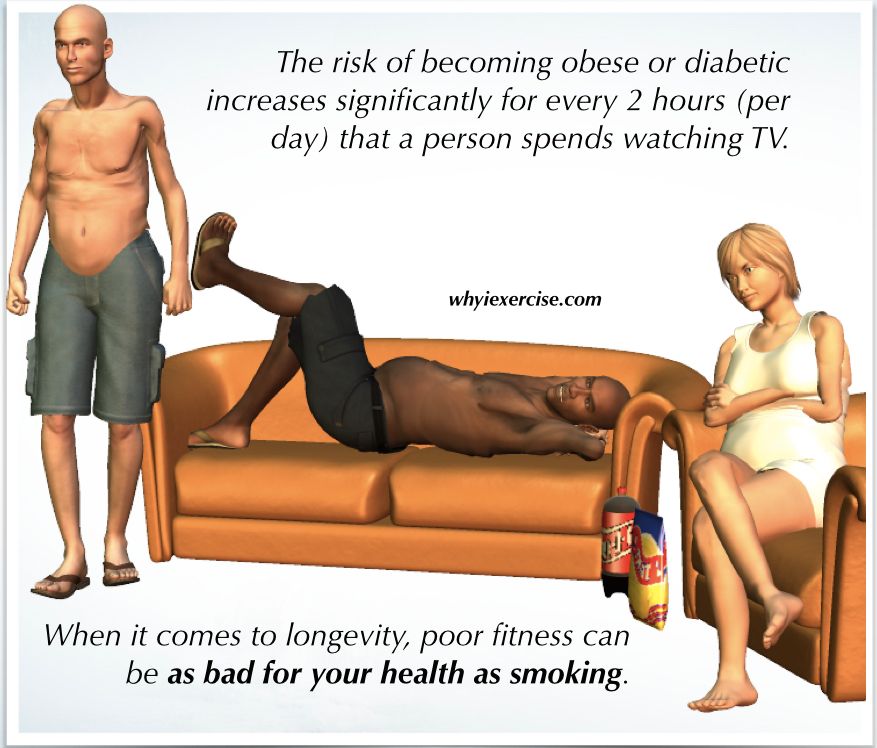
  • Sedentary lifestyle: Lack of physical activity, particularly weight-bearing and resistance exercises, can contribute to weaker bones.
  • Poor nutrition: Low intake of calcium, vitamin D, and other nutrients crucial for bone health can lead to bone density loss.
  • Smoking and excessive alcohol consumption: Both are associated with decreased bone density.
  • Certain medications: Long-term use of corticosteroids and some other medications may contribute to bone loss.
  • Fractures: The most serious consequence, particularly in the hips, spine, and wrists, can result in decreased mobility and increased mortality in older adults.
  • Height loss: Often due to fractures in the vertebrae leading to compression.
  • Back pain: Resulting from collapsed or fractured vertebrae.
  • Kyphosis (spinal curvature): In severe cases of osteoporosis, the spine may curve forward.
  • Weight-bearing exercises: These include activities like walking, jogging, dancing, and stair climbing. They help stimulate bone formation by putting stress on the bones.
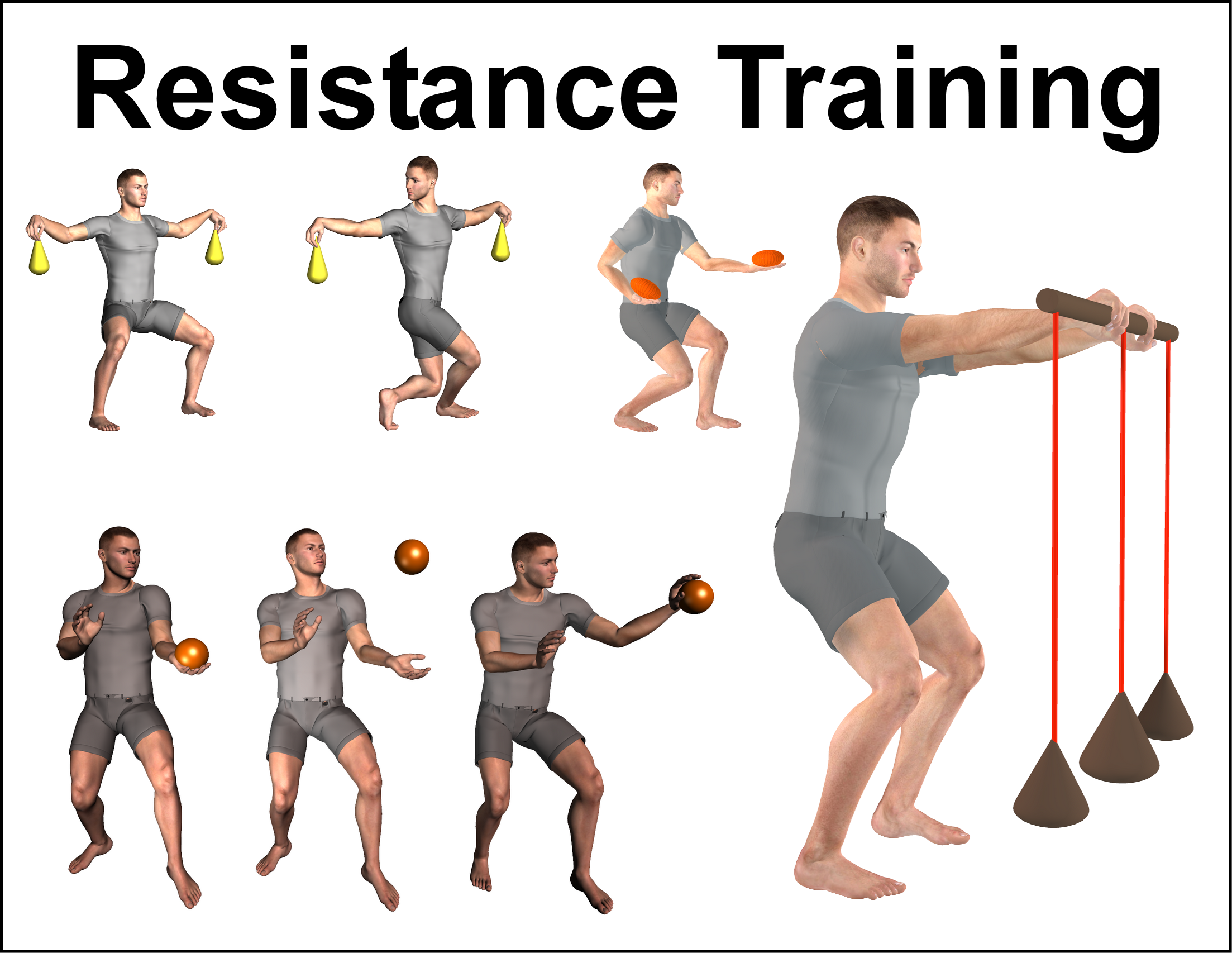
  • Resistance training: Lifting weights or using resistance bands helps build muscle mass and improves bone density. Exercises targeting the hips, spine, and wrists are particularly beneficial for bone health.
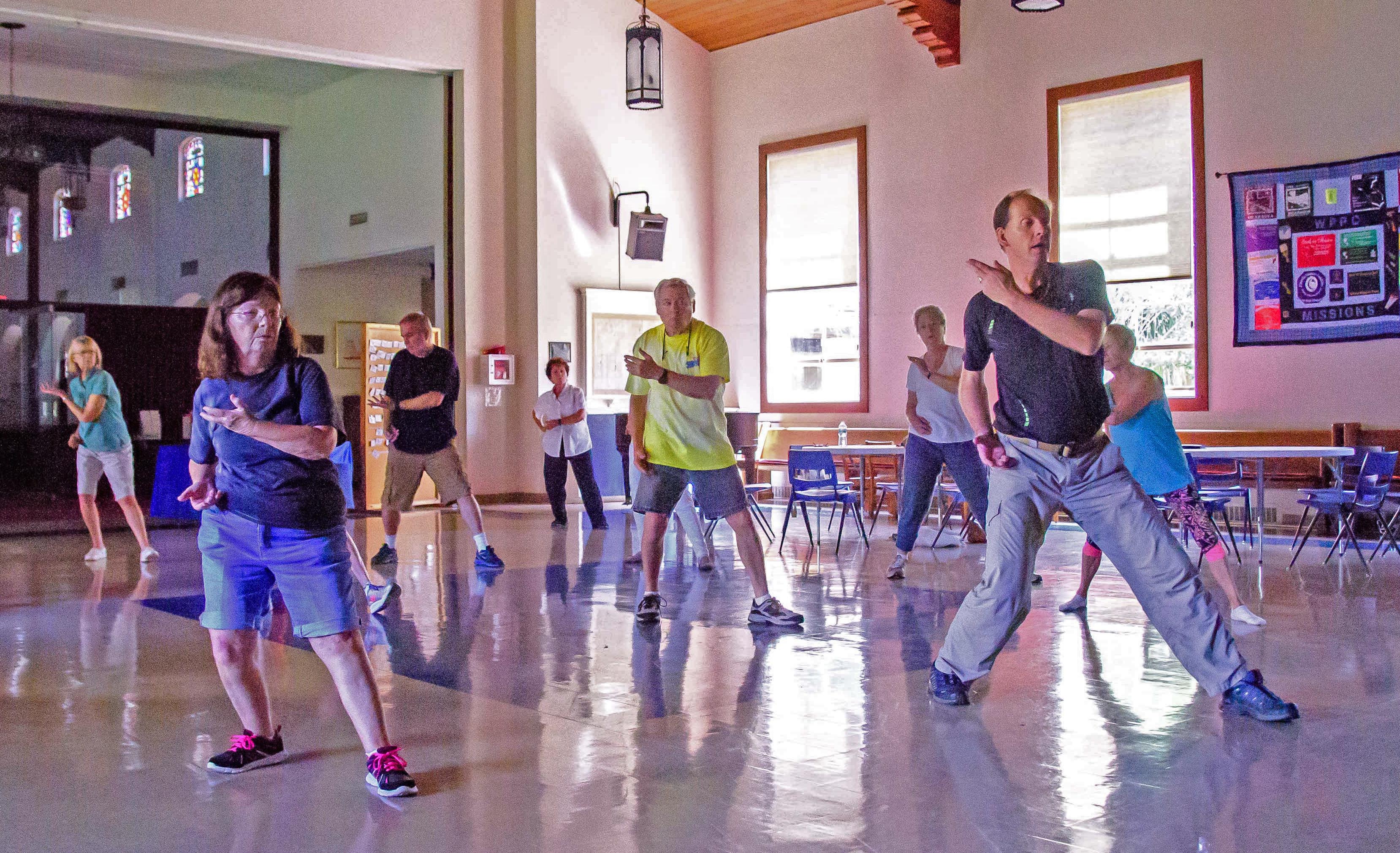
  • Balance training: Tai chi, yoga, and Pilates are excellent for improving balance and flexibility, reducing the risk of falls that can lead to fractures.
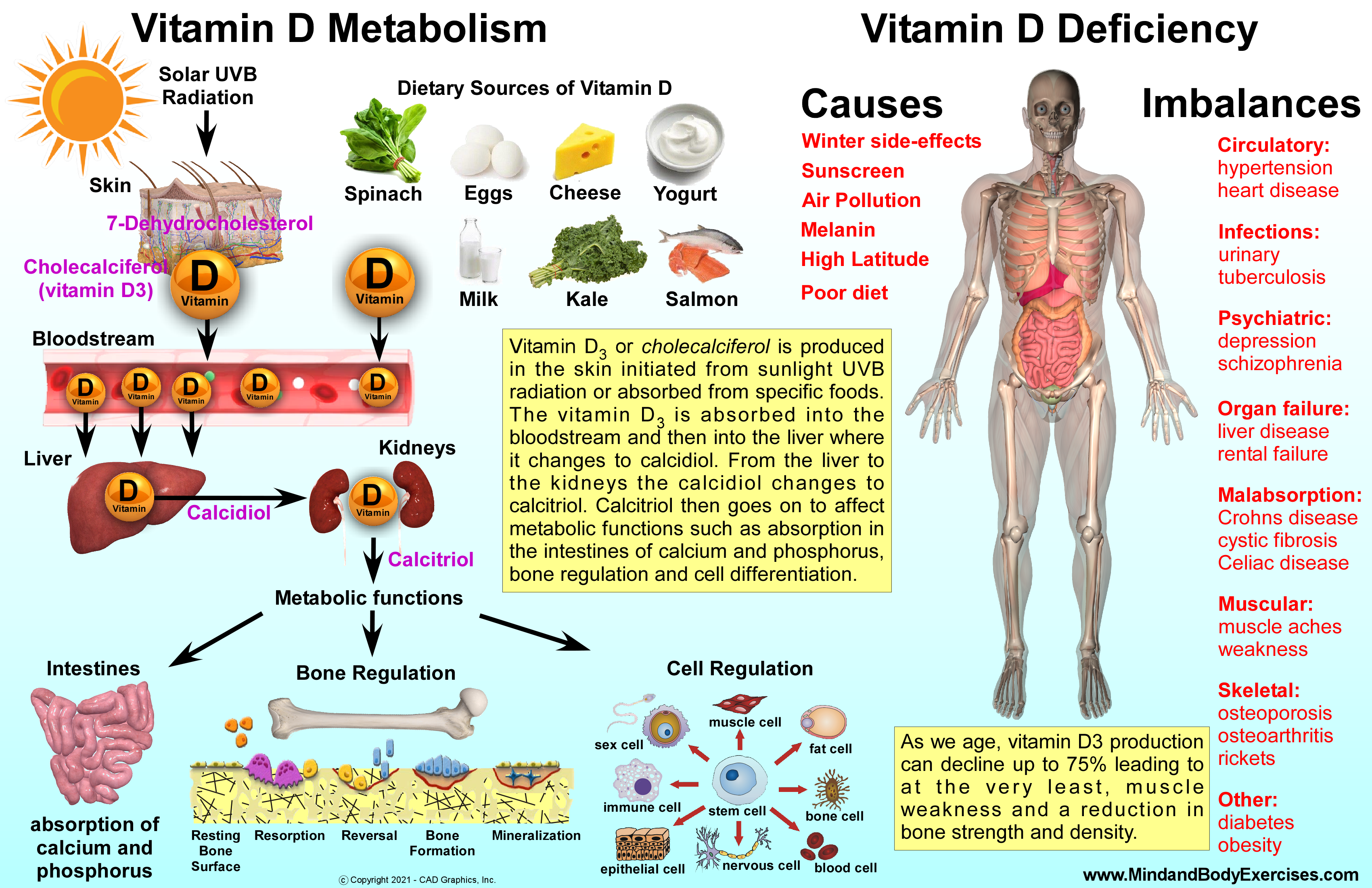
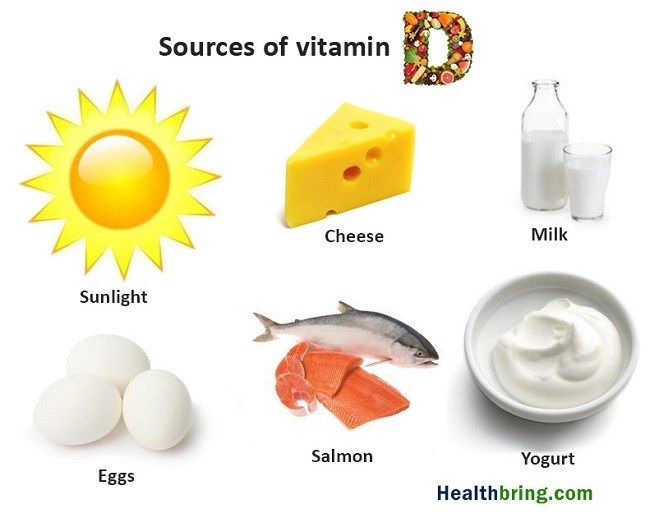
  • Vitamin D: Essential for calcium absorption, vitamin D can be synthesized through exposure to sunlight. About 15-30 minutes of sun exposure several times a week on the face, arms, or legs (without sunscreen) is often enough, depending on skin type, location, and weather.
  • Supplementation: In cases where adequate sun exposure is not possible, supplements are often recommended. The typical dosage is around 600-800 IU per day for adults, though higher doses may be needed for those with deficiencies.
  • Calcium: Adequate calcium intake is crucial for maintaining bone density. The recommended intake is about 1,000-1,200 mg per day, depending on age and gender. Calcium-rich foods include dairy products (milk, cheese, yogurt), leafy greens (kale, broccoli), almonds, tofu, and fortified foods.
  • Magnesium: Magnesium helps convert vitamin D into its active form, allowing for better calcium absorption. Sources include nuts, seeds, legumes, and whole grains.
  • Protein: Adequate protein intake is essential for bone and muscle health. High-protein diets have been associated with improved bone density.
  • Other Nutrients:
    • Vitamin K: Found in leafy greens, helps regulate calcium and promotes bone health.
    • Omega-3 Fatty Acids: Found in fish like salmon and flaxseeds, these can help reduce bone loss.
  • Bisphosphonates: These drugs slow down bone resorption and help to maintain or increase bone density.
  • Hormone Therapy: Estrogen replacement therapy can be beneficial for postmenopausal women to slow bone loss.
  • Denosumab: A monoclonal antibody that reduces bone resorption.
  • Calcitonin: A hormone that helps regulate calcium levels and bone metabolism.
  • Parathyroid hormone analogs: These can help stimulate bone formation in severe cases of osteoporosis.
  • Quit smoking: Smoking accelerates bone loss, so quitting is important for bone health.
  • Limit alcohol: Excessive alcohol interferes with calcium balance and bone formation.
  • Fall prevention: Maintaining good balance and a safe living environment can help prevent falls that might lead to fractures.
  • Bone density scans: These scans can help monitor your bone health and assess your risk of fractures.
  • Regular medical check-ups: Consult your doctor for personalized advice and to discuss any concerns.

Osteopenia and osteoporosis are conditions that reflect the progressive weakening of bones, leading to increased risk of fractures. Managing these conditions involves a combination of strength training, resistance exercises, adequate sun exposure, proper nutrition (especially with calcium and vitamin D), and sometimes medication. Regular physical activity, especially weight-bearing and resistance exercises, can help strengthen bones, while proper diet and lifestyle choices support bone health and overall well-being.

I teach and offer lectures about holistic health, physical fitness, stress management, human behavior, meditation, phytotherapy (herbs), music for healing, self-massage (acupressure), Daoyin (yoga), qigong, tai chi, and baguazhang.

Please contact me if you, your business, organization, or group, might be interested in hosting me to speak on a wide spectrum of topics relative to better health, fitness, and well-being.

I look forward to further sharing more of my message by partnering with hospitals, wellness centers, VA centers, schools on all levels, businesses, and individuals who see the value in building a stronger nation through building a healthier population.

I also have hundreds of FREE education video classes, lectures, and seminars available on my YouTube channel at:

https://www.youtube.com/c/MindandBodyExercises

Many of my publications can be found on Amazon at:

http://www.Amazon.com/author/jimmoltzan

My holistic health blog is available at:

https://mindandbodyexercises.wordpress.com/

http://www.MindAndBodyExercises.com

Mind and Body Exercises on Google: https://posts.gle/aD47Qo

Jim Moltzan

407-234-0119

Reducing Daily Stress Experienced by High School Students – Mindfulness-based Stress Reduction (MBSR) Techniques

Our teenage youths have been in distress now and for many years past. So much talk, but so little action. I am trying to do something, and it is time-proven and with a clear plan and direction.

Reducing daily stress experienced by high school students is possible through Mindfulness-based Stress Reduction (MBSR) techniques. I believe this to be accurate, as I have practiced and taught many stress management techniques for over 40 years to adults of all ages.

The goal of my proposed intervention is to reduce the typical daily stress that teenagers experience regularly on the individual level, while in high school. Daily stress often leads to mental health ailments of anxiety, depression, impaired focus, and lack of quality sleep. The target audience for this intervention is high school students, 14-18 years of age. Promoting focusing on mental health and well-being is crucial for overall health. This will be accomplished by myself or a qualified professional guiding participants through the various stages of change within the Transtheoretical Model (TTM) to encourage the practices of mindfulness-based stress reduction (MBSR). MBSR therapy is a meditation strategy that is used to help with stress management, sleep disorders, depression, anxiety, hypertension, chronic pain, cancer, diabetes mellitus, and other disorders (Kabat-Zinn, 2013).

MBSR techniques have little risk and can increase the agency that individuals have in managing mood swings and physical pain, as well as enhancing the quality of their own lives (Niazi & Niazi, 2011). Research from recent studies supports that some college students who practiced mindfulness along with their coursework, reported cognitive and wellbeing benefits, when practicing for as little as five minutes twice a week, dependent upon the specific type of mindfulness method implemented (O’Hare & Gemelli, 2023).

The Transtheoretical Model (TTM) will be utilized with this intervention. TTM encompasses more than one health-related behavior theory, which to me seems that TTM offers a more comprehensive strategy to help individuals to better understand and manage stressors within their daily life. Within TTM there are four key constructs that are thought to produce significant behavioral changes. The constructs are:

• Stages of changes

• Decisions balance

• Self/Efficacy/Temptations

• Processes of change

The first construct of TTM suggests that there are stages of change where precontemplation, contemplation, preparation, action, and maintenance all affect human behavior. The second construct of decision balance suggests that when there are more pros than cons for a certain behavior, an individual will either move forward or backward within the stages. The third construct encourages a “can-do” attitude, where an individual may gain confidence and feel that they have more control and agency in their decisions.  The fourth construct delves more into the details of experiential versus behavioral changes (Simons-Morton & Lodyga, 2021) where a person moves from the “thinking” state to a more active “doing” state of being. Overall, the TTM will help me to show participants how mindfulness-based stress reduction techniques can help students move from the “contemplation” stage to “action” by highlighting its effectiveness in stress reduction and management.

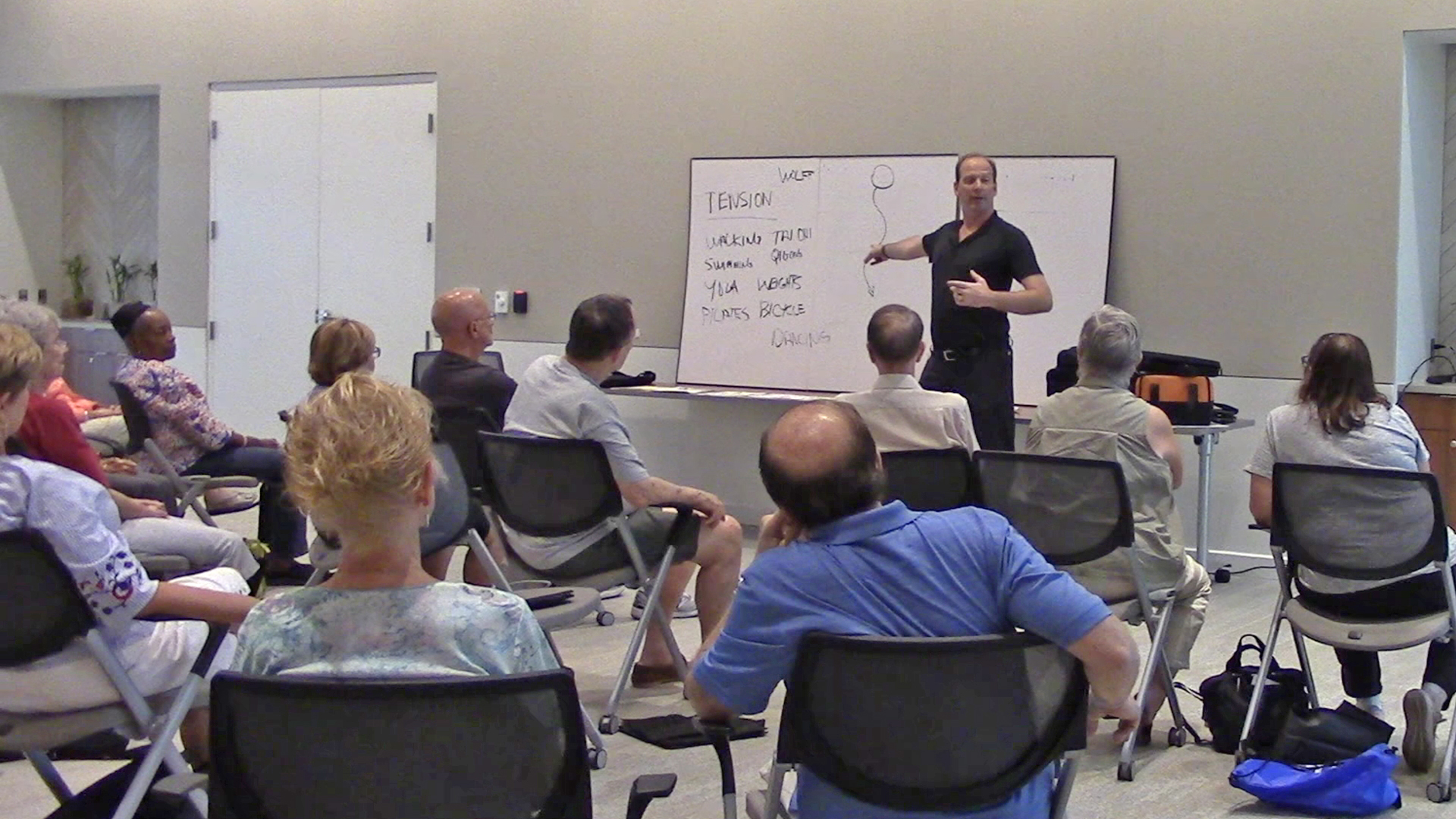
This intervention can be implemented by first contacting a local high school’s administration to explain the goals and benefits of sponsoring such an event. Once the administration agrees to support, promote, and manage the registration of students for a group setting workshop (intervention), a trained and/or qualified professional will come to the school’s auditorium after school finishes on a predetermined day. They can then present an initial 10-minute introduction of the potential goals and benefits to the students. Using a whiteboard and handwriting a few notes and health statistics from the Center for Disease Control (CDC) and the American Heart Association (AHA) will help draw their focus. My message that can be conveyed, is how as young adults, they can individually have self-efficacy over their thoughts, emotions, and relative coping mechanisms for managing stress. A major portion of this presentation will be explaining in some detail what the TTM is and how it is related to stress management. Another major component of this presentation will be an explanation of the methods and benefits of MBSR.

The professional will then ask those students interested in participating further in this intervention to answer only to themselves by signing a contract of commitment form to attend 3 10-minute sessions for a total of 8 weeks. There will be no consequence if the student decides not to continue, however, they will not receive any credit or reward upon completion if they do not attend. Sessions will be just after school ends, giving the students 5-10 minutes to get to the auditorium. Parent’s knowledge and support of their children’s participation are key components needed to reinforce their child’s commitment to accept the challenge of doing some type of task or activity that will potentially affect not only the individual but the whole family’s well-being. I would also invite and encourage parents to attend the sessions if they are available to do so.
My intervention can address the key constructs of TTM throughout the presentation. More specifically, the stages of change will need to be targeted as follows:

Precontemplation – In this stage, participants may not yet recognize a need to reduce stress or might not view it as an important priority. If they were in the room and attending my presentation, they are already past precontemplation, or else they would not have made the effort to come to the event.

Contemplation – With a goal of raising awareness of current teen health issues, I seek to motivate and inspire individuals to think more about becoming equipped to manage the impact stress has on their health and well-being, I will offer information regarding the benefits of mindfulness techniques to reduce stress, thereby affecting and improving overall health and well-being.

Preparation – In this stage I will be explaining how we will need to take action and how this group will be readied, in order to achieve a greater sense of agency over individual stress management. I will provide resources such as guided meditation apps or YouTube classes that can help support their practice.

Action – The phase of action is where participants will actively engage in MBSR exercises. Each session will review and build upon prior sessions. I will be encouraging them to practice regularly and offer other strategies to overcome potential hurdles and maintain motivation. Setting reminders on their phones and finding quiet places for meditation will help reinforce their self-practice.
Maintenance – In this phase, individuals will have successfully adopted mindfulness techniques into their daily routine and are most likely experiencing the benefits of having less stress. I can offer further strategies to help maintain their practice and prevent relapse, such as further opportunities for learning and growth through other techniques and resources. After this intervention concludes, there will be a follow-up survey one month after the event to determine if participants are still engaged in practicing the self-regulation techniques that they learned.

The construct of decision balance will be addressed and discussed at each session, as participants will be reviewing the pros and cons of returning for future sessions. If they feel that they are improving their stress management, they will be inclined and more self-motivated to continue.

The construct of self-efficacy of individuals will most likely increase as participants move through the stages of change.

For the construct of the processes of change, I would not going to go into much detail to the whole group. I feel that this construct, while important may be a bit more complex than what will already have been covered up to this point as far as human behavior is concerned. A slide will be available in the presentation, and I can offer further explanations as necessary.

The intended outcome of the intervention will be to hopefully have the participants be able to better recognize and manage stressful experiences, whether from events such as tests, time management, social interactions, and other activities that often manifest into stress.

Please contact me if you, your school, your business, your organization, or your group, might be interested in hosting me to speak on a wide spectrum of topics relative to better health, wellness, and fitness.

References:

American Heart Association: Childhood stress linked to higher risk of high blood pressure, obesity, diabetes in adults. (2024, January 17). Contify Life Science News, NA. https://link.gale.com/apps/doc/A779587760/ITBC?u=vol_vsc&sid=ebsco&xid=ed427911

CDC. (2023) The Youth Risk Behavior Survey Data Summary & Trends Report: 2011–2021, https://www.cdc.gov/healthyyouth/mental-health/index.htm

Kabat-Zinn, J. (2013) Full Catastrophe Living (Revised Edition) (pp. 77-78, 351). Random House Publishing Group. Kindle Edition.

Niazi, A. K., & Niazi, S. K. (2011). Mindfulness-based stress reduction: A non-pharmacological approach for chronic illnesses. North American Journal of Medical Sciences, 3(1), 20. https://doi.org/10.4297/najms.2011.320

O’Hare, A. J., & Gemelli, Z. T. (2023). The effects of short interventions of focused-attention vs. self-compassion mindfulness meditation on undergraduate students: Evidence from self-report, classroom performance, and ERPs. PLoS ONE, 17(1), 1–20. https://doi.org/10.1371/journal.pone.0278826

Simons-Morton, B., & Lodyga, M. (2021). Behavior theory in public health practice and research. Jones & Bartlett Learning.

I teach and offer lectures about holistic health, stress management, qigong, tai chi, baguazhang, meditation, phytotherapy (herbs), music for healing, self-massage, and Daoyin (yoga).

Please contact me if you, your business, organization, or group, might be interested in hosting me to speak on a wide spectrum of topics relative to better health, wellness, and fitness.

I look forward to further sharing more of my message by partnering with hospitals, wellness centers, VA centers, schools on all levels, businesses and individuals that see the value in building a stronger nation through building a healthier population. I also have hundreds of FREE education video classes, lectures and seminars available on my YouTube channel at:

www.MindAndBodyExercises.com
https://www.facebook.com/MindAndBodyExercises/
https://www.youtube.com/c/MindandBodyExercises
https://mindandbodyexercises.wordpress.com/
https://umareg.com/masters-council/

www.Amazon.com/author/jimmoltzan

Mind and Body Exercises on Google: https://posts.gle/aD47Qo

Jim Moltzan

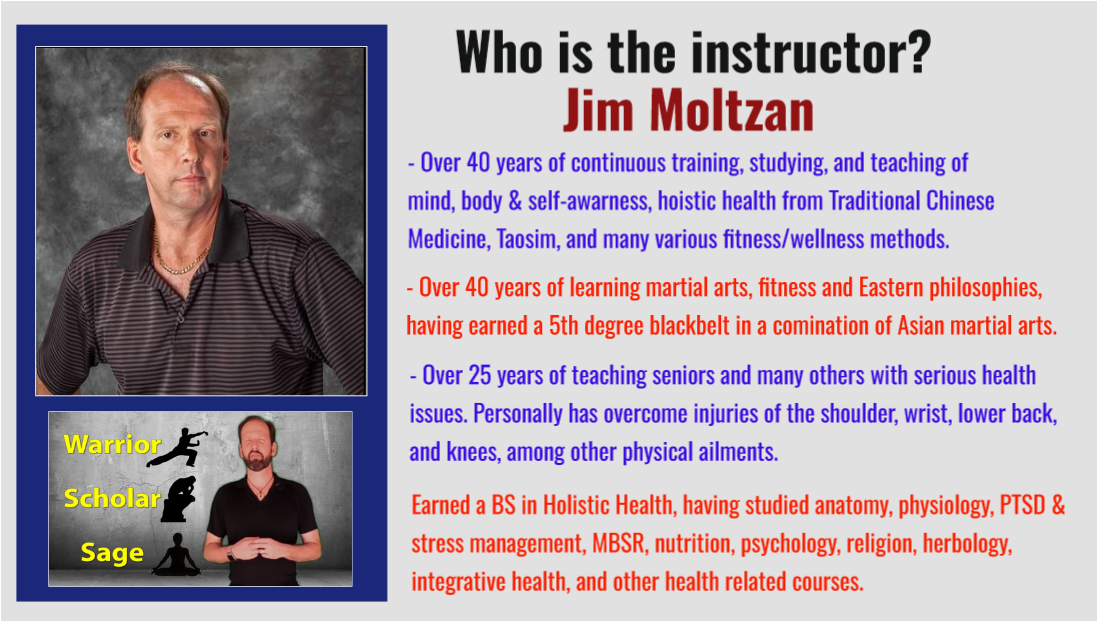
  • 5th degree in Korean Kung Fu (Ship Pal Gye) 
  • Recognized by Zen Wellness as a Master Level Instructor (gold coin)
  • Recognized by the Doh Yi Masters as a Fellow Doh Yi Master, having completed 10000 hours of training
  • Bachelor’s degree in Holistic Health

407-234-0119

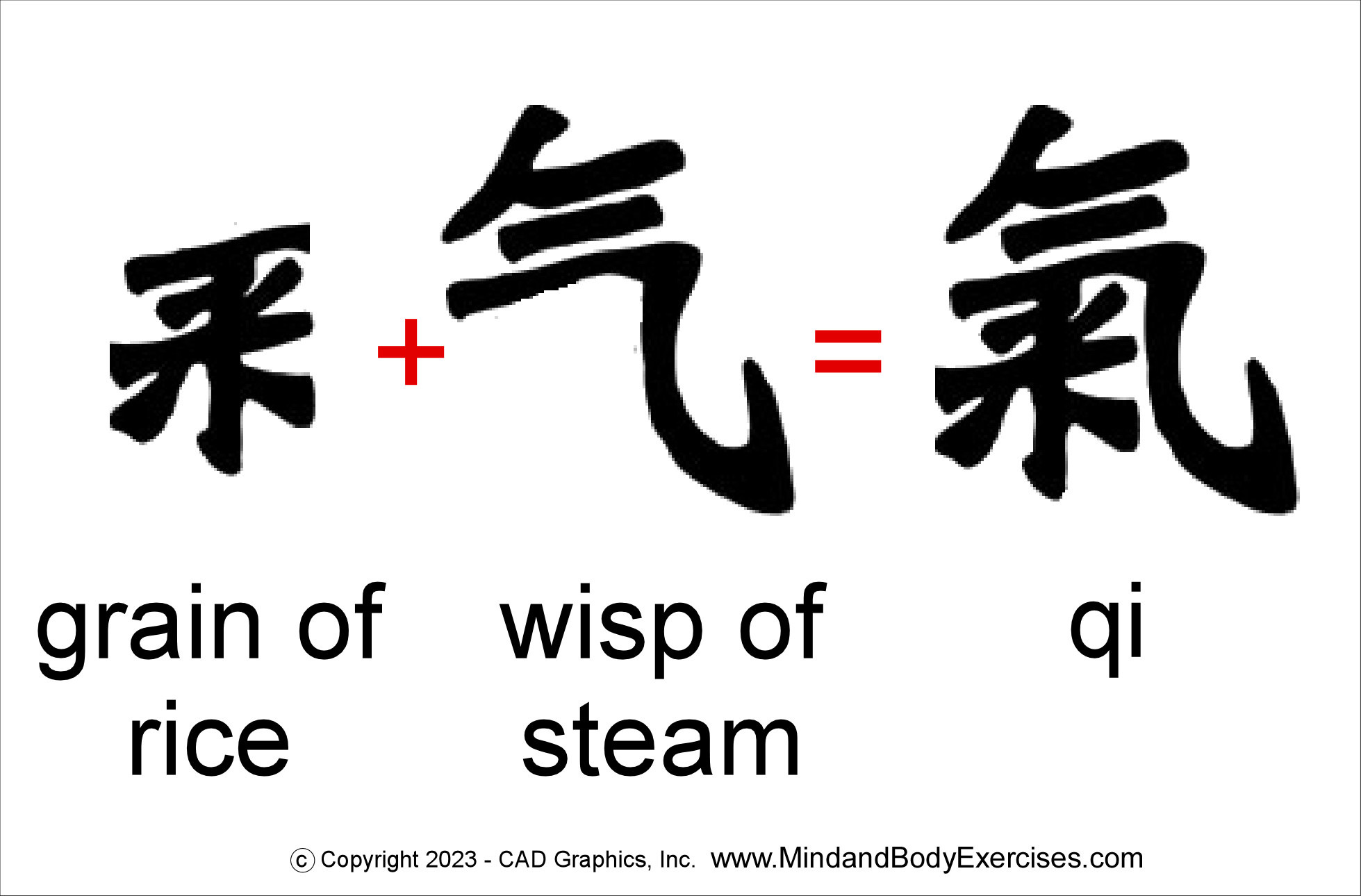
What is Qi, Chi or Ki?

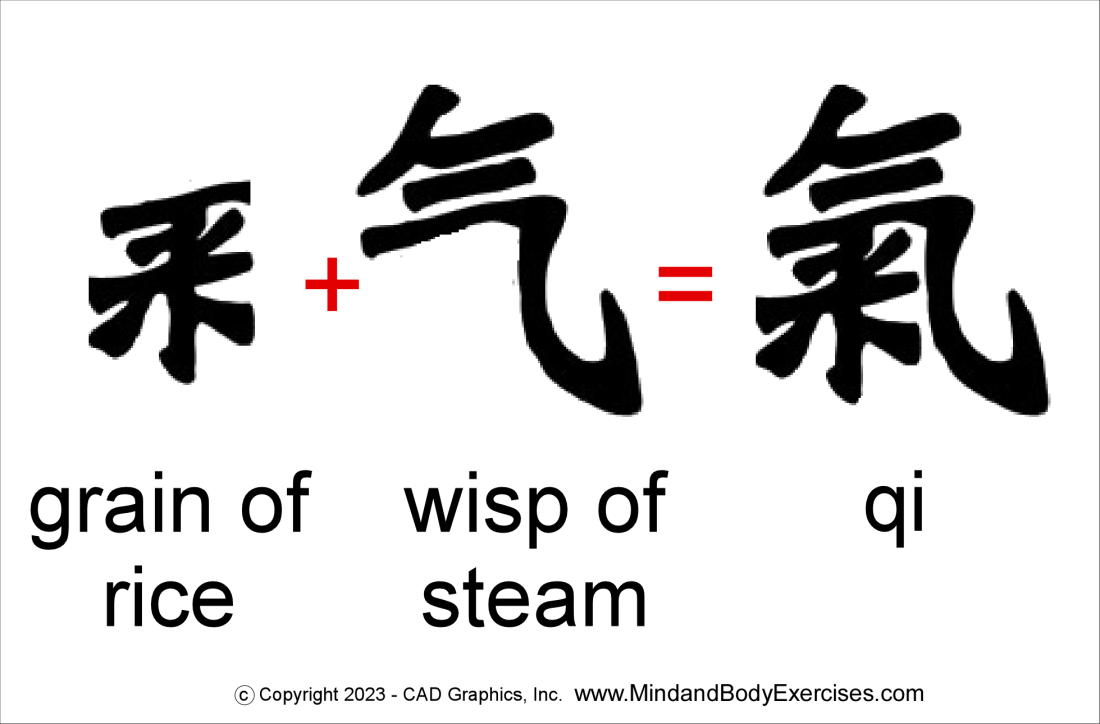
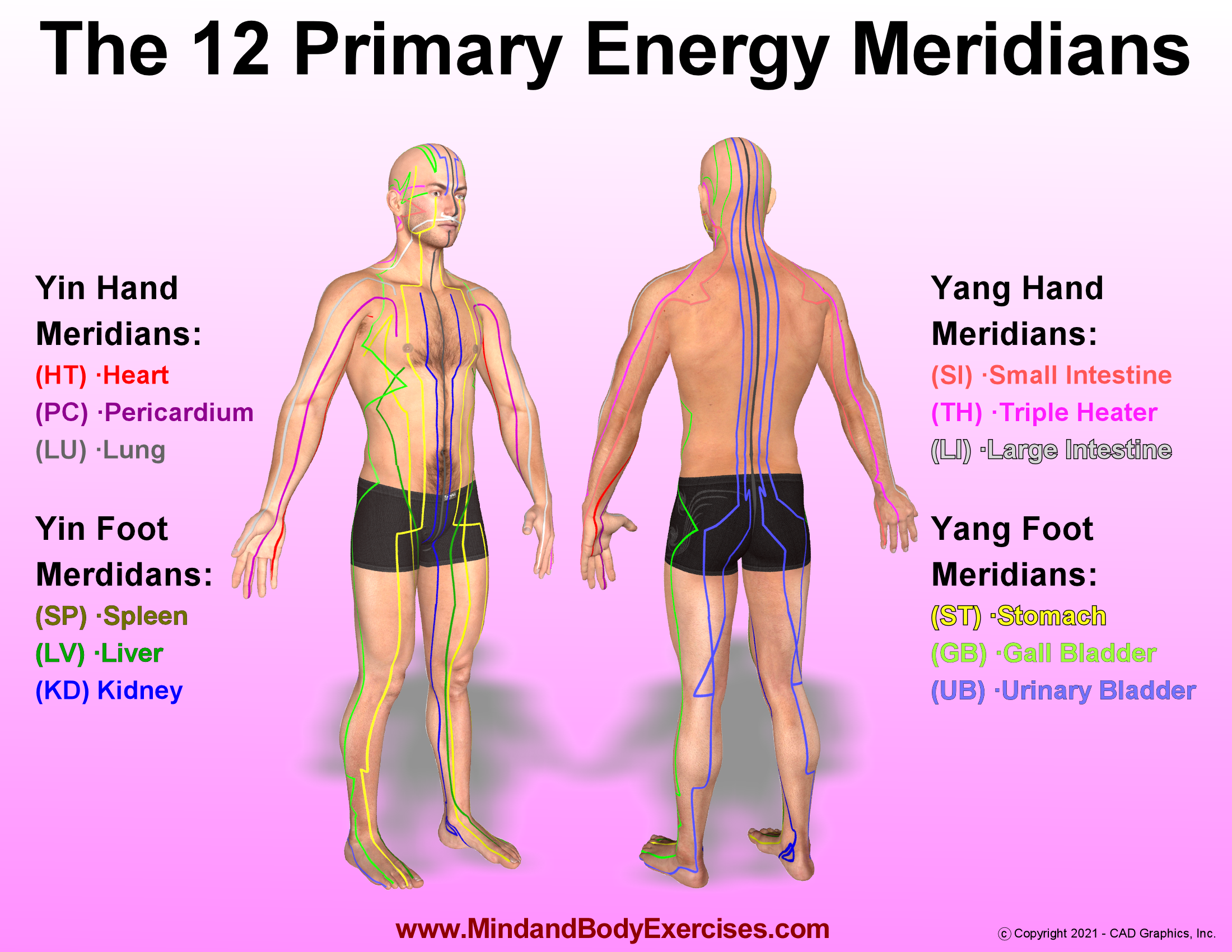
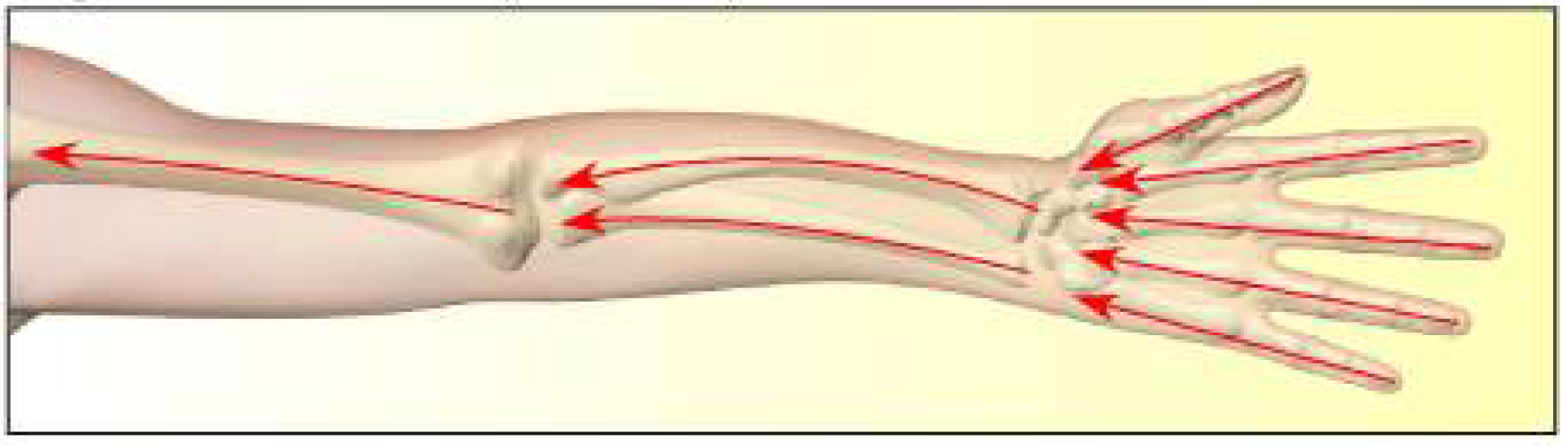
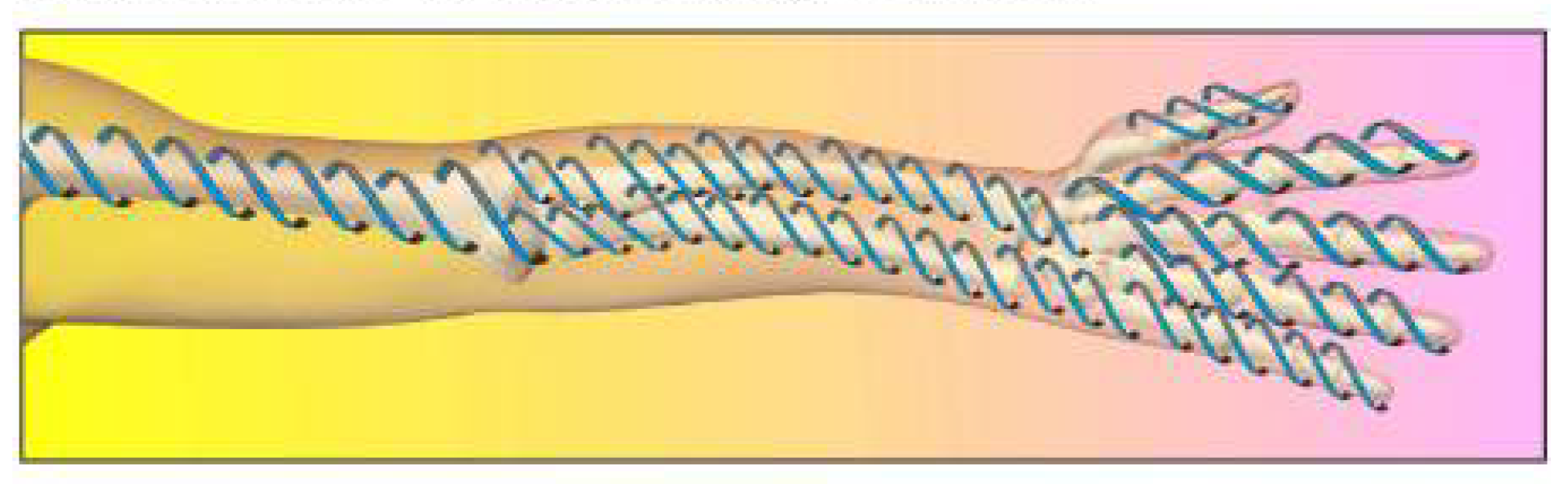
Chi or Qi (pronounced as “chee”) translates to mean “breath” in Chinese. Chi is the life energy that all living creatures require in order to exist. Different cultures call this energy, Ki (from Japanese), Gi (Korean) or Prana (Indian). Chi is a type of energy in the human body and circulates within the blood throughout. Chi flows in a specific pattern from the chest, down the front of the arms to the fingers. It then travels up the back of the arms to the head. The chi then travels down the back to the feet and back up the front of the body to the chest. It travels through meridians within the body that can be best described as something similar to the electrical lines on a printed circuit board. There are 12 main meridians and 8 extraordinary ones as well. There are points along these meridians that are known as “pressure points” or acupoints for acupressure and acupuncture.

Why is Chi important?

The amount of chi in one’s body and the quality of it determines whether an individual is generally healthy or prone to illness. There is a finite amount in our bodies and is gradually exhausted due to age and possible abuses. When it decreases so does the lifespan of the individual.

  • Prenatal chi comes from our parents.
  • Nutritional chi comes from the food we eat.
  • Air chi comes from the air we breathe.
  • Other types of chi are manifested from the previous three types to form others.

What types of chi are there?
Similar to how there can be many different types of plants for example, each having its own name and characteristics, there are various types of chi.

Prenatal, original or primary chi, are different names for the same type of chi that is inherited from the mother (and father) at the time of conception. At birth, the chi resides in and around the kidneys, eventually spreading throughout the rest of the organs and body. In order for the prenatal chi to be maintained, food, drink and air are required. Our health and quality of it are directly linked to the quality of these components. Even if someone’s prenatal chi is weak, it can still be properly nourished by proper diet, exercise and life style. Postnatal or nutritional chi and is derived from food and life style. Nutritional chi is responsible for producing the blood as well as providing the body with nourishment. Where the chi circulates, the blood will follow. The blood nourishes the chi; it is a synergistic relationship
just is yin and yang.

Pectoral or air chi is drawn into our lungs from the air we breathe. People lacking stamina, are known to be deficient in air chi. It enables the lungs to control respiratory functions and enables the heart to circulate blood, relying upon the arms and legs to circulate chi throughout the body.

Defensive or guardian chi (Wei Qi) circulates on the surface of the body, protecting it from outside influences and dangers. Originating from the food we eat, defensive chi is responsible for the operation of the skin’s pores, thereby regulating the body’s temperature and ability to provide moisture when needed.

Normal chi or Zangfu Zhi chi, is that which circulates through the organs.


Jing Luo Zhi chi is that which circulates through the meridians.

How do I keep what I have?
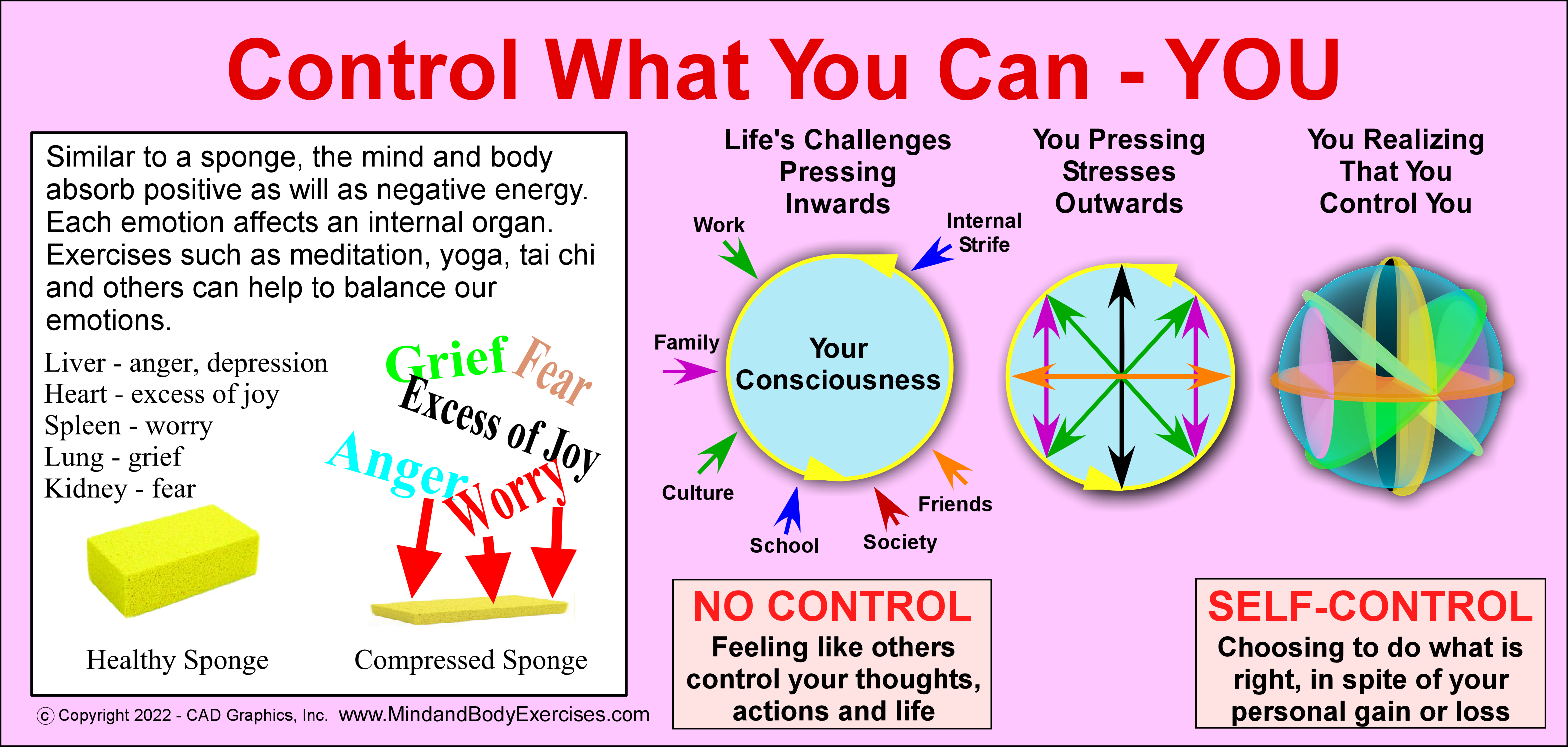
A proper balance of nutrition, exercise and a healthy lifestyle directly affect the quality and abundance of chi. Emotions and their balance or lack there of, affects the quality of an individual’s chi. The 7 emotions are Joy, Anger, Sadness, Grief, Pensiveness, Fear, and Fright. Energy (Chi) is regarded as one of the 3 Treasures or essential components of life, with essence (Jing) and spirit (Shen) being the other two. When energy, essence and spirit are in harmony with one another, the person finds himself or herself alert, healthy and vibrant. Or the opposite, if their treasures are in imbalance. If this harmonious flow is disrupted, illness occurs.

Can I get more?

  • Better quality food or herbs
  • Better quality of air we breathe
  • Deep breathing exercises such as Qigong
  • Other forms of internal martial arts training such as Tai Chi, Hsing Yi or BaguaZhang

What is Chi Kung, Qigong or Gi Gong?
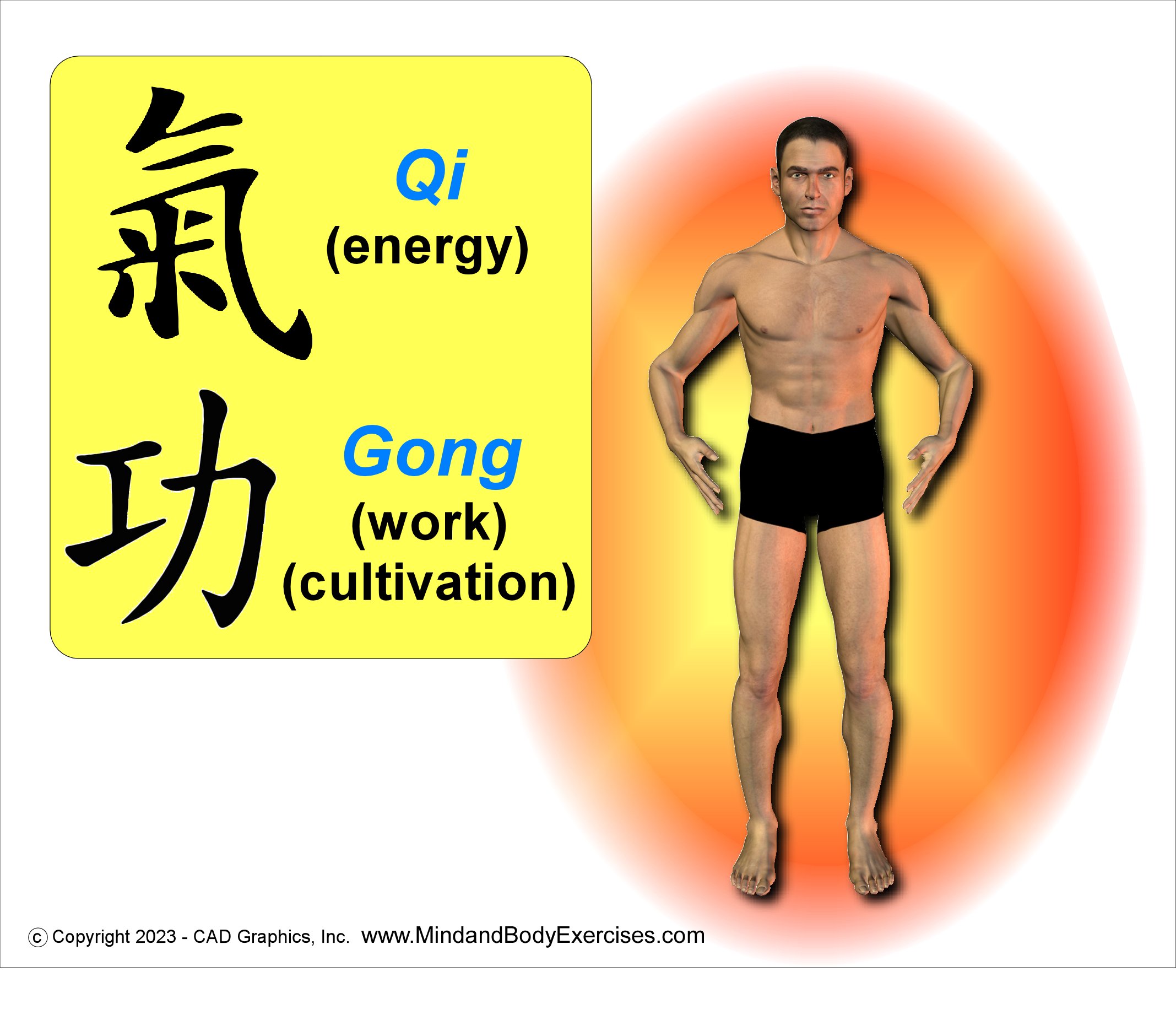
Exercises originating in India and China, for enhancing or “cultivating” chi. The above names reflect different spellings for the same concept. Cultivate is an appropriate word because, as living things require nourishment and nurturing to grow, chi must be nourished and encouraged to develop.

How do these exercises work?
By regulating one’s breath and rhythm of it, an individual can begin to affect the parasympathetic nervous system which slows their heart rate, lowers the blood pressure, relieves muscle tension and consequently changes their body chemistry. This is basically the same state of being one achieves while sleeping and is when the body rests, heals and recharges its energy levels.

What are the benefits of practicing these types of exercises?

  • Increased energy
  • Relief from chronic illnesses
  • Increased self awareness
  • Expansion of one’s thought process
  • Spiritual awareness
  • Increased longevity
  • Better control of emotions
  • Provides a release of one’s internal chatter

Can Qigong exercises really cure serious diseases and ailments?
It is important to note that the claim of practicing chi kung to overcome illness and promote health is based on countless testimonials of practical cases spanning centuries. If someone is physically impaired, this affects his or her emotions and mental state. Consequently, someone’s emotions can easily affect their health, for better or worse. If our psychological and physiological systems function as they should, illness should not occur. Illness occurs when one or more of the body’s systems fail in their functions. The specialty of chi kung is to restore and enhance harmonious energy flow, thereby overcoming illness.


What is the difference between Qigong and Nei Dan (Nae Gung)?
Qigong is exercises focusing on increasing one’s energy by regulating their breath. Nei Dan is somewhat more advanced in that one uses their thought and awareness to guide and increase their energy throughout the spine and bones within the body.


Why pursue these methods?
The American Health Care Crisis might not be as such if all Americans assumed more personal responsibility for their own health. Many spend small fortunes on doctor visits, medication, chiropractic adjustments, massage therapy, acupuncture and other forms of health care and pain relief. Chi kung is relatively cheap to learn, takes little space and only minutes a day to reap the benefits. The only side effects are positive and it doesn’t require a prescription from your doctor.


I teach and offer lectures about holistic health, stress management, qigong, tai chi, baguazhang, and yoga.

I also have hundreds of FREE education video classes, lectures and seminars available on my YouTube channel at:

https://www.youtube.com/c/MindandBodyExercises

Mind and Body Exercises on Google: https://posts.gle/aD47Qo

Jim Moltzan

407-234-0119

Contact for times, locations and costs.

www.MindAndBodyExercises.com

www.Amazon.com/author/jimmoltzan

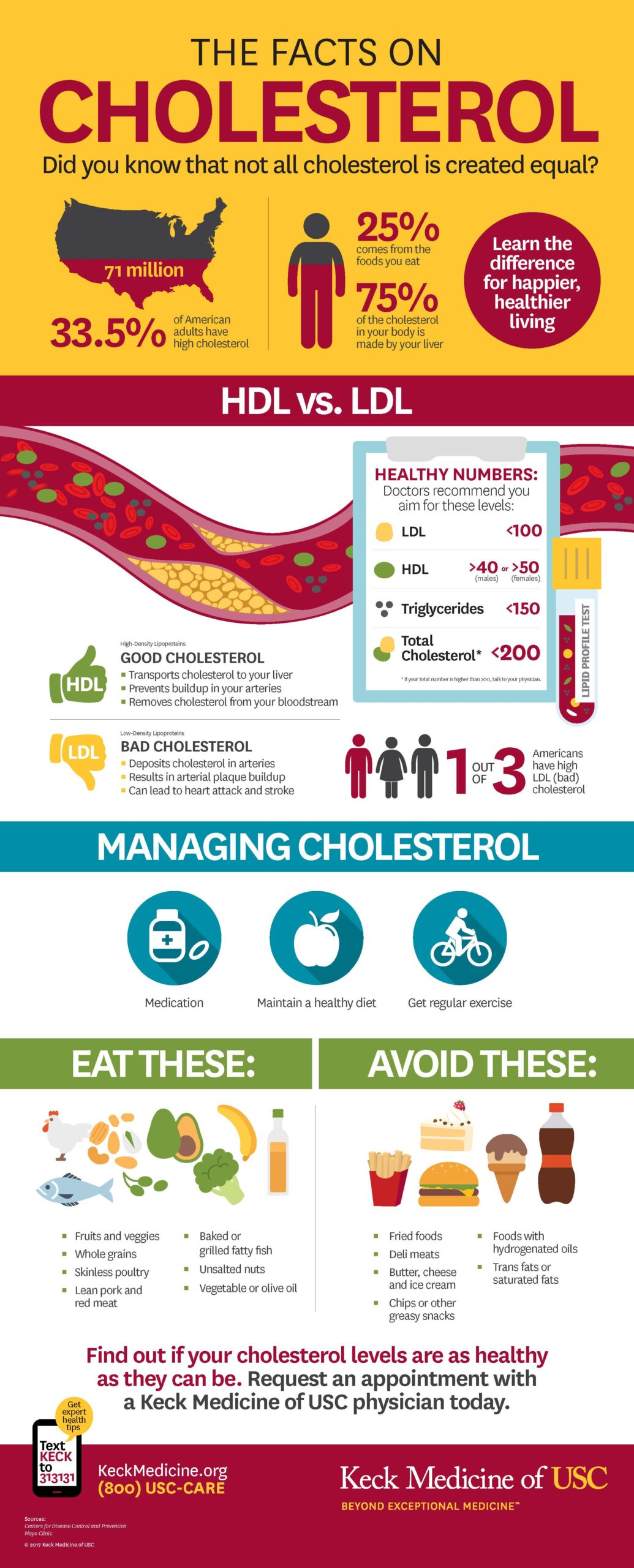
High Cholesterol Levels and Risk of Heart Disease

People in Japan or southern European countries have one-half to one-third the risk of dying from heart disease in comparison with people from the United States or northern Europe, even when their cholesterol levels, on average, are the same. A person with a cholesterol level of 250 mg/dl in Denmark has a two to three times greater risk of a fatal heart attack compared with an Italian with the same cholesterol level.

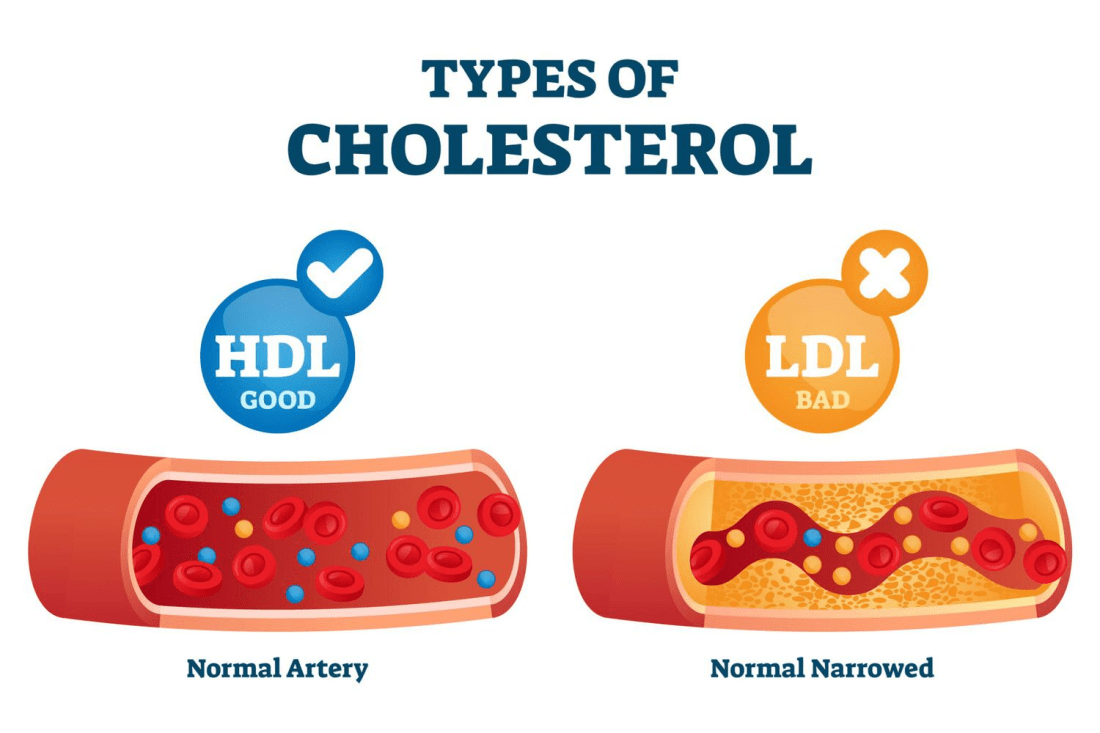
These numbers can be misleading if only taking into account the total cholesterol level as opposed to the ratio of the “good” high cholesterol or high-density lipoproteins (HDL) included in the total cholesterol figure. For example, the seemingly high total cholesterol level of 240 mg/dl may not be of concern if there is also a higher HDL level such as 35-60 mg/dl and therefore producing a lower ratio. A higher ratio (lower HDL level) could be interpreted as having a higher risk of heart disease whereas a lower ratio (higher HDL level) would equate to a lower risk.

The disparity between various cultures having high averages for total cholesterol levels may not be taking into account the dietary intake of a particular country possibly having more HDLs in their diet. The typical French diet was stated to have much fat, along with meats and eggs. Eggs are reported to be a good source of HDL. The typical Italian diet, or more specifically the Mediterranean diet may also include high sources of HDLs such as fish, nuts, and olive oil. This diet also focuses on less intake of sugars and other processed foods. On the other hand, the typical American diet has many high LDHs (low-density lipoproteins) coming from fatty beef, whole dairy products, potato chips, bakery items, fried foods and other processed meats and foods.

This leads me to believe that the cholesterol numbers don’t always reflect the actual quality of the foods that a particular culture consumes.

So, I think that is someone ingests mostly poor-quality food that contains high amounts of sugar, high amounts of LDHs, low amounts of HDLs, and lives a mostly sedentary lifestyle, their risk of having heart disease and other relative illnesses will dramatically increase.

References:

Edlin, G., & Golanty, E. (2019). Health & Wellness (13th ed.). Jones & Bartlett Learning

Keck Medicine of USC. (2022, September 1). What Is the Difference Between Good and Bad Cholesterol? https://www.keckmedicine.org/blog/what-is-the-difference-between-good-and-bad-cholesterol/

HDL & LDL: What You Need to Know About Good and Bad Cholesterol. (2021, September 28). Allrecipes. https://www.allrecipes.com/article/hdl-vs-ldl-cholesterol/

https://www.medicalnewstoday.com/articles/317332

___________________

I write often about topics that affect our health and well-being. Additionally, I teach and offer lecture about qigong, tai chi, baguazhang, and yoga. I also have hundreds of FREE education video classes, lectures and seminars available on my YouTube channel at:

https://www.youtube.com/c/MindandBodyExercises

Mind and Body Exercises on Google: https://posts.gle/aD47Qo

Jim Moltzan

407-234-0119

www.MindAndBodyExercises.com

www.Amazon.com/author/jimmoltzan