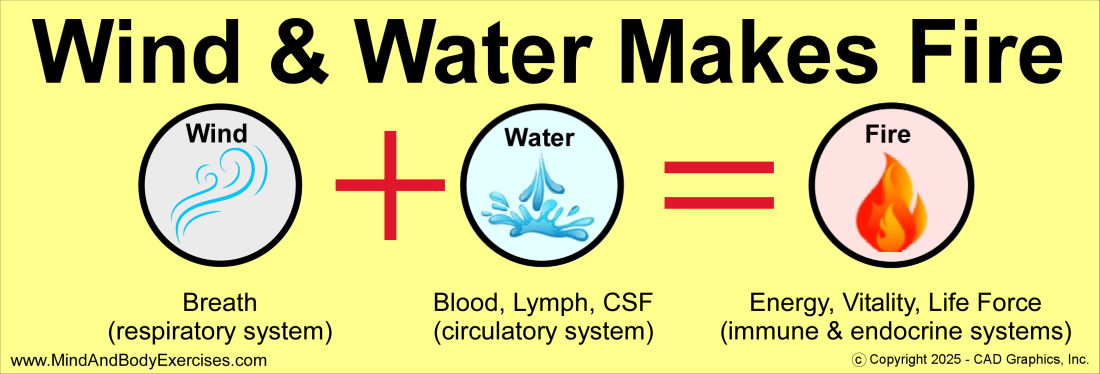
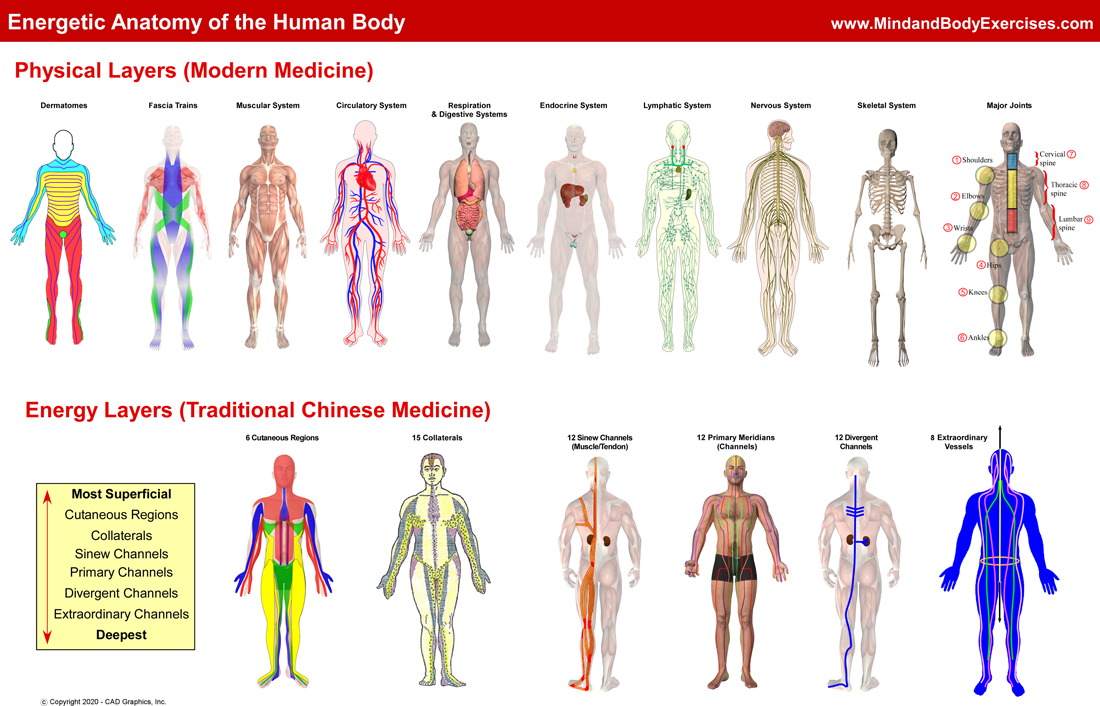
The human mind and body are integral parts of nature, constantly interacting with its energies. There is a direct correlation between the systems of nature and those of the body, with three key elements of wind, fire, and water, serving as points of connection.
Wind corresponds to the respiratory system, as the air we breathe sustains life.
Fire represents body temperature, which plays a vital role in all physiological functions.
Water relates to the circulatory system, essential for vitality and well-being.
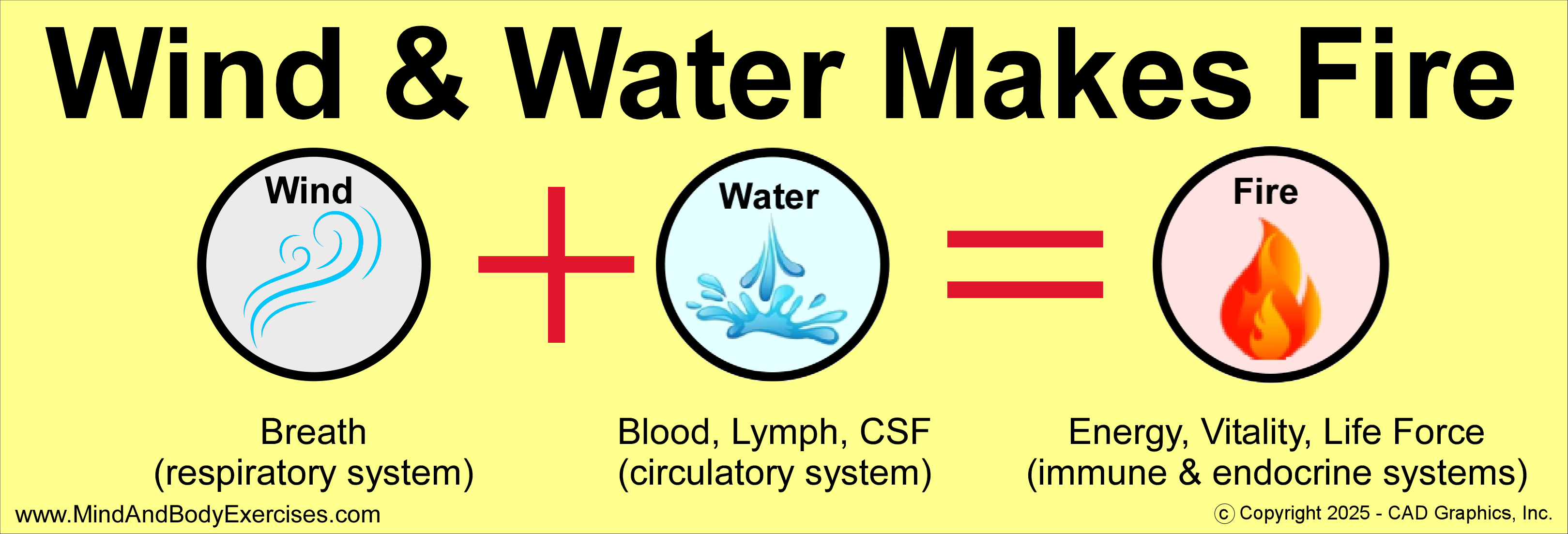
Practices such as Tai Chi, Qigong, and Bagua Zhang profoundly influence the body, impacting the organs, joints, and muscles at a deep level. In Taoist alchemy, the philosophical phrase “wind and water make fire”metaphorically represents the dynamic interactions of the Five Elements (Wu Xing) and the internal processes of self-cultivation.
Here’s a breakdown of how this concept fits into Taoist thought:
Five Elements Correspondence:
Wind (Feng, 风) is often associated with Wood(Mu, 木), which represents growth, movement, and expansion.
Water (Shui, 水) corresponds to the Kidneys and the essence (Jing), which serves as the foundation for transformation.
Fire (Huo, 火) corresponds to Yang energy, warmth, and spirit (Shen).
The idea is that the interaction of movement (Wind/Wood) and nourishment (Water) can generate Fire (Yang energy, transformation).
Neidan (Internal Alchemy) Interpretation:
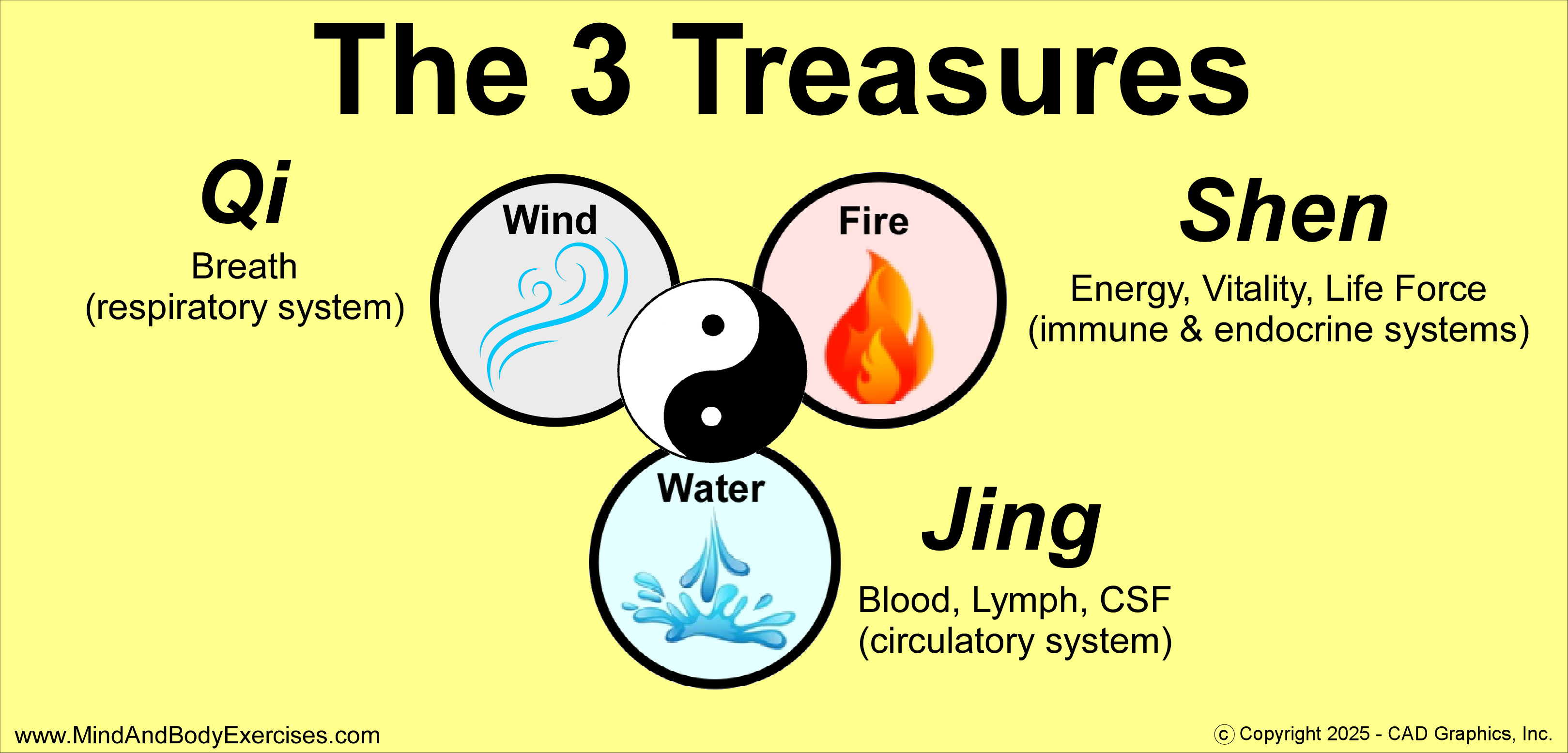
Wind (Wood) and Water represent Qi and Jing, respectively.
Their controlled interaction through breathwork, meditation, and energy circulation can generate the internal “alchemy fire” needed to refine essence into Qi and Qi into Shen.
This fire is not literal but the internal warmth and energetic transformation that happens in deep meditation or Qigong.
Martial & Qigong Perspective:
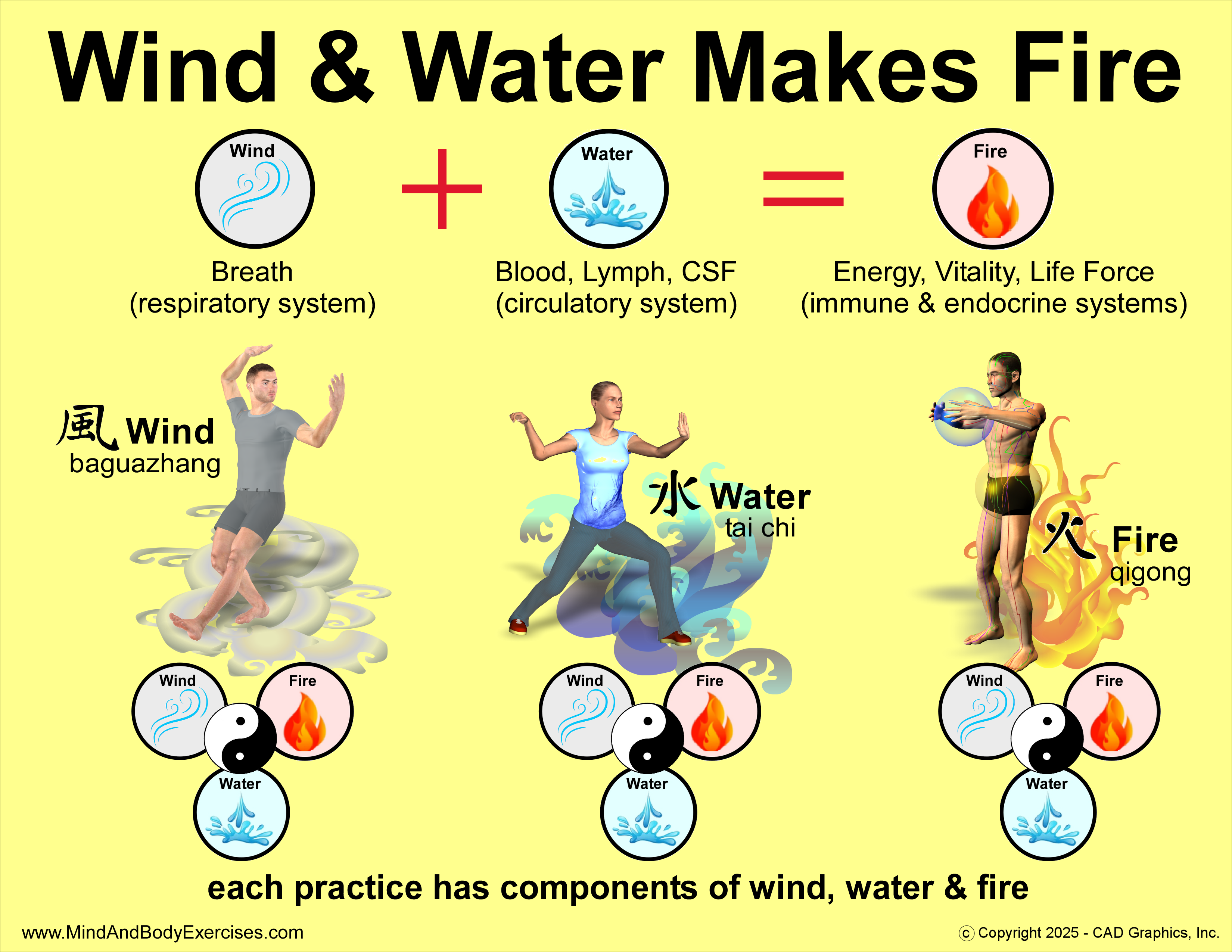
In advanced Qigong and martial arts, regulated breath (Wind) and internal fluid movement (Water) manifest into internal heat (Fire), leading to refined power and vitality.
This aligns with practices of Tai Chi, Qigong and BaguaZhang, where breath, body movement, and mind-intent cultivate the internal fire for vitality and martial efficiency.
I teach and offer lectures about holistic health, physical fitness, stress management, human behavior, meditation, phytotherapy (herbs), music for healing, self-massage (acupressure), Daoyin (yoga), qigong, tai chi, and baguazhang.
Please contact me if you, your business, organization, or group, might be interested in hosting me to speak on a wide spectrum of topics relative to better health, fitness, and well-being.
I look forward to further sharing more of my message by partnering with hospitals, wellness centers, VA centers, schools on all levels, businesses, and individuals who see the value in building a stronger nation through building a healthier population.
I also have hundreds of FREE education video classes, lectures, and seminars available on my YouTube channel at:
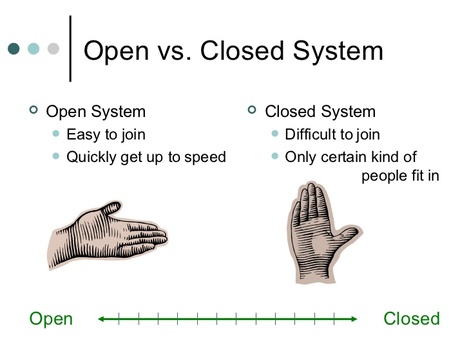
The Role and Risks of Closed Social Groups in Martial Arts, Yoga, Clubs, and Other Exclusive Communities
Closed social groups, such as private yoga or martial arts schools, serve a unique purpose within their respective disciplines. Depending on the intent behind their structure, their exclusivity can have advantages and drawbacks. Similar dynamics can be found in other exclusive communities, such as religious orders, secret societies, and elite academic circles.
Advantages of Closed Groups
Focused Learning Environment
By restricting access, students or members can focus on their objectives without outside distractions or feeling self-conscious under public scrutiny. This is particularly important for traditional martial arts, esoteric yoga practices, or spiritual communities that require deep practices of observation, contemplation, and meditation as their main focus.
Preservation of Tradition
Many closed schools and societies follow lineages that prioritize secrecy or direct transmission from teacher to student. This can help to maintain authenticity, ensuring knowledge isn’t diluted or misrepresented.
Community and Trust
A closed structured system can encourage a strong sense of belonging, loyalty, and trust among members. This is very important for practices that involve partner training, deep introspection, or energy work, as well as in religious and esoteric orders.
Safety and Progression
Some disciplines involve physical conditioning or internal energy cultivation such as with advanced qigong, martial techniques, or breath control methods. Restricting access ensures students have proper guidance and do not attempt techniques without foundational preparation.
Potential Disadvantages
Exclusivity Can Limit Growth
While privacy may support depth, it may also prevent potential new students from finding and benefiting from these practices. A highly restricted group may unintentionally create an echo chamber.
Loss of Cultural Exchange
Martial arts, yoga, and many esoteric traditions have deep historical roots but have evolved through cultural exchange. Over-restricting access could hinder the natural development of these traditions.
Risk of Elitism or Dogmatism
If not managed well, closed groups can sometimes lead to rigid, authoritarian-type hierarchies, where senior members become resistant to new ideas or outsiders. This can lead to stagnation rather than growth.
Barrier to Understanding
In some cases, secrecy can lead to stigma, misinformation, or misinterpretation from outsiders of the group who speculate about what happens within the group.
When Closed Groups Use Insular Dynamics
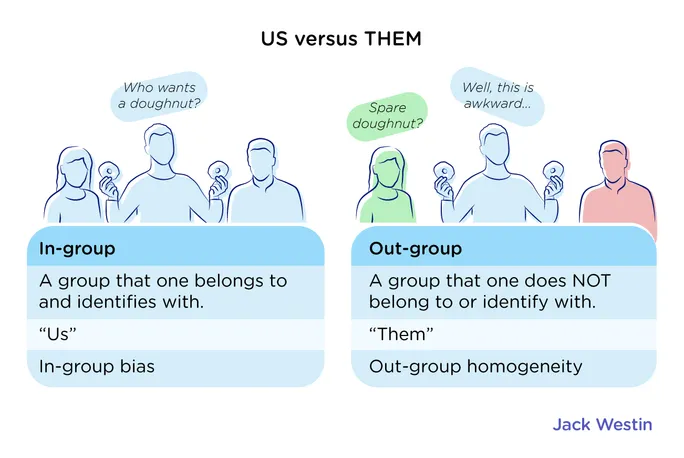
Closed groups, whether in martial arts, yoga, religious sects, secret societies, or elite academic circles, can sometimes encourage an “us vs. them” mentality, especially if they become overly insular. Various terms refer to these types of groups such as, but not limited to:
Dogmatic Communities
Ideological Isolation
Rigid Group Mentality
Sectarian Influence
Closed-System Thinking
Insulated Hierarchies
Excessive Group Loyalty
Echo Chamber Environments
Insular Traditions
Cult-like
Groupthink & Echo Chambers
Critical or objective thinking can diminish in highly insular groups as members conform to a singular worldview.
If a martial arts school, spiritual order, or elite academic group never questions its methods, or principles or refuses outside perspectives, it risks stagnation, stigma, and dogma.
Some groups discourage members from engaging with alternative viewpoints, reinforcing a “this is the only way” mindset.
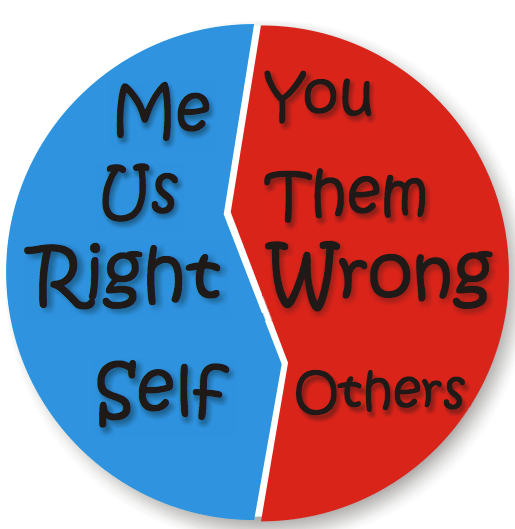
Isolationism & “Us vs. Them” Mentality
If those outside of the group are viewed with hesitation, suspicion, or unworthiness, the group can become exclusionary rather than welcoming.
Some esoteric circles, religious sects, or martial arts schools forbid interactions with non-members, creating psychological dependence.
Over time, this can erode personal autonomy and discourage critical reflection.
Loaded Language & Indoctrination
Exclusive terminology or redefined words, such as “true knowledge,” “higher-level students,” “the only,” the original,” etc., can create a psychological barrier between insiders and outsiders.
Language may be used to elevate the in-group while dismissing external knowledge as inferior, dangerous or subversive.
In more extreme cases, dissenting members may be labeled as “unenlightened,” “not loyal,” “not ready,” “not qualified,” or “not clear” to justify exclusion.
Leader Worship & Hierarchical Control
Some martial arts or yoga masters, religious leaders, or academic figures present themselves as the sole gatekeeper of knowledge, discouraging students or disciples from questioning authority.
Strict obedience without space for personal growth can create an authoritarian dynamic, where members fear questioning the instructor, leader or those in authority.
This is especially risky in some of the internal arts and esoteric traditions, where progress is subjective and can be manipulated through metaphysical, mystical or vague claims.
How to Avoid or Become Aware of Insular Dynamics in Closed Groups
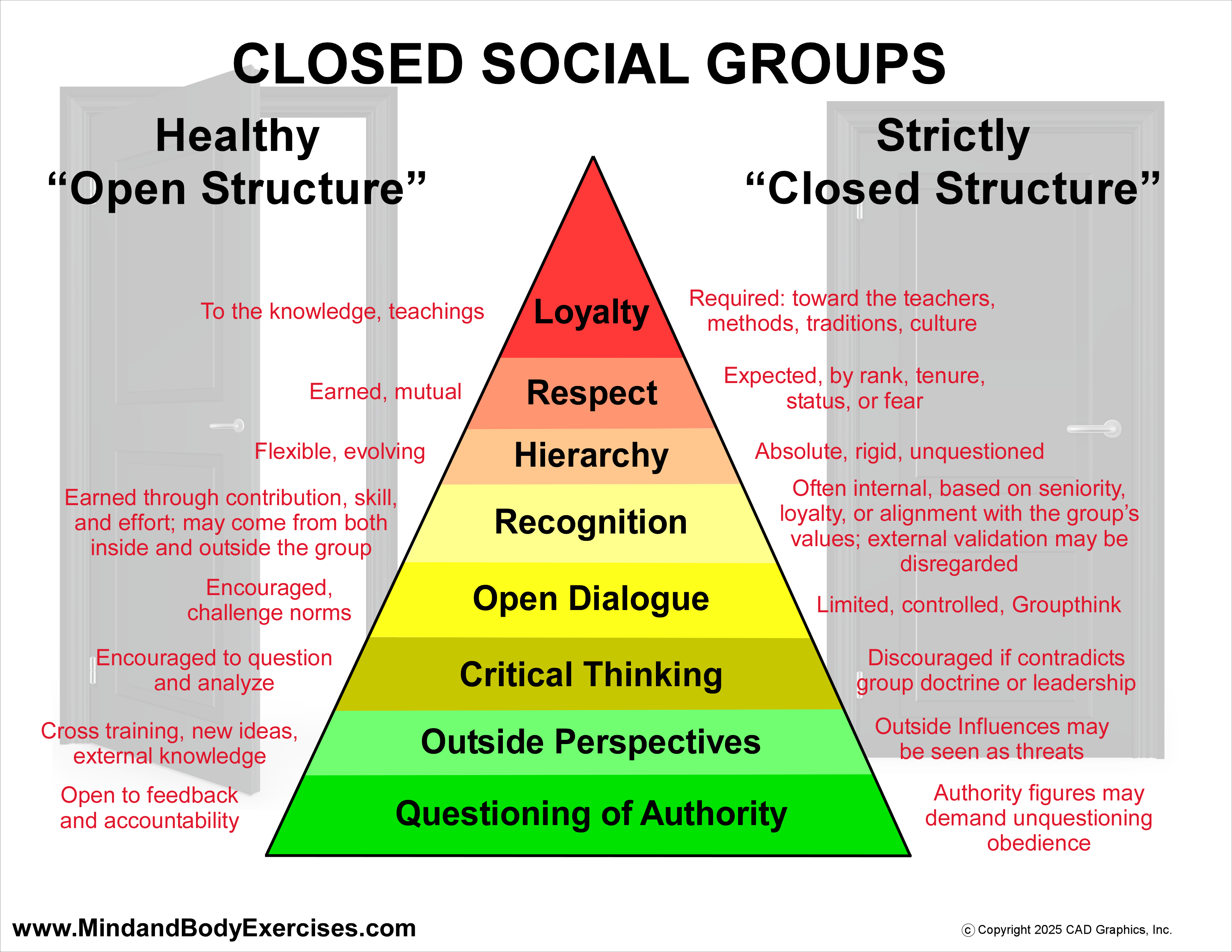
Encourage Critical Thinking: Healthy groups welcome questions and debate rather than discouraging independent thought.
Allow Cross-Training and Exchange: Exposure to other traditions, teachers, perspectives and resources keeps members from falling into dogma.
Maintain Ethical Boundaries: If the group expects extreme devotion, secrecy, or control over members’ lives, it’s a huge red flag.
Avoid Fear-Based Loyalty: No legitimate school or organization should use fear, guilt, or manipulation to keep members from leaving.
Foster Openness Without Dilution: A “semi-closed model,” where serious training is protected but knowledge is not hoarded, may be able to better balance tradition with accessibility.
Are Closed Groups Always Bad?
Not necessarily. Some amount of exclusivity can be beneficial for:
✅ Protecting advanced knowledge from misuse ✅ Maintaining depth and focus while training ✅ Creating a dedicated, distraction-free environment
However, if a group starts demanding absolute loyalty, rejecting all outsiders, or discouraging independent thinking, then it risks cult-like tendencies. Striking a balance between exclusivity and openness is key to ensuring that these groups remain places of learning, growth, and genuine tradition rather than echo chambers of control and manipulation.
With over 20 years of firsthand experience training, studying, and teaching in various closed groups across different settings, I have observed both their strengths and challenges. I then dedicated an additional 25 years to studying the underlying dynamics that shape these environments, recognizing both their positive and negative consequences. To deepen my understanding, I further invested four years into the study of psychology, religion, Eastern philosophy, sociology, psychophysiology, and other related fields, allowing me to analyze closed group behavior with a broader and more informed perspective.
I teach and offer lectures about holistic health, physical fitness, stress management, human behavior, meditation, phytotherapy (herbs), music for healing, self-massage (acupressure), Daoyin (yoga), qigong, tai chi, and baguazhang.
Please contact me if you, your business, organization, or group, might be interested in hosting me to speak on a wide spectrum of topics relative to better health, fitness, and well-being.
I look forward to further sharing more of my message by partnering with hospitals, wellness centers, VA centers, schools on all levels, businesses, and individuals who see the value in building a stronger nation through building a healthier population.
I also have hundreds of FREE education video classes, lectures, and seminars available on my YouTube channel at:
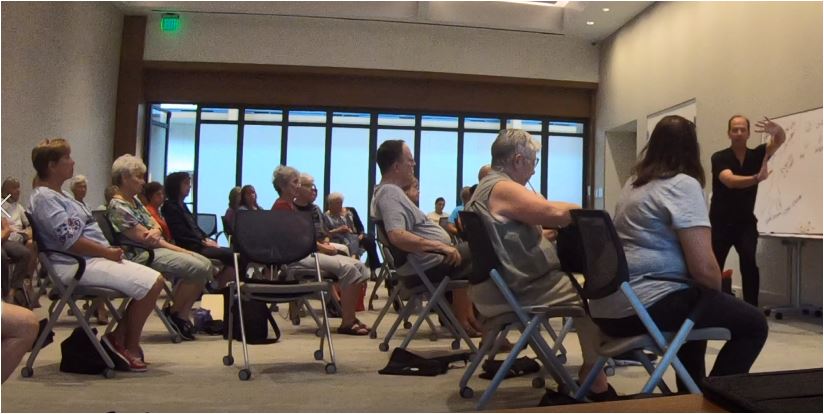
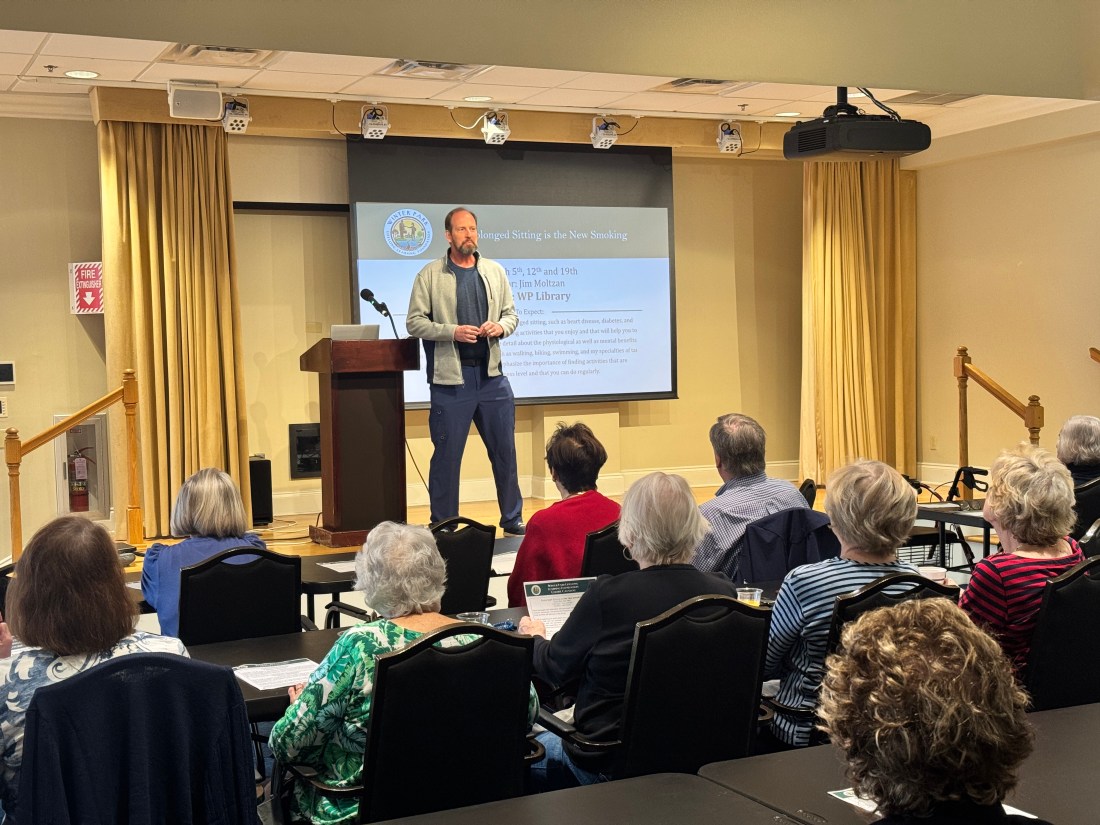
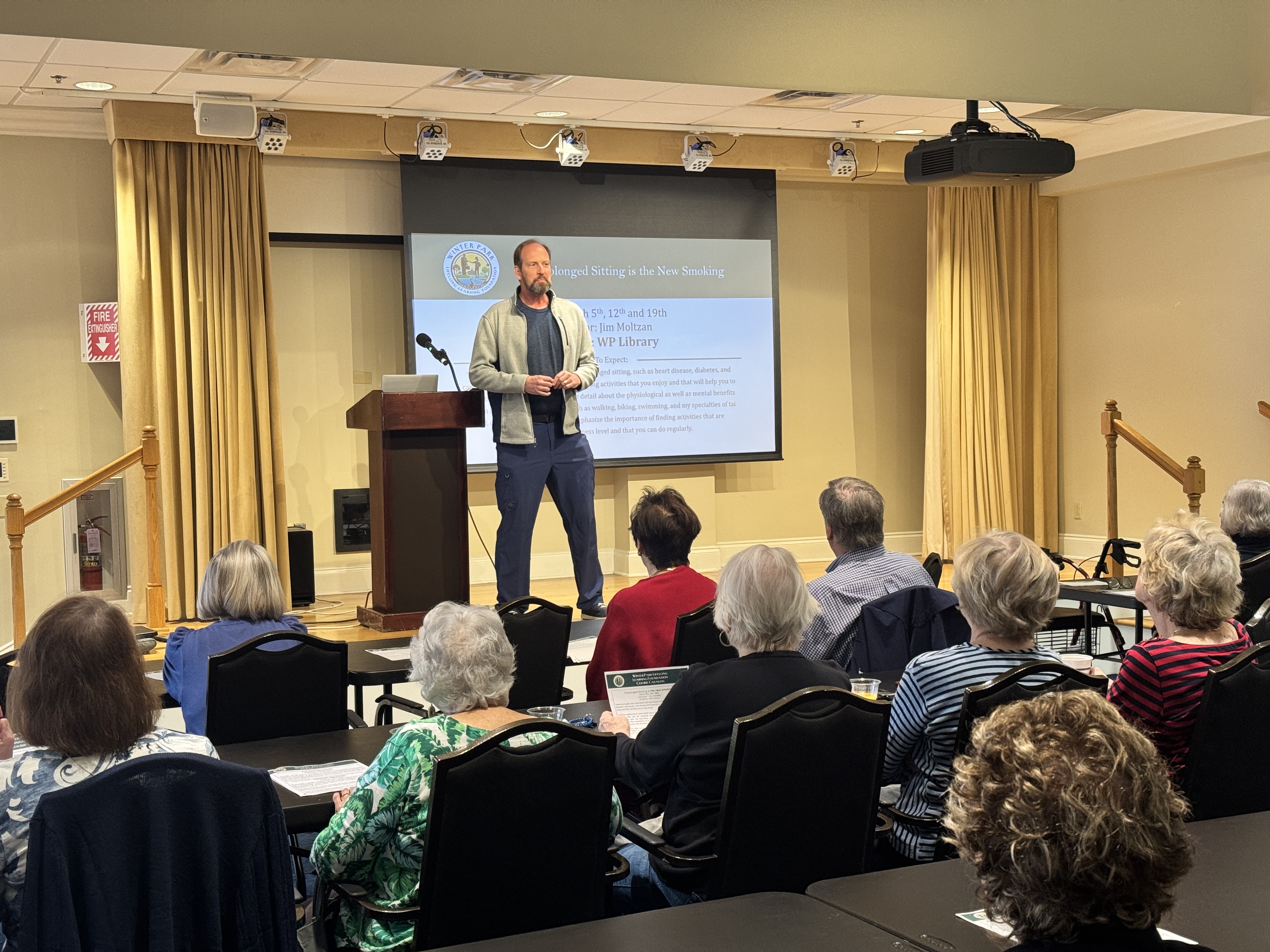
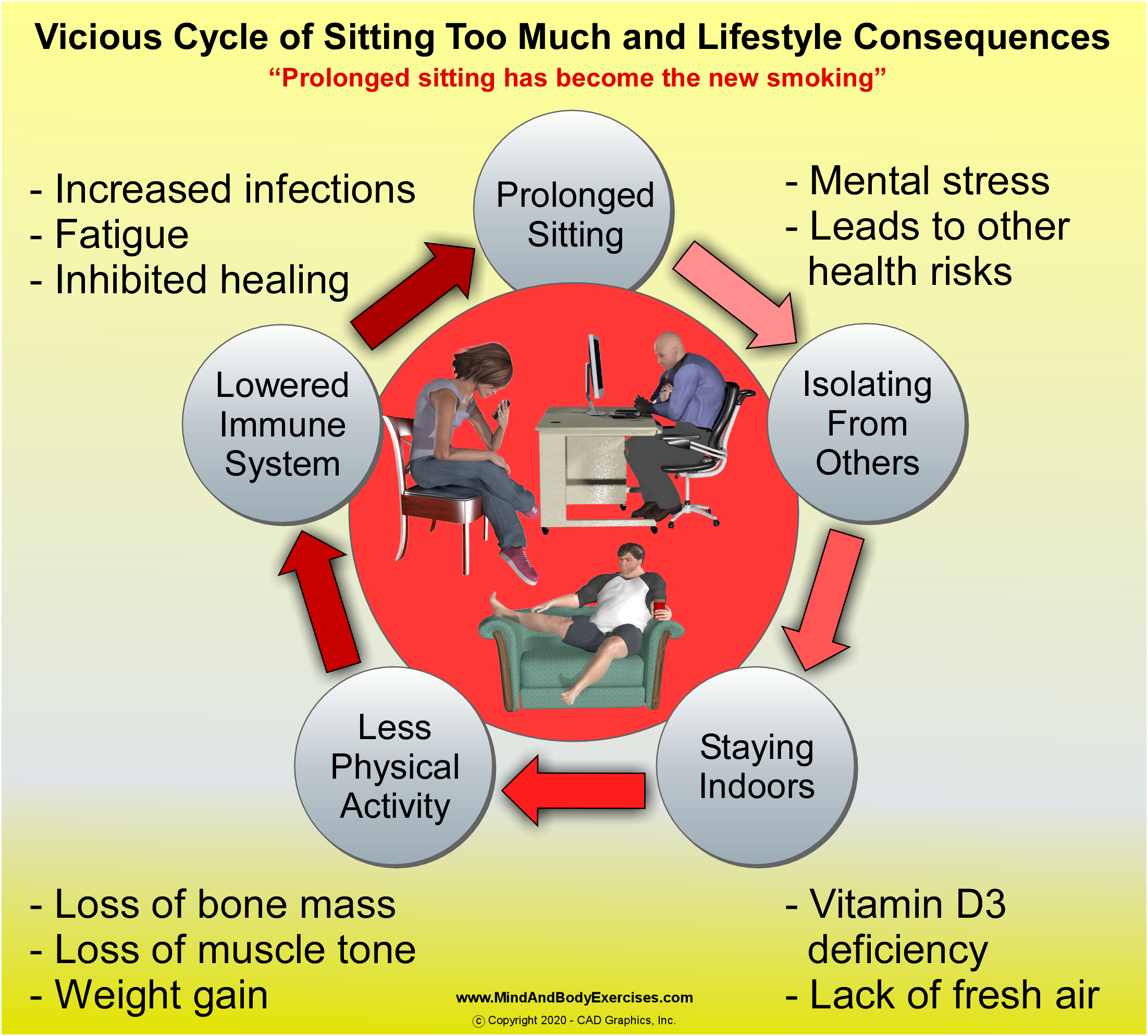
I spoke this week for a few minutes at The Mayflower at Winter Park, along with The Winter Park Lifelong Learning Foundation, regarding my upcoming course in March on:
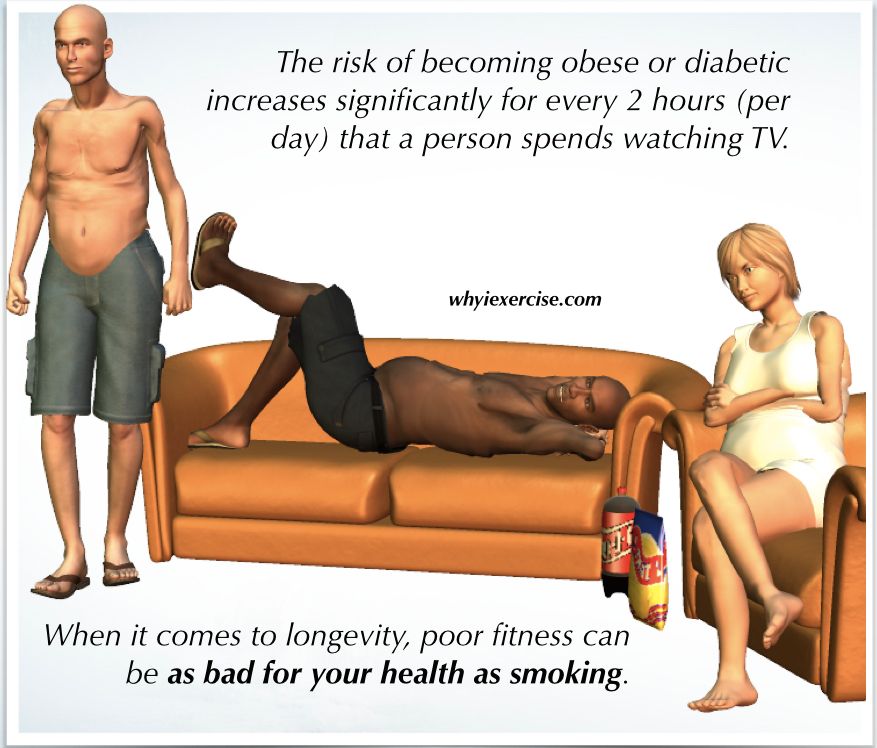
“Prolonged Sitting is the New Smoking”
Three sessions that build upon the first, starting on March 5th, 12th, 19th (10:30-11:45am)
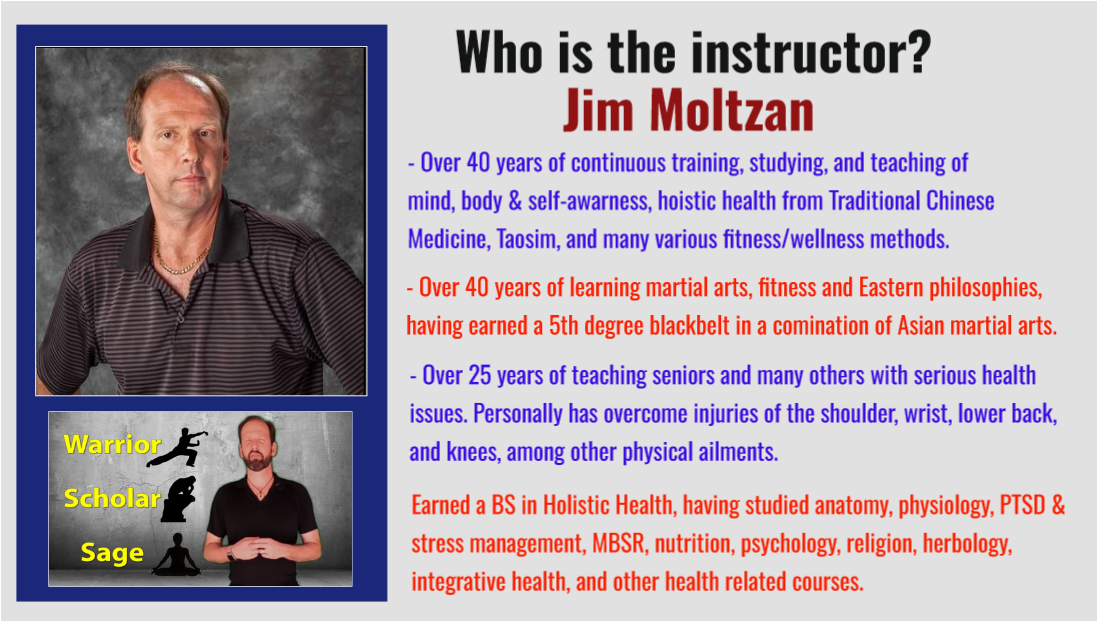
Instructor – Jim Moltzan, BS degree in holistic health
Location – WP Library near the Winter Park Village on 17-92.
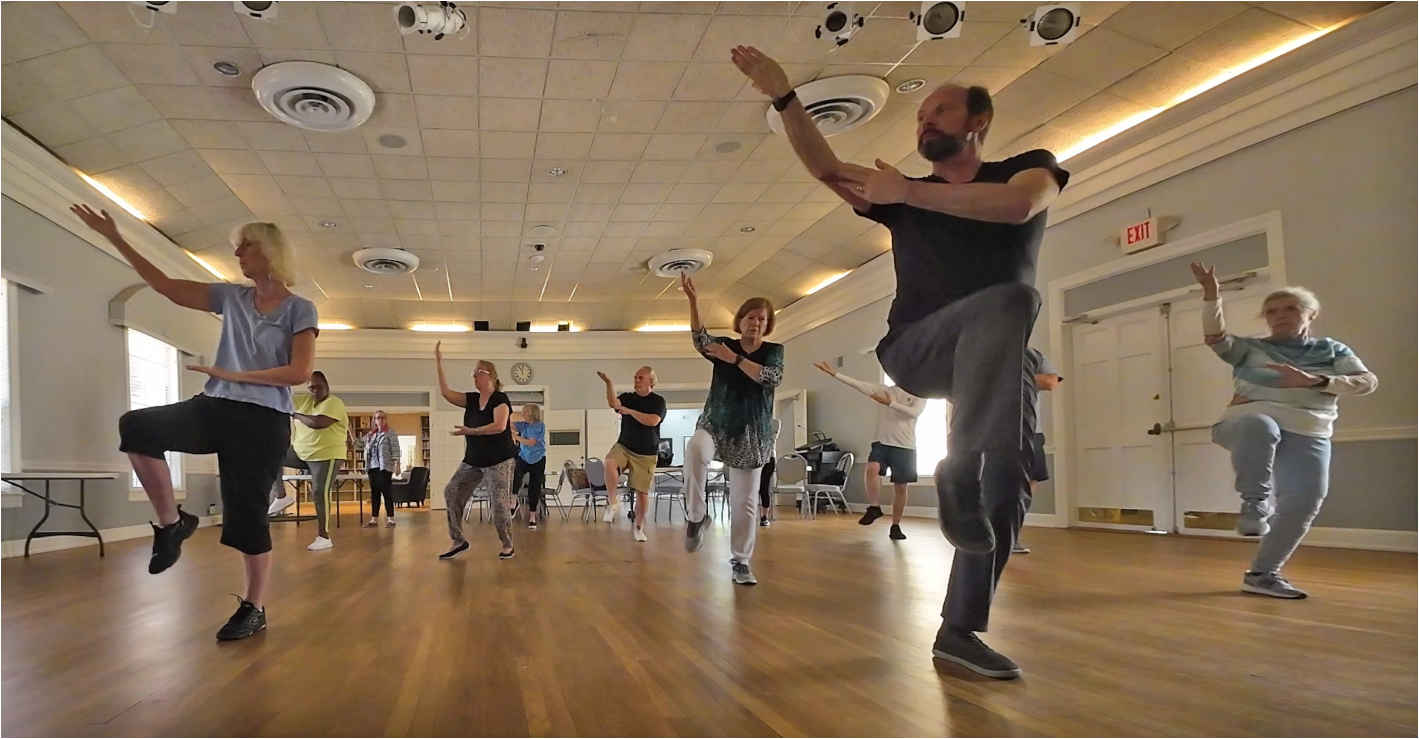
At each session, I will discuss the physical, mental, and spiritual (self-awareness) aspects of remaining in a seated position for extended periods. Each session will also include about a 1/2-hour of instruction in qigong, tai chi, or other methods that can help to get the body moving, engage one’s mind, and offer for some, meaning and purpose to get out of that chair on a daily basis.
__________
A $35.00 registration is required to attend all three sessions, which goes toward supporting college scholarships through the Lifelong Learning Foundation: https://winterparklifelong.org/register-courses
I teach and offer lectures about holistic health, physical fitness, stress management, human behavior, meditation, phytotherapy (herbs), music for healing, self-massage (acupressure), Daoyin (yoga), qigong, tai chi, and baguazhang.
Please contact me if you, your business, organization, or group, might be interested in hosting me to speak on a wide spectrum of topics relative to better health, fitness, and well-being.
I look forward to further sharing more of my message by partnering with hospitals, wellness centers, VA centers, schools on all levels, businesses, and individuals who see the value in building a stronger nation through building a healthier population.
I also have hundreds of FREE education video classes, lectures, and seminars available on my YouTube channel at:
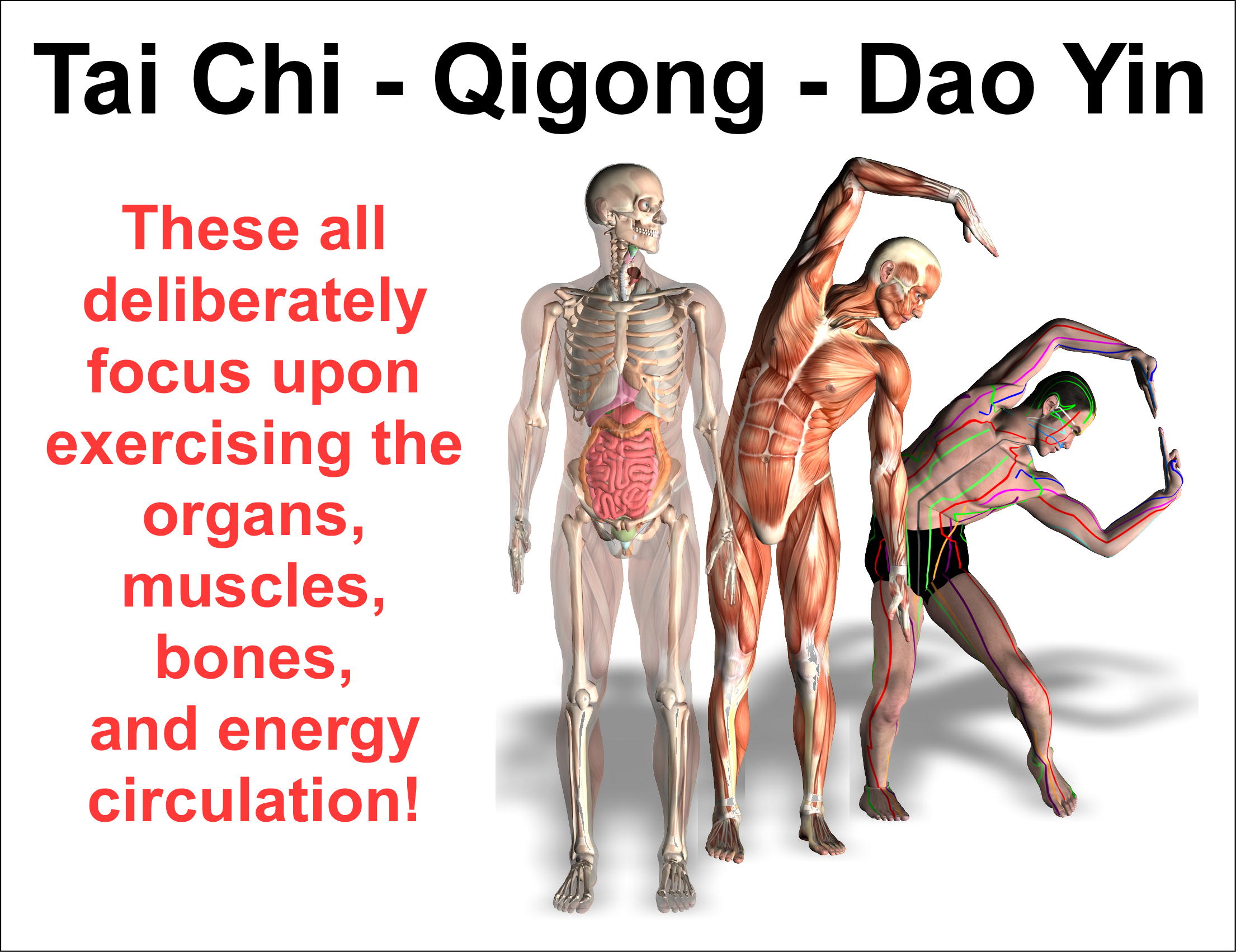
Most popular physical exercise methods (running, walking, weights, swimming, etc.) are designed to engage the musculoskeletal and cardiovascular systems, through movement of the arms and legs. However, the internal organs, composed of specialized similar cellular tissues, can also benefit indirectly from physical activity. How and why it makes sense to “exercise” the internal organs is a topic for deeper discussion.
1. Indirect Engagement of Internal Organs Through Physical Activity
Cardiovascular System: Aerobic exercises such as running, walking, and swimming help increase blood circulation, deliver oxygen and nutrients to internal organs, and remove waste products more efficiently.
Respiratory System: Deep breathing during exercise engages and strengthens the diaphragm, improving lung capacity.
Digestive System: Physical activity stimulates peristalsis (the rhythmic contraction of digestive muscles), improving digestion and potentially reducing issues like constipation.
Lymphatic System: Movements that engage large muscle groups, increase lymphatic flow, which is critical for immune function and detoxification.
2. Why Exercise Internal Organs?
Internal organs, like muscles, rely on regular stimulation to maintain optimal function. Physical exercise promotes:
Improved cellular metabolism and regeneration.
Enhanced detoxification processes involving the liver and kidneys.
Maintenance of healthy organ size and function, especially in the heart and lungs.
3. Direct Stimulation of Organs
While many popular exercises don’t directly target internal organs, some practices focus on this concept:
Abdominal breathing or Pranayama: Directly engages the diaphragm, stimulating internal organs, and improving their function.
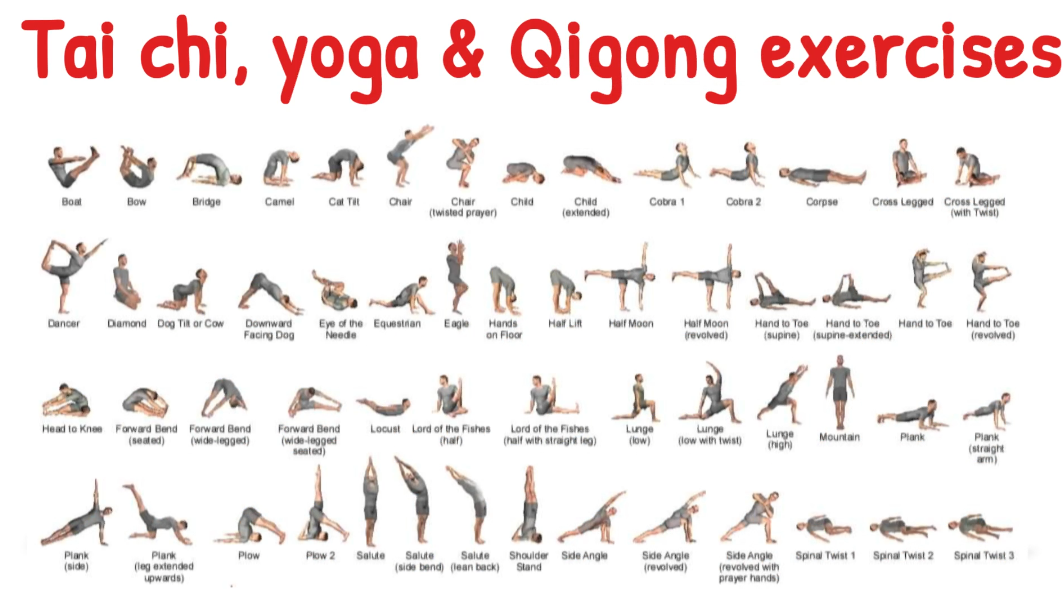
Torso-twisting poses From yoga, Pilates, and some martial arts: These poses gently compress and release organs like the liver and kidneys, thought to stimulate their function.
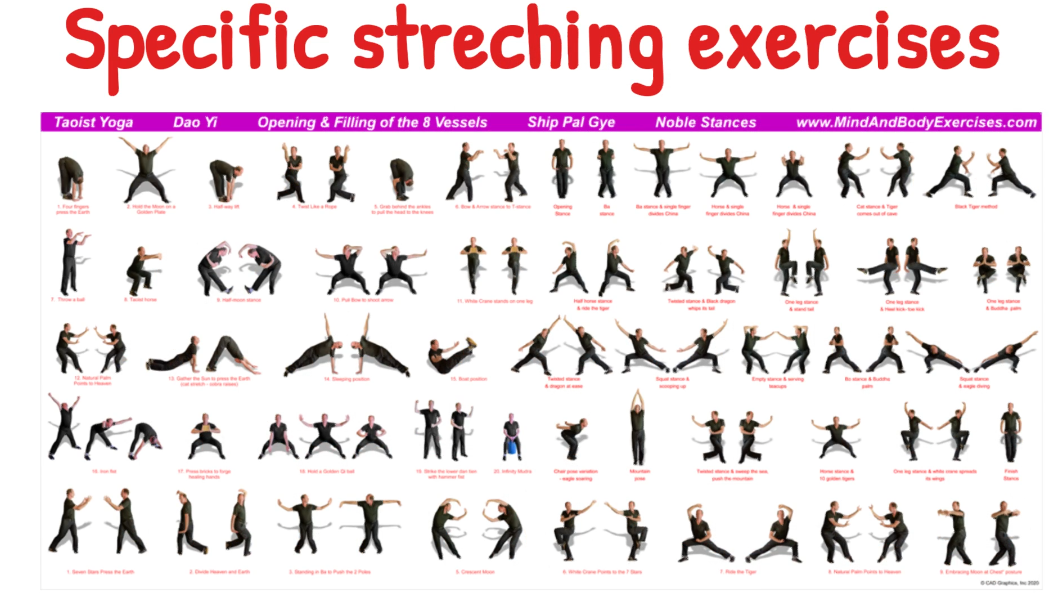
Qigong or Tai Chi: These methods at their root. emphasize mindful movement of the breath and torso, resulting in an increase of internal energy flow, believed to “massage” internal organs.
4. Specific Targeting of Organs
Hydration and Nutrition: Essential for organ health, as they provide the components for cell repair and energy.
Stress Management: Techniques such as deep breathing, and meditation reduce the impact of stress hormones on organs like the heart, lungs, stomach and adrenal glands.
Interoception Practices: Awareness of internal organs and bodily functions and their relative signals can lead to better care and prevent strain on specific organs.
What I have suggested aligns with holistic practices that seek to treat the body as one interconnected system. We can broaden the definition of “exercise” to include practices that target internal organs, where we can promote a deeper level of health and vitality.
I teach and offer lectures about holistic health, physical fitness, stress management, human behavior, meditation, phytotherapy (herbs), music for healing, self-massage (acupressure), Daoyin (yoga), qigong, tai chi, and baguazhang.
Please contact me if you, your business, organization, or group, might be interested in hosting me to speak on a wide spectrum of topics relative to better health, fitness, and well-being.
I look forward to further sharing more of my message by partnering with hospitals, wellness centers, VA centers, schools on all levels, businesses, and individuals who see the value in building a stronger nation through building a healthier population.
I also have hundreds of FREE education video classes, lectures, and seminars available on my YouTube channel at:
This month I wrapped up my series of 6 discussions regarding “self-care.”
Specific topics addressed were that of:
– what is holistic health?
– management of hands and wrists using acupressure/reflexology
– management of various types of stress and headaches
– understanding how the vestibular balance systems work
– how to breathe deeper and more efficiently affecting
– why is bone density a serious issue and how to improve it
I have many more topics to discuss regarding better physical health, mental wellness, and having meaning/purpose in our lives. Tai chi and qigong are a big part of my curriculum, but I also earned a BS degree in holistic health in addition to my over 40 years of “hands-on” learning, practicing, and teaching. Contact me if you are interested in me speaking at your place of business, group, or other public setting.
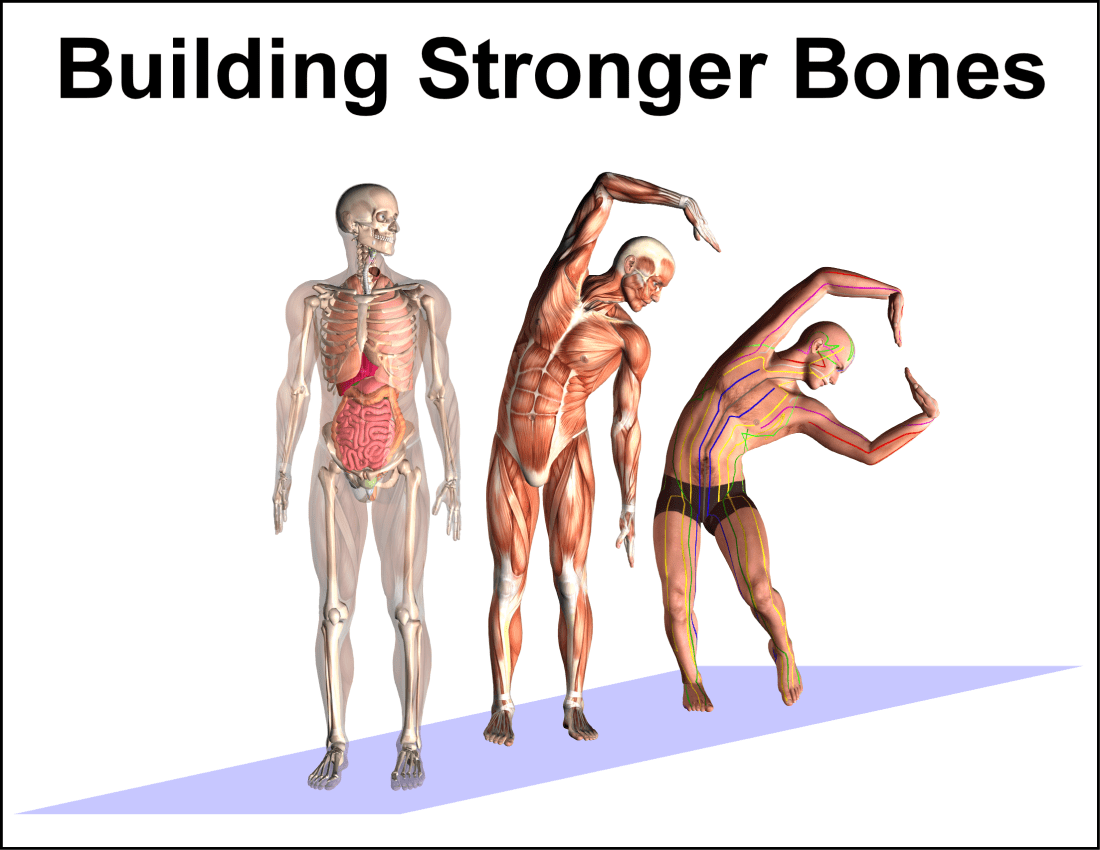
All 6 discussions can be found on my YouTube page, by clicking on the image below.
Here is a summary of the topics I discussed regarding osteopenia and osteoporosis, which are conditions related to bone density and strength, which affect millions of people, particularly as they age. Here’s a detailed breakdown:
Osteopenia vs. Osteoporosis
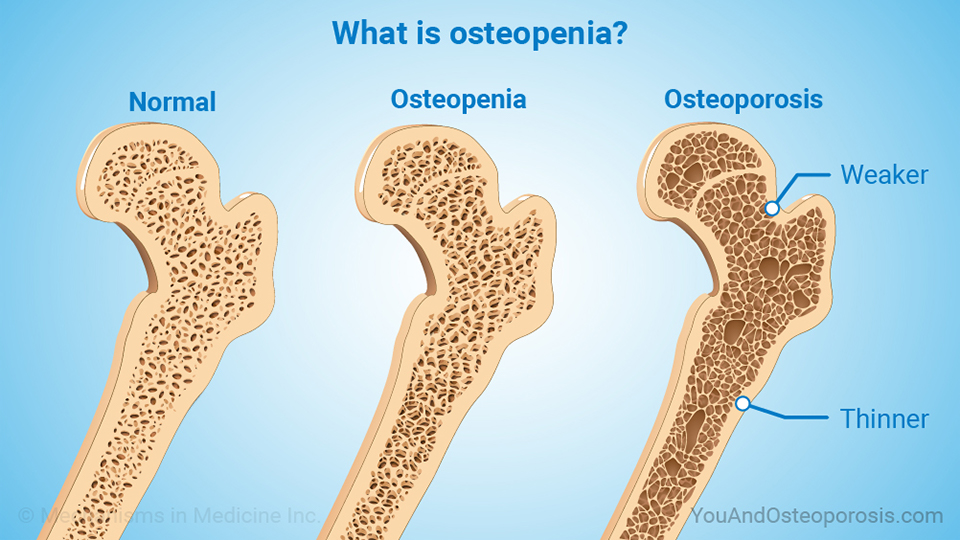
Osteopenia: This is the early stage of bone loss, where bone mineral density (BMD) is lower than normal but not low enough to be classified as osteoporosis. It is often a precursor to osteoporosis and indicates weakening bones.
Osteoporosis: This is a more severe bone condition characterized by significant bone loss, making bones brittle and more susceptible to fractures. In osteoporosis, bones become porous, with decreased density and structural integrity.
Causes
Both osteopenia and osteoporosis are caused by an imbalance between bone resorption (the process of bone breakdown) and bone formation. Factors contributing to this include:
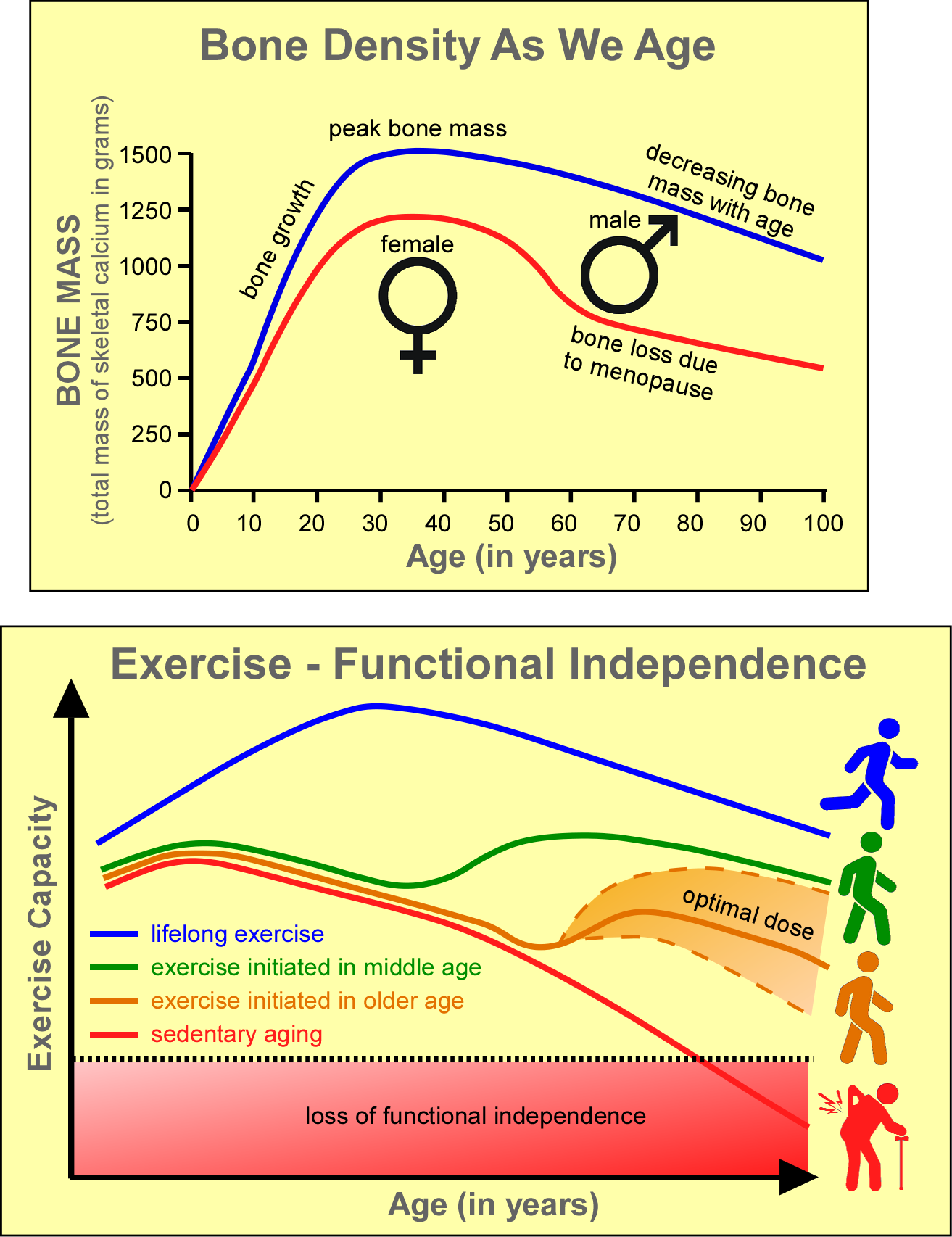
Aging: Bone mass typically peaks in a person’s 20s or 30s and declines with age, particularly in postmenopausal women due to decreased estrogen levels.
Hormonal changes: Lowered levels of hormones such as estrogen in women and testosterone in men can contribute to decreased bone density.
Genetics: A family history of osteoporosis can increase the risk.
Sedentary lifestyle: Lack of physical activity, particularly weight-bearing and resistance exercises, can contribute to weaker bones.
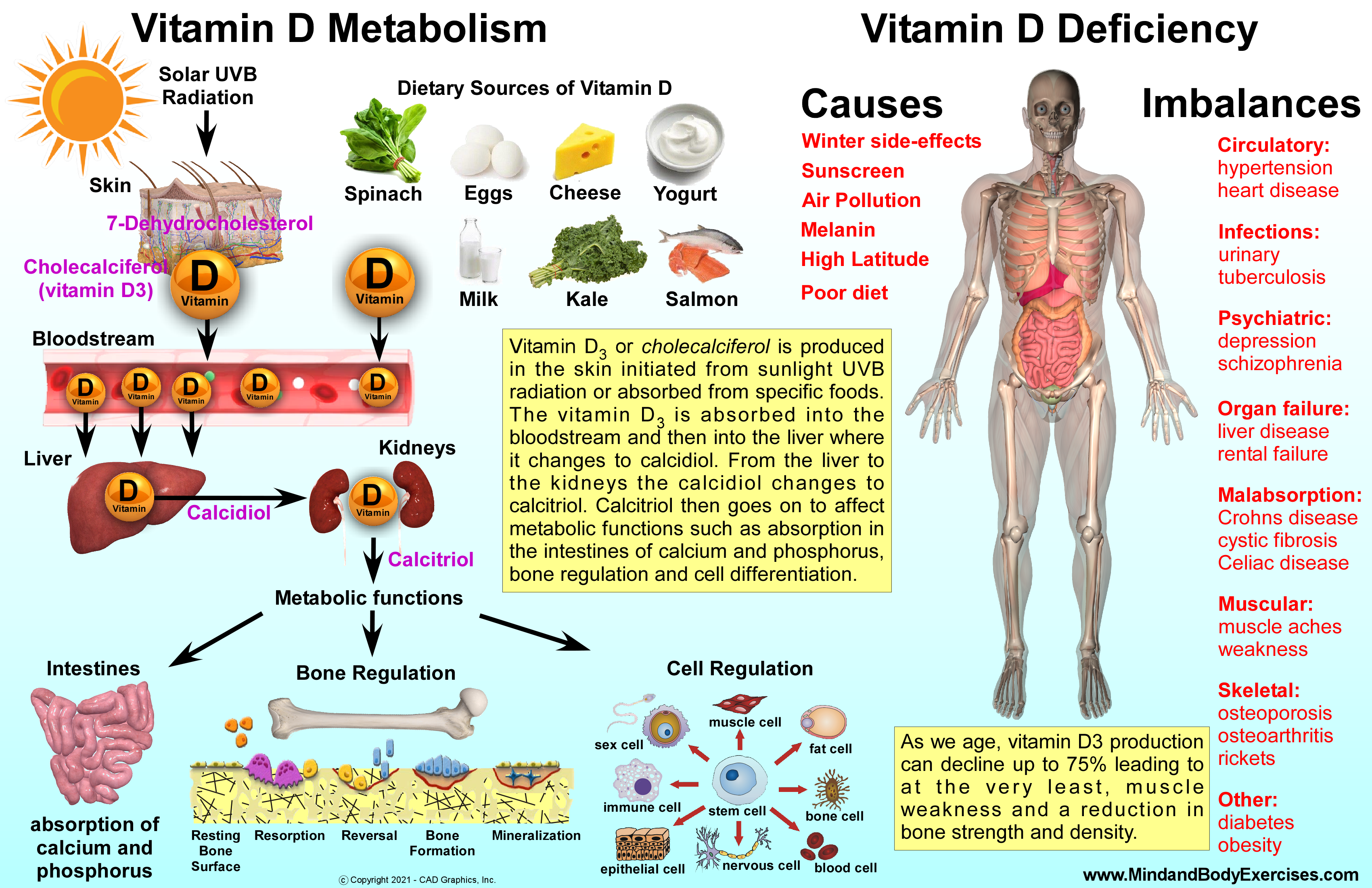
Poor nutrition: Low intake of calcium, vitamin D, and other nutrients crucial for bone health can lead to bone density loss.
Smoking and excessive alcohol consumption: Both are associated with decreased bone density.
Certain medications: Long-term use of corticosteroids and some other medications may contribute to bone loss.
Side Effects and Risks
Fractures: The most serious consequence, particularly in the hips, spine, and wrists, can result in decreased mobility and increased mortality in older adults.
Height loss: Often due to fractures in the vertebrae leading to compression.
Back pain: Resulting from collapsed or fractured vertebrae.
Kyphosis (spinal curvature): In severe cases of osteoporosis, the spine may curve forward.
Management and Prevention
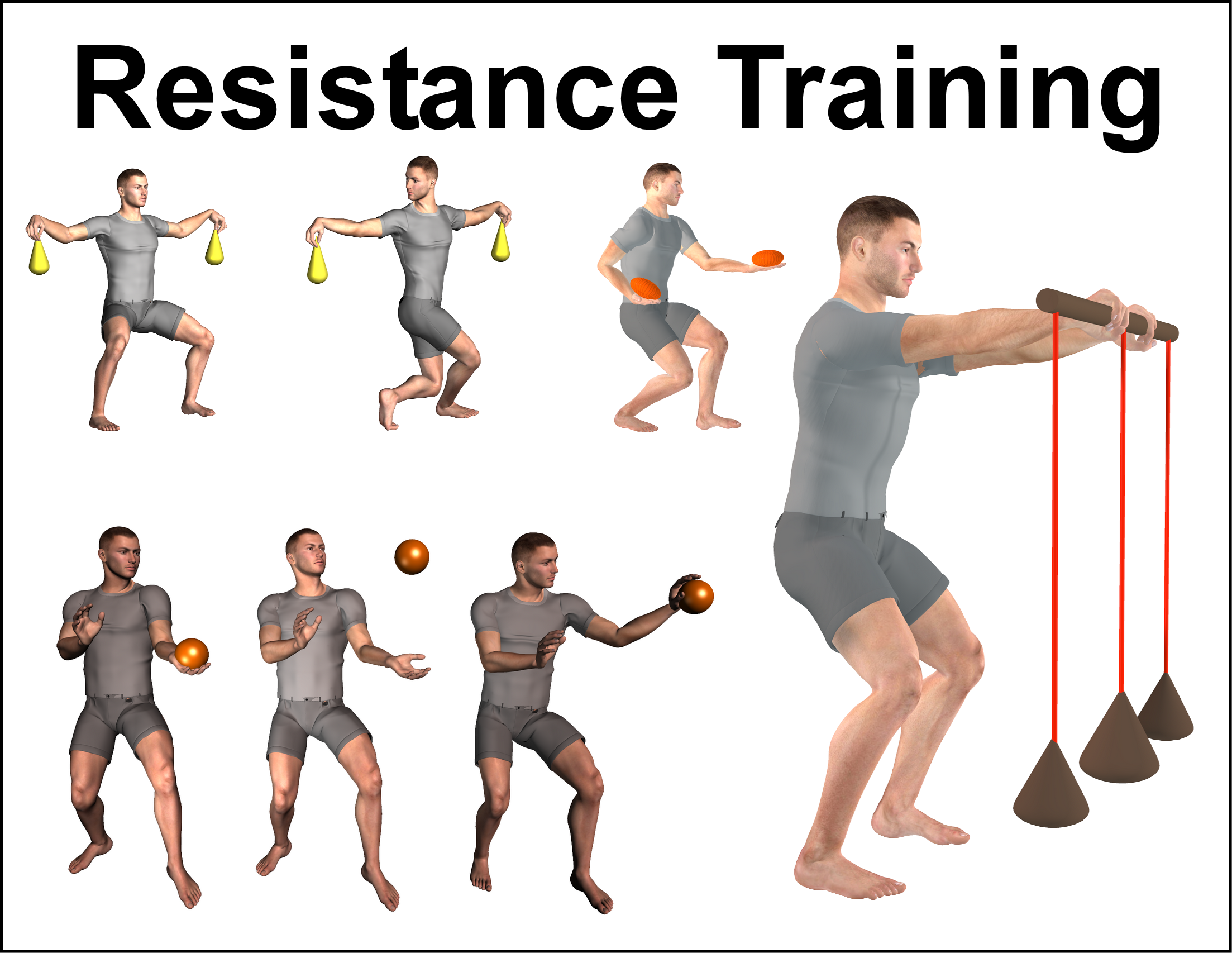
1. Strength and Resistance Training
Weight-bearing exercises: These include activities like walking, jogging, dancing, and stair climbing. They help stimulate bone formation by putting stress on the bones.
Resistance training: Lifting weights or using resistance bands helps build muscle mass and improves bone density. Exercises targeting the hips, spine, and wrists are particularly beneficial for bone health.
Balance training: Tai chi, yoga, and Pilates are excellent for improving balance and flexibility, reducing the risk of falls that can lead to fractures.
2. Sun Exposure and Vitamin D
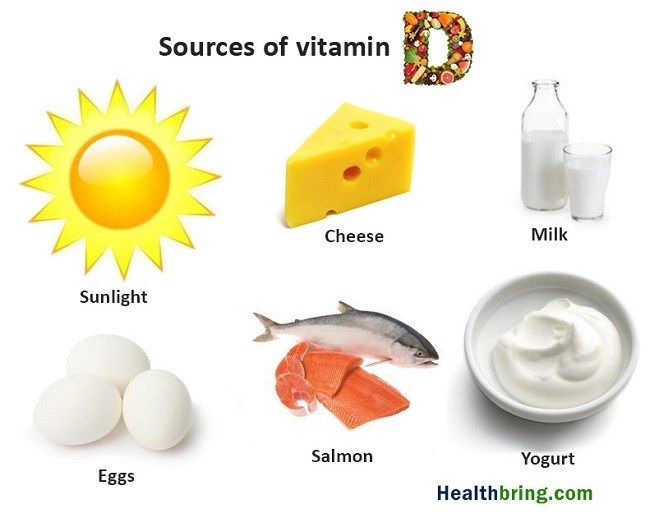
Vitamin D: Essential for calcium absorption, vitamin D can be synthesized through exposure to sunlight. About 15-30 minutes of sun exposure several times a week on the face, arms, or legs (without sunscreen) is often enough, depending on skin type, location, and weather.
Supplementation: In cases where adequate sun exposure is not possible, supplements are often recommended. The typical dosage is around 600-800 IU per day for adults, though higher doses may be needed for those with deficiencies.
3. Nutrition
Calcium: Adequate calcium intake is crucial for maintaining bone density. The recommended intake is about 1,000-1,200 mg per day, depending on age and gender. Calcium-rich foods include dairy products (milk, cheese, yogurt), leafy greens (kale, broccoli), almonds, tofu, and fortified foods.
Magnesium: Magnesium helps convert vitamin D into its active form, allowing for better calcium absorption. Sources include nuts, seeds, legumes, and whole grains.
Protein: Adequate protein intake is essential for bone and muscle health. High-protein diets have been associated with improved bone density.
Other Nutrients:
Vitamin K: Found in leafy greens, helps regulate calcium and promotes bone health.
Omega-3 Fatty Acids: Found in fish like salmon and flaxseeds, these can help reduce bone loss.
4. Medications (I did not discuss these much, as my focus was towards non-pharmaceutical options)
Bisphosphonates: These drugs slow down bone resorption and help to maintain or increase bone density.
Hormone Therapy: Estrogen replacement therapy can be beneficial for postmenopausal women to slow bone loss.
Denosumab: A monoclonal antibody that reduces bone resorption.
Calcitonin: A hormone that helps regulate calcium levels and bone metabolism.
Parathyroid hormone analogs: These can help stimulate bone formation in severe cases of osteoporosis.
5. Lifestyle Changes
Quit smoking: Smoking accelerates bone loss, so quitting is important for bone health.
Limit alcohol: Excessive alcohol interferes with calcium balance and bone formation.
Fall prevention: Maintaining good balance and a safe living environment can help prevent falls that might lead to fractures.
6. Regular Check-ups:
Bone density scans: These scans can help monitor your bone health and assess your risk of fractures.
Regular medical check-ups: Consult your doctor for personalized advice and to discuss any concerns.
Summary
Osteopenia and osteoporosis are conditions that reflect the progressive weakening of bones, leading to increased risk of fractures. Managing these conditions involves a combination of strength training, resistance exercises, adequate sun exposure, proper nutrition (especially with calcium and vitamin D), and sometimes medication. Regular physical activity, especially weight-bearing and resistance exercises, can help strengthen bones, while proper diet and lifestyle choices support bone health and overall well-being.
I teach and offer lectures about holistic health, physical fitness, stress management, human behavior, meditation, phytotherapy (herbs), music for healing, self-massage (acupressure), Daoyin (yoga), qigong, tai chi, and baguazhang.
Please contact me if you, your business, organization, or group, might be interested in hosting me to speak on a wide spectrum of topics relative to better health, fitness, and well-being.
I look forward to further sharing more of my message by partnering with hospitals, wellness centers, VA centers, schools on all levels, businesses, and individuals who see the value in building a stronger nation through building a healthier population.
I also have hundreds of FREE education video classes, lectures, and seminars available on my YouTube channel at:






 United Martial Arts Association