Why is the US Younger Population in Crisis?

Well, this did not just happen overnight and for no apparent reason. There are many factors that are leading the US younger population to be experiencing major health issues, such as obesity, diabetes, anxiety, depression, suicide, and other issues, typically considered as adult issues in years past.
Obesity

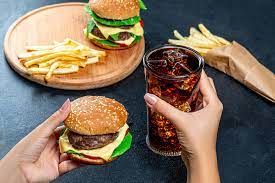
  • Increased consumption of processed foods and sugary drinks: The rise of fast food, sugary drinks, and processed snacks has contributed to a significant increase in calorie intake and a decrease in nutrient intake among young people.
  • Decreased physical activity: The increased prevalence of sedentary lifestyles, due to factors such as television, video games, and computer use, has led to a decrease in physical activity among young people.
  • Marketing of unhealthy foods: Children and adolescents are bombarded with advertisements for unhealthy foods, which can influence their dietary choices.

Diabetes

  • Genetic predisposition: Type 2 diabetes has a strong genetic component, and a family history of the disease increases the risk of developing it.
  • Obesity: Obesity is a major risk factor for type 2 diabetes.
  • Unhealthy diet: A diet that is high in processed foods, sugary drinks, and red meat can increase the risk of developing type 2 diabetes.
  • Lack of physical activity: Physical activity helps to control blood sugar levels and can reduce the risk of developing type 2 diabetes.

Anxiety and depression

  • Increased academic pressure: Young people today face a lot of pressure to succeed in school, which can lead to stress and anxiety.
  • Social media: Social media can be a source of both positive and negative social interactions. For some young people, social media can lead to feelings of isolation, inadequacy, and anxiety.
  • Cyber-bullying: Cyber-bullying is a growing problem that can have a serious impact on the mental health of young people.
  • Fear of violence: Young people today are more likely to be exposed to violence, both in their communities and in the media. This exposure can lead to feelings of fear, anxiety, and stress.

Suicide

  • Mental health disorders: Mental health disorders are a major risk factor for suicide.
  • Substance abuse: Substance abuse is another major risk factor for suicide.
  • Exposure to violence: Young people who are exposed to violence are more likely to attempt suicide.
  • Lack of access to mental health care: Many young people who need mental health care do not receive it, which can increase their risk of suicide.

Other issues

  • Sleep deprivation: Young people today are more likely to be sleep deprived, which can lead to a variety of health problems, including obesity, diabetes, anxiety, and depression.
  • Exposure to environmental toxins: Young people are more likely to be exposed to environmental toxins, such as lead and air pollution, which can have a negative impact on their health.
  • Lack of access to healthy food: Many young people do not have access to healthy food, which can lead to a variety of health problems, including obesity, diabetes, and heart disease.

These are just some of the factors that are leading the US younger population to be experiencing major health issues. It is important to address these issues in order to promote the health and well-being of young people.

Solutions

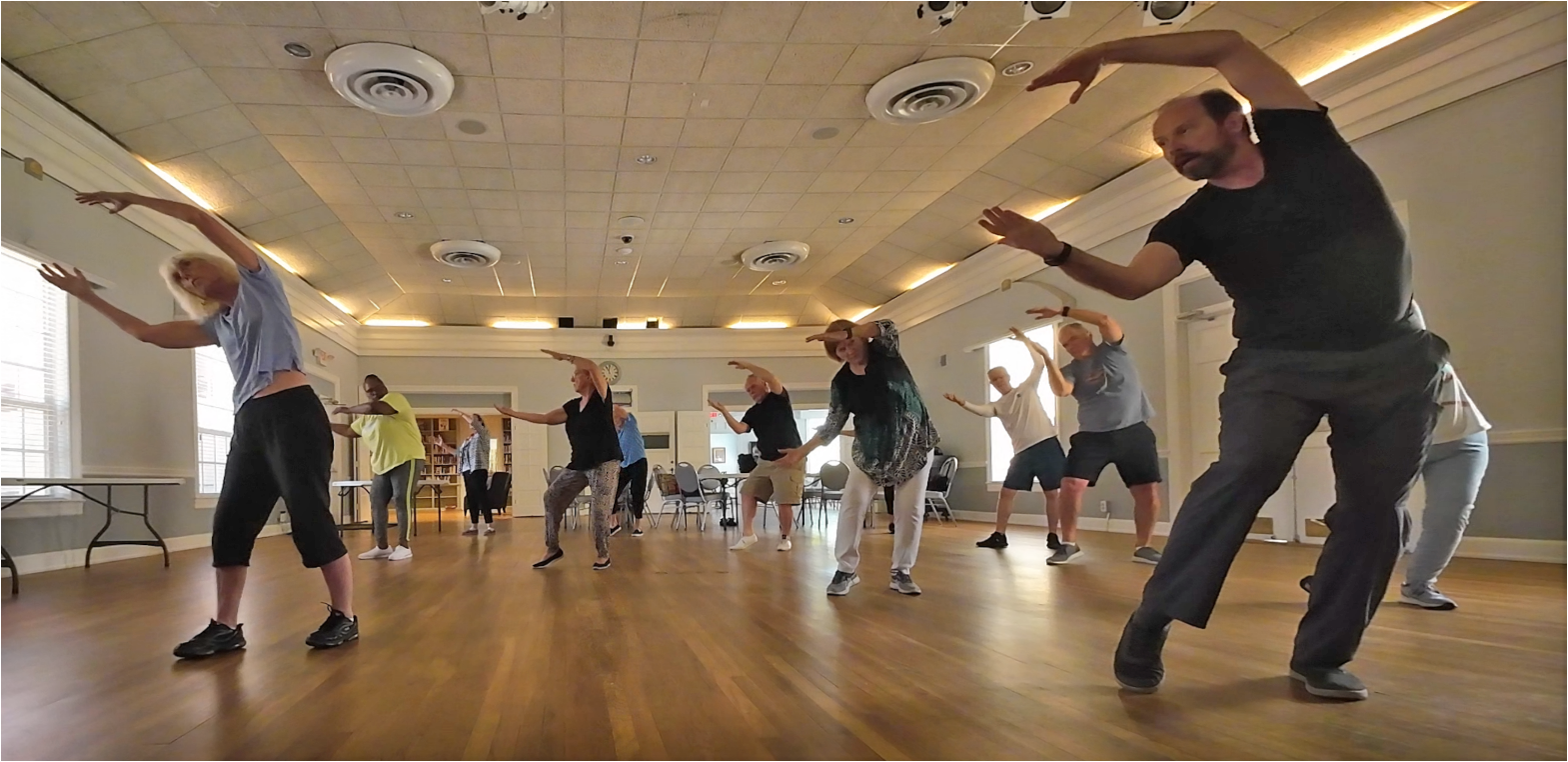
  • Put physical education (PE) back into schools as a priority: Young and old people today need physical activity, not just for the body but their brains. Physical activity is known to help reduce and manage obesity, diabetes, anxiety, and depression.
  • Keep the environmental poisons away from the kids: Get the young people off the couch and computer screens and outdoors to get some fresh air and appreciation for the nature that is all around us.
  • Remove the crap junk food from the diet: Young people eat what schools offer, whether healthy or not. Just as they will eat what their parents buy and put in their homes. If adult parents cannot be disciplined themselves to eat healthier, how can we expect the kids to do the same. Lead by example.
  • Be parents to your children, and stop being their friends: DO YOUR JOB! Give your kids love, guidance, direction, compassion and boundaries. Be better advocates for their health and well-being. Plant good seeds, not bad weeds!
___________

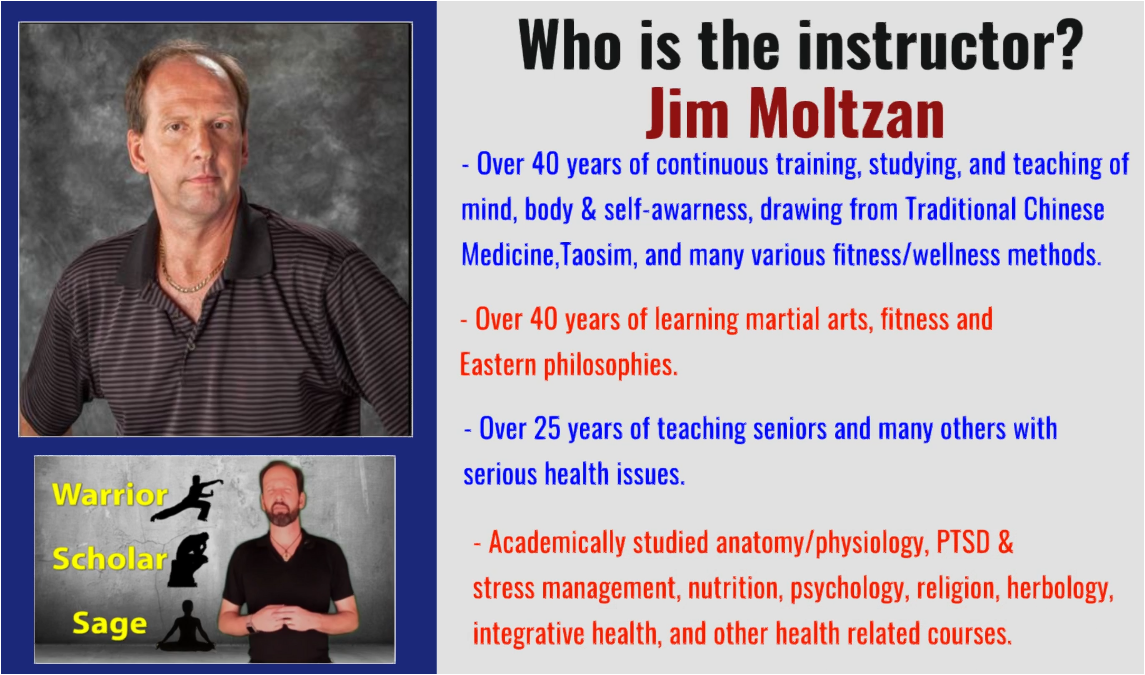
I teach and offer lectures about holistic health, qigong, tai chi, baguazhang, meditation, phytotherapy (herbs), music for healing, self-massage, and yoga. I also have hundreds of FREE education video classes, lectures and seminars available on my YouTube channel at:

https://www.youtube.com/c/MindandBodyExercises

www.MindAndBodyExercises.com

www.Amazon.com/author/jimmoltzan

Mind and Body Exercises on Google: https://posts.gle/aD47Qo

Jim Moltzan

407-234-0119
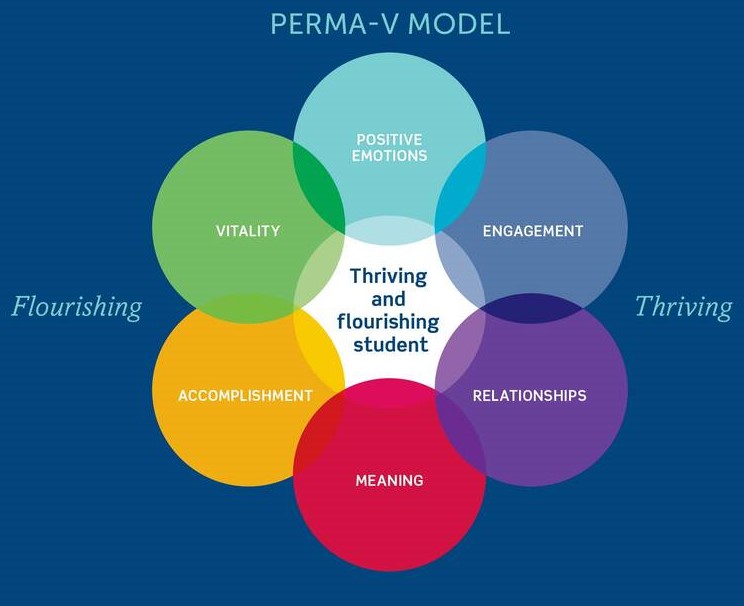
What is the PERMA-V Model for Flourishing?

Dr. Martin Seligman, a psychologist and one of the founders of positive psychology, introduced the concept of PERMA as a framework for understanding and cultivating well-being and happiness. PERMA is an acronym that represents five essential elements of a fulfilling and meaningful life. Here’s a brief summary of each component:

  1. Positive Emotions (P): This refers to experiencing and cultivating positive feelings such as joy, gratitude, serenity, interest, hope, pride, amusement, and love. Fostering positive emotions is seen as a crucial aspect of overall well-being.
  2. Engagement (E): Also known as “flow,” engagement involves being fully absorbed and immersed in activities that challenge and utilize one’s skills. When individuals are engaged in what they’re doing, they often lose track of time and experience a sense of deep satisfaction.
  3. Relationships (R): Positive social connections and meaningful relationships contribute significantly to well-being. Maintaining healthy and supportive relationships with friends, family, and community fosters a sense of belonging and social support.
  4. Meaning (M): Finding meaning and purpose in life is essential for well-being. This involves understanding one’s strengths and values and using them to contribute to something larger than oneself, whether it be through work, relationships, or other pursuits.
  5. Accomplishment (A): Achieving goals and accomplishments, both big and small, contributes to a sense of competence and mastery. Setting and reaching goals provides a sense of purpose and fulfillment.
  6. Vitality (V): There has been an update to Seligman’s PERMA model, and the “V” for Vitality has been added. This addition expands the model to include physical well-being as a crucial component. Vitality encompasses the importance of a healthy and energized body. It involves paying attention to nutrition, exercise, sleep, and other factors that contribute to physical well-being.

The PERMA-V model suggests that these six elements work together to enhance overall well-being, and individuals can focus on cultivating each aspect in their lives to lead a more flourishing and satisfying existence.

_________________

I teach and offer lectures about holistic health, qigong, tai chi, baguazhang, meditation, phytotherapy (herbs), music for healing, self-massage, and yoga. I also have hundreds of FREE education video classes, lectures and seminars available on my YouTube channel at:

https://www.youtube.com/c/MindandBodyExercises

www.MindAndBodyExercises.com

www.Amazon.com/author/jimmoltzan

Mind and Body Exercises on Google: https://posts.gle/aD47Qo

Jim Moltzan

407-234-0119
Flu Season is Really Vitamin D Deficiency Season

Yes, it is that time of year again. Become educated, become healthy and be in control of your health and well-being. Nobody else will care more about YOUR health than YOU!

Temperatures drop. People stay inside. Many wear more layers of clothing to stay warm. Those in warmer climates cover their skin to avoid too much sun exposure. For a big chunk of the year, many people do not receive enough sunlight on their skin to produce their own vitamin D. Nationwide vitamin D deficiency overall prevalence rate is 41.6%, with the highest rate seen in blacks (82.1%), followed by Hispanics (69.2%)2.
https://pubmed.ncbi.nlm.nih.gov/21310306/

Vitamin D is a fat-soluble vitamin that plays a crucial role in several physiological processes, including bone health and immune system function.

Bone Physiology:

  1. Calcium Absorption:
    • Vitamin D is essential for the absorption of calcium from the intestines. Calcium is a critical mineral for bone health, and its absorption is necessary for the development and maintenance of strong and healthy bones.
  2. Bone Mineralization:
    • Vitamin D helps regulate the levels of calcium and phosphorus in the blood, facilitating the mineralization of bone. This process is essential for the formation and maintenance of the bone structure.
  3. Preventing Rickets and Osteomalacia:
    • Severe vitamin D deficiency can lead to conditions such as rickets in children and osteomalacia in adults. These conditions result in weakened and deformed bones due to impaired mineralization.

Immune System:

  1. Immune Cell Function:
    • Vitamin D has been shown to modulate the function of immune cells, including T cells and macrophages. It helps regulate the immune response, promoting the appropriate response to infections while preventing excessive inflammation.
  2. Antimicrobial Properties:
    • Vitamin D has antimicrobial properties and can enhance the production of antimicrobial peptides. These peptides play a role in the body’s defense against various pathogens, including bacteria and viruses.
  3. Autoimmune Diseases:
    • There is evidence suggesting a link between vitamin D deficiency and an increased risk of autoimmune diseases. Adequate vitamin D levels may help modulate the immune system and reduce the risk of autoimmune conditions.

Sources of Vitamin D:

  1. Sun Exposure:
    • The skin can produce vitamin D when exposed to ultraviolet B (UVB) radiation from sunlight. Spending time outdoors and getting sunlight on the skin is a natural way to produce vitamin D.
  2. Dietary Sources:
    • Some foods are good sources of vitamin D, including fatty fish (such as salmon and mackerel), fortified dairy products, fortified cereals, and egg yolks.
  3. Supplements:
    • In cases where it’s challenging to obtain enough vitamin D from sunlight and diet, supplements may be recommended, especially in regions with limited sunlight or for individuals with conditions that affect vitamin D absorption.

Maintaining adequate levels of vitamin D is crucial for both bone health and a well-functioning immune system. It’s important to strike a balance, as both deficiency and excess of vitamin D can have adverse effects on health. If you have concerns about your vitamin D levels, it’s advisable to consult with a healthcare professional for personalized guidance.

_________________

I teach and offer lectures about holistic health, qigong, tai chi, baguazhang, meditation, phytotherapy (herbs), music for healing, self-massage, and yoga. I also have hundreds of FREE education video classes, lectures and seminars available on my YouTube channel at:

https://www.youtube.com/c/MindandBodyExercises

www.MindAndBodyExercises.com

www.Amazon.com/author/jimmoltzan

Mind and Body Exercises on Google: https://posts.gle/aD47Qo

Jim Moltzan

407-234-0119

An Ultra-Processed Diet – we truly “are what we eat”

Most of us were taught a very long time ago, that we truly “are what we eat.” Well here we are decades later and it is quite evident what our population has been eating. Specifically, junk and crap foods that have helped to lead our people to have:

  • Nearly 1 in 3 adults (30.7%) are overweight.
  • More than 1 in 3 men (34.1%) and more than 1 in 4 women (27.5%) are overweight.
  • More than 2 in 5 adults (42.4%) have obesity (including severe obesity).
  • About 1 in 11 adults (9.2%) have severe obesity.
  • Nearly 40% of all adults over the age of 20 in the U.S. – about 93.3 million people – are currently obese.
  • Every state in the U.S. has more than 20% of adults with obesity.
  • The U.S. adult obesity rate stands at 42.4 percent, the first time the national rate has passed the 40 percent mark.
    https://www.niddk.nih.gov/health-information/health-statistics/overweight-obesity

And let’s also note the other issues of:

Maybe now is the right time to re-evaluate what we are putting into our bodies, and more importantly what kids are eating today will determine what type of health they will have later as adults. Plant good seeds, not weeds.

Be well, Get healthy, Be wise.

_________________

I teach and offer lectures about holistic health, qigong, tai chi, baguazhang, meditation, phytotherapy (herbs), music for healing, self-massage, and yoga. I also have hundreds of FREE education video classes, lectures and seminars available on my YouTube channel at:

https://www.youtube.com/c/MindandBodyExercises

www.MindAndBodyExercises.com

www.Amazon.com/author/jimmoltzan

Mind and Body Exercises on Google: https://posts.gle/aD47Qo

Jim Moltzan

407-234-0119
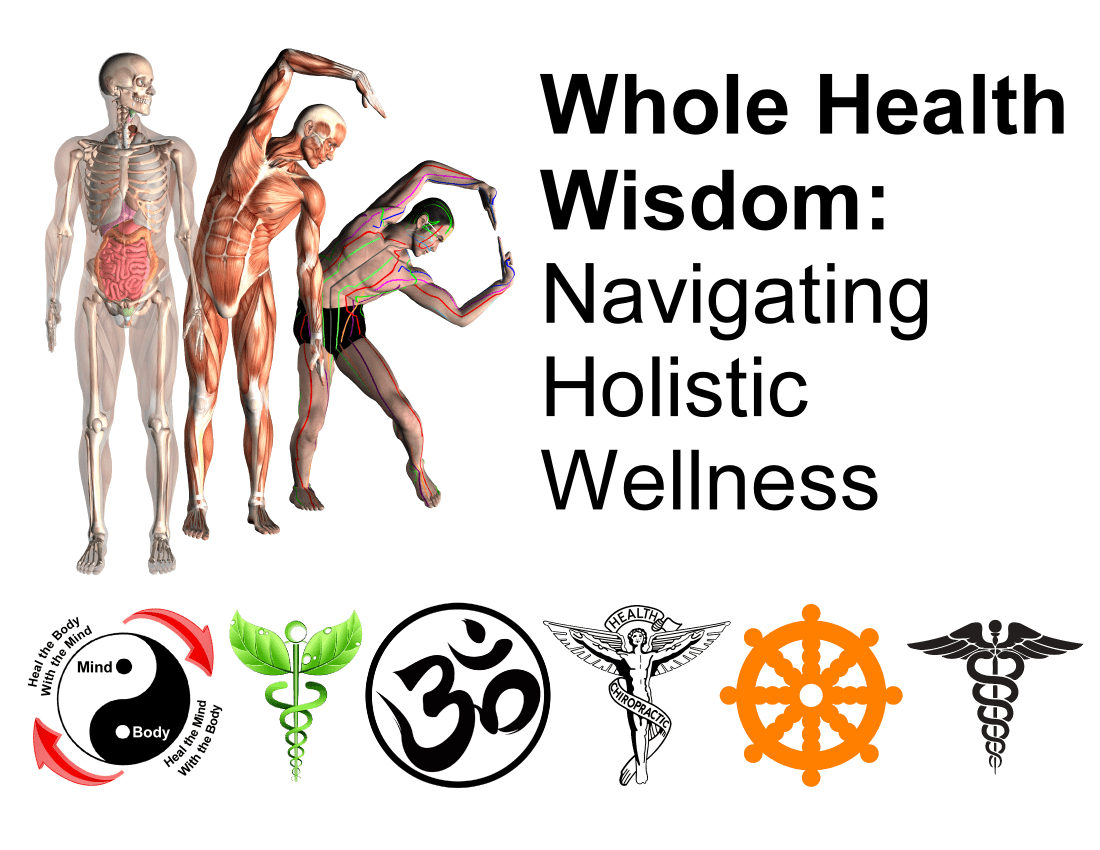
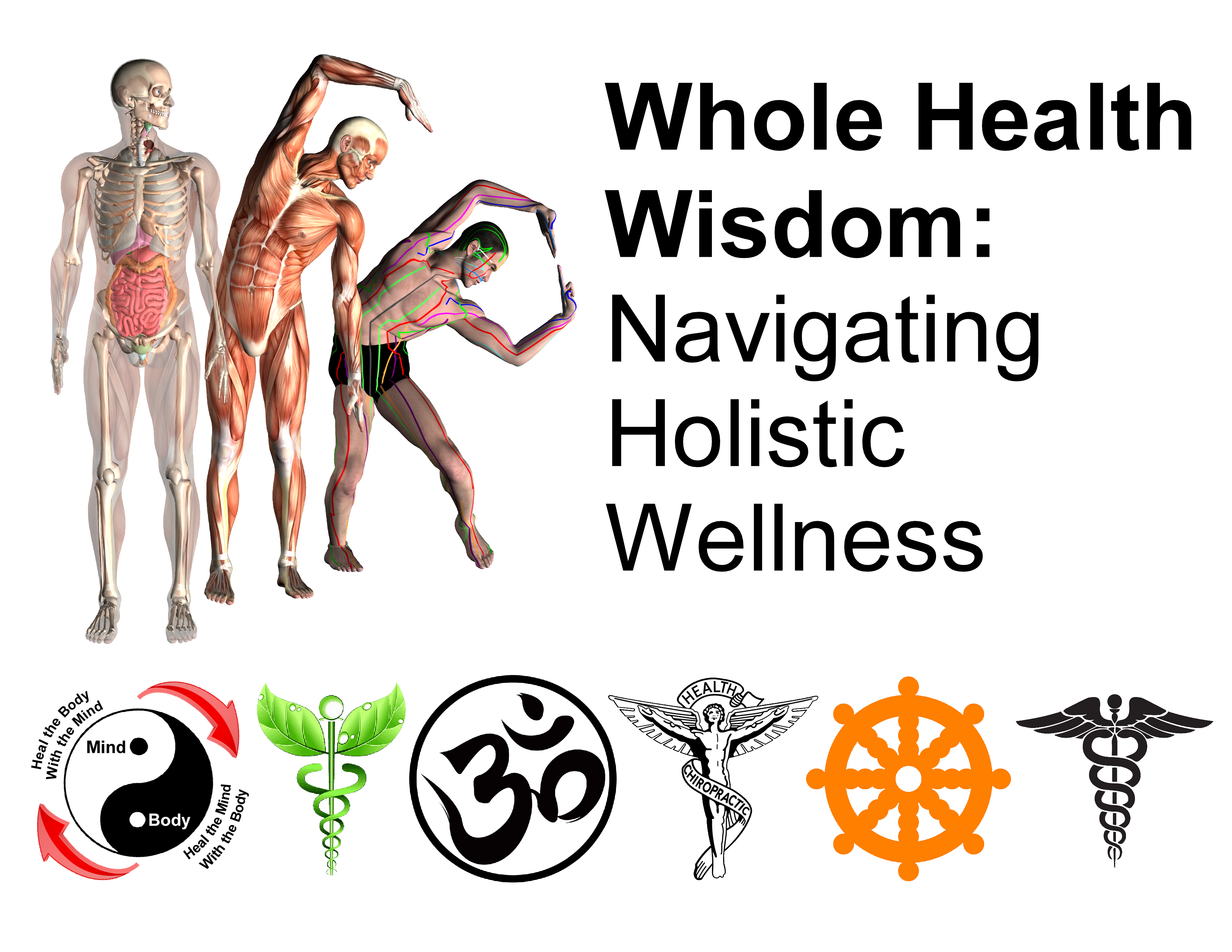
Whole Heath Wisdom: Navigating Holistic Wellness

Be well, become healthy, become wiser. You are the architect of your health and happiness!

Holistic wellness encompasses not only physical exercises but proper nutrition, social interactions, self-regulation of stress & emotions and many other facets of well-being. Holistic health practices seem like they are something new, sometimes thanks to savvy marketers looking to ride the next wave of healthcare fads. Ironically, many holistic methods have roots deep in Buddhism, Taoism, Ayurveda, Traditional Chinese Medicine and other ancient cultures from around the world. Phytotherapy (herbology), naturopathy, chiropractic and even biomedicine/allopathic medicine owe these origins to the ancients.

So many people in pain and suffering, that don’t need to be. I am looking forward to partnering with more wellness centers, hospitals, VA facilities, schools, other groups and venues that can see the value in promoting mind, body and self-awareness. Most know that we have been in a mental and physical healthcare crisis, for many decades now.

I teach and offer lectures about holistic health, qigong, tai chi, baguazhang, meditation, phytotherapy (herbs), music for healing, self-massage, and yoga. I also have hundreds of FREE education video classes, lectures and seminars available on my YouTube channel at:

https://www.youtube.com/c/MindandBodyExercises

Mind and Body Exercises on Google: https://posts.gle/aD47Qo

Jim Moltzan

407-234-0119
_________